Blue Side Tables
A side table is a great way to add style and function to your living room. Side tables can be used as coffee tables, end tables, or even as extra storage. Here are some great options available.
Sort


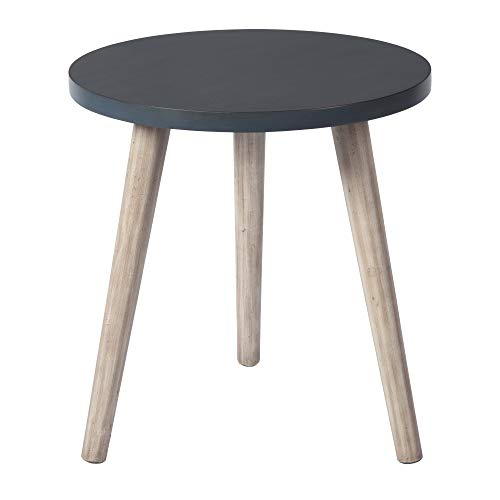
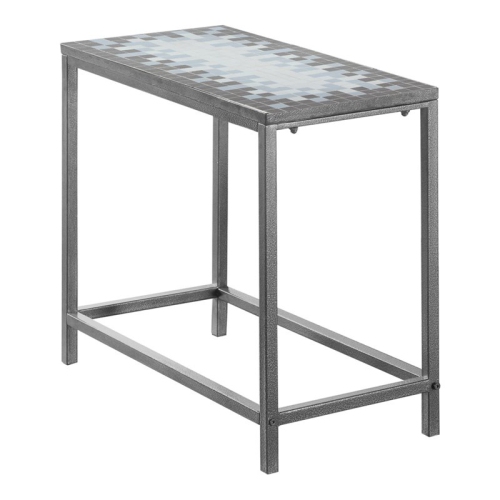
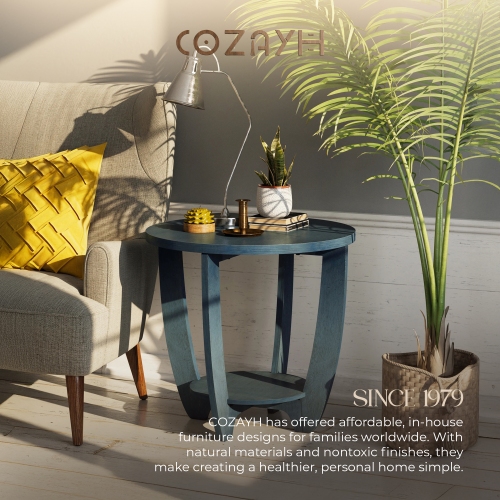
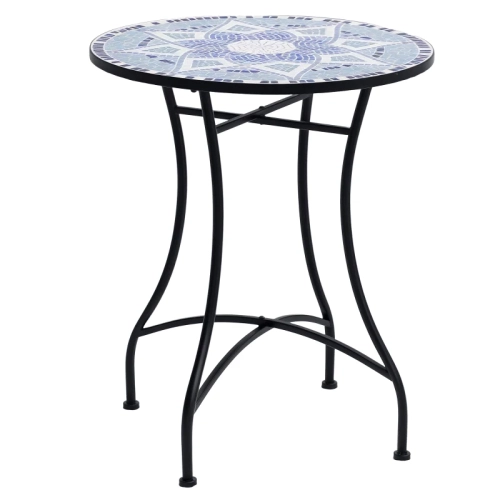
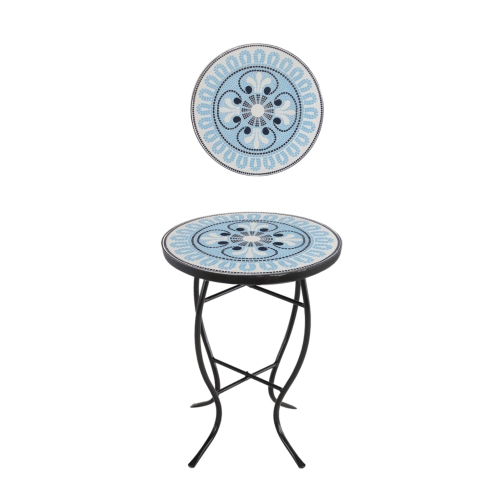

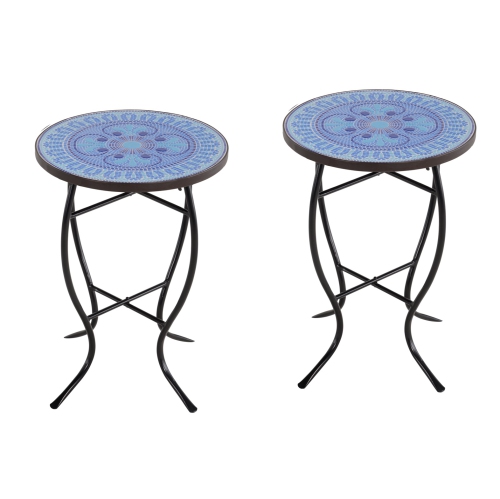
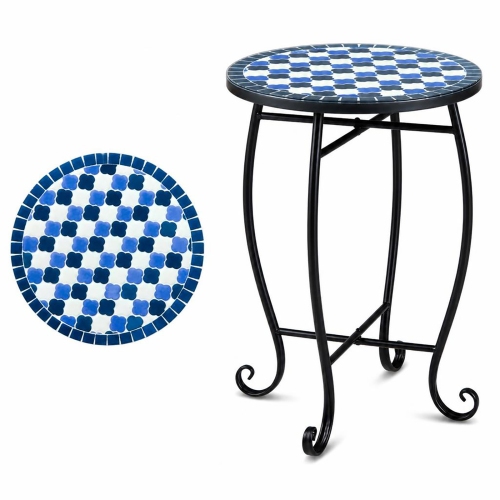
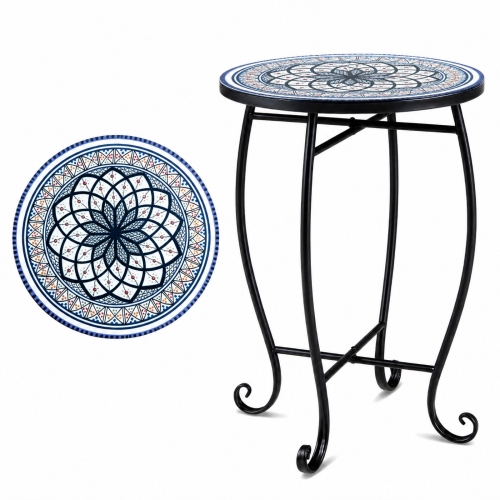
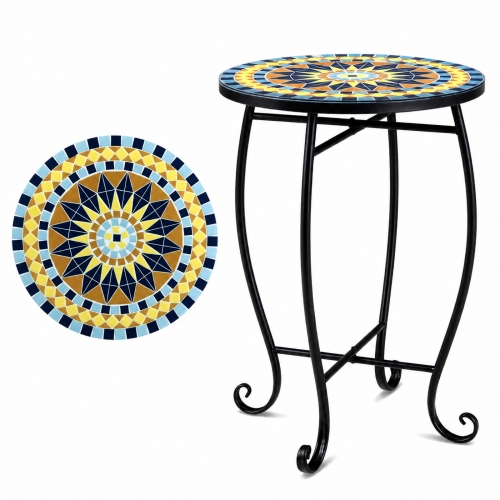
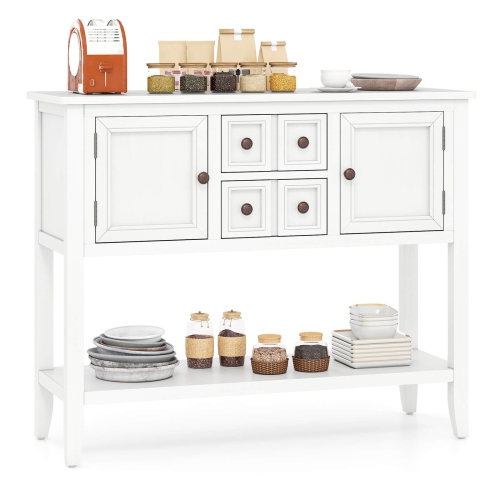
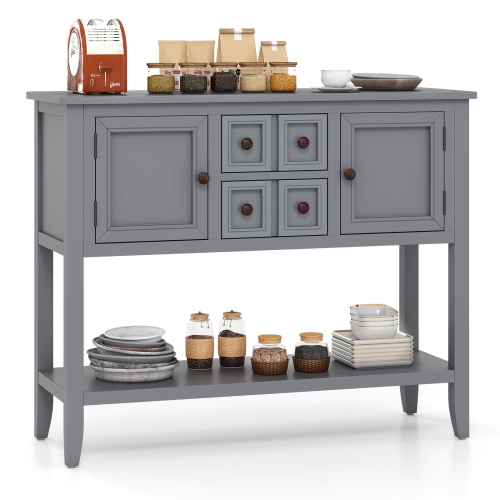
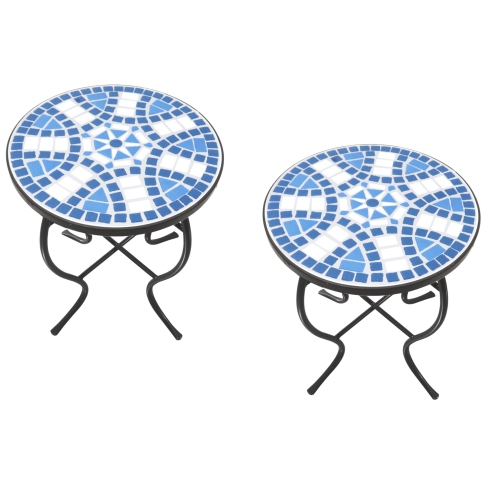
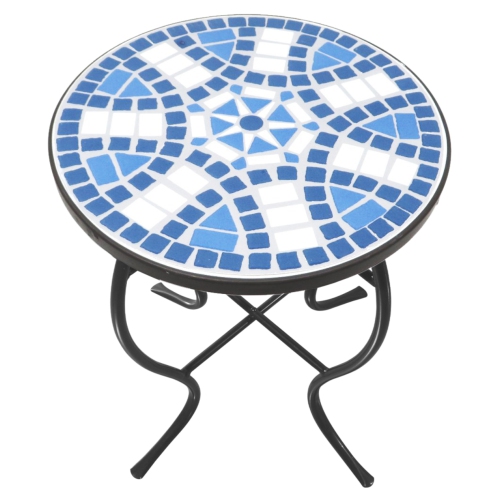
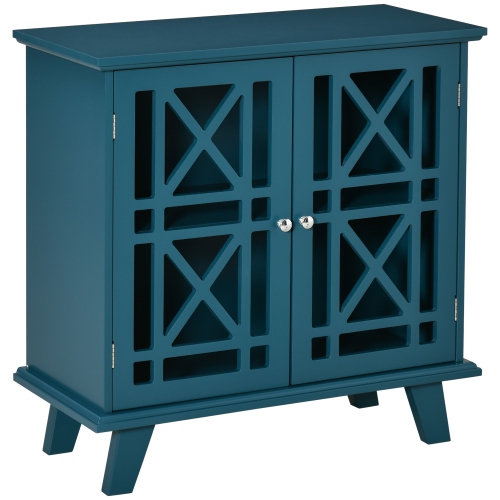
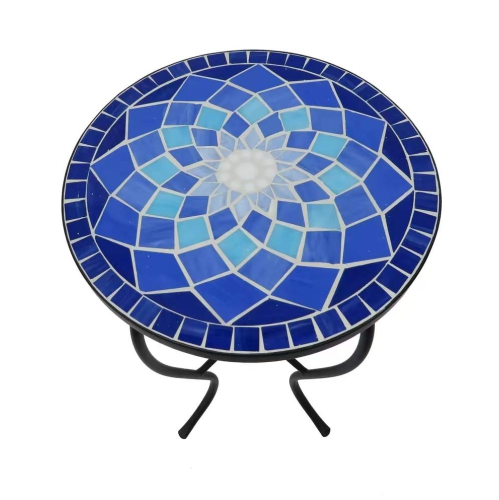
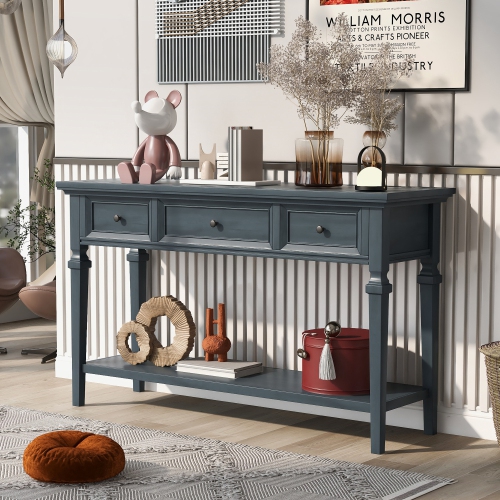

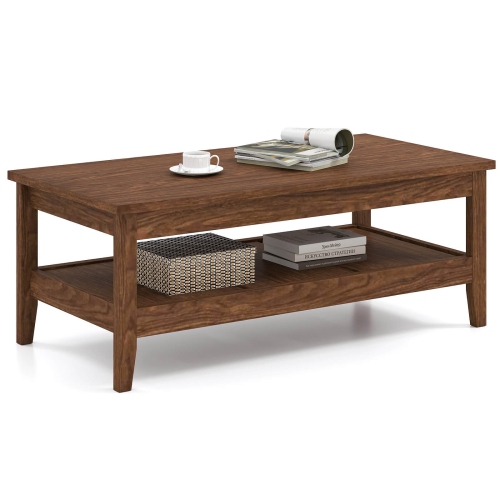
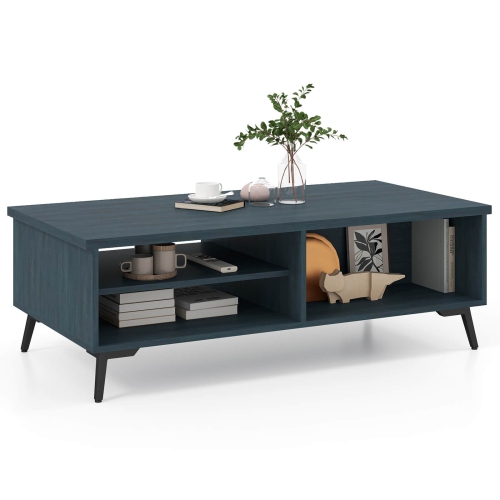
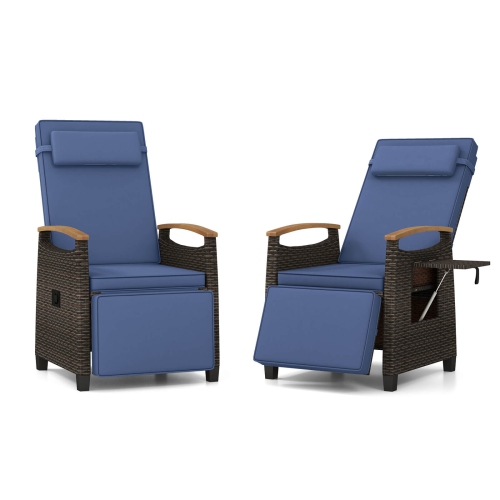

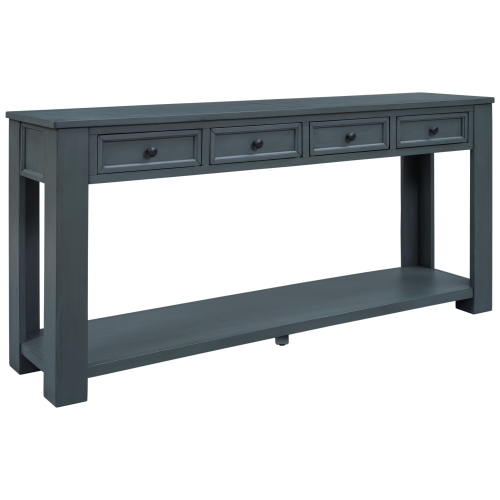

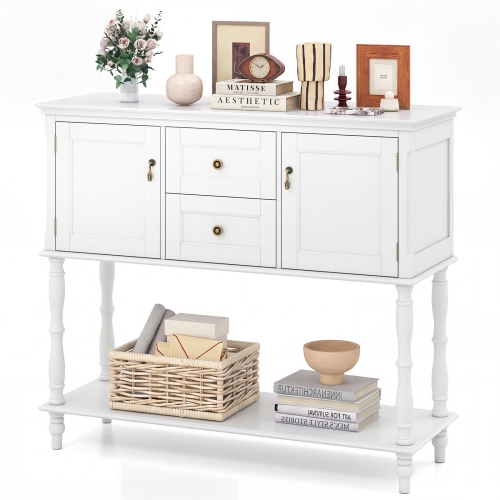
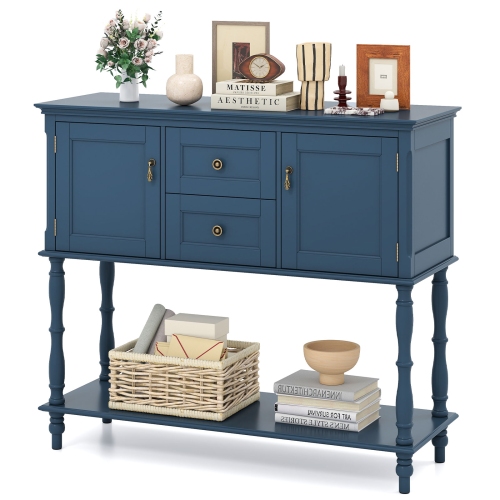
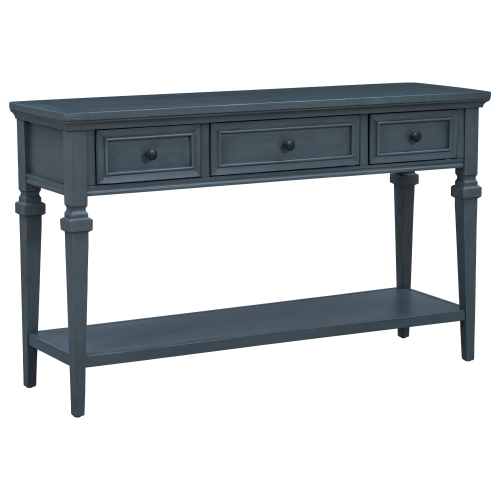
How shades of blue shape a room’s character
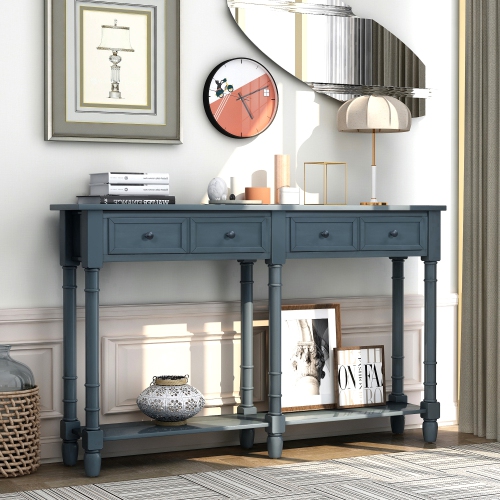
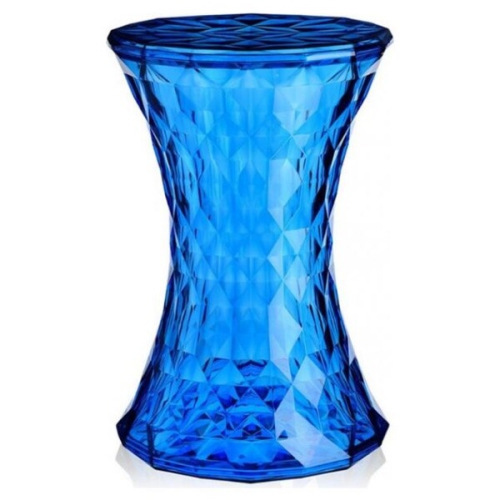
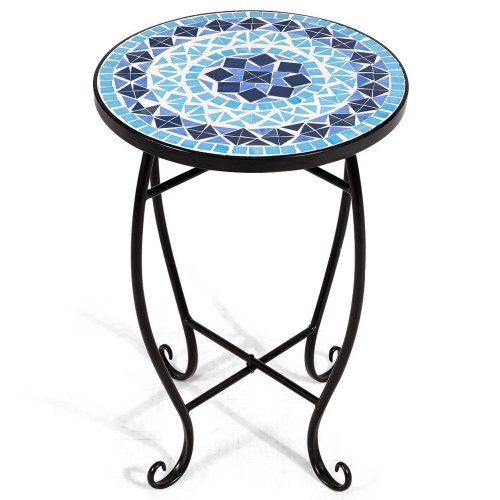
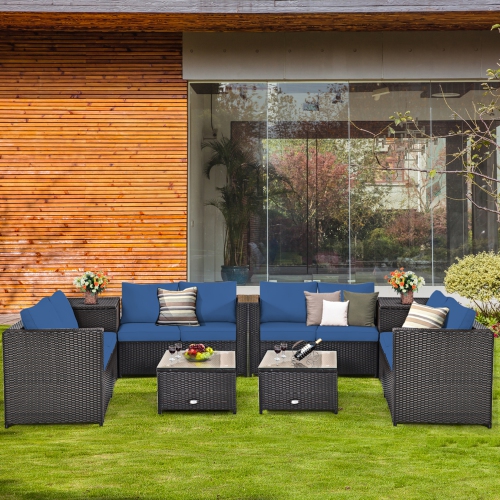
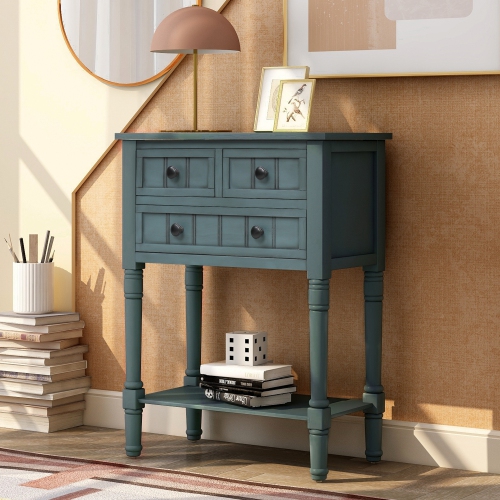
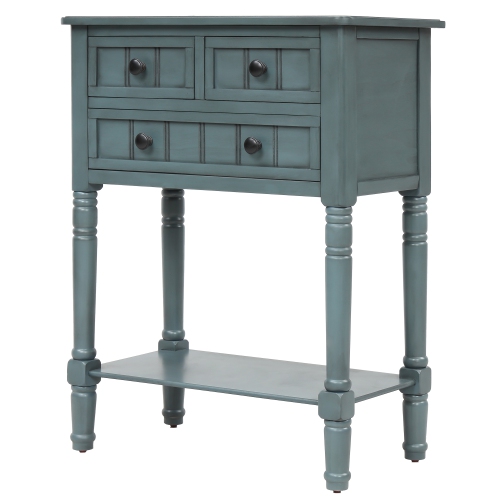
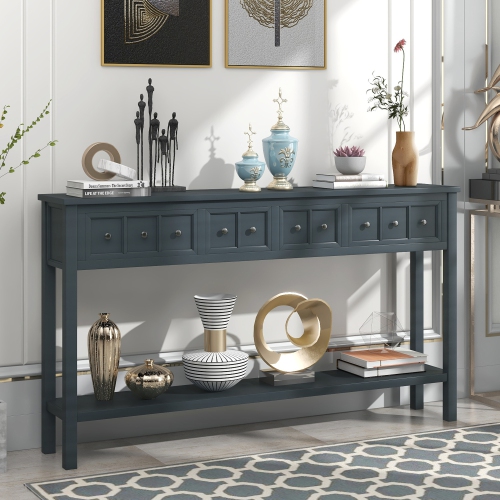
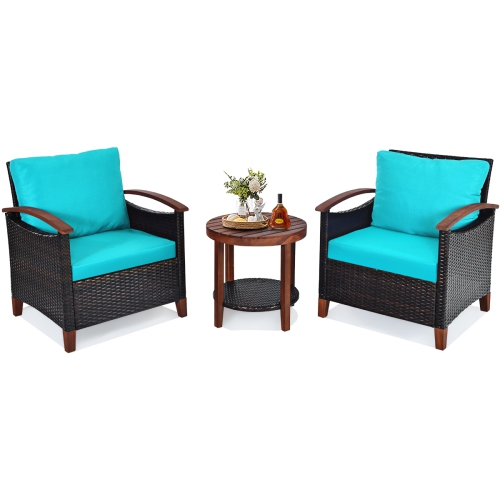
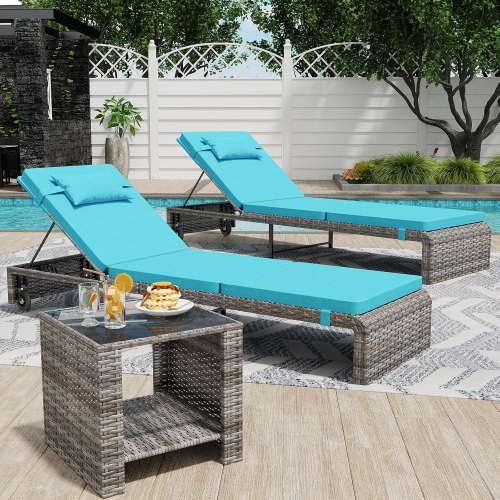
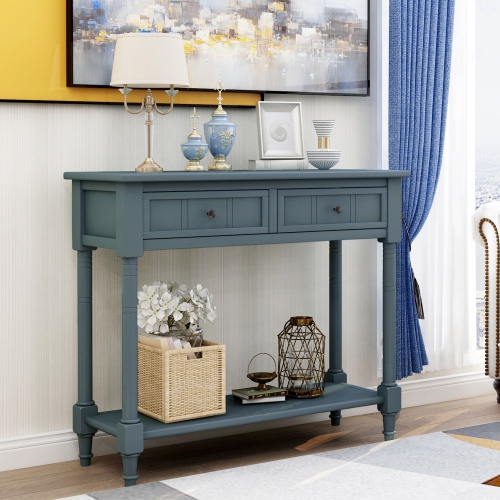
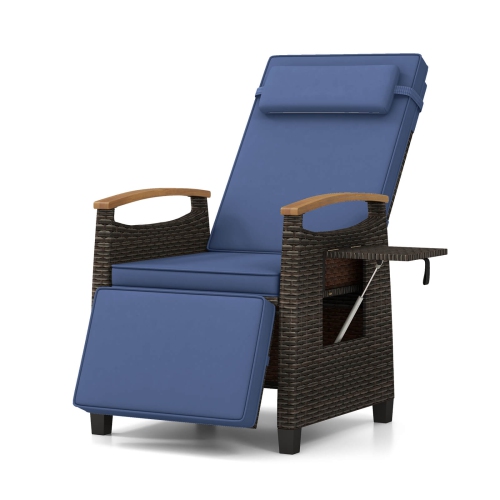
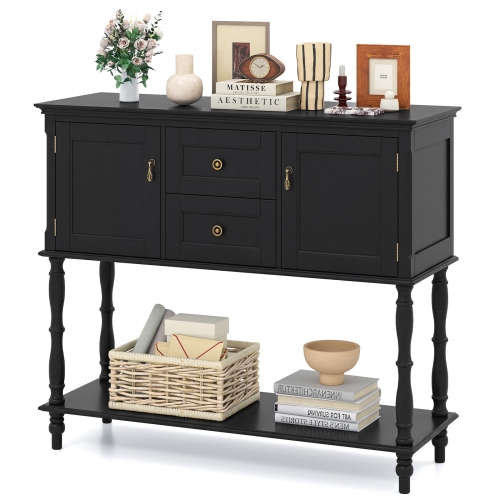
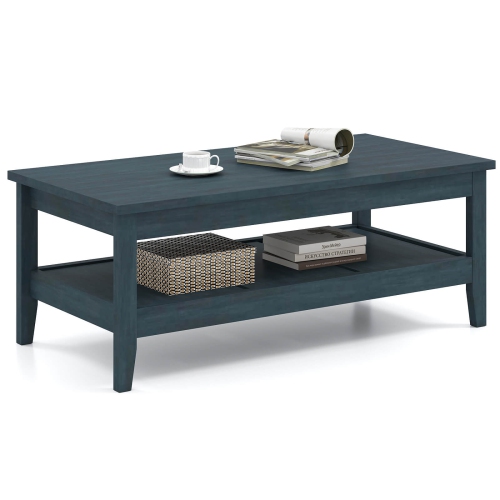
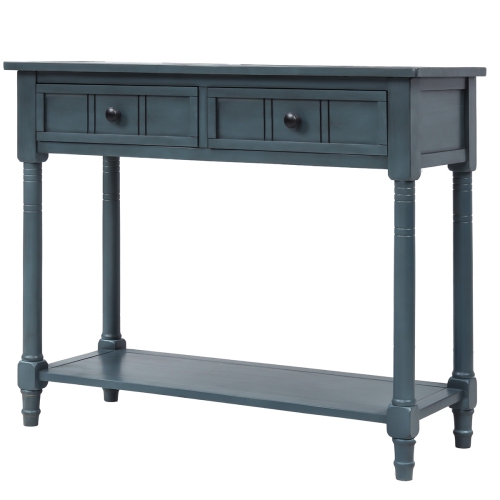
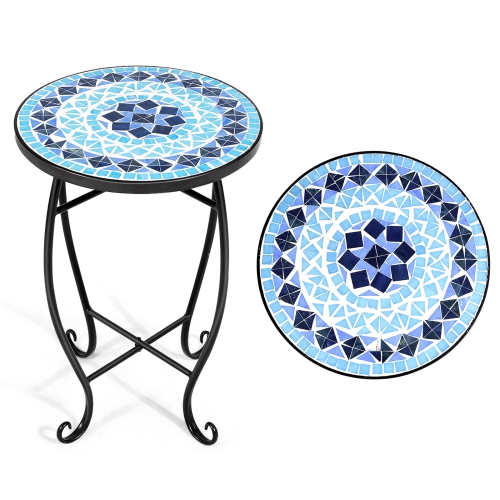
Blue side tables are compact accent tables that bring a useful surface and a distinct touch of colour to living rooms, bedrooms, and reading corners. Styles range from minimalist metal designs with slender legs to traditional wood pieces with drawers or lower shelves. Their smaller footprint makes them a natural companion to a sofa or armchair, with room for a lamp, a drink, or the book that never quite makes it back to the shelf. The shade of blue has a considerable effect on how the table feels in a room. Navy looks grounded beside cream upholstery, warm wood, and brass accents, while powder blue gives a lighter impression alongside white furniture and pale oak. Dusty blue can blend into a restrained colour scheme without disappearing, and brighter cobalt creates a more pronounced focal point against neutral walls. A blue side table can repeat a colour already present in a rug or artwork, or introduce a single contrasting note without requiring a larger furniture change. Shape matters just as much as colour: a round top softens the lines of a rectangular sofa, while a square or rectangular table can sit neatly beside a straight armrest. Drum shapes have a solid, sculptural presence, whereas open frames leave more of the floor visible. In a bedroom, a blue side table can take the place of a conventional nightstand when a simple surface is all that is needed. Beside a reading chair, it gives a lamp and reading glasses a dedicated spot. A pair can create balance on either side of a sofa, although matching tables are not essential; a shared colour or finish can connect pieces with different shapes. This flexibility makes blue a practical accent colour for rooms that combine inherited furniture, newer upholstery, and personal objects rather than following one tightly matched style.
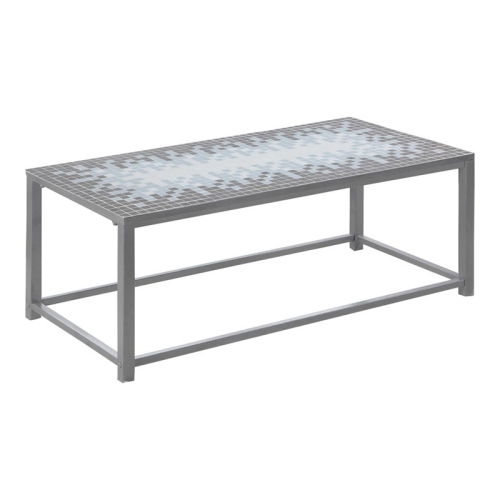
Materials and finishes influence both the appearance of a blue side table and how it handles everyday use. Painted wood designs can have a traditional, cottage-inspired, or contemporary character depending on the profile of the legs, drawer fronts, and tabletop edges. Solid wood may show subtle grain beneath a stained finish, while opaque paint places more emphasis on the colour and shape. Engineered wood offers another construction option, often with a painted, laminated, or veneered surface; resistance to moisture and wear depends on the particular finish and how well edges and joins are protected. Metal side tables often suit streamlined spaces, with powder-coated finishes providing colour across slim frames, tray-style tops, or rounded drum forms. A metal table may look delicate yet feel substantial, so visual lightness does not necessarily indicate low weight. Glass tops keep the base visible and can make a small corner feel less crowded, although fingerprints and dust tend to be more noticeable. Stone and ceramic surfaces introduce different textures and patterns, but weight, porosity, and care requirements vary. Across materials, a well-fitted frame, secure fastenings, and a stable base matter more to daily usability than appearance alone. A table supporting a reading lamp needs to remain steady when someone reaches across it, and a frequently opened drawer should move smoothly without pulling the whole piece forward. Routine care is usually straightforward when it follows the manufacturer’s directions. A soft cloth removes dust, coasters help protect the top from drink rings, and prompt attention to spills reduces the chance of staining or moisture damage. Painted finishes can chip if struck by hard objects, while abrasive pads may dull glossy surfaces. Felt pads beneath decorative objects can help prevent scratches. Direct sunlight may alter some colours and finishes over time, so placement beside a bright window deserves consideration. For homes with children or pets, rounded edges and a stable footprint can be useful features, without replacing appropriate supervision or the safety guidance supplied with the furniture.
A comfortable fit depends on the relationship between the table, the seating, and the space around them. Beside a sofa or armchair, a tabletop close to arm height generally makes it easier to set down a mug without leaning awkwardly. A much lower table may look appealing but require a longer reach, while a taller one can interrupt the line of the seating or feel crowded beside a low armrest. Width and depth deserve equal attention: the top needs enough room for its intended contents without projecting into a walkway. A lamp base can occupy more space than expected, especially when a phone, coaster, and remote control share the surface. Open bases may tuck partly beneath suitable seating, but the clearance under the sofa and the position of its legs determine whether that arrangement works. Round tables can ease movement through tight corners, while rectangular designs often make better use of a narrow gap. Storage changes the role of the piece. A drawer keeps charging cables and reading glasses out of sight, a shelf holds books or a small basket, and a simple open table leaves the area visually uncluttered. For someone furnishing a first apartment or refreshing a familiar room, those everyday habits help determine whether extra storage is worthwhile. A side table can also make a thoughtful housewarming gift when the recipient’s room dimensions and colour preferences are known. Blue works with a broad range of furnishings, but the undertone still matters: a grey-blue finish feels different beside warm beige than a clear, saturated blue. For a different colour direction, Green Side Tables offer another way to introduce a coloured accent alongside wood, neutral textiles, or patterned upholstery. Whether used as a quiet supporting piece or a strong visual accent, a side table earns its place through the combination of proportion, finish, and a surface that is easy to reach.
Top selling and popular products
-
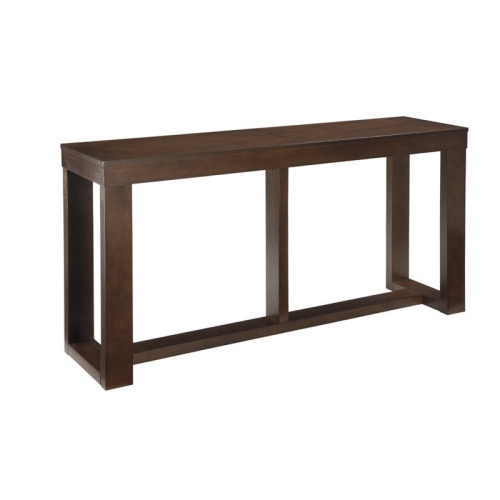 Your price for this item is $349
-
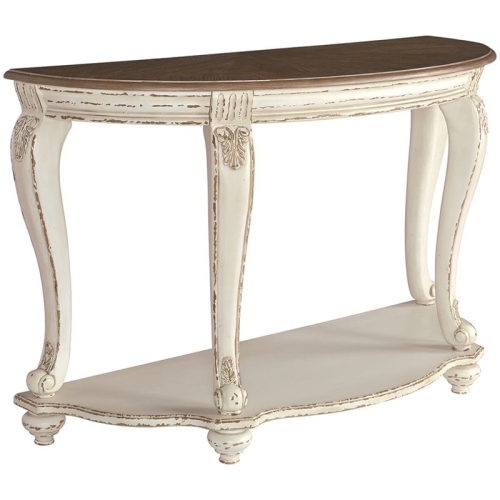 Your price for this item is $499
-
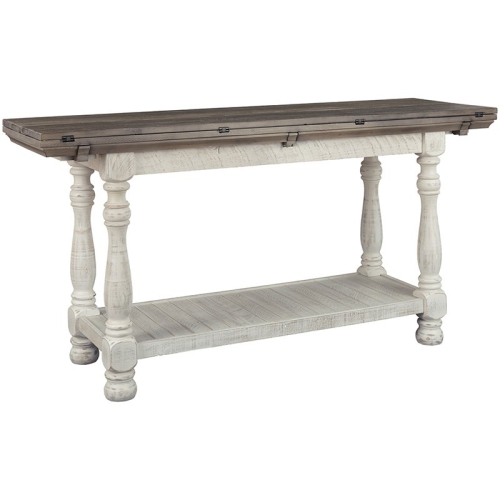 Your price for this item is $799
-
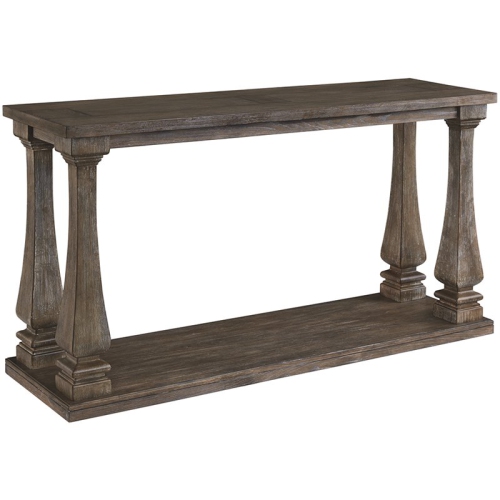 Your price for this item is $629
-
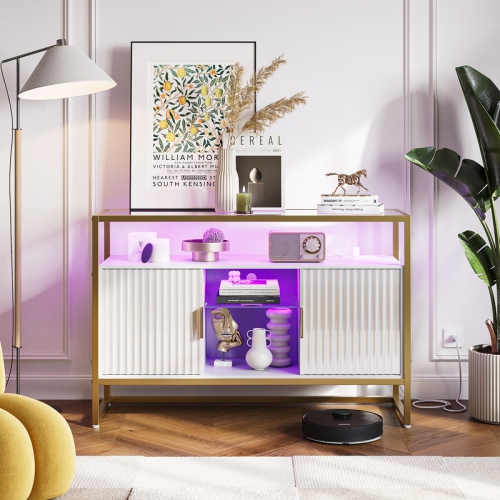 Your price for this item is $249.99
-
 Your price for this item is $144.99
-
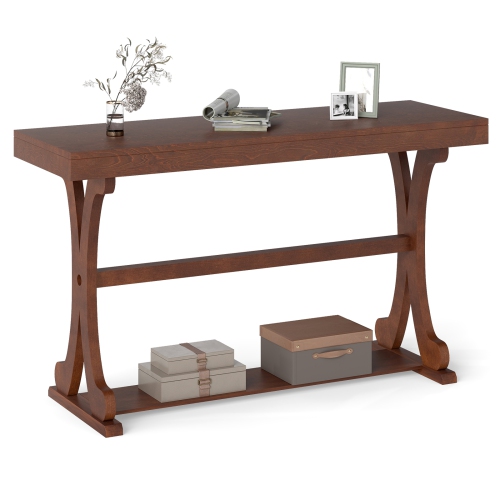 Your price for this item is $179.99
-
 Your price for this item is $89.99
Discover more categories related to Blue Side Tables
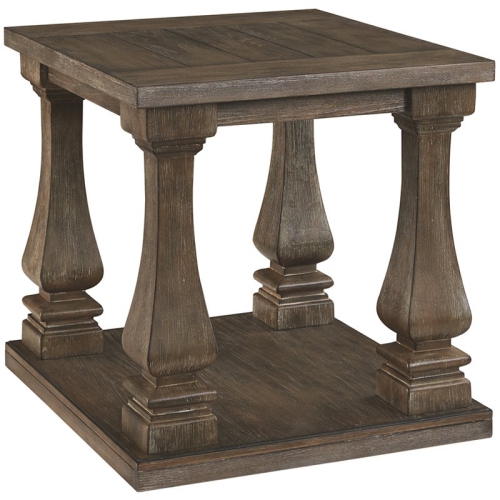
Top Collections:
Best Black Friday Deals This Year, Best Black Friday Deals On Electronics, Kindle Devices, Dyson Airwrap, Best Cameras for Sports Photography, Best Budget Office Chairs, Canon G7X Cameras, PS5 Pro Consoles, Best Black Friday Deals On Apple Products, XBOX One S Consoles
Some products may be subject to Environmental Handling Fees
(EHF) depending on your province.
Learn more about EHFs.