Brown Storage Ottomans
A storage ottoman is a great way to add extra seating to your living room while also providing convenient space for storing toys, blankets, and other items. A brown storage ottoman is a classic color that will blend with many different styles of decor. Here are some great options available.
Sort

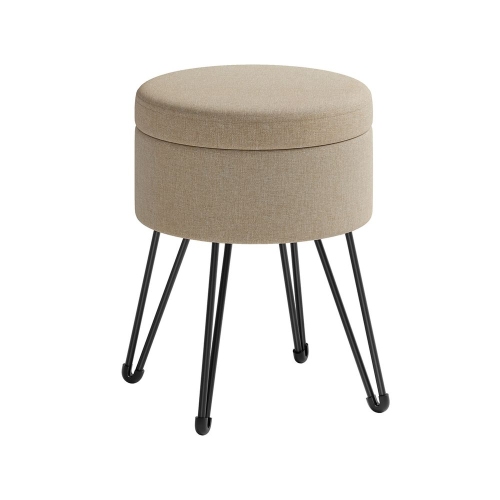
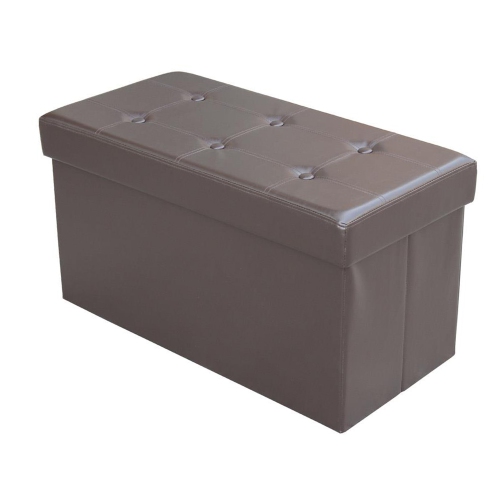
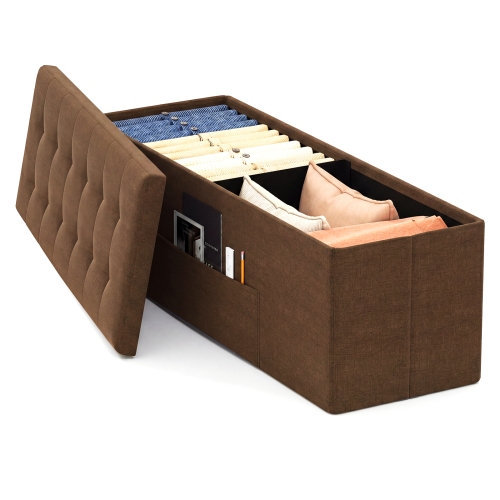
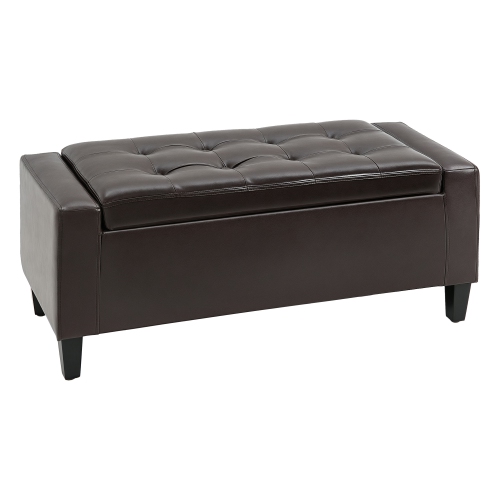

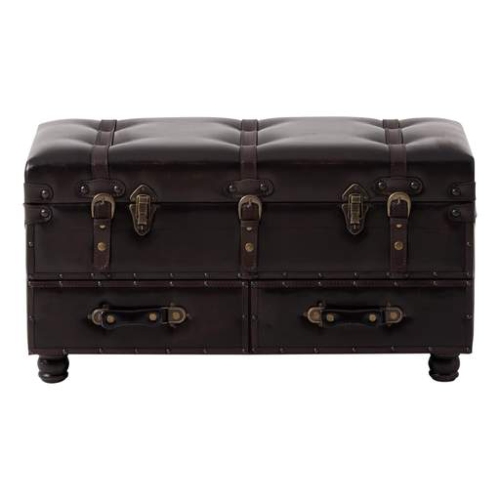
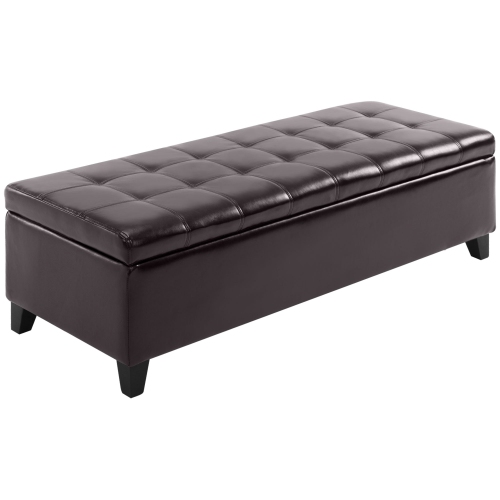
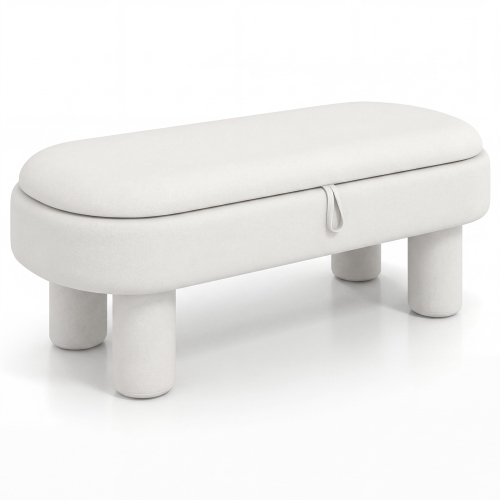
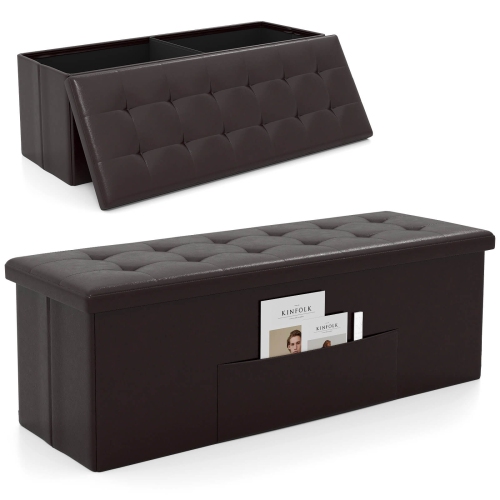
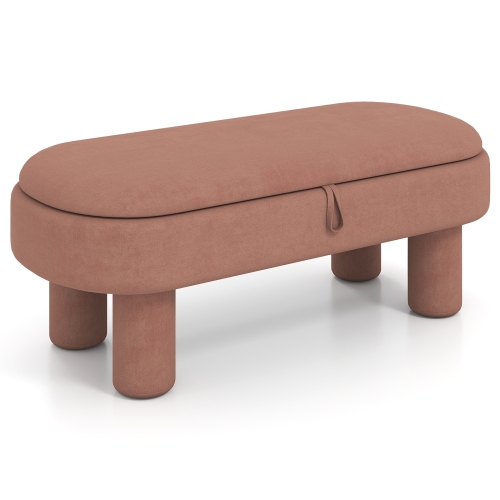
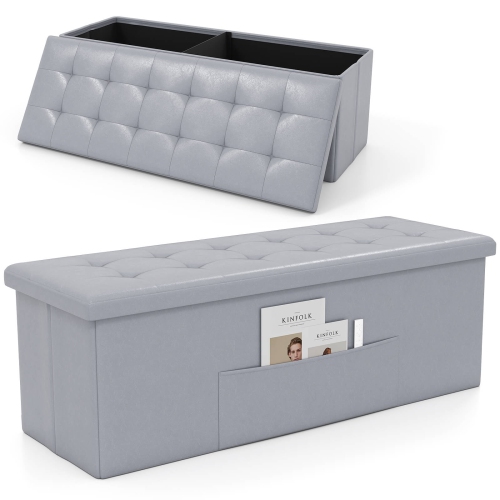
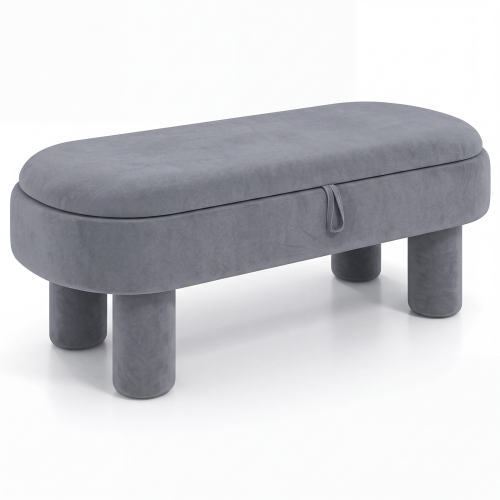

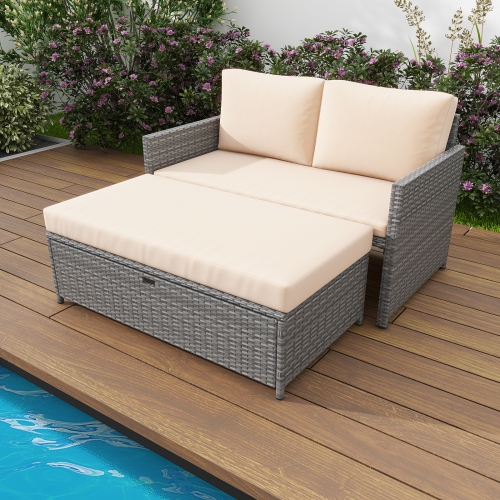
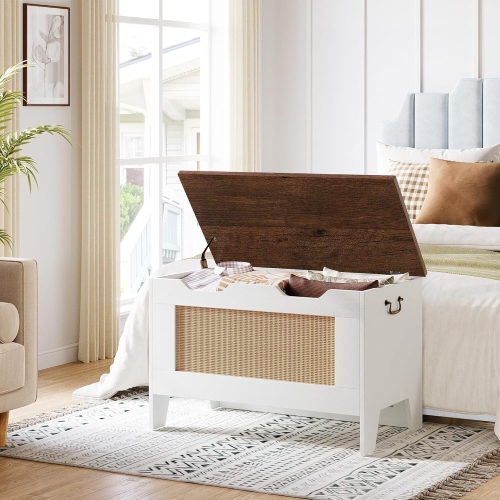
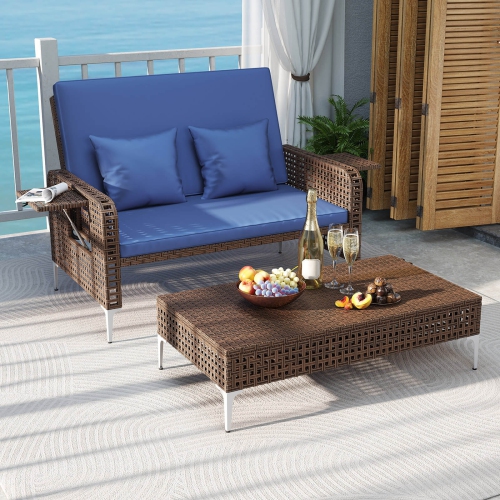
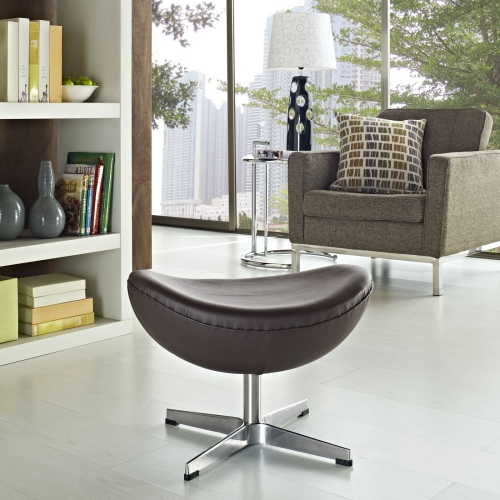
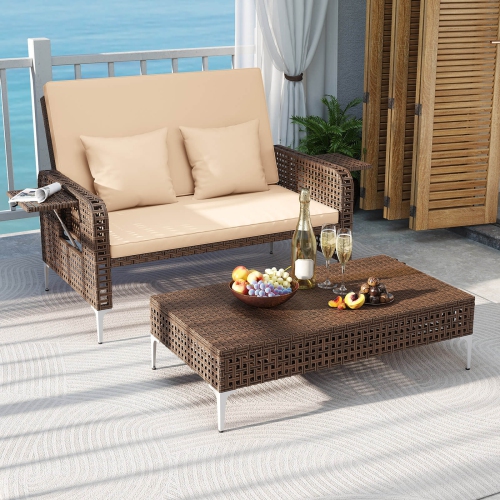
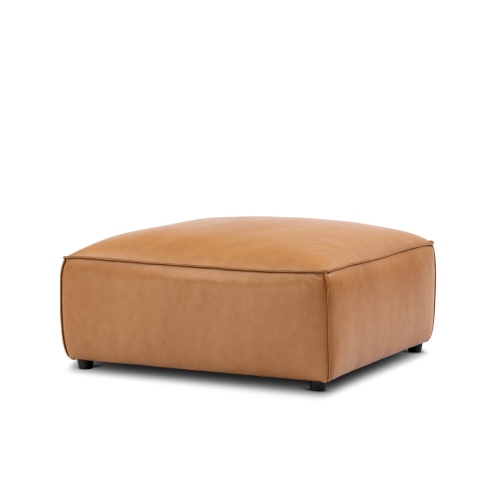
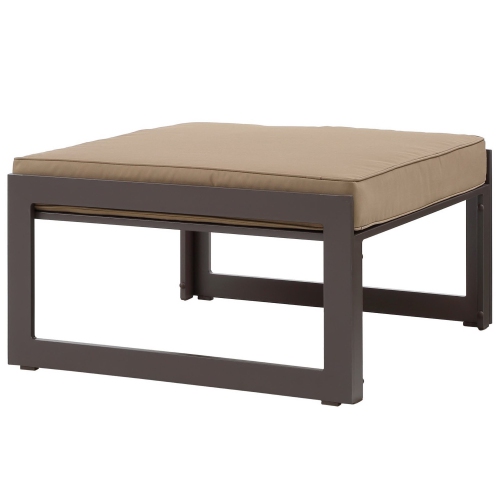
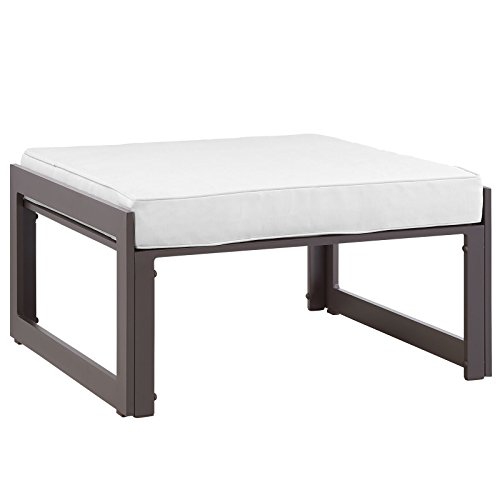
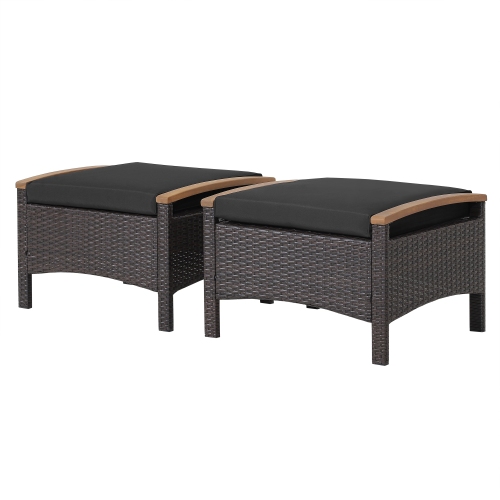
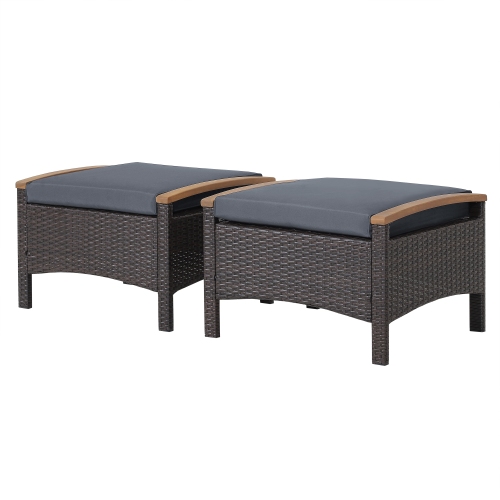
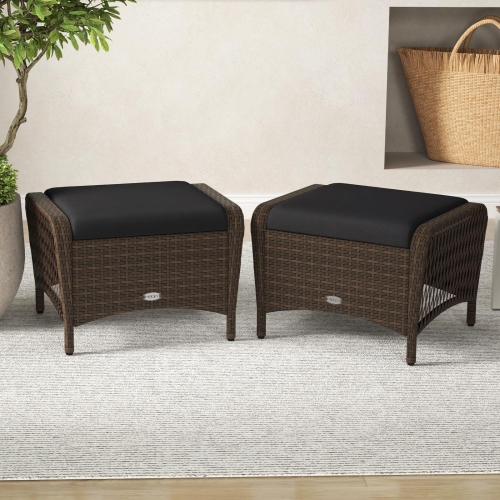
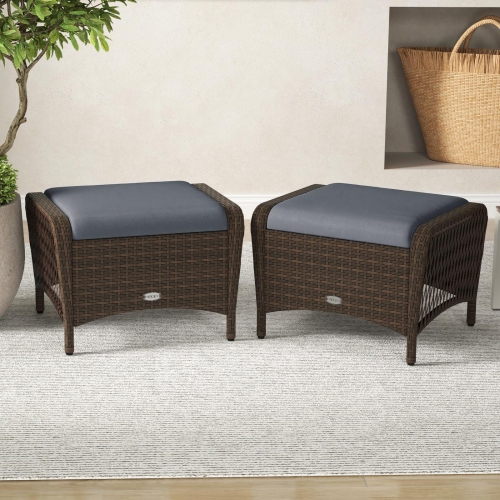
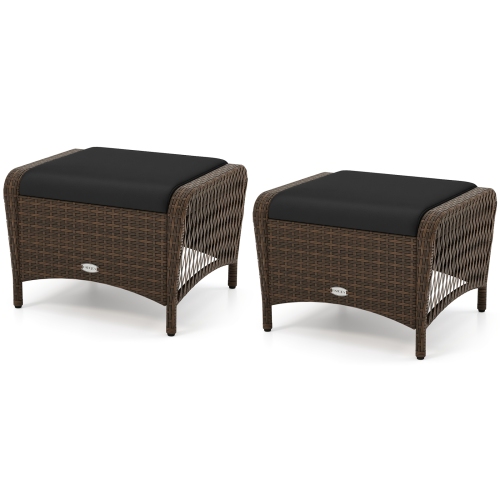
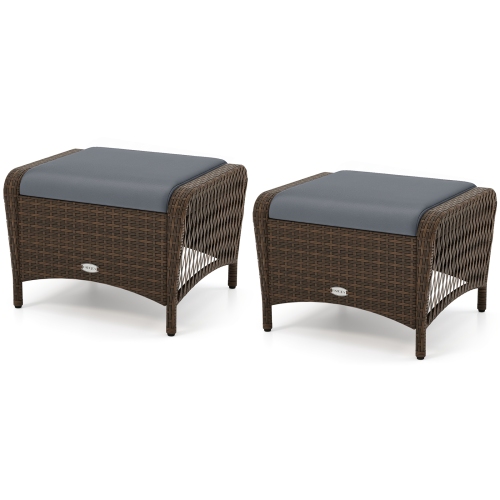
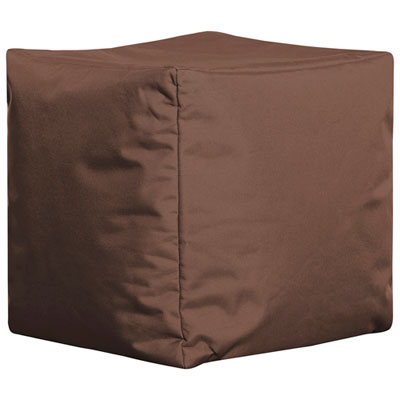
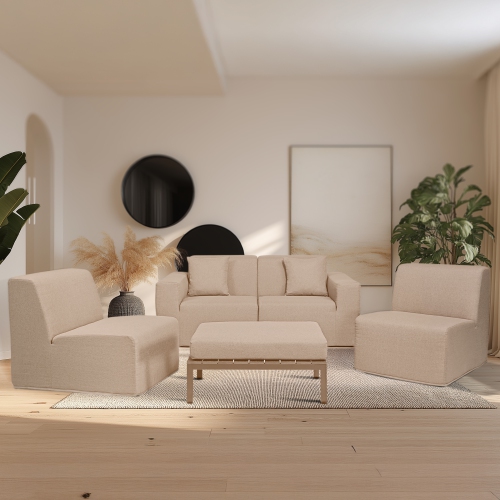

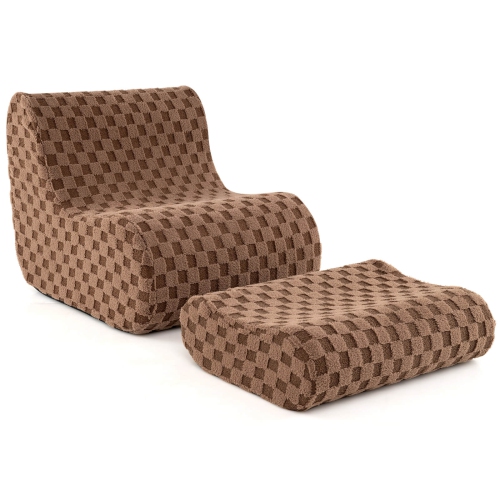
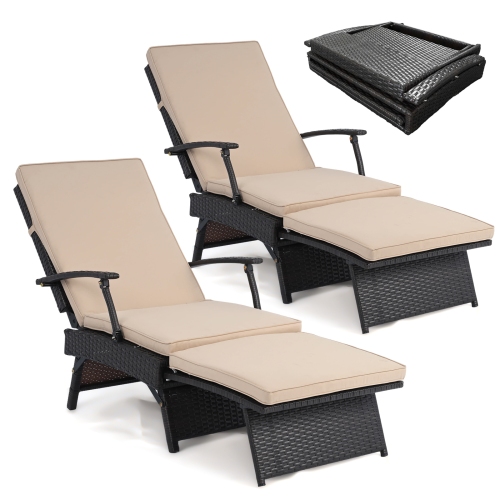
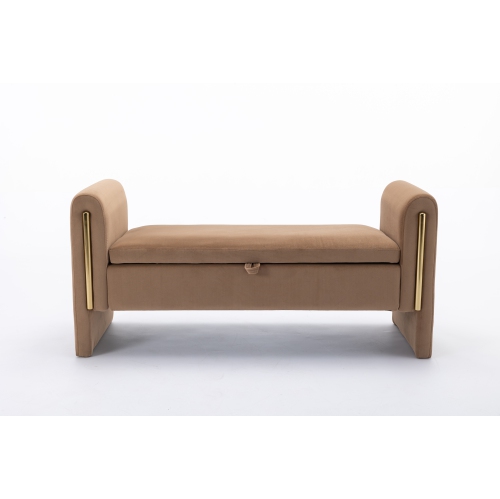
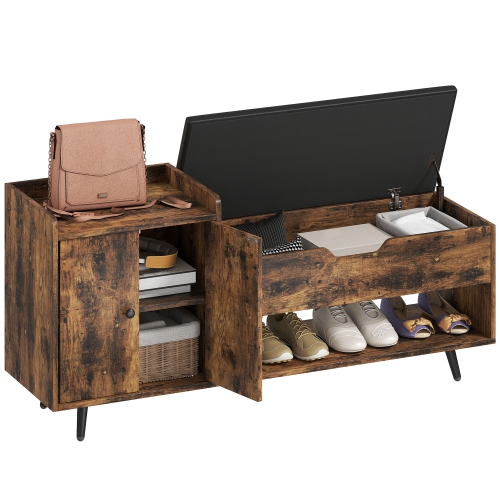
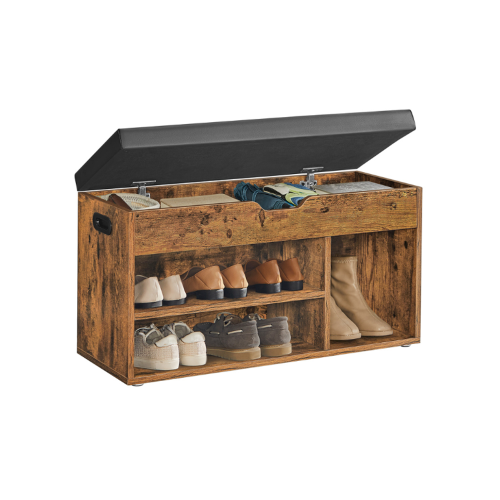
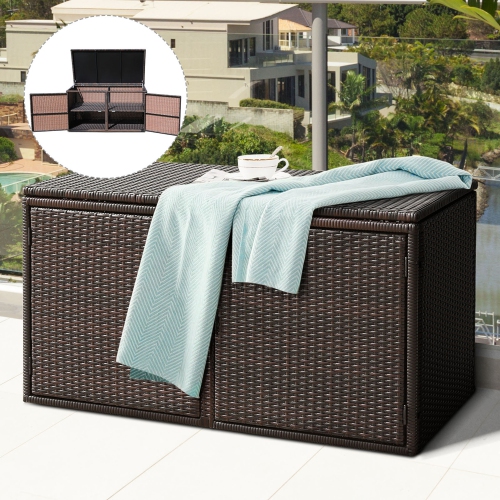
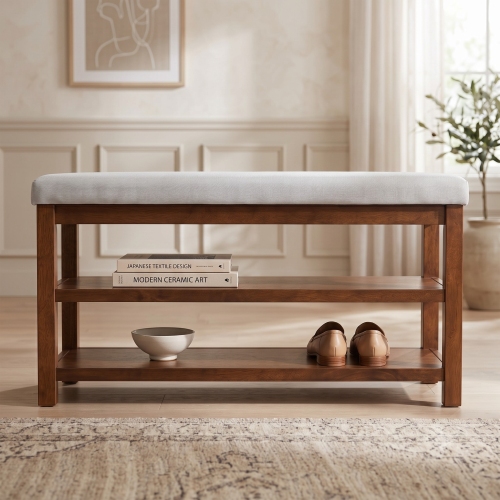
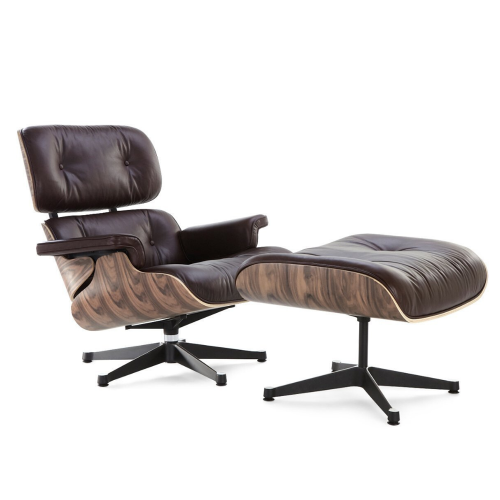
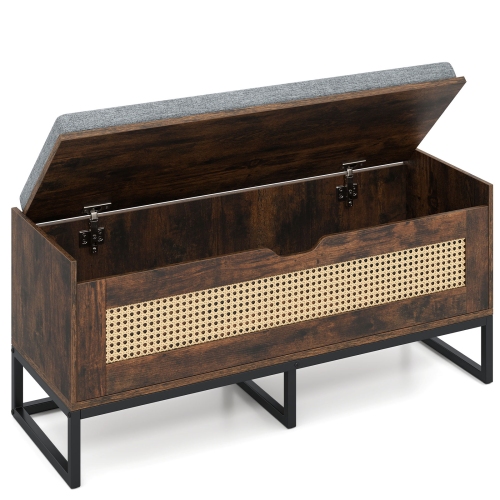
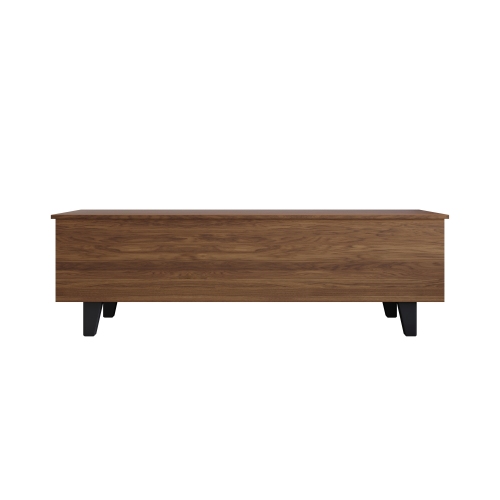
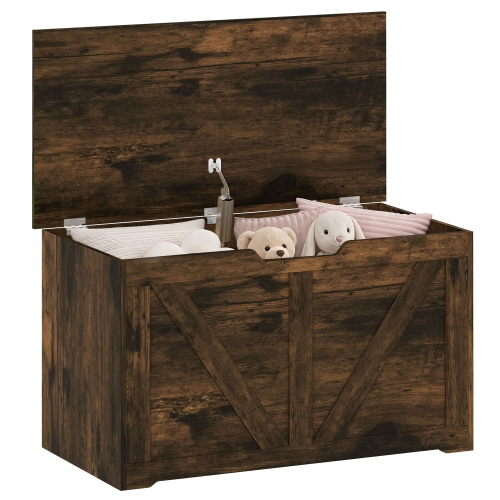
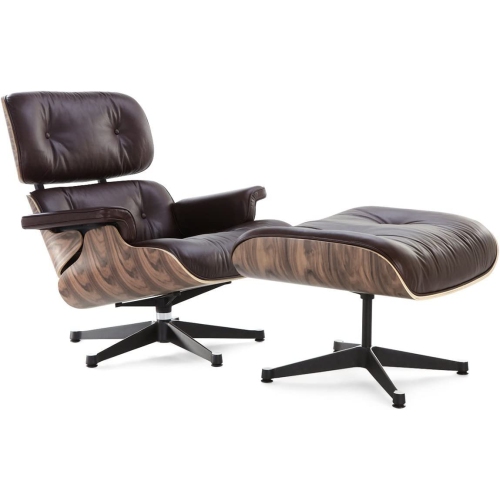
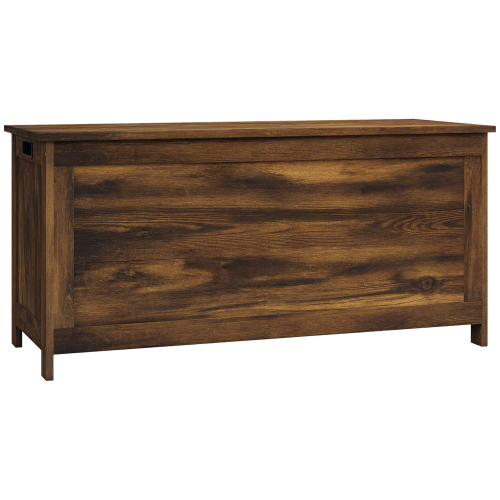

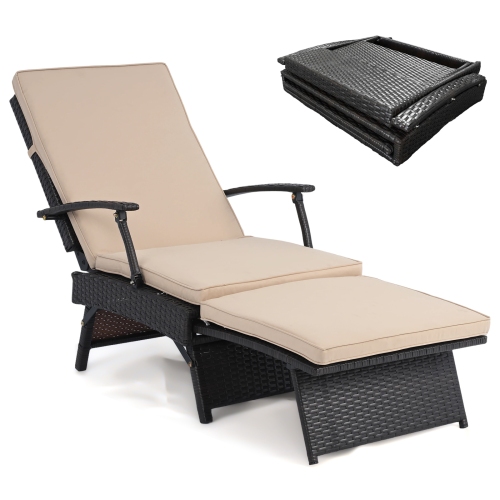
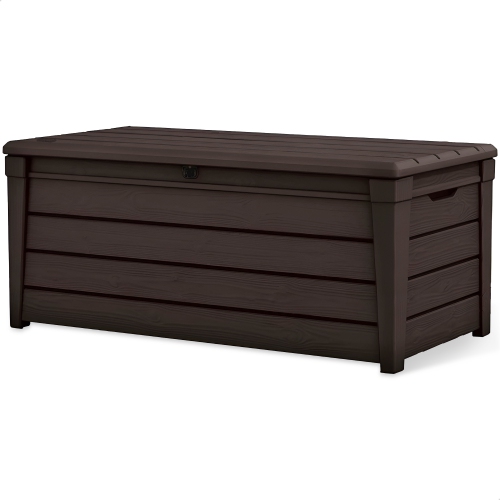

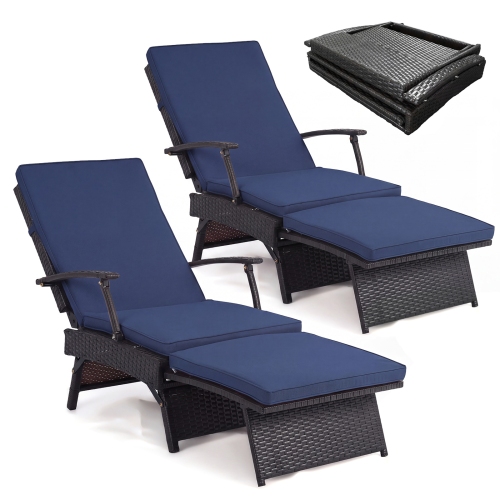
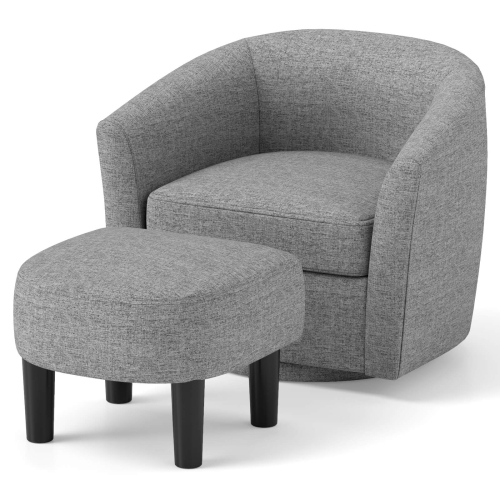
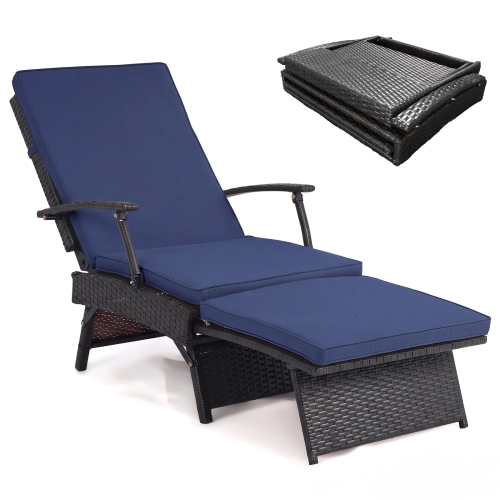
A cushioned footrest with room for everyday belongings
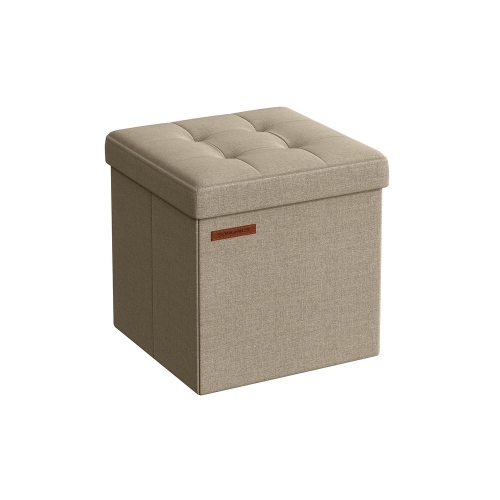
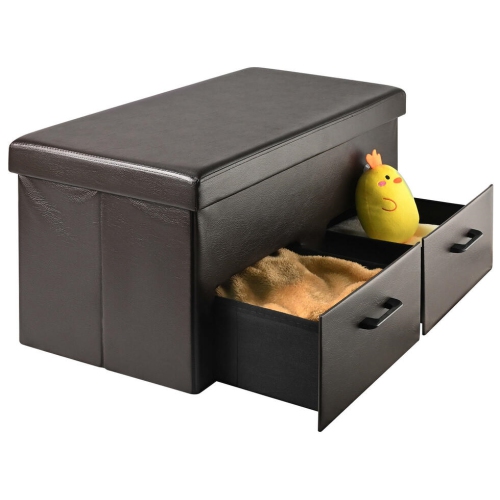
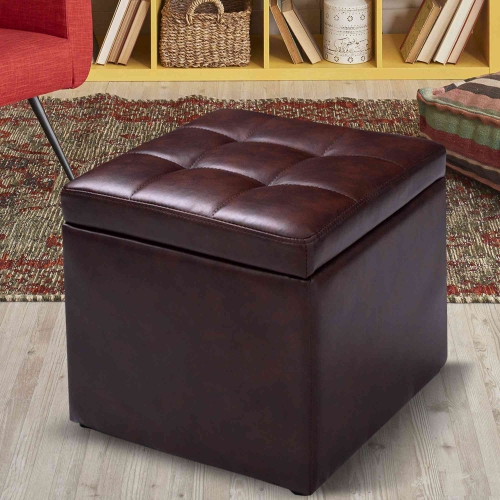
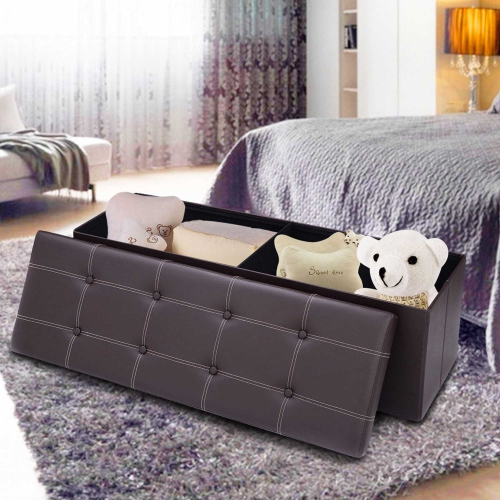
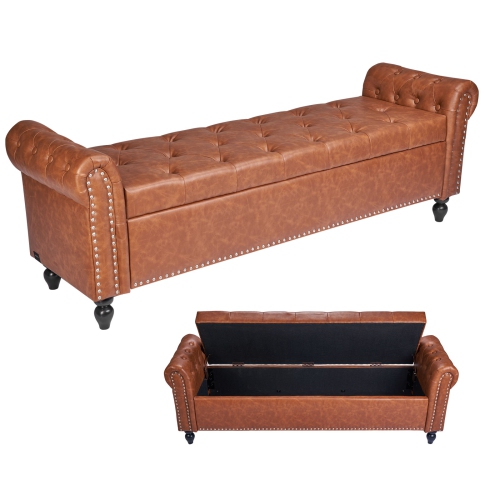
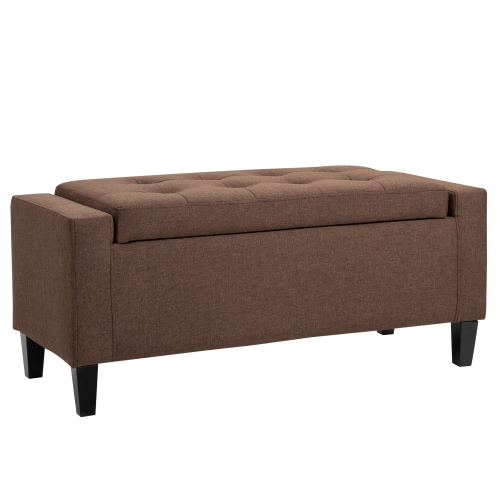
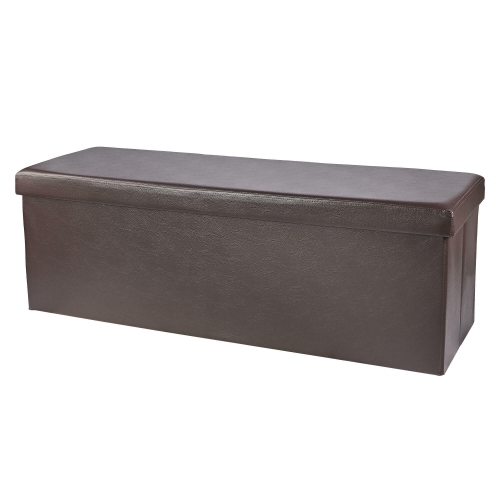
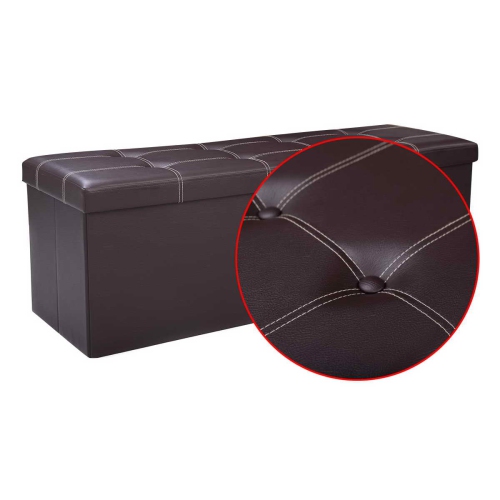
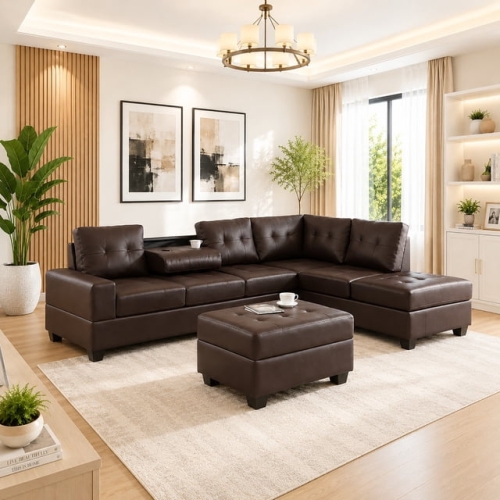
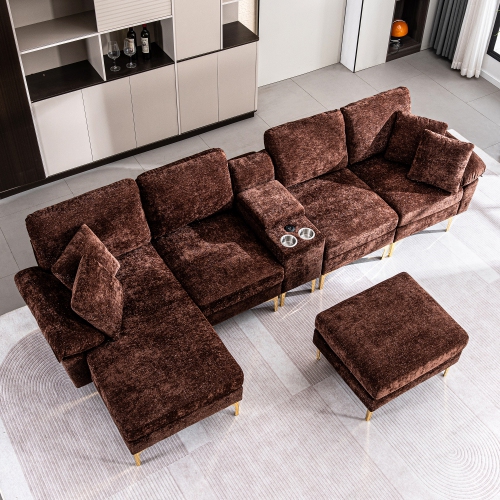
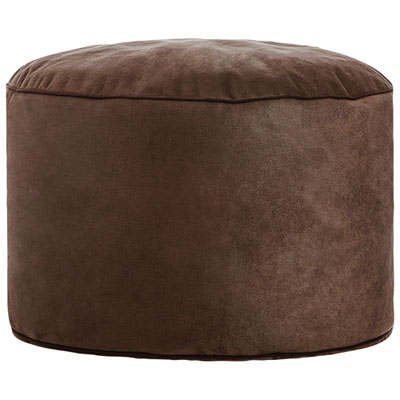
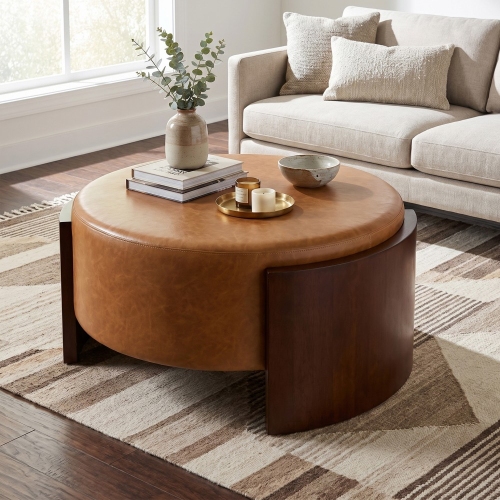
Brown storage ottomans combine a padded footrest with a concealed compartment for everyday belongings, bringing comfort and organization into the same piece of furniture. Depending on the design and stated weight capacity, they may also provide occasional seating. Their appeal is especially clear in a living room where throws drift across the sofa, game controllers gather beside the television, and an extra place to put up tired feet is always useful. Brown upholstery adds warmth without demanding a completely new colour scheme: deep chocolate can ground a room with pale walls, cognac brings a golden note beside navy or cream, and softer taupe-brown shades sit comfortably with grey furnishings. The undertone matters as much as the depth of colour, particularly when an ottoman will sit near wood flooring, a leather sofa, or a patterned rug. Matching every brown surface is not necessary; a little contrast can make the arrangement feel more relaxed. Shape also influences how the piece works in a room. A rectangular storage ottoman can follow the length of a sofa or fit at the foot of a bed, while a square design suits a more compact seating arrangement. Round shapes soften the look of angular furniture, although their curved interiors may be less convenient for folded linens or rectangular game boxes. Within the wider family of Brown Ottomans, storage styles are particularly useful when floor space needs to do more than one job. Overall dimensions deserve attention alongside appearance: the footprint should leave comfortable walking space, and the height should feel suitable beside the intended chair or sofa. A footrest that sits noticeably above the seat cushion may feel awkward, while a large ottoman can overwhelm a narrow room even when its storage capacity is appealing. Lift-up lids also need enough clearance to open without catching the sofa, bed frame, or nearby furniture. These proportions help distinguish a useful everyday companion from a piece that looks right but interrupts the room’s flow.
Materials shape both the character of a brown storage ottoman and the attention it needs over time. Leather can show natural variation in grain and colour, with some finishes developing a softer, more lived-in appearance through use. Other finishes have a more uniform surface, so care requirements should follow the upholstery description rather than assumptions based on appearance alone. Faux leather can offer a smooth, tailored look and a surface that is straightforward to wipe, but its composition and backing influence how it responds to repeated flexing and wear. Brown woven fabrics bring a softer texture, from understated, close-knit upholstery to more pronounced weaves that add depth to a neutral room. Velvet-like finishes can look lighter or darker as the pile changes direction, making the same brown appear different from one angle to another. In homes with pets, loose weaves, prominent stitching, and deep tufting deserve consideration because claws, fur, and crumbs can settle into them. A darker colour may make some marks less noticeable, but it does not make upholstery stain-proof. For everyday care, gentle vacuuming with a suitable attachment helps remove grit from seams and corners, while spills are best blotted promptly and treated according to the manufacturer’s directions. Cleaning solutions suitable for one covering may discolour or damage another. Construction beneath the upholstery is just as important as the finish. Frame materials, corner joints, support panels, and the attachment of legs or feet all contribute to stability. Padding affects whether the top feels comfortably cushioned or firm enough for the intended use. Tufted tops have a distinctive upholstered appearance, whereas flatter tops can provide a more even base for a serving tray when the design permits it. An ottoman is not automatically a coffee table, however, and hot drinks need a stable, appropriate surface. If occasional seating is part of its role, the stated seating capacity and intended use matter more than how substantial the piece looks.
The most useful storage layout depends on what needs a home inside it. A broad, undivided compartment can accommodate folded throws, spare cushions, or bedding, while smaller sections help separate remotes, charging cables, craft supplies, and board-game accessories. Exterior measurements do not reveal the full capacity: thick cushioning, inset walls, hinges, and internal supports can reduce the usable space. Interior dimensions are especially helpful when storing rigid boxes or neatly folded linens that need to sit flat. In a bedroom, a bench-style ottoman can keep an extra blanket close at hand and offer a place to sit while dressing, provided it is designed for seating. In an entryway, a compact version may help contain scarves and reusable shopping bags without taking over the walkway. Near a favourite reading chair, a smaller ottoman can hold a throw between uses and keep the room from feeling crowded with separate storage furniture. Lid construction makes a noticeable difference to these routines. A removable top needs somewhere to rest while the compartment is open; a hinged lid stays attached but needs room to swing upward. Where fitted, support hinges or controlled-closing mechanisms can help manage the lid’s movement, although their operation and safety instructions still need attention. Storage ottomans should not be treated as toy chests unless specifically designed and labelled for that purpose, and children should never climb inside. Weight limits for the seat and the storage compartment may differ, so heavy belongings require particular care. For shared households, an easy-to-reach compartment often proves more useful than extra capacity that is awkward to access. Brown storage ottomans can also make thoughtful housewarming gifts when the recipient’s room measurements, preferred upholstery, and furnishing style are known. The strongest fit is a piece whose proportions, comfort, storage space, and care needs suit the way the room is actually used, whether that means keeping a small apartment tidy or making a busy family seating area more comfortable.
Top selling and popular products
-
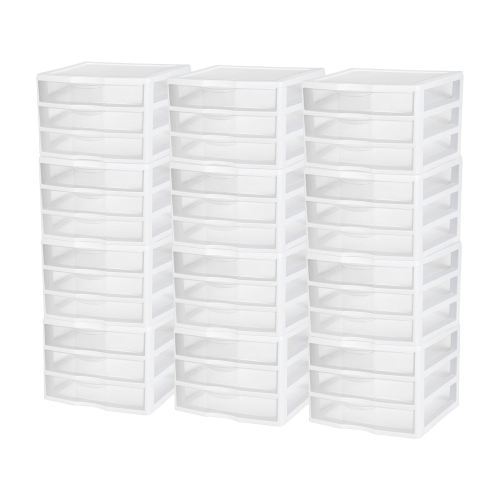 Your price for this item is $517.99
-
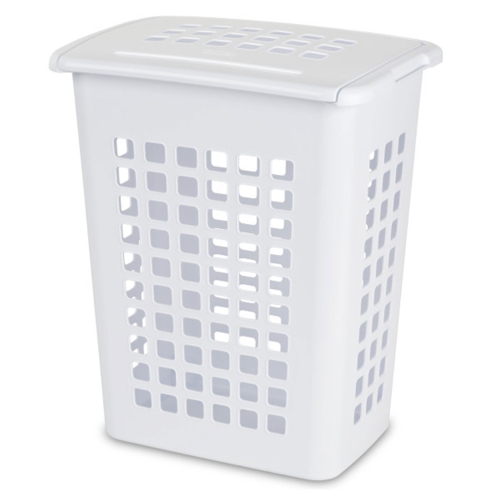 Your price for this item is $786.99
-
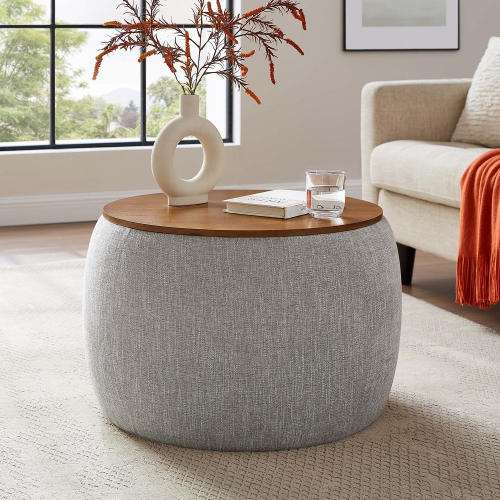 Your price for this item is $286.83
-
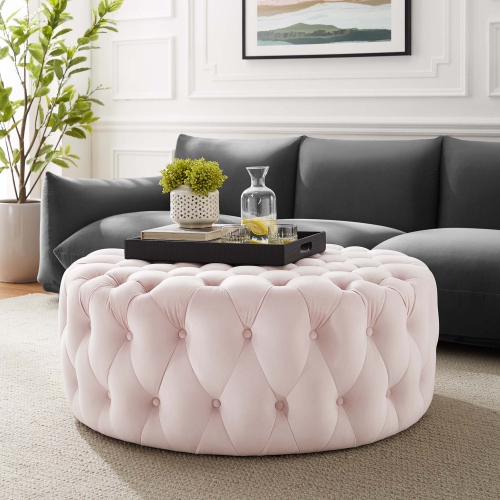 Your price for this item is $765.09
-
 Your price for this item is $124.99
-
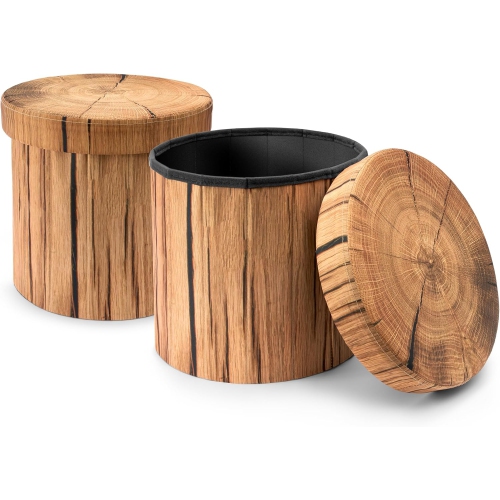 Your price for this item is $113.99
-
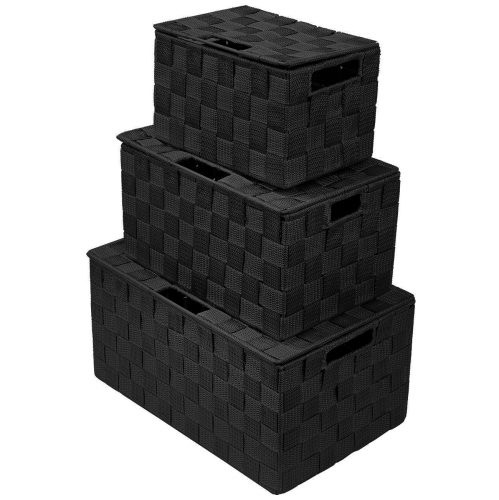 Your price for this item is $75.99
-
 Your price for this item is $129.99
Discover more categories related to Brown Storage Ottomans
Top Collections:
Best Black Friday Deals This Year, Best Black Friday Deals On Electronics, Kindle Devices, Best Black Friday Deals On Apple Products, Best Budget Office Chairs, Best Cameras for Sports Photography, Dyson Airwrap, Canon G7X Cameras, Best Laptops for Writers, Samsung Galaxy Phones
Some products may be subject to Environmental Handling Fees
(EHF) depending on your province.
Learn more about EHFs.