Comfortable Living Room Furniture
A comfortable living room is a must for any home. It's where you can kick back and relax after a long day, catch up on some reading or watch TV. It's also the place where you can entertain friends and family, or just enjoy some quiet time alone. Here are some great options available.
Sort
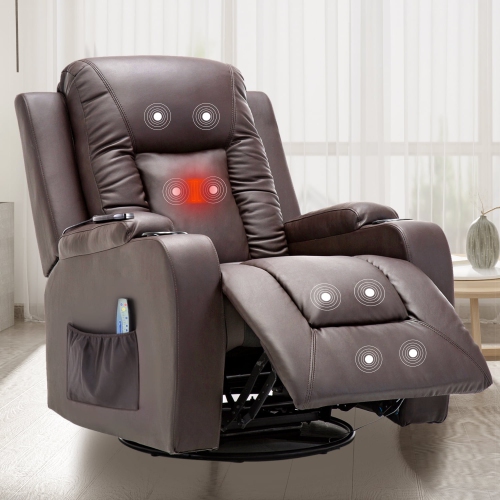
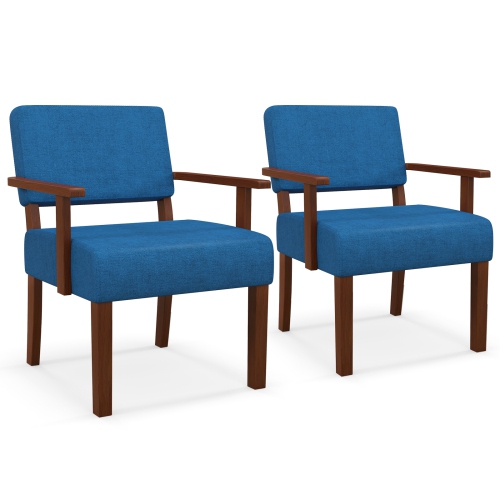
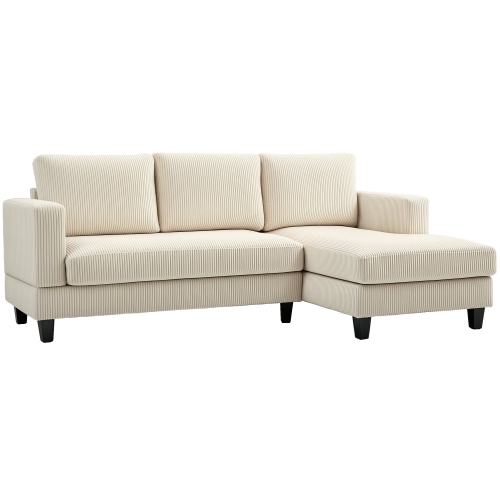
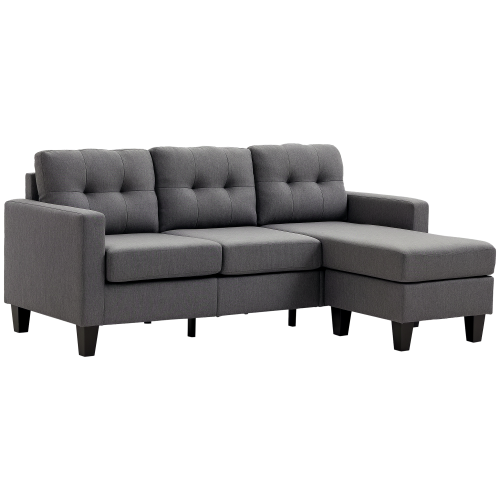
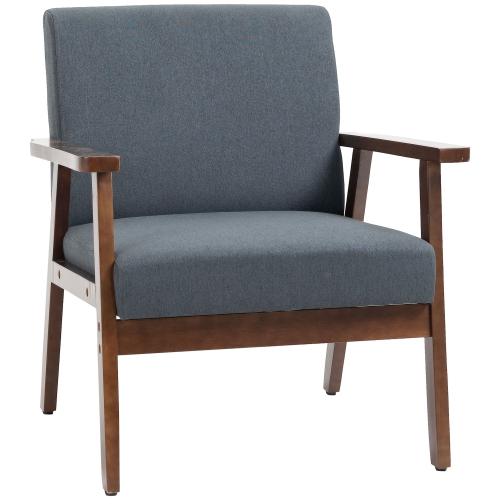
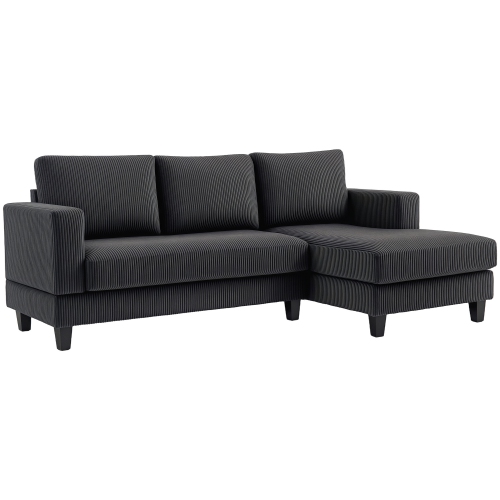
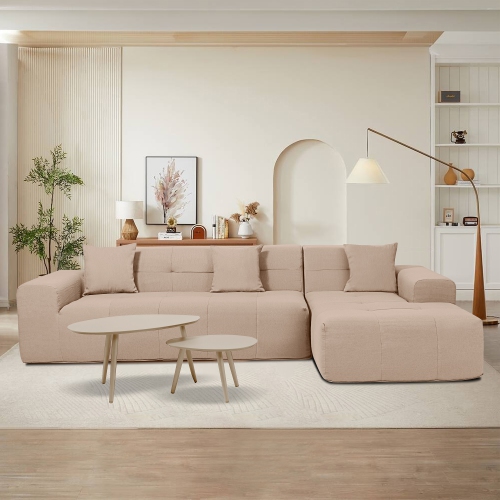
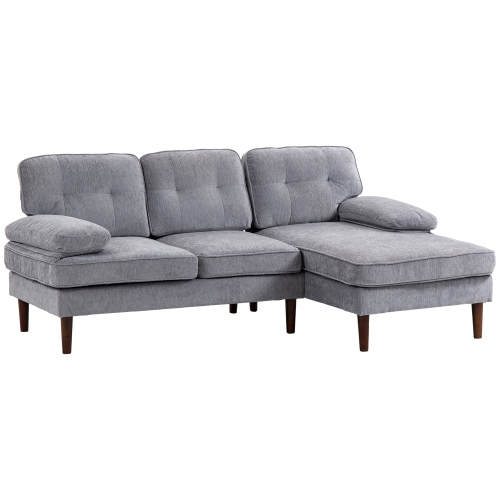


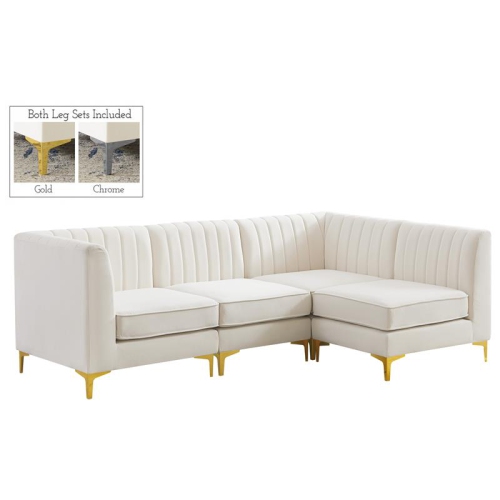
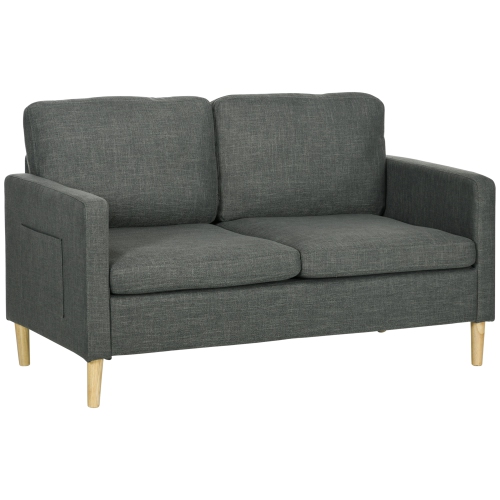
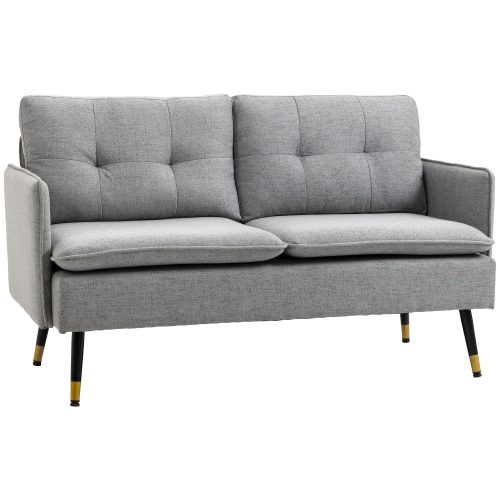
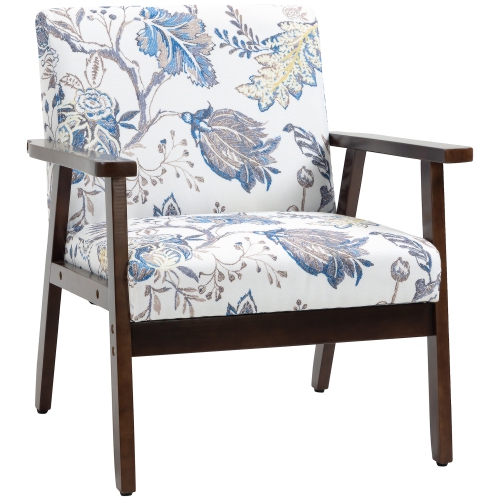

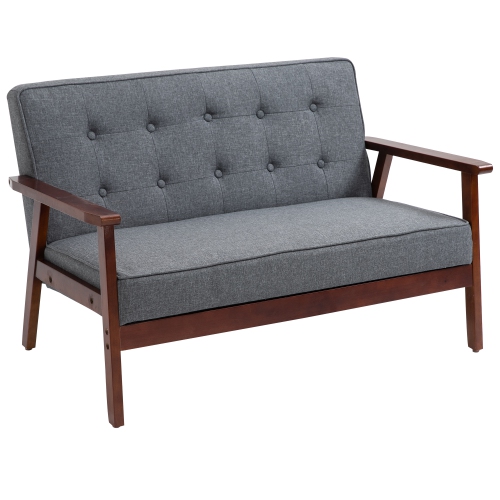

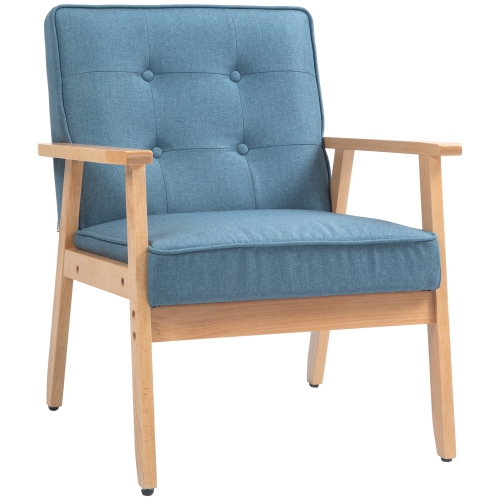
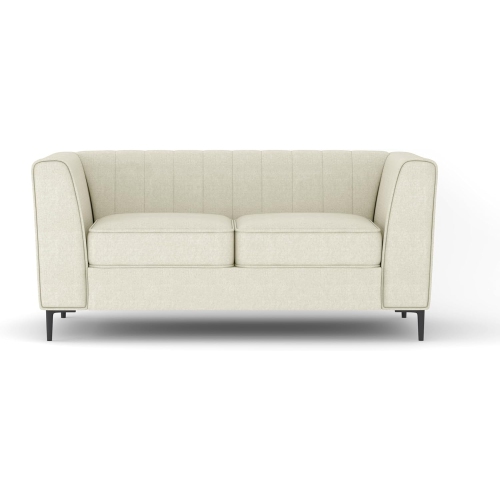
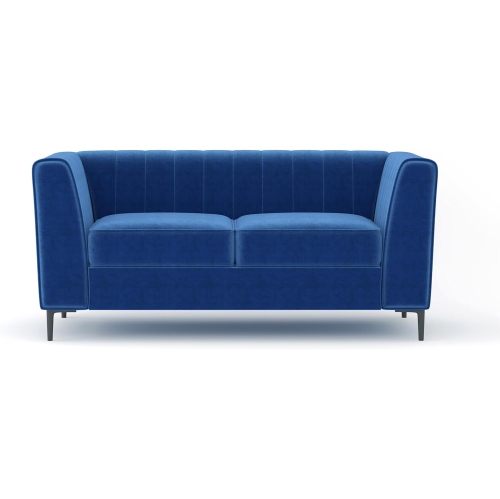
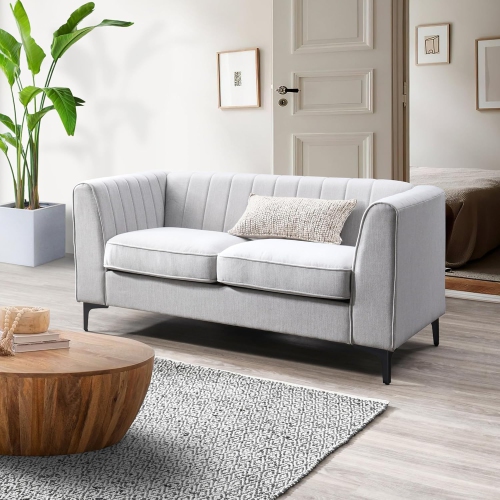
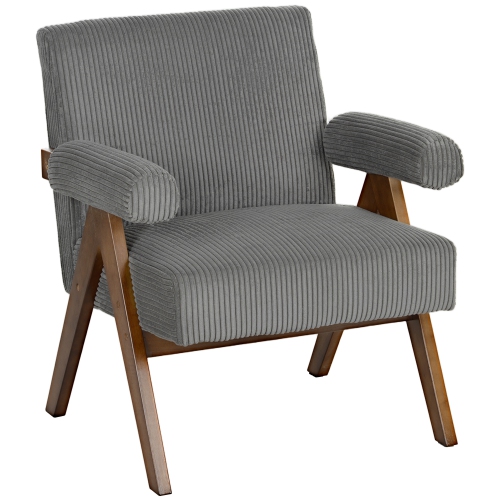
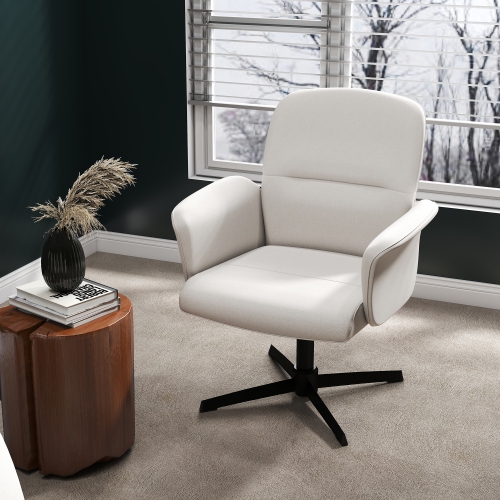
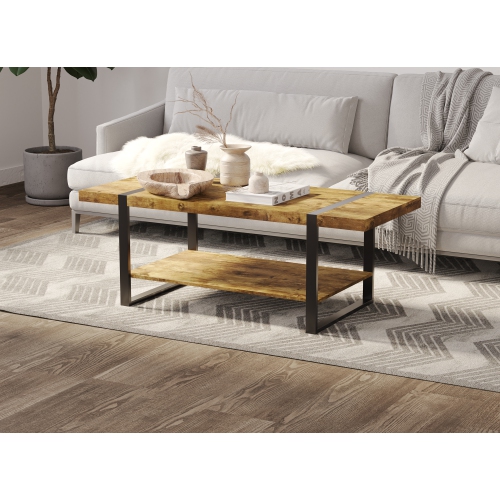
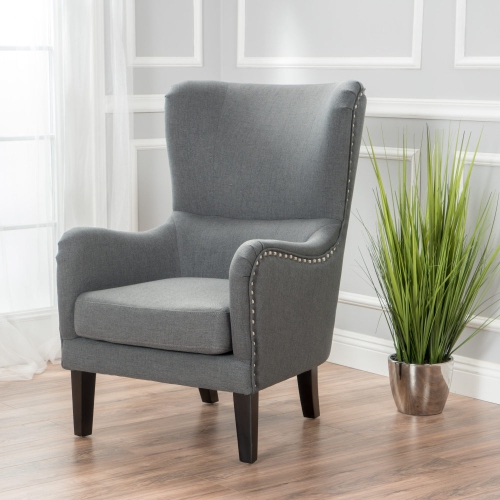
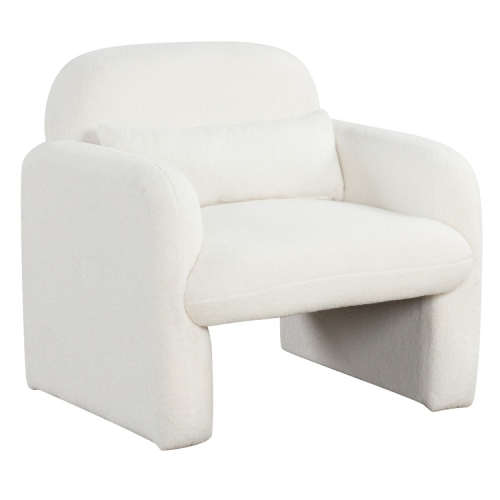
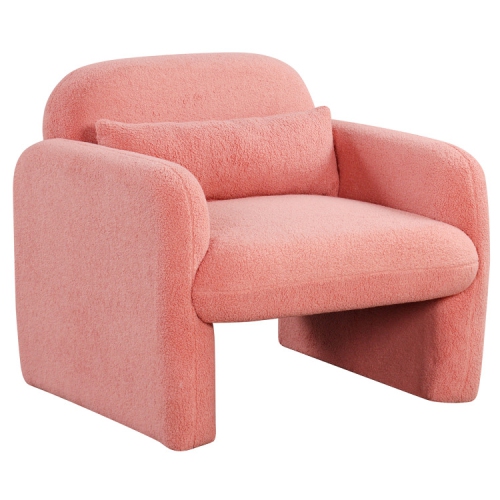
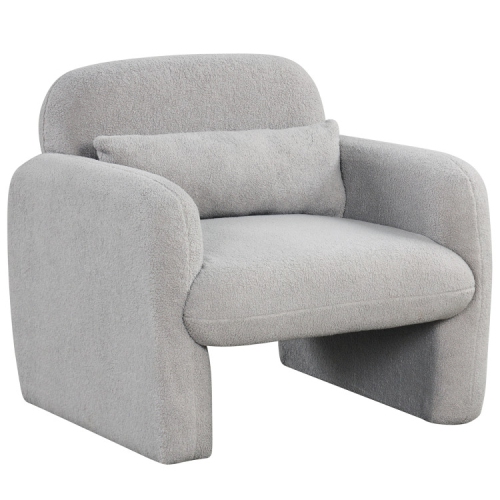
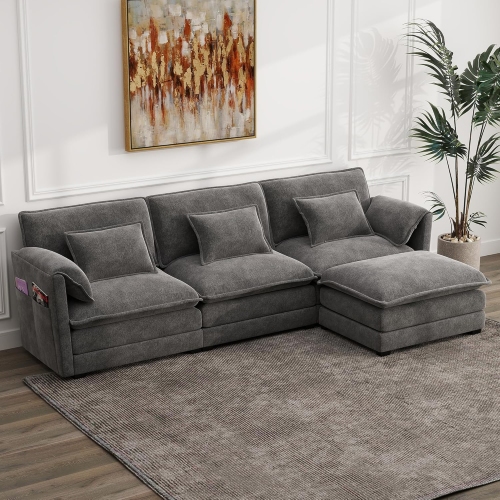
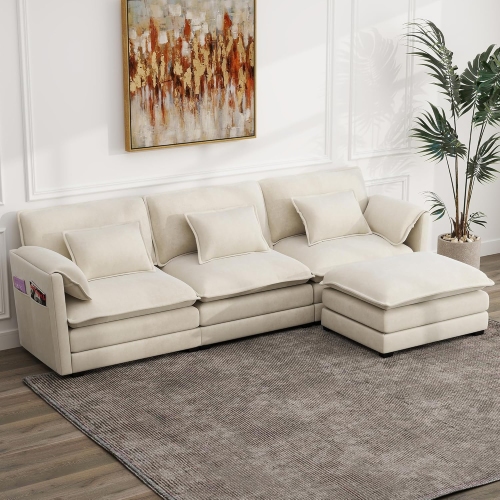
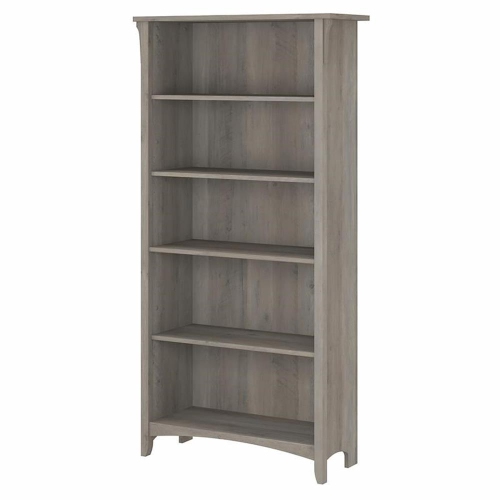
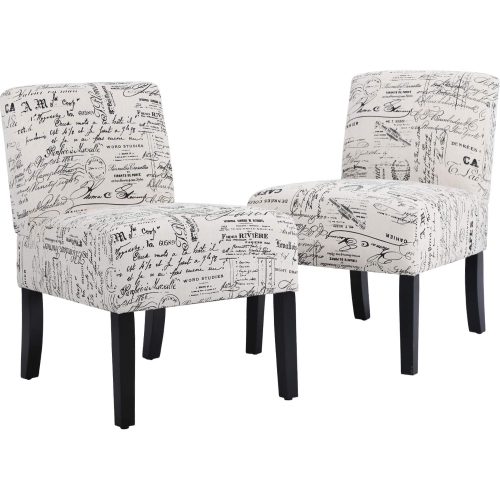
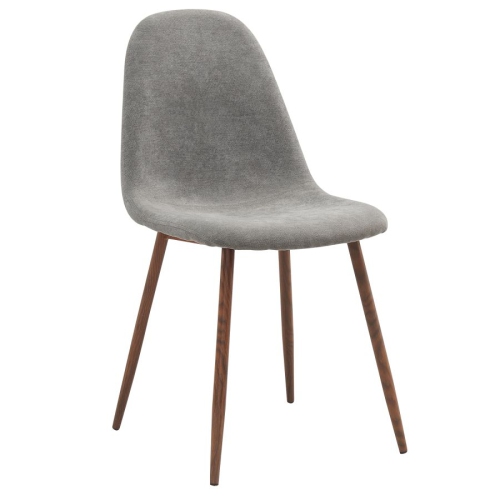
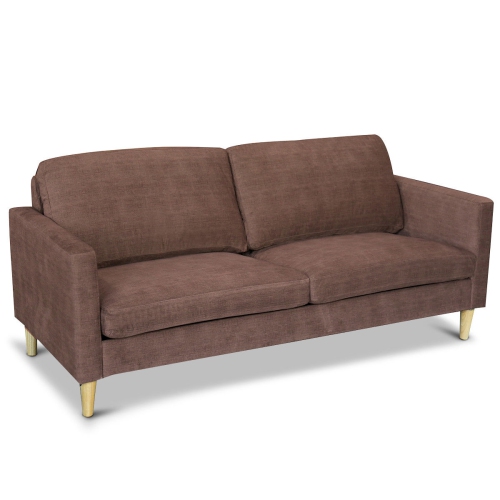

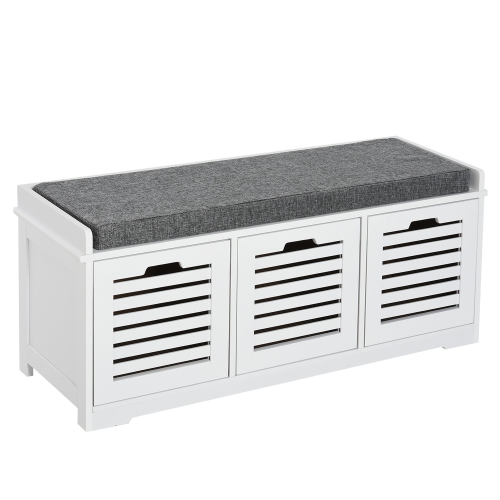

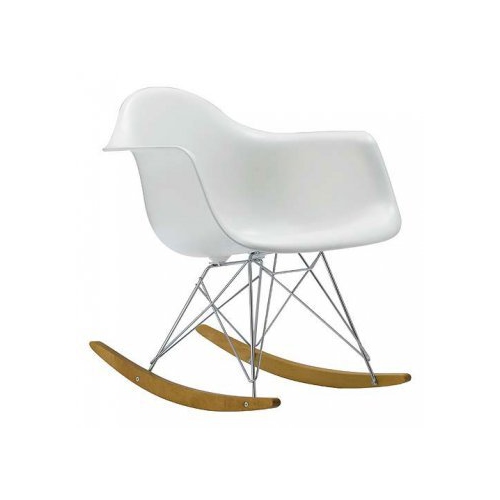

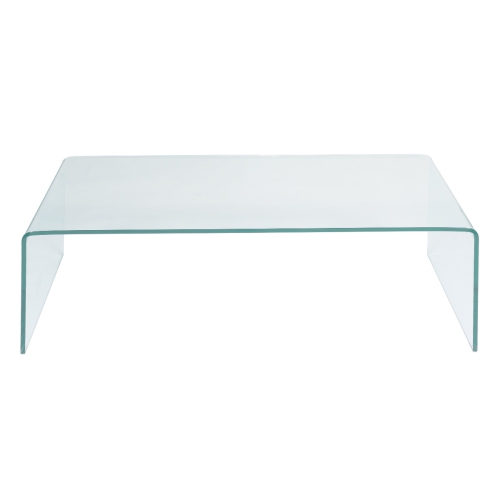
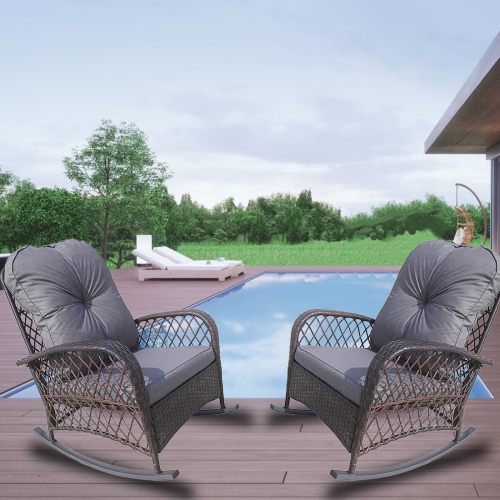
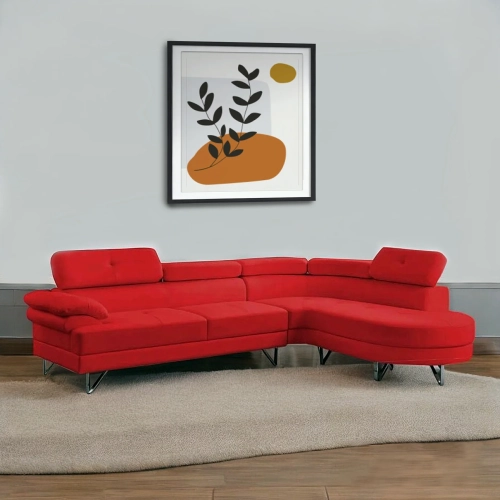
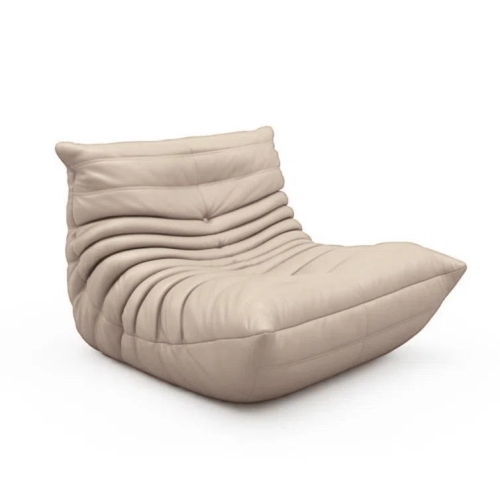
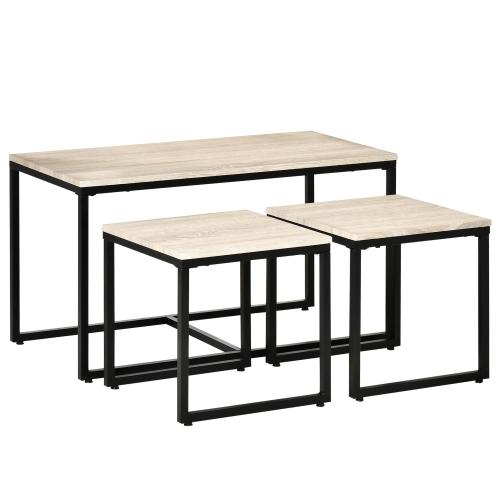
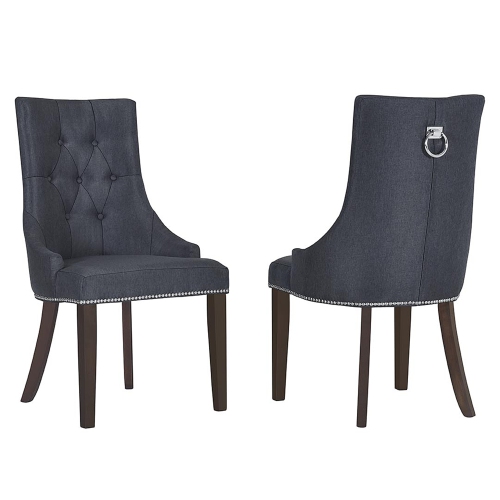
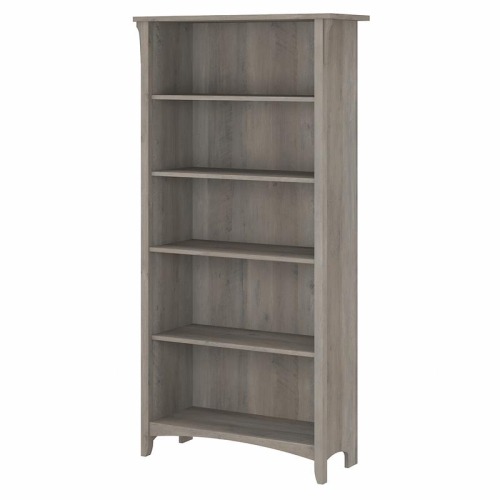
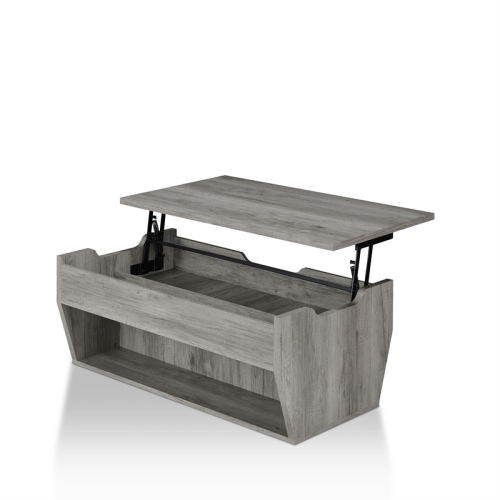
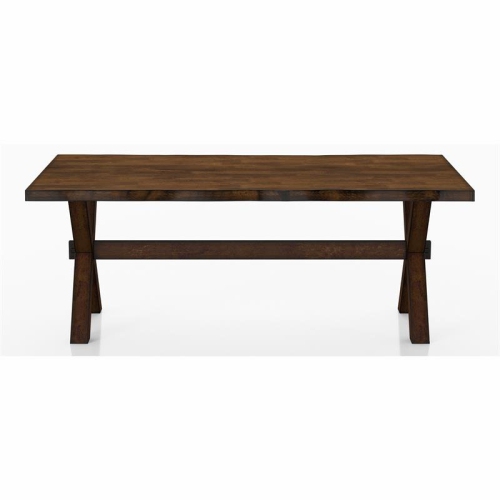
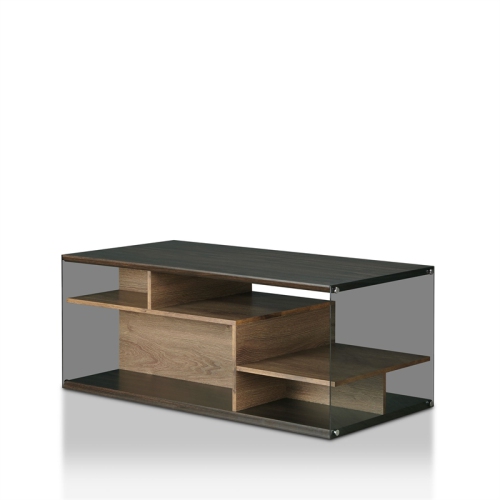


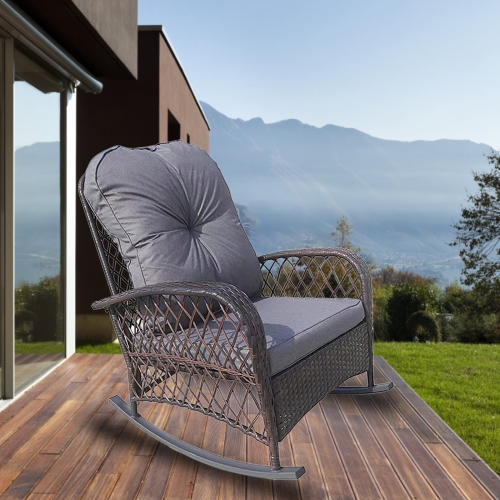
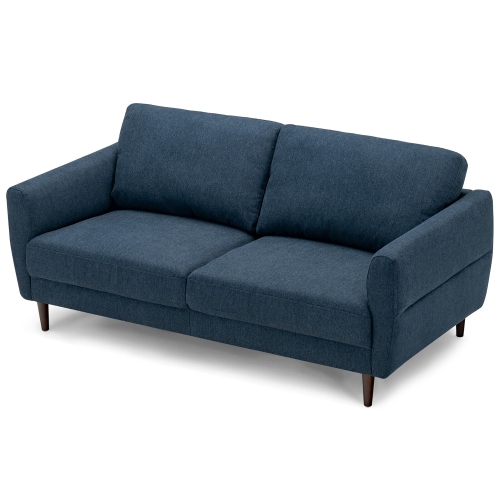
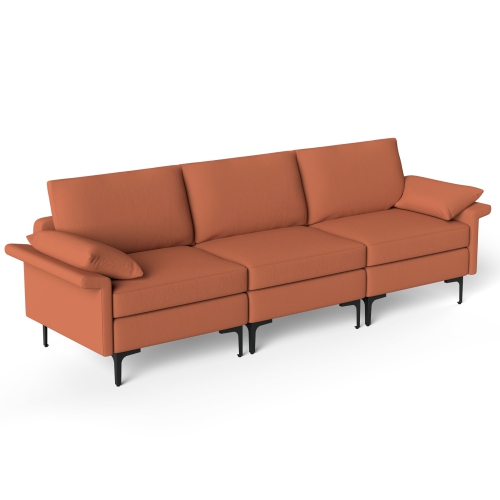
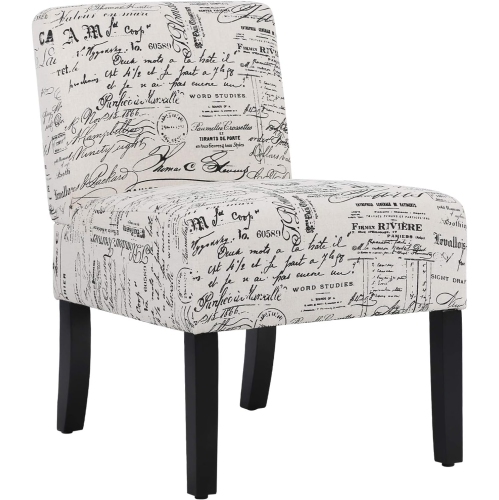
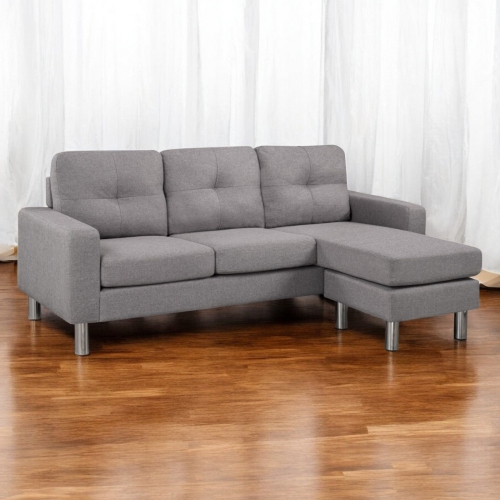
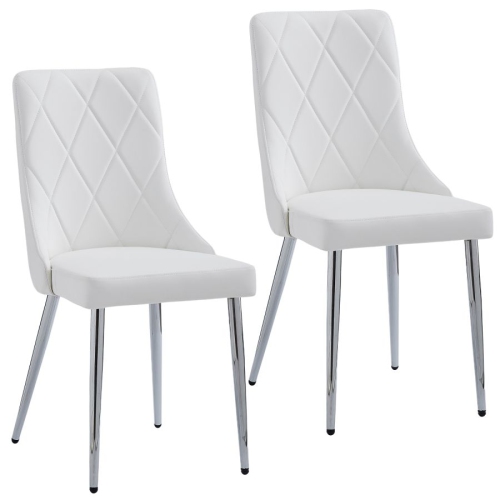
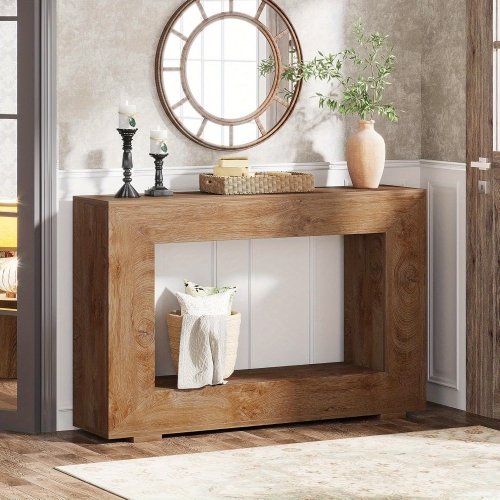
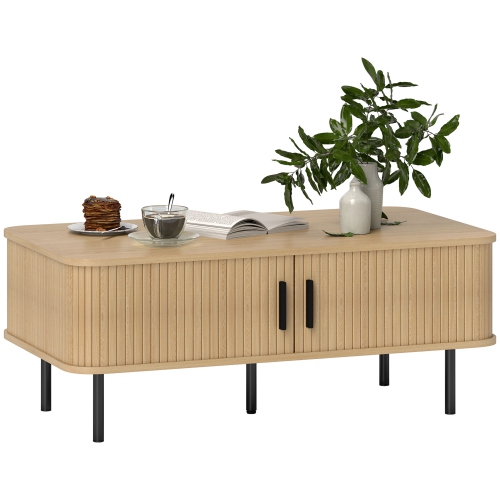
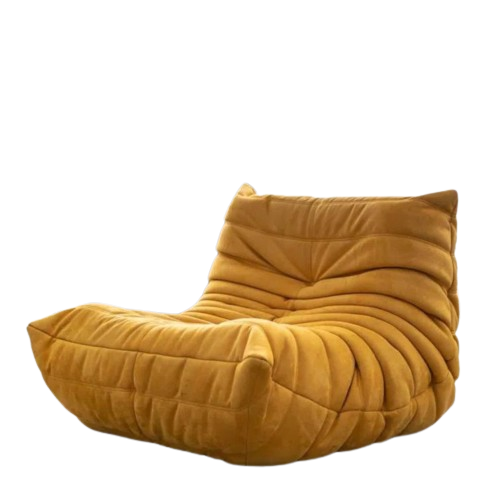
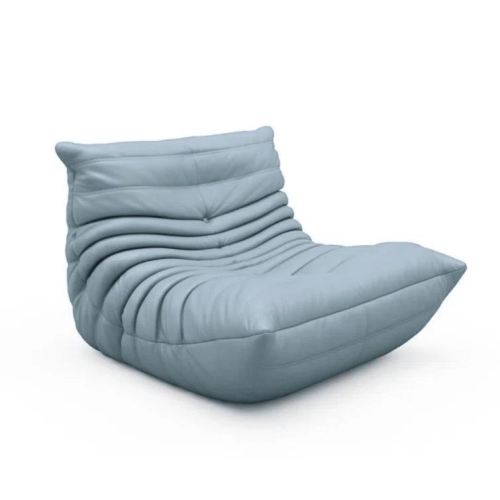
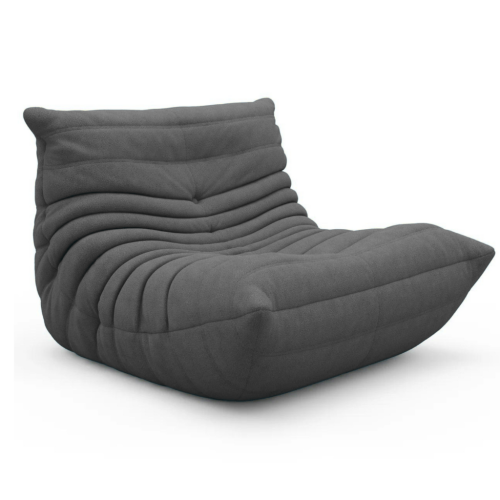
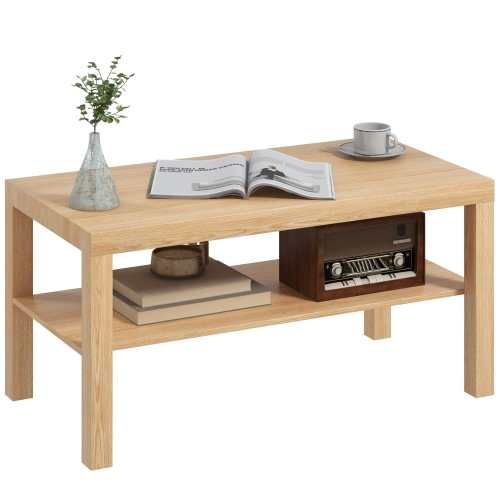
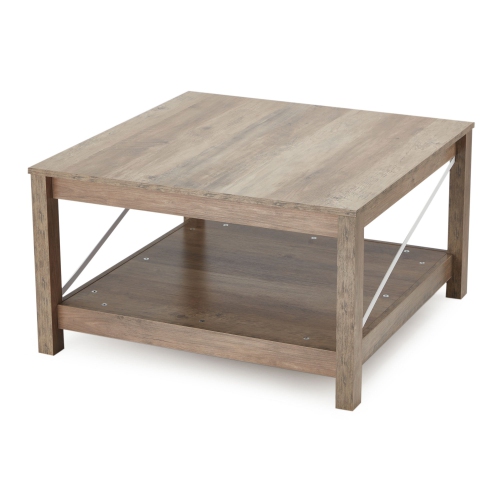
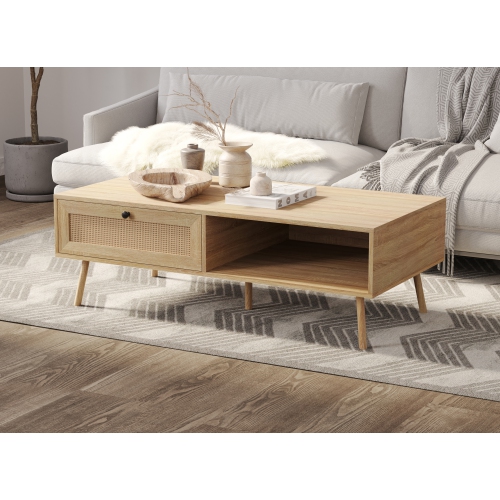
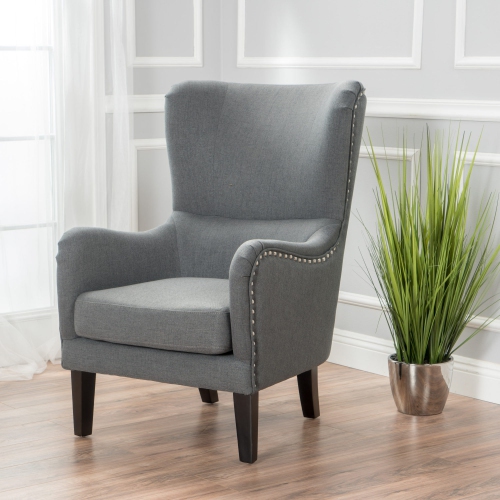
Thoughtful layouts support comfort and easy movement
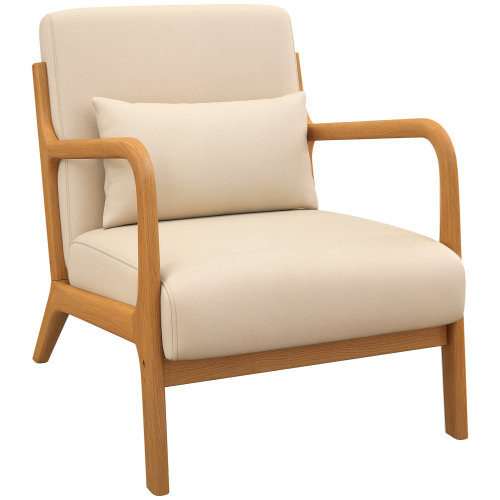
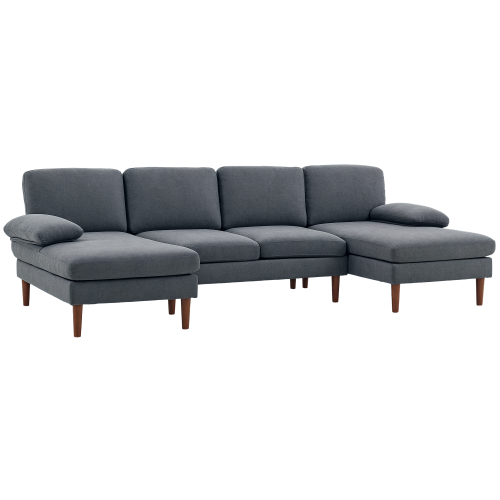
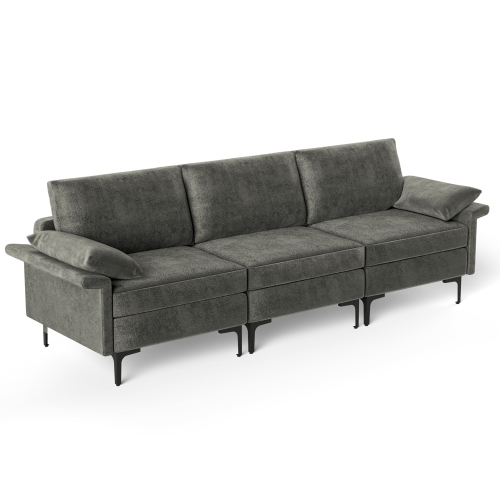
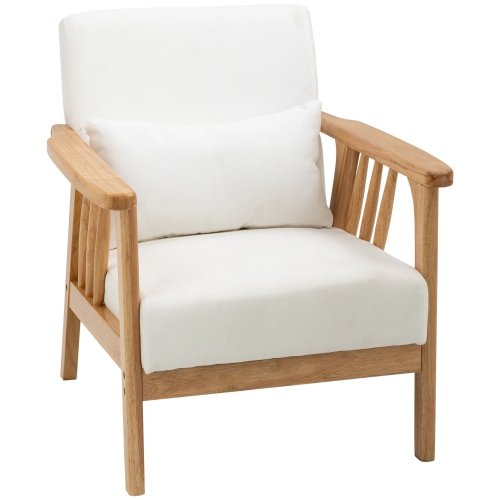
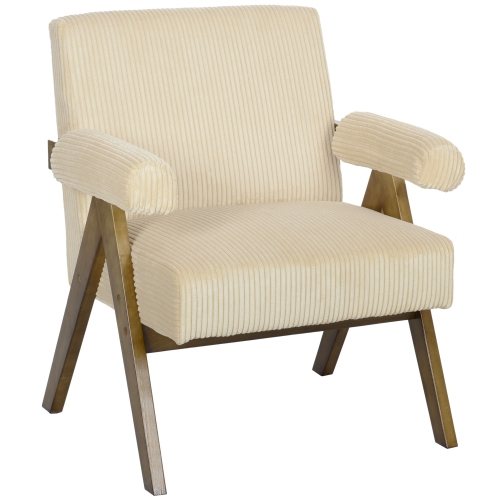
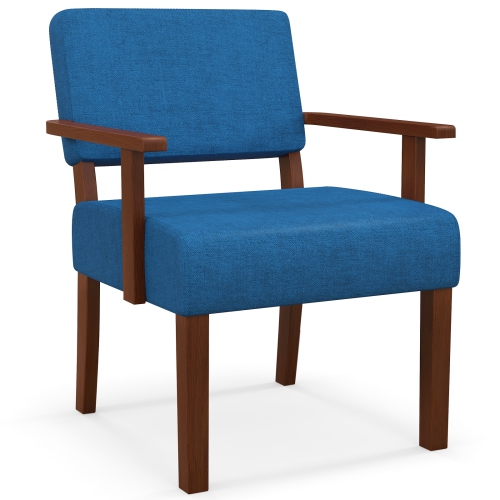
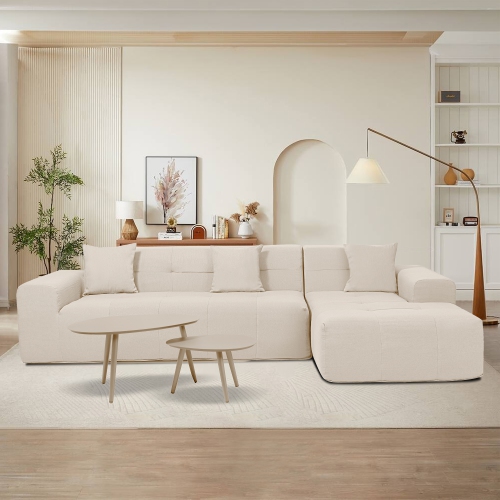
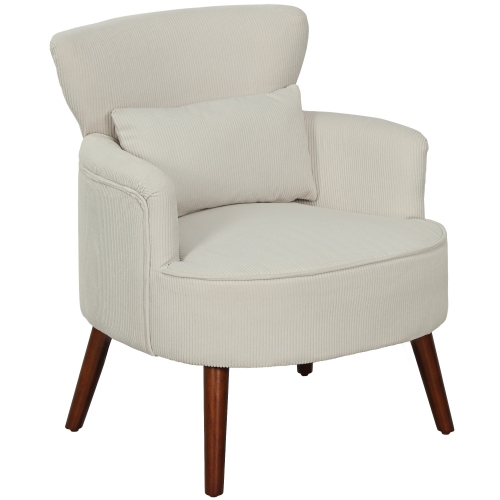
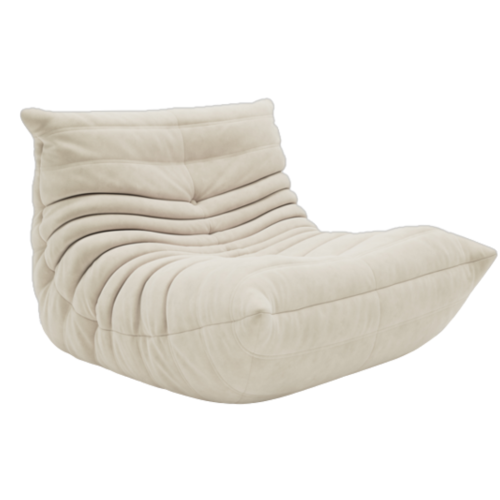
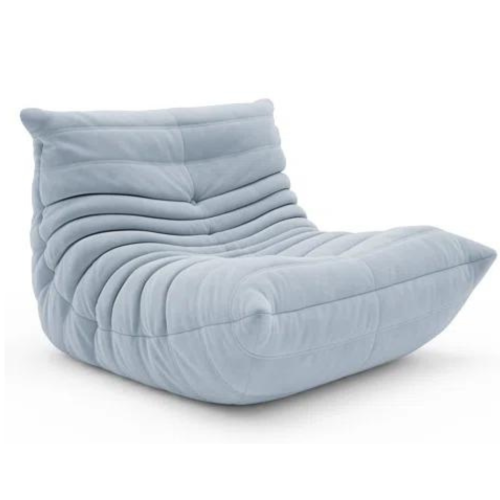
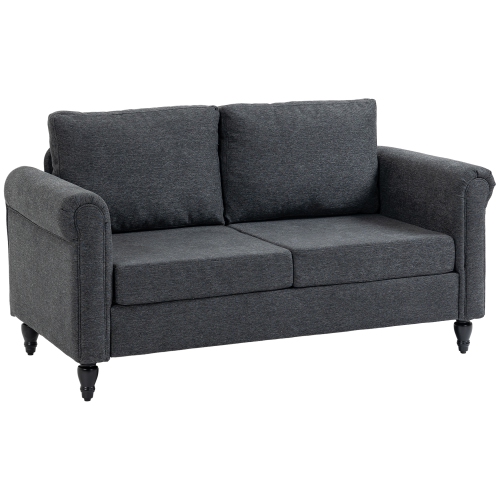
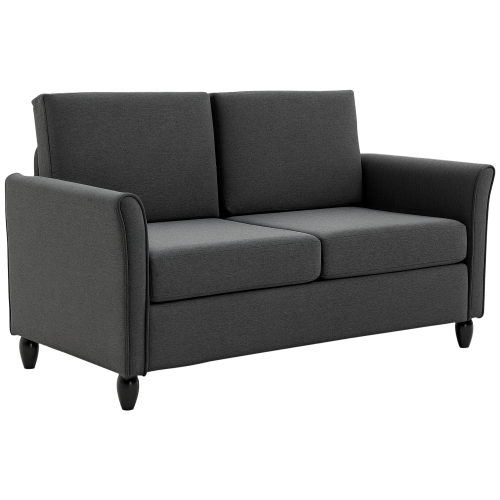
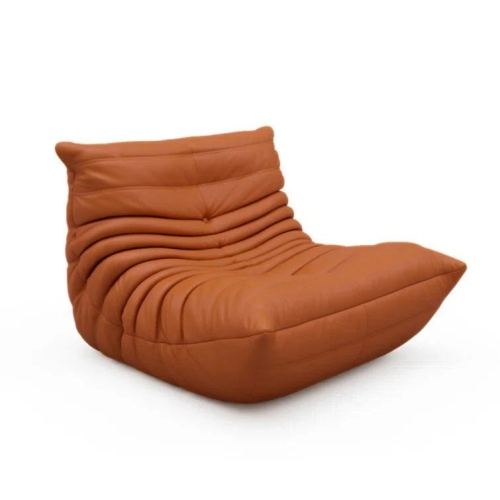
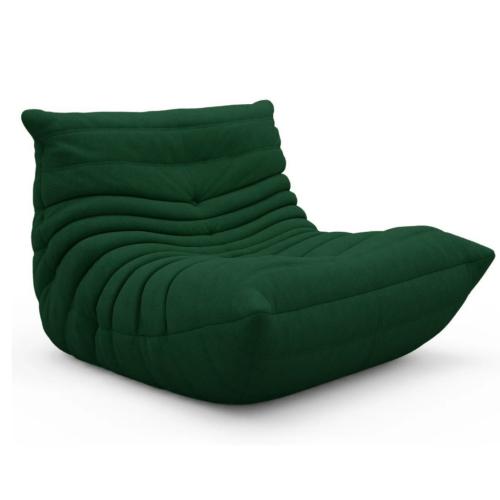
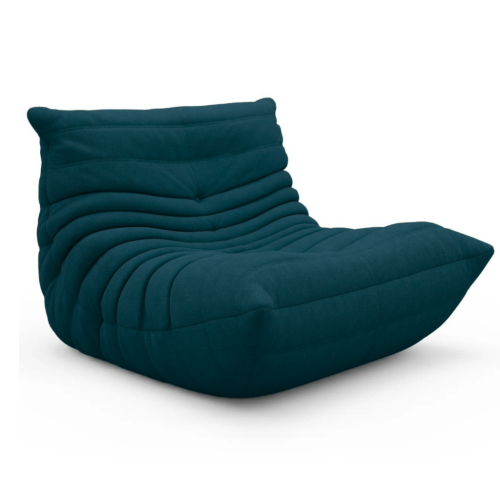
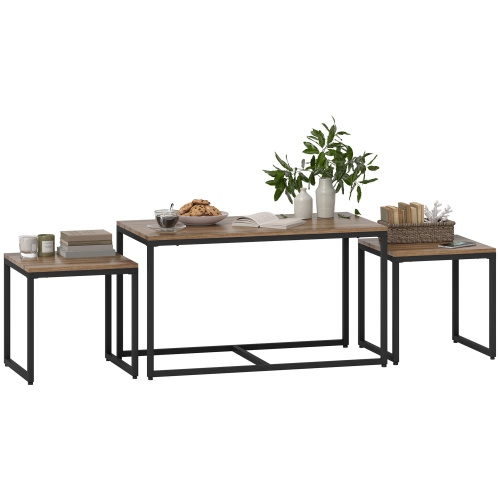
Comfortable living room furniture helps turn a room into a place where people naturally settle in, whether that means stretching out with a book, gathering for a film, catching up with friends, or enjoying a quiet cup of coffee before the day begins. The right combination of seating, tables, storage, and accents should feel welcoming without making the room difficult to move through. Begin by considering how the space is used each day. A household that hosts often may benefit from generous seating and flexible pieces that can be rearranged, while a smaller household may prefer a streamlined arrangement with one deeply cushioned sofa and a supportive chair. Families with children, pets, or frequent visitors will typically appreciate upholstery that is easy to clean and durable enough for everyday use. Soft textures, woven fabrics, and neutral tones can add warmth while remaining easy to coordinate with existing décor. For more inspiration, explore Comfortable Home Furniture to find furnishings suited to relaxed, lived-in spaces. Comfort is personal, so pay attention to seat depth, cushion firmness, back support, and arm height rather than relying on appearance alone. A plush seat may be ideal for lounging, while a firmer cushion can make it easier to sit upright during conversation or when working from a laptop. If several people will use the same seating, a balanced feel and supportive construction can offer a more comfortable experience for everyone.
Measuring before buying is one of the simplest ways to create a comfortable layout. Record the length and width of the room, then note doorways, windows, radiators, vents, stairs, and other features that may affect placement. Measure the entry path as well, since a piece that fits beautifully in the room still needs to pass through hallways, elevators, and door frames. Once the basic dimensions are clear, plan to leave approximately 24 to 36 inches of open walking space around major furniture pieces whenever possible. This creates a natural path through the room and helps the arrangement feel open rather than crowded. In compact spaces, apartment-sized seating, raised legs, and furniture with a lighter visual profile can help maintain a sense of flow. In a larger room, generous proportions can make the layout feel intentional, especially when seating is grouped around a central table or area rug. Avoid pushing every piece against the wall simply because the room is large; bringing seating closer together often creates a more inviting conversation area. Consider the height of each item, too. Low furniture can emphasize a relaxed atmosphere, while taller shelving or storage can add useful vertical space without taking up much floor area. Coffee tables, side tables, and consoles should be positioned where they are easy to reach, with enough room to walk around them and open drawers or doors. A well-planned arrangement supports everyday habits, from placing a drink beside a favourite chair to keeping remotes, throws, books, and chargers within easy reach.
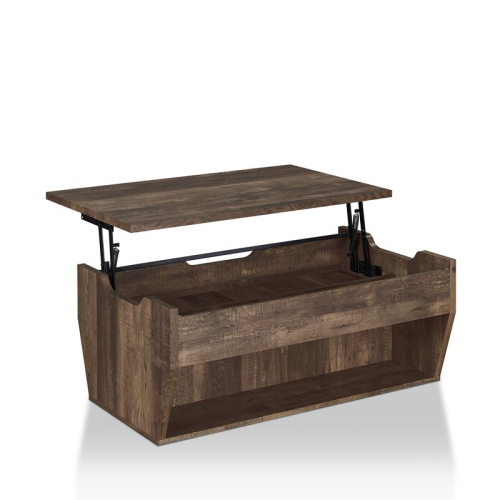
Material and maintenance choices are just as important as dimensions. Upholstery with a textured weave can add depth to a neutral room, while tightly woven or performance-oriented fabrics may be practical for homes with young children or pets. Look for removable cushion covers when available, and check the care instructions before making a purchase so routine cleaning fits comfortably into your schedule. Darker colours can help disguise everyday marks, while lighter shades can make a smaller room feel brighter; either choice can work when paired with the right fabric and care plan. Cushion filling also affects the feel of the furniture. Foam can provide consistent support, fibre filling often feels soft and relaxed, and layered or spring-supported construction may offer a balance between comfort and resilience. Wood, metal, glass, and engineered materials can each bring a different character to tables and storage pieces, so consider how they will work with the existing floor, lighting, and finishes. During the cooler months, comfortable seating becomes a natural gathering point for warm drinks, board games, reading, and relaxed evenings at home. A soft throw, a supportive footrest, or an occasional chair can make the arrangement feel more personal without requiring a complete room makeover. These furnishings can also make thoughtful gifts for someone moving into a new home, furnishing a first apartment, setting up a family room, or creating a more welcoming space for guests. Choose pieces based on the recipient’s available room, preferred level of support, and daily routine, and remember that the most successful living room is not simply the one that looks polished in a photograph. It is the room where people can sit comfortably, move easily, and feel at home.
Measuring before buying is one of the simplest ways to create a comfortable layout. Record the length and width of the room, then note doorways, windows, radiators, vents, stairs, and other features that may affect placement. Measure the entry path as well, since a piece that fits beautifully in the room still needs to pass through hallways, elevators, and door frames. Once the basic dimensions are clear, plan to leave approximately 24 to 36 inches of open walking space around major furniture pieces whenever possible. This creates a natural path through the room and helps the arrangement feel open rather than crowded. In compact spaces, apartment-sized seating, raised legs, and furniture with a lighter visual profile can help maintain a sense of flow. In a larger room, generous proportions can make the layout feel intentional, especially when seating is grouped around a central table or area rug. Avoid pushing every piece against the wall simply because the room is large; bringing seating closer together often creates a more inviting conversation area. Consider the height of each item, too. Low furniture can emphasize a relaxed atmosphere, while taller shelving or storage can add useful vertical space without taking up much floor area. Coffee tables, side tables, and consoles should be positioned where they are easy to reach, with enough room to walk around them and open drawers or doors. A well-planned arrangement supports everyday habits, from placing a drink beside a favourite chair to keeping remotes, throws, books, and chargers within easy reach.
Material and maintenance choices are just as important as dimensions. Upholstery with a textured weave can add depth to a neutral room, while tightly woven or performance-oriented fabrics may be practical for homes with young children or pets. Look for removable cushion covers when available, and check the care instructions before making a purchase so routine cleaning fits comfortably into your schedule. Darker colours can help disguise everyday marks, while lighter shades can make a smaller room feel brighter; either choice can work when paired with the right fabric and care plan. Cushion filling also affects the feel of the furniture. Foam can provide consistent support, fibre filling often feels soft and relaxed, and layered or spring-supported construction may offer a balance between comfort and resilience. Wood, metal, glass, and engineered materials can each bring a different character to tables and storage pieces, so consider how they will work with the existing floor, lighting, and finishes. During the cooler months, comfortable seating becomes a natural gathering point for warm drinks, board games, reading, and relaxed evenings at home. A soft throw, a supportive footrest, or an occasional chair can make the arrangement feel more personal without requiring a complete room makeover. These furnishings can also make thoughtful gifts for someone moving into a new home, furnishing a first apartment, setting up a family room, or creating a more welcoming space for guests. Choose pieces based on the recipient’s available room, preferred level of support, and daily routine, and remember that the most successful living room is not simply the one that looks polished in a photograph. It is the room where people can sit comfortably, move easily, and feel at home.
Top selling and popular products
-
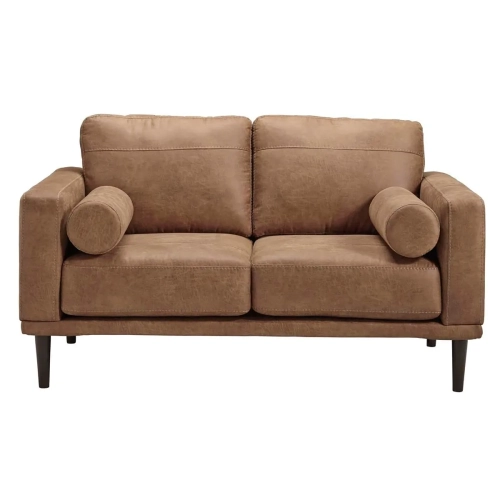 Your price for this item is $799.99
 -
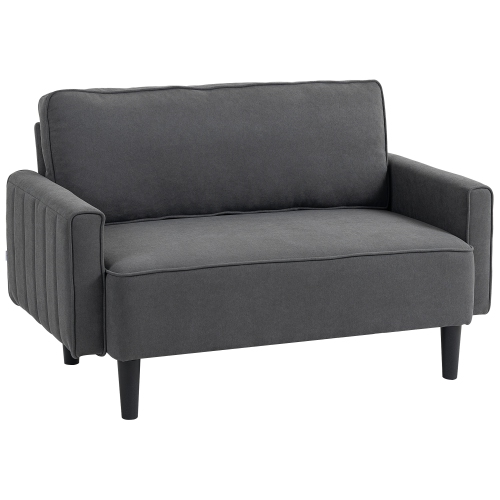 Your price for this item is $204.99
 -
 Your price for this item is $1512.35
 -
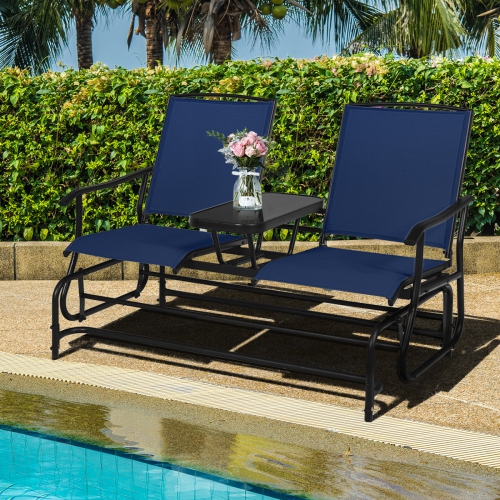 Your price for this item is $215.99
 -
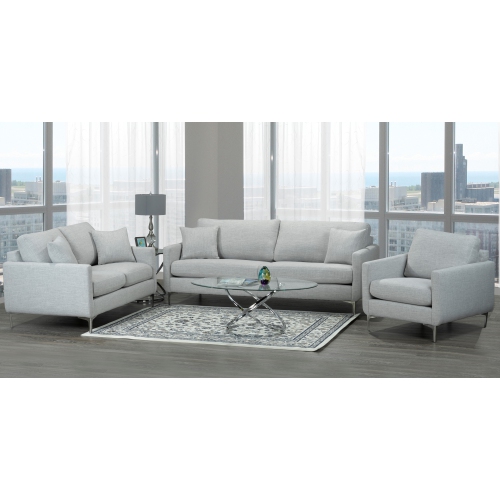 Your price for this item is $1199
 -
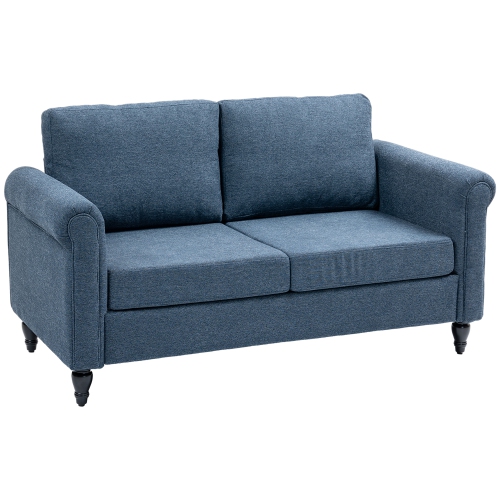 Your price for this item is $299.99
 -
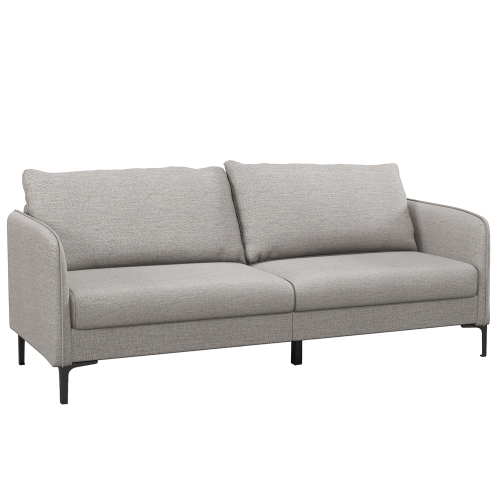 Your price for this item is $489.99
 -
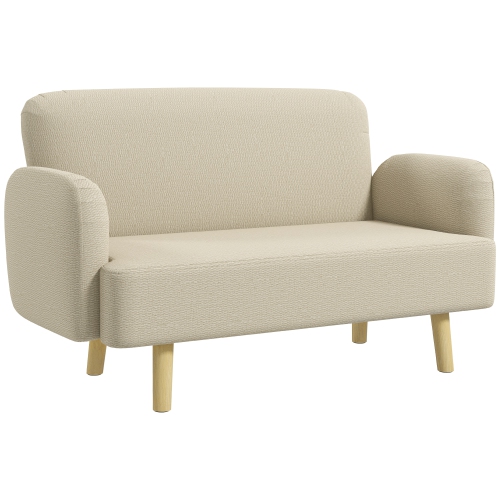 Your price for this item is $269.99
Discover more categories related to Comfortable Living Room Furniture

Top Collections:
Best Laptops for Video Editing, Pokemon Centers, Samsung Z Fold, Kindle Devices, Best Cell Phones Under $300, Best Laptops for Writers, Best Budget Office Chairs, Best Cell Phones Under $500, Best Laptop Computers for Students, iPhone 15 Apple
Some products may be subject to Environmental Handling Fees
(EHF) depending on your province.
Learn more about EHFs.