Compact Storage Benches
Transform your space with a compact storage bench, the perfect blend of functionality and style for almost any room in your home. These versatile pieces offer a smart solution for organizing your essentials while providing additional seating or a decorative touch to your entryway, living room, or bedroom. Whether you're looking to declutter shoes, store seasonal items, or simply enhance your decor, a compact storage bench effortlessly adapts to your needs. Discover how this space-saving marvel can elevate both the look and practicality of your interiors.
Sort
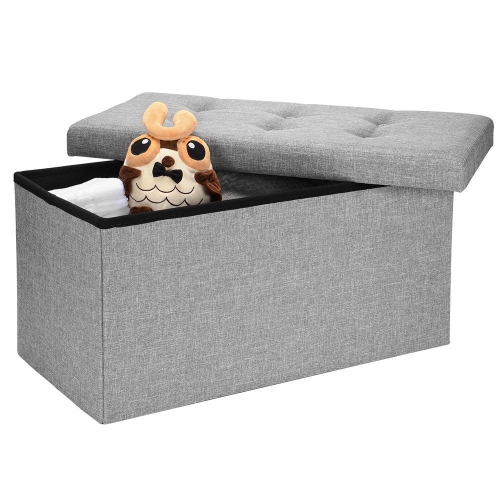
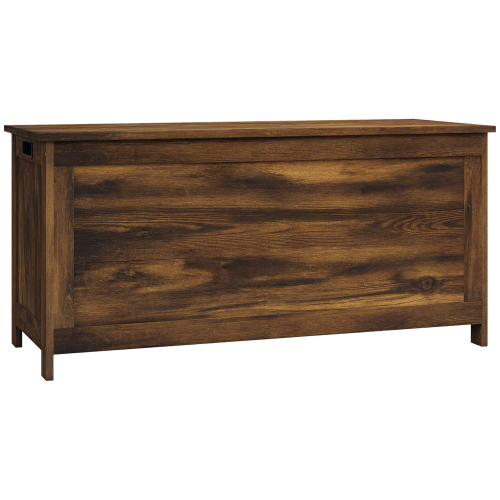
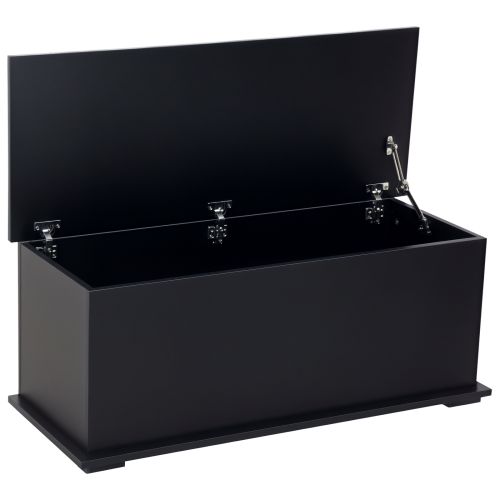
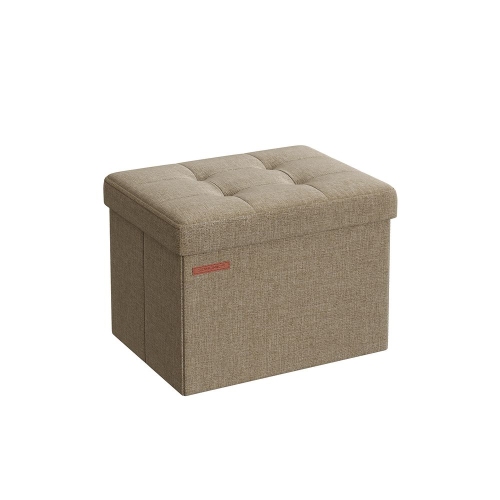
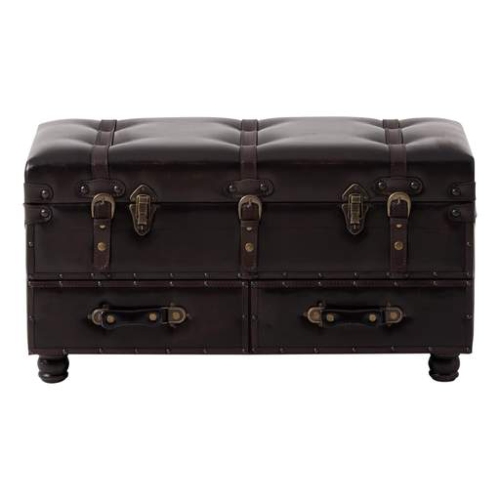
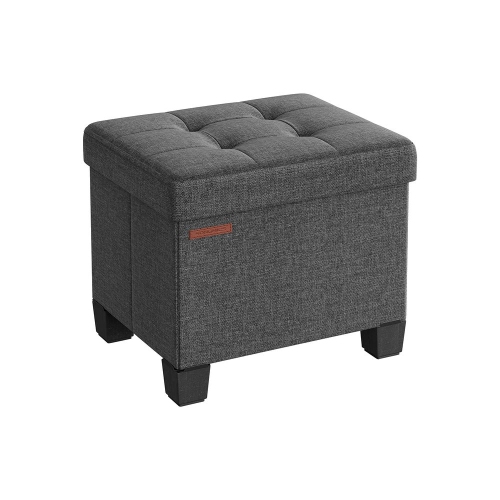
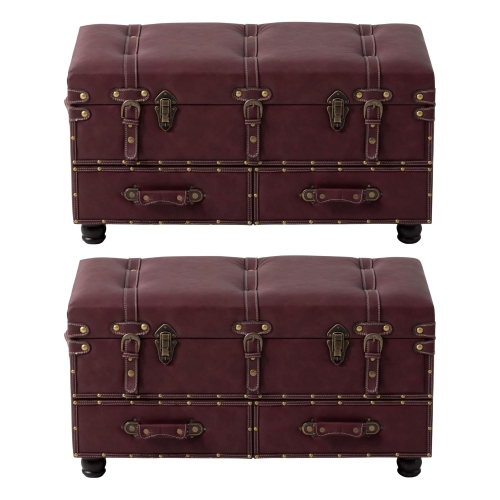

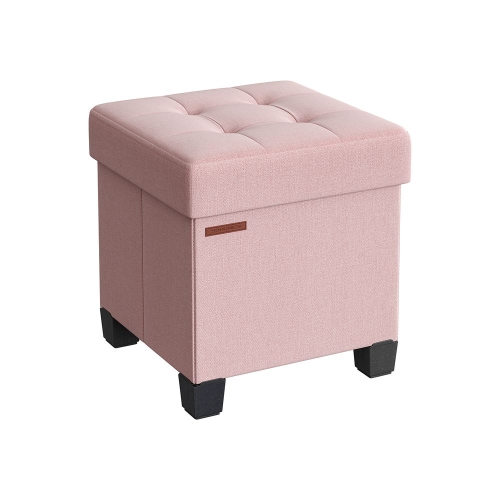
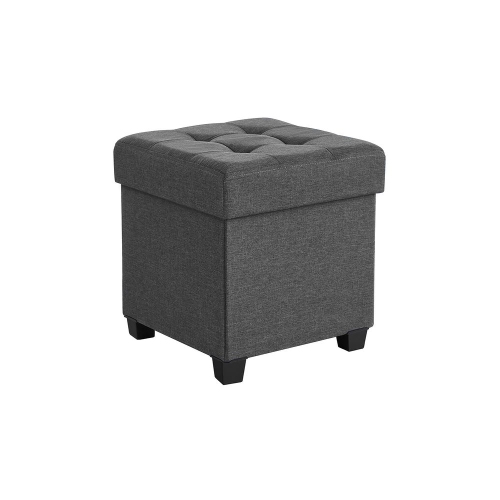
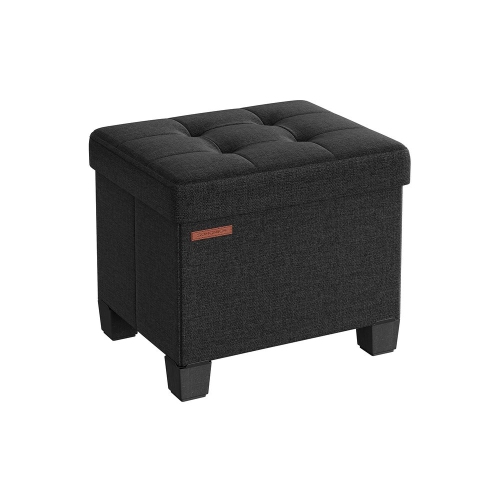
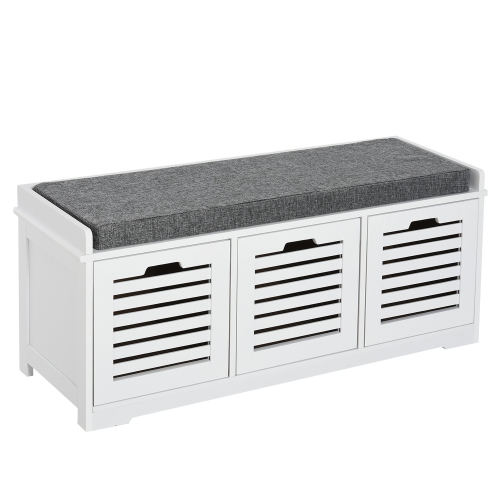
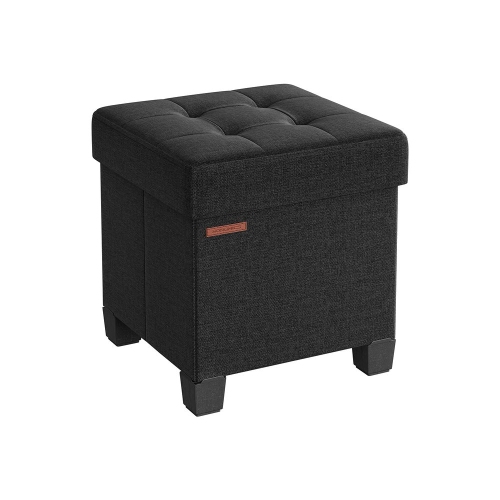
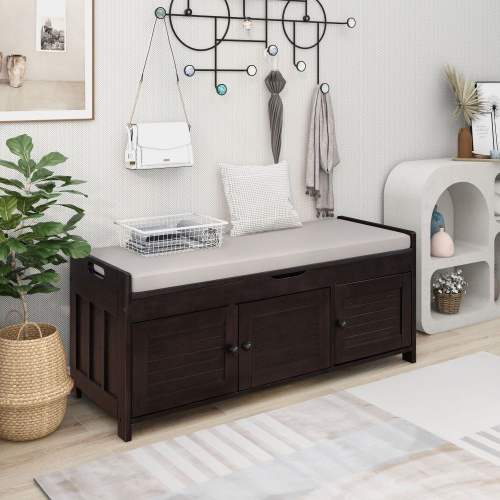
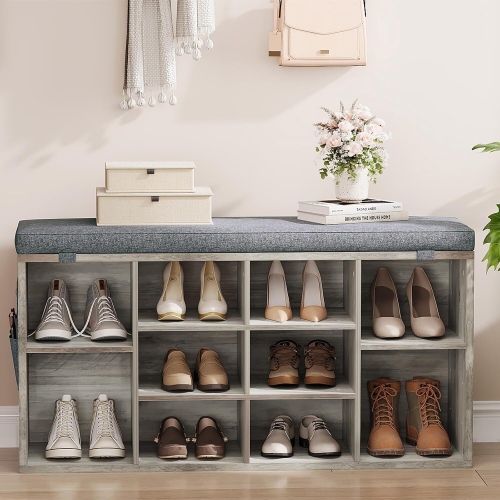
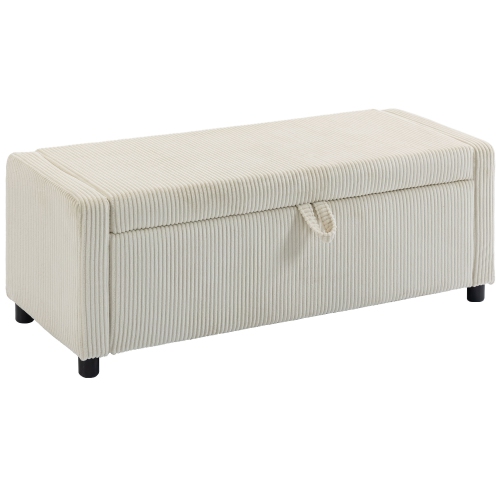
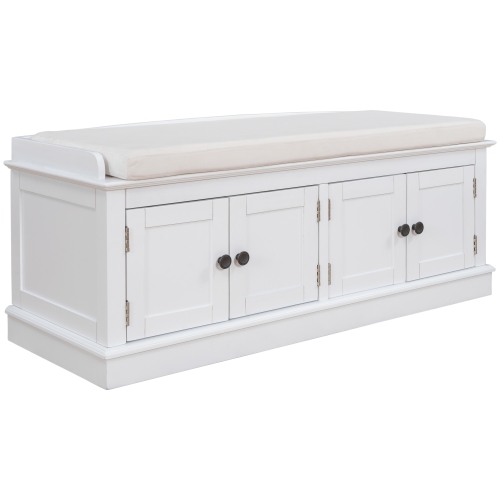
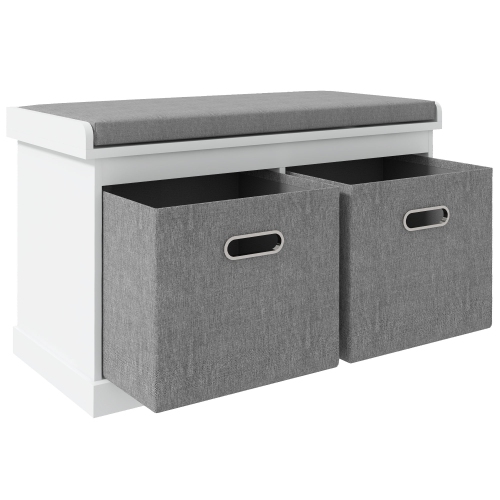
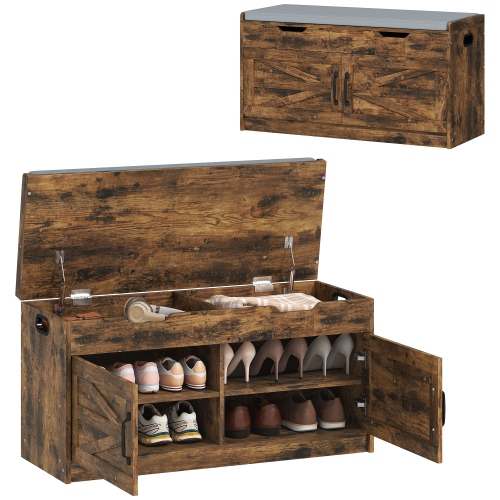
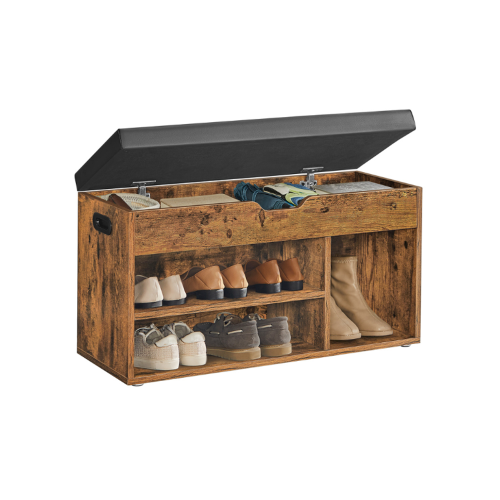
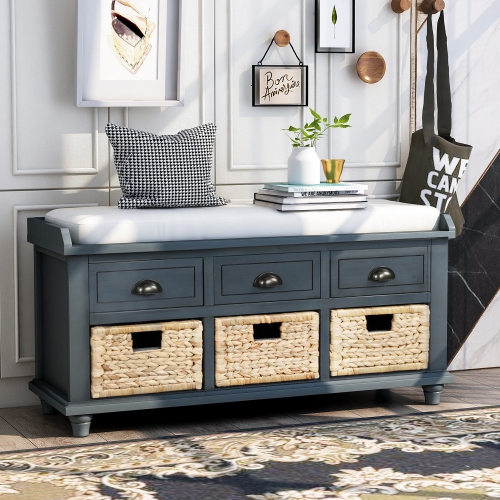
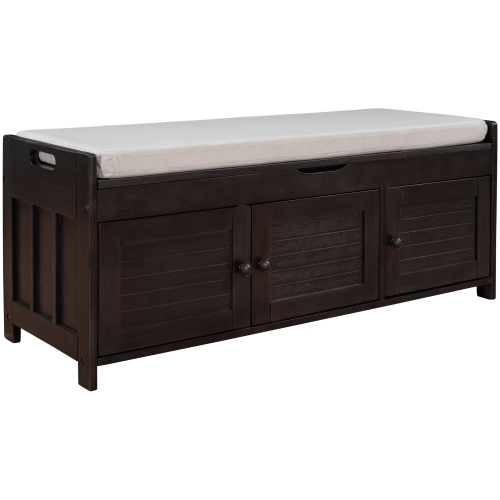
A place to sit and stow everyday essentials
Compact storage benches combine a seating surface with concealed compartments, open shelves, or drawers in a footprint suited to smaller rooms. They can give everyday belongings a defined home without requiring separate seating and storage furniture. In an entryway, a narrow bench provides somewhere to sit while putting on shoes, with space below for the pairs worn most often. At the foot of a bed, a short upholstered bench can hold spare bedding while offering a perch for getting dressed. Beside a living room wall, a compact storage ottoman bench can keep throws and other soft accessories close at hand without leaving them across the sofa. The most useful size depends on both the room and the belongings being stored: a shallow hallway bench serves a different purpose from a deeper chest intended for folded blankets. Exterior width alone does not tell the whole story, since thick upholstery, a substantial frame, and internal dividers can reduce usable storage space. Overall depth, seat height, and compartment dimensions are equally relevant, especially where furniture sits close to a doorway or another seat. A bench should leave enough room for people to pass comfortably, and doors, drawers, and lift-up lids need clearance to open fully. In a tight entrance, the swing of the front door and the position of nearby closet doors can matter as much as the bench itself. A lower seat may fit neatly beneath a window, while a higher seat may be more comfortable for someone who finds low furniture difficult to use. For a studio apartment, condo, or shared home, this combination of seating and organization can make a modest stretch of wall more useful. The result is not simply extra capacity, but a convenient place for the small routines that otherwise spread across the room: setting down a bag, changing footwear, or putting away a blanket after an evening on the sofa.
The storage layout shapes how a compact bench works from day to day. Open shelves make footwear easy to see and reach, which suits an entrance where several people need quick access to their own shoes. Shelf height matters for taller footwear, and fixed dividers may limit how easily different sizes fit together. Cubbies create separate spaces for individual users or categories of belongings, while compatible baskets can keep smaller accessories contained. Drawers offer separation without exposing their contents, although they require clear floor space in front of the bench. A lift-top compartment provides a larger uninterrupted cavity for cushions, linens, or bags, making it useful when the contents vary in shape. Hinged lids stay attached to the frame, while removable tops need somewhere to rest during access. Folding storage benches can suit occasional use or rooms that need to change function, but their construction and seating limits deserve the same attention as those of a fixed-frame bench. A padded top can make brief sitting more comfortable, though a bench without a back is generally better suited to short tasks than extended lounging. Seating capacity and storage capacity are separate considerations: a generous compartment does not establish how much weight the seat can support. Manufacturer specifications should identify whether the bench is intended for sitting and provide any applicable load limits. Stable placement, secure assembly, and correctly fitted hardware are important wherever the bench is used. In homes with children, lid design also deserves attention; a soft-closing hinge is not a substitute for following the stated safety requirements. Frequently used belongings are easiest to manage when they remain accessible without emptying the whole compartment. Keeping shoes separate from clean textiles, allowing footwear to dry before storage, and avoiding overfilled compartments can help preserve both the contents and the bench. These details make the difference between storage that looks tidy and storage that stays practical.
Materials influence appearance, comfort, maintenance, and how well a bench handles repeated use. Solid wood can bring visible grain and a substantial feel, while wood veneers offer a real wood surface over another core material. Engineered wood can provide a smooth, consistent finish, but exposed edges and joints need protection from excess moisture. Metal frames can suit a simple, open profile, with the quality of joints, coatings, and floor-contact points contributing to everyday durability. Upholstered benches soften the outline of a room and provide cushioning, although fabric texture and cleaning requirements vary. A tightly woven fabric may be easier to maintain than a deeply textured surface that catches crumbs or pet hair. Velvet adds a pronounced texture and can show changes in the direction of its pile, while faux leather offers a different look and should be cleaned only with methods appropriate to its finish. Removable cushion covers can simplify care when they are designed to be washed; upholstery should not be assumed washable unless the care label confirms it. Regular vacuuming with a suitable attachment, prompt attention to spills, and gentle cleaning with approved products help maintain the surface without unnecessary wear. Wooden and coated surfaces generally benefit from a soft cloth rather than abrasive scrubbing, and standing moisture should be avoided. On hard flooring, suitable protective pads can reduce scuffs, provided they do not interfere with the bench’s stability. Visually, a bench can either blend into its surroundings or add contrast: a pale finish can sit quietly against light walls, a darker frame can echo nearby furniture, and a textured cushion can bring softness to a plain hallway. Legs that reveal the floor may create a lighter appearance, while a fully enclosed base conceals more of what is stored. For a broader range of seating and storage arrangements, Best Storage Benches offers another way to explore the category. A well-proportioned compact bench ultimately earns its place through comfortable access, manageable care, and storage that matches the room’s everyday needs.
Top selling and popular products
-
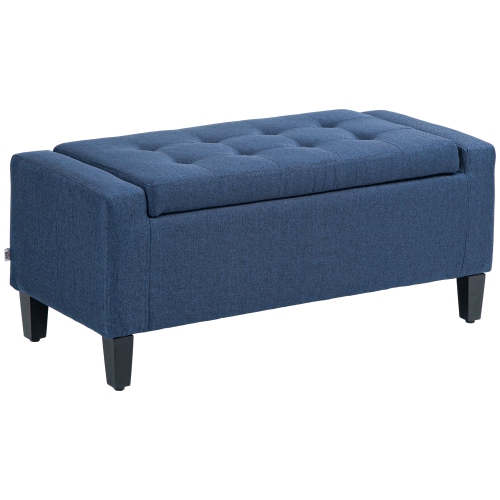 Your price for this item is $139.99
-
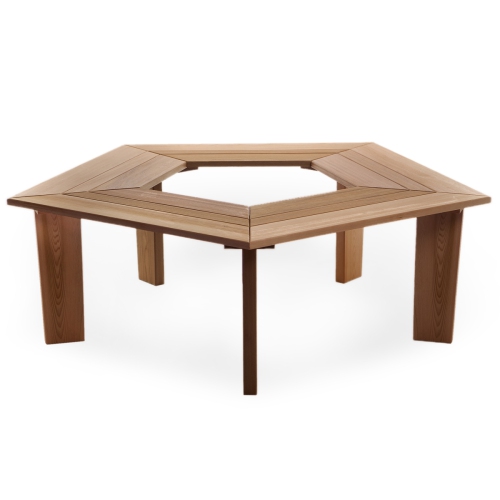 Your price for this item is $516.99
-
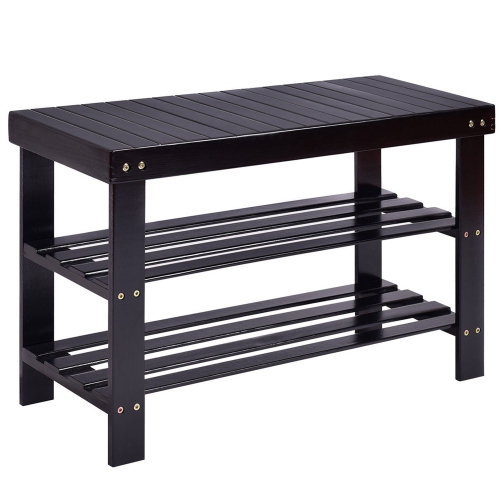 Your price for this item is $73.99
-
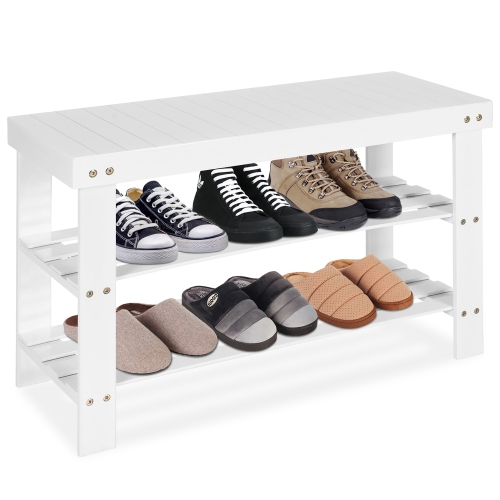 Your price for this item is $73.99
-
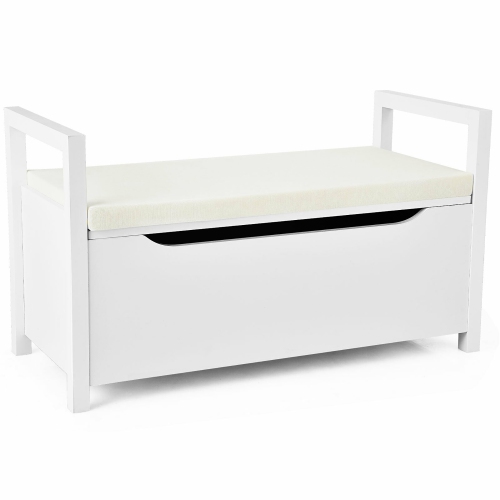 Your price for this item is $275.99
-
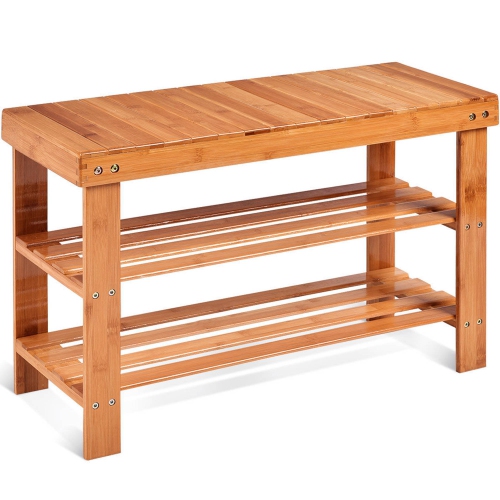 Your price for this item is $73.99
-
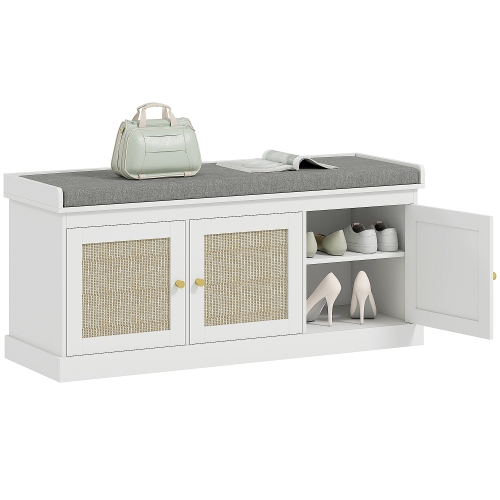 Your price for this item is $134.99
-
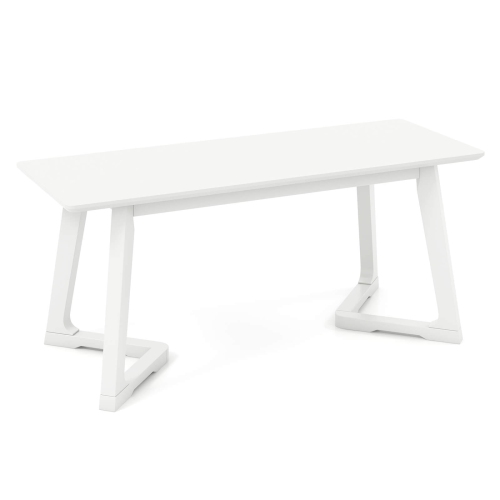 Your price for this item is $108.99
Discover more categories related to Compact Storage Benches
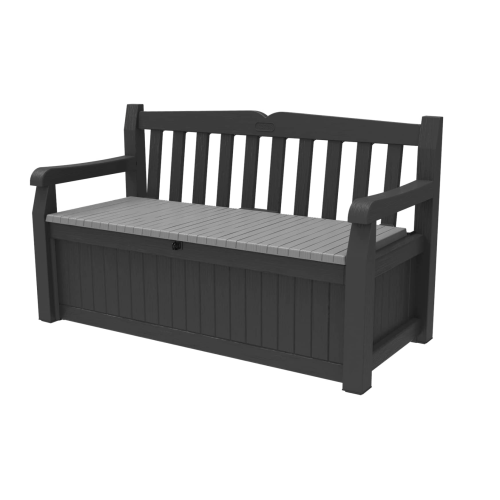
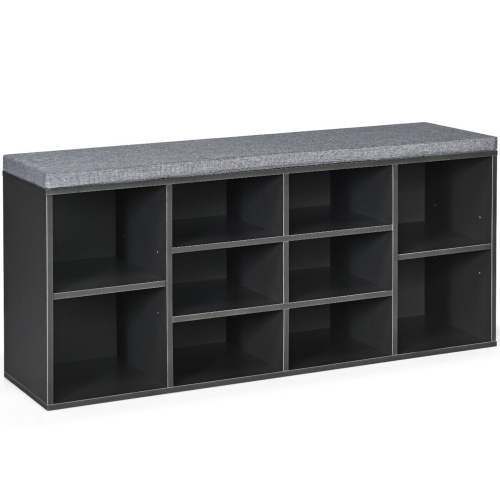
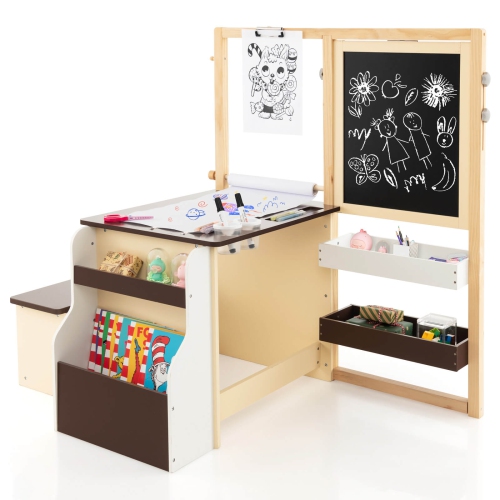
Top Collections:
Best Black Friday Deals This Year, Best Black Friday Deals On Electronics, Kindle Devices, Pokemon Centers, Best Black Friday Deals On Apple Products, Best Cameras for Sports Photography, Dyson Airwrap, Pokémon 30th Celebration Cards, Apple iPhone 17 Pro, Canon G7X Cameras
Some products may be subject to Environmental Handling Fees
(EHF) depending on your province.
Learn more about EHFs.