Contemporary Dining Room Furniture
The dining room is the heart of the home, where family and guests gather for meals, celebrations, and quiet moments together. If you're looking to add a contemporary touch to your dining room, here are some of our favorite contemporary dining room furniture pieces.
Sort
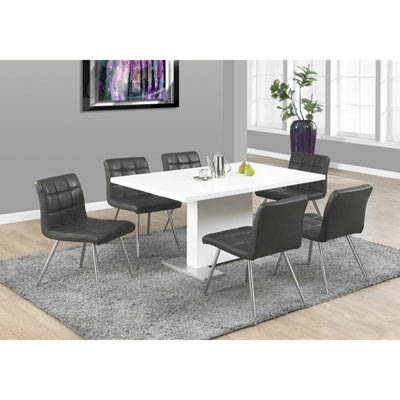
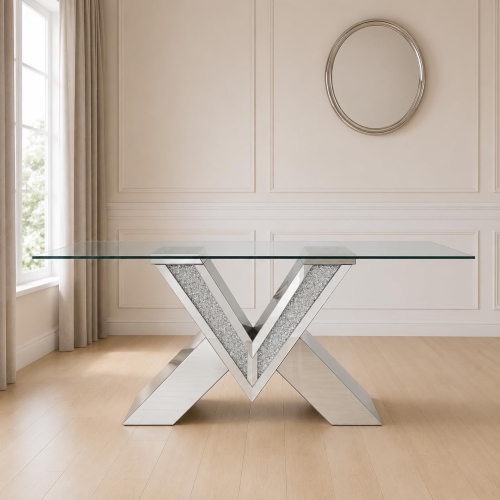
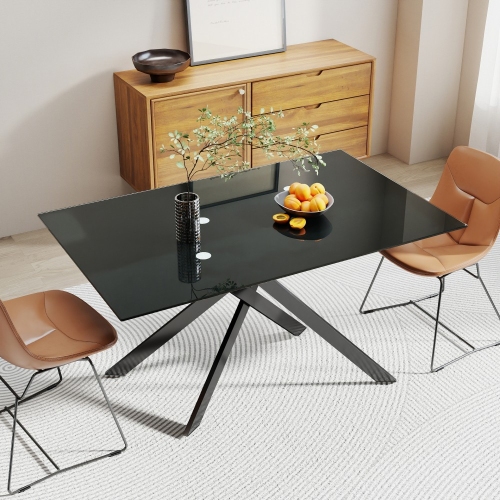
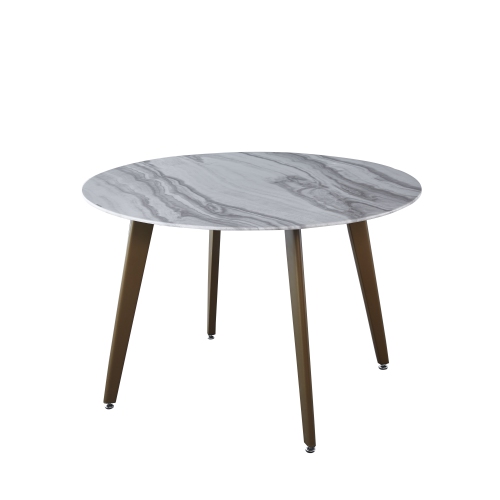
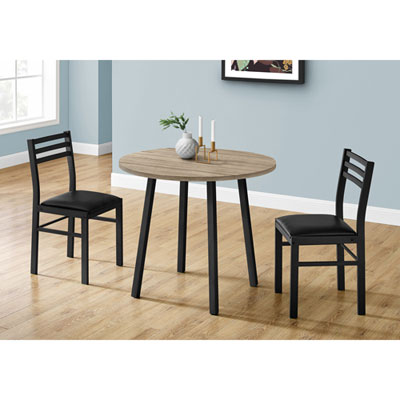
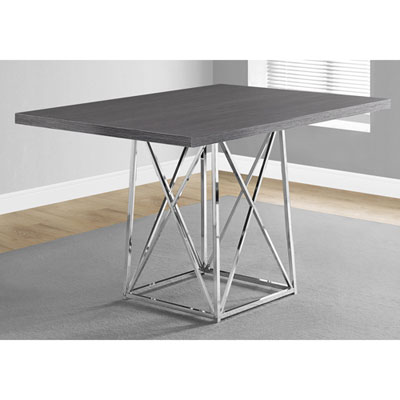
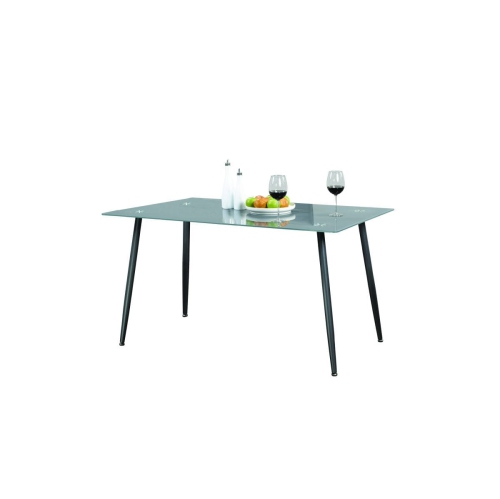
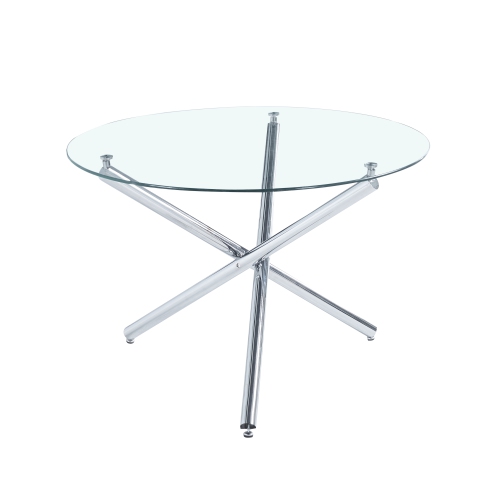
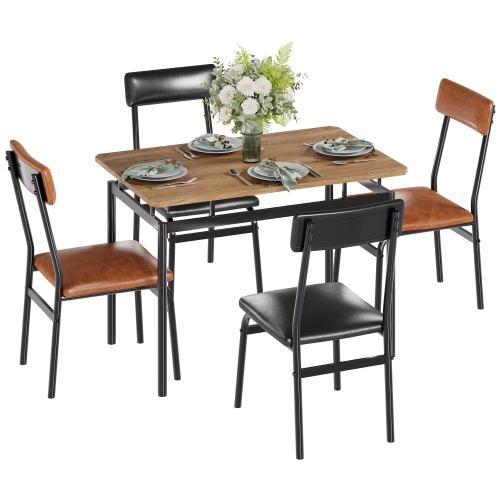

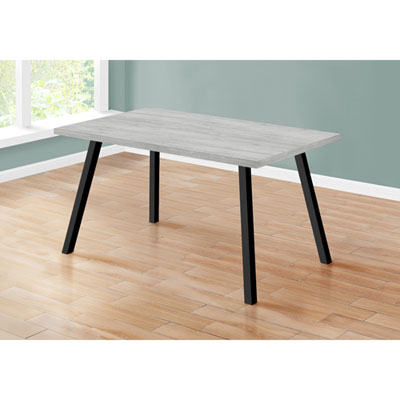
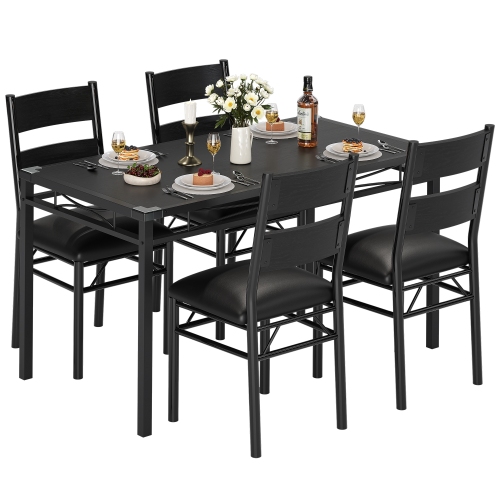

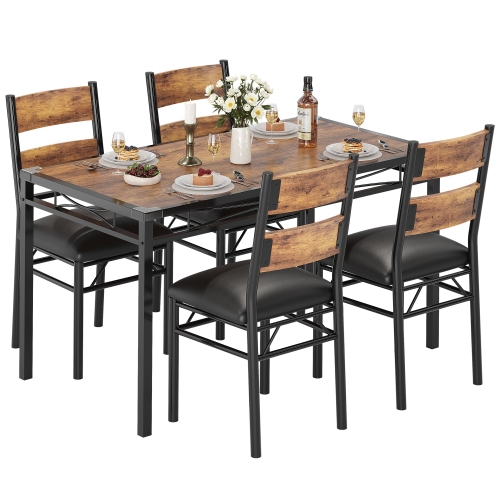
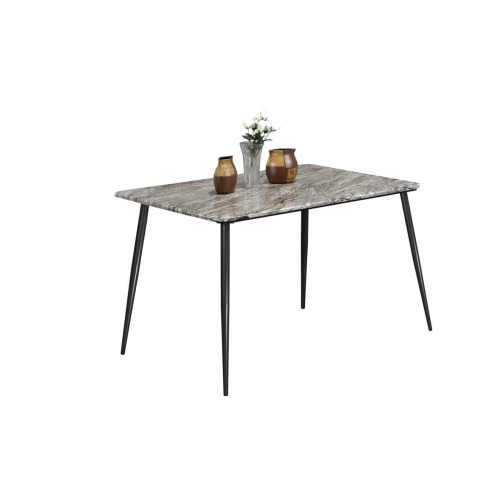
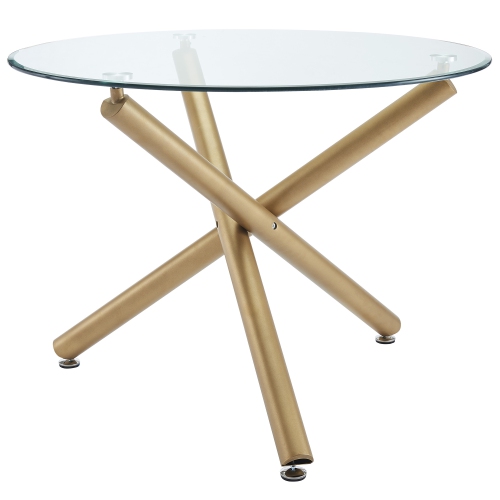


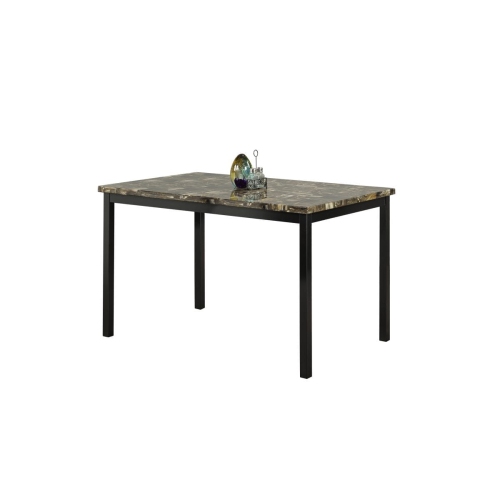
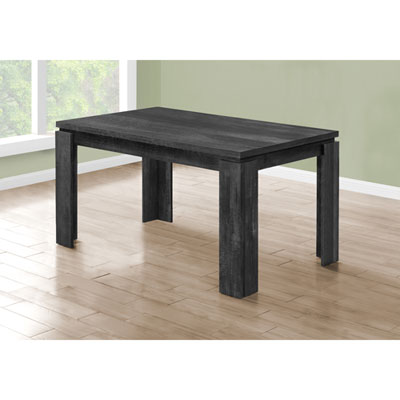

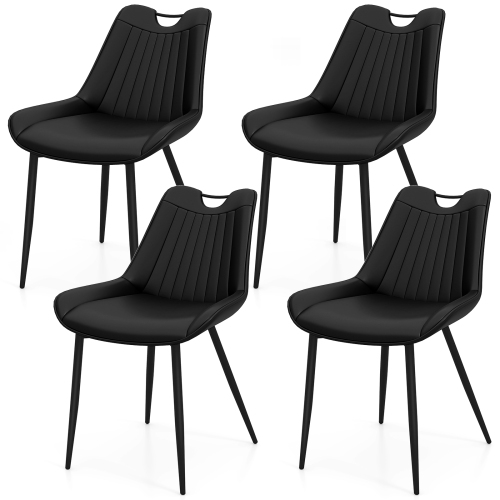
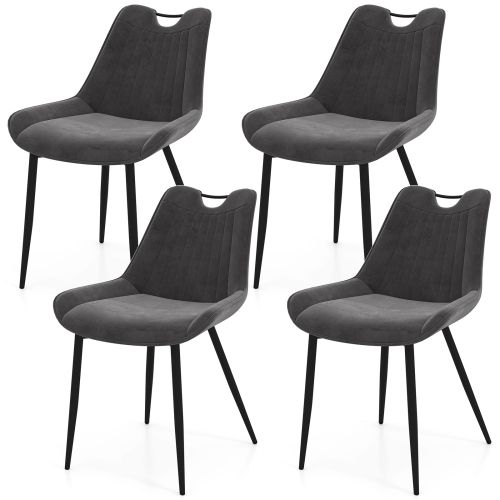

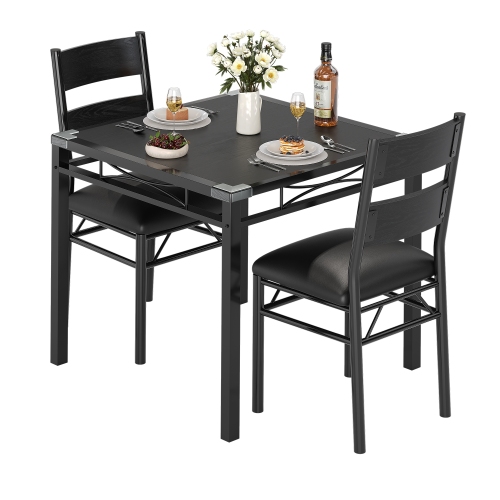
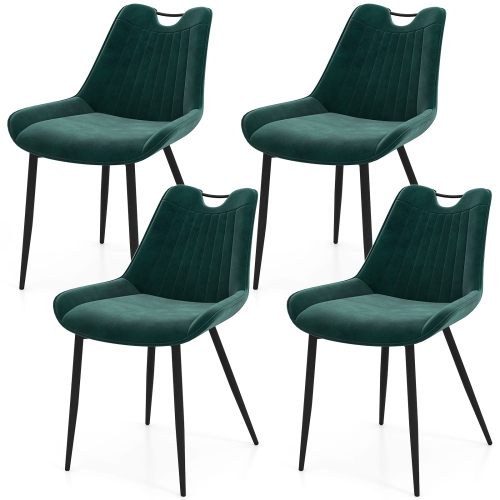

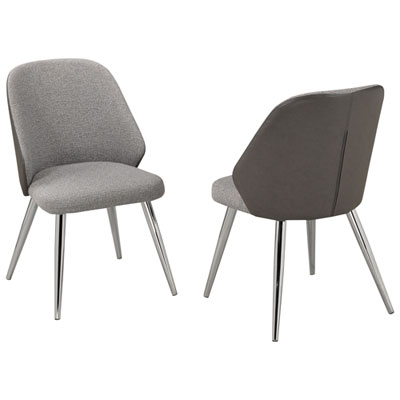

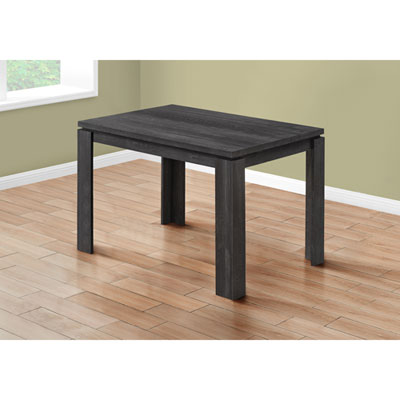

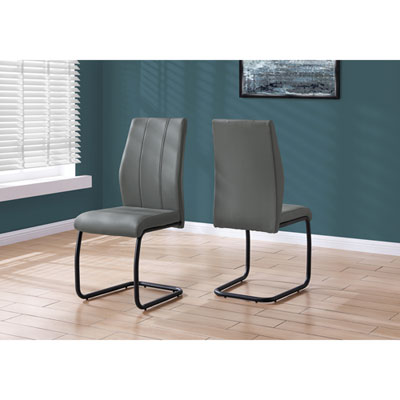
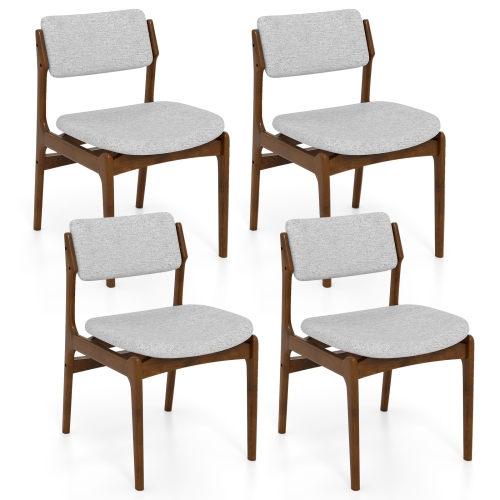
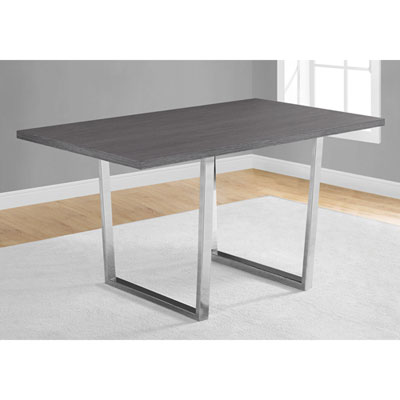
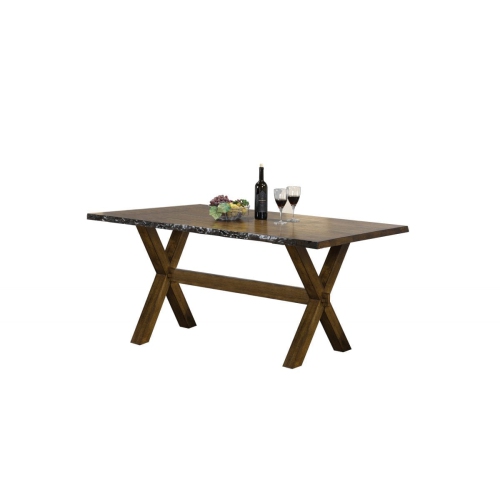




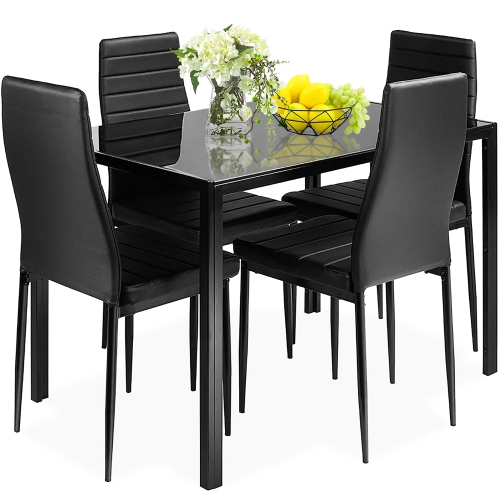
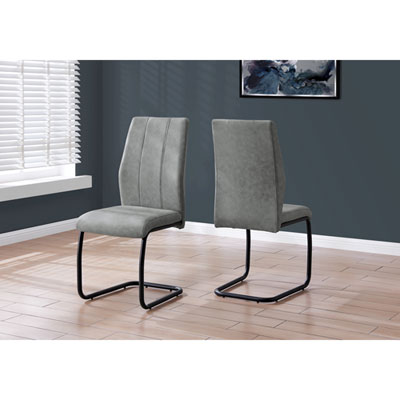


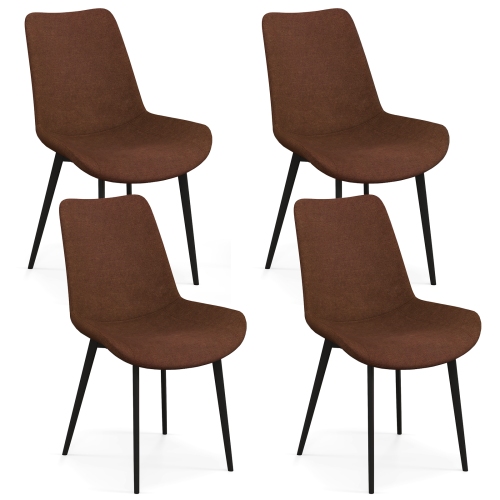
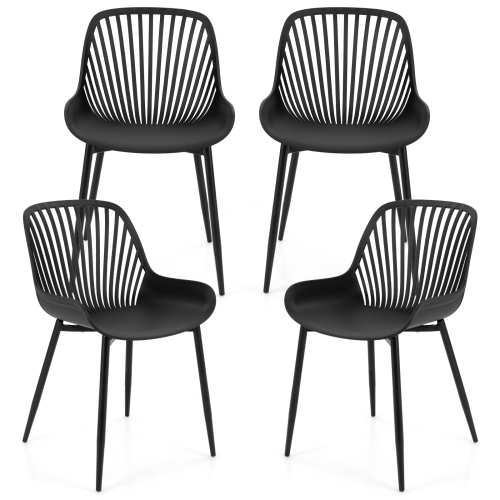


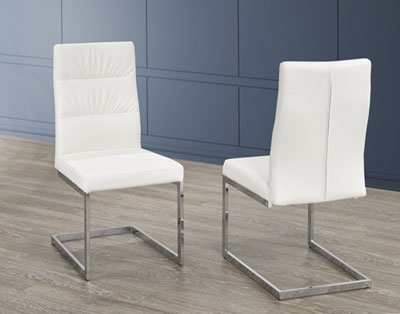

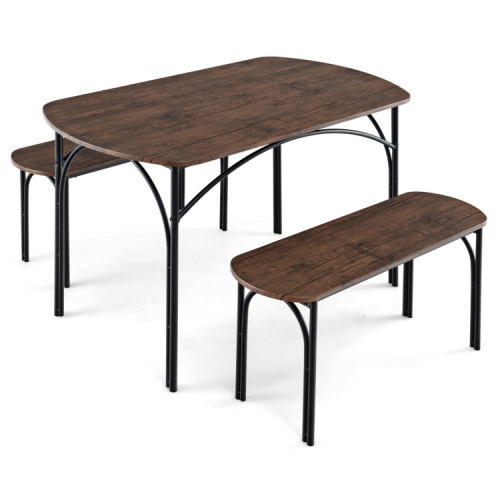

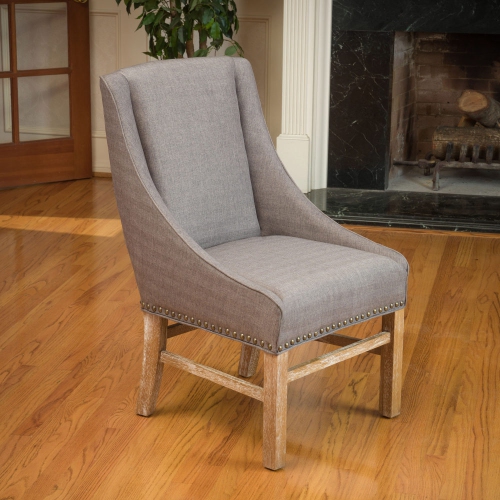

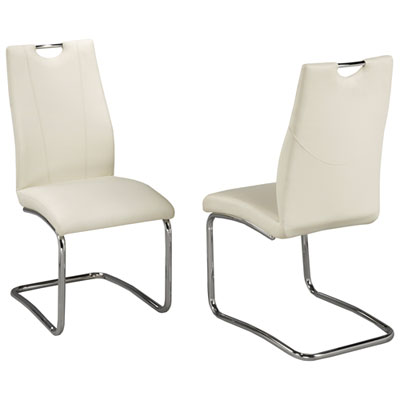

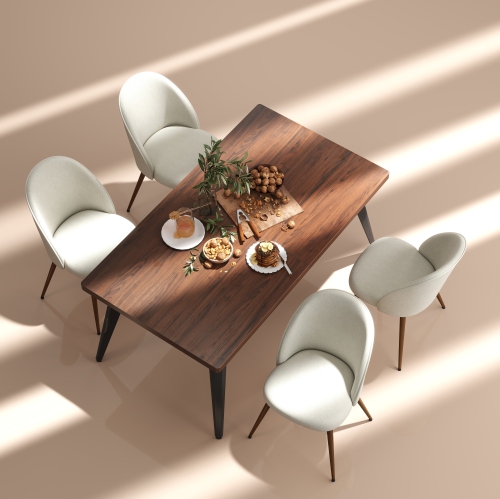
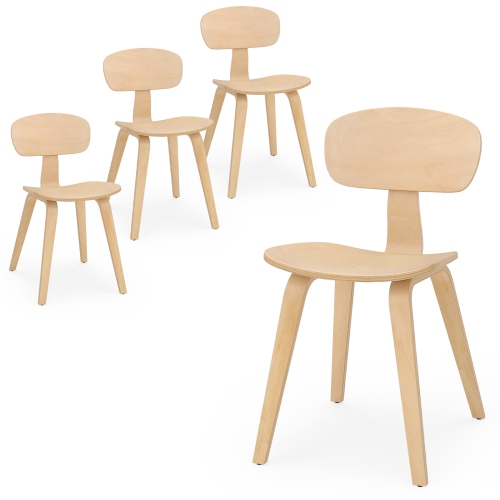


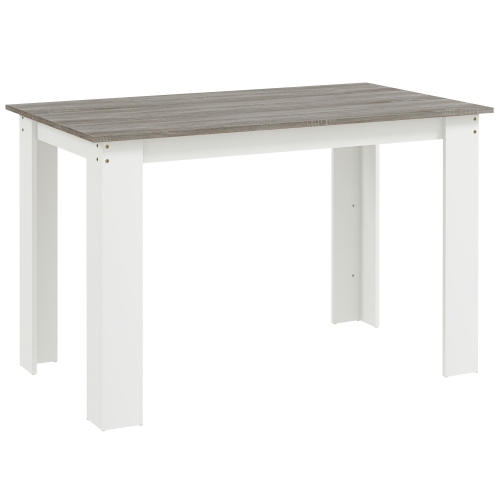
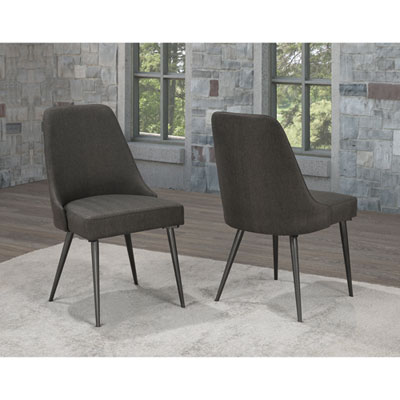

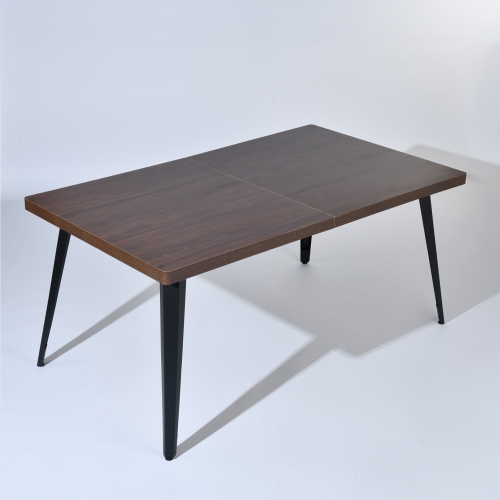
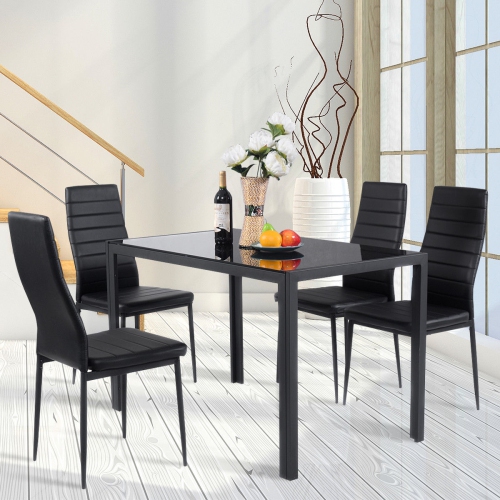
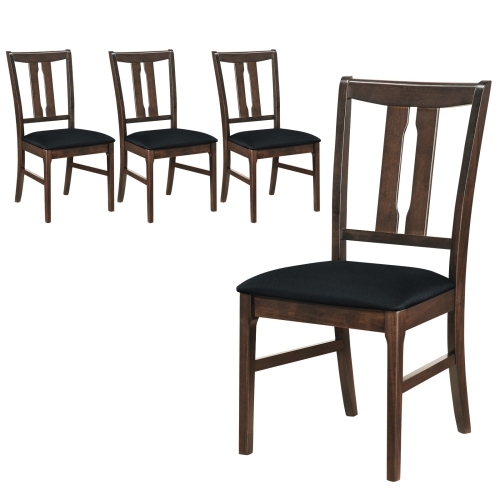
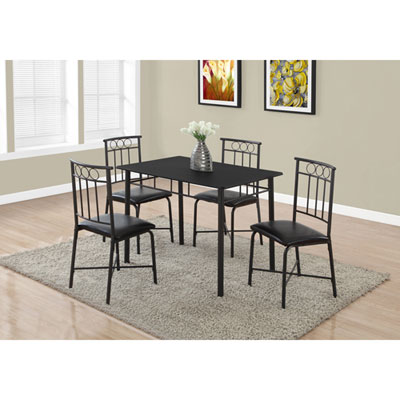


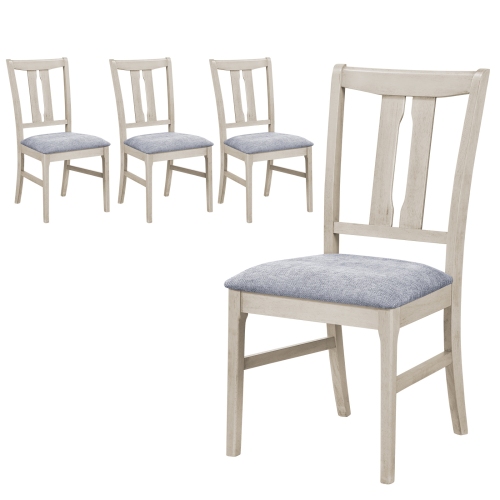
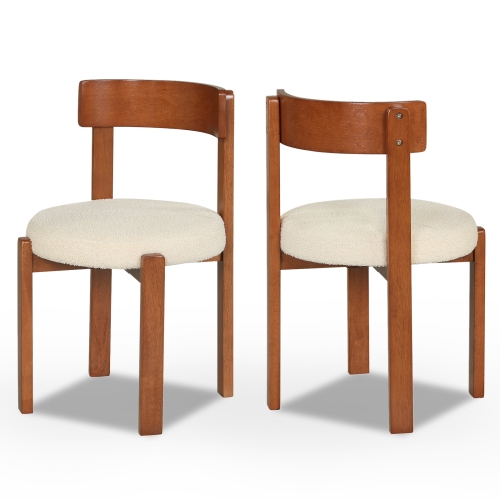


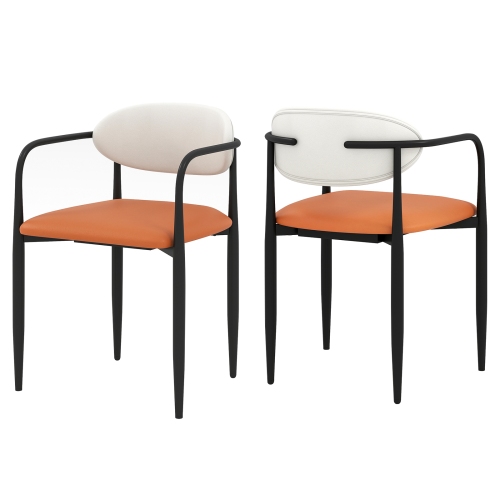


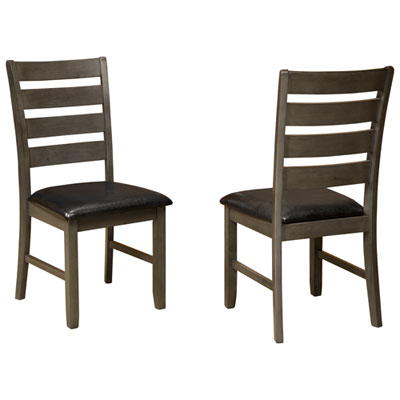
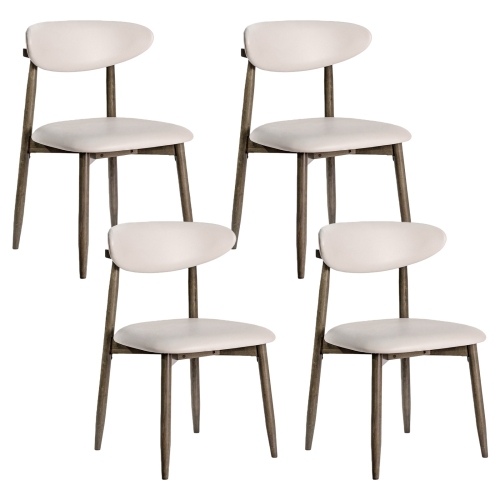
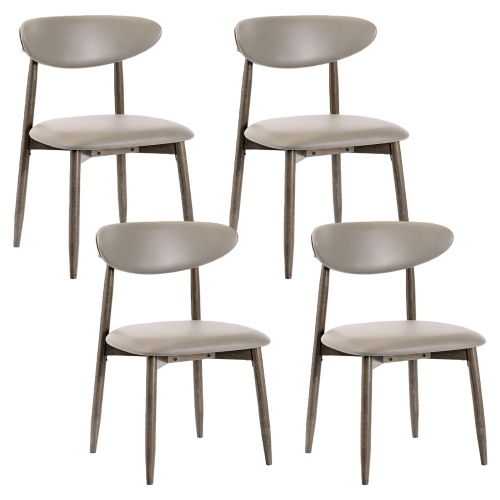
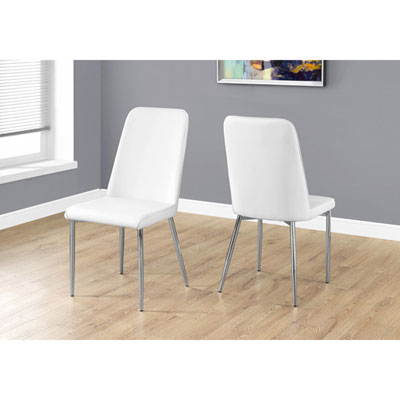

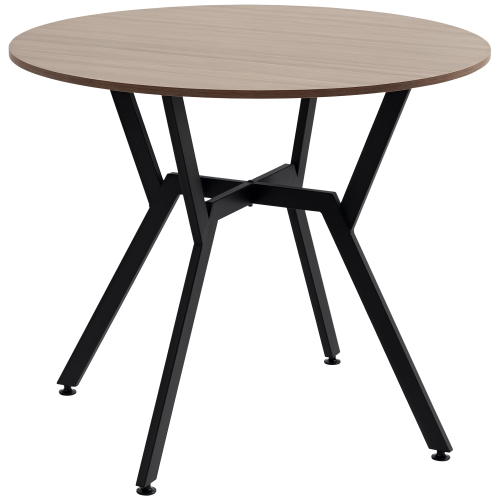

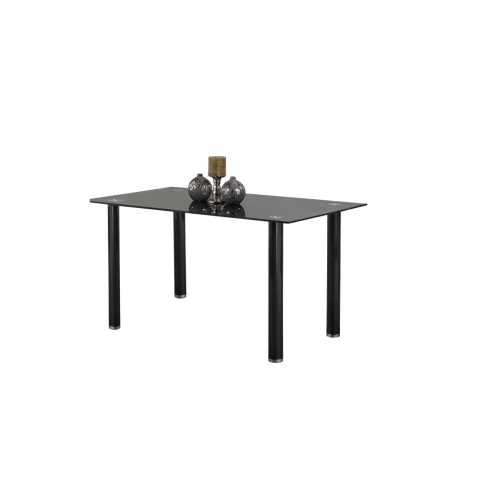


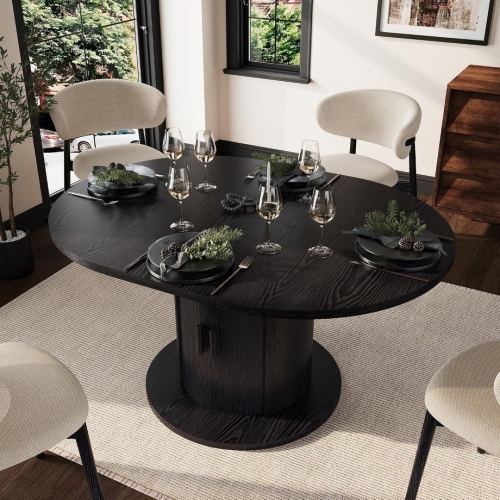
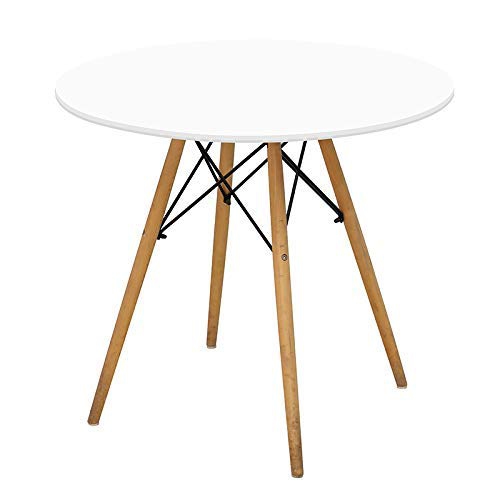

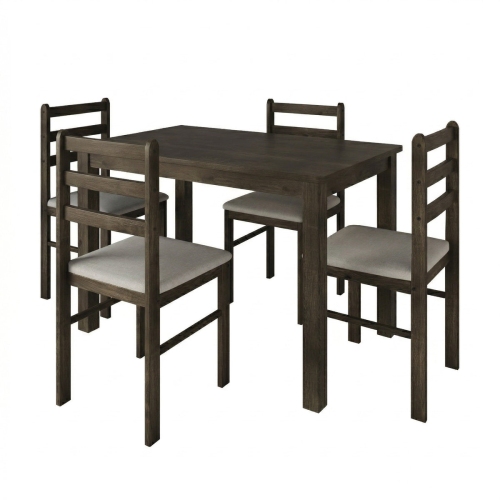
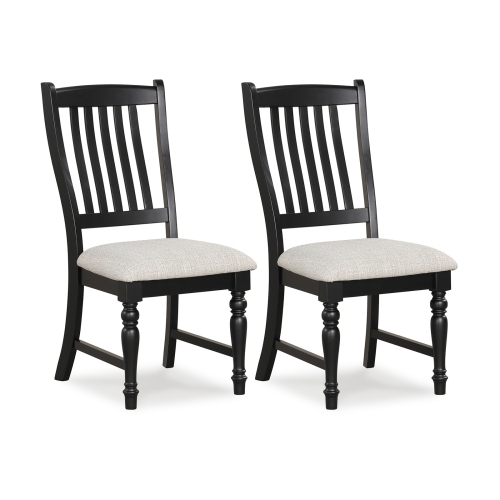
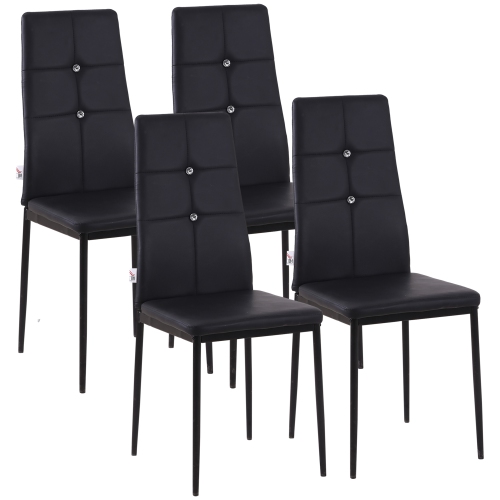
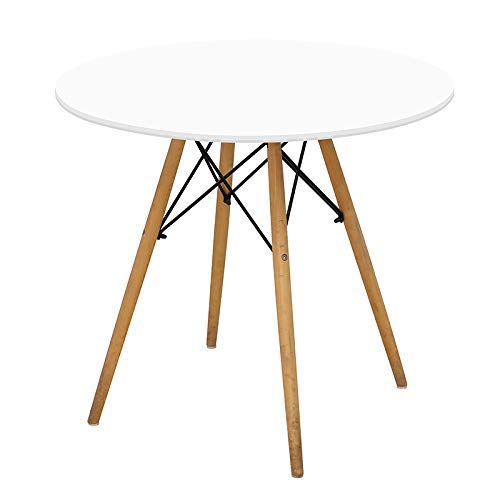
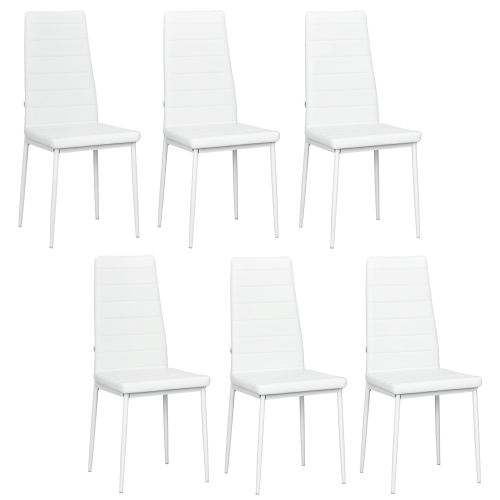


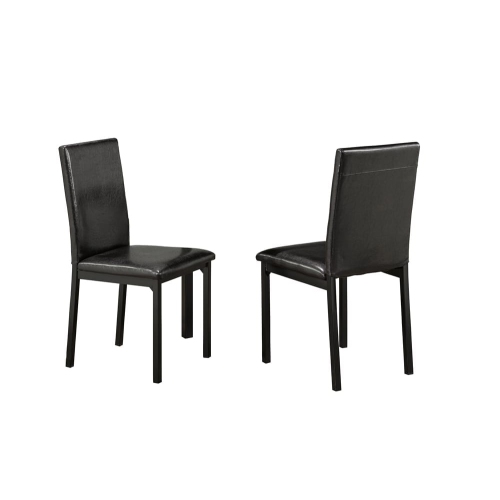

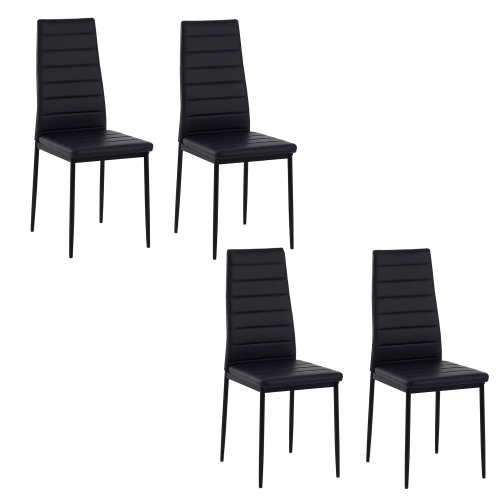

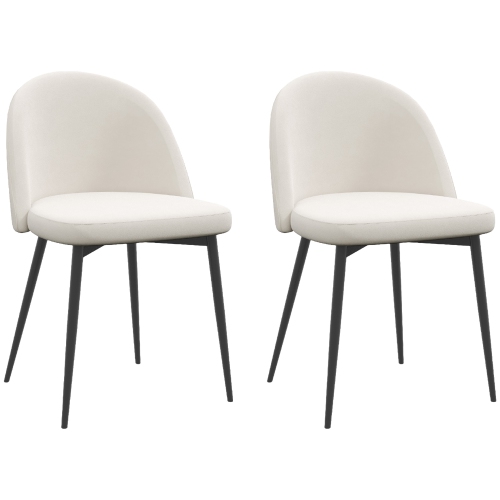


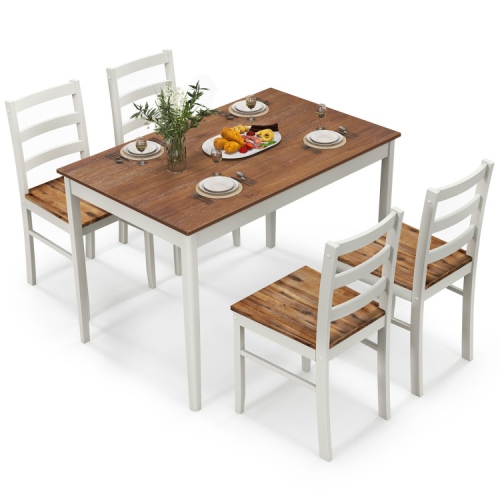
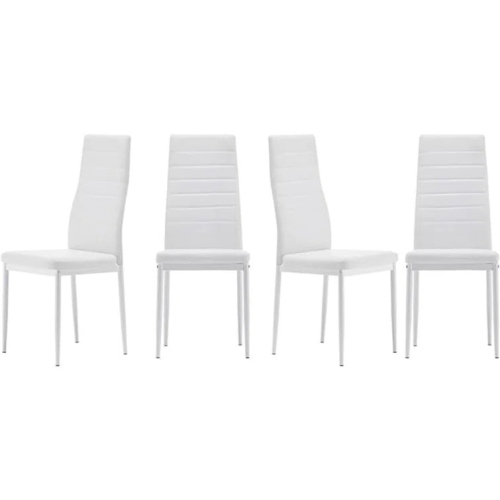


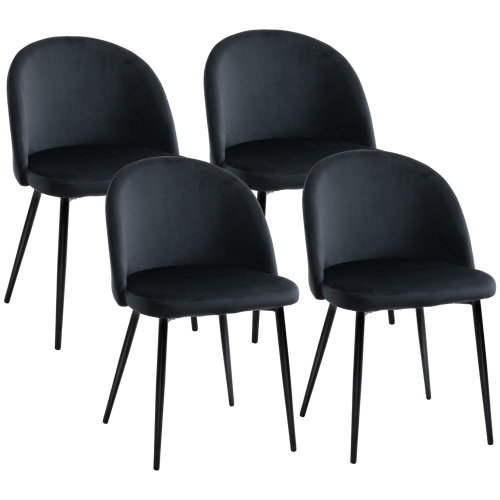


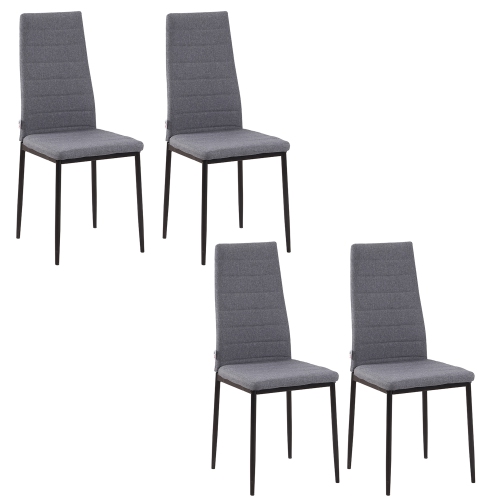


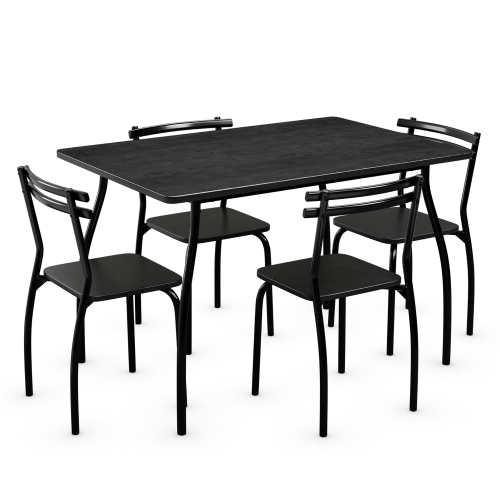


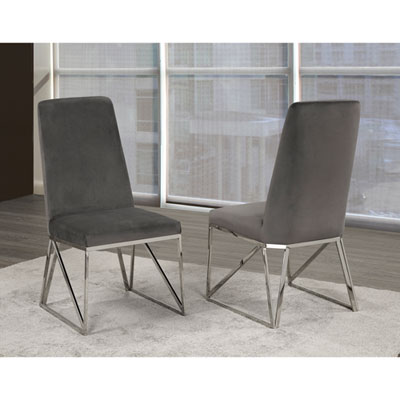


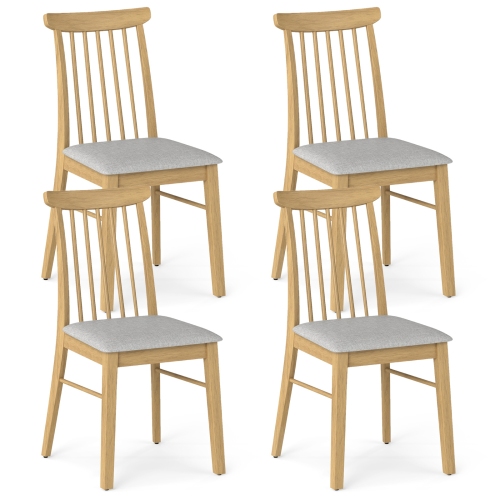


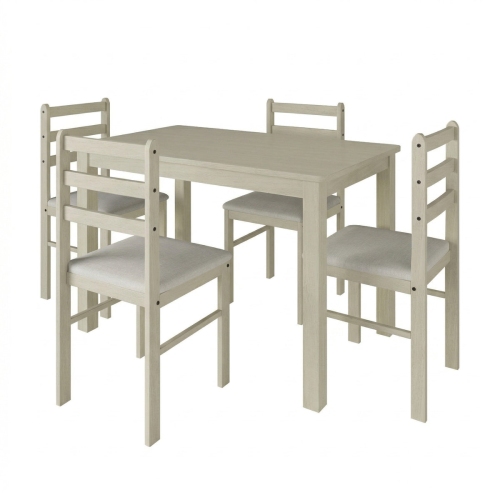
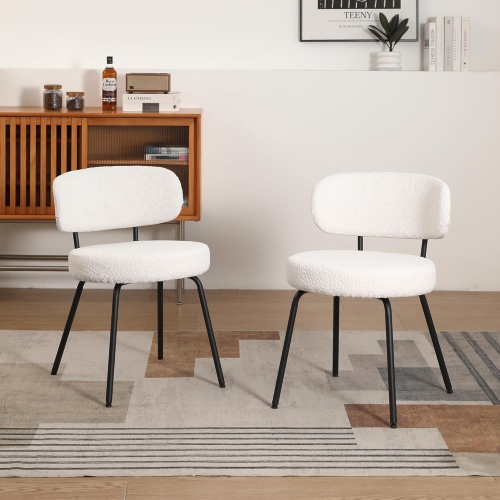
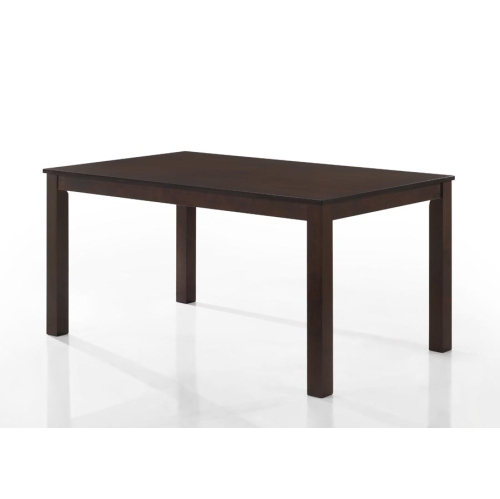
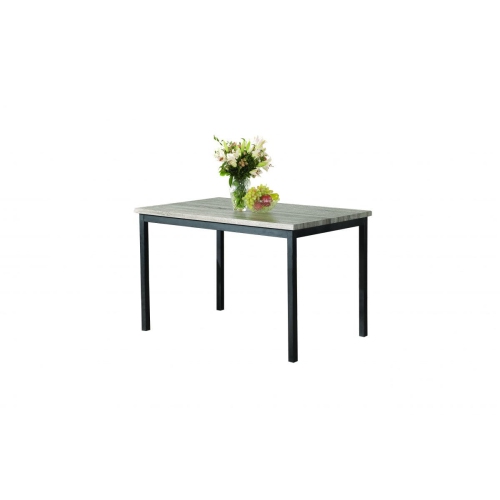
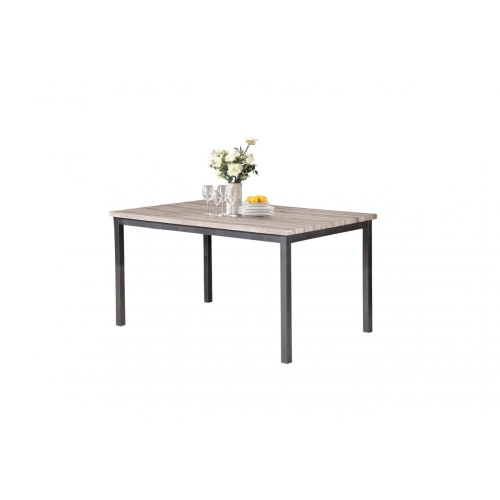

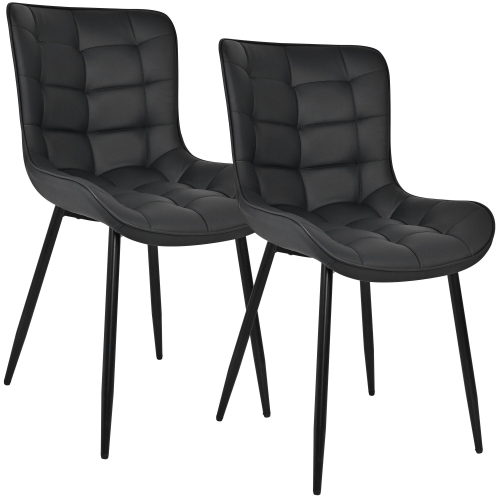
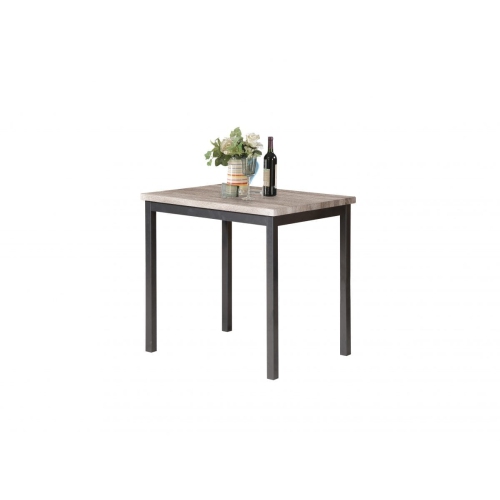
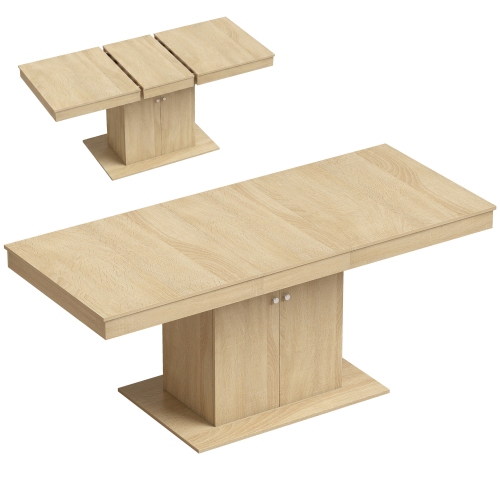


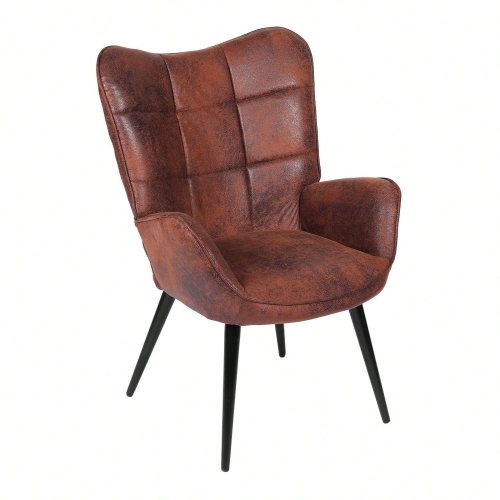


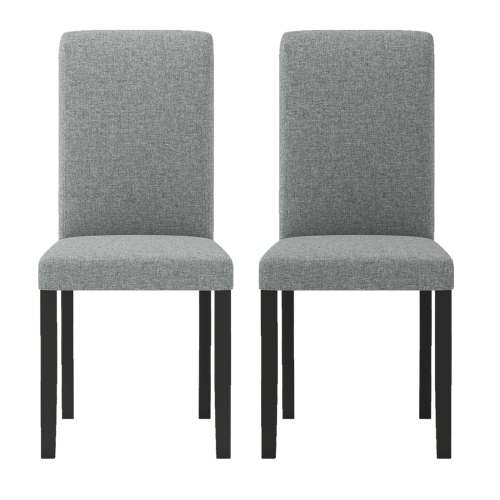
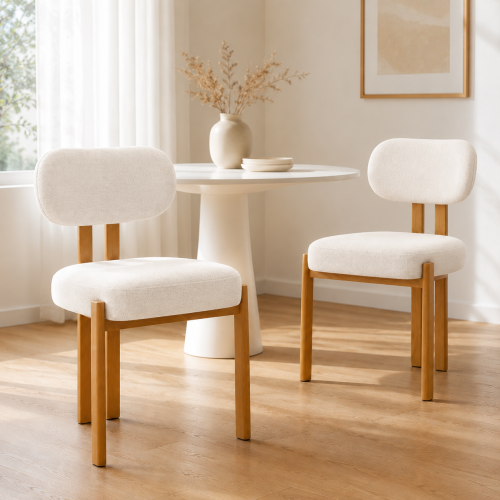


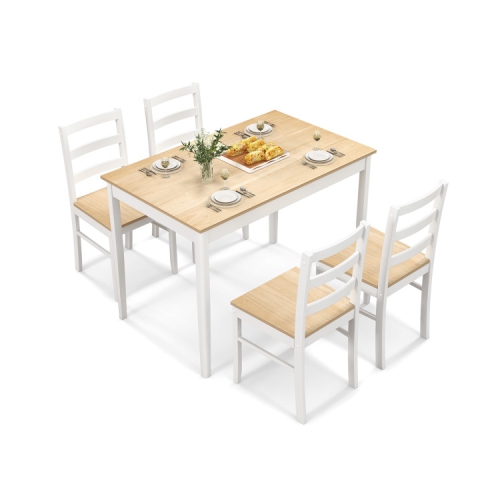
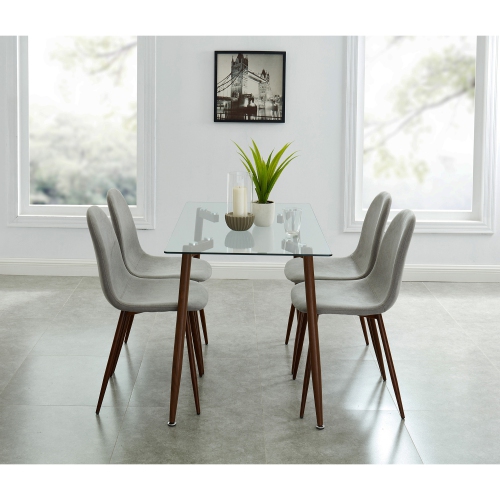


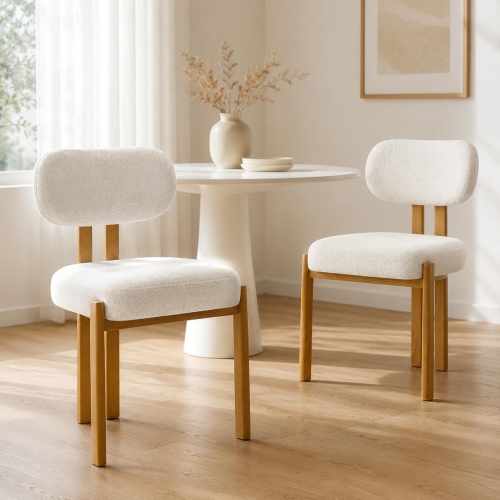


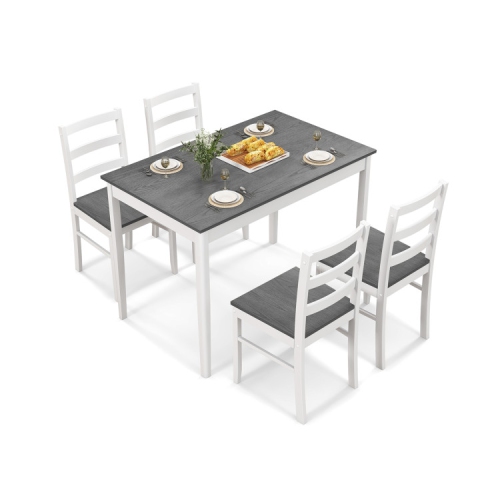
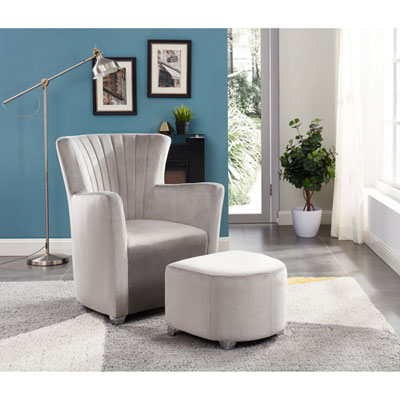
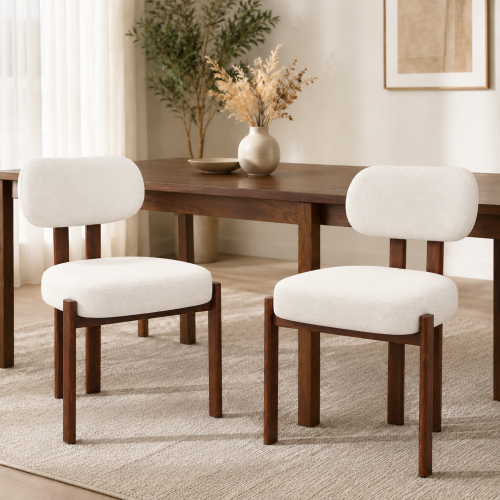


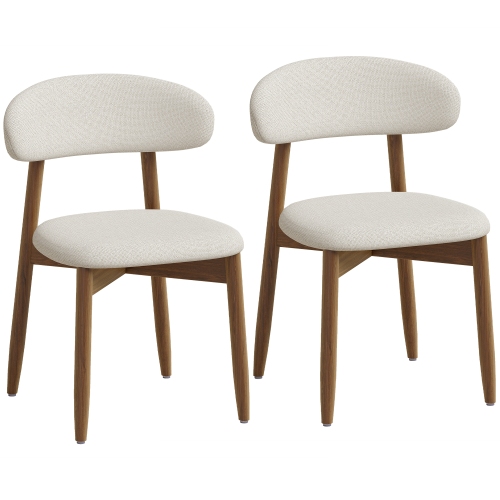
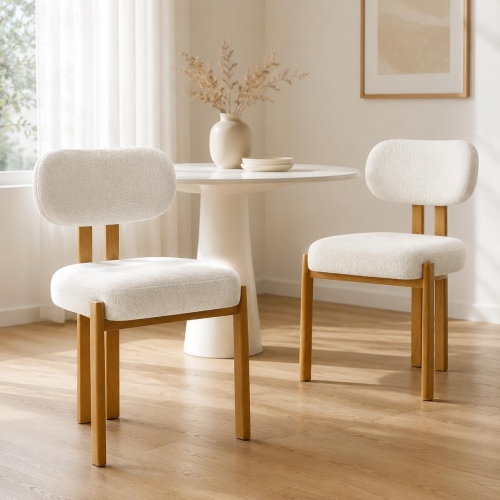

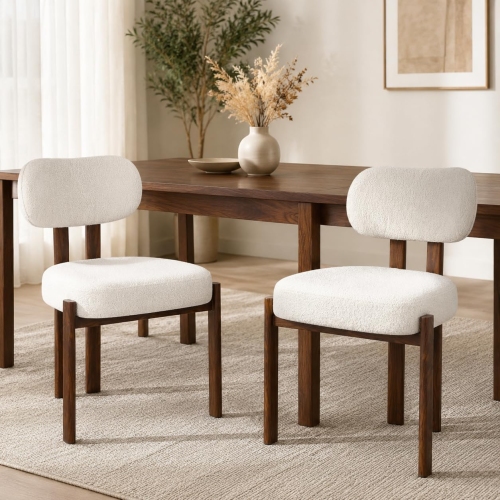

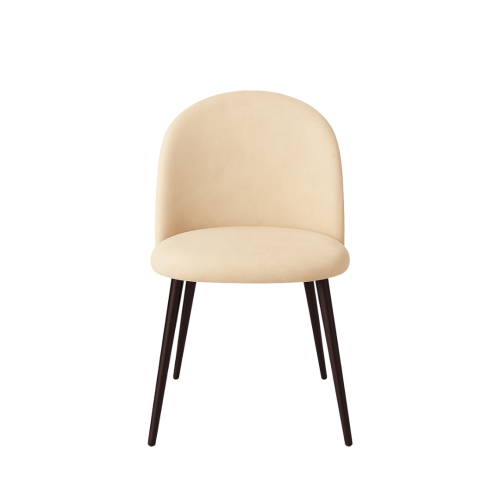


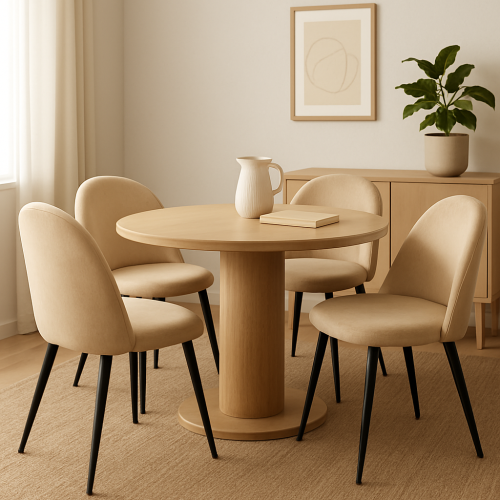


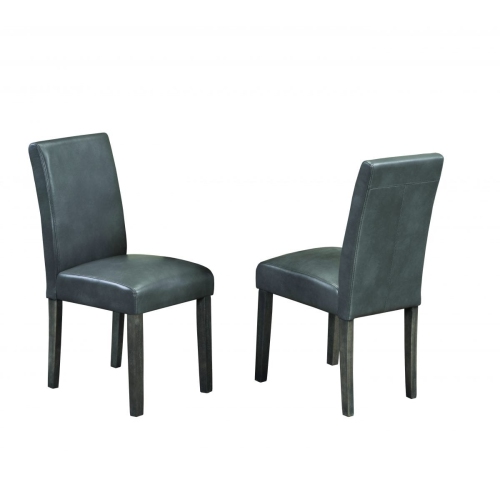
Clean lines and comfort for meals that linger
Contemporary dining room furniture combines clean lines, balanced proportions and practical comfort, creating a place for everyday meals as well as longer gatherings. The look is defined less by a single material than by how the pieces work together: a streamlined table, comfortable seating and useful storage can give a room a cohesive feel without making it overly formal. Contemporary designs often mix wood grain, metal, glass and upholstery, with colour and texture adding interest where elaborate ornament might otherwise appear. Table shape has a strong influence on how the space functions. Round tables encourage conversation and can work well in square rooms or compact dining areas, while rectangular tables suit longer rooms and make it easier to arrange seating along both sides. Oval tables offer a similar length with curved ends that soften the outline. An extendable table can accommodate different occasions, provided there is enough room for the expanded surface and additional chairs. Everyday fit matters just as much as seating capacity. A clearance of approximately 36 inches between the table edge and a wall or nearby furniture is a useful starting point, with extra space where people need to walk behind occupied chairs. Measuring the room alone is not enough; chair depth, door swings and the position of a sideboard can all affect movement. Table bases also deserve attention. A pedestal may offer more flexibility for placing chairs, whereas corner legs and trestle supports can determine where people can sit comfortably. Chair arms should fit beneath the tabletop or apron if the seating needs to tuck away. In an apartment, that small detail can keep the dining area from spilling into a walkway. In a larger home, generous spacing can make a full table feel relaxed rather than crowded. The most suitable arrangement supports the household’s usual routine, not just the largest gathering it might occasionally host.
Materials give contemporary dining furniture much of its character, but they also affect weight, upkeep and how surfaces respond to daily use. Solid wood brings visible grain and natural variation, and some finishes allow minor marks to become part of the furniture’s appearance over time. Wood can respond to changes in indoor humidity, so placement away from direct heat sources and care suited to the finish are important. Wood veneer offers a real wood surface over a supporting core; its durability depends on the quality of the construction, the finish and how well edges are protected from moisture and impact. Engineered wood surfaces vary considerably, making the stated care requirements more useful than assumptions based on appearance alone. Glass tabletops create an open sightline that can help a dining area feel less visually crowded, although fingerprints and smudges tend to be more noticeable. Stone, ceramic and stone-look tops can provide a substantial focal point, but their composition, sealing needs and resistance to heat or staining differ. Protective mats and coasters remain sensible even when a surface is described as hard-wearing. Metal frames introduce crisp outlines, with painted, plated or powder-coated finishes requiring cleaning methods appropriate to that finish. Seating materials deserve the same consideration. Upholstered chairs can make a leisurely meal more comfortable, while textured fabrics add softness alongside smooth tabletops and storage fronts. For homes with young children or frequent spills, accessible seams, easy-to-wipe surfaces and removable covers, where specified, can simplify care. Leather and synthetic upholstery have different maintenance needs, and neither should be treated with an unapproved cleaner. Comfort also depends on the shape beneath the covering: seat depth, back support and cushioning affect how a chair feels after more than a few minutes. Secure joints, stable legs and appropriate weight ratings matter more to everyday durability than appearance alone. A chair that feels steady when someone sits down and a table that remains stable during normal use provide a better foundation for daily dining than styling details can offer by themselves.
A coordinated dining room does not require every piece to match exactly. Repeating a wood tone, frame colour or curved detail can connect different pieces while allowing the room to retain some individuality. A light-toned table with darker chairs, for example, can create definition in an open-plan space, while upholstered seats can soften the effect of a metal base or a smooth storage cabinet. The pared-back shapes found in Modern Dining Furniture share common ground with contemporary styling, although contemporary rooms often allow a broader mix of textures and influences. Visual balance matters: a substantial tabletop can work with slimmer chairs, while a delicate table may need seating with enough presence to anchor the arrangement. Benches offer another seating option, particularly along one side of a rectangular table, but their length, leg placement and lack of individual back support should suit the people using them. A bench that slides beneath the table can free floor space between meals, provided the base leaves enough clearance. Sideboards and buffets extend the usefulness of a dining area by keeping dishes, cutlery and serving pieces close at hand. Adjustable shelves can accommodate taller pieces, while drawers help separate smaller essentials. There should still be room to open doors and drawers without blocking a chair or a main route through the room. Storage furniture should be assembled and secured according to its instructions, including any specified anti-tip measures. For a household that uses the dining table for homework, puzzles or occasional laptop use, a comfortable working height and a surface that is straightforward to protect can be especially valuable. For people who regularly host family or friends, supportive seating and accessible serving space may take priority. These practical differences help shape a room that feels personal without becoming cluttered. Contemporary dining furniture is most effective when its proportions, materials and everyday functions support the way people actually gather, leaving enough room for shared dishes, easy conversation and the simple comfort of sitting together.
Top selling and popular products
-
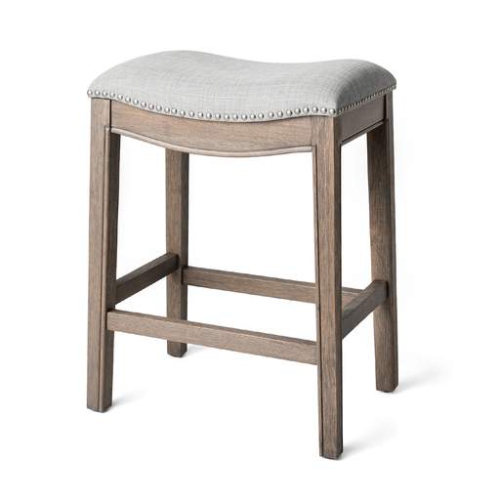 Your price for this item is $176.99
-
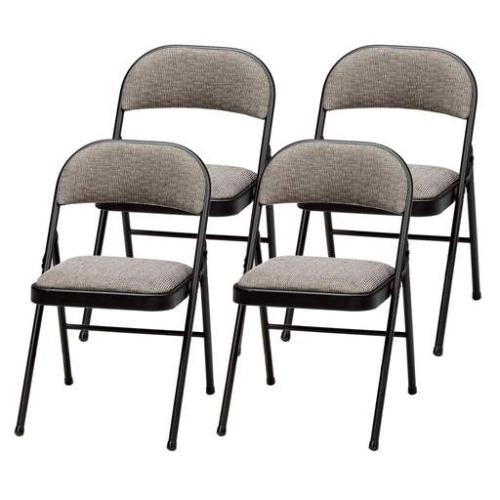 Your price for this item is $270.99
-
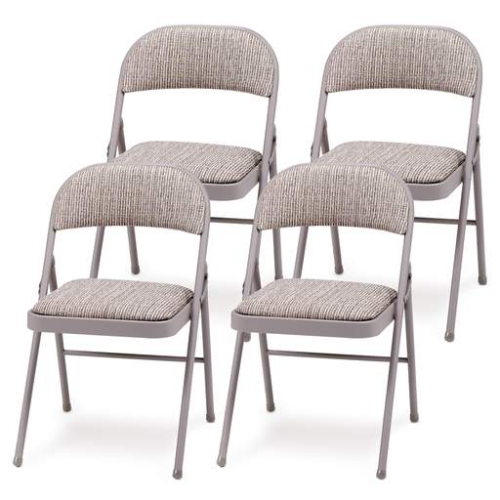 Your price for this item is $317.99
-
 Your price for this item is $430.14
-
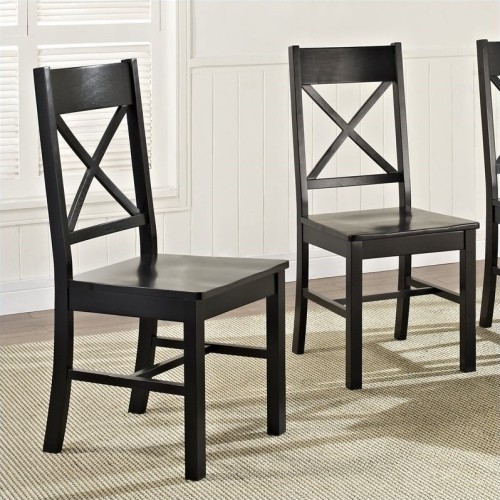 Your price for this item is $498.07
-
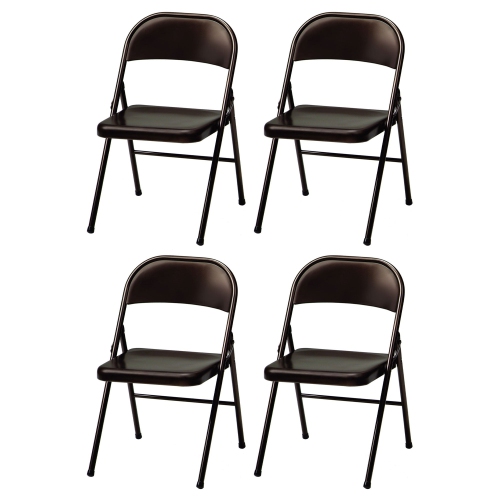 Your price for this item is $155.99
-
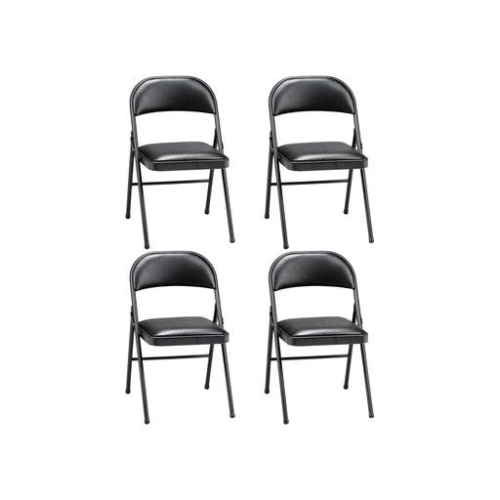 Your price for this item is $274.99
-
 Your price for this item is $431.99
Discover more categories related to Contemporary Dining Room Furniture
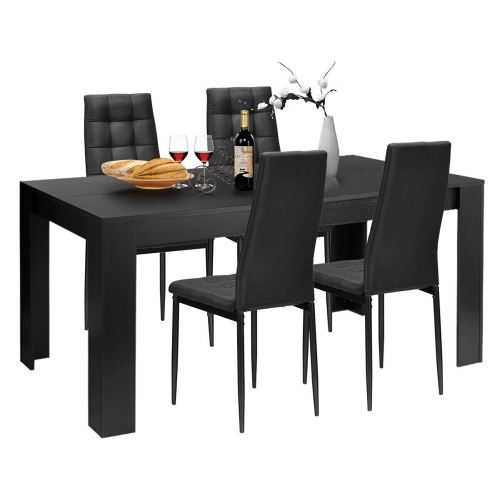
Top Collections:
Pokemon Centers, Kindle Devices, Best Cameras for Sports Photography, Pokémon 30th Celebration Cards, Apple iPhones 16, Canon G7X Cameras, iPhone 15 Apple, Flip Phones, Samsung Galaxy Phones, Alarm Clock
Some products may be subject to Environmental Handling Fees
(EHF) depending on your province.
Learn more about EHFs.