Dressers With Mirror
A dresser is a great way to store your clothes, but it can also be a great way to look at them. A mirror on the inside of the drawers makes it easy to check your appearance while you're getting dressed in the morning, and it adds visual interest to the room. Here are some great options available.
Sort
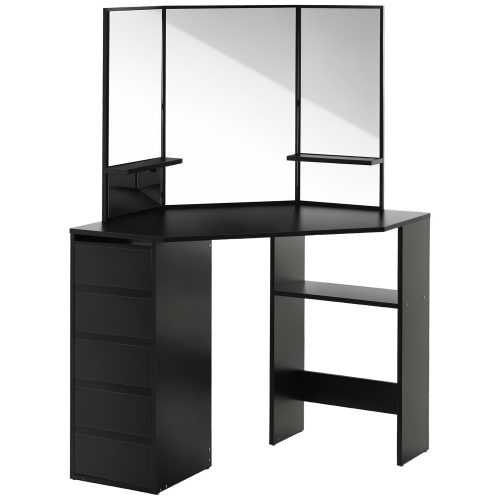

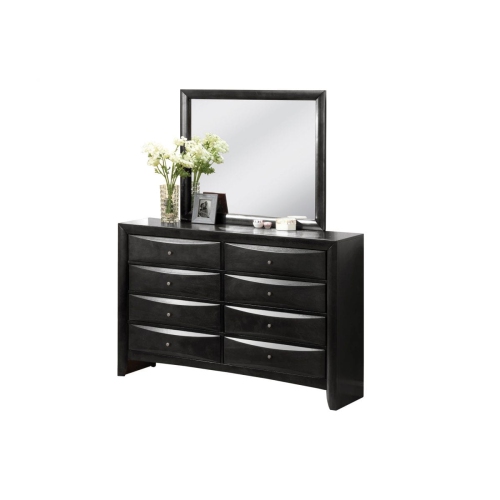
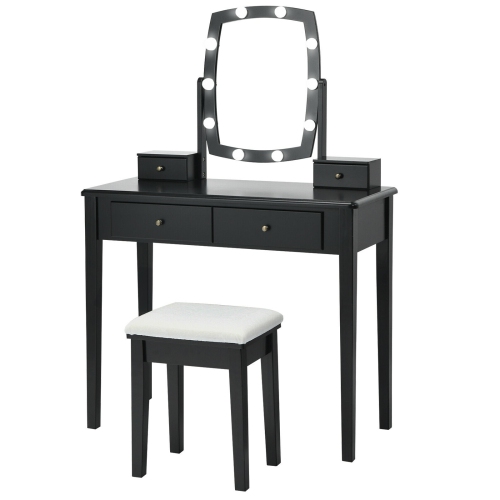
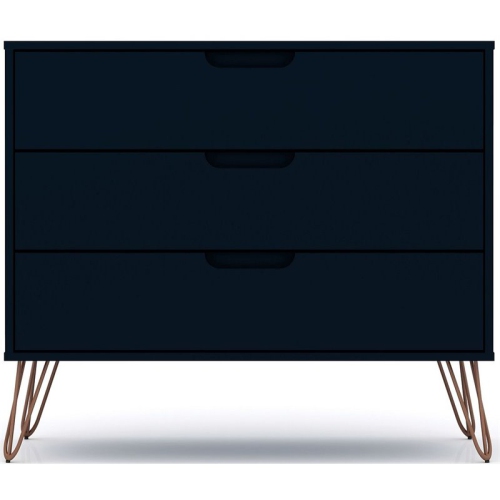
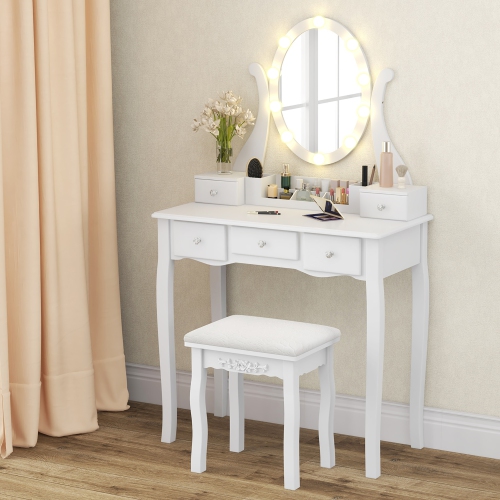
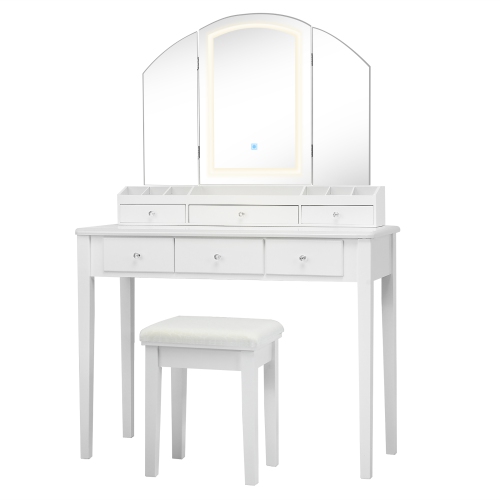
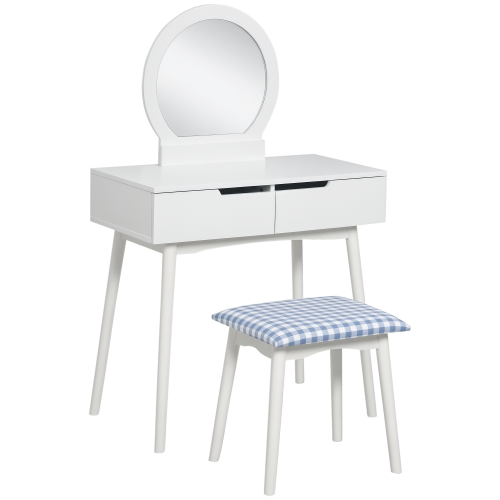
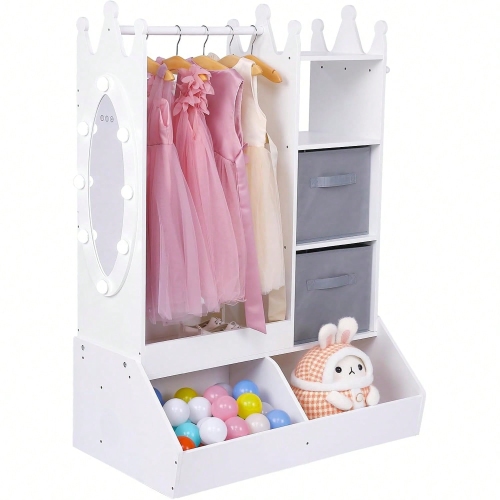
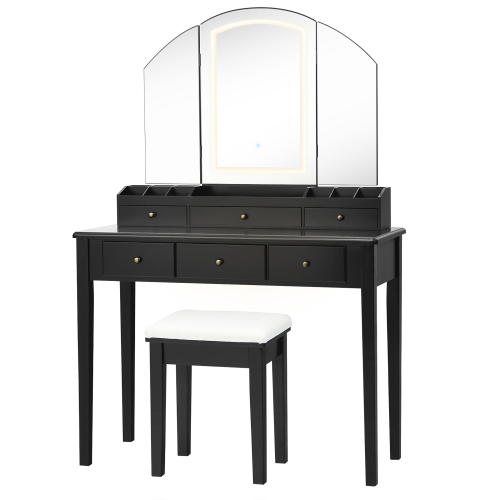
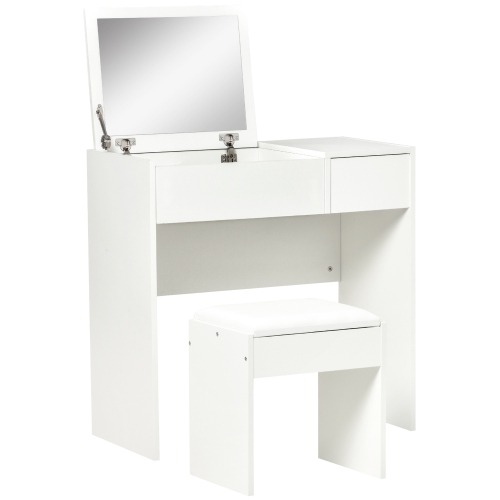
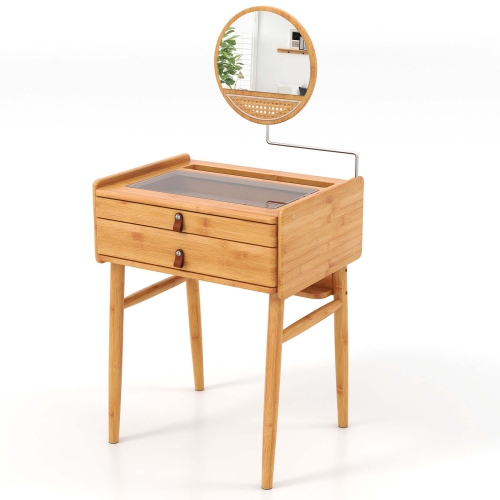
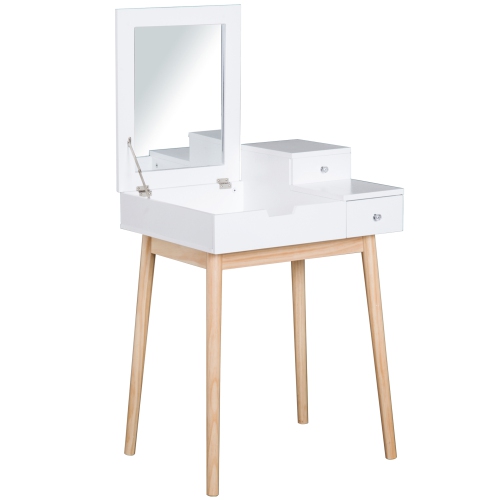
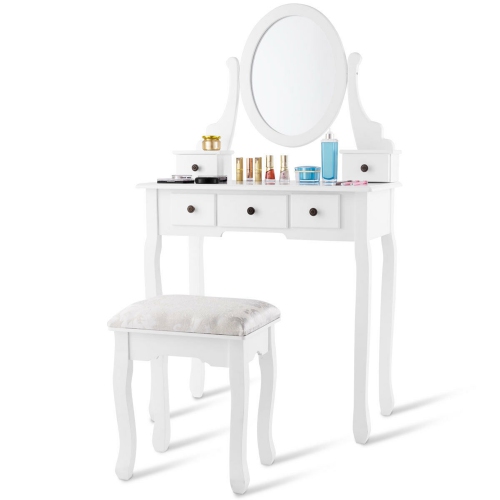
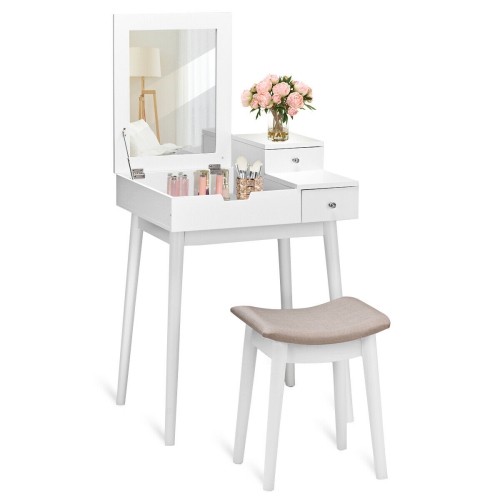
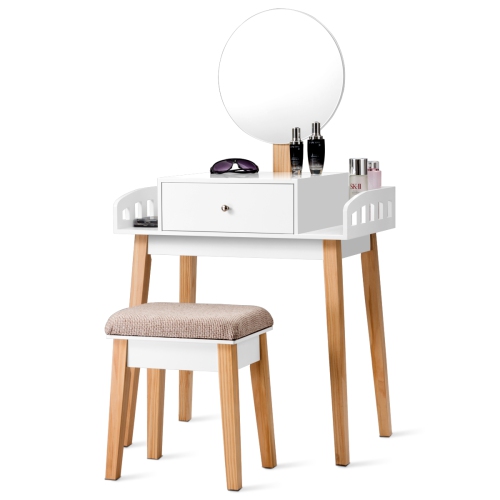
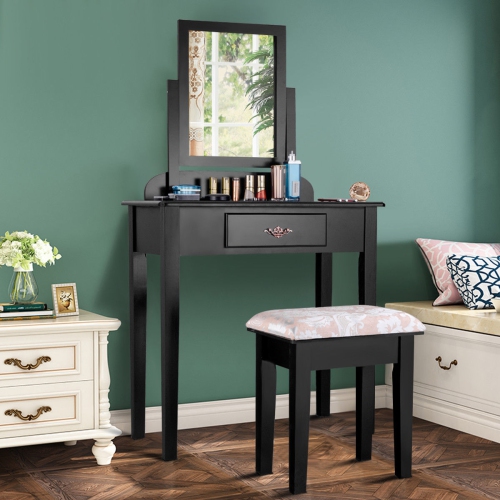
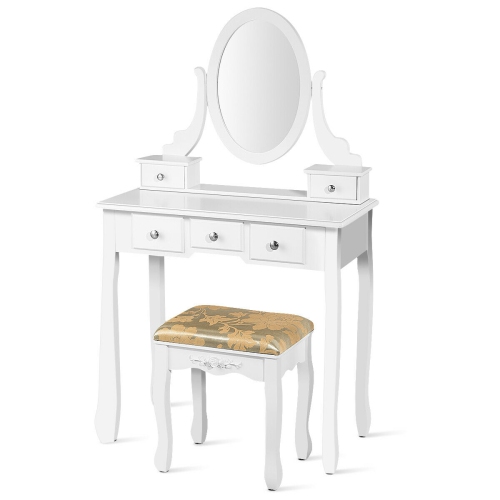
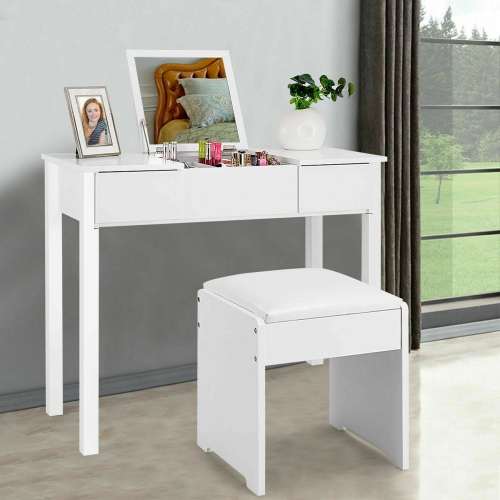
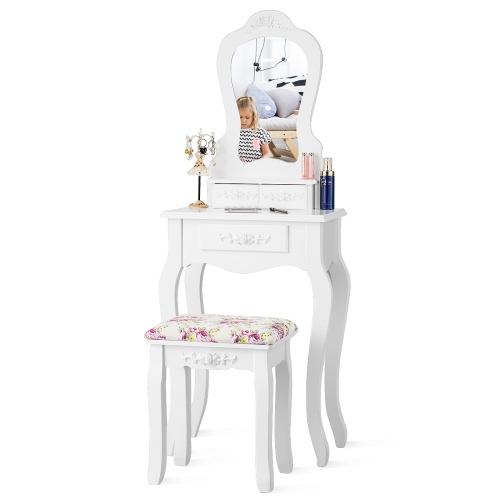
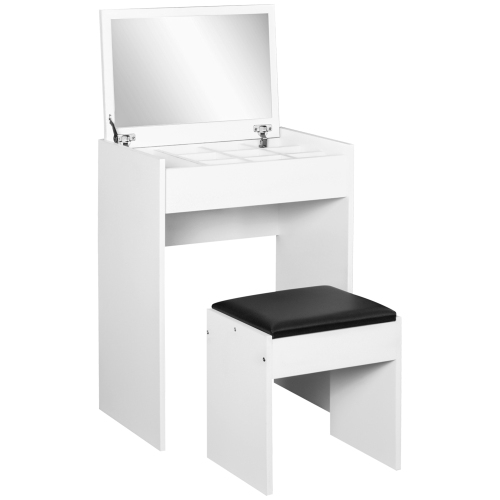

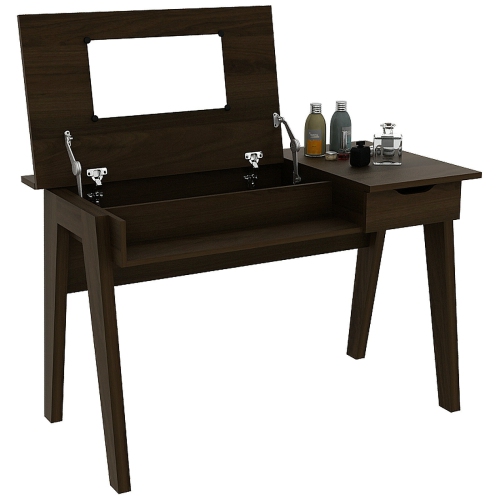
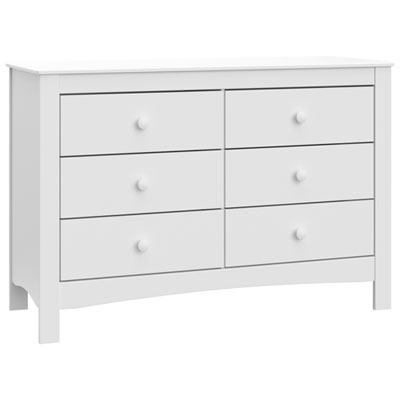
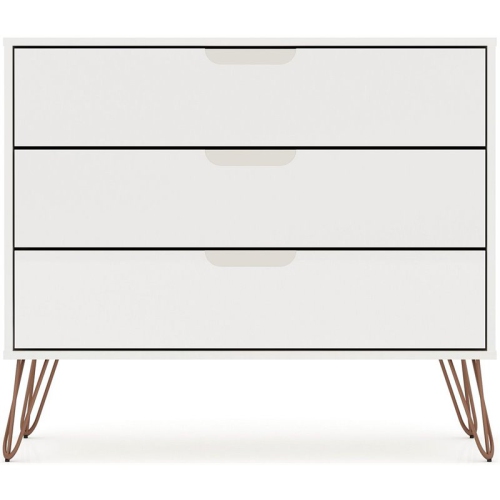
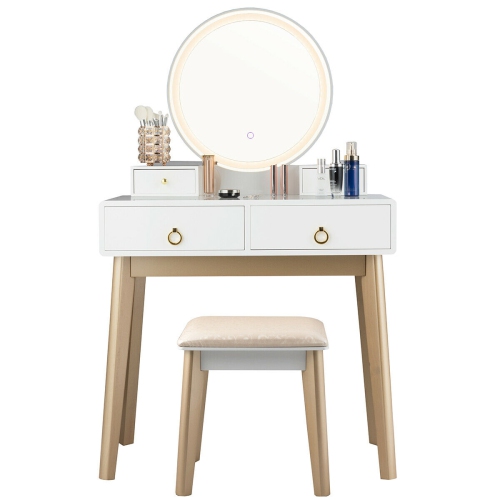
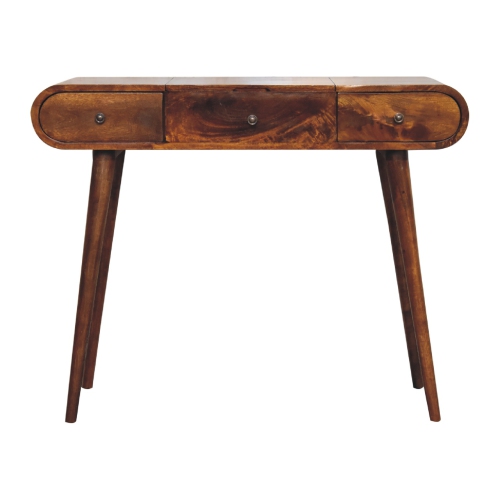
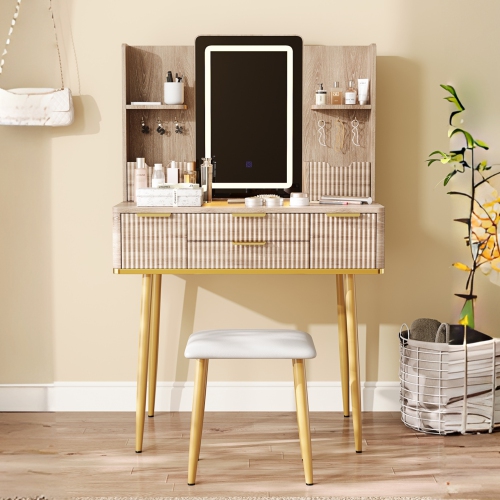
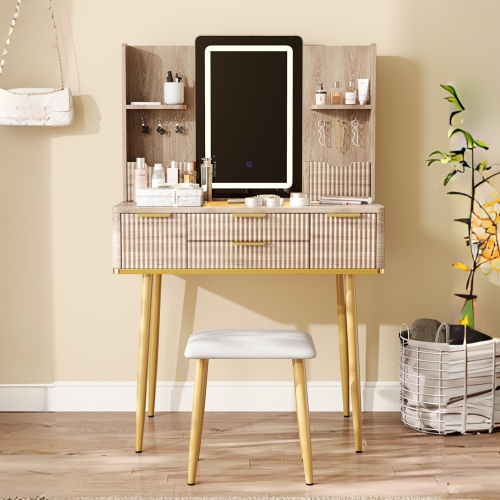
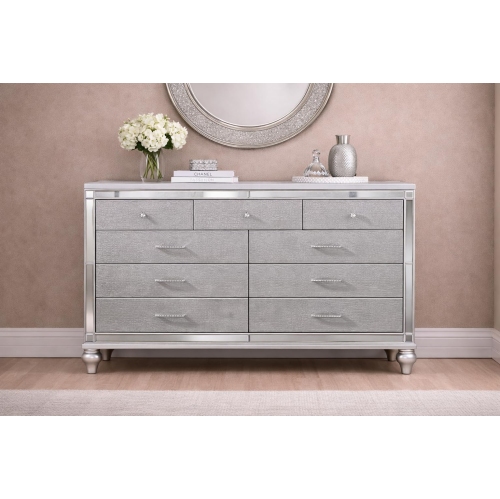
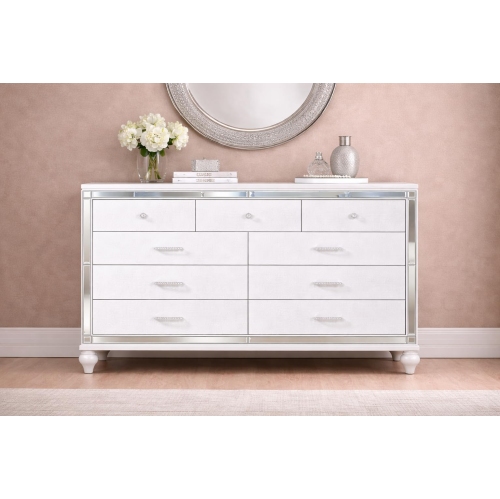
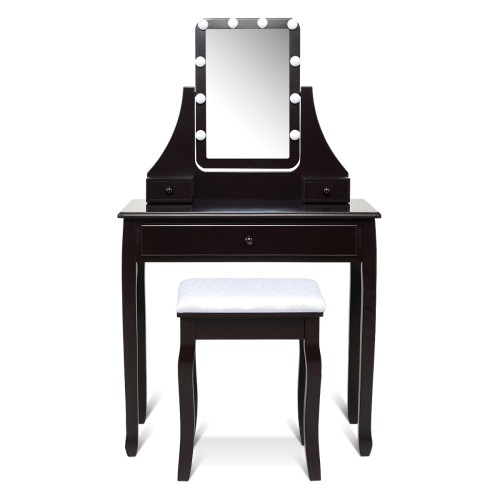
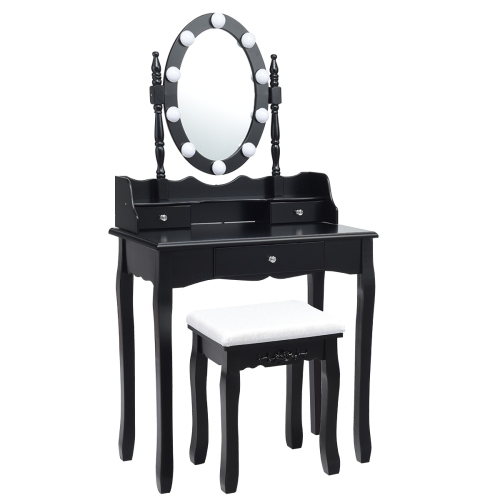
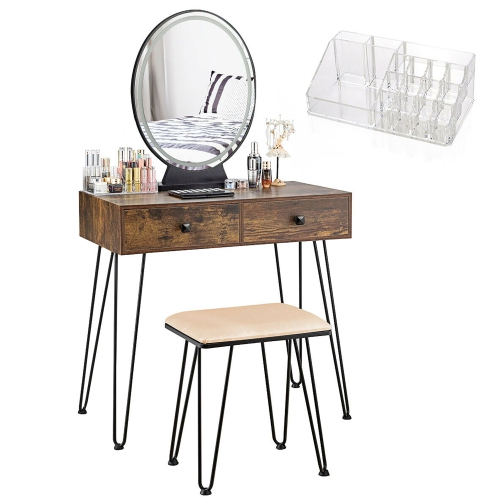

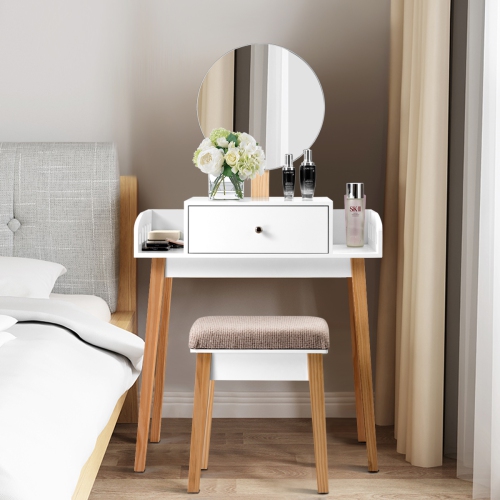
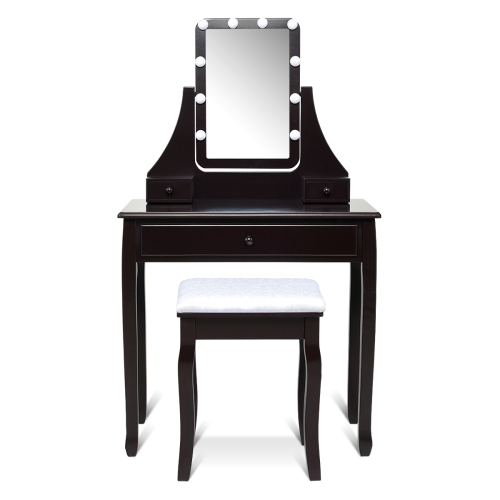
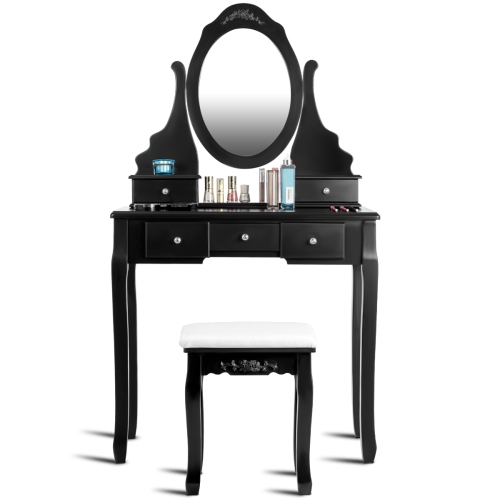
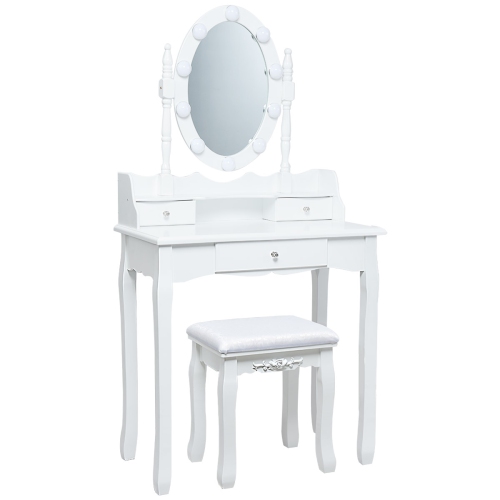
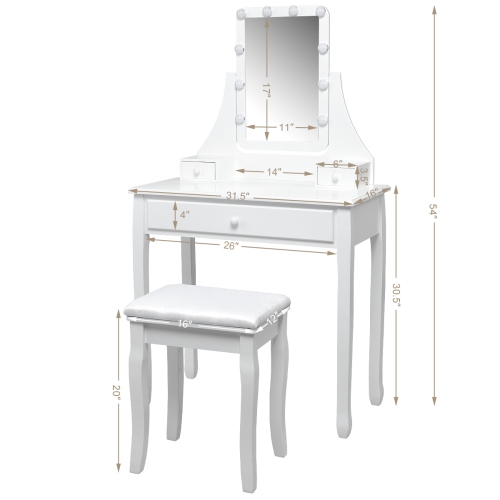
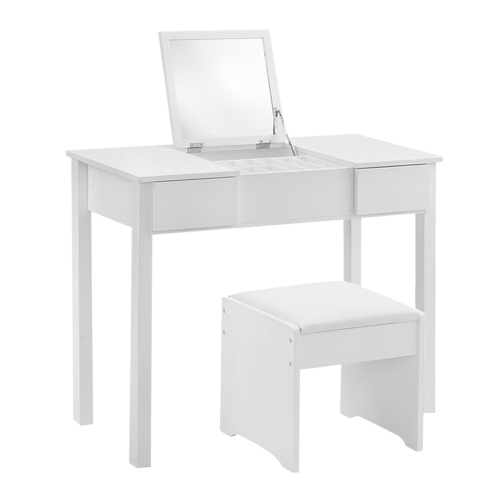
A coordinated spot for clothing and getting ready
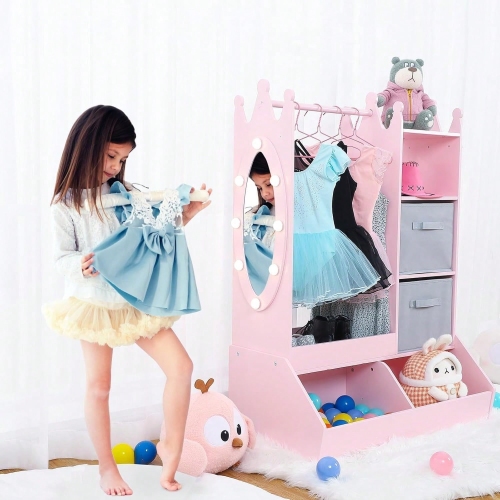
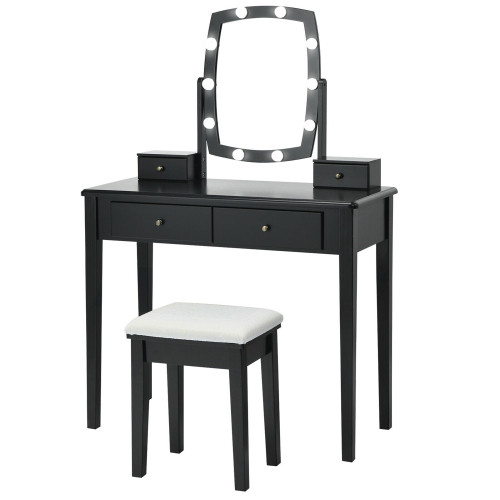
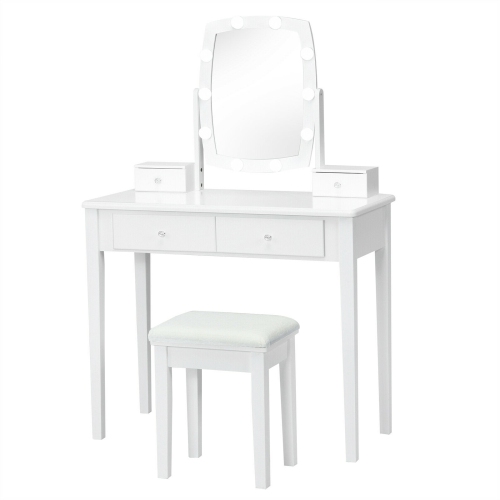
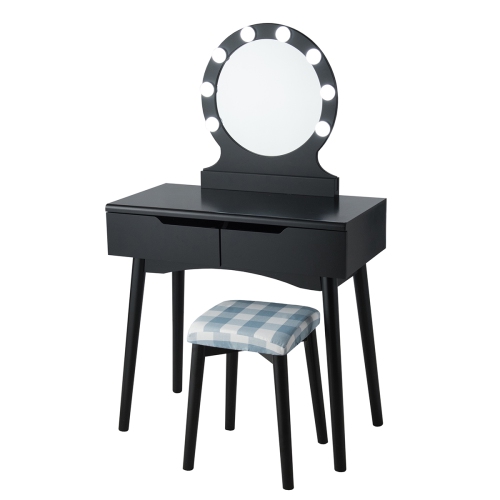
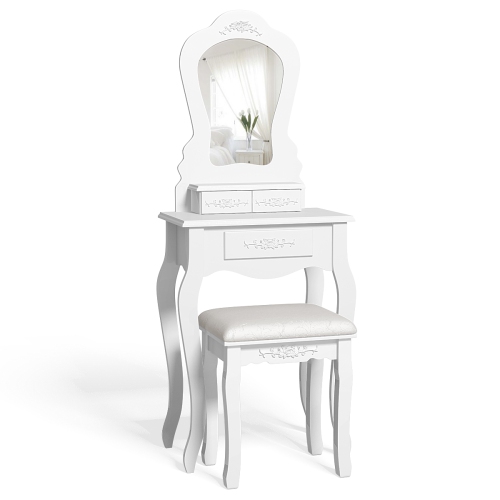
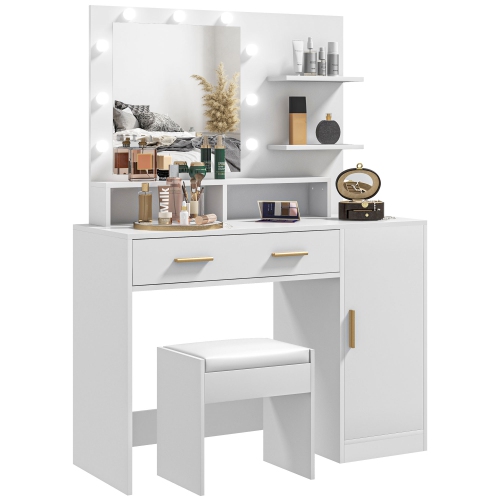
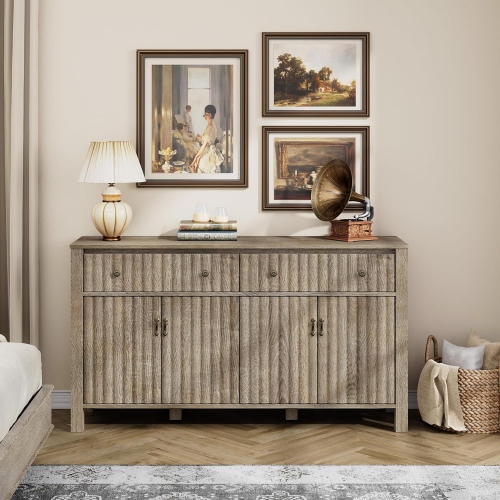
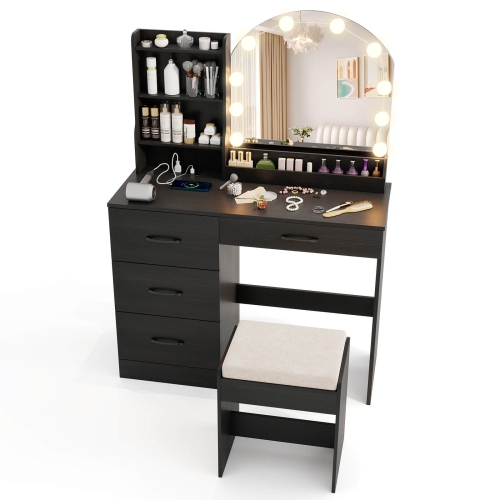
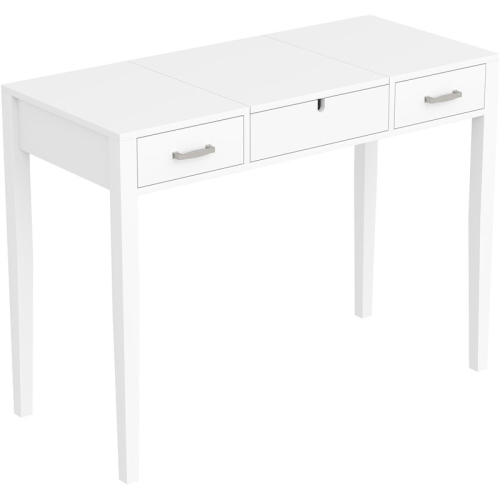
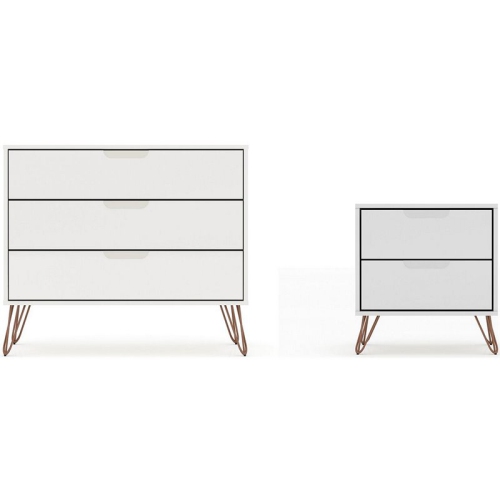
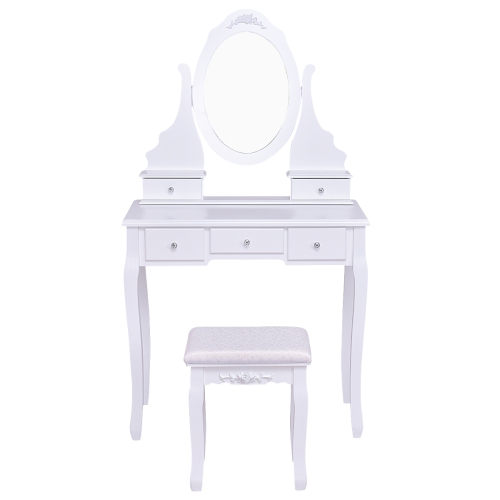
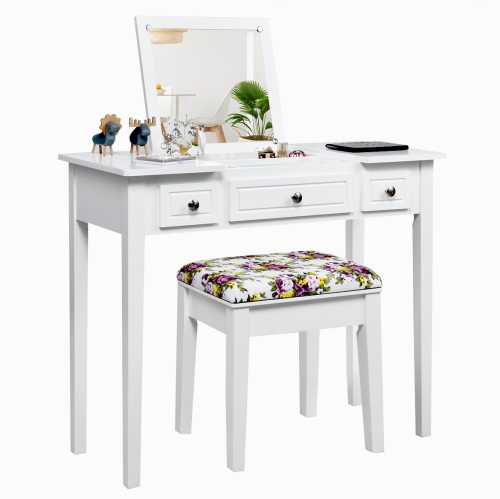
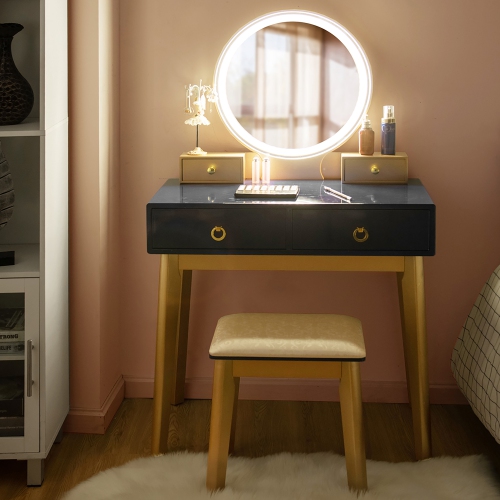
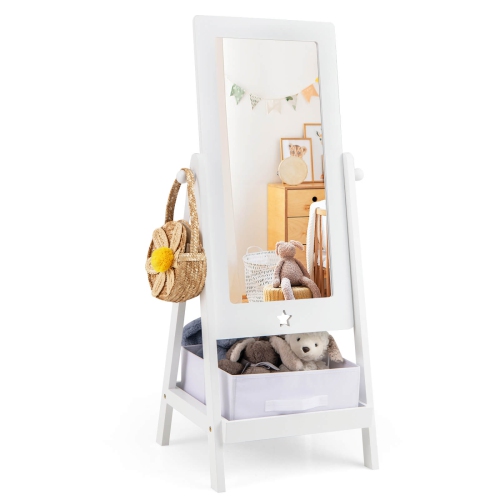
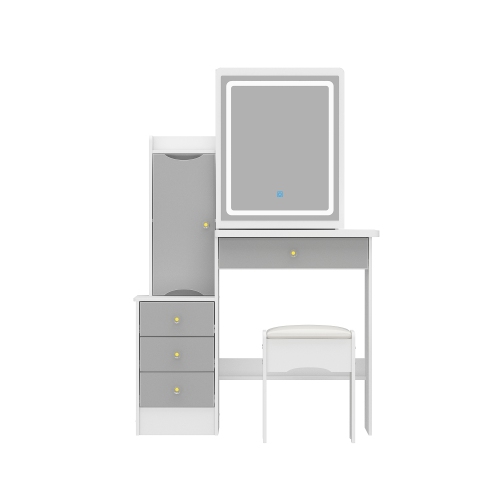
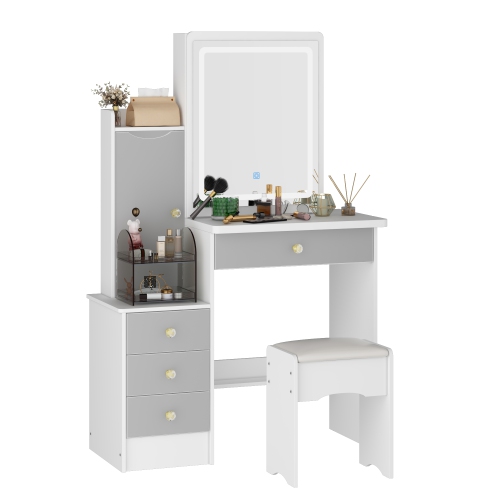
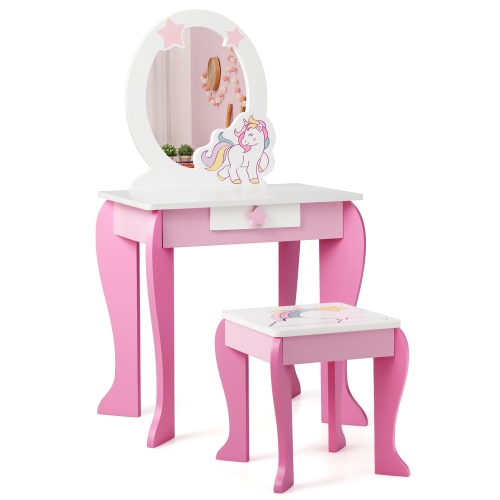
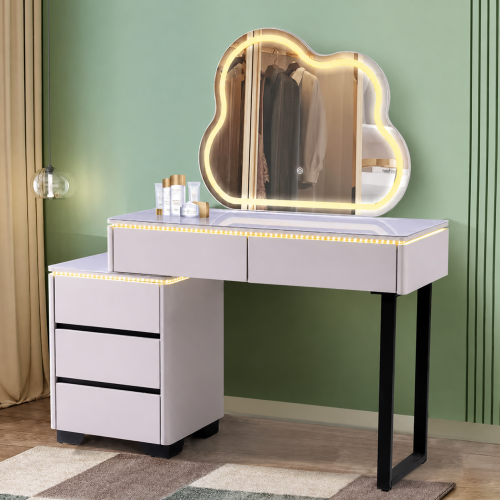
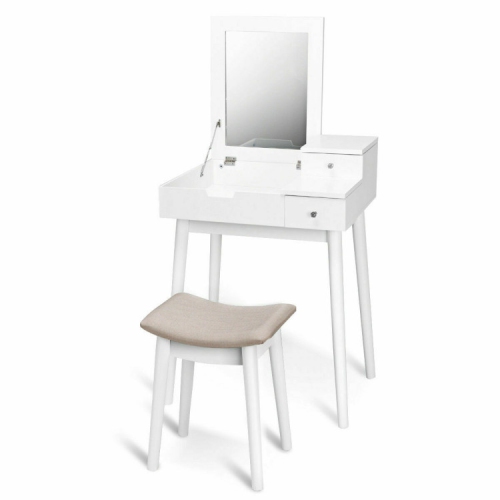
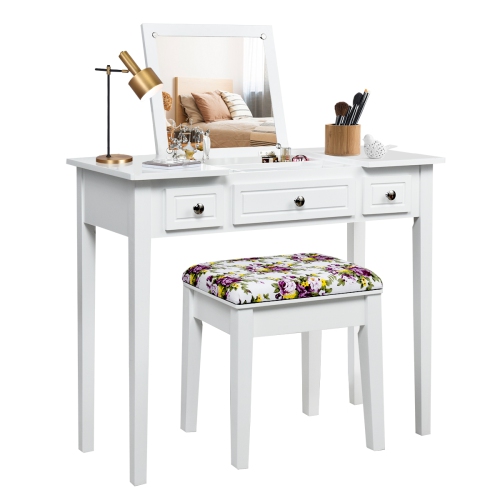
Dressers with mirrors combine drawer storage with a reflective surface above, creating a coordinated place to keep clothing and get ready. Often called dresser and mirror sets, they bring two bedroom essentials together without needing a separate dressing table. The drawers hold folded clothes, while the top provides room for a jewellery tray, a hairbrush, or a small lamp. A matched mirror gives the arrangement a finished look, with a frame that complements the dresser’s colour, shape, and detailing. Depending on the design, the mirror may attach to the dresser using dedicated supports or mount separately on the wall above it. That distinction matters both for installation and for how freely the furniture can be positioned. A wide dresser with a landscape mirror can anchor a main bedroom, while a narrower design may suit a guest room or a bedroom that already has generous closet storage. The mirror is useful for checking a shirt collar, putting on earrings, or arranging hair, although the amount of the body visible depends on its height, angle, and placement. It can also reflect light and give a room a greater sense of depth, particularly when it faces an open part of the room rather than a crowded corner. Styles range from clean-lined designs with flat drawer fronts to more traditional shapes with moulded edges, framed drawers, and curved feet. Pale wood tones and white finishes can keep the arrangement visually light; darker finishes offer a stronger contrast against light-coloured walls and bedding. For a cohesive bedroom, the dresser does not have to match every other piece exactly. Repeating a wood tone, a hardware finish, or a curved detail can connect it to a bed frame and nightstands without making the room feel overly uniform. A simple mirror frame can balance a dresser with pronounced grain or detailed hardware, while a more substantial frame can give a plain chest of drawers extra presence.
The right fit depends on more than the width of an empty wall. A dresser needs enough clearance for its drawers to open fully while leaving a comfortable route around the bed and nearby furniture. Depth is especially important in a compact bedroom: a deep cabinet may hold larger stacks of clothing but leave little standing room once a drawer is extended. Measure the furniture’s full dimensions, including projecting handles, and consider the combined height of the dresser and mirror. Windowsills, wall lights, outlets, and sloped ceilings can all affect placement. Delivery access deserves the same attention, especially where a staircase turns sharply or a hallway leads through a narrow doorway. Mirror proportions influence the finished appearance, but there is no single ratio that suits every set. A mirror narrower than the dresser often leaves useful space at either side for a lamp or a small dish, while a broader mirror creates a more expansive reflective surface. For a separately hung mirror, mounting height should accommodate the people using it and follow the relevant installation requirements rather than a fixed spacing rule. Someone who mainly checks their appearance while standing will need a different sightline from someone using a mirror while seated. Drawer layout is equally personal. Shallow drawers make socks, accessories, and smaller garments easier to separate, while deeper drawers suit folded jeans and bulkier clothing. In a shared bedroom, two banks of drawers can give each person a distinct storage area. Drawer dividers help keep smaller belongings from sliding into the back, and lined compartments, where included, can cushion delicate accessories. A dresser primarily supports folded storage; households needing more hanging space may find Armoires with Mirrors better suited to that part of their bedroom layout. Keeping the dresser top mostly clear preserves its usefulness, making room for everyday essentials without blocking the mirror or creating a surface that is difficult to dust.
Materials and construction affect how a dresser feels in daily use and how its finish ages. Solid wood brings natural grain variation and, depending on its finish and construction, may allow for refinishing later. Wood veneer provides a real-wood surface over a supporting core, while manufactured wood with a laminate or other applied finish can offer a consistent appearance and a smooth, easy-to-wipe surface. These descriptions alone do not determine durability: drawer construction, hardware, edge finishing, and the quality of assembly also matter. Drawers should move smoothly, sit evenly when closed, and provide practical access to their contents. Some designs include soft-close mechanisms that reduce abrupt closing, while drawer stops help limit unintended removal. Handles should feel comfortable to grasp, particularly on drawers used several times a day. For care, follow the furniture maker’s directions and use cleaning methods appropriate to each surface. A soft cloth handles routine dusting, and spills should be wiped up promptly rather than left around drawer seams or mirror-frame joints. Applying suitable glass cleaner to a cloth instead of spraying it directly onto the mirror helps keep excess liquid away from the frame and backing. A tray beneath toiletries can protect the top from drips, while felt pads under lamps and other objects help reduce scratches. Avoid overfilling drawers or forcing them shut around clothing caught at the edges. Assembly and secure installation are just as important as appearance. Dressers should be anchored to the wall using the supplied restraint or an appropriate anchoring system, with fasteners suited to the wall construction and installation completed according to the manufacturer’s directions. A mirror attached to the dresser does not replace a tip-over restraint. Separately mounted mirrors also need fixings rated for their weight. Keep heavier belongings in lower drawers and avoid placing tempting objects where children may try to climb to reach them. With suitable proportions, accessible storage, and regular care, a dresser with a mirror can serve a first apartment, a shared bedroom, or a welcoming guest space through years of everyday routines.
The right fit depends on more than the width of an empty wall. A dresser needs enough clearance for its drawers to open fully while leaving a comfortable route around the bed and nearby furniture. Depth is especially important in a compact bedroom: a deep cabinet may hold larger stacks of clothing but leave little standing room once a drawer is extended. Measure the furniture’s full dimensions, including projecting handles, and consider the combined height of the dresser and mirror. Windowsills, wall lights, outlets, and sloped ceilings can all affect placement. Delivery access deserves the same attention, especially where a staircase turns sharply or a hallway leads through a narrow doorway. Mirror proportions influence the finished appearance, but there is no single ratio that suits every set. A mirror narrower than the dresser often leaves useful space at either side for a lamp or a small dish, while a broader mirror creates a more expansive reflective surface. For a separately hung mirror, mounting height should accommodate the people using it and follow the relevant installation requirements rather than a fixed spacing rule. Someone who mainly checks their appearance while standing will need a different sightline from someone using a mirror while seated. Drawer layout is equally personal. Shallow drawers make socks, accessories, and smaller garments easier to separate, while deeper drawers suit folded jeans and bulkier clothing. In a shared bedroom, two banks of drawers can give each person a distinct storage area. Drawer dividers help keep smaller belongings from sliding into the back, and lined compartments, where included, can cushion delicate accessories. A dresser primarily supports folded storage; households needing more hanging space may find Armoires with Mirrors better suited to that part of their bedroom layout. Keeping the dresser top mostly clear preserves its usefulness, making room for everyday essentials without blocking the mirror or creating a surface that is difficult to dust.
Materials and construction affect how a dresser feels in daily use and how its finish ages. Solid wood brings natural grain variation and, depending on its finish and construction, may allow for refinishing later. Wood veneer provides a real-wood surface over a supporting core, while manufactured wood with a laminate or other applied finish can offer a consistent appearance and a smooth, easy-to-wipe surface. These descriptions alone do not determine durability: drawer construction, hardware, edge finishing, and the quality of assembly also matter. Drawers should move smoothly, sit evenly when closed, and provide practical access to their contents. Some designs include soft-close mechanisms that reduce abrupt closing, while drawer stops help limit unintended removal. Handles should feel comfortable to grasp, particularly on drawers used several times a day. For care, follow the furniture maker’s directions and use cleaning methods appropriate to each surface. A soft cloth handles routine dusting, and spills should be wiped up promptly rather than left around drawer seams or mirror-frame joints. Applying suitable glass cleaner to a cloth instead of spraying it directly onto the mirror helps keep excess liquid away from the frame and backing. A tray beneath toiletries can protect the top from drips, while felt pads under lamps and other objects help reduce scratches. Avoid overfilling drawers or forcing them shut around clothing caught at the edges. Assembly and secure installation are just as important as appearance. Dressers should be anchored to the wall using the supplied restraint or an appropriate anchoring system, with fasteners suited to the wall construction and installation completed according to the manufacturer’s directions. A mirror attached to the dresser does not replace a tip-over restraint. Separately mounted mirrors also need fixings rated for their weight. Keep heavier belongings in lower drawers and avoid placing tempting objects where children may try to climb to reach them. With suitable proportions, accessible storage, and regular care, a dresser with a mirror can serve a first apartment, a shared bedroom, or a welcoming guest space through years of everyday routines.
Top selling and popular products
-
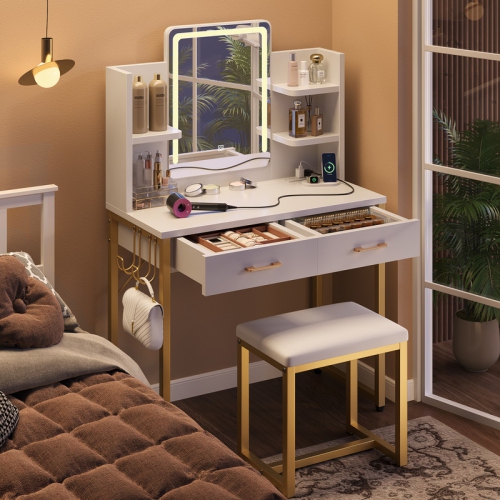 Your price for this item is $229.99
 -
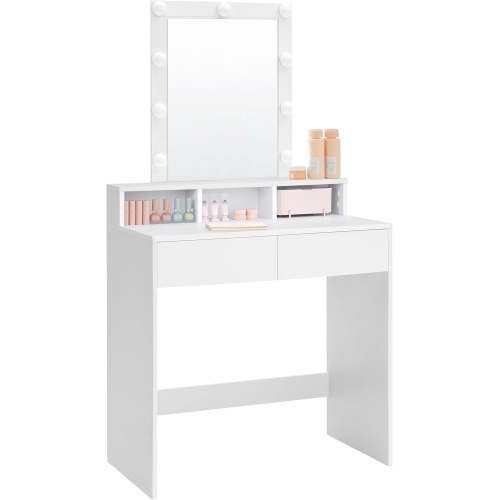 Your price for this item is $159.95
 -
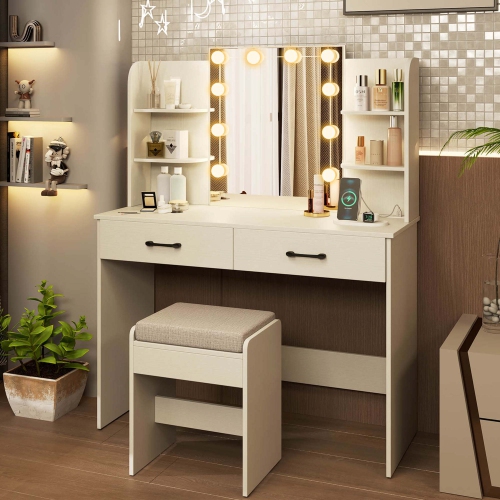 Your price for this item is $285.99
 -
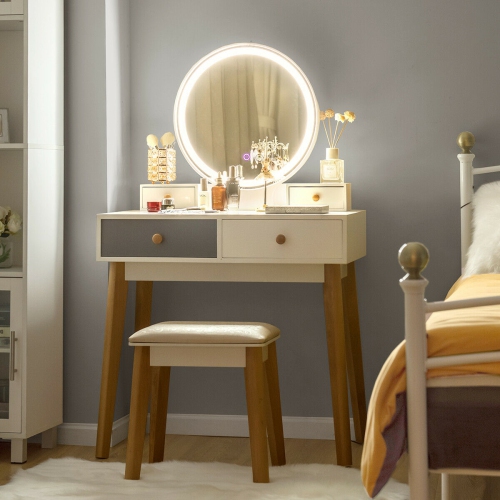 Your price for this item is $295.99
 -
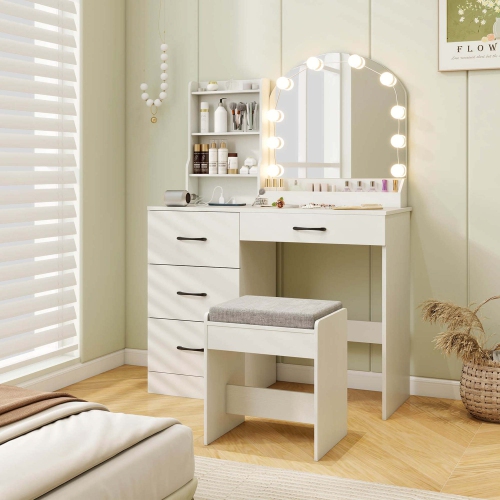 Your price for this item is $315.99
 -
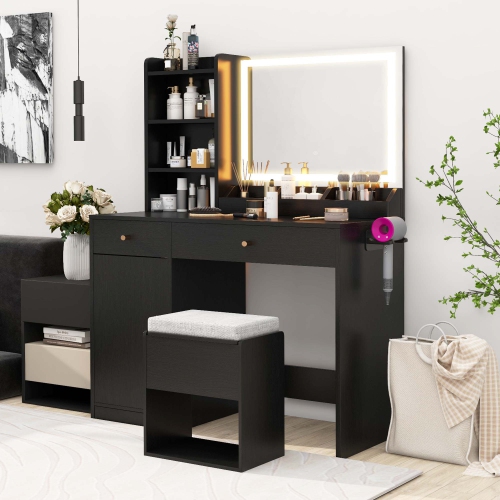 Your price for this item is $295.99
 -
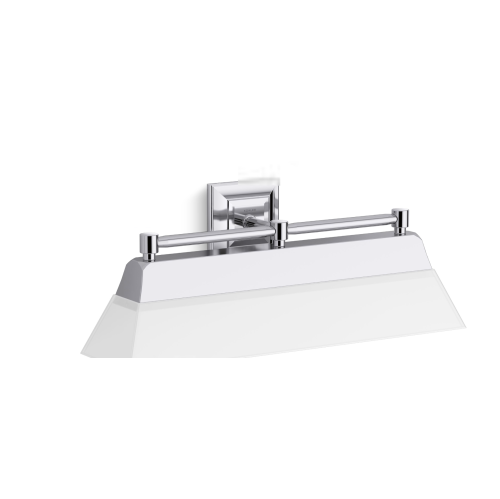 Your price for this item is $899.99
 -
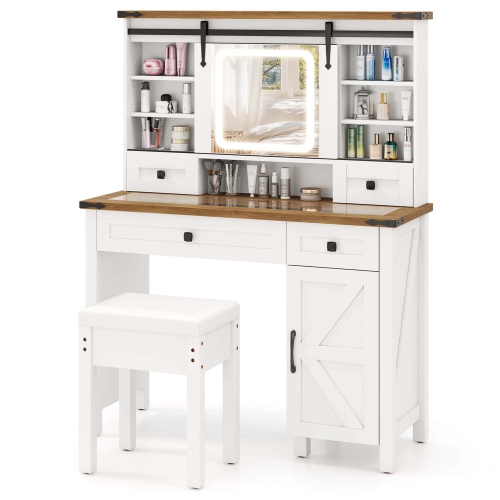 Your price for this item is $403.99
Discover more categories related to Dressers With Mirror
Top Collections:
Pokemon Centers, Kindle Devices, Best Budget Office Chairs, Apple iPhones 16, Best Laptops for Writers, iPhone 15 Apple, Canon G7X Cameras, Refurbished Apple Laptops, Alarm Clock, Motorola Razr Phones
Some products may be subject to Environmental Handling Fees
(EHF) depending on your province.
Learn more about EHFs.