Furniture Storage & Home Organization
If you're looking for ways to maximize the use of your space, consider adding storage to your home. Even a little bit of extra storage can make a big difference in how much you enjoy your space and how much you get done.
Sort
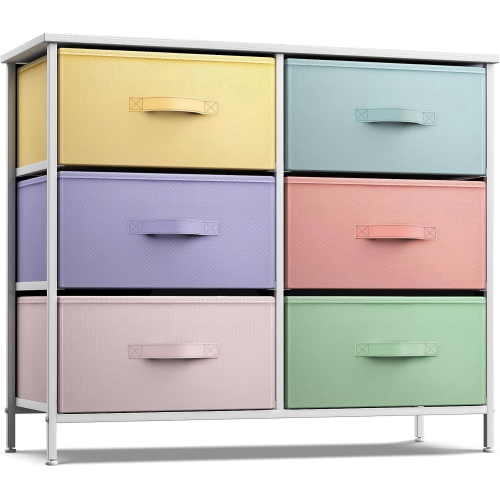
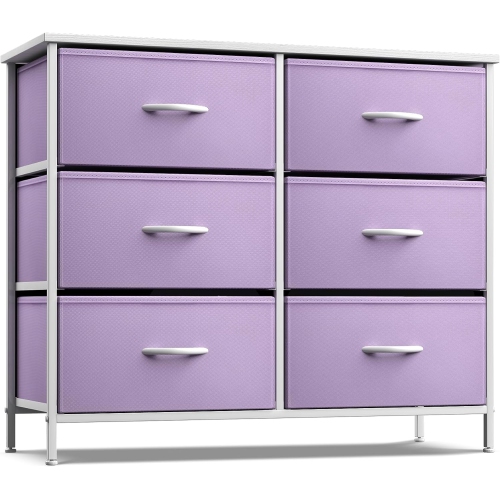
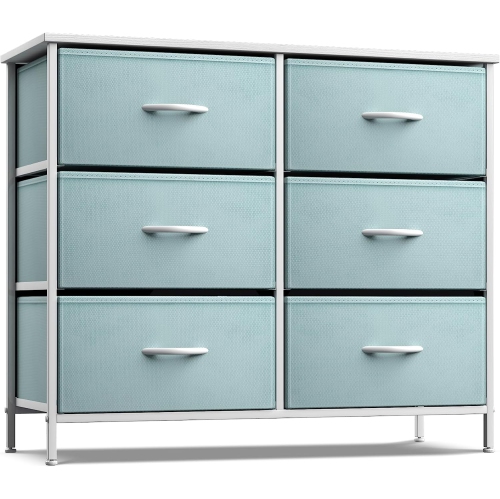
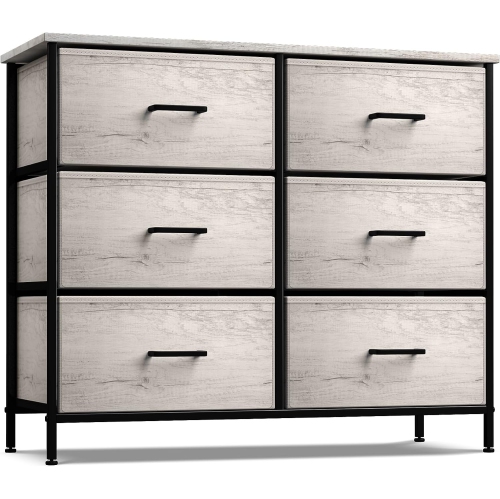
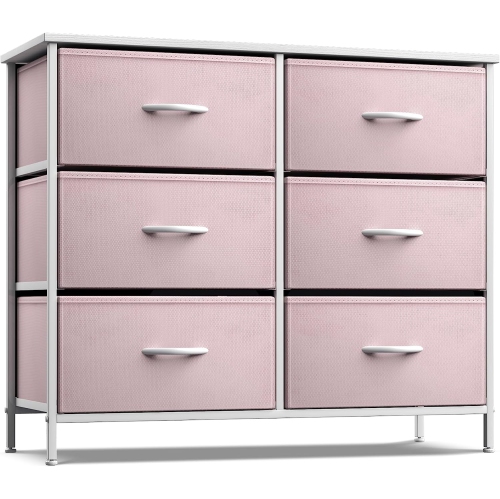
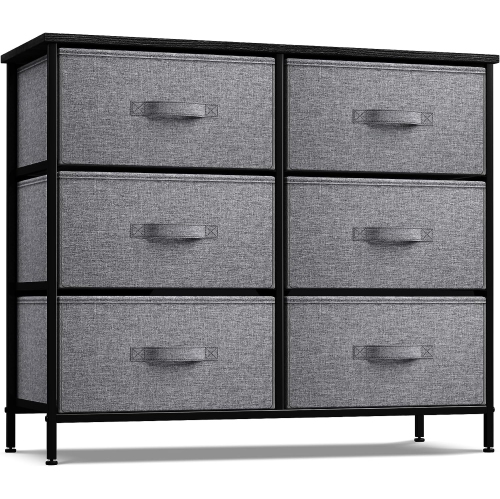
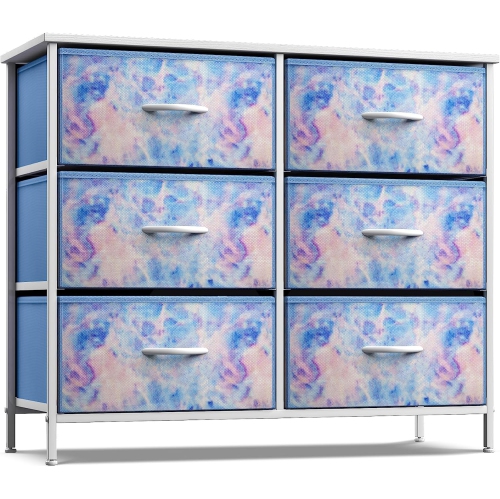
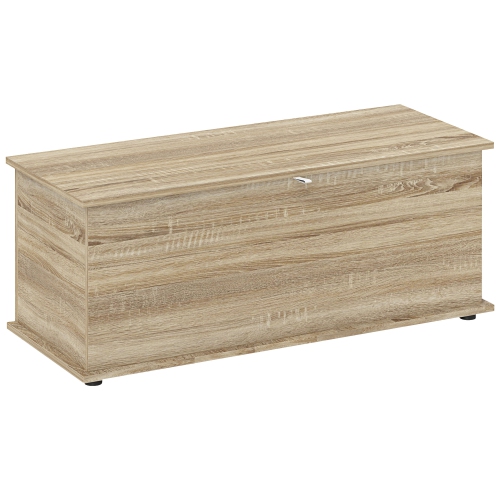


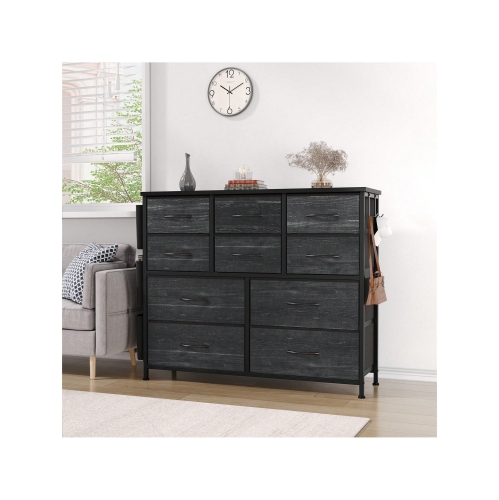
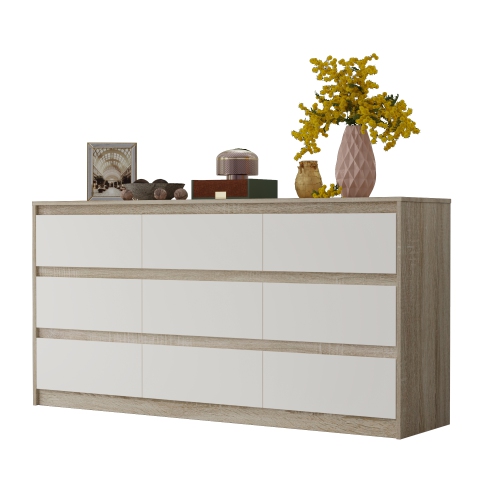
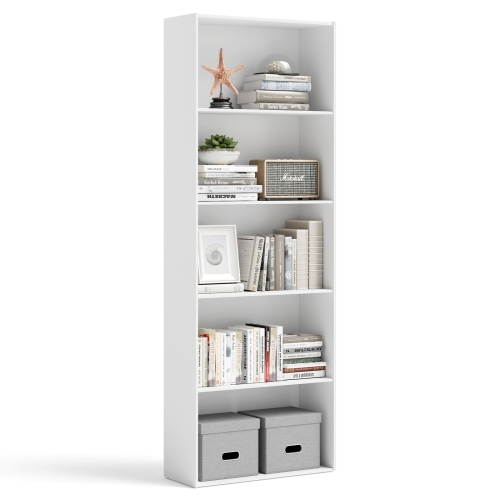
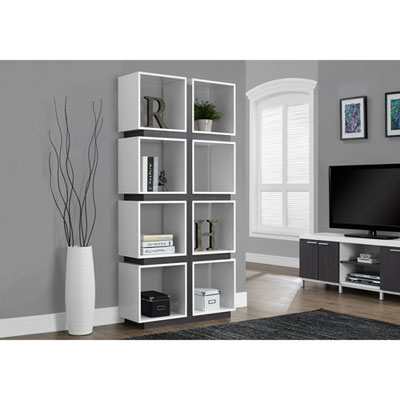


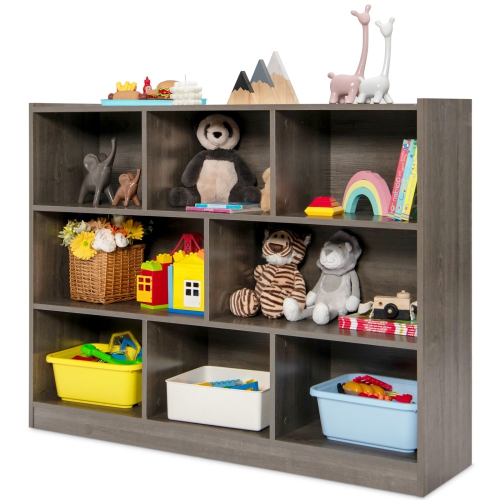
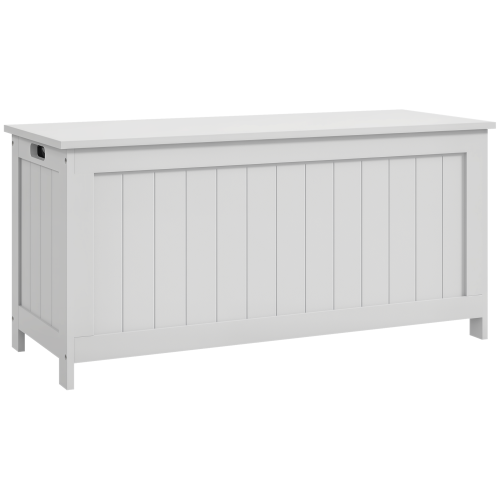

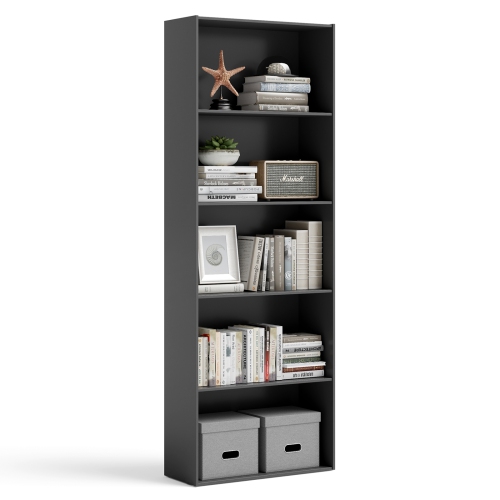
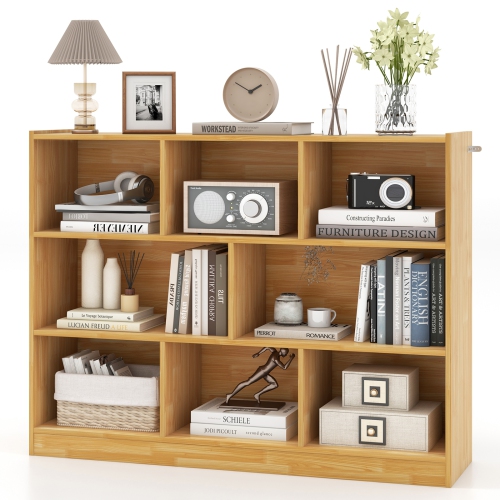
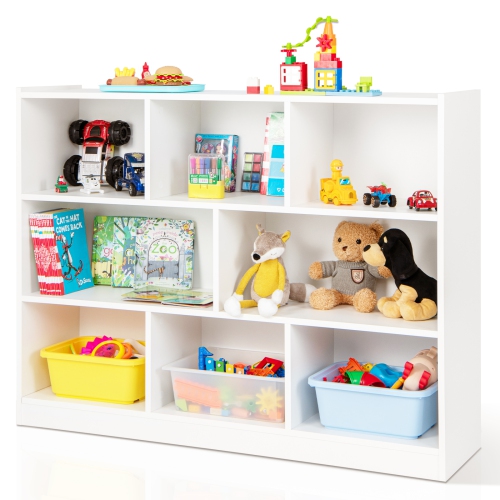
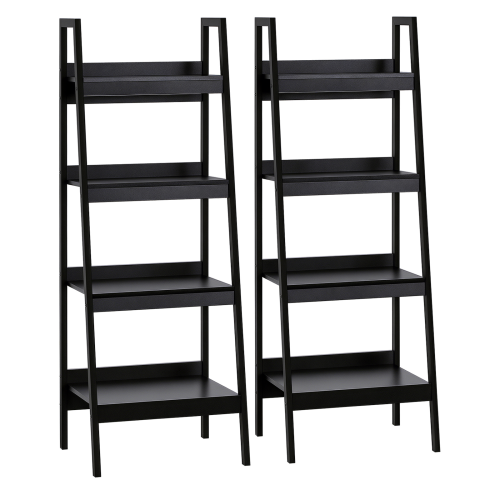


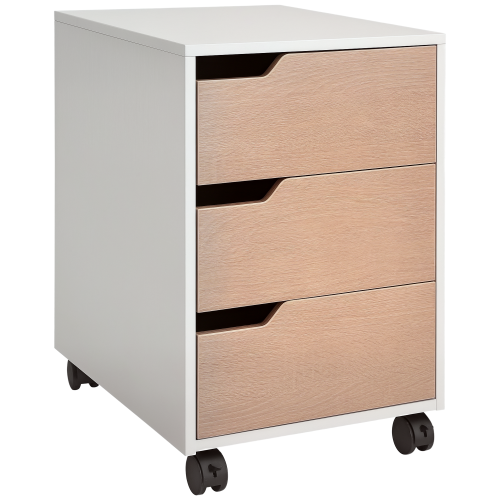
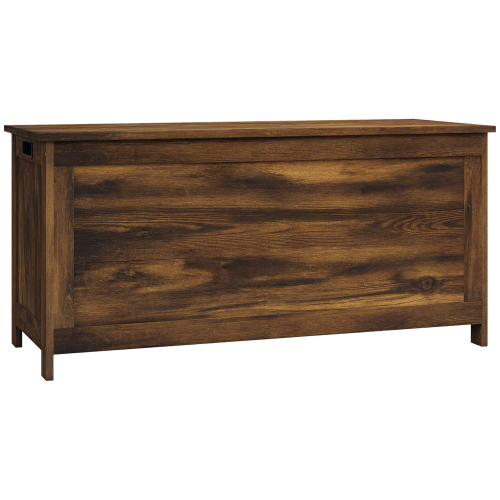


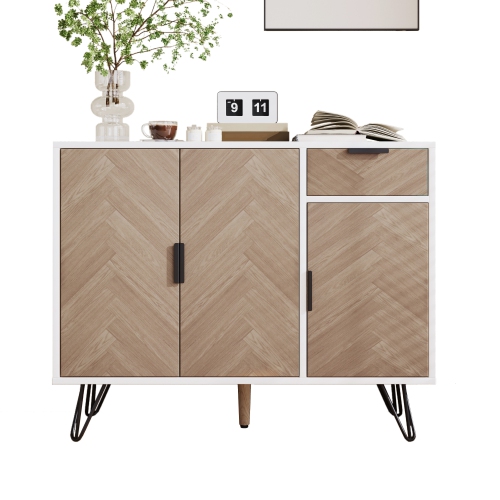
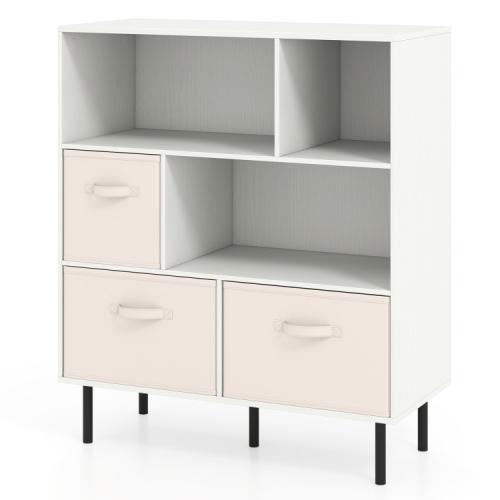
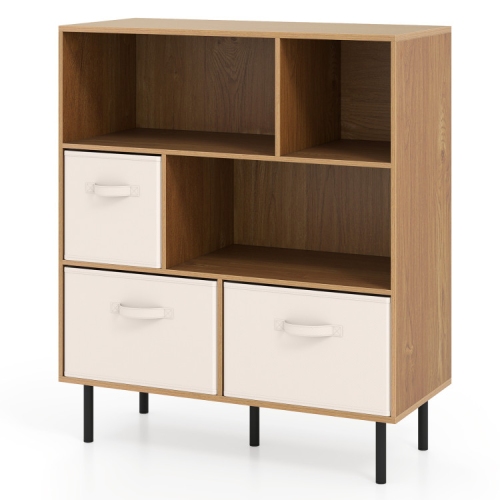

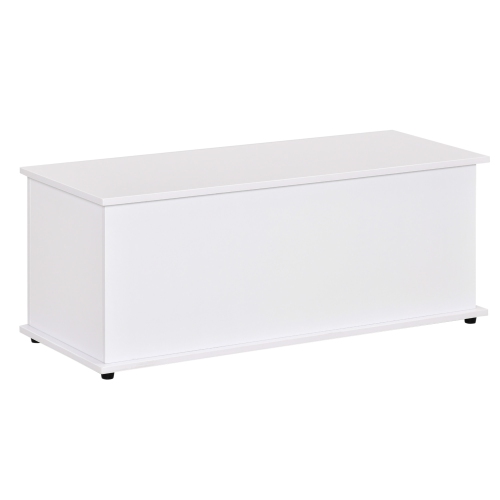
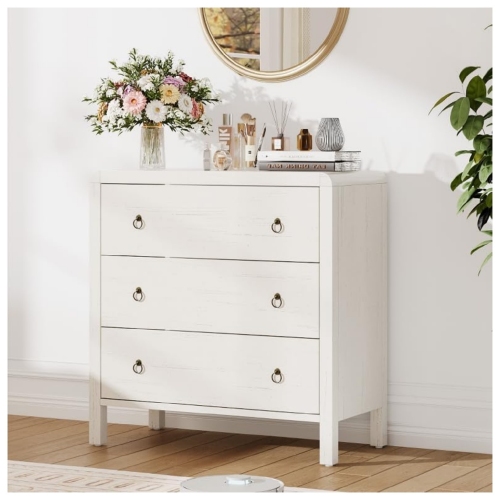

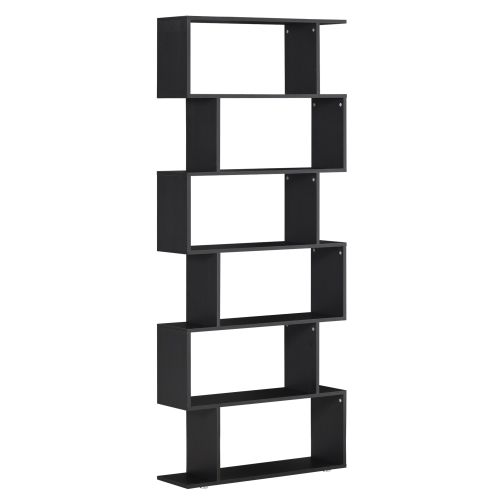
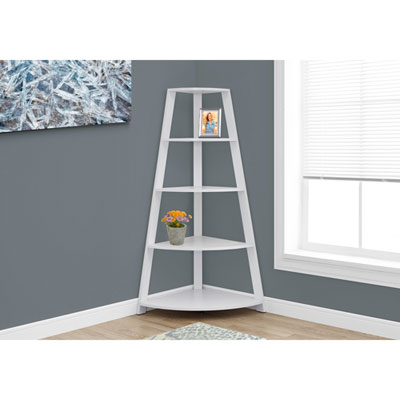
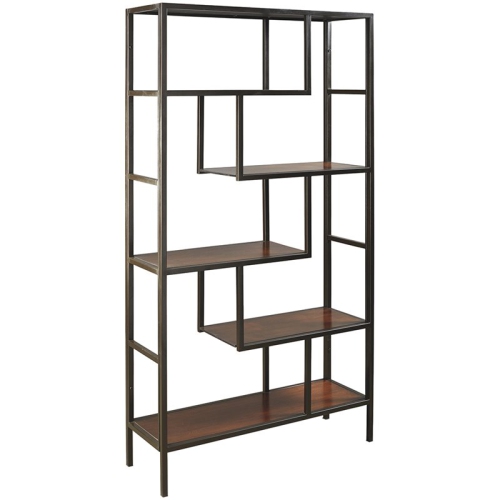
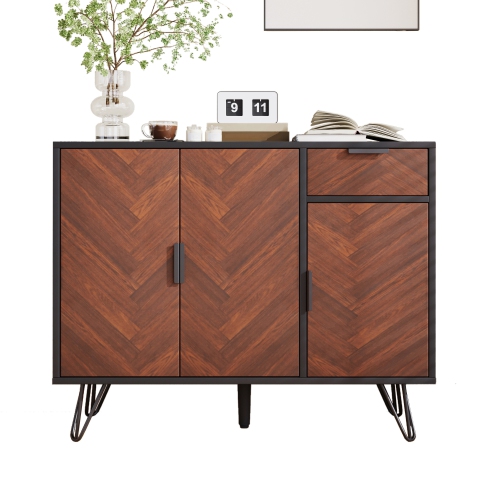
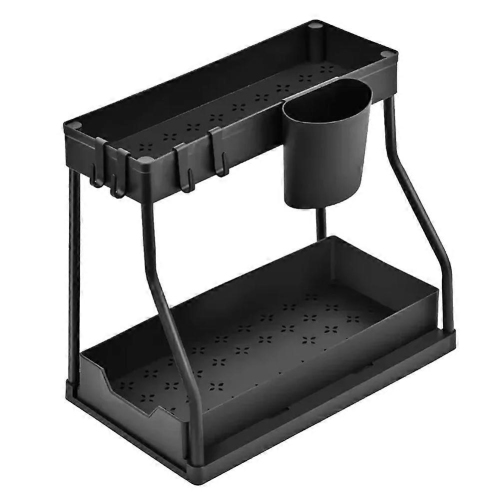


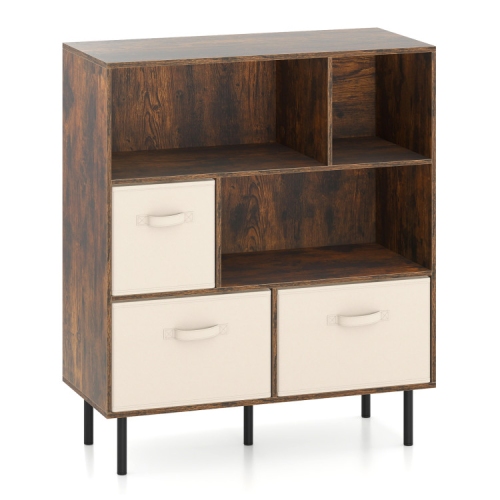
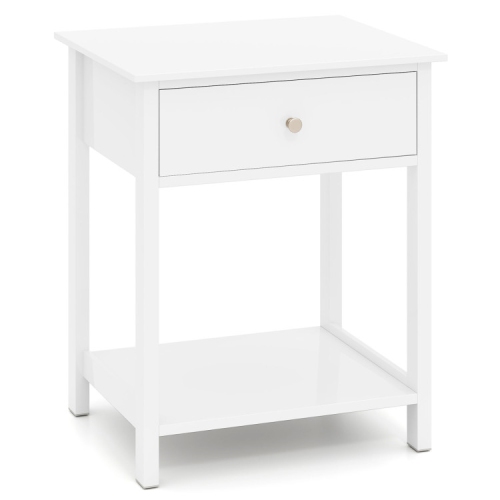
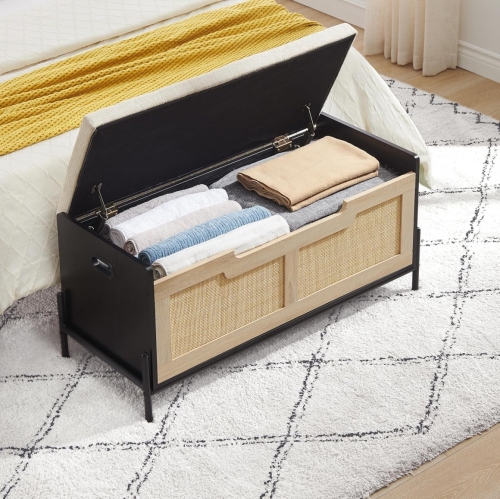

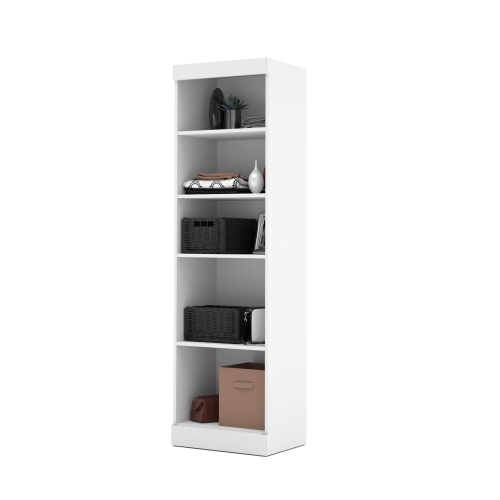
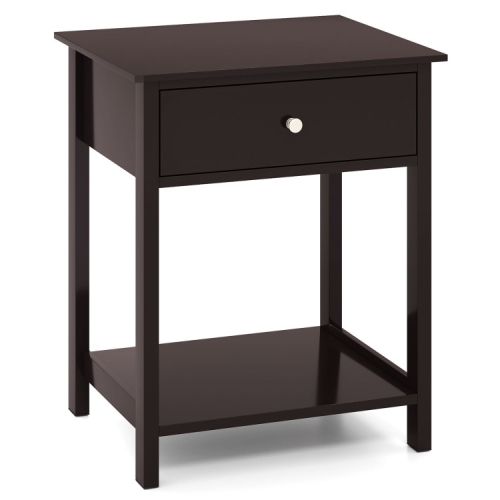
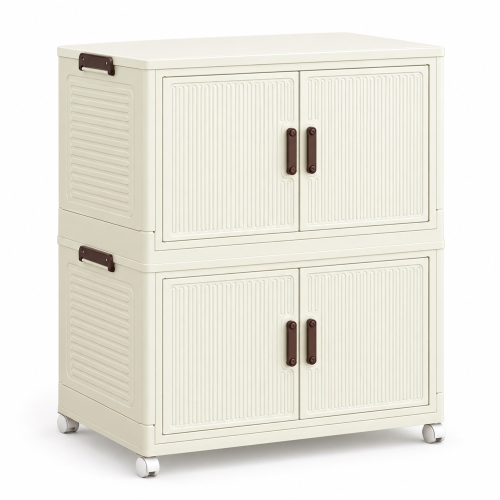
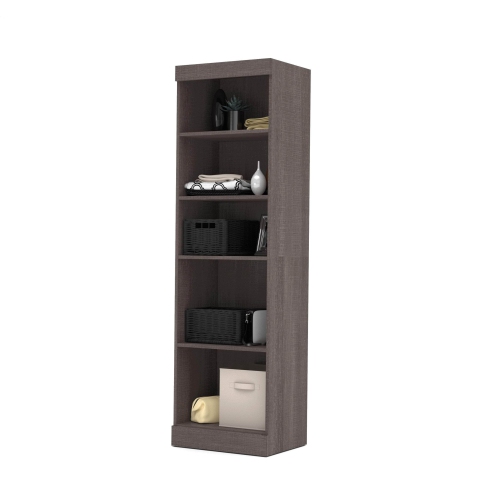
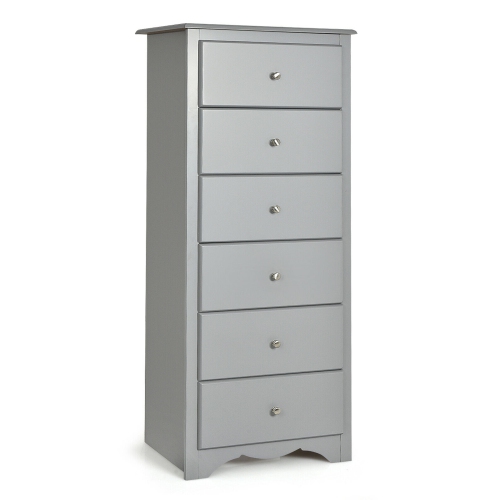

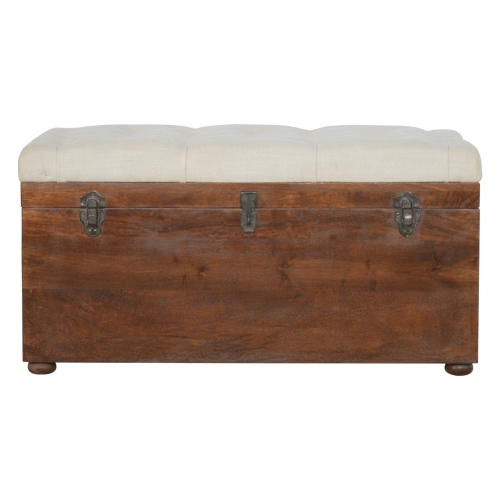
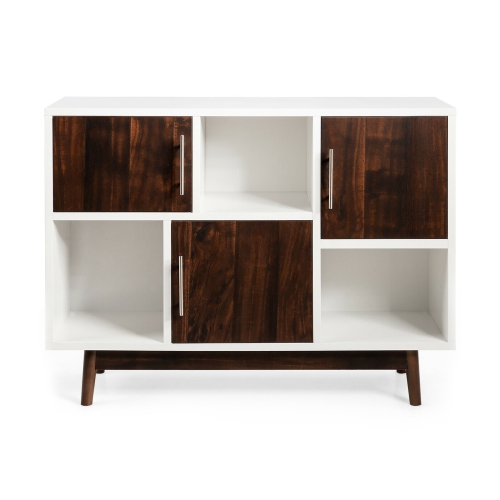
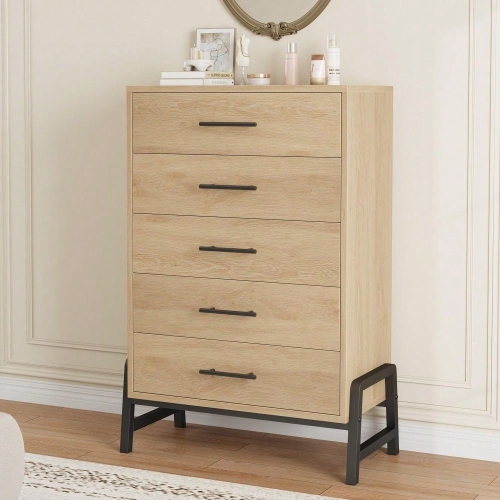

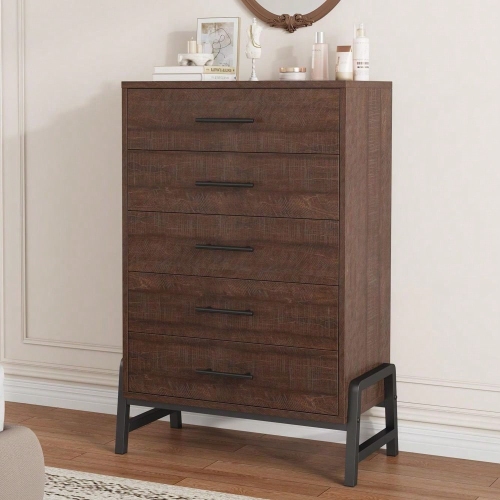
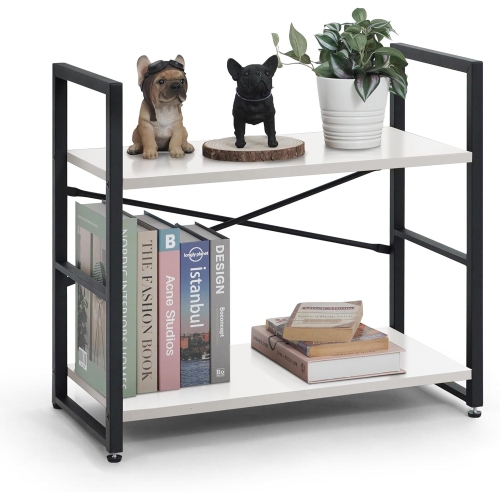
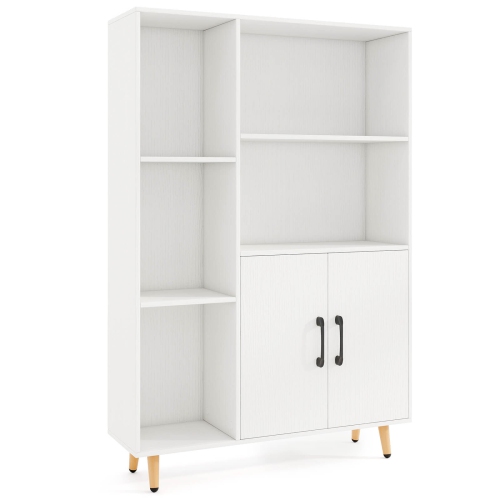
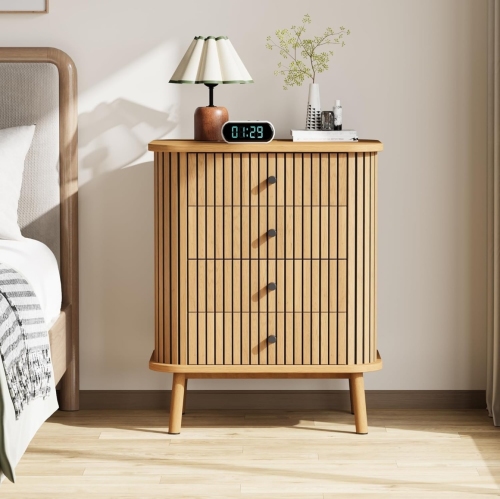
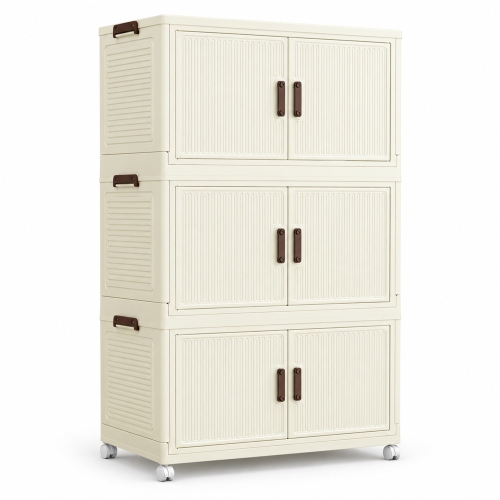
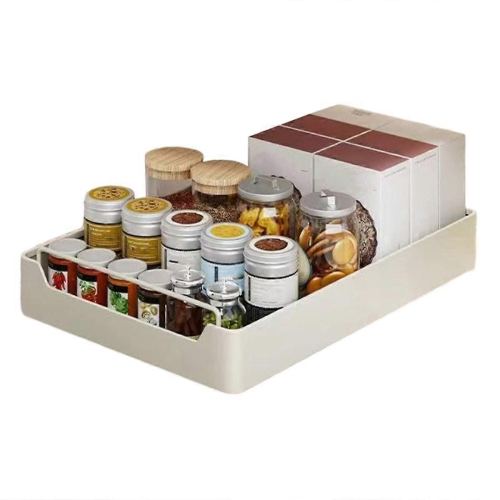
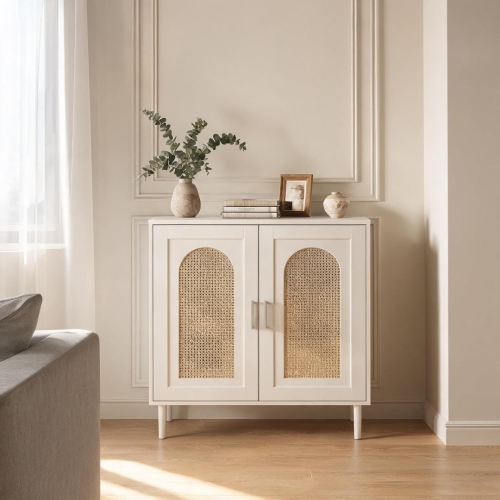
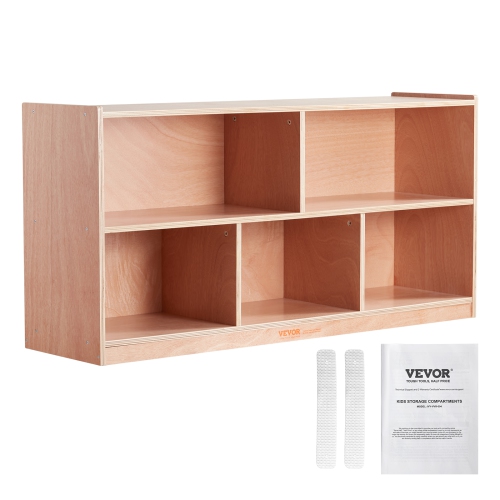
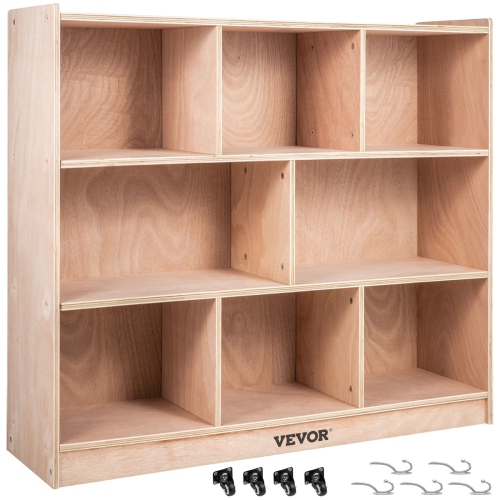
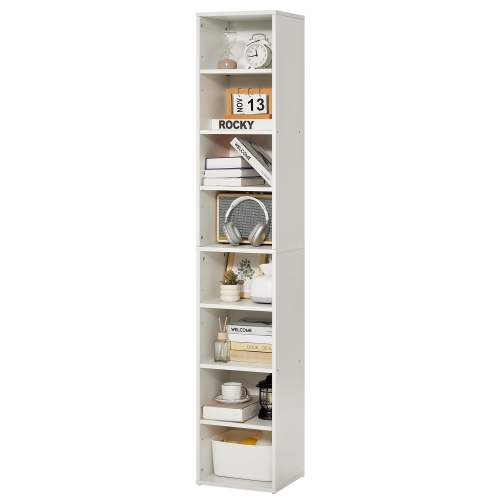


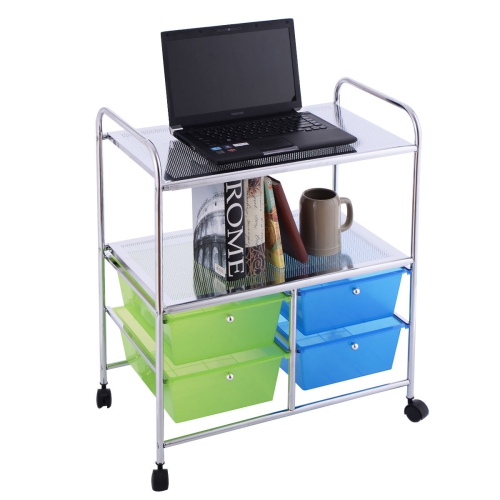
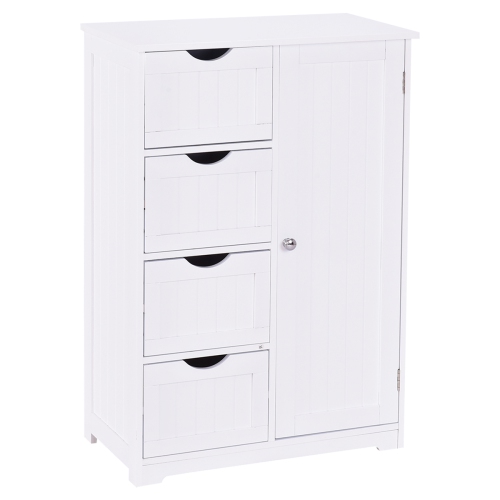
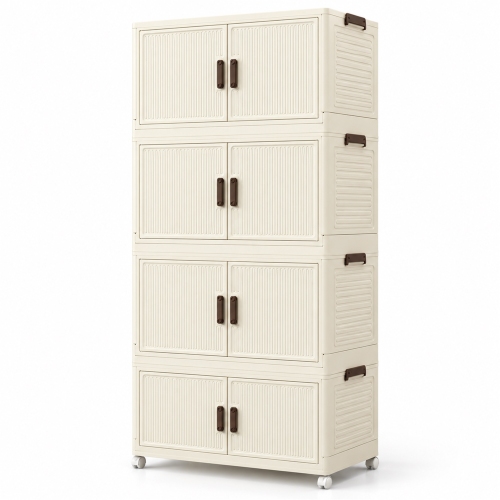

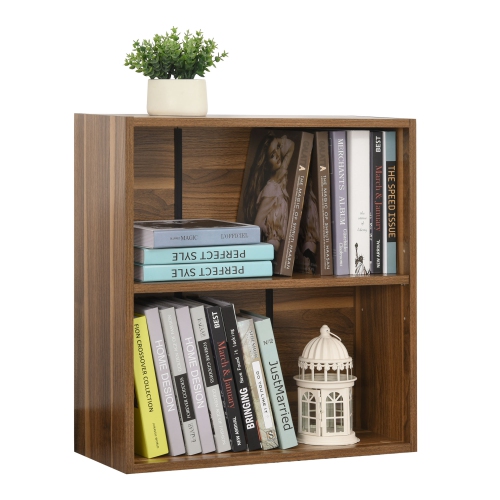
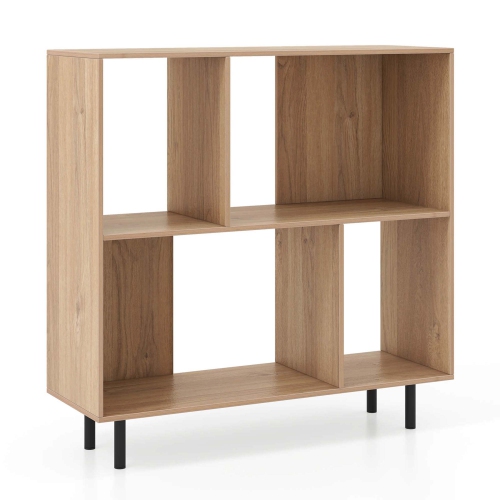
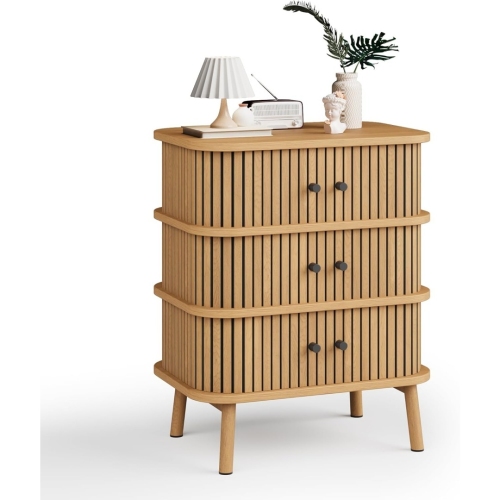
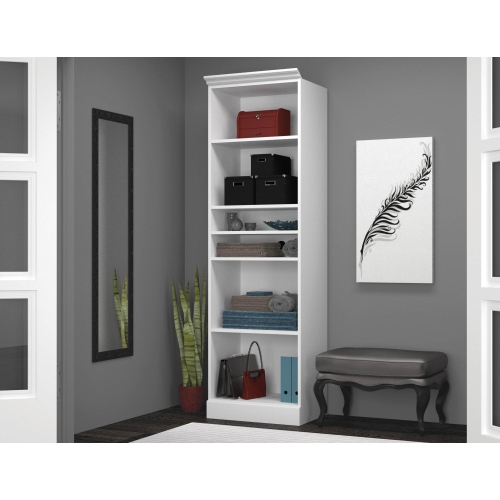

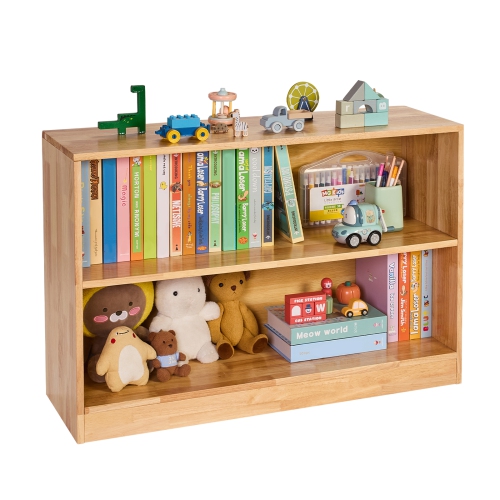
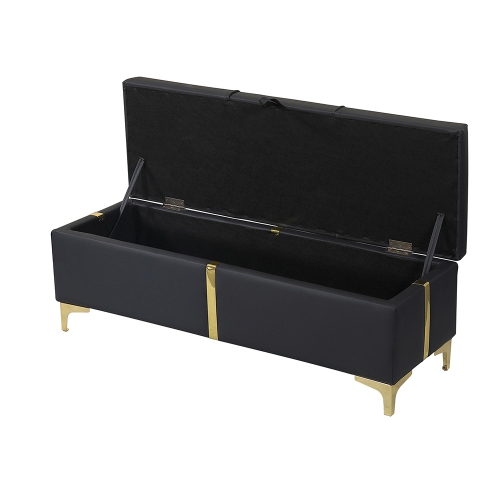
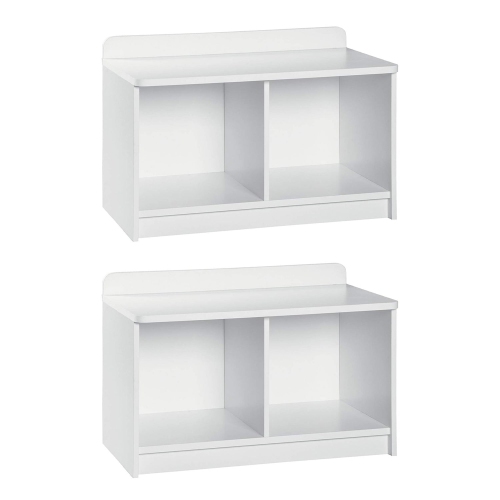
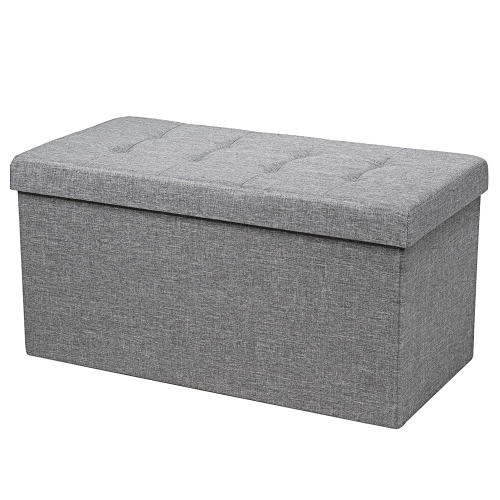
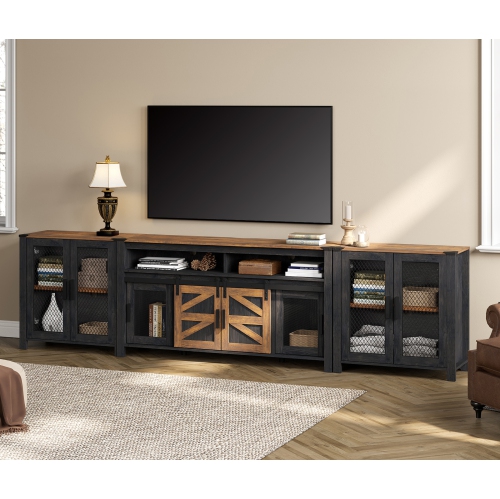
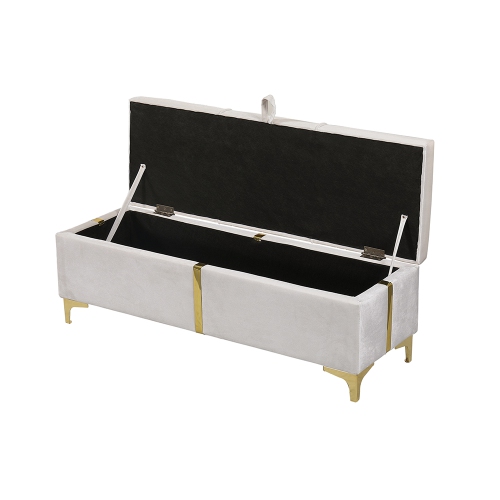
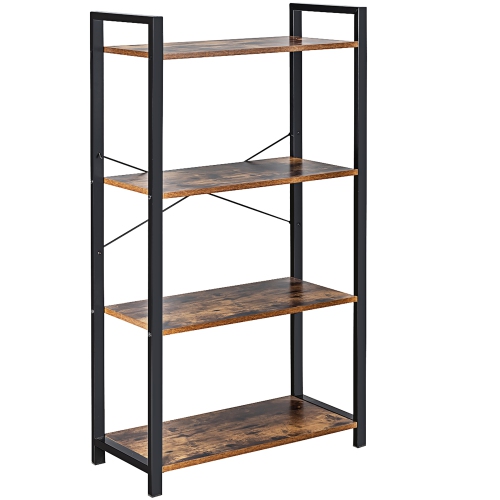


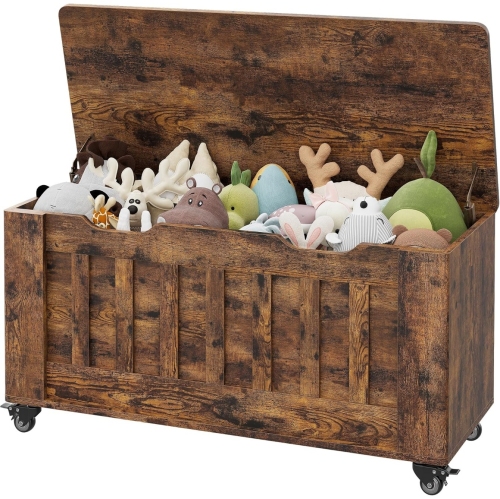
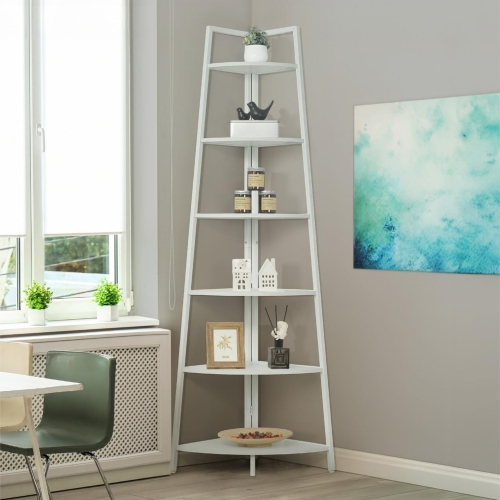
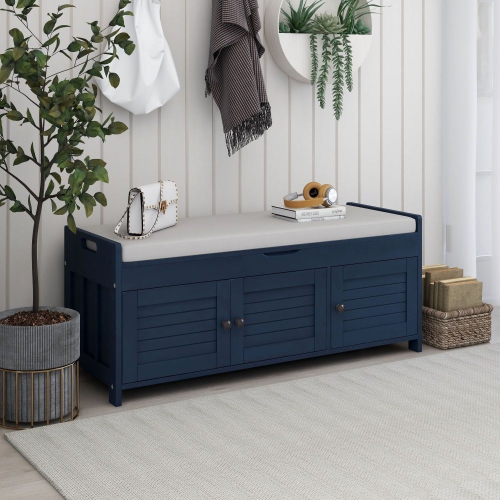
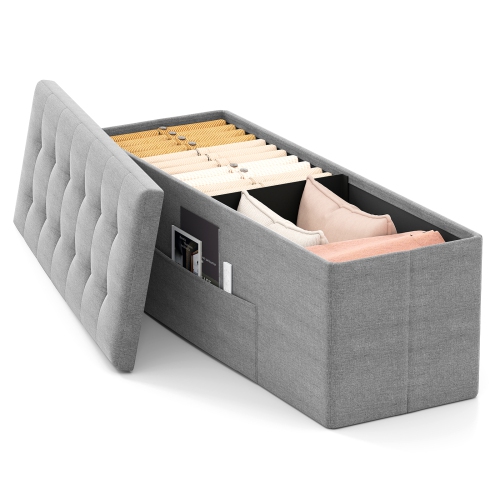
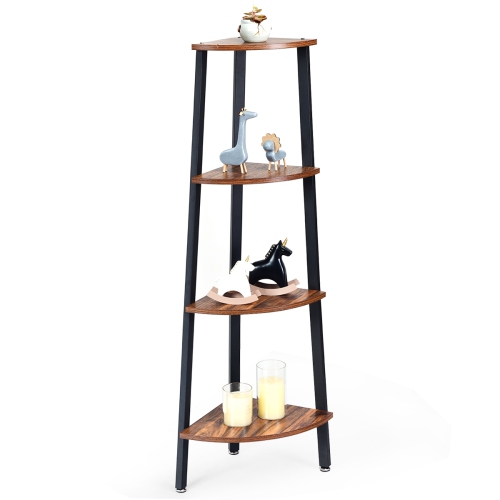
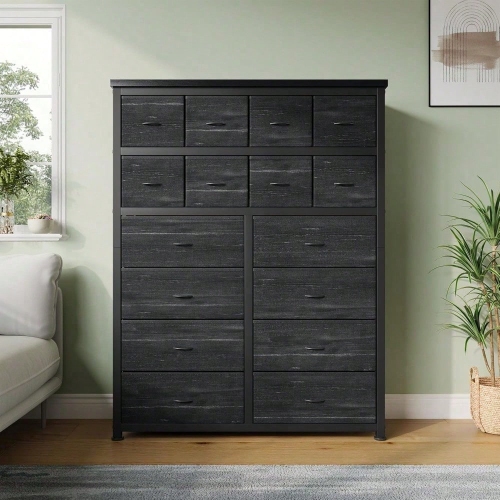
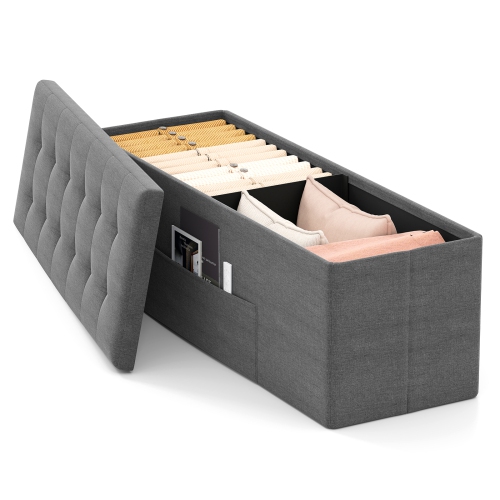
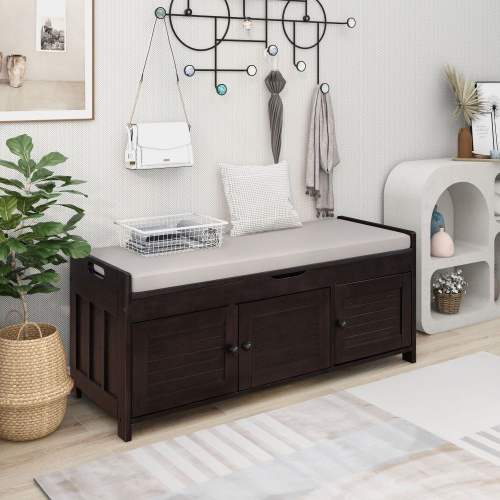


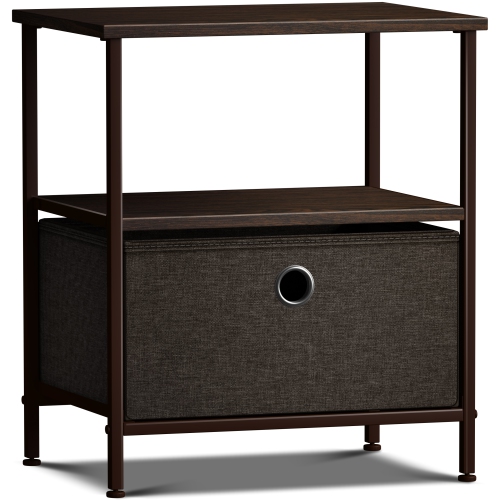
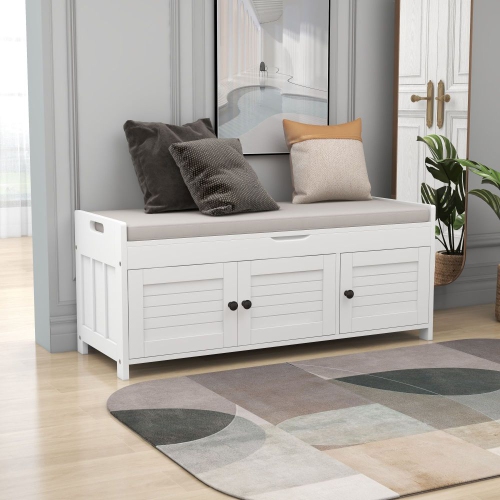
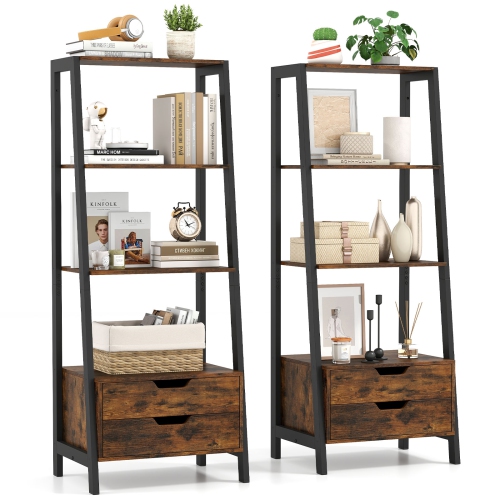
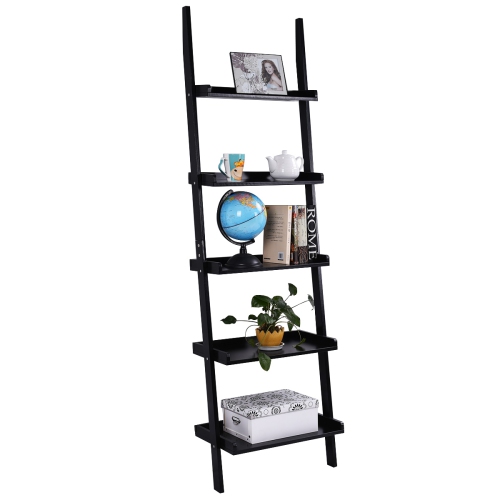
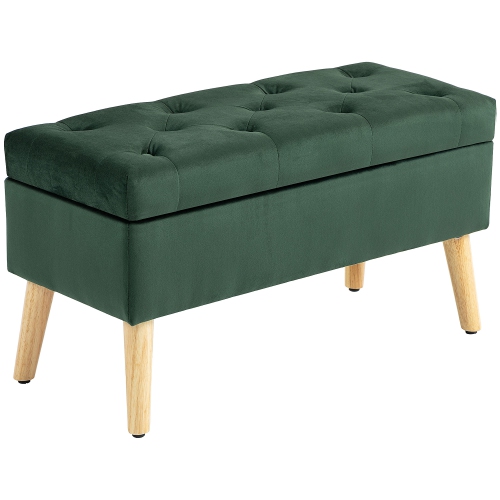
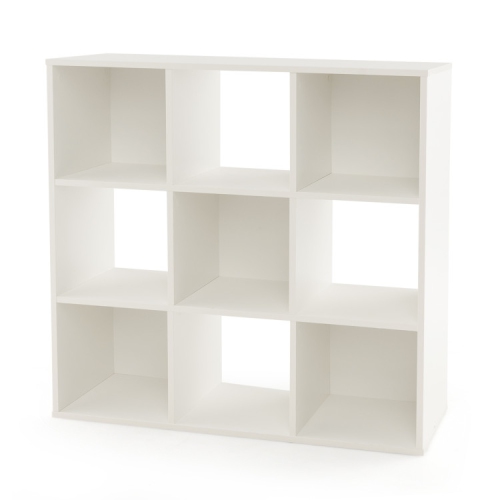
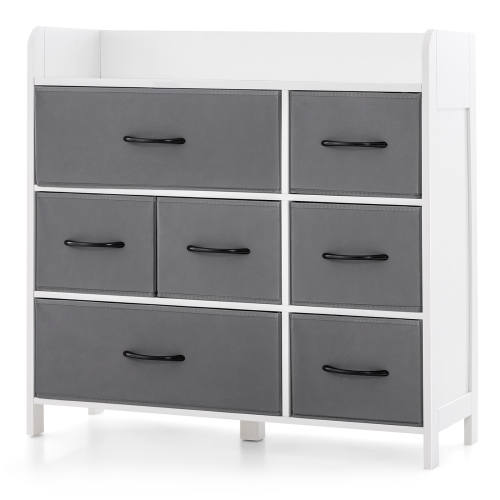


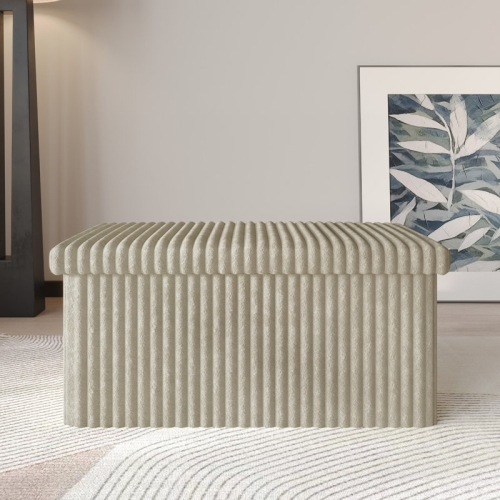
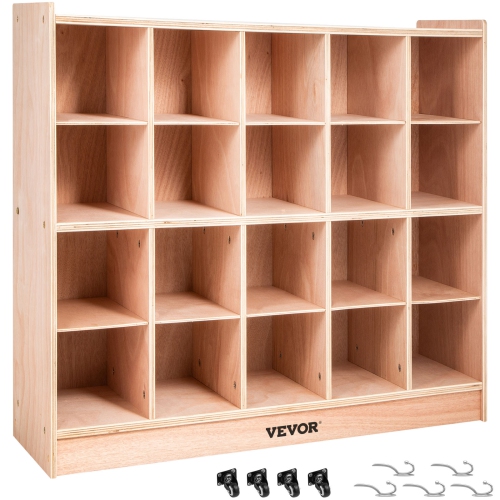

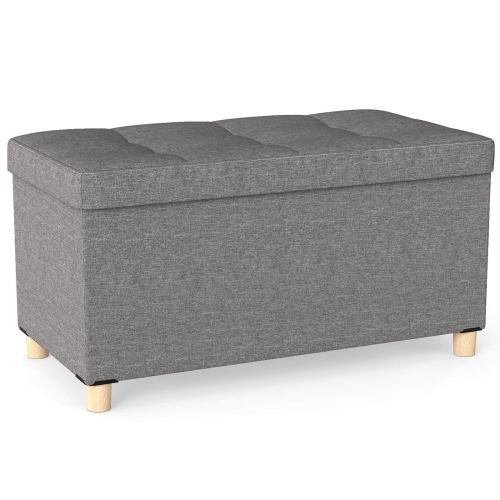
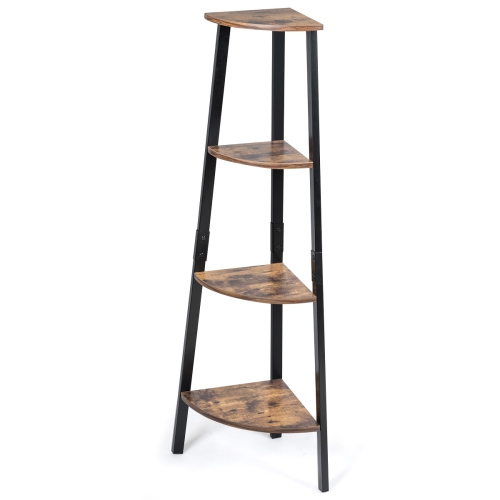



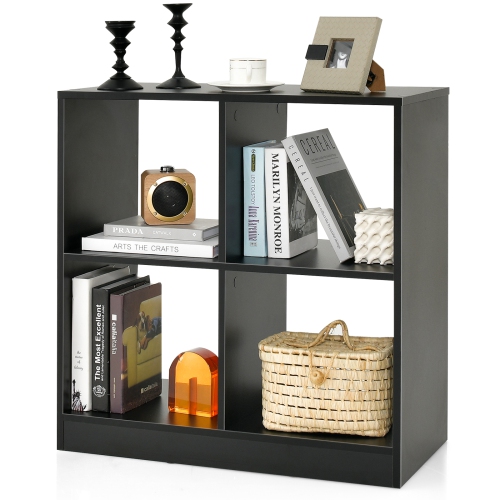

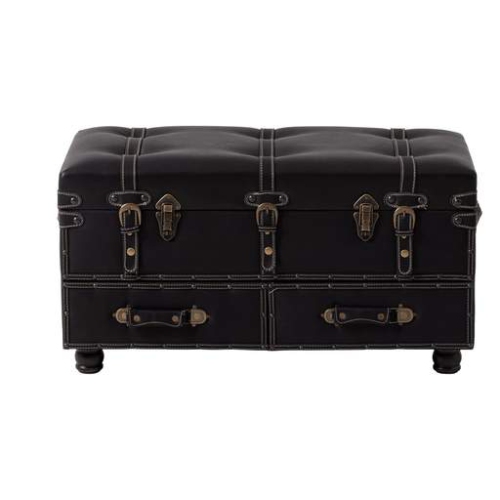
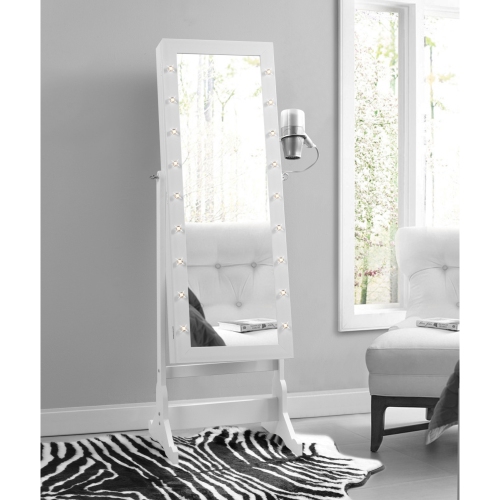
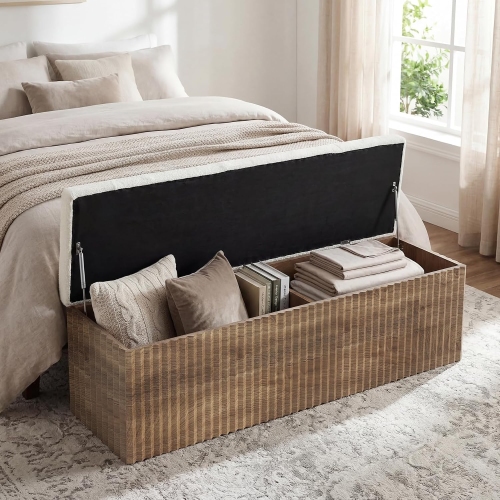

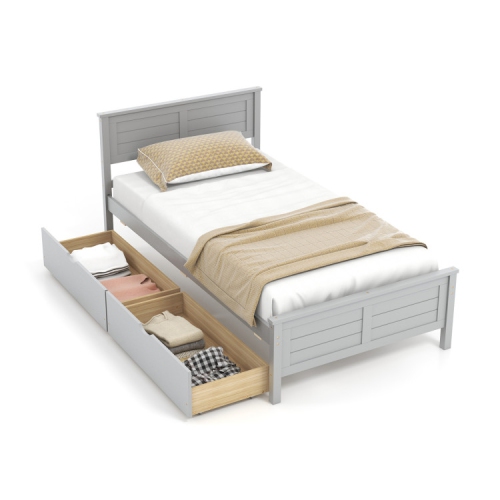

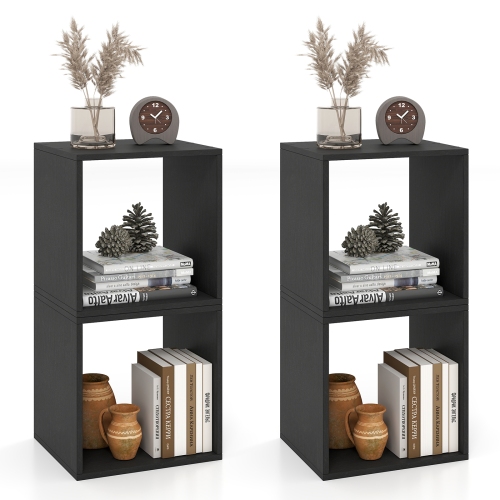
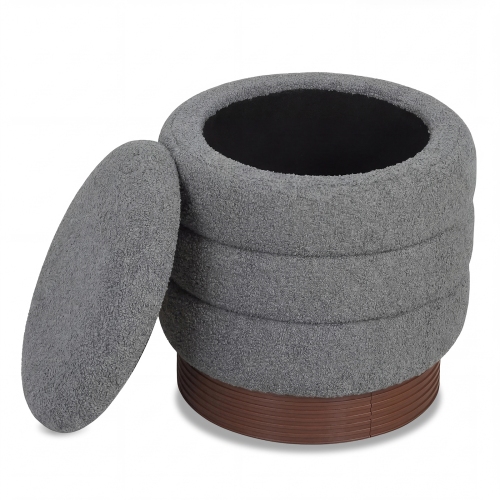
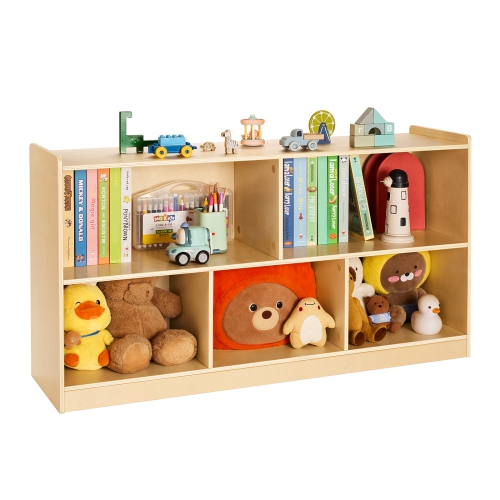

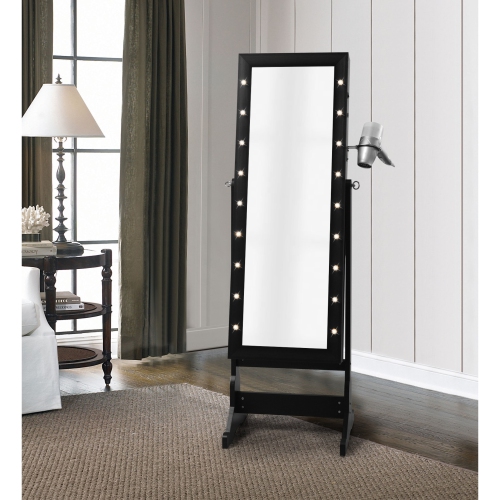
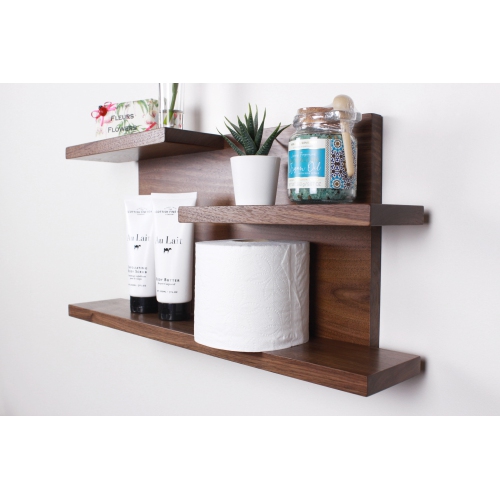
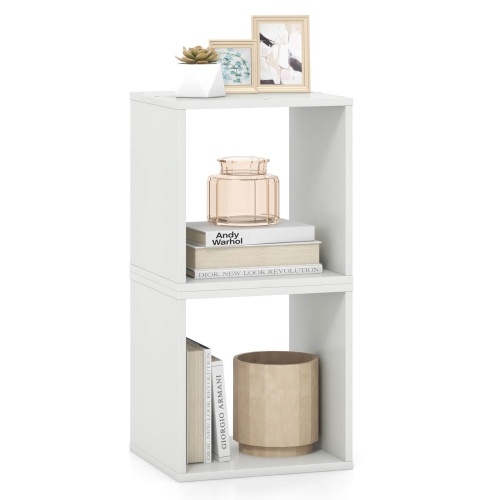

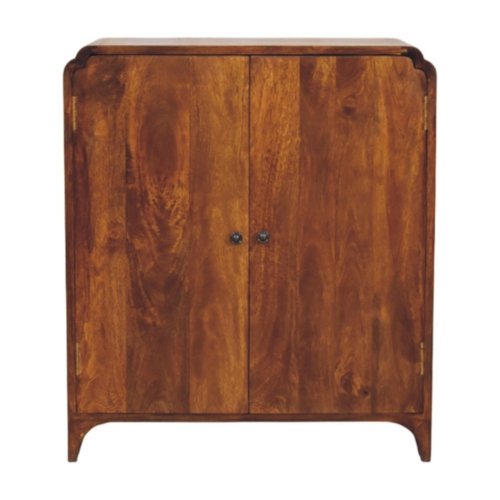
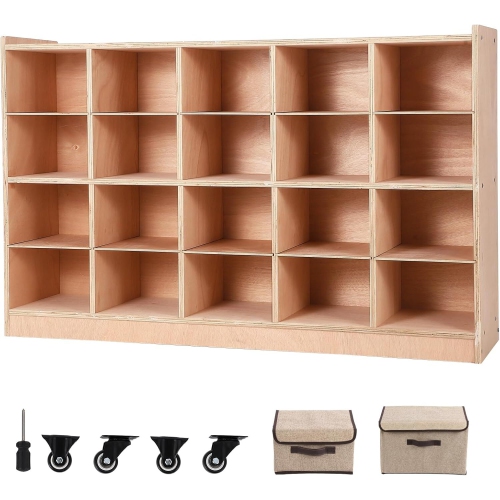
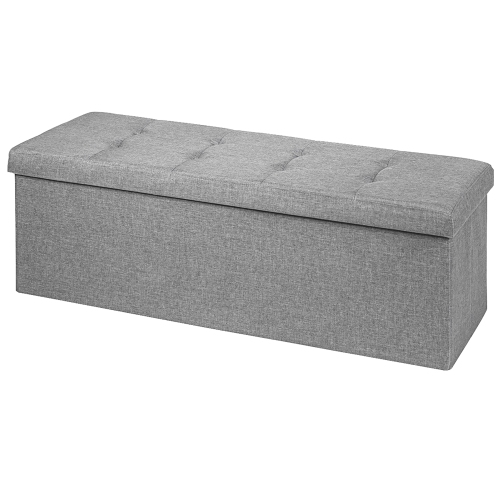
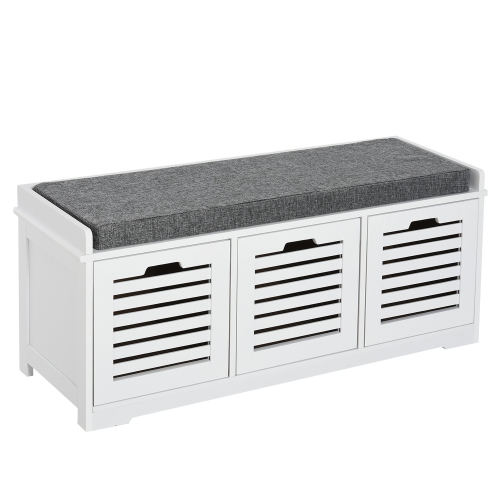
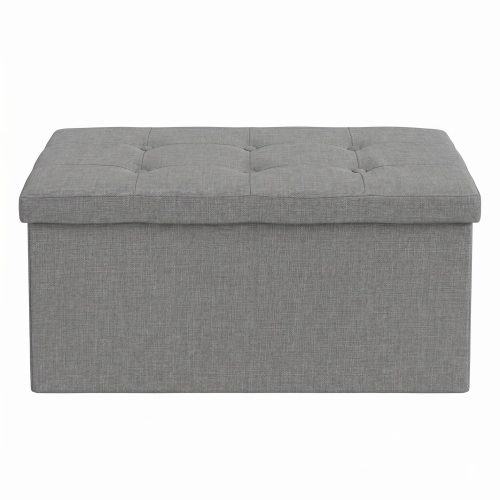

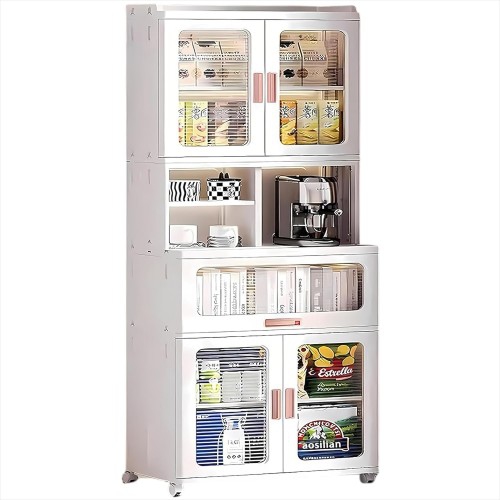
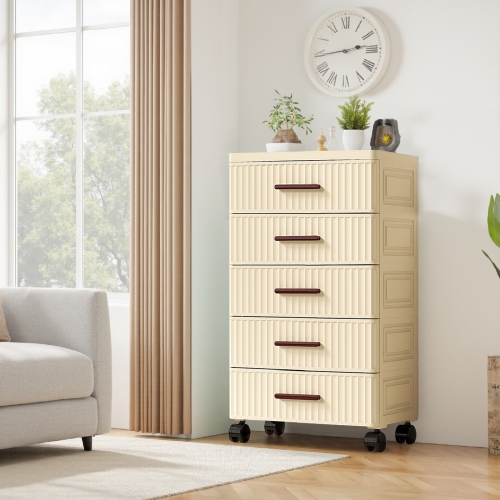
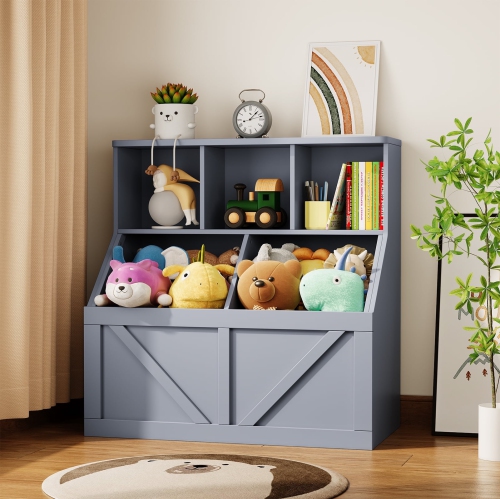
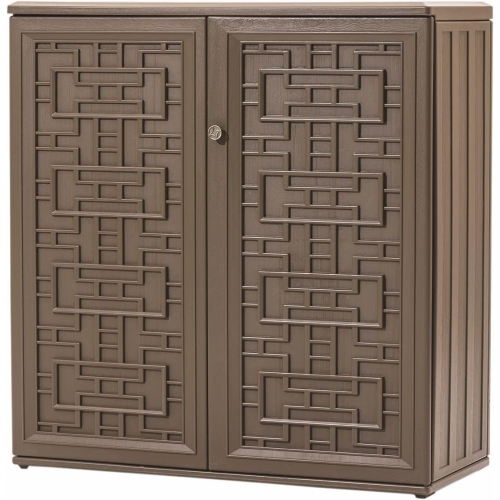
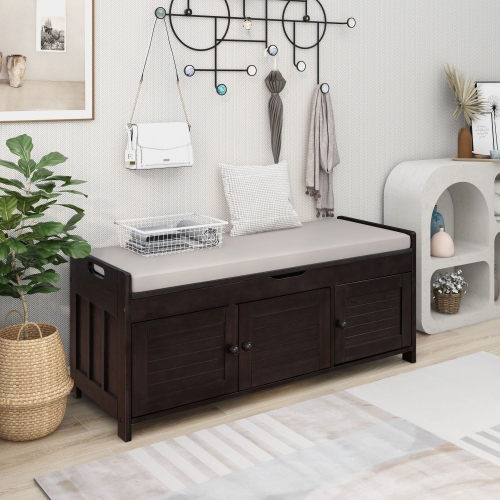

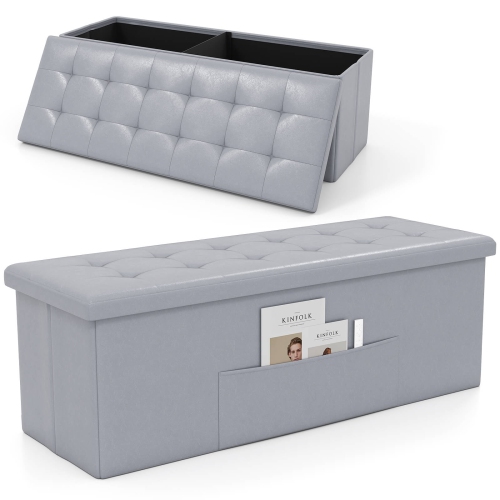
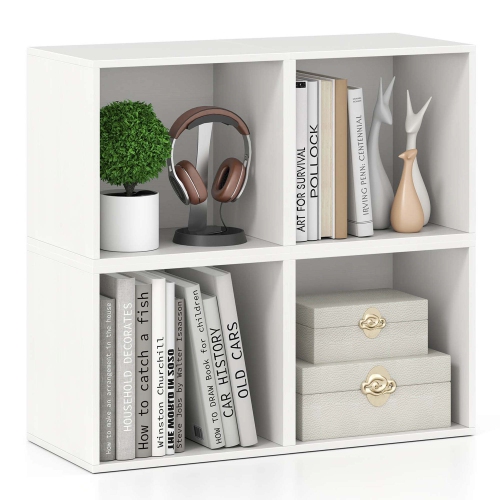
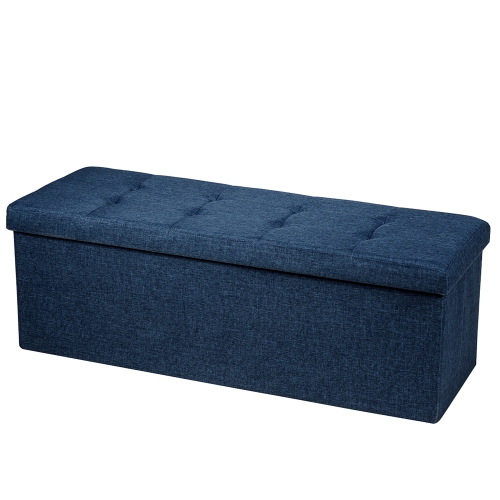
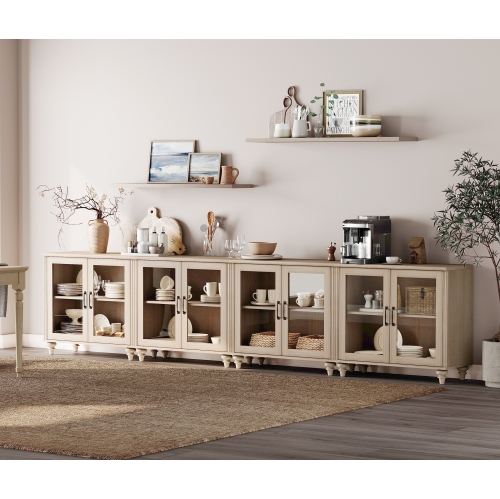
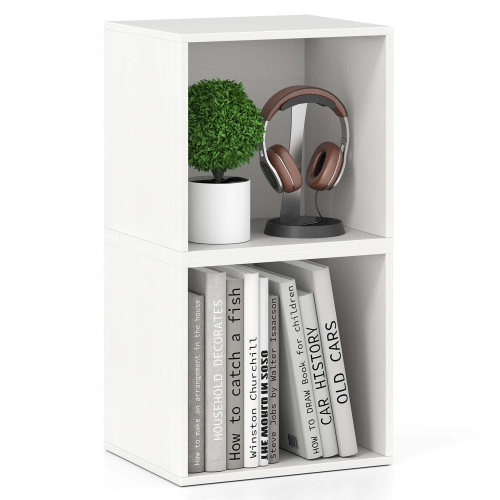

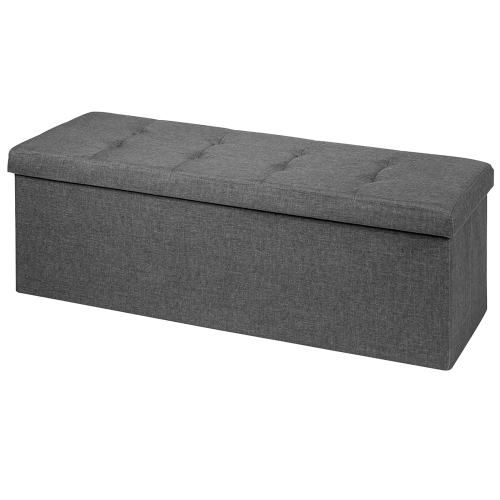
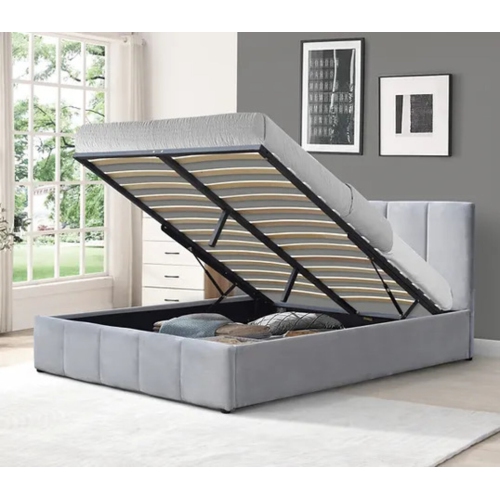
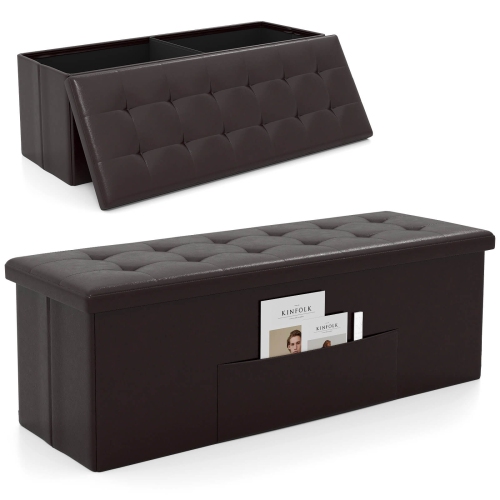

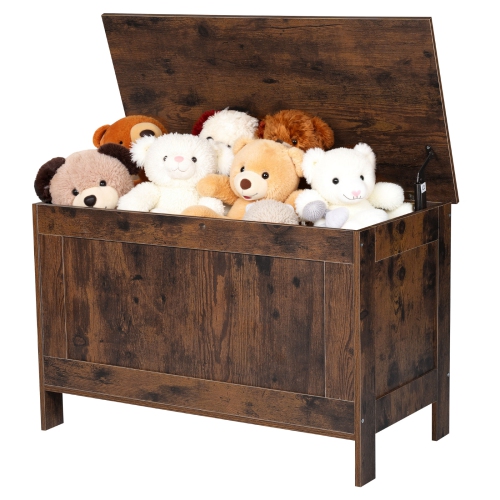
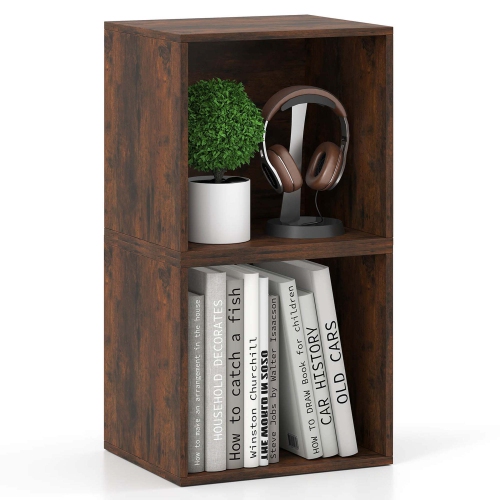
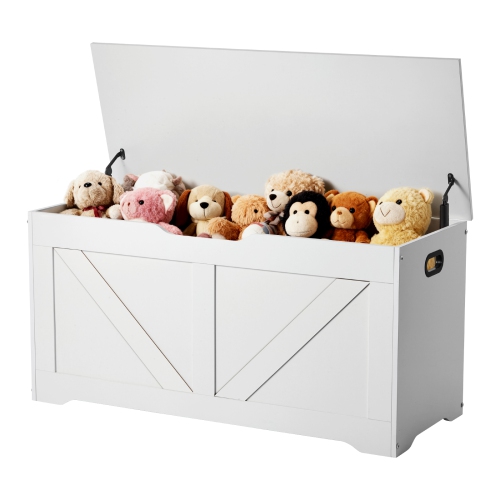
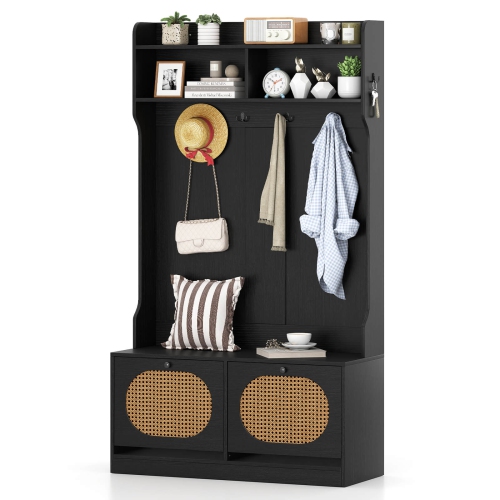

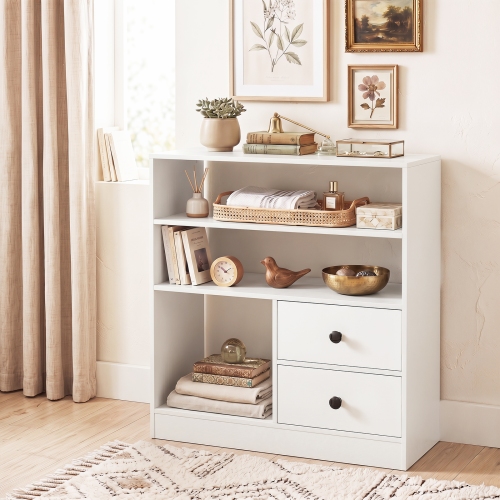

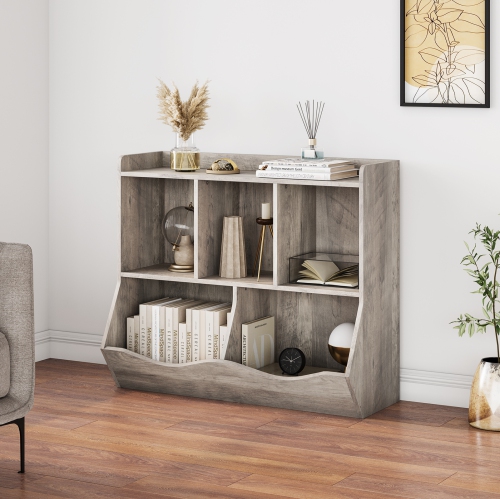
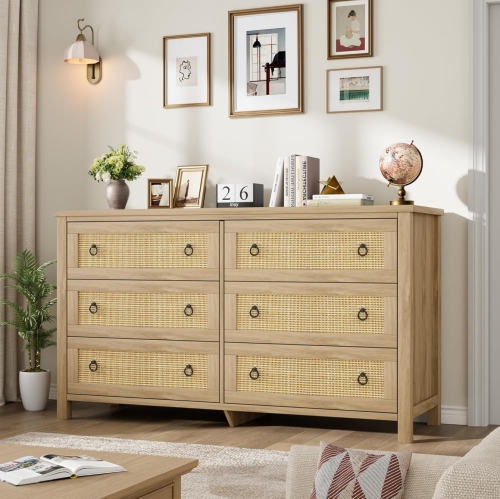
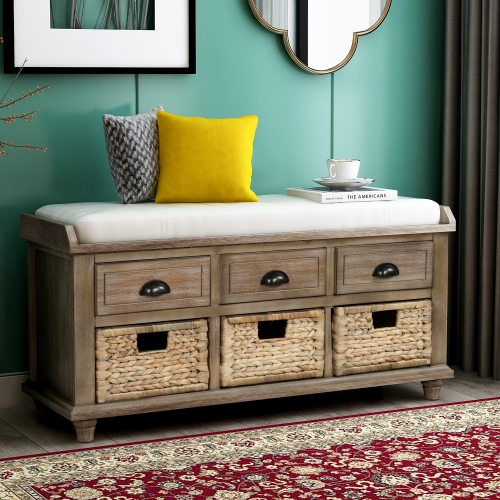

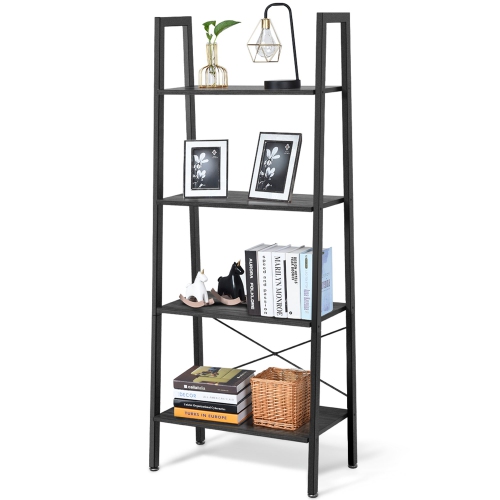
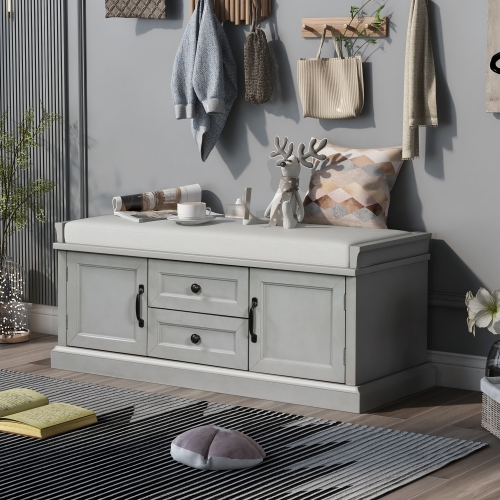
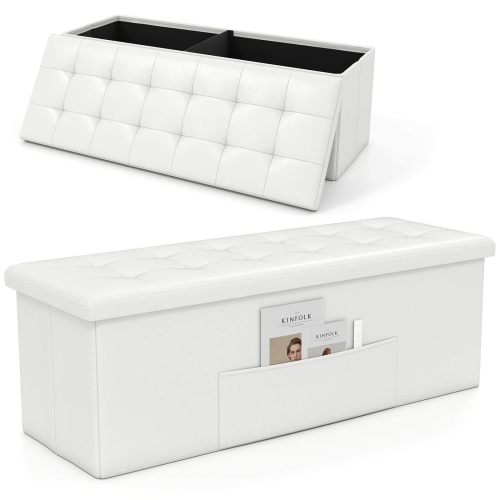

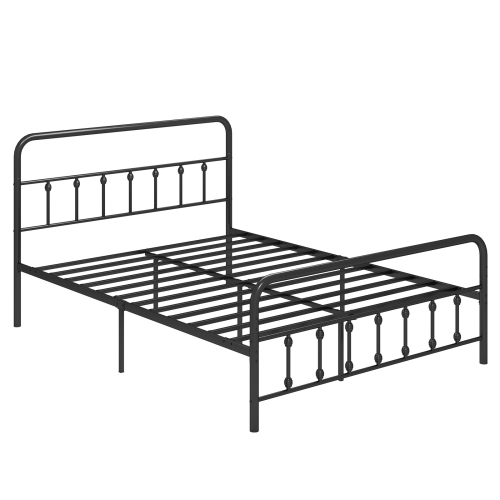

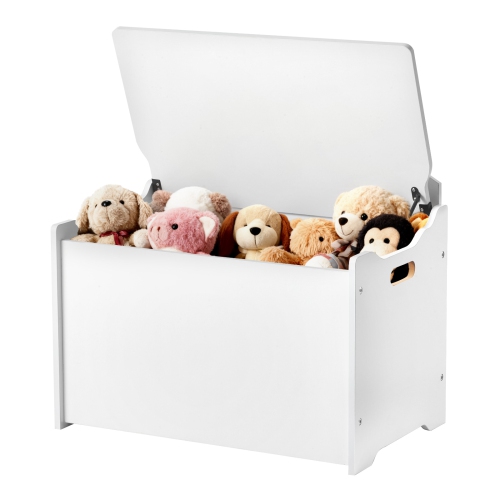


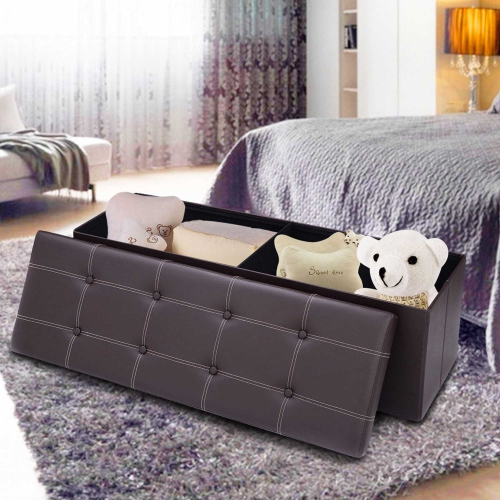
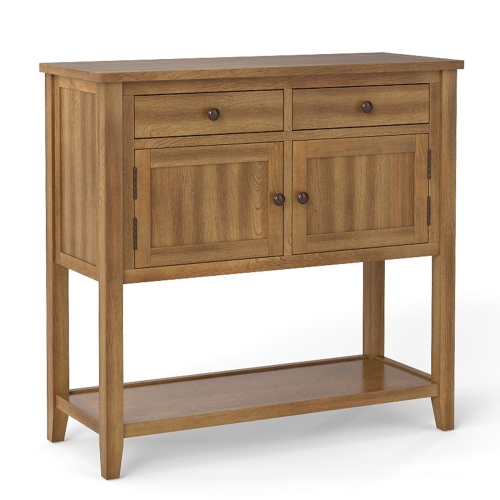
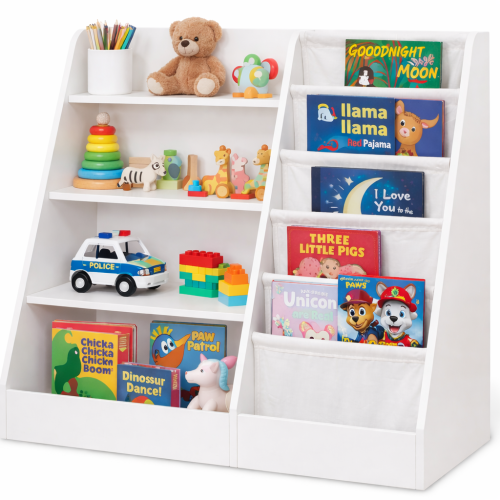

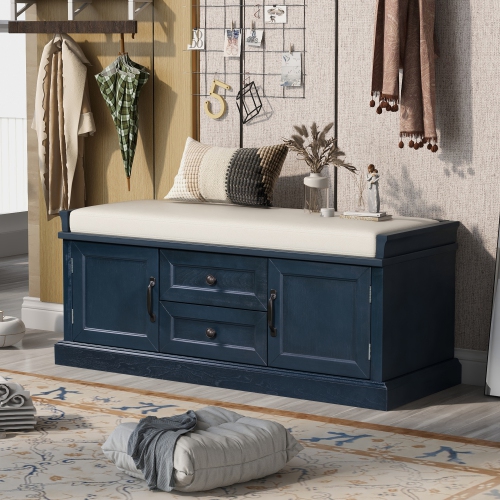
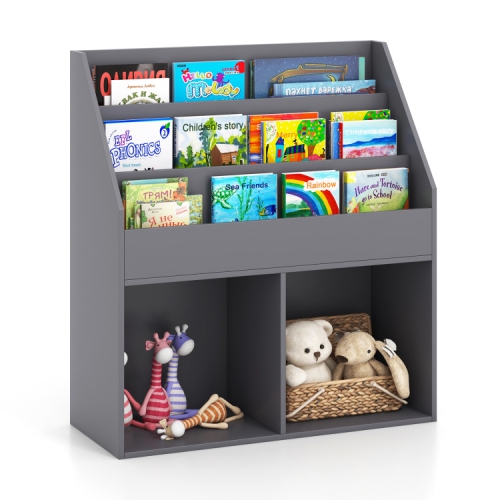
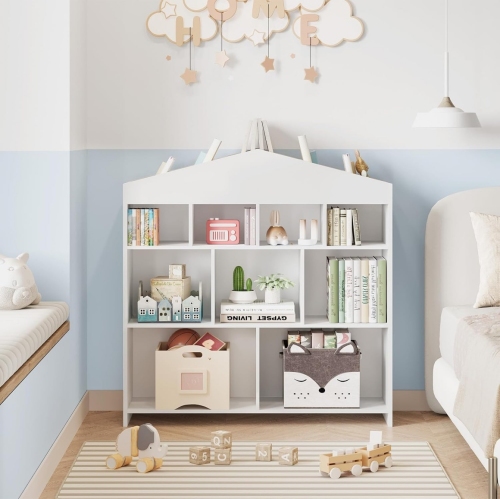
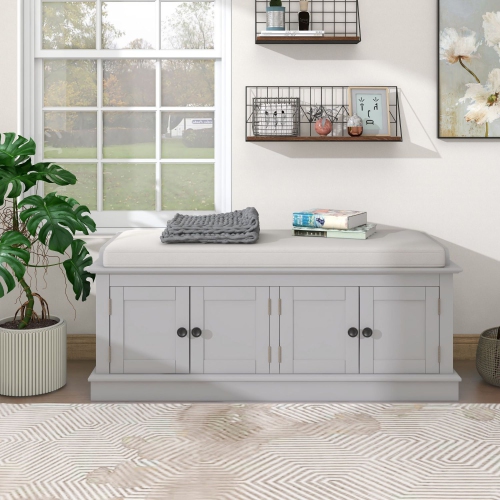
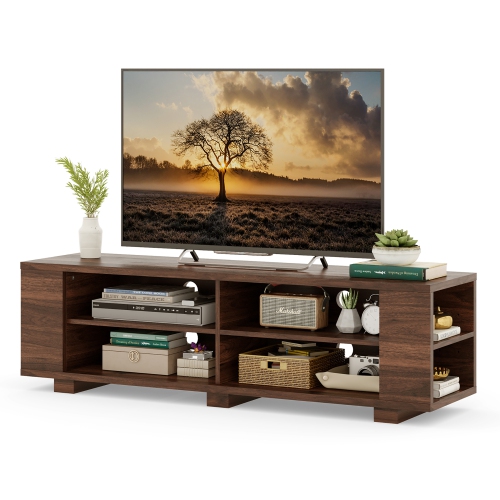


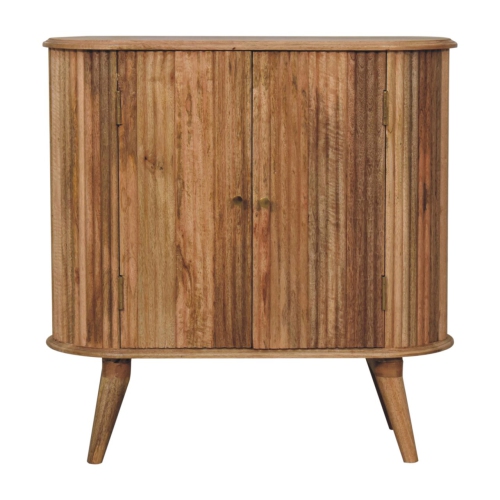
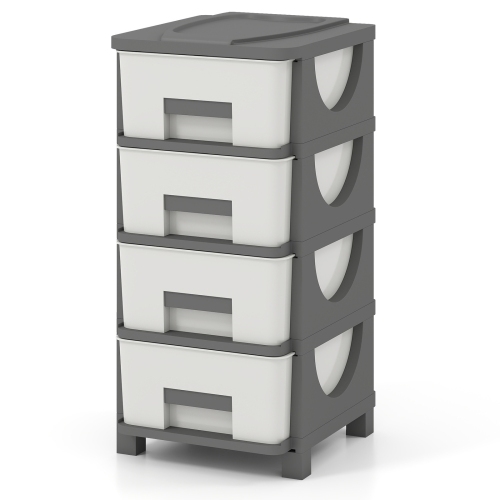
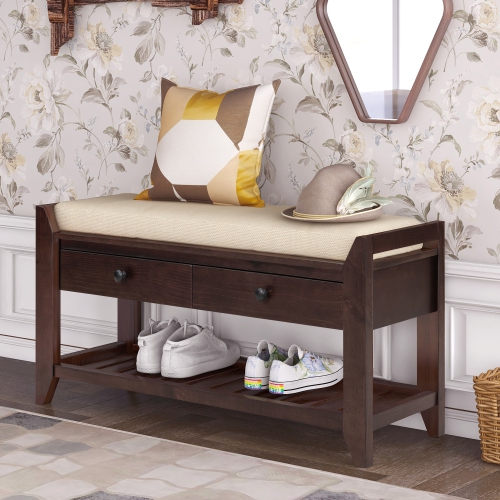
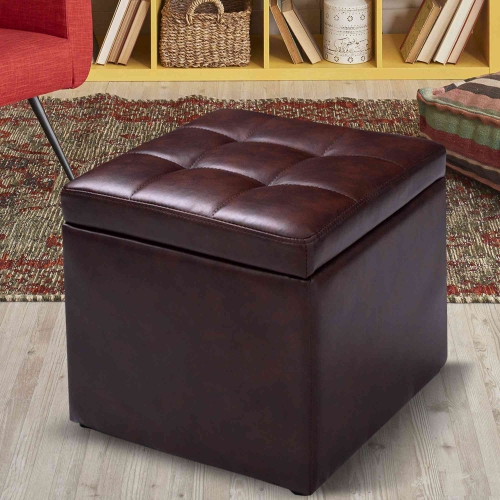
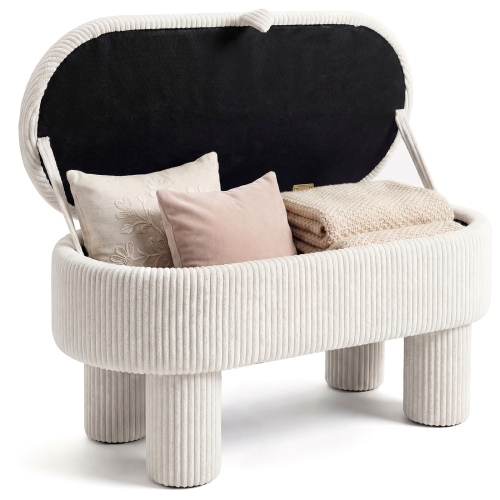
Open shelves and closed compartments that simplify daily routines
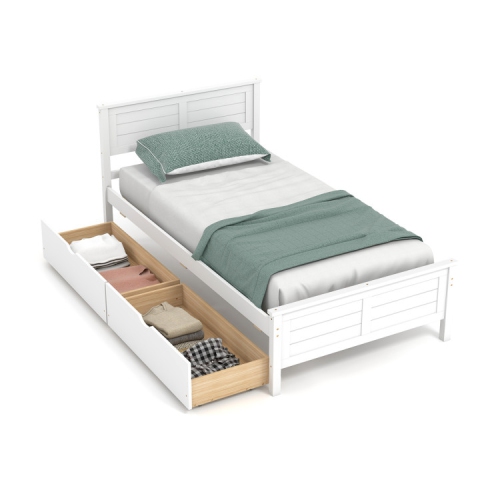
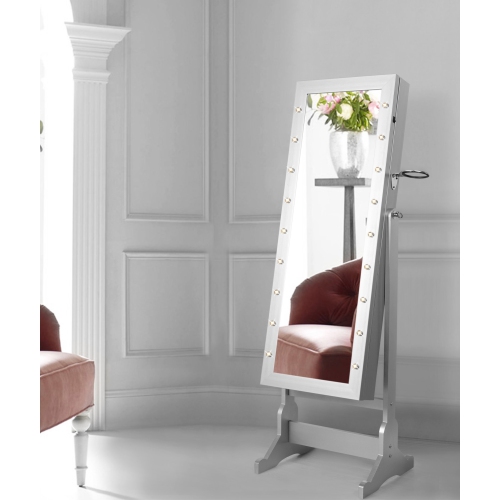
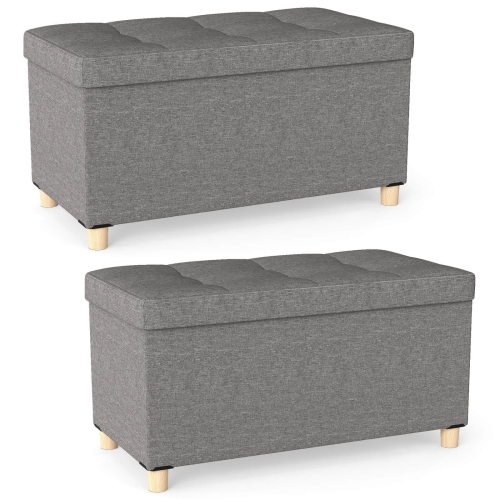
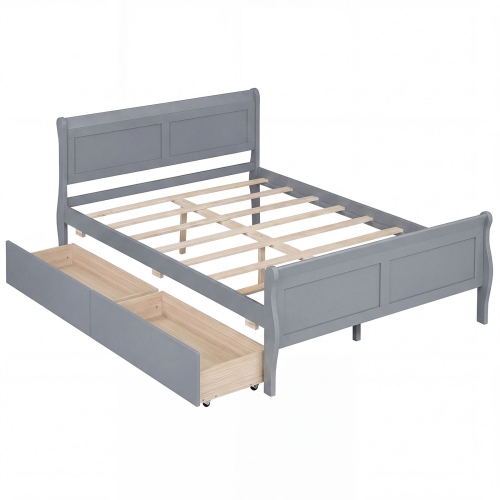
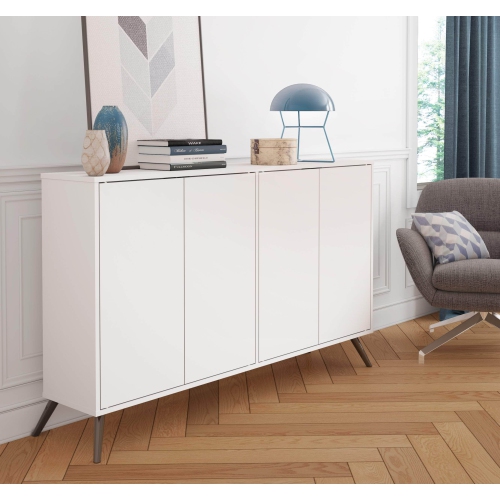
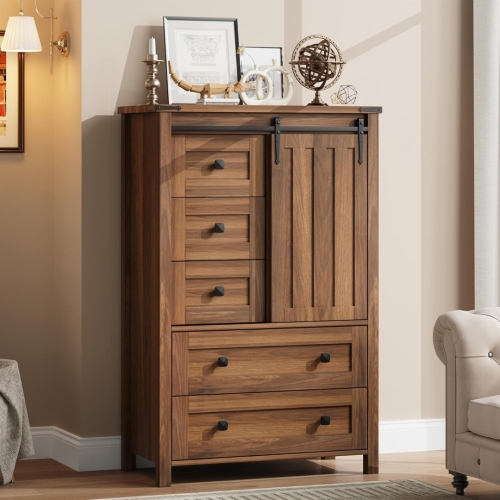
Furniture storage and home organization bring together cabinets, shelving, benches, baskets, drawer organizers, and other furnishings that give everyday belongings a practical place to land. The most useful arrangements balance easy access with a tidy appearance: open shelves keep books and frequently used essentials within reach, while closed compartments conceal paperwork, spare cables, and household supplies. In a living room, a storage ottoman can hold throws while providing a footrest, and a media unit can keep entertainment equipment together without leaving accessories scattered across the floor. An entryway bench with shoe compartments creates a place to sit and keeps footwear out of the walking path. For homes where one room serves several purposes, storage furniture helps establish distinct areas without adding walls. A low shelving unit can separate a workspace from a sitting area, while a cabinet can hold office supplies behind closed doors at the end of the day. Furniture storage cabinets offer enclosed space for belongings of different sizes, with designs suited to living areas, bedrooms, dining rooms, and home offices. Adjustable shelves are especially useful when the contents may change, whether that means making room for taller binders or replacing small baskets with larger containers. Open and closed storage also work well together: a few visible objects give a room personality, while enclosed sections handle the less display-worthy necessities. Families may value low, accessible compartments for toys and school bags, while students and people living in compact apartments often benefit from furniture that serves more than one purpose. Shared households can use separate cubbies or labelled baskets to make ownership clear. Even a small landing area for keys, mail, and bags can make leaving the house less hurried, especially when each compartment matches what it needs to hold. The goal is not to fill every corner, but to make daily routines easier without sacrificing comfortable space to move.
Fit involves more than finding a piece narrow enough for an empty wall. Width, depth, and height determine its footprint, but door swings, drawer extension, baseboards, outlets, and nearby furniture all affect how comfortably it functions. A cabinet that fits beside a bed may still be awkward if its doors cannot open fully, and a deep shelf in a narrow hallway can interrupt the route between rooms. Interior measurements matter just as much: a basket needs clearance to slide out, files need enough height to stand upright, and bulky bedding needs a compartment that does not require force to close. In smaller rooms, shallow cabinets and vertical shelving can provide useful capacity while leaving more floor space open. Taller furniture needs particular attention to stability, including any wall anchoring specified by the manufacturer; wall-mounted storage also requires fasteners appropriate to the wall construction and intended load. Heavy belongings generally belong lower down, and shelf weight limits should suit the contents rather than just their size. Materials influence both appearance and everyday performance. Solid wood offers natural grain and can develop surface marks with use, while engineered wood with a laminate or veneer finish provides a range of consistent colours and textures. Metal frames and shelves can suit utility areas or workspaces, although their load ratings and finishes still need to match the task. Woven baskets add texture and work well for soft belongings, while fabric bins offer lightweight containment for clothing, toys, or accessories. Smooth plastic containers are often practical where wipe-clean surfaces matter. In bathrooms and laundry areas, finishes rated for exposure to moisture are more suitable than untreated surfaces, though spills should still be wiped away promptly. Hardware deserves attention, too: firmly attached handles, smooth drawer movement, and hinges that keep doors aligned contribute to furniture that feels dependable through repeated daily use. Seating and footrest functions should always be confirmed in the furniture’s intended use rather than assumed from its shape.
Organization works best when storage follows the habits of the people using it. Frequently worn accessories belong near where someone gets dressed, charging accessories belong close to the devices they serve, and household paperwork is easier to manage when incoming mail and documents have separate compartments. Bedroom storage can include drawer dividers for small accessories, under-bed containers for spare linens, and wardrobes that combine hanging space with shelves. Under-bed storage is most convenient when handles remain accessible and there is enough clearance to pull containers out without moving surrounding furniture. In dining spaces, sideboards keep table linens and serving pieces close to the table, while home office shelving can separate reference materials from supplies used throughout the workday. Craft materials and games benefit from containers that keep small parts together, with labels or clear sides making contents easier to identify. For children’s spaces, lightweight bins at an accessible height can support independent tidying, provided the furniture and containers are appropriate for the child’s age and used according to safety instructions. Shared rooms benefit from a simple arrangement everyone can maintain, rather than layers of containers that must be moved to reach one thing. Care is usually easier when surfaces and compartments remain accessible for cleaning. Dusting shelves, vacuuming fabric storage where permitted, and wiping suitable finishes with a soft cloth help keep furniture looking neat; cleaning methods should follow the manufacturer’s directions, particularly for wood, veneers, woven fibres, and upholstered surfaces. Overfilled drawers and tightly packed shelves can strain hardware and make belongings harder to retrieve, so some breathing room has practical value. A consistent colour palette, repeated basket shapes, or matching hardware can connect different storage pieces without making every furnishing identical. Someone furnishing a first apartment may appreciate adaptable storage that can move between rooms, while an established household may need a more precise solution for a crowded entryway or shared workspace. A well-chosen organizer can also make a thoughtful housewarming gift when the recipient’s space and preferences are known. Across these settings, useful storage makes belongings easier to find, reach, and put away.
Top selling and popular products
-
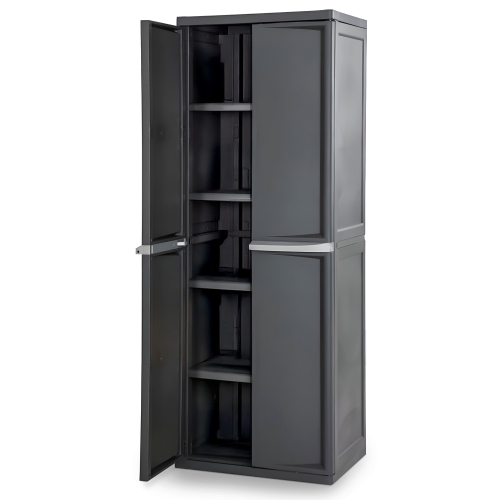 Your price for this item is $459.99
-
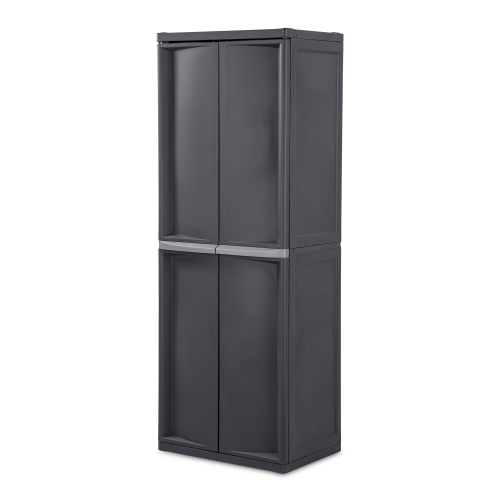 Your price for this item is $1530.99
-
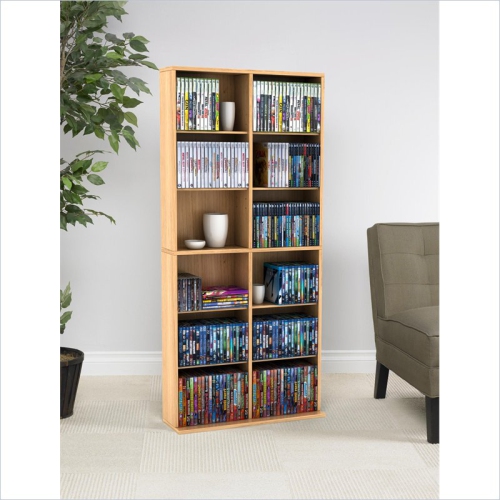 Your price for this item is $234.68
-
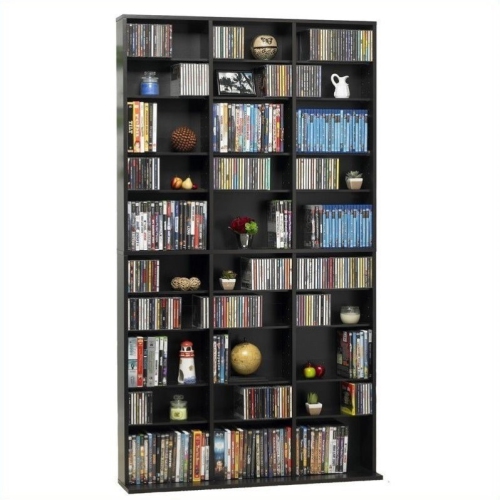 Your price for this item is $365.85
-
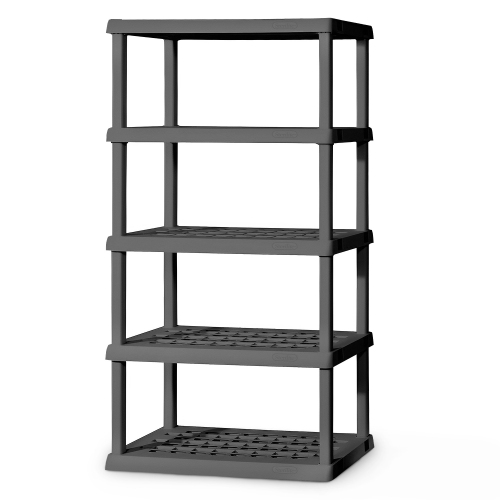 Your price for this item is $331.99
-
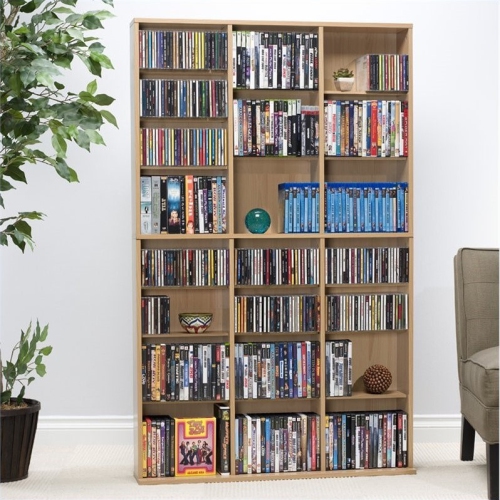 Your price for this item is $295.5
-
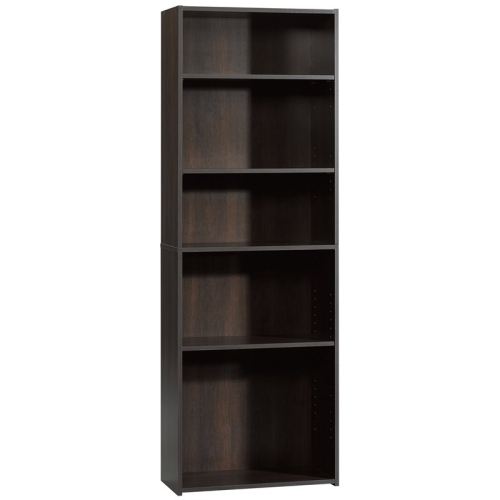 Your price for this item is $208.99
-
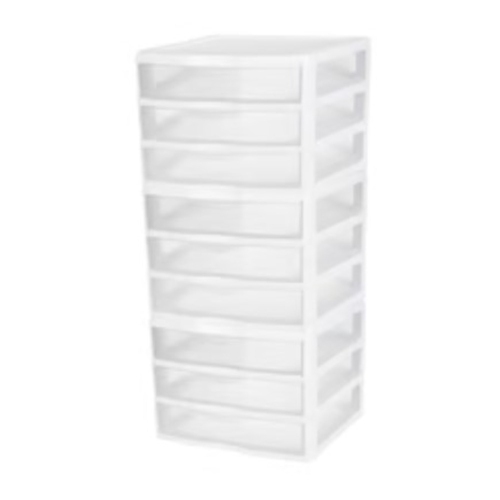 Your price for this item is $127.99
Discover more categories related to Furniture Storage & Home Organization
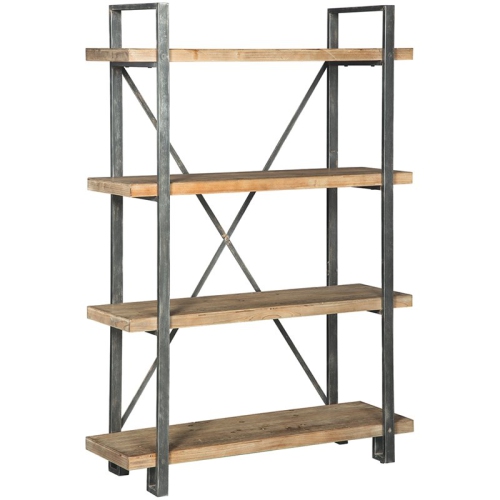
Top Collections:
Pokemon Centers, Kindle Devices, Best Budget Office Chairs, Canon G7X Cameras, Apple iPhones 16, Samsung Galaxy Phones, Refurbished Apple Laptops, Laptops for Students, iPhone 15 Apple, Budget Smartphones
Some products may be subject to Environmental Handling Fees
(EHF) depending on your province.
Learn more about EHFs.