Grey Fabric Chairs
A fabric chair is a great choice for those who want to add a touch of style to their home. Fabric chairs are available in many different styles and colors, so you can easily find one that matches your decor. Fabric chairs are also very easy to clean, which is an important factor for people with pets or children. Here are some great grey fabric chairs available today.
Sort

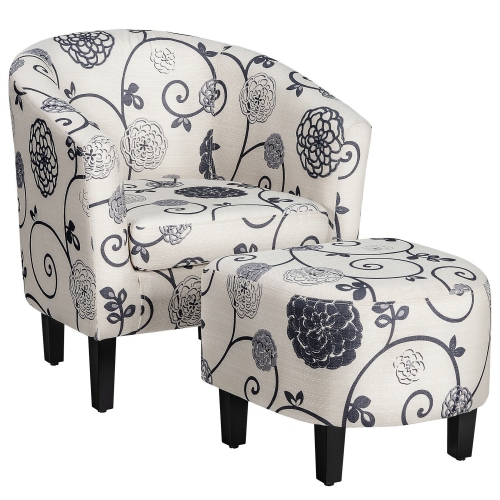


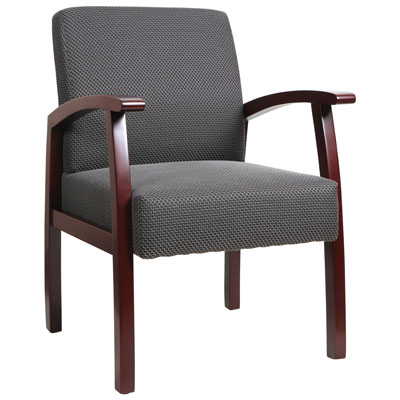

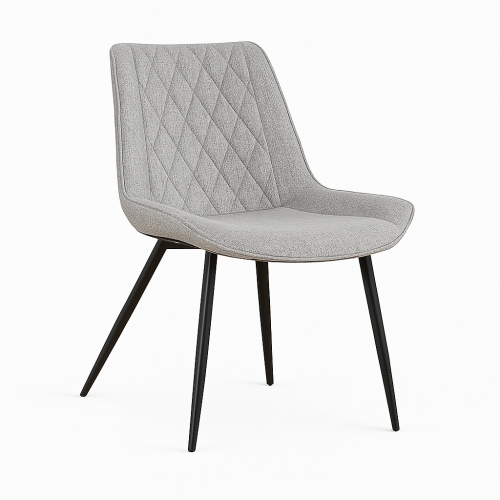

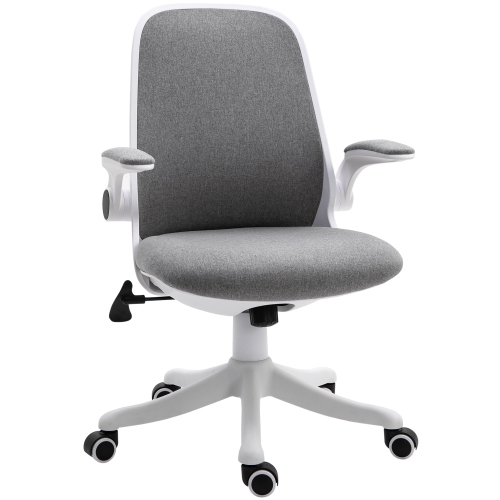
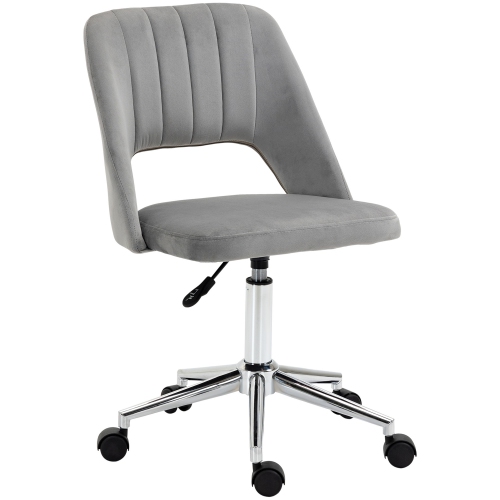

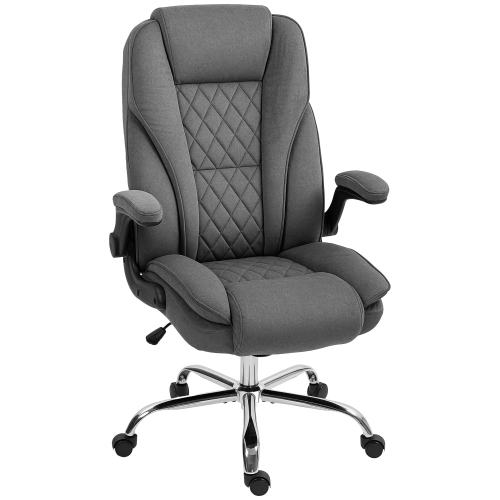
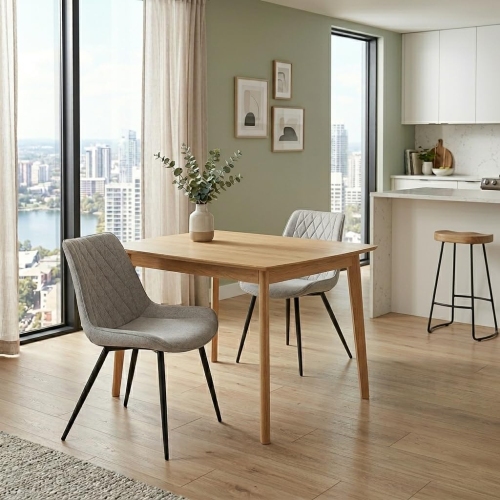
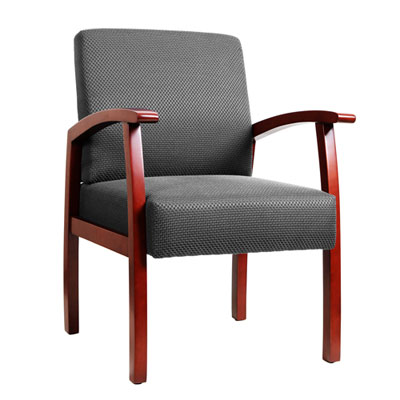


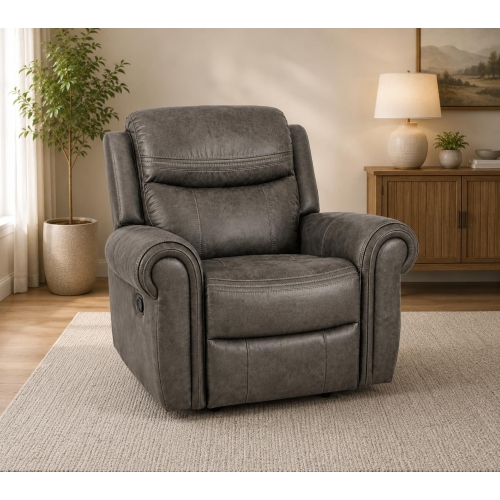


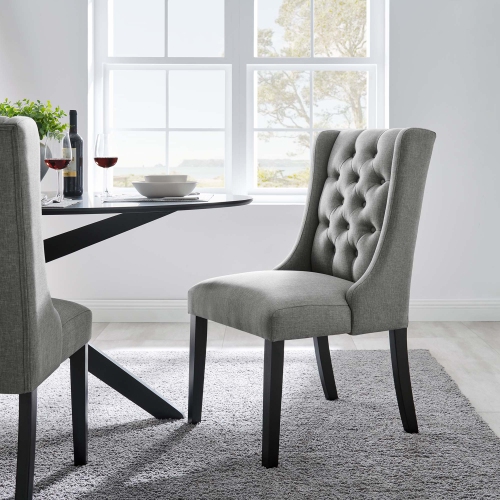
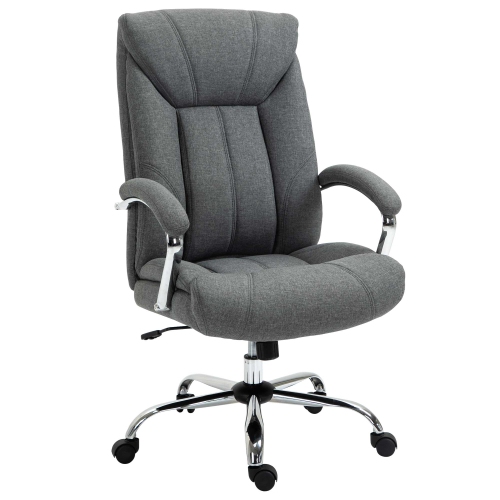

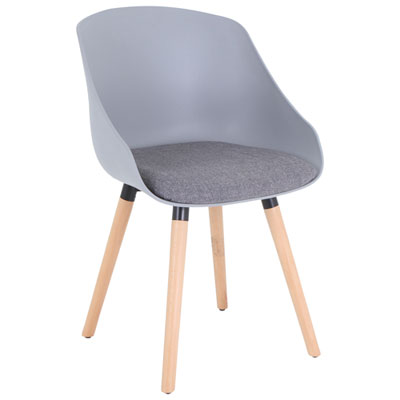
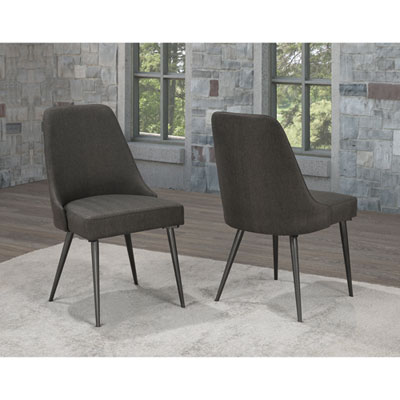


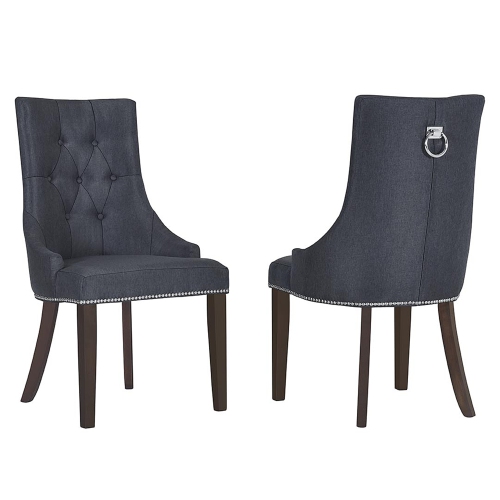
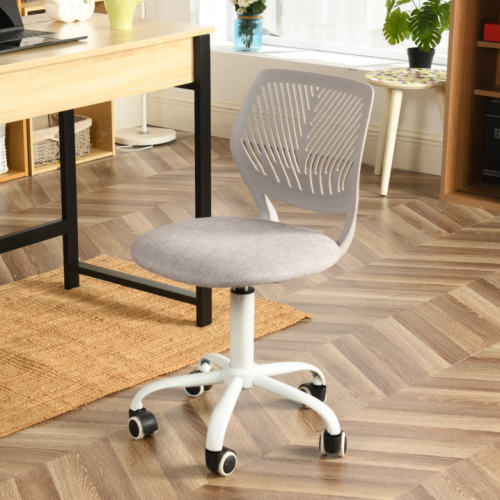
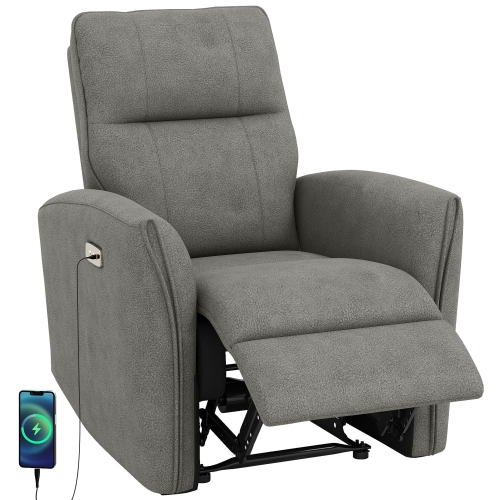




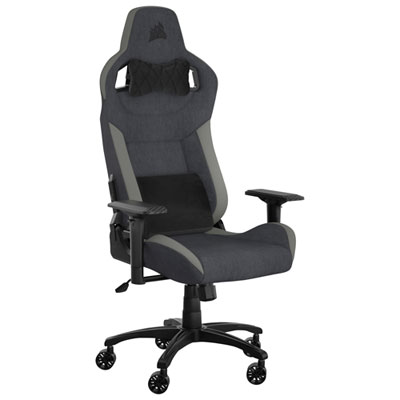


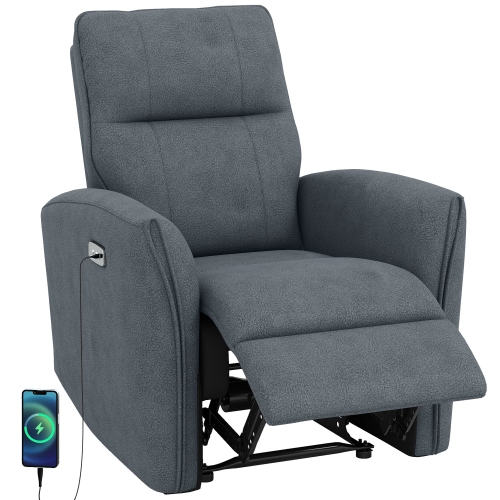





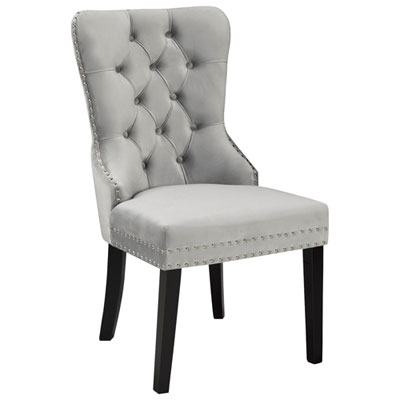


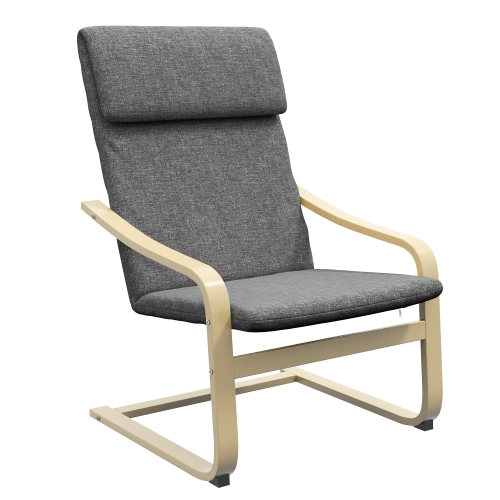


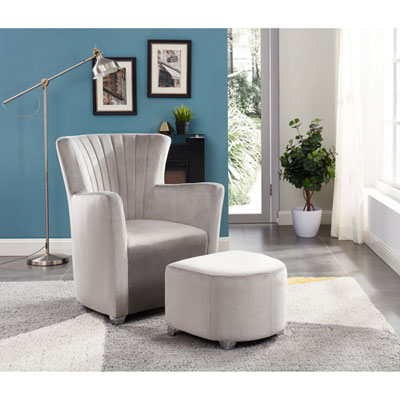


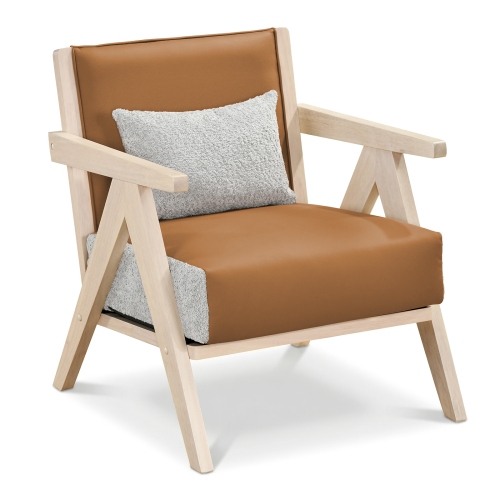
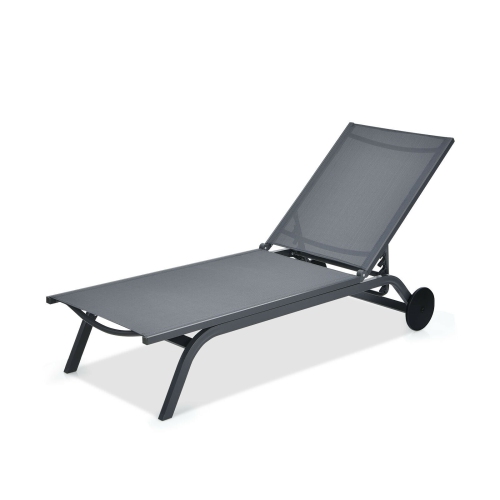

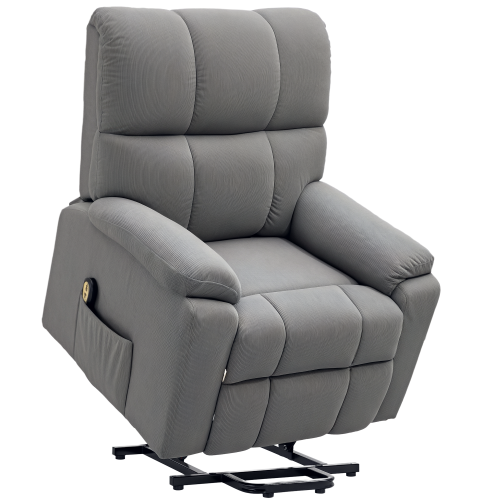


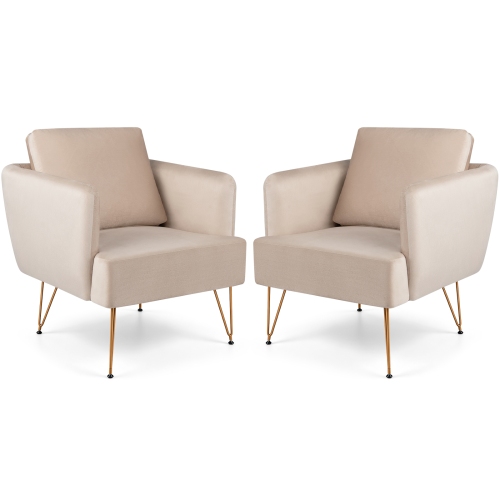
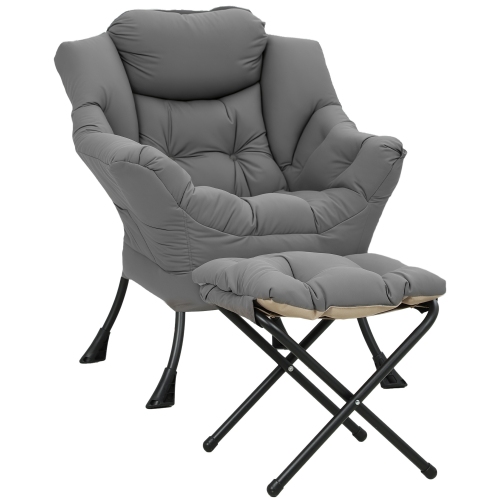
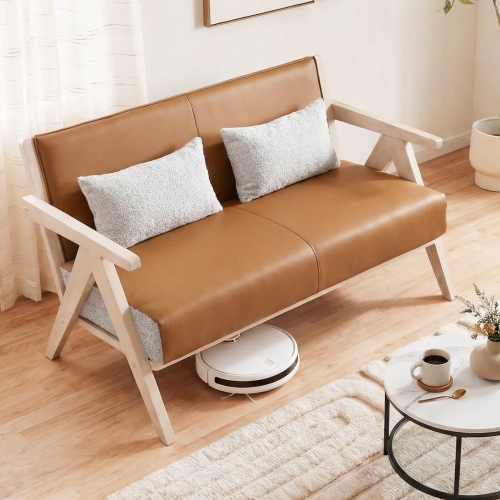
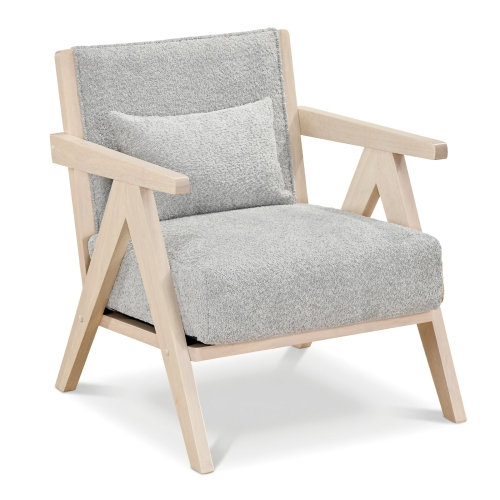


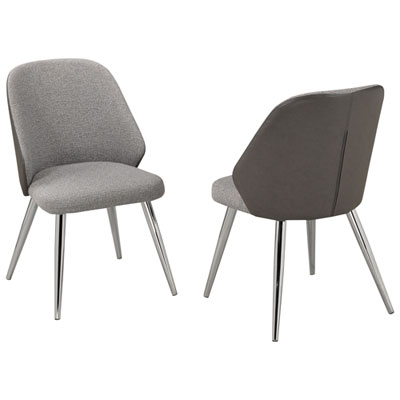


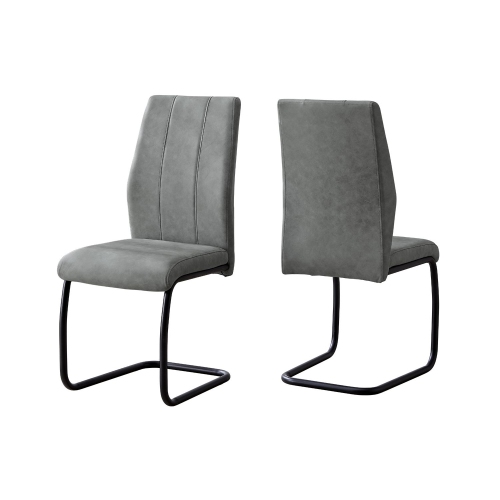

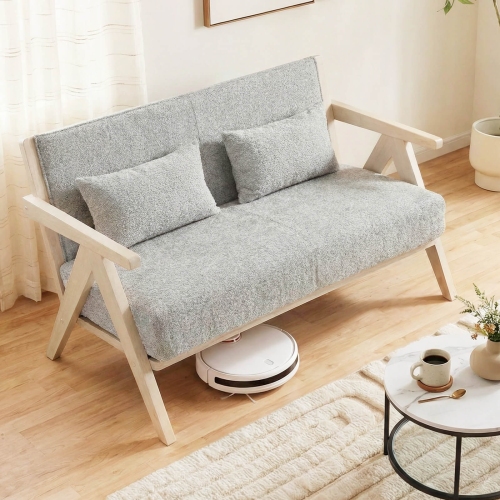


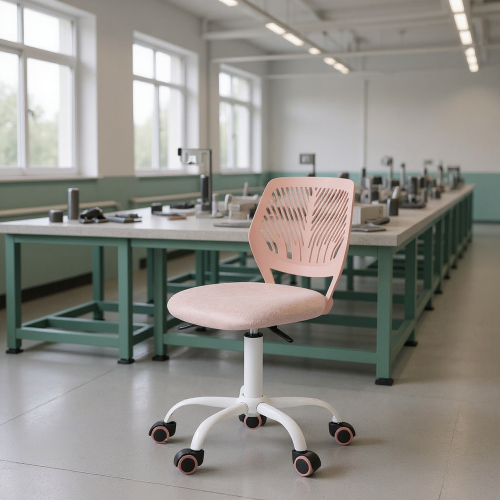


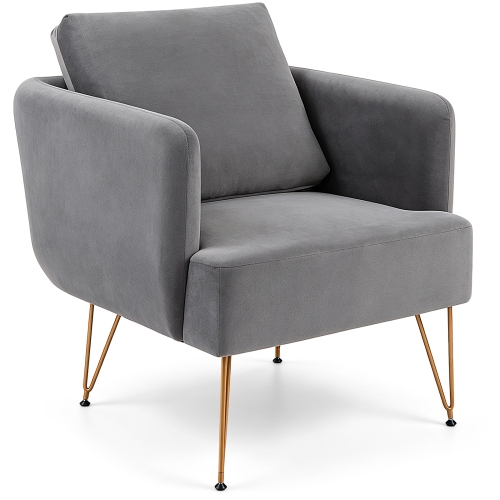


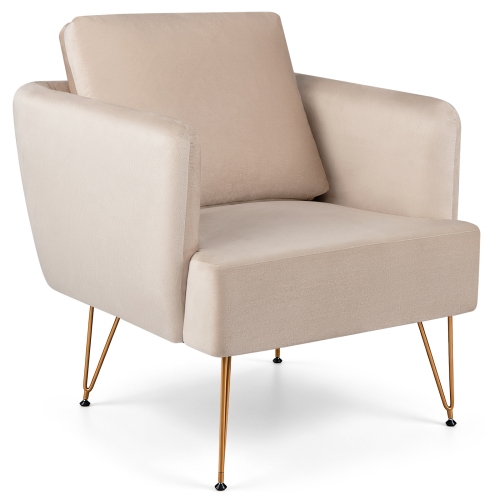

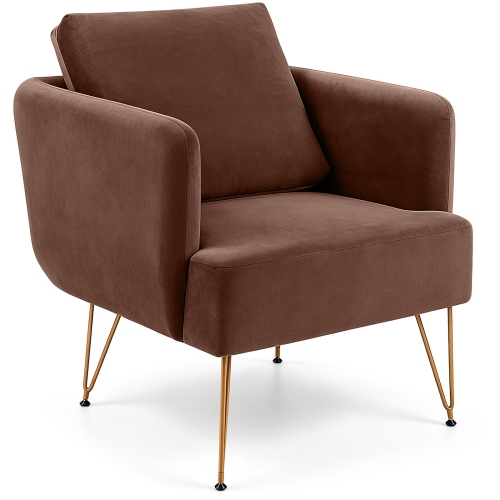

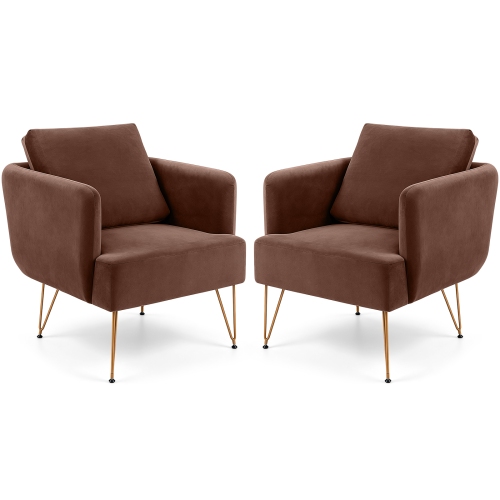
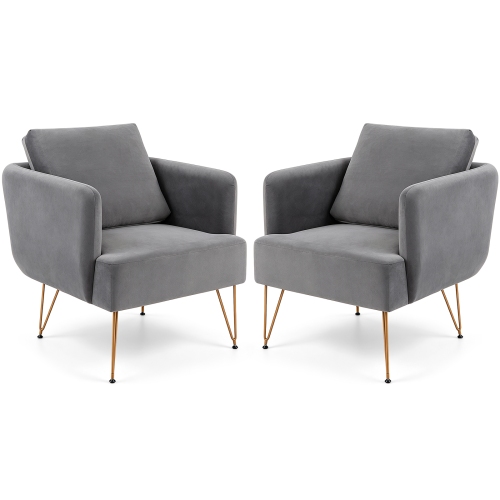


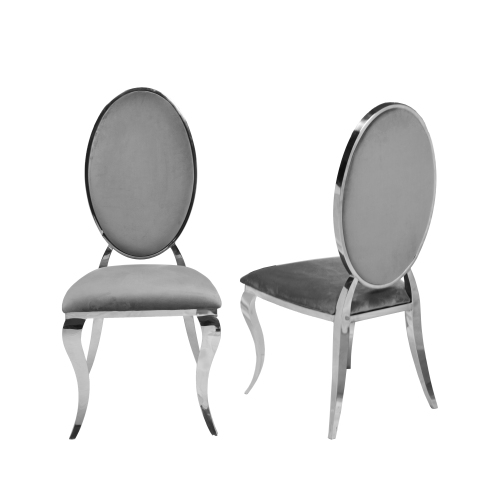

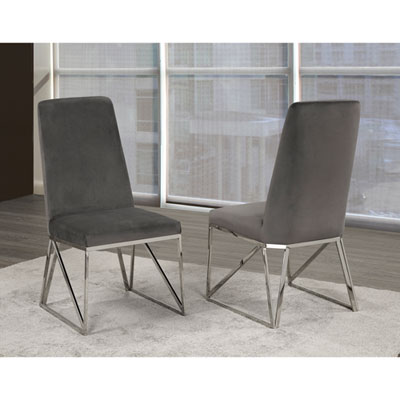


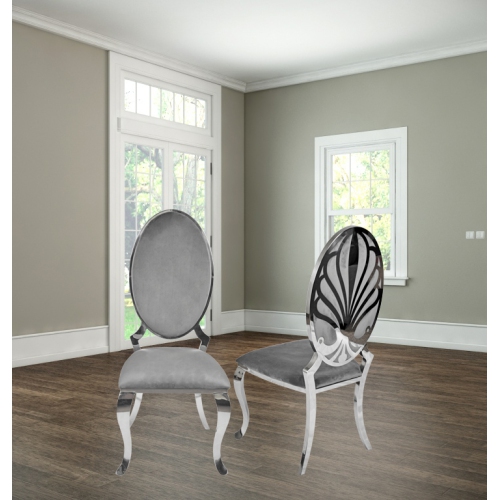


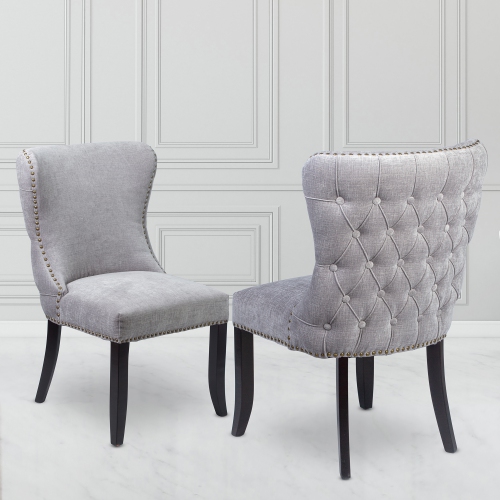


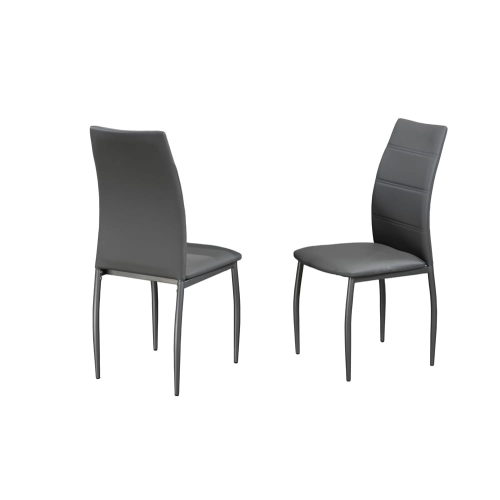


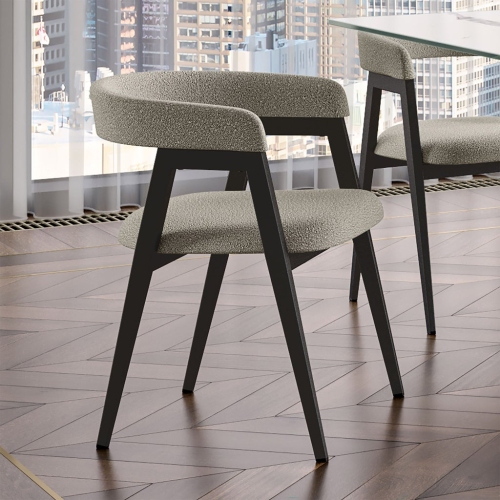


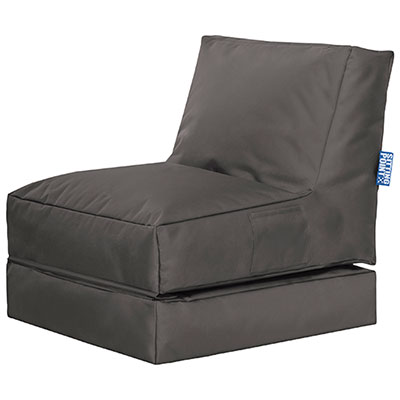


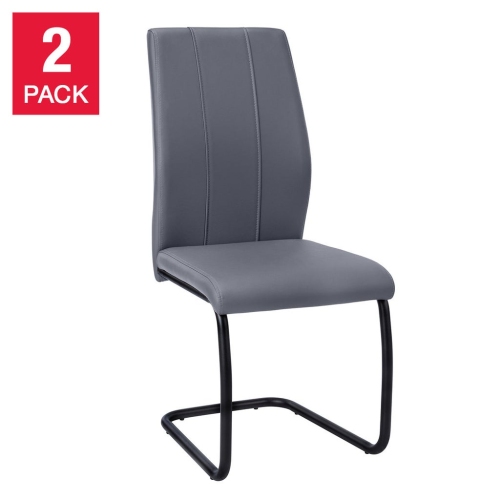
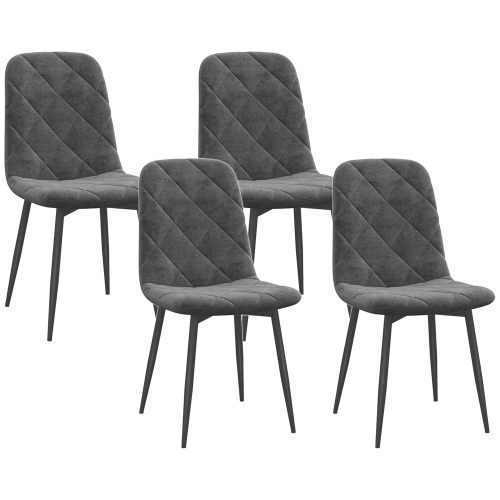
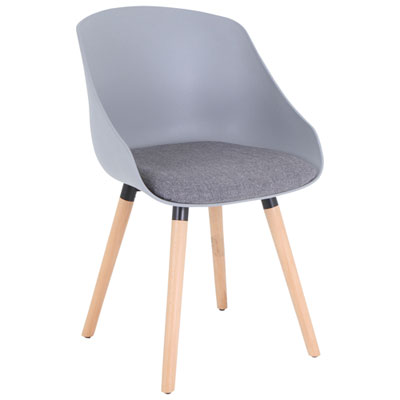



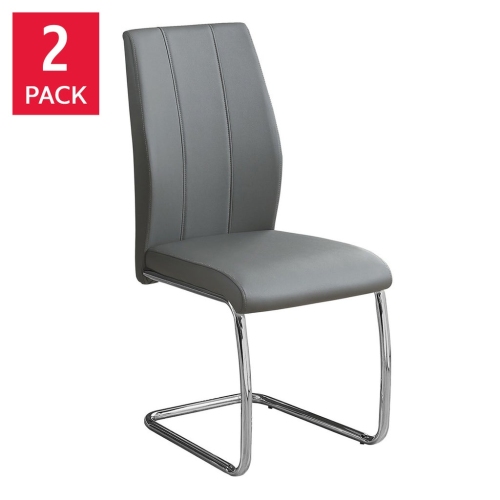
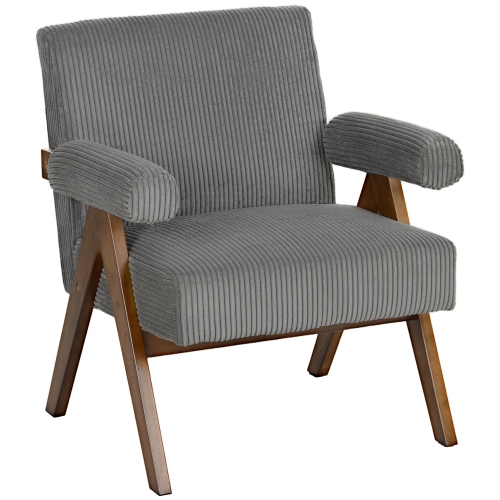


How grey undertones and fabric textures shape a room
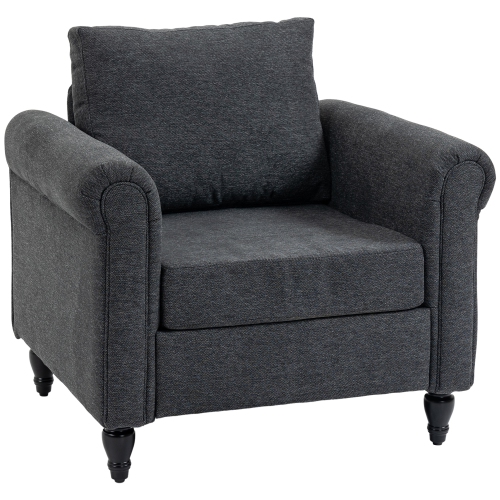
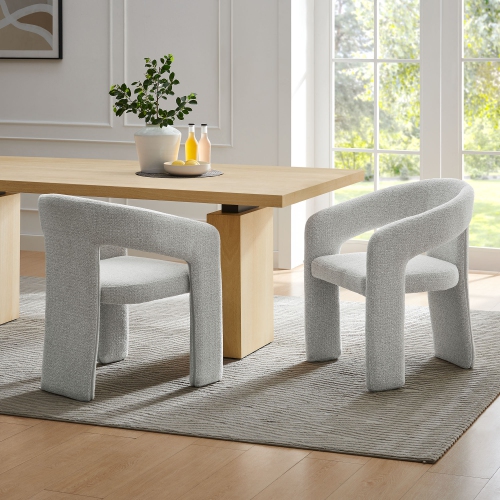
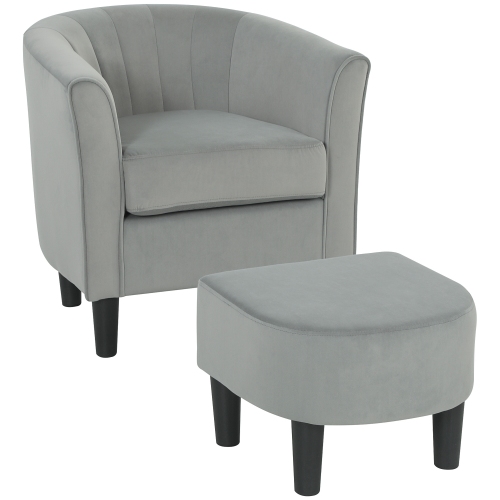
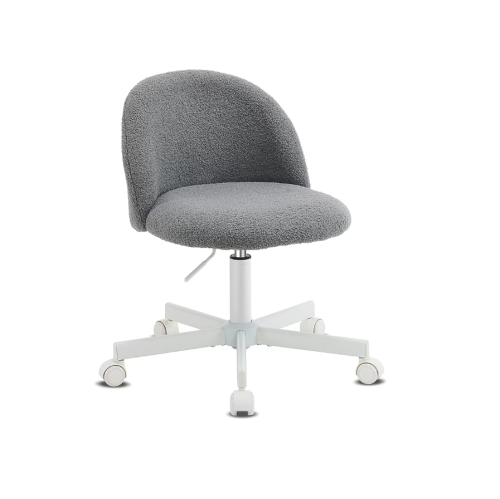
Grey fabric chairs bring a softer texture to a room without requiring a bold colour statement. Their appeal lies in the range within grey itself: pale silver can feel light and understated, warm grey works easily with oak and cream, and deeper charcoal creates a stronger contrast against white walls or lighter flooring. The same upholstery can look different beside a window, beneath a reading lamp, or against a painted wall, so undertones matter as much as the shade name. A grey with a blue cast sits comfortably alongside cool colours and dark metal, while a brown-leaning grey tends to blend with warm wood, beige rugs, and leather furnishings. Fabric adds another layer of character. A smooth, tightly woven surface gives a chair a clean outline, while a textured weave creates subtle variation across the seat and back. Bouclé has a more pronounced, looped texture, and velvet offers a plush surface whose appearance changes with the direction of its pile. Cotton, linen, polyester, and blended upholstery fabrics each have their own feel and care requirements; the fibre content alone does not tell the whole story, because weave, backing, and any applied finish also affect everyday performance. In a living room, an upholstered accent chair can make an unused corner feel purposeful, whether it holds a reader beside a floor lamp or gives a guest a comfortable place to join a conversation. A pair of chairs facing a sofa can define a seating area without the visual weight of another large piece of furniture. In a bedroom, a compact chair provides somewhere to sit while getting dressed, while a more generous seat can anchor a quiet reading spot. Grey also leaves room for personality elsewhere: a rust-coloured cushion, a patterned throw, or a bright piece of artwork can stand out without competing with the upholstery. The result can be relaxed, tailored, or expressive, depending on the chair’s proportions, fabric texture, and surrounding furnishings.
The fit of a chair is about more than whether it occupies an open patch of floor. Overall width and depth determine its footprint, but seat height, usable seat width, back angle, and arm placement shape how it feels to sit in. A deep seat may suit someone who likes to curl up with a book, yet feel less comfortable for someone who prefers to sit upright with both feet resting on the floor. A low, lounge-style chair can create an inviting silhouette, though a higher seat and supportive arms may make sitting down and standing up easier for some people. Cushioning also changes the experience: a soft seat offers an initially plush feel, while firmer cushioning can provide a steadier surface for conversation, dining, or other upright activities. For a chair beside a sofa, its seat height and visual scale help the furniture feel connected rather than mismatched. Enough space around the chair allows people to pass without brushing against its arms, and a nearby side table works best when it is easy to reach from a seated position. Reclining and swivel designs need room for their movement, not simply their stationary dimensions. At a dining table, the distance between the seat and tabletop affects legroom, while arm height determines whether a chair can tuck underneath. Upholstered dining seating can soften the look of a kitchen or eating area; Grey Kitchen Chairs offer a related direction for spaces where seating needs to work around a table. For a home office, an upholstered occasional chair may suit short conversations or a reading corner, but long periods at a desk call for seating designed with suitable support and adjustment. Frame construction, stable legs, secure joints, and the stated weight capacity are practical details behind the appearance. A chair used throughout the day places different demands on its frame and cushions than one reserved mainly for visiting guests.
Everyday care helps grey fabric chairs retain the texture and shape that made them appealing in the first place. Grey can make some minor marks less noticeable than very pale upholstery, but it does not prevent staining, and textured fabric can still hold crumbs, dust, and pet hair. Regular vacuuming with an appropriate upholstery attachment helps remove loose debris from the seat, seams, and the gap between the cushion and back. Spills are generally best addressed promptly by blotting rather than rubbing, with the upholstery care label determining which cleaning methods are suitable. Some fabrics accept water-based cleaners, others require a different approach, and removable covers are not necessarily machine washable. Any permitted cleaning product is best tested on an inconspicuous area before being used more widely. Heavily wetting upholstery can leave marks or affect the layers beneath the fabric, so a careful, label-led approach matters. Removable cushions may allow rotation or repositioning where the design permits, helping distribute wear across the seating surface. Fabric texture is particularly relevant in homes with pets: pronounced loops and loose weaves can catch claws, while pet hair may be easier to remove from some smoother surfaces. Neither colour nor a textured finish is a guarantee of durability; documented upholstery testing, construction details, and care requirements provide a clearer picture of suitability. Dining chairs encounter food spills and frequent movement, whereas a reading chair may receive concentrated wear along one arm or the front edge of its cushion. Direct sunlight can also change the appearance of upholstery over time, making placement worth considering in a bright room. For a shared household, the most useful chair is often one that balances comfort with manageable upkeep rather than relying on appearance alone. A well-proportioned grey fabric chair can serve a student furnishing a first apartment, someone creating a dedicated reading nook, or a family adding seating for conversation. Its understated colour gives it flexibility as rooms change, while the right fabric, structure, and dimensions make it a practical part of daily life.
Top selling and popular products
-
 Your price for this item is $13.3
-
 Your price for this item is $102.99
-
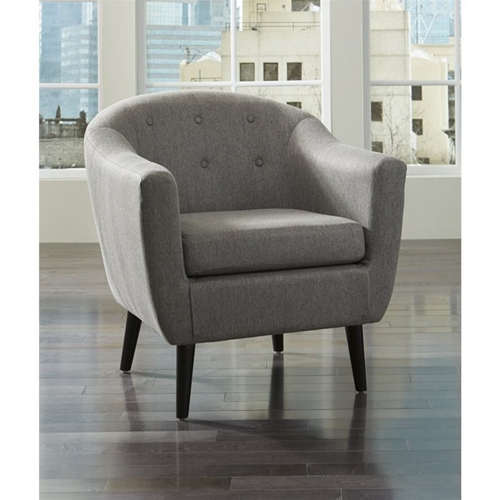 Your price for this item is $544.85
-
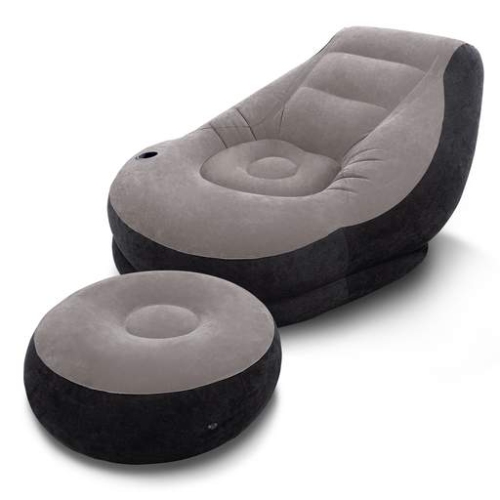 Your price for this item is $274.99
-
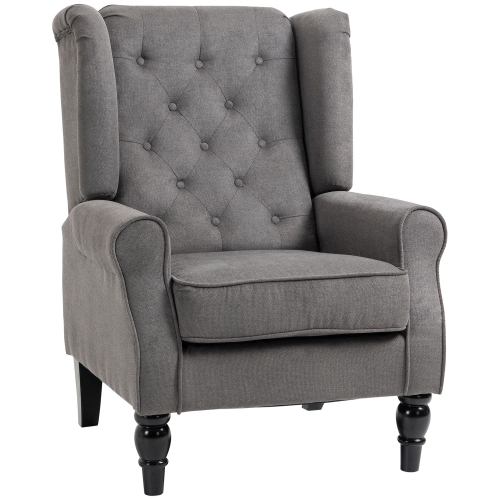 Your price for this item is $234.99
-
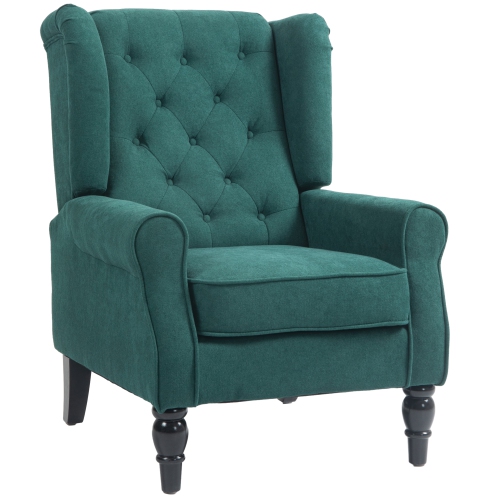 Your price for this item is $247.19
-
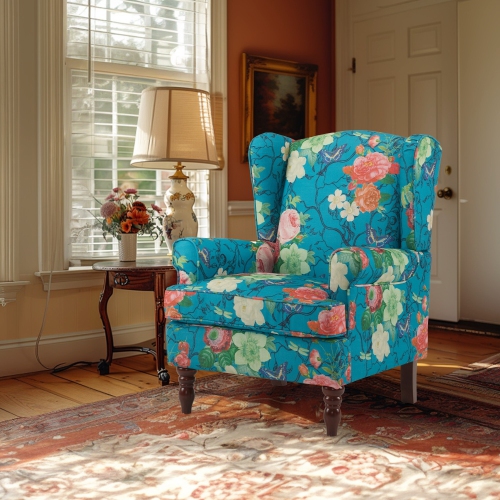 Your price for this item is $289.99
-
 Your price for this item is $167.99
Discover more categories related to Grey Fabric Chairs
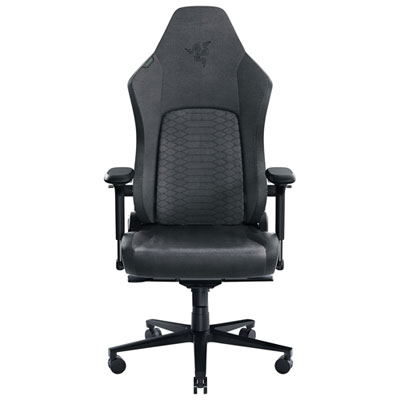
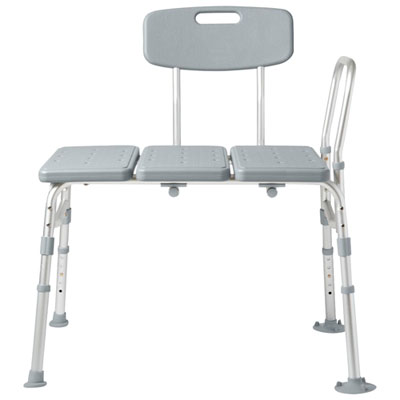
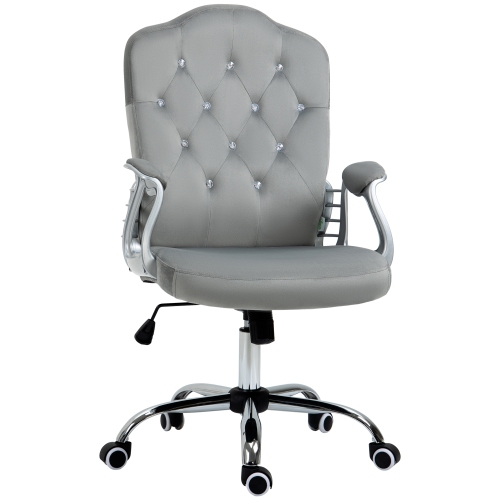
Top Collections:
Pokemon Centers, Best Cameras for Sports Photography, Kindle Devices, Samsung Galaxy Phones, Canon G7X Cameras, Pokémon 30th Celebration Cards, Refurbished Apple Laptops, iPhone 15 Apple, Laptops for Students, Budget Smartphones
Some products may be subject to Environmental Handling Fees
(EHF) depending on your province.
Learn more about EHFs.