High End Leather Recliners
Elevate your living space with the luxurious comfort and timeless elegance of high end leather recliners. These exquisite pieces are designed to offer a perfect blend of style and relaxation, making them an ideal addition to any home. Crafted from premium materials, high end leather recliners provide a sophisticated touch while ensuring durability and comfort for years to come. Whether you're looking to create a cozy reading nook or enhance your entertainment area, these recliners promise to deliver an unparalleled lounging experience. Explore our selection and find the perfect match for your home décor today.
Sort

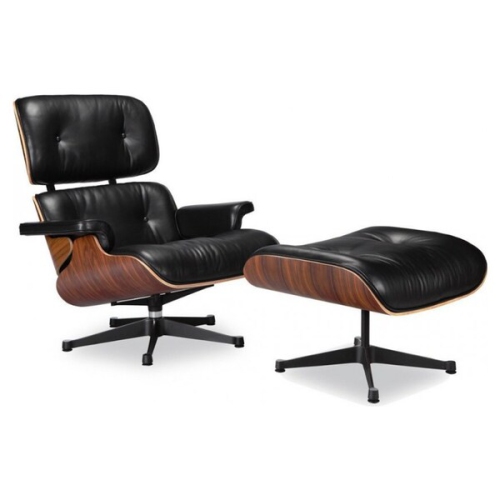
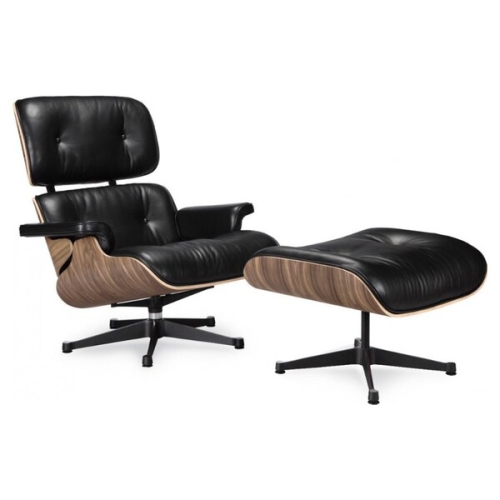
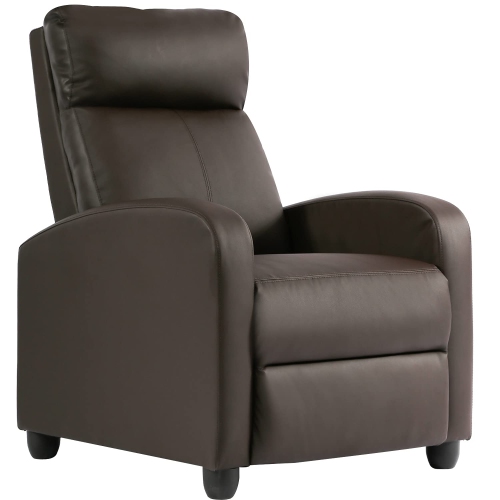
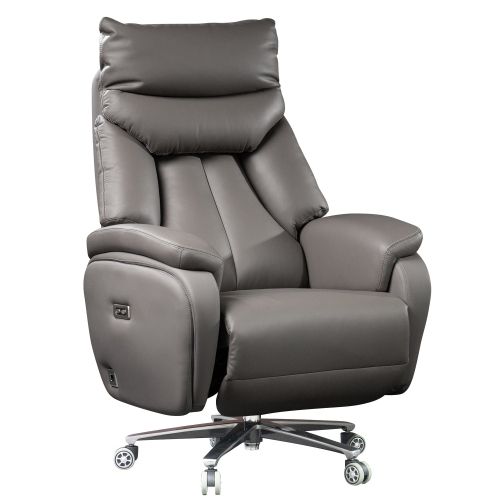
How leather finishes shape a recliner’s character and care
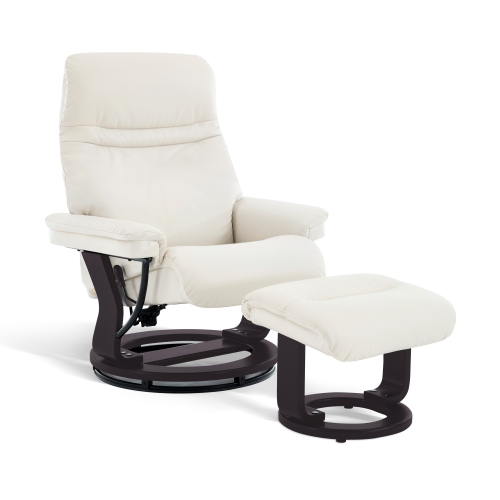
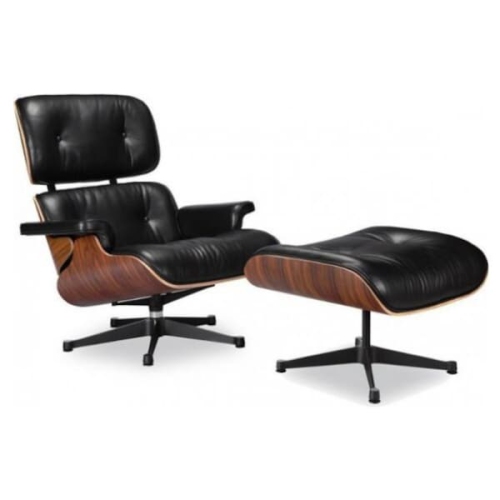
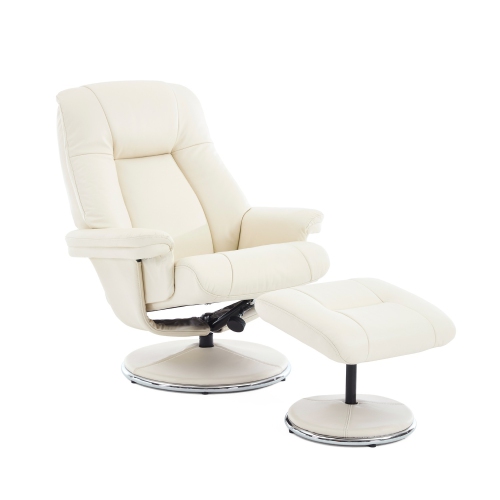
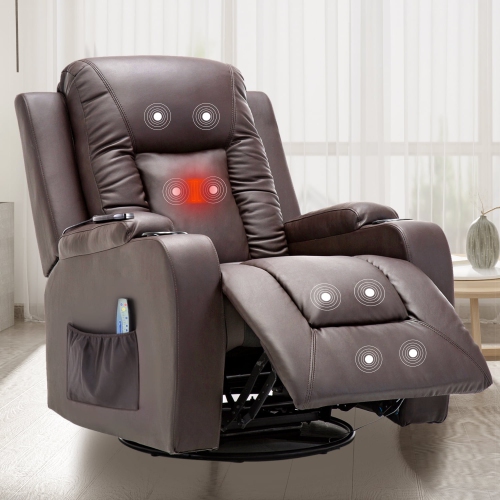
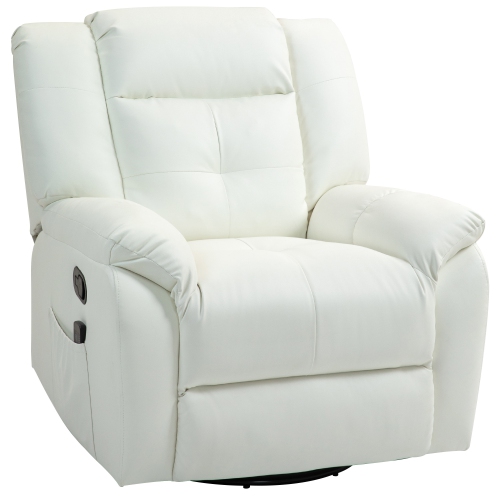
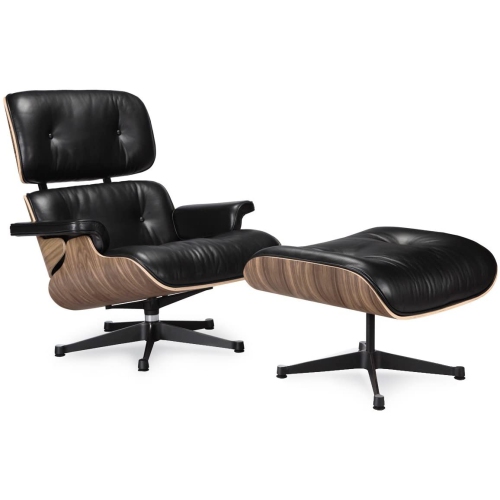
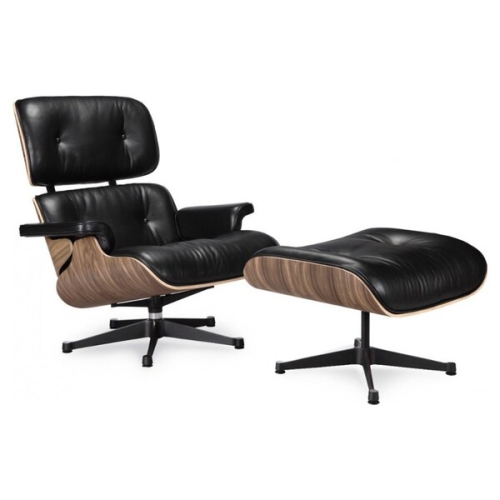
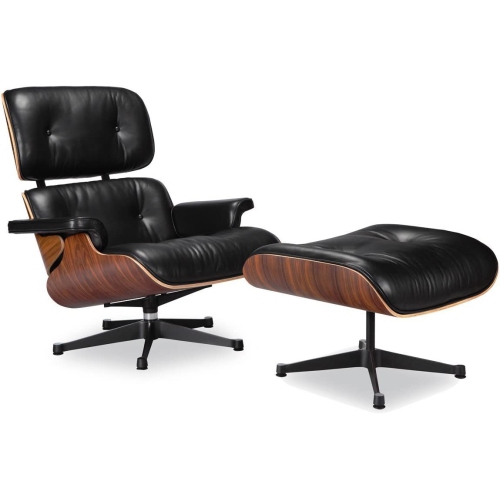
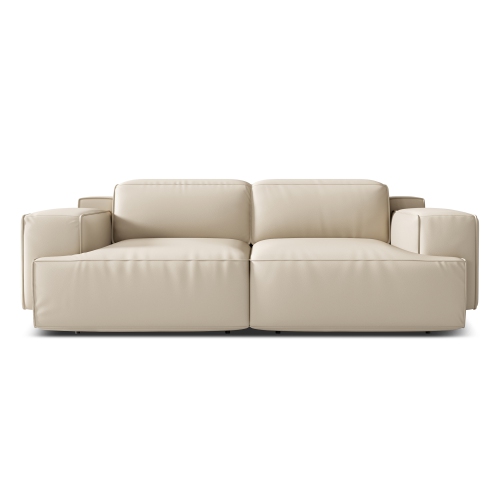
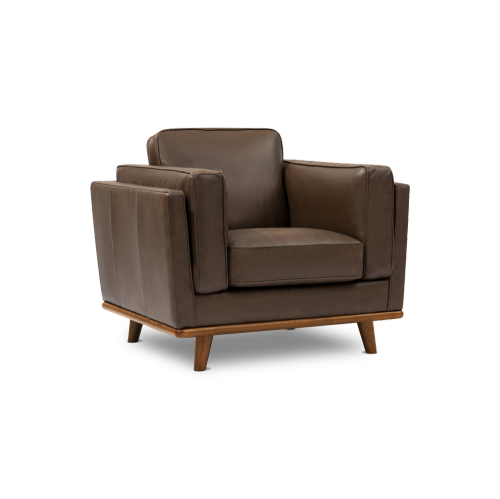
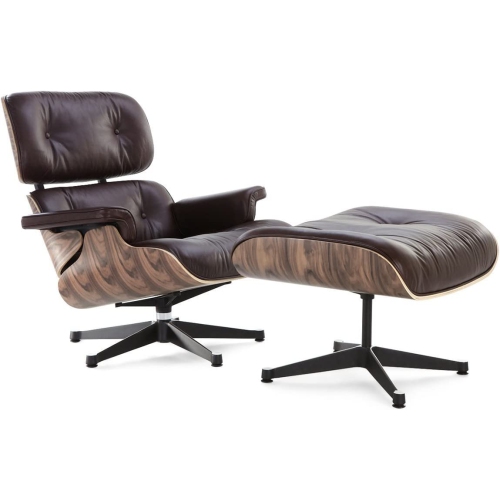
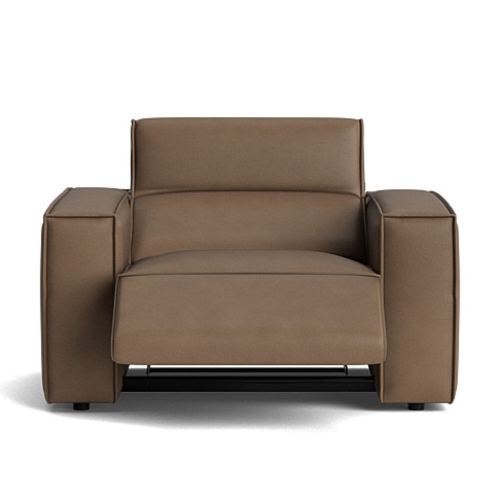
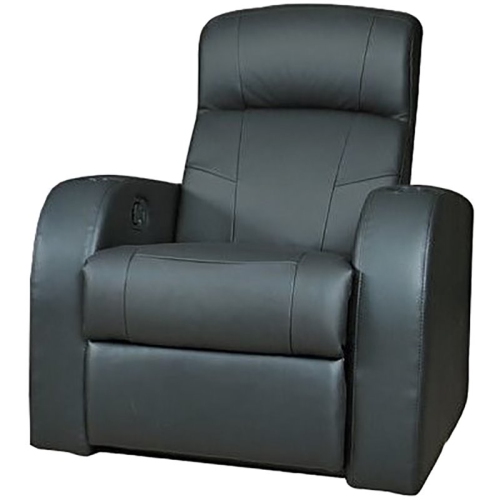
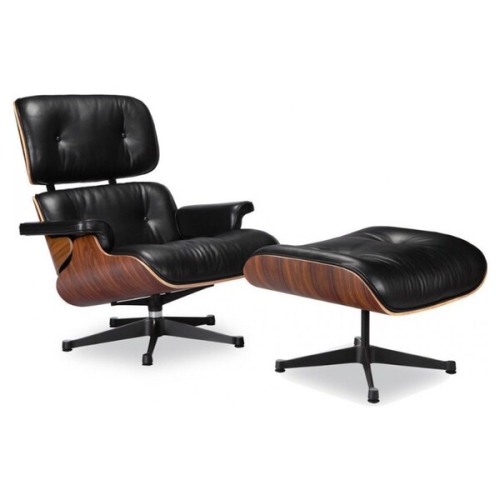
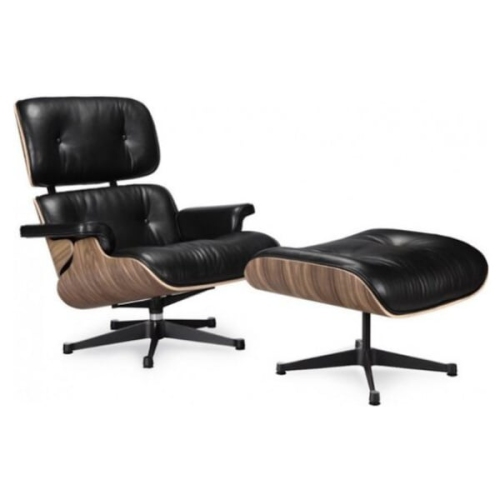
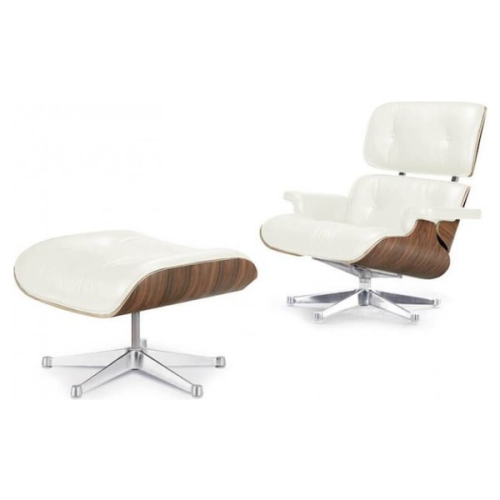
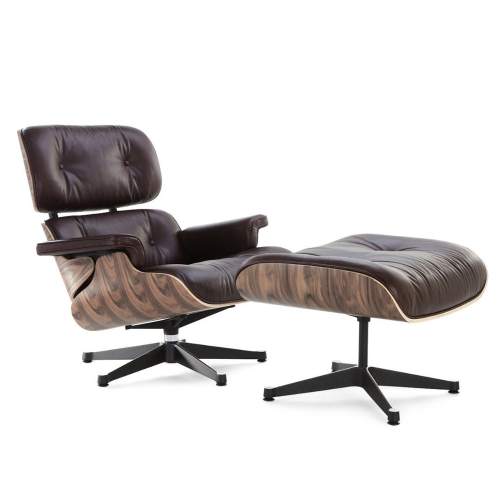
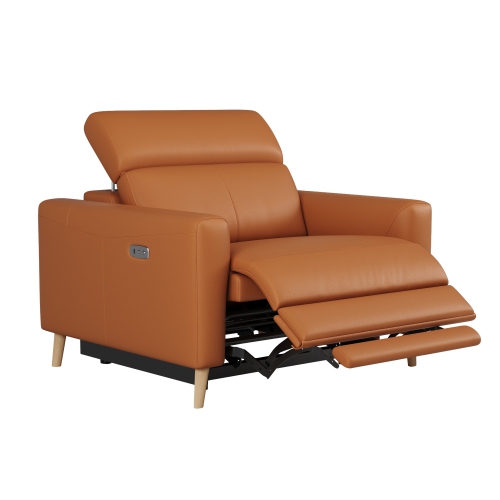
High-end leather recliners combine leather upholstery, supportive seating, and adjustable reclining positions for relaxing at home. Their appeal lies in the details: a backrest that supports an unhurried evening with a book, arms that feel comfortable beneath resting elbows, and upholstery that gives a living room a polished, inviting finish. Luxury leather recliners can suit very different interiors, from a traditional sitting room with warm wood furniture to a streamlined condo with clean-lined shelving and a low-profile sofa. Rolled arms, visible stitching, and generously padded backs create a more substantial silhouette, while slim arms and concealed footrests help a chair blend into a contemporary seating arrangement. Leather type is an important distinction within this category. Full-grain leather retains the hide’s natural grain and individual markings, giving each upholstered surface subtle variations. Top-grain leather may have its surface refined for a more uniform appearance, although its softness and finish vary. Aniline leather shows much of the hide’s natural character but is more susceptible to spills and staining; semi-aniline leather has a light protective finish that offers a balance between visible grain and practical protection. More heavily pigmented finishes generally provide greater resistance to everyday marks, making them worth considering for frequently used family rooms. These differences affect both appearance and upkeep, rather than establishing a single leather type as the best choice for every household. Upholstery descriptions also distinguish between chairs covered entirely in leather and designs that use leather on seating surfaces with matching material elsewhere. That distinction matters when assessing the arms, sides, and back, especially if the recliner will stand away from a wall. Colour adds another layer of character: black and deep brown can anchor a room, lighter neutrals soften a large chair’s visual presence, and warm tan shades highlight the texture of the hide. Natural creasing and changes in sheen may develop with use, giving some leathers a lived-in patina rather than a permanently uniform finish.
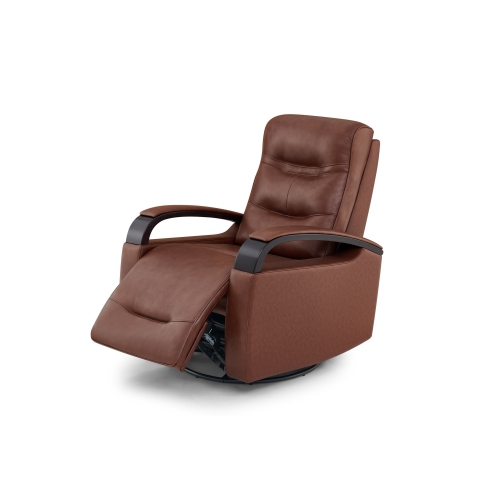
Comfort depends as much on proportions and adjustment as it does on upholstery. A wide, deeply cushioned recliner may feel welcoming to a taller person yet leave someone with a shorter reach sitting too far from the backrest. Seat height, usable seat width, seat depth, and back height are more informative than overall dimensions alone. In an upright position, a suitable fit allows the sitter’s feet to rest comfortably on the floor without the front edge pressing firmly behind the knees. When reclined, the footrest should support the legs without creating an awkward gap or leaving the lower legs hanging beyond the intended support area. Cushion firmness is a matter of preference: a softer seat offers a more enveloping feel, while a firmer cushion can make changing position and getting up feel easier. Manual leather recliners typically use a lever, handle, or body-weight movement to adjust the chair, providing a straightforward option without a nearby electrical outlet. Power leather recliners use motorized controls to change position with less physical effort and may allow finer adjustments between upright and fully reclined settings. Depending on the design, separate power headrest and lumbar adjustments can help tailor support while reading or watching television. A headrest that adjusts independently is particularly useful when the backrest is reclined but the screen remains straight ahead. Some designs also include swivel or rocking movement, charging connections, or integrated heat and massage functions; these are distinct features rather than standard characteristics of premium leather seating. Room layout remains important regardless of the mechanism. The chair needs sufficient space for its fully extended footrest, movement of the backrest, and any swivel action, while nearby tables should remain easy to reach. Wall-hugger designs reduce the clearance needed behind the chair, but the required distance varies by model. In a shared media room, a recliner’s position should preserve walkways and sightlines. In a reading corner, a lamp, small side table, and accessible controls can make the seating arrangement feel complete without crowding it.
The lasting appeal of a high-end leather recliner also depends on what sits beneath the upholstery. A well-built frame, secure joints, a sturdy reclining mechanism, and cushioning suited to regular use all contribute to how the chair feels over time. Hardwood, engineered wood, and metal may be used in different parts of the structure, so the material name alone does not tell the whole story. Suspension systems, foam density, cushion construction, and the smoothness of the mechanism are useful details when comparing overall quality. Dense foam can offer resilient support, while layered cushioning can combine a supportive base with a softer surface. Manufacturer weight limits and operating instructions are especially relevant for powered mechanisms and moving footrests. Day-to-day care helps preserve both the finish and the chair’s operation. Dust and crumbs can collect along seams and between cushions, where a soft cloth or an appropriate vacuum attachment can remove debris gently. Spills are best blotted promptly rather than rubbed into the leather, and cleaning products should be approved for the particular upholstery finish. Household detergents, solvents, and unapproved oils can damage coatings or alter the colour; leather conditioner is not suitable for every finish. Direct sunlight can cause fading, and placement close to a fireplace, radiator, or heating vent may dry the upholstery. Pet claws, sharp accessories, and abrasive clothing can also mark leather, even when the chair is otherwise durable. Moving parts require clear space, with electrical cords routed away from the reclining mechanism and busy pathways. These practical details matter for a favourite television seat, a quiet retreat after a long day, or a lounge chair shared by several family members. A room that also serves as a workspace may benefit from separate seating for different activities: High End Leather Office Chairs suit desk-focused use, while a leather recliner provides a place to settle back away from the work surface. The most satisfying arrangement brings together a comfortable personal fit, a finish suited to the household, and enough room to enjoy the chair’s full range of movement.
Comfort depends as much on proportions and adjustment as it does on upholstery. A wide, deeply cushioned recliner may feel welcoming to a taller person yet leave someone with a shorter reach sitting too far from the backrest. Seat height, usable seat width, seat depth, and back height are more informative than overall dimensions alone. In an upright position, a suitable fit allows the sitter’s feet to rest comfortably on the floor without the front edge pressing firmly behind the knees. When reclined, the footrest should support the legs without creating an awkward gap or leaving the lower legs hanging beyond the intended support area. Cushion firmness is a matter of preference: a softer seat offers a more enveloping feel, while a firmer cushion can make changing position and getting up feel easier. Manual leather recliners typically use a lever, handle, or body-weight movement to adjust the chair, providing a straightforward option without a nearby electrical outlet. Power leather recliners use motorized controls to change position with less physical effort and may allow finer adjustments between upright and fully reclined settings. Depending on the design, separate power headrest and lumbar adjustments can help tailor support while reading or watching television. A headrest that adjusts independently is particularly useful when the backrest is reclined but the screen remains straight ahead. Some designs also include swivel or rocking movement, charging connections, or integrated heat and massage functions; these are distinct features rather than standard characteristics of premium leather seating. Room layout remains important regardless of the mechanism. The chair needs sufficient space for its fully extended footrest, movement of the backrest, and any swivel action, while nearby tables should remain easy to reach. Wall-hugger designs reduce the clearance needed behind the chair, but the required distance varies by model. In a shared media room, a recliner’s position should preserve walkways and sightlines. In a reading corner, a lamp, small side table, and accessible controls can make the seating arrangement feel complete without crowding it.
The lasting appeal of a high-end leather recliner also depends on what sits beneath the upholstery. A well-built frame, secure joints, a sturdy reclining mechanism, and cushioning suited to regular use all contribute to how the chair feels over time. Hardwood, engineered wood, and metal may be used in different parts of the structure, so the material name alone does not tell the whole story. Suspension systems, foam density, cushion construction, and the smoothness of the mechanism are useful details when comparing overall quality. Dense foam can offer resilient support, while layered cushioning can combine a supportive base with a softer surface. Manufacturer weight limits and operating instructions are especially relevant for powered mechanisms and moving footrests. Day-to-day care helps preserve both the finish and the chair’s operation. Dust and crumbs can collect along seams and between cushions, where a soft cloth or an appropriate vacuum attachment can remove debris gently. Spills are best blotted promptly rather than rubbed into the leather, and cleaning products should be approved for the particular upholstery finish. Household detergents, solvents, and unapproved oils can damage coatings or alter the colour; leather conditioner is not suitable for every finish. Direct sunlight can cause fading, and placement close to a fireplace, radiator, or heating vent may dry the upholstery. Pet claws, sharp accessories, and abrasive clothing can also mark leather, even when the chair is otherwise durable. Moving parts require clear space, with electrical cords routed away from the reclining mechanism and busy pathways. These practical details matter for a favourite television seat, a quiet retreat after a long day, or a lounge chair shared by several family members. A room that also serves as a workspace may benefit from separate seating for different activities: High End Leather Office Chairs suit desk-focused use, while a leather recliner provides a place to settle back away from the work surface. The most satisfying arrangement brings together a comfortable personal fit, a finish suited to the household, and enough room to enjoy the chair’s full range of movement.
Top selling and popular products
-
 Your price for this item is $259.99
 -
 Your price for this item is $103.99
 -
 Your price for this item is $59.99
 -
 Your price for this item is $298.99
 -
 Your price for this item is $389.99
 -
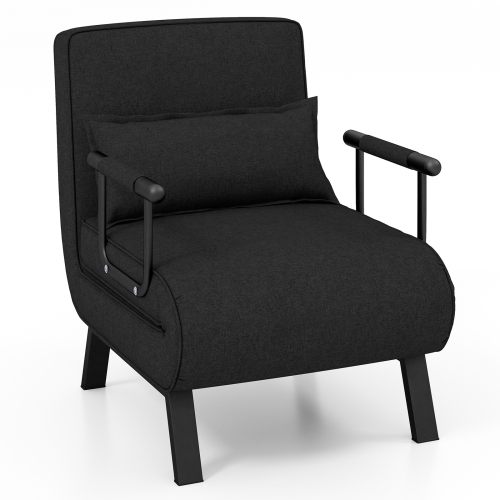 Your price for this item is $256.99
 -
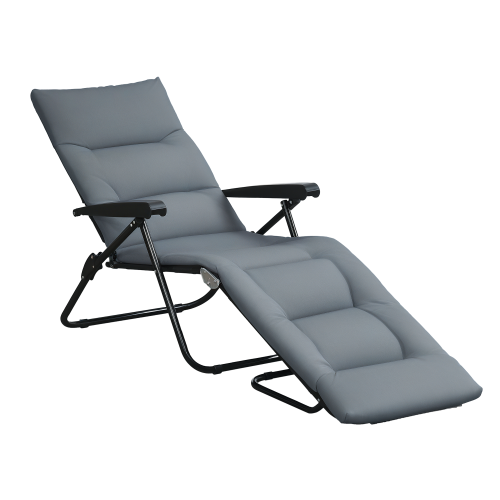 Your price for this item is $98
 -
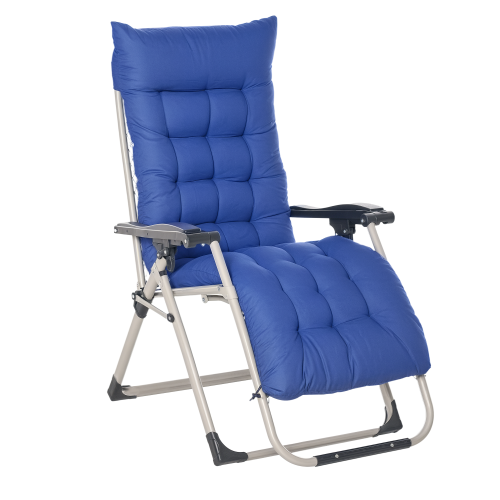 Your price for this item is $104.99
Discover more categories related to High End Leather Recliners
Top Collections:
Pokemon Centers, Kindle Devices, Best Budget Office Chairs, Apple iPhones 16, Canon G7X Cameras, iPhone 15 Apple, Alarm Clock, Refurbished Apple Laptops, Flip Phones, Best Laptops for Writers
Some products may be subject to Environmental Handling Fees
(EHF) depending on your province.
Learn more about EHFs.