Small Furniture
If you're looking for a way to add style and function to your home, small furniture is a great place to start. From accent tables to nightstands, small pieces of furniture can be just what you need to add a touch of personality to your space. Here are some small furniture options available on the market.
Sort
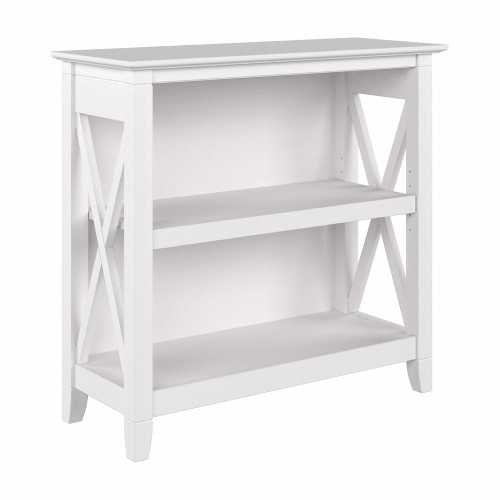
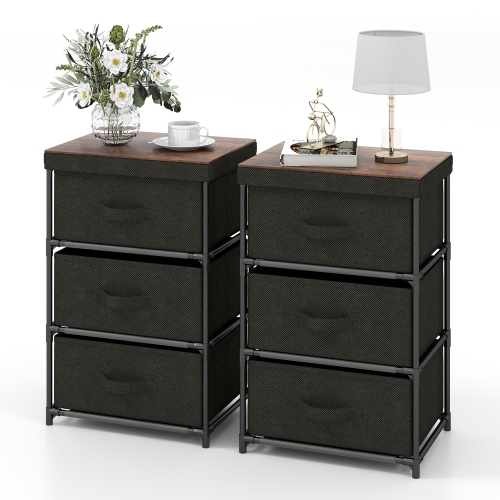
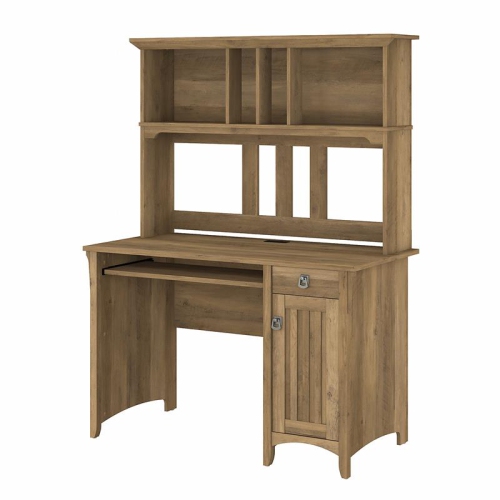
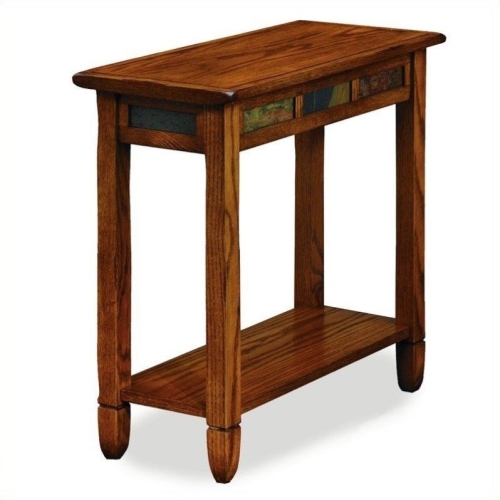
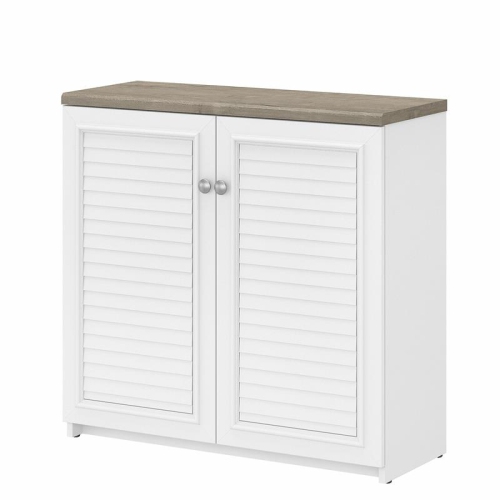

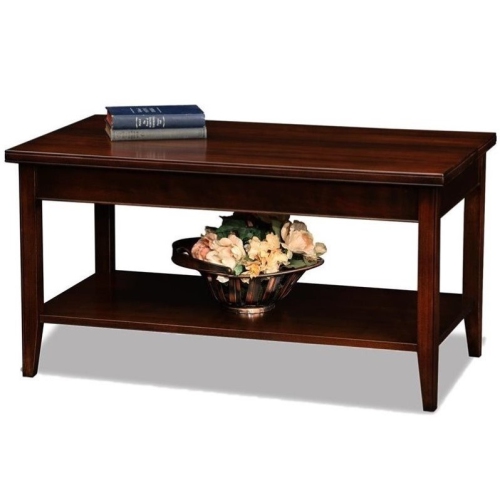
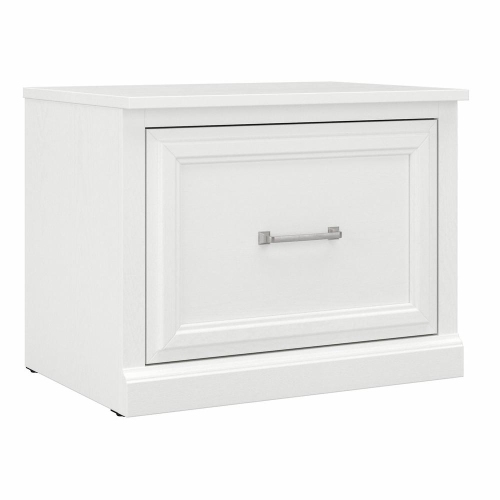
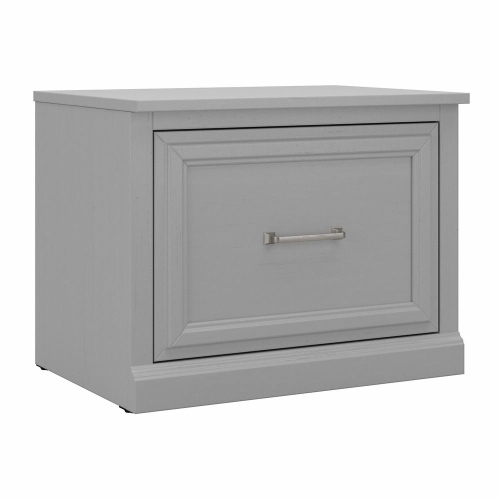
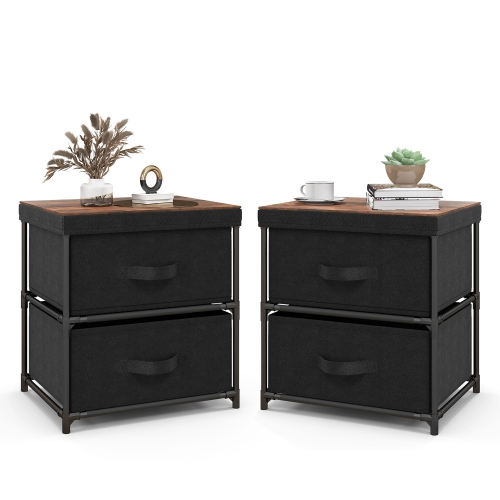
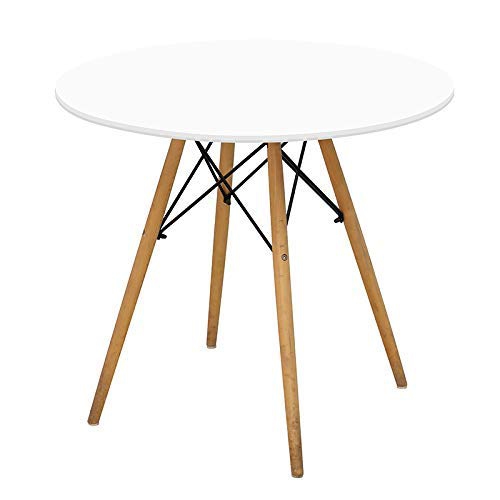
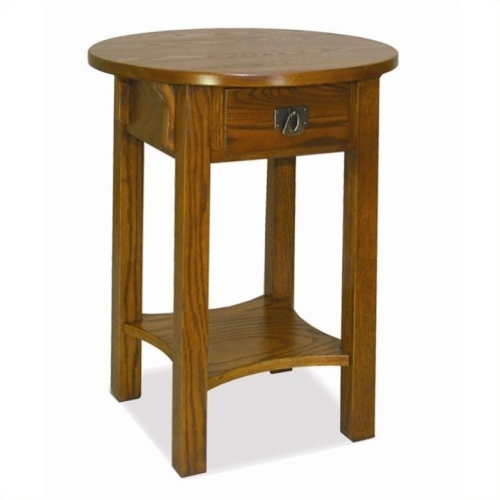
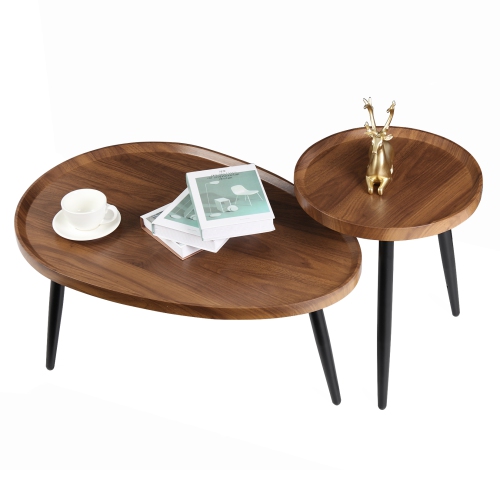
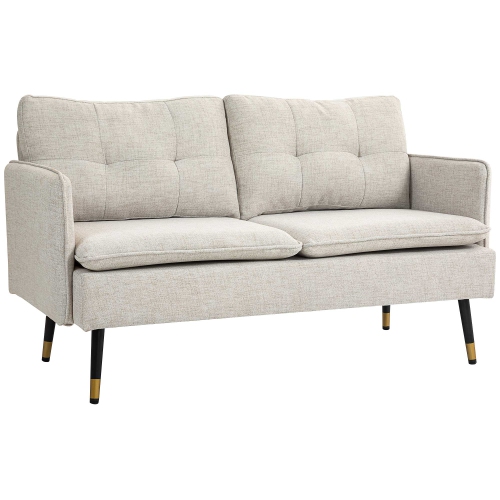
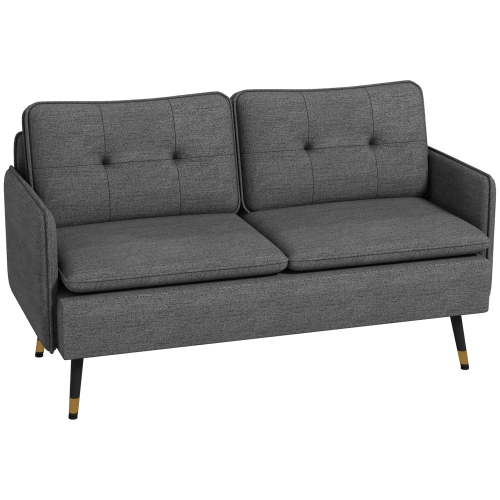
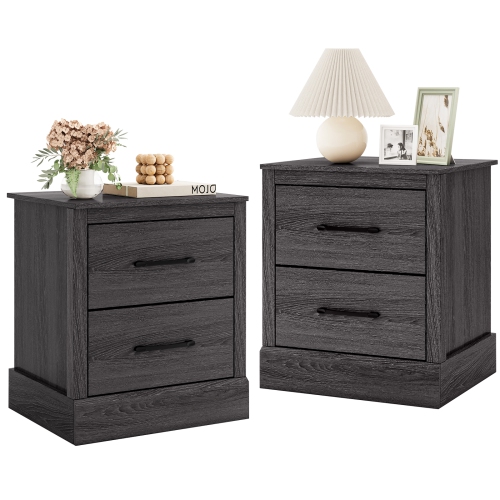
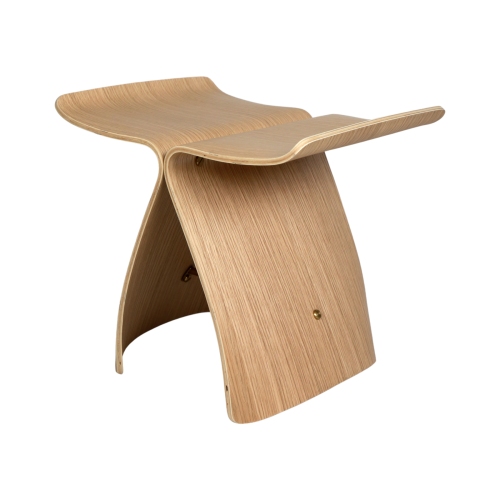
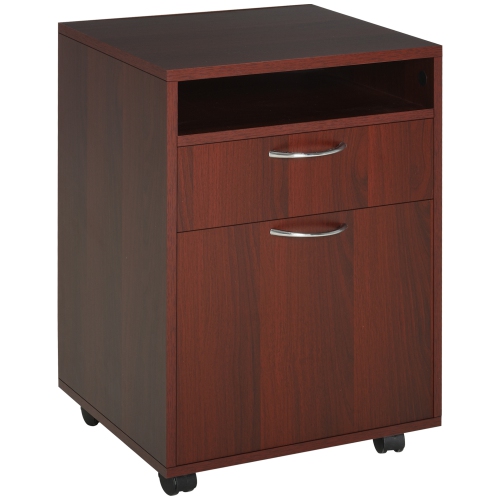
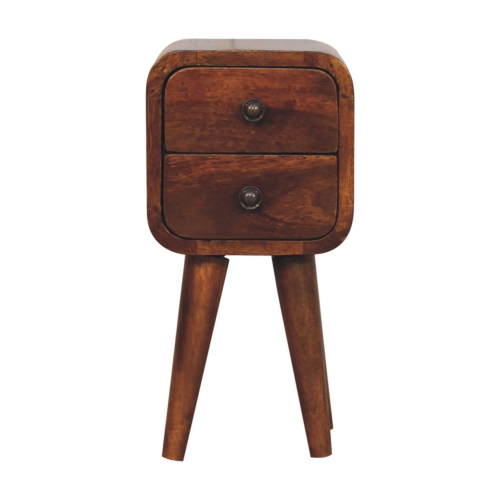
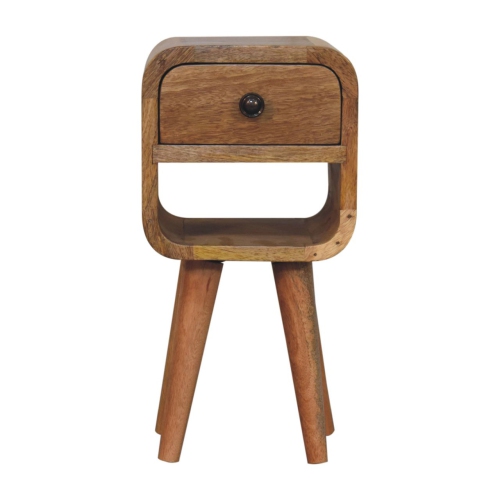
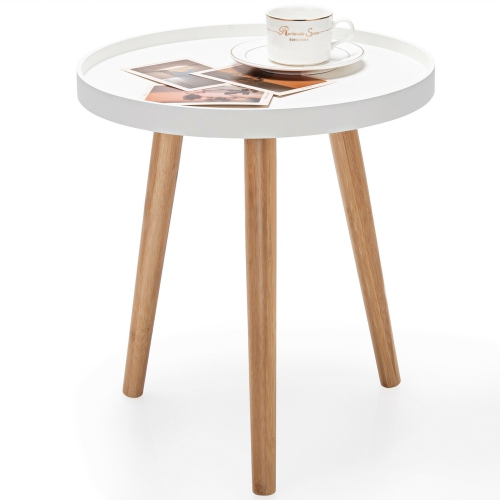
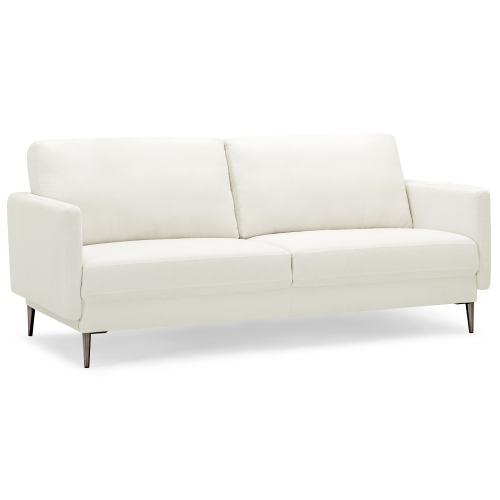
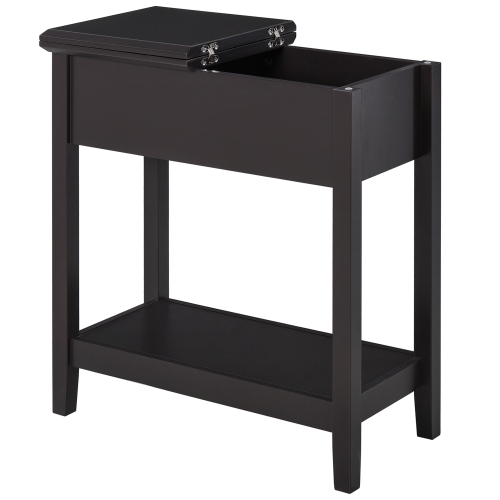

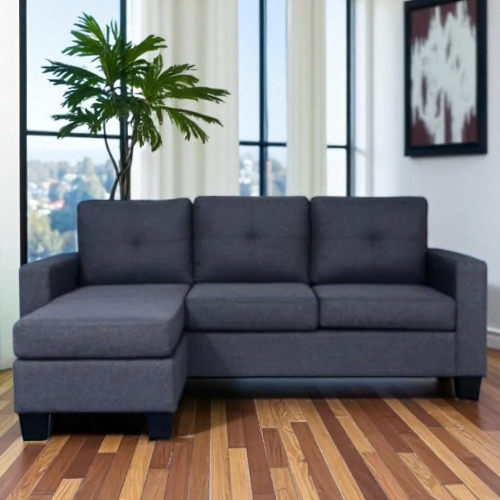
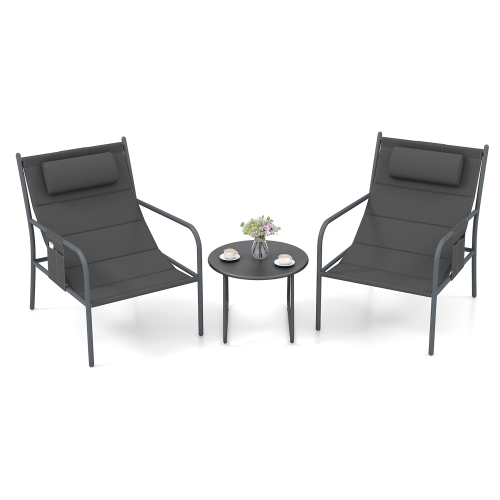
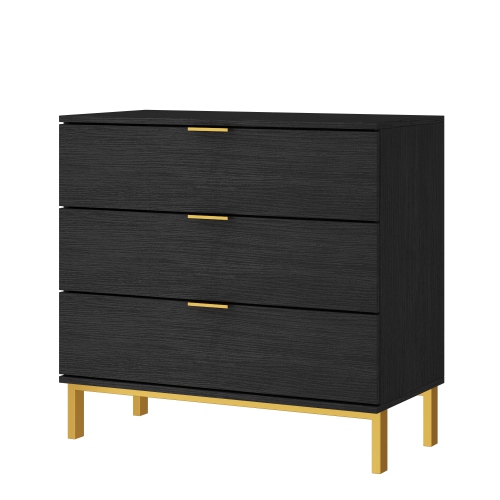
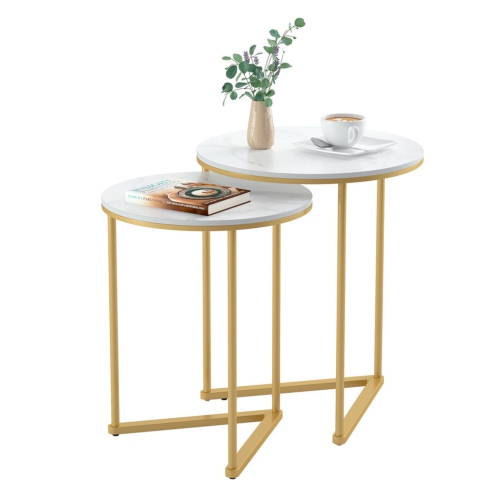

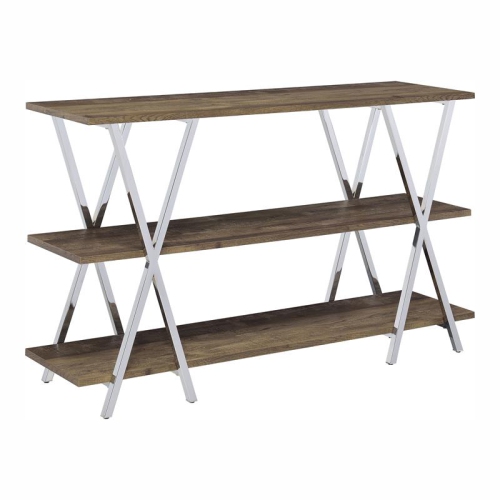
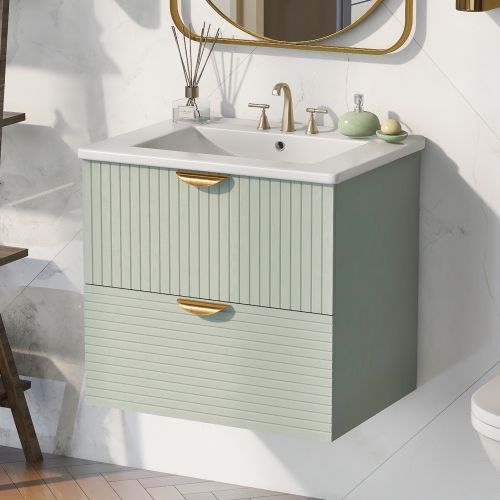
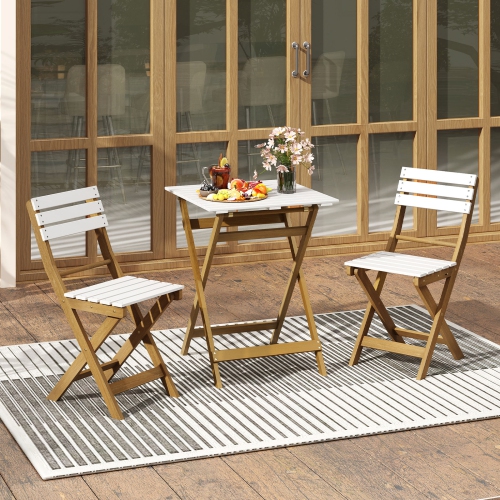
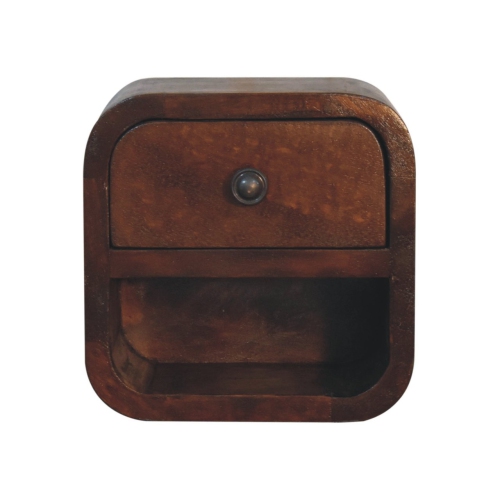
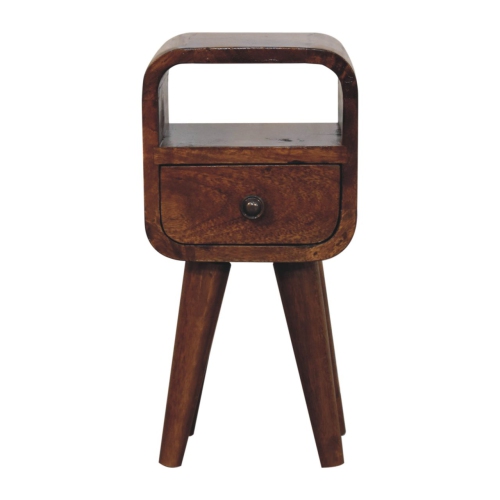

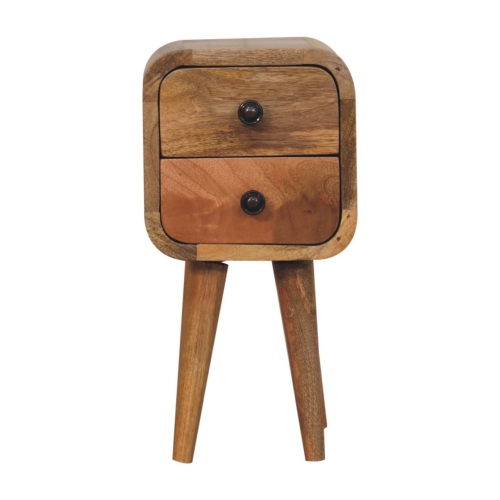
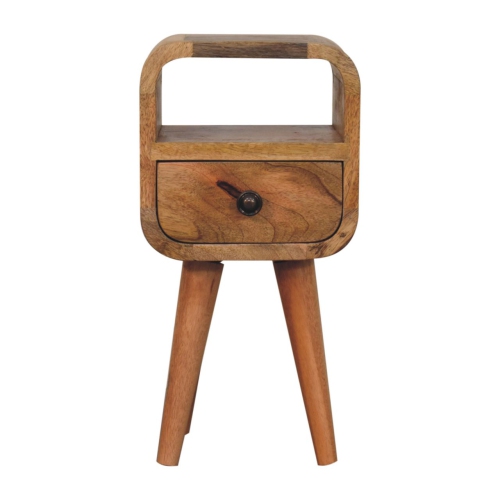

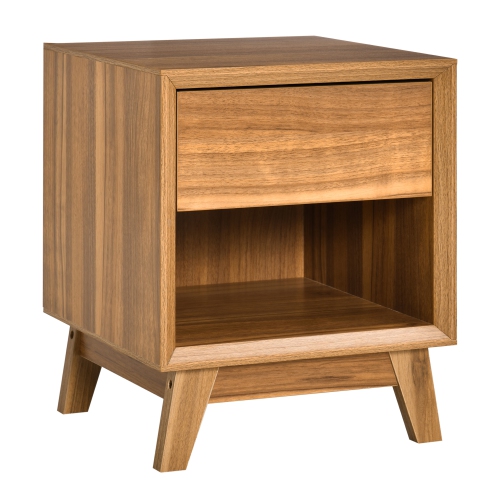
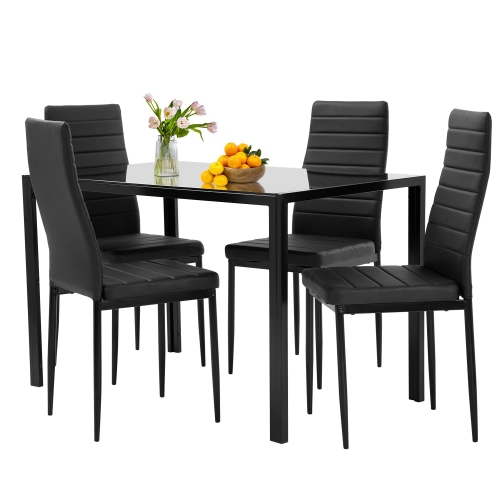
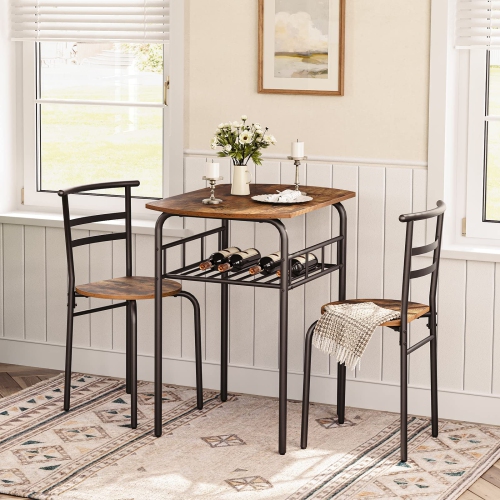
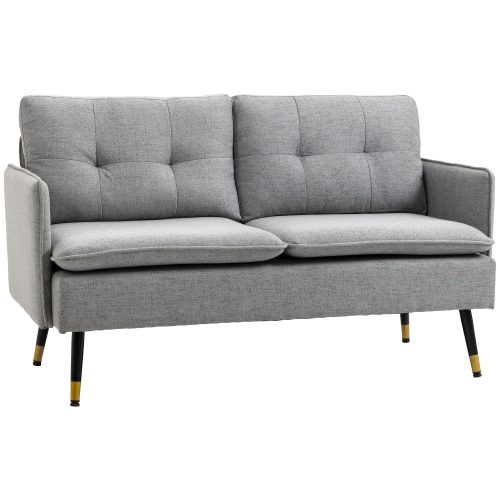
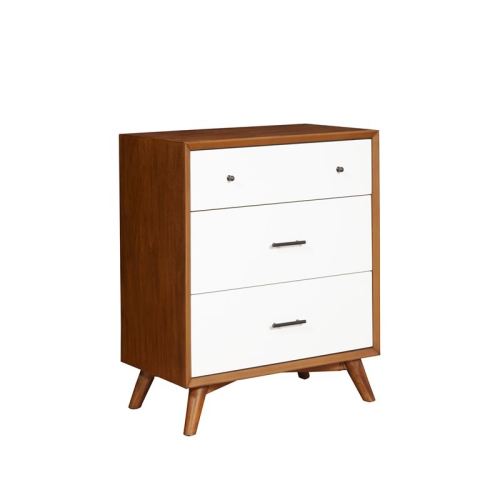
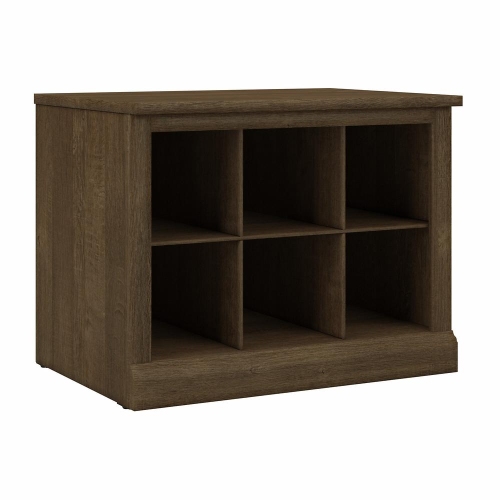
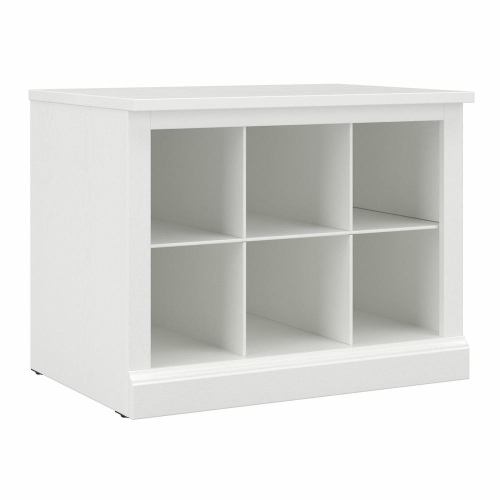
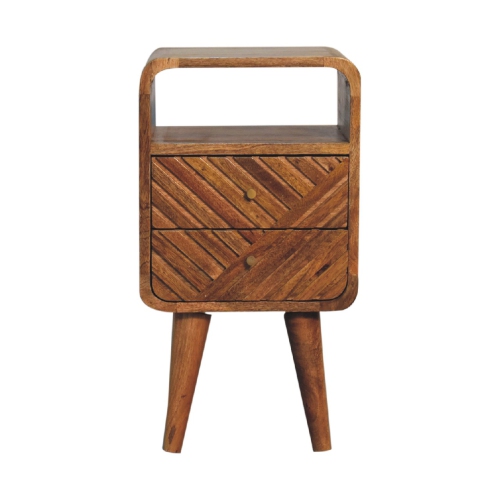
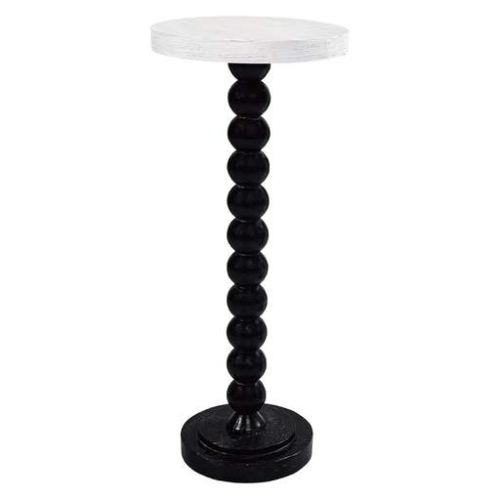
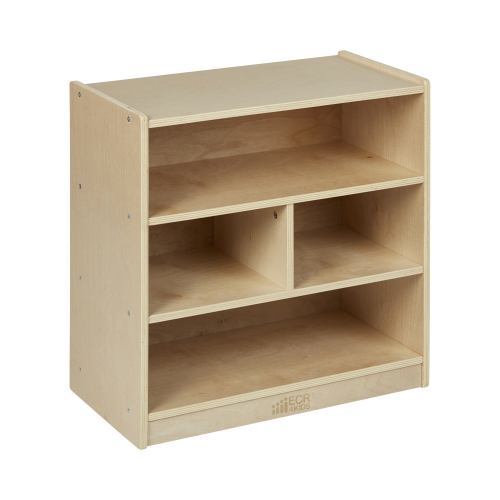
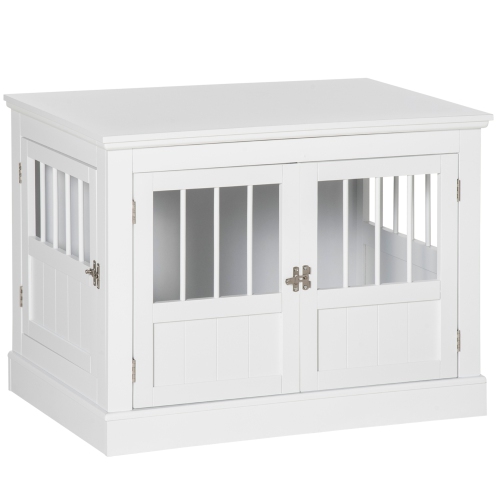

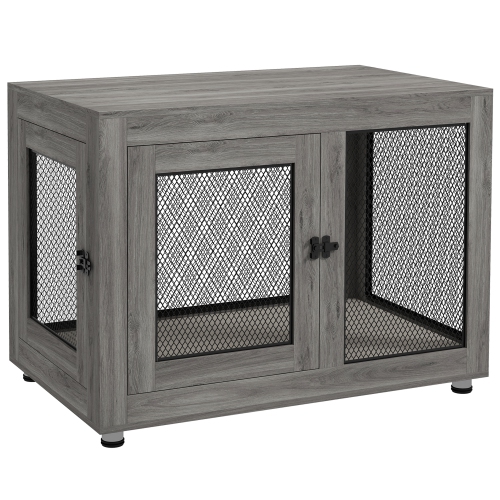
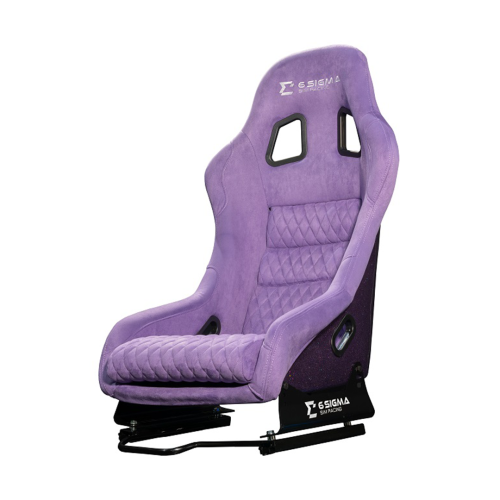
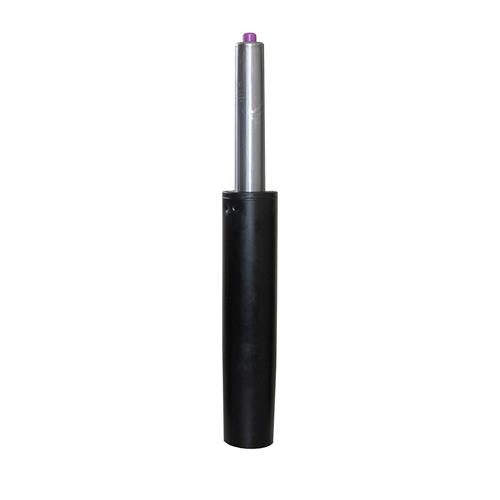
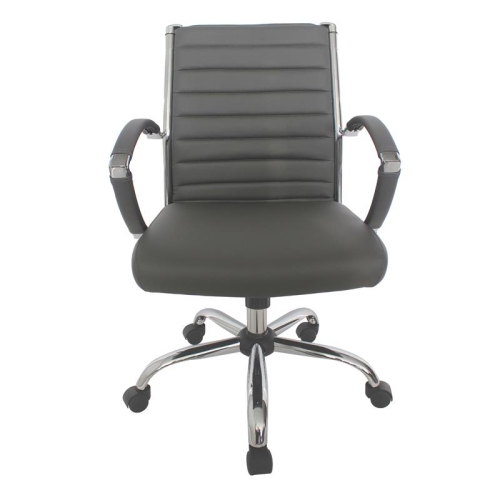
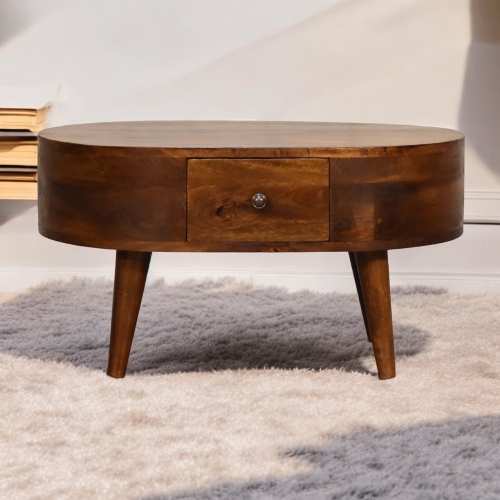
A comfortable fit takes more than compact dimensions
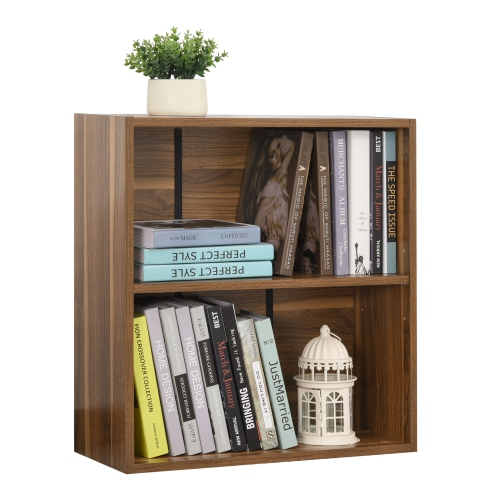
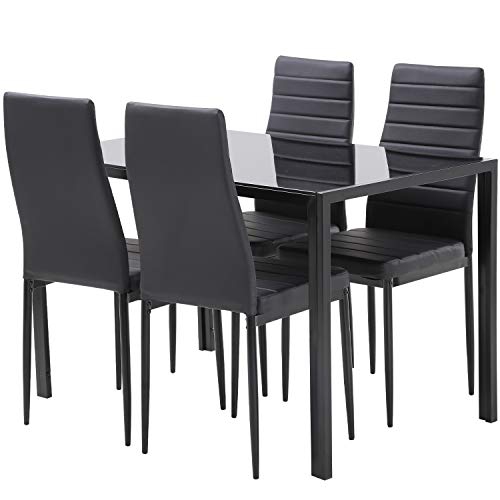
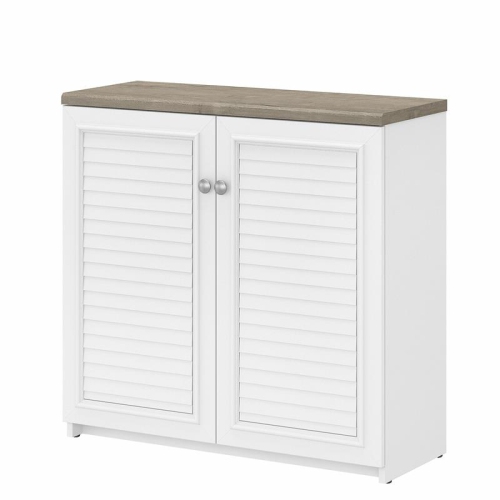
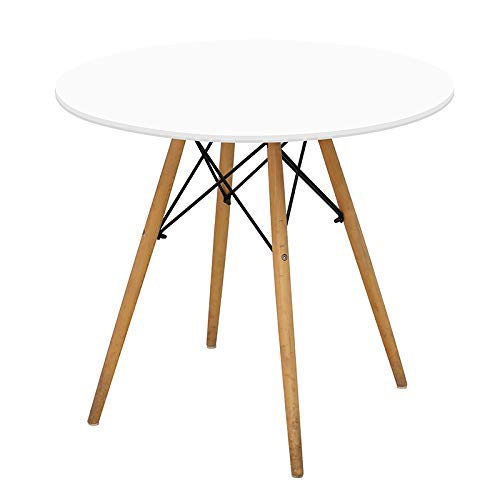
Small furniture is furniture with compact dimensions, designed to provide everyday seating, storage, sleeping, or work space without occupying more room than necessary. It includes narrow tables, shallow cabinets, compact desks, smaller sofas, and other pieces proportioned for places where every centimetre matters. These furnishings suit condos, apartments, student residences, and shared homes, but they can be just as useful in a larger house: a slim console can give an unused hallway a purpose, while a small armchair can turn a bedroom corner into a reading spot. The defining feature is usable scale, not simply a smaller appearance. A narrow bedside table still needs enough surface area for a lamp and a glass of water, and a compact desk should accommodate the equipment used throughout the day. Width, depth, and height all affect how a piece fits. A shallow bookcase may leave more walking space than a low, deep cabinet, even when the two offer similar storage capacity. The space around furniture matters as much as its footprint, particularly beside doorways, along frequently used paths, and near drawers or cupboard doors that need room to open. Marking the outline on the floor with removable tape can make those relationships easier to picture before bringing furniture home. Seat height, tabletop height, and legroom also deserve attention; a piece can fit neatly into a room yet feel awkward during daily use. For shared living spaces, compact furniture often works best when it gives each activity a clear place without interrupting movement between them. A small dining area can remain comfortable when chairs tuck under the table, while a work surface positioned away from a doorway can keep a laptop and paperwork out of the household traffic. Small furniture for everyday use is distinct from miniature furniture, which refers to tiny-scale furnishings commonly used in dollhouses, play, and display rather than full-size seating or storage.
Materials and construction influence how compact furniture feels, how much weight it can support, and how well it stands up to regular use. Solid wood offers a natural grain and a substantial feel, although its surface may need protection from spills, heat, and scratches. Wood veneer provides a real wood surface over a supporting core, while laminate and other finished engineered wood surfaces can offer a consistent appearance that is straightforward to wipe clean according to the manufacturer's directions. The finish and edge treatment matter as much as the material name: exposed edges, loose trim, or poorly fitted joints can be vulnerable in busy areas. Metal frames can provide support with slender legs and narrow profiles, helping a small room feel less crowded. Glass surfaces allow light to pass through, but fingerprints may be more noticeable, and edge placement deserves care in a busy household. Upholstered furniture adds softness and texture, with performance depending on the fabric, stitching, cushion construction, and intended use. A chair used for a few minutes while putting on shoes has different comfort requirements from seating used throughout an evening. Removable covers can make routine care simpler when their cleaning instructions allow washing, but not every removable cover is machine washable. For any upholstered piece, checking the care label before using a cleaner helps prevent marks or changes in texture. Regular dusting, prompt attention to spills, and protective pads beneath frequently moved objects can help preserve hard surfaces. Durability also depends on details that are easy to overlook in a photograph, including drawer runners, hinges, shelf supports, and the way legs connect to the frame. Published weight limits should match the intended load, especially for seating, storage benches, and shelving holding books. Tall or narrow storage furniture may require anchoring as directed by the manufacturer. Compact dimensions do not remove tipping risks, and lightweight construction should not be mistaken for permission to move a piece while it is loaded.
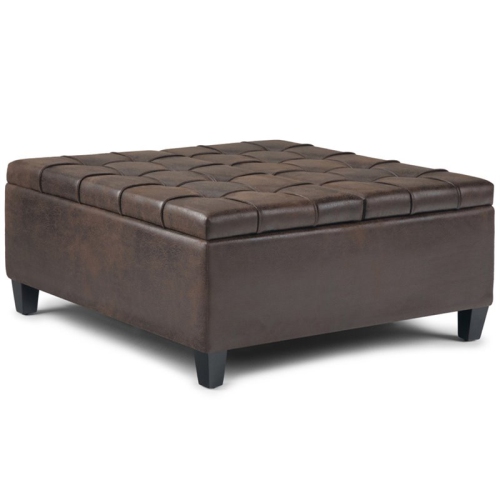
The most useful small-space furniture often supports more than one activity while remaining simple to live with. A storage ottoman can provide a place to rest feet and contain spare throws, provided its stated use and weight rating support any additional role. Nesting tables can spread out when separate surfaces are needed and tuck together afterward, while a drop-leaf table can keep its everyday footprint modest. These features are most practical when there is enough clearance to use them; an extending surface offers little benefit if opening it blocks the only route through the room. Hidden storage helps contain cables, stationery, and household odds and ends, whereas open shelves keep frequently used belongings within reach. A balance of both can prevent a small room from feeling crowded without making everything difficult to find. Proportion and visual weight also shape the result. Raised legs leave more floor visible, lighter colours can create a softer contrast against pale walls, and a narrow frame may feel less imposing than a solid-sided piece of the same width. Dark finishes and fuller shapes can still work well when they give a room a clear focal point rather than filling every gap. For a student, a compact work area needs space for both study materials and a comfortable sitting position. Someone furnishing a first apartment may value furniture that can move between rooms as needs change, while a person downsizing may prefer accessible storage over maximum capacity. Small furniture can also make a thoughtful housewarming gift when the recipient's measurements, taste, and needs are known, though size alone does not guarantee a suitable fit. Delivery access, assembly requirements, and the weight of individual components are worth checking, particularly where staircases or narrow lifts are involved. In daily life, a well-proportioned piece earns its place by making an ordinary routine easier: somewhere to set down keys, sit comfortably, finish a task, or put belongings away without sacrificing the space needed to move.
Materials and construction influence how compact furniture feels, how much weight it can support, and how well it stands up to regular use. Solid wood offers a natural grain and a substantial feel, although its surface may need protection from spills, heat, and scratches. Wood veneer provides a real wood surface over a supporting core, while laminate and other finished engineered wood surfaces can offer a consistent appearance that is straightforward to wipe clean according to the manufacturer's directions. The finish and edge treatment matter as much as the material name: exposed edges, loose trim, or poorly fitted joints can be vulnerable in busy areas. Metal frames can provide support with slender legs and narrow profiles, helping a small room feel less crowded. Glass surfaces allow light to pass through, but fingerprints may be more noticeable, and edge placement deserves care in a busy household. Upholstered furniture adds softness and texture, with performance depending on the fabric, stitching, cushion construction, and intended use. A chair used for a few minutes while putting on shoes has different comfort requirements from seating used throughout an evening. Removable covers can make routine care simpler when their cleaning instructions allow washing, but not every removable cover is machine washable. For any upholstered piece, checking the care label before using a cleaner helps prevent marks or changes in texture. Regular dusting, prompt attention to spills, and protective pads beneath frequently moved objects can help preserve hard surfaces. Durability also depends on details that are easy to overlook in a photograph, including drawer runners, hinges, shelf supports, and the way legs connect to the frame. Published weight limits should match the intended load, especially for seating, storage benches, and shelving holding books. Tall or narrow storage furniture may require anchoring as directed by the manufacturer. Compact dimensions do not remove tipping risks, and lightweight construction should not be mistaken for permission to move a piece while it is loaded.
The most useful small-space furniture often supports more than one activity while remaining simple to live with. A storage ottoman can provide a place to rest feet and contain spare throws, provided its stated use and weight rating support any additional role. Nesting tables can spread out when separate surfaces are needed and tuck together afterward, while a drop-leaf table can keep its everyday footprint modest. These features are most practical when there is enough clearance to use them; an extending surface offers little benefit if opening it blocks the only route through the room. Hidden storage helps contain cables, stationery, and household odds and ends, whereas open shelves keep frequently used belongings within reach. A balance of both can prevent a small room from feeling crowded without making everything difficult to find. Proportion and visual weight also shape the result. Raised legs leave more floor visible, lighter colours can create a softer contrast against pale walls, and a narrow frame may feel less imposing than a solid-sided piece of the same width. Dark finishes and fuller shapes can still work well when they give a room a clear focal point rather than filling every gap. For a student, a compact work area needs space for both study materials and a comfortable sitting position. Someone furnishing a first apartment may value furniture that can move between rooms as needs change, while a person downsizing may prefer accessible storage over maximum capacity. Small furniture can also make a thoughtful housewarming gift when the recipient's measurements, taste, and needs are known, though size alone does not guarantee a suitable fit. Delivery access, assembly requirements, and the weight of individual components are worth checking, particularly where staircases or narrow lifts are involved. In daily life, a well-proportioned piece earns its place by making an ordinary routine easier: somewhere to set down keys, sit comfortably, finish a task, or put belongings away without sacrificing the space needed to move.
Top selling and popular products
-
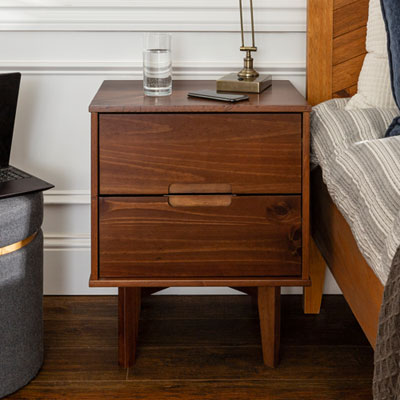 Your price for this item is $188.99
 -
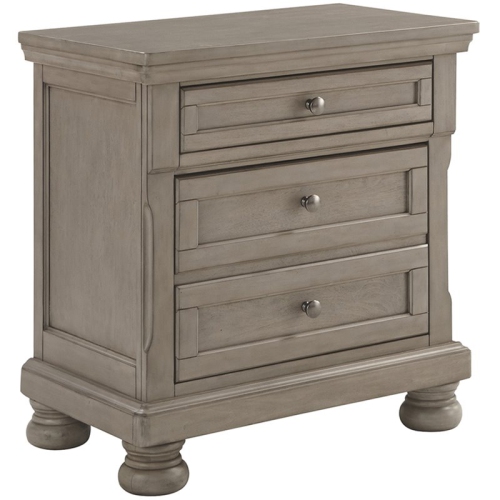 Your price for this item is $1029.75
 -
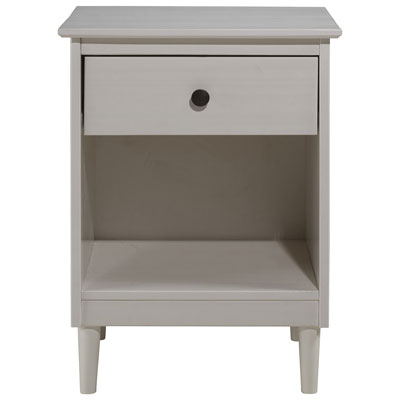 Your price for this item is $179.99
 -
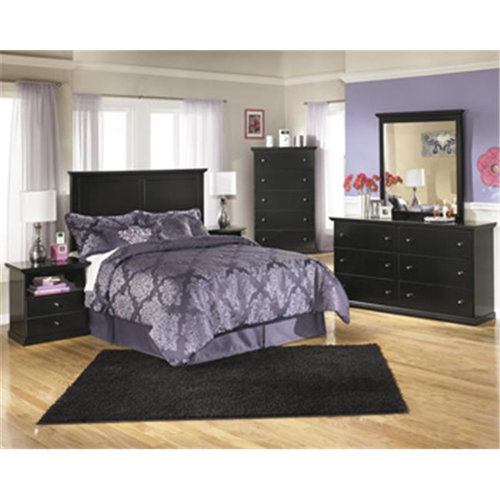 Your price for this item is $586.84
 -
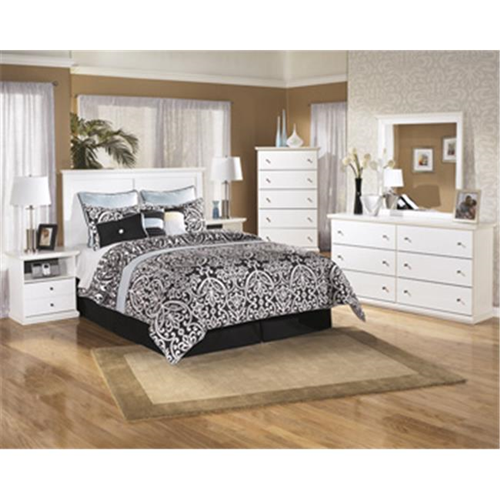 Your price for this item is $585.87
 -
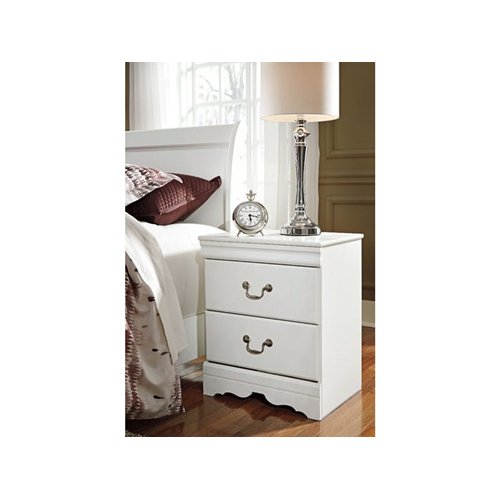 Your price for this item is $566.12
 -
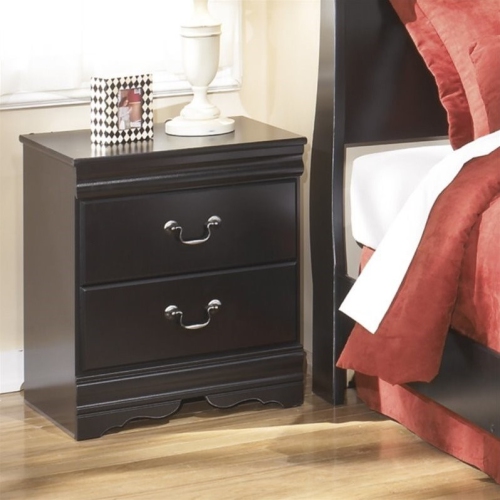 Your price for this item is $554.73
 -
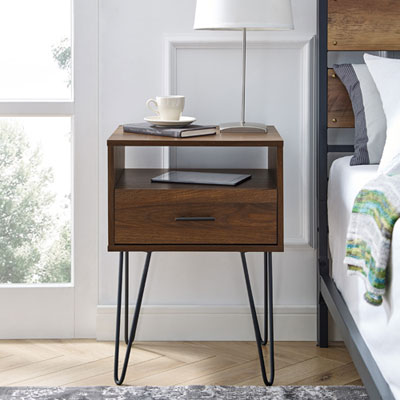 Your price for this item is $266.99
Discover more categories related to Small Furniture
Top Collections:
Pokemon Centers, Kindle Devices, Best Budget Office Chairs, Apple iPhones 16, Best Laptops for Writers, iPhone 15 Apple, Canon G7X Cameras, Refurbished Apple Laptops, Alarm Clock, Motorola Razr Phones
Some products may be subject to Environmental Handling Fees
(EHF) depending on your province.
Learn more about EHFs.