Miniature Furniture
Transform your living space into a cozy haven with our exquisite collection of miniature furniture. Perfectly crafted to add charm and functionality to any room, these petite pieces are ideal for compact spaces or as delightful accents in larger areas. Whether you're looking to create a quaint reading nook, enhance your home office, or simply add a touch of whimsy to your décor, our selection offers a variety of styles and finishes to suit every taste. Discover how miniature furniture can bring both elegance and practicality to your home environment, making it uniquely yours.
Sort
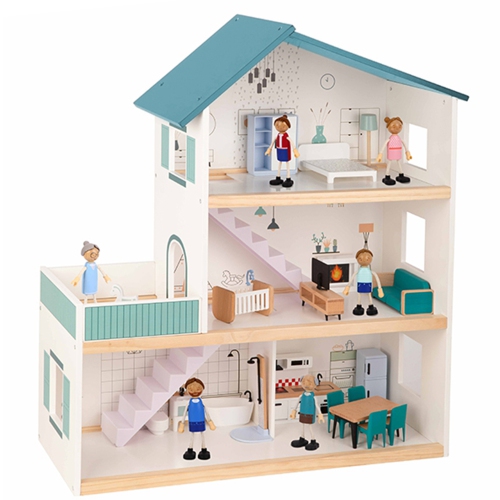
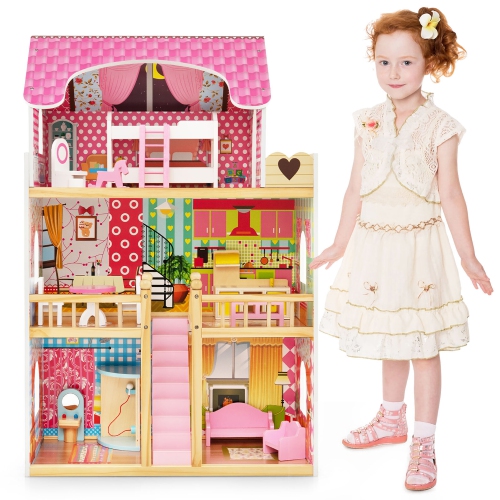
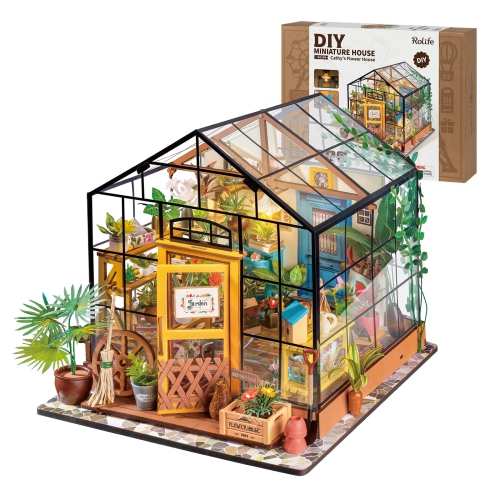
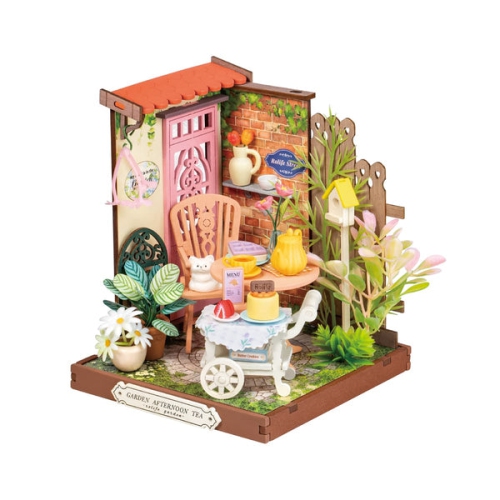
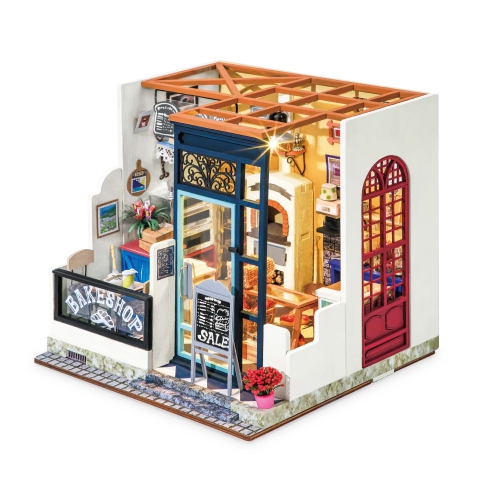
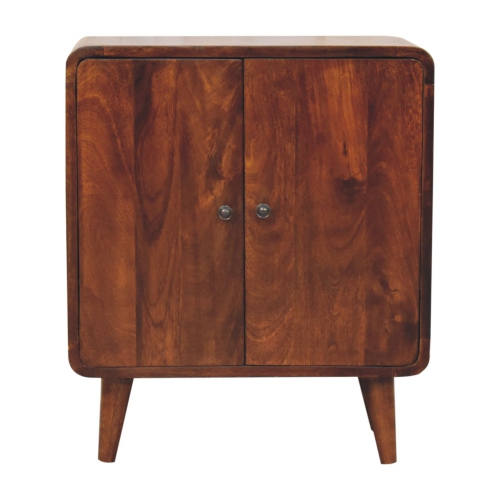
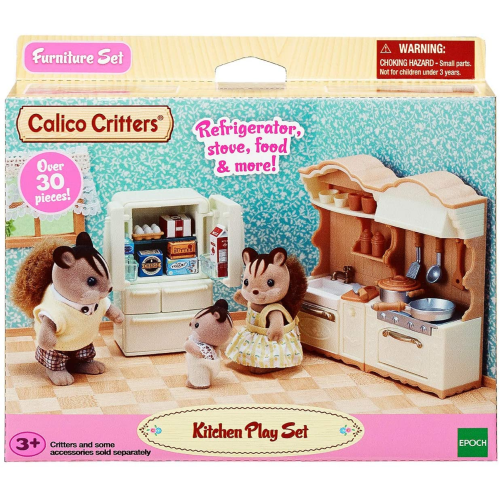
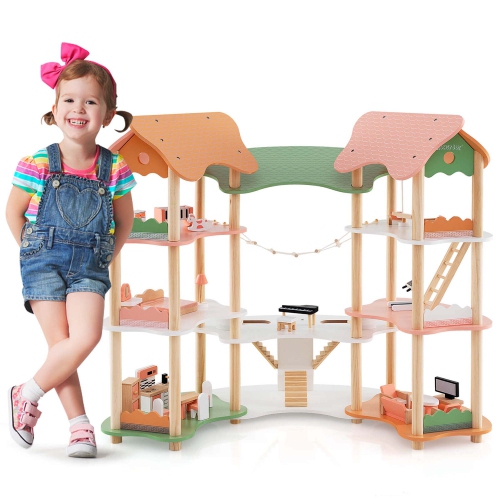
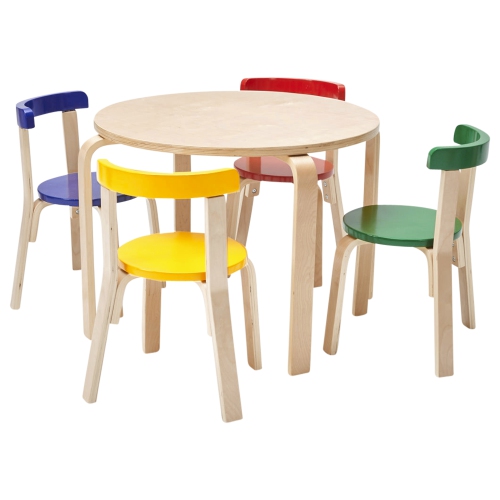
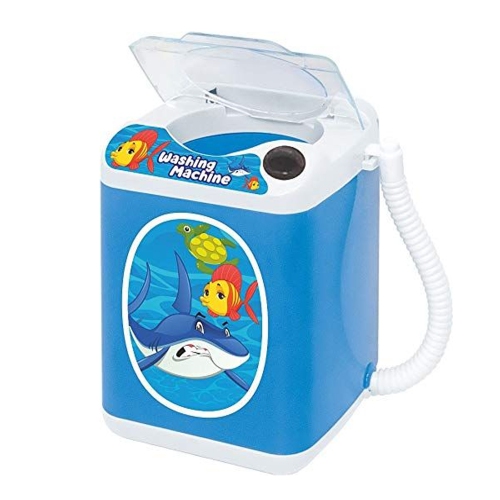
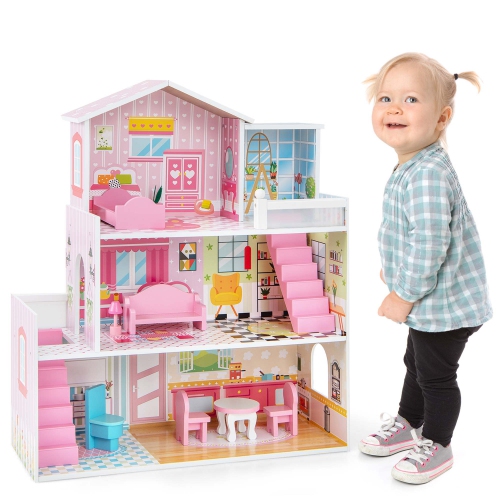
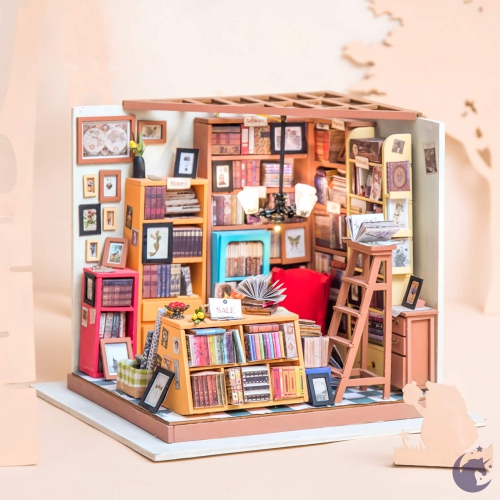
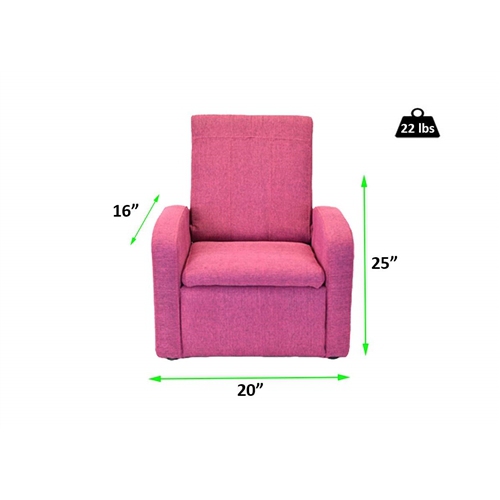
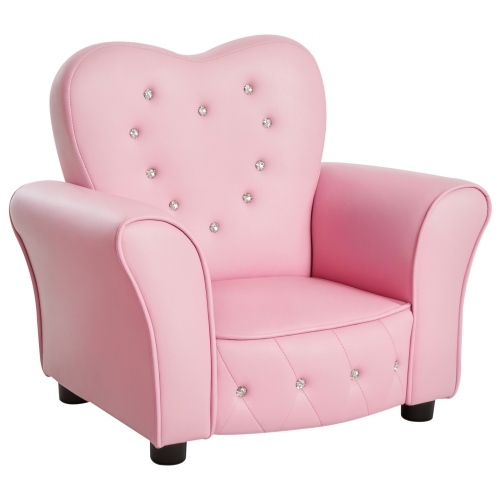
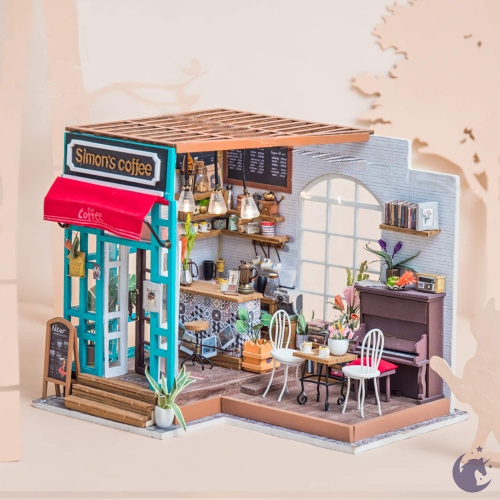
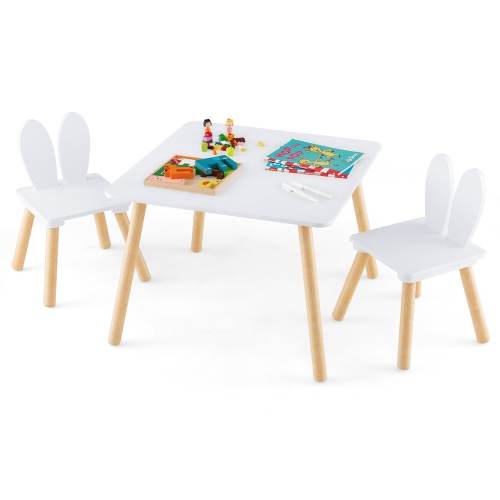
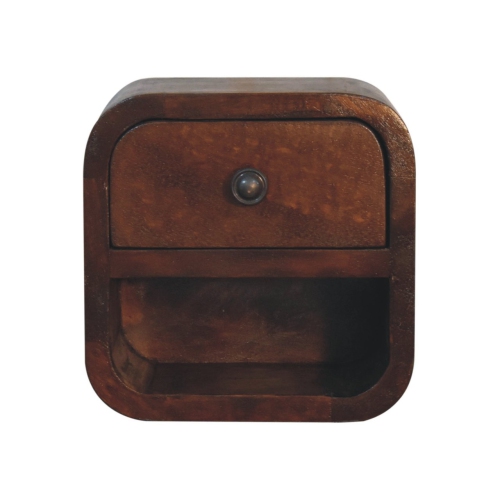
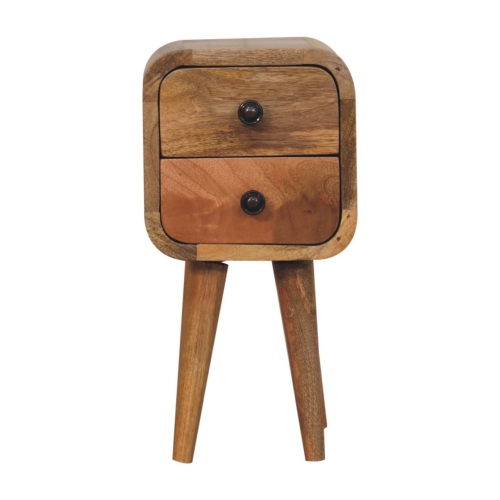
Scale and detail bring miniature rooms to life
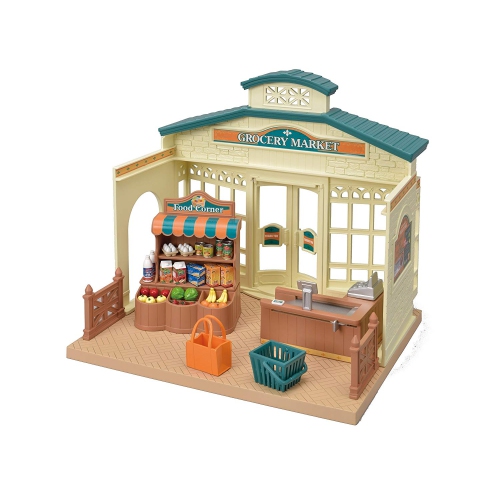
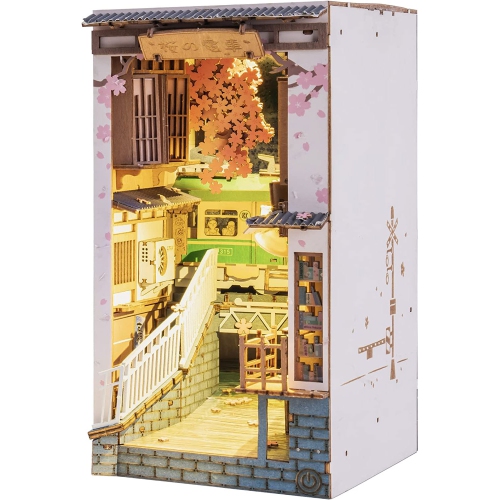
Miniature furniture brings the details of a full-sized home into a compact format, making it a popular choice for dollhouses, dioramas, room boxes, model scenes, craft projects and imaginative play. Tiny chairs, tables, beds, cabinets, shelves and other furnishings can help turn an empty miniature room into a setting with warmth, character and a sense of everyday life. Some pieces are designed for display, while others are intended for hands-on play or creative projects, so the right choice depends on the age of the user, the purpose of the scene and the level of detail desired. Miniature furniture is commonly made from wood, metal or plastic, with finishes that range from simple and understated to highly detailed. Ready-made pieces are convenient when you want to complete a room quickly, while unpainted furniture and build-it-yourself kits offer a more hands-on experience for anyone who enjoys painting, decorating and adding personal touches. These small furnishings can be used by collectors, hobbyists, parents, grandparents, crafters and model makers, and they can make thoughtful gifts for people who enjoy storytelling, interior design, architecture or detailed creative work. A carefully furnished miniature room can suggest a quiet reading corner, a welcoming kitchen or a cosy bedroom, giving the finished display a story that grows with each added detail. During the cooler months, miniature projects can also provide a relaxing indoor activity, whether they are completed independently or shared around a table with family and friends.
Scale is one of the most important details to check before buying miniature furniture. The most common dollhouse scale is 1:12, where 1 inch represents 1 foot in a full-sized room. This scale offers a broad selection of furnishings and is often a practical starting point for traditional dollhouses. Smaller scenes may use 1:24 scale, also known as half-scale, where the furniture is approximately half the size of 1:12 pieces. Compact display boxes, small room settings and limited-space projects may benefit from this format. For highly detailed micro-scenes and tiny landscapes, 1:48 scale, sometimes called quarter-scale, creates an even smaller presentation. Furniture from different scales generally does not look proportionate together, so comparing measurements with the dollhouse, display case or existing room layout can help create a balanced result. It is also worth considering the intended use: decorative pieces may include delicate features such as narrow legs, miniature handles and small accessories, while furniture for play may be better suited to sturdier construction and easy-to-handle shapes. Materials affect both appearance and care. Wood can provide a classic, crafted look and may be suitable for painting or staining; metal can add visual weight and fine decorative details; and plastic can offer lightweight construction with a range of colours and finishes. Look for smooth edges, stable bases and dimensions that fit the available space. If the furniture will be painted, check whether the surface is ready for finishing or whether light preparation is needed. For additional inspiration and room-by-room options, browse Dollhouse Furniture.
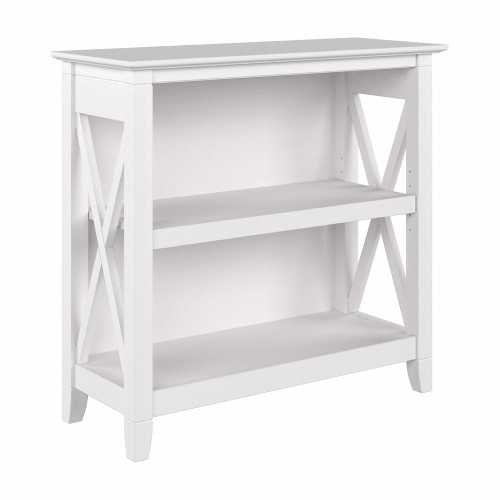
Miniature furniture can support many different kinds of creativity. Children may use it to invent characters, arrange pretend homes and build stories around ordinary routines, while adults may use it to create collectible displays, historical scenes, seasonal vignettes or finely detailed dioramas. A small table and chairs can establish the centre of a dining room; a bed, dresser and bedside table can make a bedroom feel lived in; and cabinets or shelves can add height, storage and visual interest to a narrow scene. Furniture can also help introduce composition and scale, encouraging users to think about how colour, texture, spacing and proportion work together. When selecting pieces as a gift, consider the recipient’s existing dollhouse or project before choosing a scale, style or room theme. Someone starting a first display may appreciate a coordinated set of basic furnishings, while an experienced hobbyist may prefer individual pieces that fill a specific gap or complement an established interior. Neutral finishes can work across many settings, whereas distinctive colours and ornate details may suit a particular period or imaginative theme. Storage is another practical consideration, especially for very small pieces that can be misplaced easily; a divided container or dedicated craft box can keep furniture organised between uses. Keep fragile items away from rough handling, and supervise younger children when pieces are small enough to present a choking hazard. With thoughtful selection and careful arrangement, miniature furniture can turn a simple model into an engaging little world—one that remains enjoyable to design, rearrange and admire as the seasons change.
Scale is one of the most important details to check before buying miniature furniture. The most common dollhouse scale is 1:12, where 1 inch represents 1 foot in a full-sized room. This scale offers a broad selection of furnishings and is often a practical starting point for traditional dollhouses. Smaller scenes may use 1:24 scale, also known as half-scale, where the furniture is approximately half the size of 1:12 pieces. Compact display boxes, small room settings and limited-space projects may benefit from this format. For highly detailed micro-scenes and tiny landscapes, 1:48 scale, sometimes called quarter-scale, creates an even smaller presentation. Furniture from different scales generally does not look proportionate together, so comparing measurements with the dollhouse, display case or existing room layout can help create a balanced result. It is also worth considering the intended use: decorative pieces may include delicate features such as narrow legs, miniature handles and small accessories, while furniture for play may be better suited to sturdier construction and easy-to-handle shapes. Materials affect both appearance and care. Wood can provide a classic, crafted look and may be suitable for painting or staining; metal can add visual weight and fine decorative details; and plastic can offer lightweight construction with a range of colours and finishes. Look for smooth edges, stable bases and dimensions that fit the available space. If the furniture will be painted, check whether the surface is ready for finishing or whether light preparation is needed. For additional inspiration and room-by-room options, browse Dollhouse Furniture.
Miniature furniture can support many different kinds of creativity. Children may use it to invent characters, arrange pretend homes and build stories around ordinary routines, while adults may use it to create collectible displays, historical scenes, seasonal vignettes or finely detailed dioramas. A small table and chairs can establish the centre of a dining room; a bed, dresser and bedside table can make a bedroom feel lived in; and cabinets or shelves can add height, storage and visual interest to a narrow scene. Furniture can also help introduce composition and scale, encouraging users to think about how colour, texture, spacing and proportion work together. When selecting pieces as a gift, consider the recipient’s existing dollhouse or project before choosing a scale, style or room theme. Someone starting a first display may appreciate a coordinated set of basic furnishings, while an experienced hobbyist may prefer individual pieces that fill a specific gap or complement an established interior. Neutral finishes can work across many settings, whereas distinctive colours and ornate details may suit a particular period or imaginative theme. Storage is another practical consideration, especially for very small pieces that can be misplaced easily; a divided container or dedicated craft box can keep furniture organised between uses. Keep fragile items away from rough handling, and supervise younger children when pieces are small enough to present a choking hazard. With thoughtful selection and careful arrangement, miniature furniture can turn a simple model into an engaging little world—one that remains enjoyable to design, rearrange and admire as the seasons change.
Top selling and popular products
-
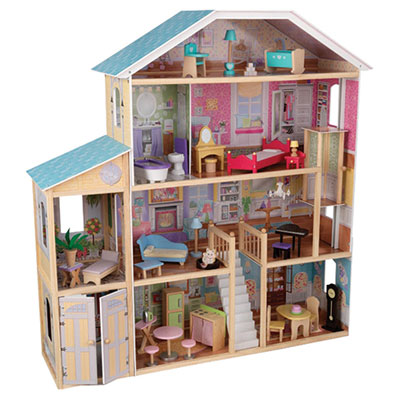 Your price for this item is $289.99
 -
 Your price for this item is $84.33
 -
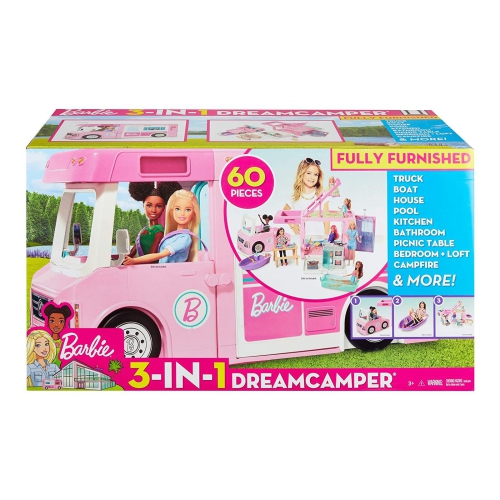 Your price for this item is $229
 -
 Your price for this item is $42.99
 -
 Your price for this item is $42.97
 -
 Your price for this item is $28.74
 -
 Your price for this item is $74.98
 -
 Your price for this item is $179.99
Discover more categories related to Miniature Furniture

Top Collections:
Pokemon Centers, Kindle Devices, Best Budget Office Chairs, Apple iPhones 16, Best Laptops for Writers, iPhone 15 Apple, Canon G7X Cameras, Refurbished Apple Laptops, Alarm Clock, Motorola Razr Phones
Some products may be subject to Environmental Handling Fees
(EHF) depending on your province.
Learn more about EHFs.