Tall Slim Cabinets
If you're looking for a way to maximize the storage space in your home, consider tall slim cabinets. These cabinets are designed to fit in tight spaces while still providing enough storage to meet your needs. Here are some of the best options for tall slim cabinets available today.
Sort
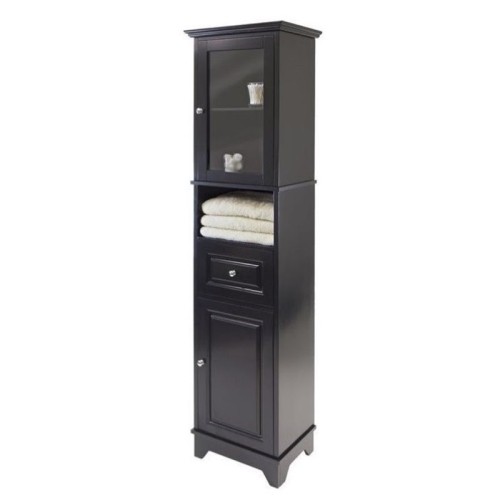
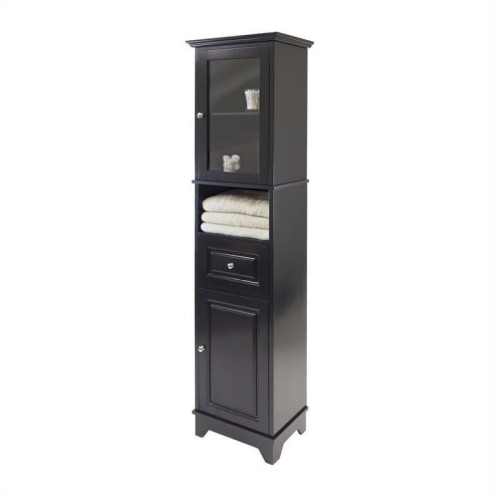
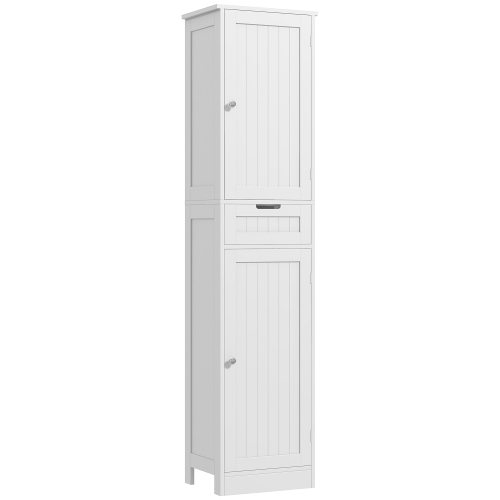
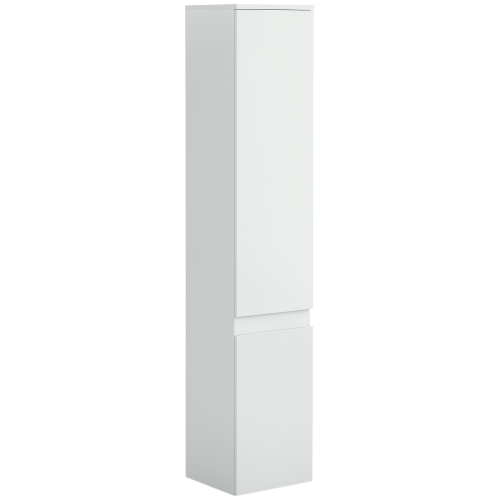
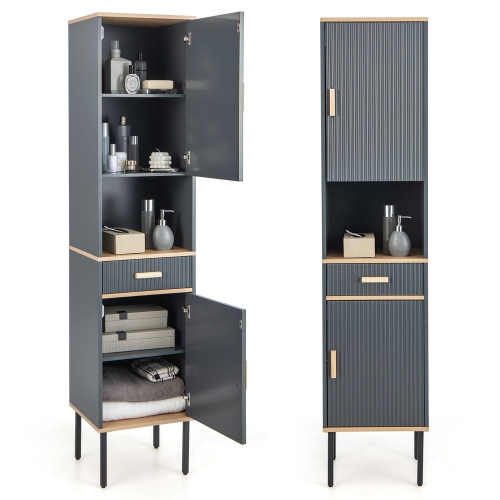

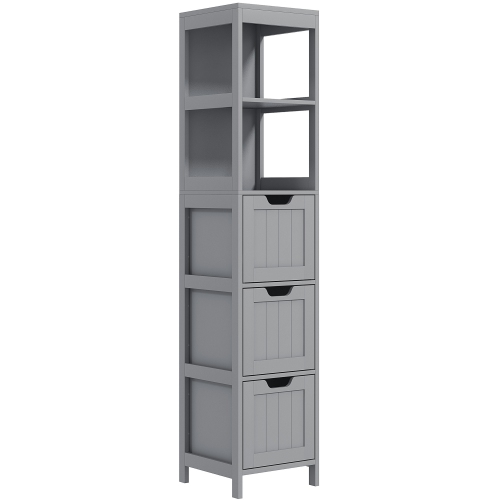
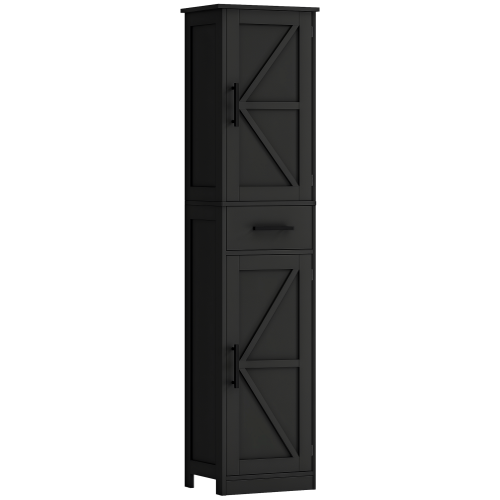
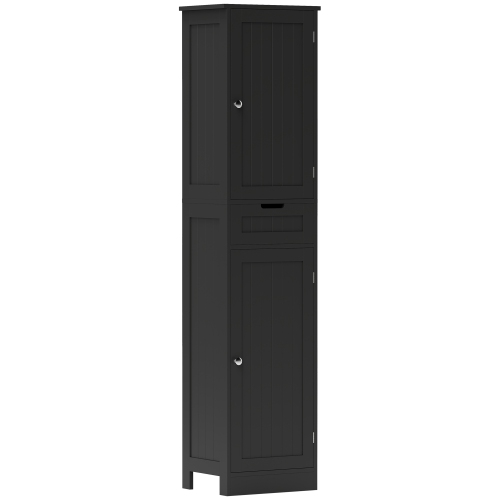
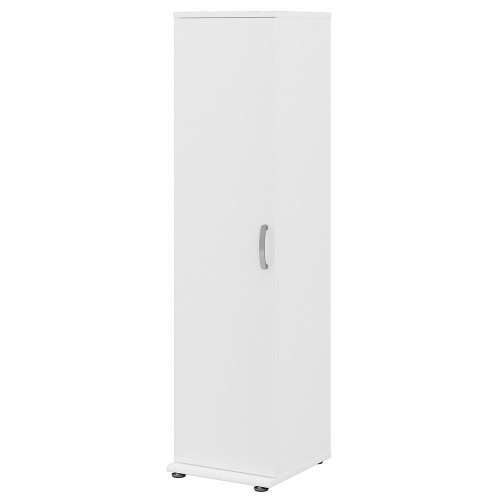
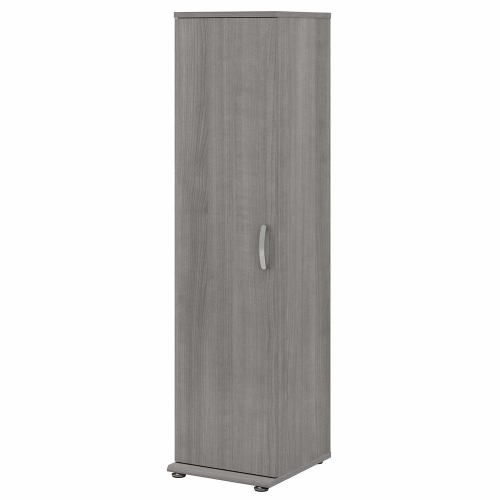
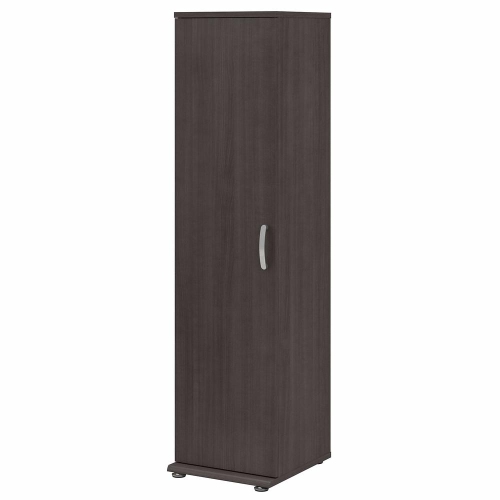
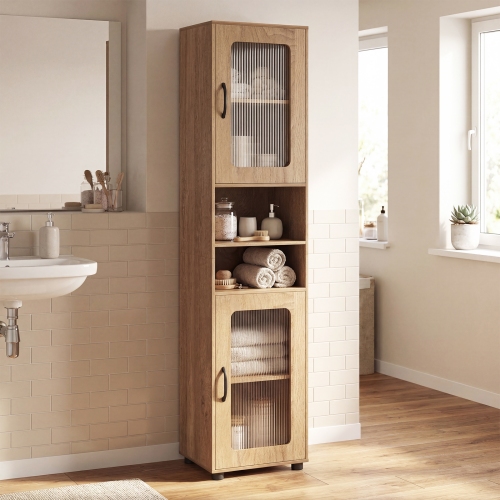
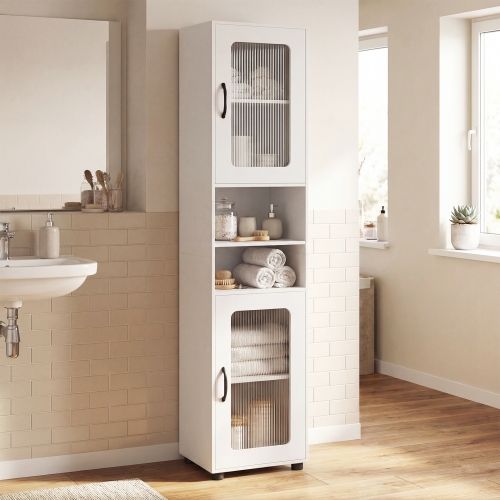
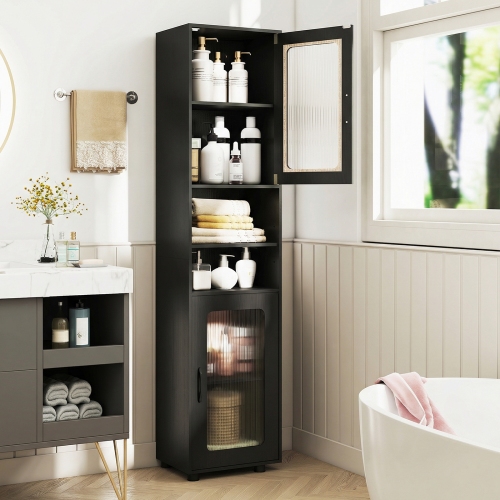
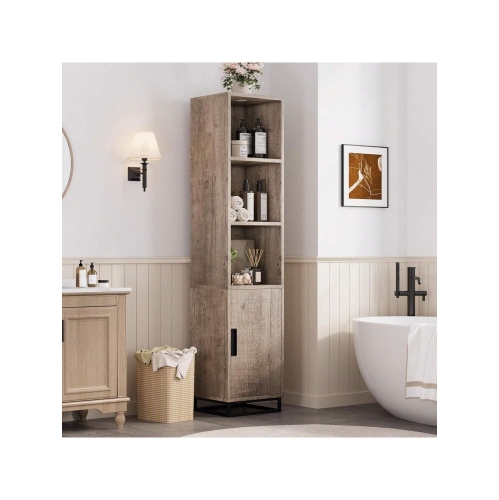
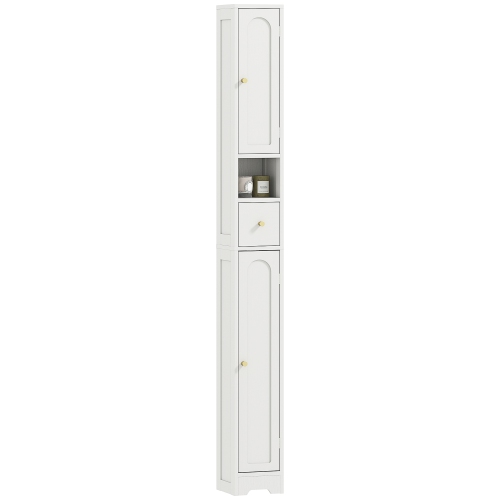

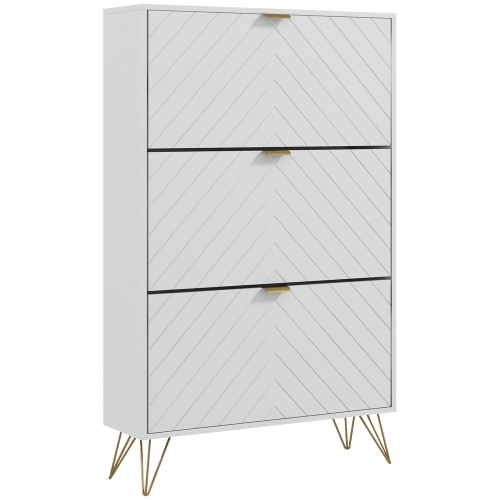
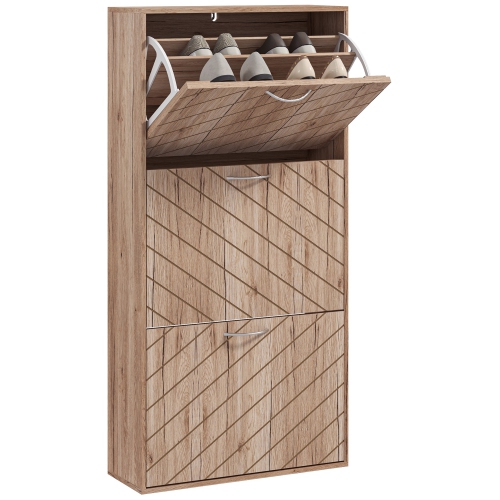
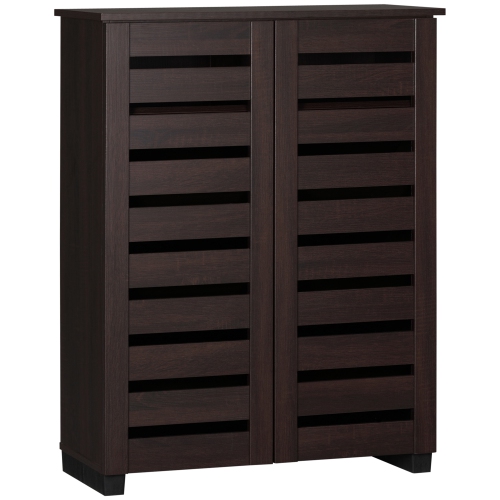
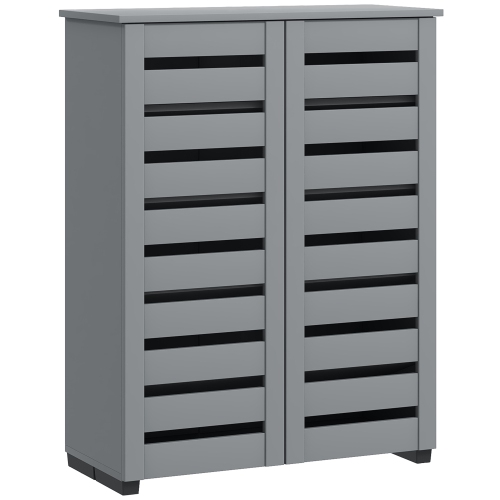
Vertical storage that leaves room to move
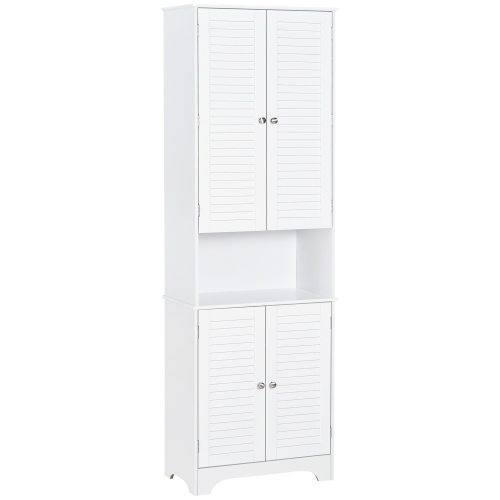
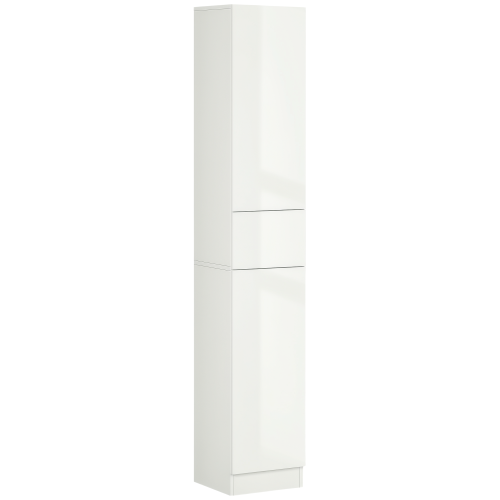
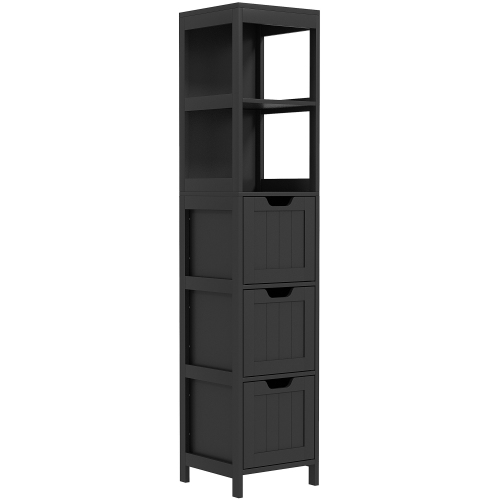
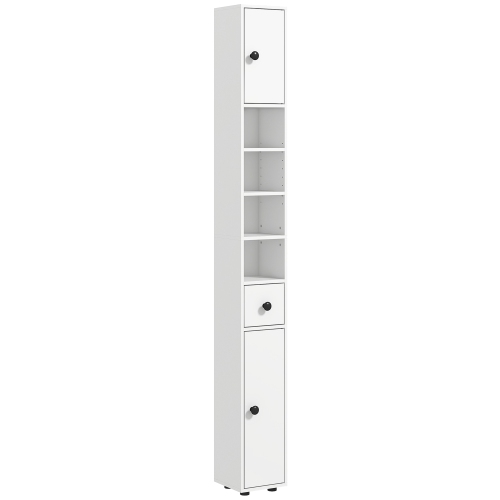
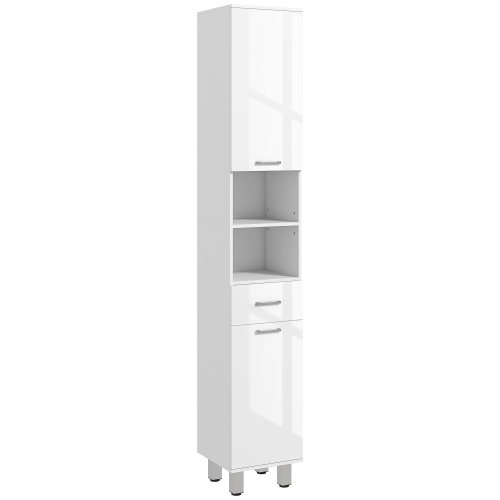
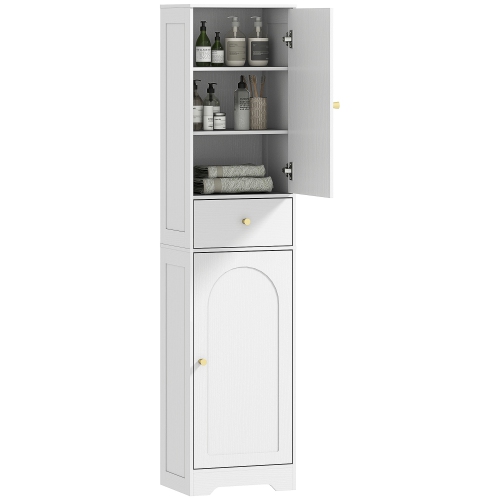
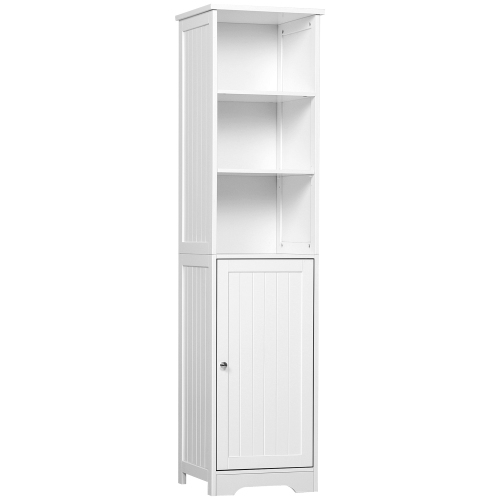
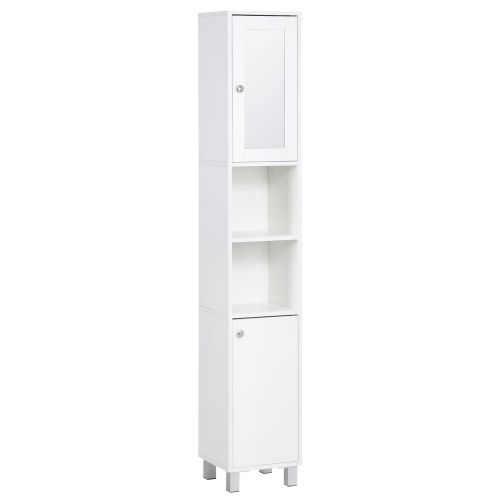
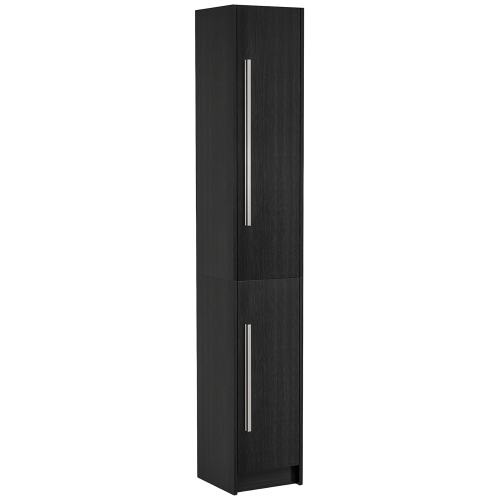
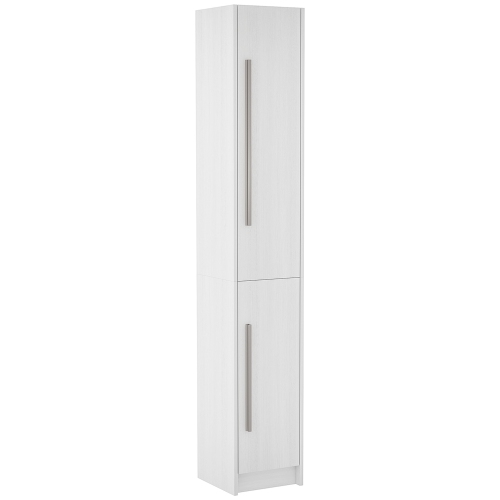
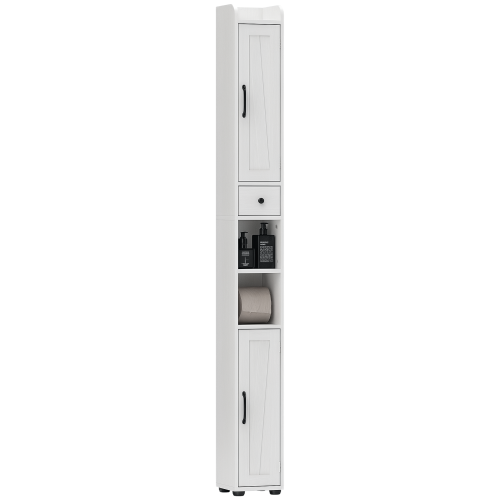
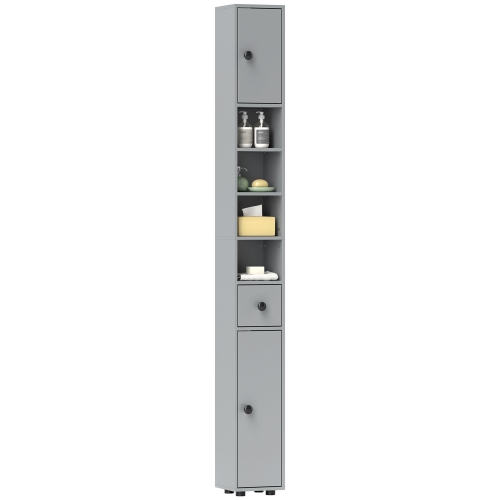
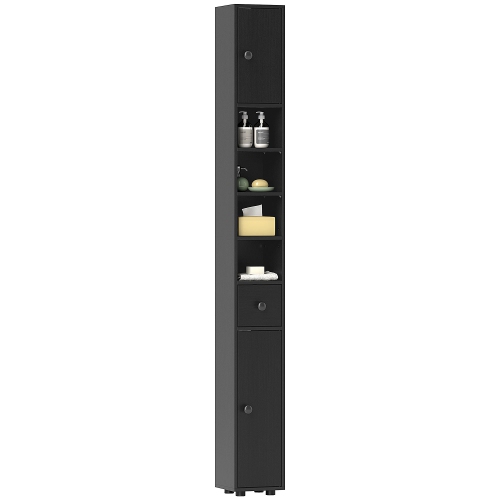
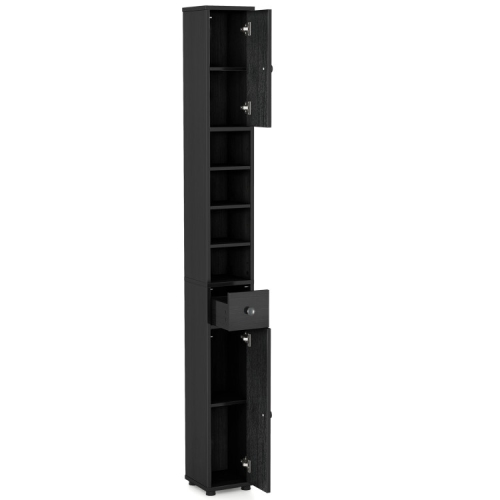
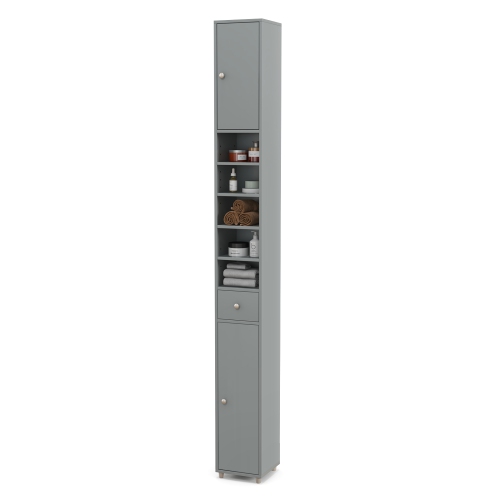
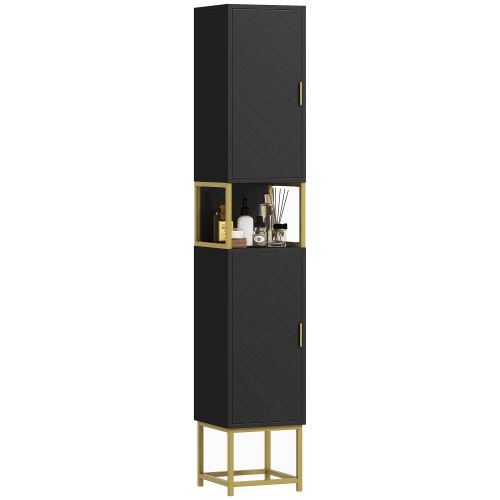
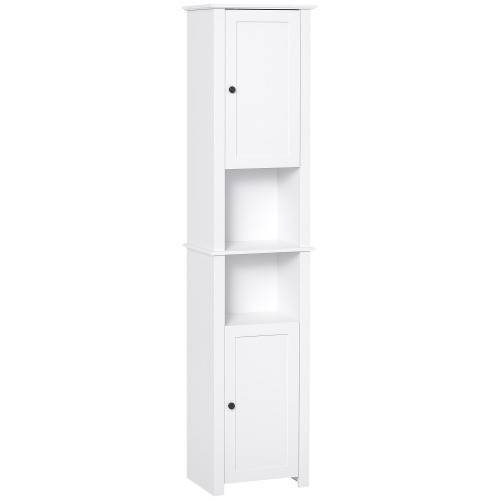
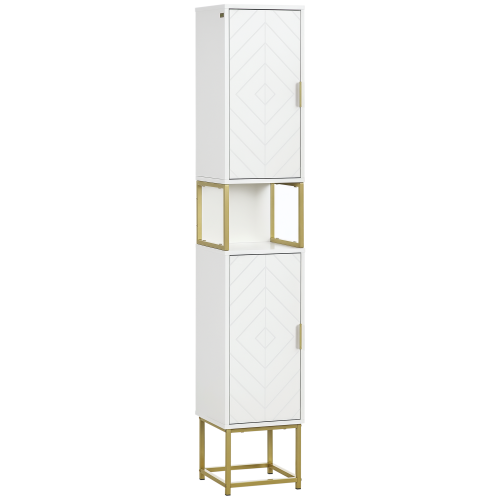
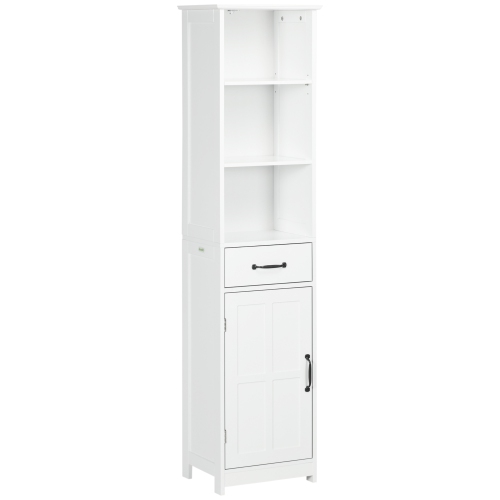
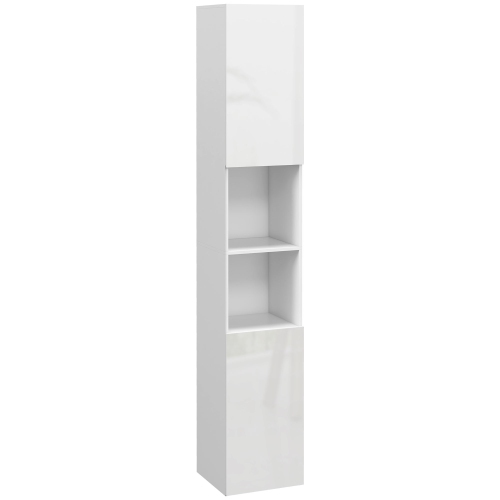
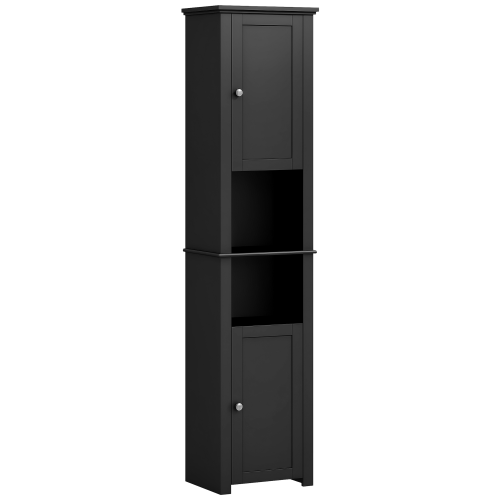
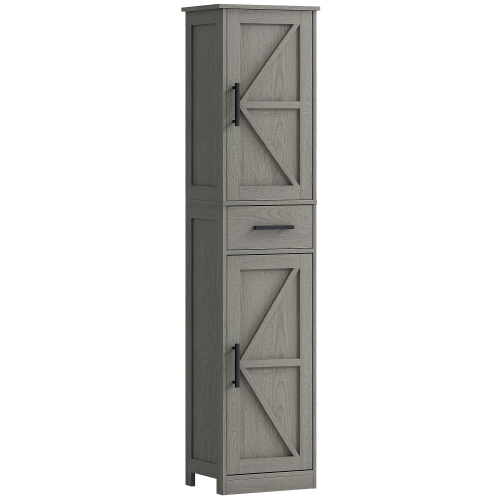
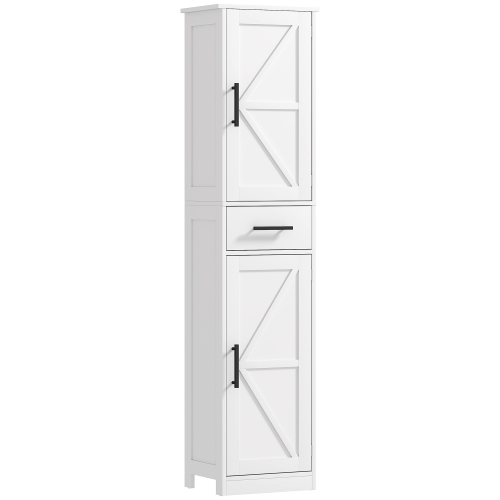
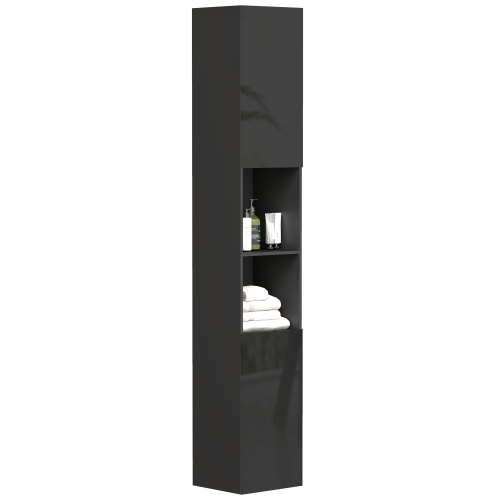
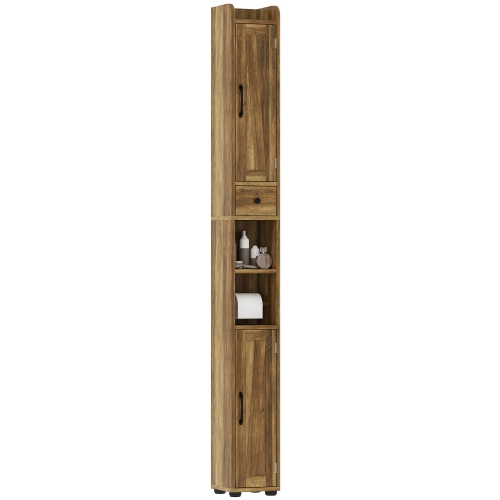
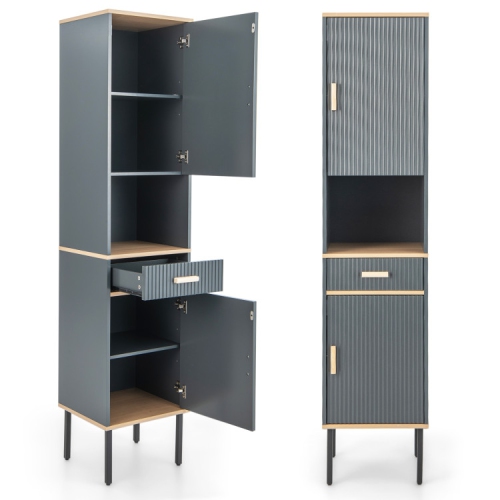
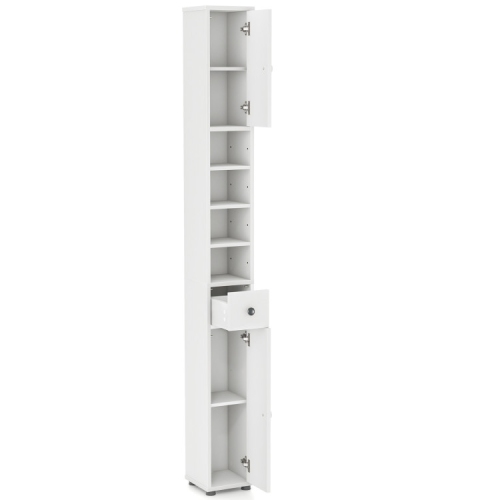
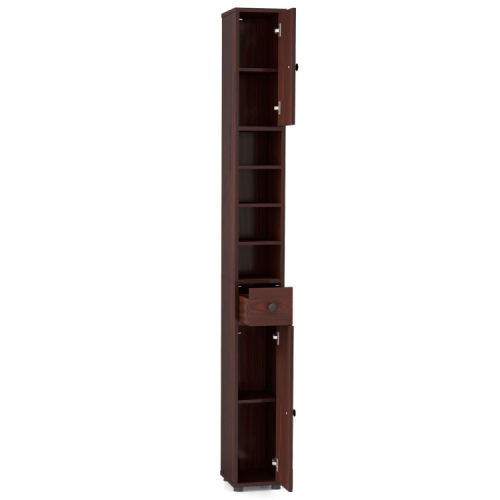
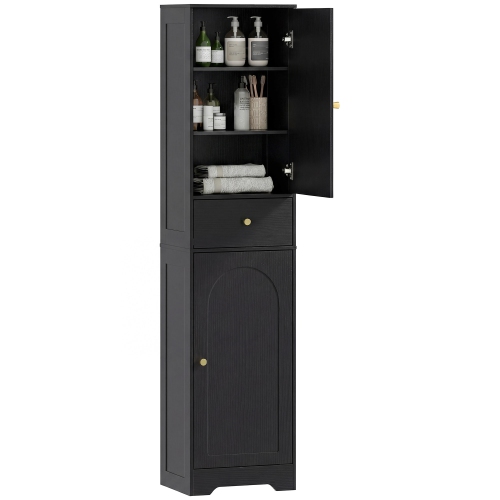
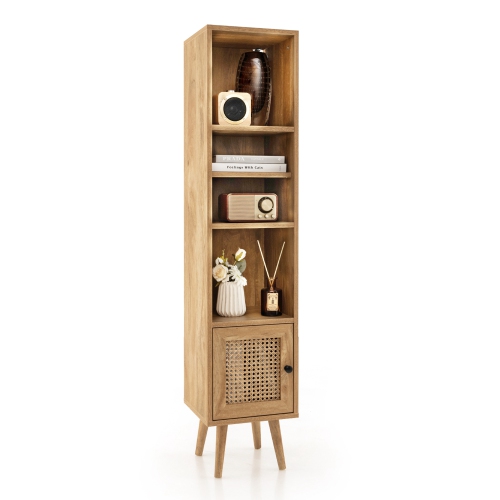
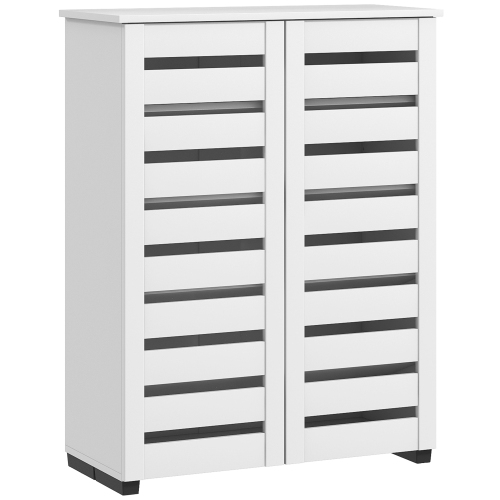
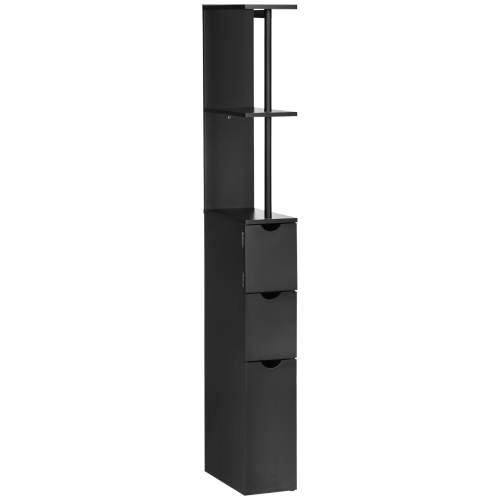
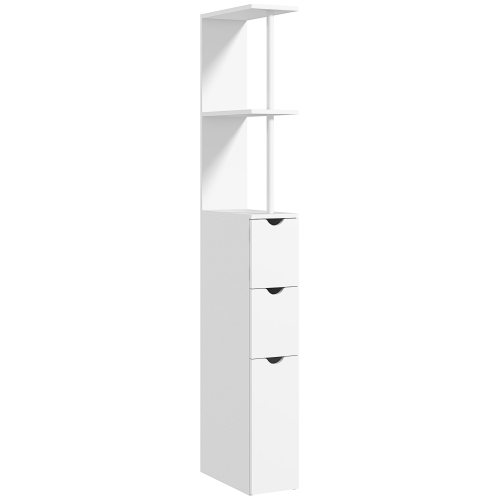
Tall slim cabinets bring useful storage to narrow spaces by extending upwards rather than spreading across the floor. Their compact footprint makes them a practical choice for bathrooms, kitchens, laundry rooms, entryways, and home offices where a wider cupboard would crowd the room. A tall narrow storage cabinet can hold folded towels beside a vanity, keep pantry staples together in a small kitchen, or tuck stationery and paperwork behind closed doors near a desk. The most useful layout depends on what needs a home: closely spaced shelves suit smaller containers, while taller compartments leave room for bottles, baskets, or stacked linens. Adjustable shelves offer flexibility as storage needs change, although fixed shelves may form part of the cabinet’s structure and should remain in place. Enclosed doors keep everyday supplies out of sight and help limit dust settling on their contents. Open shelving puts frequently used essentials within reach, and a combination of open and closed sections creates space for both accessible storage and a tidy-looking finish. Drawers can be useful for smaller belongings that tend to disappear at the back of a shelf, provided there is enough room to pull them out fully. For apartment residents, people sharing a bathroom, and households without a dedicated linen closet, vertical storage can make an overlooked corner much more useful. A shallow cabinet is often easier to navigate around in a hallway, while a deeper design may better accommodate folded bath towels or larger kitchen containers. Slimness alone does not determine capacity: internal shelf dimensions, door construction, and the number of compartments all affect what fits inside. It helps to picture the actual contents before choosing a layout. A stack of hand towels needs different proportions from a row of cereal containers, and a cabinet intended for cleaning supplies may need a tall compartment rather than several evenly divided shelves. Keeping everyday belongings at a comfortable height also makes the cabinet easier to use, with less frequent necessities stored above them.
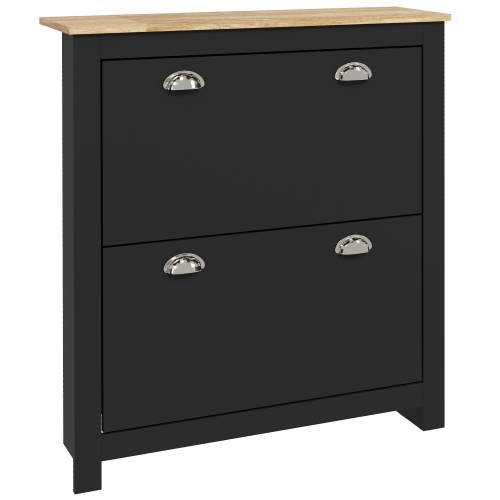
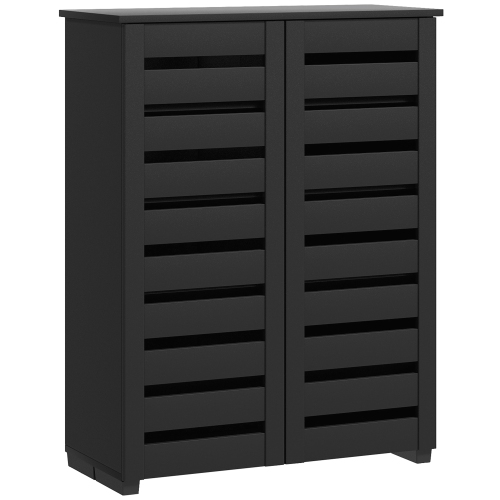
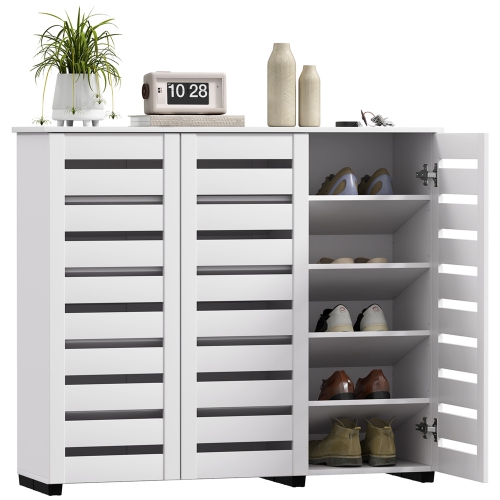
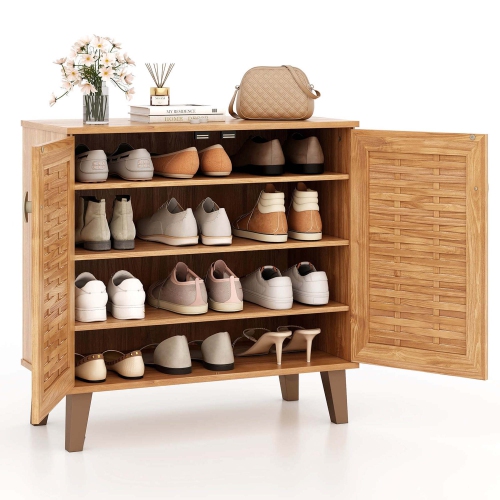
Fit involves more than finding a cabinet that is narrower than the gap beside a wall. Measure the usable width, depth, and height of the space, taking account of baseboards, window trim, outlets, switches, and any pipes that could interfere with placement. The cabinet’s stated depth may not include projecting handles, and its interior measurements will be smaller than the outside dimensions. In a bathroom, check that the door will not strike the vanity or interrupt access to the shower. In a kitchen, leave enough clearance for neighbouring appliance doors and drawers to open normally. A slim freestanding cabinet beside a washing machine should not obstruct hoses, service access, or the clearances required by the appliance manufacturer. Door swing matters particularly in tight corners: a hinge on the wrong side can make the contents awkward to reach, even when the cabinet itself fits neatly. Reversible doors, where specified, can offer more placement flexibility. Consider the route into the room as well, especially if the cabinet arrives assembled or needs to pass through a narrow doorway. Some tall designs are assembled flat and then raised upright, so the assembly instructions may call for additional overhead clearance. Tall furniture should be secured using the manufacturer’s specified anti-tip hardware and installation method, with fasteners suitable for the wall construction. This is important even in homes without children, since opening doors or pulling on loaded drawers can affect stability. Keep heavier contents on lower shelves, observe each shelf’s weight limit, and avoid using the top as an extra storage ledge unless the design permits it. In an entryway, think about whether the cabinet will hold mixed household essentials or mainly footwear. For footwear-focused storage, Slim Shoe Cabinets offer a related option worth considering, with layouts designed around shoes rather than general shelving. Whichever format suits the space, enough walking room should remain for someone carrying groceries, moving a laundry basket, or passing another person without catching a handle.
Materials and construction influence how a tall slim cabinet looks, feels, and stands up to everyday use. Solid wood brings natural grain and variation, while engineered wood with a painted, laminated, or veneered surface can provide a consistent finish. These constructions are not interchangeable: a wood veneer has a thin layer of real wood, while a laminate has a different surface composition and care requirements. Metal cabinets can suit utility spaces, though the finish and the manufacturer’s recommendations determine whether a particular design is appropriate near moisture. For bathrooms and laundry areas, look for a cabinet explicitly intended for that setting rather than assuming any coated surface is water-resistant. Protected edges and well-finished joints matter where occasional splashes are likely, but moisture resistance does not mean the cabinet can tolerate standing water or direct shower spray. Wipe up spills promptly, avoid leaving wet cloths against the sides, and follow the supplied cleaning directions. A soft cloth and a suitable mild cleaner are often enough for routine care; abrasive pads and harsh chemicals can damage finishes or dull hardware. Durability also depends on details that are easy to overlook, including secure shelf supports, smooth-moving hinges, firmly attached handles, and a back panel installed as directed. Shelves should suit the intended load without being overfilled, particularly when storing dense contents such as books or pantry containers. Visually, a light-coloured cabinet can sit quietly against a pale wall, while a wood-look finish adds warmth beside tile or painted cabinetry. Simple flat doors tend to blend into compact rooms; framed fronts and visible hardware give the cabinet more presence. Matching every finish is not necessary, but repeating a nearby colour or handle shape can help the storage feel intentional. The best result is a cabinet that suits both the room and the daily routine: towels close to the sink, office supplies beside the work area, or household essentials grouped where they are used. Thoughtful proportions and a manageable shelf layout make narrow storage useful without making the room feel crowded.
Fit involves more than finding a cabinet that is narrower than the gap beside a wall. Measure the usable width, depth, and height of the space, taking account of baseboards, window trim, outlets, switches, and any pipes that could interfere with placement. The cabinet’s stated depth may not include projecting handles, and its interior measurements will be smaller than the outside dimensions. In a bathroom, check that the door will not strike the vanity or interrupt access to the shower. In a kitchen, leave enough clearance for neighbouring appliance doors and drawers to open normally. A slim freestanding cabinet beside a washing machine should not obstruct hoses, service access, or the clearances required by the appliance manufacturer. Door swing matters particularly in tight corners: a hinge on the wrong side can make the contents awkward to reach, even when the cabinet itself fits neatly. Reversible doors, where specified, can offer more placement flexibility. Consider the route into the room as well, especially if the cabinet arrives assembled or needs to pass through a narrow doorway. Some tall designs are assembled flat and then raised upright, so the assembly instructions may call for additional overhead clearance. Tall furniture should be secured using the manufacturer’s specified anti-tip hardware and installation method, with fasteners suitable for the wall construction. This is important even in homes without children, since opening doors or pulling on loaded drawers can affect stability. Keep heavier contents on lower shelves, observe each shelf’s weight limit, and avoid using the top as an extra storage ledge unless the design permits it. In an entryway, think about whether the cabinet will hold mixed household essentials or mainly footwear. For footwear-focused storage, Slim Shoe Cabinets offer a related option worth considering, with layouts designed around shoes rather than general shelving. Whichever format suits the space, enough walking room should remain for someone carrying groceries, moving a laundry basket, or passing another person without catching a handle.
Materials and construction influence how a tall slim cabinet looks, feels, and stands up to everyday use. Solid wood brings natural grain and variation, while engineered wood with a painted, laminated, or veneered surface can provide a consistent finish. These constructions are not interchangeable: a wood veneer has a thin layer of real wood, while a laminate has a different surface composition and care requirements. Metal cabinets can suit utility spaces, though the finish and the manufacturer’s recommendations determine whether a particular design is appropriate near moisture. For bathrooms and laundry areas, look for a cabinet explicitly intended for that setting rather than assuming any coated surface is water-resistant. Protected edges and well-finished joints matter where occasional splashes are likely, but moisture resistance does not mean the cabinet can tolerate standing water or direct shower spray. Wipe up spills promptly, avoid leaving wet cloths against the sides, and follow the supplied cleaning directions. A soft cloth and a suitable mild cleaner are often enough for routine care; abrasive pads and harsh chemicals can damage finishes or dull hardware. Durability also depends on details that are easy to overlook, including secure shelf supports, smooth-moving hinges, firmly attached handles, and a back panel installed as directed. Shelves should suit the intended load without being overfilled, particularly when storing dense contents such as books or pantry containers. Visually, a light-coloured cabinet can sit quietly against a pale wall, while a wood-look finish adds warmth beside tile or painted cabinetry. Simple flat doors tend to blend into compact rooms; framed fronts and visible hardware give the cabinet more presence. Matching every finish is not necessary, but repeating a nearby colour or handle shape can help the storage feel intentional. The best result is a cabinet that suits both the room and the daily routine: towels close to the sink, office supplies beside the work area, or household essentials grouped where they are used. Thoughtful proportions and a manageable shelf layout make narrow storage useful without making the room feel crowded.
Top selling and popular products
-
 Your price for this item is $109.31
 -
 Your price for this item is $200.83
 -
 Your price for this item is $90
 -
 Your price for this item is $100
 -
 Your price for this item is $100
 -
 Your price for this item is $426.55
 -
 Your price for this item is $300
 -
 Your price for this item is $120
Discover more categories related to Tall Slim Cabinets
Top Collections:
Pokemon Centers, Kindle Devices, Best Budget Office Chairs, Apple iPhones 16, Best Laptops for Writers, iPhone 15 Apple, Canon G7X Cameras, Refurbished Apple Laptops, Alarm Clock, Motorola Razr Phones
Some products may be subject to Environmental Handling Fees
(EHF) depending on your province.
Learn more about EHFs.