White Arm Chairs
A white armchair is a great way to add a modern touch to your living room. It's also a great way to make your living room feel more open and spacious. Here are some of the best options for white armchairs.
Sort


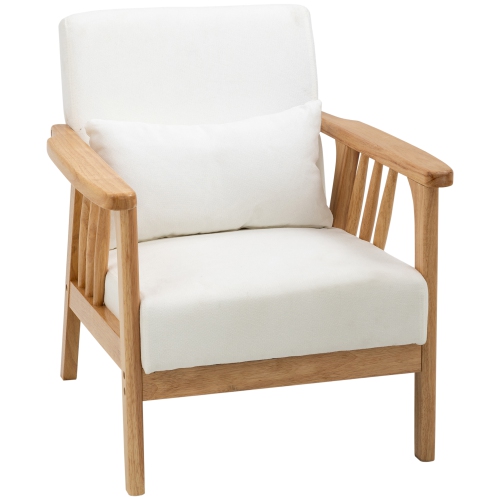

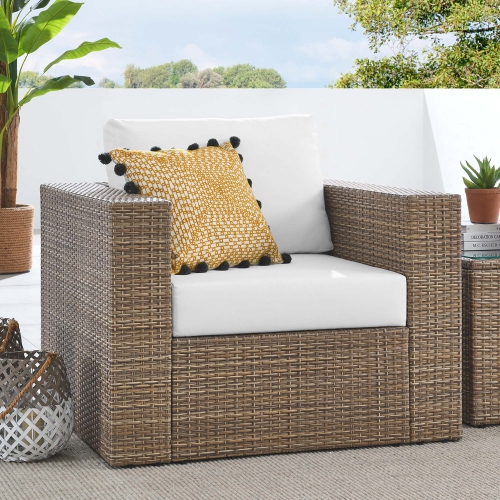

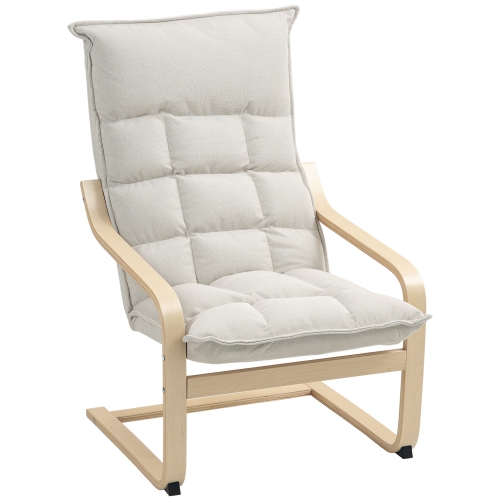

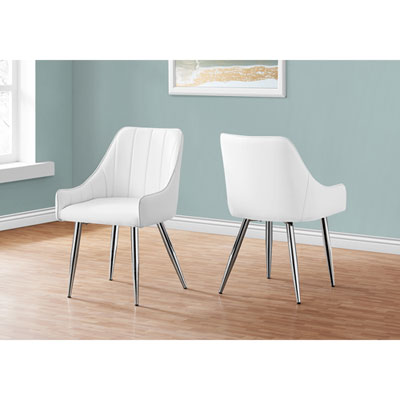



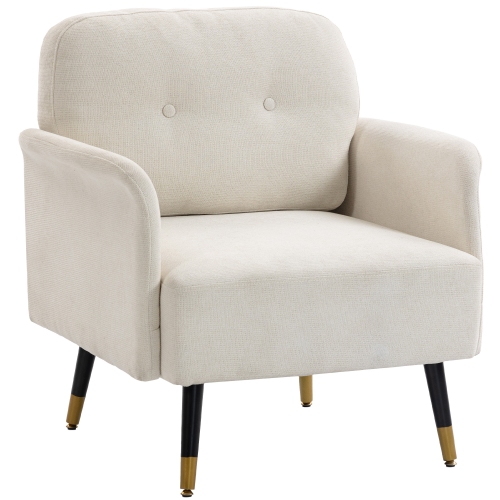
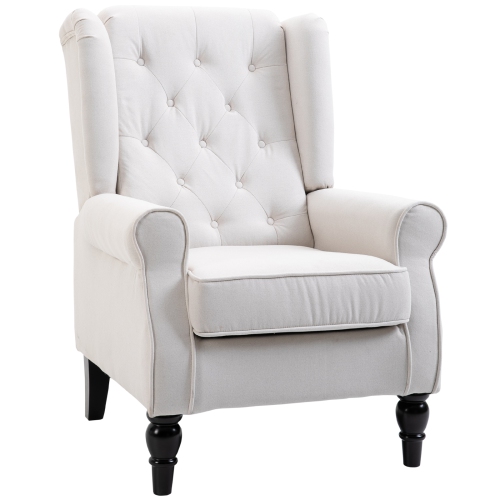

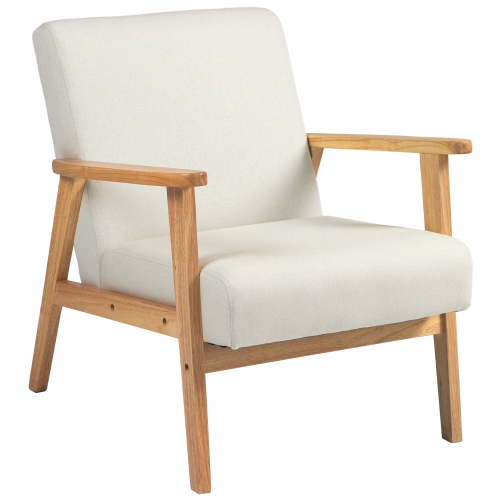
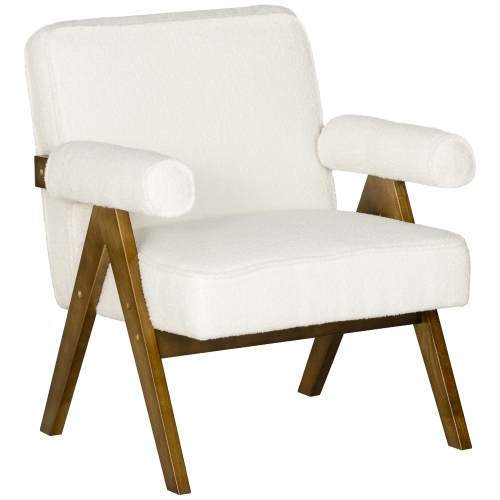

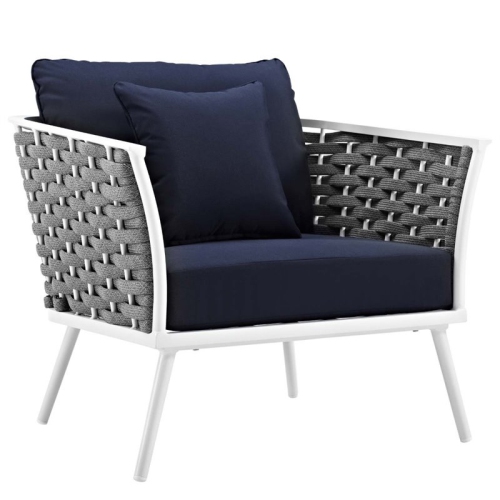
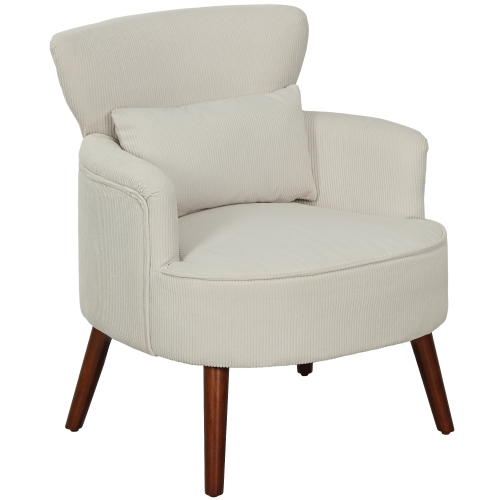


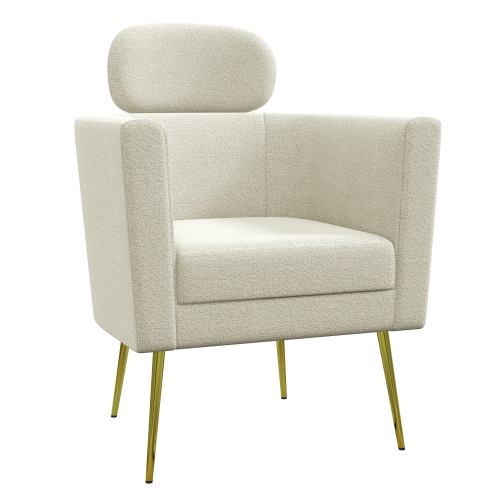
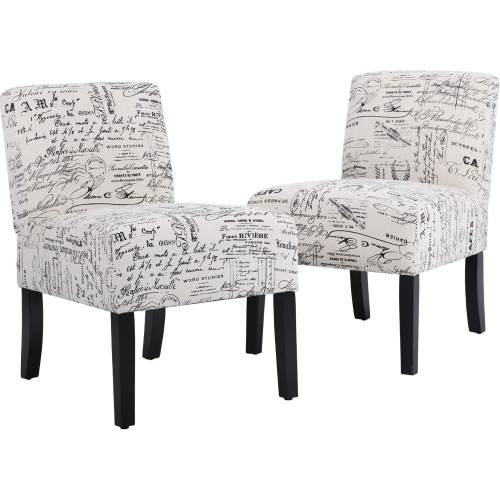


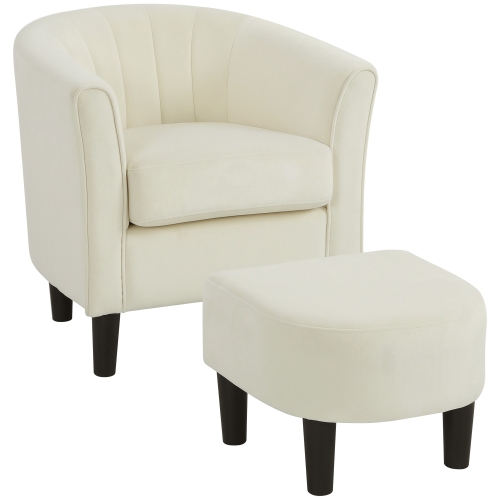


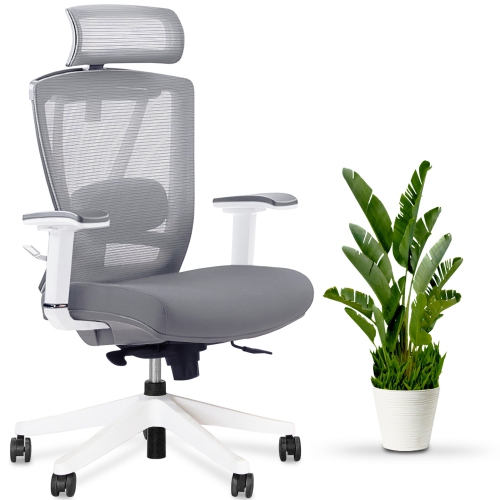


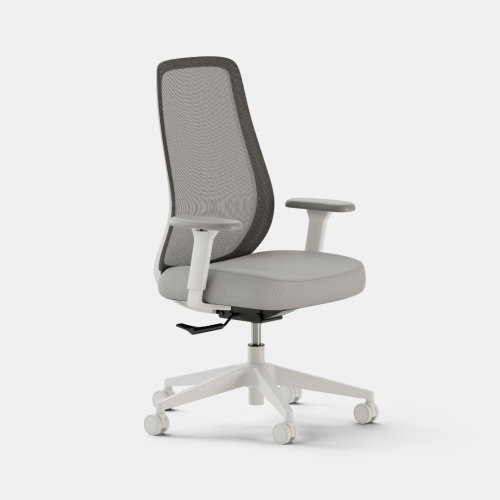
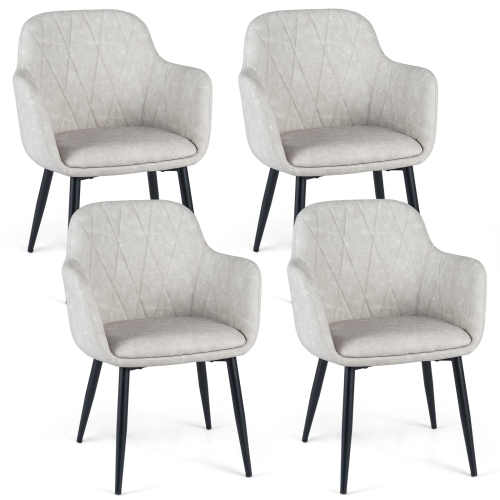





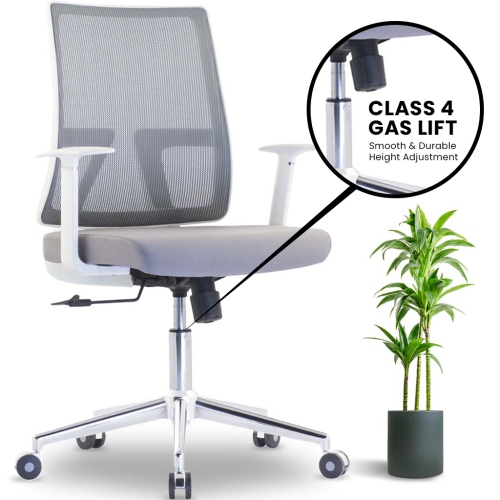
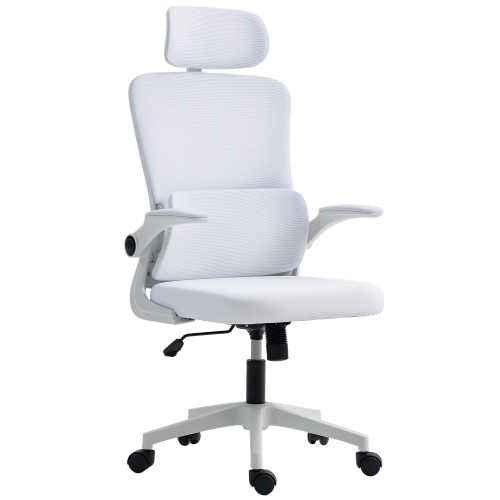


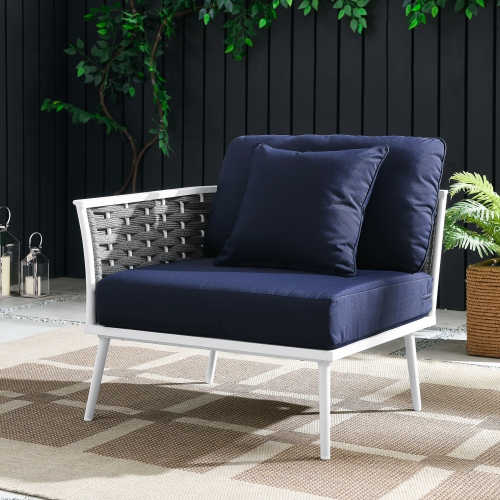


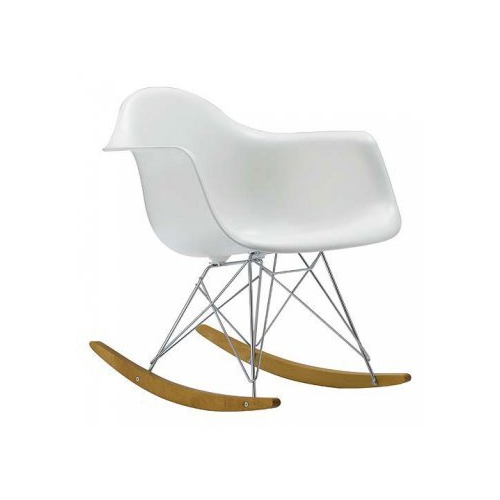


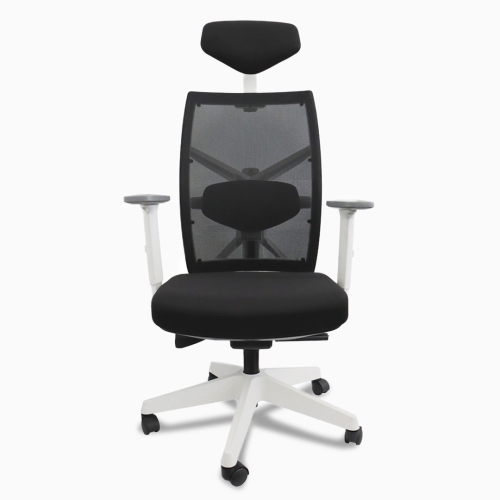


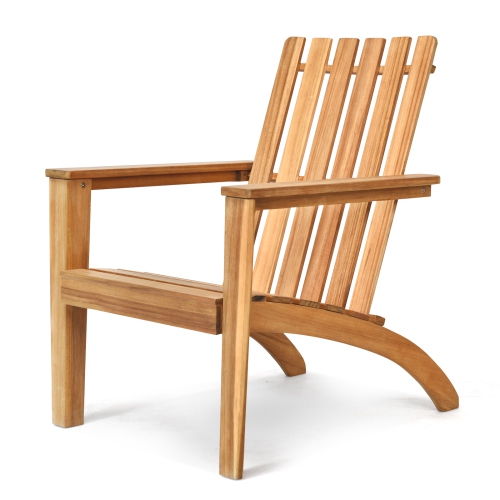


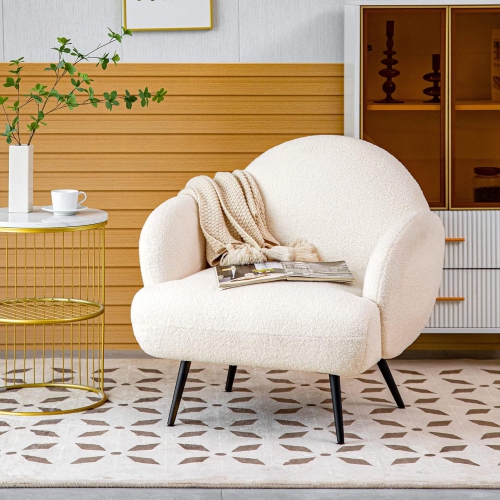


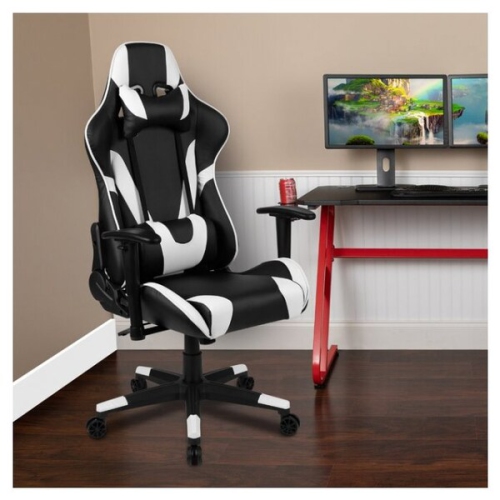
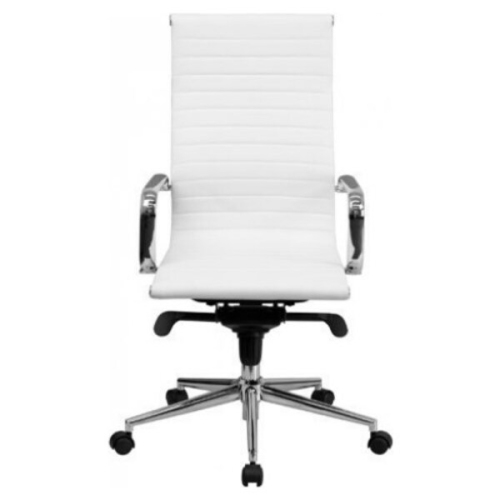

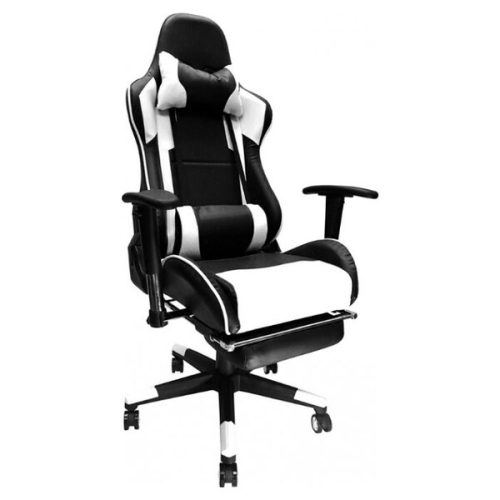

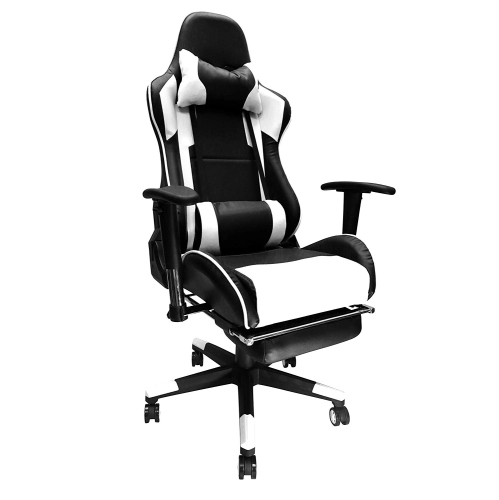


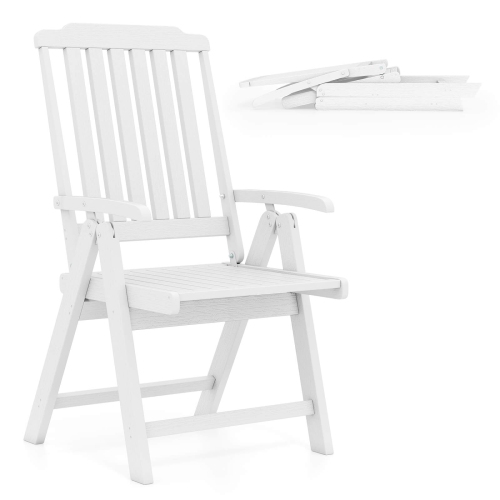

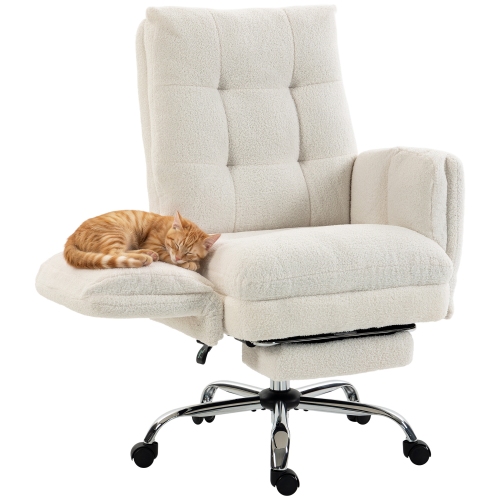
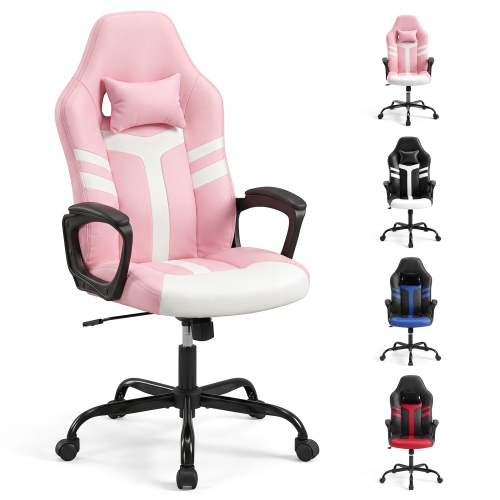
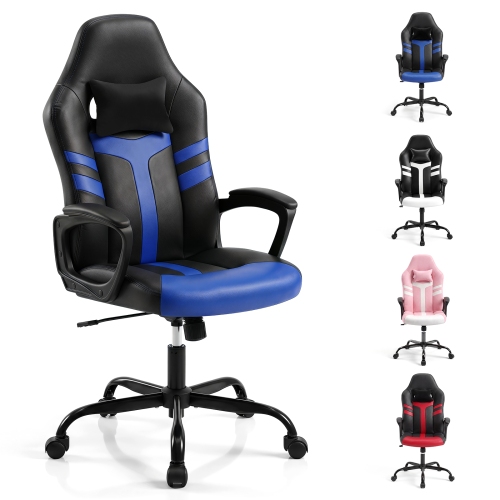


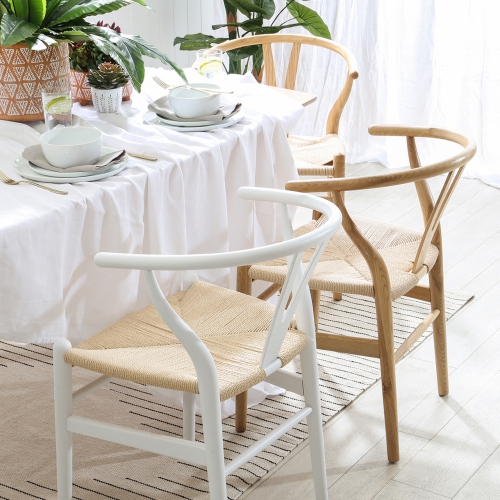
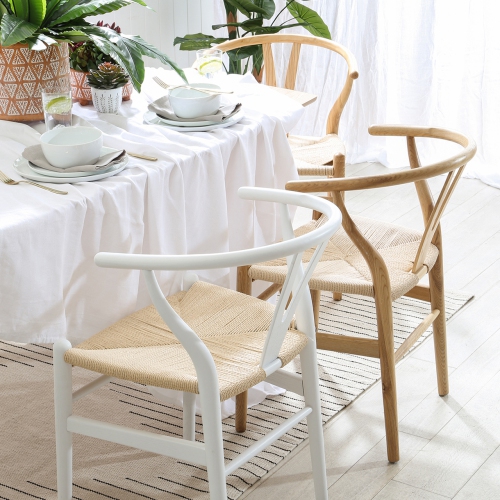
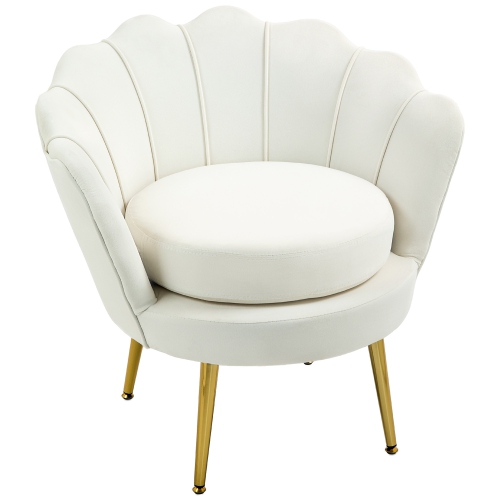

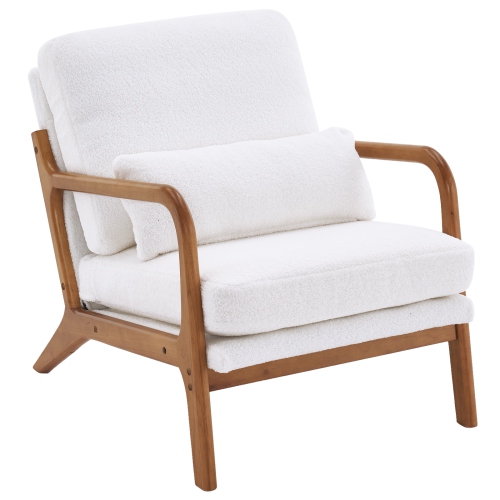
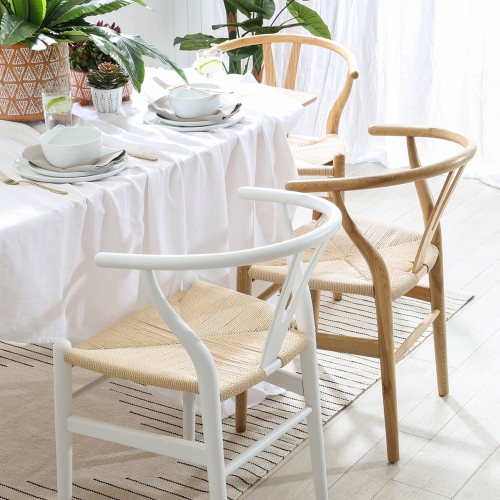
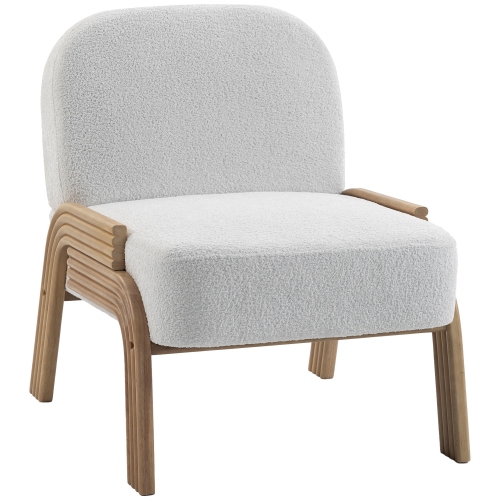
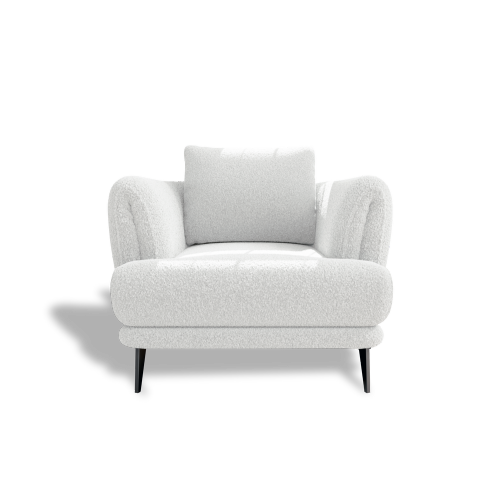


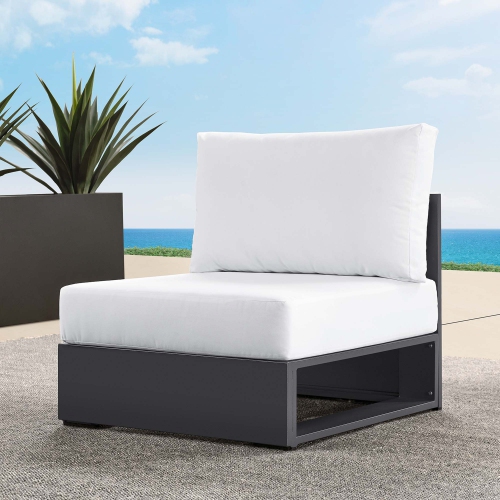

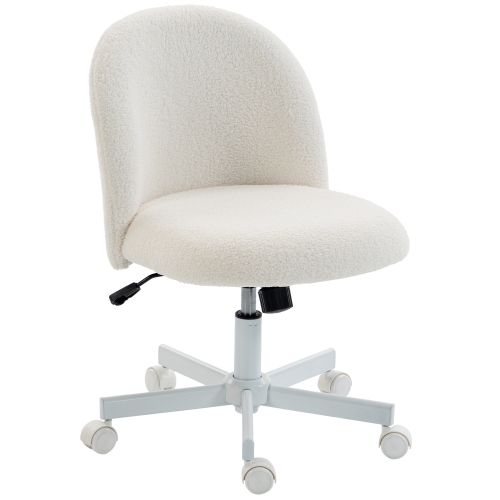


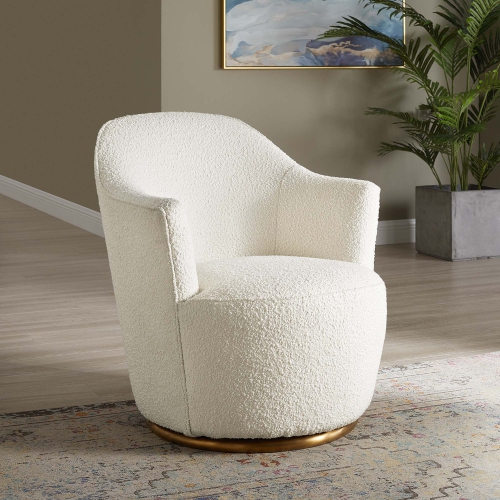

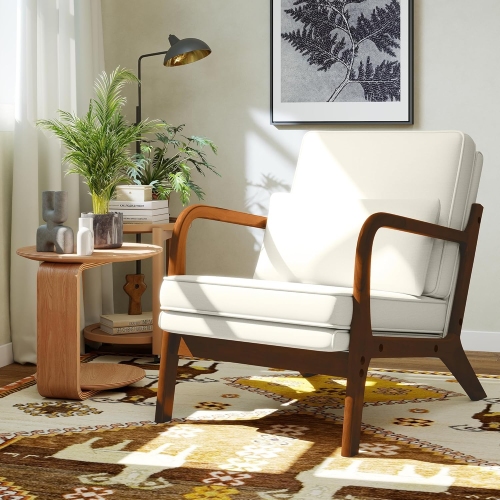
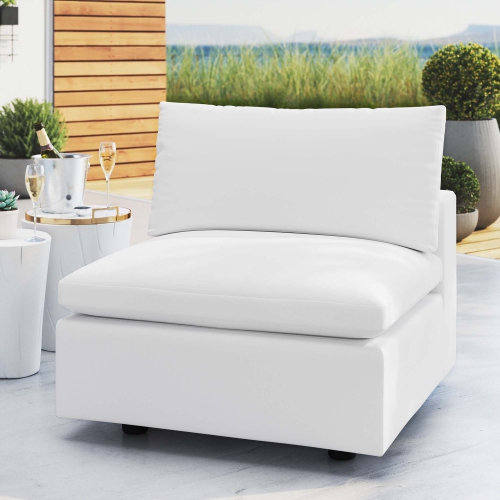
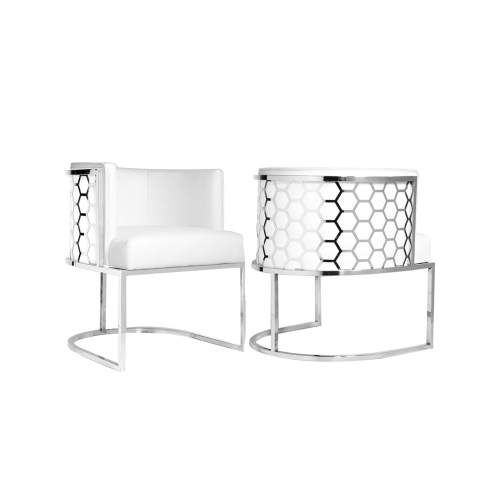







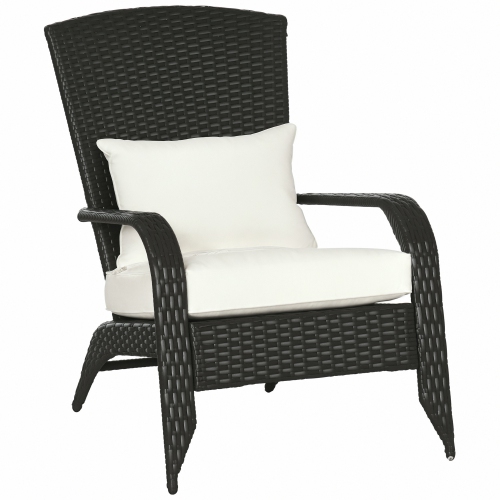
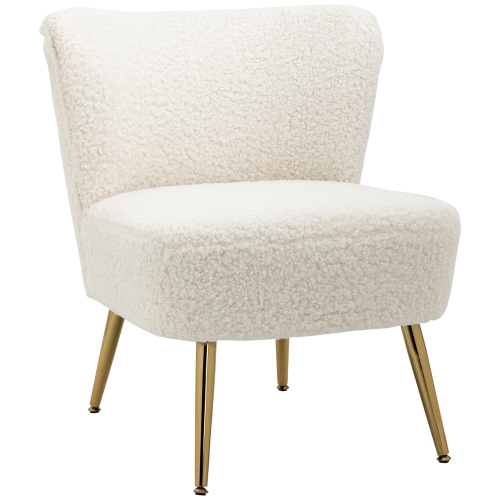

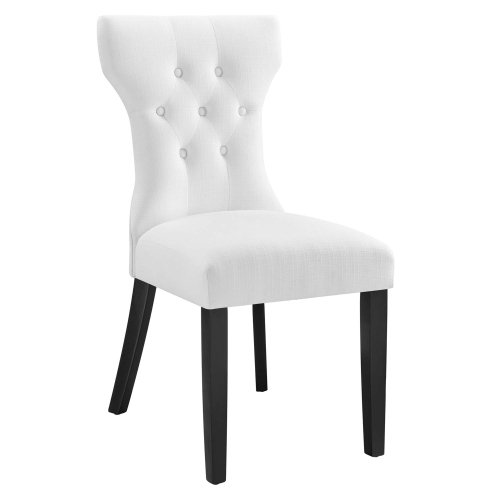

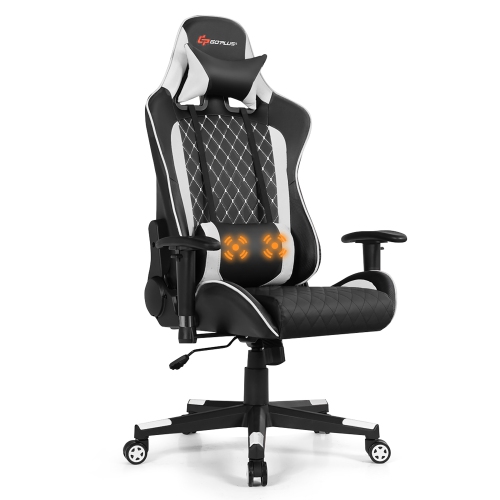
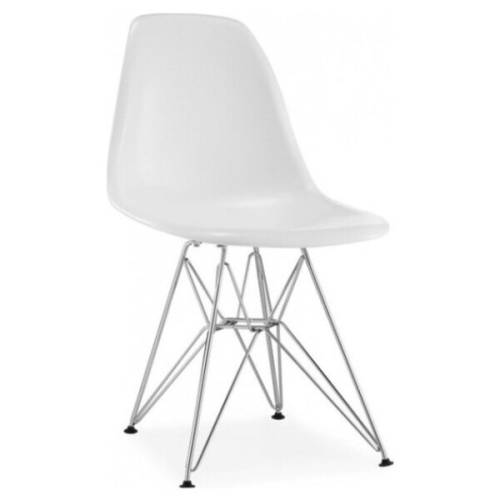


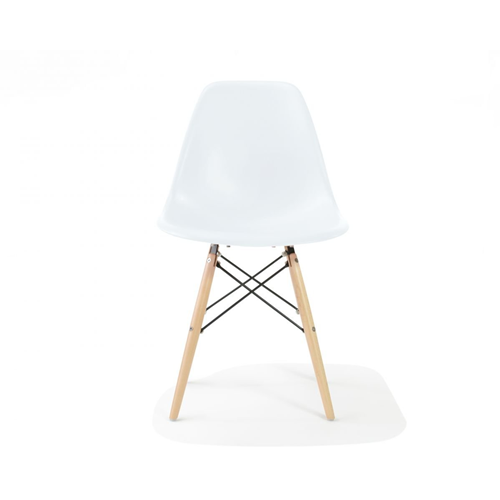
How white upholstery puts a chair’s shape in focus
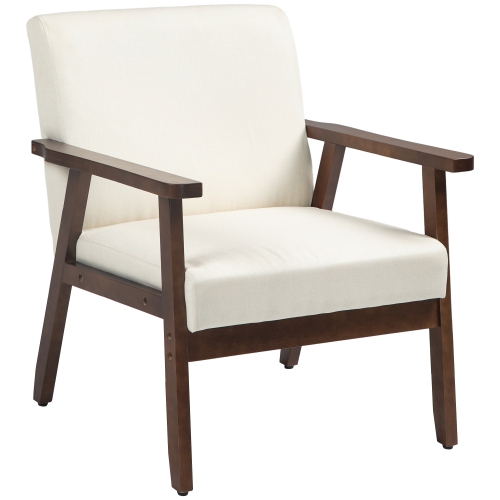
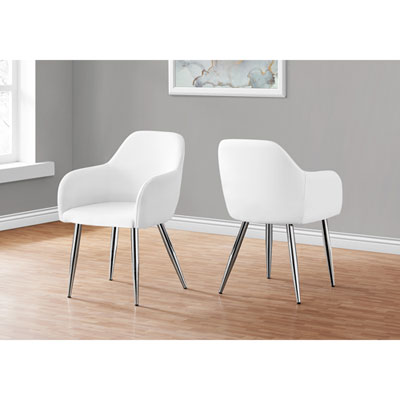
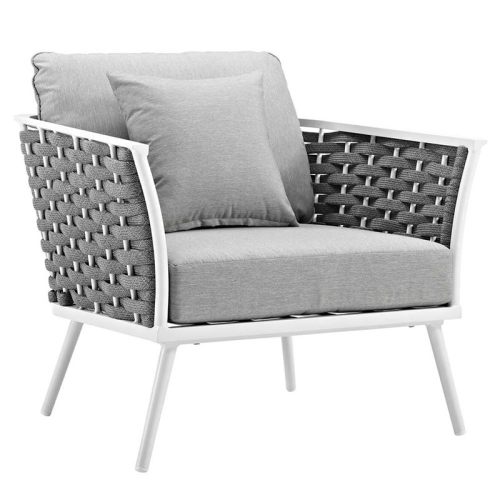
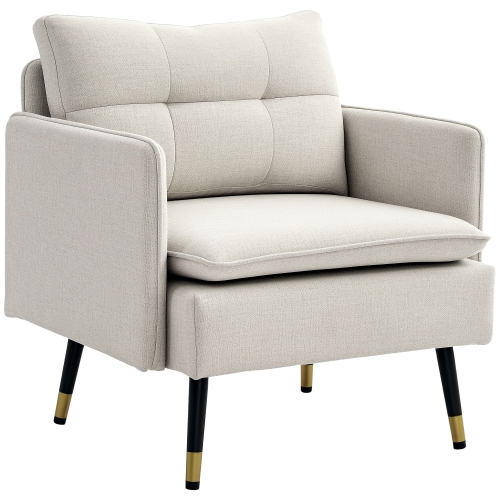
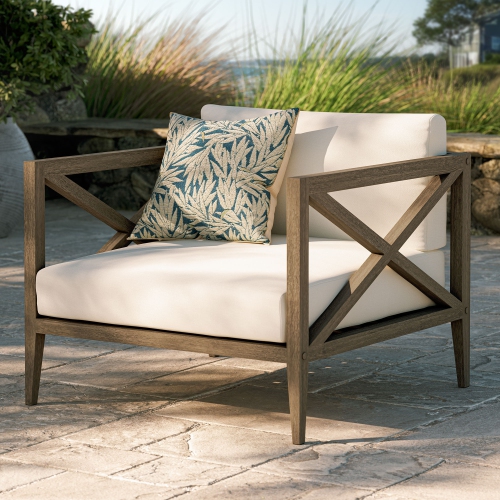
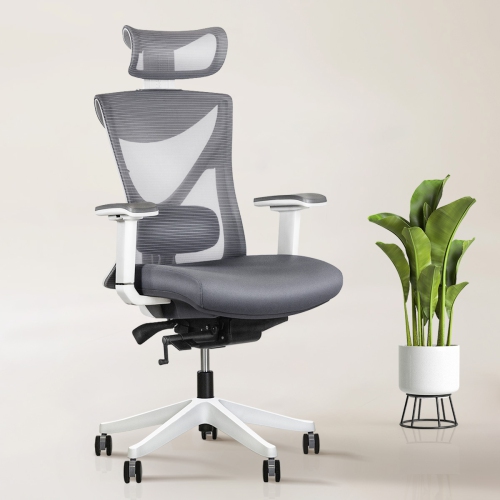
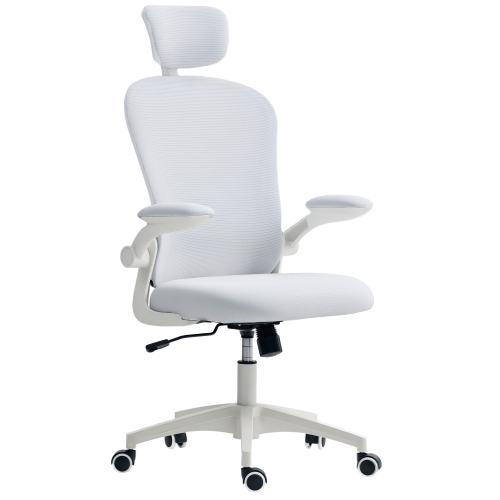
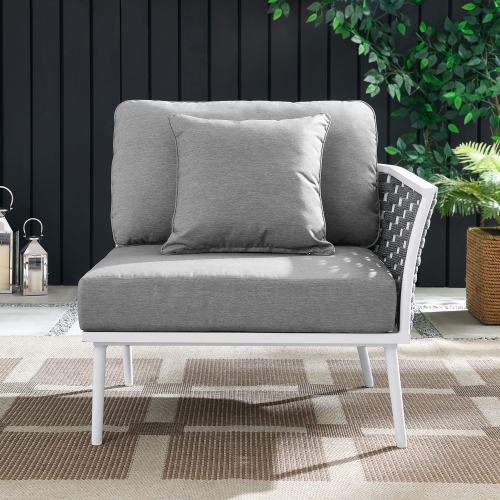
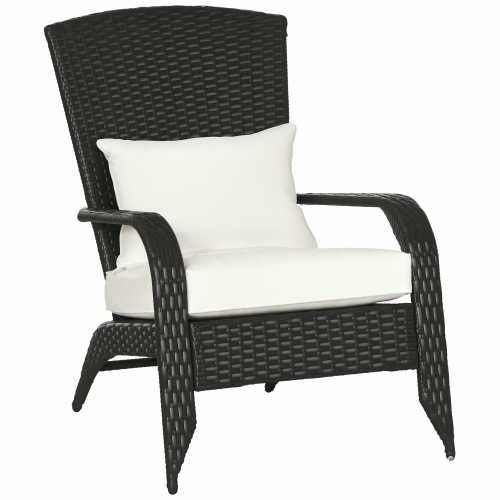
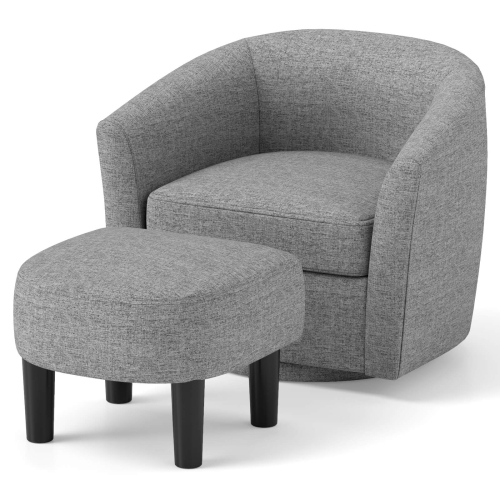
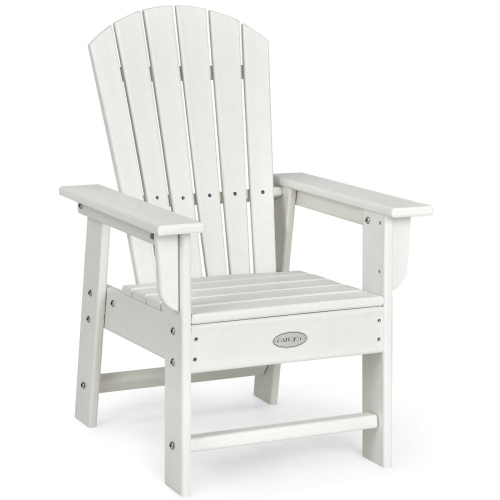
White arm chairs bring a bright, composed look to a room while providing a comfortable place to read, chat, or settle in beside a sofa. Their appeal lies partly in how easily they sit alongside other finishes: white upholstery can soften the contrast of dark wood, complement pale oak, or add definition against a painted wall. The colour also lets the shape of the chair stand out, whether that means a curved back, slim exposed arms, a deep cushioned seat, or a tailored silhouette with neatly finished seams. In a living room, a pair of arm chairs can create a conversation area without the visual weight of another sofa. A single chair can give a bedroom corner a practical purpose, especially with a small table and a reading lamp close by. White is not one uniform shade, though. Crisp white tends to look clean and graphic beside black metal or glass, while ivory and warm off-white often blend more gently with wood furniture and woven textiles. Lighting can change how those undertones appear, so upholstery samples, when offered, are useful for comparing a chair with existing curtains, rugs, and seating. Texture matters just as much as shade. A nubby fabric gives a rounded chair a relaxed feel, while a smooth covering makes a structured frame look more formal. Cushions and throws can introduce colour without obscuring the chair’s lines; a muted blue cushion creates a different effect from a rust-coloured throw or a charcoal lumbar pillow. For a contrasting approach to accent seating, red arm chairs bring a stronger colour presence to a similar layout. White seating is particularly useful when the surrounding room already includes patterned textiles, colourful artwork, or a statement rug, giving the eye a quieter place to rest without making the space feel bare.
Comfort and fit depend on more than a chair’s overall width. Seat depth, seat height, back angle, and arm placement all affect how it feels during everyday use. A deep seat may suit someone who likes to curl up with a book, but a shallower seat can make it easier to sit with feet resting on the floor and the back supported. A lower, reclined shape encourages lounging, whereas a more upright back and firmer cushion may feel better for conversation or shorter periods of seated activity. Armrests should provide a natural resting position rather than push the shoulders upward; their width also influences how much usable seating space fits within the chair’s footprint. For someone who finds low seating difficult, a higher seat, stable frame, and supportive arms may make sitting down and standing up more manageable, although individual needs vary. Dimensions deserve particular attention in condos, bedrooms, and shared living areas. Measure the intended spot as well as doorways, hallways, and any tight turns along the delivery route. Leave room to walk past the chair, open nearby drawers, and reach an adjacent table without twisting awkwardly. A swivel base can make it easier to turn between a conversation area and a window, but it needs clearance around the chair to move freely. Reclining designs need additional space in the positions specified by the manufacturer, not just when upright. Consider the balance between a chair and the furniture around it, too: a broad, heavily padded shape can overwhelm a narrow side table, while a compact chair may look out of proportion beside an oversized sofa. For a reading corner, a supportive back and a lamp positioned to illuminate the page are useful companions. In a guest bedroom, an arm chair can offer a welcoming place to sit while getting ready, provided it leaves a clear path around the bed.
Materials and construction help determine how white arm chairs hold up to regular use and how much attention they need. Woven upholstery offers a wide range of textures, but fibre content, weave density, and the manufacturer’s care directions matter more than appearance alone. Tightly woven fabrics may be easier to keep free of crumbs and pet hair than deeply textured surfaces, while looped fabrics can catch claws or jewellery. Leather has its own grain and character and requires care suited to its finish; faux leather may offer a smooth, wipeable surface, but its cleaning requirements and resistance to wear vary. Neither covering should be treated as universally stain-proof. In homes with children, pets, or frequent visitors, removable covers and clearly stated cleaning instructions can be practical features, though a removable cover is not necessarily machine washable. White upholstery makes some marks more noticeable, including spills and dye transfer from dark clothing, so prompt attention helps keep the surface looking its best. Blot spills rather than rubbing them into the covering, follow the specified cleaning method, and test any permitted cleaner on a hidden area first. Regular gentle vacuuming with an appropriate upholstery attachment can lift dust from seams and cushion edges. Where the design allows, rotating or turning cushions can help distribute wear; fixed cushions should be maintained according to their care instructions. Frame stability, secure joints, cushion resilience, and the quality of the seat support all contribute to durability. Foam tends to provide a more defined shape, while fibre-filled cushions can feel softer and may need more frequent plumping. Exposed wood or metal legs should sit evenly, and floor protectors suited to the flooring can help prevent scuffs when a chair is moved. For shared spaces, check the stated weight capacity and intended use rather than judging strength by size alone. An arm chair can also be a thoughtful housewarming gift, but confirming the recipient’s preferred dimensions, upholstery, and room layout beforehand makes it far more likely to become a seat they use every day.
Top selling and popular products
-
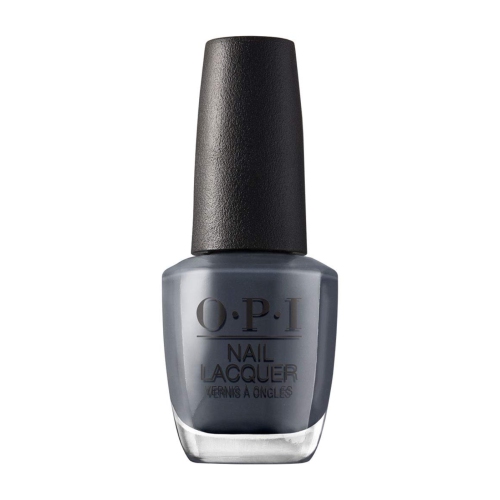 Your price for this item is $13.3
-
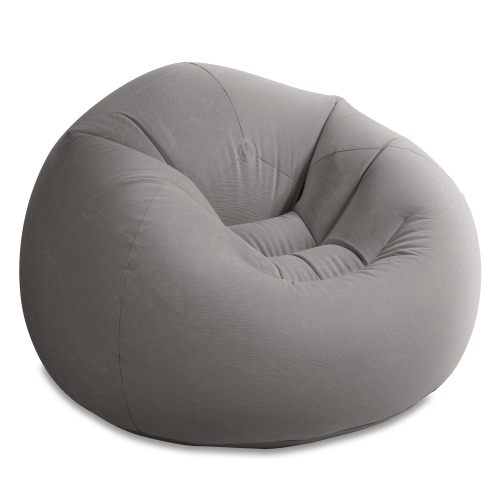 Your price for this item is $102.99
-
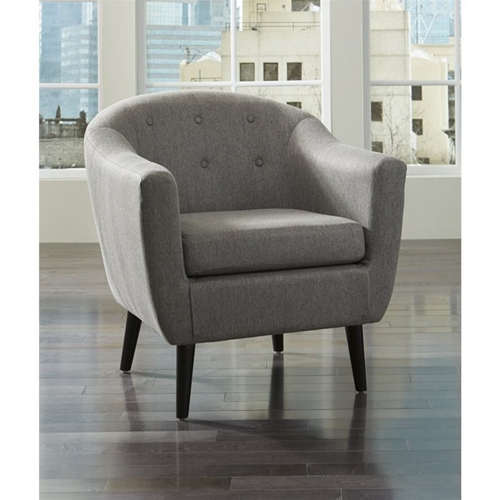 Your price for this item is $544.85
-
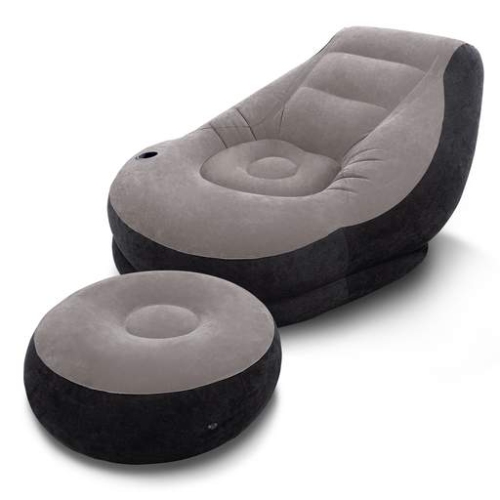 Your price for this item is $274.99
-
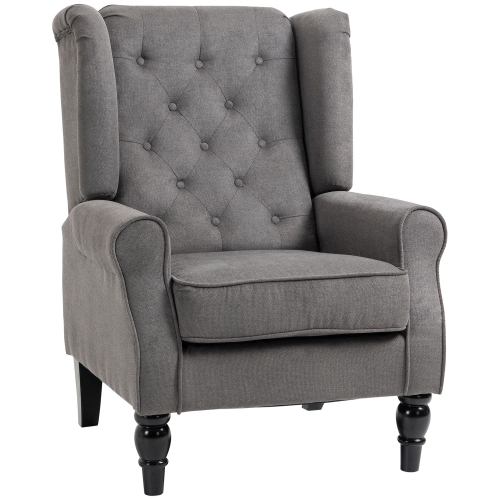 Your price for this item is $234.99
-
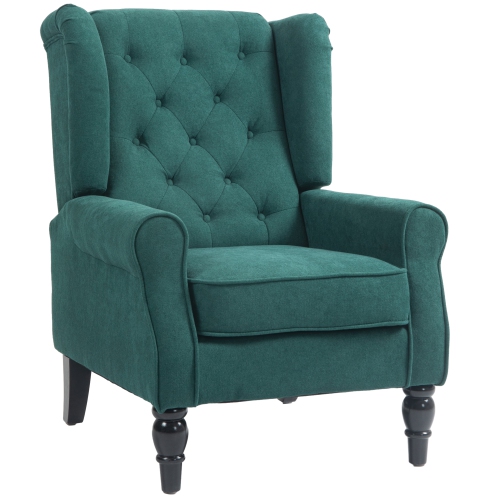 Your price for this item is $247.19
-
 Your price for this item is $289.99
-
 Your price for this item is $167.99
Discover more categories related to White Arm Chairs

Top Collections:
Pokemon Centers, Best Cameras for Sports Photography, Kindle Devices, Samsung Galaxy Phones, Canon G7X Cameras, Pokémon 30th Celebration Cards, Refurbished Apple Laptops, iPhone 15 Apple, Laptops for Students, Budget Smartphones
Some products may be subject to Environmental Handling Fees
(EHF) depending on your province.
Learn more about EHFs.