Gaming And Homework Desks

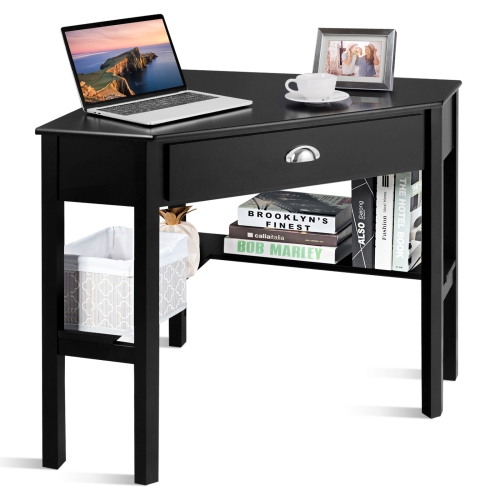
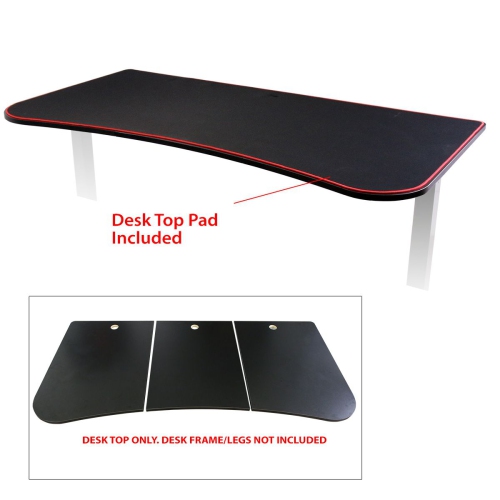
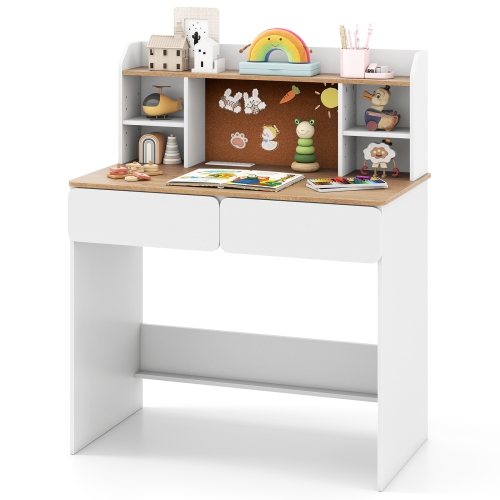
Find gaming and homework desks for a setup that works for both play and study. Compare desk dimensions and work surface space with your room size, computer setup, and schoolwork needs in mind. Consider the fit with your chair, too, allowing enough legroom to sit and move comfortably.

Sort

Room for schoolwork alongside your gaming setup

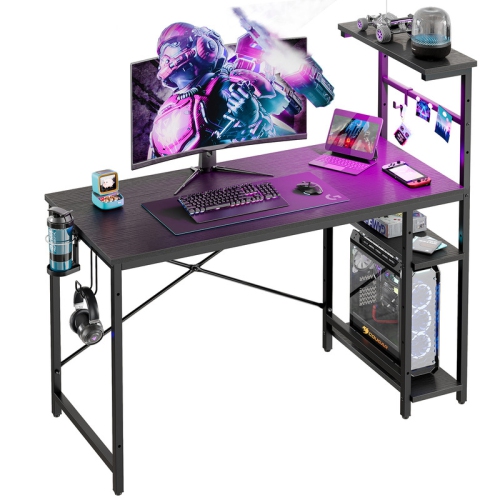
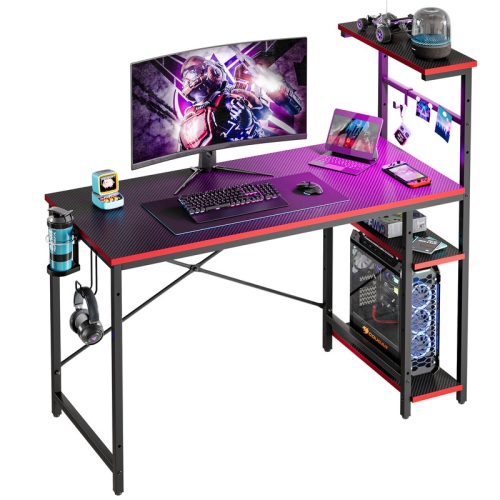
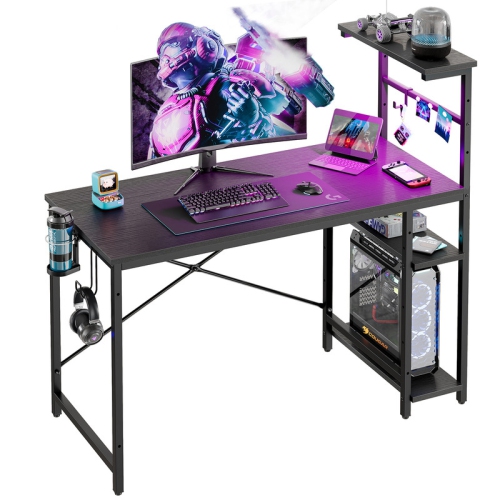
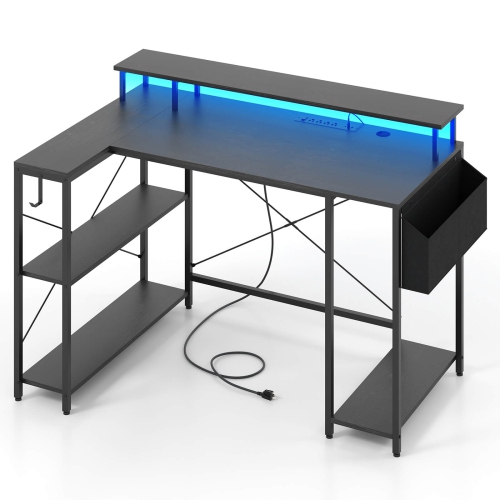
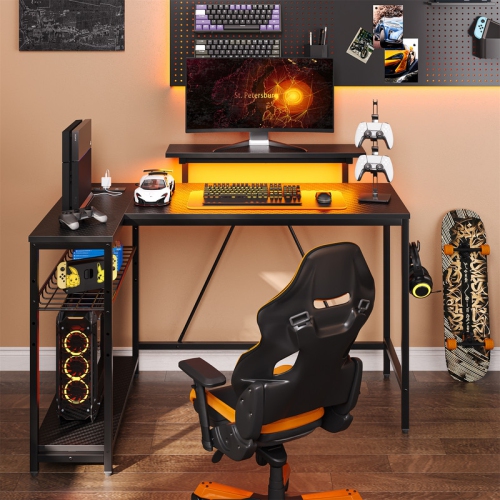
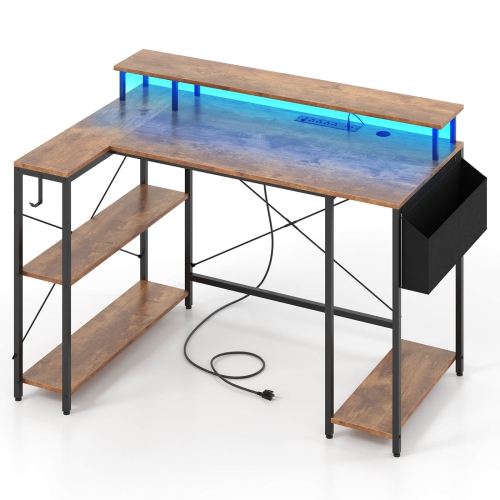
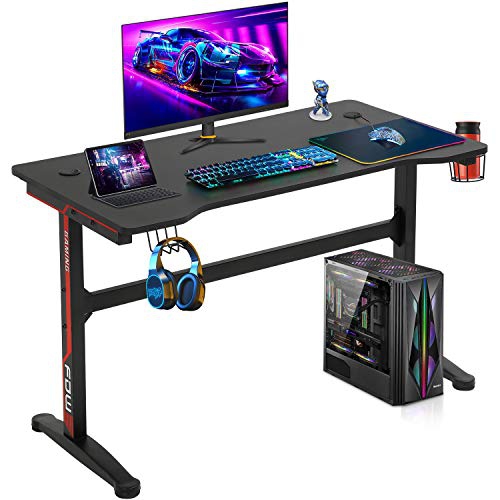
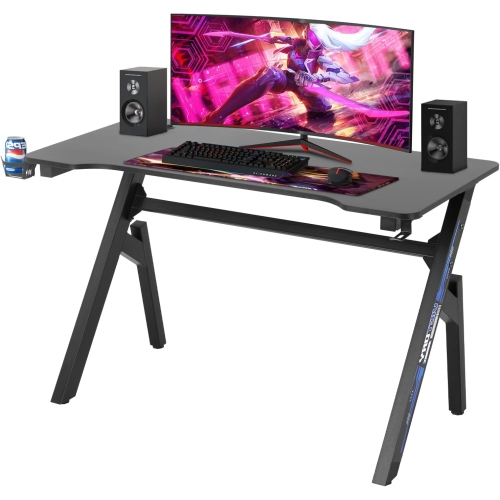
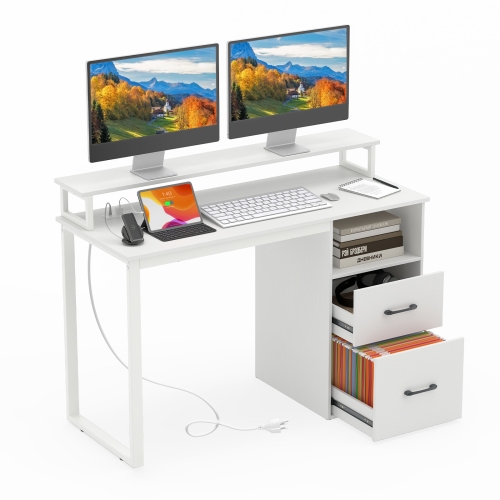
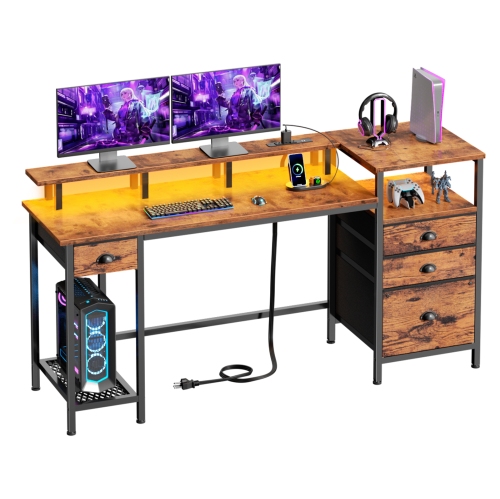
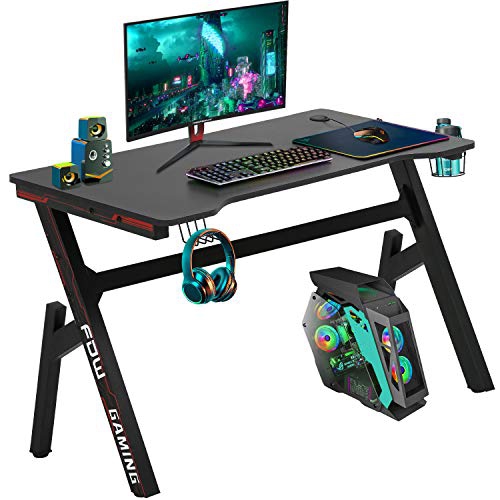
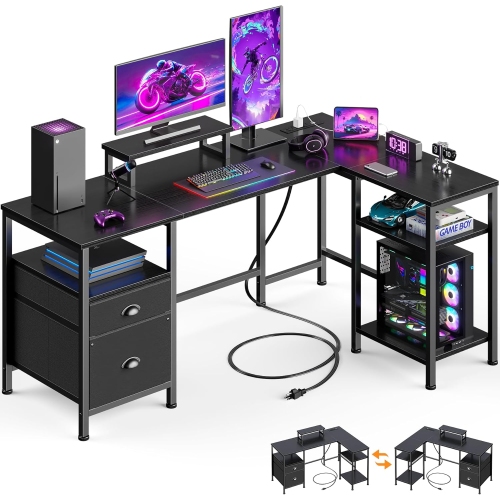
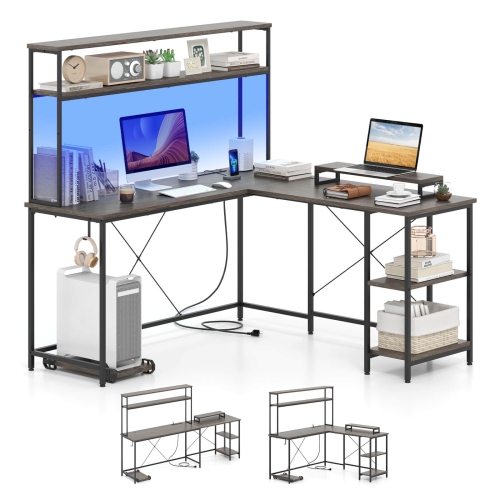
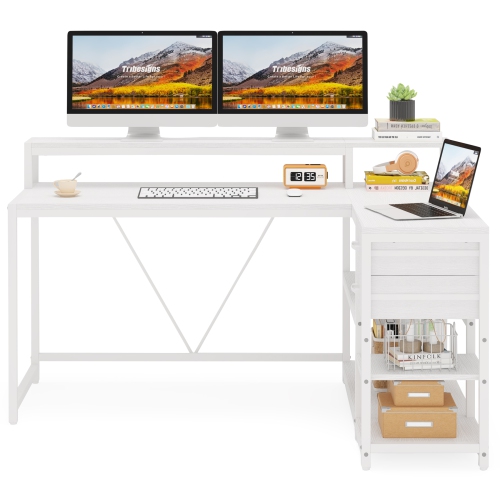
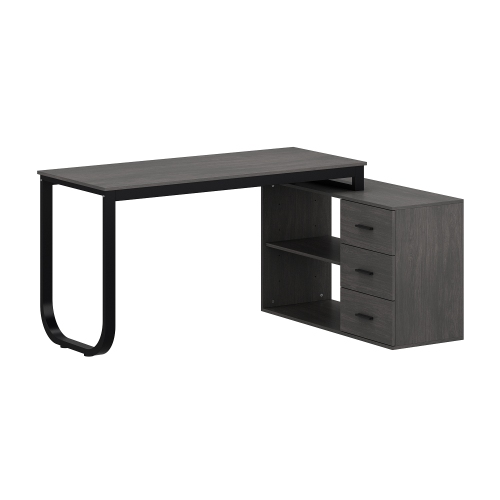
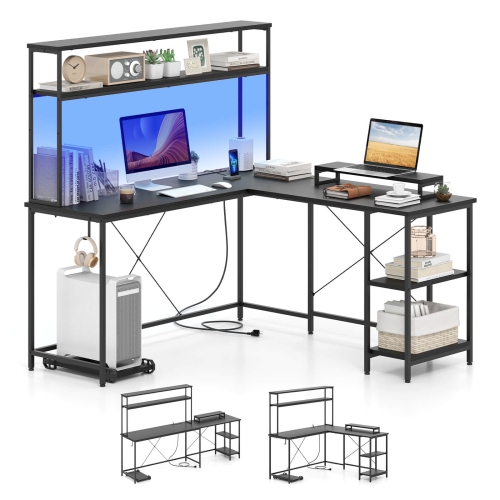
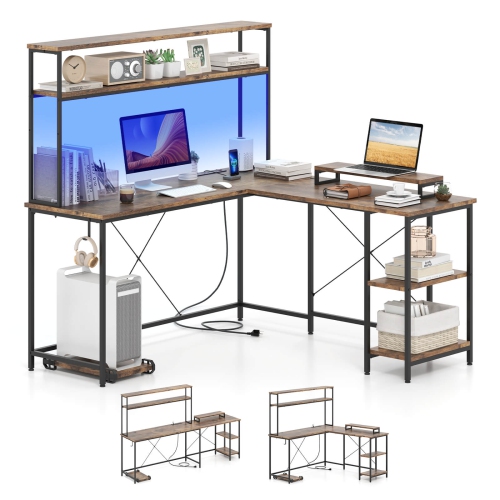
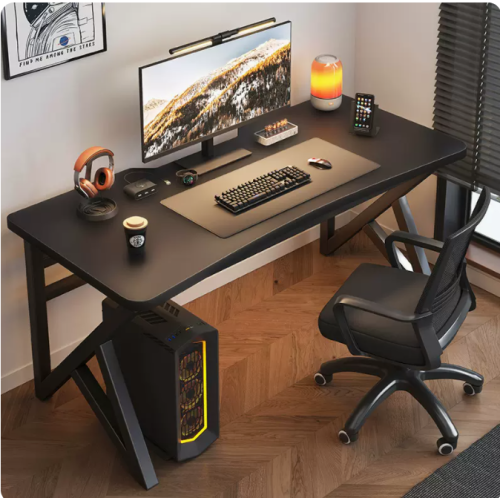
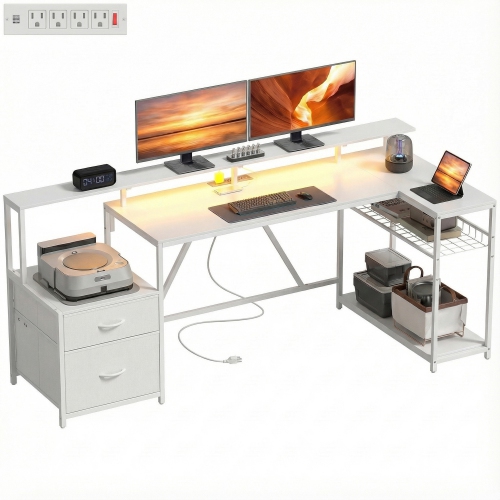
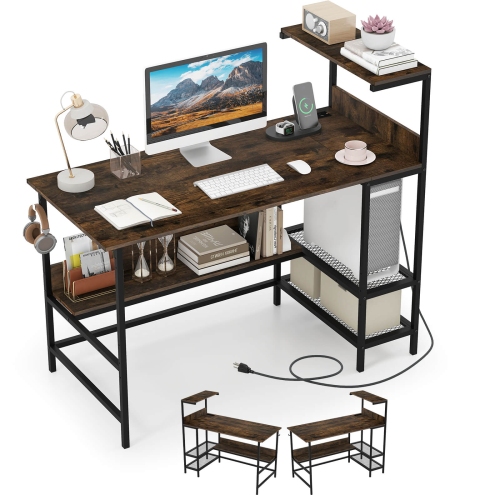
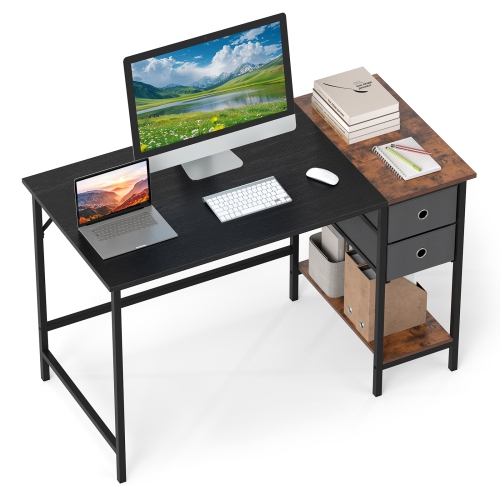
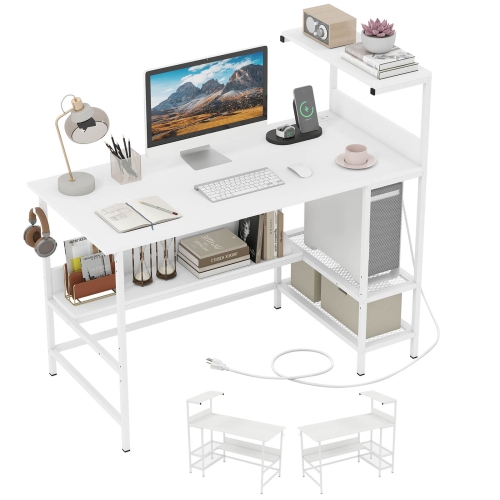
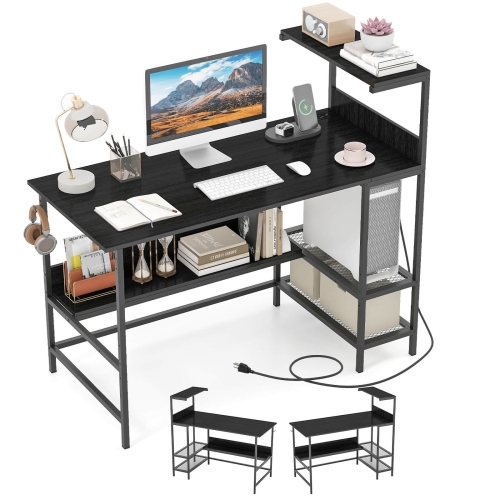
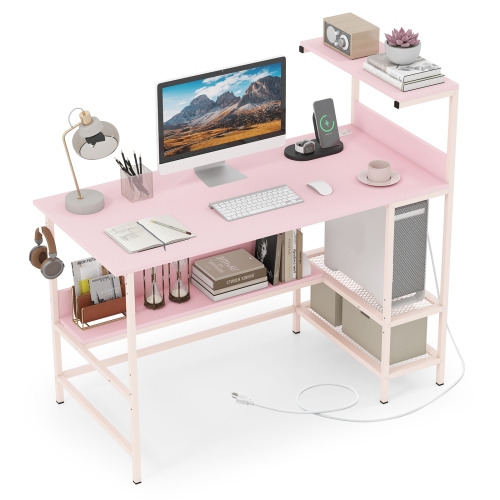
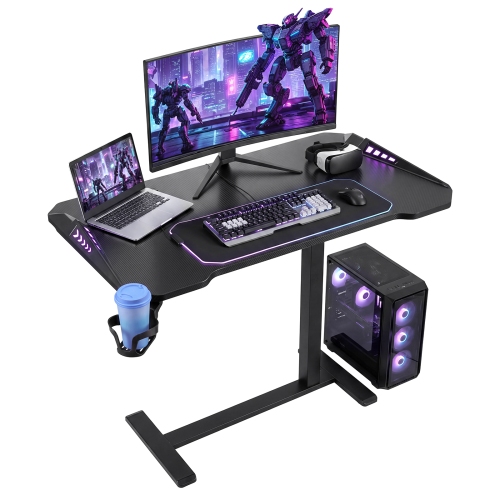
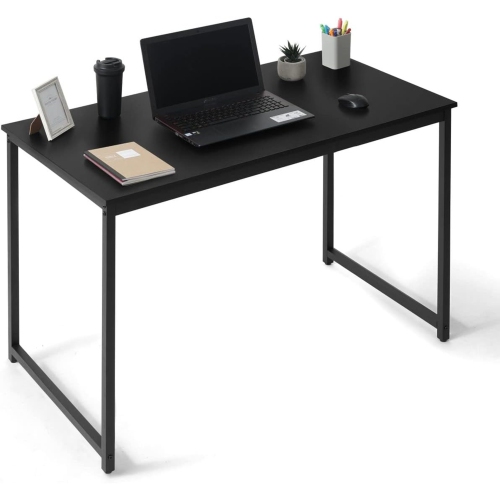
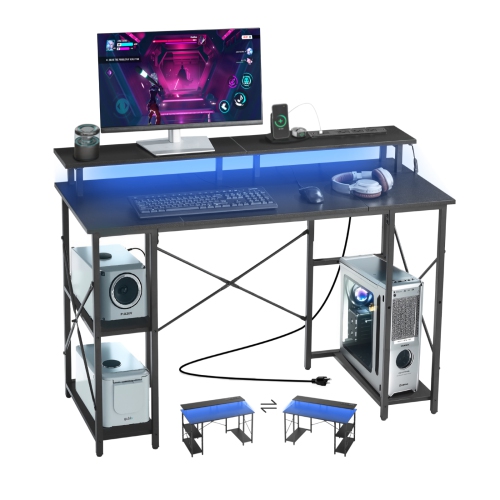
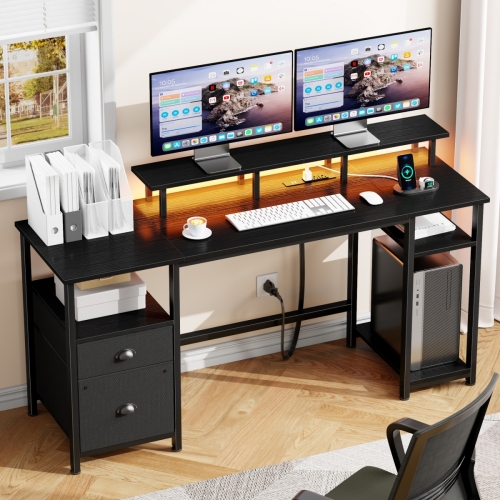
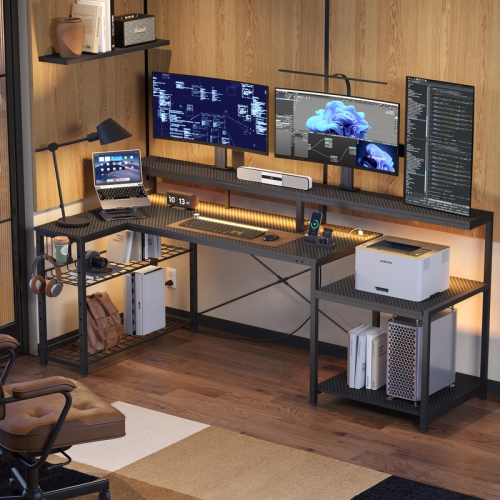
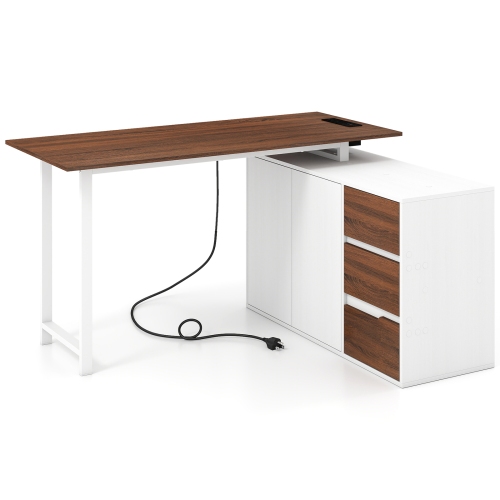
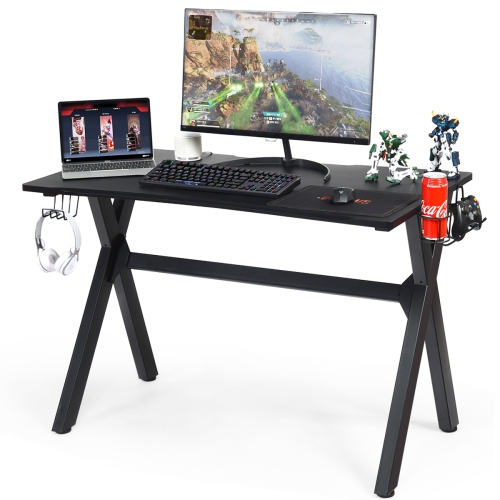
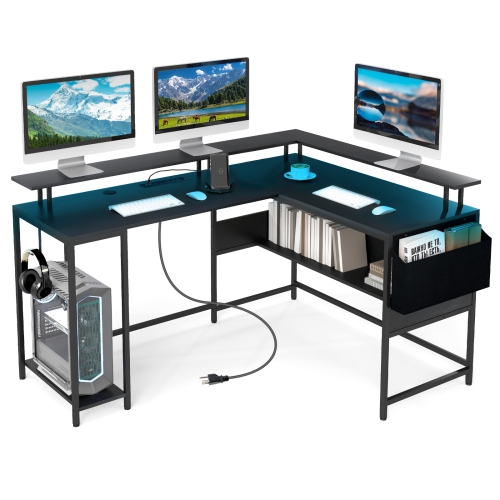
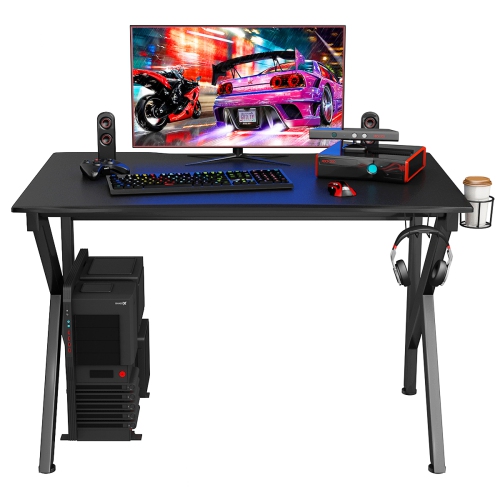
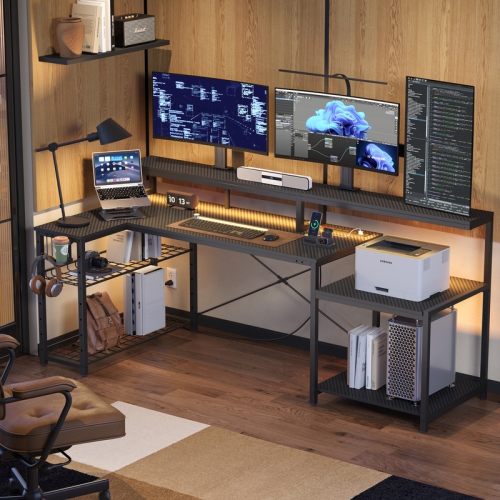
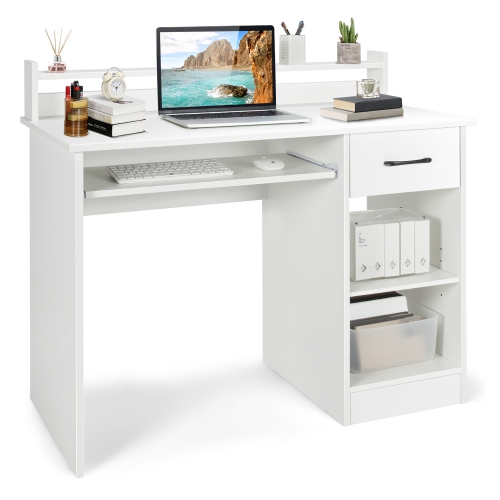
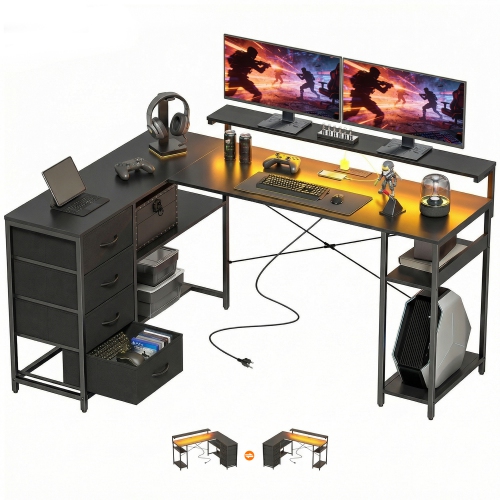
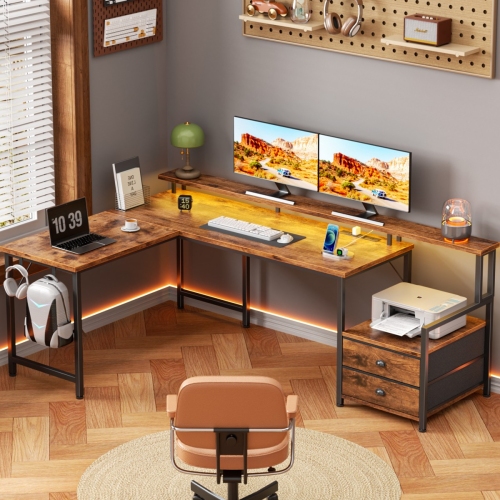
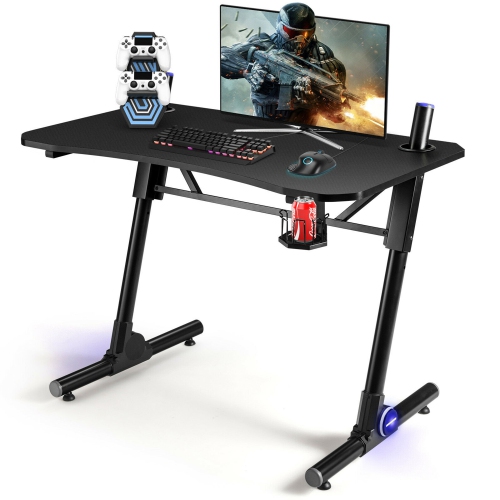
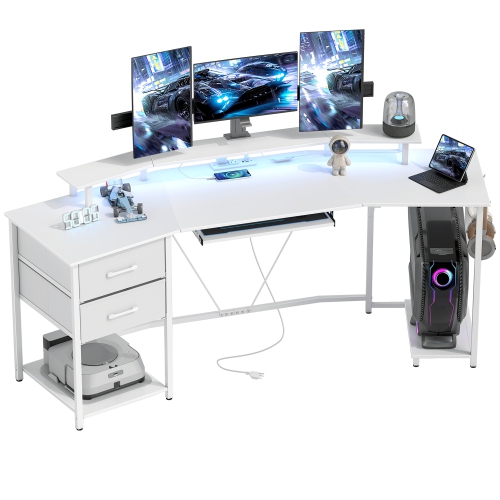
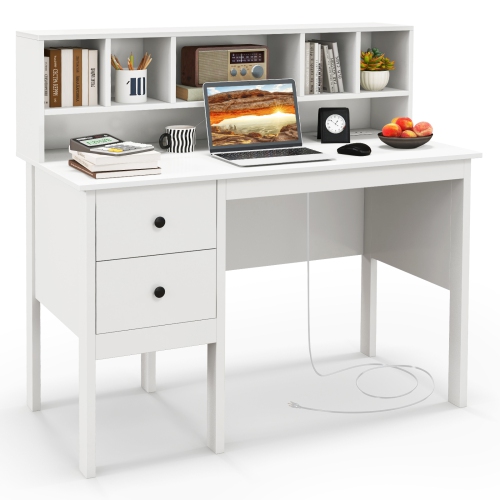
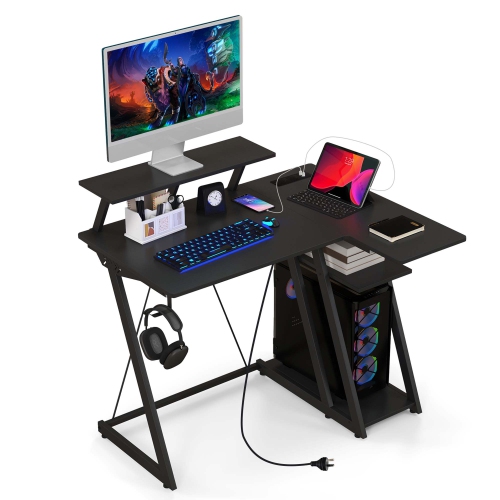
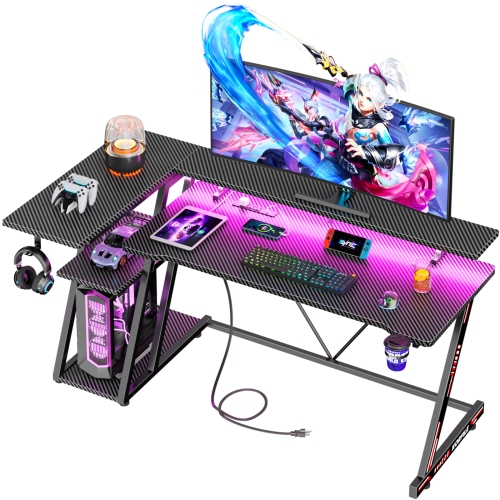
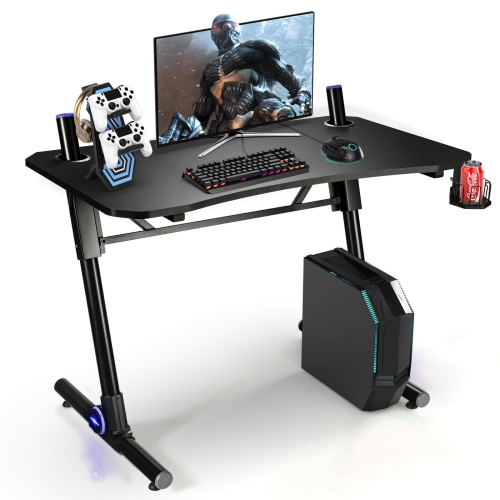
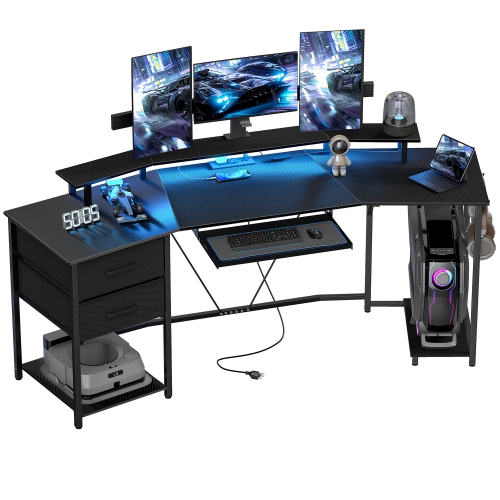
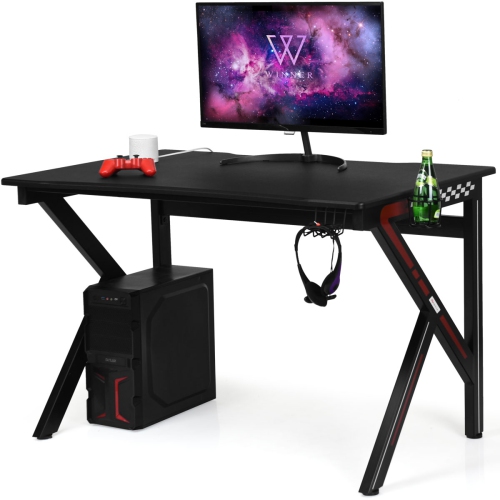
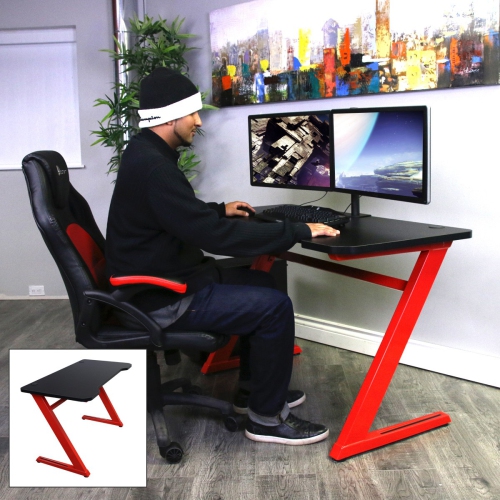
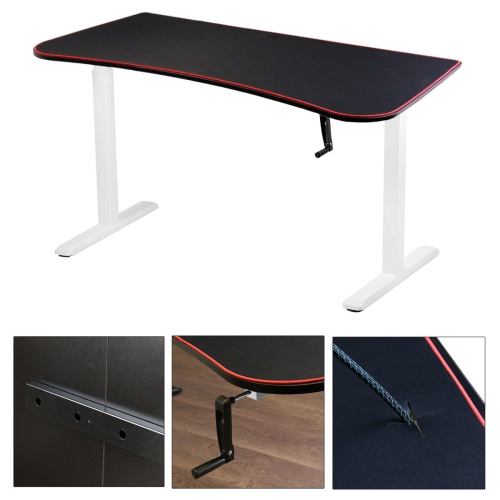
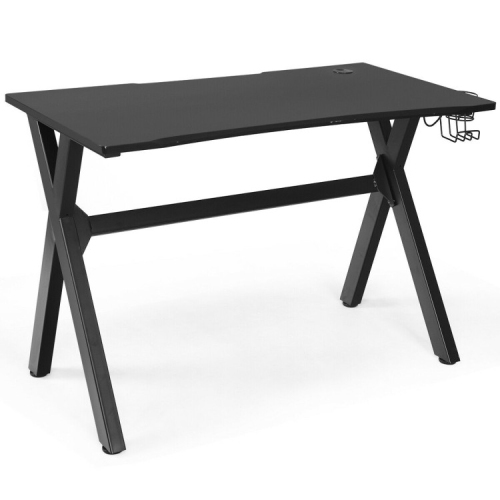
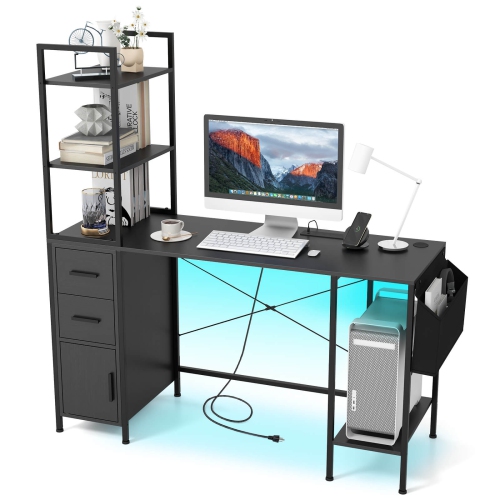
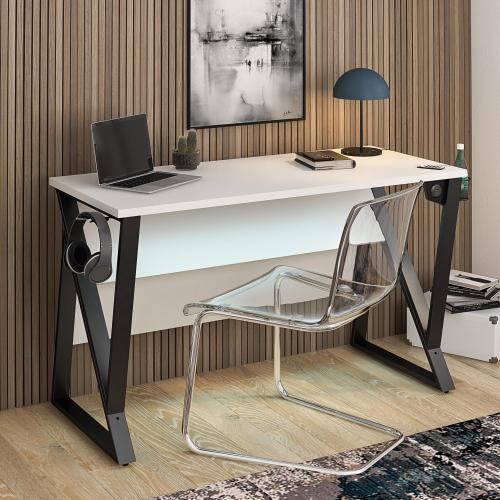
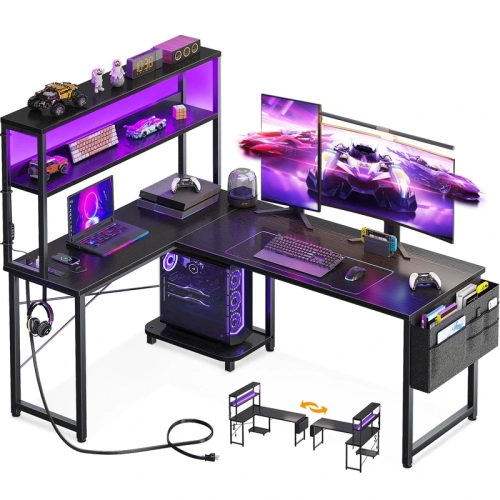
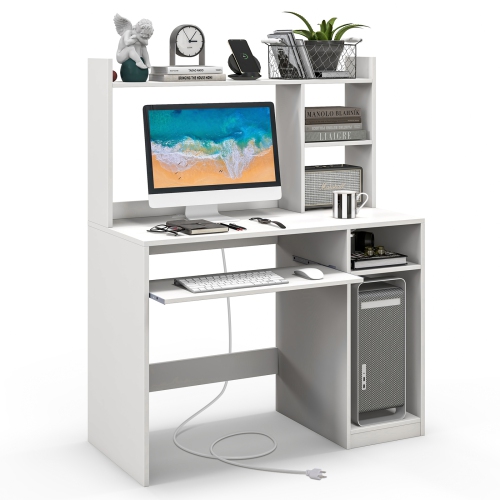
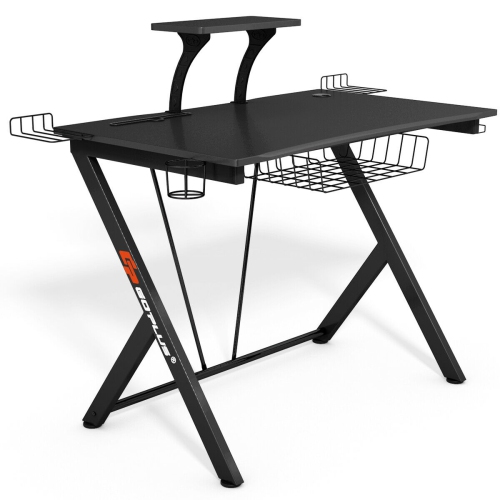
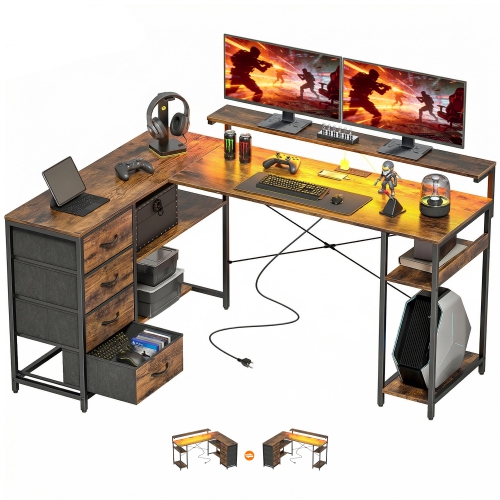
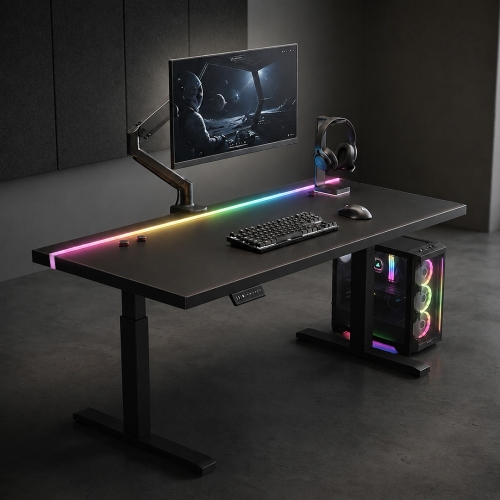
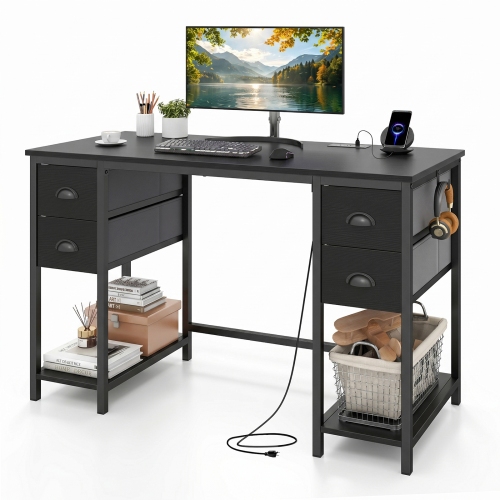
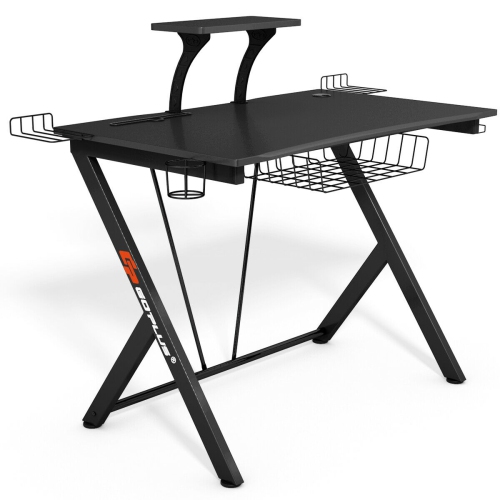
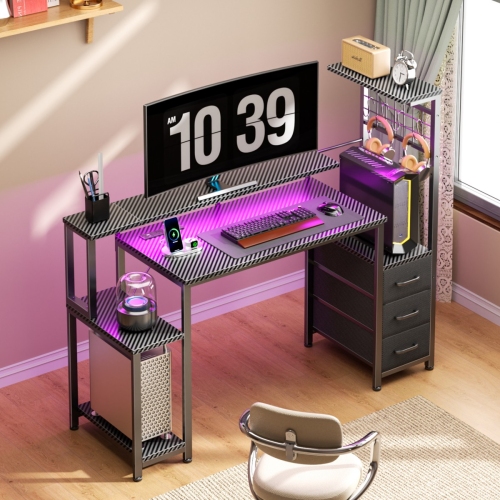
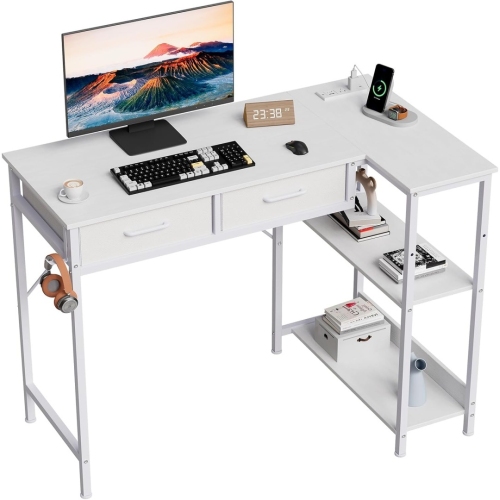
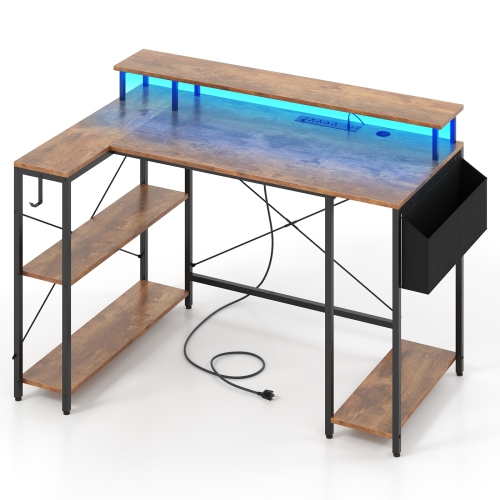
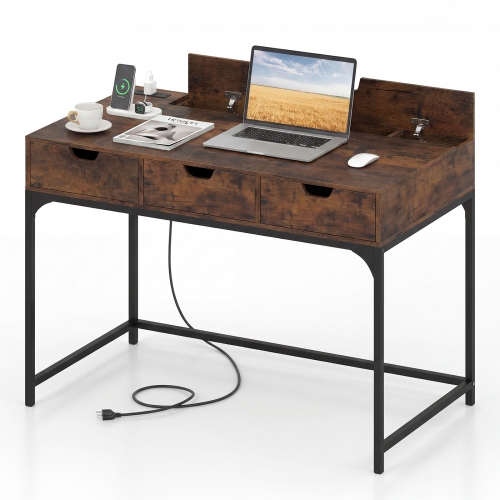
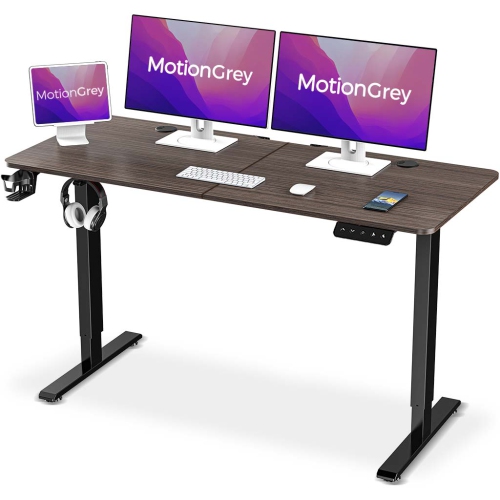
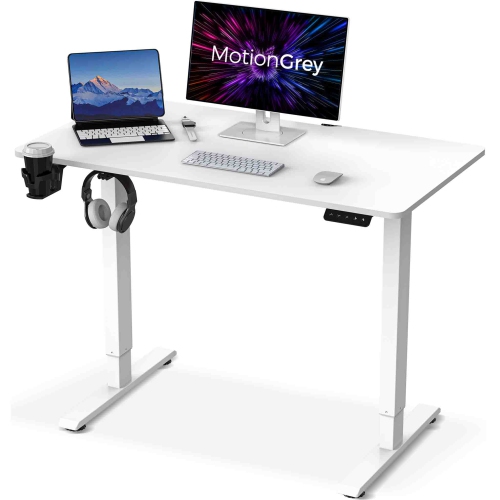
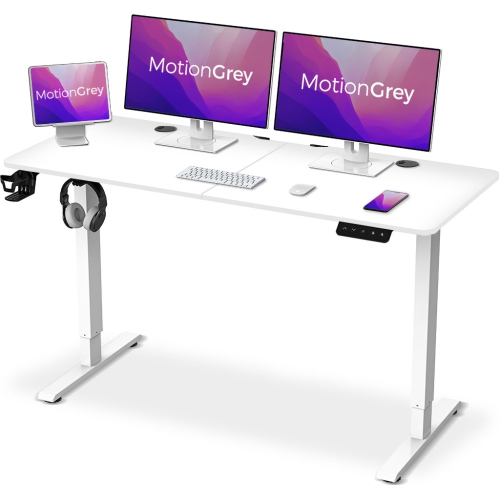
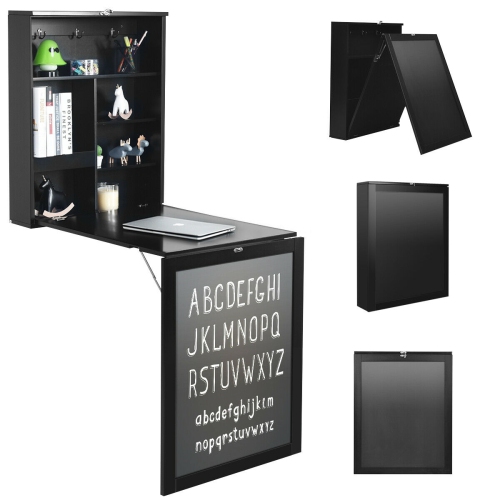
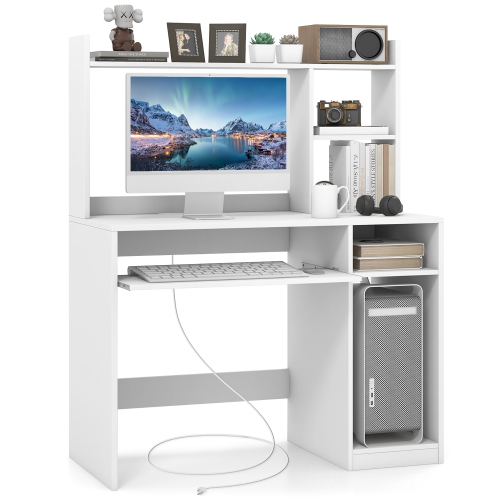
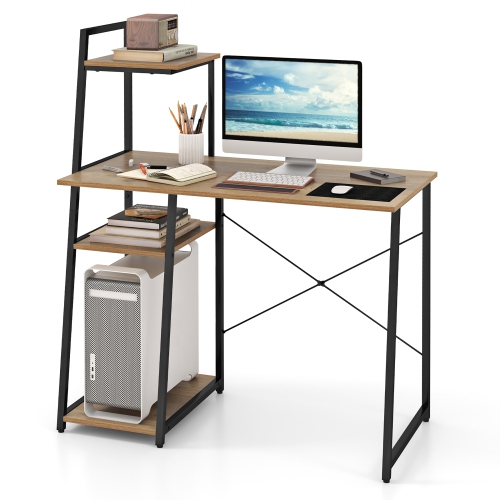
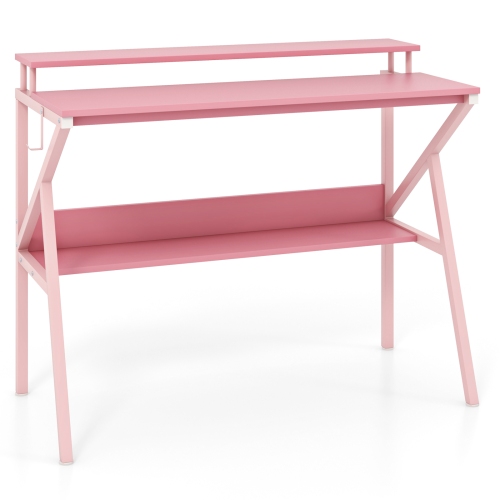
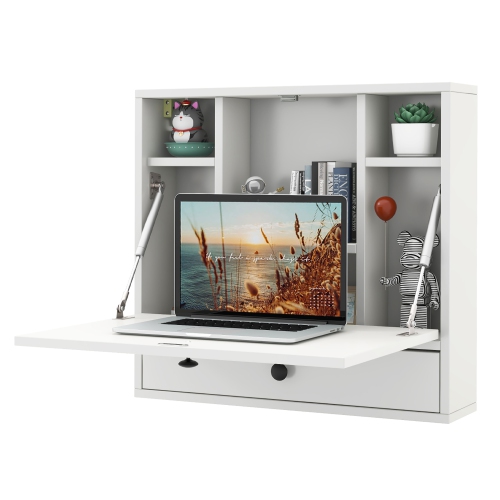
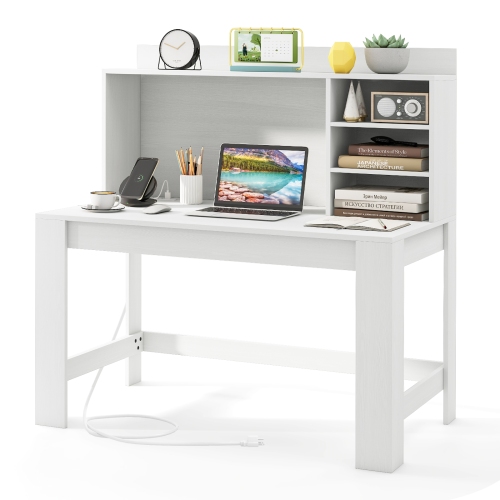
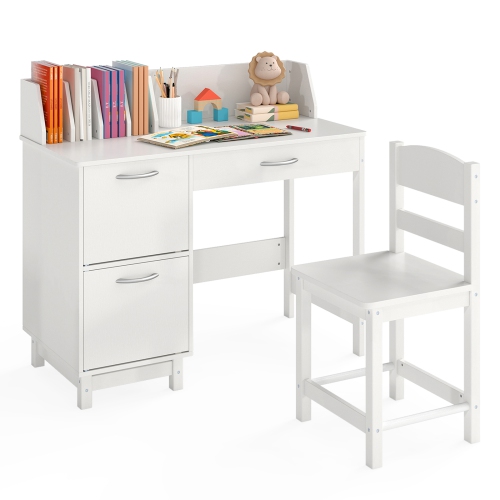
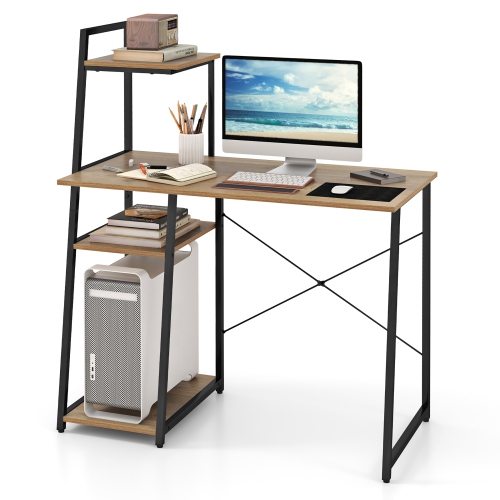
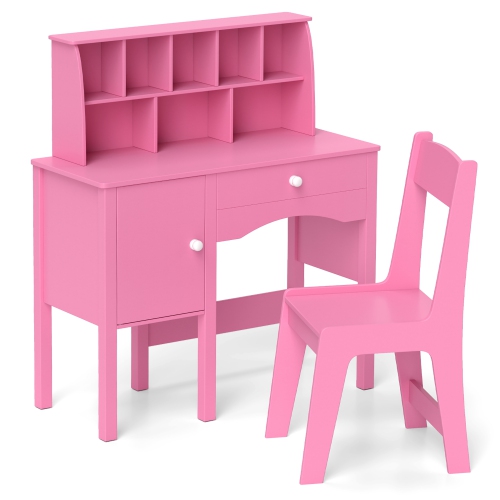
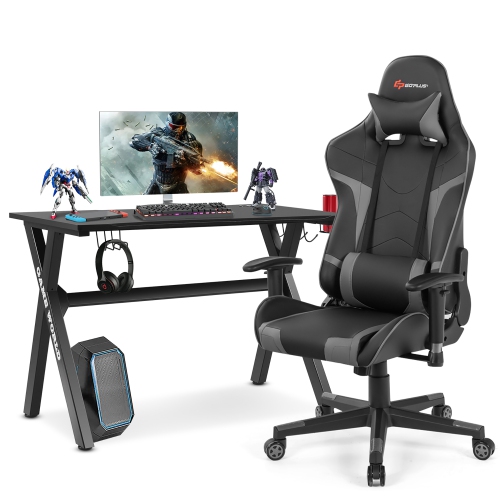
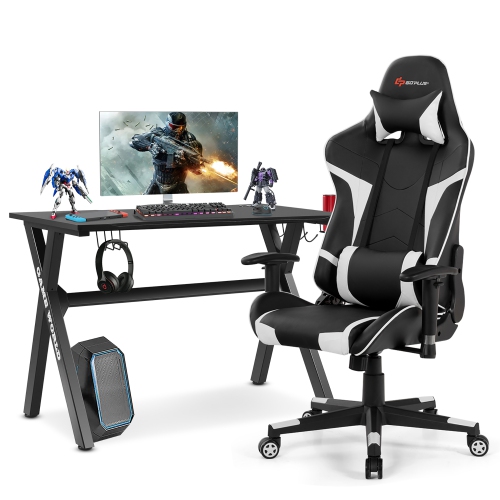
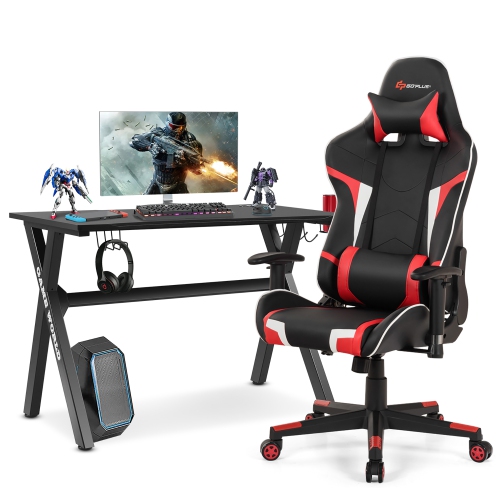
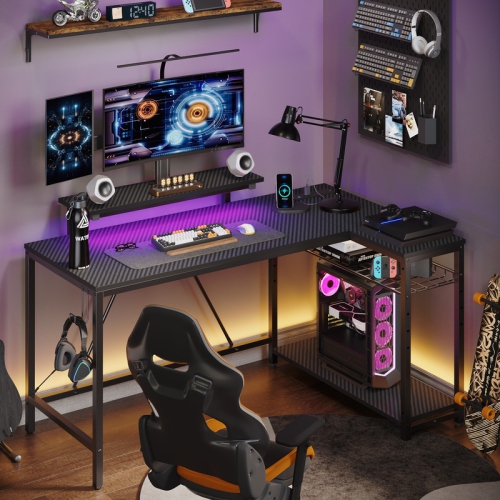
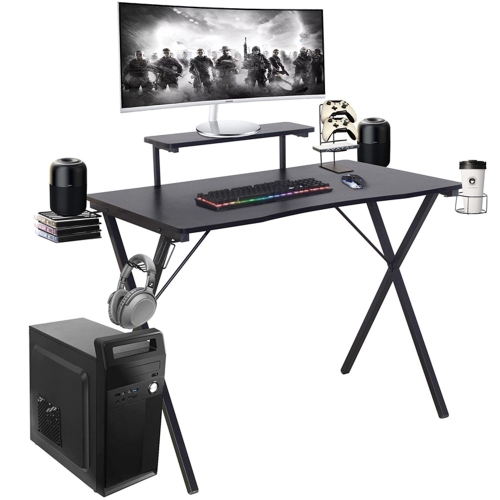
Gaming and homework desks combine a computer workstation with usable space for reading, writing, and school projects. Their appeal is straightforward: the same desk can support an online match, a research assignment, and a notebook without requiring a separate setup for each activity. Depending on the design, features such as built-in power outlets, elevated monitor stands, cable management, and integrated storage help keep equipment connected and everyday supplies organized. A generous desktop matters as much as a gaming-inspired appearance. A keyboard and mouse need room to move, while an open textbook, calculator, and writing pad need a clear area that does not disappear beneath accessories. For students who switch between handwritten work and screen-based assignments, enough depth to position a display behind an open binder makes the space more practical. A monitor shelf can free up the main work surface, although its height and dimensions should suit the display and the person using it. Drawers, cubbies, and shelves give stationery, controllers, and charging cables a place between sessions. Headset hooks and cup holders can also keep frequently used accessories off the desktop, provided they do not interfere with chair movement or walking space. Built-in lighting adds visual character to some designs, while understated finishes suit bedrooms, shared family rooms, and multipurpose study areas. Neither approach determines how well a desk works for homework; layout, stability, and accessible storage have a greater effect on daily use. A useful dual-purpose setup leaves room to change activities without unplugging half the equipment or moving a stack of books to the floor. For a student who joins a group project after playing with friends, that might mean parking a controller on a shelf, sliding the keyboard back, and opening a workbook in the centre of the desk. Keeping that transition simple helps the furniture serve both purposes rather than favouring one at the expense of the other.

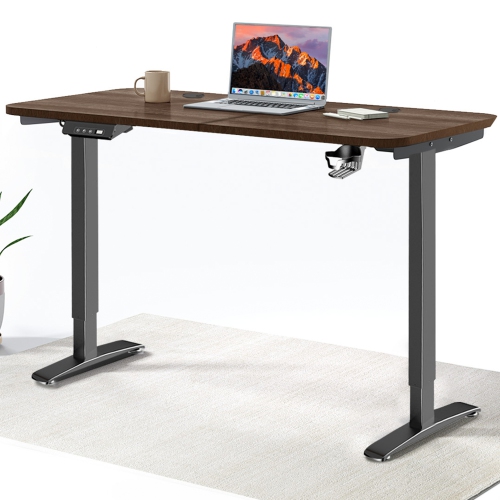
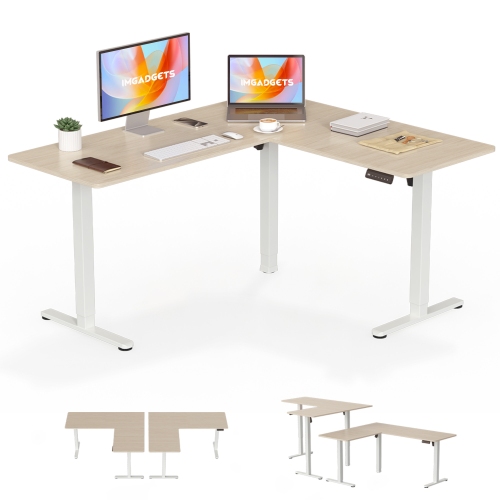
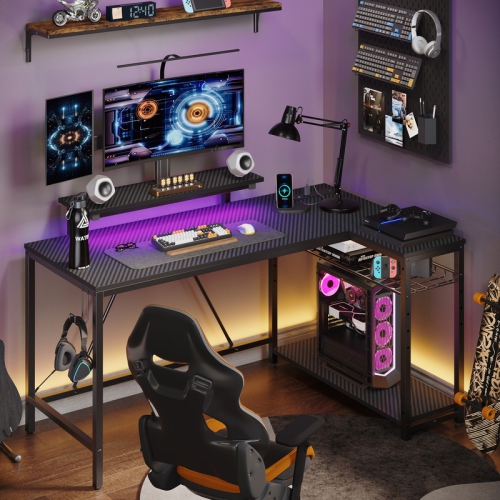
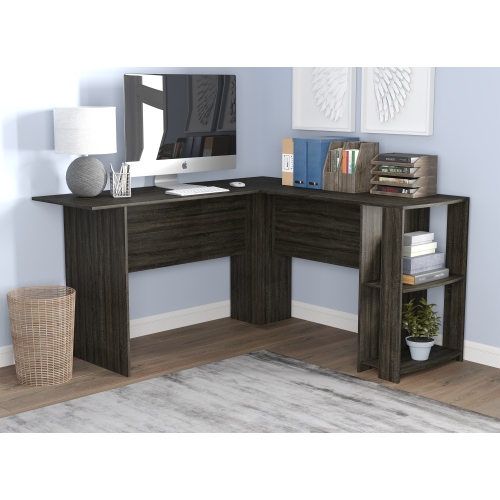
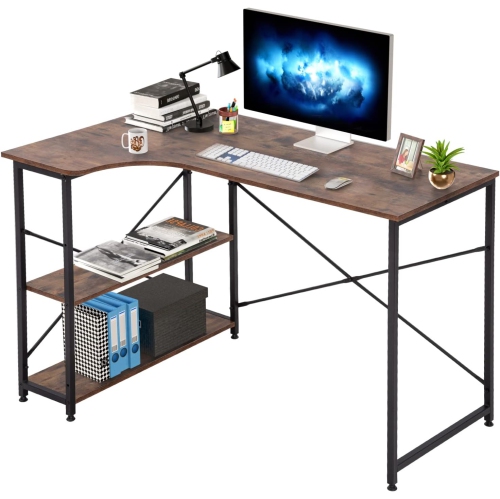
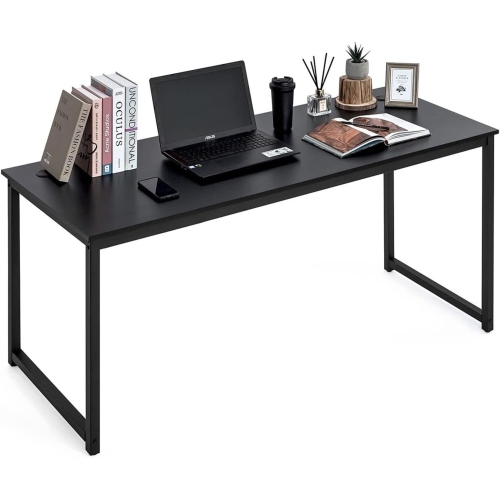
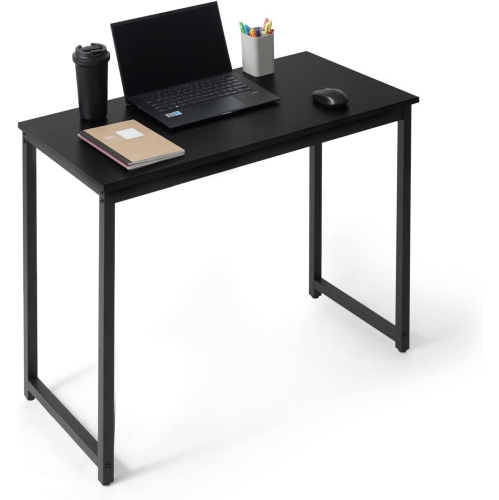
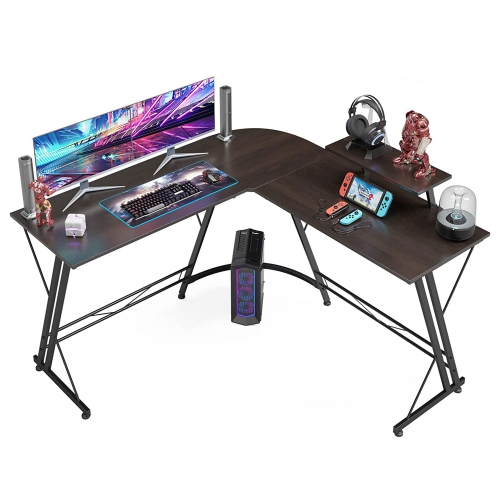
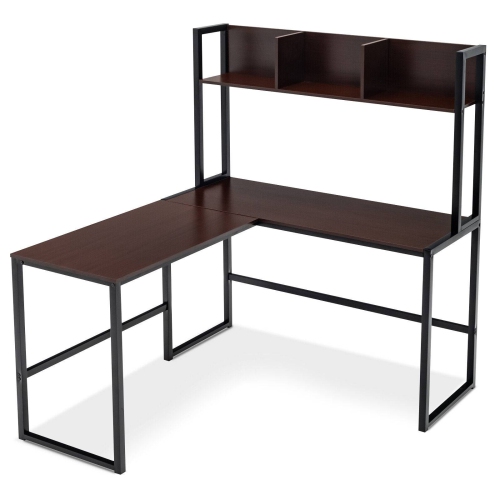
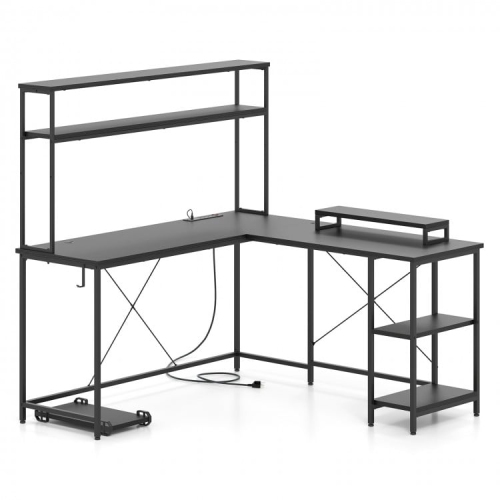
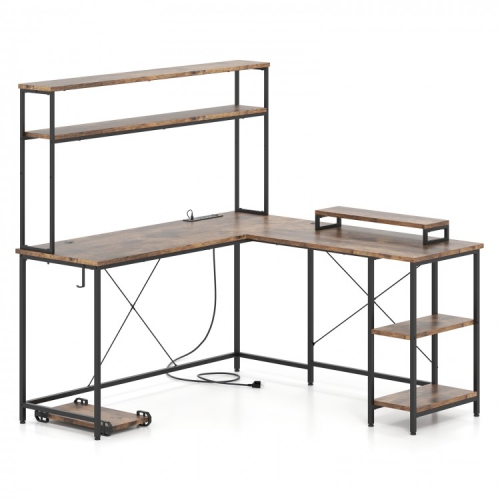
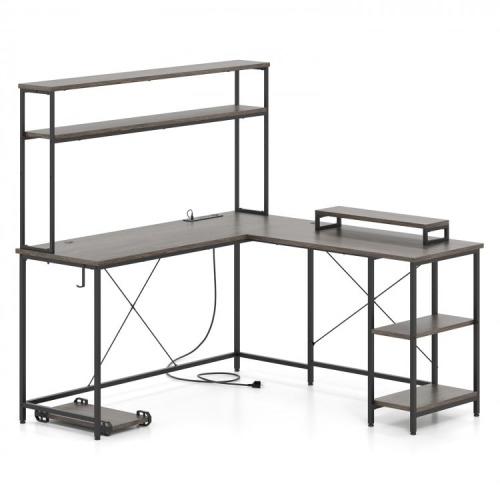
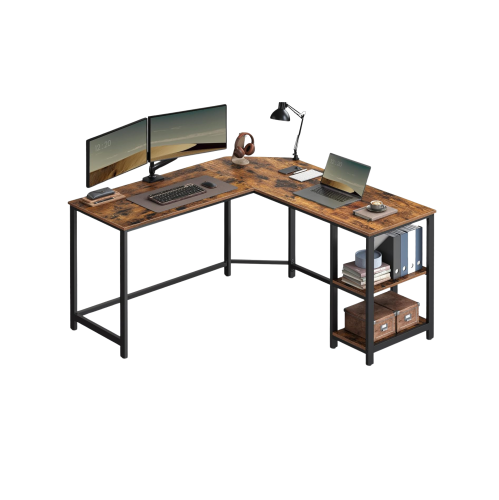
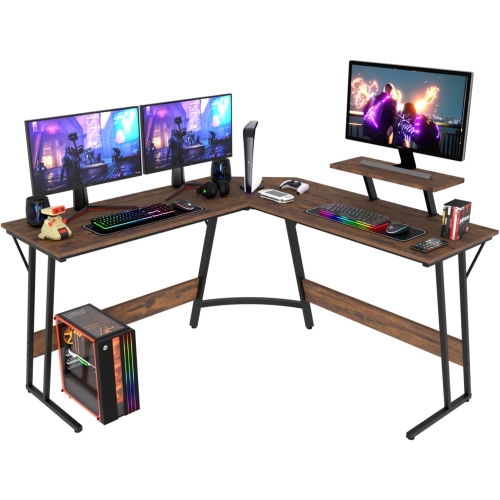
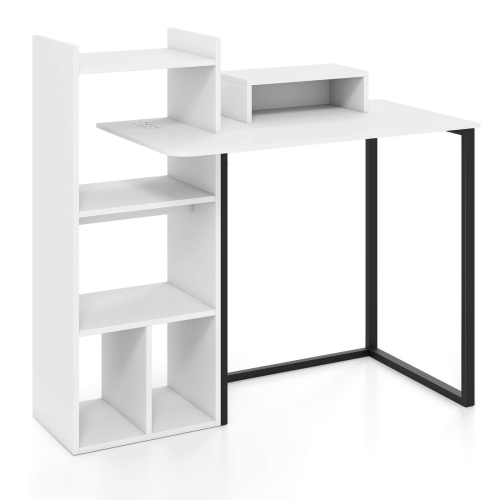
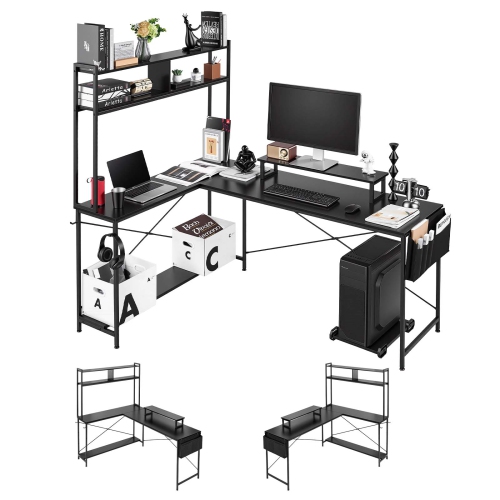
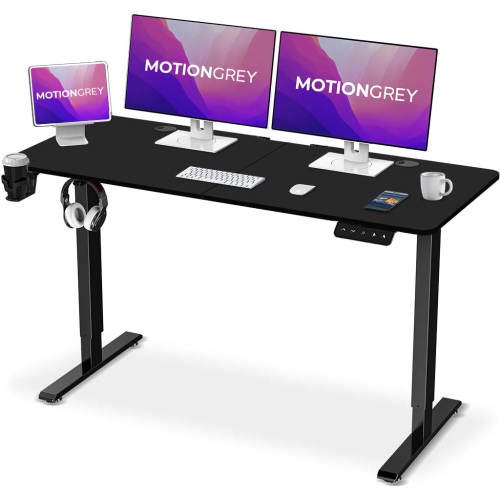
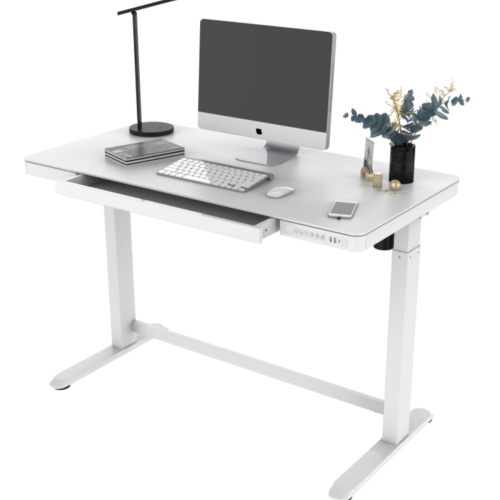
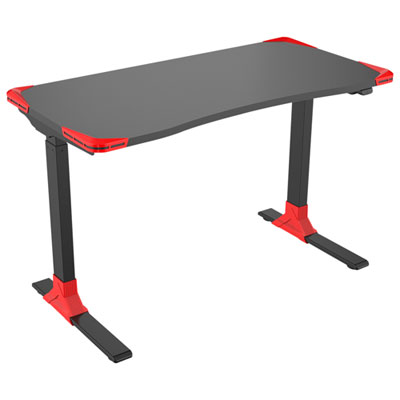
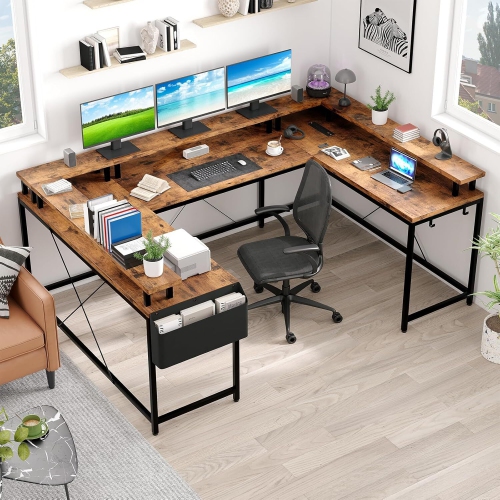
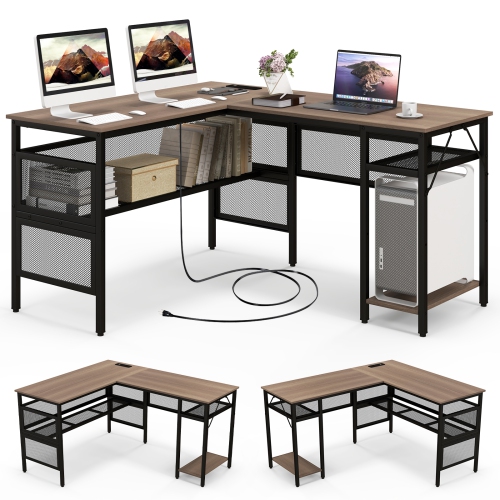
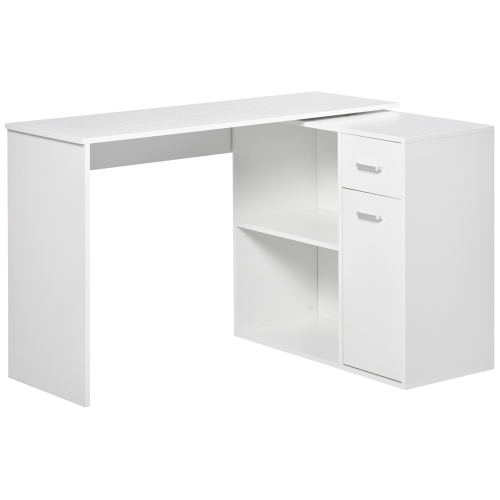
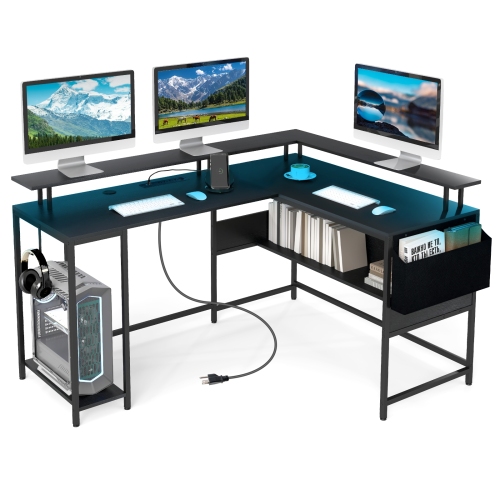
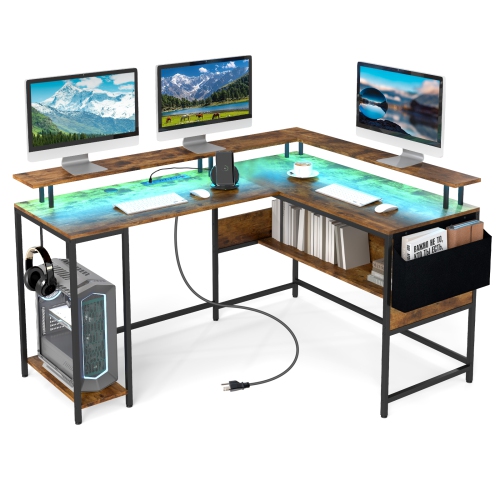
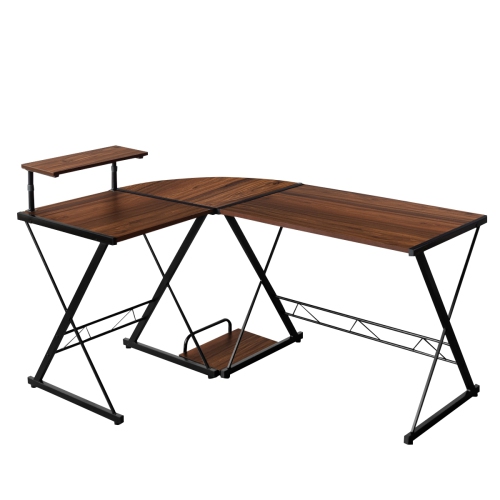
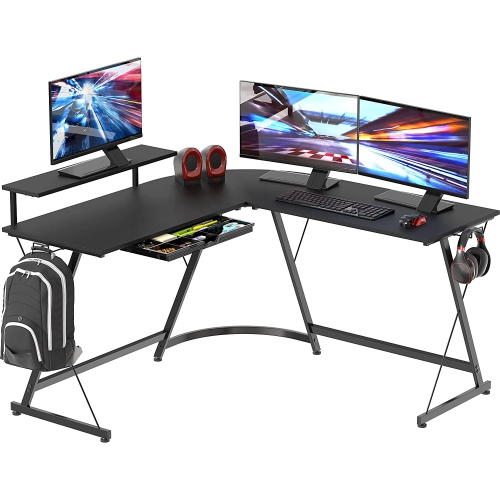
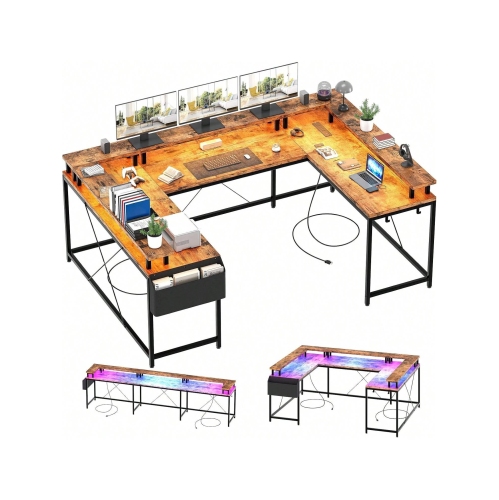
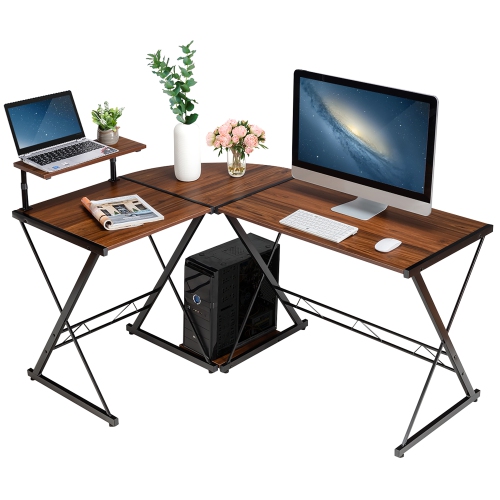
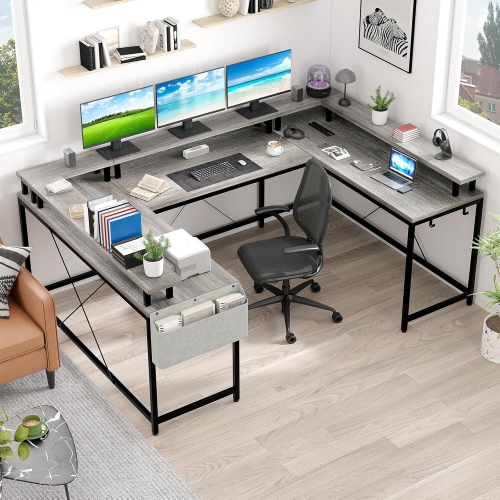
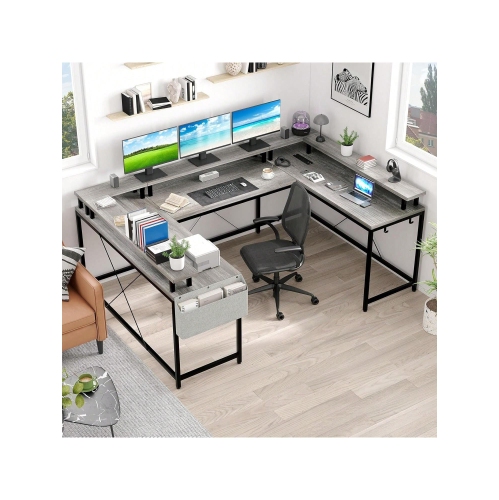
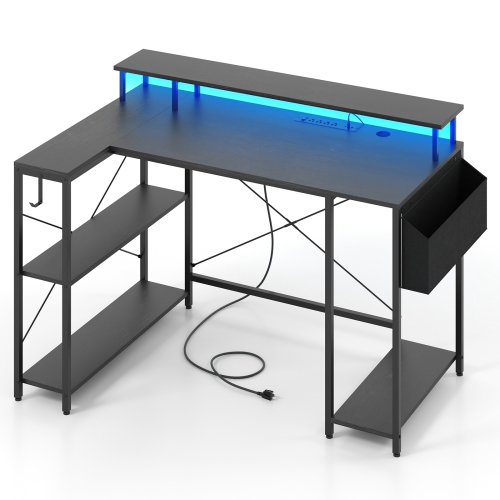
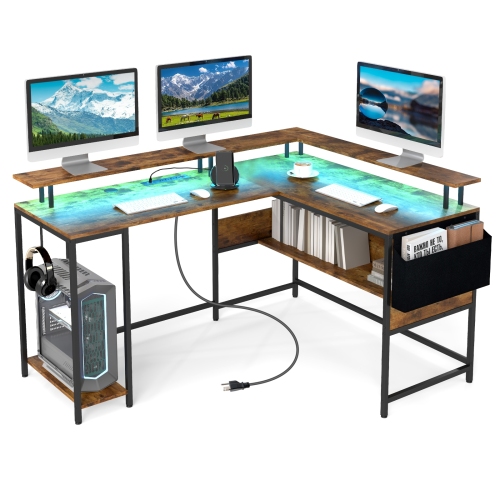
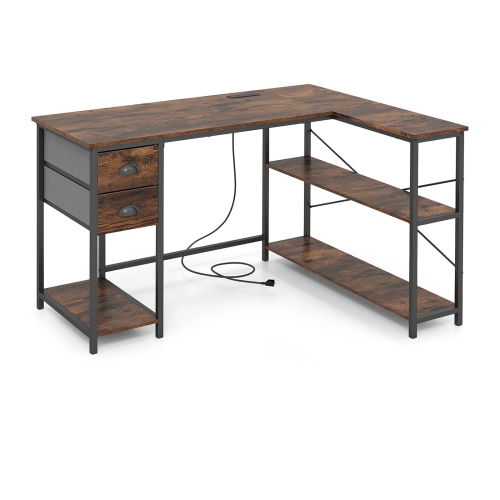
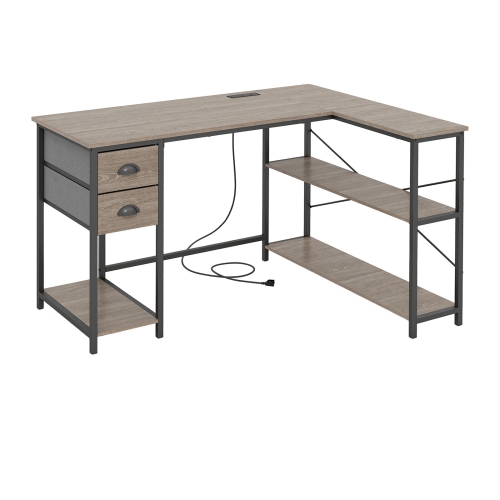
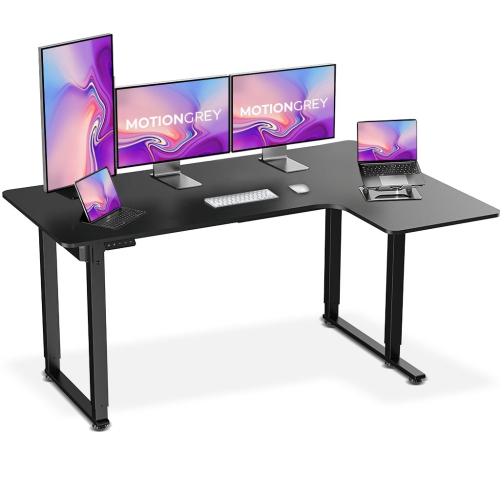
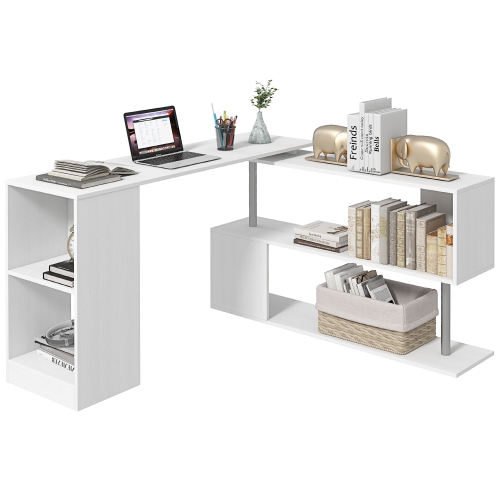
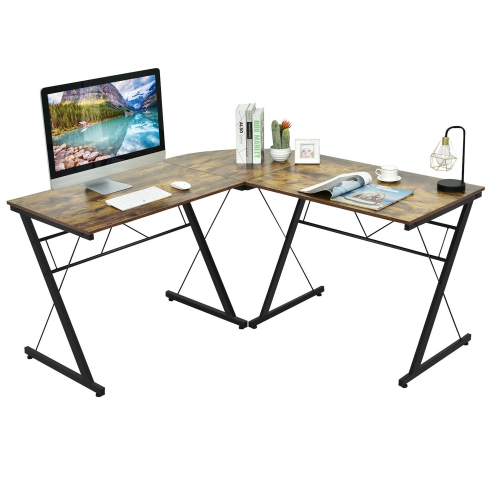
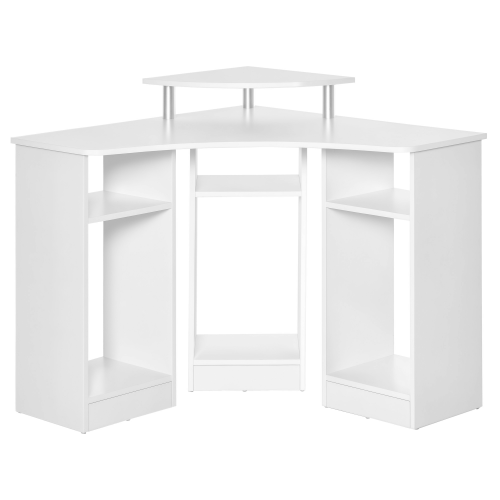
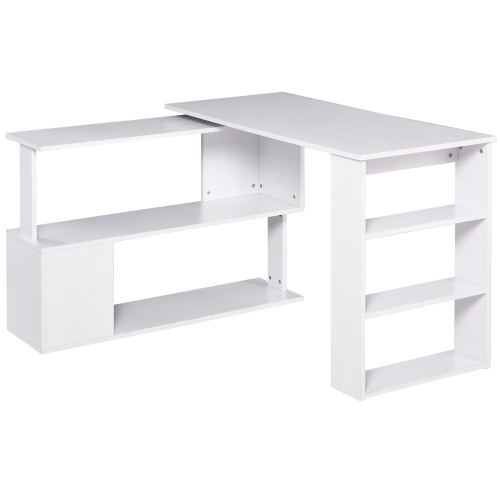
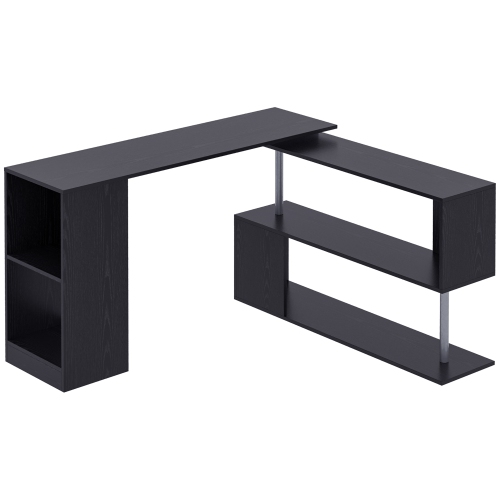
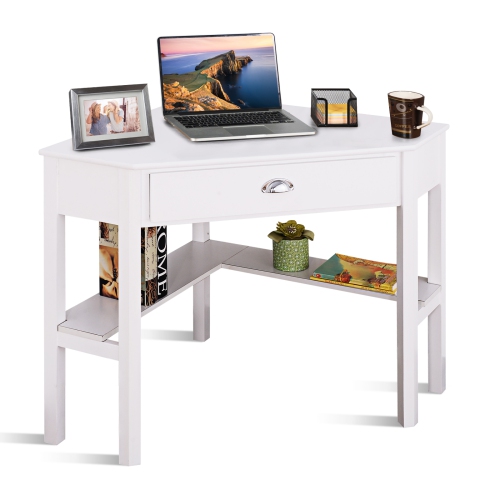
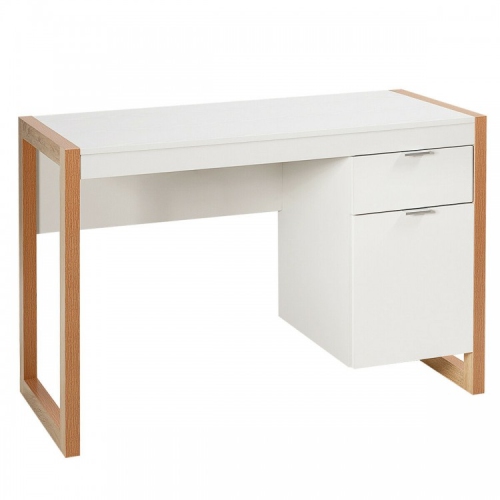
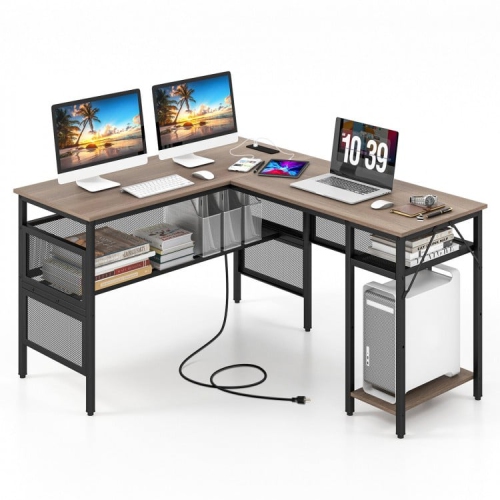
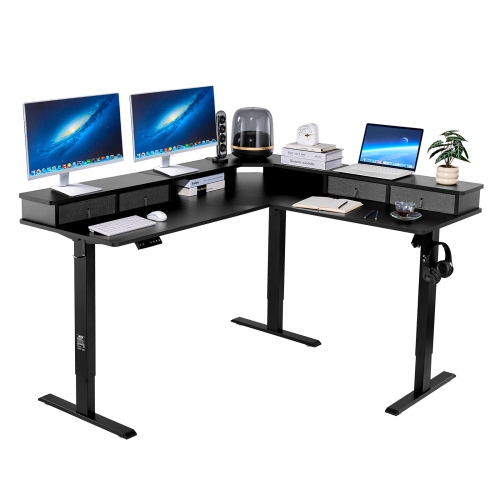
The right fit depends on the room, the equipment, and the person sitting at the desk. A compact rectangular design can work well along a bedroom wall, while a wider desktop offers more flexibility for multiple displays or a computer beside a dedicated writing area. Corner layouts make use of adjoining walls and can separate screen-based tasks from paper-based work. For rooms that suit this arrangement, Gaming L Desks offer another way to organize schoolwork and gaming within one workstation. The overall footprint is only part of the space required: a chair needs room to pull out, drawers need clearance to open, and nearby doors should remain unobstructed. Baseboard depth, outlet placement, and the position of a window can also affect where a desk sits comfortably. Desktop depth deserves particular attention when a large monitor, monitor stand, or laptop riser takes up space behind the keyboard. The screen should be positioned at a comfortable viewing distance, with its height adjusted to the user rather than simply accepting the height of a built-in shelf. A relaxed working position generally allows shoulders to rest naturally, elbows to stay close to the body, and feet to rest on the floor or a suitable footrest. Desk height and chair adjustment work together, especially when younger students and adults share the same station. Height-adjustable designs can accommodate different tasks and users, but their adjustment range and operating instructions still need to match the intended setup. Clear space beneath the desktop is equally important; a storage pedestal or computer tower should not force someone to sit off-centre or twist toward the screen. Cable trays and routing openings help keep cords away from knees and chair wheels. Where a desk includes electrical connections, the stated ratings and instructions matter, particularly when connecting a computer, displays, and chargers. A computer tower also needs ventilation clearance rather than being squeezed into an enclosed compartment simply to free up floor space.
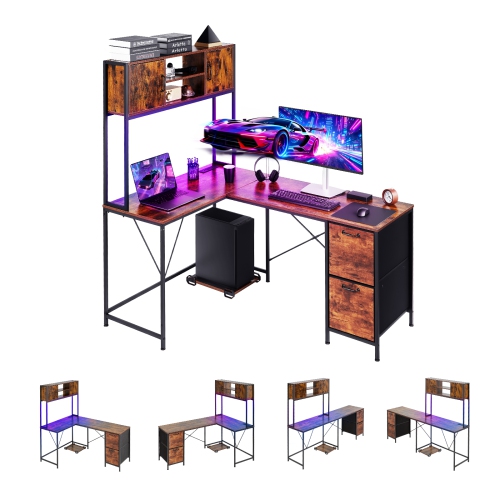
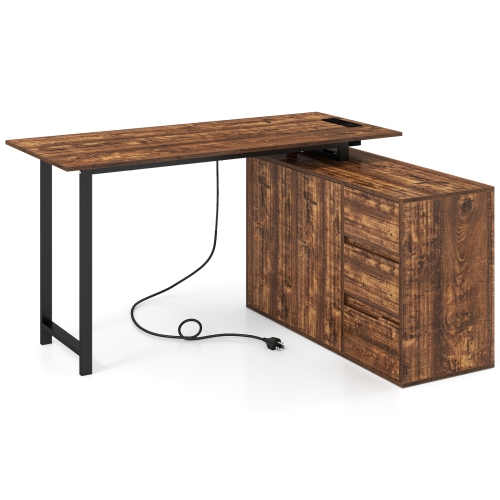
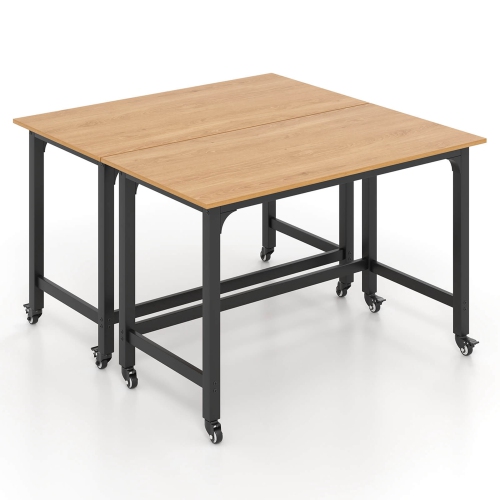
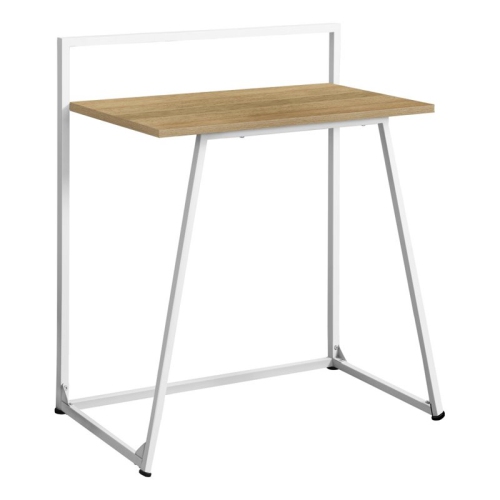
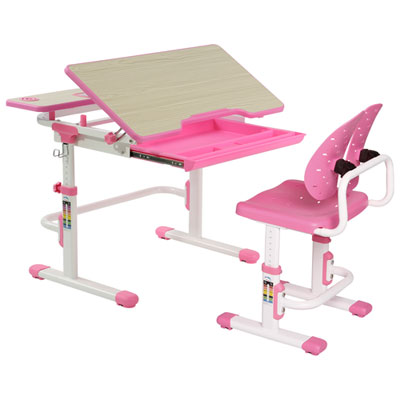
Materials and construction influence how a gaming and homework desk feels, how it holds up, and how much attention it needs. Solid wood can bring visible grain and warmth to a study area, while engineered wood with a laminate or other protective finish offers a consistent appearance and a surface that is often straightforward to wipe clean. Wood veneer provides a real-wood surface over a supporting core, so care depends on both the finish and the construction beneath it. Metal frames can provide firm support, although stability also depends on the frame design, fasteners, and assembly. Glass desktops have a distinctive look but tend to show fingerprints, and their suitability for clamp-mounted accessories must be checked rather than assumed. Monitor arms require compatible desktop thickness, edge clearance, and load capacity; a desk that supports a display on its original stand may not be designed for the concentrated pressure of a clamp. Weight limits apply to shelves and drawers as well as the main desktop, making them relevant when arranging several pieces of equipment. Smooth edges, securely fitted hardware, and a stable frame are useful qualities for both energetic gaming sessions and careful handwriting. Routine care is usually simple: follow the manufacturer's cleaning directions, wipe up spills promptly, and avoid letting moisture collect around seams or cable openings. A desk mat can protect the writing and mouse area, while coasters help keep drinks away from vulnerable finishes. Adjustable feet can help stabilize a desk on an uneven floor when fitted and used as directed. For children and teens, accessible storage and a layout that can adapt to changing school needs may be more useful over time than decorative details alone. For university students, adult learners, and households sharing a computer, neutral colours and flexible storage can make the desk easier to use across different activities. As a gift, a desk is most thoughtful when its dimensions, style, and equipment capacity suit the recipient's room and routines. The lasting value is a comfortable, orderly place where schoolwork and gaming can each have the space they need.
FAQ

Some products may be subject to Environmental Handling Fees (EHF) depending on your province. Learn more about EHFs.