Garage Storage Totes with Lids

Garage storage totes with lids help keep tools, seasonal decorations, and household supplies organized and out of the way. Browse lidded storage bins to find options that suit your belongings and available garage space, comparing dimensions, capacity, and lid style for a practical fit.
Read More

Sort

Loose garage gear becomes easier to store and find

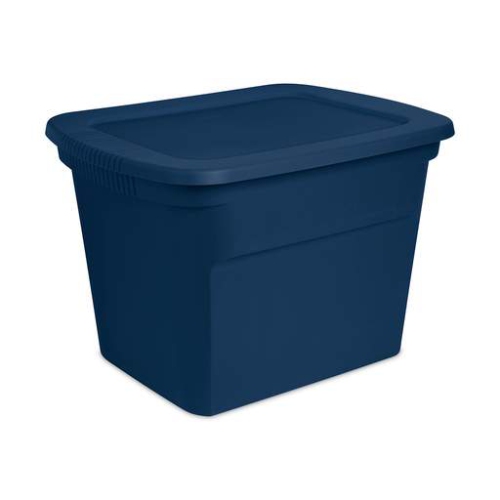
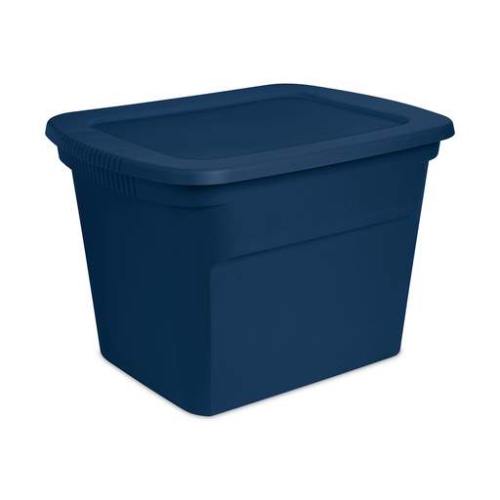
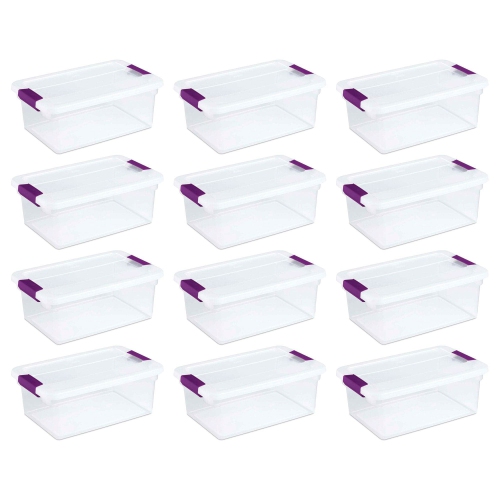
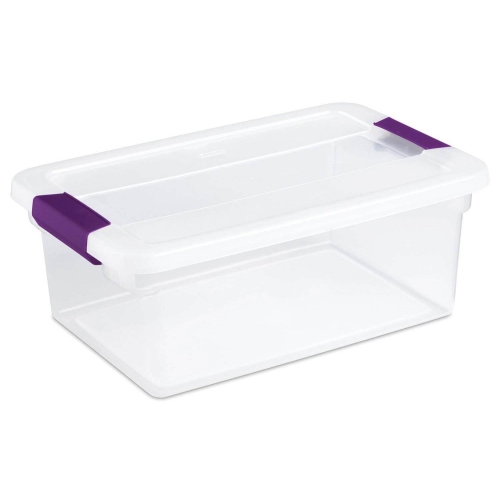
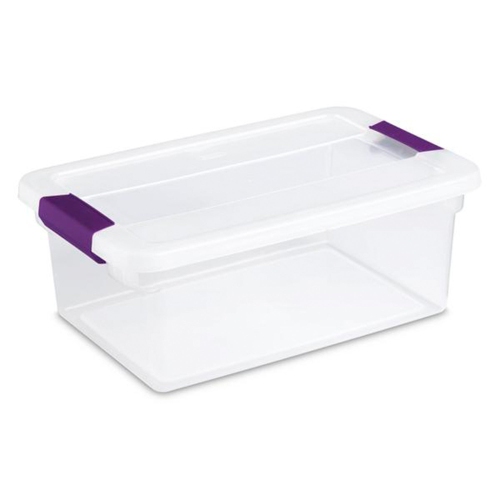
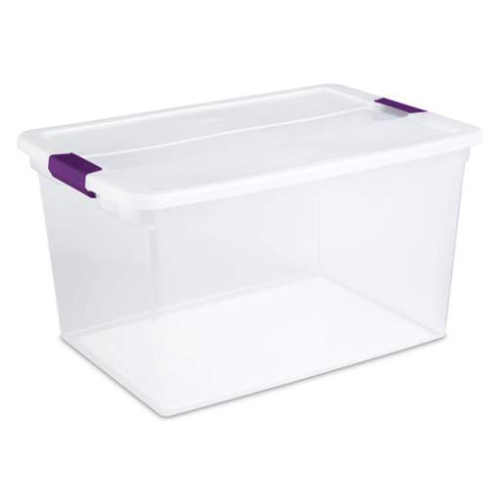
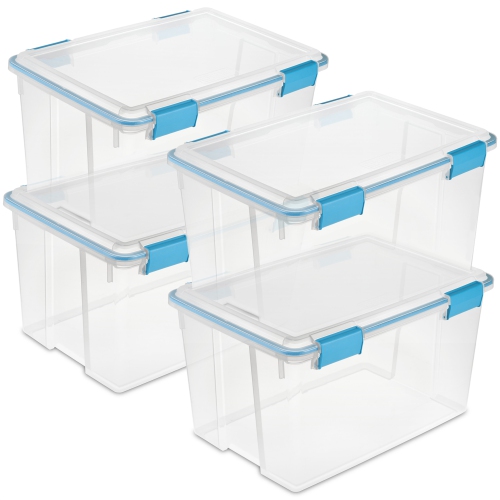
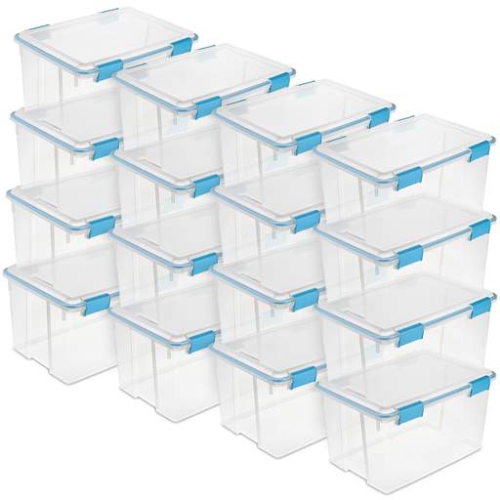
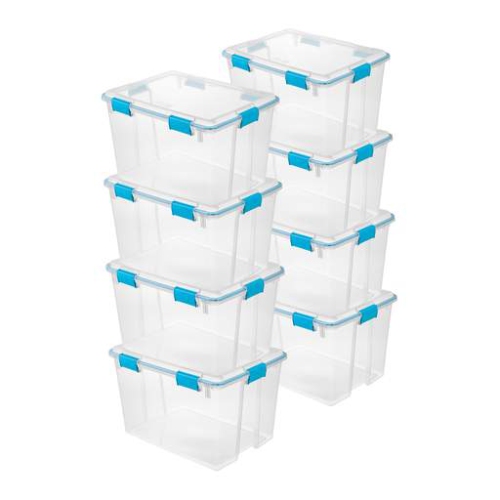
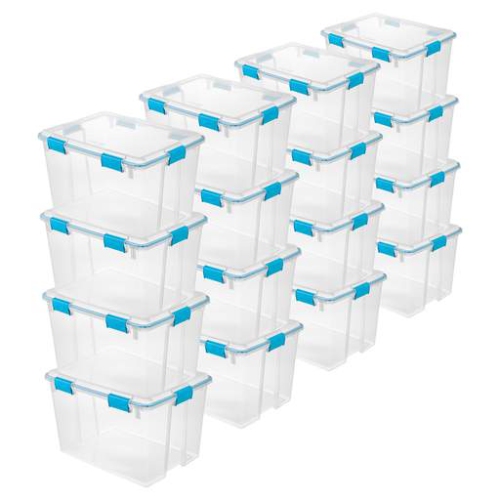
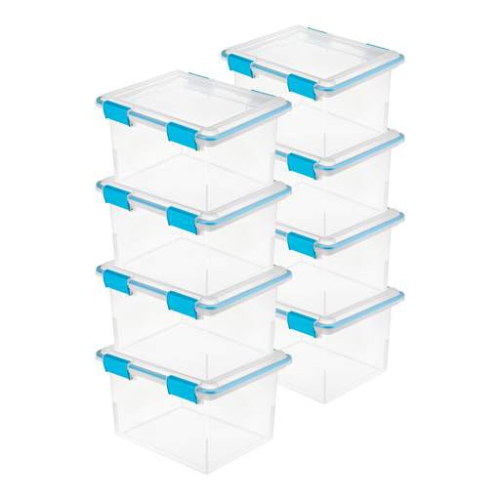
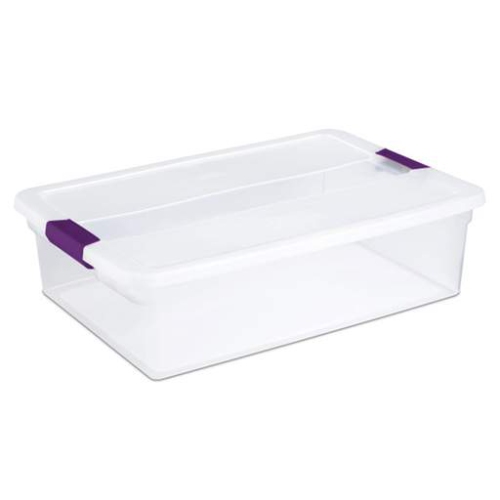
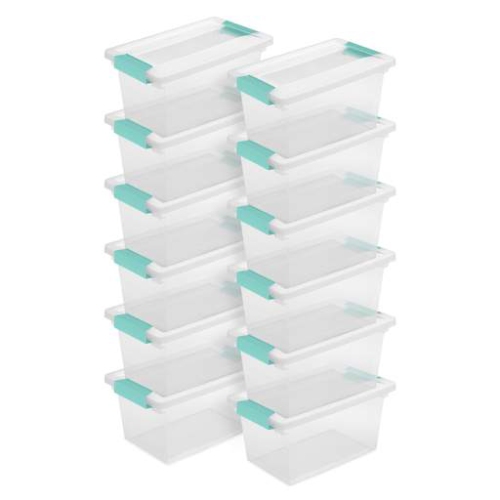
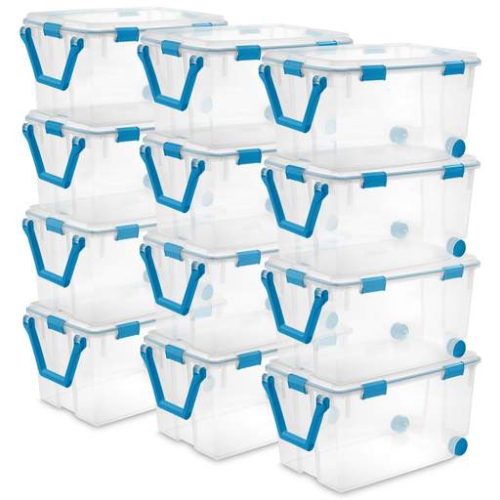
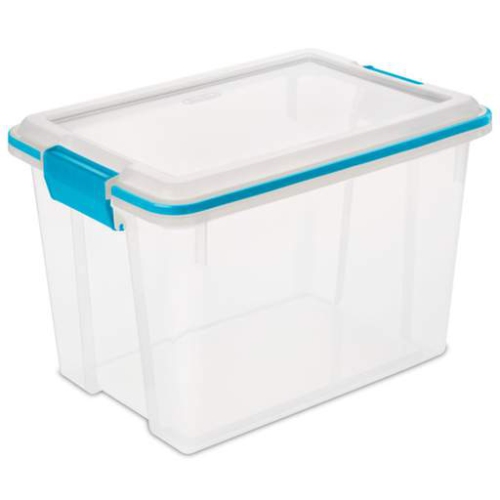
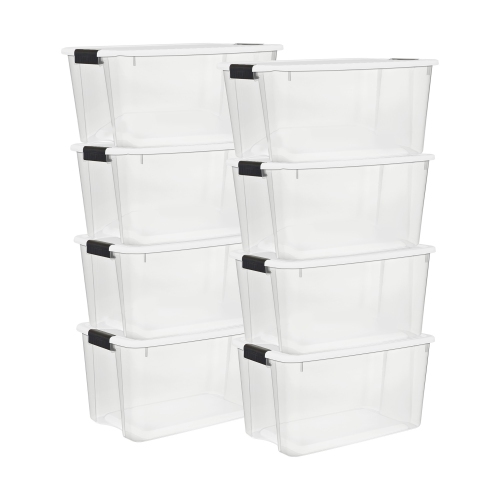
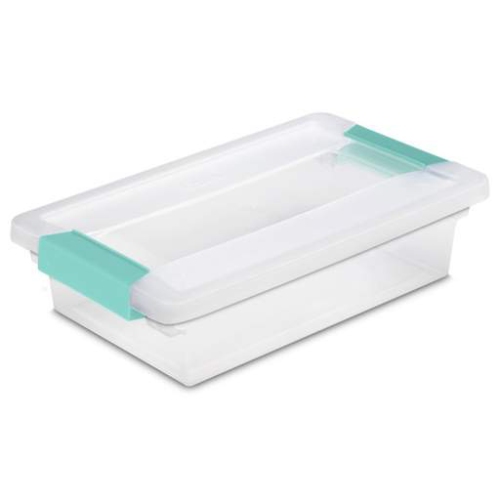
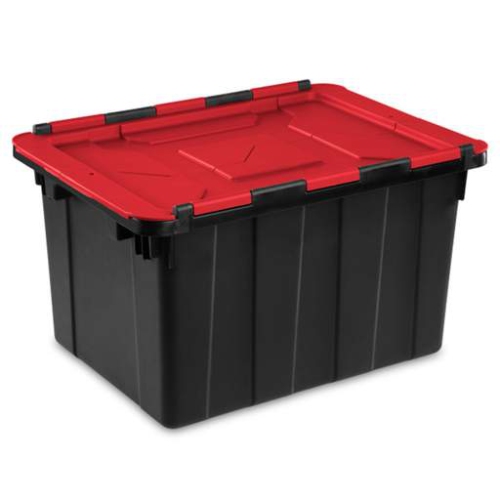
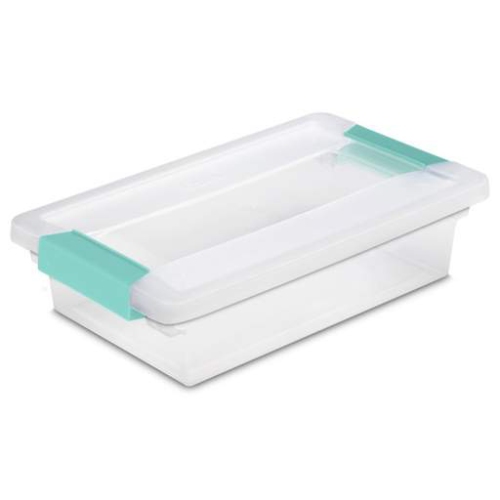
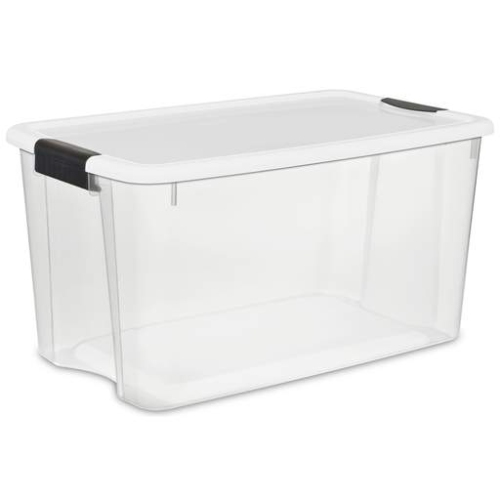
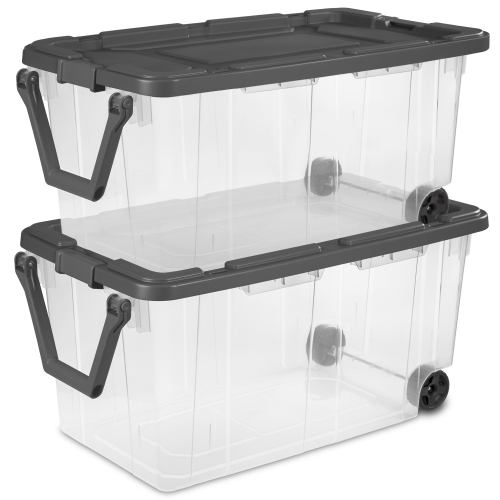
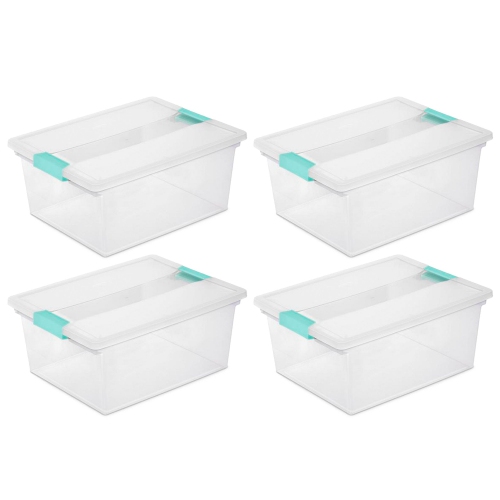
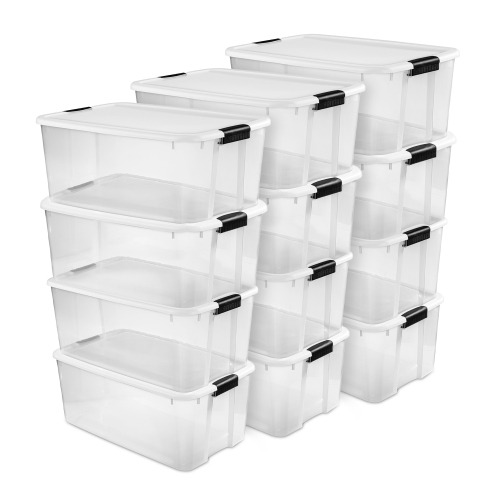
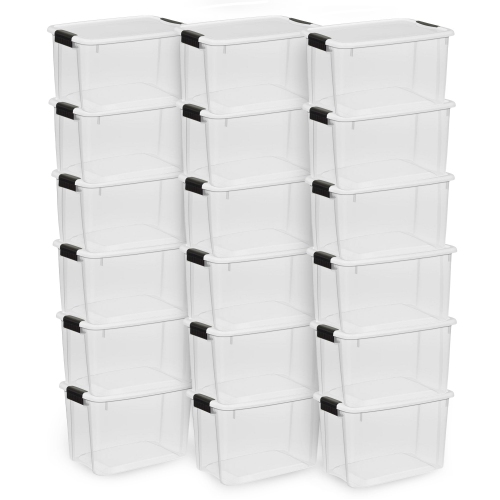
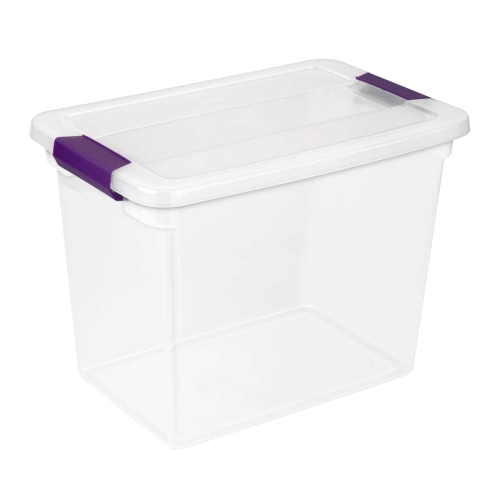
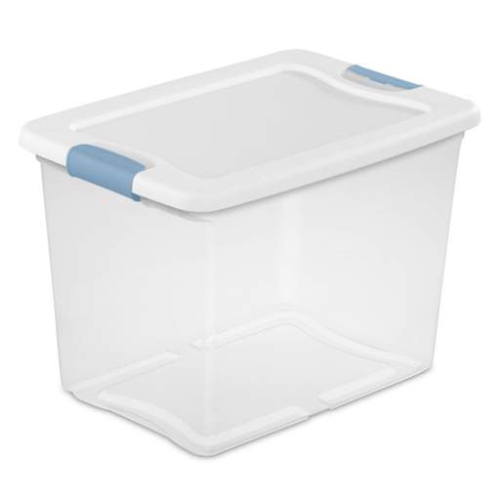
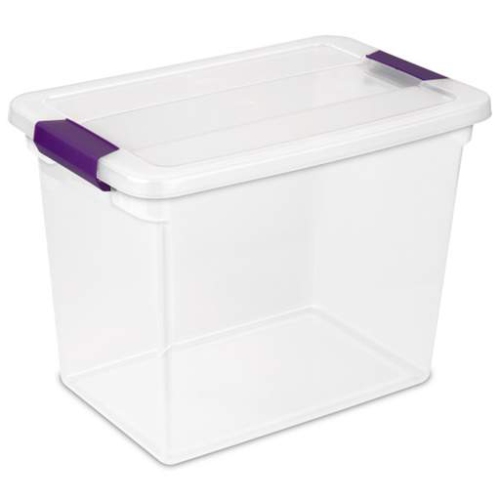
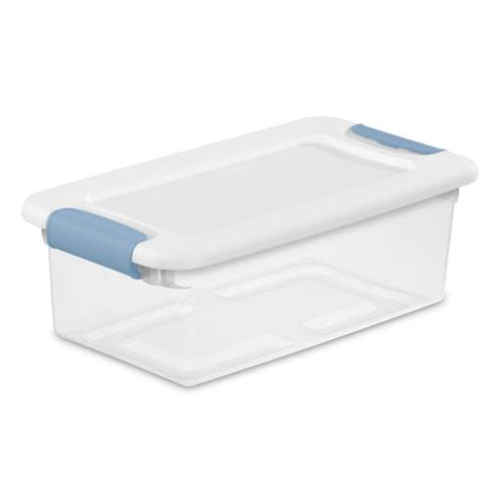
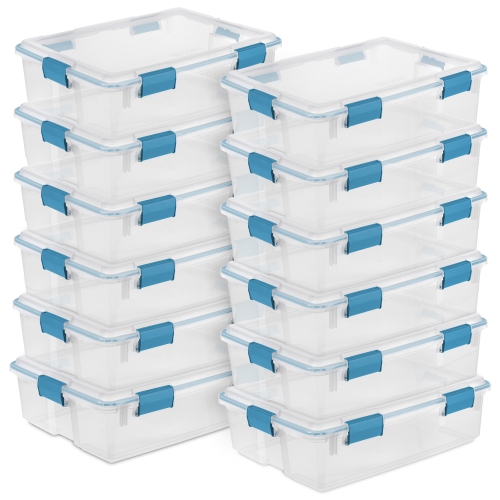
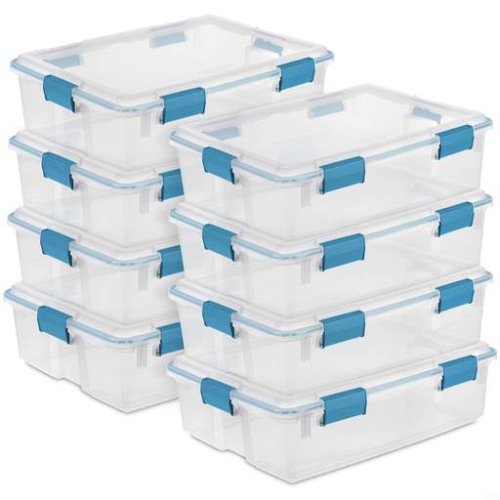
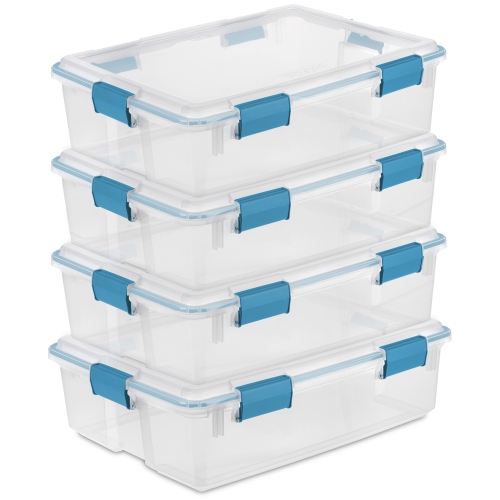
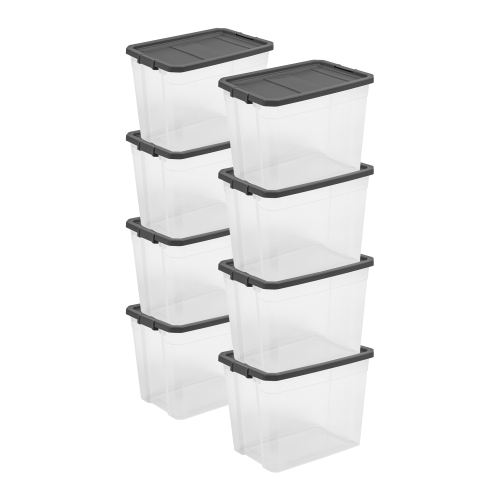
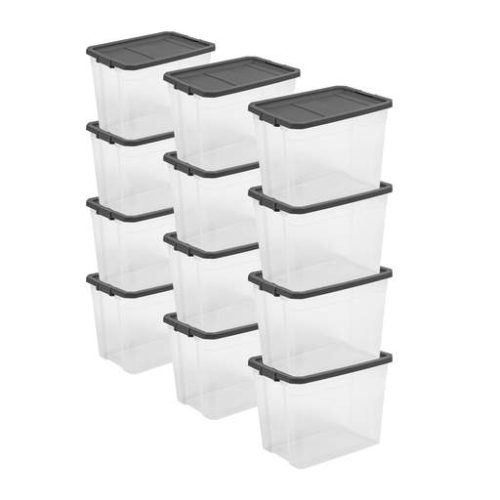
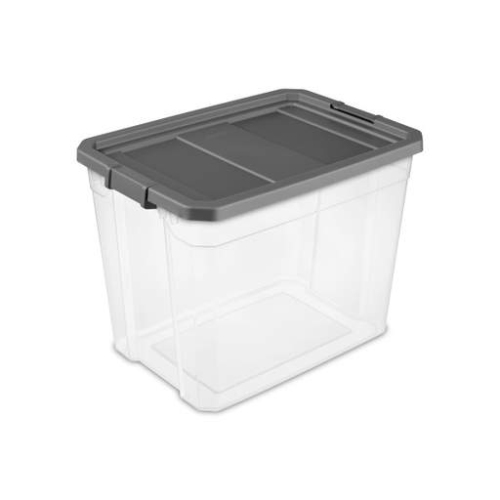
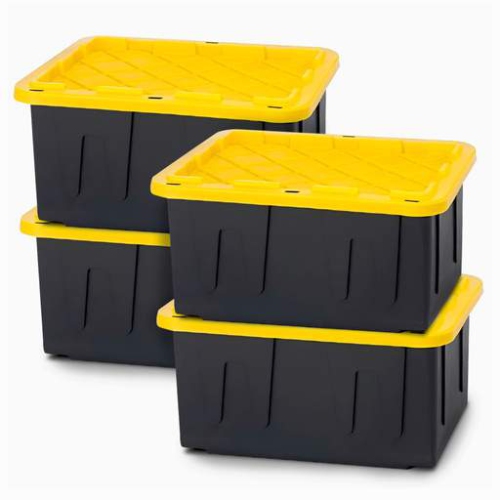
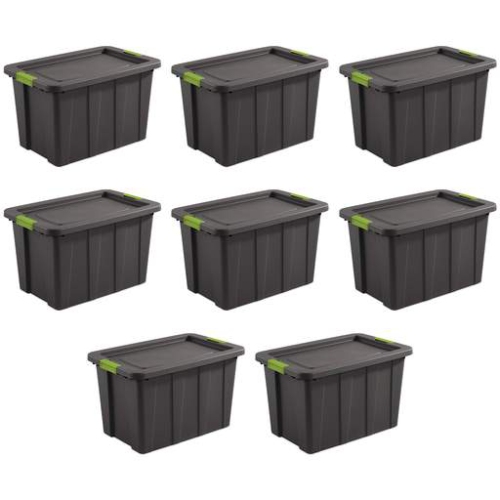
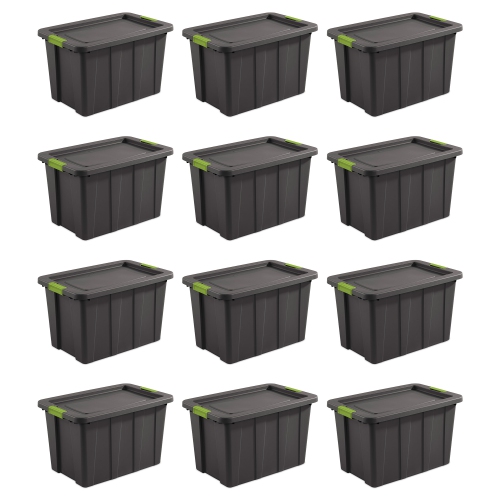
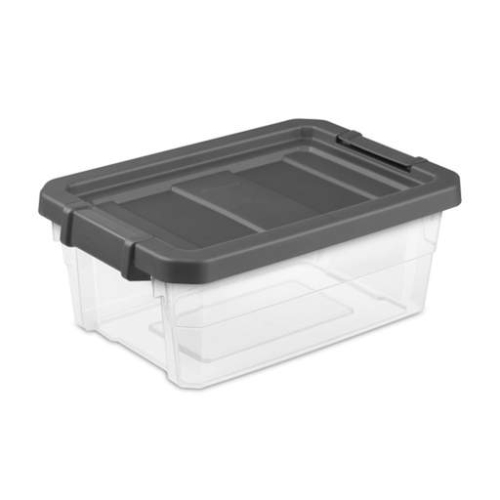
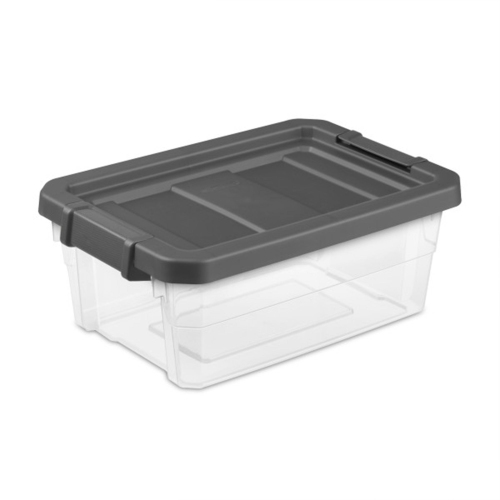
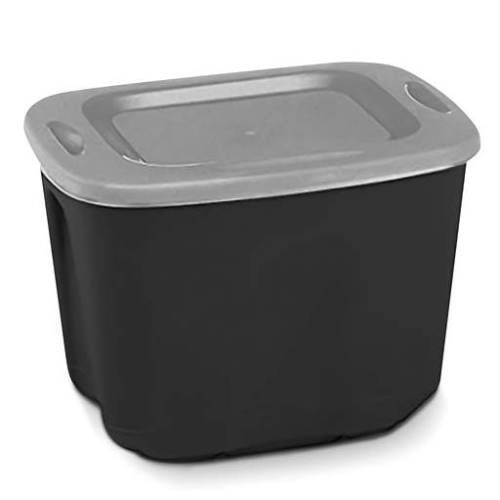
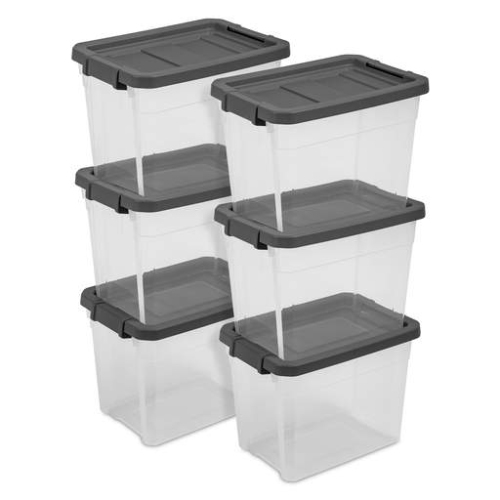
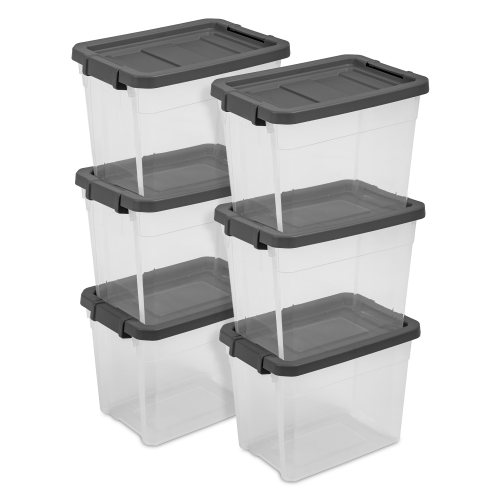
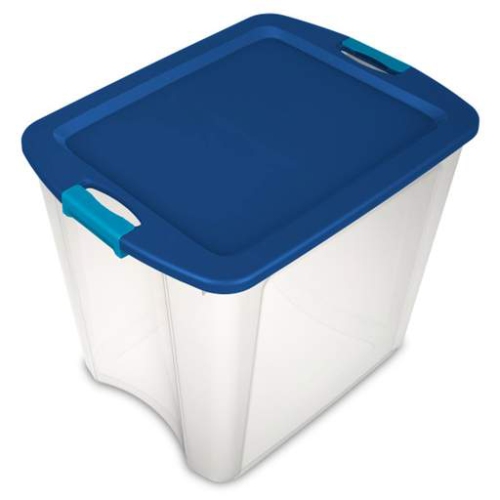
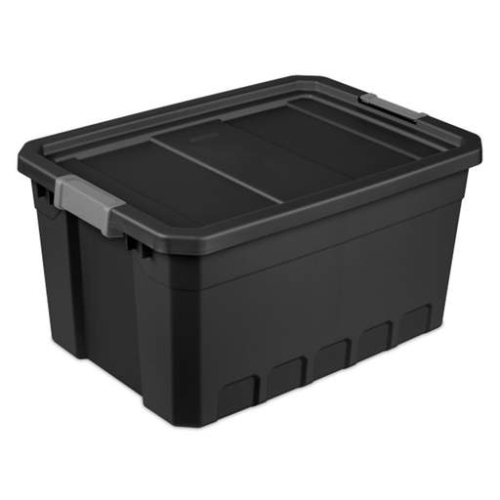
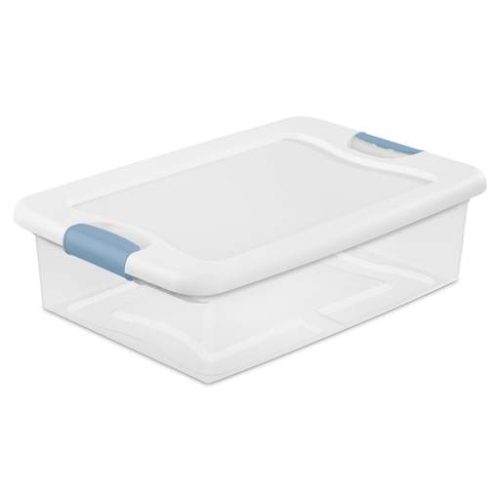
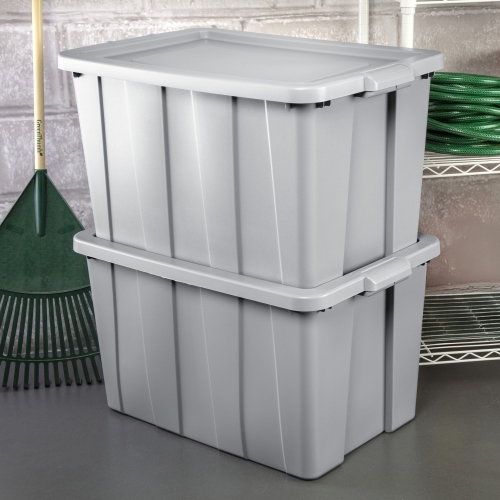
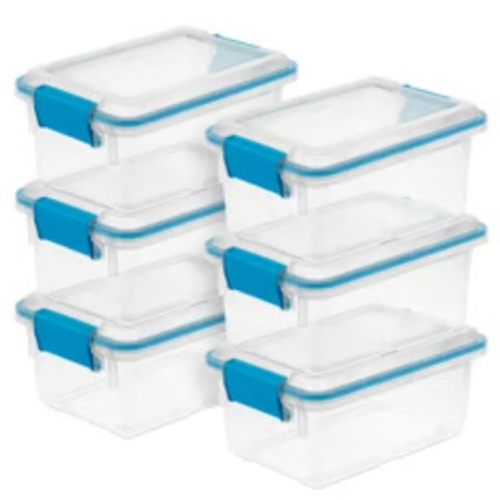
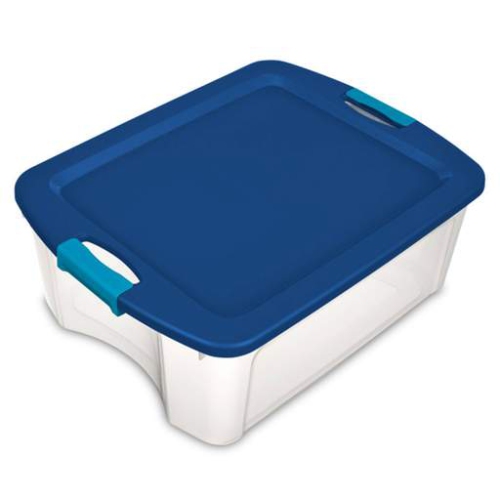
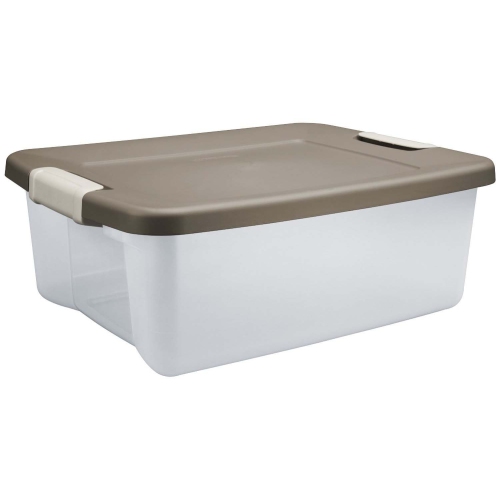
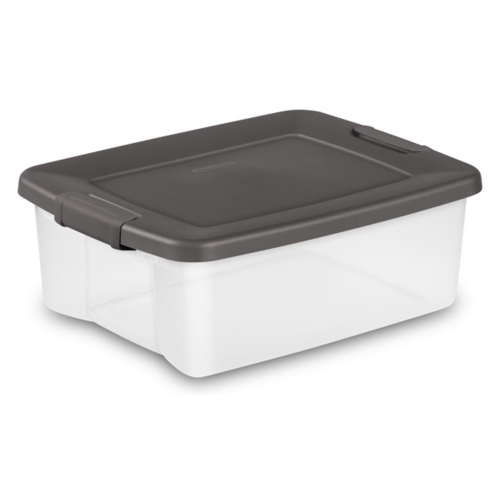
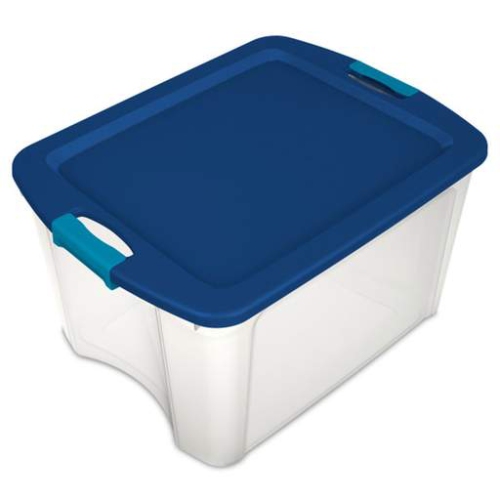
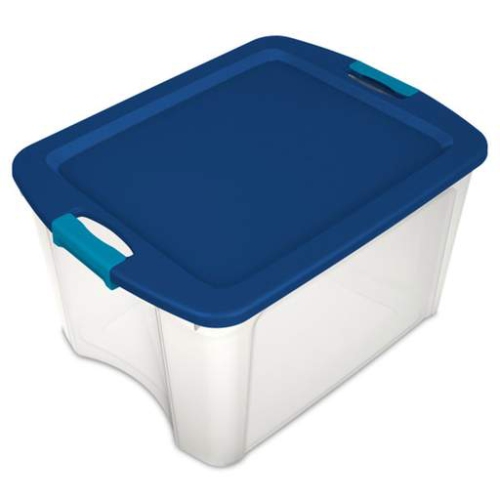
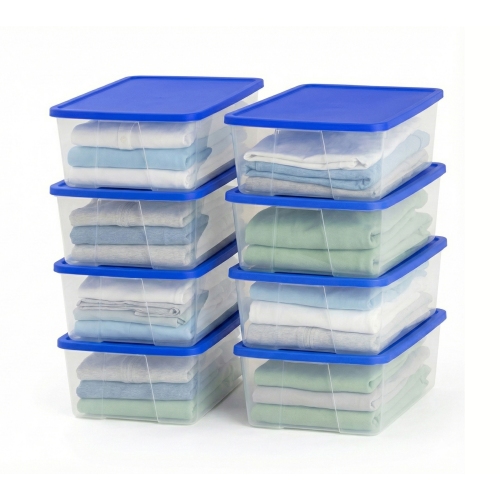
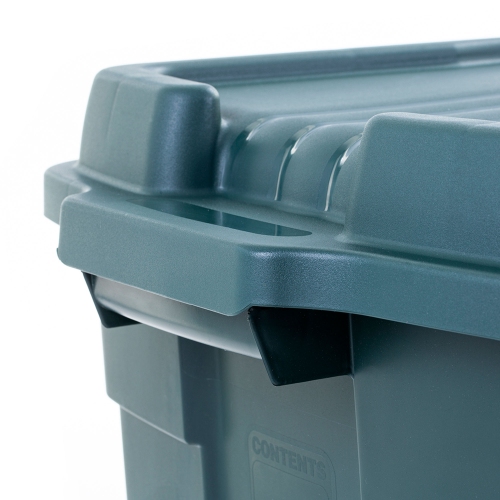
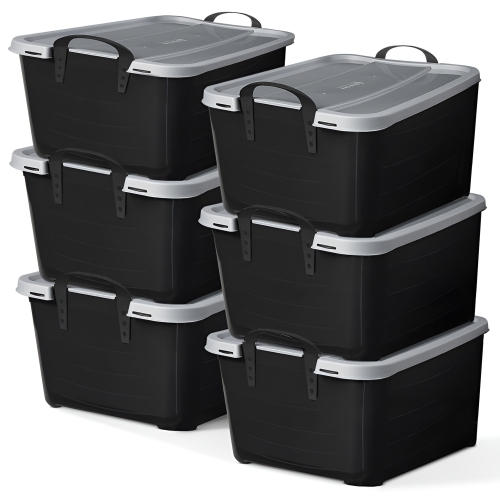
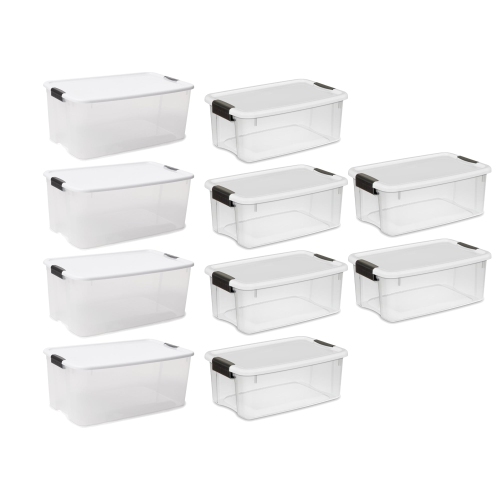
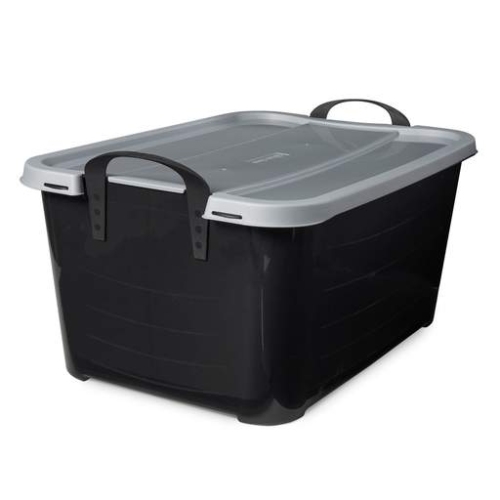
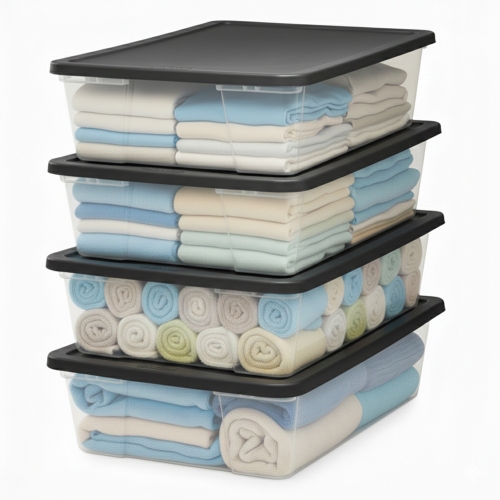
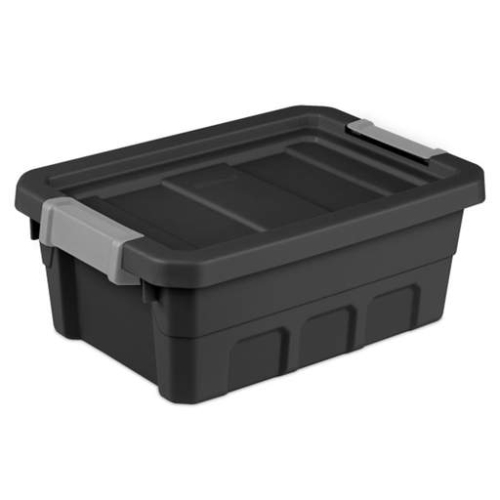
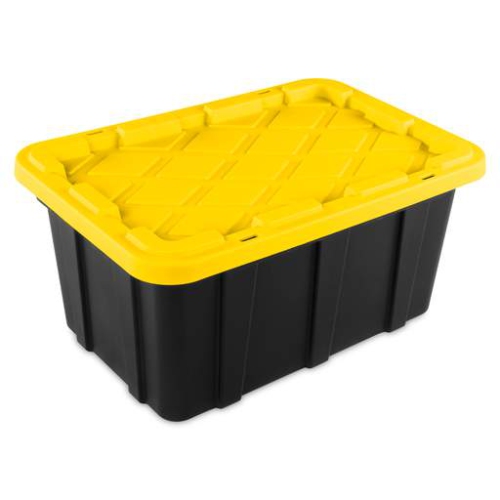
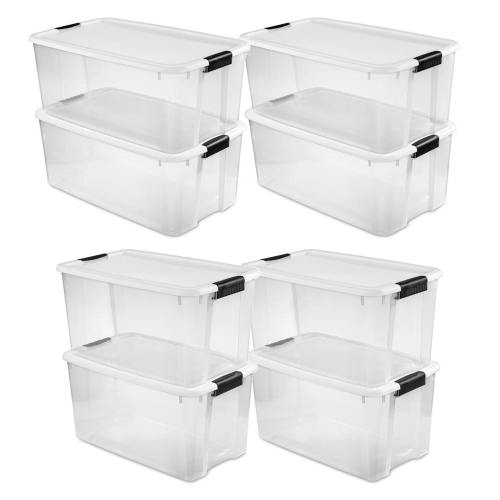
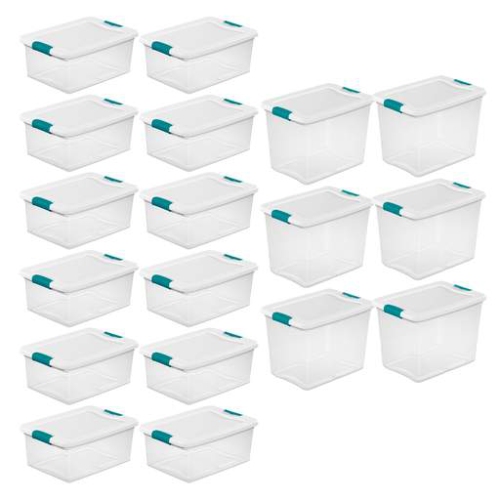
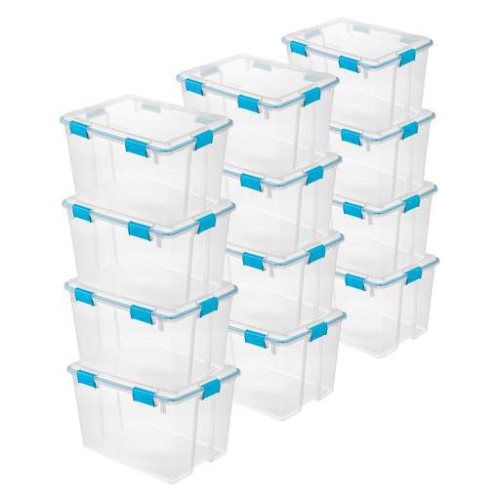
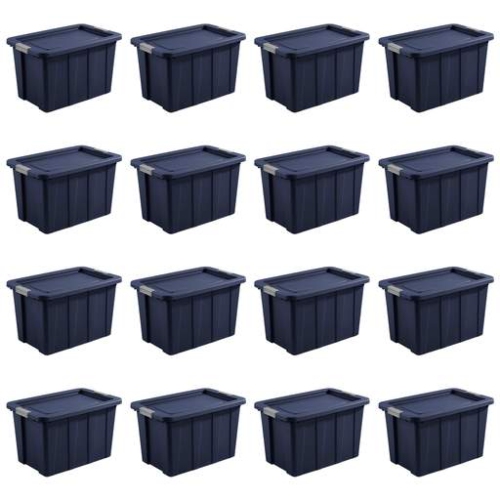
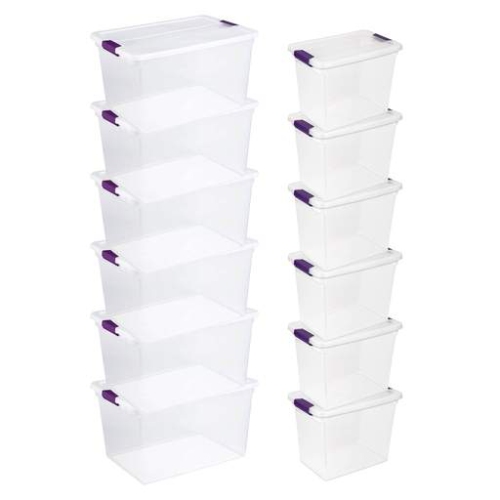
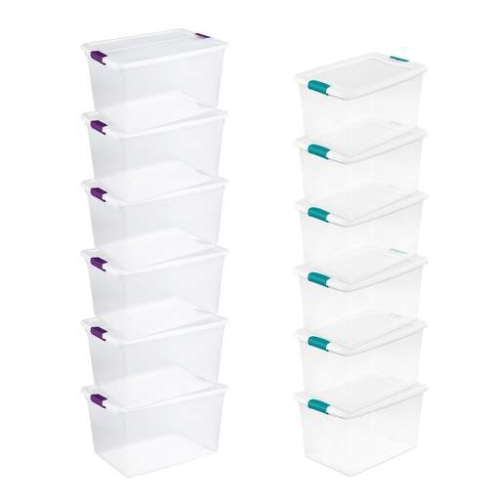
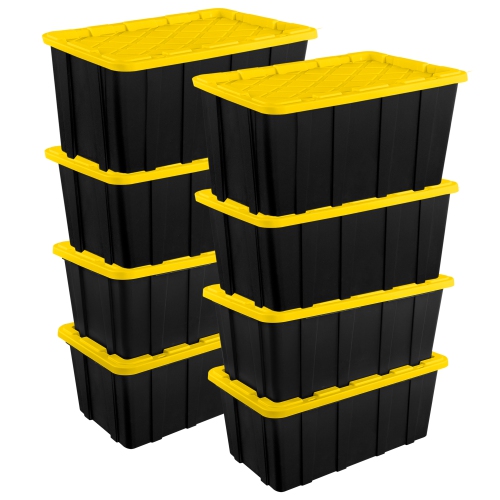
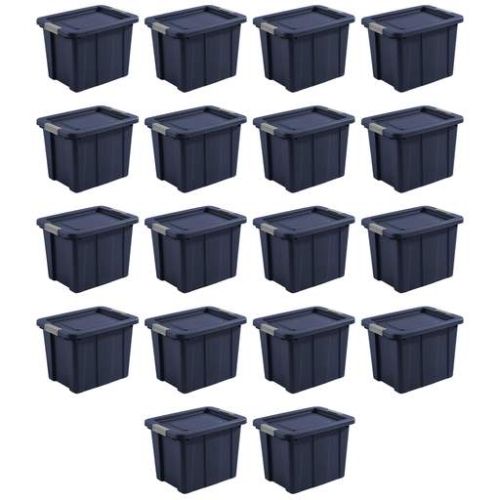
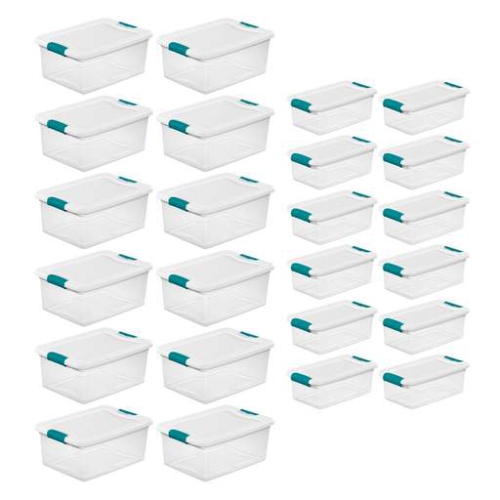
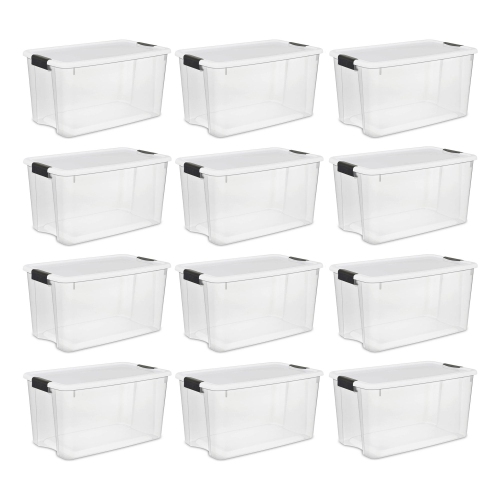
Garage storage totes with lids are reusable containers that keep tools, hobby supplies, sports gear, and household belongings grouped together and easier to find. Typically made from rigid plastic, they combine a roomy base with a fitted cover that helps shield contents from dust and everyday garage debris. Their practical appeal is simple: loose belongings become manageable loads, shelves look less cluttered, and supplies have a defined place between uses. A tote for car-care cloths and brushes, for example, keeps those essentials separate from a container holding extension cords and work gloves. Polypropylene and polyethylene are common materials, although strength depends on the complete construction rather than the plastic type alone. Reinforced corners, ribbed walls, and a sturdy base can help a container hold its shape under load. A flexible wall may tolerate occasional bumps, while a more rigid design can feel steadier when lifted; neither feature replaces a stated weight rating. Lid styles also affect everyday handling. Snap-on lids press into place around the rim, while latching designs use clips or handles to hold the cover against the base. Hinged lids stay attached, which can be useful where separate covers tend to get misplaced. A close-fitting lid offers basic coverage, but an ordinary snap closure should not be assumed to provide a watertight, airtight, or pest-proof seal. Those protections require specific construction and an appropriate manufacturer claim. Clear totes make it easier to spot a missing sanding block or locate a particular ball without opening several containers. Opaque totes conceal visual clutter and suit mixed loads that do not need to be visible. For families sharing garage space, renters organizing a small storage area, and hobbyists keeping project supplies together, a consistent set of lidded containers can make the space easier to use without requiring built-in cabinetry.

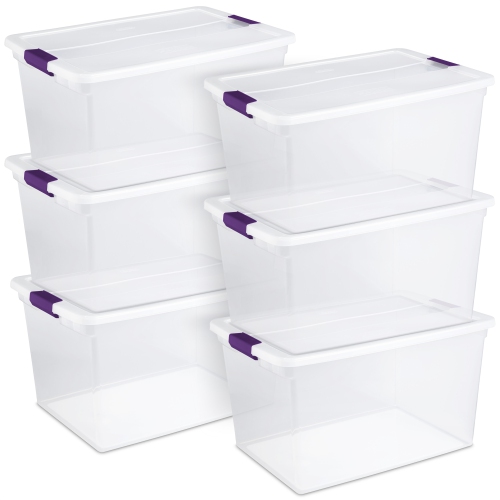
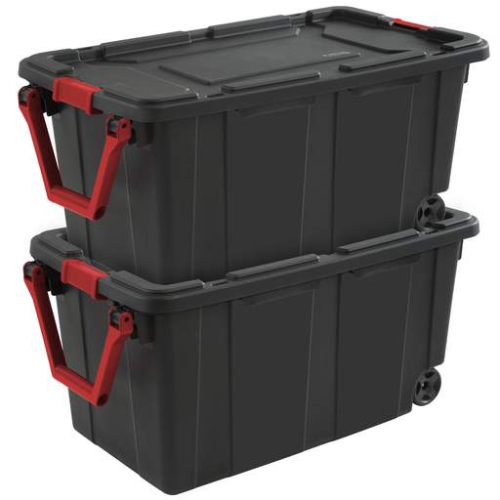
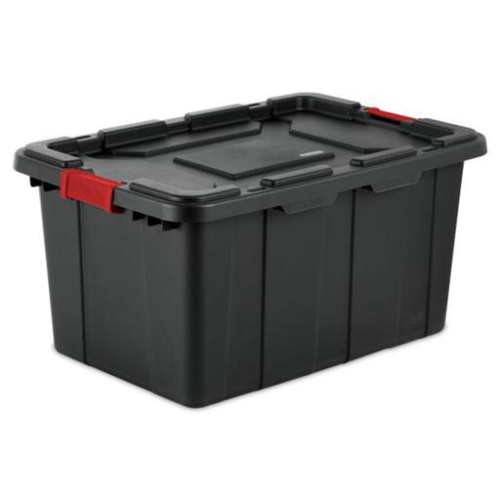
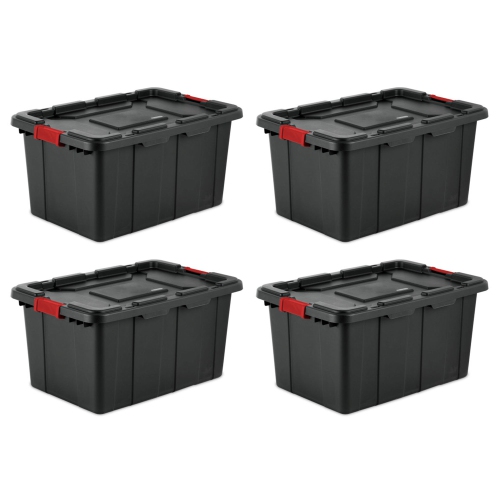
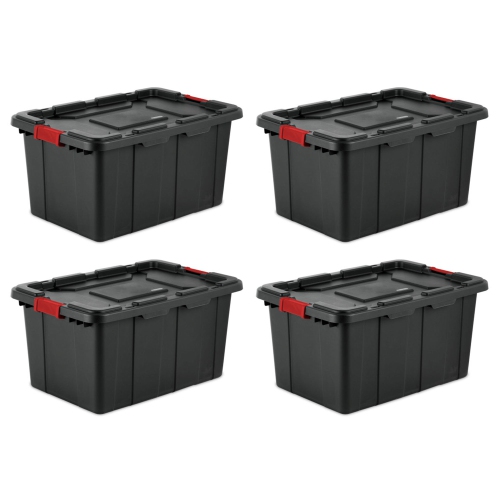
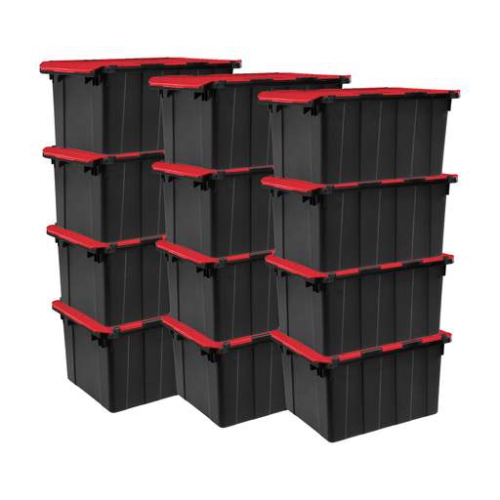
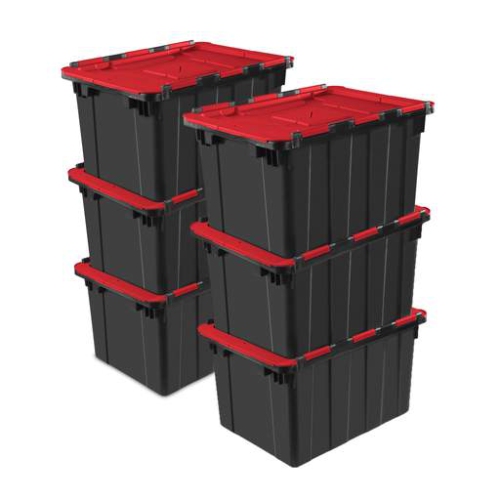
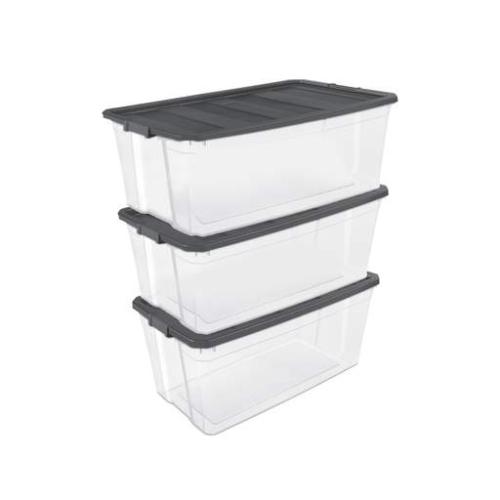
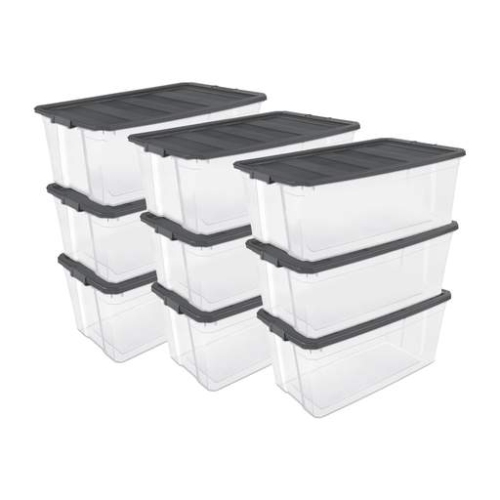
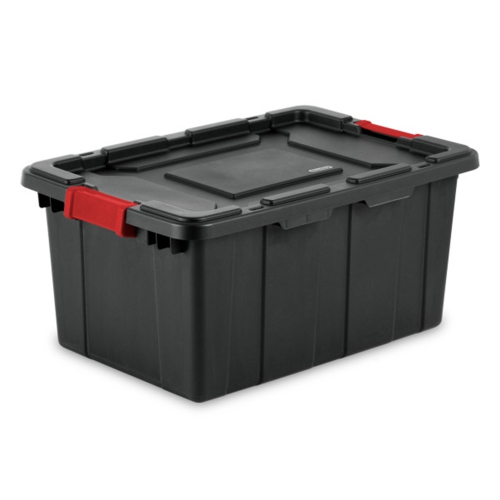
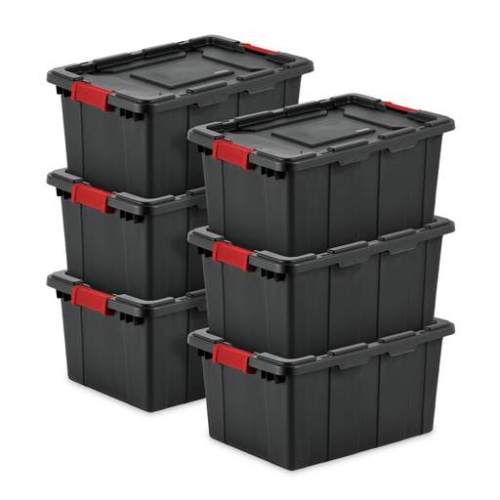
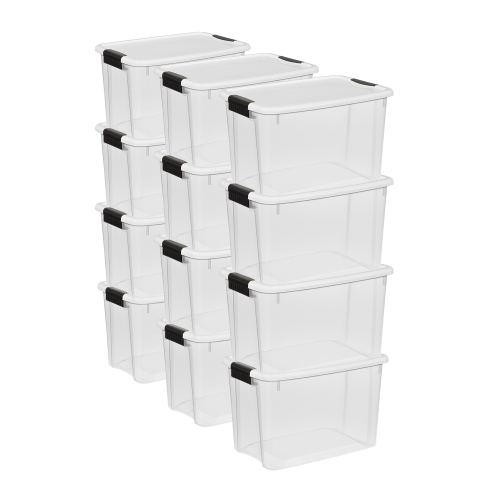
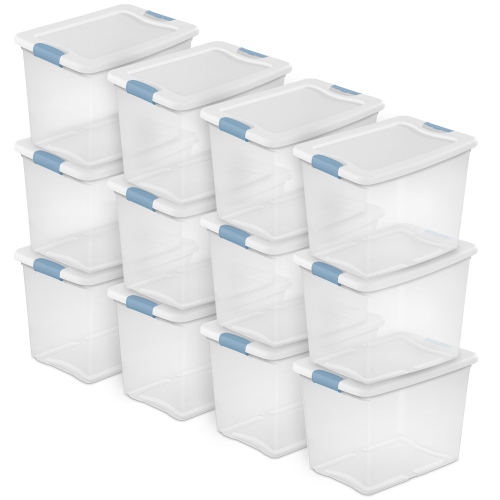
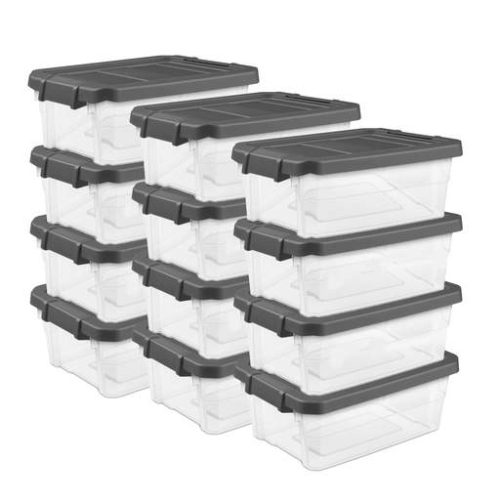
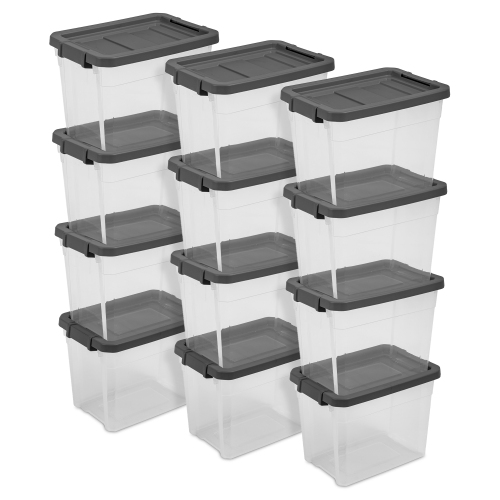
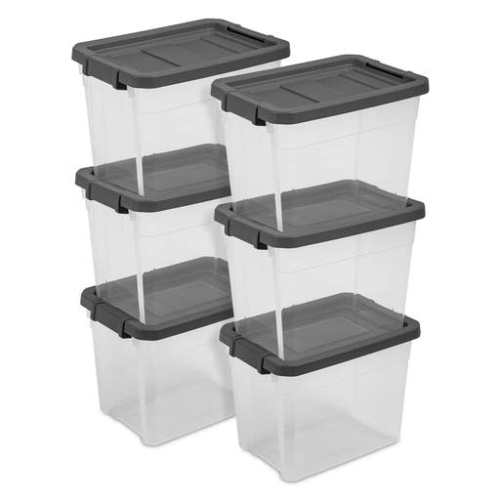
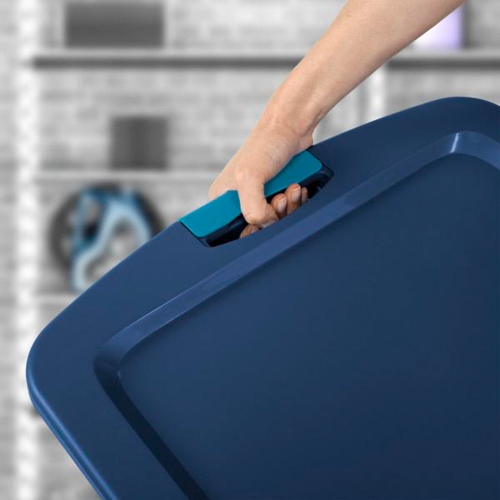
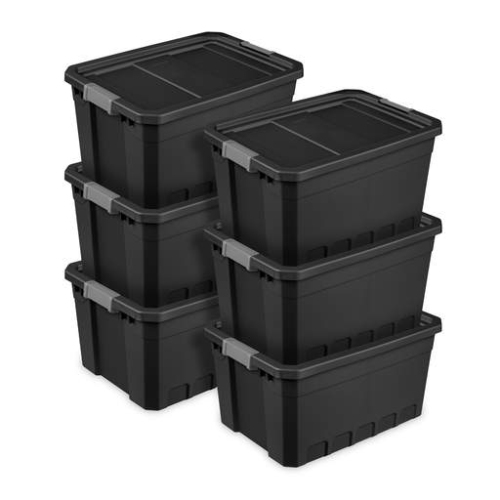
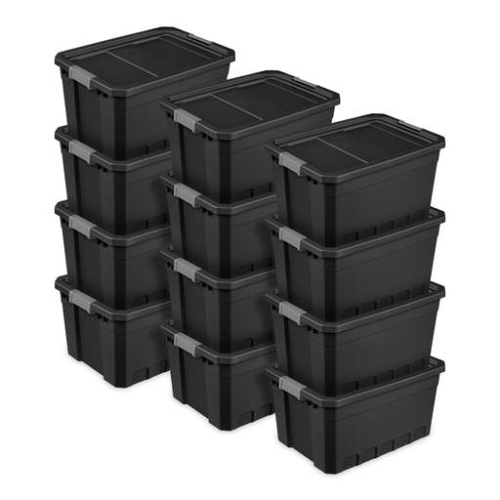
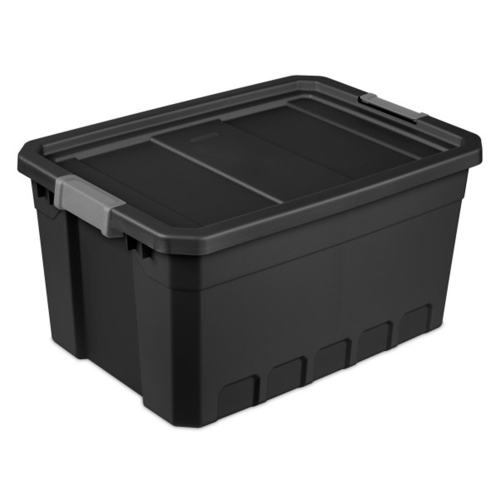
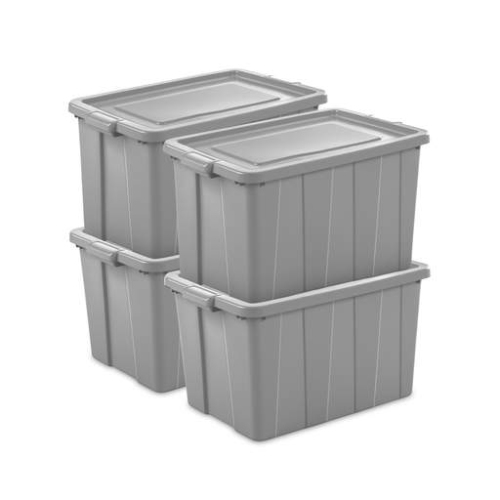
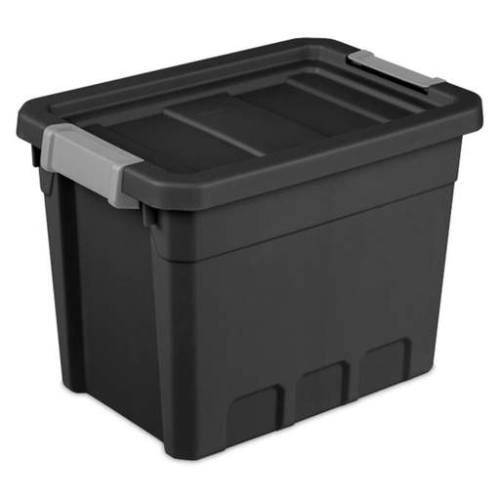
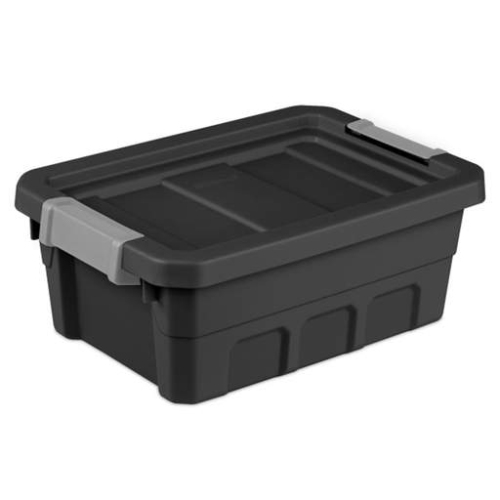
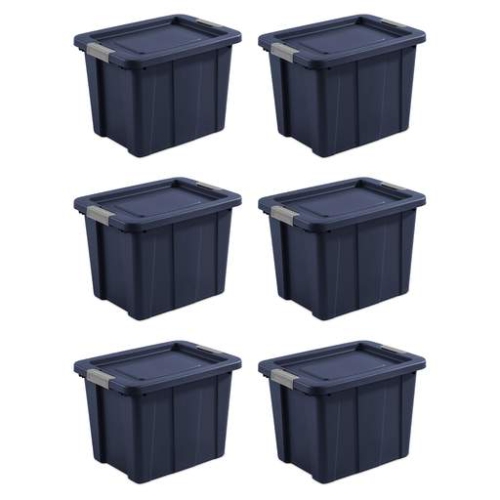
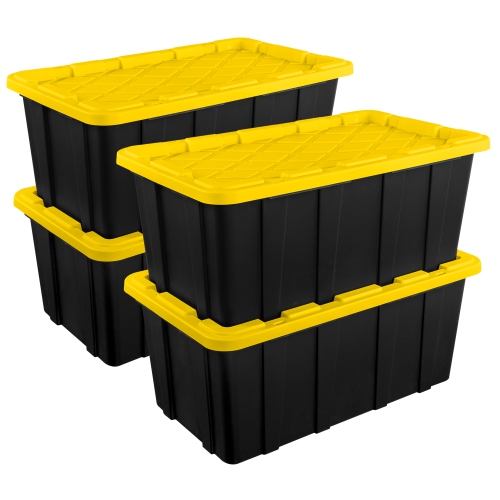
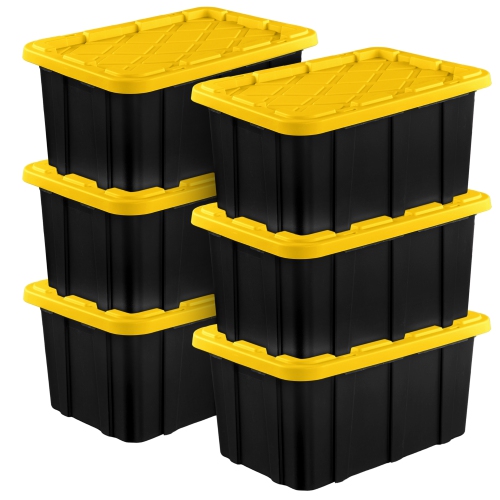
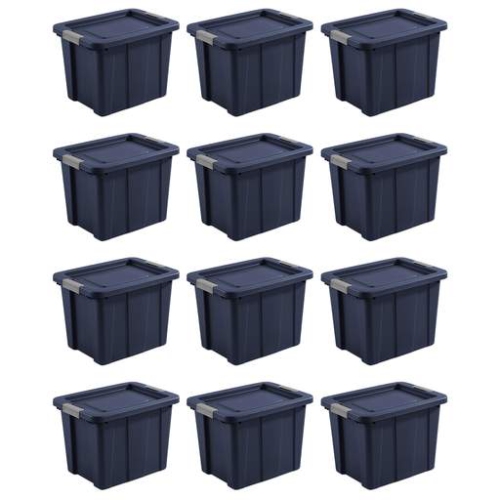
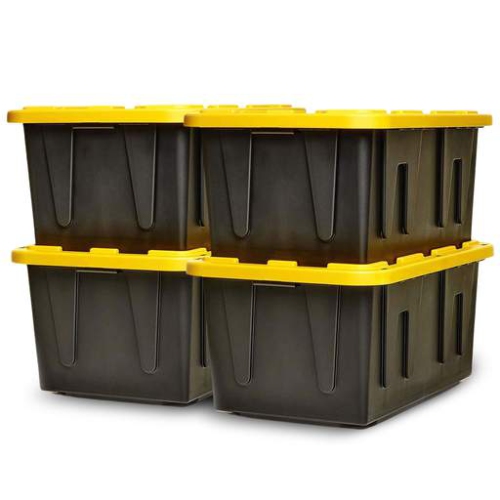
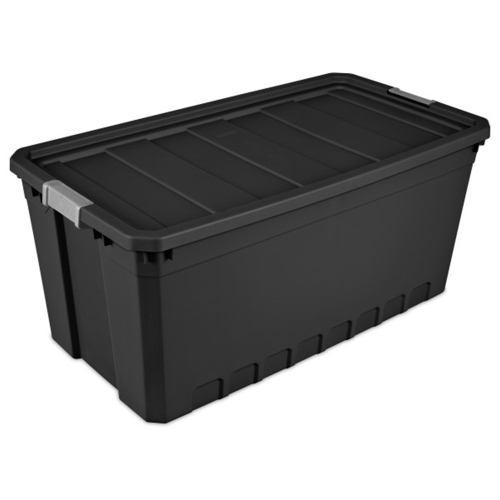
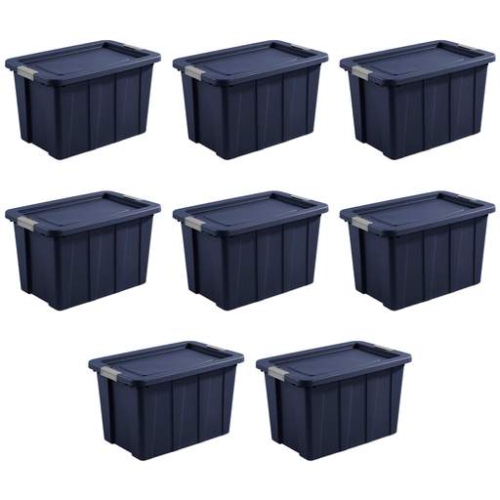
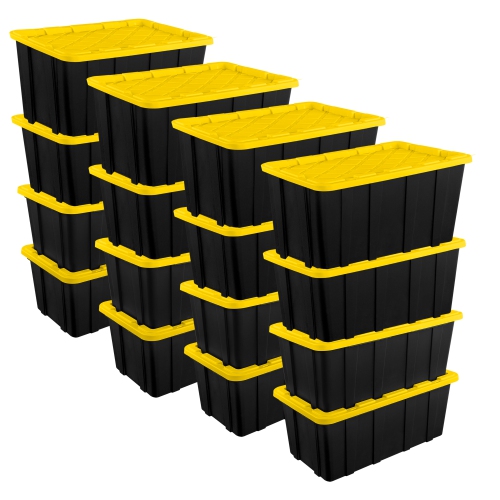
Size and fit matter as much as capacity when garage storage totes need to work around shelving, parked vehicles, and a busy workbench. Capacity in litres describes how much a container can hold, but exterior dimensions determine whether it fits on a shelf or beneath a bench. The widest points may be the lid, handles, or latches rather than the base, and tapered sides can leave less usable room inside than the outside measurements suggest. Long objects need adequate internal length, while bulky equipment needs enough clearance for the lid to close without pressure. A broad, shallow tote can keep smaller supplies within reach; a deeper container suits lightweight, bulky belongings that do not require frequent sorting. Larger is not always more convenient. A large tote filled with dense hardware can become awkward to carry well before it looks full, whereas several smaller containers may be easier to move and label by task. Comfortable handholds, smooth grip edges, and secure handles make a noticeable difference on the trip between a shelf and a work surface. Stacking features deserve a close look, too. A recessed lid or moulded channels may help the base of another tote sit securely, but stacking compatibility varies between designs and sizes. Matching footprints can make better use of shelf space, provided both the totes and the shelving remain within their stated load limits. Heavier loads belong lower down, and frequently used supplies are easier to retrieve without dismantling a tall stack. For storage that calls for reinforced construction and regular handling, Heavy Duty Storage Totes with Lids offer a closely related option to consider alongside dimensions, closure style, and load ratings. Even a substantial-looking lid is not a seat or step unless the manufacturer expressly rates it for that purpose. Nestable bases can save room when empty, although nesting usually requires removing the lids and storing them separately.

The most useful garage storage arrangement reflects what happens in the space. Someone who repairs bicycles may prefer separate totes for cleaning accessories, protective gear, and spare components, while a household with several sports interests may group equipment by activity or family member. A woodworking hobbyist might keep sanding supplies together and reserve another container for clamps and measuring accessories. Small parts are easier to manage in divided organizers placed inside a larger tote than scattered across its base. Labels on an outward-facing end make contents identifiable when containers sit on shelves, and a second label on the lid helps when they are stored low enough to view from above. Colour can distinguish categories at a glance, but written labels are helpful when several people share access. Care is generally straightforward: remove loose debris, wipe the interior and exterior with a mild cleaning solution compatible with the material, and allow both pieces to dry fully before closing. Trapped moisture from damp cloths or recently cleaned equipment can damage stored belongings, even when the container itself is unaffected. Keeping the rim and latch areas clean helps the cover seat properly, and occasional checks for cracked corners, loose hinges, damaged handles, or distorted lids can catch wear before the next move. Dragging a loaded tote across a rough floor can abrade the base, so lifting within a comfortable weight range helps preserve it. Sharp tool edges benefit from protective covers rather than resting directly against plastic walls. Garage totes are general-purpose storage containers, not substitutes for approved storage for fuel, chemicals, batteries, or other materials with special handling requirements. Such contents need their own suitable packaging and must follow the relevant safety directions. For ordinary belongings, durability comes from pairing a well-built container with a sensible load and a secure place to rest. The result is more than a tidy row of bins: a clear work surface, fewer loose accessories underfoot, and a straightforward way to put everything back after the job is done.
Read More

FAQ

Some products may be subject to Environmental Handling Fees (EHF) depending on your province. Learn more about EHFs.