Gemstone Bracelets
Gemstone bracelets add a touch of colour and elegance to any outfit, making them a versatile accessory for every occasion. Whether you’re searching for a meaningful gift or a stylish addition to your jewellery collection, gemstone bracelets offer a beautiful way to express your unique personality. Discover an array of designs, from classic to contemporary, and find the perfect piece to complement your style.
Sort


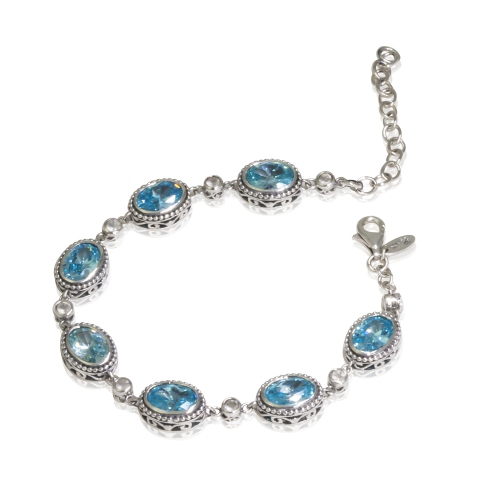
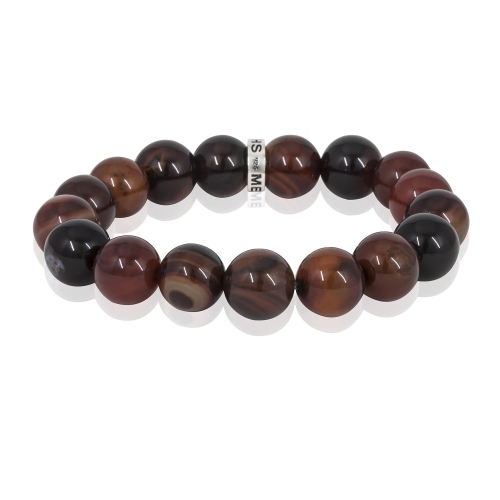
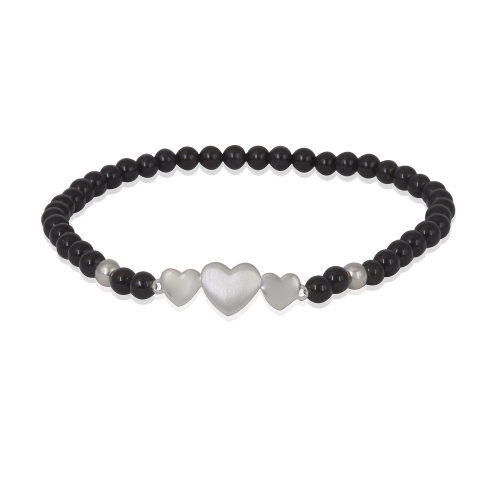
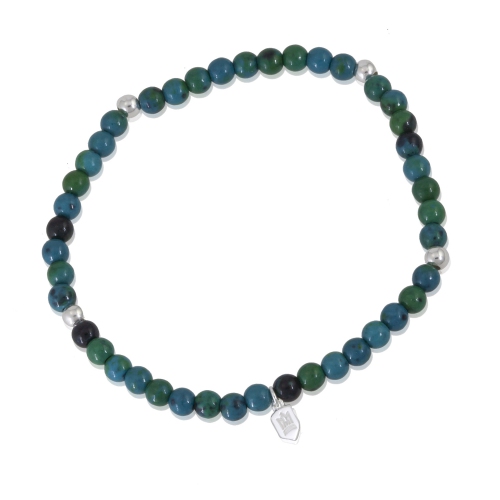
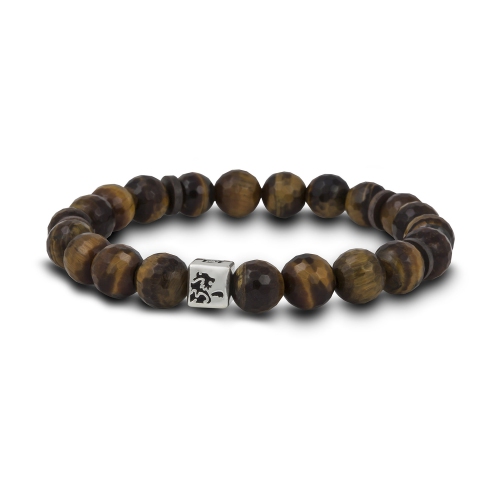
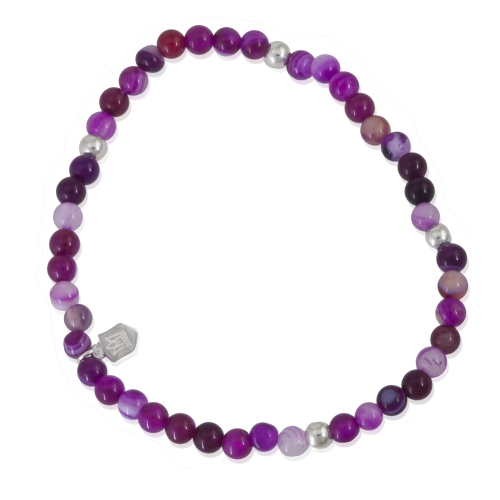
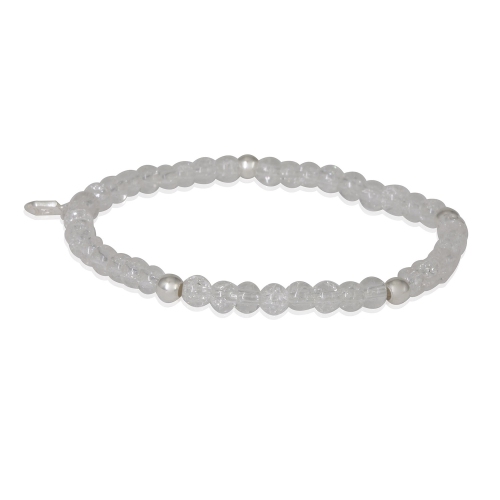
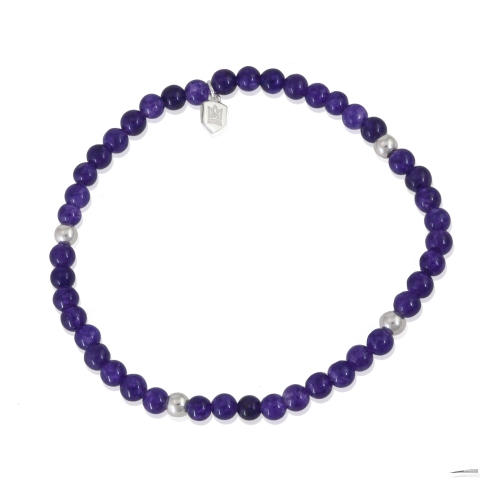
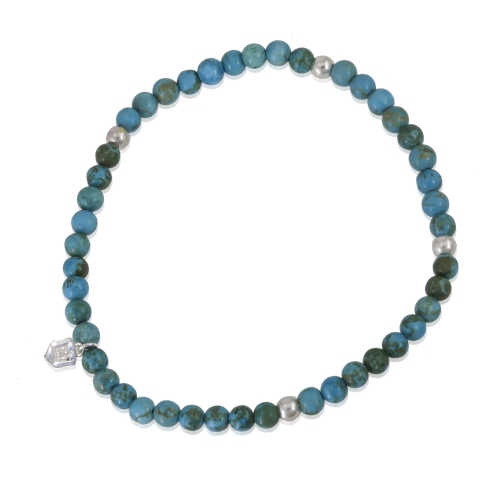


How stone cuts and settings shape a bracelet’s character
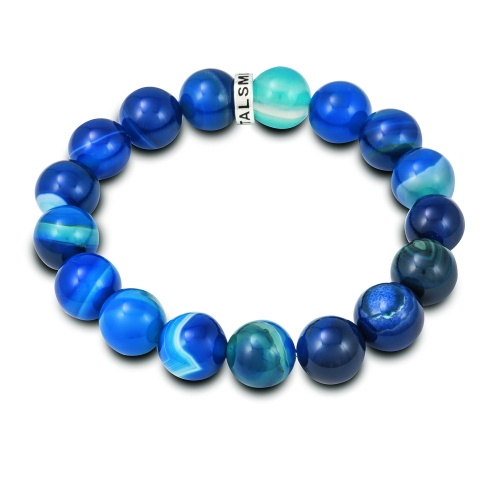
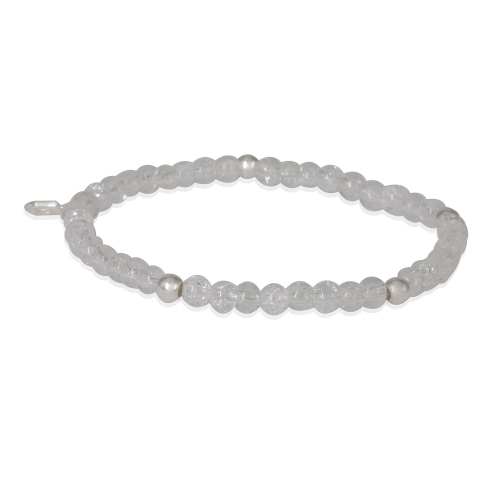
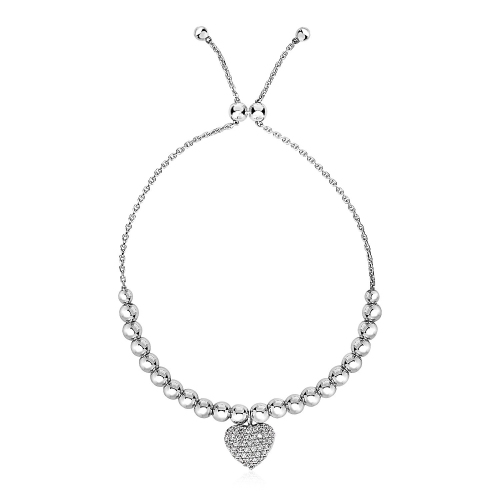
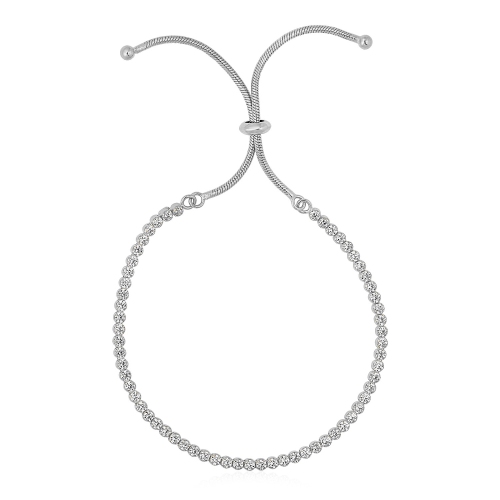
Gemstone bracelets bring colour, texture, and personal meaning to jewellery, from a simple strand of polished beads to a continuous row of stones set in precious metal. Their character comes from the combination of the gemstone, its cut, and the way it sits on the wrist. Rounded beads have a smooth, tactile finish, while faceted beads catch light as the hand moves. A chain bracelet with a single gemstone offers a quieter accent, and a gemstone tennis bracelet creates a more defined line of colour through individually linked settings. Cuffs and bangles add structure, sometimes with stones positioned at the ends or across the top. Amethyst is known for its purple shades, citrine for yellow to golden tones, and rose quartz for its soft pink appearance. Agate and jasper can display bands, speckles, and other patterns that make each natural stone look slightly different. Clear or translucent stones interact with light differently from opaque stones such as turquoise, giving even similarly coloured bracelets a distinct presence. Cut and finish matter just as much as colour: a domed cabochon emphasizes a stone’s surface and pattern, while a faceted cut can highlight brilliance and depth. Natural gemstones may contain inclusions or variations in colour, so perfect uniformity is not always a sign of authenticity or quality. Laboratory-created gemstones have essentially the same chemical composition and crystal structure as their natural counterparts, while simulated stones resemble another gem without sharing its composition. Treatments such as dyeing, heating, or filling can affect appearance and care requirements, making material descriptions useful when comparing styles. For coordinated accessories, Gemstone Jewelry offers a broader theme for pairing bracelets with earrings, necklaces, or rings. Matching every stone is not essential; repeating a metal tone or choosing colours with similar depth can give separate pieces a cohesive feel. A purple gemstone beside a silver watch, for example, creates a different effect from the same colour framed in yellow gold.
The construction of a gemstone bracelet influences its weight, movement, fit, and suitability for different routines. Stretch bracelets slip over the hand without a clasp and suit those who prefer straightforward fastening, though the elastic needs gentle handling. Knotted cord bracelets offer a softer feel, and sliding closures can provide flexibility in sizing. Chain bracelets may use lobster clasps, spring rings, or box clasps, with some designs including an extender or safety catch. Larger clasps can be easier to handle than very small fittings, especially for someone who finds delicate fastenings awkward. Sterling silver provides a bright setting but can tarnish over time, while solid gold alloys vary in colour and composition. Gold-filled and gold-plated jewellery differ in how the gold layer is applied and how much is present; friction and frequent wear can gradually affect their finish. Anyone with metal sensitivities benefits from checking the full metal composition, including clasps and spacer beads, rather than relying on the gemstone description alone. Fit is about more than the listed length. A comfortable bracelet generally leaves enough room for natural wrist movement without sliding so far that it catches on objects. Large beads occupy more space against the wrist than a fine chain, which means two bracelets with the same stated length may feel different. A rigid bangle must pass over the widest part of the hand, whereas a hinged style opens for easier placement. For someone who types throughout the day, a low-profile bracelet with smaller stones may sit more comfortably than oversized beads pressing against a desk. A substantial cuff or sparkling line of gemstones can instead serve as a focal point for a celebration. As gifts, gemstone bracelets can reflect a favourite colour, a birthstone, or a shared memory. An adjustable closure can help when the recipient’s wrist measurement is uncertain, although its sizing range still matters. Birthstone associations add a personal detail without requiring an elaborate design, and a minimalist bracelet can be just as meaningful as a more ornate one.
Durability depends on both the gemstone and the bracelet’s construction, rather than on appearance alone. Gemstone hardness describes resistance to scratching, but it does not measure every kind of damage. A hard stone can still chip if struck at a vulnerable edge, and a secure-looking setting may loosen after repeated knocks. Sapphire and ruby resist scratching well, while softer or more porous materials, including turquoise and opal, need greater care around abrasion, liquids, and cleaning agents. Prong settings expose more of a stone to light but can catch on fabric if a prong becomes bent or worn. Bezel settings surround the edge of a gemstone with metal, offering some protection while creating a smooth outline. Beaded bracelets have their own wear points: thread, cord, and elastic can weaken, particularly around drilled holes or where components rub together. Intended use therefore matters. A bracelet worn occasionally for dinners or special gatherings faces different demands from one worn through commuting, office work, and everyday errands. Removing gemstone jewellery before exercise, household cleaning, swimming, or tasks that involve lifting and gripping helps limit impacts, snagging, and contact with chemicals. Perfume, lotions, and hair products are best applied before putting a bracelet on. Cleaning should follow the instructions for the particular stone, any treatments, the metal, and the stringing material; a method suitable for one bracelet may damage another. A soft, dry cloth is a gentle starting point for wiping away surface residue, while soaking, steam, and ultrasonic cleaning should be avoided unless confirmed safe for every component. Stretch bracelets are better rolled gently over the hand than pulled wide. Separate storage in a soft pouch or divided jewellery box helps prevent stones and metal parts from scratching neighbouring pieces. When stacking bracelets, leaving a little space and limiting contact between hard gemstones and delicate finishes can reduce wear. Periodic checks of clasps, knots, elastic, and settings help identify problems before a bracelet breaks or a stone is lost, preserving the details that make it enjoyable to wear.
Top selling and popular products
-
 Your price for this item is $1224.56
-
 Your price for this item is $19.97
-
 Your price for this item is $320.74
-
 Your price for this item is $771.23
-
 Your price for this item is $112
-
 Your price for this item is $1890.38
-
 Your price for this item is $138.3
-
 Your price for this item is $39.99
Discover more categories related to Gemstone Bracelets


Top Collections:
Pokemon Centers, Best Cameras for Sports Photography, Kindle Devices, Samsung Galaxy Phones, Canon G7X Cameras, Pokémon 30th Celebration Cards, Refurbished Apple Laptops, iPhone 15 Apple, Laptops for Students, Budget Smartphones
Some products may be subject to Environmental Handling Fees
(EHF) depending on your province.
Learn more about EHFs.