GPS Watches for Trail Running
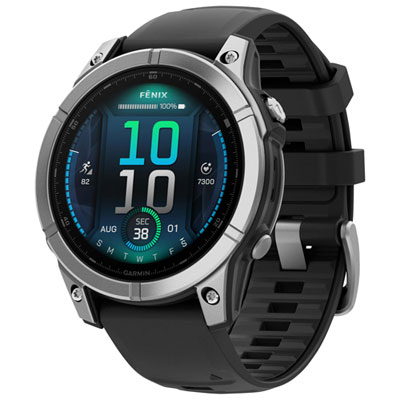
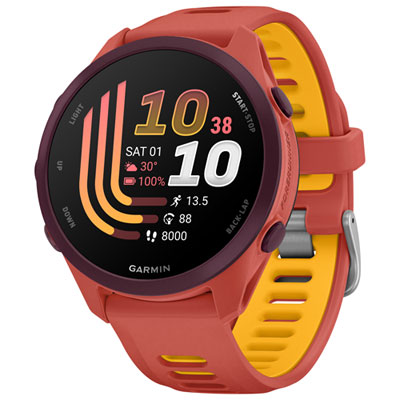
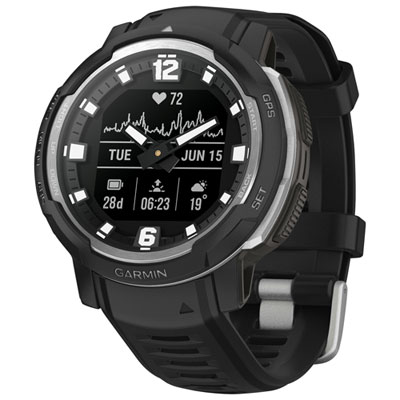
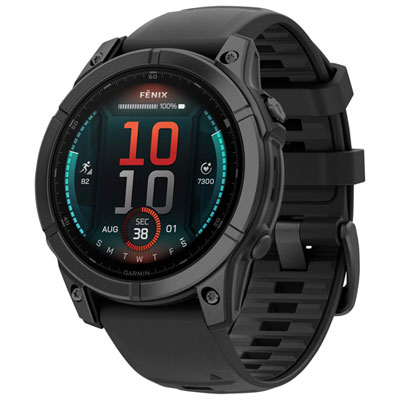
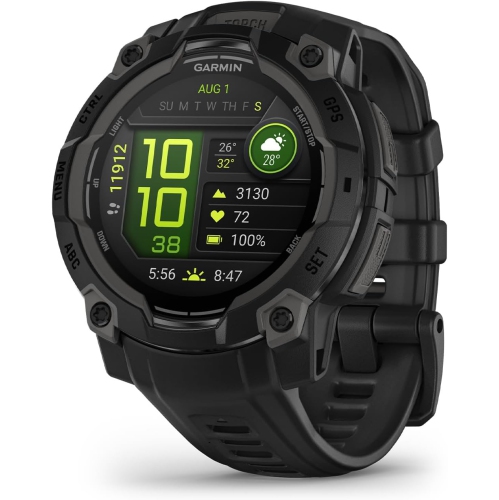
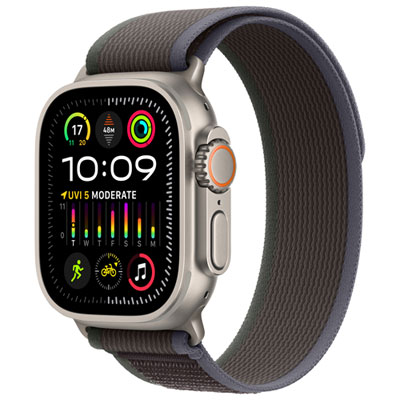
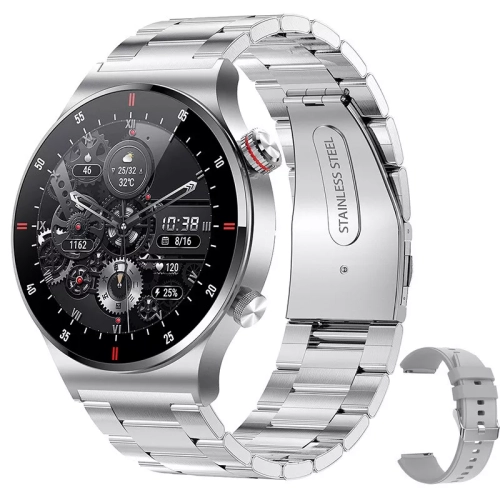
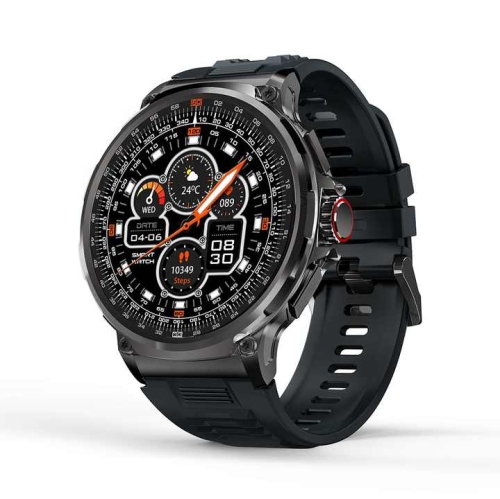
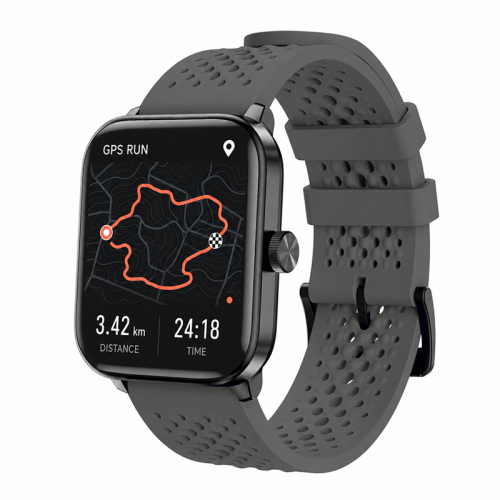
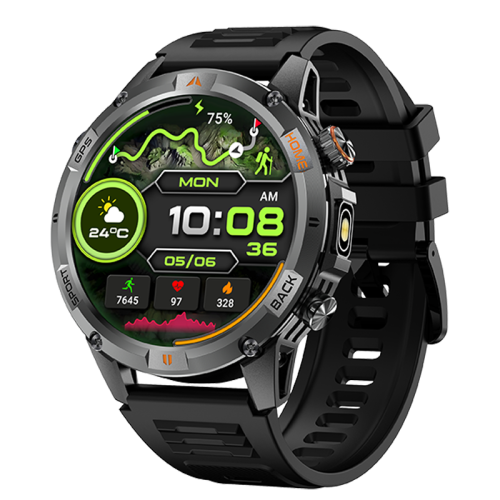
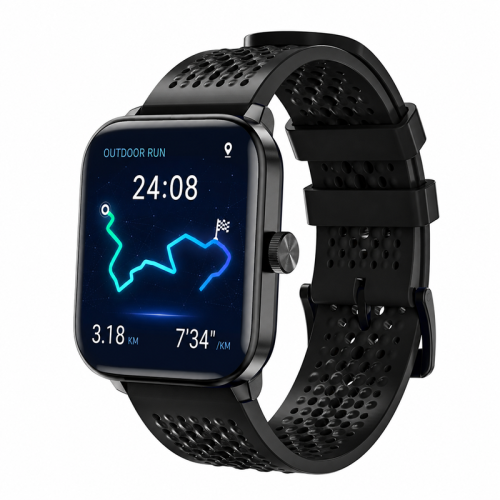
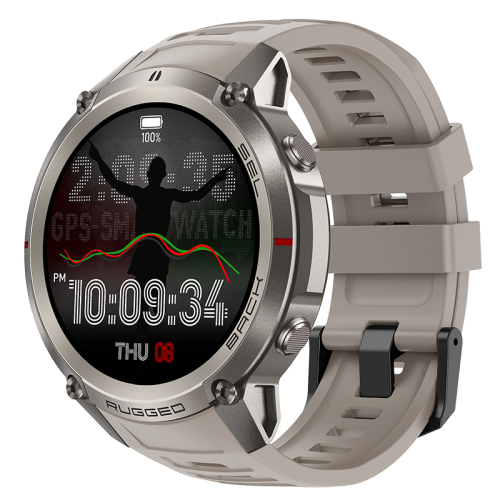
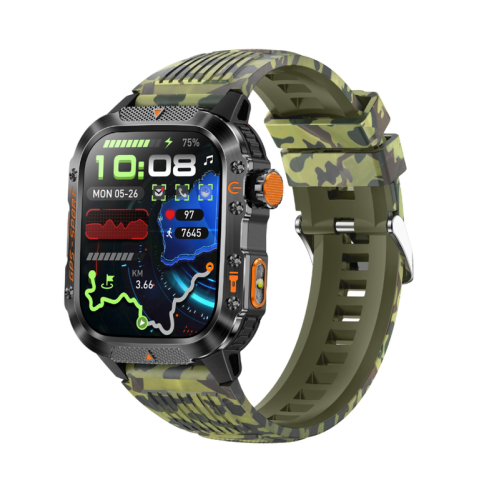
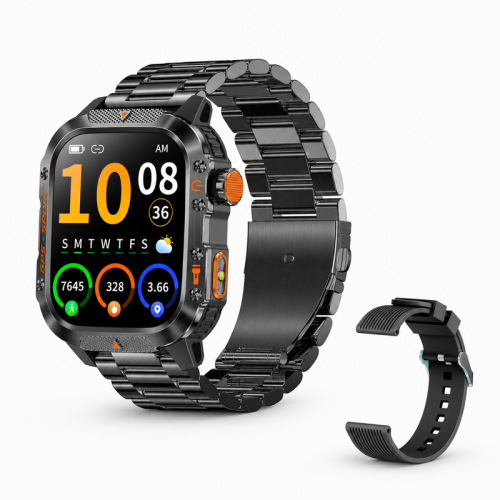
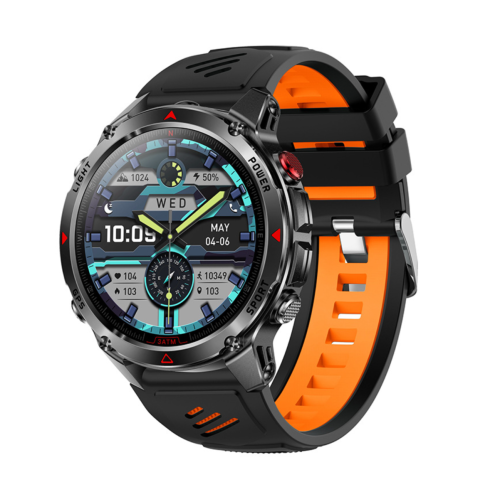
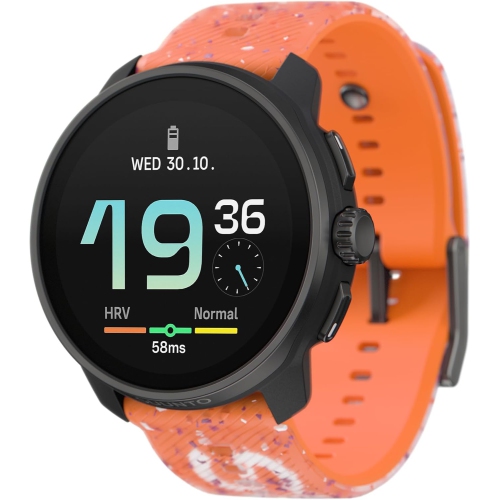
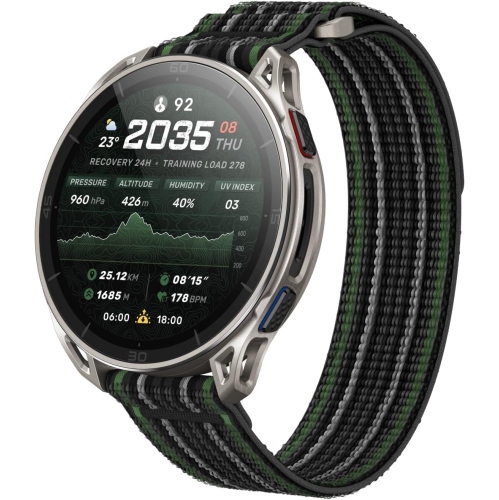
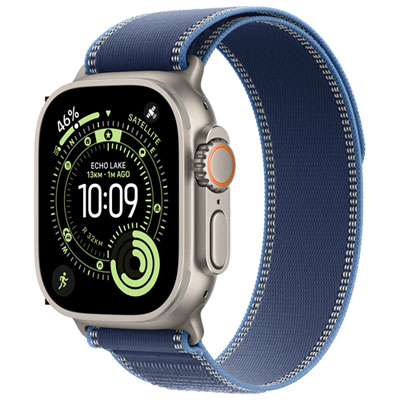
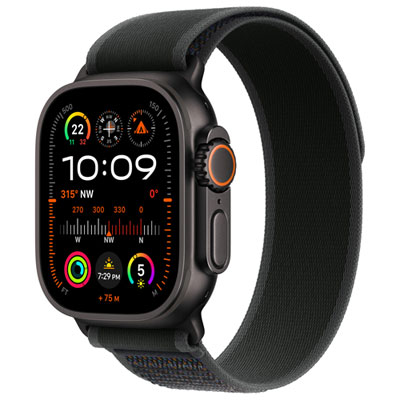
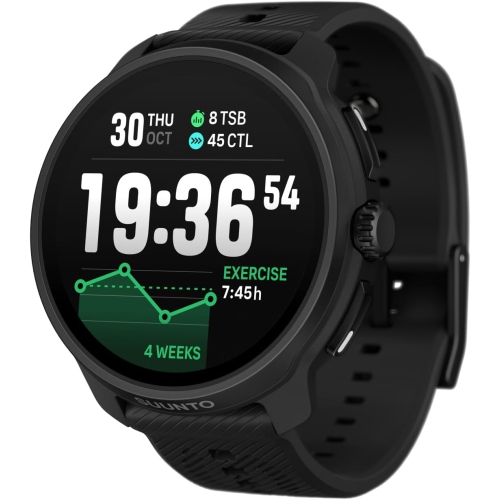
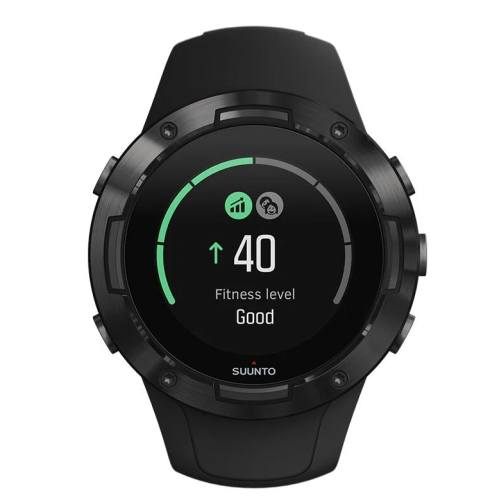
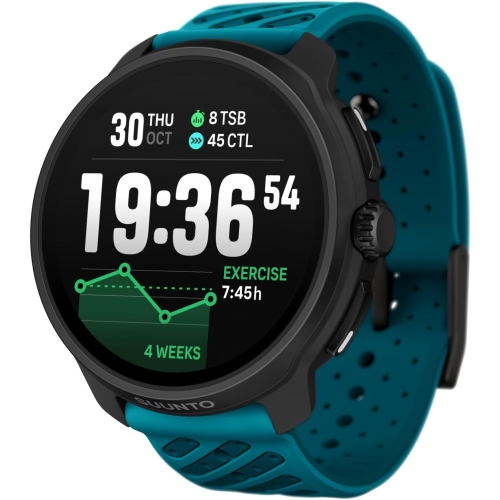
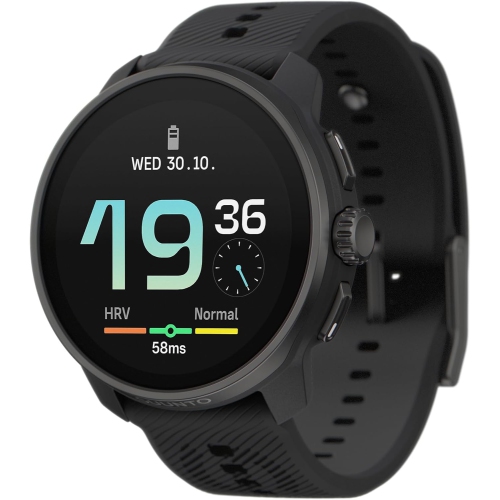
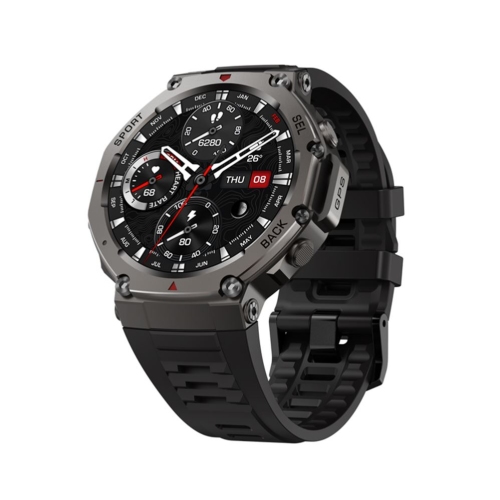
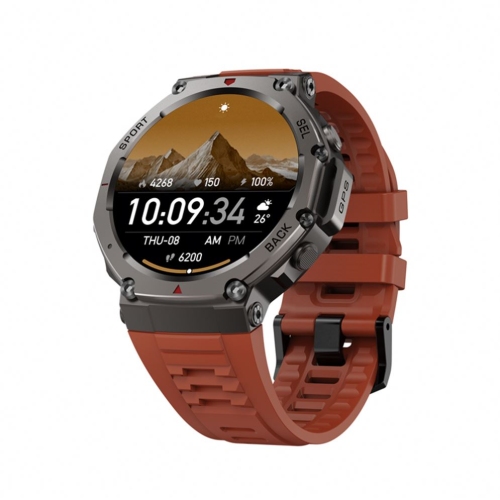
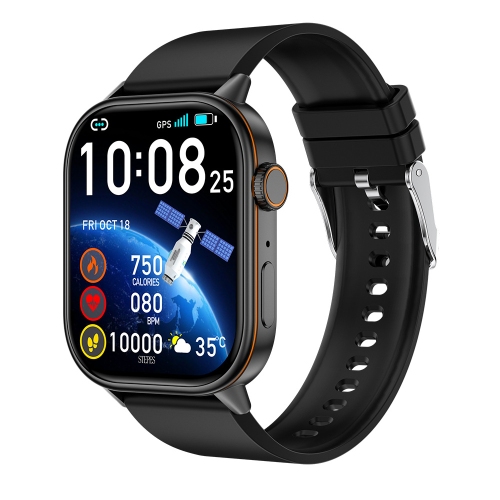
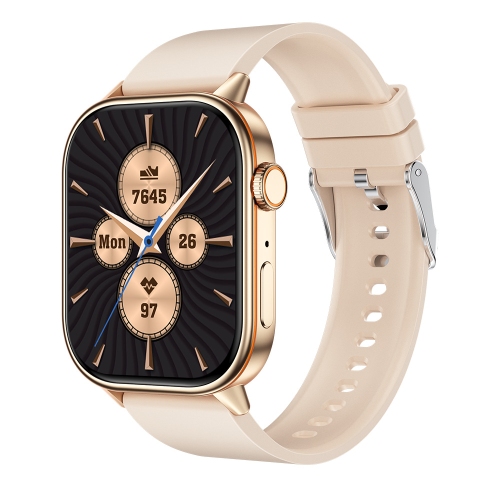
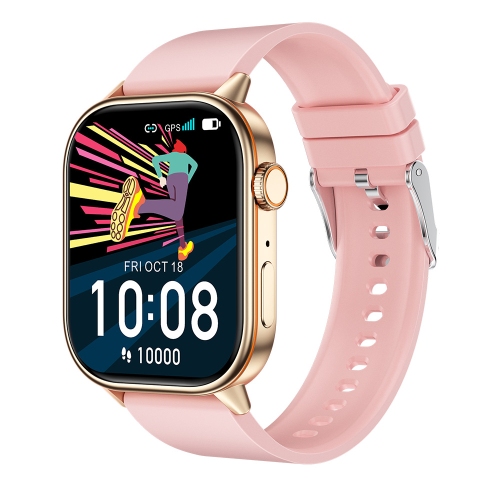
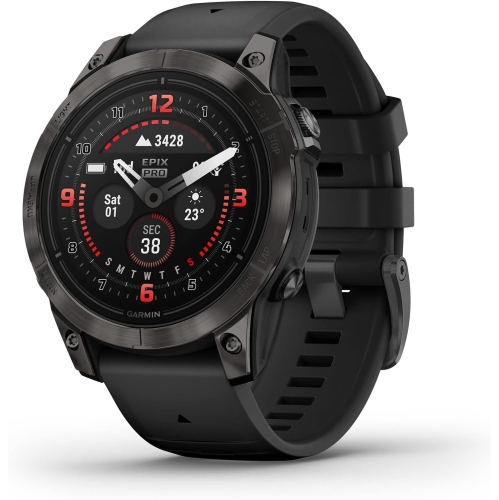
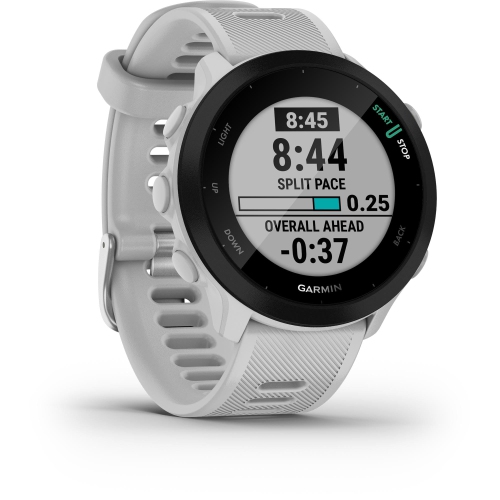
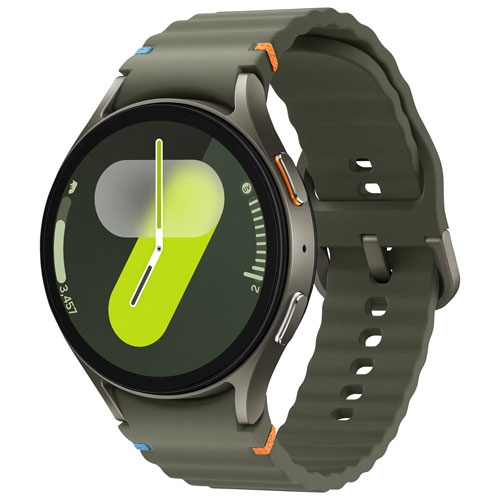
Find GPS watches for trail running that suit your routes and training goals. Compare running watches by battery life in GPS mode, display readability, and fit, and check which route-tracking and navigation features are included to help you choose a watch for your off-road runs.















































FAQ
Depending on the model, GPS watches can record your route, distance, pace, elapsed time, elevation gain and heart rate. Some also track cadence, laps and vertical speed, with summaries available on the watch or in a companion app.
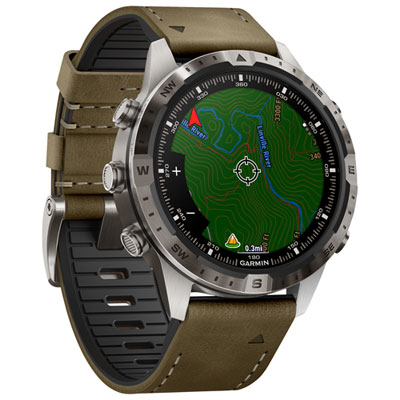
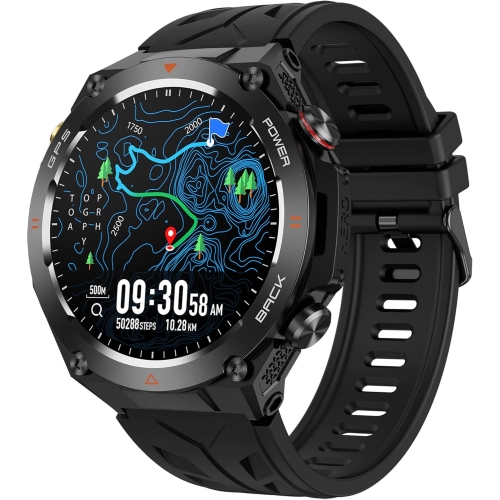
Breadcrumb navigation displays a line representing your route, usually with limited surrounding detail. Watches with map support may show trails, terrain and points of interest. Route importing, offline maps and turn prompts vary by model.
GPS watches may use satellite positioning, a barometric altimeter or a combination of both to calculate elevation. Depending on the model, you can view current altitude, total ascent, total descent and an elevation profile of your run.
Some watches let you choose satellite systems, enable multi-band positioning or adjust how frequently location points are recorded. Certain models also offer extended recording modes with fewer location updates. Available settings and battery use vary by watch.
Many GPS watches sync activities to a companion app, and some support connections to other running platforms. Depending on compatibility, they may also pair with accessories such as chest-strap heart rate monitors or foot pods through Bluetooth or ANT+. App features and accessory support vary by model.
Top selling and popular products
Discover more categories related to GPS Watches for Trail Running
Some products may be subject to Environmental Handling Fees (EHF) depending on your province. Learn more about EHFs.