GPS Tracker Watches for Elderly
Navigating the challenges of ensuring the safety and well-being of our elderly loved ones has never been easier with the advent of GPS tracker watches for elderly individuals. These innovative devices are designed to offer peace of mind by providing reliable location tracking, helping families stay connected and informed. Whether it's for keeping track of daily activities or ensuring help is just a call away, a GPS tracker watch for elderly users combines functionality with ease-of-use, making it an essential tool in modern caregiving. Explore a range of options that blend technology with care, ensuring your loved ones are both safe and independent.
Sort
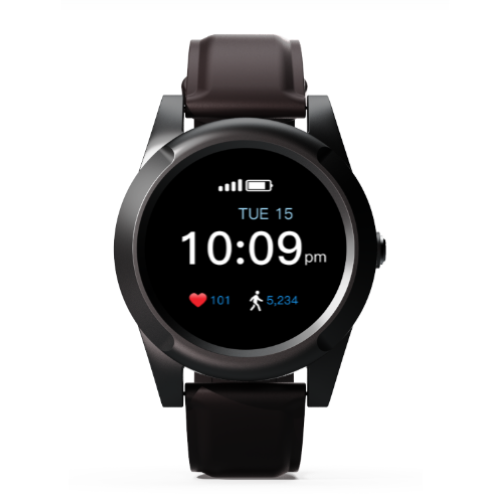
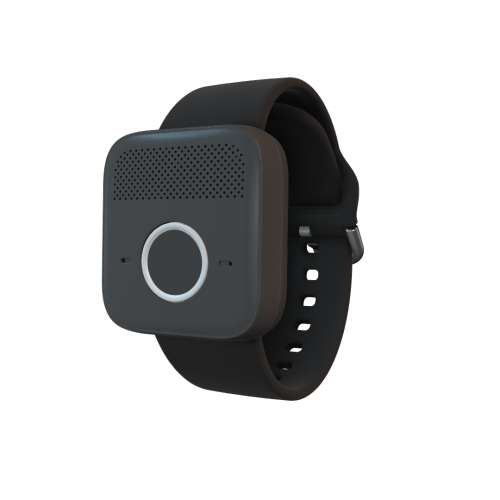

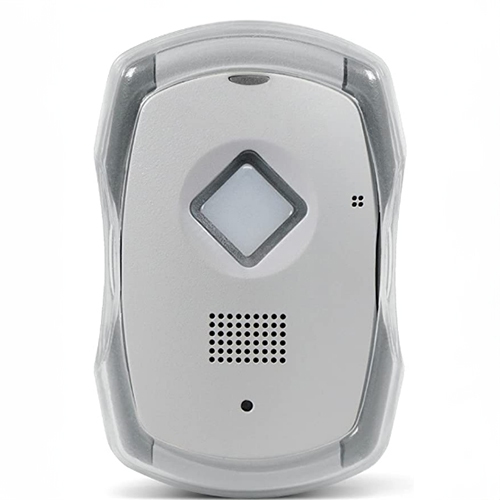
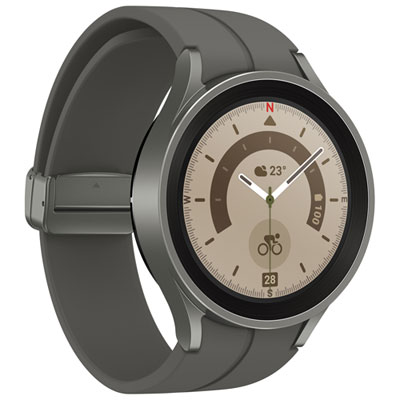
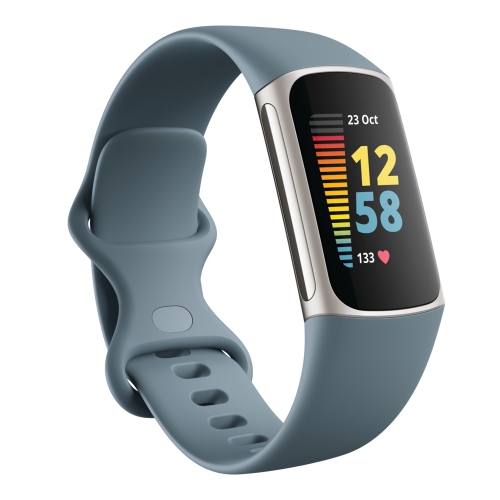

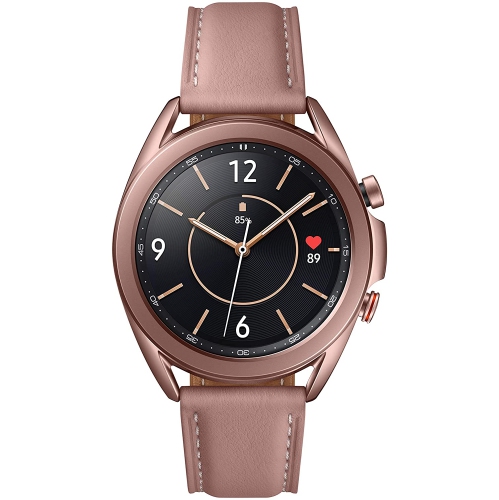

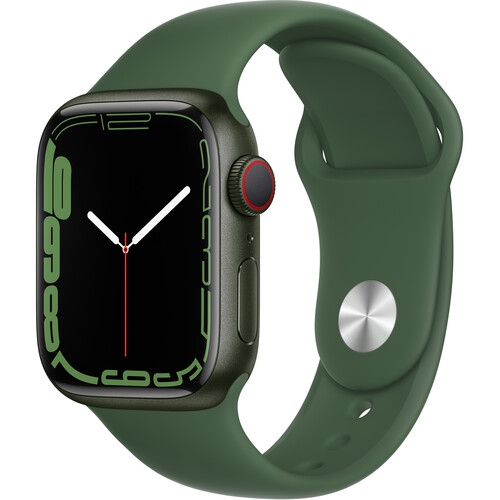
Location sharing and calls that fit everyday routines
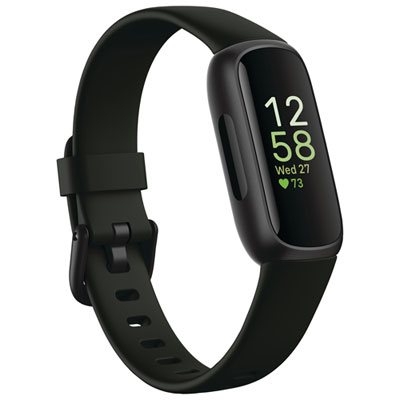
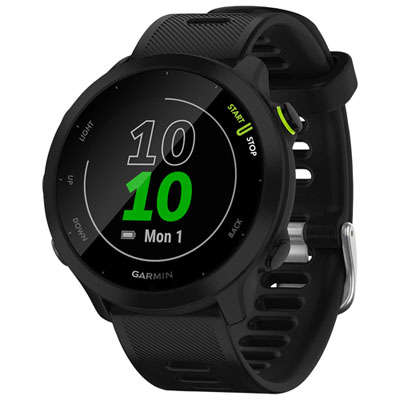
GPS tracker watches for elderly adults combine a familiar wristwatch design with location-sharing and communication features that can help older adults stay connected with family members or caregivers. Depending on the watch, these features may include GPS positioning, two-way voice calls, an SOS button, location history, and alerts sent to a companion smartphone app. They can be useful for someone who enjoys independent walks, travels to appointments alone, or prefers a wearable contact option instead of reaching for a phone. A family member checking whether a loved one has arrived at a community centre is a typical use, but the wearer’s preferences and consent should shape how location sharing is used. GPS generally works best outdoors with a clear view of the sky. Some watches also use Wi-Fi positioning or cellular network location estimates when satellite reception is limited, although indoor locations may be less precise. Location updates are not necessarily continuous: the interval between updates, signal strength, battery settings, and network coverage all affect what appears on the map. A timestamp helps distinguish a recent position from an older location report. For location sharing or calls away from a paired phone, a watch generally needs its own supported cellular connection; GPS reception alone does not transmit the wearer’s position to someone else. Compatibility with Canadian mobile networks, the required SIM or eSIM setup, and support for the caregiver’s smartphone operating system are therefore important considerations. Bluetooth-only calling is different from independent cellular calling because it typically requires a compatible phone nearby. The distinction matters for an older adult who often leaves their phone on the kitchen counter before heading out. Clear specifications about standalone operation, app access, and supported coverage help match a watch to the person’s everyday routines rather than simply to a long list of features.
Safety functions are most useful when their operation is easy to understand. On watches with an SOS button, pressing or holding the button may call designated contacts, send an alert with a location, or connect to a response service, depending on the device and its setup. These actions are not interchangeable, and an SOS label does not automatically mean that a watch connects directly to emergency services. Contact order, alert delivery, and what happens when nobody answers are worth checking before relying on the feature. Some watches offer automatic fall detection, which uses movement sensors to identify patterns that may indicate a fall. It is an additional support feature, not a guarantee: a watch may miss a fall or send an alert after an abrupt movement that was not a fall. Understanding the cancellation process can make accidental alerts less stressful for both the wearer and their contacts. Geofencing, sometimes described as a safe-zone feature, lets an authorized person define a boundary around a location and receive a notification when the watch detects that the wearer has crossed it. This can support care arrangements for someone living with memory loss, but it does not prevent wandering, and notification timing depends on positioning updates and connectivity. A map cannot confirm whether someone is safe or replace personal assistance when it is needed. Families considering a watch for a person living with dementia should account for their comfort, ability to use it, and individual care needs, with appropriate professional input. Privacy deserves equal attention: location access should be limited to trusted people, account credentials protected, and any shared access reviewed when care arrangements change. For everyday communication, a clear speaker, an audible ringtone, vibration alerts, and a simple contact list may be more useful than a crowded screen. Reminders, where supported, can prompt familiar routines such as taking medication or attending an appointment, but they do not confirm that a task was completed. Practising a call and explaining each alert together can make the watch feel like a familiar tool rather than an unfamiliar alarm.
Comfort and straightforward care help make a GPS tracking watch practical enough to wear regularly. A lightweight case with smooth edges is less likely to catch on clothing, while a readable display with adjustable brightness and large text can reduce the effort needed to check the time or find a contact. Physical buttons may suit someone who finds small touchscreen targets difficult, especially if finger movement or dexterity is limited. Strap material and fastening style also make a difference. Flexible silicone straps are often easy to wipe clean, woven straps can offer a softer feel, and metal components warrant attention for anyone with a known sensitivity. The fit should keep the watch stable without pinching, with enough adjustment to remain comfortable through ordinary daily activities. Where sensor contact is required, the manufacturer’s fit instructions are important. A secure closure should still suit the wearer’s abilities and care needs; difficult fastenings can turn charging or cleaning into an unnecessary struggle. Water resistance varies, so a rating should be checked against the manufacturer’s permitted uses rather than treated as permission to shower or swim with the watch. Straps and contact surfaces need regular cleaning using the recommended method, followed by thorough drying, and charging contacts should be kept clean and dry. Battery life depends on how often location updates are requested, cellular signal conditions, calls, screen use, and enabled sensors. Magnetic connectors or charging cradles may make placement easier, but aligning the watch correctly and confirming that charging has started remain useful habits. A consistent charging routine, with another way to make contact while the watch is off the wrist, helps avoid gaps in use. For an older adult receiving a watch as a gift, involving them in the choice of strap, display, and sharing settings can make it a more welcome part of their routine. If the main goal is counting steps rather than sharing location or sending safety alerts, Pedometer Watches for Seniors offer a related category to consider, with the focus on everyday movement and activity tracking.
Top selling and popular products
-
 Your price for this item is $599.99
-
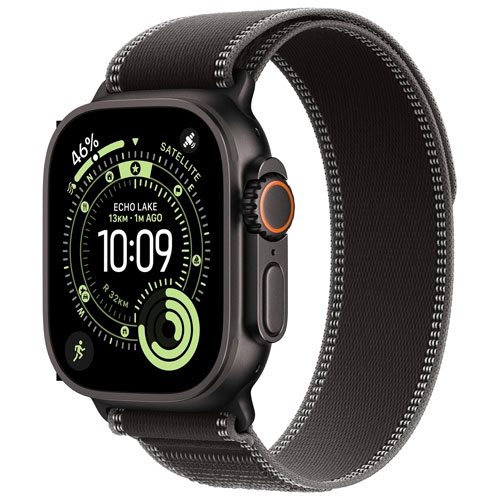 Your price for this item is $1069
-
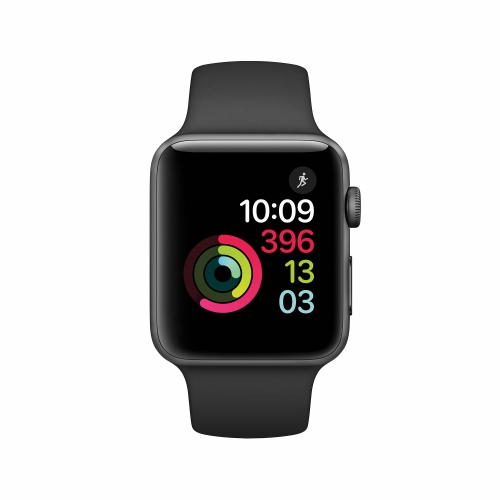 Your price for this item is $217.59
-
 Your price for this item is $594.95
-
 Your price for this item is $359.5
-
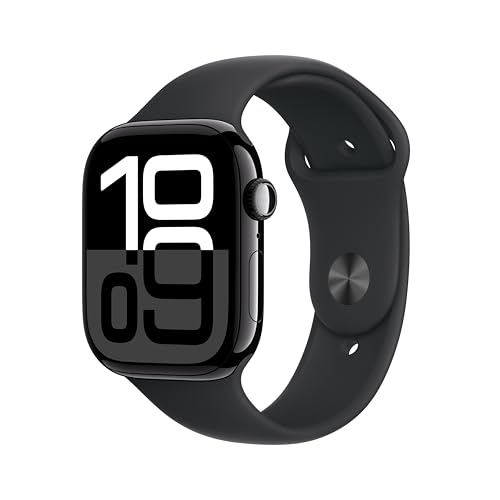 Your price for this item is $529.99
-
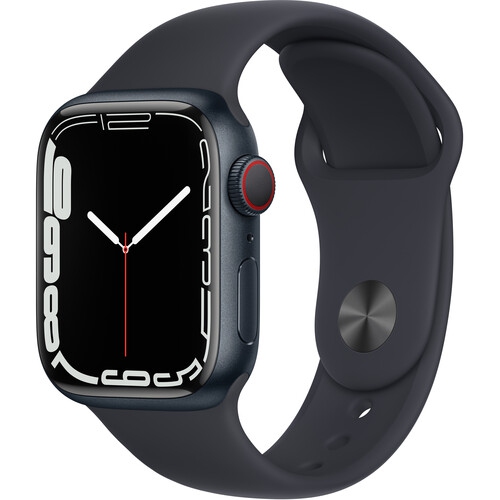 Your price for this item is $699
-
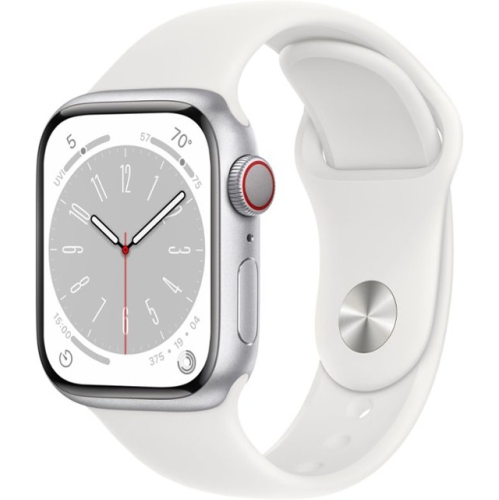 Your price for this item is $619
Discover more categories related to GPS Tracker Watches for Elderly

Top Collections:
Pokemon Centers, Best Cameras for Sports Photography, Kindle Devices, Samsung Galaxy Phones, Canon G7X Cameras, Pokémon 30th Celebration Cards, Refurbished Apple Laptops, iPhone 15 Apple, Laptops for Students, Budget Smartphones
Some products may be subject to Environmental Handling Fees
(EHF) depending on your province.
Learn more about EHFs.