Black Guitars
Black is one of the most popular colors for a guitar, and it's also one of the most versatile. Whether you're looking for a classic acoustic or an electric with a modern feel, there's a black guitar out there that will suit your needs.
Sort
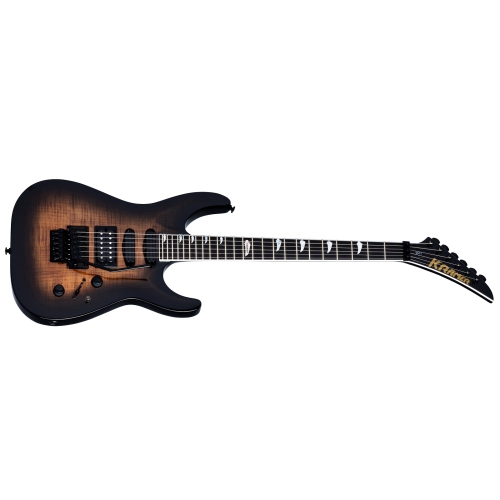
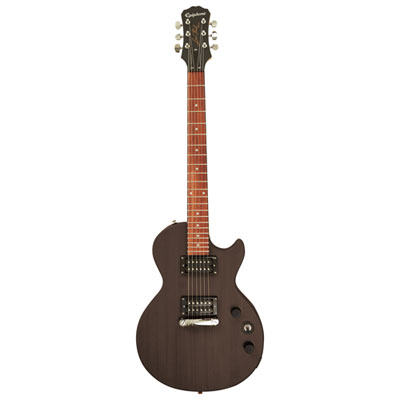
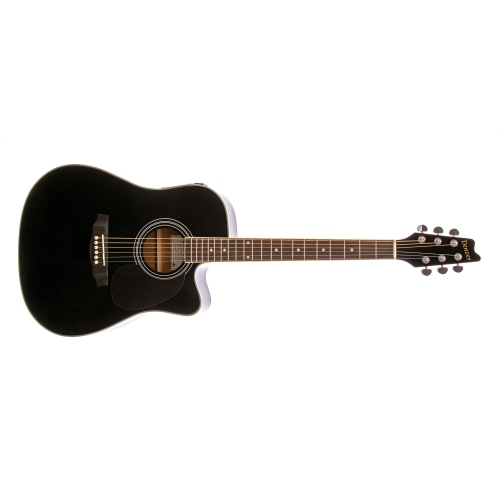
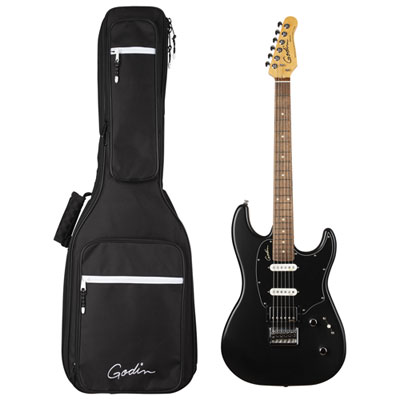
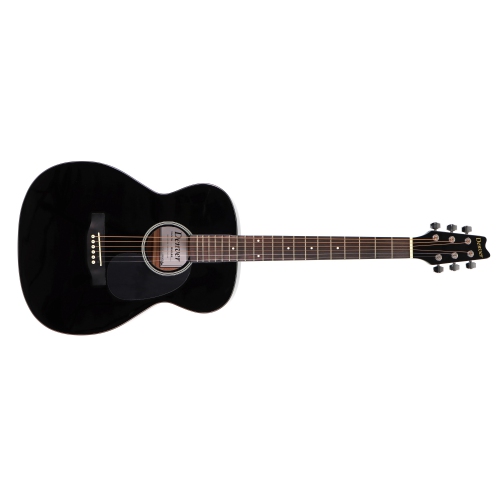
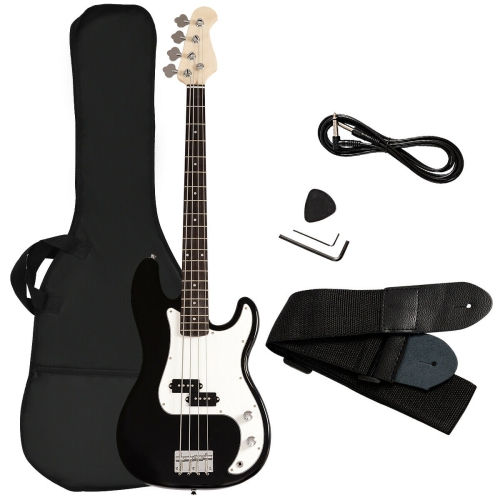

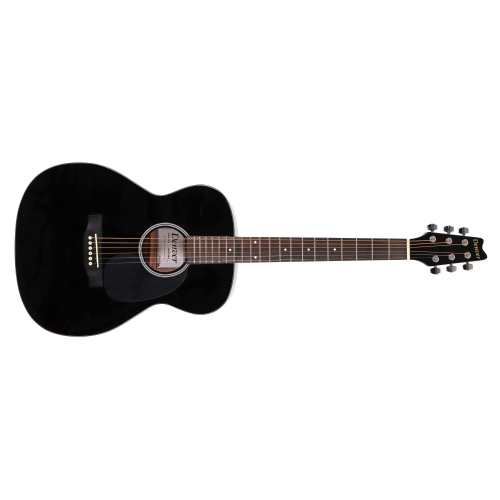
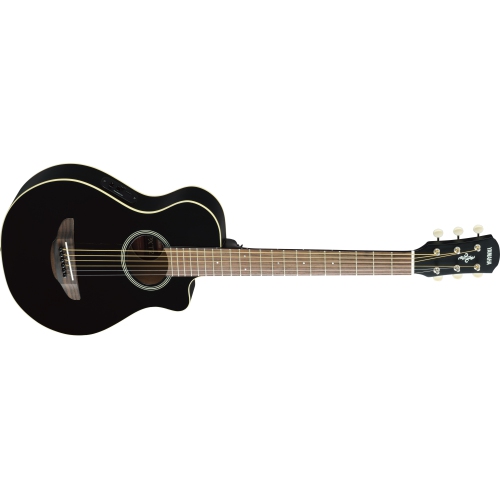
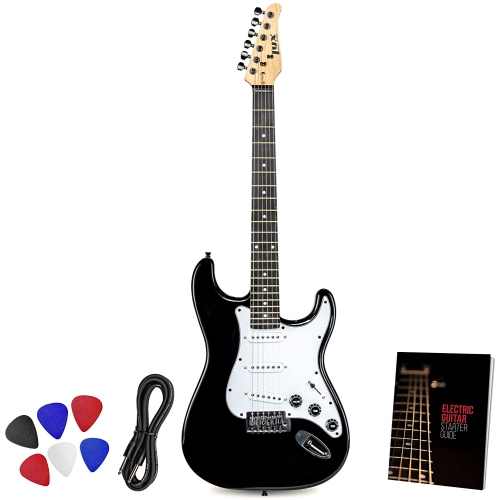
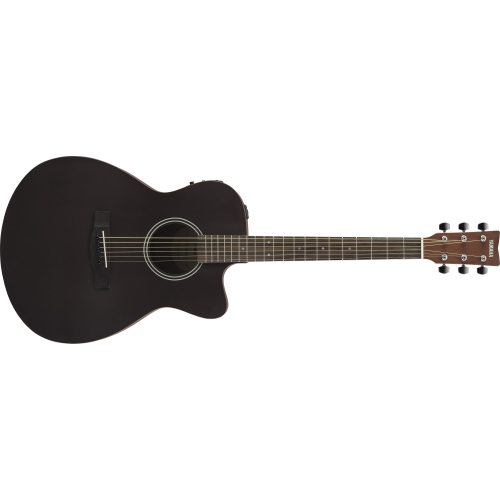
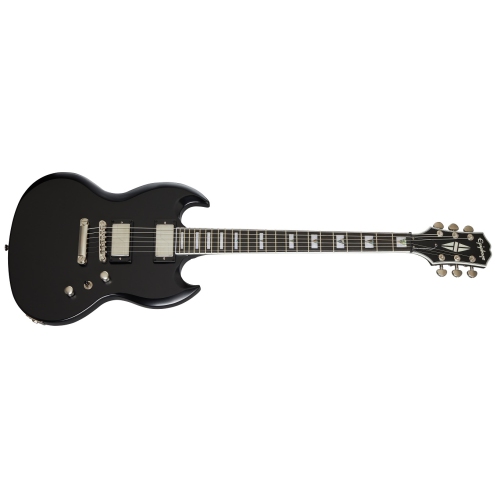
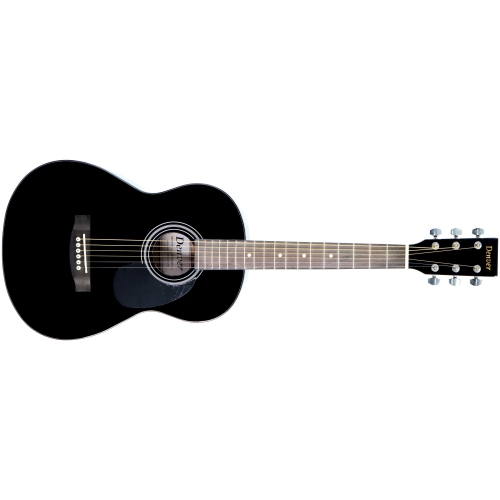

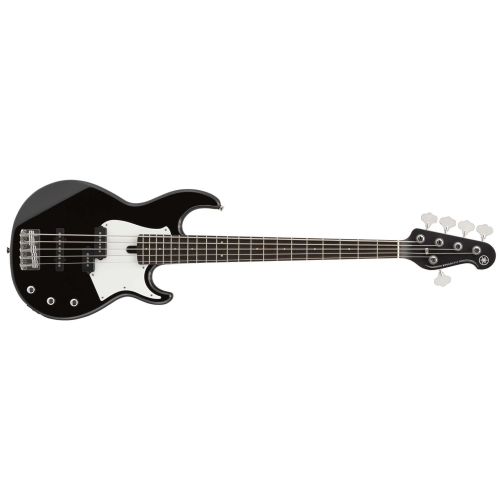
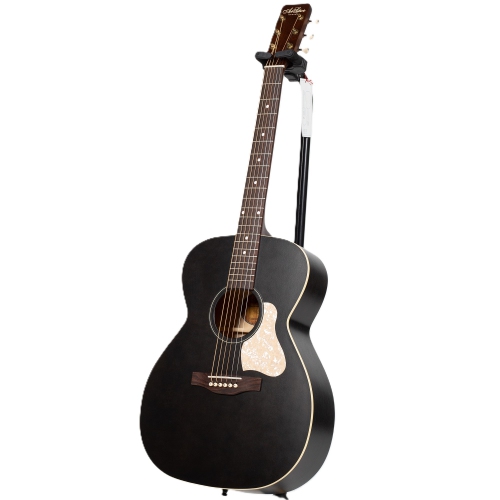
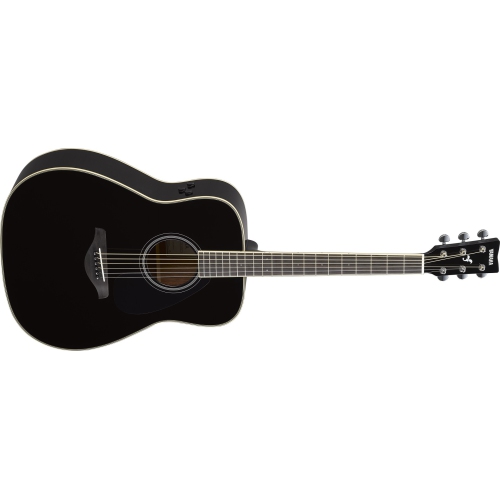

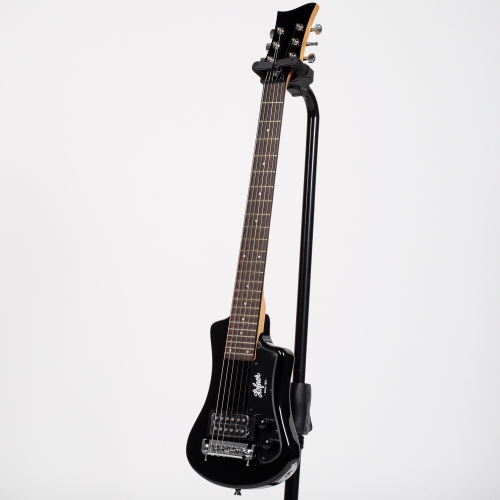
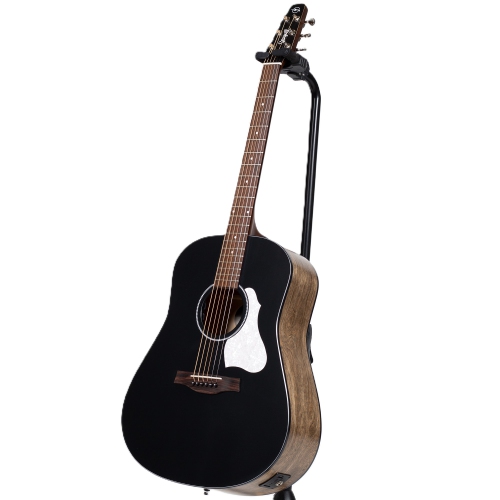
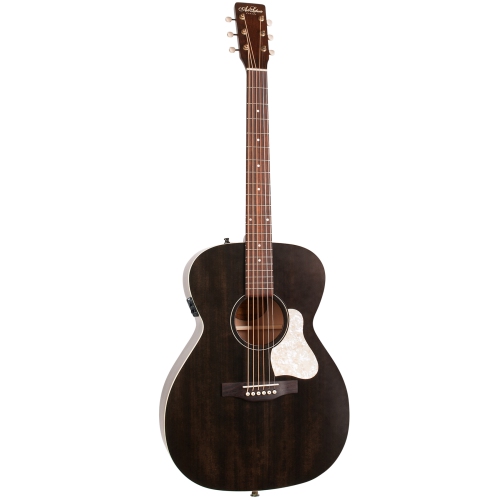

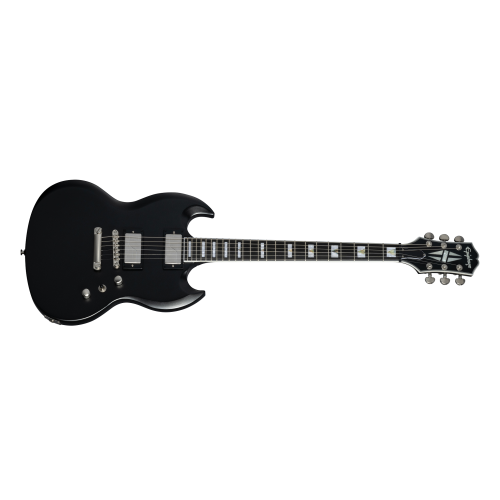
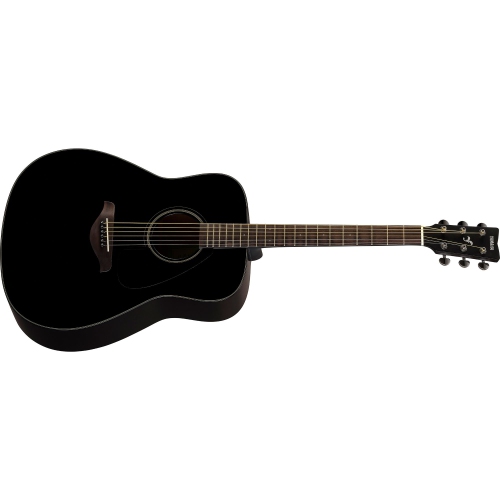
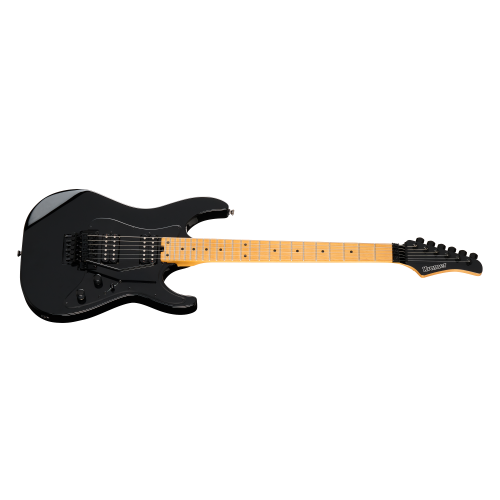
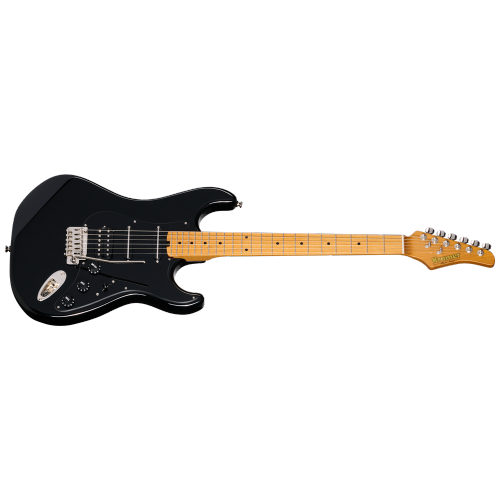
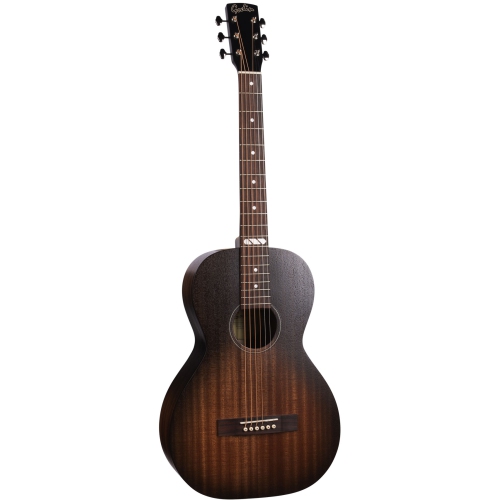
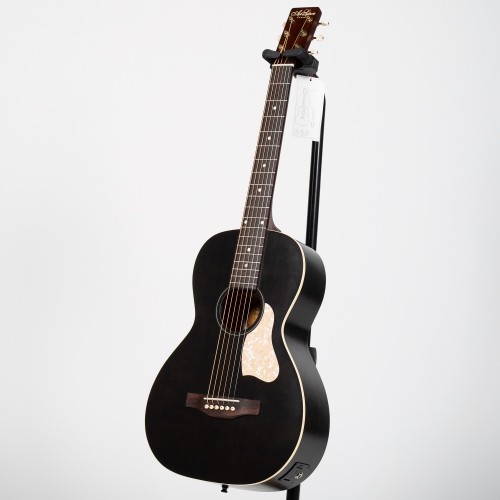
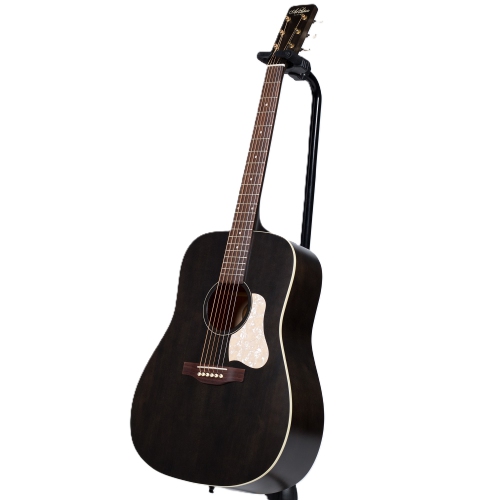
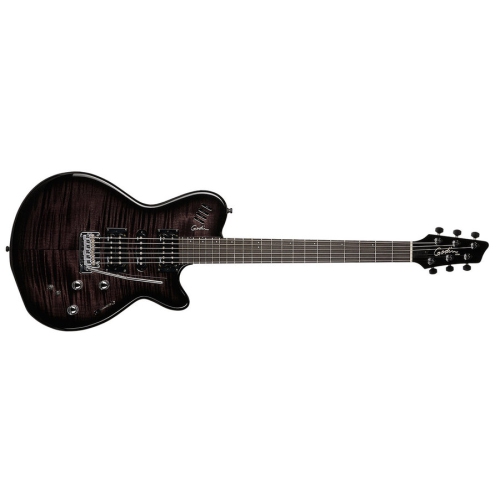
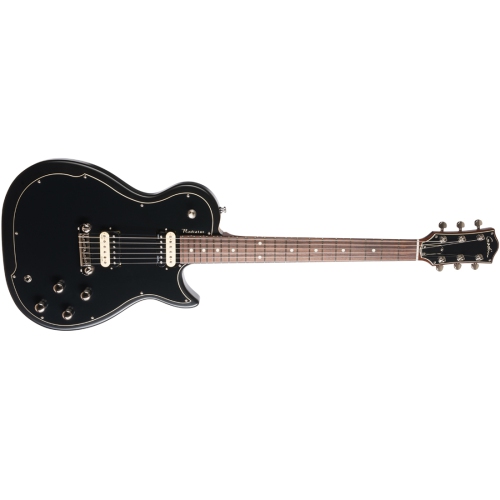
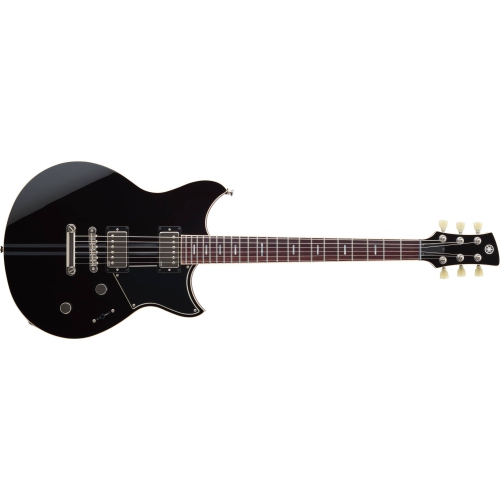
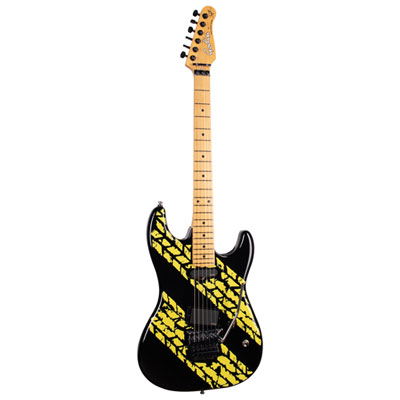

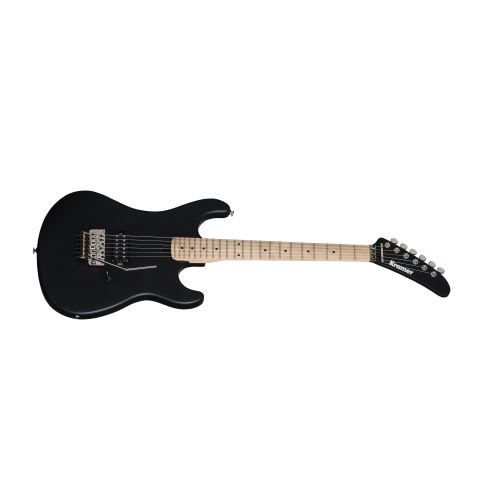
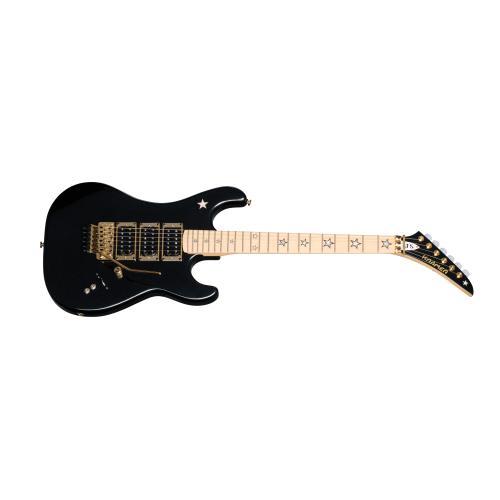
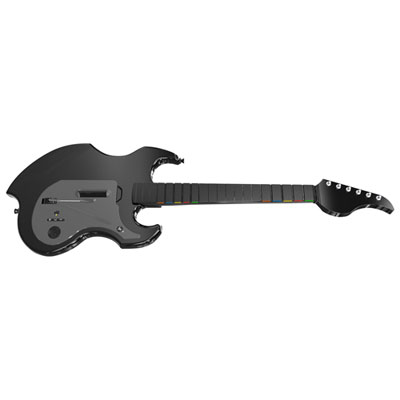
A dark finish sets the look, not the tone
Black guitars bring a distinctive visual character to an instrument that can be as personal as the music played on it. A glossy black body catches the light onstage, while a satin or matte finish offers a quieter look that suits a home practice corner just as well. Against a dark body, details such as pale binding, metal hardware, wood grain on the fingerboard, and simple fret markers become more noticeable. The colour works across acoustic, electric, and acoustic-electric designs, so the appeal is not limited to heavy riffs or any single musical style. A black acoustic guitar can feel right at home alongside a singer’s voice, while a black electric guitar can suit clean jazz chords, bright pop rhythms, blues phrases, or more heavily driven sounds. The finish colour itself does not determine the instrument’s tone; construction, strings, pickups, and playing technique have much more influence. For an acoustic guitar, body size and shape affect both its sound and how comfortably it rests against the player. A larger body often delivers a fuller bass response, while a smaller body may feel easier to hold during a long evening of fingerpicking or chord practice. Solid-wood tops can respond sensitively to changes in touch, while laminated construction can offer useful resistance to everyday handling and fluctuations in humidity, although every wooden instrument still needs sensible care. Steel strings generally provide a bright, ringing sound, whereas nylon strings offer a softer feel and a rounder voice associated with classical and other fingerstyle traditions. These instruments are built differently, and their string types should not be treated as interchangeable. An acoustic-electric design adds a pickup system for connection to suitable amplification, making it useful for someone who enjoys unplugged practice but also wants to play with other musicians or perform in a small venue.
With black electric guitars, the most useful differences are often the ones felt through the hands or heard through an amplifier. Solid-body construction is common, but weight, balance, body contours, and neck shape vary considerably. A guitar that feels comfortable for a few minutes while seated may feel different on a strap through a full rehearsal, especially if its weight pulls towards the neck. A rounded neck profile can feel reassuring to one player and bulky to another, while a slimmer profile may suit someone who prefers a lighter grip. Scale length, meaning the vibrating length of the string between the nut and bridge, influences fret spacing and string tension alongside tuning and string gauge. For a younger player or an adult with a shorter reach, a smaller body or shorter-scale instrument may make early practice less tiring, but hand size alone does not decide the best fit. String height above the frets, often called action, also matters: strings set too high can make basic chords unnecessarily difficult, while very low action may produce buzzing under a firm picking hand. A professional setup can help match the instrument to the player’s touch. Pickup design shapes the amplified sound, with single-coil pickups often associated with clarity and bite, and humbuckers commonly offering a fuller sound with reduced electrical hum. Neither type belongs exclusively to one genre, and amplifier settings leave plenty of room for variation. A fixed bridge keeps the mechanical arrangement relatively straightforward, while a vibrato bridge allows pitch movement but can add complexity to tuning and string changes. Appearance remains part of the decision, particularly for someone who wants an understated stage instrument. For a low-sheen finish, matte black electric guitars offer a different visual texture from polished gloss. Matte surfaces diffuse reflections, although frequent contact can gradually leave smoother, shinier patches. Gloss finishes reflect more light and may make fingerprints easier to notice. Both reward careful handling, and neither finish is a substitute for sturdy hardware, smooth fretwork, or comfortable playability.
A black guitar can become a dependable companion for lessons, quiet practice, songwriting, rehearsals, and performances when its design suits the way it will be used. Someone working through first chords needs an instrument that stays in tune and feels manageable, rather than one chosen only for dramatic looks. A more experienced player may care most about access to the upper frets, a particular pickup layout, or a body shape that remains comfortable through repeated takes. For shared living spaces, an electric guitar paired with a compatible headphone-capable amplifier or suitable audio interface can make amplified practice more private, though the strings still produce some acoustic sound. An acoustic guitar offers a simpler unplugged routine, with no cable or amplifier needed to sit down and play. As a gift, a black guitar can suit a student beginning lessons, a returning musician, or a player drawn to its classic appearance. Matching the recipient’s preferred guitar type, handedness, and body size is more helpful than assuming all dark-finished instruments feel alike. Everyday accessories also contribute to a comfortable routine: a tuner supports accurate practice, a properly fitted strap helps with standing posture, and a suitably sized case protects the instrument during travel and storage. Care is especially visible on a dark finish, where dust, skin oils, and fine scratches can stand out under direct light. A clean, soft cloth used after playing helps remove residue from the strings and body; finish-specific care instructions matter, since polish intended for gloss surfaces may alter a matte appearance. During the cooler months, indoor heating can dry the air, so keeping track of room humidity and following the guitar maker’s recommended range can help protect wooden parts. Avoid leaving a guitar beside a heater, in a cold vehicle, or in direct sunlight, and allow a closed case time to adjust after a sharp temperature change. With suitable strings, periodic setup checks, and thoughtful storage, the instrument’s comfort and character can remain part of daily playing for years.
With black electric guitars, the most useful differences are often the ones felt through the hands or heard through an amplifier. Solid-body construction is common, but weight, balance, body contours, and neck shape vary considerably. A guitar that feels comfortable for a few minutes while seated may feel different on a strap through a full rehearsal, especially if its weight pulls towards the neck. A rounded neck profile can feel reassuring to one player and bulky to another, while a slimmer profile may suit someone who prefers a lighter grip. Scale length, meaning the vibrating length of the string between the nut and bridge, influences fret spacing and string tension alongside tuning and string gauge. For a younger player or an adult with a shorter reach, a smaller body or shorter-scale instrument may make early practice less tiring, but hand size alone does not decide the best fit. String height above the frets, often called action, also matters: strings set too high can make basic chords unnecessarily difficult, while very low action may produce buzzing under a firm picking hand. A professional setup can help match the instrument to the player’s touch. Pickup design shapes the amplified sound, with single-coil pickups often associated with clarity and bite, and humbuckers commonly offering a fuller sound with reduced electrical hum. Neither type belongs exclusively to one genre, and amplifier settings leave plenty of room for variation. A fixed bridge keeps the mechanical arrangement relatively straightforward, while a vibrato bridge allows pitch movement but can add complexity to tuning and string changes. Appearance remains part of the decision, particularly for someone who wants an understated stage instrument. For a low-sheen finish, matte black electric guitars offer a different visual texture from polished gloss. Matte surfaces diffuse reflections, although frequent contact can gradually leave smoother, shinier patches. Gloss finishes reflect more light and may make fingerprints easier to notice. Both reward careful handling, and neither finish is a substitute for sturdy hardware, smooth fretwork, or comfortable playability.
A black guitar can become a dependable companion for lessons, quiet practice, songwriting, rehearsals, and performances when its design suits the way it will be used. Someone working through first chords needs an instrument that stays in tune and feels manageable, rather than one chosen only for dramatic looks. A more experienced player may care most about access to the upper frets, a particular pickup layout, or a body shape that remains comfortable through repeated takes. For shared living spaces, an electric guitar paired with a compatible headphone-capable amplifier or suitable audio interface can make amplified practice more private, though the strings still produce some acoustic sound. An acoustic guitar offers a simpler unplugged routine, with no cable or amplifier needed to sit down and play. As a gift, a black guitar can suit a student beginning lessons, a returning musician, or a player drawn to its classic appearance. Matching the recipient’s preferred guitar type, handedness, and body size is more helpful than assuming all dark-finished instruments feel alike. Everyday accessories also contribute to a comfortable routine: a tuner supports accurate practice, a properly fitted strap helps with standing posture, and a suitably sized case protects the instrument during travel and storage. Care is especially visible on a dark finish, where dust, skin oils, and fine scratches can stand out under direct light. A clean, soft cloth used after playing helps remove residue from the strings and body; finish-specific care instructions matter, since polish intended for gloss surfaces may alter a matte appearance. During the cooler months, indoor heating can dry the air, so keeping track of room humidity and following the guitar maker’s recommended range can help protect wooden parts. Avoid leaving a guitar beside a heater, in a cold vehicle, or in direct sunlight, and allow a closed case time to adjust after a sharp temperature change. With suitable strings, periodic setup checks, and thoughtful storage, the instrument’s comfort and character can remain part of daily playing for years.
Top selling and popular products
-
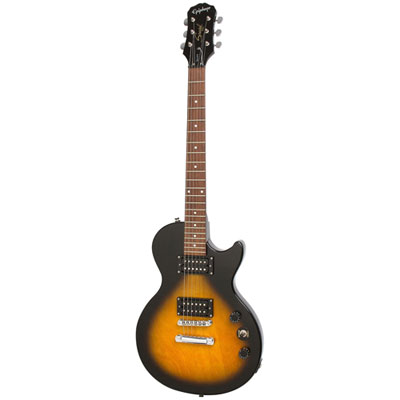 Your price for this item is $299.99
 -
 Your price for this item is $429
 -
 Your price for this item is $494.49
 -
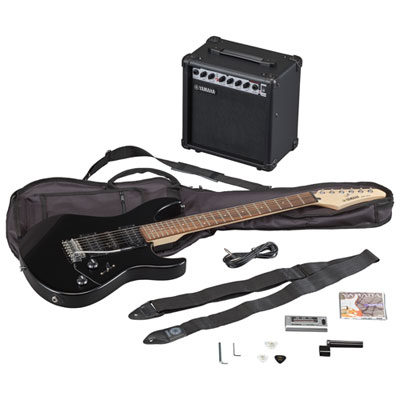 Your price for this item is $349.99
 -
 Your price for this item is $395.99
 -
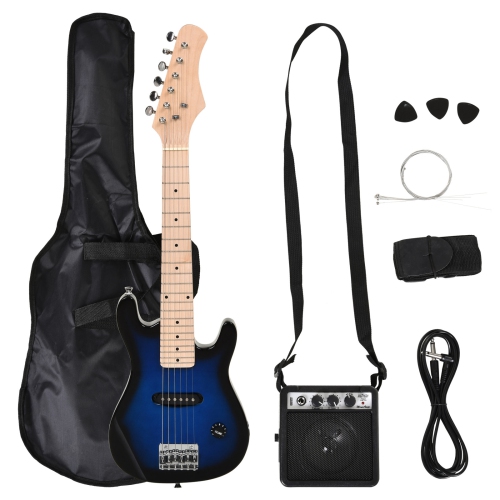 Your price for this item is $116.99
 -
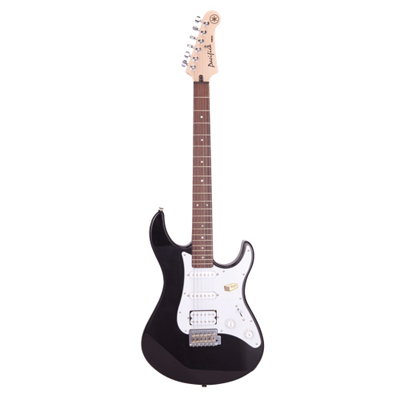 Your price for this item is $279.99
 -
 Your price for this item is $239.99
Discover more categories related to Black Guitars

Top Collections:
Pokemon Centers, Kindle Devices, Best Budget Office Chairs, Apple iPhones 16, Best Laptops for Writers, iPhone 15 Apple, Canon G7X Cameras, Refurbished Apple Laptops, Alarm Clock, Motorola Razr Phones
Some products may be subject to Environmental Handling Fees
(EHF) depending on your province.
Learn more about EHFs.