Blue Electric Guitars
If you're looking to rock out with a new electric guitar, look no further than these blue electric guitars. Whether you're a beginner or a seasoned musician, these sleek and stylish instruments are sure to make a statement. With their vibrant blue finishes and powerful sound, these guitars are perfect for any genre, from blues to rock to metal. Get ready to unleash your inner rockstar and take your music to the next level with one of these blue electric guitars.
Sort

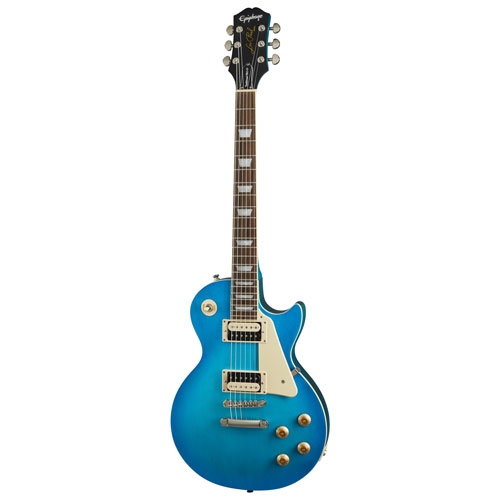
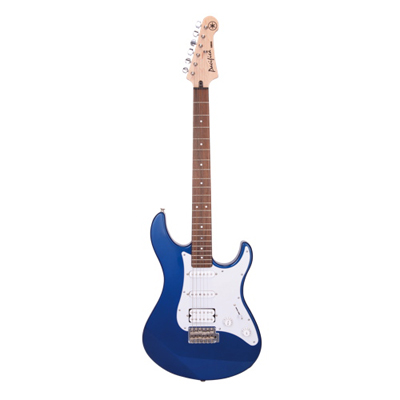
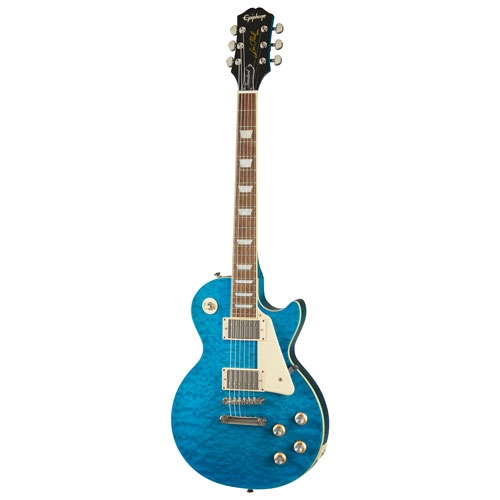
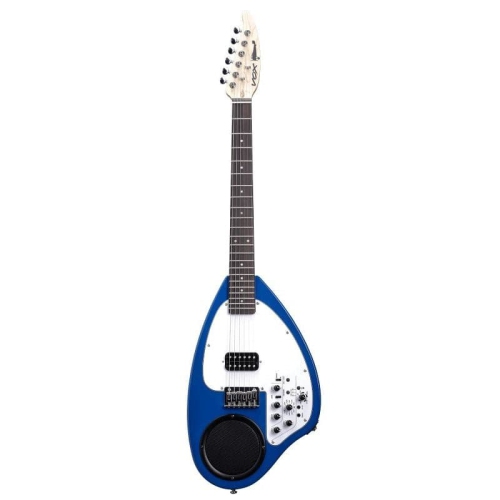
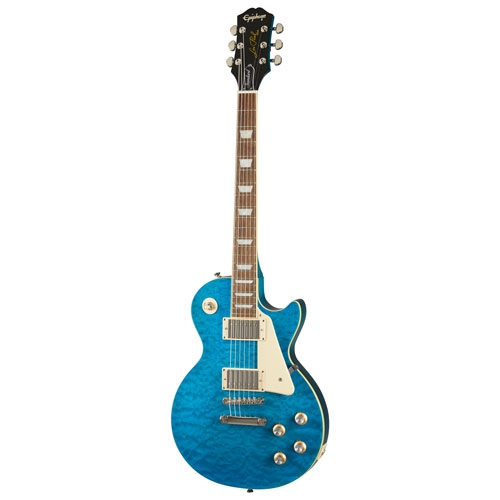
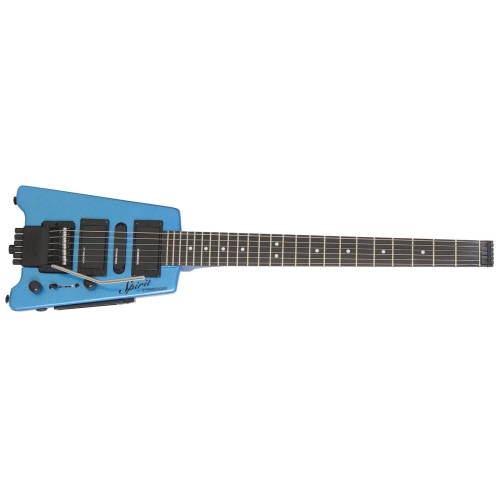
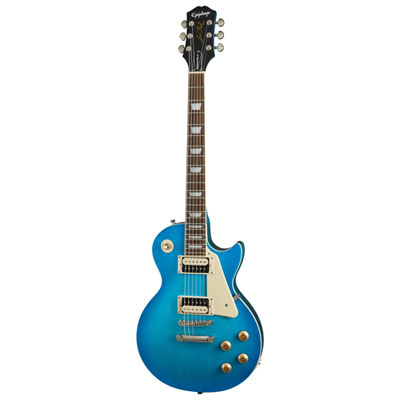
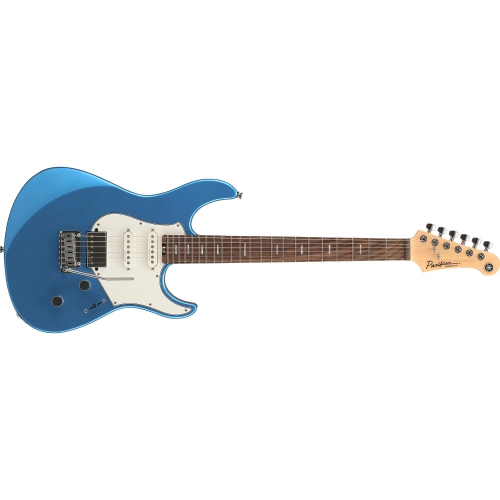
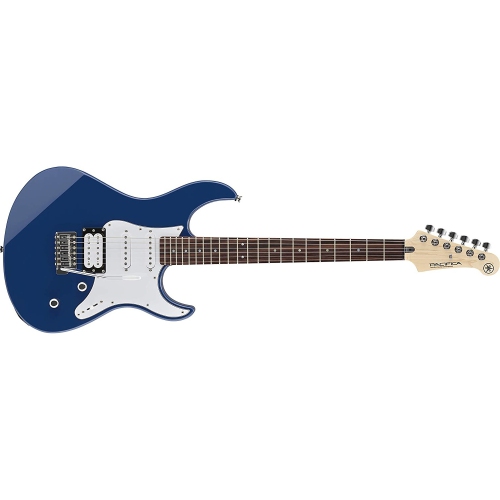
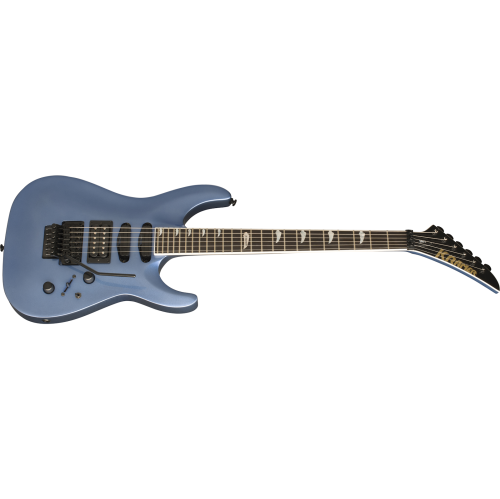
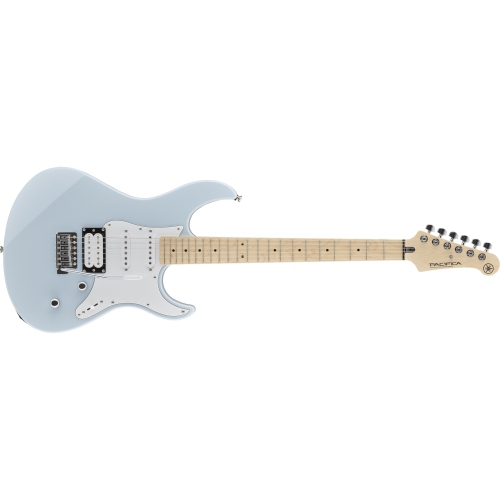

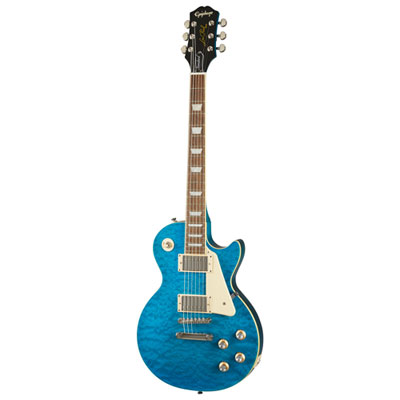
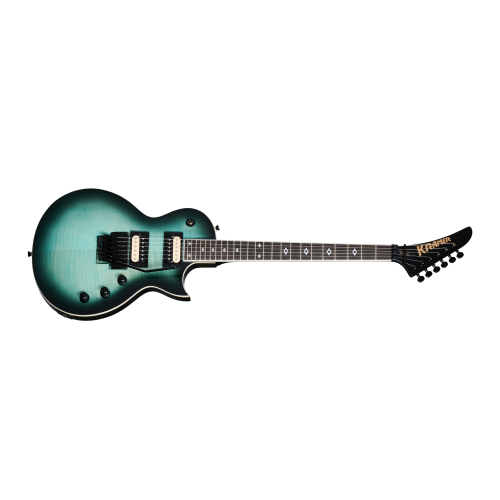
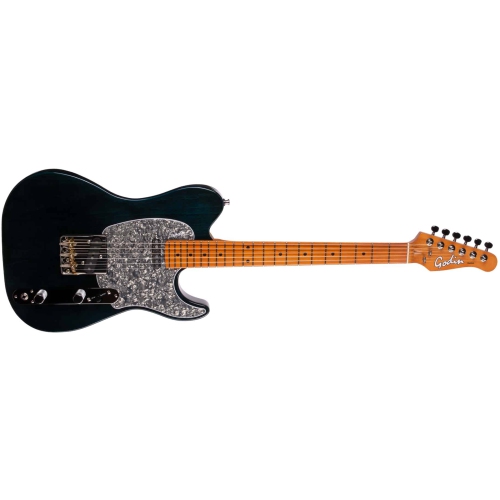
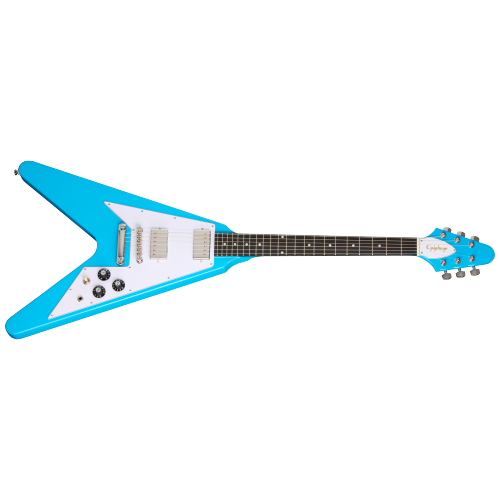
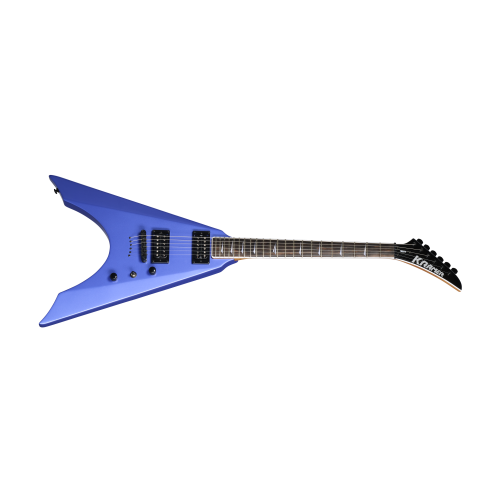
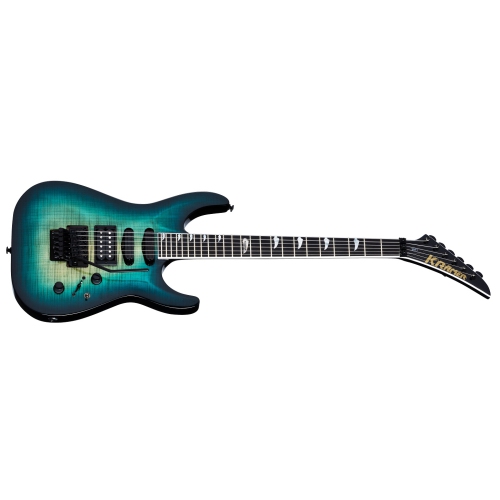
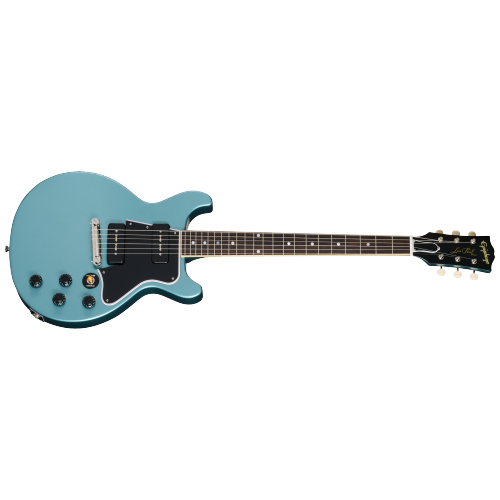
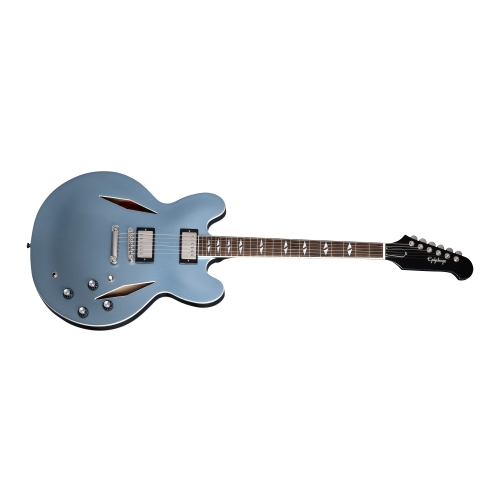
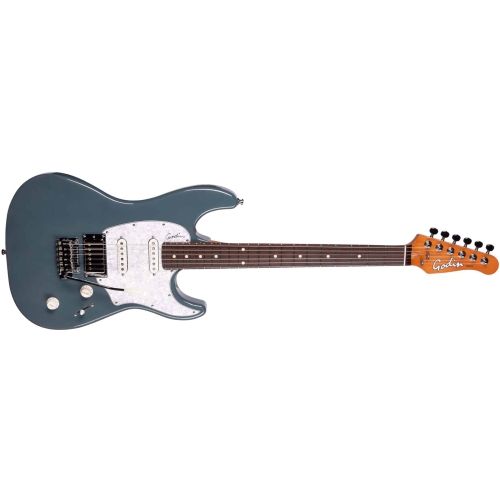





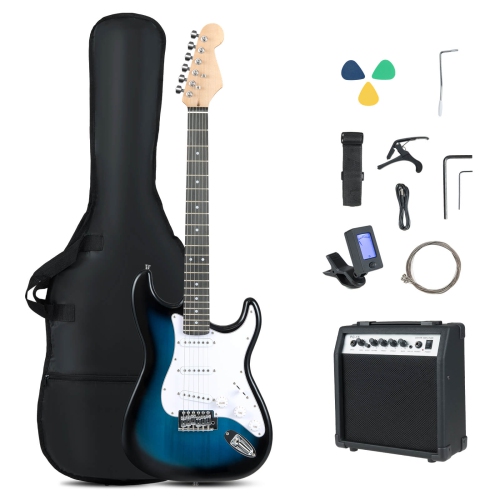
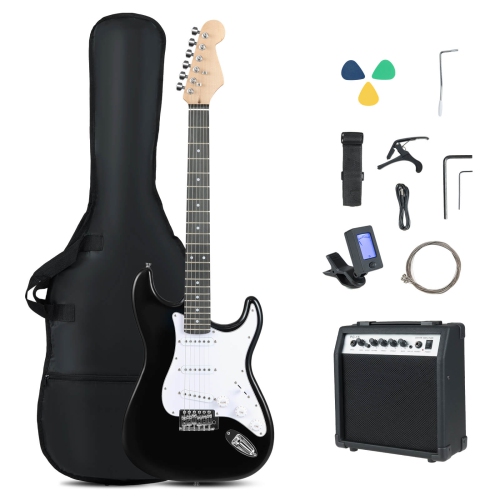
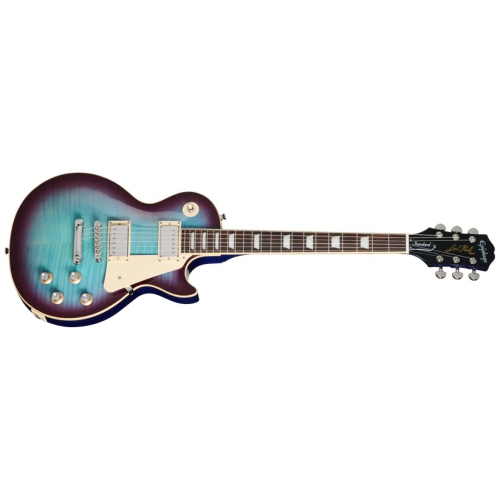



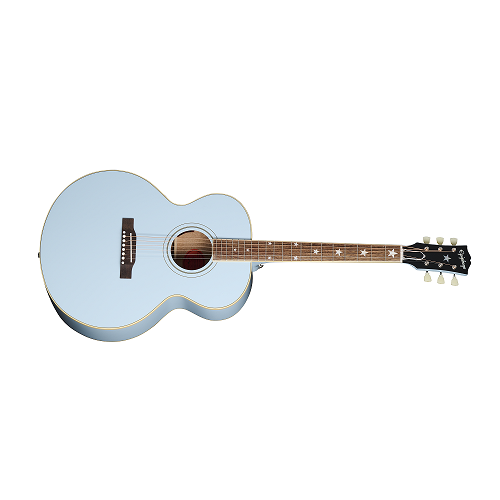
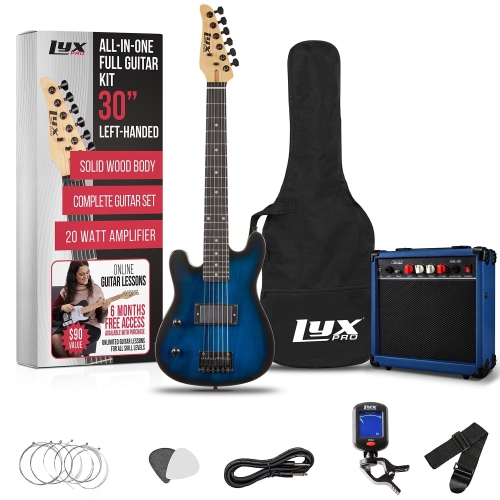


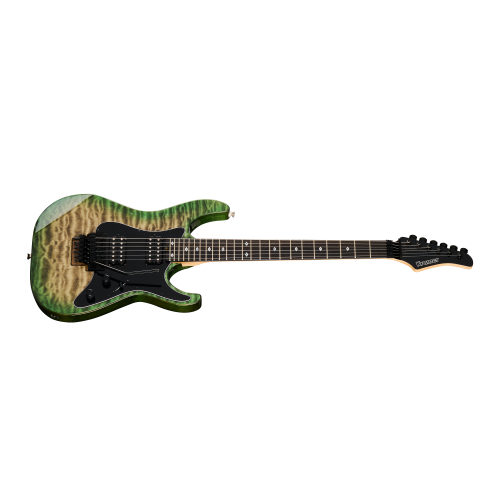
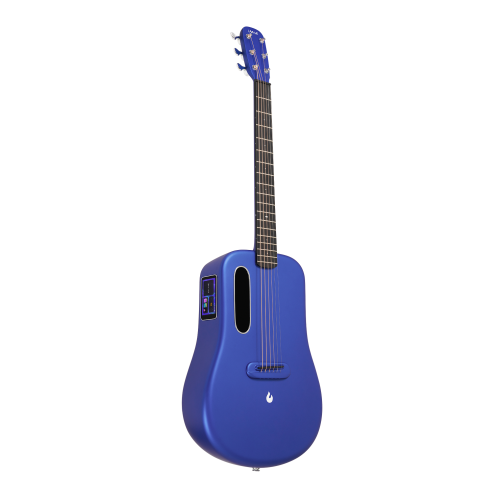
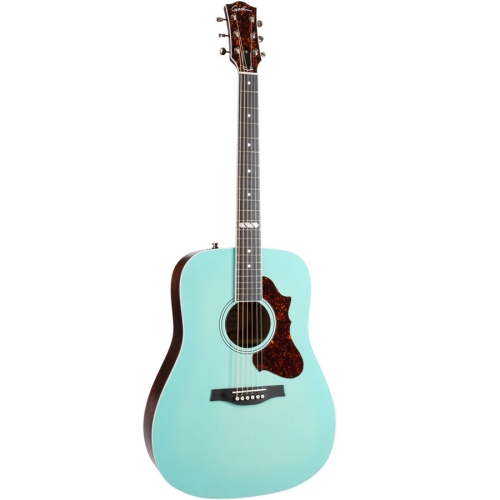

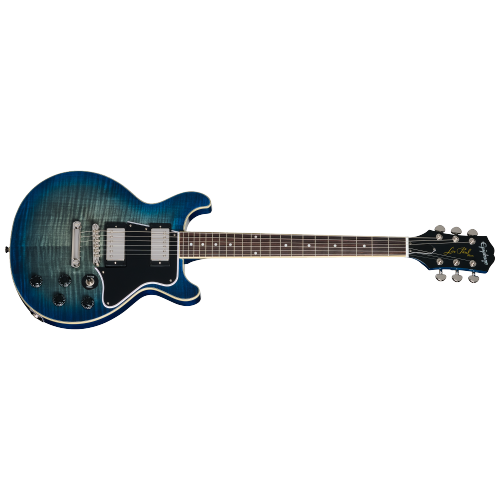
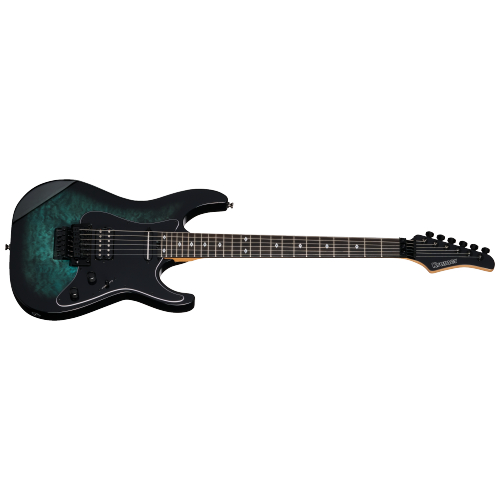
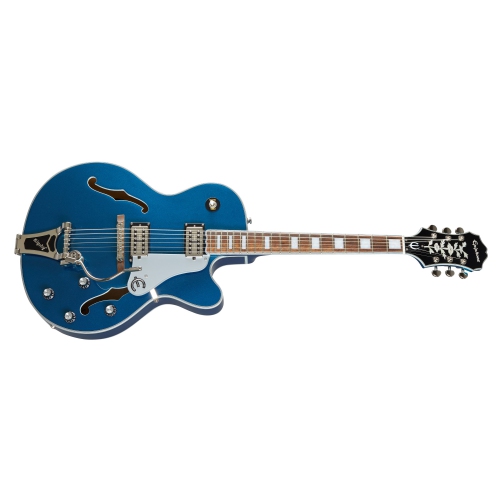
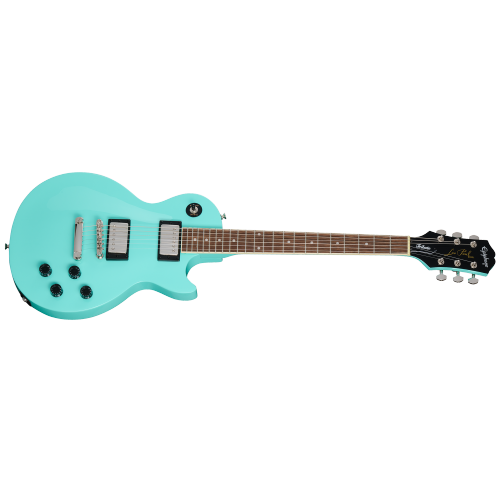
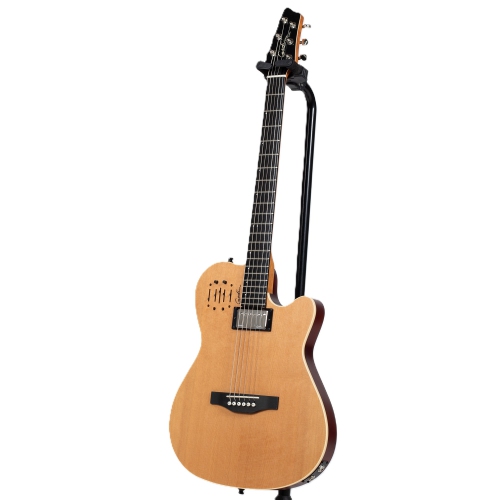
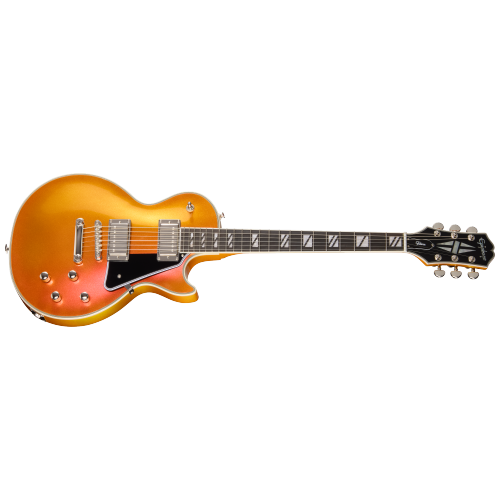
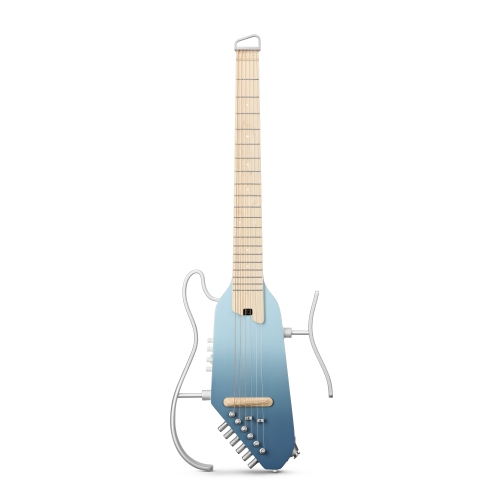

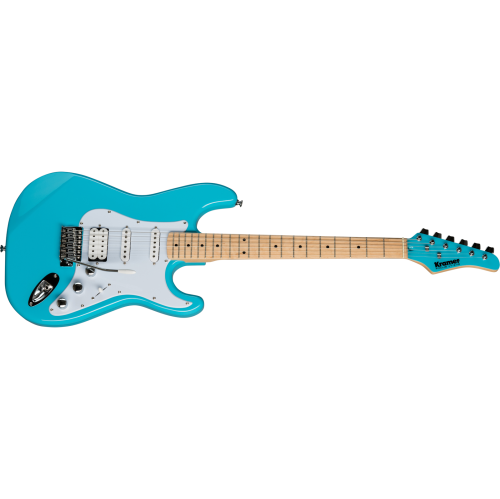
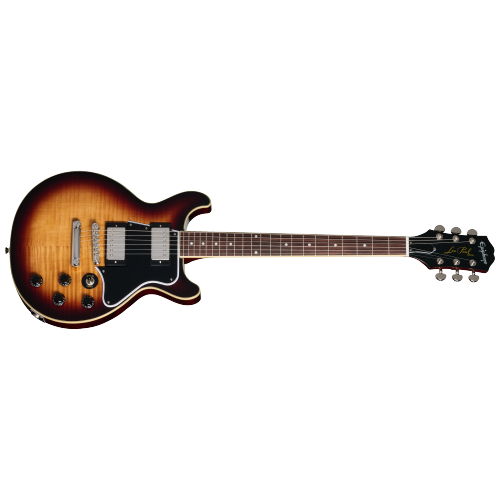
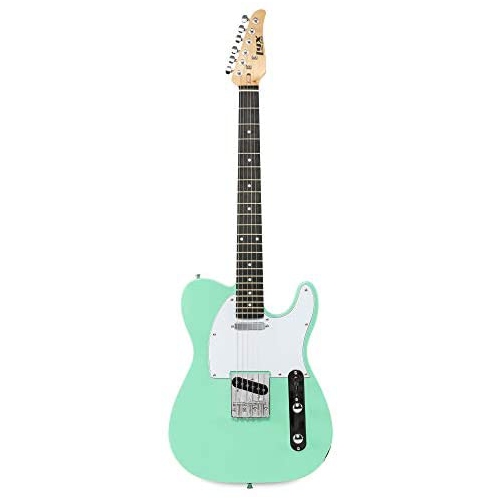
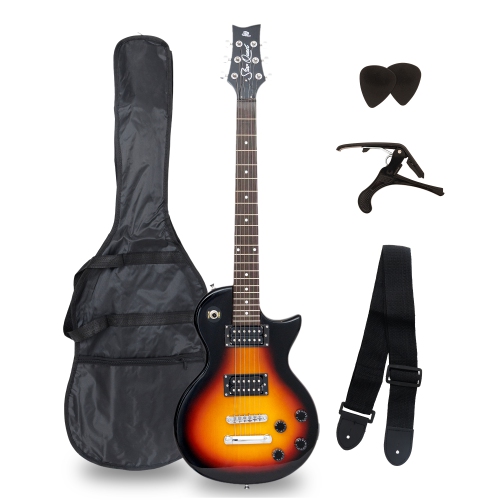
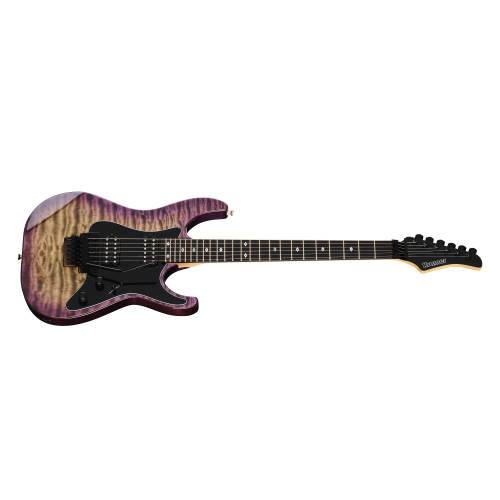
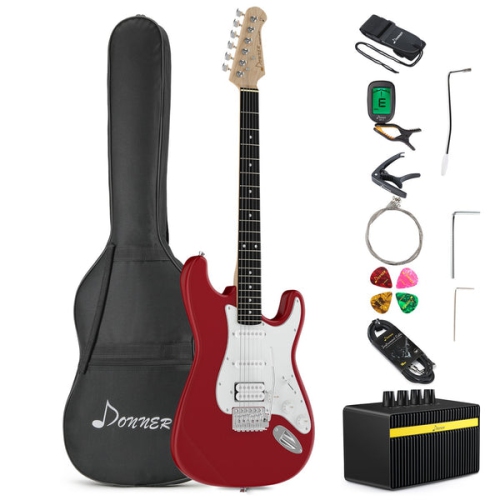
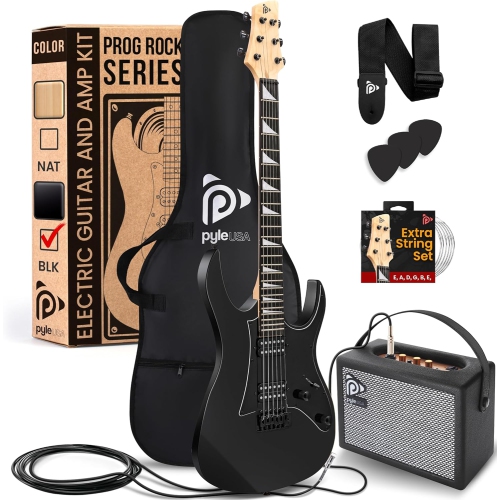
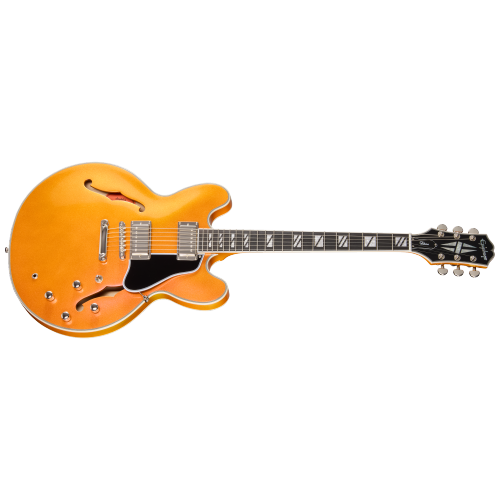
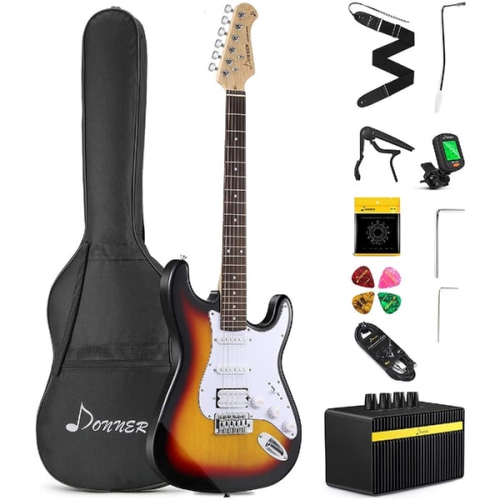
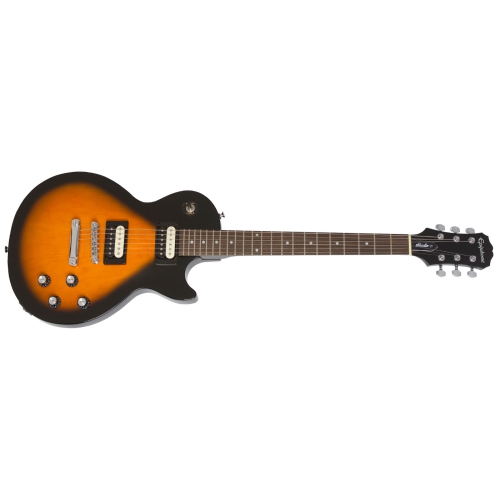
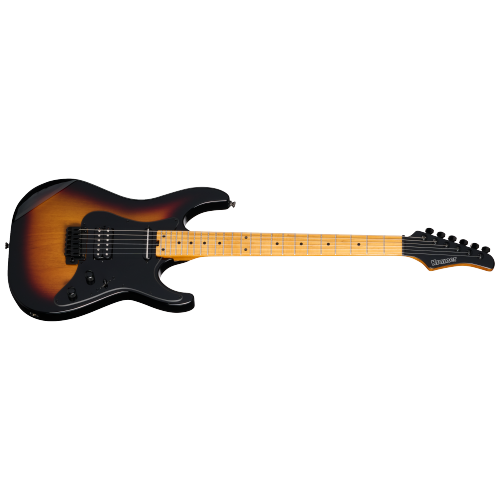
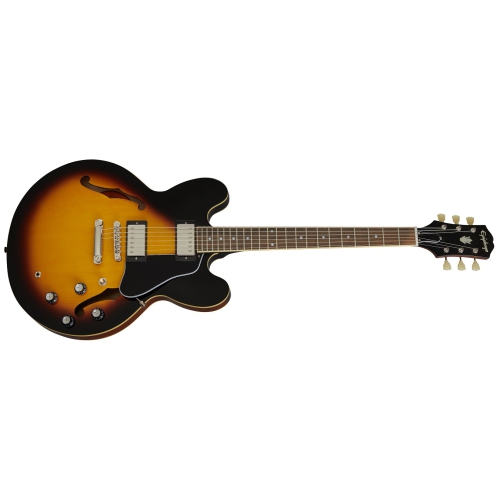
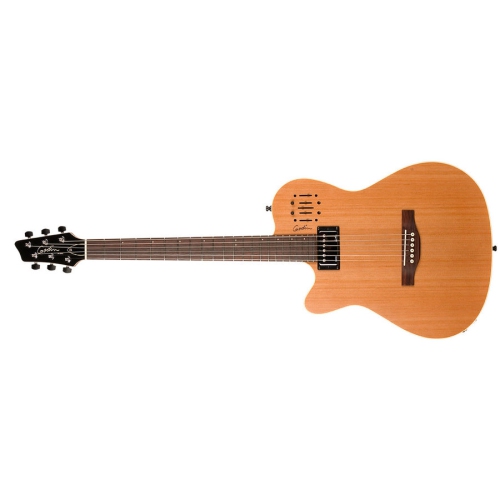
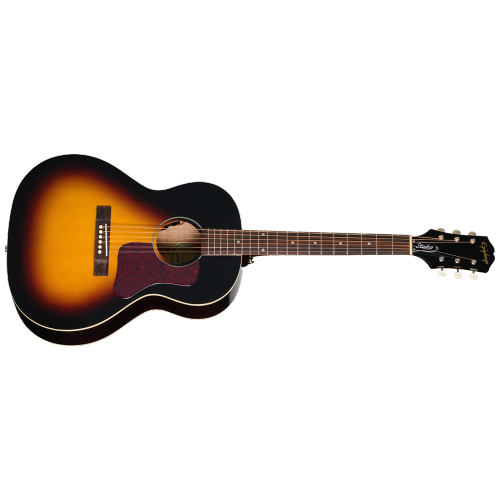

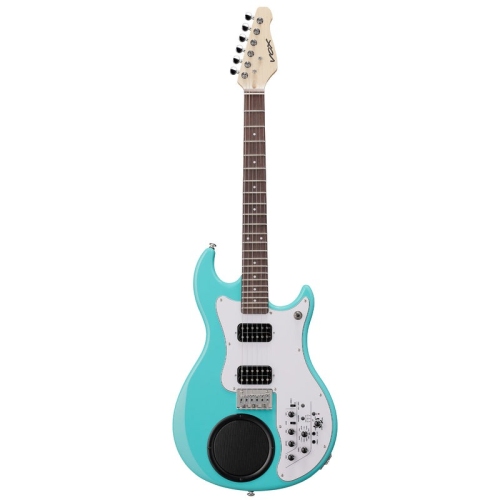
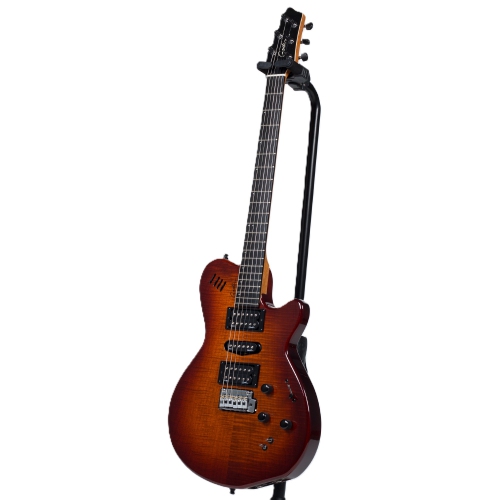
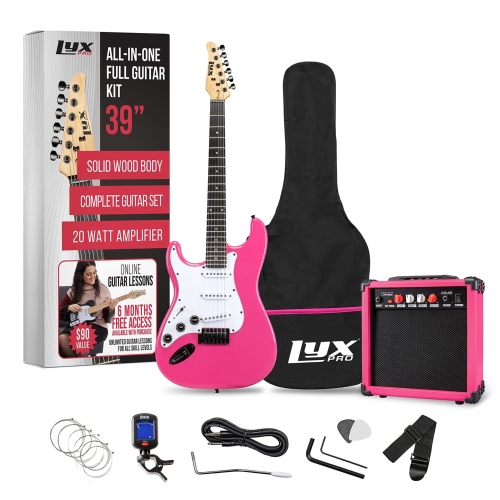


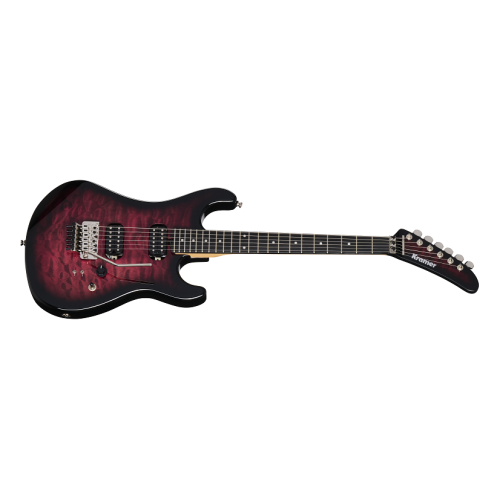
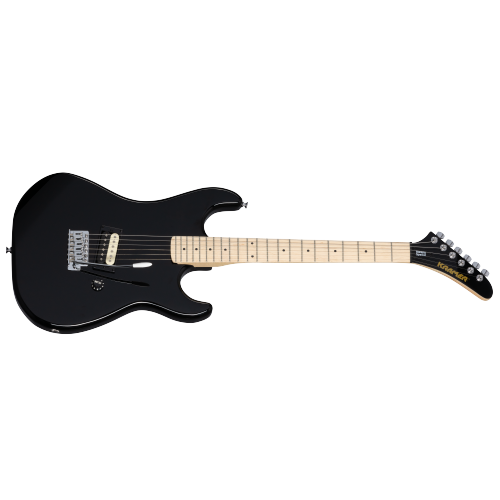


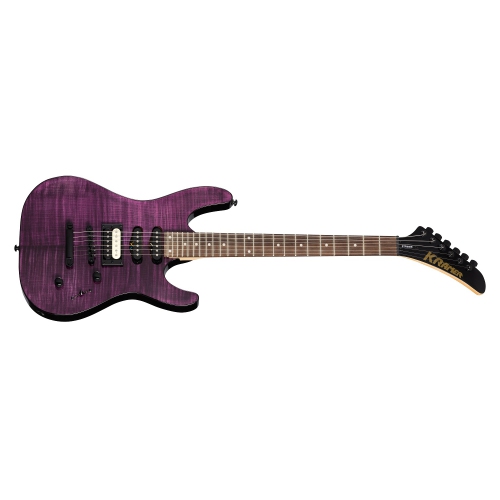

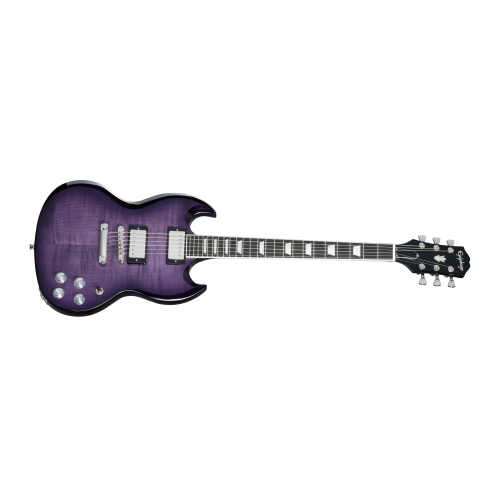
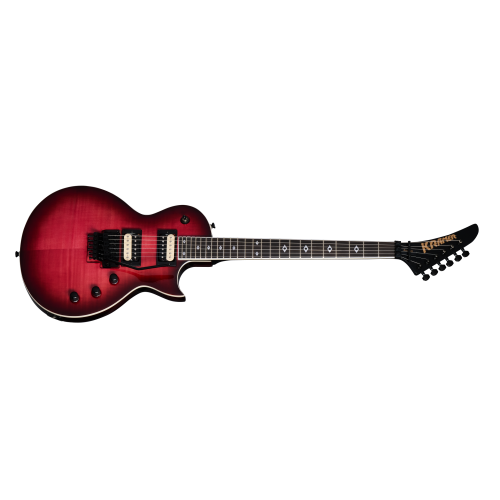
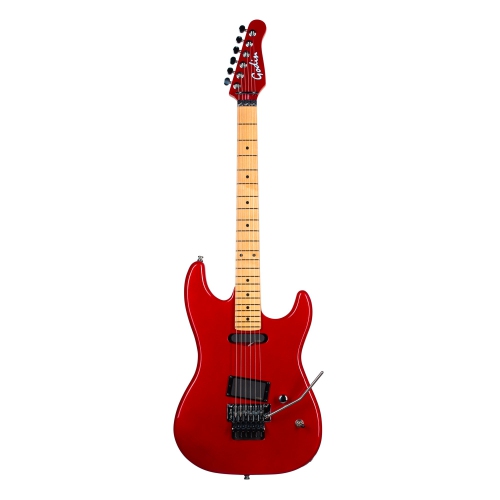
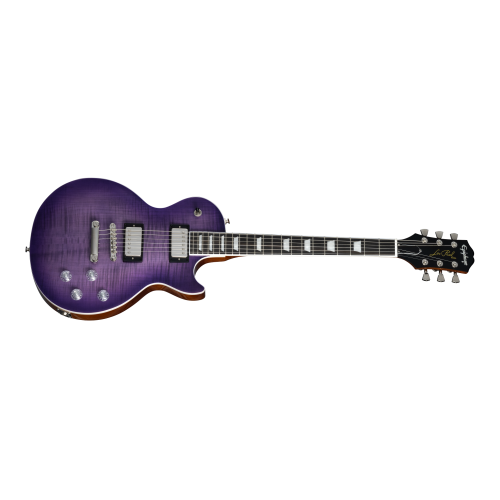
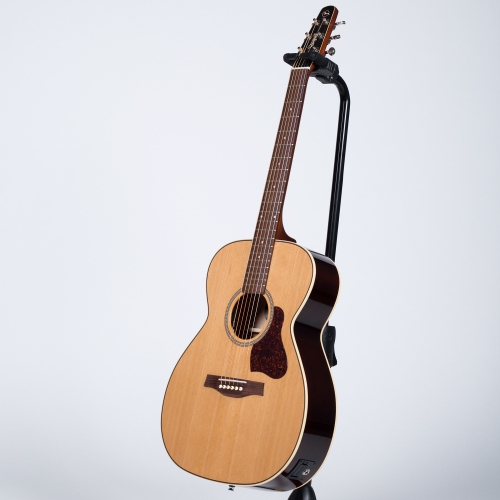
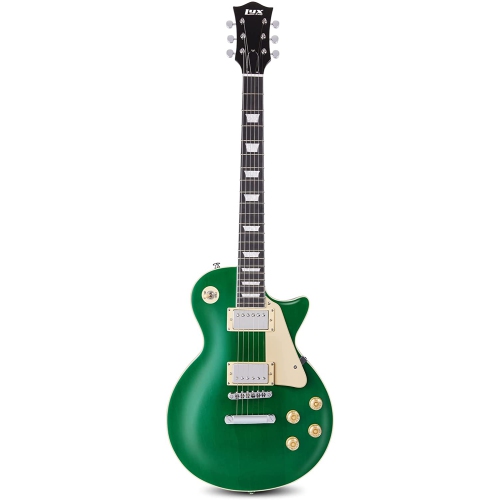
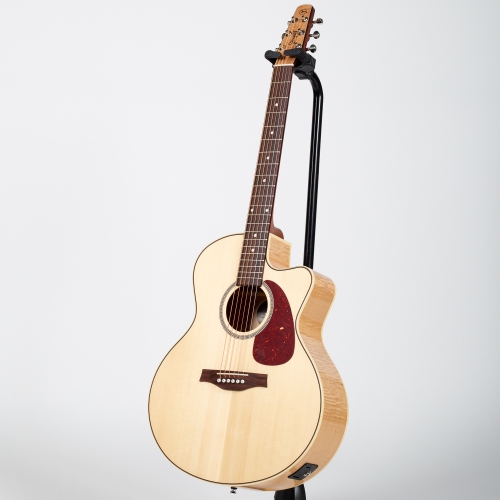
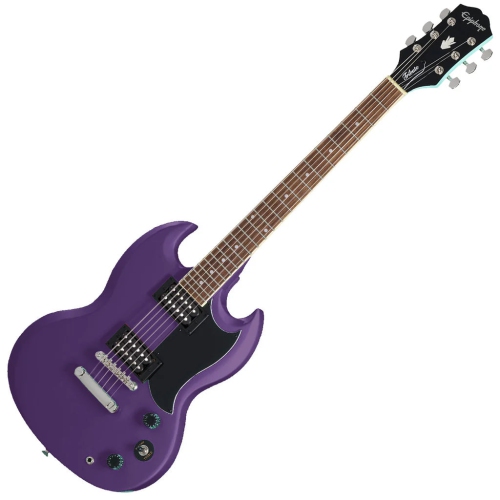
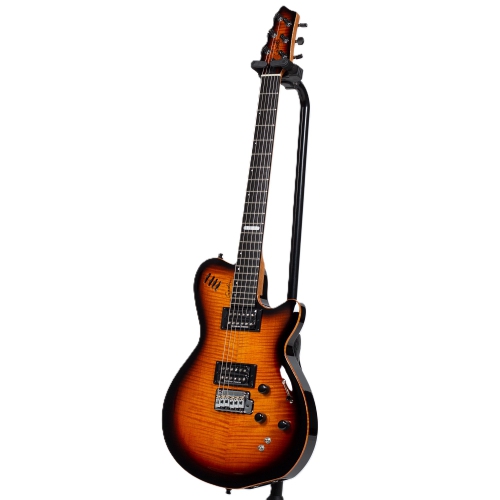








What to consider for sound, comfort, and playability
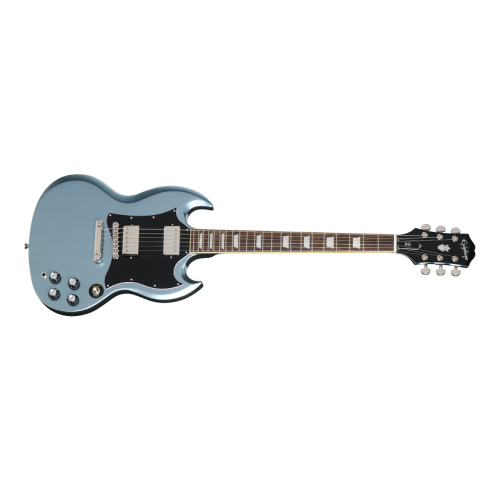
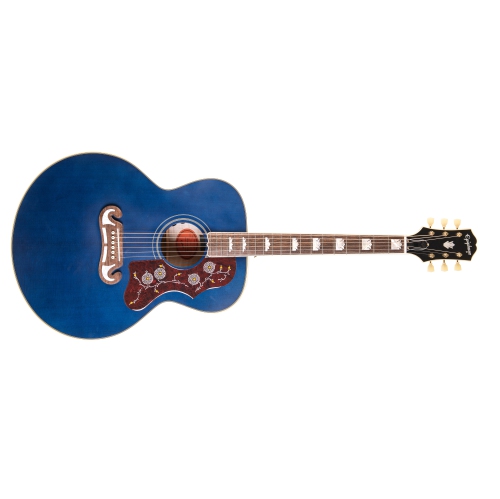
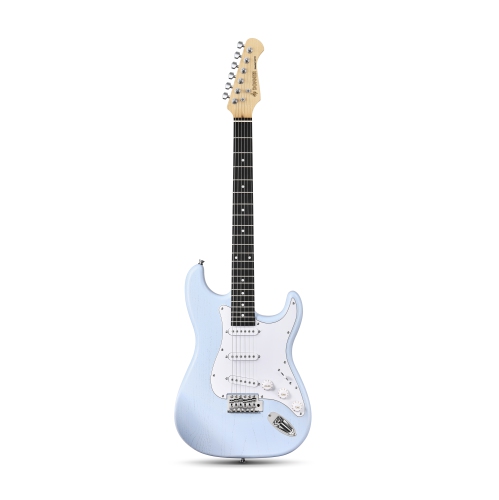
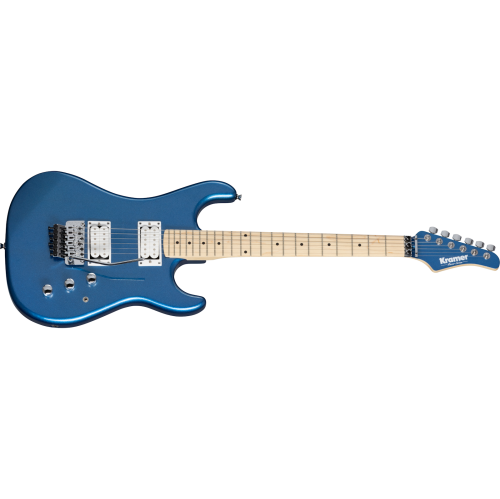
Blue electric guitars bring together the expressive character of an electric instrument and a finish that feels distinctive without being difficult to live with. Depending on the shade, a blue guitar can have a cool, understated look reminiscent of deep ocean tones, or a brighter appearance that stands out under stage lights and in a rehearsal room. For players, the colour is part of the appeal, but the most important choices usually involve comfort, sound, and playability. Consider the guitar’s body shape and weight, particularly if it will be worn during long practice sessions or performances. A balanced instrument should sit comfortably whether it is played standing with a strap or resting across the lap. The neck profile also affects the playing experience: a slimmer neck may feel approachable for newer players or anyone who moves quickly between chords, while a fuller profile can provide a substantial grip for players who prefer a more traditional feel. Fingerboard radius, fret size, scale length, and the number of frets can all influence how the instrument responds to bends, chords, slides, and lead lines. It is worth thinking about the styles of music the player enjoys, too. Blue electric guitars can suit blues, rock, pop, country, indie, alternative, and many other genres, especially when paired with the right amplifier and effects. Pickup configuration plays a major role in shaping the sound, with different arrangements offering everything from warm, rounded tones to crisp articulation and powerful overdrive. Controls for volume and tone should be easy to reach, and tuning machines should allow the strings to be adjusted smoothly and held reliably. A hardtail bridge may appeal to players who value straightforward tuning and simple string changes, while a tremolo system can add expressive pitch movement for players who enjoy vibrato effects. These details may seem small at first, yet they become familiar points of contact every time the guitar is picked up.
A blue electric guitar can be a meaningful choice for a new player, an experienced musician, or someone returning to an instrument after years away. For beginners, visual appeal can make practice feel more inviting; an instrument that looks personal and exciting is more likely to become part of a regular routine. A new player can begin with basic chord shapes and simple melodies, then gradually explore riffs, scales, rhythm patterns, and improvisation as confidence grows. More experienced guitarists may choose a blue finish to bring a different visual identity to their collection or to complement a particular sound they are developing. These instruments can also make memorable gifts for birthdays, graduations, performances, or other milestones, especially when the recipient has mentioned an interest in learning guitar. If the guitar is being given as a gift, it helps to consider whether the player already owns an amplifier, instrument cable, strap, picks, and a tuner. A padded gig bag can make lessons and rehearsals easier, while a stand provides a safe, accessible place to keep the instrument at home. For someone who is just starting, a comfortable strap and a dependable tuner can make early practice less frustrating. Players who perform may appreciate a setup that makes the guitar easy to carry between home, lessons, rehearsal spaces, and venues. During the warmer months, outdoor jam sessions and casual gatherings can provide enjoyable opportunities to play, while cooler months often bring more time for indoor practice, songwriting, recording, and learning new techniques. A blue electric guitar can fit naturally into each setting, from a quiet corner of a bedroom to a lively stage, provided it is matched with equipment that suits the player’s needs and experience.
When comparing blue electric guitars, pay attention to the practical details that will shape daily use rather than focusing on appearance alone. Check the instrument’s dimensions and weight, and consider whether the player will need a shorter or longer scale length based on their reach and preferred feel. Examine the neck for a smooth finish and comfortable edges, and look for frets that feel even and well finished when the hand moves up and down the fingerboard. The guitar should produce a clear, consistent signal when connected to an amplifier, with controls that respond without crackling or unwanted noise. It is also useful to think about the sound environment where it will be played. A bedroom practice setup may benefit from a compact amplifier with a headphone output, while a band member may need more volume, tonal flexibility, and connections for effects. Players who want a broad range of sounds can explore pedals for distortion, delay, reverb, chorus, or other effects, although a well-chosen guitar and amplifier are the foundation of the setup. Regular care is straightforward: wipe the strings and body after playing, store the instrument away from excessive heat or moisture, and replace strings when they lose their brightness or no longer hold tune well. A professional setup can also improve action, intonation, and overall comfort as the player’s preferences develop. Those drawn to a different visual style may also enjoy browsing Black Electric Guitars for another finish while keeping the same focus on fit, sound, and playability. With thoughtful selection and a little routine care, a blue electric guitar can become more than a striking addition to a music space: it can be the instrument that supports first chords, late-night songwriting, weekend rehearsals, and the steady satisfaction of hearing personal progress take shape.
A blue electric guitar can be a meaningful choice for a new player, an experienced musician, or someone returning to an instrument after years away. For beginners, visual appeal can make practice feel more inviting; an instrument that looks personal and exciting is more likely to become part of a regular routine. A new player can begin with basic chord shapes and simple melodies, then gradually explore riffs, scales, rhythm patterns, and improvisation as confidence grows. More experienced guitarists may choose a blue finish to bring a different visual identity to their collection or to complement a particular sound they are developing. These instruments can also make memorable gifts for birthdays, graduations, performances, or other milestones, especially when the recipient has mentioned an interest in learning guitar. If the guitar is being given as a gift, it helps to consider whether the player already owns an amplifier, instrument cable, strap, picks, and a tuner. A padded gig bag can make lessons and rehearsals easier, while a stand provides a safe, accessible place to keep the instrument at home. For someone who is just starting, a comfortable strap and a dependable tuner can make early practice less frustrating. Players who perform may appreciate a setup that makes the guitar easy to carry between home, lessons, rehearsal spaces, and venues. During the warmer months, outdoor jam sessions and casual gatherings can provide enjoyable opportunities to play, while cooler months often bring more time for indoor practice, songwriting, recording, and learning new techniques. A blue electric guitar can fit naturally into each setting, from a quiet corner of a bedroom to a lively stage, provided it is matched with equipment that suits the player’s needs and experience.
When comparing blue electric guitars, pay attention to the practical details that will shape daily use rather than focusing on appearance alone. Check the instrument’s dimensions and weight, and consider whether the player will need a shorter or longer scale length based on their reach and preferred feel. Examine the neck for a smooth finish and comfortable edges, and look for frets that feel even and well finished when the hand moves up and down the fingerboard. The guitar should produce a clear, consistent signal when connected to an amplifier, with controls that respond without crackling or unwanted noise. It is also useful to think about the sound environment where it will be played. A bedroom practice setup may benefit from a compact amplifier with a headphone output, while a band member may need more volume, tonal flexibility, and connections for effects. Players who want a broad range of sounds can explore pedals for distortion, delay, reverb, chorus, or other effects, although a well-chosen guitar and amplifier are the foundation of the setup. Regular care is straightforward: wipe the strings and body after playing, store the instrument away from excessive heat or moisture, and replace strings when they lose their brightness or no longer hold tune well. A professional setup can also improve action, intonation, and overall comfort as the player’s preferences develop. Those drawn to a different visual style may also enjoy browsing Black Electric Guitars for another finish while keeping the same focus on fit, sound, and playability. With thoughtful selection and a little routine care, a blue electric guitar can become more than a striking addition to a music space: it can be the instrument that supports first chords, late-night songwriting, weekend rehearsals, and the steady satisfaction of hearing personal progress take shape.
Top selling and popular products
-
 Your price for this item is $494.49
 -
 Your price for this item is $379.99
 -
 Your price for this item is $494.49
 -
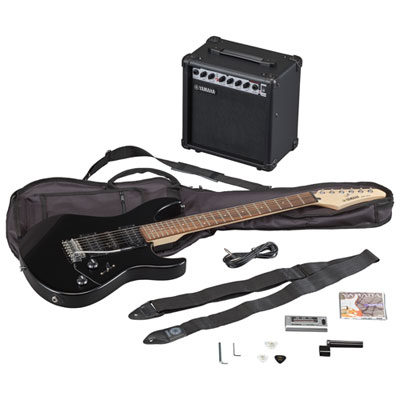 Your price for this item is $349.99
 -
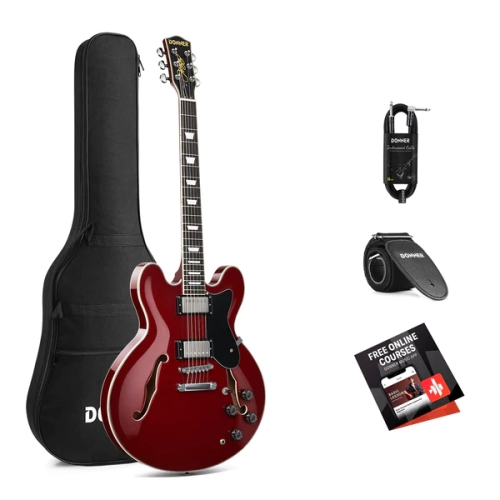 Your price for this item is $395.99
 -
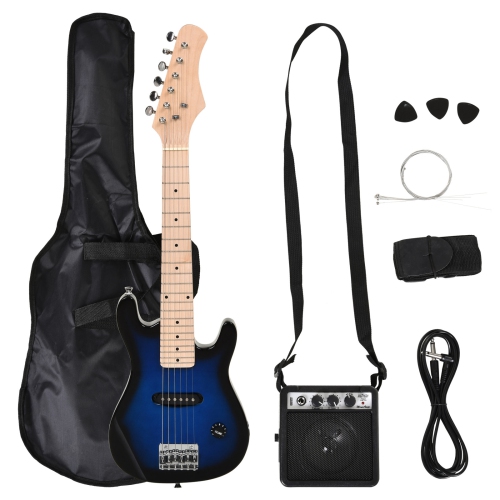 Your price for this item is $124.99
 -
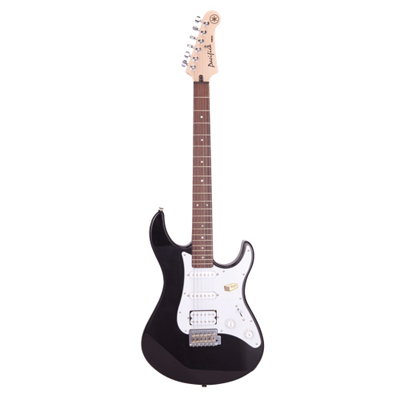 Your price for this item is $299.99
 -
 Your price for this item is $239.99
Discover more categories related to Blue Electric Guitars
Top Collections:
Pokemon Centers, Best Cameras for Sports Photography, Kindle Devices, Samsung Galaxy Phones, Canon G7X Cameras, Pokémon 30th Celebration Cards, Refurbished Apple Laptops, iPhone 15 Apple, Laptops for Students, Budget Smartphones
Some products may be subject to Environmental Handling Fees
(EHF) depending on your province.
Learn more about EHFs.