Guitars Under $3000
Looking to find the perfect guitar without breaking the bank? This collection of guitars under $3000 offers a wide range of options to suit every musician's style and budget. Whether you're a beginner looking for your first instrument or a seasoned player searching for a high-quality addition to your collection, you'll discover an array of acoustic and electric guitars that deliver exceptional sound and performance. From classic designs to modern innovations, these affordable guitars are crafted with precision and attention to detail, making them ideal for players of all skill levels. Explore this selection and find the guitar that inspires your creativity without exceeding your budget.
Sort
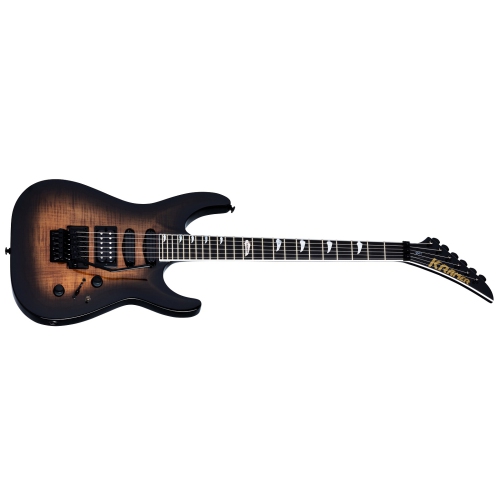
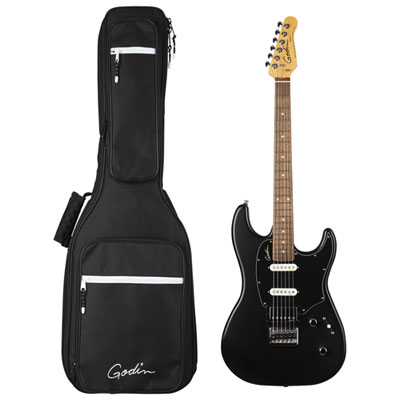
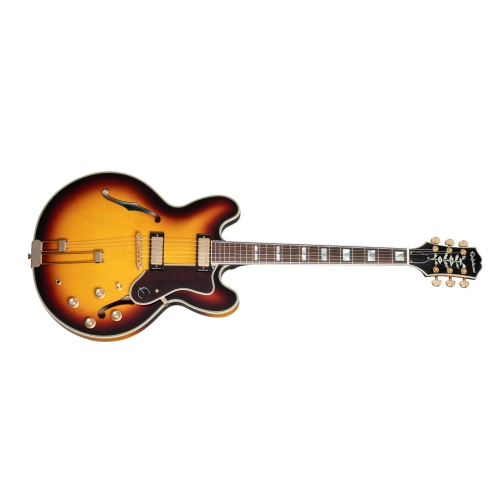
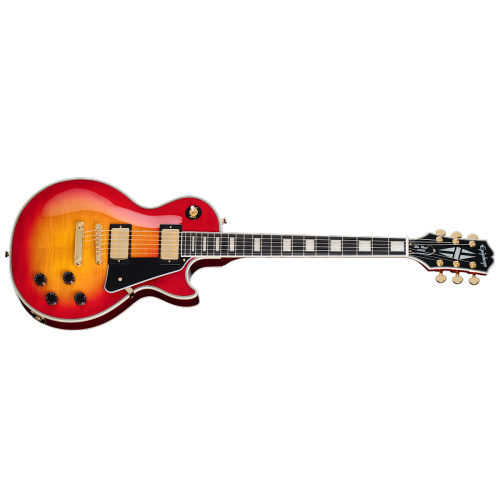

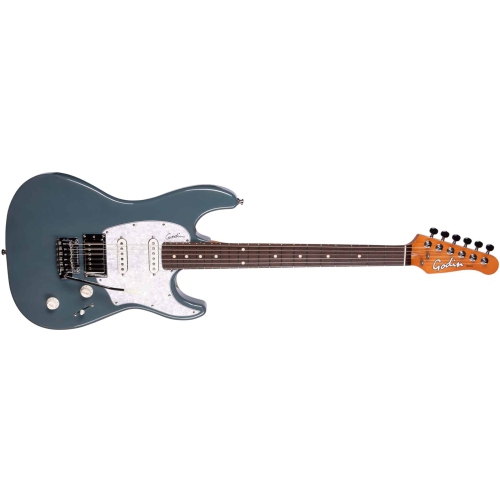
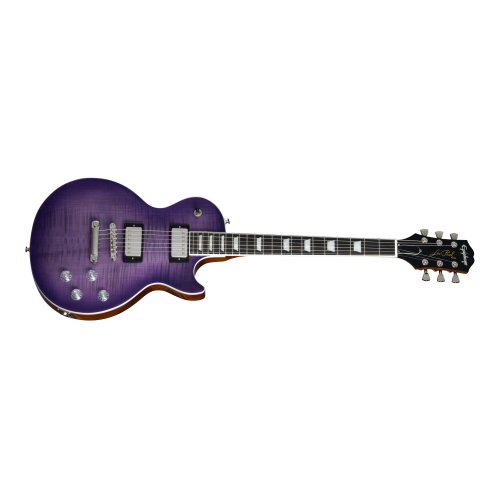
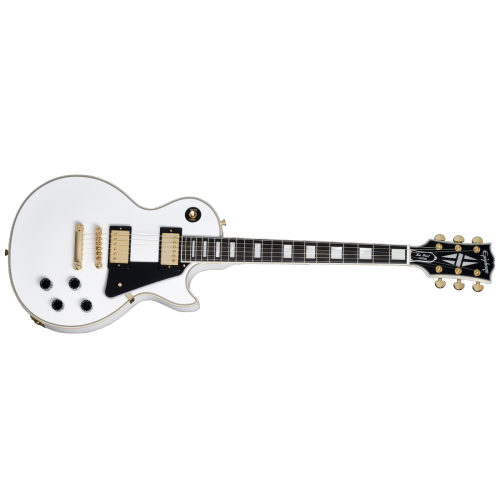

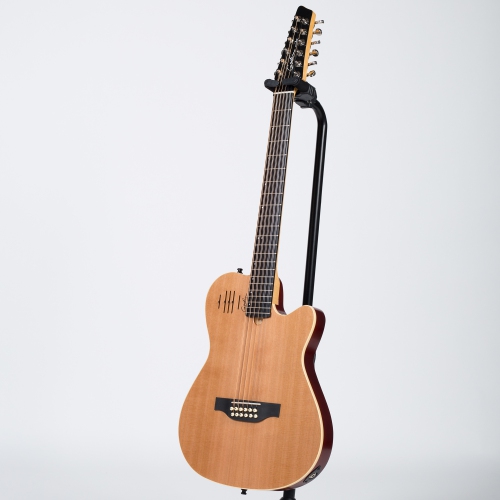

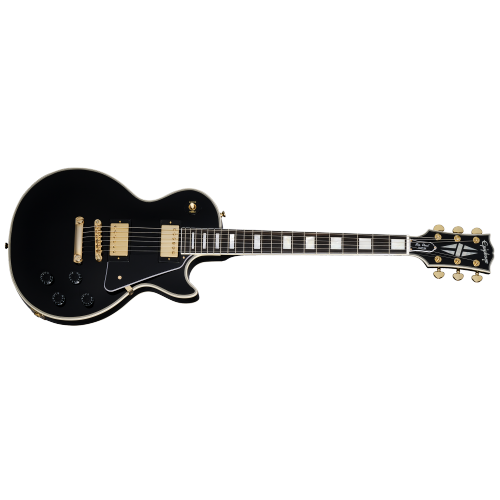
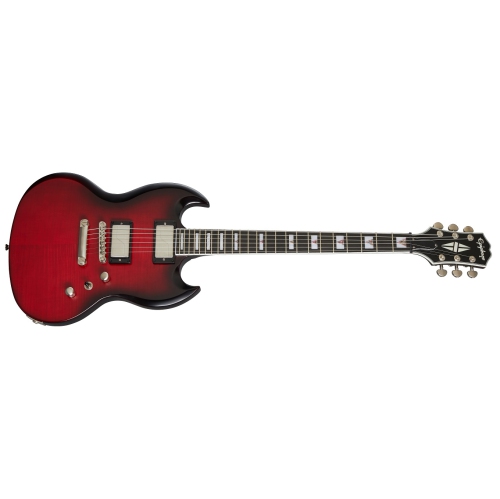
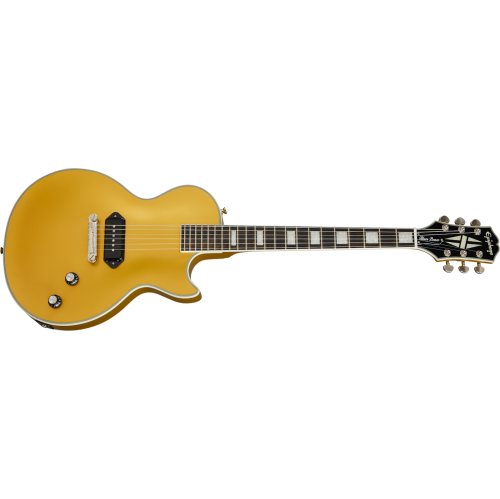
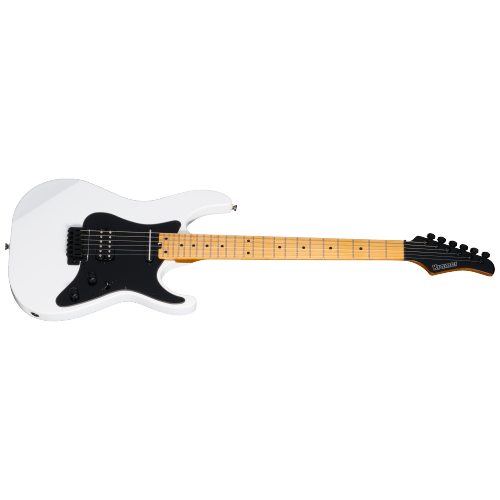
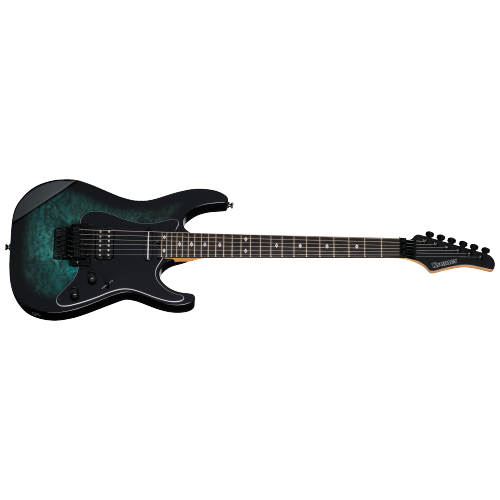
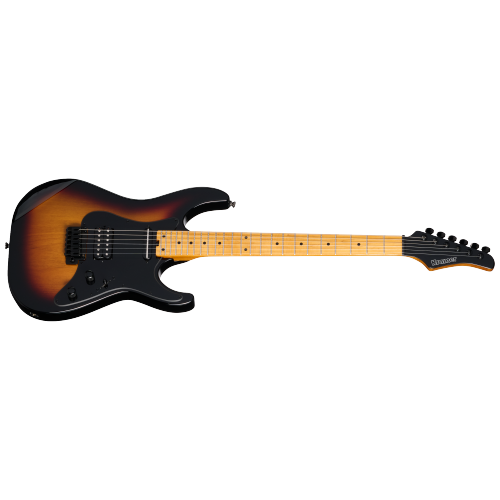
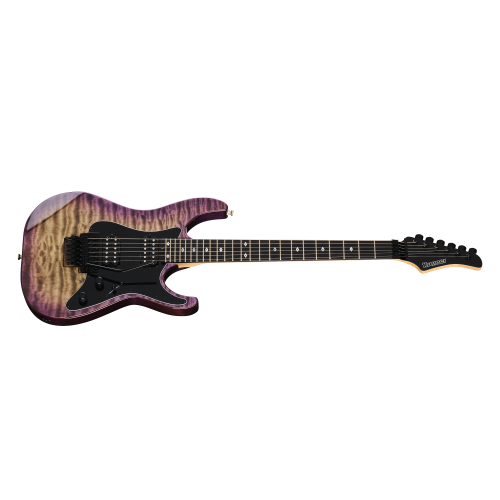
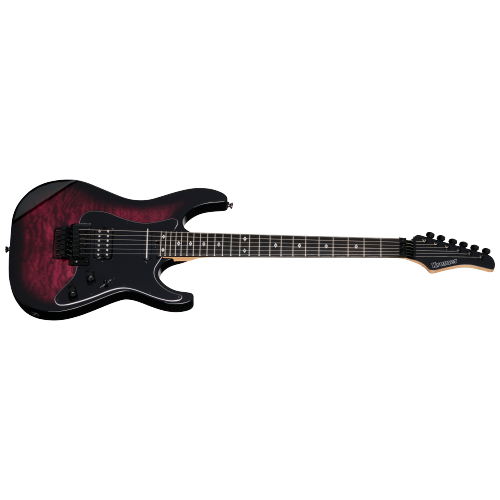
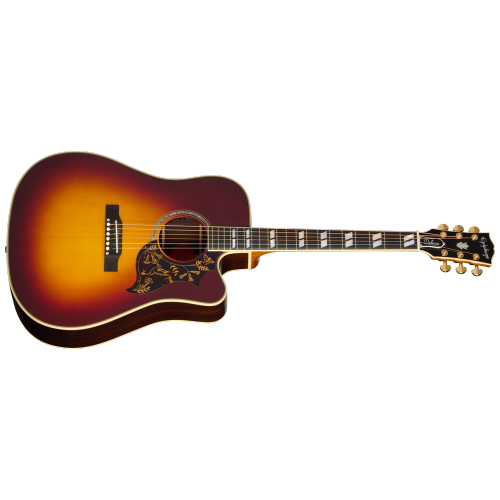
Premium details that shape every playing experience
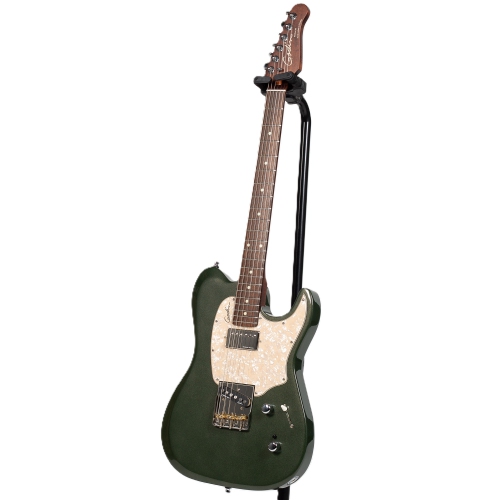
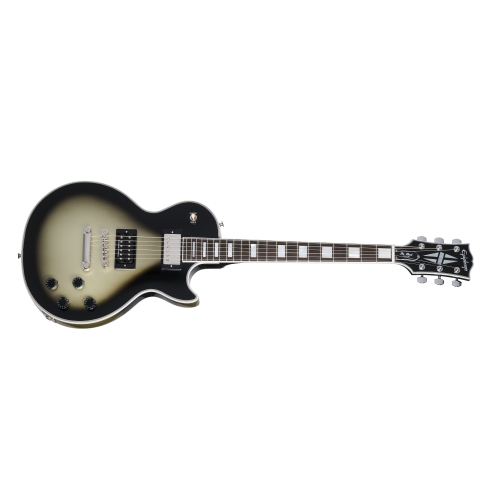
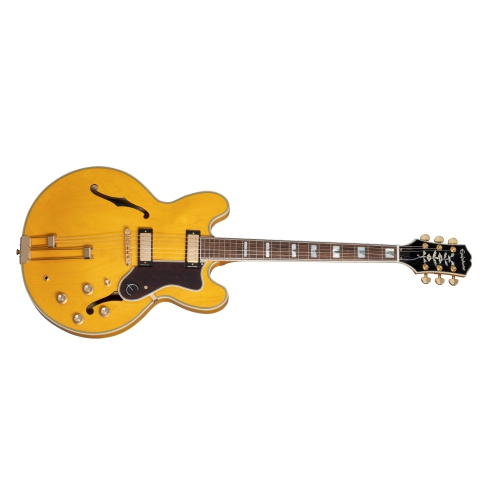
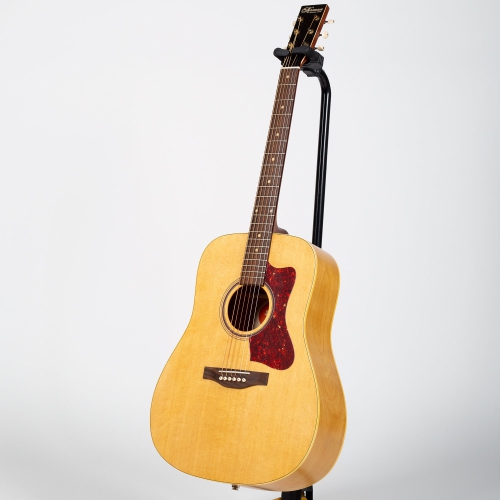
Guitars under $3,000 occupy an exciting space between accessible instruments and truly professional-grade gear. At this level, shoppers can explore carefully selected acoustic and electric guitars designed for serious practice, recording, performance, and long-term enjoyment. Acoustic guitars in this range may feature carefully chosen tonewoods, responsive bracing, comfortable neck profiles, and refined finishing that help produce a clear, balanced sound with plenty of projection. Electric guitars may offer dependable hardware, smooth fretwork, versatile pickup configurations, stable tuning, and expressive controls that respond naturally to changes in pick attack and playing style. The right choice depends on the sound you want to create, but it also comes down to how the instrument feels in your hands. A guitar should sit comfortably against your body, allow easy access to the higher frets, and make it enjoyable to practise scales, chords, riffs, and full songs. If you are comparing a premium guitar with options at a lower price point, browsing Guitars Under $1000 can help put features and construction into perspective. A budget of $3,000 provides room to look beyond basic specifications and focus on the details that shape the everyday playing experience, from the smoothness of the neck to the way the instrument holds its pitch through a long rehearsal.
When choosing an acoustic guitar, consider the body shape, scale length, string type, and the kind of music you expect to play most often. A larger body can provide a full low end and strong volume for strumming, while a smaller or mid-sized body may feel easier to hold during extended fingerpicking sessions or seated practice. Steel-string guitars are common for folk, country, rock, pop, and singer-songwriter styles, while nylon-string models offer a softer feel and a warm, rounded voice suited to classical, flamenco, and other fingerstyle traditions. Built-in electronics can be useful if you plan to connect to an amplifier, mixer, or recording setup, especially when playing at a venue where a microphone alone may not be practical. For electric guitars, think about the role the instrument will play in your collection. A versatile pickup arrangement can move from clean, glassy chords to lively overdrive, while a simpler configuration may deliver a focused character that suits a particular style. Pay attention to the bridge, tuning machines, fretboard radius, neck shape, and control layout, since these features affect tuning stability, bending, vibrato, chord comfort, and quick changes between sounds. It is also worth considering the supporting equipment you already own. An electric guitar may need an amplifier, instrument cable, strap, picks, and a tuner, while an acoustic guitar may benefit from a padded gig bag, replacement strings, a capo, and a comfortable pick selection. If the guitar is intended for recording, check that its electronics and output connections suit your interface or amplifier. If it is destined for regular travel, rehearsals, or lessons, a durable case or gig bag can make carrying it easier and provide useful protection between sessions.
Guitars under $3,000 can make thoughtful gifts for an experienced player, a developing musician ready to move beyond a first instrument, or a family member returning to music after years away. They can also mark a meaningful occasion such as a graduation, a new creative pursuit, or the beginning of a band. Because playing comfort and sound are personal, it helps to consider the recipient’s existing guitar style, musical interests, and preferred body shape before choosing. Someone who spends evenings working through delicate fingerstyle arrangements may value a responsive acoustic with a comfortable neck, while a player who enjoys experimenting with pedals may appreciate an electric guitar with a broad tonal range and reliable tuning stability. For a gift, accessories such as a tuner, strap, stand, strings, or maintenance kit can complement the instrument without changing its character. Players should also remember that even a finely made guitar benefits from regular care. Wipe away fingerprints after playing, store the instrument away from extreme temperature changes, and keep it properly humidified when needed, particularly during the drier indoor conditions that can accompany cooler weather. Fresh strings, occasional setup work, and professional fret or neck adjustments can help preserve playability over time. Whether it is used for quiet practice beside a window, late-night songwriting, weekend rehearsals, or a set in front of an audience, a well-chosen guitar becomes part of a player’s routine: the familiar weight across the lap, the first chord ringing through the room, and the small improvements that turn practice into confident performance.
Top selling and popular products
-
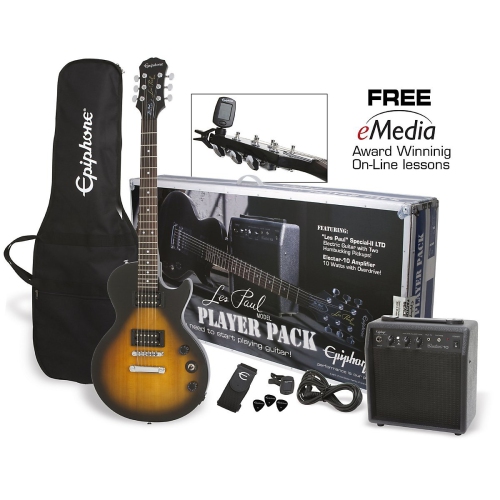 Your price for this item is $494.49
-
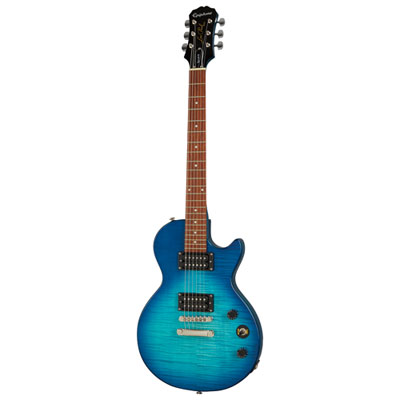 Your price for this item is $379.99
-
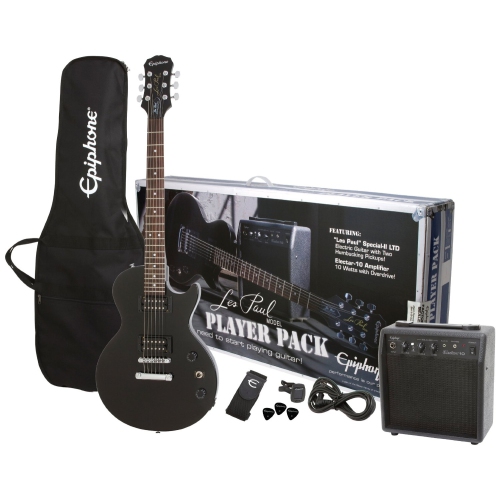 Your price for this item is $494.49
-
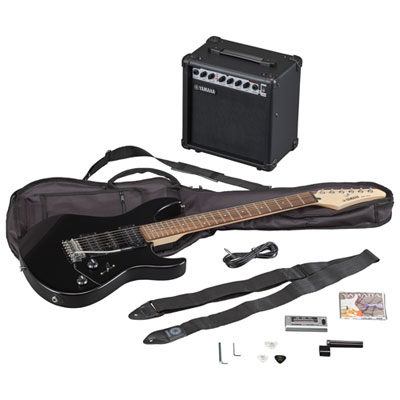 Your price for this item is $349.99
-
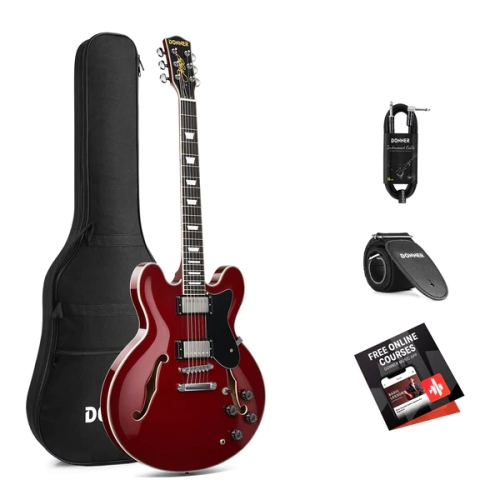 Your price for this item is $395.99
-
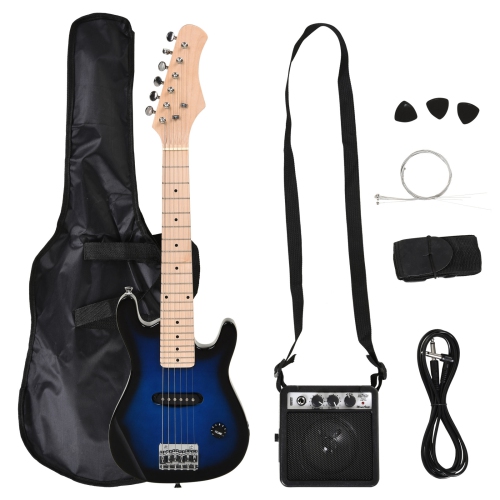 Your price for this item is $124.99
-
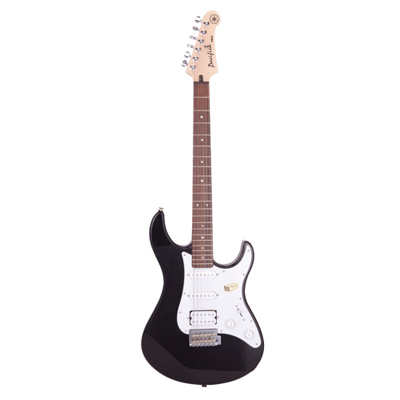 Your price for this item is $299.99
-
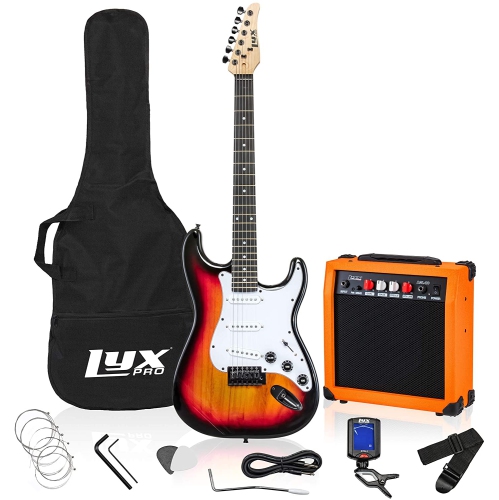 Your price for this item is $239.99
Discover more categories related to Guitars Under $3000
Top Collections:
Pokemon Centers, Kindle Devices, Best Cameras for Sports Photography, Pokémon 30th Celebration Cards, Apple iPhones 16, Canon G7X Cameras, iPhone 15 Apple, Flip Phones, Samsung Galaxy Phones, Alarm Clock
Some products may be subject to Environmental Handling Fees
(EHF) depending on your province.
Learn more about EHFs.