Yamaha Beginner Guitars
If you're a beginner, you'll want to learn how to play a guitar that's easy on the hands and ears. Yamaha offers a range of beginner guitars that are perfect for those just starting out. With a range of sizes, styles, and prices, Yamaha has something for everyone. Here are some great beginner guitars from Yamaha on the market today.
Sort
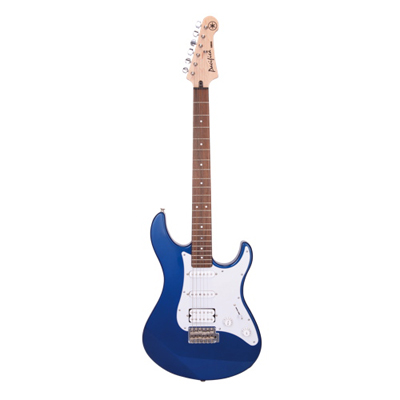
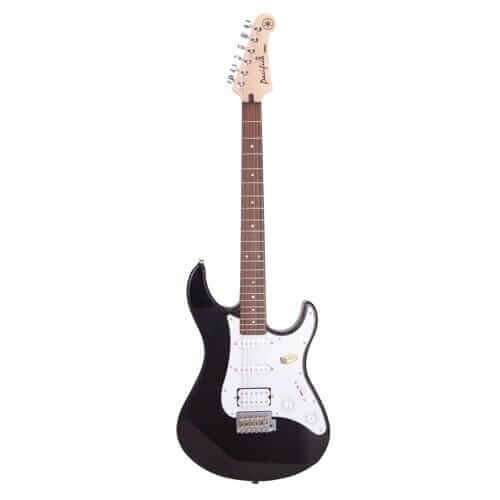
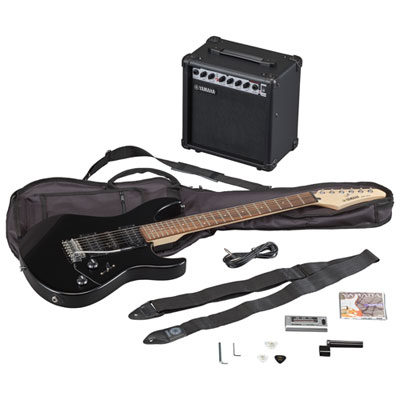
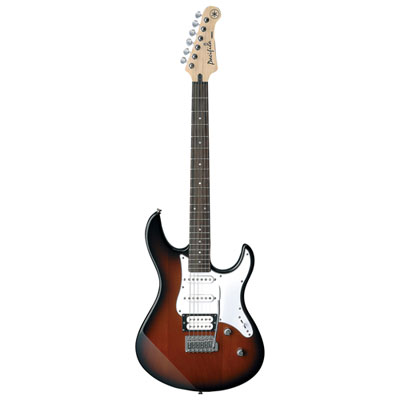
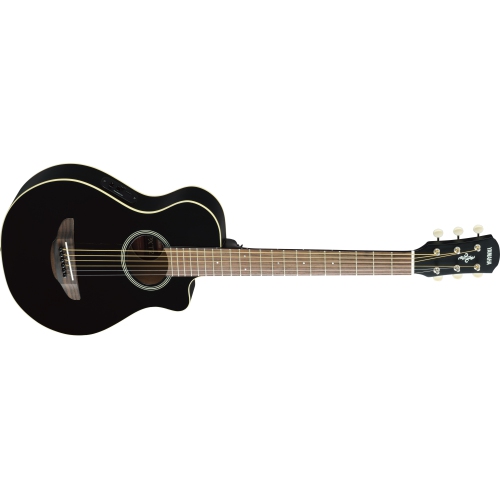
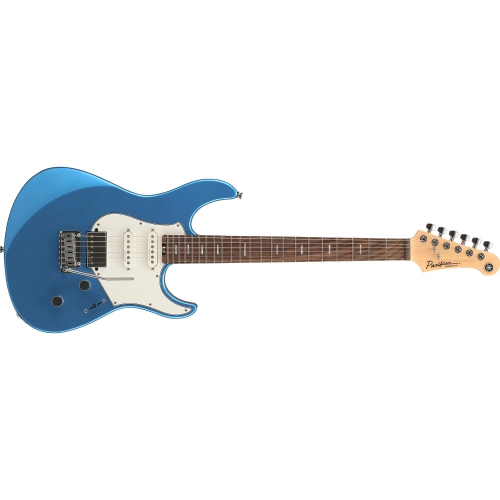
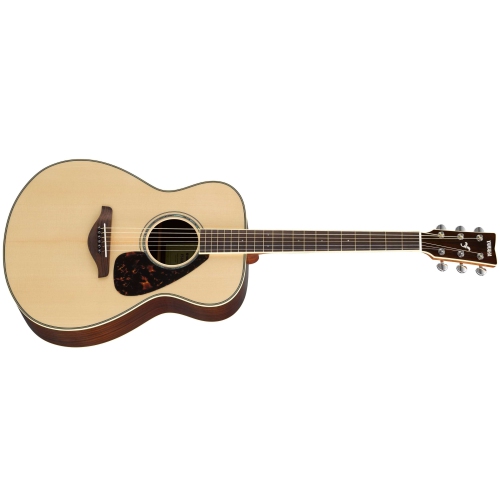
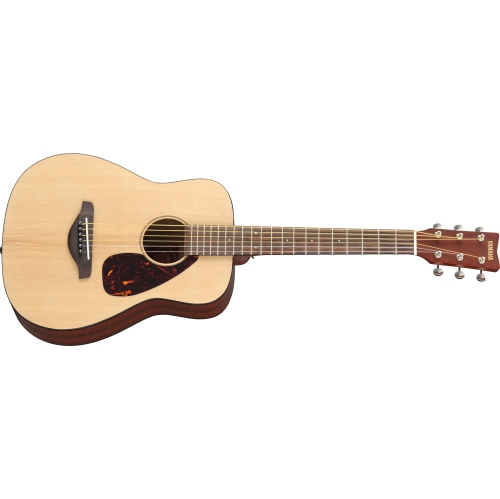
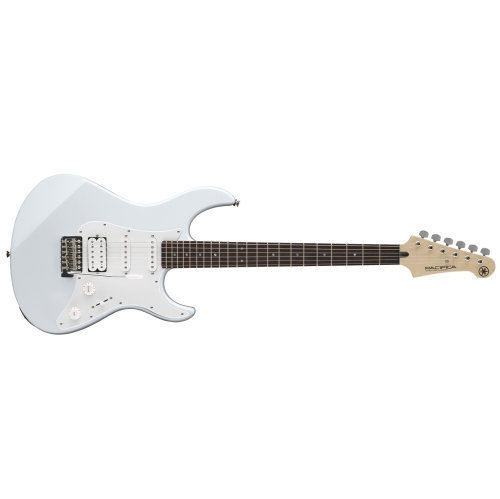
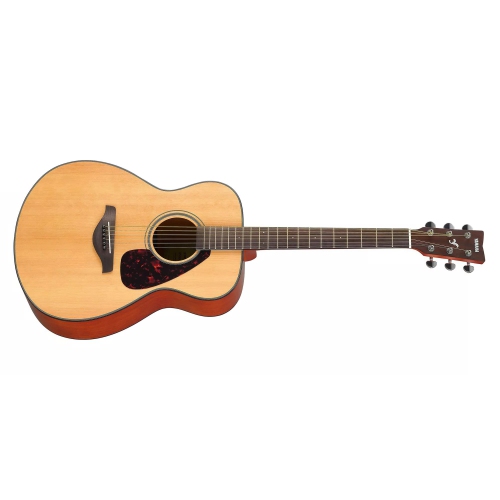
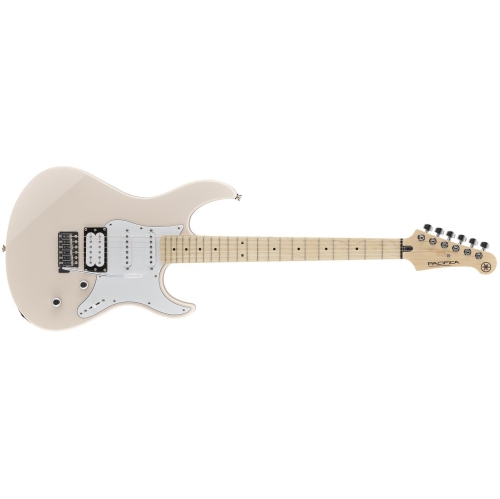
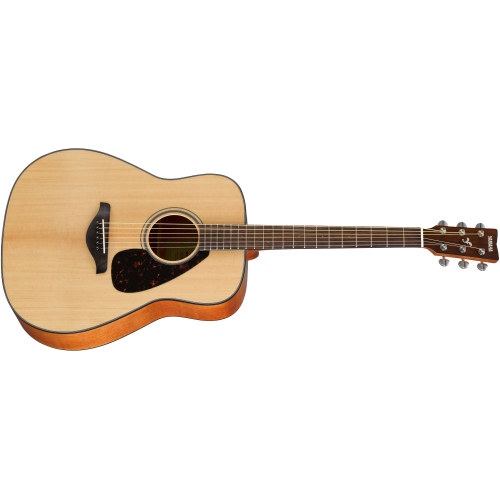
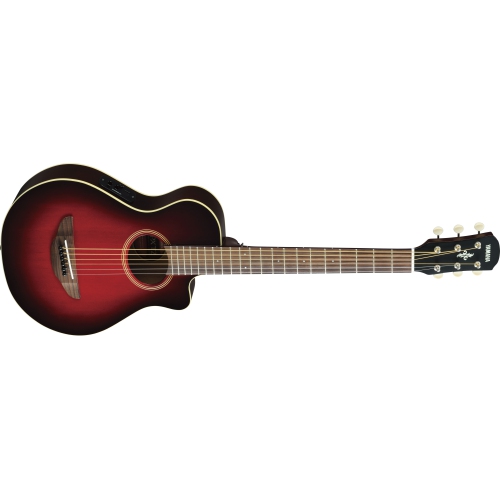
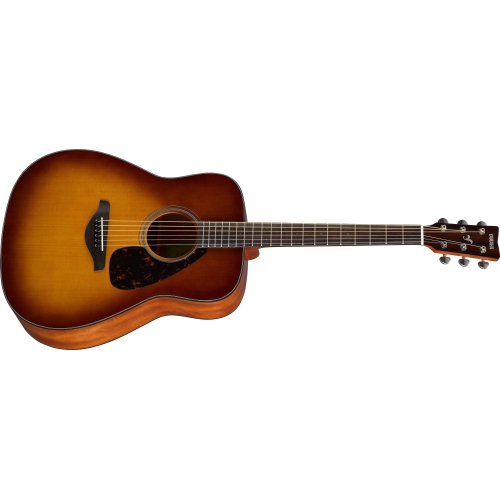
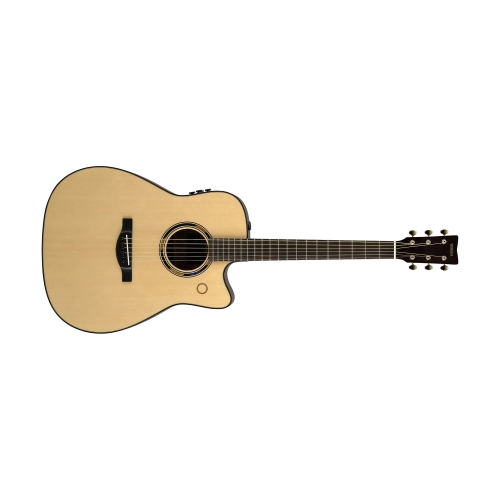
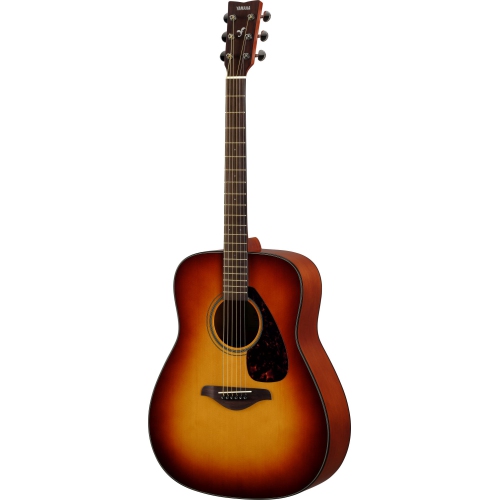
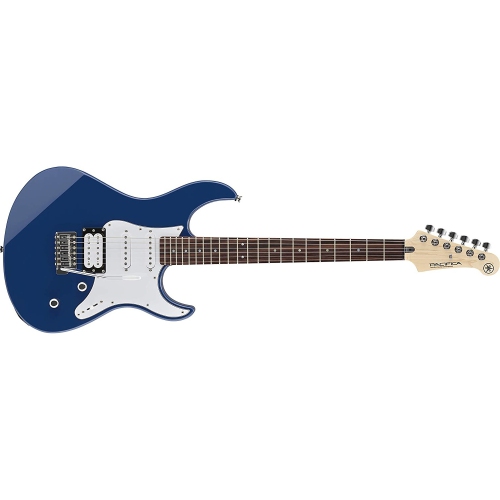
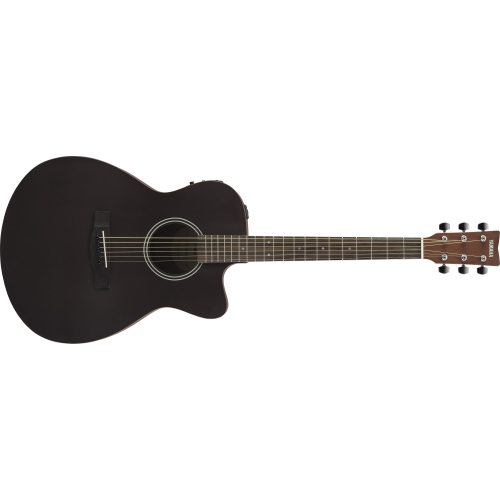
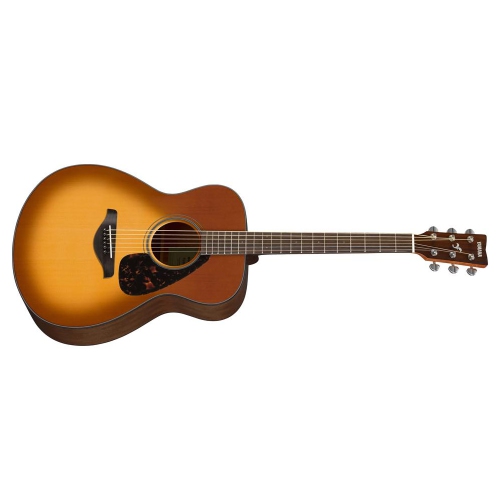
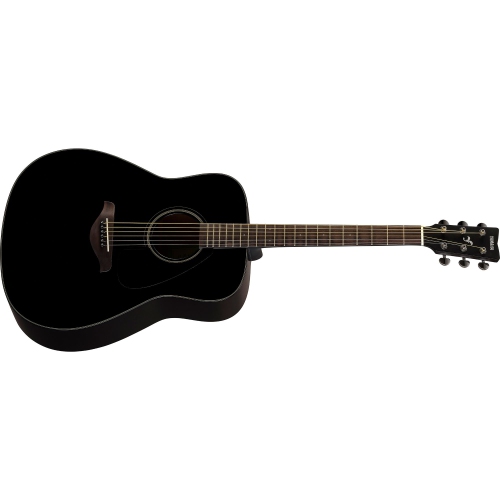

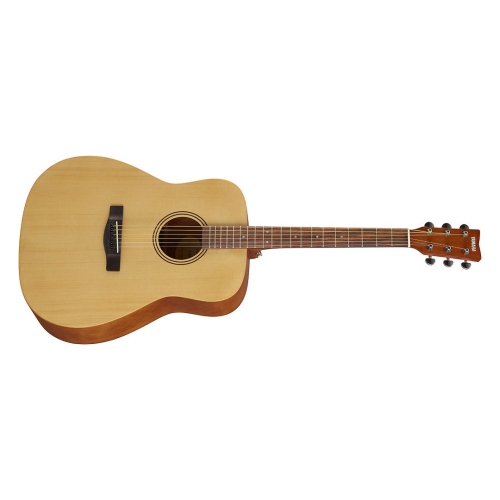
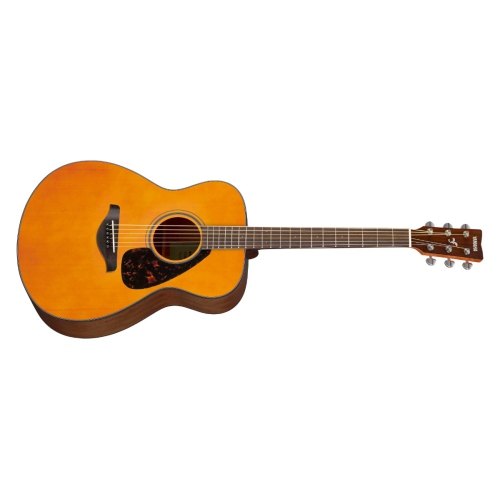
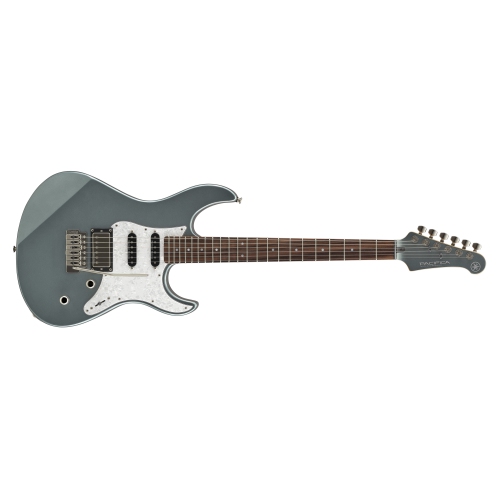
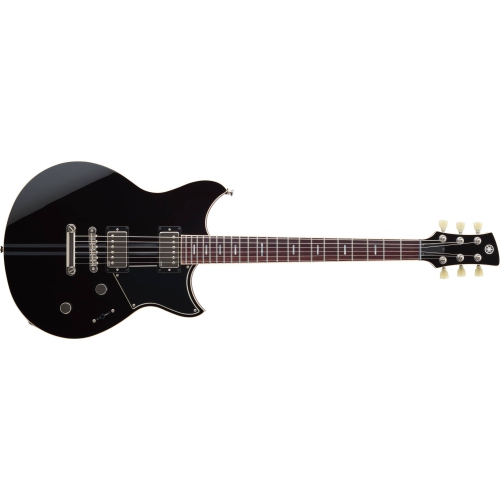
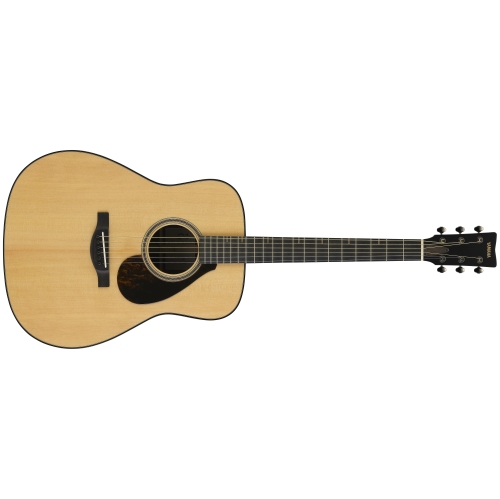
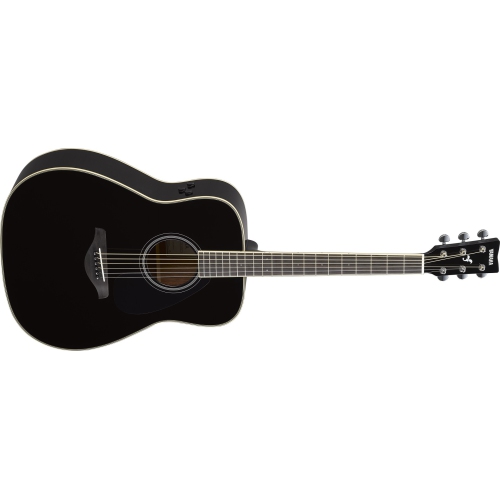
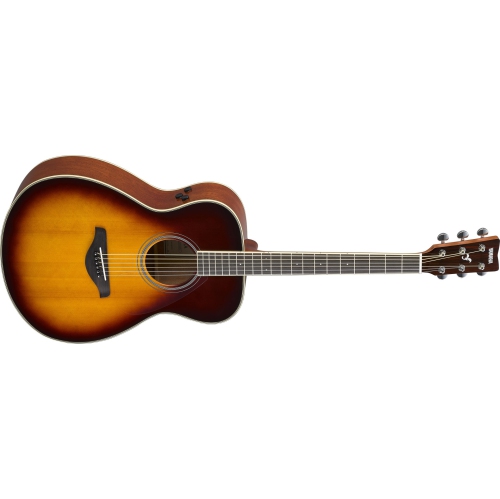
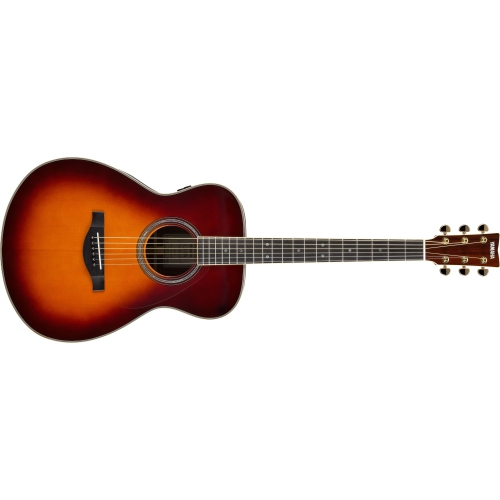
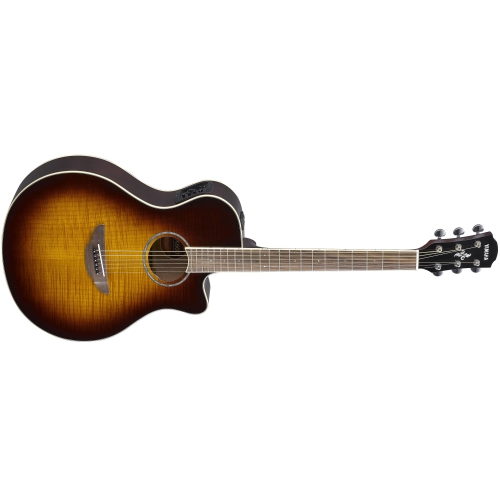
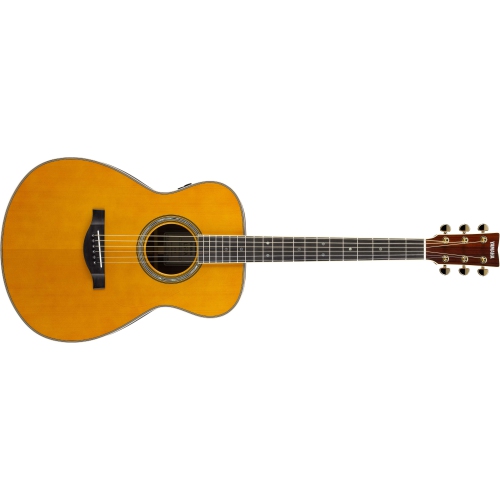
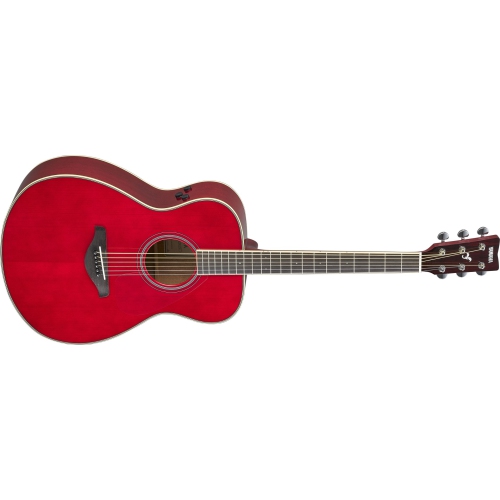
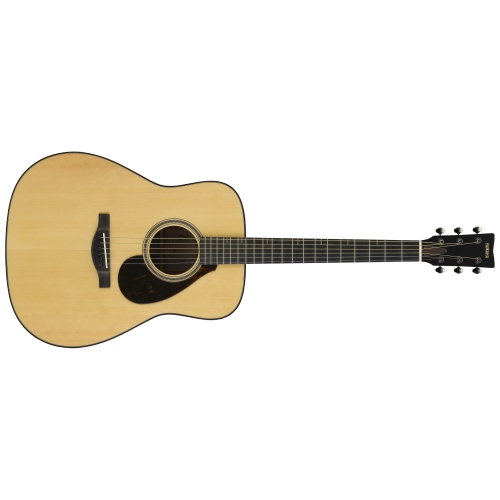
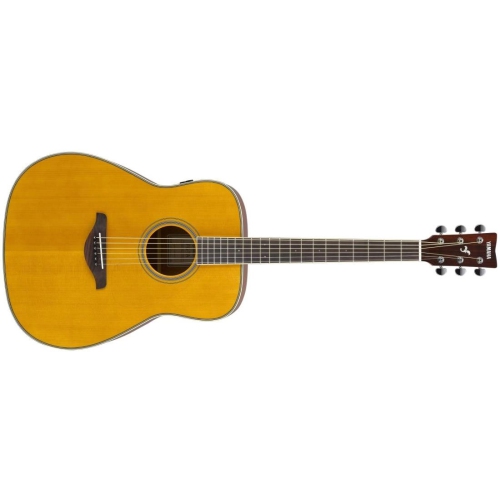
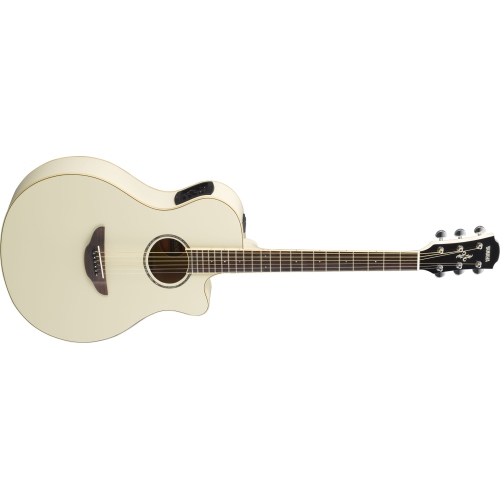
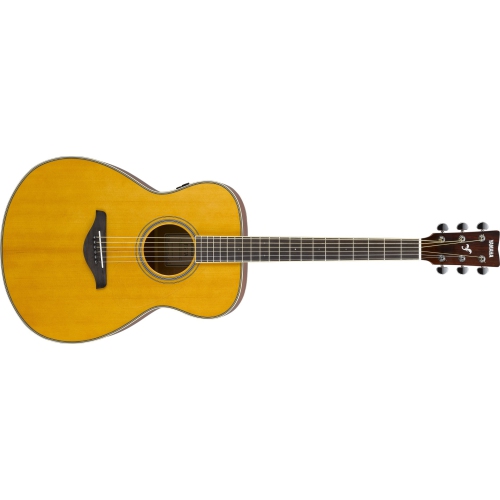
Comfort, sound, and accessories shape the right first instrument
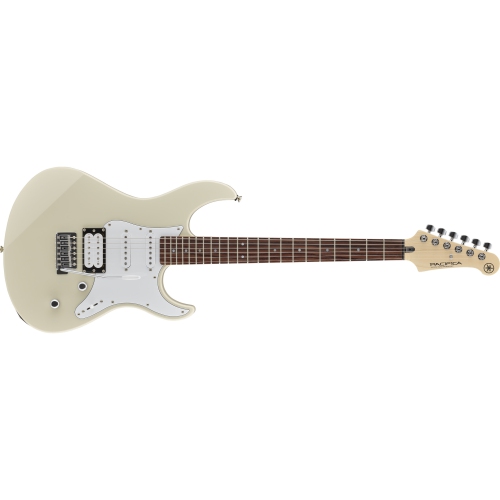
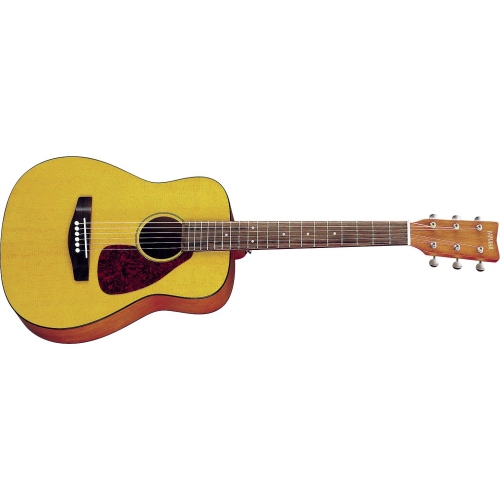
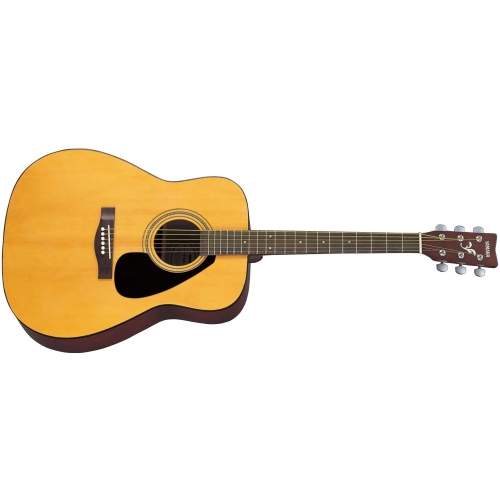
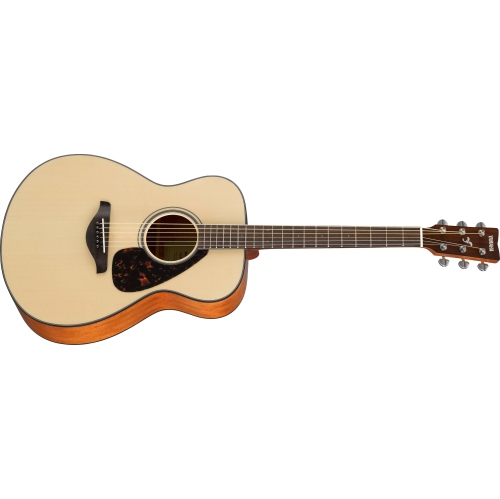
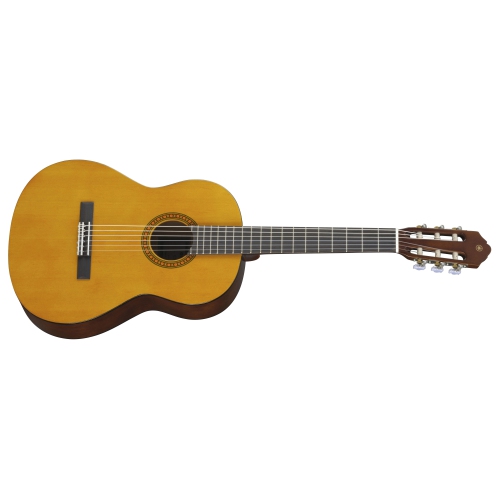
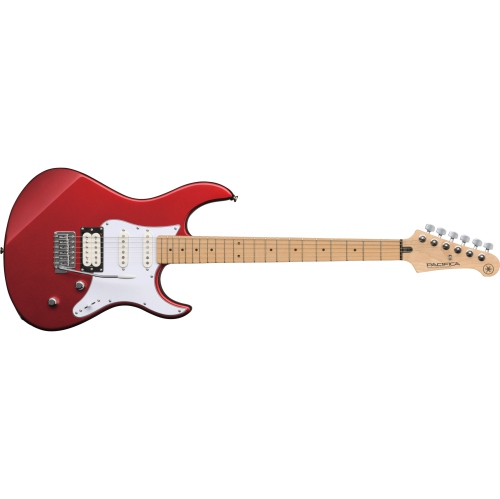
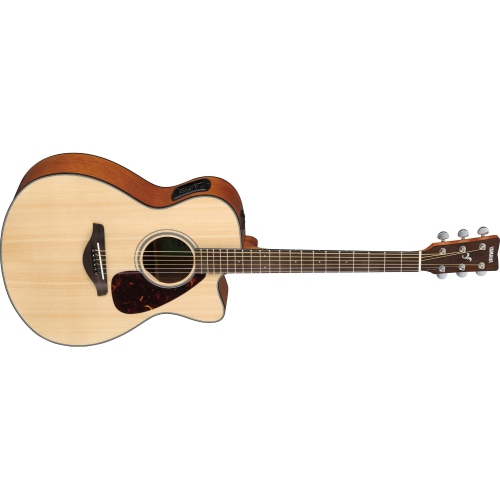
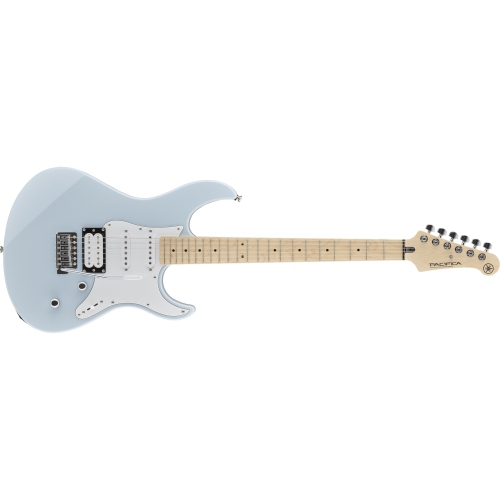
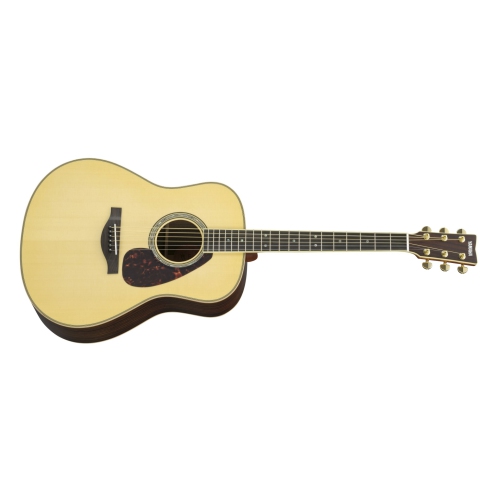
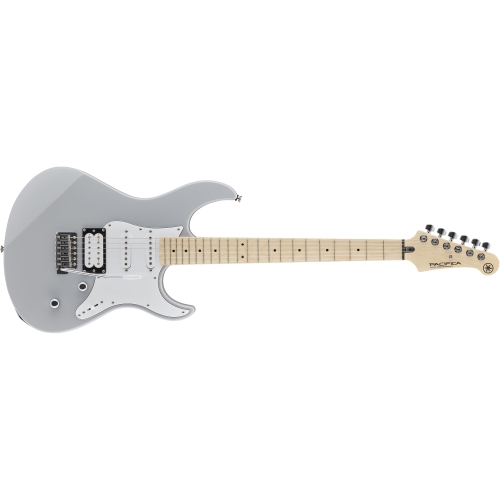
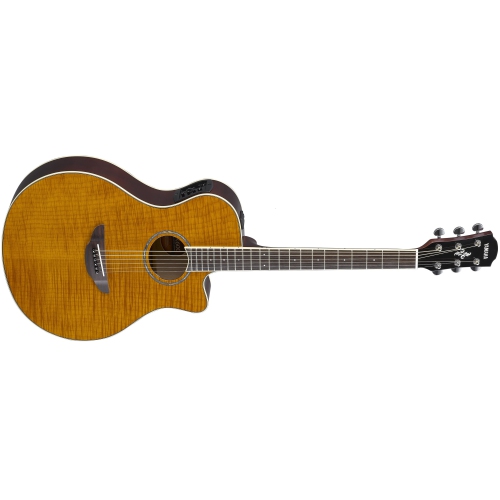
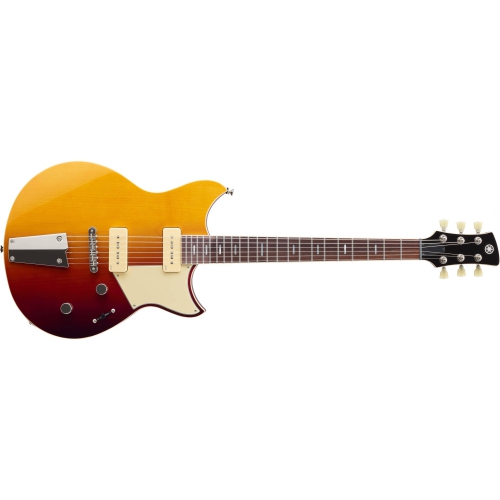
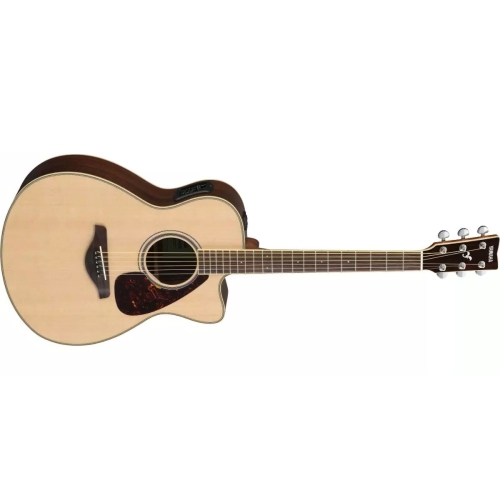
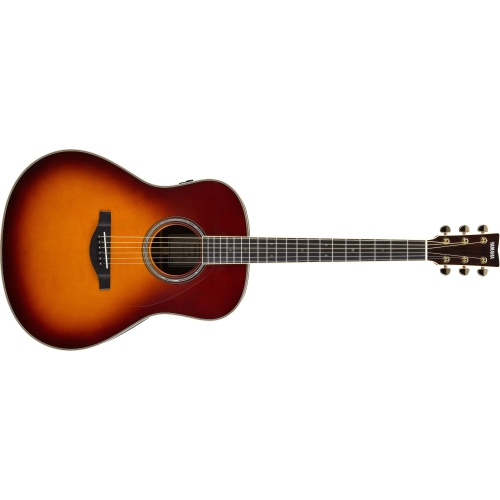
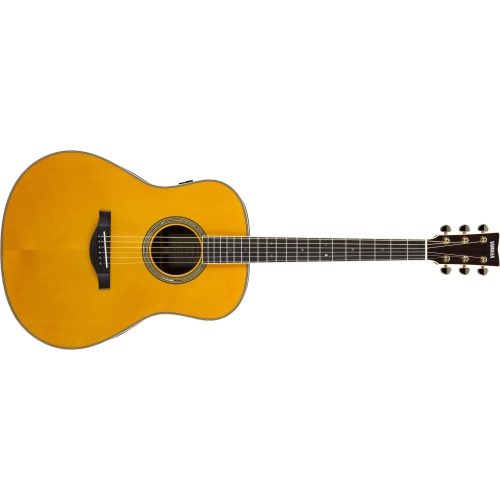
Choosing a first guitar is an exciting step, whether it marks the beginning of formal lessons, a new creative hobby, or a thoughtful gift for someone who has always wanted to play. Beginner guitars are designed to make those early sessions feel approachable, comfortable, and rewarding, with dependable construction and practical features that help new players build confidence. Acoustic guitars are a popular starting point because they can be played without an amplifier or additional equipment, making them easy to keep in a bedroom, living room, classroom, or cottage. Their natural sound is well suited to strumming chords, practising simple melodies, and accompanying singing. Electric guitars can also be an excellent choice for beginners, particularly for players drawn to rock, blues, pop, or lead guitar. They generally require an amplifier and cable, but their lighter strings and slimmer necks may feel comfortable for some new musicians. Classical guitars with nylon strings offer another inviting option, especially for fingerstyle playing, traditional music, and learners who prefer a softer feel under the fingertips. As you explore Yamaha Guitars, consider how the instrument will be used, where it will be played, and what type of music will keep the player motivated to practise.
Body shape and scale can make a meaningful difference during the first few months of learning. A full-size dreadnought-style acoustic guitar produces a strong, expansive sound that works well for strumming, but its deeper body may feel large for children, smaller adults, or anyone who prefers a closer, more compact fit. Concert and other smaller-body guitars can be easier to hold while seated, with a shape that leaves the picking hand and fretting hand in a relaxed position. The best choice is not necessarily the largest or most powerful instrument; it is the one that feels comfortable enough to pick up regularly. Neck width also deserves attention. A narrower neck may help players move between basic chords with less stretching, while a wider, flatter neck can provide useful space for fingerstyle techniques and classical arrangements. Nylon strings are often gentler on new fingertips than steel strings, although every player develops some fingertip sensitivity as practice continues. Look for smooth fret edges, tuners that turn steadily, and strings that sit at a manageable height above the fretboard. These details affect playability more than appearance alone and can make a short practice session feel encouraging rather than tiring. Sound quality matters, too: a well-made beginner guitar should produce clear notes, balanced chords, and enough volume for the player to hear progress. A solid spruce top may offer a lively, resonant acoustic voice, while laminate construction can provide a practical and durable foundation for everyday learning. Electric guitar players may want versatile pickup configurations and simple controls that allow them to explore clean tones, gentle overdrive, and other sounds without making setup unnecessarily complicated.
It is also worth considering what comes with the guitar and what the player will need to begin practising comfortably. Starter packages may include useful accessories such as a gig bag, clip-on tuner, strap, picks, or spare strings, helping a new player avoid assembling a separate collection of essentials. A tuner is particularly helpful because beginners are still learning to recognize pitch by ear, and playing an instrument that is out of tune can make familiar chords sound discouraging. A strap can provide added stability for standing practice, while a padded bag makes it easier to carry the guitar to lessons, rehearsals, or visits with friends. For an electric guitar, budget for an appropriately sized amplifier and an instrument cable, and consider whether headphone compatibility would be useful for shared homes or evening practice. A footstool, music stand, and beginner lesson materials can also improve posture and make practice more organized. These guitars can be meaningful gifts for children, teenagers, adults returning to music, and creative friends looking for a hands-on pastime during the cooler months. For a child, check that the body and neck are manageable without choosing an instrument that will be quickly outgrown; for an adult, comfort, music preference, and available space may be more important than age. The most useful beginner guitar is one that invites regular use: resting within easy reach, sounding pleasant when a few chords are played, and feeling dependable through the inevitable early mistakes. With consistent short practice sessions, players can move from hesitant chord changes to familiar songs, simple riffs, and confident rhythm patterns. A suitable guitar provides the foundation, while patience, curiosity, and the pleasure of hearing each small improvement help turn a first instrument into a lasting part of everyday life.
Body shape and scale can make a meaningful difference during the first few months of learning. A full-size dreadnought-style acoustic guitar produces a strong, expansive sound that works well for strumming, but its deeper body may feel large for children, smaller adults, or anyone who prefers a closer, more compact fit. Concert and other smaller-body guitars can be easier to hold while seated, with a shape that leaves the picking hand and fretting hand in a relaxed position. The best choice is not necessarily the largest or most powerful instrument; it is the one that feels comfortable enough to pick up regularly. Neck width also deserves attention. A narrower neck may help players move between basic chords with less stretching, while a wider, flatter neck can provide useful space for fingerstyle techniques and classical arrangements. Nylon strings are often gentler on new fingertips than steel strings, although every player develops some fingertip sensitivity as practice continues. Look for smooth fret edges, tuners that turn steadily, and strings that sit at a manageable height above the fretboard. These details affect playability more than appearance alone and can make a short practice session feel encouraging rather than tiring. Sound quality matters, too: a well-made beginner guitar should produce clear notes, balanced chords, and enough volume for the player to hear progress. A solid spruce top may offer a lively, resonant acoustic voice, while laminate construction can provide a practical and durable foundation for everyday learning. Electric guitar players may want versatile pickup configurations and simple controls that allow them to explore clean tones, gentle overdrive, and other sounds without making setup unnecessarily complicated.
It is also worth considering what comes with the guitar and what the player will need to begin practising comfortably. Starter packages may include useful accessories such as a gig bag, clip-on tuner, strap, picks, or spare strings, helping a new player avoid assembling a separate collection of essentials. A tuner is particularly helpful because beginners are still learning to recognize pitch by ear, and playing an instrument that is out of tune can make familiar chords sound discouraging. A strap can provide added stability for standing practice, while a padded bag makes it easier to carry the guitar to lessons, rehearsals, or visits with friends. For an electric guitar, budget for an appropriately sized amplifier and an instrument cable, and consider whether headphone compatibility would be useful for shared homes or evening practice. A footstool, music stand, and beginner lesson materials can also improve posture and make practice more organized. These guitars can be meaningful gifts for children, teenagers, adults returning to music, and creative friends looking for a hands-on pastime during the cooler months. For a child, check that the body and neck are manageable without choosing an instrument that will be quickly outgrown; for an adult, comfort, music preference, and available space may be more important than age. The most useful beginner guitar is one that invites regular use: resting within easy reach, sounding pleasant when a few chords are played, and feeling dependable through the inevitable early mistakes. With consistent short practice sessions, players can move from hesitant chord changes to familiar songs, simple riffs, and confident rhythm patterns. A suitable guitar provides the foundation, while patience, curiosity, and the pleasure of hearing each small improvement help turn a first instrument into a lasting part of everyday life.
Top selling and popular products
-
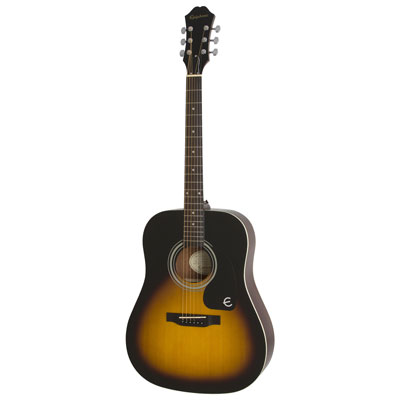 Your price for this item is $259.99
 -
 Your price for this item is $279.99
 -
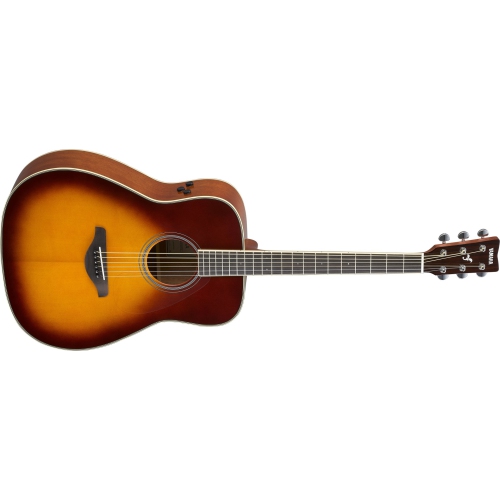 Your price for this item is $999.99
 -
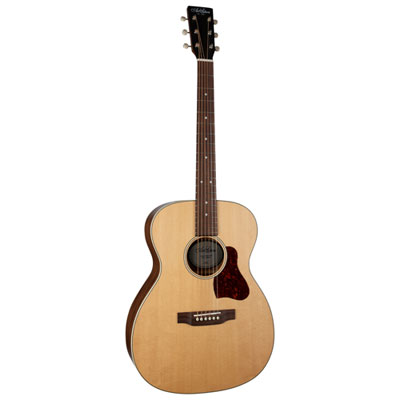 Your price for this item is $599.99
 -
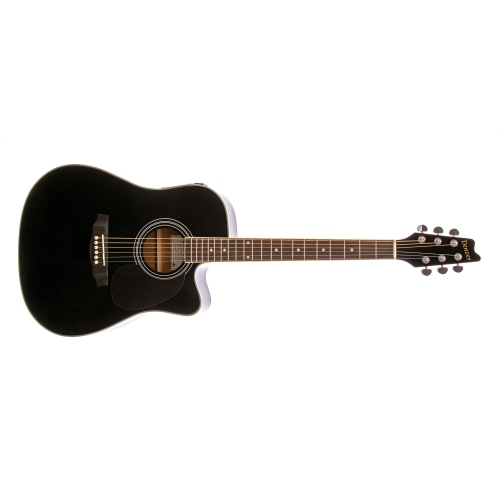 Your price for this item is $269.99
 -
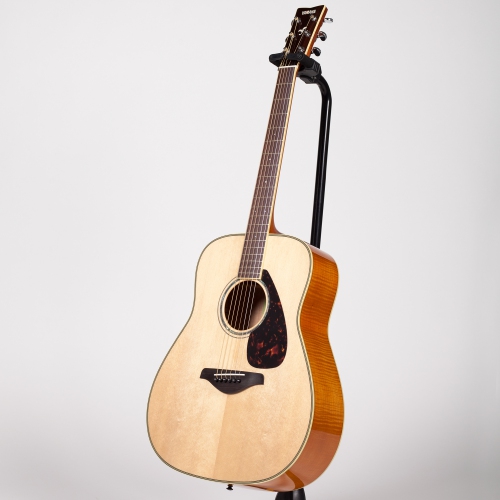 Your price for this item is $649.99
 -
 Your price for this item is $459.99
 -
 Your price for this item is $918.85
Discover more categories related to Yamaha Beginner Guitars
Top Collections:
Pokemon Centers, Best Cameras for Sports Photography, Kindle Devices, Samsung Galaxy Phones, Canon G7X Cameras, Pokémon 30th Celebration Cards, Refurbished Apple Laptops, iPhone 15 Apple, Laptops for Students, Budget Smartphones
Some products may be subject to Environmental Handling Fees
(EHF) depending on your province.
Learn more about EHFs.