Frizzy Hair Products
Frizzy hair is a common problem, and it's one that can be difficult to tame. Whether you have naturally curly hair or are dealing with frizz from your dryer, there are several products on the market that can help you smooth out your locks and eliminate the frizz. Here are some great options available today.
Sort

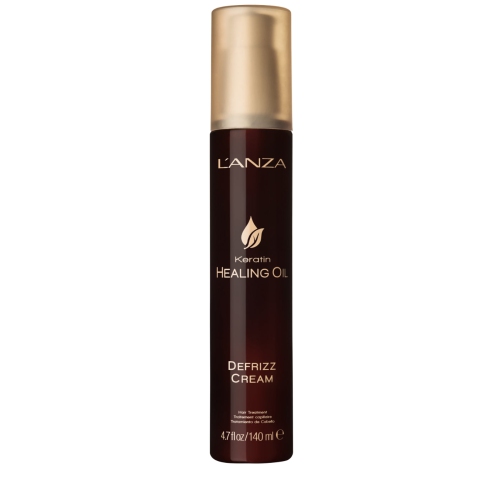
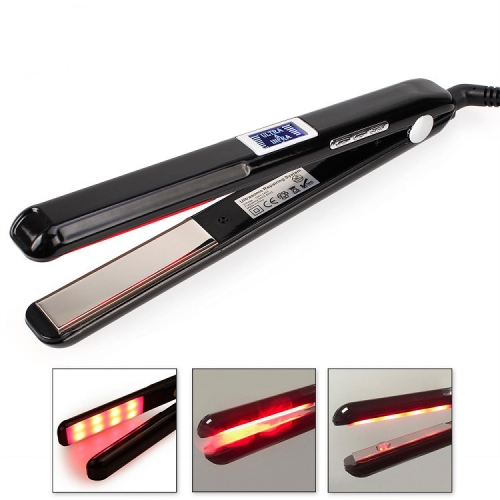
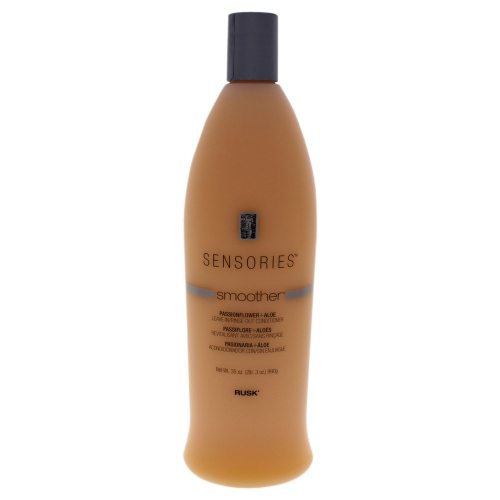
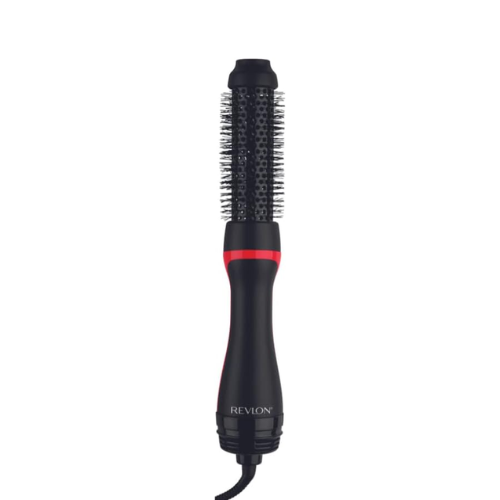
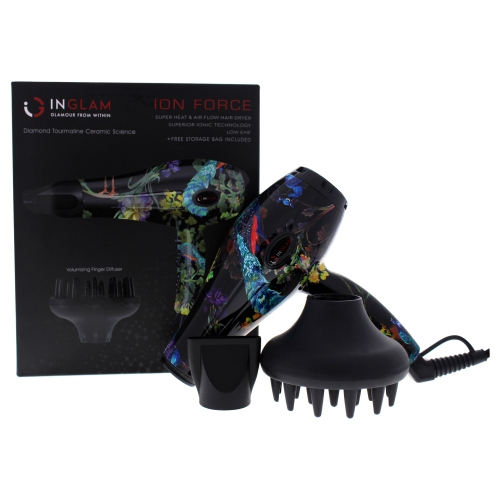
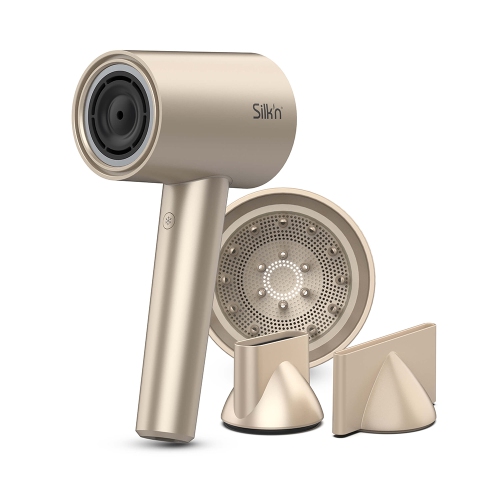
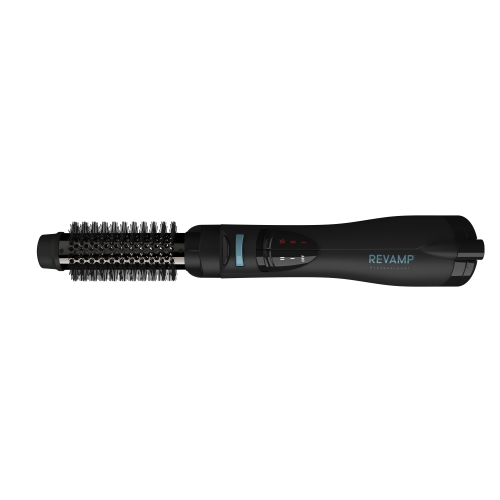
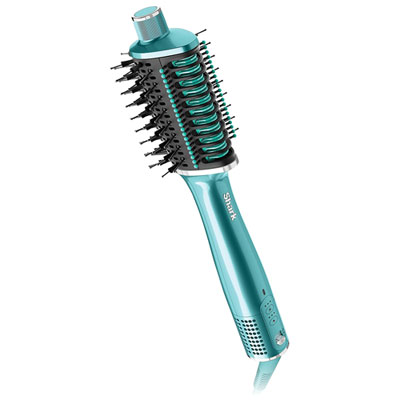
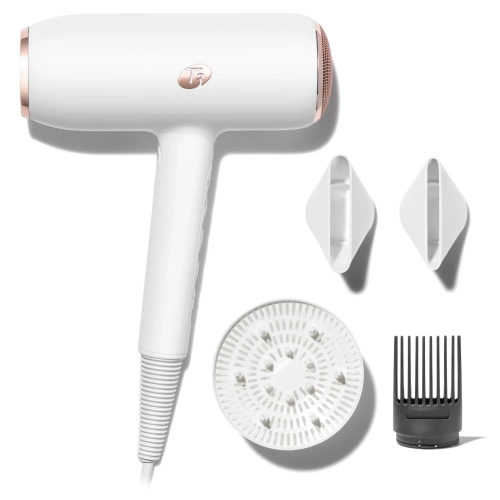
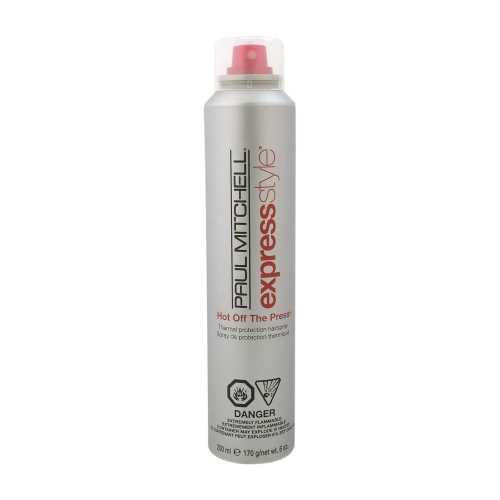

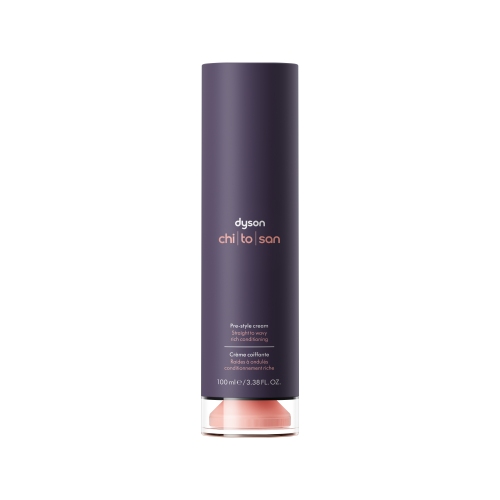

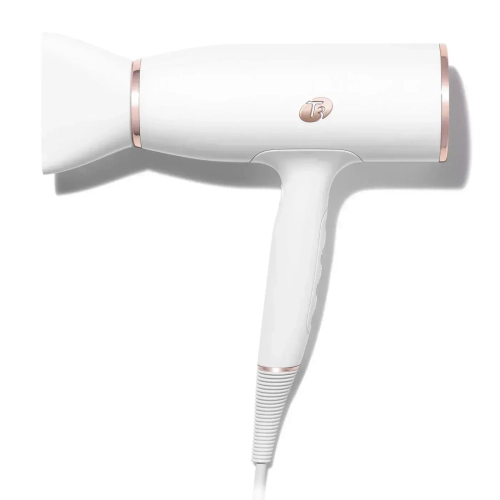
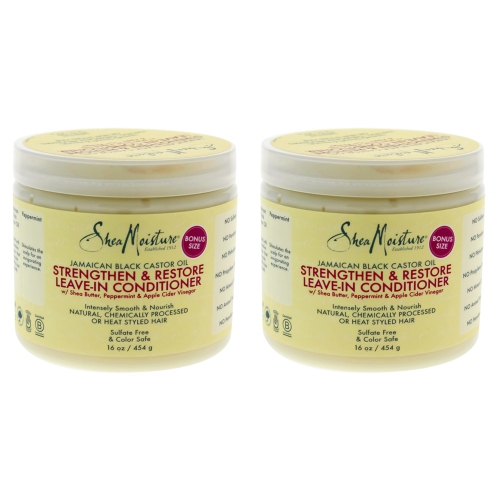
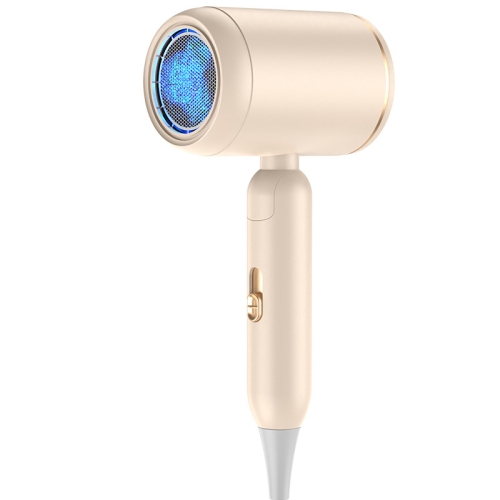
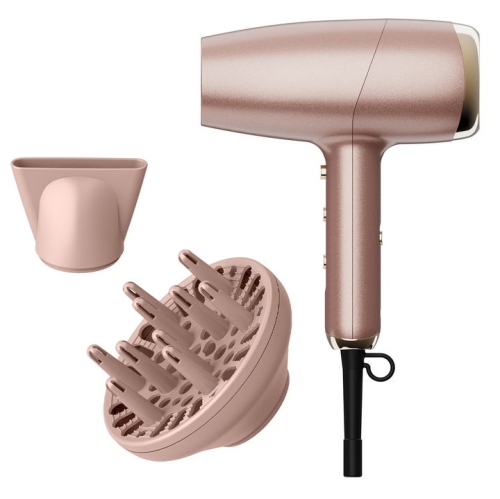
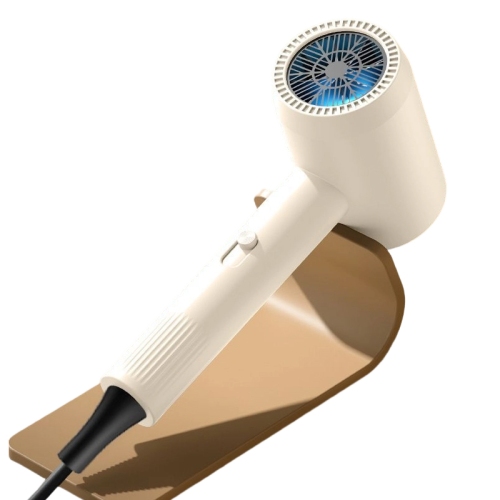
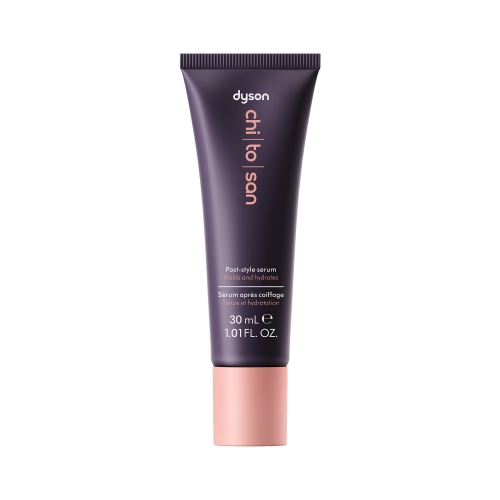
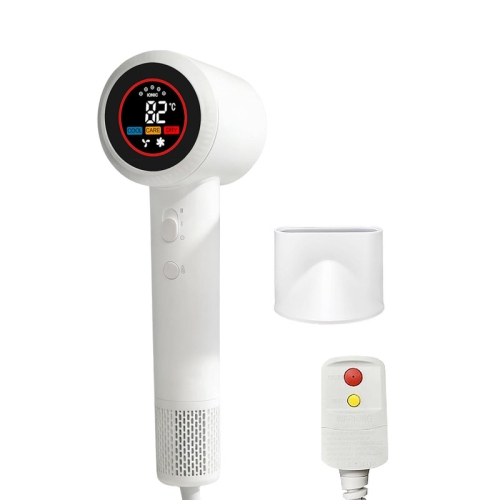
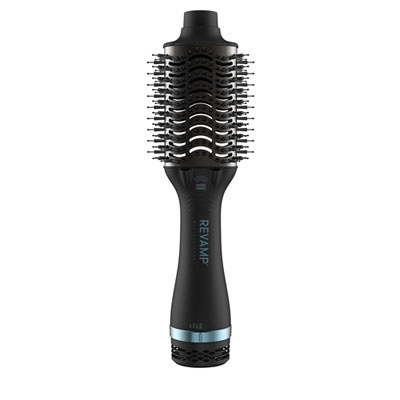
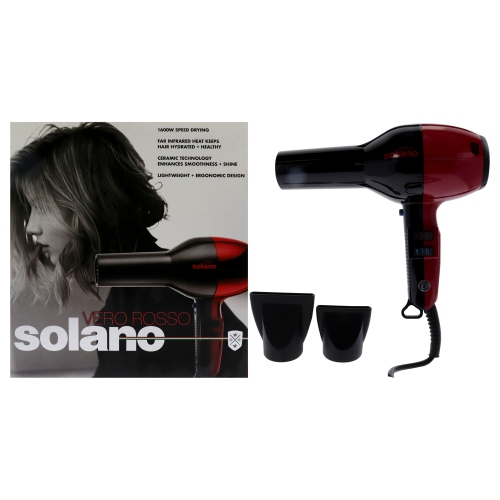
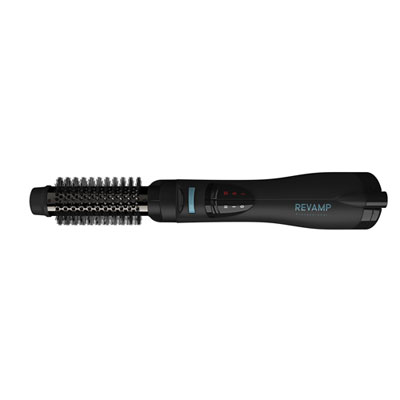
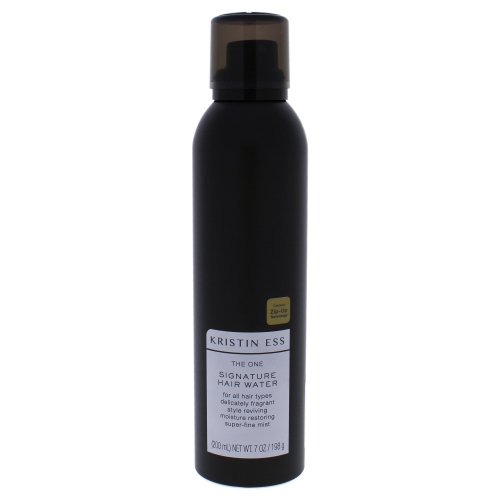
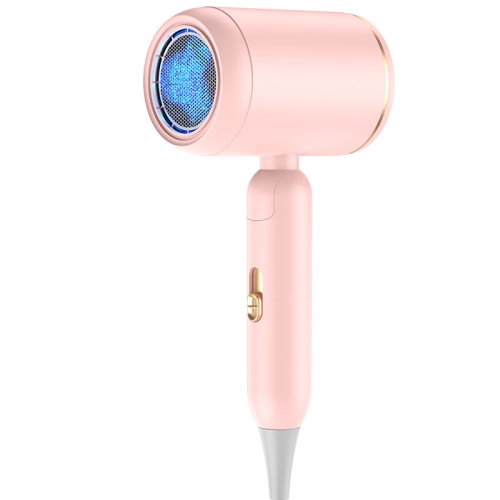
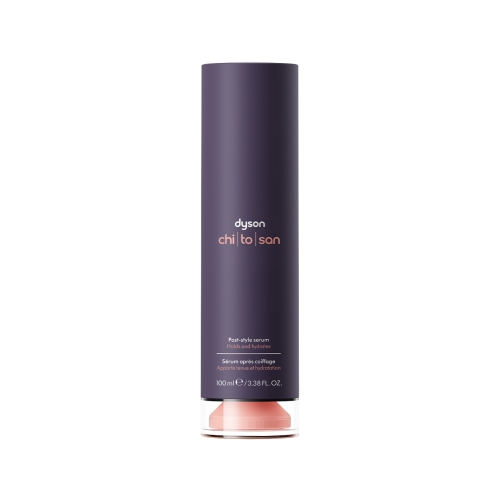
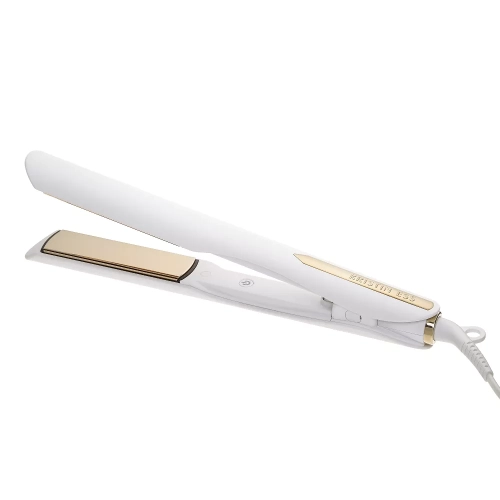
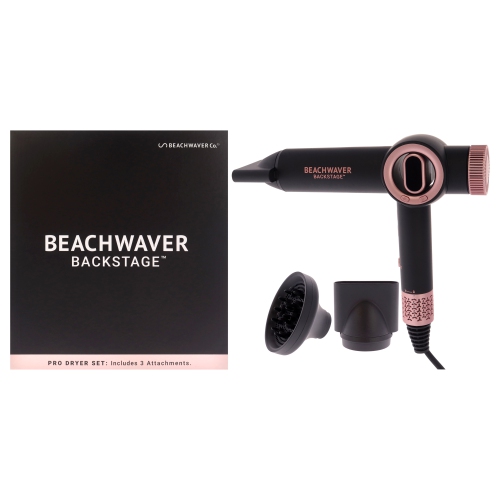
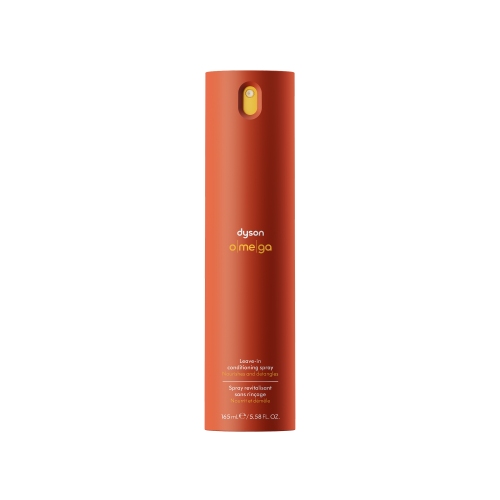

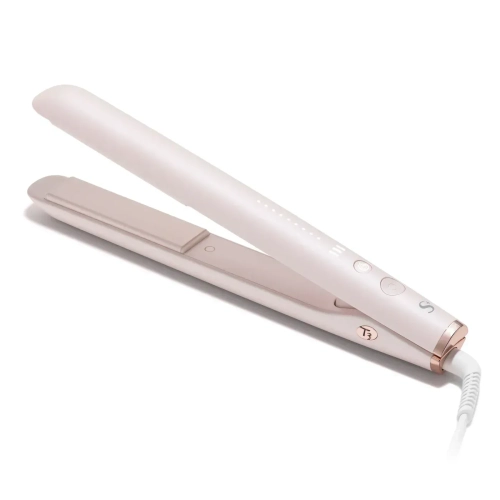
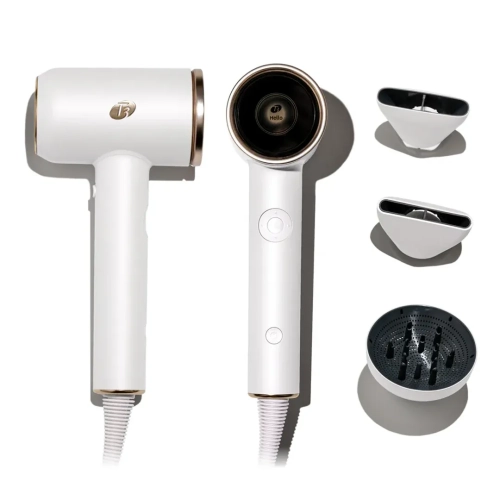
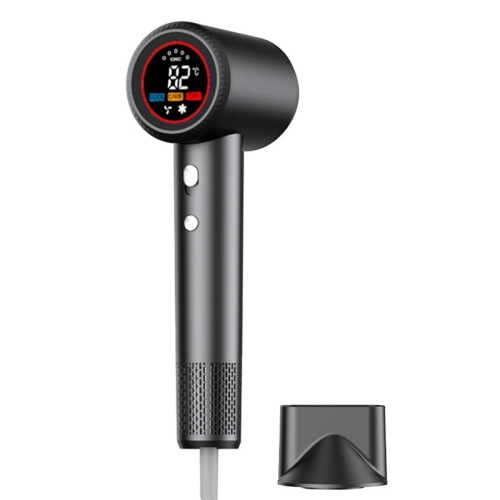
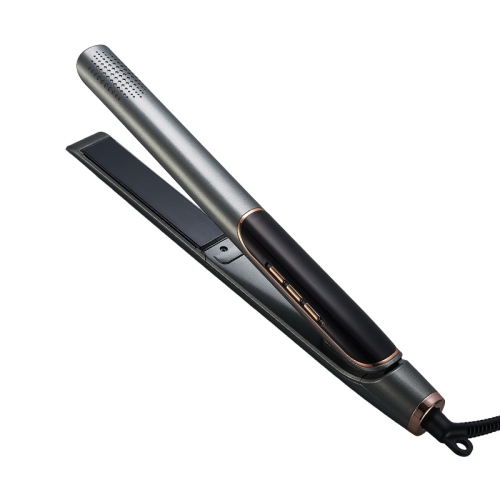
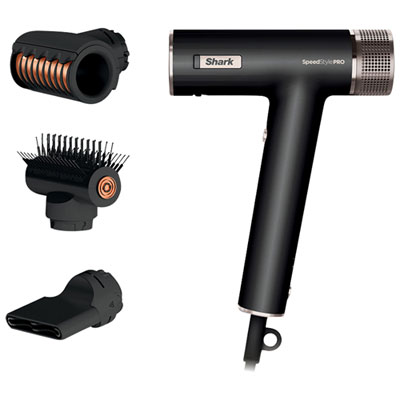
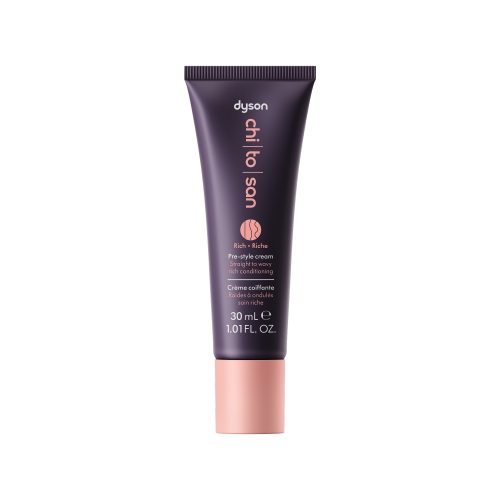
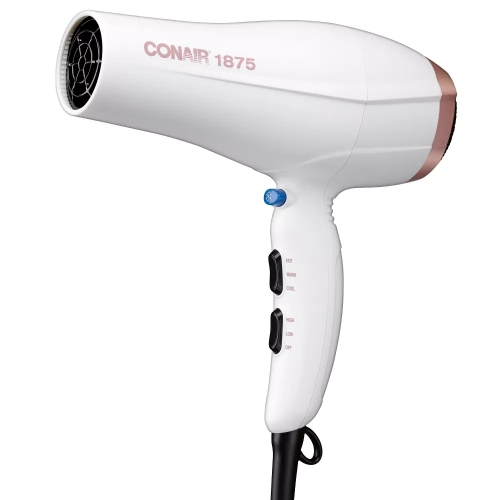

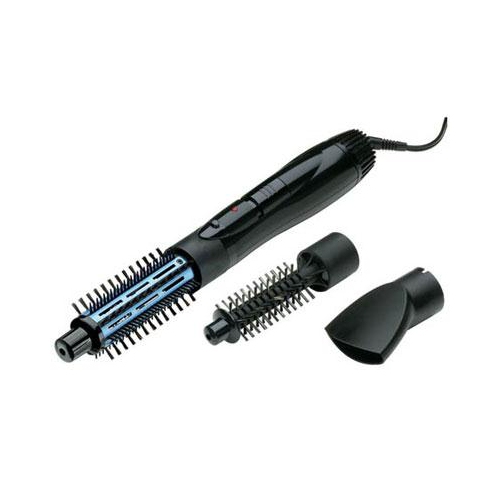
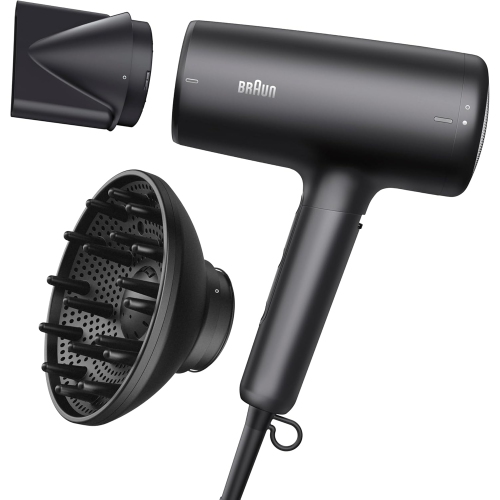
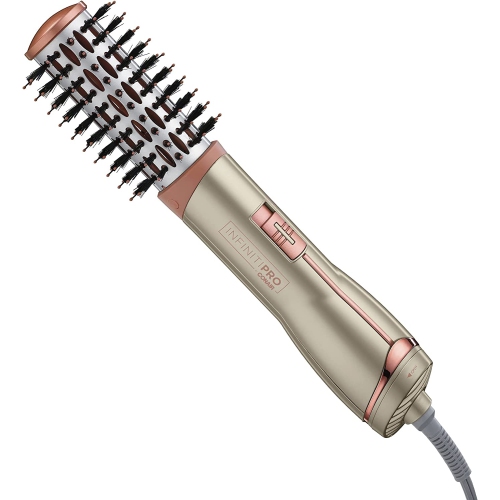

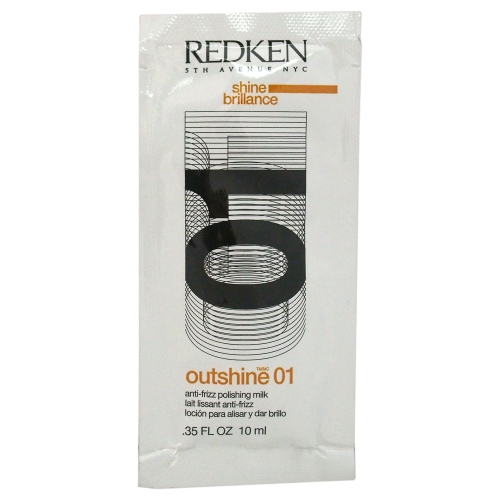
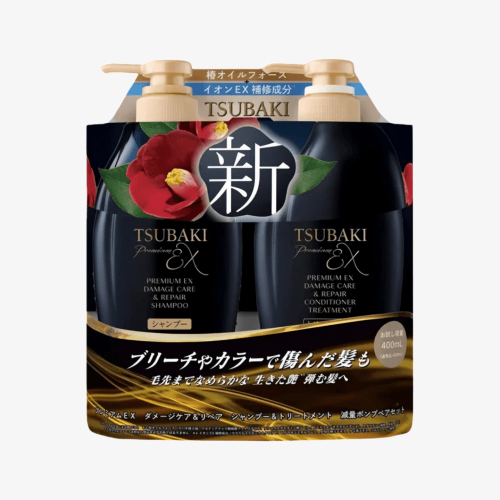
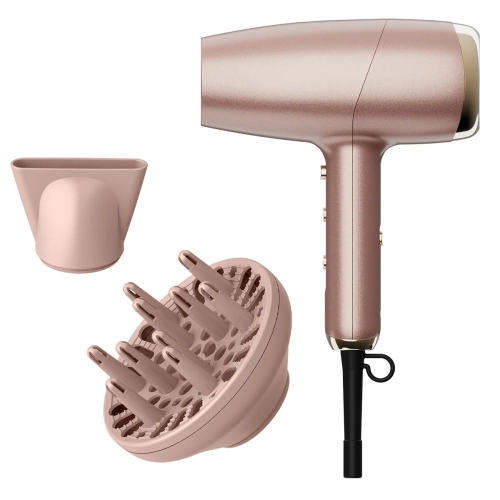

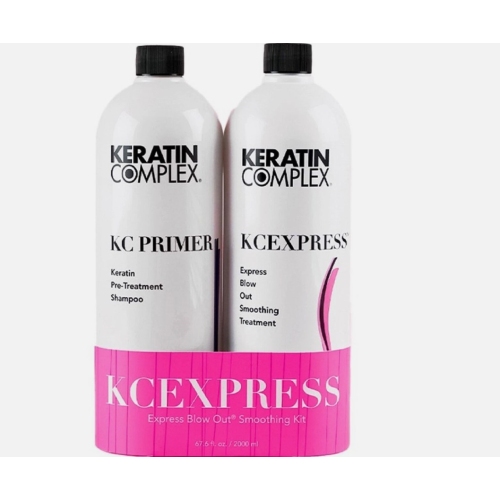
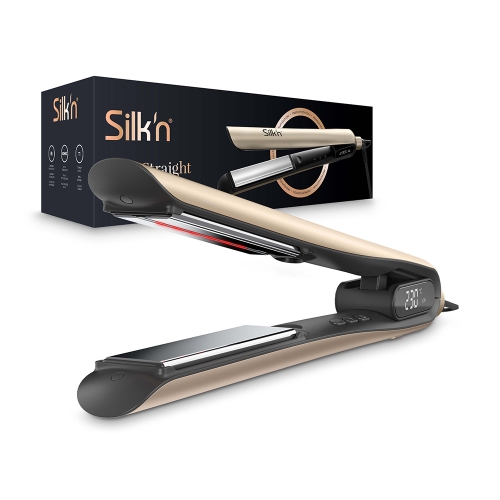
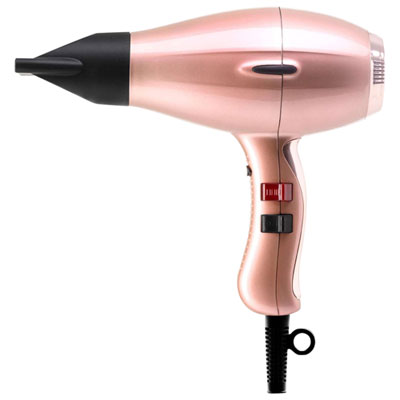
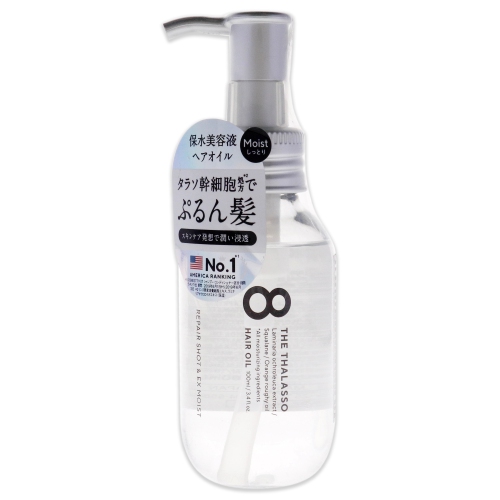
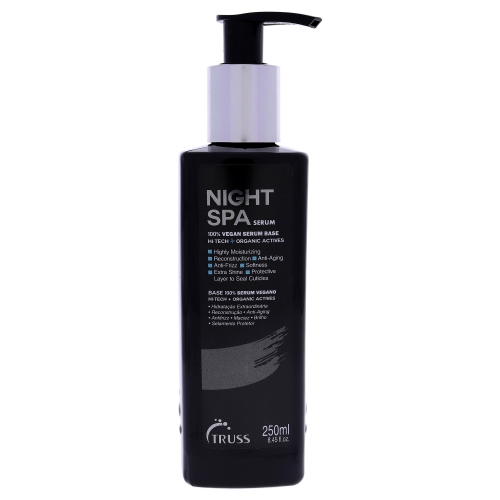
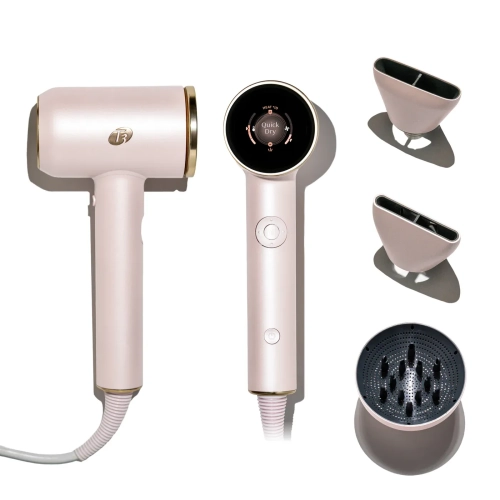
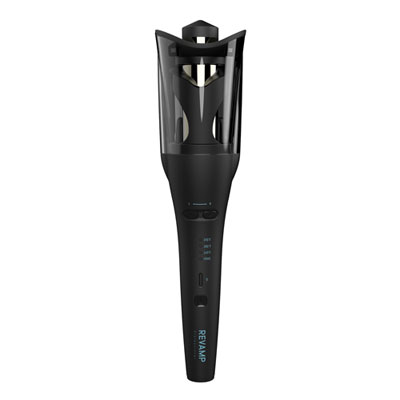
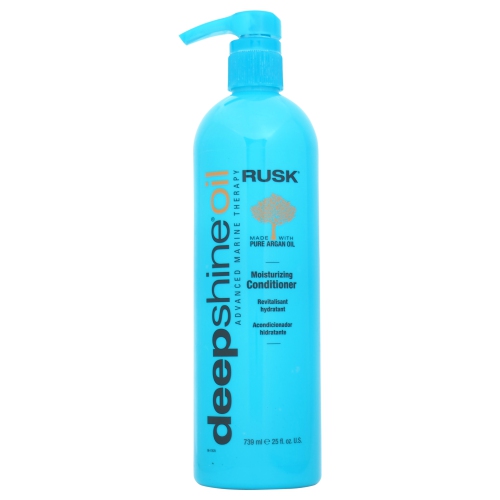
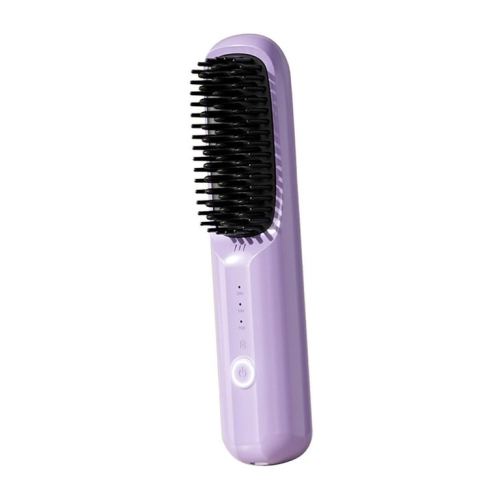
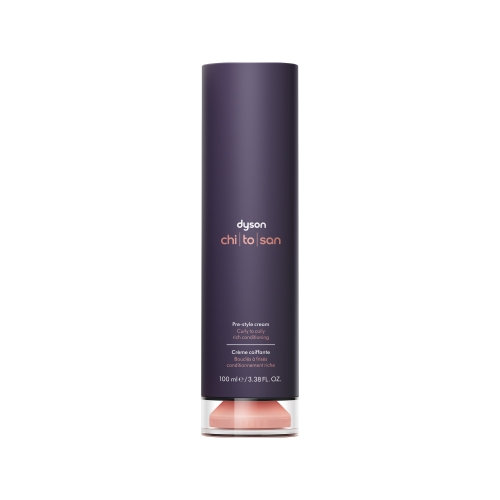
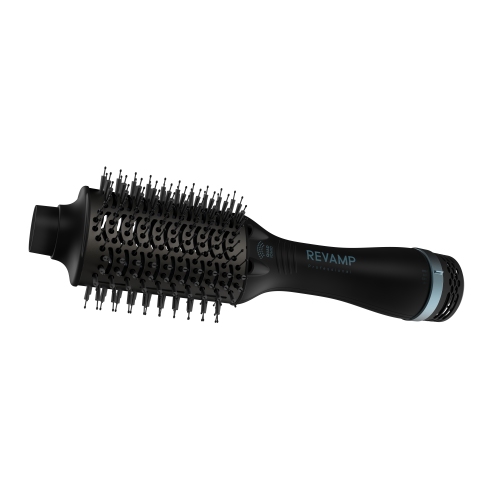
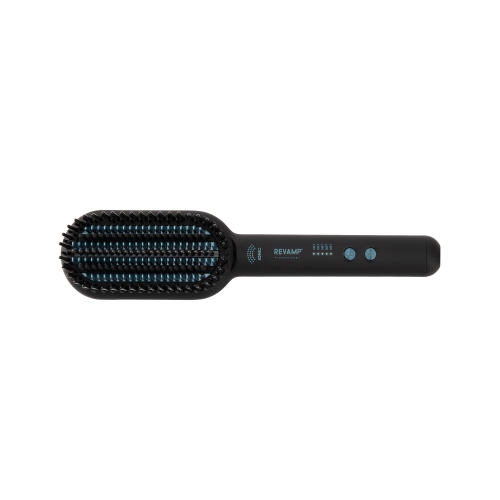
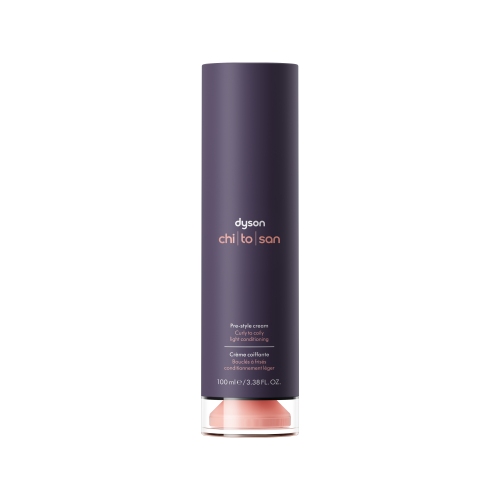
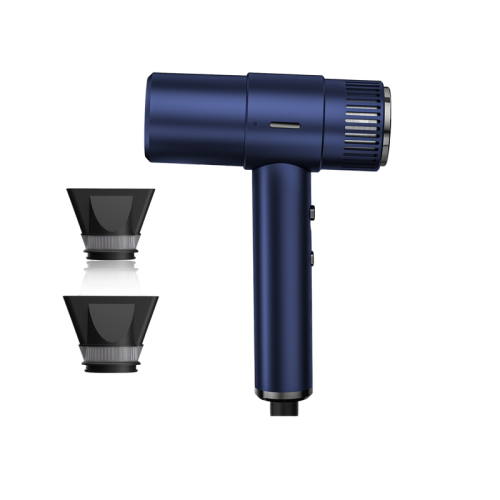
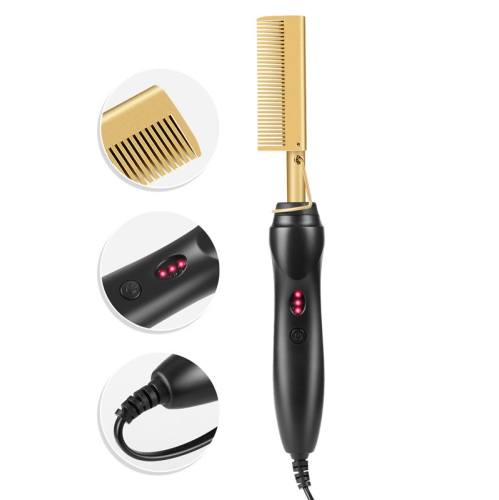
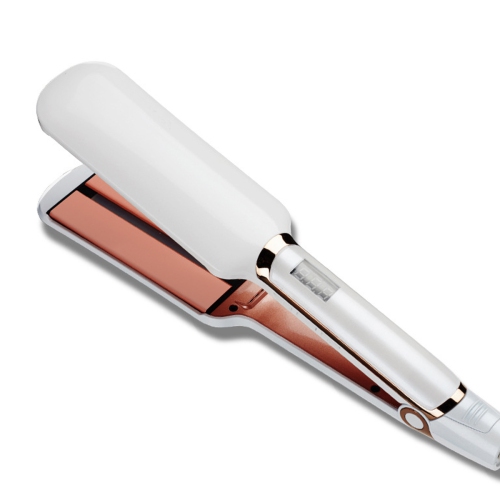
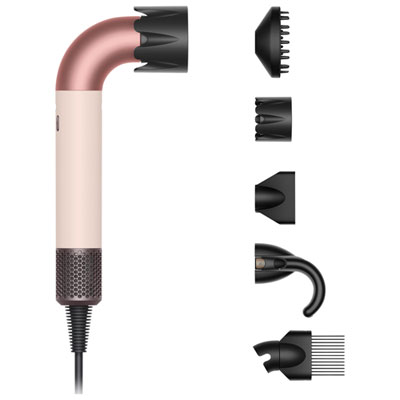
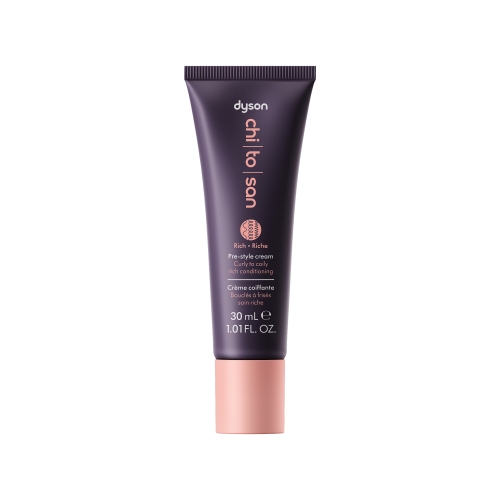
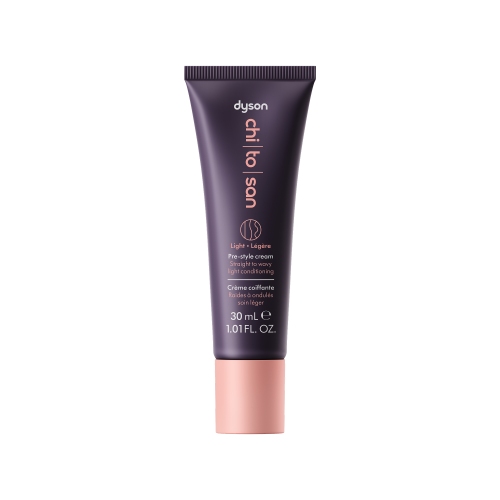
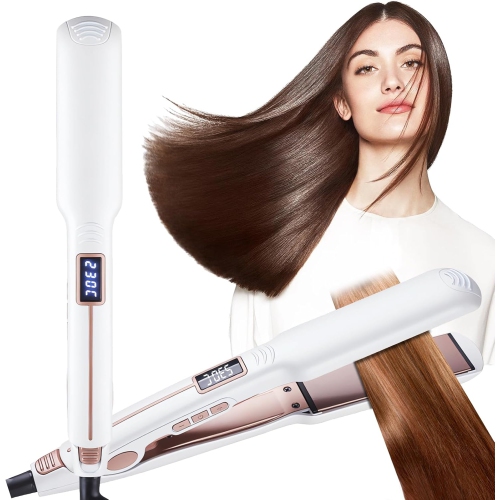
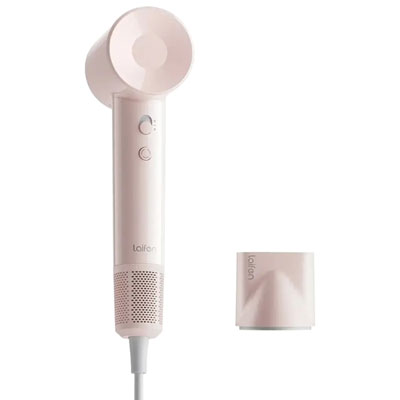


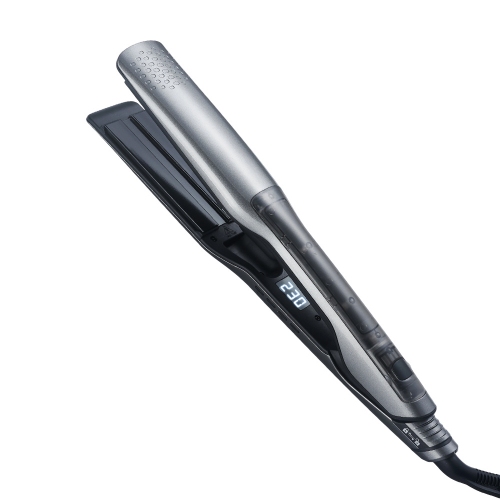
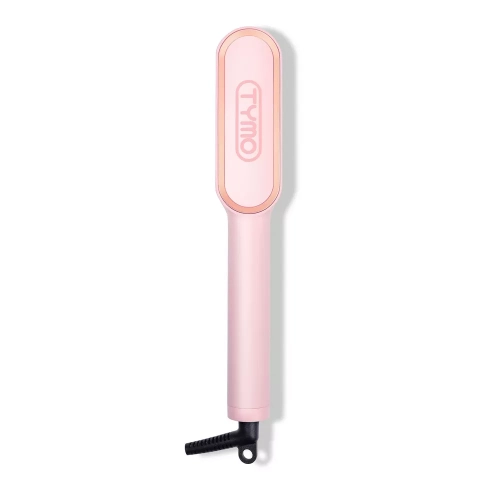
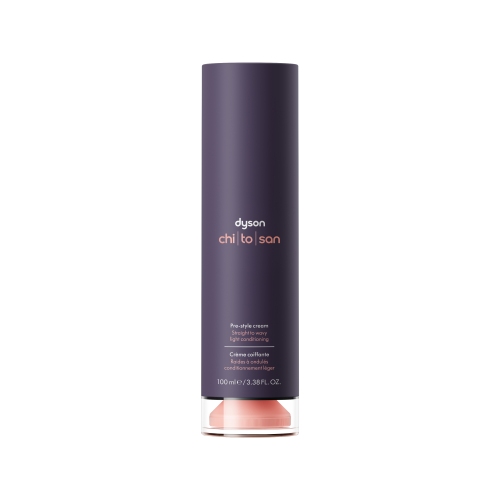
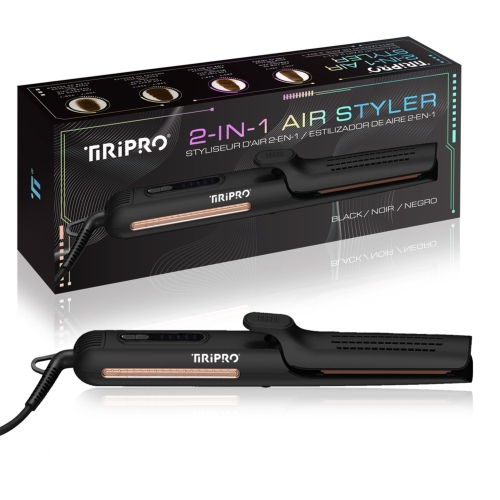
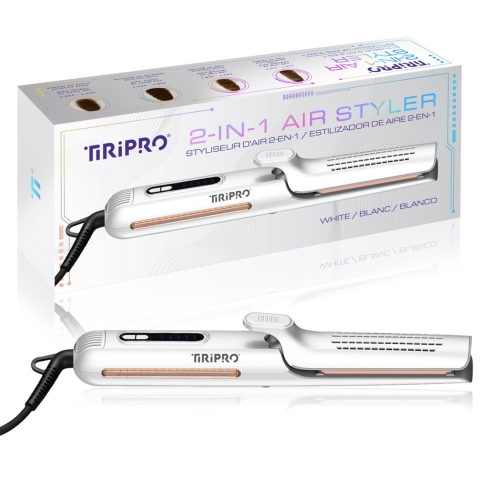
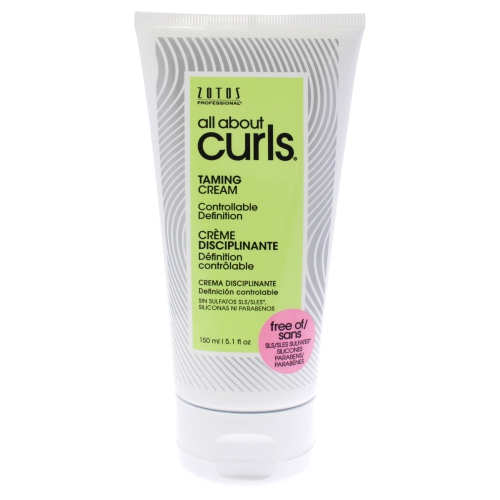
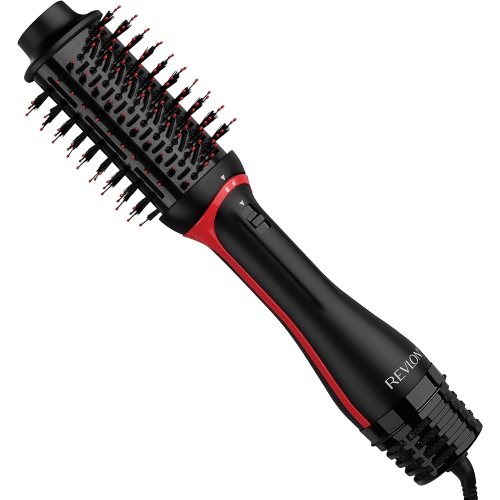
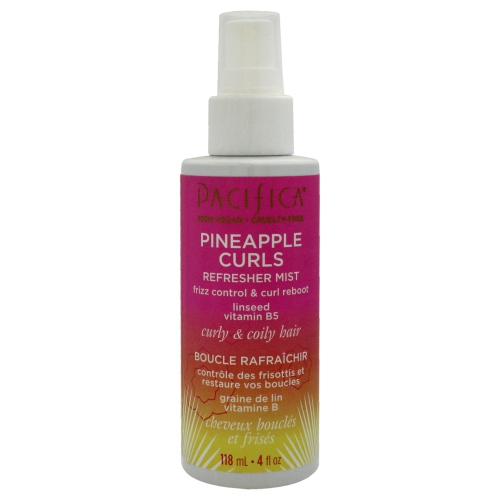
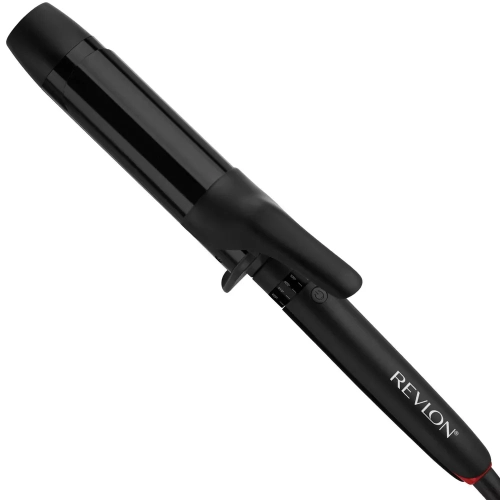
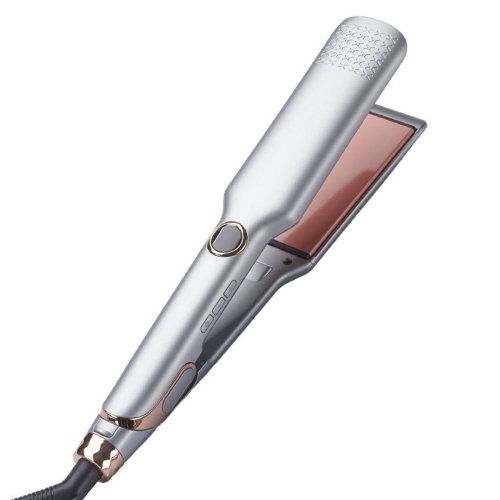
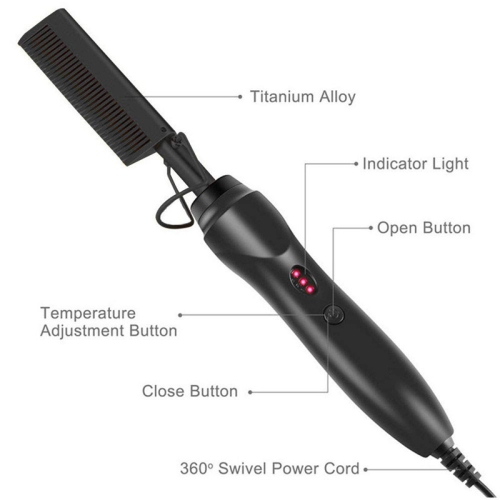

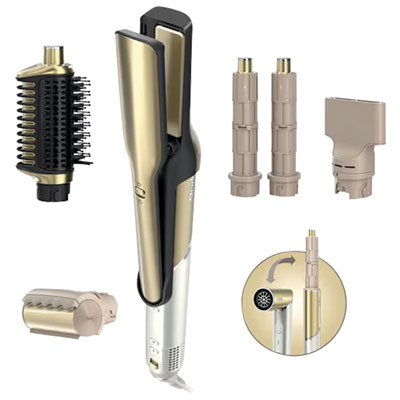
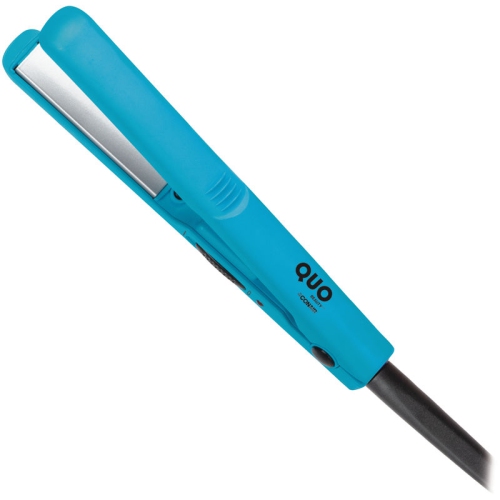
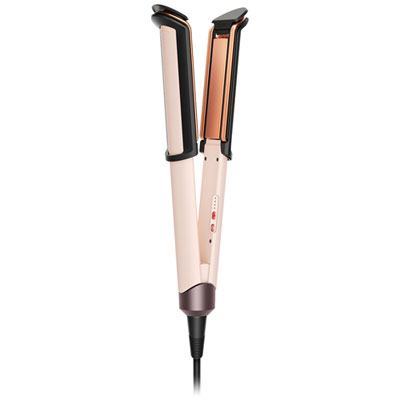
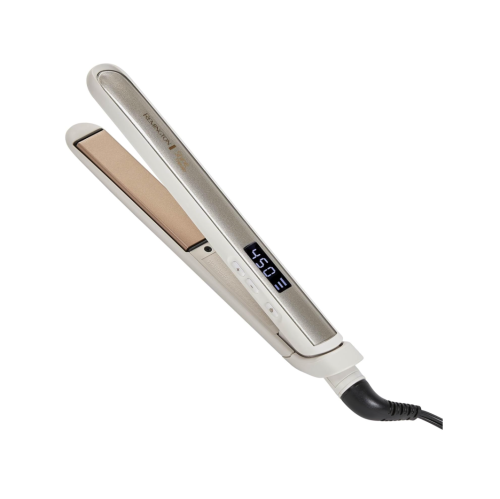
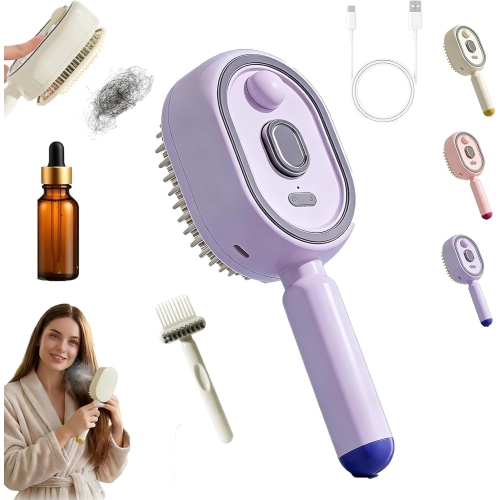
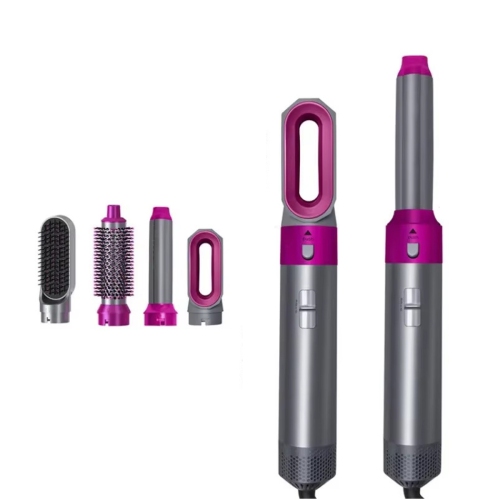
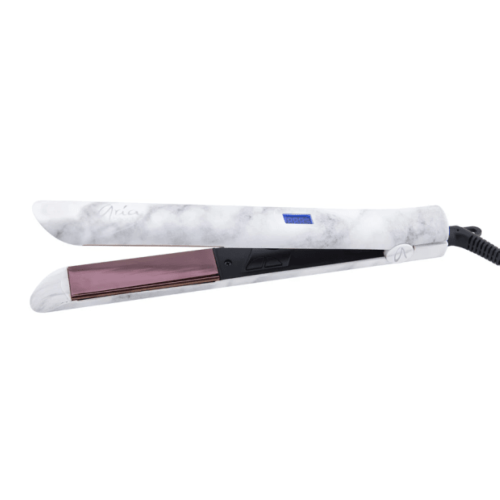
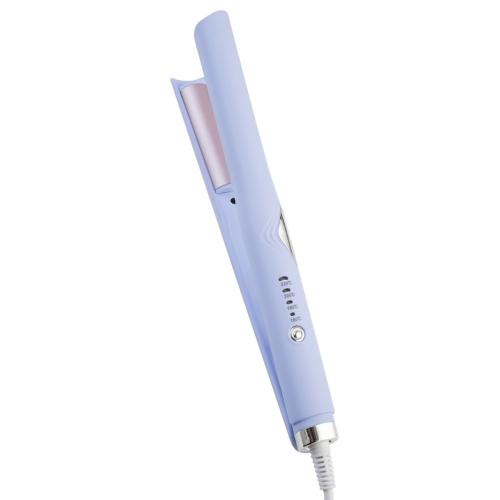
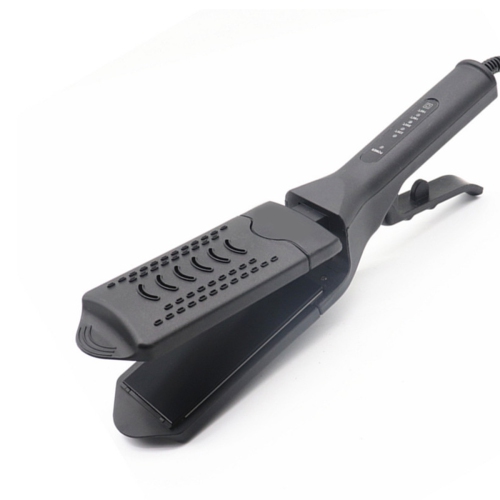
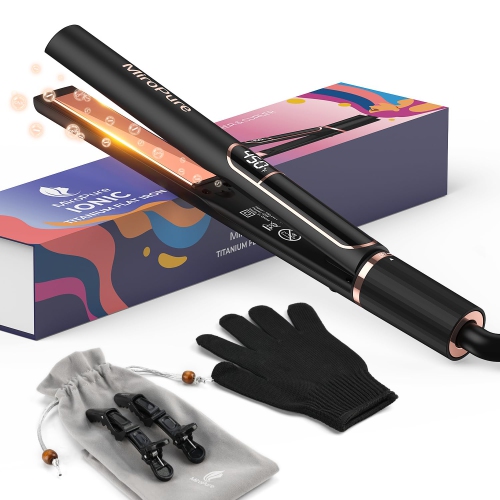
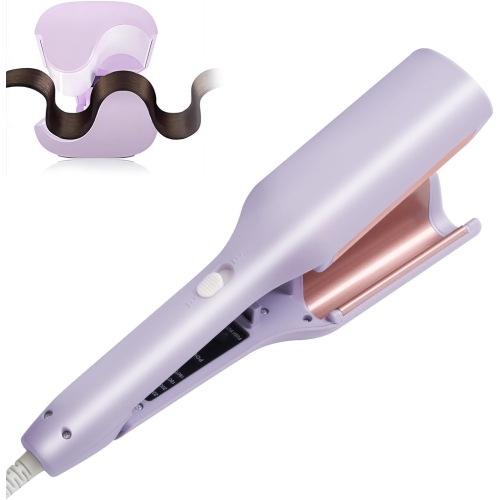
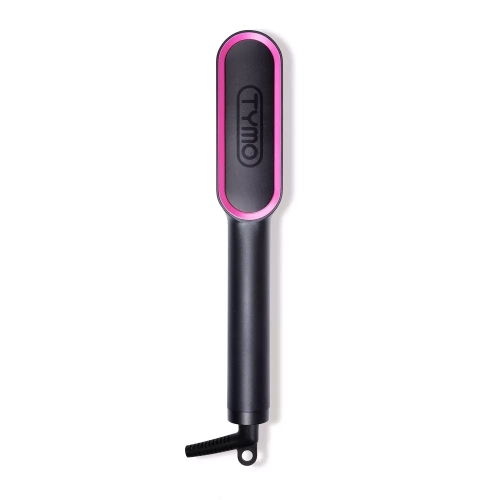
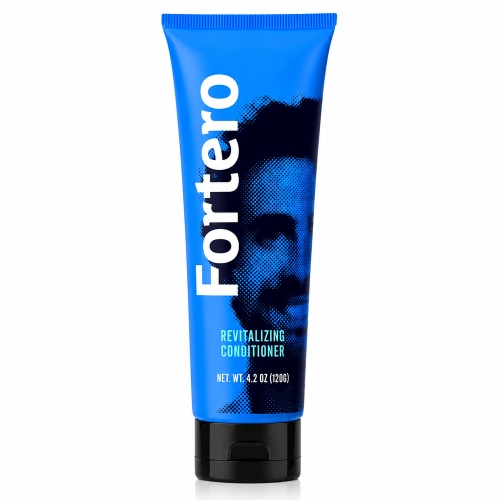
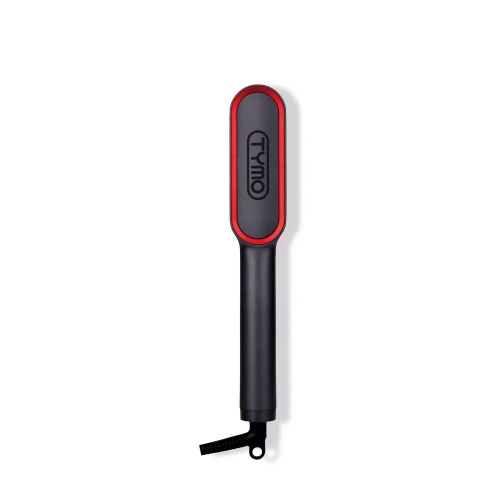
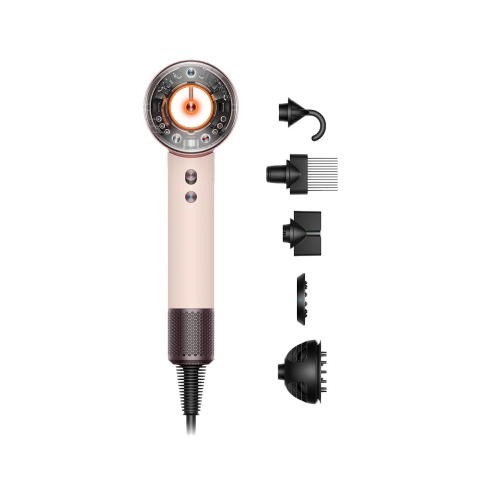
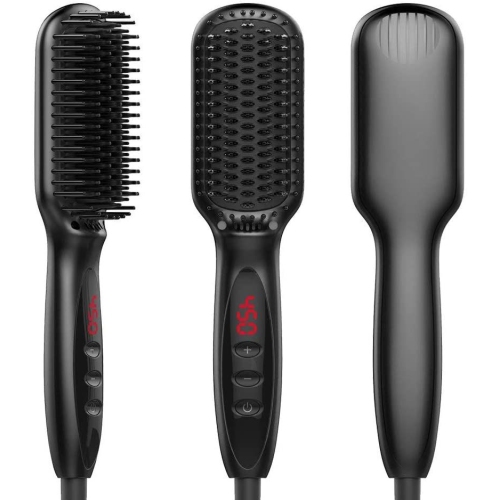
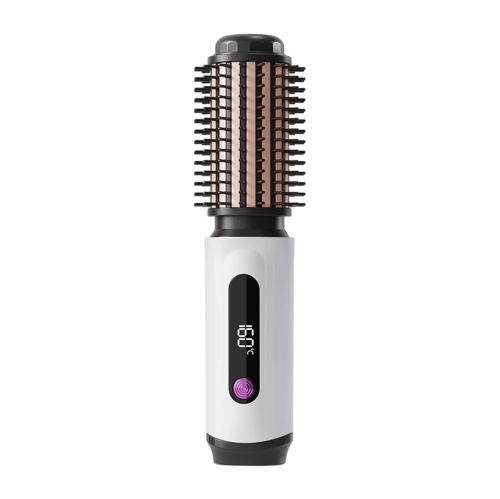
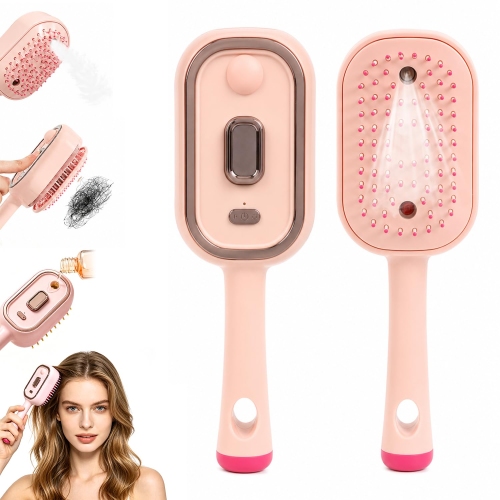
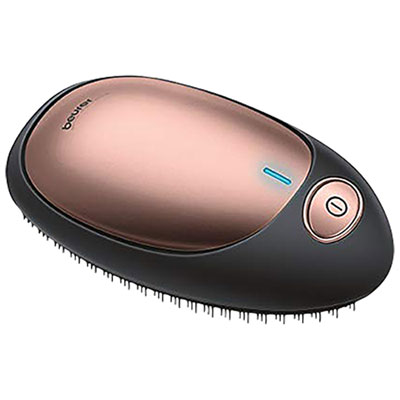
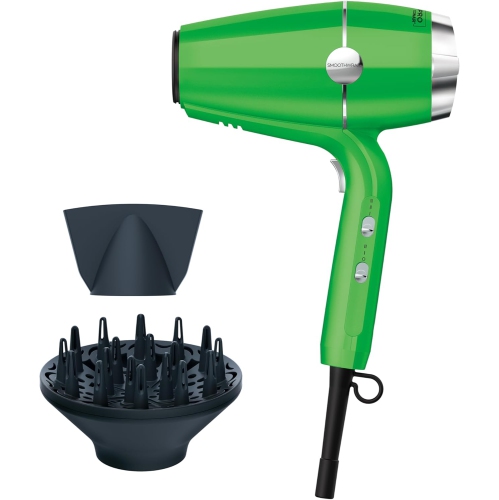

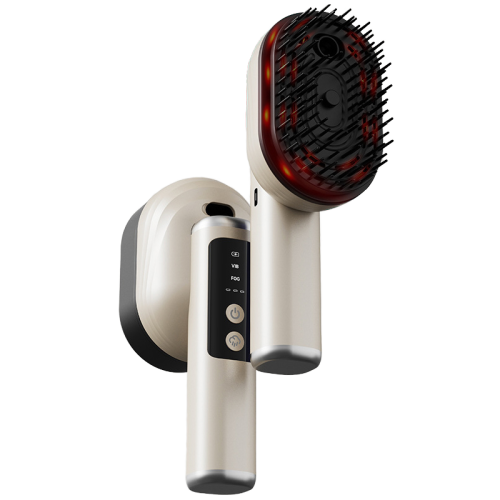
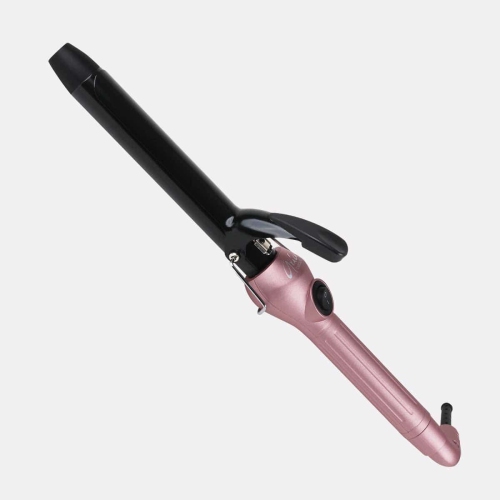
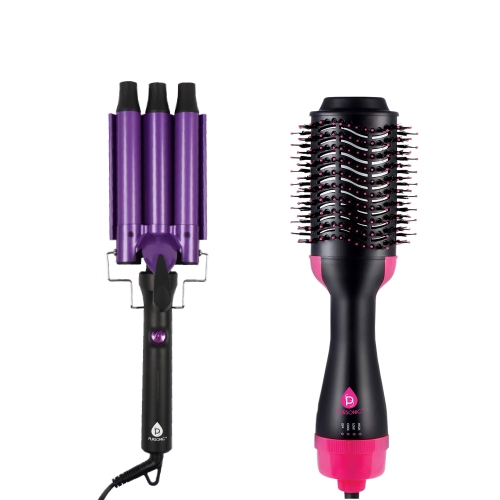
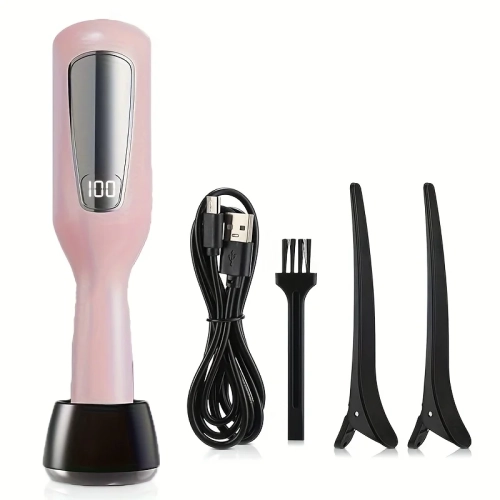
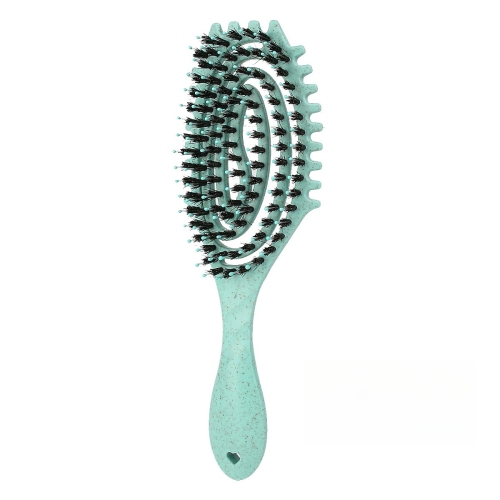
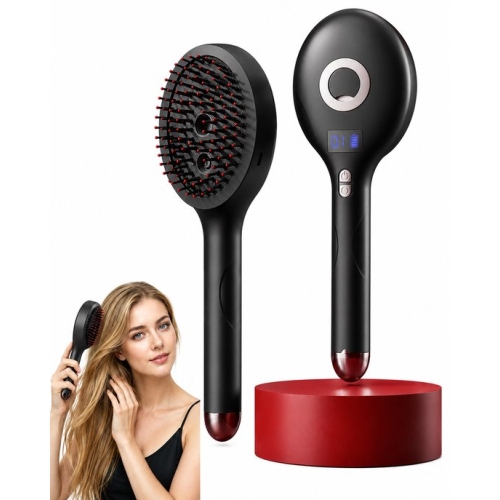

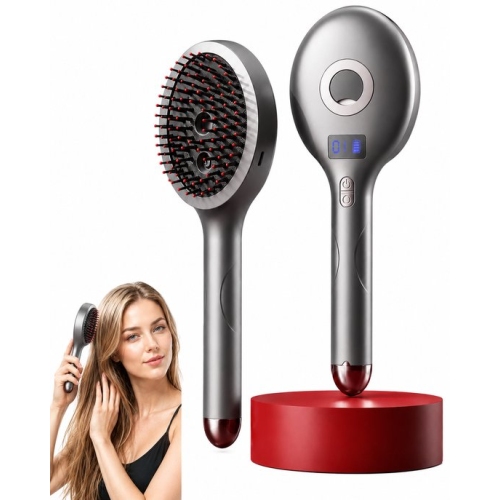

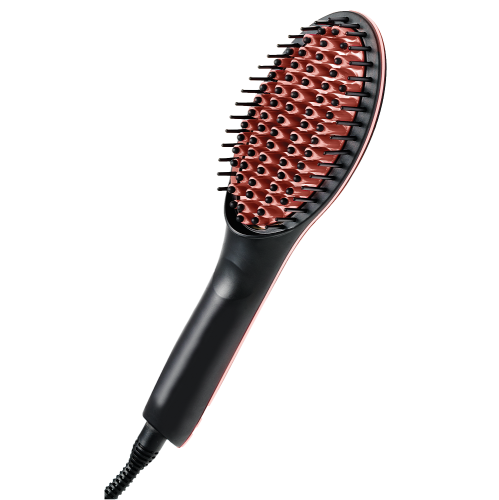
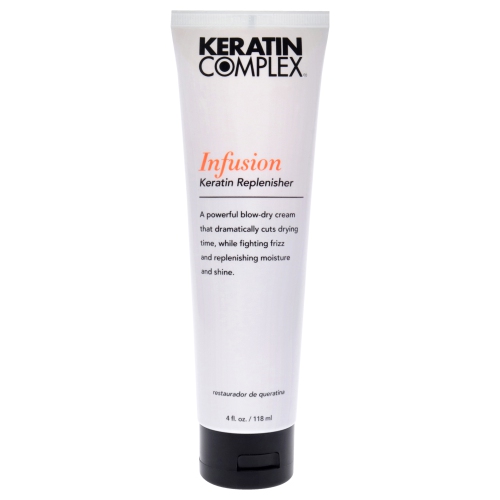
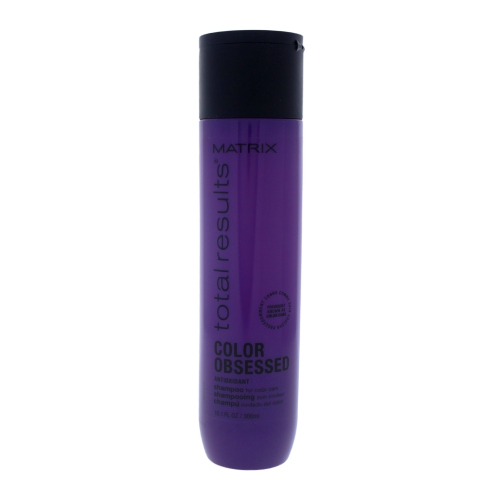
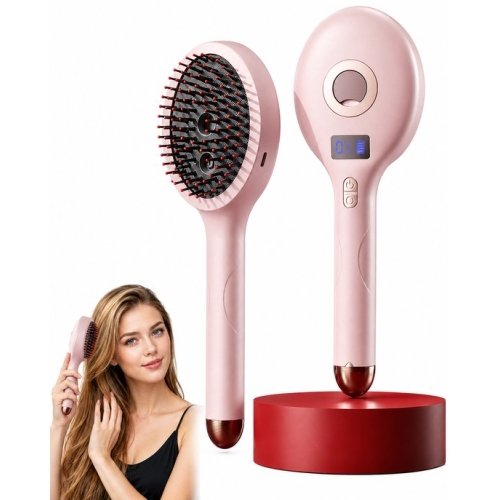
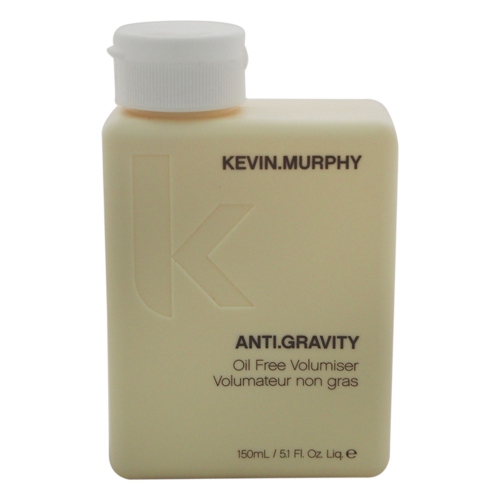
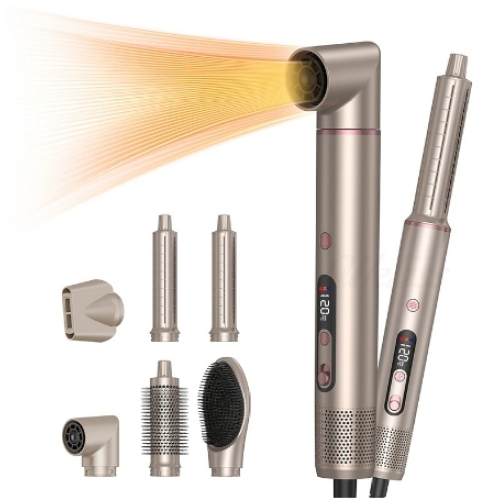
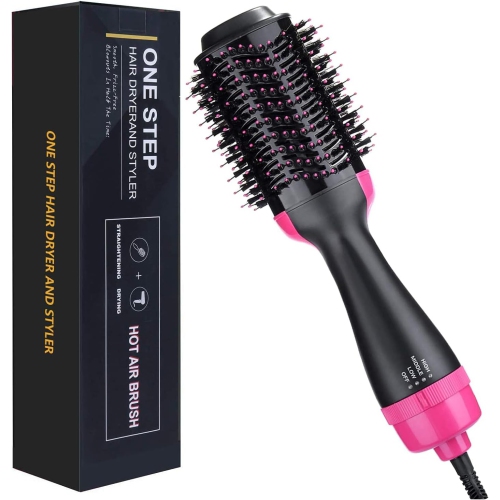
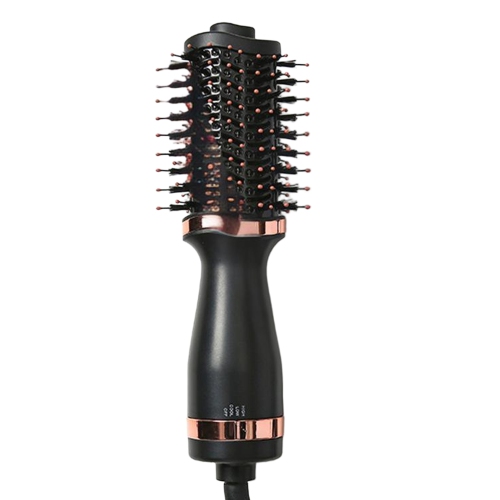
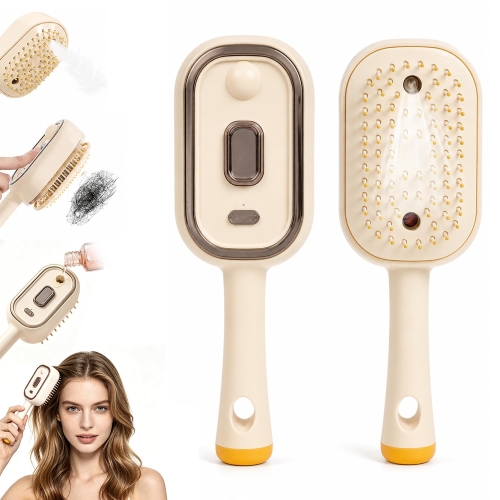
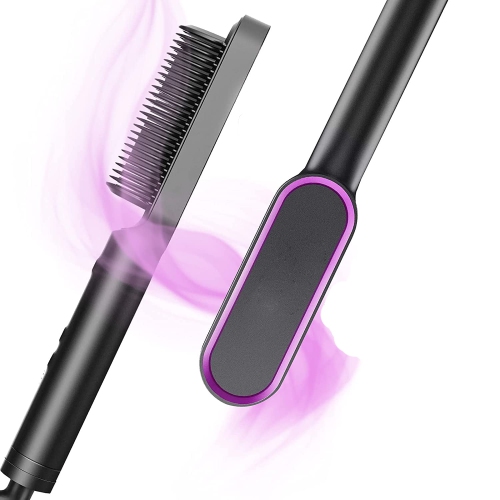
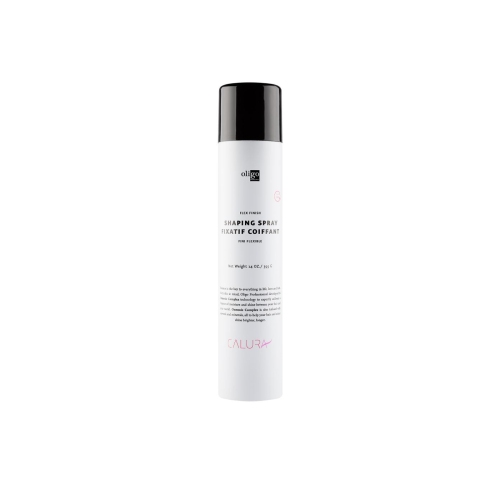
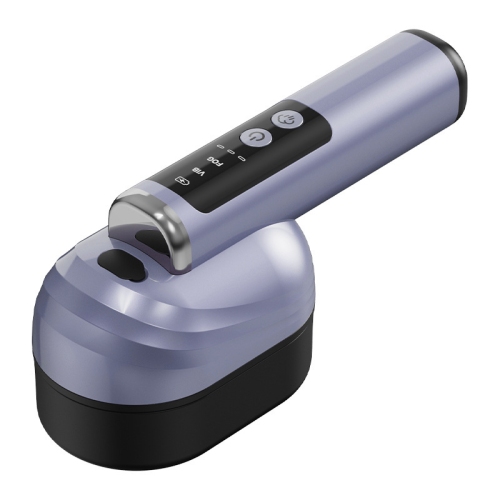
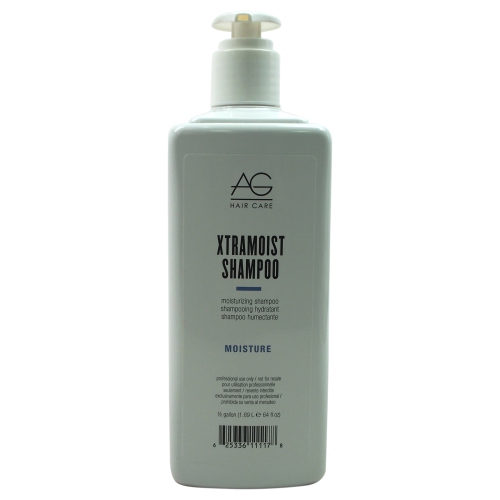

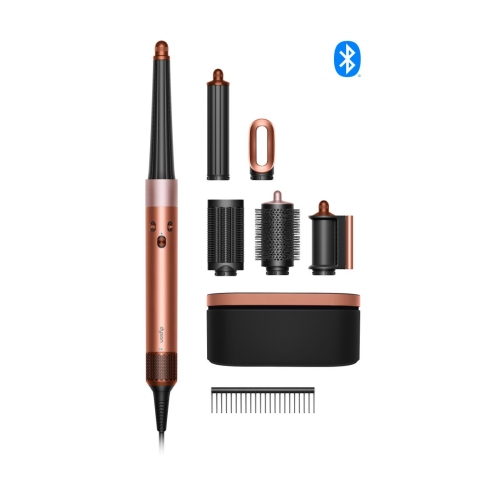
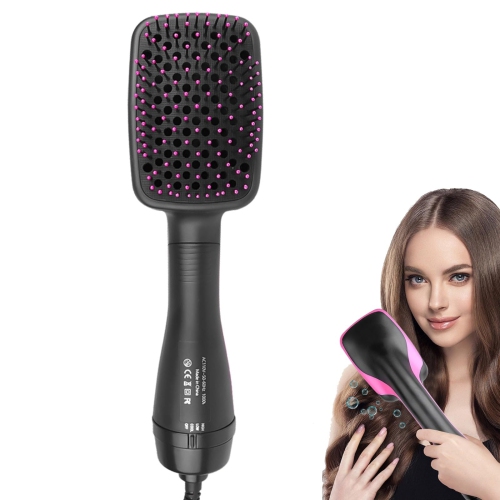
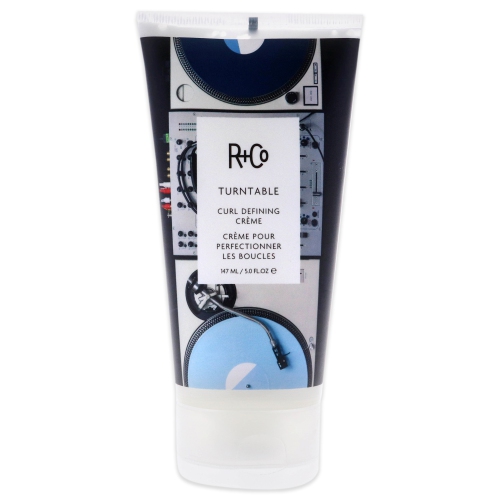
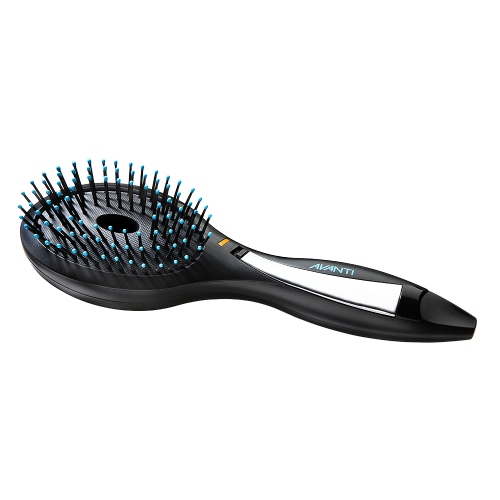
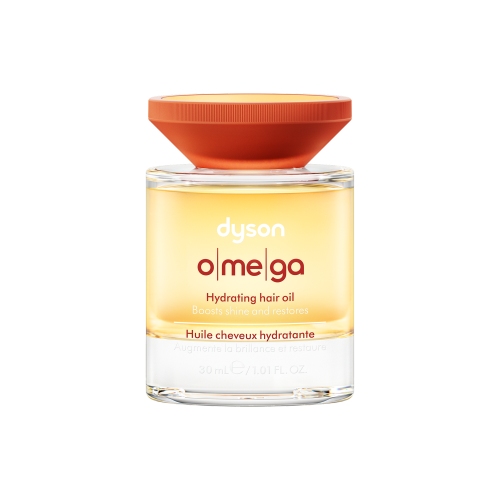
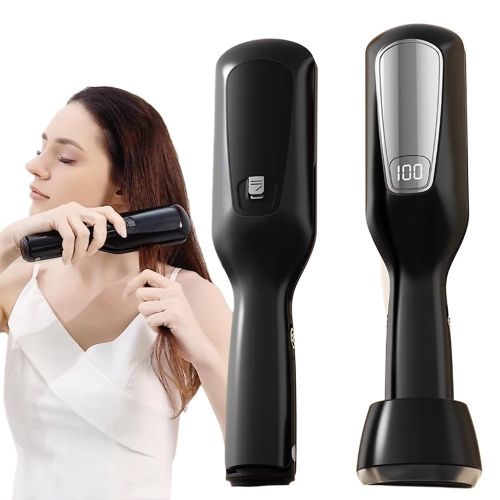

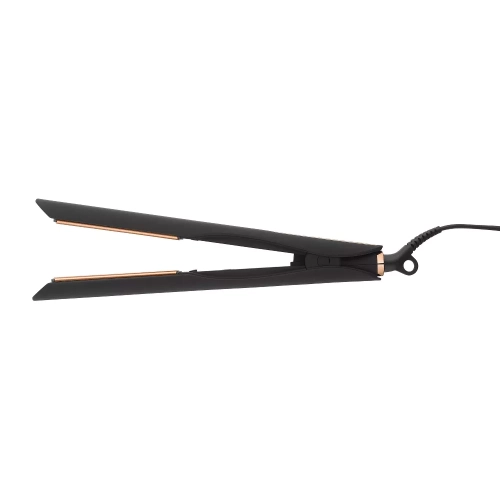
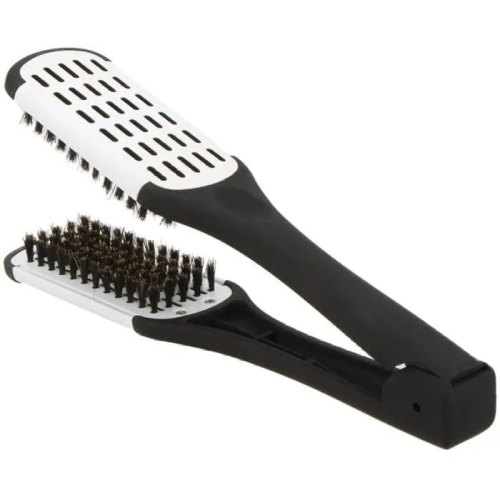
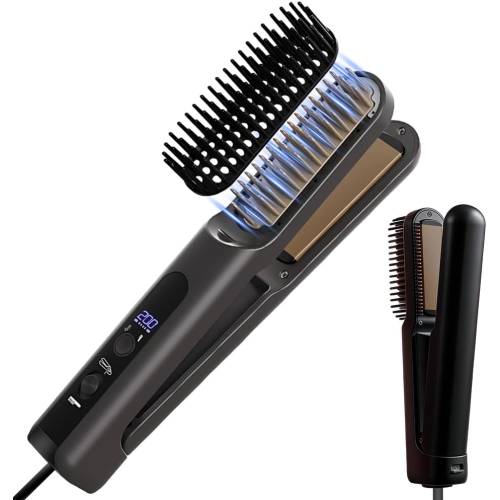


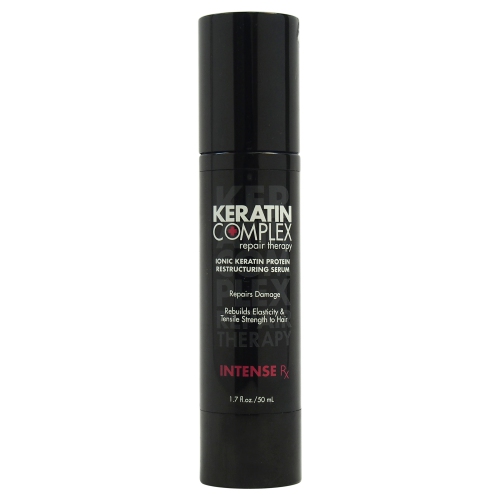
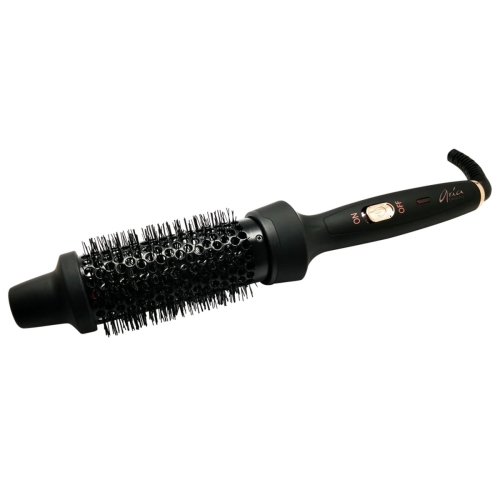
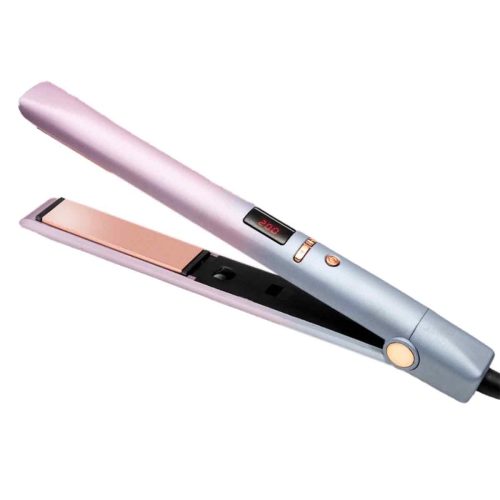
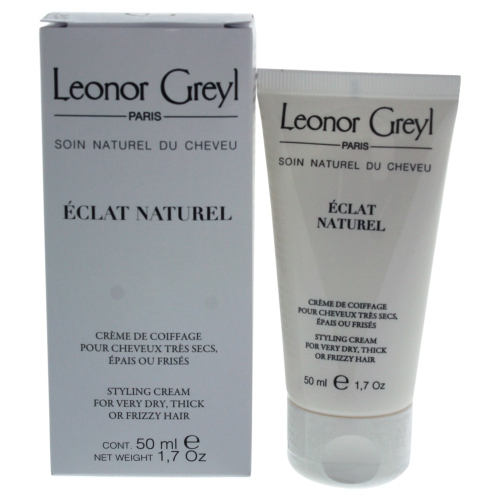
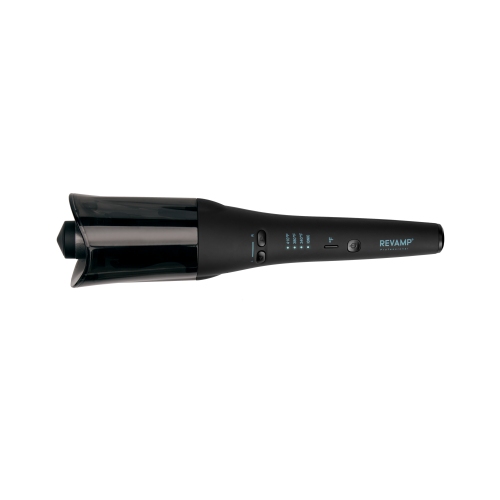


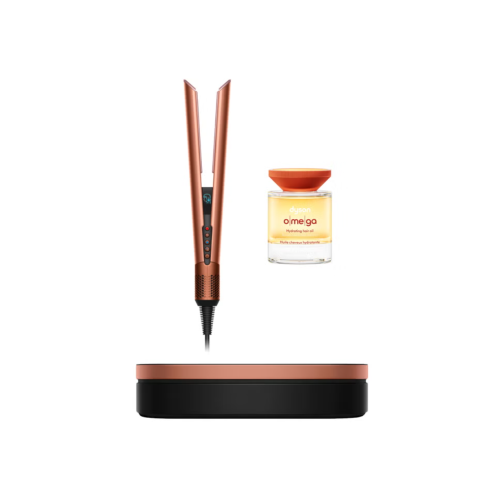
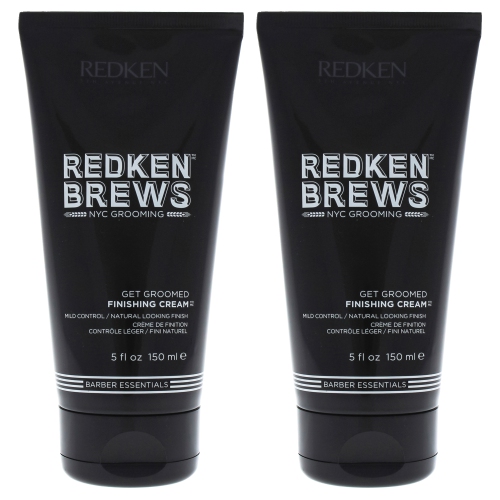
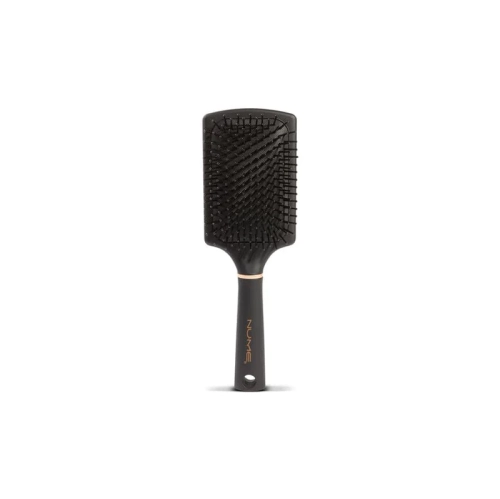

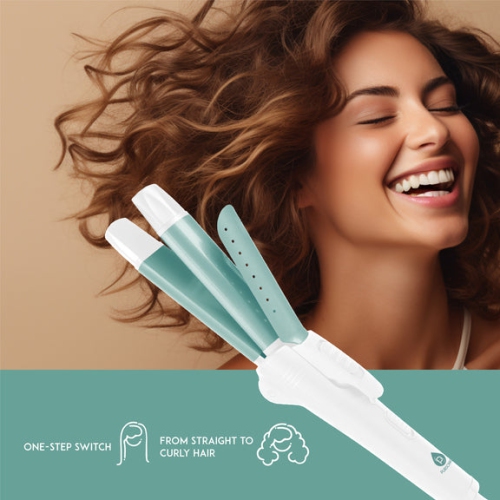

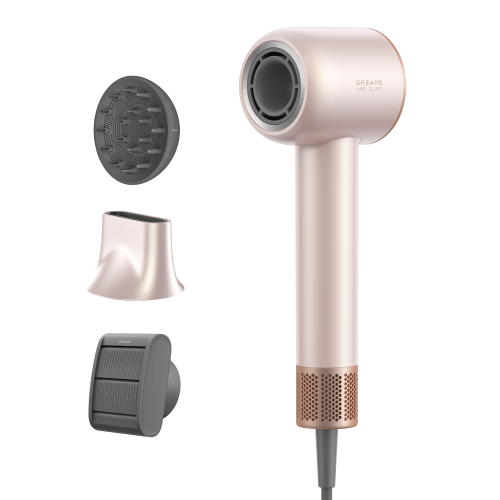
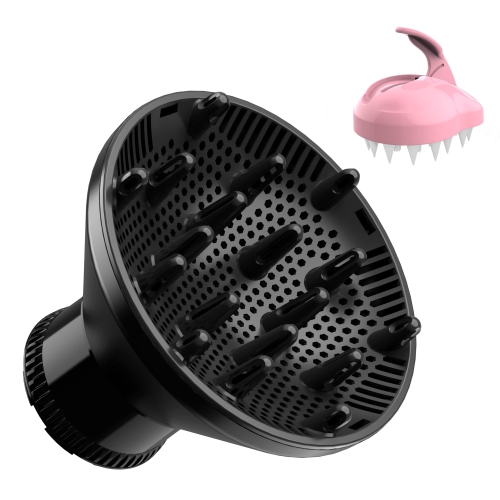
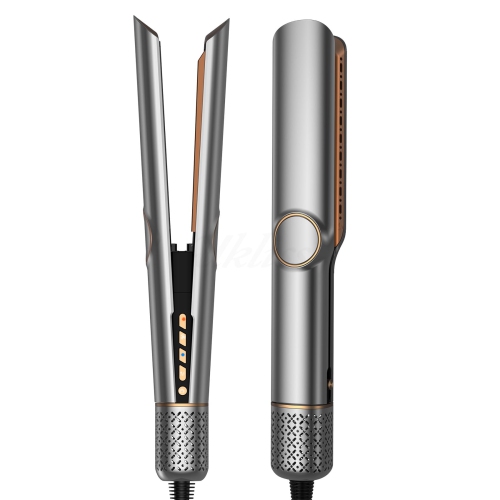
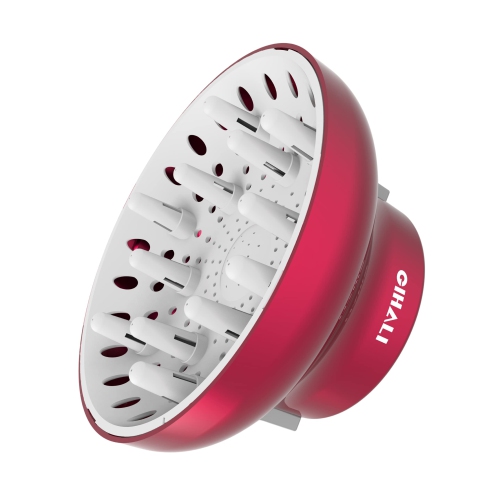
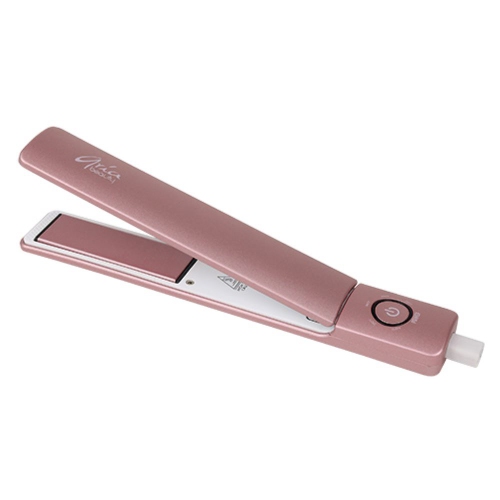

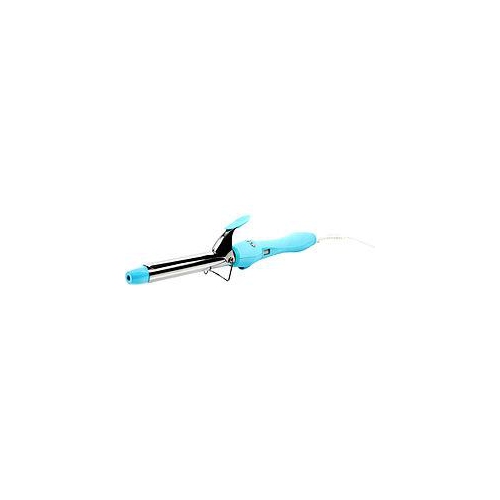

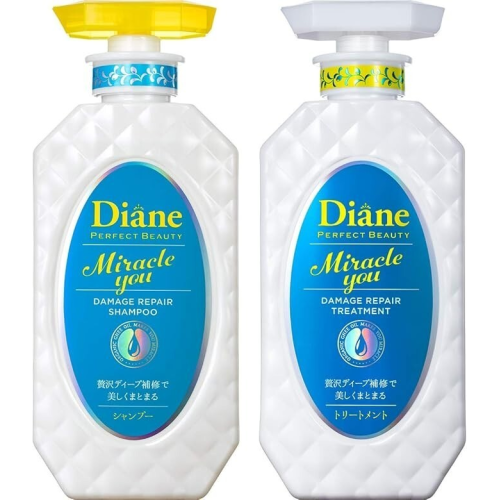


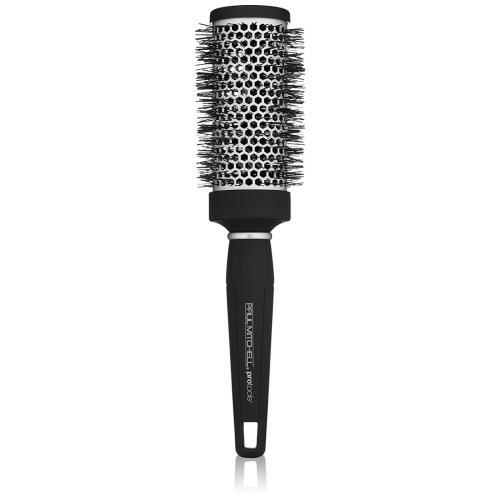
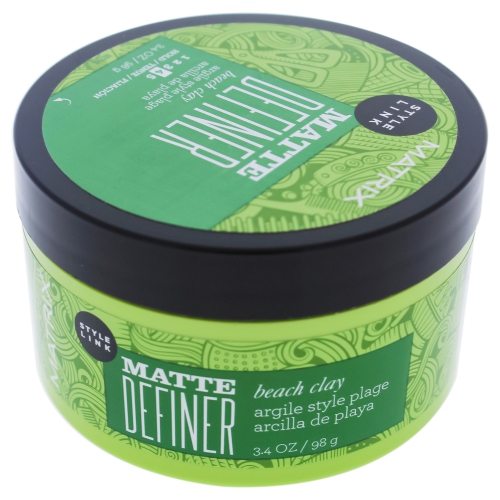
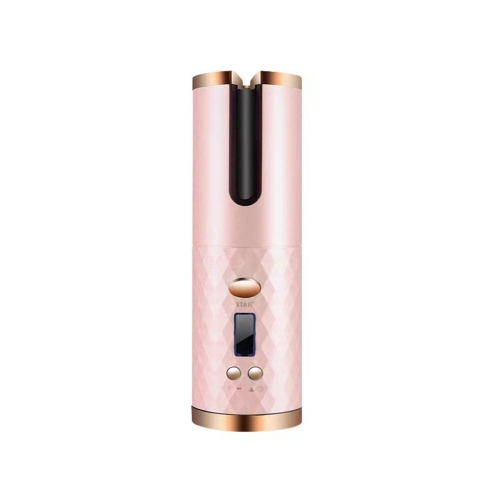
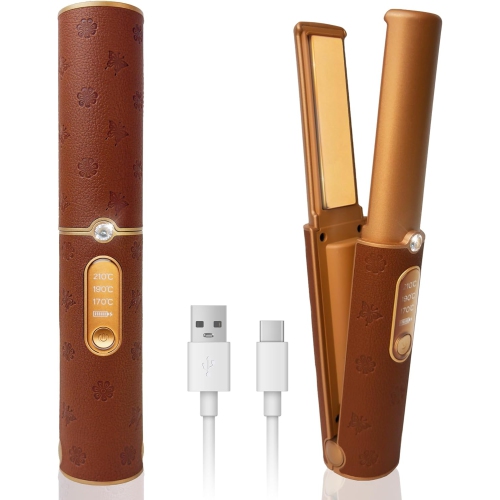
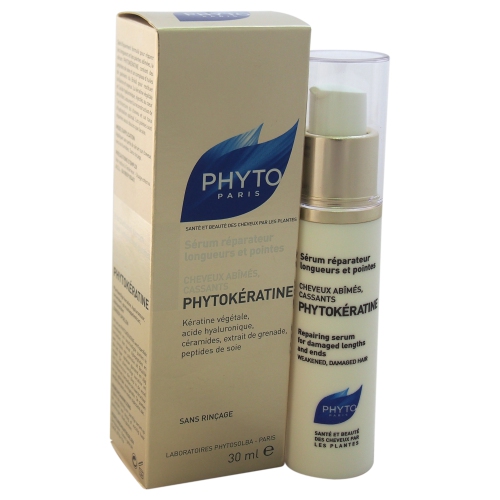
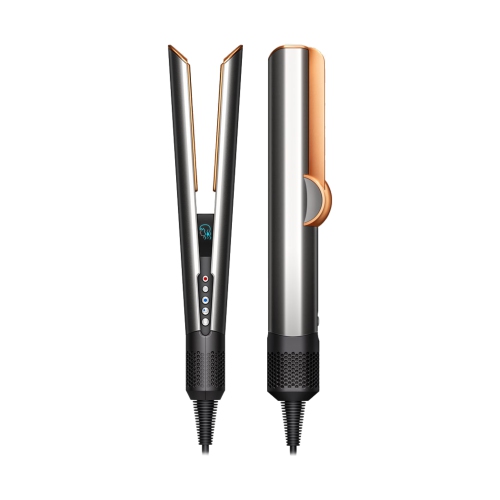

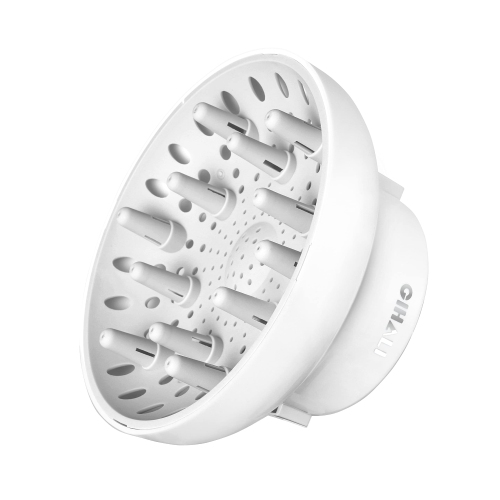
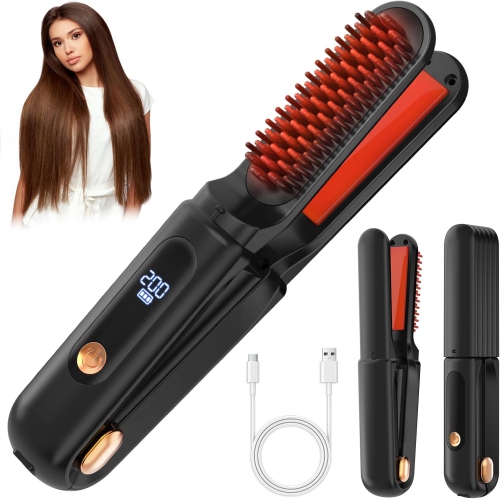
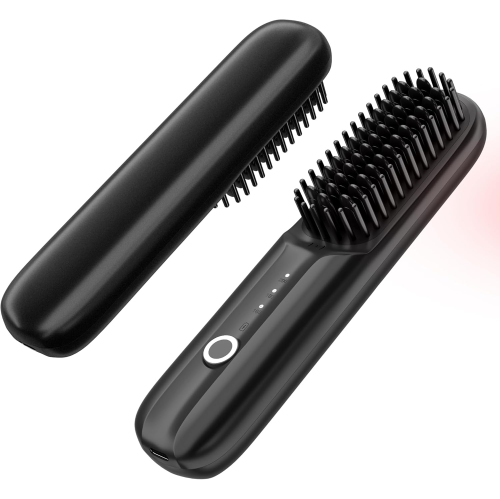

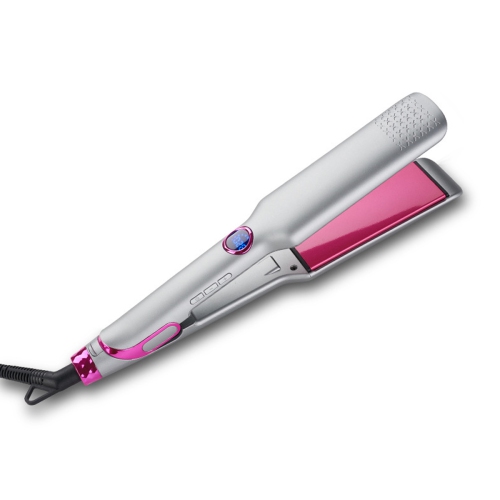
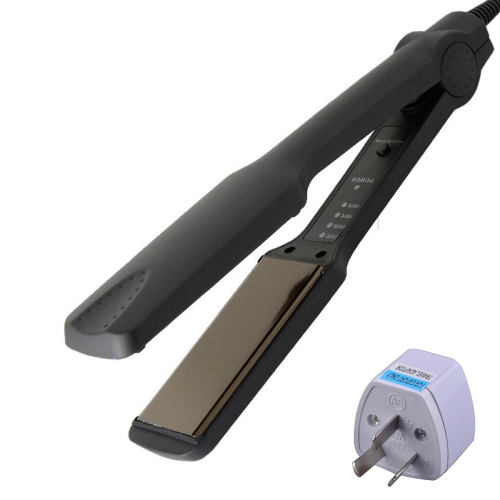
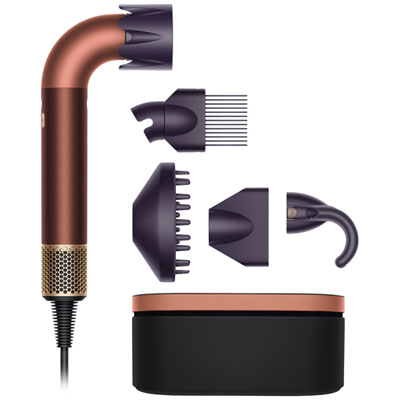
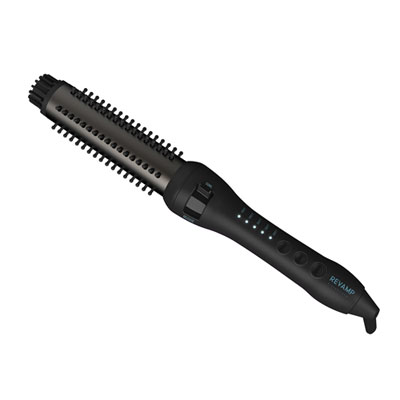
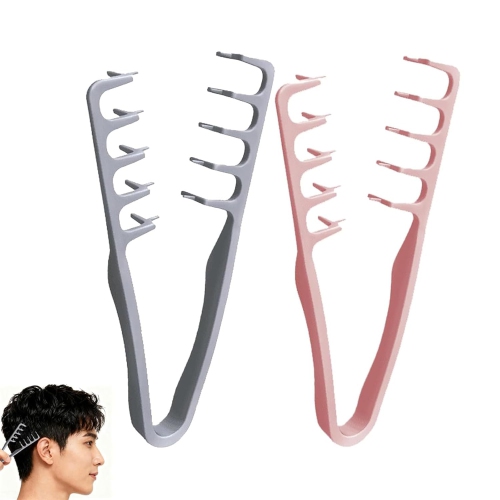


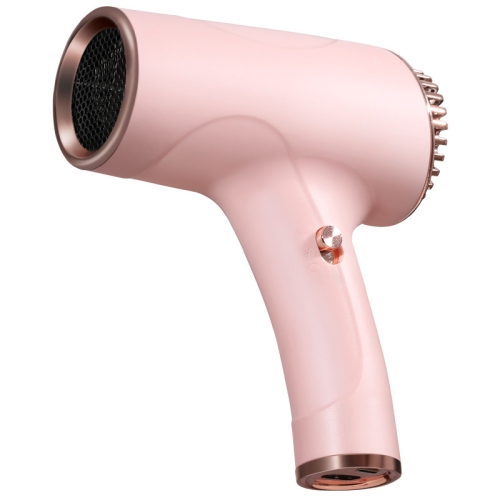
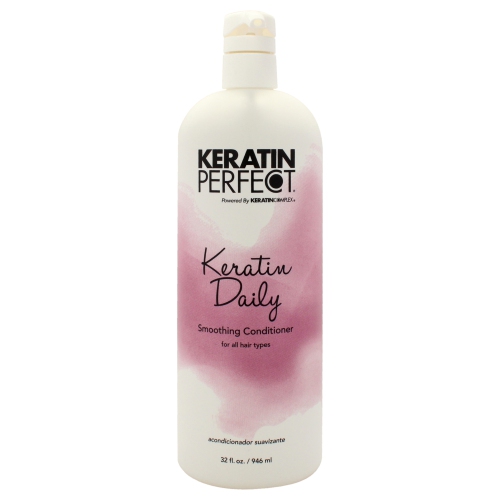
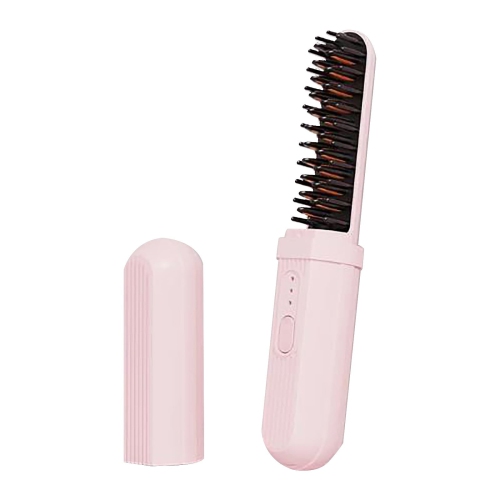
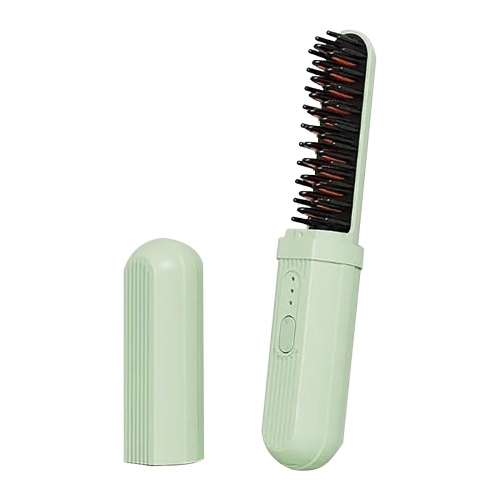
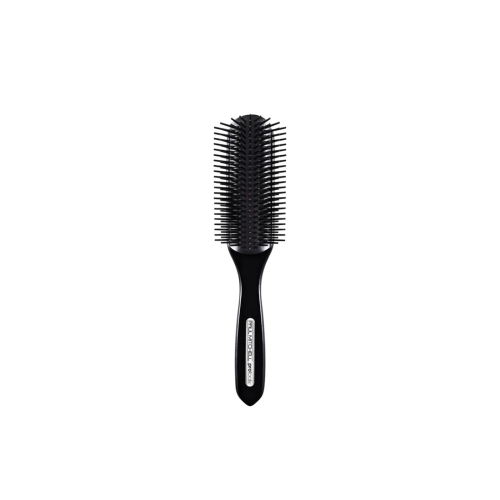
Smoother hair without losing your natural texture
Frizzy hair products help smooth flyaways, soften rough-feeling lengths, and keep a hairstyle’s shape without necessarily changing its natural texture. Frizz can appear as a halo around the crown, strands that separate from a curl pattern, or ends that look fluffy rather than defined. Dryness, friction, repeated heat styling, and chemical processing can all contribute to a less even hair surface. Anti-frizz hair care can include smoothing shampoos, rinse-out conditioners, conditioning masks, leave-in treatments, serums, oils, creams, and styling gels. These categories serve different purposes: cleansing products remove buildup, conditioners improve softness and detangling, and leave-in or finishing formulas help manage the appearance and feel of the hair between washes. A suitable formula depends on strand thickness, density, texture, and the intended finish, rather than frizz alone. Fine strands often suit lightweight sprays or fluid serums that distribute easily without leaving the roots flat. Coarse strands may feel more manageable with richer creams that provide slip through the lengths. Wavy, curly, and coily hair can benefit from conditioning combined with enough hold to keep strands grouped, while straight hair may need only a light finishing layer to smooth scattered flyaways. Ingredient lists offer useful clues about texture and performance. Conditioning agents help reduce friction during combing, silicones can add slip and a smoother feel, and oils such as argan or jojoba can provide softness and shine. The complete formula matters more than any single ingredient, since two products featuring the same oil can feel very different on the hair. Anti-frizz does not have to mean pin-straight or heavily polished; it can also mean springy curls with clearer definition, waves that stay together, or a ponytail with fewer loose strands around the hairline. Natural texture is not a flaw to erase, and a smoother finish can still retain movement, volume, and character.
Serums for Frizzy Hair are commonly used to add slip, shine, and a more polished finish, particularly through the mid-lengths and ends. Some are designed for damp hair before styling, while others work as a final touch on dry hair; the intended application makes a meaningful difference to the result. A lightweight serum may suit someone who wants a smooth bob that still swings freely, whereas a richer finishing formula may better suit dense lengths that feel rough after brushing. Hair oils can offer similar softness and shine, but an oil is not automatically a heat protectant, and a glossy finish does not necessarily provide styling hold. Leave-in conditioners generally focus on softness and manageability, making them useful when tangles and friction accompany frizz. Smoothing creams often provide more body than a mist or serum and can help strands sit together without the firm finish associated with some gels. For curls and waves, gels and mousses can support definition by holding the shape as the hair dries. A gel may leave a temporary cast that can be gently softened once the hair is fully dry, while mousse can provide a lighter, more airy finish. These differences matter in everyday situations: air-dried waves may need definition more than shine, a sleek blowout may need smoothing plus labelled heat protection, and a pulled-back style may need targeted control around the part and temples. Flexible-hold finishes allow movement, while stronger-hold formulas are better suited to styles where keeping the shape is the priority. Product quantity also affects how a formula feels. Too much cream or oil can make fine hair look separated or heavy, and several rich layers can leave residue even on thicker hair. A small amount spread evenly through the areas that need it often gives a more natural result than coating every strand. Formulas intended to make ends look smoother can improve their appearance temporarily, but they cannot permanently mend split ends.
How hair is washed, dried, and handled also influences the performance of frizz-control products. A smoothing conditioner can make detangling easier, but rough towel drying or repeated brushing through a set curl pattern may work against that finish. Gentle blotting with a soft towel, detangling with suitable slip, and choosing a comb or brush appropriate to the texture can help limit unnecessary friction. For someone who prefers minimal styling, a rinse-out conditioner and a light leave-in may provide enough softness and control. A more structured blowout routine may involve a smoothing formula, a separate heat protectant when needed, and a finishing serum used sparingly on the ends. Heat protection should be stated on the label rather than assumed from terms such as shine, smoothing, or repair. Tools also need to be used according to their instructions, including whether hair should be damp or fully dry. Keeping brushes, combs, and styling attachments clean helps prevent old residue from transferring back onto freshly washed hair. Hair that begins to feel coated, limp, or difficult to rinse may need a change in product quantity or cleansing routine rather than another layer of treatment. Packaging can be a practical consideration too: a pump makes it easier to dispense a small amount, a spray can distribute a light formula across longer lengths, and a tube can offer control over thicker creams. Secure closures are useful for a gym bag or travel kit, while clear application directions help distinguish a rinse-out mask from a leave-in treatment. Fragrance preferences and known ingredient sensitivities also matter for products used close to the face or left on throughout the day. As a gift, hair care is most thoughtful when it reflects the recipient’s existing routine, preferred scent, and styling habits rather than suggesting their natural texture needs correcting. Whether the goal is a tidy everyday style, more defined curls, or softer lengths that are easier to comb, the most suitable frizzy hair products balance conditioning, finish, and hold without making the routine more complicated than it needs to be.
Top selling and popular products
-
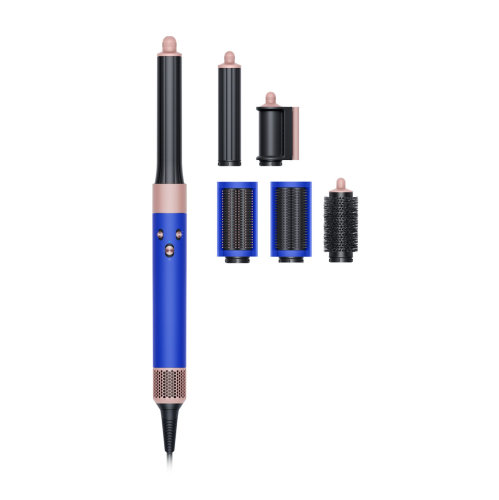 Your price for this item is $319.99
-
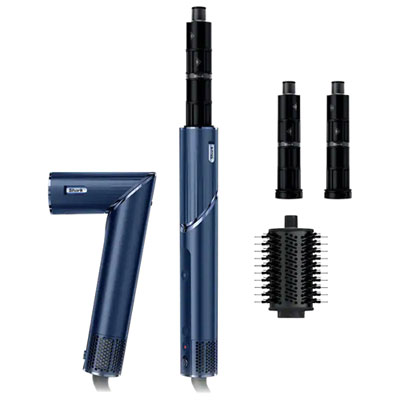 Your price for this item is $329.99
-
 Your price for this item is $108.89
-
 Your price for this item is $104.49
-
 Your price for this item is $599.99
-
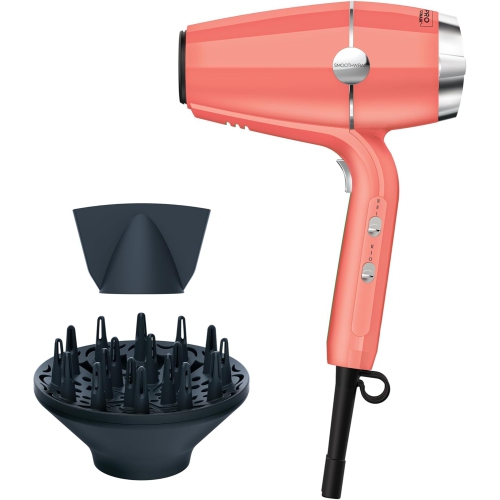 Your price for this item is $120
-
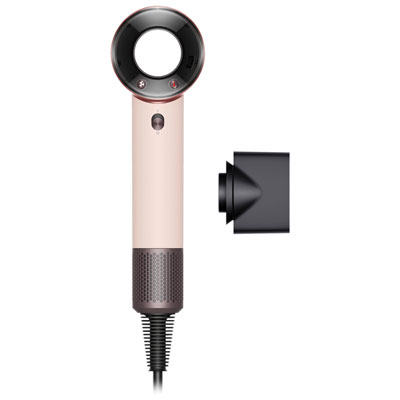 Your price for this item is $399.99
-
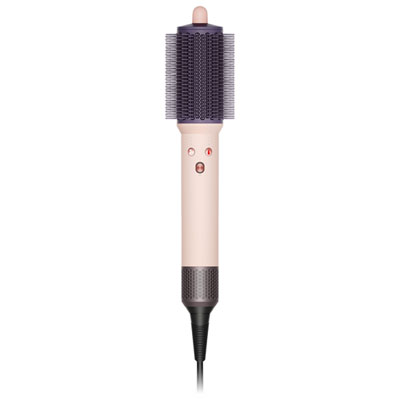 Your price for this item is $349.99
Discover more categories related to Frizzy Hair Products
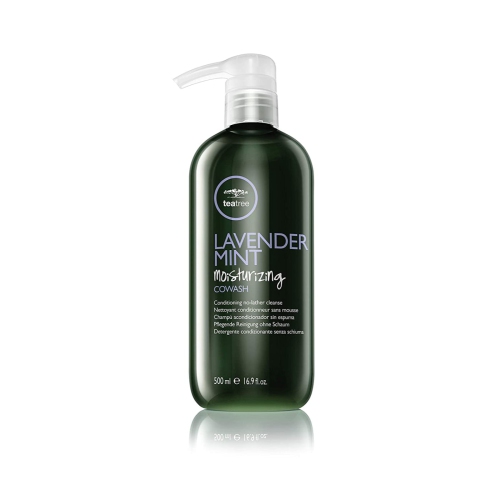
Top Collections:
Best Black Friday Deals This Year, Best Black Friday Deals On Electronics, Kindle Devices, Pokemon Centers, Best Black Friday Deals On Apple Products, Best Cameras for Sports Photography, Dyson Airwrap, Pokémon 30th Celebration Cards, Apple iPhone 17 Pro, Canon G7X Cameras
Some products may be subject to Environmental Handling Fees
(EHF) depending on your province.
Learn more about EHFs.