Scary Halloween Costumes
Get ready to make a spine-tingling entrance with scary Halloween costumes that bring your most haunting nightmares to life. Whether you’re planning to terrify at a party or thrill trick-or-treaters, these chilling options are designed to deliver maximum fright factor. Explore a wide range of scary Halloween costumes perfect for creating unforgettable memories and capturing the spirit of the season.
Sort


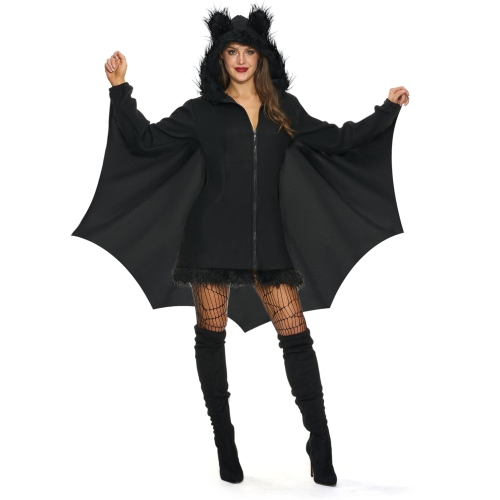


How eerie textures and silhouettes set the mood
Scary Halloween costumes create their effect through silhouette, texture, and details that look slightly out of place: a ragged hem, a shadowed hood, an unusually pale face, or the suggestion of bones beneath dark fabric. The appeal ranges from classic haunted-house characters to creatures that seem to have stepped out of a chilling story. Ghostly looks tend to rely on flowing shapes and washed-out colours, while undead styles often use distressed finishes, layered fabrics, and printed details to suggest age and decay. Vampire-inspired costumes can feel more polished, with high collars and dramatic contrasts, while monster designs may favour exaggerated shapes and rough textures. Each approach offers a different level of fright, from playful spookiness suited to a family gathering to a more unsettling appearance for an adults-only Halloween party. The occasion matters as much as the character. A costume worn while handing out treats needs to remain comfortable through repeated trips to the door, whereas one intended for a party may put more emphasis on an eye-catching outline and details that show up in photographs. For trick-or-treating, easy movement and a manageable length matter more than a dramatic train or elaborate layers. Group costumes can share a haunted theme without looking identical, with different colours, textures, or character types giving each person a distinct role. Children may enjoy a spooky look that still feels familiar and friendly, while teens and adults might prefer something more theatrical. The most convincing effect does not always depend on graphic details; an angular shape or a carefully chosen colour palette can establish the mood just as clearly. When a costume is intended as a gift, the recipient’s preferred level of scariness, clothing size, and comfort with masks or face makeup are useful considerations. A character that feels exciting to one person may feel too intense to another, particularly at gatherings with younger children.
Materials and construction influence how a scary Halloween costume looks and how it feels after several hours of wear. Lightweight polyester fabrics are common in costume clothing because they can carry printed patterns and dramatic shapes without adding much weight, although breathability and stretch vary between designs. Knitted fabrics generally allow more movement than tightly woven materials, while velvety textures, satin-like finishes, mesh overlays, and moulded details each create a different visual effect. A soft, flexible garment can be more comfortable for sitting, walking, or dancing than a heavily structured design, especially when the costume includes several layers. Rough seams, stiff trim, and textured surfaces are worth considering for anyone with sensitive skin. Some moulded components may contain latex, so material information matters for wearers with a latex allergy. Fit is best judged using the costume’s measurements rather than assuming that its size label will match everyday clothing. Chest, waist, hip, and length measurements help distinguish a close-fitting style from one designed to hang loosely, and the intended shape should leave enough room for normal movement. Raising the arms, bending the knees, and sitting down should not pull fastenings open or make the garment feel restrictive. For outdoor Halloween activities in Canada, room for a warm base layer can make a lightweight costume more practical without hiding its main details. Long hems and trailing fabric can catch underfoot, particularly on steps or uneven paths, while sleeves that extend past the hands can make carrying a treat bag awkward. Masks and hoods should provide clear sightlines and allow easy breathing without slipping over the eyes or mouth. Dark costume colours also deserve attention when the wearer will be near roads; reflective accessories or a separate light can improve visibility without depending on the costume itself. Secure footwear, age-appropriate accessories, and distance from candles or other open flames help keep the focus on the occasion rather than on an uncomfortable outfit.
Durability becomes especially noticeable when a costume is worn for more than one gathering, shared between family members, or brought out for dress-up after Halloween. Reinforced seams, securely attached trim, and fastenings that are easy to operate can make repeated wear less frustrating. Printed distressing may offer the appearance of torn fabric without the snagging that can come with loosely hanging strips, while well-finished edges help preserve a costume’s shape. Detachable details can make cleaning and storage simpler, provided they are kept away from young children when their size or construction makes them unsuitable. Care instructions should guide cleaning, since a washable fabric garment may still have decorative sections that cannot tolerate soaking, heat, or machine agitation. Masks, structured pieces, and delicate trim may need separate attention according to their own care directions. Allowing everything to dry thoroughly before packing it away helps prevent unpleasant odours and damage to fabric or decoration. Storage also affects how a costume looks at its next outing: hanging can protect some garments from deep creases, while soft pieces may be folded loosely and rigid components kept where they will not be crushed. For households that enjoy a mix of spooky and light-hearted characters, funny Halloween costumes offer a contrasting mood for parties, family photographs, or coordinated group looks. A frightening outfit can also be softened by leaving off an intense mask or choosing less dramatic makeup, making it easier to adapt the same overall style to different audiences. Face makeup should be intended for use on skin and used according to its directions, with particular care around the eyes. The finishing details work best when they support the wearer’s comfort rather than compete with it. A costume that stays in place, allows conversation, and leaves the hands free for ordinary activities is easier to enjoy throughout the event, whether the setting is a neighbourhood route, a school celebration, or an evening spent welcoming trick-or-treaters.
Top selling and popular products
-
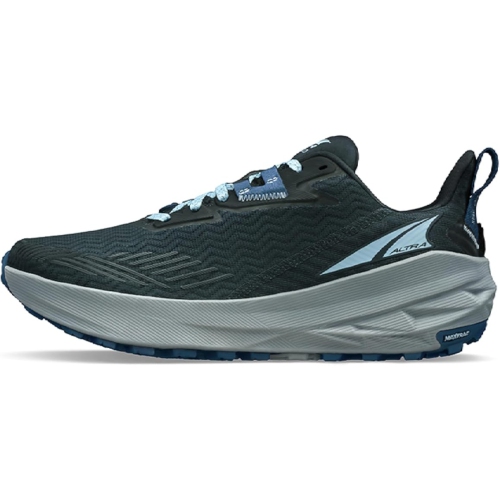 Your price for this item is $236.55
-
 Your price for this item is $160.55
-
 Your price for this item is $94.99
-
 Your price for this item is $284.99
-
 Your price for this item is $24.99
-
 Your price for this item is $31.65
-
 Your price for this item is $72.49
-
 Your price for this item is $64.99
Discover more categories related to Scary Halloween Costumes

Top Collections:
Pokemon Centers, Best Cameras for Sports Photography, Kindle Devices, Samsung Galaxy Phones, Canon G7X Cameras, Pokémon 30th Celebration Cards, Refurbished Apple Laptops, iPhone 15 Apple, Laptops for Students, Budget Smartphones
Some products may be subject to Environmental Handling Fees
(EHF) depending on your province.
Learn more about EHFs.