Black Hammock Chairs
A black hammock chair is a simple, elegant piece of furniture that can be used in almost any patio space. These are a great addition to any patio or deck. If you are looking for a place to relax with comfort, that also has a sleek and simple design, these black hammock chairs are perfect for you. Here are some of the best choices available on the market today.
Sort
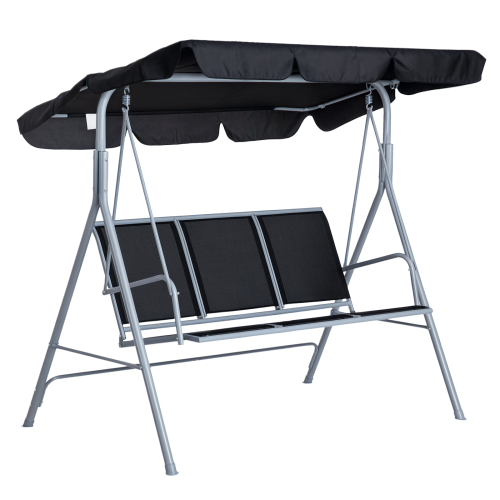
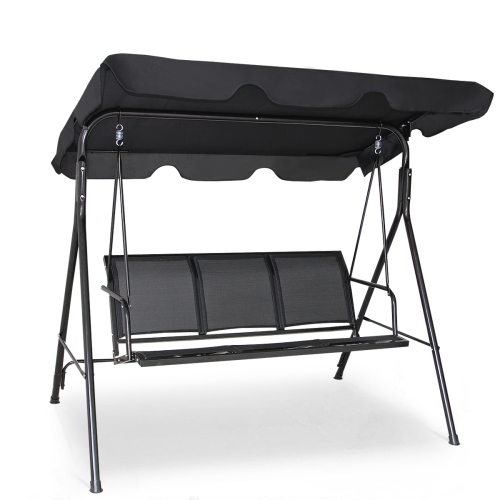
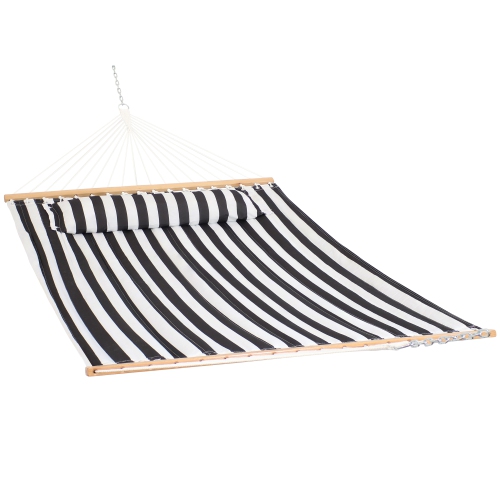
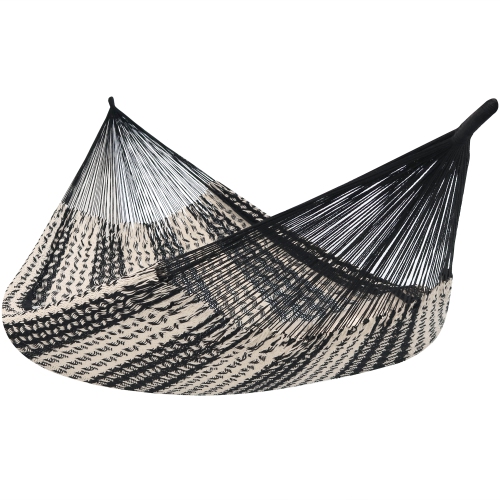


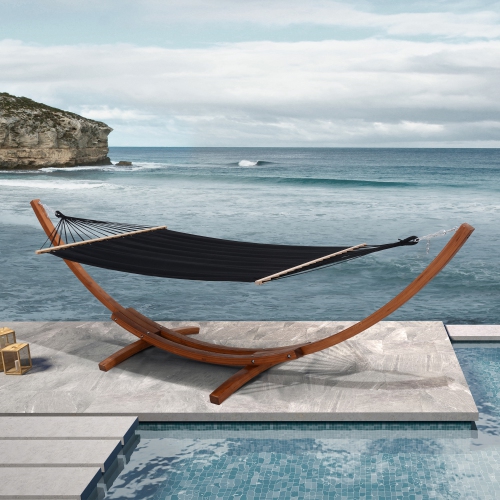
A gently swaying seat for your reading corner
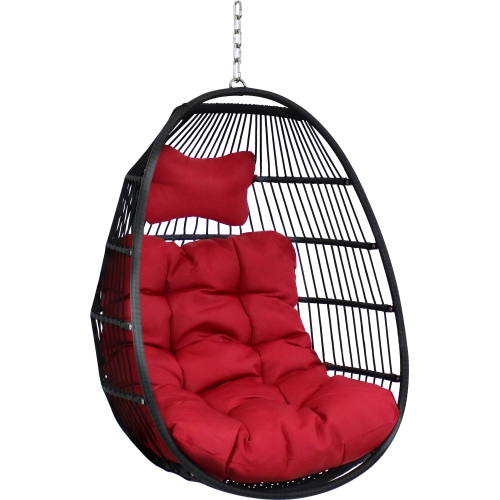
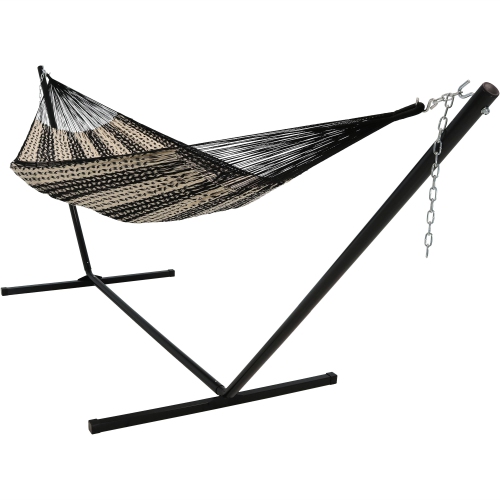
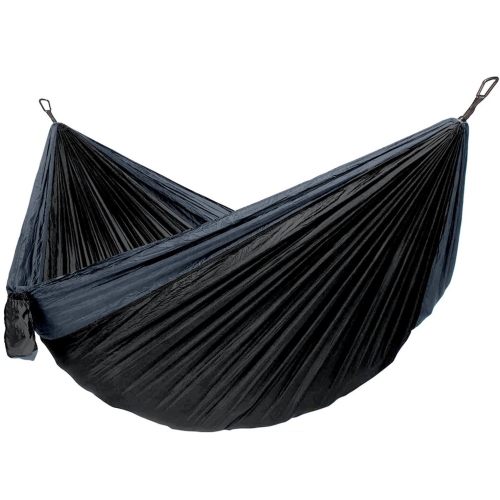
Black hammock chairs bring the gentle movement of a hanging seat into a reading corner, lounge area, or outdoor space approved for their use. Unlike a full-length hammock, a hammock chair generally supports a seated or slightly reclined position, making it a practical choice when there is room for a chair but not a bed-length stretch of fabric. The black finish gives this relaxed seating style a defined outline that works with light wood, pale upholstery, brick, and metal accents. An open rope weave creates a lighter visual effect, while a solid fabric seat offers a more enclosed feel. Macramé details, fringe, and woven patterns can soften a room with clean-lined furniture without introducing another colour. For someone who likes to read with their feet resting on a footstool, listen to music through headphones, or take a quiet break away from a desk, the appeal is as much about the shape and support of the seat as its appearance. Flexible fabric styles tend to gather around the body, while designs with a spreader bar hold the upper portion open. Circular framed seats create a more defined sitting area, although the amount of back support varies with the frame, weave, and cushions. Shoppers drawn to a more enclosed silhouette can also explore Hammock Egg Chairs, where the curved form offers a different take on suspended seating. Black also makes a versatile base for removable cushions in cream, rust, olive, or patterned fabrics, provided any added cushion fits securely and does not interfere with the chair’s intended use. In a shared living space, a hanging chair can form a distinct place to unwind without needing a matching furniture set. Its movement does require more room than a stationary accent chair, so the most suitable setting leaves comfortable clearance around the seat rather than fitting it tightly between a bookcase and a side table.
Materials influence how a black hammock chair feels, how it holds its shape, and how much care it needs. Cotton fabric and cotton rope often have a soft hand that suits indoor lounging, though the finished weave, fabric weight, and stitching matter as much as the fibre name. Polyester and nylon constructions can feel different against the skin and may offer useful resistance to abrasion or moisture, depending on their treatment and intended application. No fibre alone makes a chair suitable for every location; an outdoor-use designation should apply to the complete chair, including its frame, suspension parts, and cushions. A tightly woven fabric seat provides a continuous surface, while an open rope seat allows more airflow and has a more textured feel. Under tension, widely spaced cords may create pressure points, which makes cushion thickness and placement worth considering for longer sitting sessions. A cushion can soften the seat, but it cannot correct an unsuitable size or increase the chair’s weight capacity. Seat width, usable depth, back height, and the shape the chair takes under load are more informative than its overall width alone. A tall user may prefer greater back coverage, while someone who wants an upright reading position may find a deeply gathered sling less suitable. Getting in and out matters, too: a seat that hangs low or shifts freely can be difficult for people who need firm support when standing. Frame construction adds another layer of difference. Wood spreader bars bring a warm contrast to black fabric, while metal rings or frames establish a more structured shape. Smooth joints, neatly finished seams, secure attachment points, and consistent weaving are useful signs of careful construction, although the stated load rating remains essential. That rating needs to suit the intended occupant, and a single-person chair should not be treated as shared seating simply because its fabric looks generous. For gifting, matching the chair to the recipient’s space and preferred sitting position is more useful than choosing on appearance alone.
Installation and everyday care are central to enjoying a hanging hammock chair over time. Ceiling-mounted designs need a suitable structural attachment point and hardware specified for the application; plasterboard, decorative ceiling panels, and an ordinary household hook are not adequate substitutes for a properly assessed support. A qualified installer can assess the structure and determine an appropriate mounting method, particularly where the framing is concealed. Some chairs use one suspension point and others use two, so mounting arrangements are not interchangeable without the manufacturer’s approval. A freestanding stand avoids a ceiling attachment but introduces its own requirements for compatibility, floor space, and load capacity. The chair, connectors, and stand must work together as a rated system, with enough height to keep the occupied seat clear of the floor. A stand’s base may extend well beyond the seat, which matters in a narrow room or beside a walkway. Clearance should account for ordinary movement in every direction, keeping the chair away from glass, sharp furniture corners, and objects that could catch the ropes. Gentle lounging is different from vigorous swinging, and children need supervision around suspension cords and moving seats. For routine upkeep, black fabric can make pale lint, dust, and pet hair noticeable, so light brushing or vacuuming with a suitable upholstery attachment may help where permitted by the care instructions. Removable cushion covers can simplify cleaning, but washing methods should follow the label rather than assumptions about the fabric. Ropework, fixed upholstery, and filled cushions may require spot cleaning and thorough drying before use or storage. A hidden-area test is sensible before applying a cleaner, especially with dark dyes that could transfer to nearby pale fabrics. Suspension ropes, chains, connectors, seams, and frames also need regular checks for fraying, looseness, cracks, or other damage. Keeping the chair clean, using it within its stated limits, and following its installation requirements helps preserve both its appearance and its function as a comfortable place to settle with a book or pause between daily tasks.
Materials influence how a black hammock chair feels, how it holds its shape, and how much care it needs. Cotton fabric and cotton rope often have a soft hand that suits indoor lounging, though the finished weave, fabric weight, and stitching matter as much as the fibre name. Polyester and nylon constructions can feel different against the skin and may offer useful resistance to abrasion or moisture, depending on their treatment and intended application. No fibre alone makes a chair suitable for every location; an outdoor-use designation should apply to the complete chair, including its frame, suspension parts, and cushions. A tightly woven fabric seat provides a continuous surface, while an open rope seat allows more airflow and has a more textured feel. Under tension, widely spaced cords may create pressure points, which makes cushion thickness and placement worth considering for longer sitting sessions. A cushion can soften the seat, but it cannot correct an unsuitable size or increase the chair’s weight capacity. Seat width, usable depth, back height, and the shape the chair takes under load are more informative than its overall width alone. A tall user may prefer greater back coverage, while someone who wants an upright reading position may find a deeply gathered sling less suitable. Getting in and out matters, too: a seat that hangs low or shifts freely can be difficult for people who need firm support when standing. Frame construction adds another layer of difference. Wood spreader bars bring a warm contrast to black fabric, while metal rings or frames establish a more structured shape. Smooth joints, neatly finished seams, secure attachment points, and consistent weaving are useful signs of careful construction, although the stated load rating remains essential. That rating needs to suit the intended occupant, and a single-person chair should not be treated as shared seating simply because its fabric looks generous. For gifting, matching the chair to the recipient’s space and preferred sitting position is more useful than choosing on appearance alone.
Installation and everyday care are central to enjoying a hanging hammock chair over time. Ceiling-mounted designs need a suitable structural attachment point and hardware specified for the application; plasterboard, decorative ceiling panels, and an ordinary household hook are not adequate substitutes for a properly assessed support. A qualified installer can assess the structure and determine an appropriate mounting method, particularly where the framing is concealed. Some chairs use one suspension point and others use two, so mounting arrangements are not interchangeable without the manufacturer’s approval. A freestanding stand avoids a ceiling attachment but introduces its own requirements for compatibility, floor space, and load capacity. The chair, connectors, and stand must work together as a rated system, with enough height to keep the occupied seat clear of the floor. A stand’s base may extend well beyond the seat, which matters in a narrow room or beside a walkway. Clearance should account for ordinary movement in every direction, keeping the chair away from glass, sharp furniture corners, and objects that could catch the ropes. Gentle lounging is different from vigorous swinging, and children need supervision around suspension cords and moving seats. For routine upkeep, black fabric can make pale lint, dust, and pet hair noticeable, so light brushing or vacuuming with a suitable upholstery attachment may help where permitted by the care instructions. Removable cushion covers can simplify cleaning, but washing methods should follow the label rather than assumptions about the fabric. Ropework, fixed upholstery, and filled cushions may require spot cleaning and thorough drying before use or storage. A hidden-area test is sensible before applying a cleaner, especially with dark dyes that could transfer to nearby pale fabrics. Suspension ropes, chains, connectors, seams, and frames also need regular checks for fraying, looseness, cracks, or other damage. Keeping the chair clean, using it within its stated limits, and following its installation requirements helps preserve both its appearance and its function as a comfortable place to settle with a book or pause between daily tasks.
Top selling and popular products
-
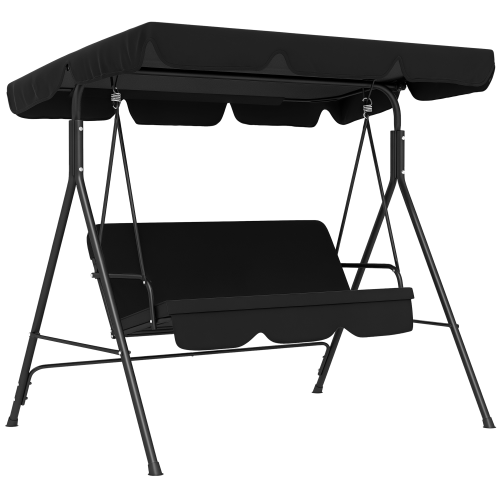 Your price for this item is $133
 -
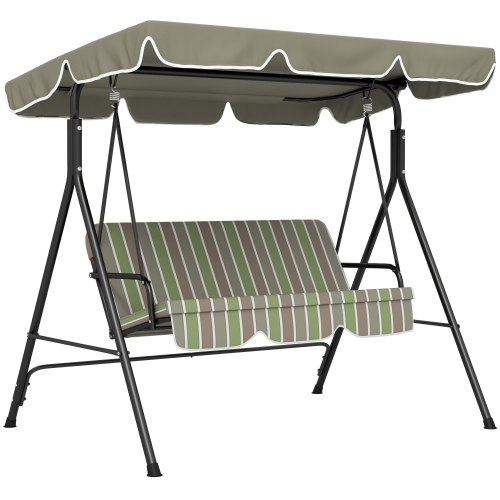 Your price for this item is $154.99
 -
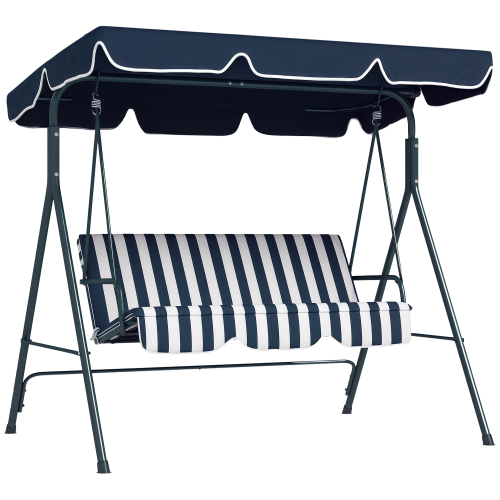 Your price for this item is $149.99
 -
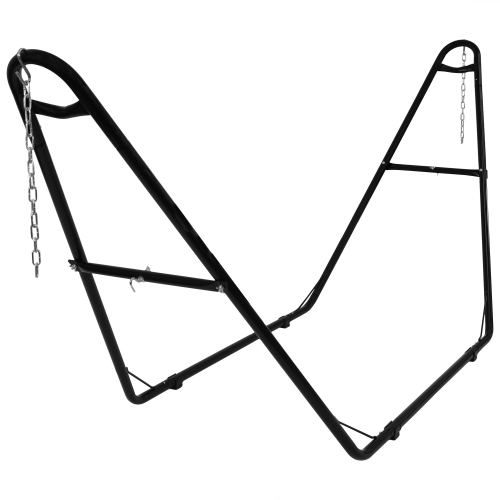 Your price for this item is $182.55
 -
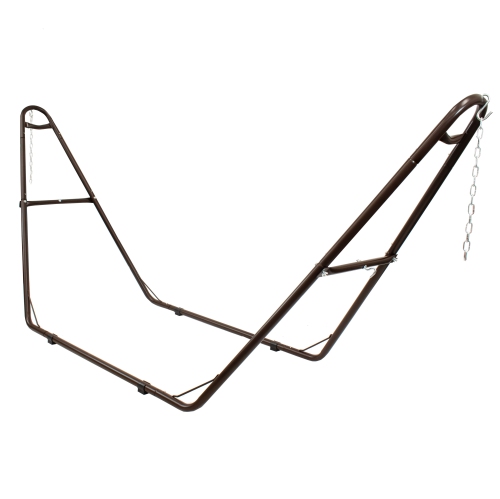 Your price for this item is $182.55
 -
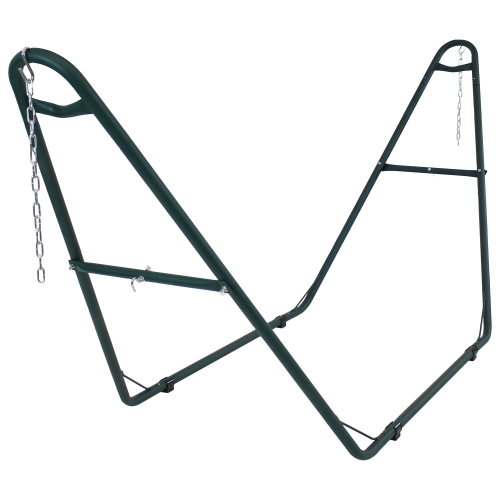 Your price for this item is $182.55
 -
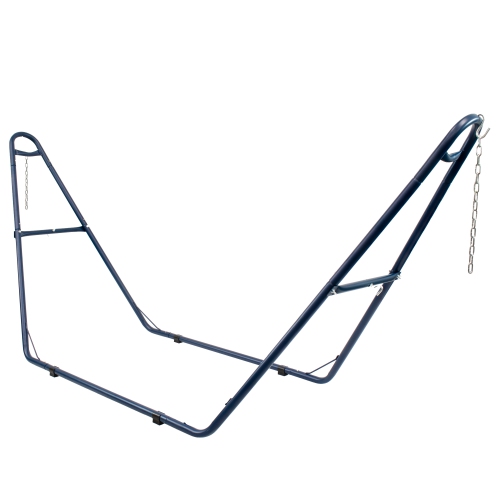 Your price for this item is $182.55
 -
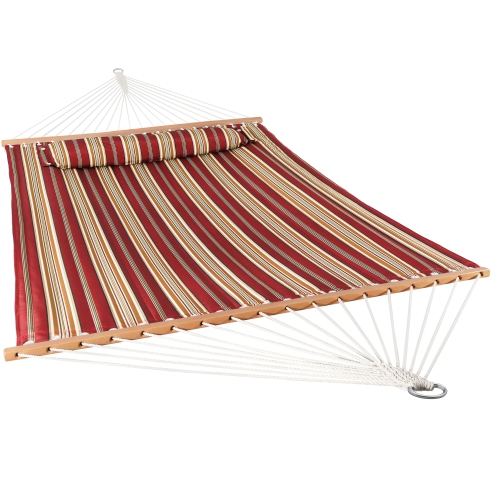 Your price for this item is $139.65
Discover more categories related to Black Hammock Chairs
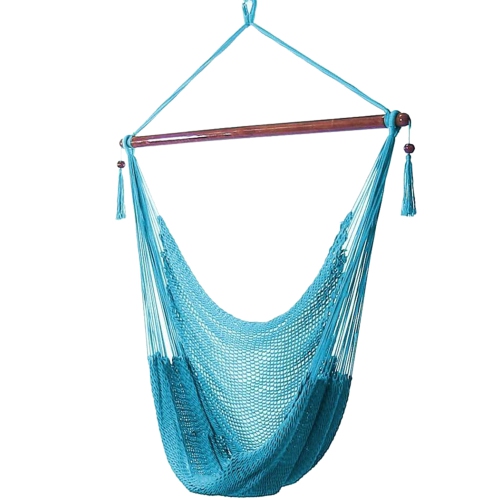
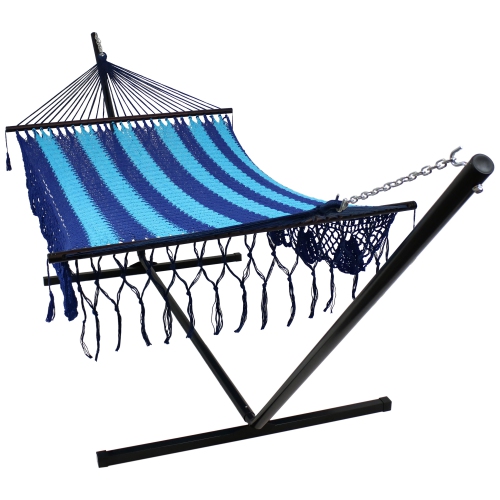
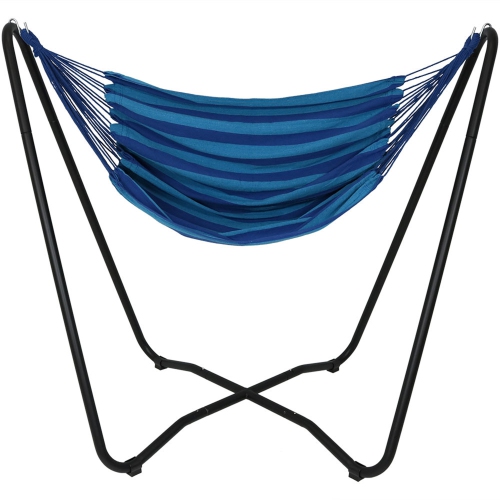
Top Collections:
Pokemon Centers, Kindle Devices, Best Budget Office Chairs, Apple iPhones 16, Best Laptops for Writers, iPhone 15 Apple, Canon G7X Cameras, Refurbished Apple Laptops, Alarm Clock, Motorola Razr Phones
Some products may be subject to Environmental Handling Fees
(EHF) depending on your province.
Learn more about EHFs.