Cotton Hammock Chairs
Transform your outdoor space into a cozy oasis with cotton hammock chairs. Crafted with quality cotton, these hammock chairs offer the ultimate relaxation experience, allowing you to sway gently while enjoying the fresh air and soaking up the sun. With their durable construction and ergonomic design, our cotton hammock chairs are ideal for both indoor and outdoor use, making them a must-have addition to almost any home.
Sort
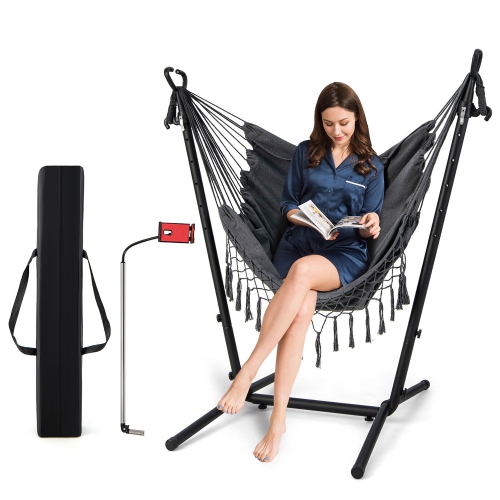
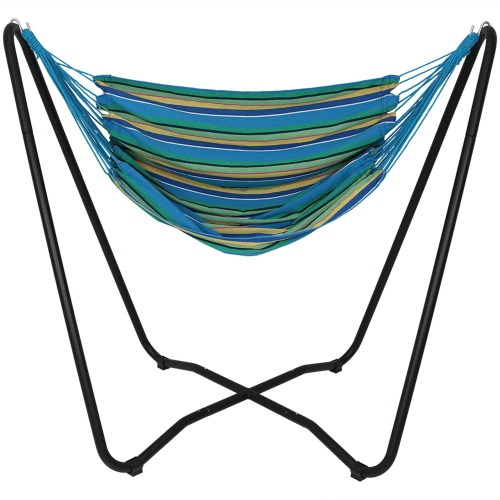
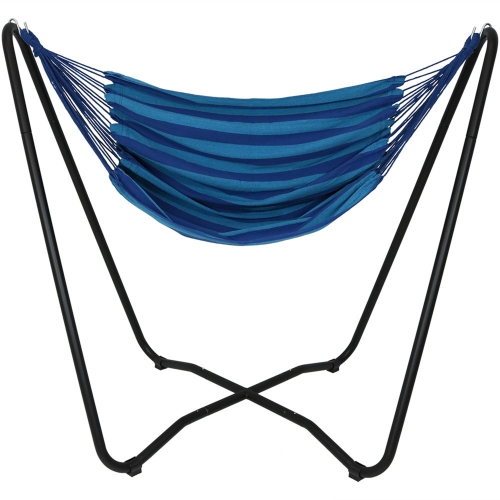
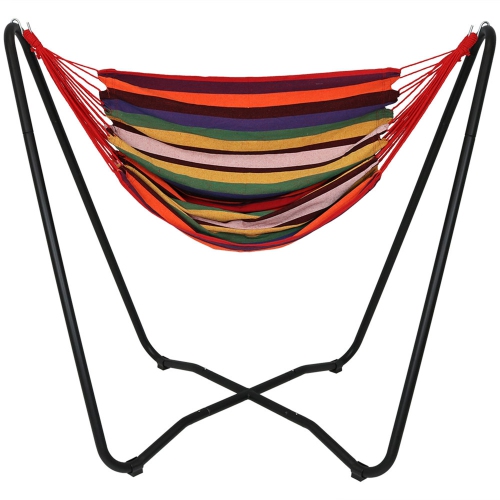
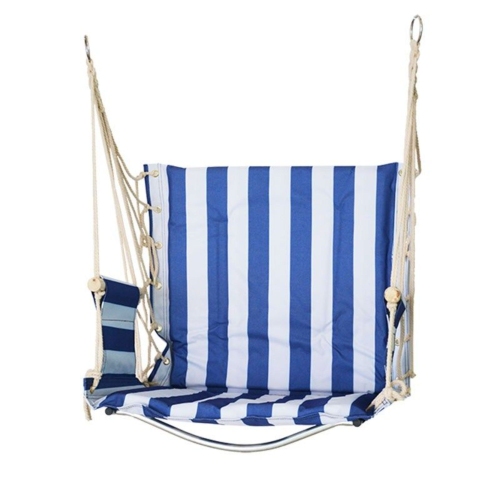

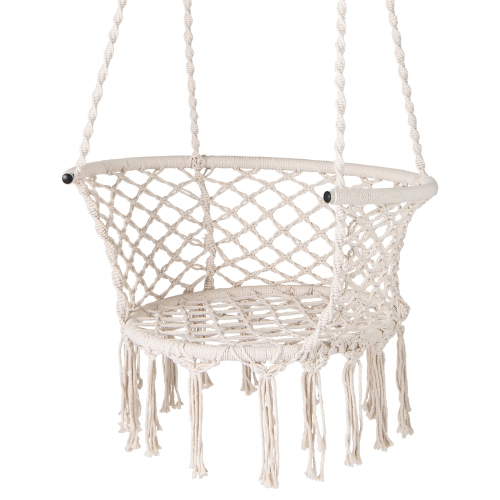
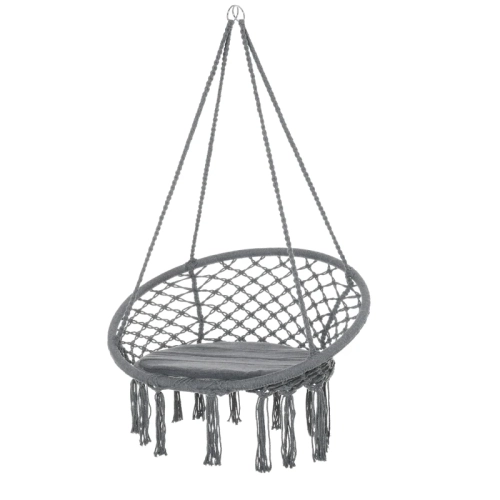
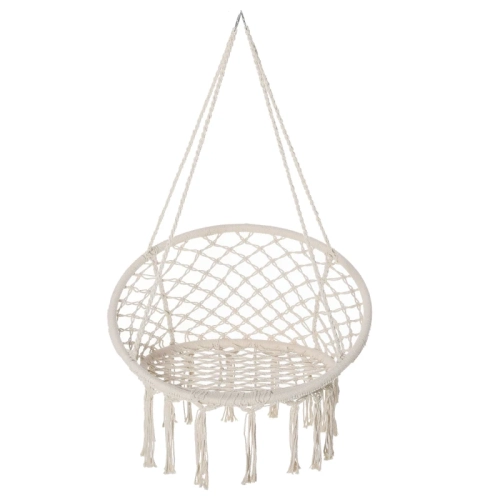
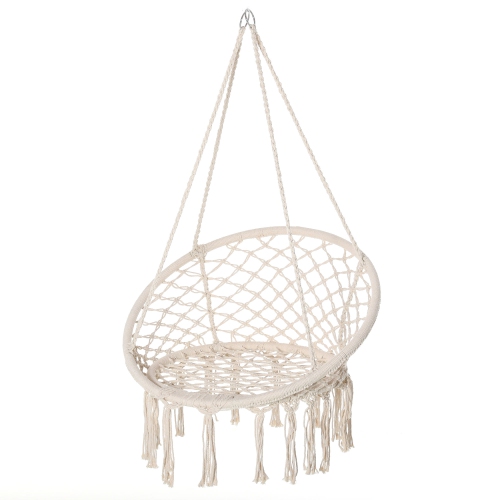
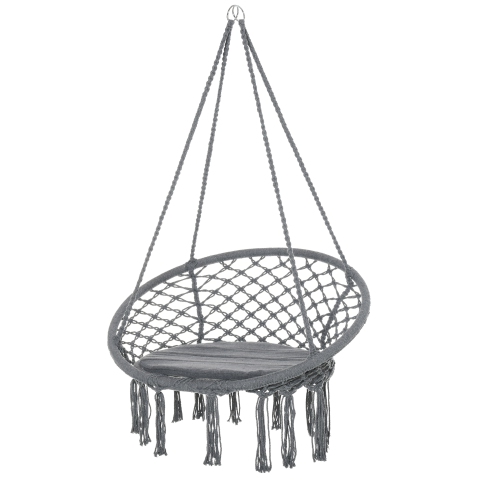
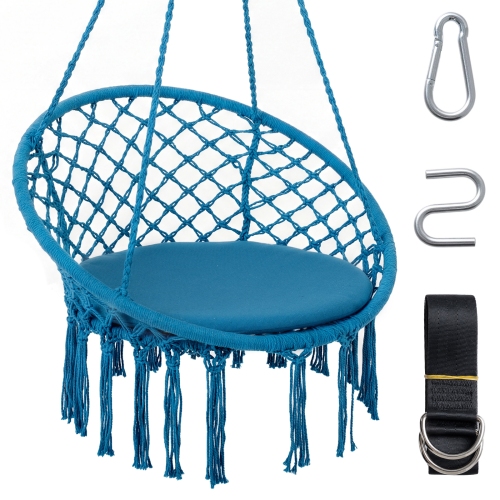
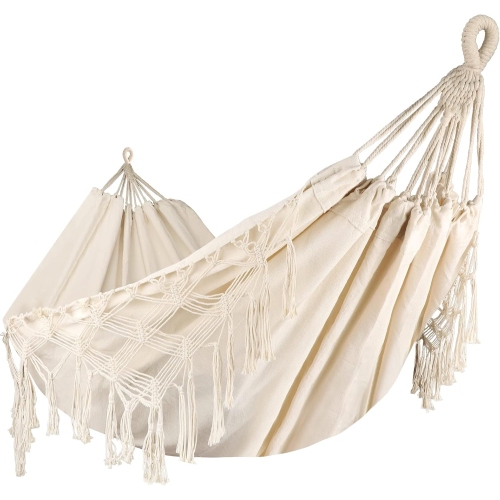
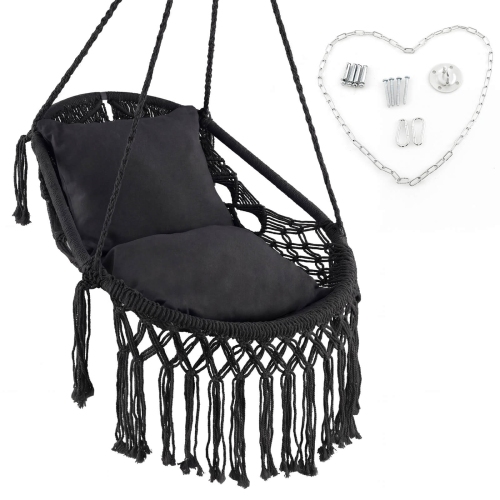
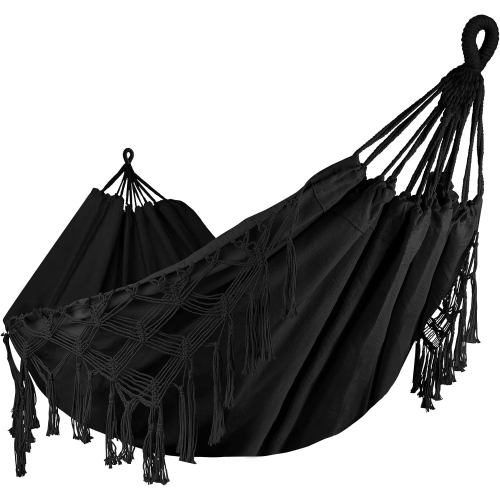
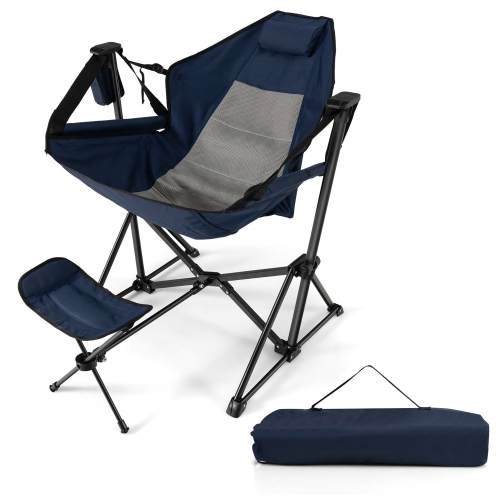

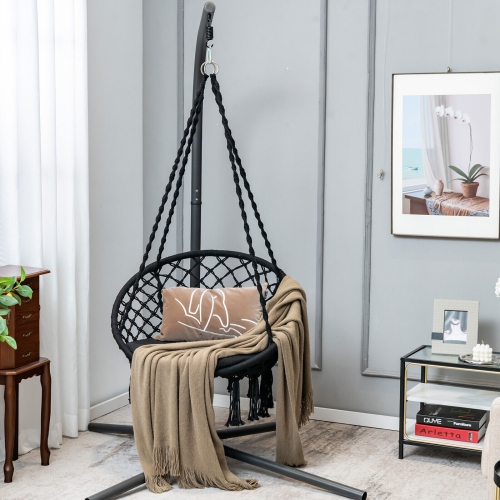
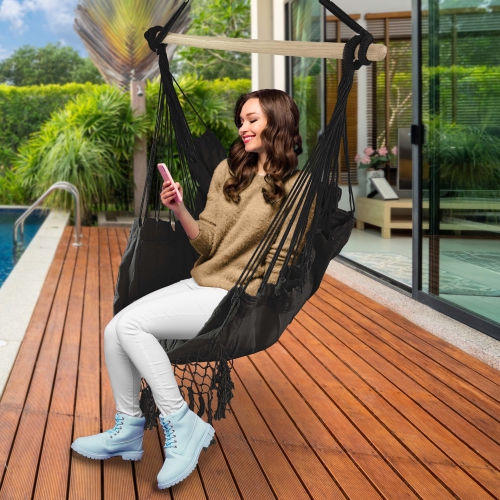
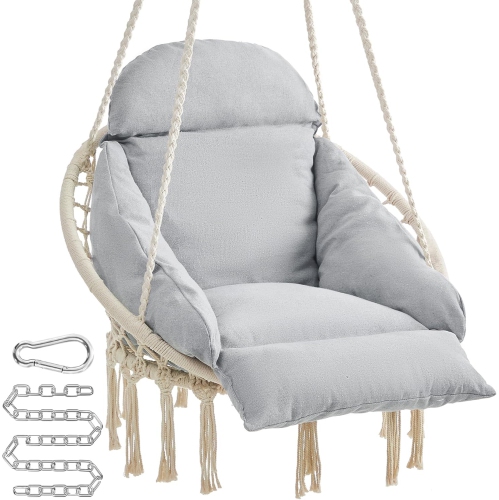
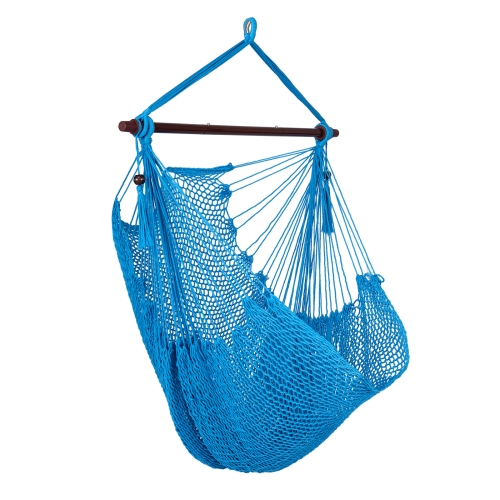
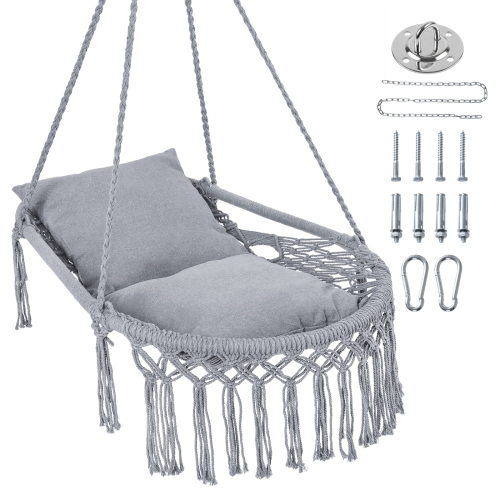

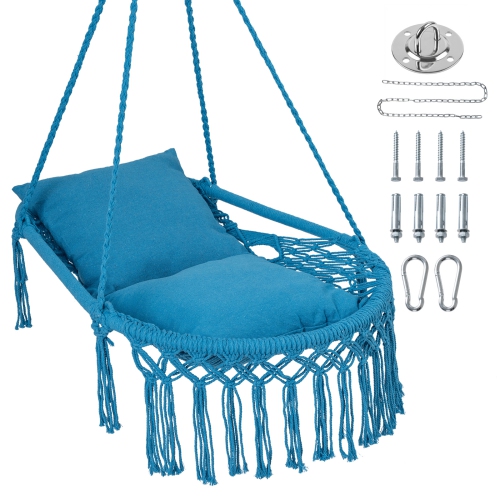
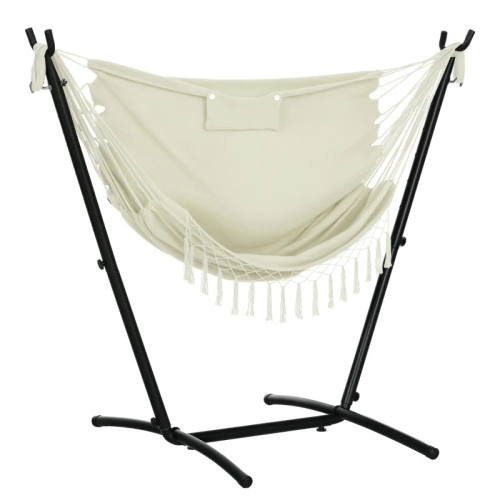
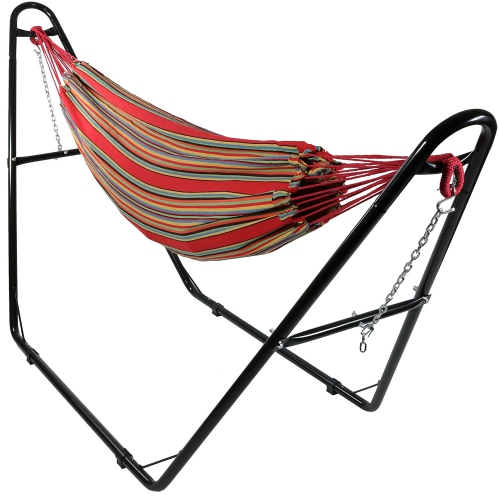
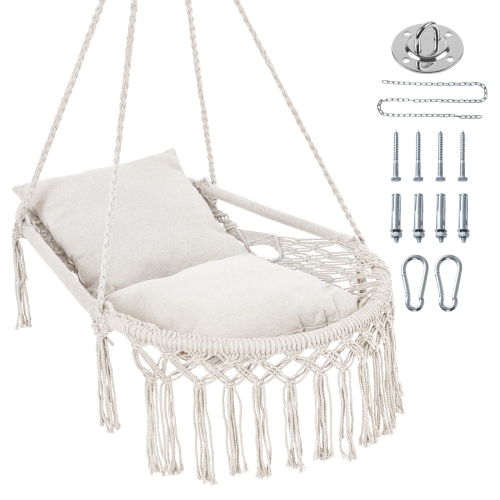

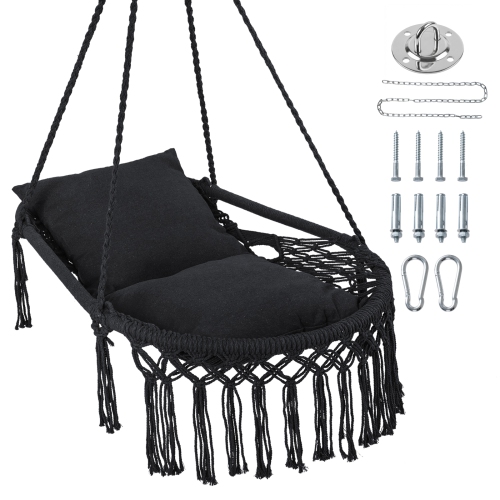
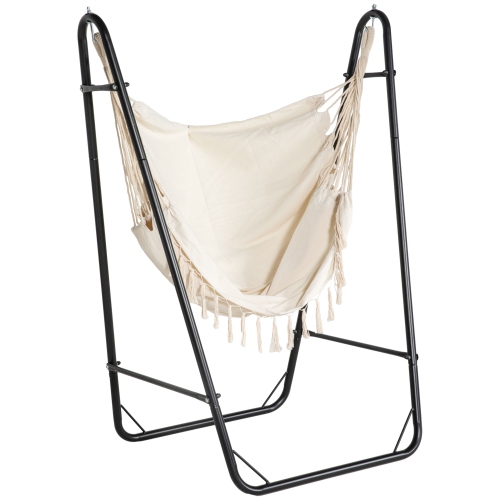
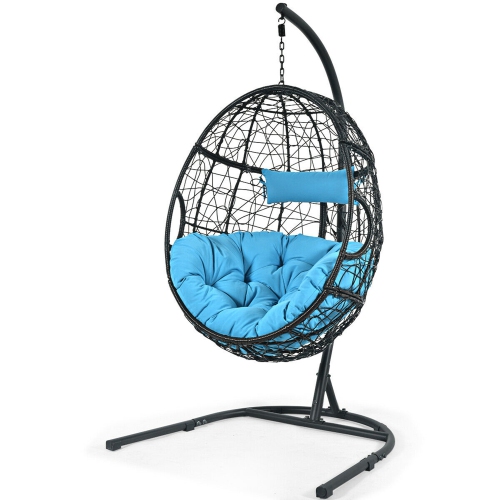
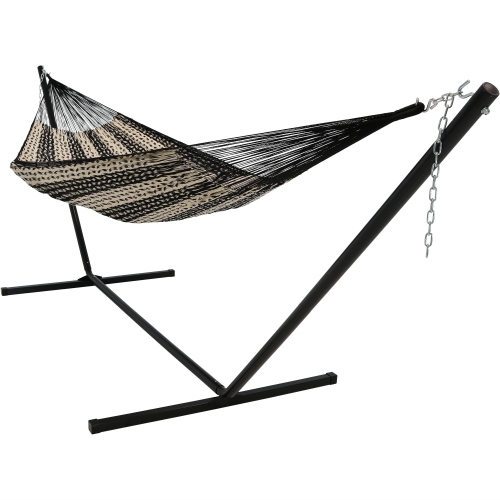


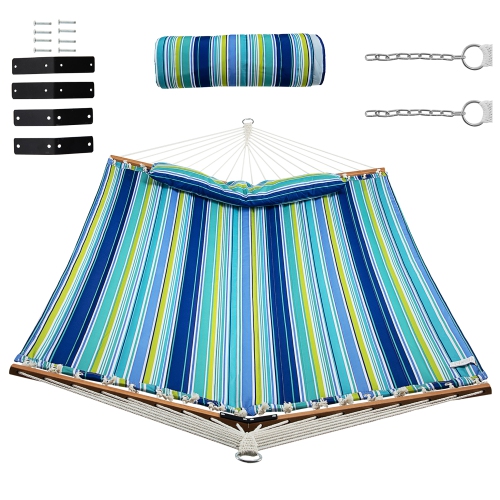
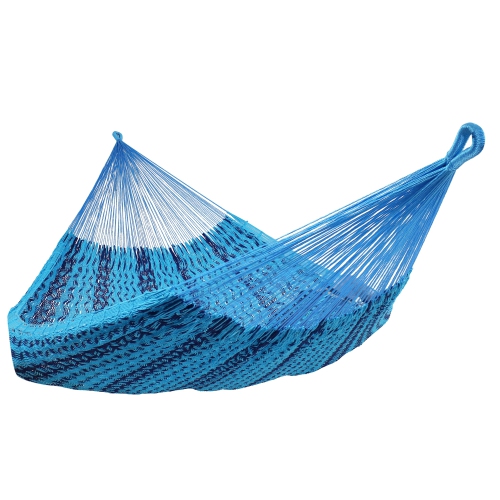
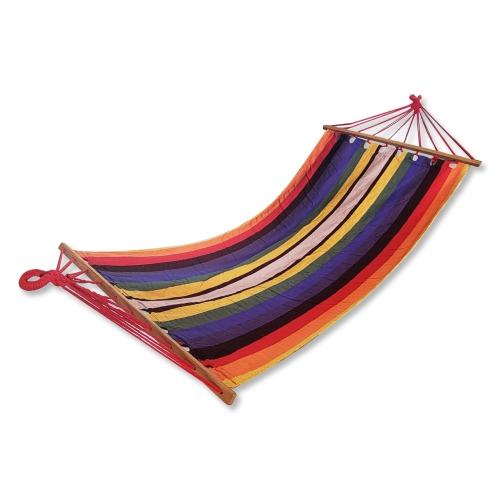
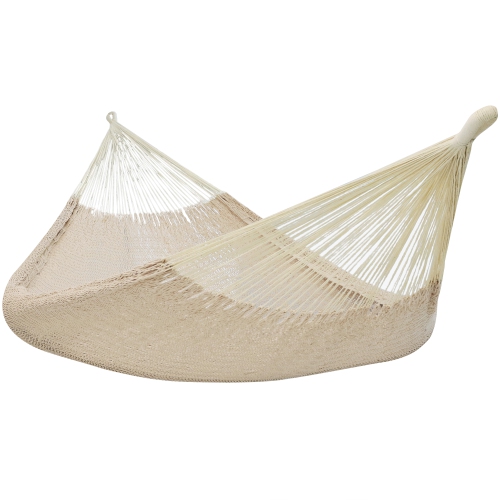
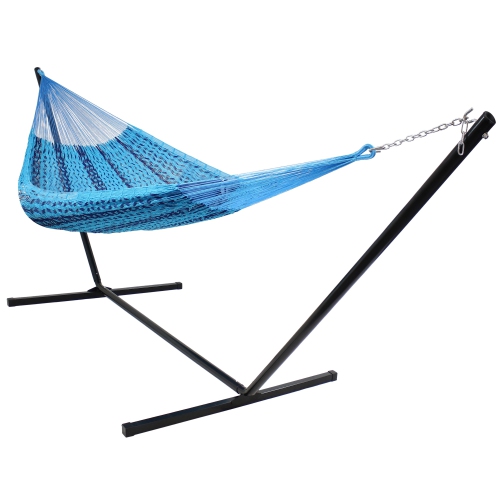
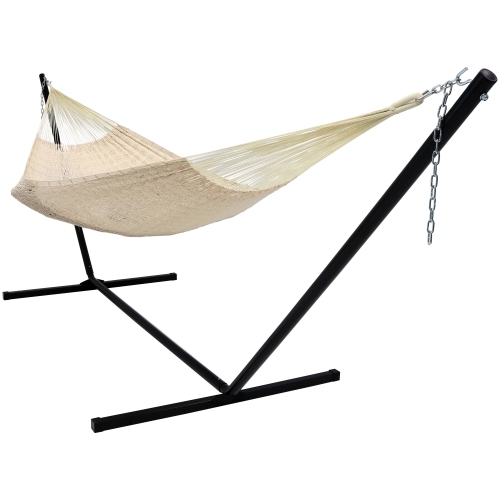
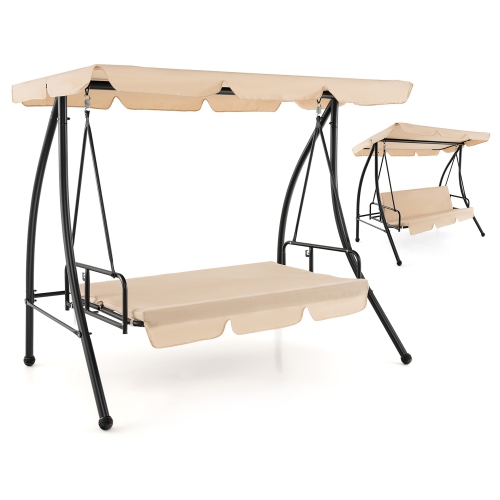
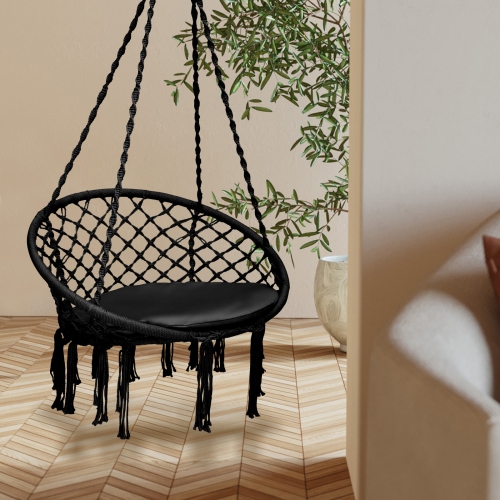
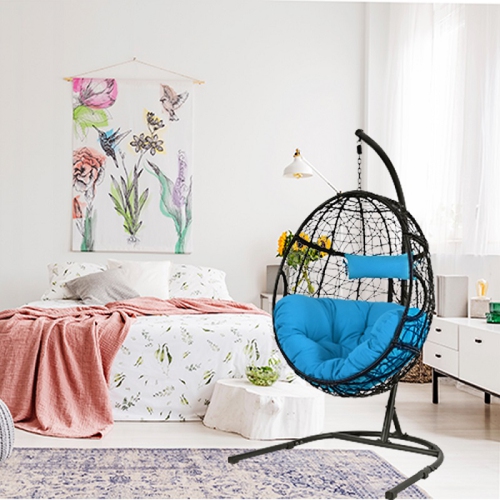
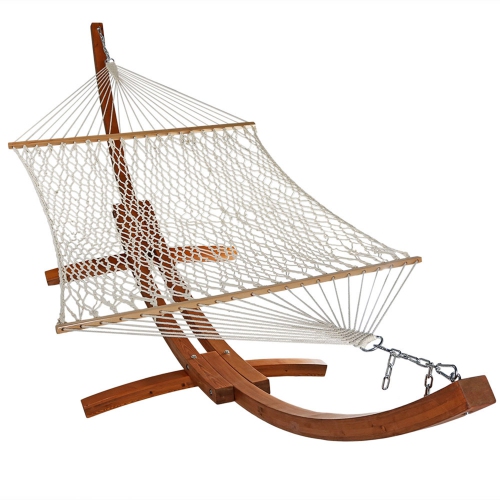

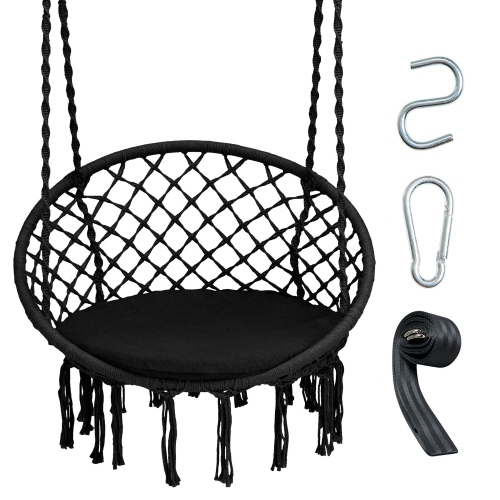
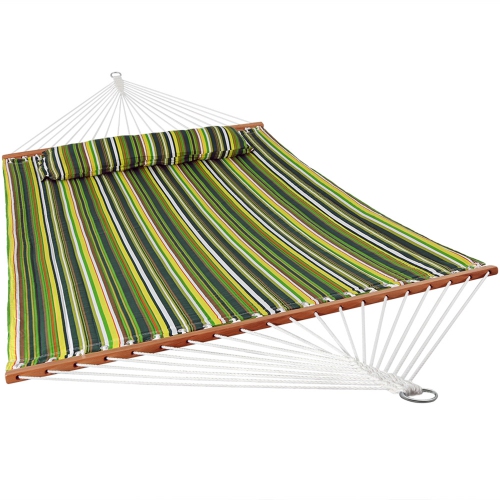
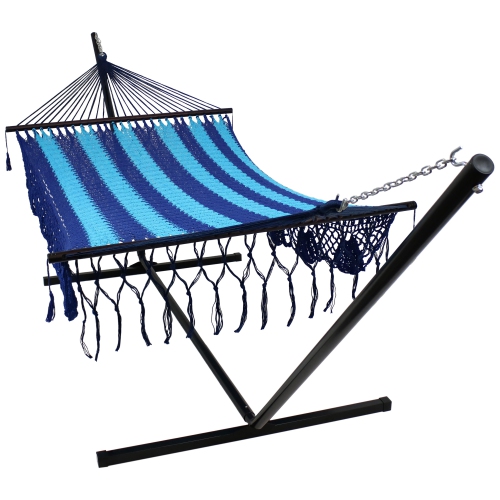
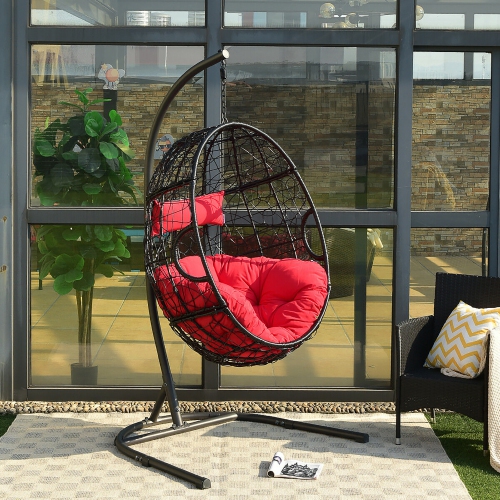
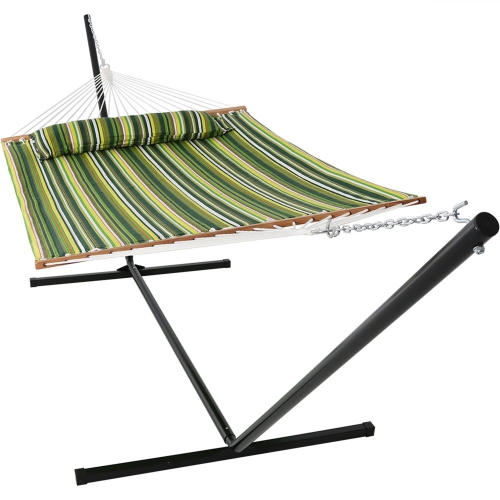

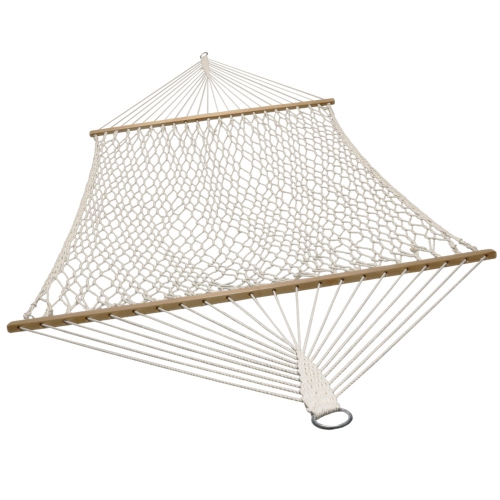
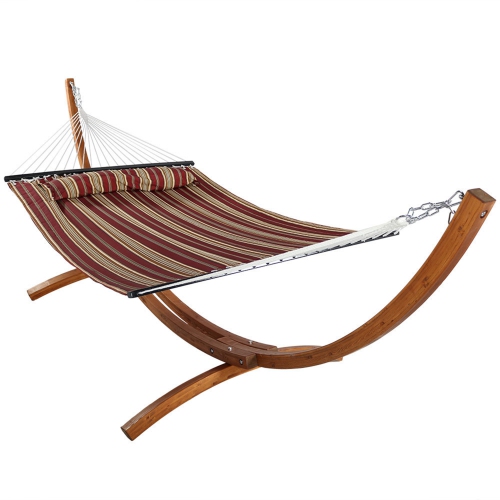
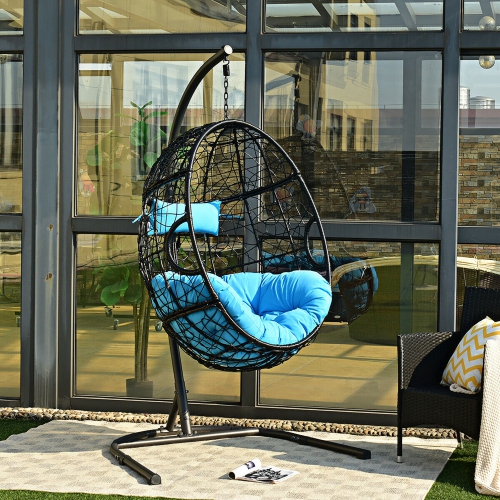


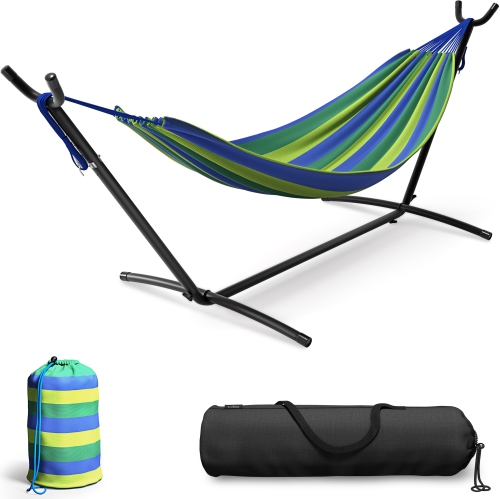
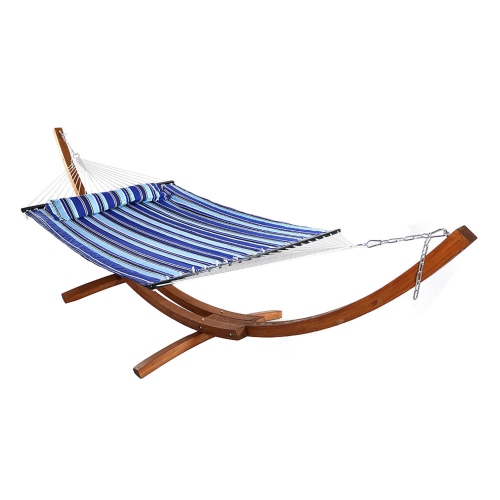
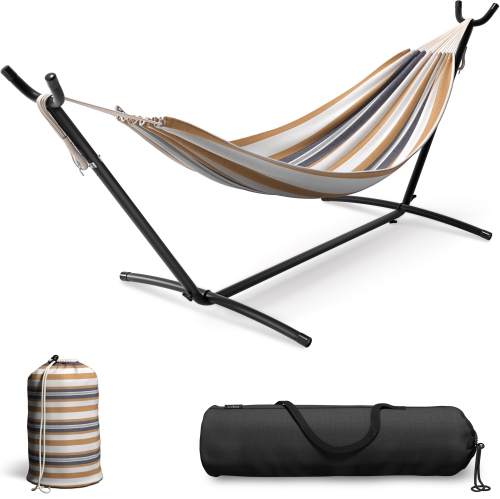

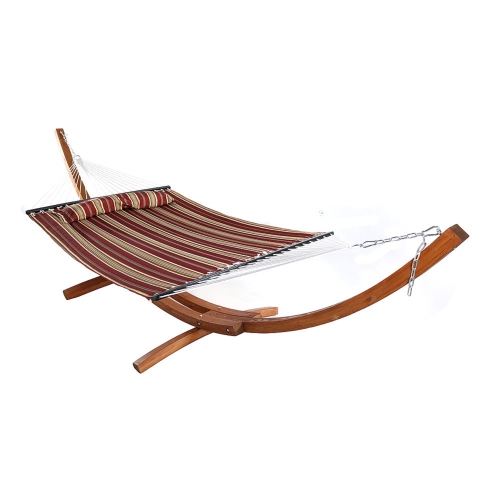
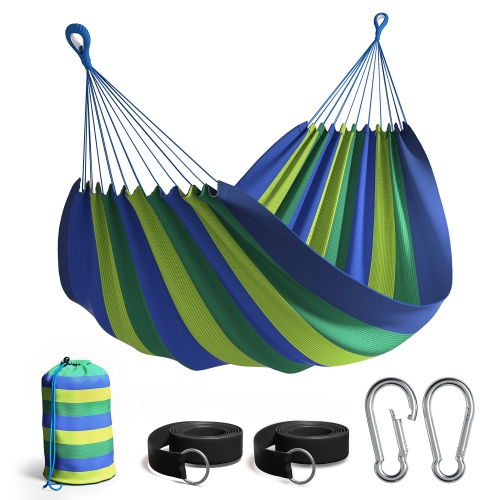
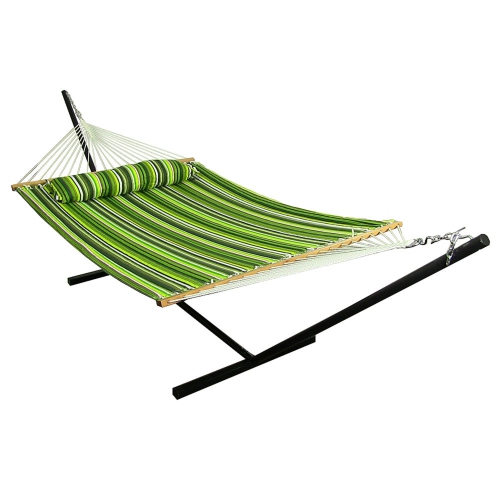

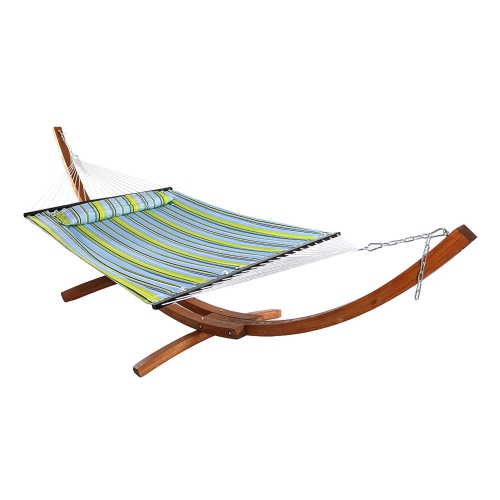

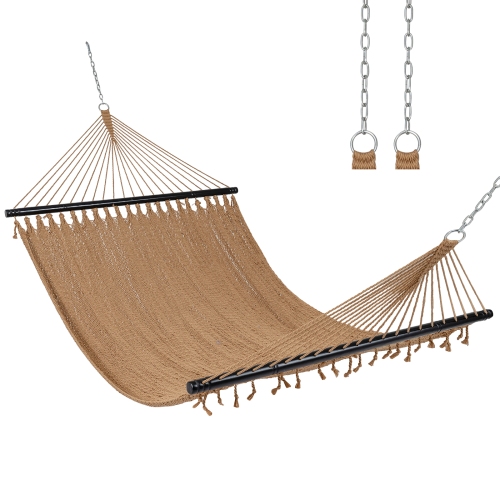
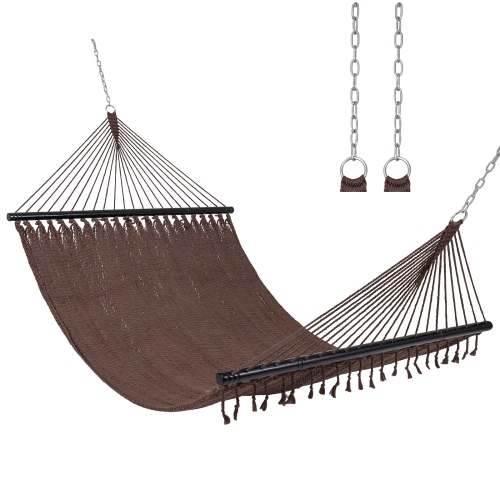
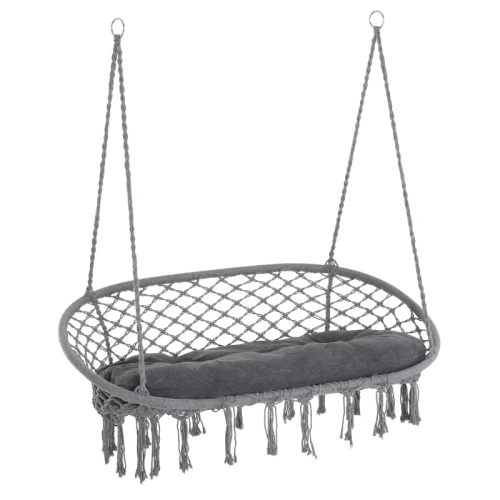
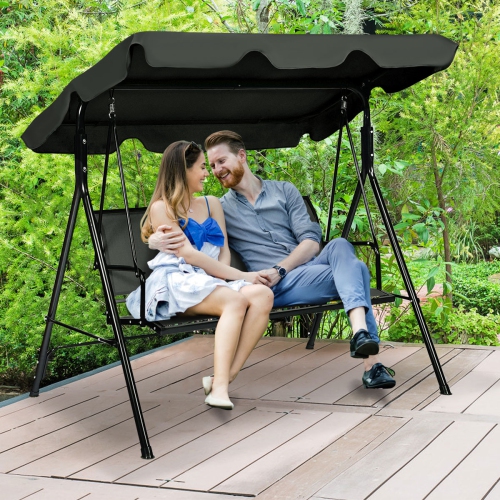
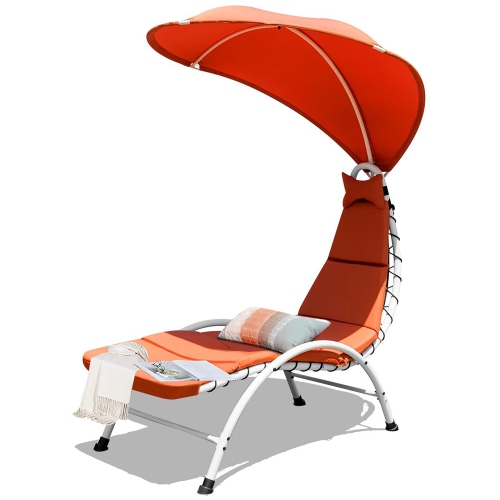
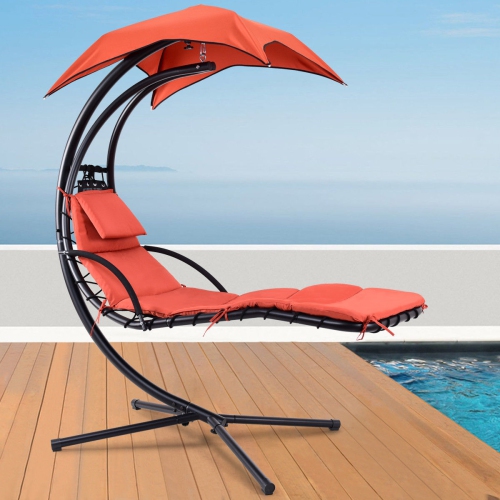
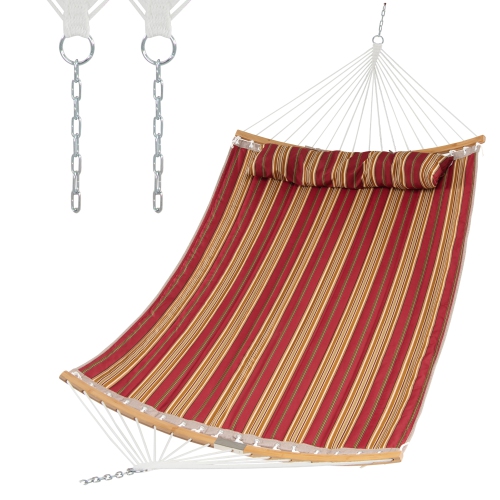
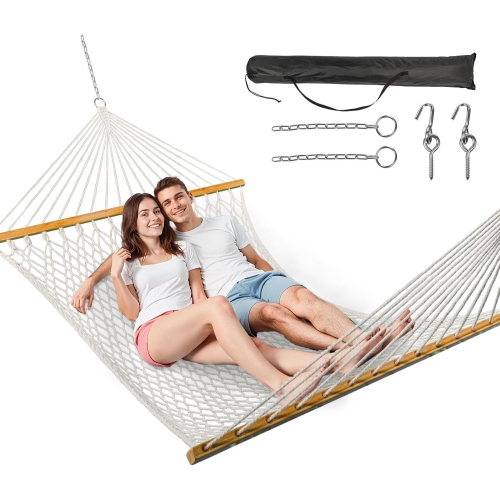
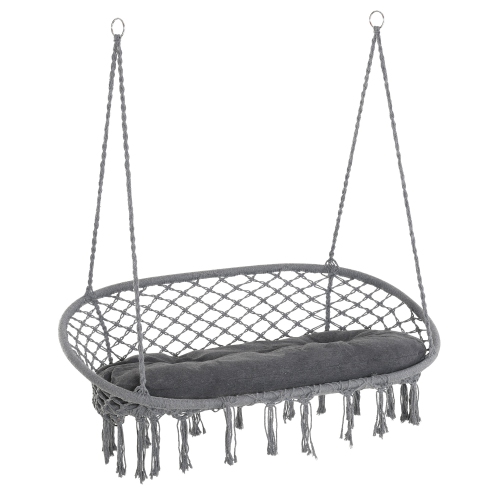
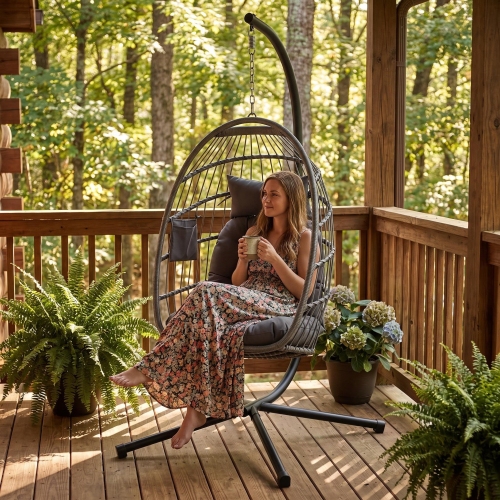
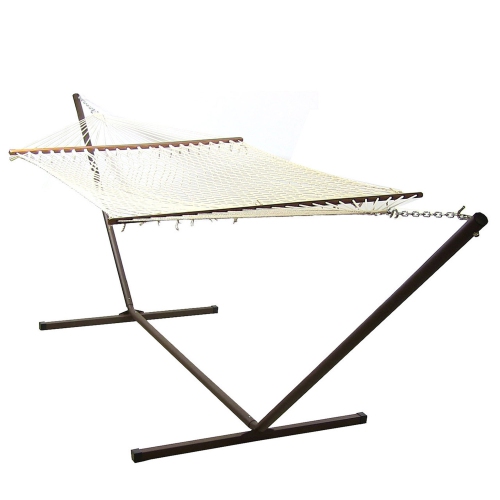
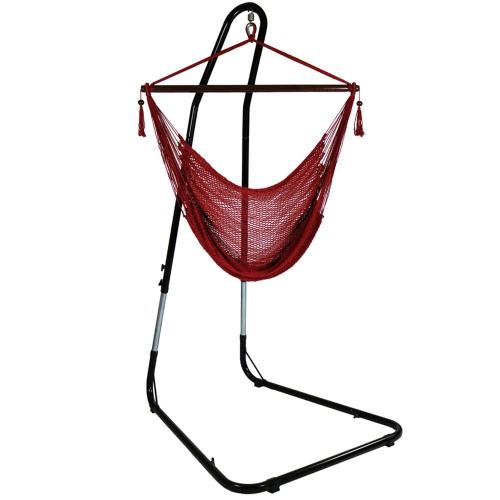
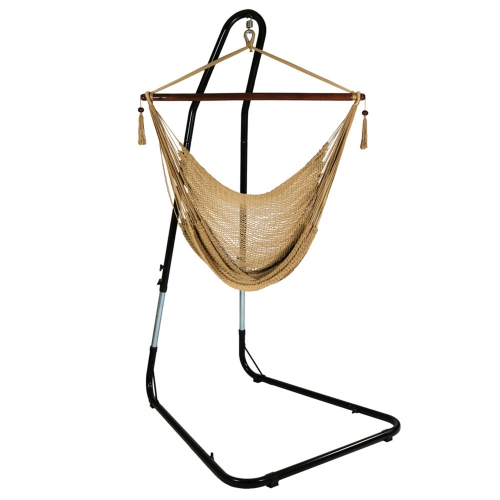
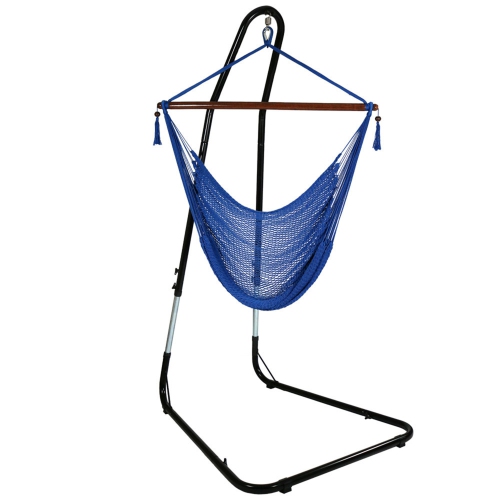

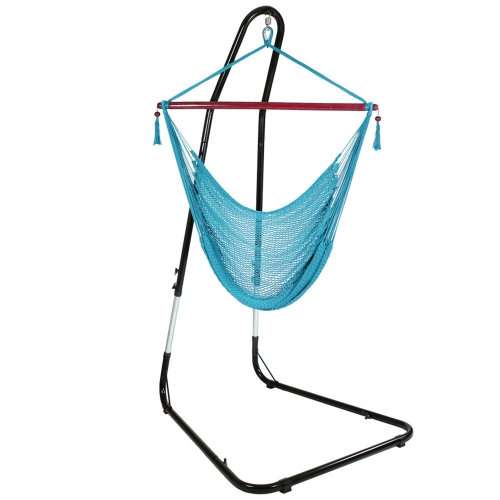
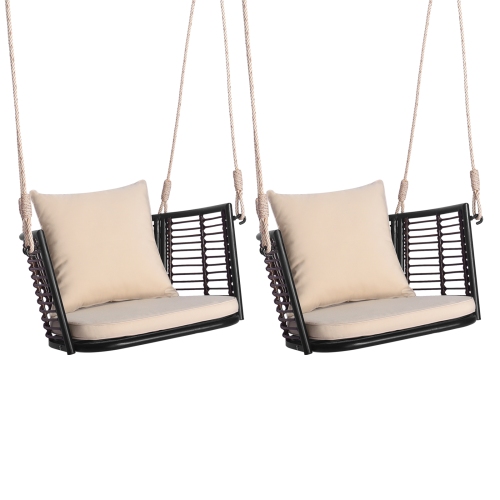
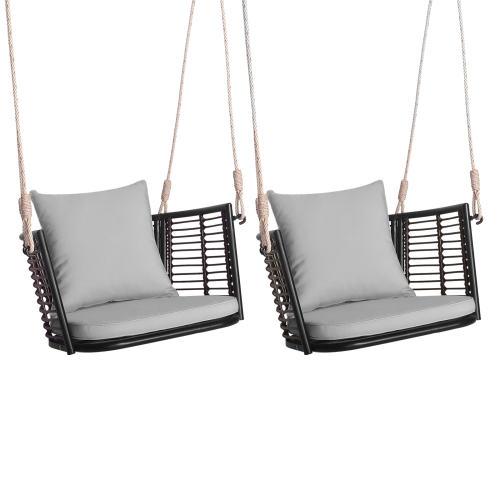




A reading nook with room to swing
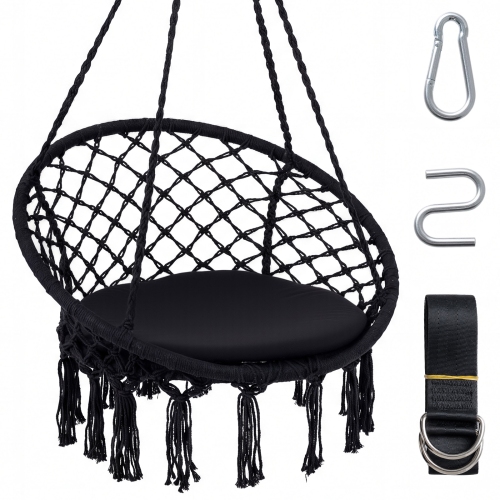
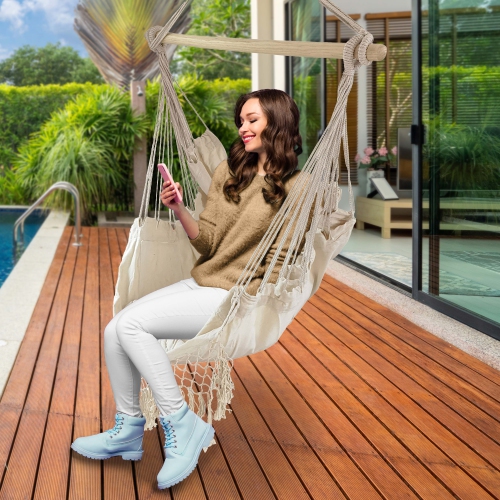
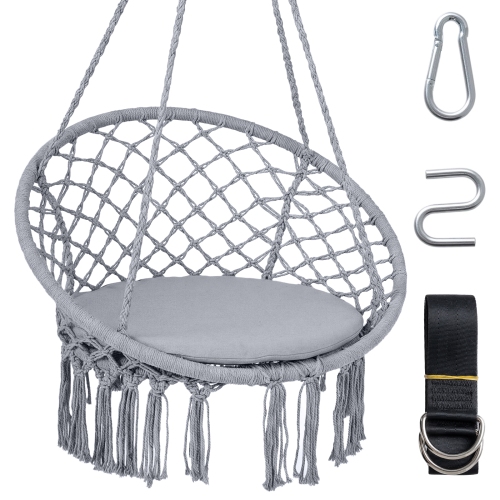
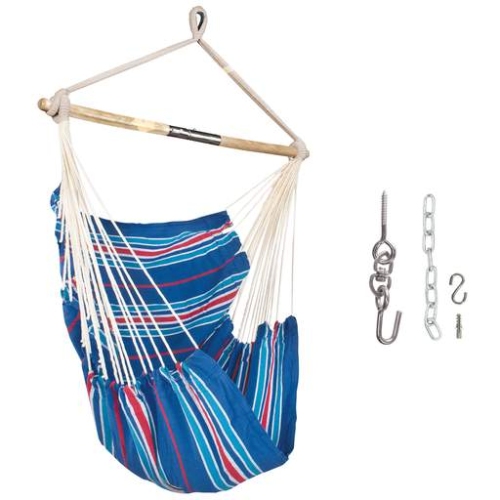
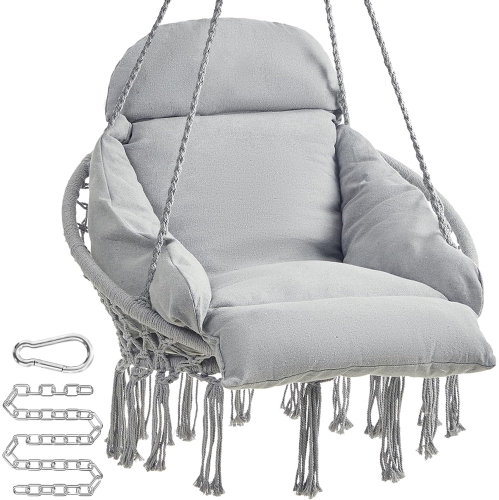
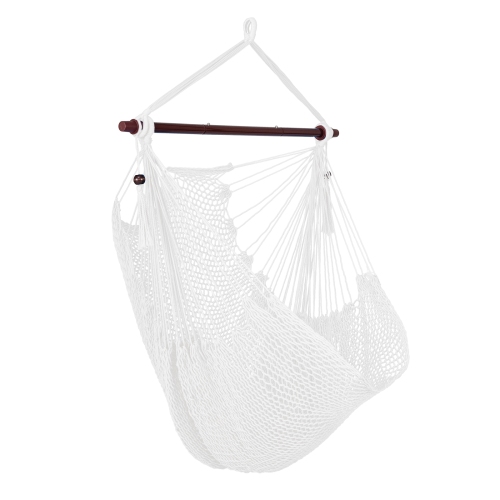
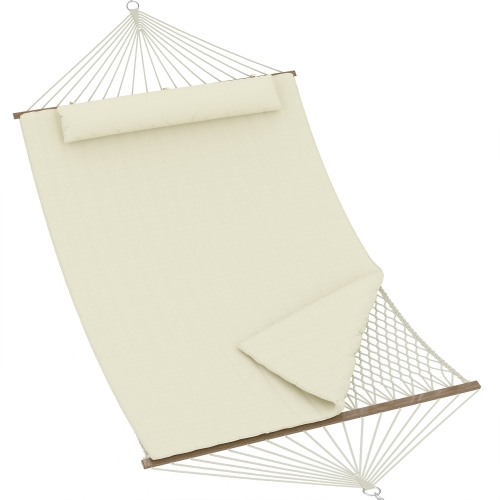
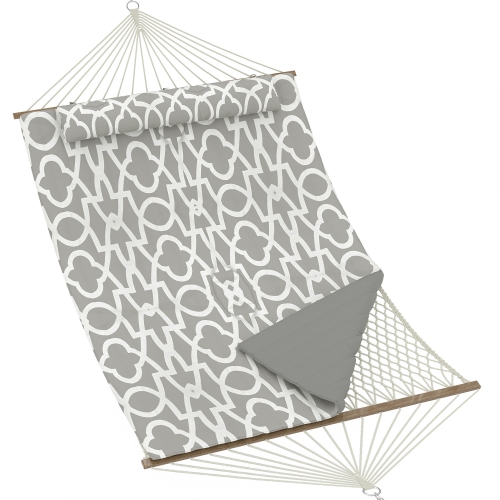
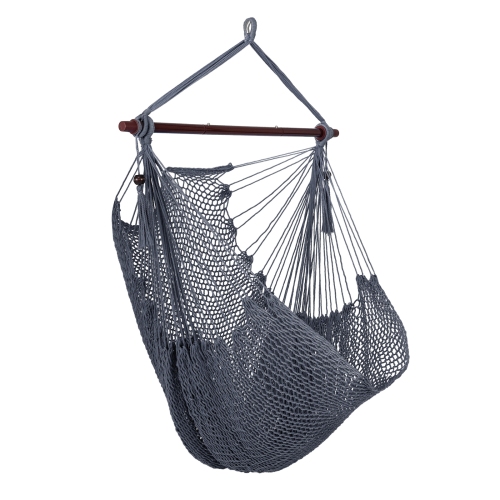
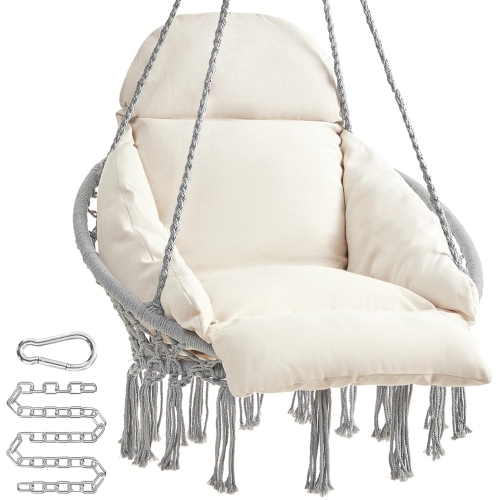
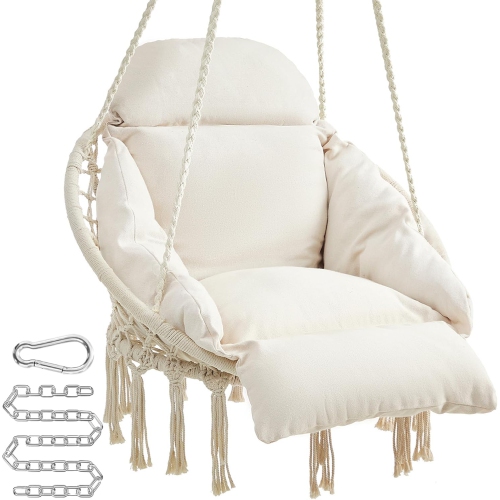
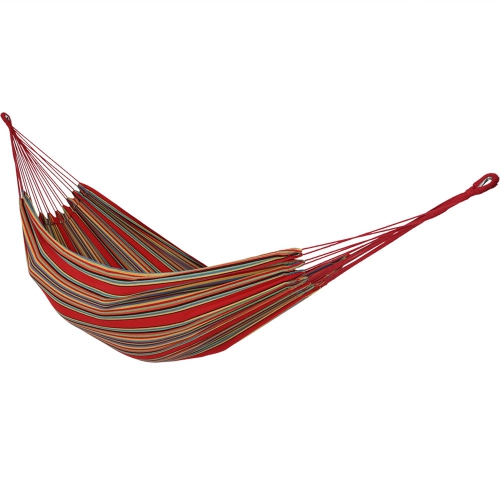
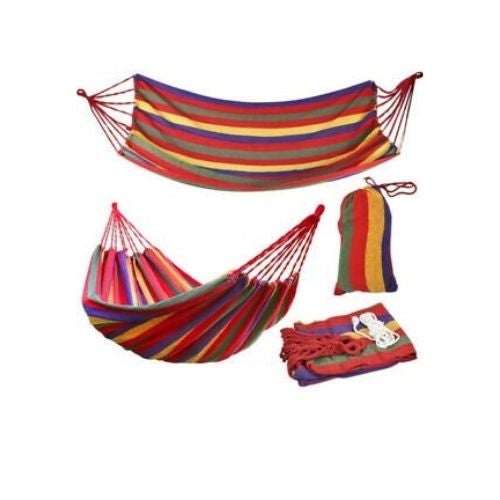
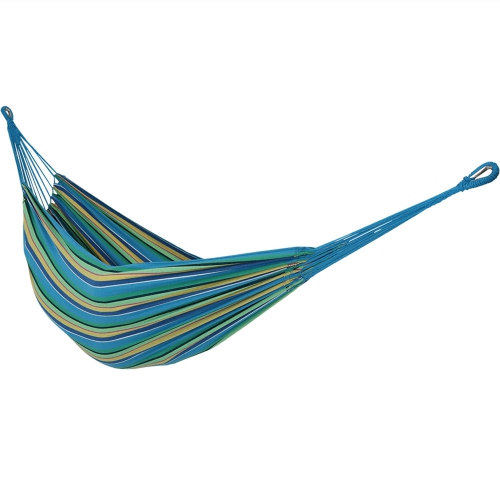
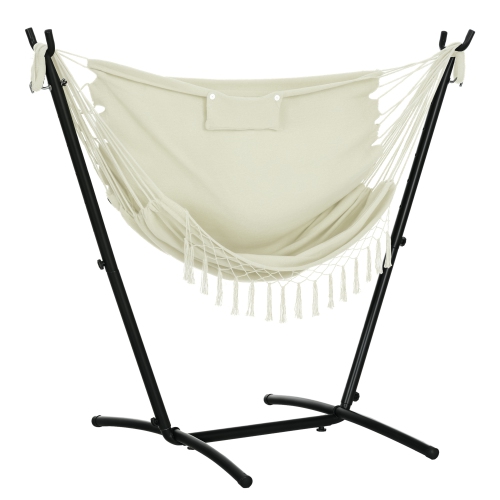
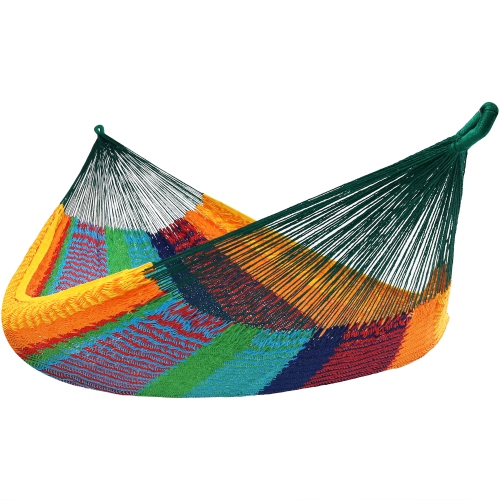
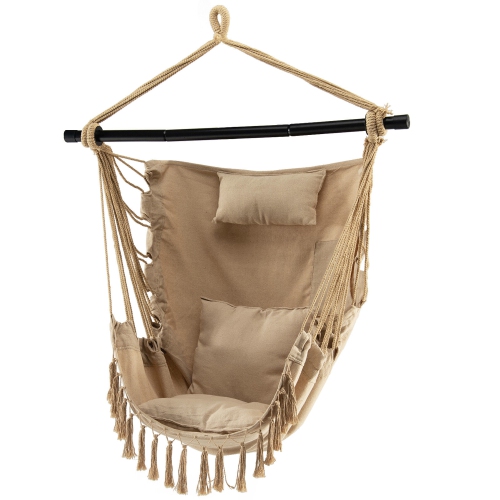
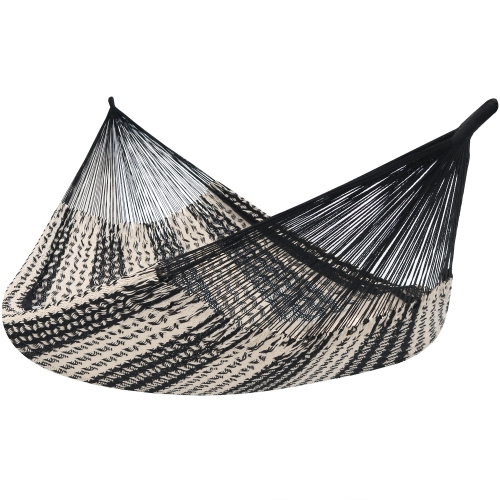
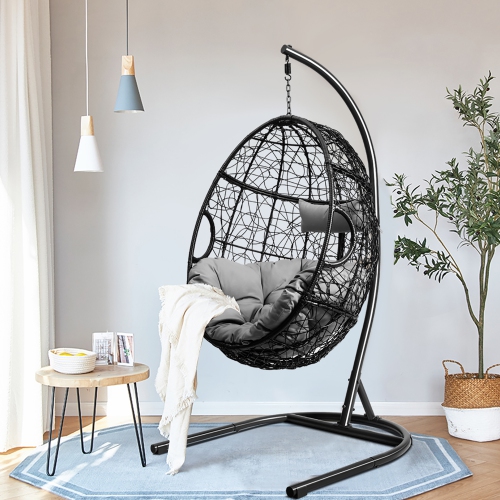
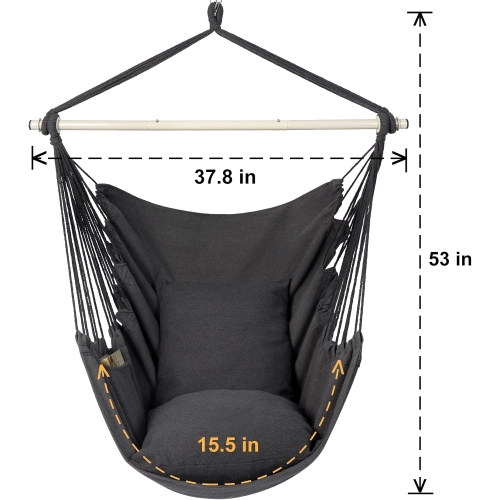
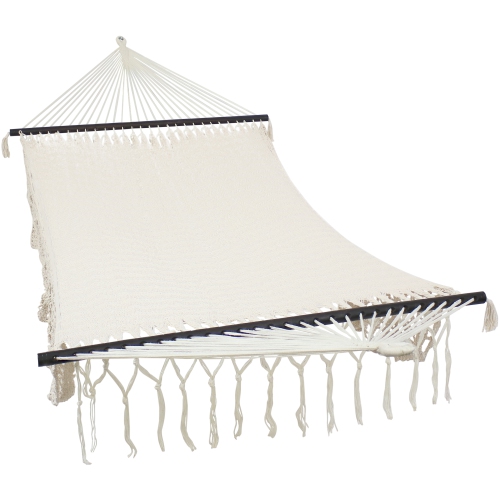
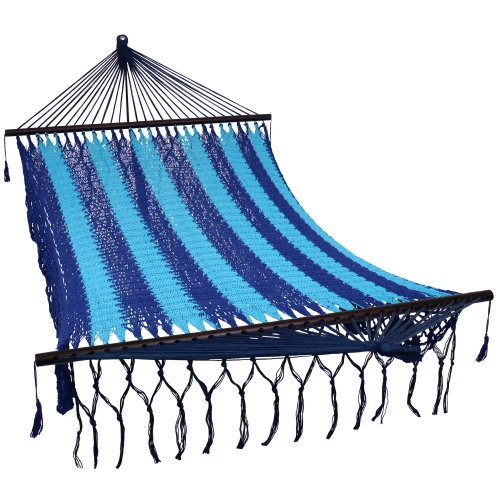
Cotton hammock chairs are suspended seats made with woven cotton fabric or knotted cotton cord. Unlike a full-length hammock, they support a seated or lightly reclined position, so they can turn a corner of a living room or a spot on a covered porch into somewhere to sit with a book without taking up the full length of a wall. The weave makes a noticeable difference in how the chair feels. A solid cotton panel gives more even coverage across the seat and back, and there are no gaps for a bookmark or a pencil to slip through. An open cord weave lets more air pass through and bends around the sitter, though the texture of the knots may be more noticeable against bare legs. A tighter cord pattern generally feels smoother than a widely spaced one. Some chairs have a spreader bar that holds the suspension cords apart, leaving the sides more open at shoulder height. Others gather the fabric closer around the body, which can feel more like settling into a sling than sitting in an armchair. The material description is worth reading in full: a cotton seat can have suspension cords made from a different fibre, and a cotton blend may feel or wash differently from pure cotton. For a chair that will get regular use, look at how the seat is finished where it meets the suspension. Reinforced stitching at those points matters more to everyday wear than a thick fringe or a decorative knot. Think about how long someone is likely to sit there, too. A shallow seat can work well for a short break, while a longer back panel can make it easier to settle in for several chapters without needing an extra cushion behind the shoulders. A chair with a deep sling suits someone who likes to tuck their feet up, while a firmer, more open seat can make it easier to get in and out frequently.
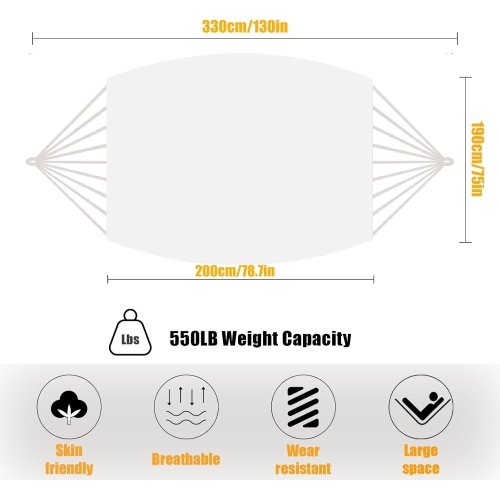
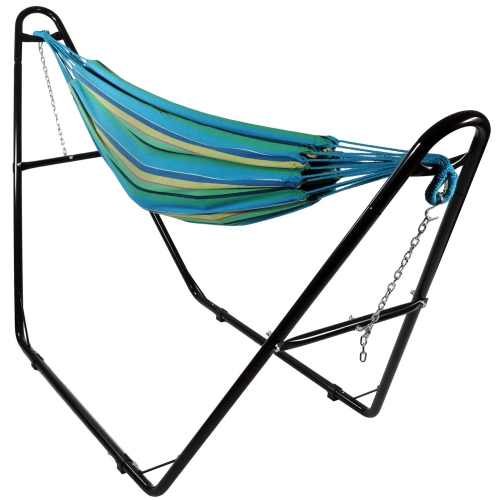
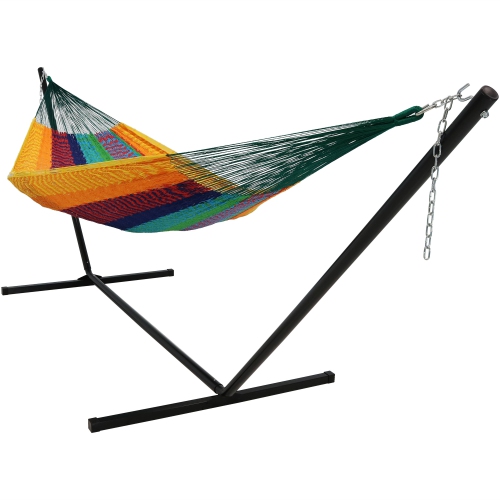
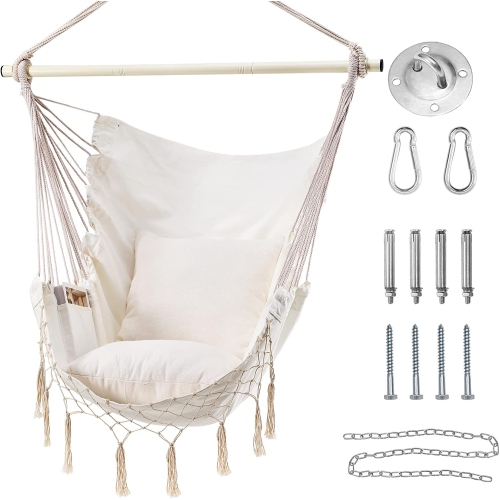
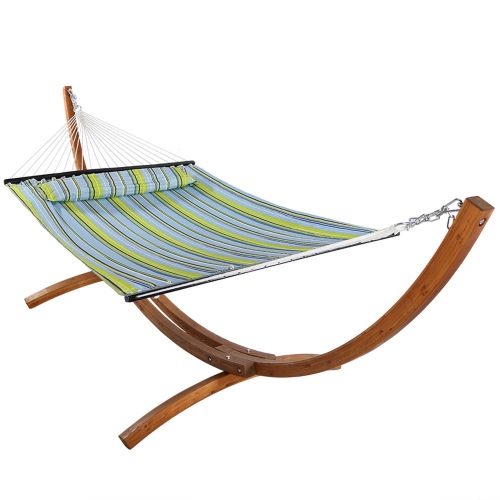
The space a cotton hammock chair needs is larger than the seat itself. Even a gentle shift in weight can turn the chair or move it sideways, so a chair that fits neatly into an empty alcove might still brush the wall or bump a low table once someone sits down. Allow space in front for the sitter’s legs as well as on either side for the fabric or spreader bar. On a balcony, account for the path to the door and keep the seat’s range of motion clear of the railing. Indoors, a nearby shelf can be handy for a book or a cup, but it needs to sit beyond the chair’s swing rather than directly alongside it. Check whether the stated dimensions describe the usable seat or the full chair laid flat, including the cords. The hanging height is also different from the seat height: the fabric settles under weight, so the empty chair may look higher than it feels once occupied. A setup that lets the intended sitter place both feet on the floor can make getting up more comfortable. For a ceiling-mounted chair, the intended mounting point must be structurally suitable for a suspended seat, with compatible hardware installed according to the manufacturer’s instructions. If the support behind a finished ceiling is uncertain, have it assessed before mounting. A compatible freestanding stand avoids the need for ceiling attachment but takes up floor space of its own, particularly where the base extends forward. Check the stated weight limits for the chair and for every part of the setup, including the stand or mounting hardware. Also check what the chair includes before settling on a spot: suspension cords and a spreader bar don’t necessarily mean the chair comes with the parts needed to attach it. For a porch or patio, look for a chair and support system that are both rated for outdoor use rather than assuming that a cotton seat can go anywhere.
Care depends on the weave and on which parts can be removed. A fabric seat that detaches from its cords or bar may be easier to clean than a knotted chair that needs to be spot-cleaned in place. Follow the care label rather than assuming that cotton can go in the washing machine: shrinkage can change the way a sling hangs, and attached hardware or trim may call for a different approach. For everyday marks, blotting a spill promptly can help keep it from spreading along the fibres. Give the chair time to dry fully before sitting in it again or folding it away; moisture can linger where the fabric gathers around a seam or knot even when the broad part of the seat feels dry. A periodic look at those same areas can reveal fraying cords, loose stitching or worn attachment loops before they’re obvious from across the room. Stop using the chair if any part of the suspension or a load-bearing seam shows damage. Colour can help the chair feel at home in a room: an undyed or light-coloured weave can sit quietly beside pale wood, while a darker seat can pick up the colour of window frames or a nearby bookshelf. For a darker look, browse Black Hammock Chairs and check the material details for cotton. A cotton hammock chair can be a thoughtful gift for someone furnishing a new home or making a reading nook their own, especially when there’s already a suitable place to hang it or enough room for a stand. For someone who likes to put their feet up with a book or listen to music away from the main seating area, the appeal is simple: a seat that gives a little with each shift in position and gives an otherwise unused corner a purpose.
Top selling and popular products
-
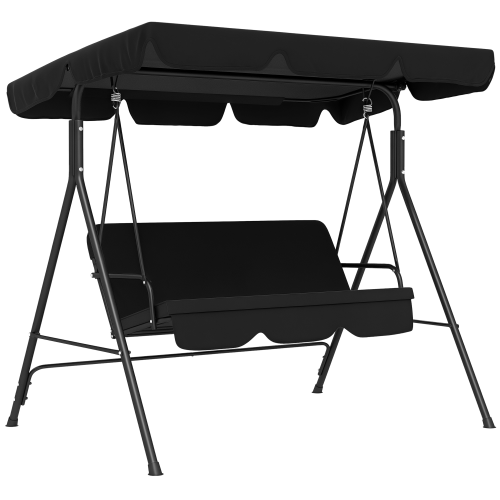 Your price for this item is $139
-
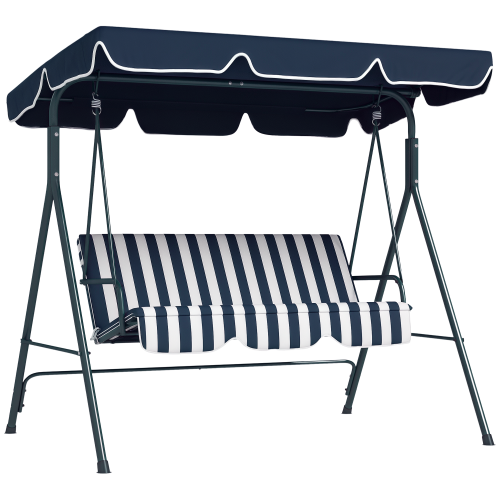 Your price for this item is $149.99
-
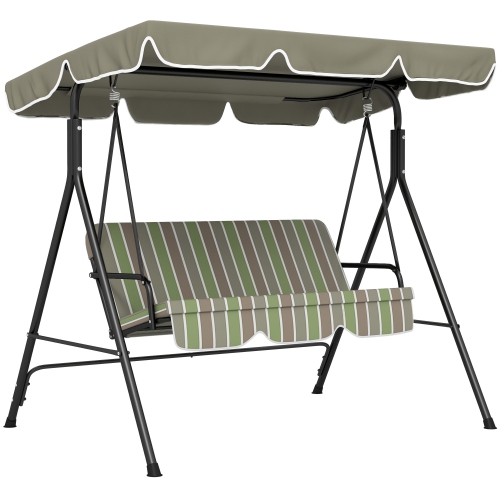 Your price for this item is $156.99
-
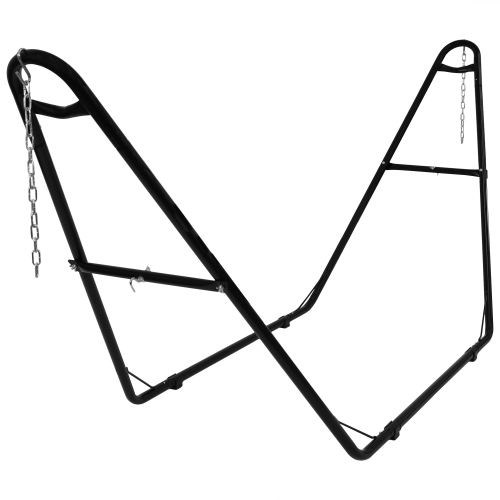 Your price for this item is $182.55
-
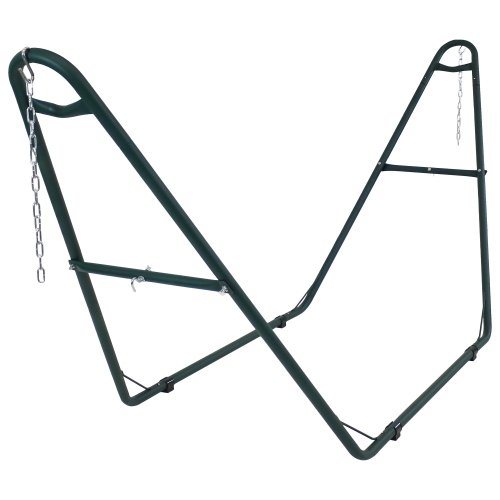 Your price for this item is $182.55
-
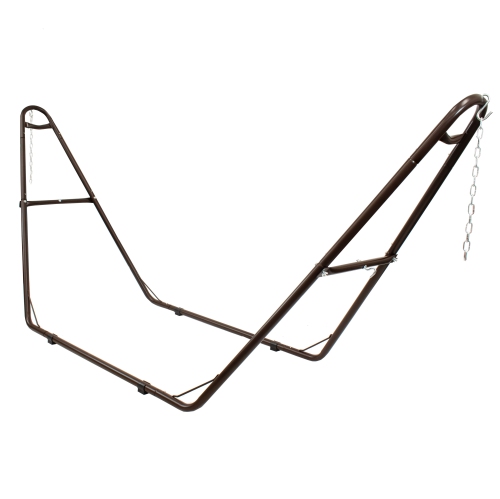 Your price for this item is $182.55
-
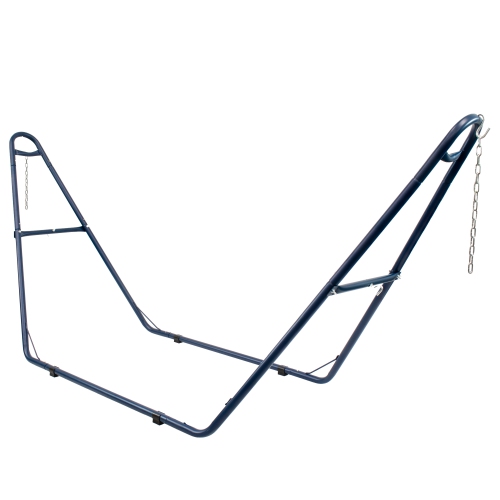 Your price for this item is $182.55
-
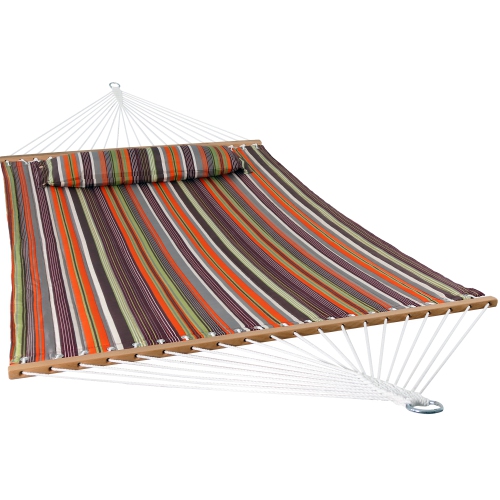 Your price for this item is $139.65
Discover more categories related to Cotton Hammock Chairs
Top Collections:
Best Black Friday Deals This Year, Best Black Friday Deals On Electronics, Kindle Devices, Dyson Airwrap, Best Cameras for Sports Photography, Best Budget Office Chairs, Canon G7X Cameras, PS5 Pro Consoles, Best Black Friday Deals On Apple Products, XBOX One S Consoles
Some products may be subject to Environmental Handling Fees
(EHF) depending on your province.
Learn more about EHFs.