Good Handbags
Elevate your style with our curated selection of good handbags, perfect for any occasion. Whether you're heading to the office, a casual outing, or an evening event, a quality handbag is an essential accessory that combines function with fashion. Our collection offers a variety of designs, colors, and materials to match your personal style and needs. Discover the perfect handbag that complements your wardrobe while providing the practicality you require for everyday use. Explore our diverse range and find the ideal piece to add to your collection today.
Sort


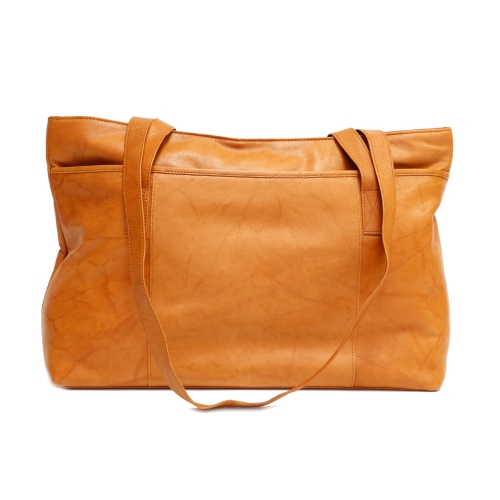
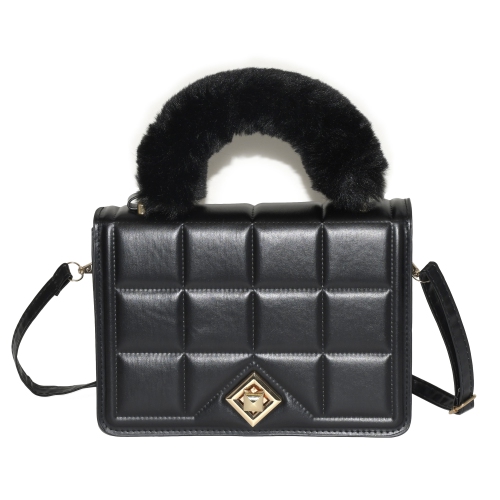


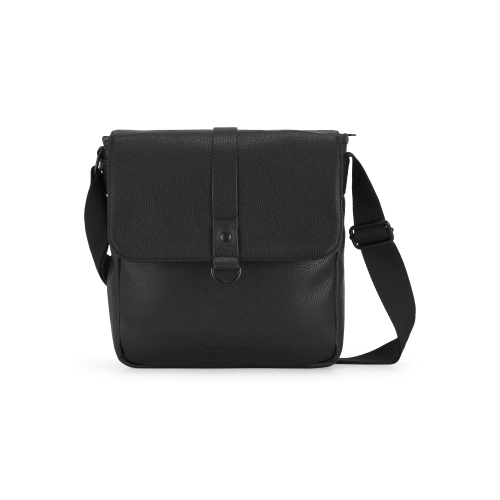
Why handbag comfort depends on more than size
Good handbags combine comfortable carrying, practical storage, and a shape that suits the way they will be used. A bag for commuting may need room for a wallet, phone, lunch container, and reading glasses, while one for dinner out may only need space for a few essentials. Crossbody handbags leave the hands free and keep belongings close, making them useful for errands, public transit, and sightseeing. Shoulder bags offer easy access without needing to remove a strap across the body, while totes provide a wider opening and flexible space for bulkier belongings. Structured satchels hold a defined shape and can move easily between a workplace and an evening gathering. Smaller top-handle bags and clutches suit occasions when carrying less is part of the plan. Capacity depends on more than the outside measurements: a narrow opening, thick lining, or divided interior can reduce the usable space inside. A phone should fit without forcing the closure, and a wallet should slide out without bringing everything else with it. For a work handbag, a dedicated padded compartment can help separate a tablet or laptop from keys and other hard objects, but device dimensions still need to match the compartment rather than just the bag’s overall width. Comfort matters just as much as capacity. A wider strap can distribute weight more comfortably, and an adjustable crossbody strap allows the bag to rest at a convenient height rather than bumping against the thigh. Handle drop, the space between the top of the bag and its handles, affects whether a handbag can sit comfortably on the shoulder or is better carried by hand. The bag’s empty weight also deserves attention, especially when the daily load includes a water bottle or electronics. A manageable size with useful compartments often feels more practical than a larger bag that encourages carrying things that rarely get used. Removable straps can add flexibility, allowing a single silhouette to be carried close to the body during a busy journey and by its handles at the destination.
Materials influence a handbag’s appearance, feel, weight, and care needs, but construction is equally important to how it performs over time. Leather handbags can develop a softer feel and a more individual appearance with use, although finishes vary considerably. Smooth leather tends to show scratches more readily, while a pebbled texture can make small surface marks less noticeable. Suede has a soft, textured finish that needs a different care routine from smooth leather. Faux leather offers a broad range of colours and surface effects; its resistance to peeling, cracking, and abrasion depends on the material and how the bag is made and maintained. Nylon is often lightweight and flexible, making it useful for a bag that will be carried for long stretches. Canvas provides a more textured, casual look, with structure varying according to the fabric’s weight and any backing or lining. No material name alone guarantees durability. Neat, even stitching, securely attached handles, and reinforcement around strap connections are useful construction details because these areas take repeated strain. Finished edges should feel smooth rather than sharp or rough, and the lining should sit neatly without catching in the zipper. Hardware also affects everyday handling. A zipper that moves smoothly around corners makes a bag easier to open, while a magnetic or flap closure may offer quicker access. An open tote is convenient for reaching frequently used belongings, but a secure main closure can be preferable in crowded spaces. Interior pockets give smaller objects a consistent place, reducing the familiar search for keys at the front door. A zipped pocket can keep loose essentials separate, while a slip pocket may provide easier access to a phone. Exterior pockets are useful when their size and closure suit what they will hold. The best arrangement is not necessarily the one with the most compartments; it is the layout that keeps belongings visible and accessible without making the interior too restrictive. A light-coloured lining can also make dark objects easier to spot at the bottom of a deeper bag.
Personal style gives a practical handbag its finishing touch. Black, brown, tan, and navy can work with a broad range of outfits, while a brighter colour can become a deliberate focal point against simple clothing. Hardware colour, strap width, stitching, and the amount of visible detailing all change the overall impression. A softly shaped shoulder bag feels different from a crisp, structured satchel even when both hold the same essentials. For those drawn to clean lines and understated details, Simple Handbags reflect an approach that places shape and everyday usefulness ahead of decorative extras. A handbag can also be a thoughtful gift when it reflects the recipient’s habits rather than just a favourite colour. Someone who prefers travelling light may appreciate a compact crossbody, while a person who carries a notebook, glasses case, and reusable shopping bag may find a roomier shape more useful. Strap adjustability, accessible closures, and the recipient’s usual way of carrying a bag can make the choice feel more personal. Once a handbag becomes part of a daily routine, a few care habits help preserve its shape and finish. Following the manufacturer’s care directions is important because treatments suitable for one material may damage another. Emptying out crumbs and loose debris prevents buildup in corners, and keeping pens capped helps protect the lining. Cosmetics and liquids are better contained in a separate pouch to reduce the chance of spills spreading through the interior. Overfilling can strain seams, distort closures, and place extra pressure on handle attachments. When stored, a handbag can be lightly filled with clean tissue to support its shape, with straps arranged so they do not press deep marks into the surface. A breathable storage cover helps keep dust off, and storage away from direct sunlight and heat helps protect finishes. Thoughtful care, comfortable proportions, and a layout that matches daily habits make a handbag easier to enjoy beyond a single outfit or occasion.
Top selling and popular products
-
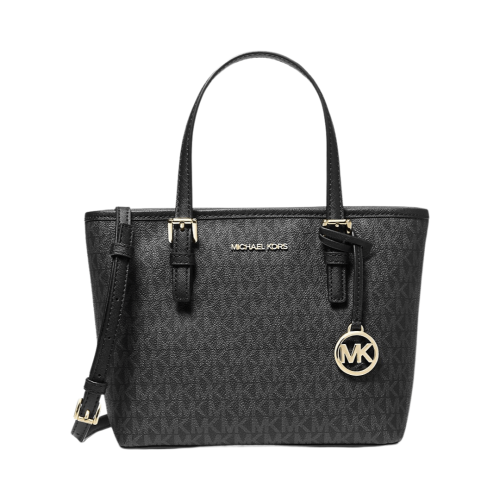 Your price for this item is $239
-
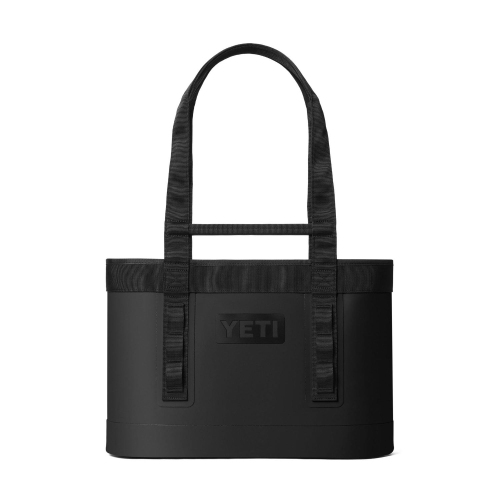 Your price for this item is $175.75
-
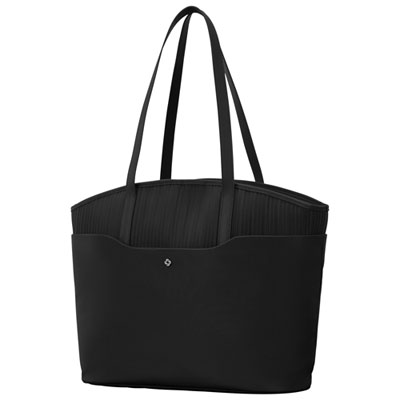 Your price for this item is $199.99
-
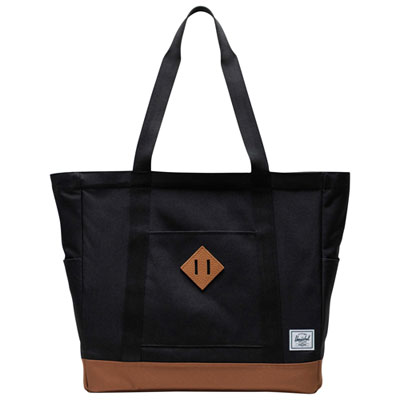 Your price for this item is $109.99
-
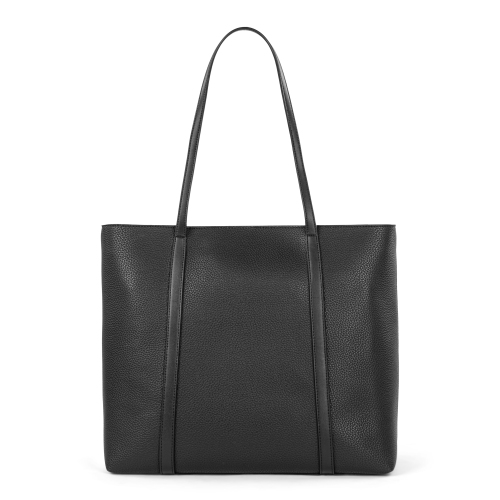 Your price for this item is $75
-
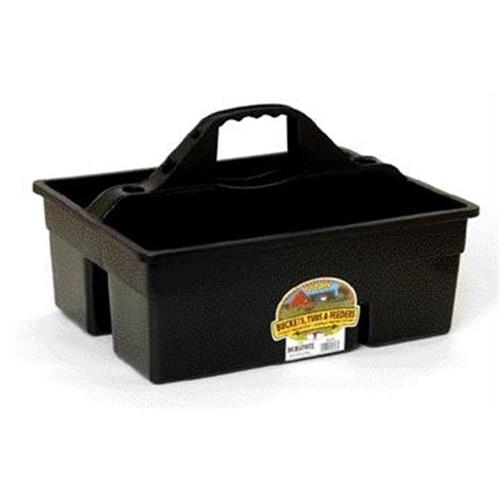 Your price for this item is $137.99
-
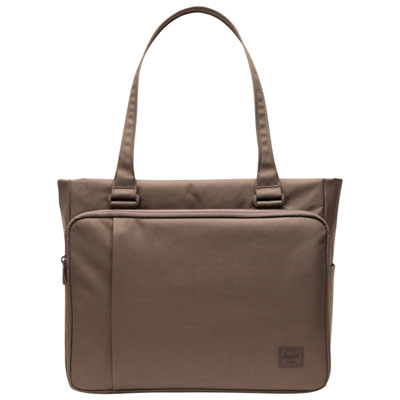 Your price for this item is $139.99
-
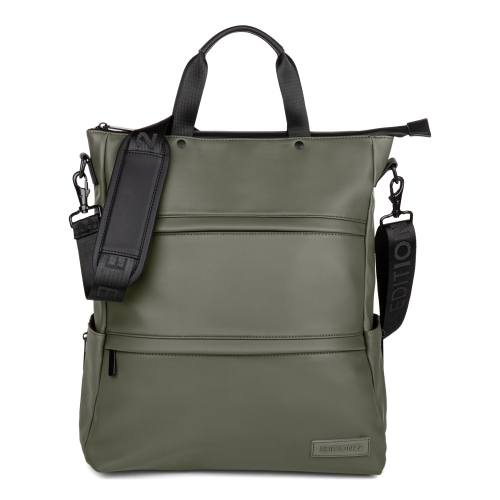 Your price for this item is $89.9
Discover more categories related to Good Handbags
Top Collections:
Best Black Friday Deals This Year, Best Black Friday Deals On Electronics, Kindle Devices, Pokemon Centers, Best Black Friday Deals On Apple Products, Best Cameras for Sports Photography, Dyson Airwrap, Pokémon 30th Celebration Cards, Apple iPhone 17 Pro, Canon G7X Cameras
Some products may be subject to Environmental Handling Fees
(EHF) depending on your province.
Learn more about EHFs.