Hang Bars

Find a hang bar for pull-ups, dead hangs and upper-body workouts at home. Compare bars by mounting requirements, dimensions and weight capacity to choose an option that fits your space and training needs.
Read More

Sort

Small-space strength training starts with the right fit

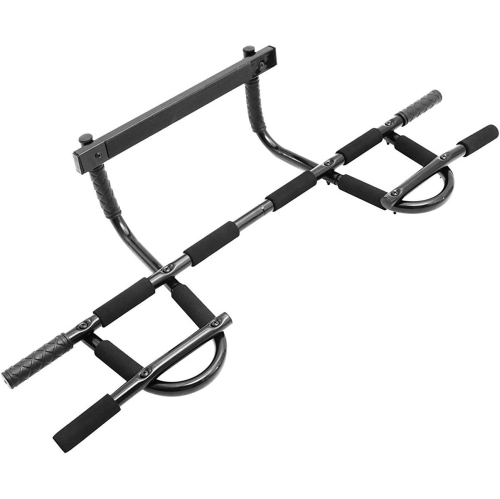
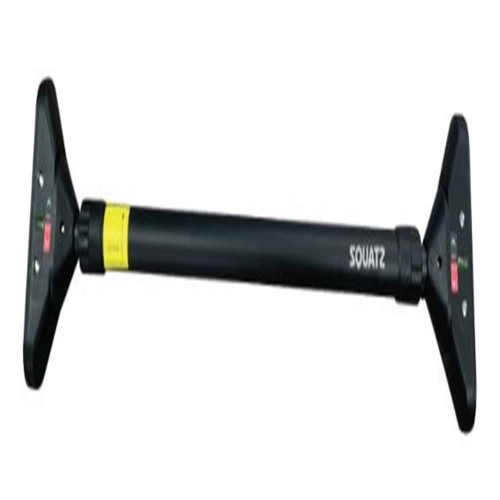
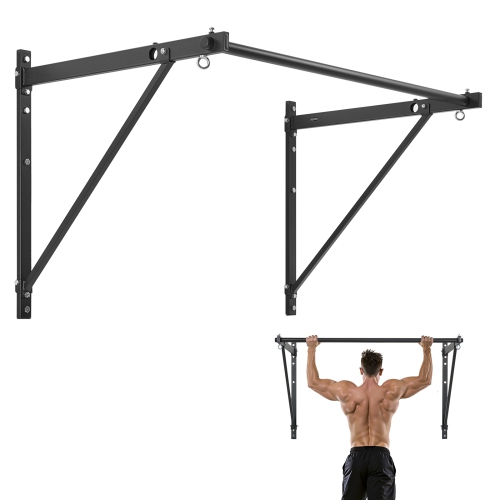
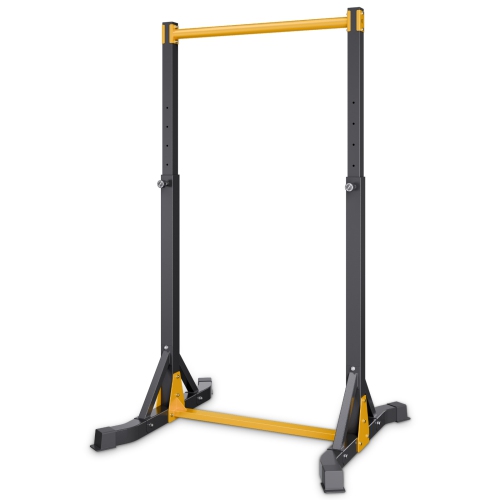
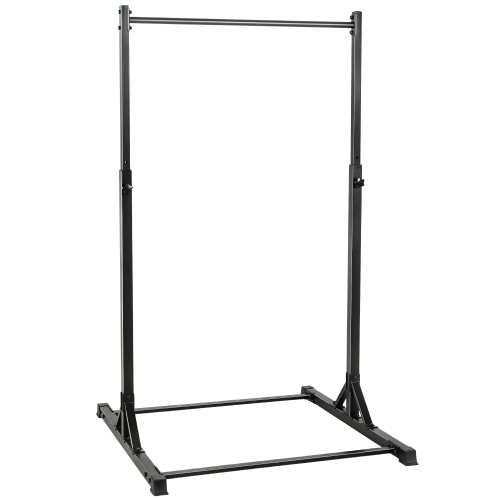
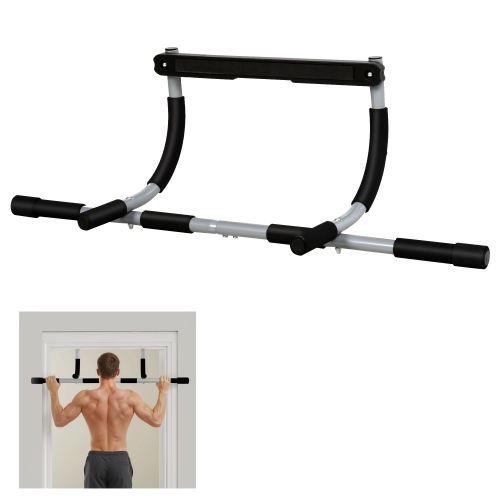
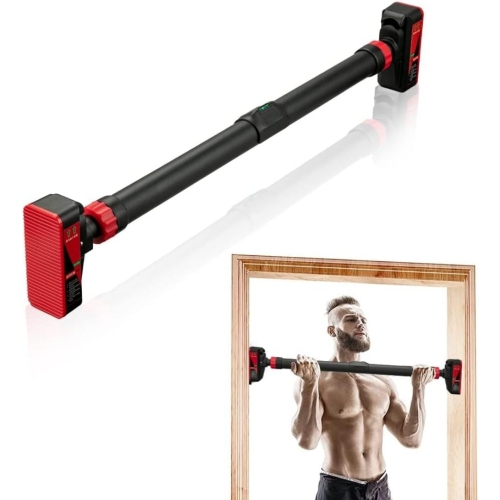
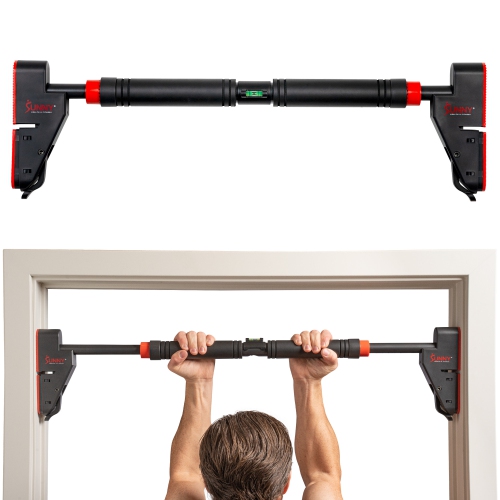
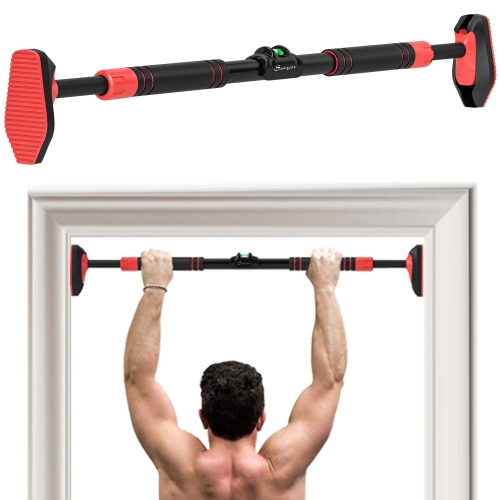
Hang bars are horizontal fitness bars used for dead hangs, pull-ups, chin-ups, and other bodyweight exercises. They provide a fixed handhold for grip work and upper-body training without the footprint of several separate exercise machines. A dead hang involves holding the bar with the arms extended and the feet clear of the floor, while a feet-supported hang allows some body weight to remain through the legs. Pull-ups and chin-ups add movement, engaging the back and arm muscles as the body rises toward the bar. Different designs suit different spaces: doorway hang bars use a compatible door opening, wall-mounted bars attach to an appropriate structural surface, and ceiling-mounted bars fasten to suitable overhead supports. Freestanding frames offer another arrangement, although their bases need dedicated floor space. These differences matter in a compact exercise area where a bar might share space with a mat, a bench, or a storage cabinet. Doorway designs may use leverage over the frame or an adjustable tension mechanism, and some require brackets or other hardware. A removable design is not automatically compatible with every doorway, particularly one with shallow trim, unusual dimensions, or a nearby wall that restricts the handles. Wall and ceiling installations can leave the floor beneath the bar open, but their suitability depends on the structure behind the mounting points as well as the hardware. A stated weight capacity applies only under the manufacturer’s specified installation and use conditions; it does not make an unsuitable door frame or mounting surface safe. Clearance above, below, and around the bar also shapes how comfortably it can be used. There needs to be room for the intended grip, for the head to move during a pull-up, and for a controlled return to the floor. These practical details help distinguish a useful home training station from a bar that fits the opening but feels cramped during exercise.

Materials and construction affect how a hang bar feels in the hands and how well it stands up to repeated use. Steel tubing is common because it provides rigidity, while some designs use aluminium components to reduce weight. Tube dimensions, joints, welds, mounting plates, and fasteners all contribute to the finished structure, so material alone does not establish strength or load capacity. A powder-coated finish can protect exposed metal during normal indoor use, although chips, worn areas, and moisture still deserve attention. Grip surfaces vary from bare or textured metal to foam and rubber coverings. Foam can feel more cushioned against the palms, while textured metal offers a firmer contact surface that may feel abrasive during longer holds. Rubber grips can provide cushioning and traction, but their condition matters: a loose sleeve or worn surface can change how securely the hands meet the bar. Bar diameter is another useful consideration, especially for smaller hands. A thicker grip generally places greater demands on the fingers and forearms, whereas a slimmer grip may be easier to wrap the hands around. Straight bars allow hand placement along their usable length, while angled or parallel handles offer different wrist positions. Parallel handles support a neutral grip, with the palms facing each other, which some people find more comfortable than an overhand or underhand position. Overall width should suit the available space and the user’s reach rather than simply offering the widest possible hand position. For shared household equipment, accessible grip positions and clear adjustment markings can make changing between users less awkward. Care is usually straightforward: follow the specified cleaning method, remove sweat after use, and keep grip surfaces free of slippery residues. Foam coverings should not remain soaked, and metal components should be dried after cleaning. Periodic checks for movement, loose fasteners, damaged grips, or changes around the mounting points are part of maintaining equipment that repeatedly carries body weight. Visible bending, cracking, or unexpected shifting calls for stopping use until the cause has been addressed.

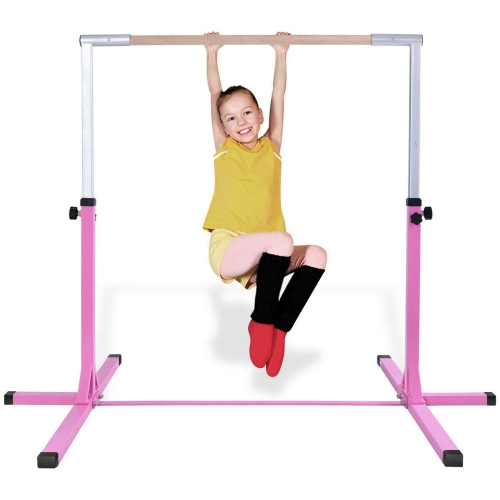
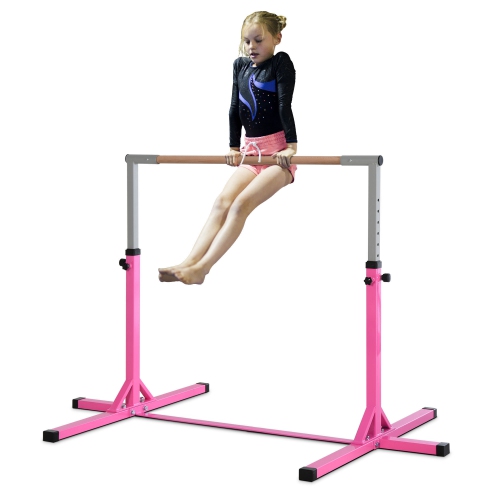
The intended exercises are just as important as the mounting style. Someone beginning bodyweight training may value an accessible height and enough space for feet-supported holds, while an experienced exerciser may prefer multiple grip positions for a varied pull-up routine. Climbers and racquet-sport players may include hanging exercises in broader grip training, and home fitness users may appreciate having a dedicated place for controlled repetitions between other exercises. Progress depends on appropriate loading and consistent practice, not simply spending longer suspended from the bar. Hanging places substantial demands on the hands, elbows, and shoulders, so it is not comfortable or suitable for everyone. People with pain, a recent injury, or uncertainty about overhead exercise can seek advice from a qualified health professional before adding it to their routine. A bar’s compact appearance can also hide important limits on how it is meant to be used. Controlled hangs and pull-ups create different forces from swinging, kipping, or dropping suddenly into a hang, and those movements should not be treated as interchangeable. Resistance bands, suspension straps, and other attachments are suitable only when the bar and attachment are expressly designed for that combination. Added accessories or weights also affect the total load. Families comparing hang bars with Gymnastics Bars should distinguish between equipment intended for controlled fitness exercises and equipment designed for particular gymnastics skills. An adult exercise bar is not automatically suitable for a child’s swinging or inverted play, and age limits, supervision requirements, stability, and intended movements remain important. As a gift, a hang bar is most practical when the recipient’s training interests, installation permissions, doorway measurements, and available space are already known. For everyday use, the strongest match is equipment that suits both the person and the room: a comfortable grip, an appropriate load rating, a compatible mounting arrangement, and enough clear space to move without brushing a wall or landing among nearby furniture.
Read More

FAQ

Some products may be subject to Environmental Handling Fees (EHF) depending on your province. Learn more about EHFs.