Bluetooth Sports Headphones
Looking for the perfect pair of headphones to enhance your workout experience? Look no further than our selection of Bluetooth sports headphones. Designed with active individuals in mind, these wireless headphones offer the ultimate convenience and freedom during your exercise routines. Whether you're hitting the gym, going for a run, or practicing yoga, our Bluetooth sports headphones provide crystal-clear sound quality and a secure fit, allowing you to focus on your fitness goals without any distractions.
Sort
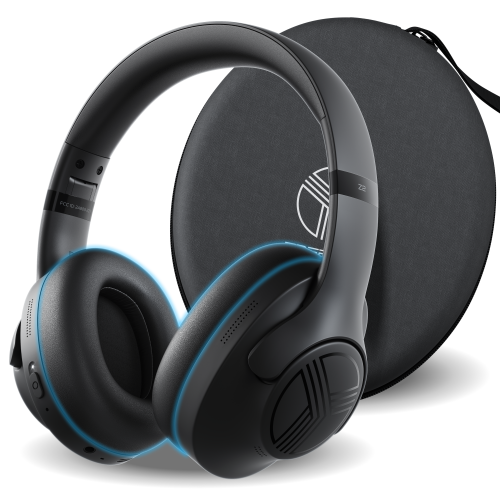

![HLD Wireless Bluetooth Headphones Over-Ear, [40H Playtime, Bluetooth 5.0] Foldable Stereo Wireless/wired Headphone Over Ear w Mic Deep Bass Headset](https://multimedia.bbycastatic.ca/multimedia/products/500x500/154/15462/15462444.jpeg)
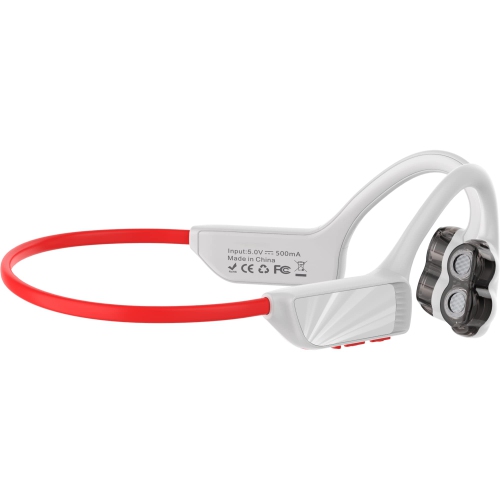

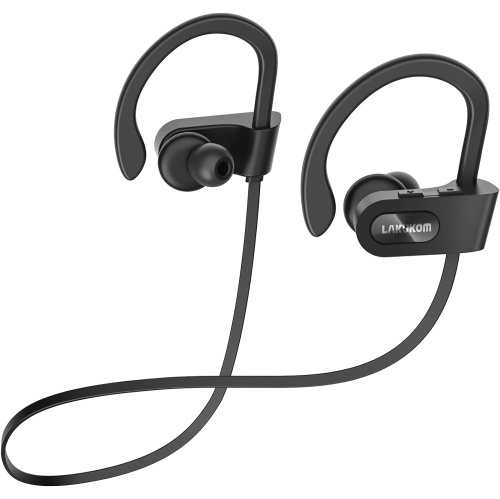
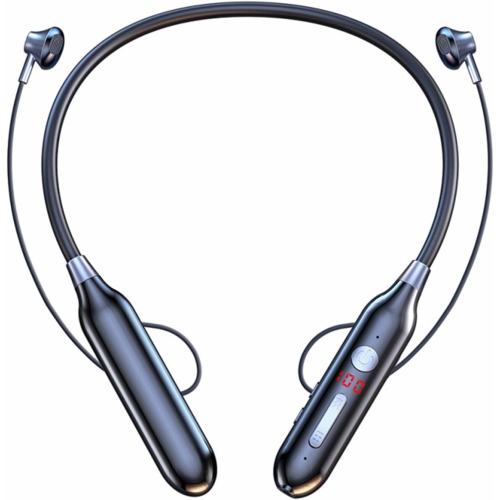
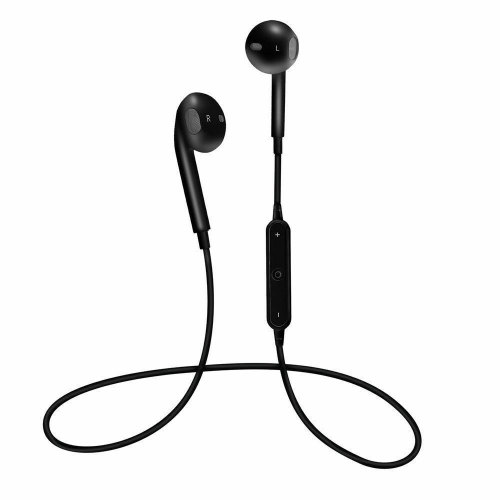







Why fit matters when your workout picks up pace
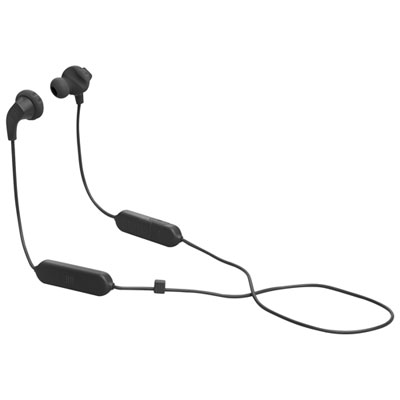
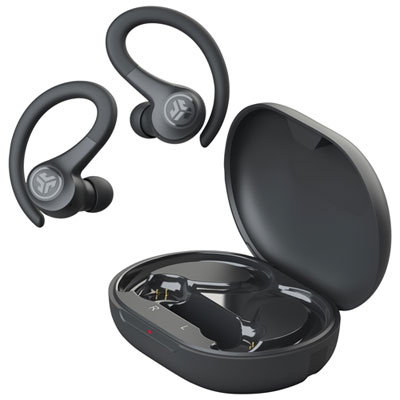
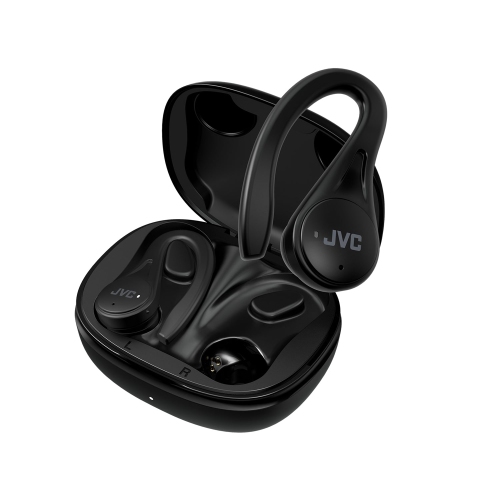
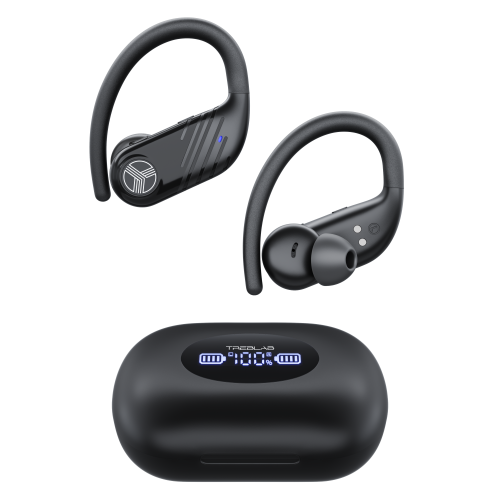
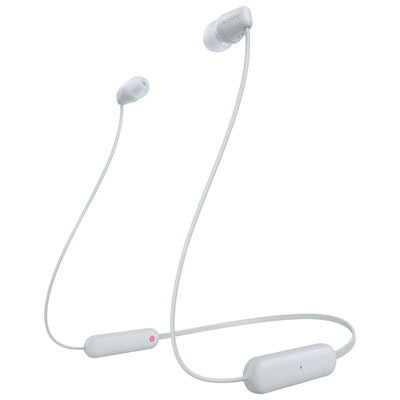
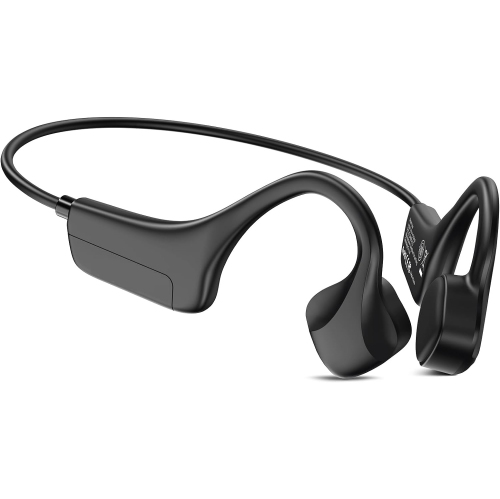
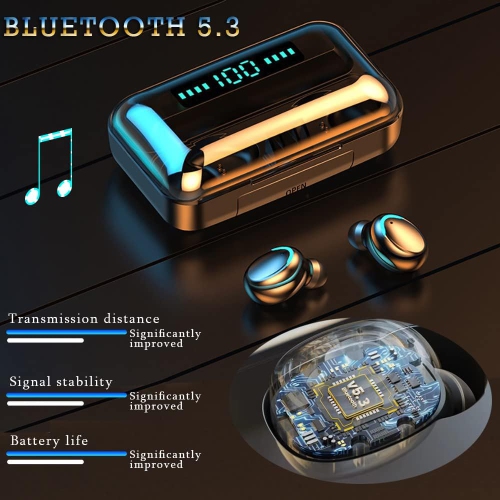
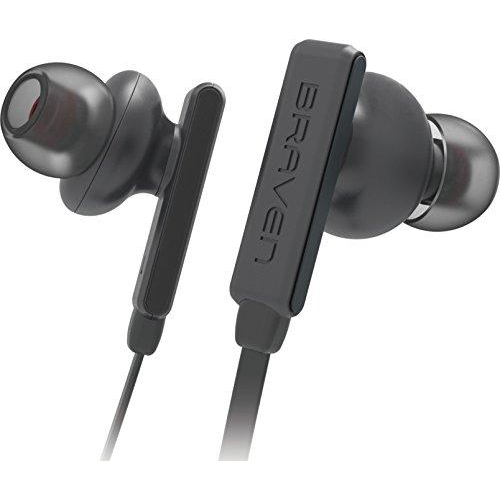
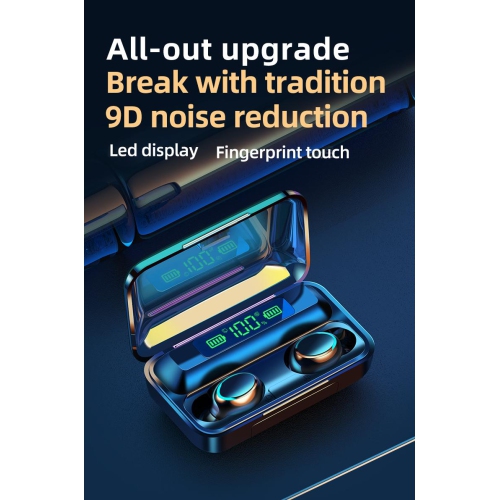
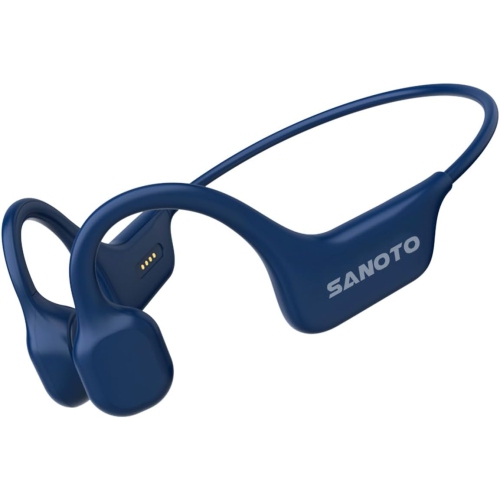
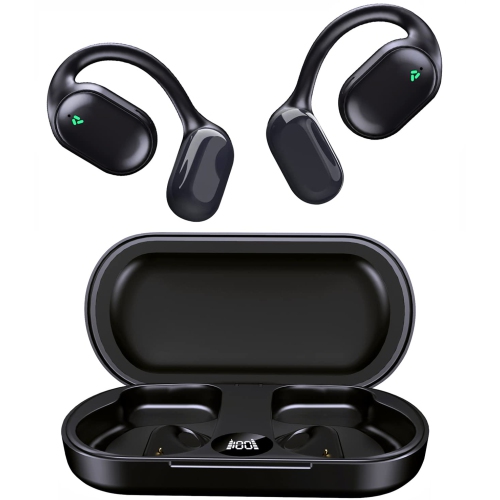
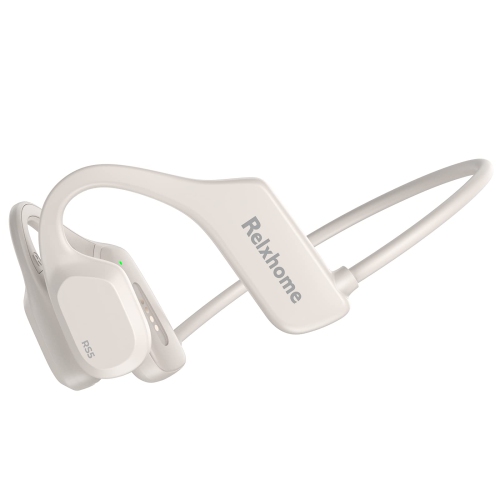
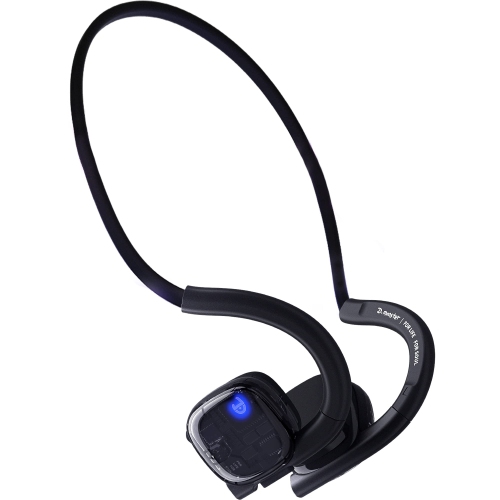
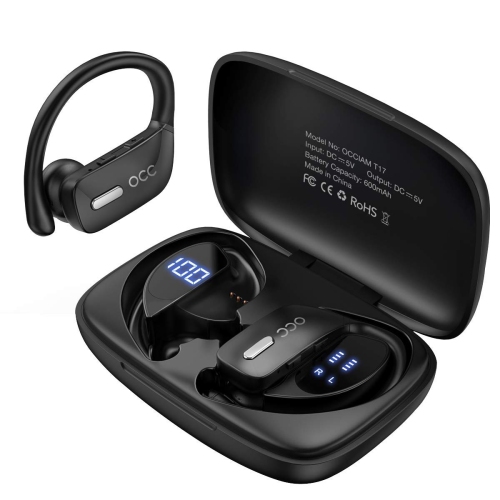
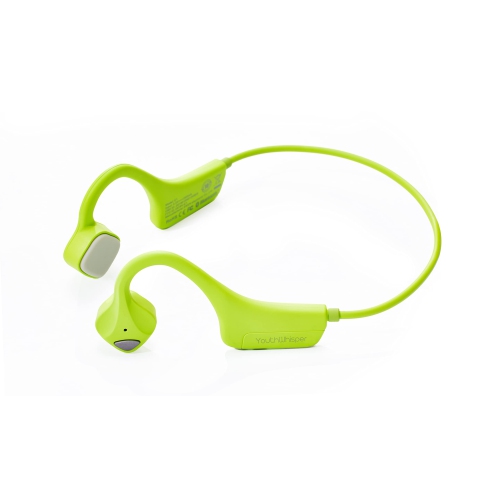
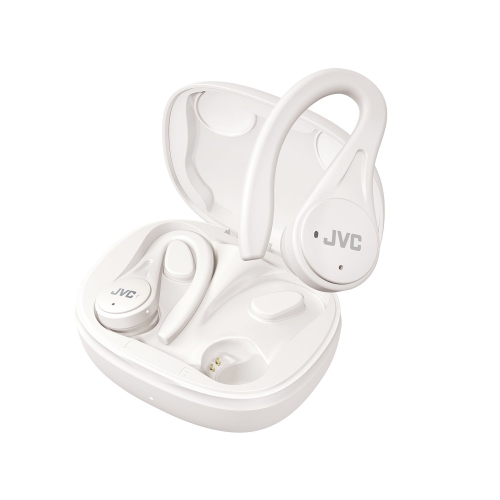
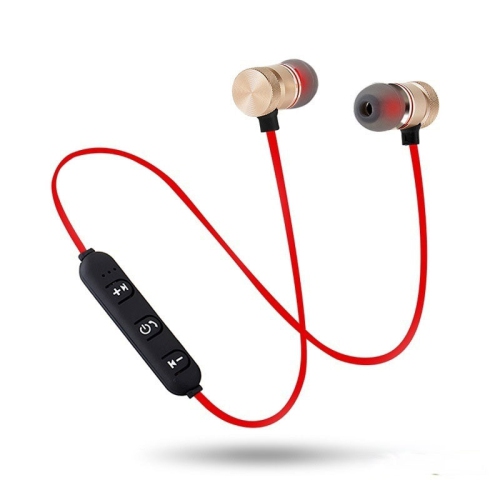
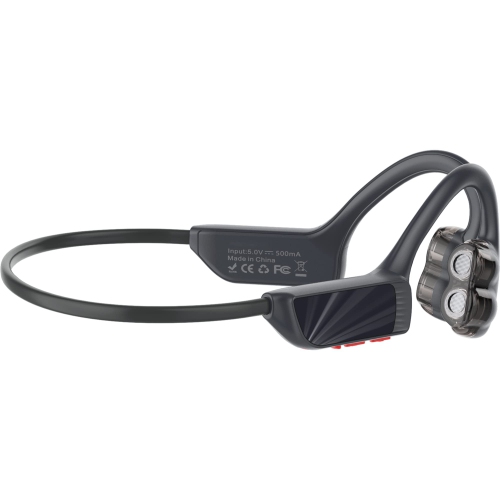
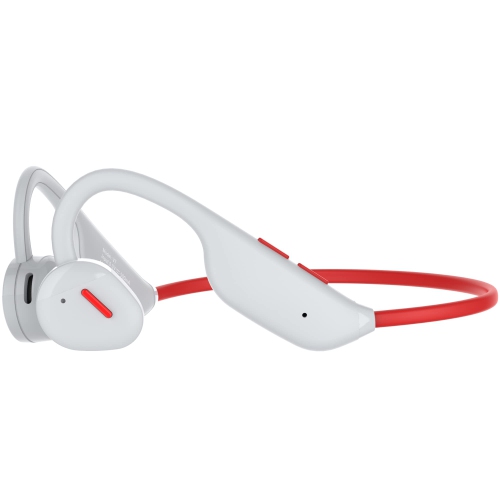
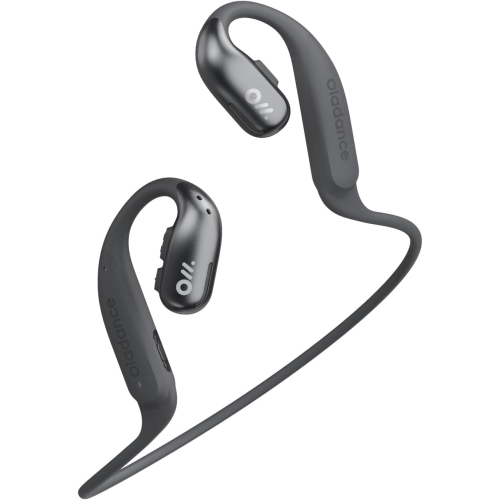
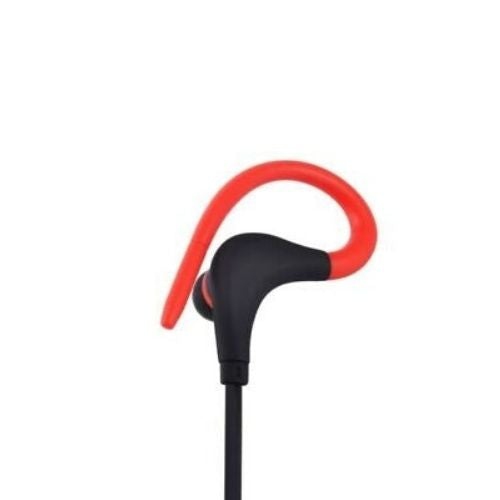
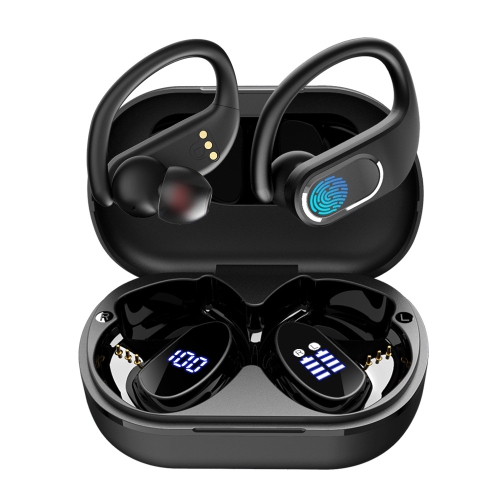
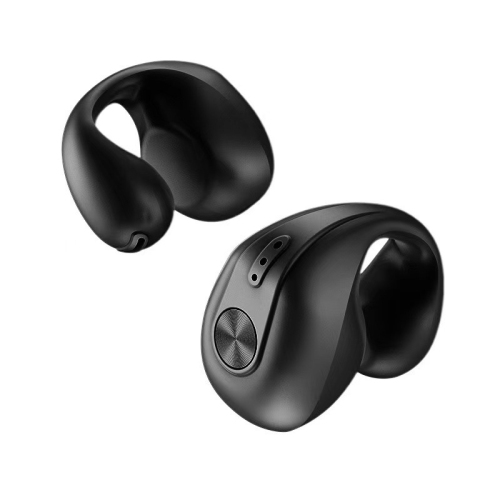
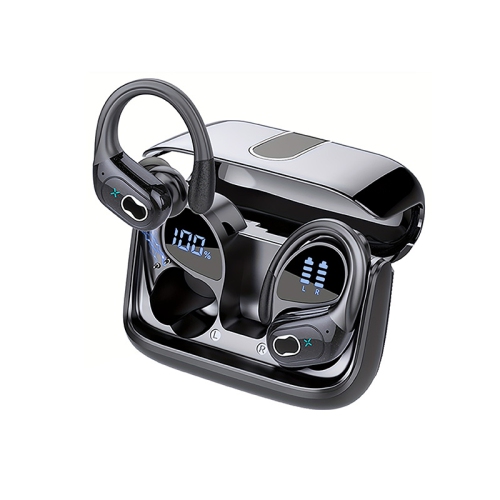
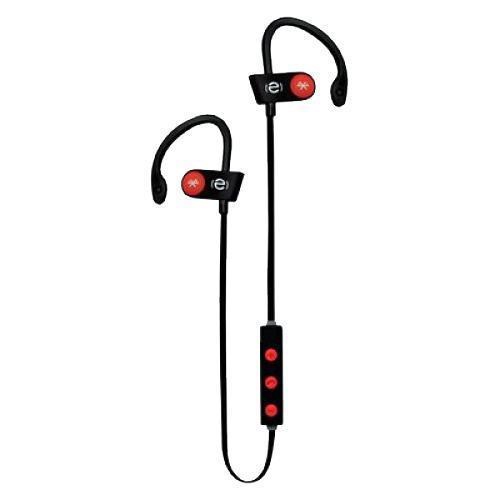
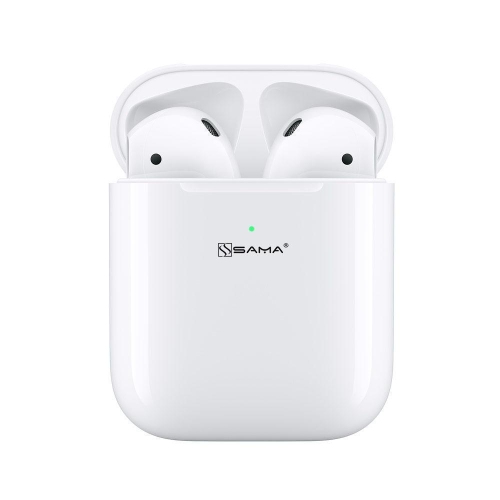
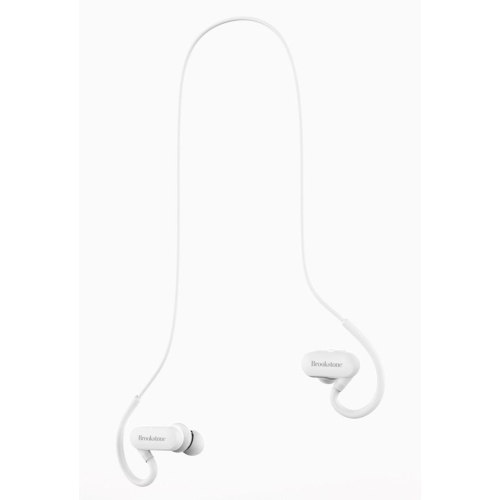
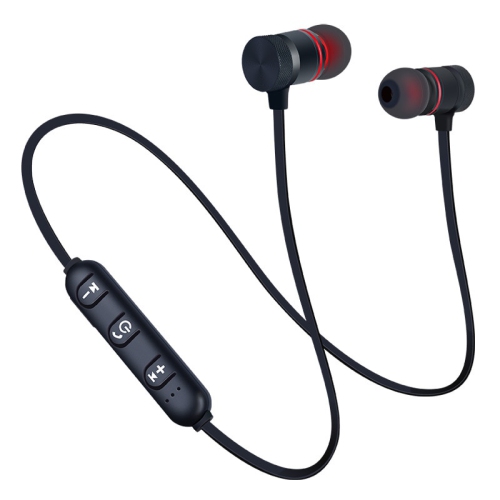
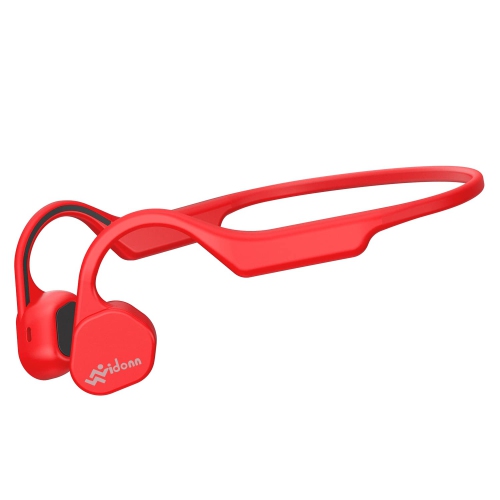
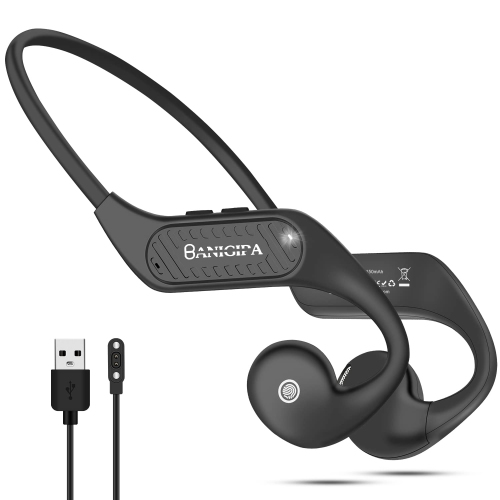
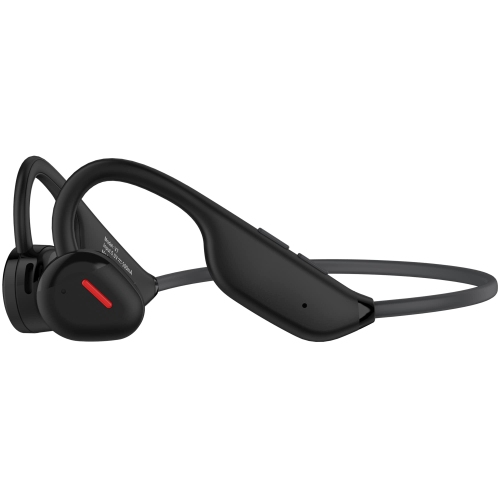
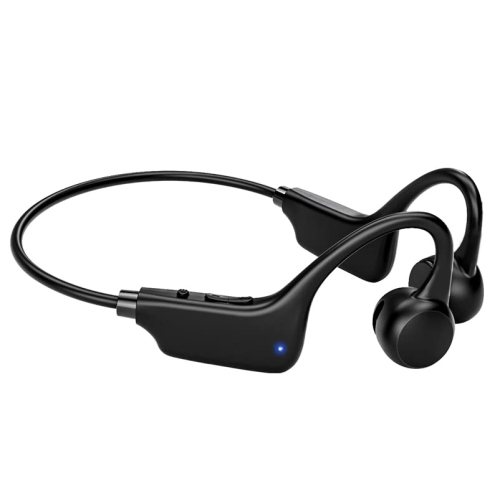
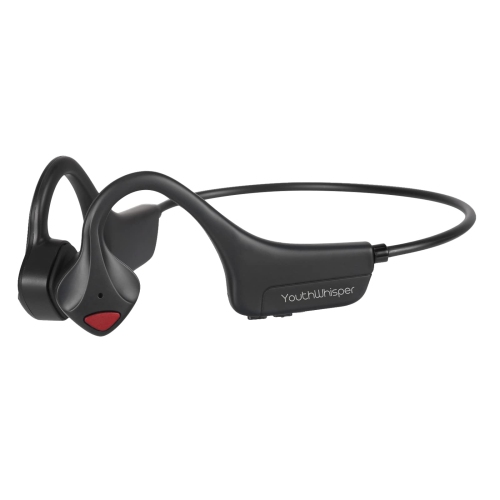
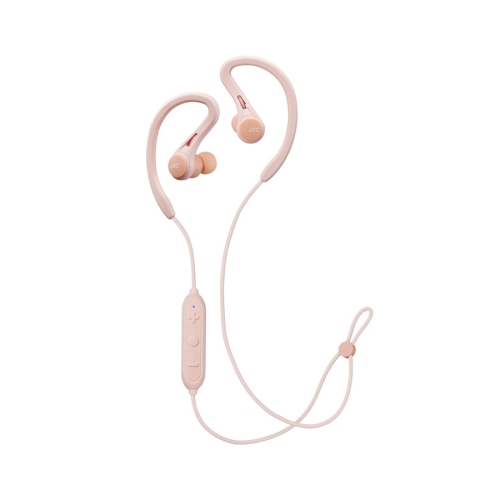
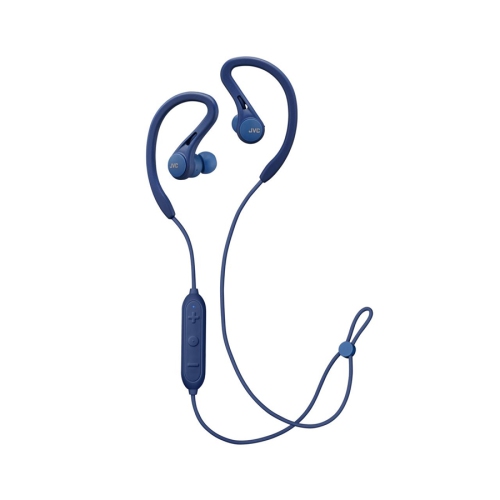
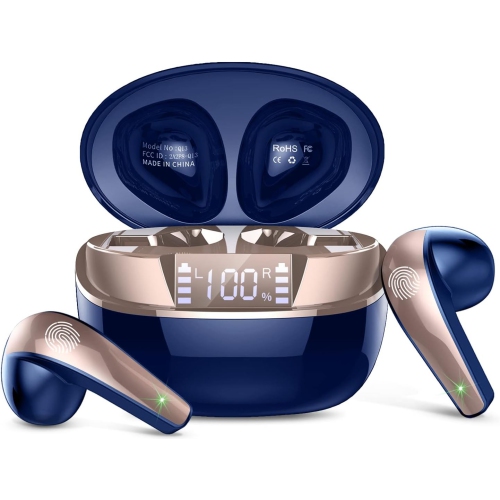
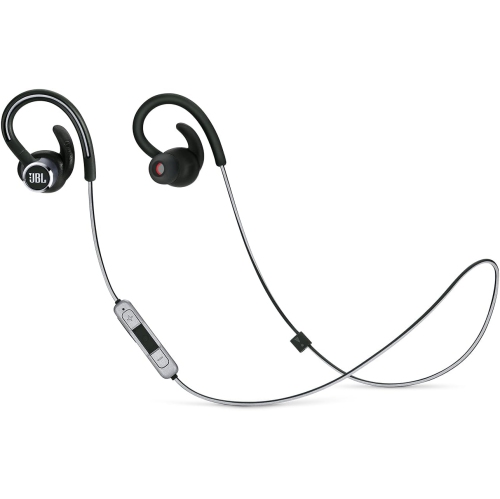
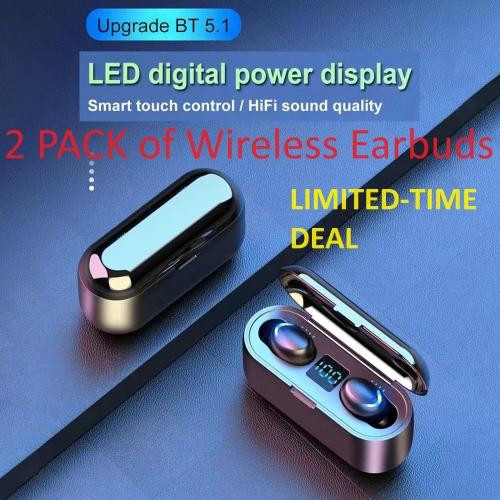
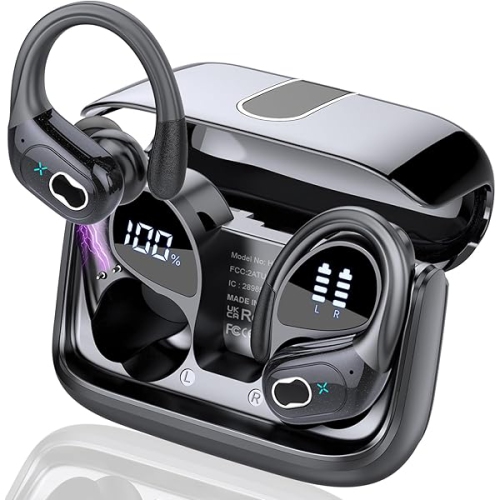
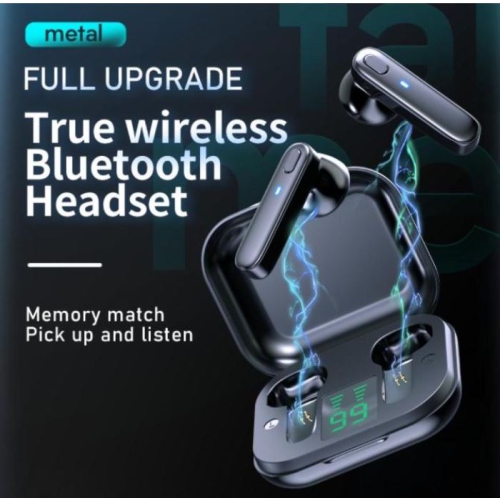
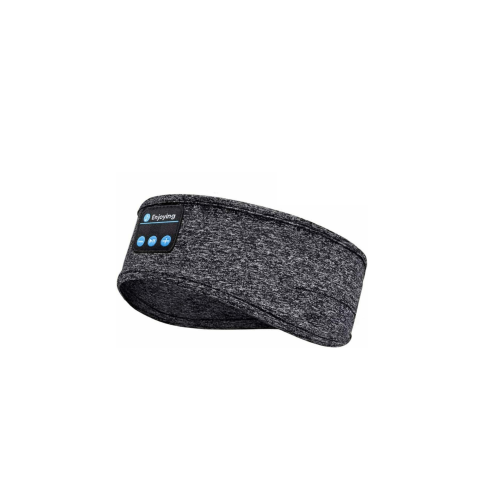
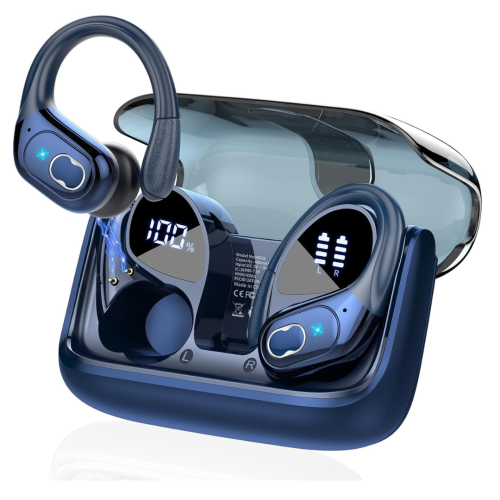
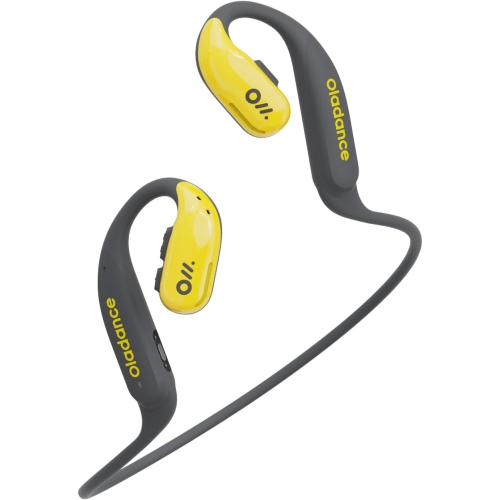
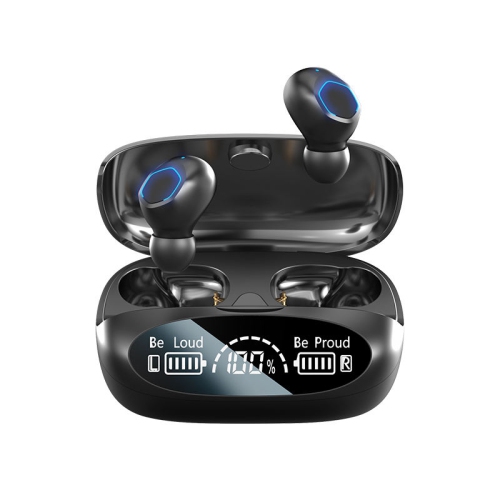
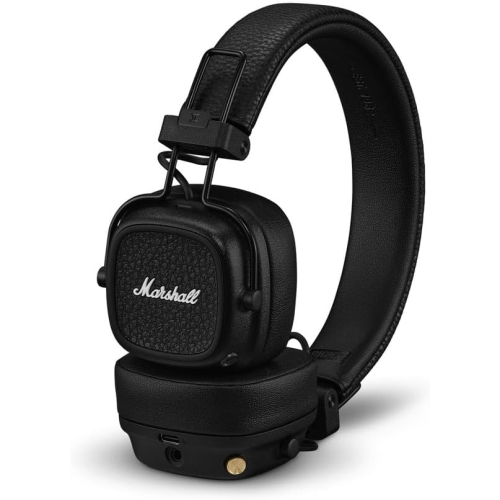
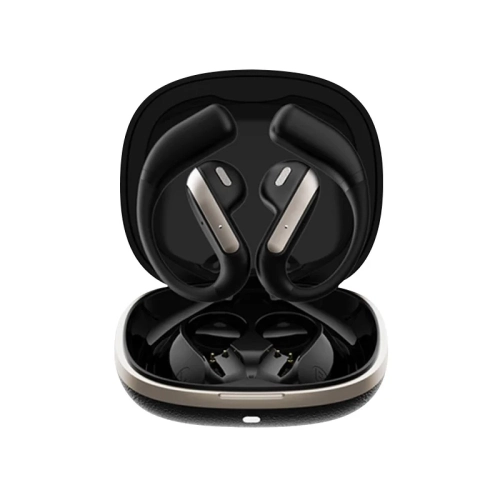
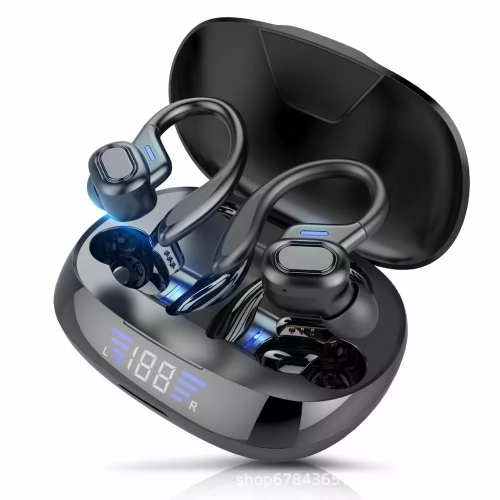
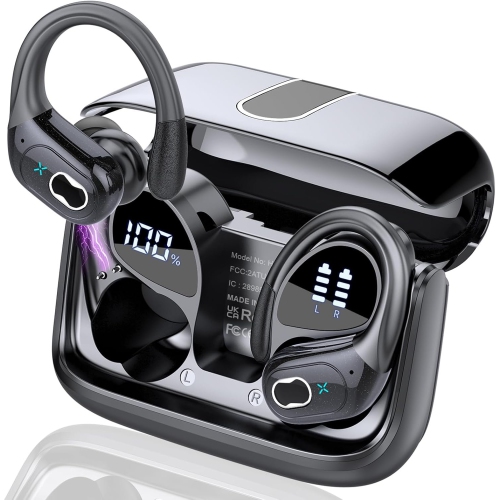
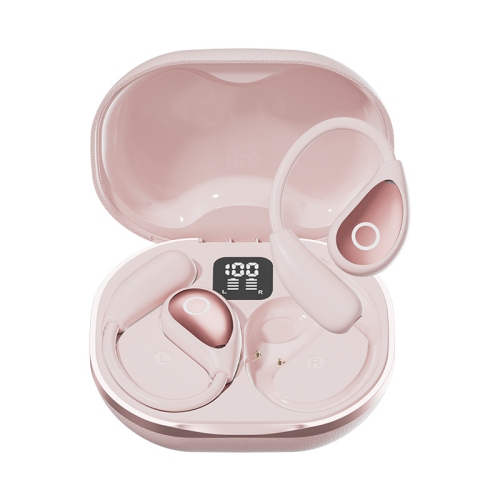
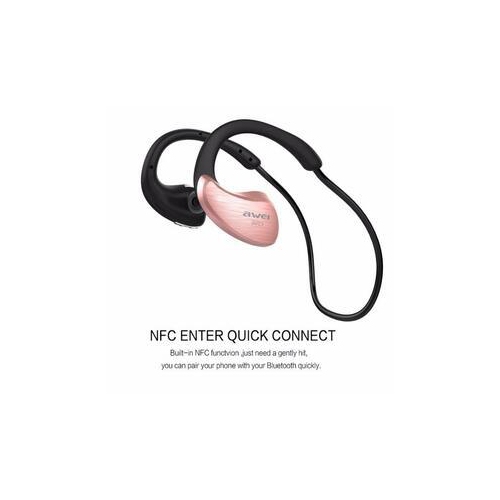
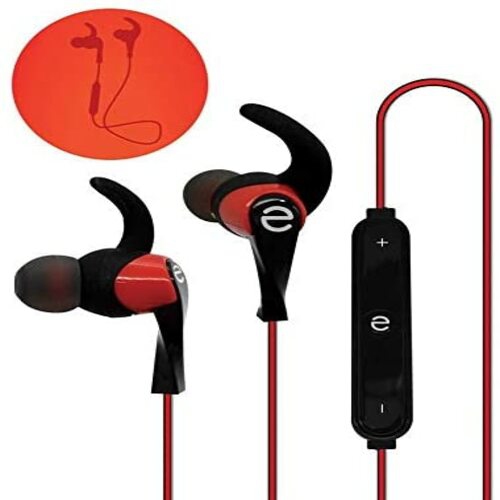
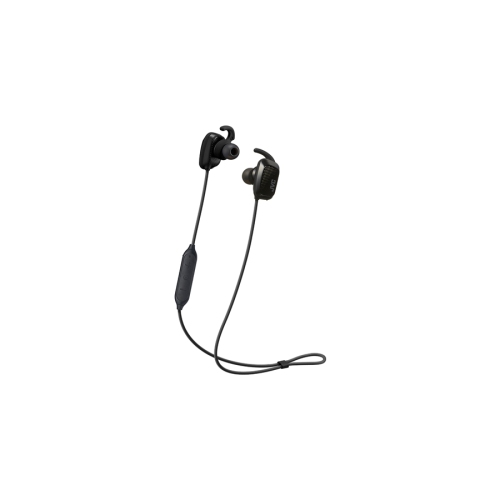
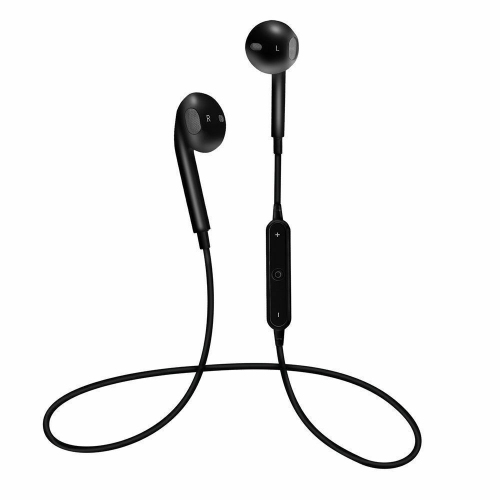
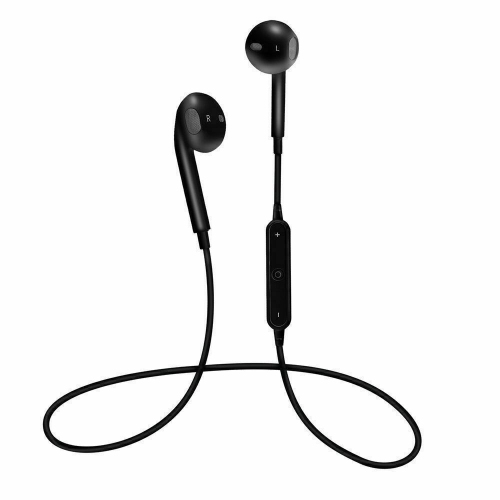
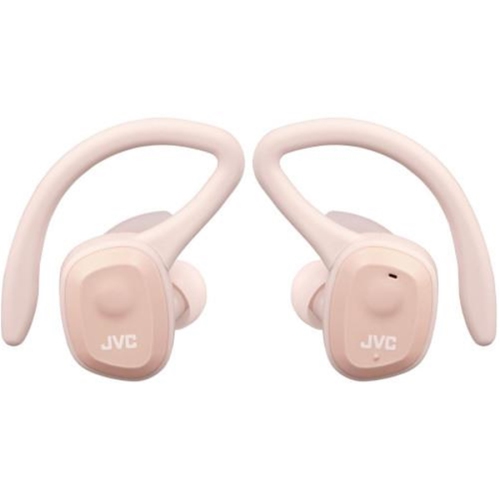
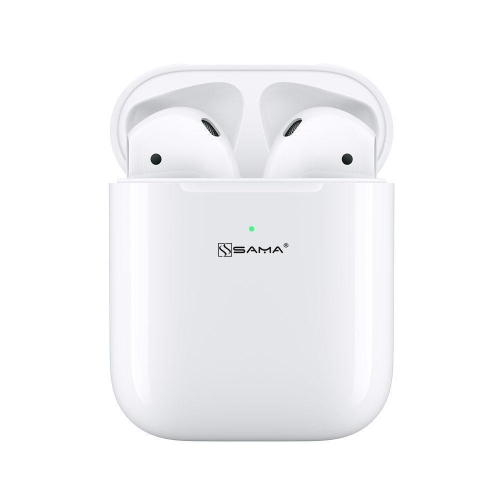
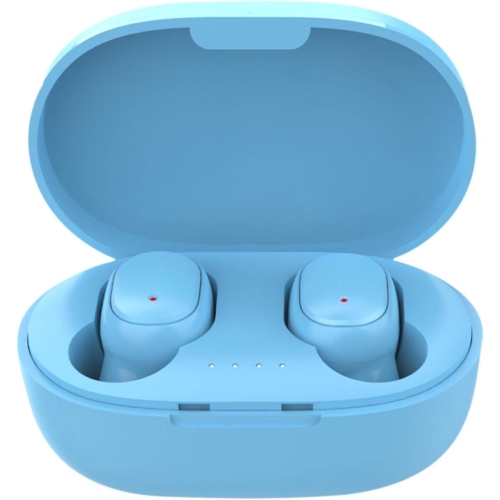
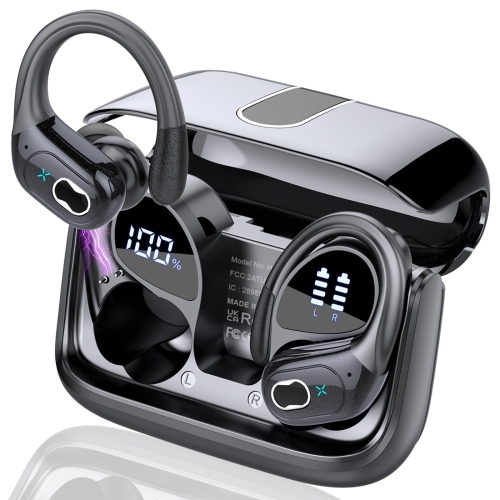
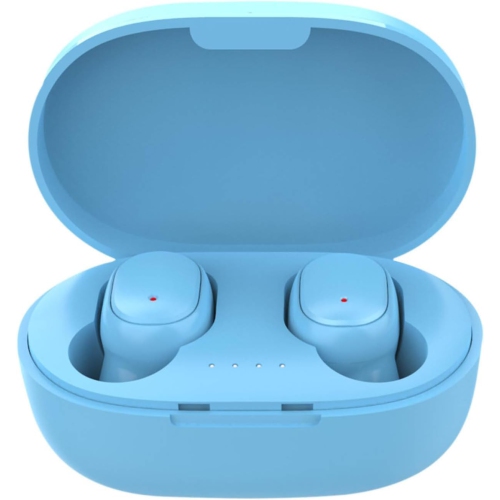
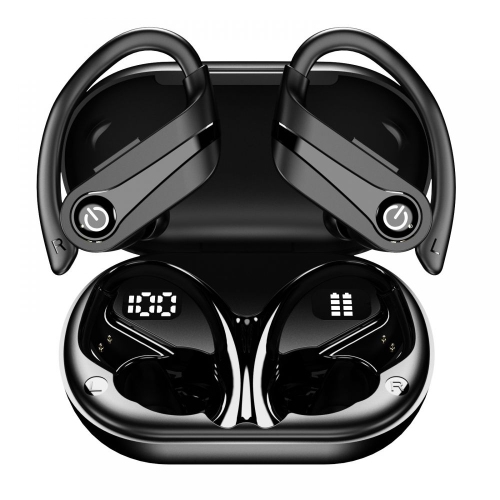
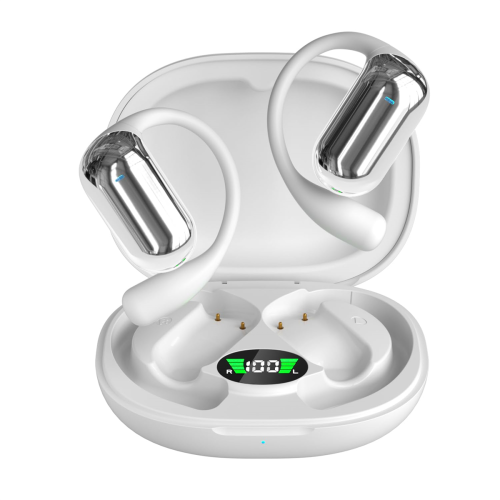
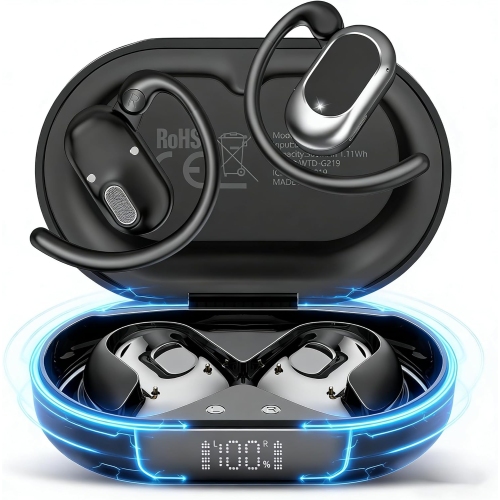
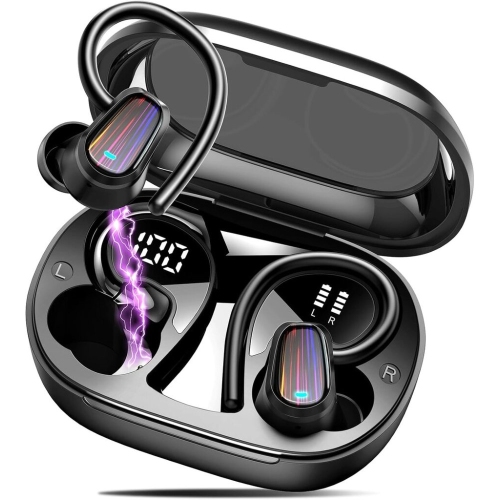
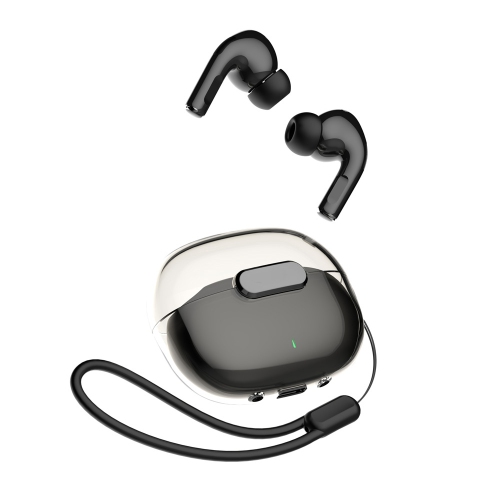
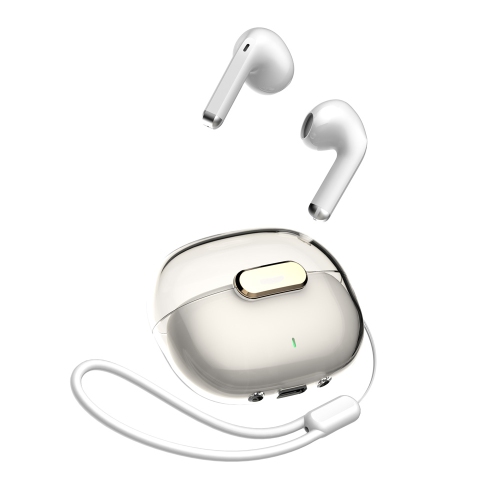
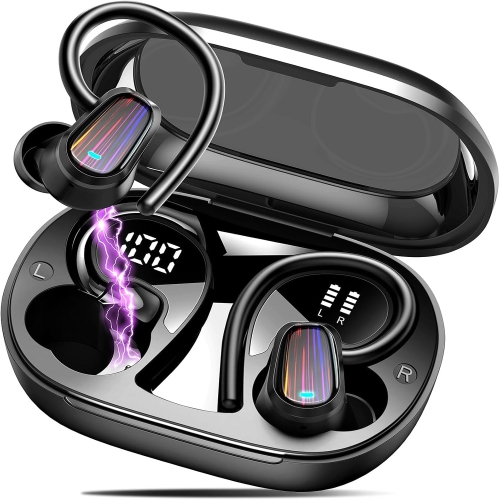
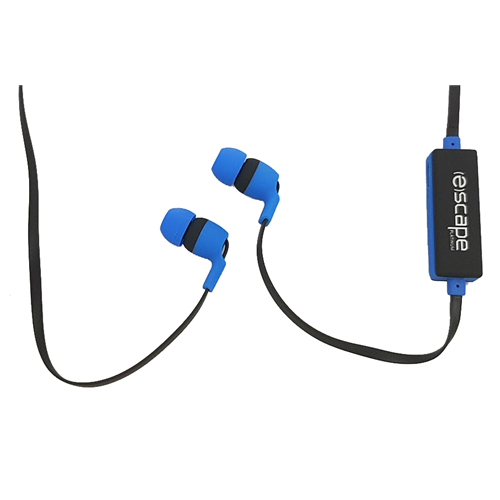
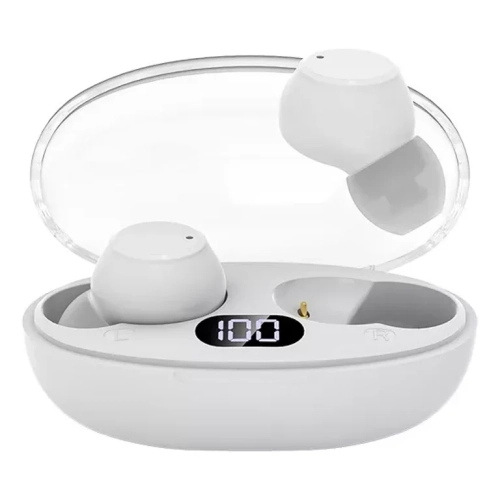
Bluetooth sports headphones are designed for movement, making them a practical choice for runners, gym-goers, cyclists, hikers, commuters, and anyone who prefers music without a cable getting in the way. Unlike standard wireless headphones, sports-focused designs often include earhooks, wing tips, flexible fins, or shaped eartips to help keep each earbud in place while you walk, stretch, lift, or pick up the pace. A secure fit can make a noticeable difference during exercise: instead of reaching up to adjust an earbud every few minutes, you can stay focused on your route, your set, or the rhythm of your playlist. Many models use true wireless earbuds that sit independently in each ear, while others have a connecting band or a more open design that lets you stay aware of your surroundings. When comparing Bluetooth sports headphones, think about the activity you do most often. A casual walker may value a lightweight fit and simple controls, while a trail runner may prioritize stability, weather resistance, awareness features, and a case that can handle being carried in a pocket or gym bag. For those who prefer a smaller, less noticeable style, browsing Small Bluetooth Headphones can also help you find compact options suited to everyday listening.
Fit is one of the most important considerations because even impressive sound quality is less useful if the headphones shift during movement. Earhooks wrap gently around the outer ear and can provide extra confidence for running, interval training, and higher-impact workouts. Wing tips or flexible fins press lightly into the natural folds of the ear, helping the earbuds remain stable without requiring a bulky shape. Some designs include several sizes of eartips, so it is worth trying each one to find a comfortable seal; the right size should feel secure without creating pressure or blocking out too much ambient sound. A good fit can also improve bass response and reduce the need to increase the volume in noisy spaces. For outdoor exercise, consider headphones with transparency, ambient, or awareness modes. These features use built-in microphones to bring in surrounding sound, which can make it easier to hear a passing cyclist, a conversation, a transit announcement, or nearby traffic without removing the earbuds. They are especially useful when running or walking near roads, although awareness features should complement, not replace, careful attention to your surroundings. Controls are another detail that becomes important once your hands are occupied. Physical buttons may be easier to operate with damp fingers or gloves, while touch controls can offer a clean, streamlined design. Look for controls that allow you to adjust volume, pause audio, skip tracks, answer calls, or switch listening modes without reaching for your phone. Built-in microphones can support hands-free calls, though call clarity may vary in windy parks, busy streets, or crowded fitness areas.
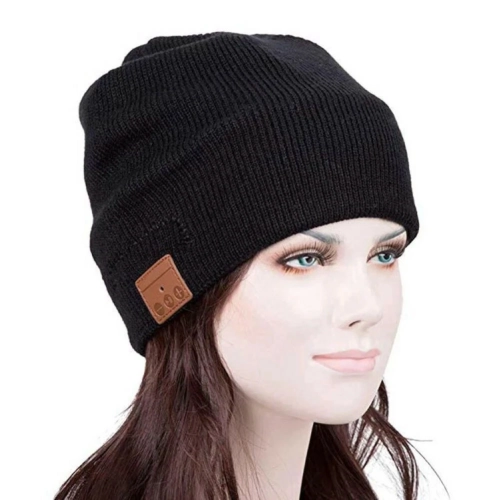
Exercise can expose headphones to sweat, rain, dust, and the occasional hurried drop beside a water bottle, so durability deserves close attention. An IP rating indicates the level of protection against dust and water, but the individual digits have different meanings. Ratings such as IP55 generally indicate protection from dust and water jets, while higher ratings such as IP67 or IP68 offer stronger protection against dust and temporary immersion, depending on the manufacturer’s specifications. Water resistance does not always mean the charging case has the same protection as the earbuds, and headphones should not be submerged unless the instructions specifically allow it. After a sweaty workout or rainy walk, wipe the earbuds gently and let them dry before placing them in the case. Battery life also affects how convenient a pair will be over time. Many sports earbuds provide roughly 7 to 12 hours of listening per charge, with the charging case extending total play time to 30 hours or more. If you train for long periods, travel frequently, or dislike charging devices between uses, compare both the single-charge figure and the combined case capacity. A quick-charge feature can be useful when you realize your battery is low before heading out, while a USB-C charging connection may fit easily into a bag that already carries other electronics. Bluetooth range, pairing speed, compatibility with your phone, and the ability to use either earbud independently are additional details that can improve everyday use. Bluetooth sports headphones can make a thoughtful gift for someone preparing for a race, joining a new fitness class, commuting by bike, or simply building a more enjoyable walking routine. They can also suit a student, frequent traveller, or busy parent who wants dependable audio that stays comfortable during a full day of movement. As the weather warms, they can accompany morning runs and outdoor workouts; during the cooler months, a secure design that works comfortably beneath a toque or alongside a jacket can keep podcasts, calls, and music within easy reach. When choosing, balance the fit, durability, battery life, sound preferences, controls, and awareness features against the recipient’s routine so the headphones feel useful well beyond the first workout.
Fit is one of the most important considerations because even impressive sound quality is less useful if the headphones shift during movement. Earhooks wrap gently around the outer ear and can provide extra confidence for running, interval training, and higher-impact workouts. Wing tips or flexible fins press lightly into the natural folds of the ear, helping the earbuds remain stable without requiring a bulky shape. Some designs include several sizes of eartips, so it is worth trying each one to find a comfortable seal; the right size should feel secure without creating pressure or blocking out too much ambient sound. A good fit can also improve bass response and reduce the need to increase the volume in noisy spaces. For outdoor exercise, consider headphones with transparency, ambient, or awareness modes. These features use built-in microphones to bring in surrounding sound, which can make it easier to hear a passing cyclist, a conversation, a transit announcement, or nearby traffic without removing the earbuds. They are especially useful when running or walking near roads, although awareness features should complement, not replace, careful attention to your surroundings. Controls are another detail that becomes important once your hands are occupied. Physical buttons may be easier to operate with damp fingers or gloves, while touch controls can offer a clean, streamlined design. Look for controls that allow you to adjust volume, pause audio, skip tracks, answer calls, or switch listening modes without reaching for your phone. Built-in microphones can support hands-free calls, though call clarity may vary in windy parks, busy streets, or crowded fitness areas.
Exercise can expose headphones to sweat, rain, dust, and the occasional hurried drop beside a water bottle, so durability deserves close attention. An IP rating indicates the level of protection against dust and water, but the individual digits have different meanings. Ratings such as IP55 generally indicate protection from dust and water jets, while higher ratings such as IP67 or IP68 offer stronger protection against dust and temporary immersion, depending on the manufacturer’s specifications. Water resistance does not always mean the charging case has the same protection as the earbuds, and headphones should not be submerged unless the instructions specifically allow it. After a sweaty workout or rainy walk, wipe the earbuds gently and let them dry before placing them in the case. Battery life also affects how convenient a pair will be over time. Many sports earbuds provide roughly 7 to 12 hours of listening per charge, with the charging case extending total play time to 30 hours or more. If you train for long periods, travel frequently, or dislike charging devices between uses, compare both the single-charge figure and the combined case capacity. A quick-charge feature can be useful when you realize your battery is low before heading out, while a USB-C charging connection may fit easily into a bag that already carries other electronics. Bluetooth range, pairing speed, compatibility with your phone, and the ability to use either earbud independently are additional details that can improve everyday use. Bluetooth sports headphones can make a thoughtful gift for someone preparing for a race, joining a new fitness class, commuting by bike, or simply building a more enjoyable walking routine. They can also suit a student, frequent traveller, or busy parent who wants dependable audio that stays comfortable during a full day of movement. As the weather warms, they can accompany morning runs and outdoor workouts; during the cooler months, a secure design that works comfortably beneath a toque or alongside a jacket can keep podcasts, calls, and music within easy reach. When choosing, balance the fit, durability, battery life, sound preferences, controls, and awareness features against the recipient’s routine so the headphones feel useful well beyond the first workout.
Top selling and popular products
-
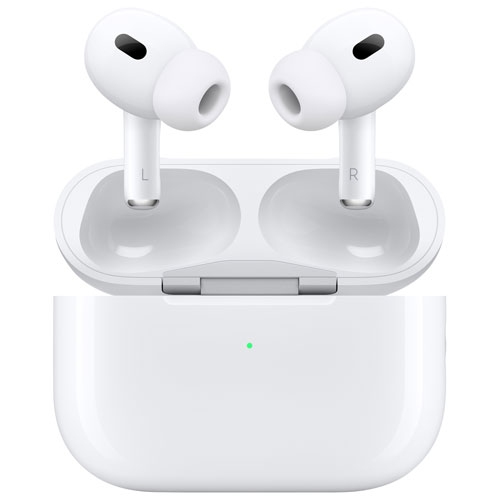 Your price for this item is $349.99
 -
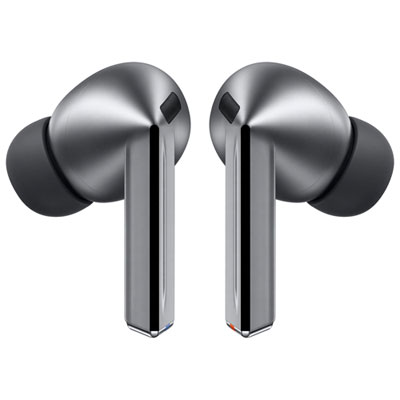 Your price for this item is $329.99
 -
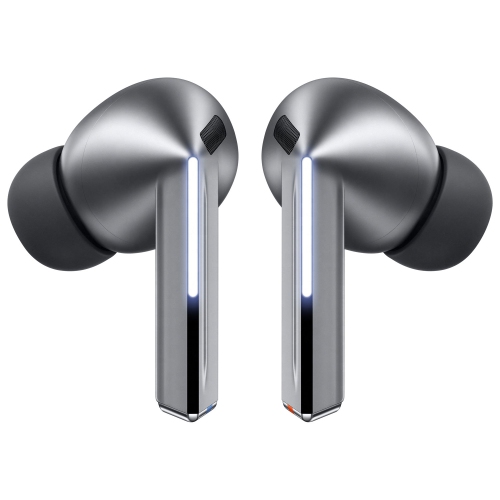 Your price for this item is $229
 -
 Your price for this item is $215
 -
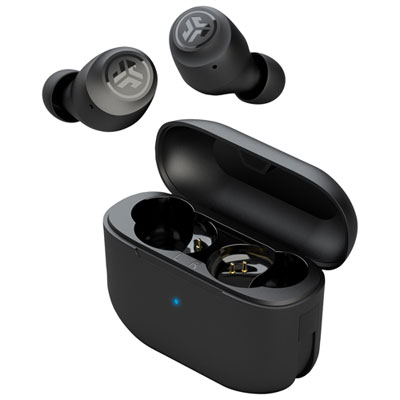 Your price for this item is $19.99
 -
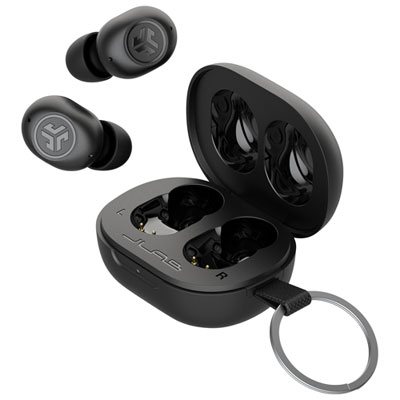 Your price for this item is $59.99
 -
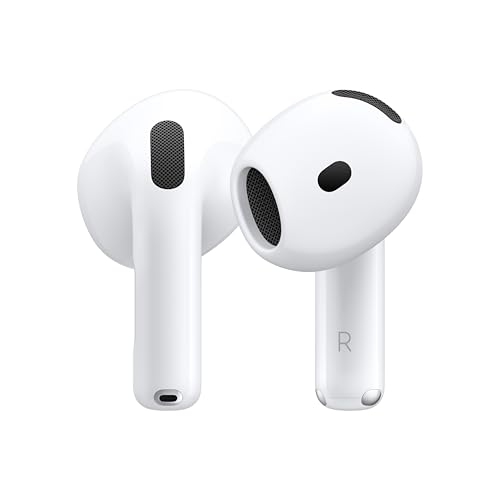 Your price for this item is $238.99
 -
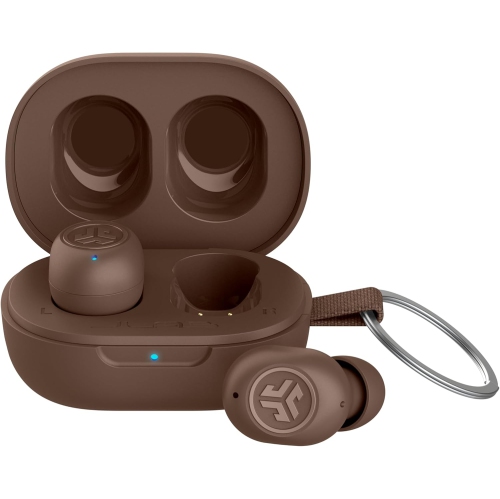 Your price for this item is $89.99
Discover more categories related to Bluetooth Sports Headphones
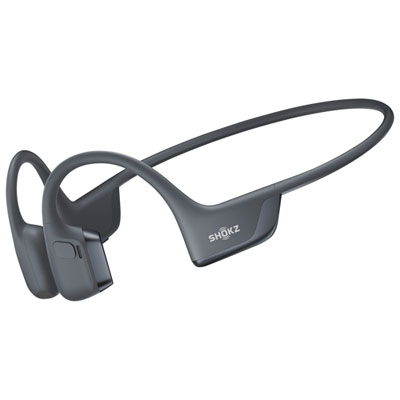
Top Collections:
Pokemon Centers, Kindle Devices, Apple iPhones 16, Samsung Galaxy Phones, Canon G7X Cameras, iPhone 15 Apple, Flip Phones, Refurbished Apple Laptops, Candle Warmer Lights, Apple Wired Earphones
Some products may be subject to Environmental Handling Fees
(EHF) depending on your province.
Learn more about EHFs.