Bluetooth Sleep Headphones
Immerse yourself in a world of relaxation and uninterrupted slumber with our selection of Bluetooth sleep headphones. Designed to provide you with the ultimate comfort and convenience, these innovative headphones combine the soothing benefits of music or white noise with the freedom of wireless connectivity. Say goodbye to tangled cords and hello to a blissful night's sleep as you effortlessly drift off into dreamland. Whether you're a light sleeper looking to drown out external noises or simply seeking a more immersive audio experience, our range of Bluetooth sleep headphones has you covered. Shop our collection and find the perfect pair to enhance your nighttime routine.
Sort


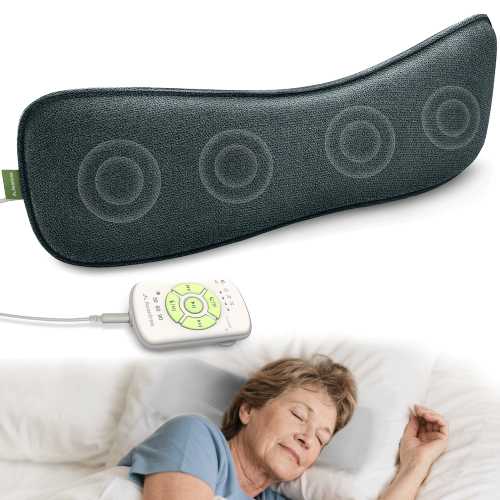


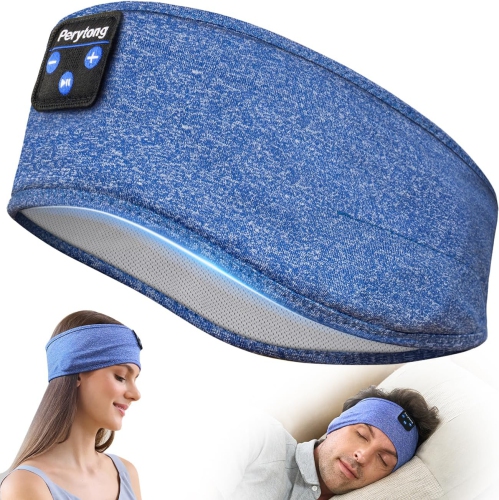


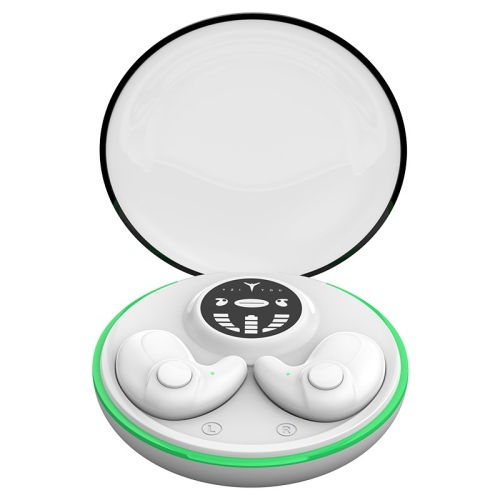
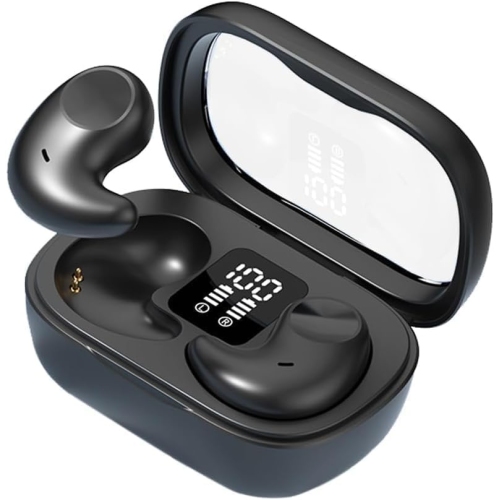


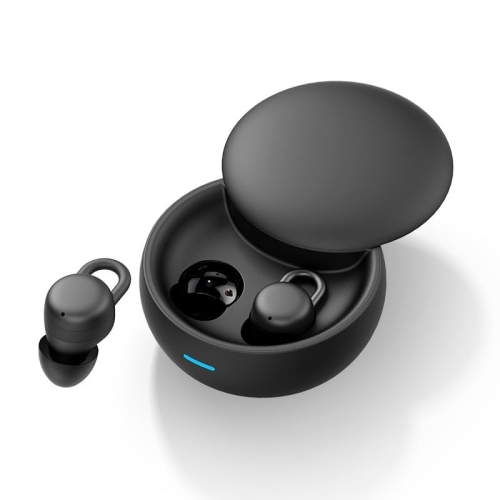


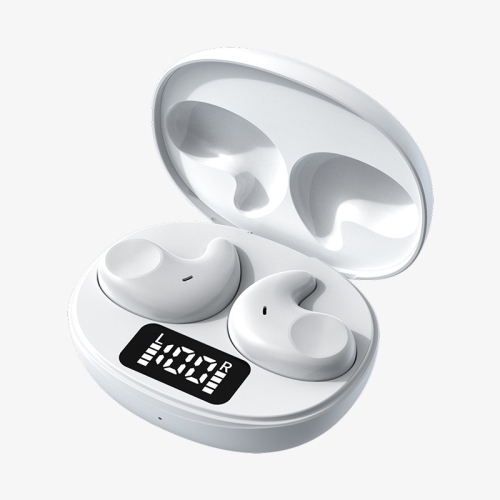

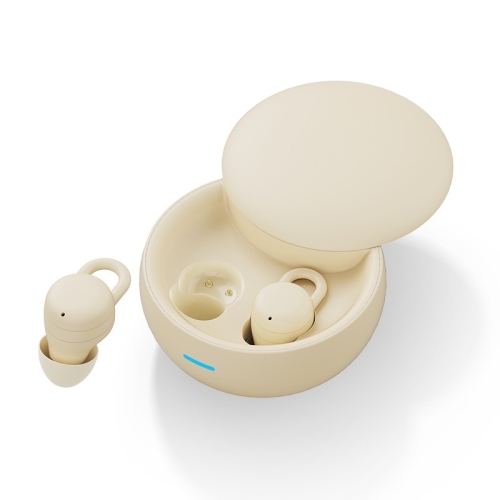


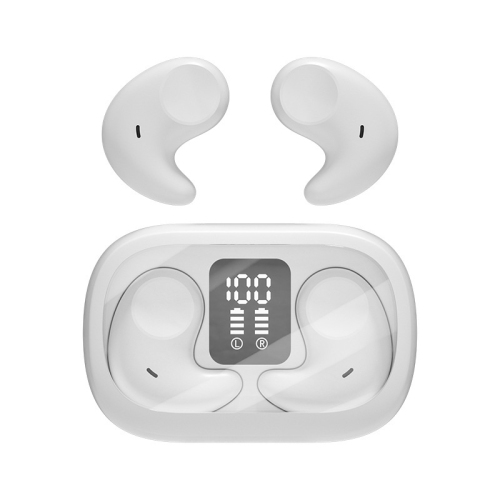















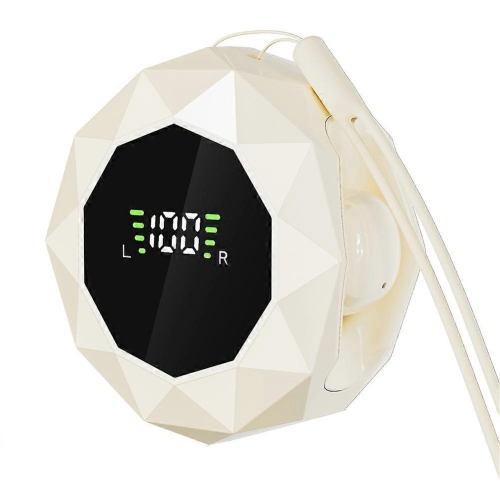


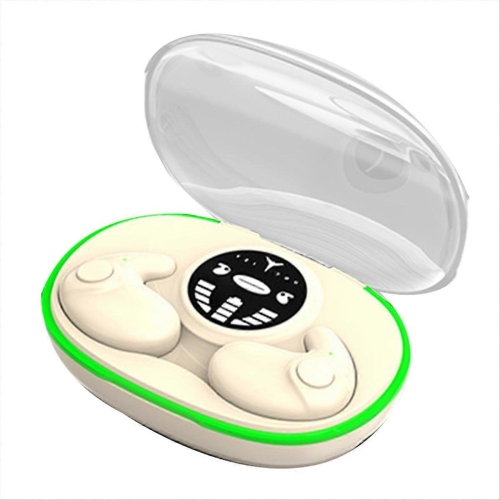

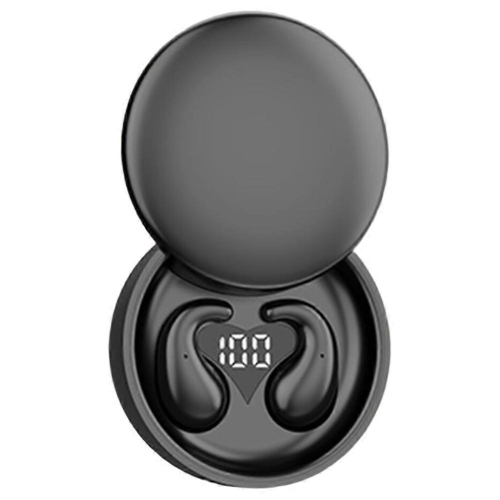
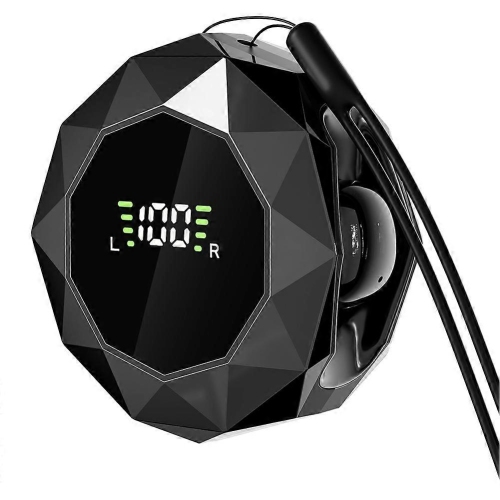










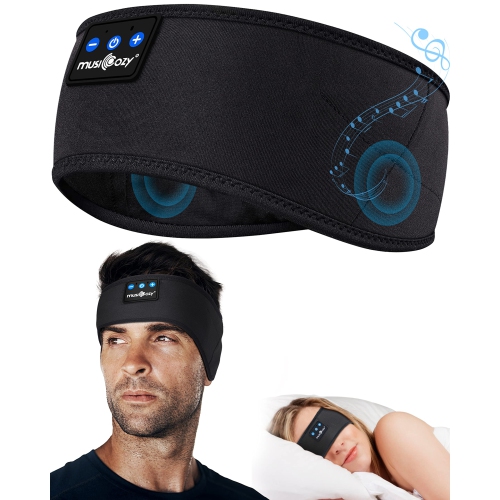

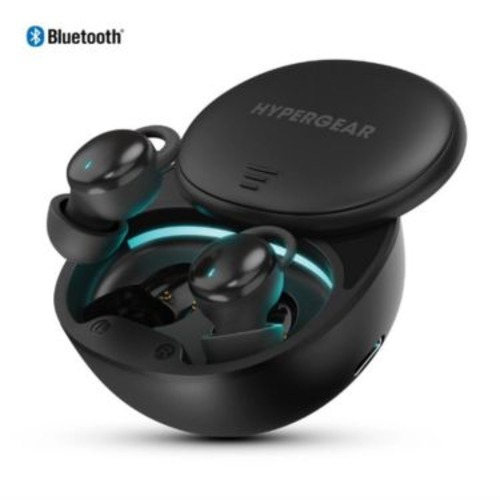


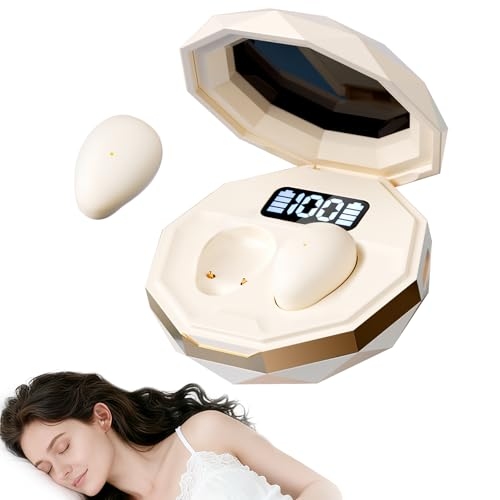
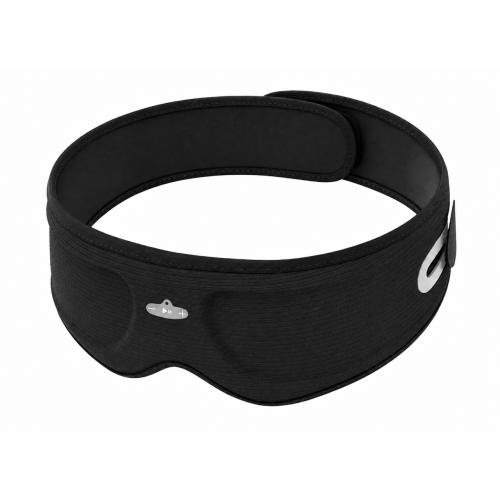



























Why a low-profile fit matters for bedtime listening
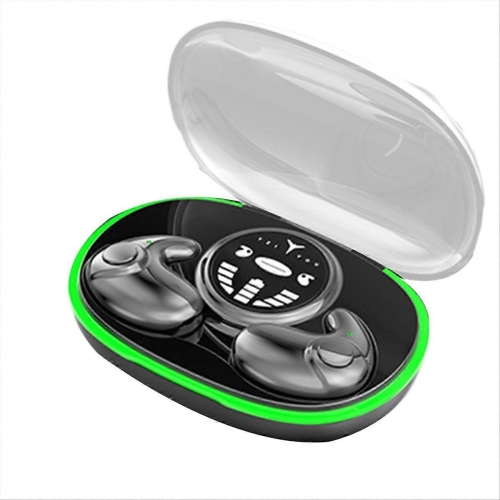
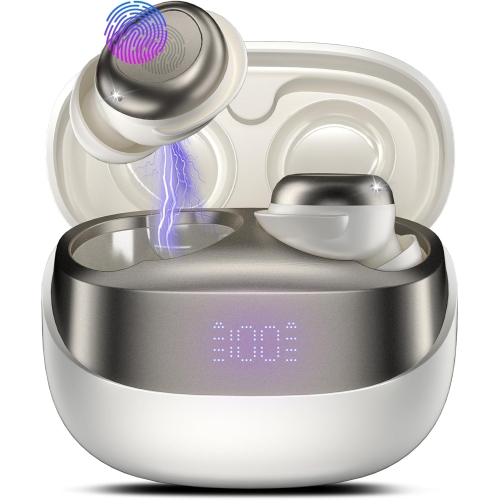
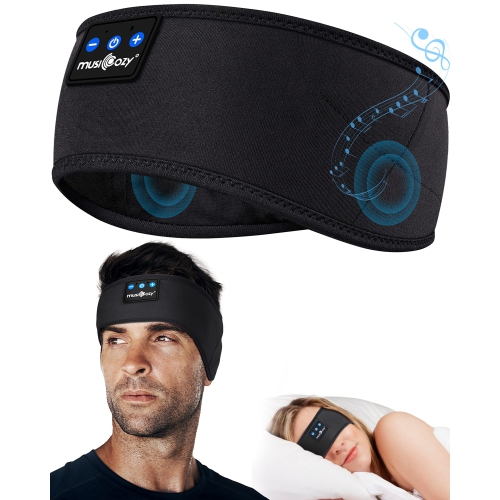
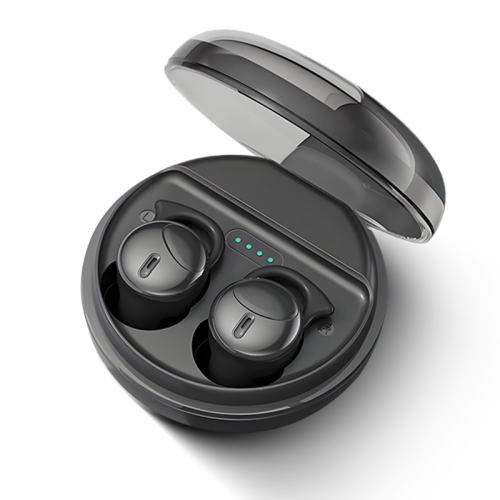
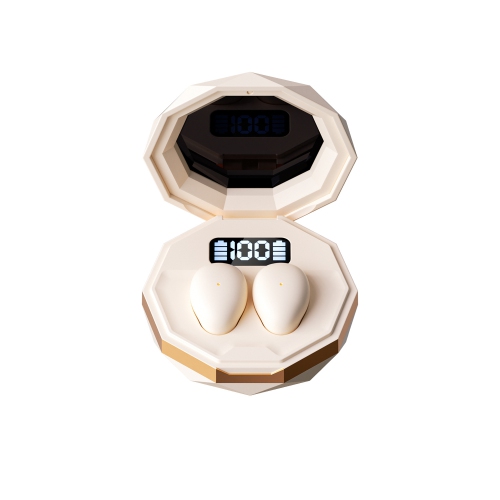
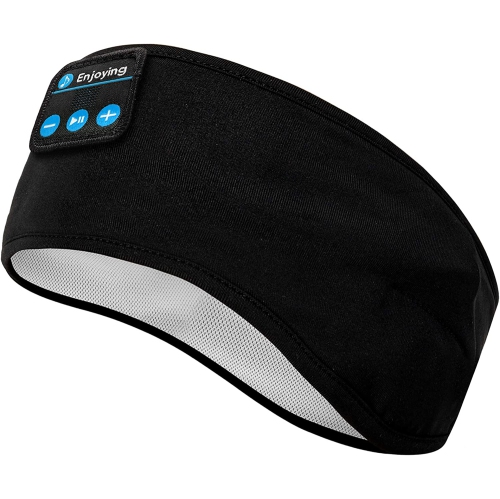
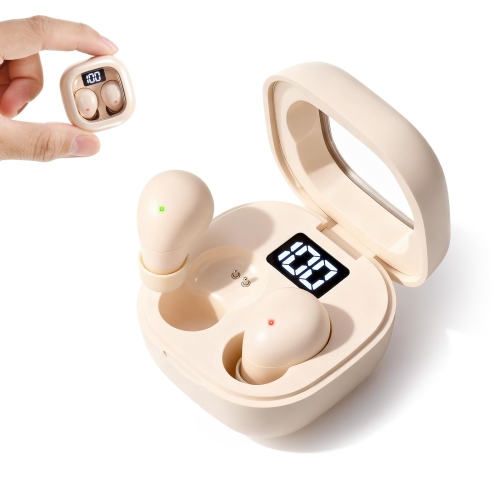
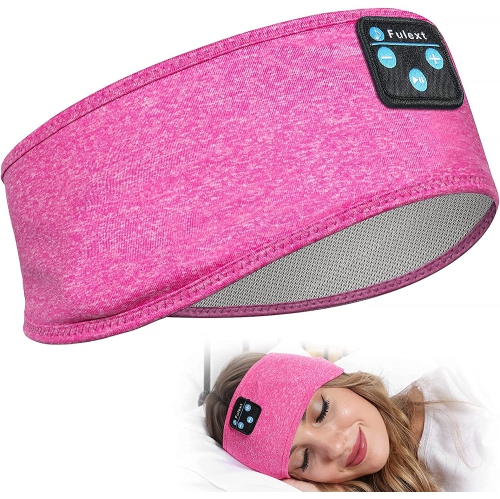
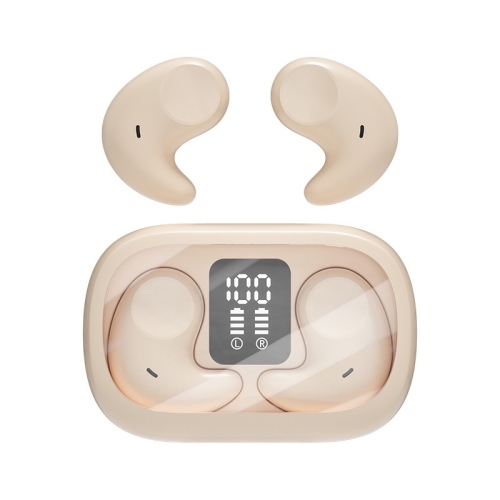
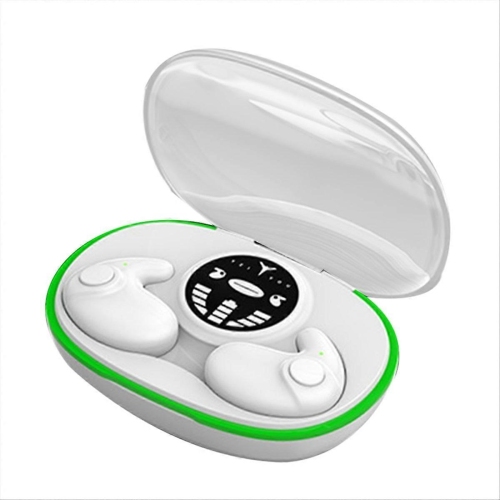
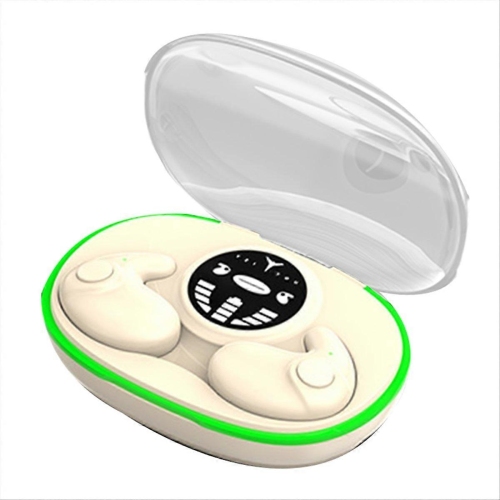
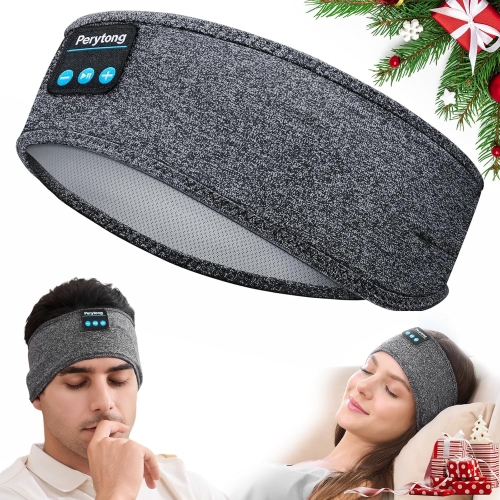
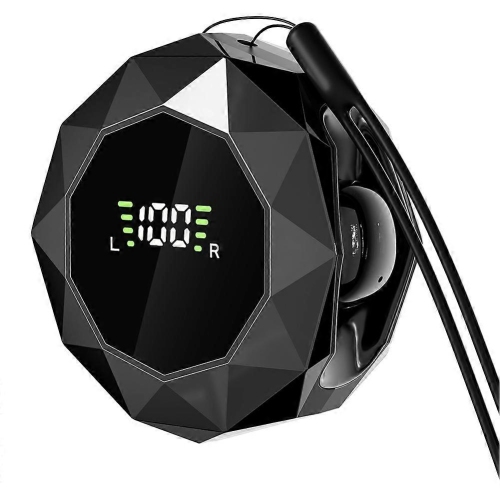
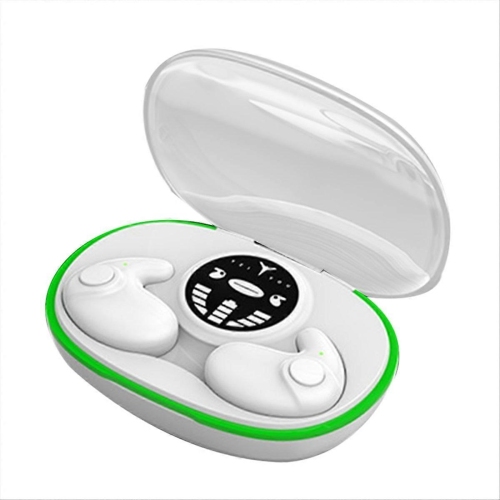
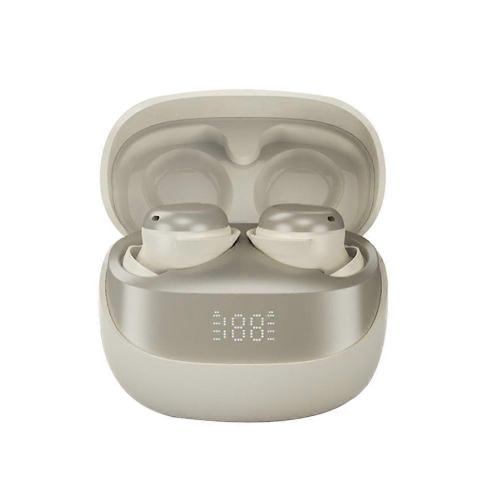
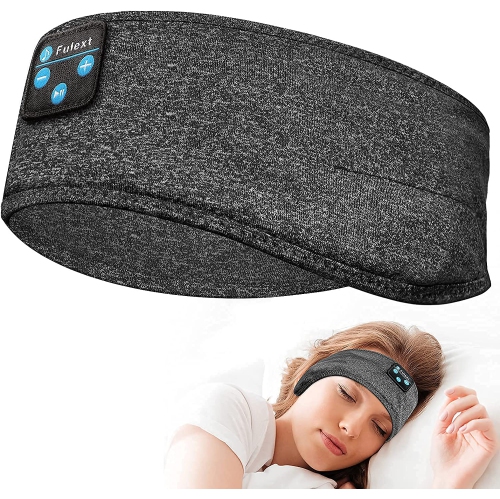
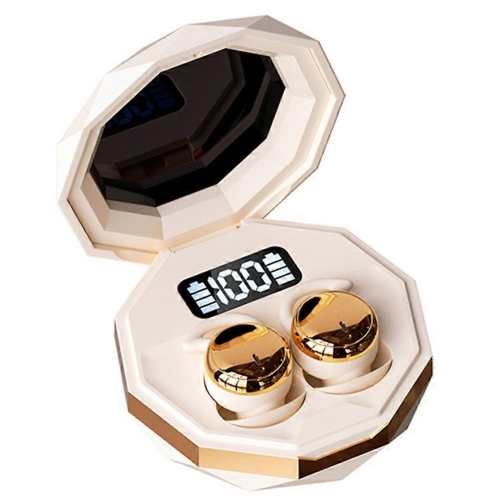
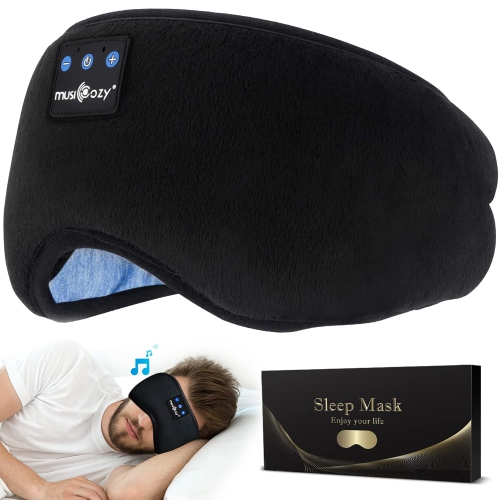
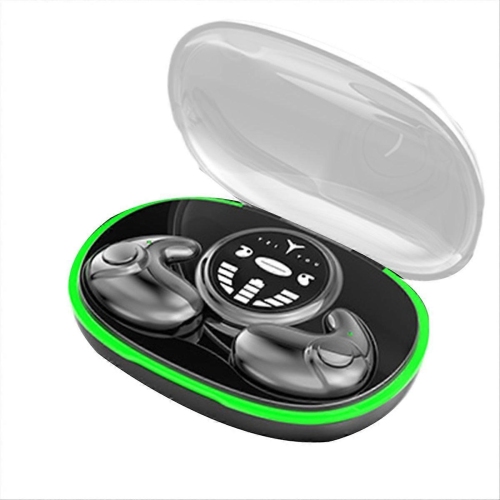
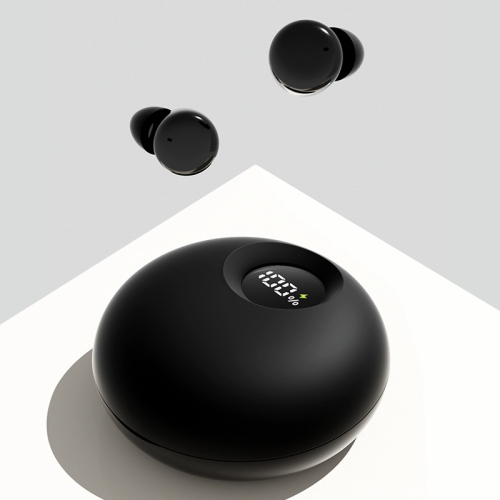
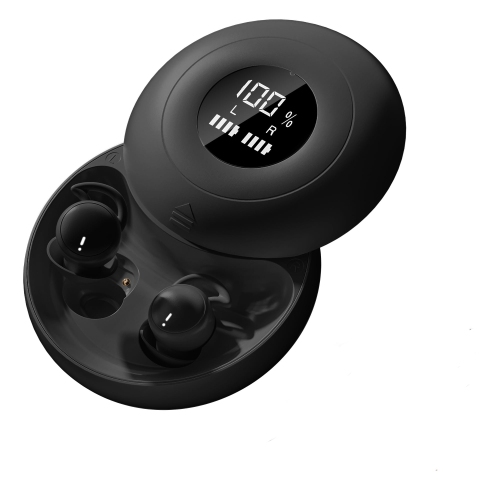
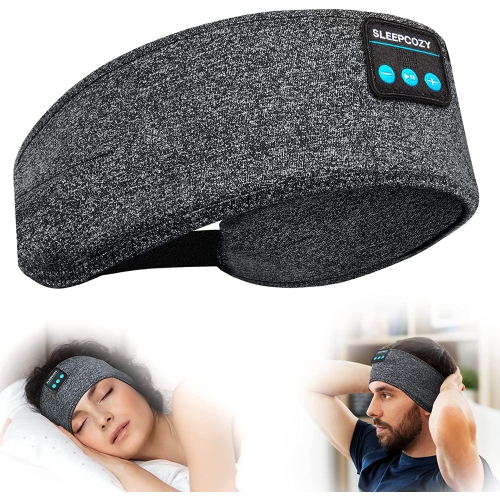
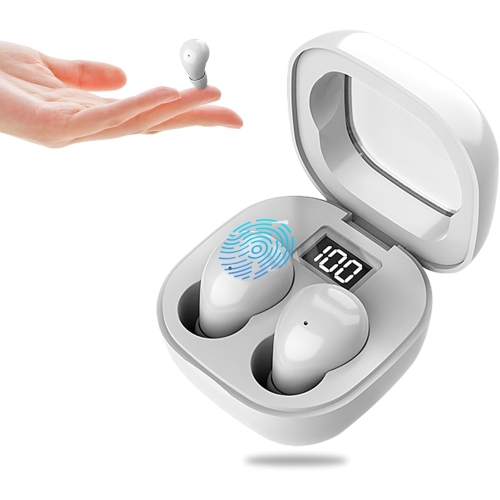
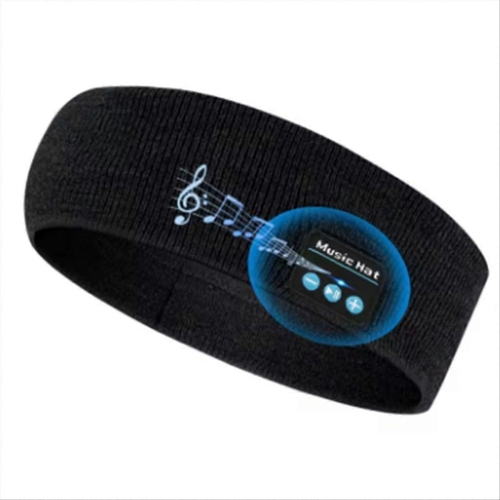
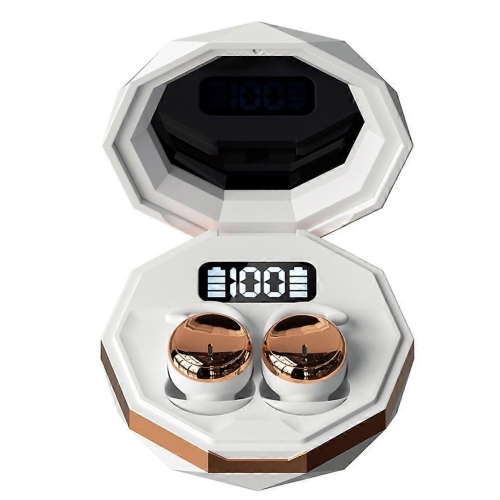
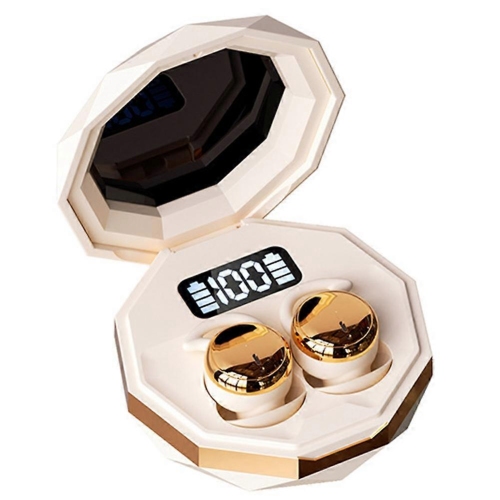
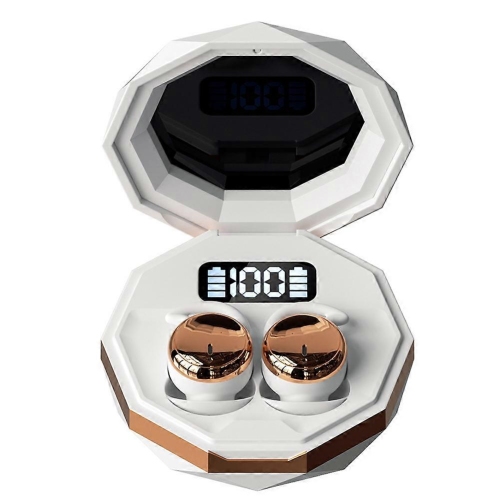
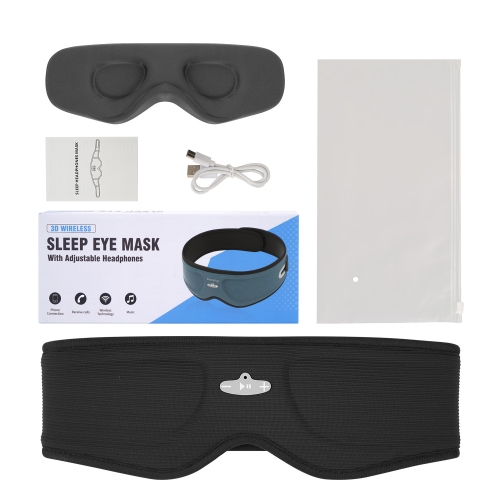
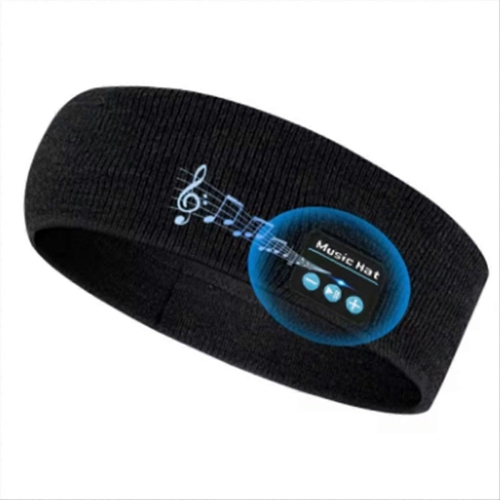
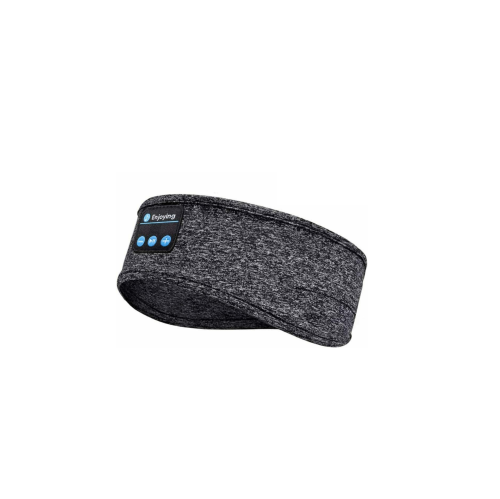
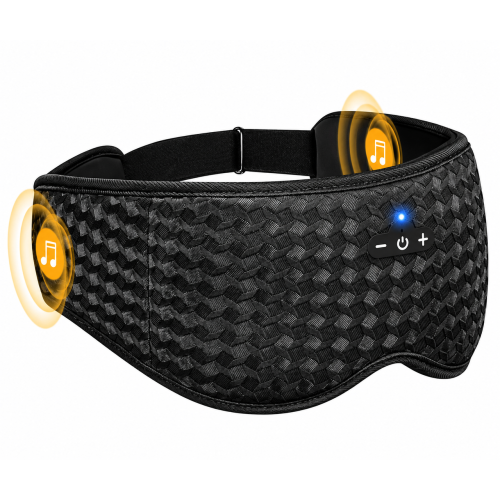
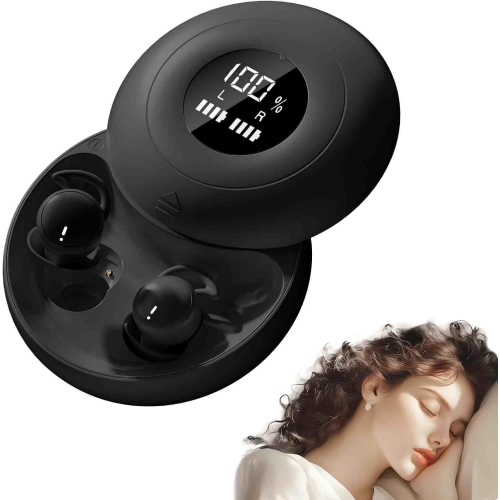
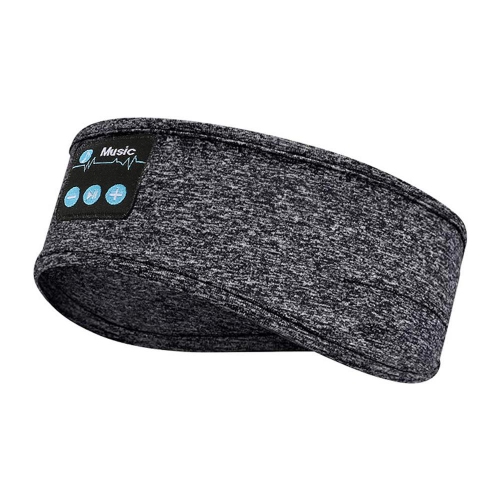
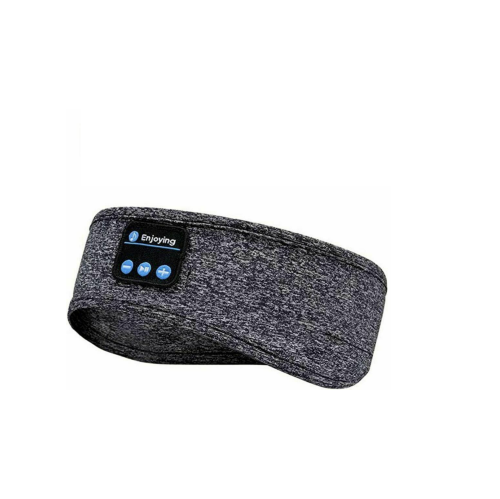
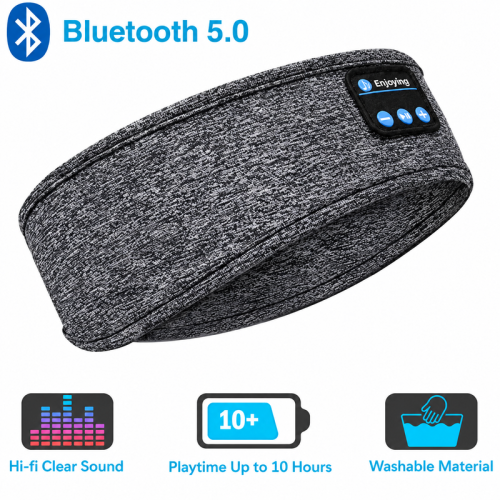
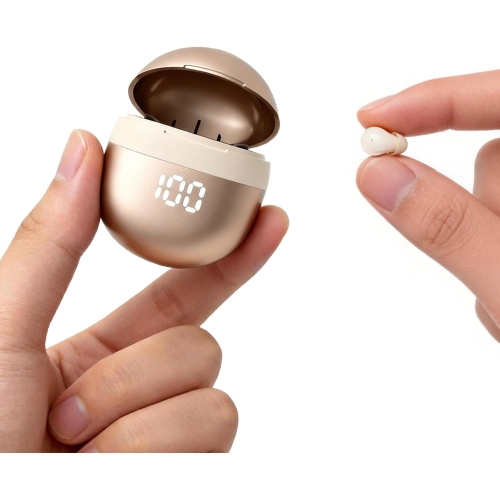
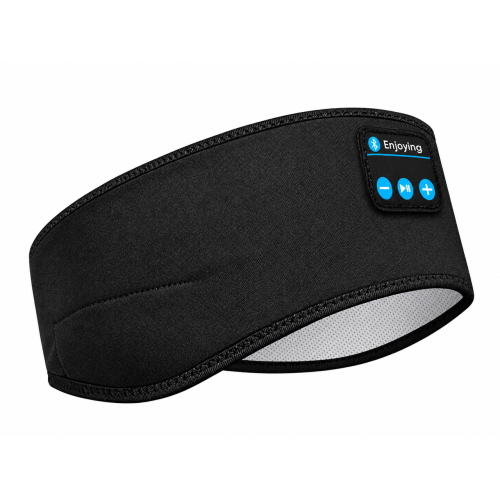
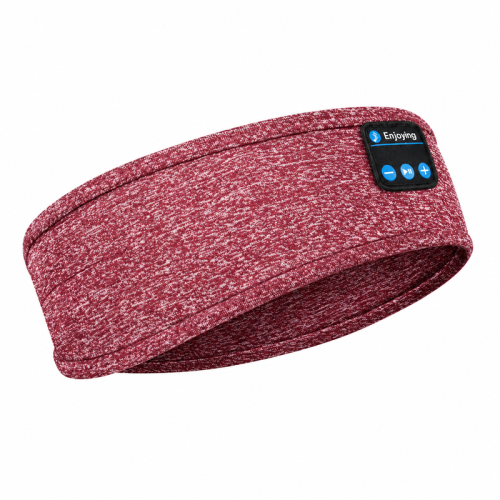
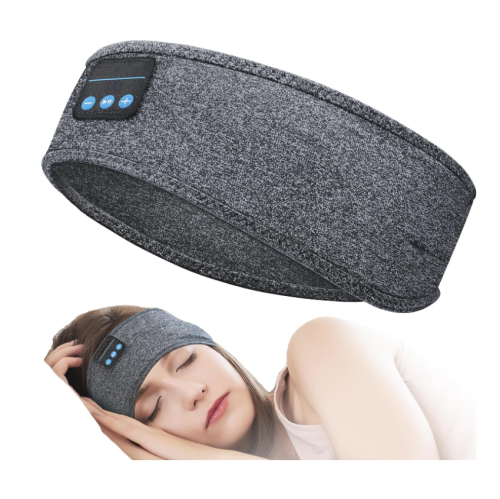
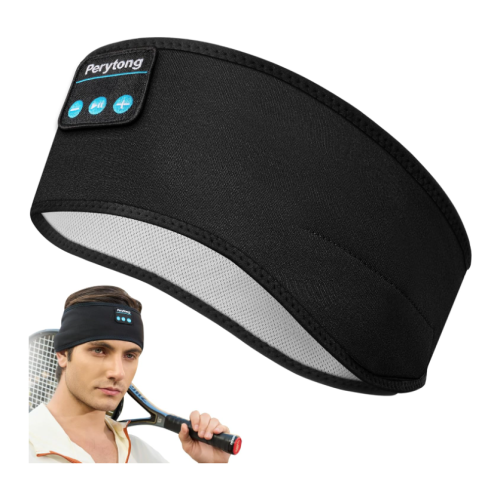
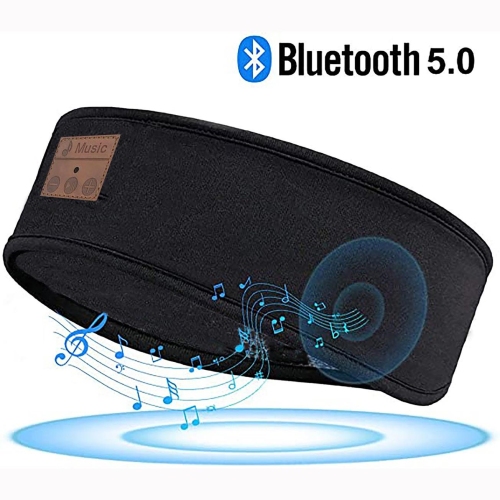
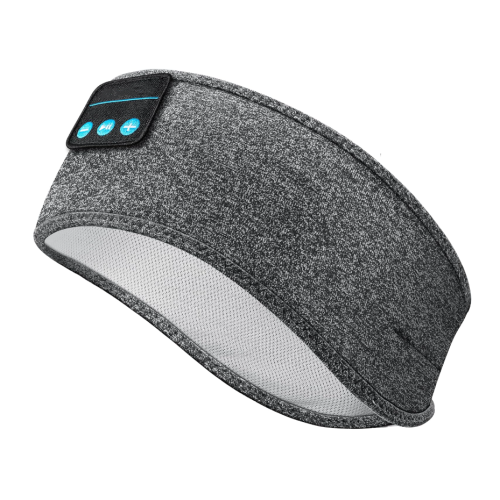
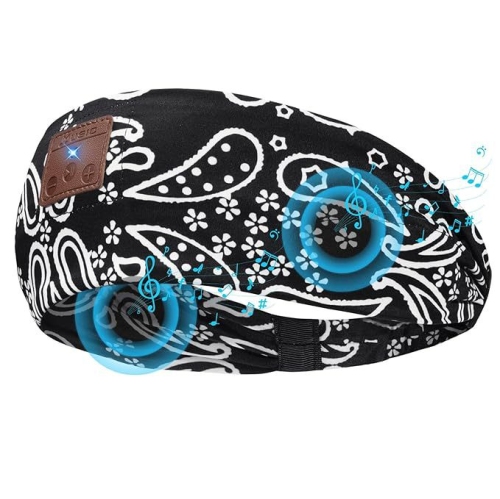
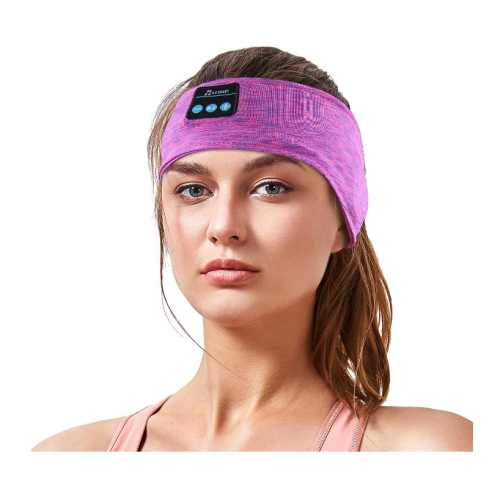
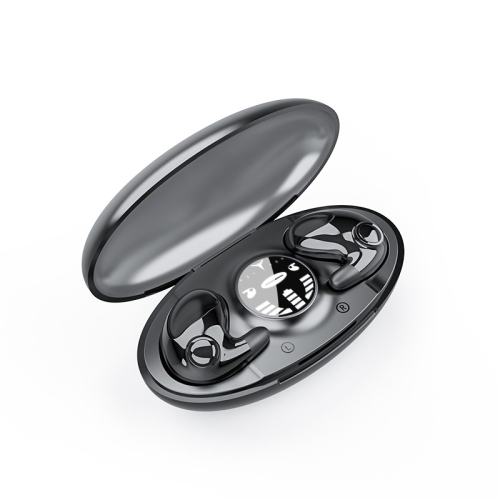
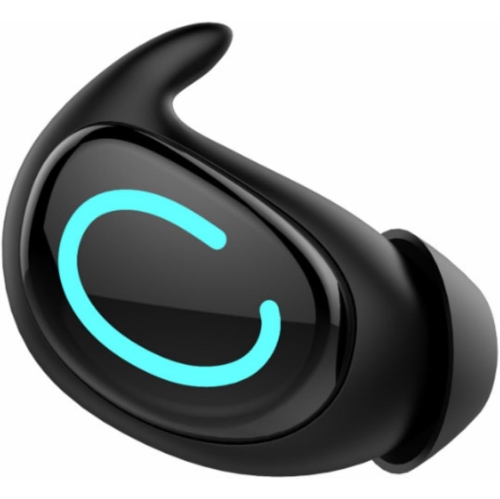
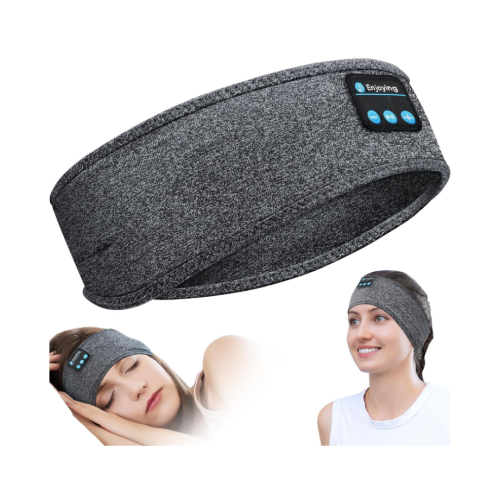
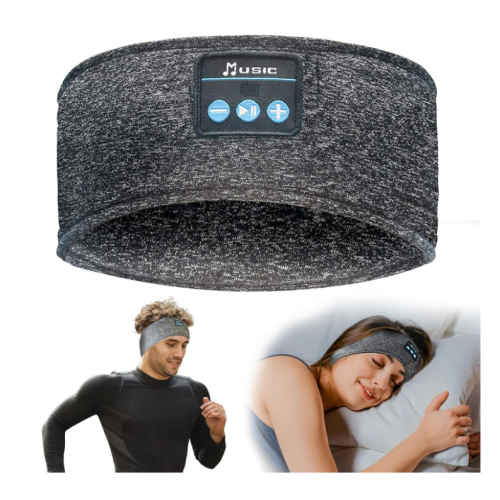
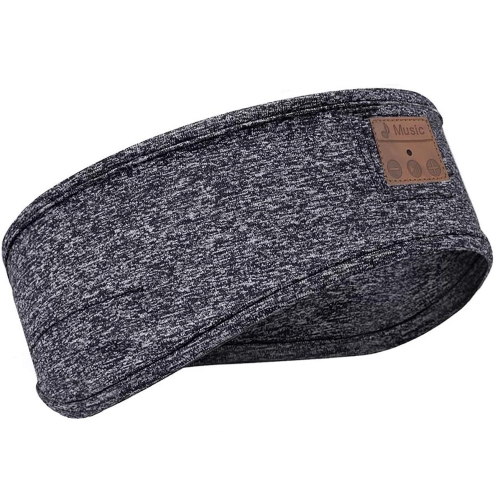
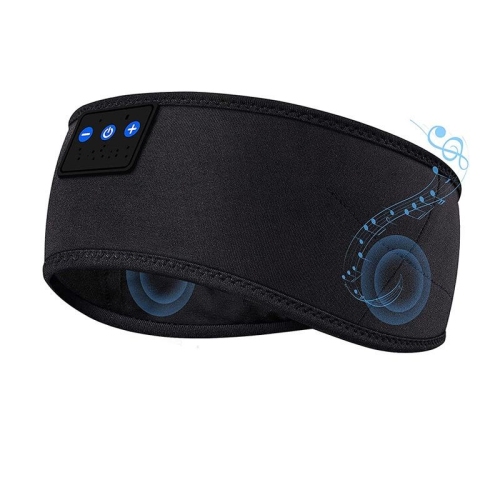
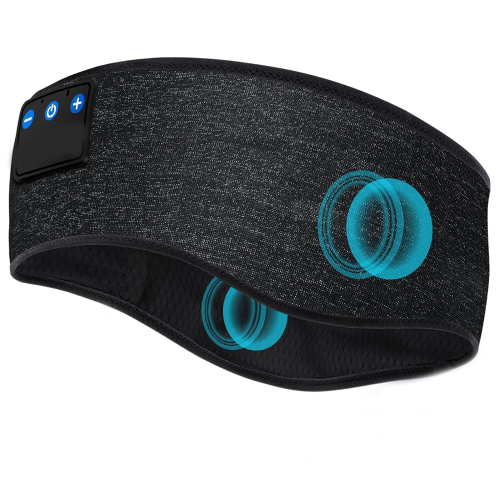
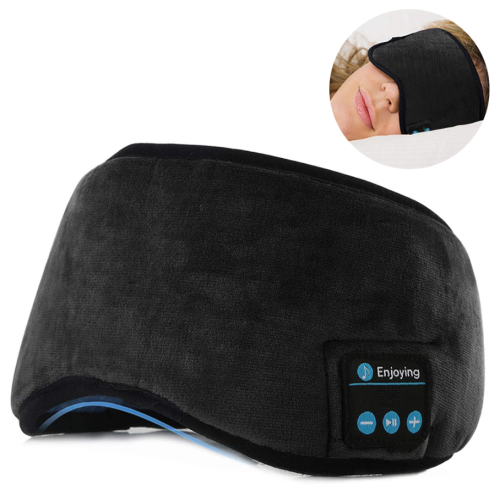
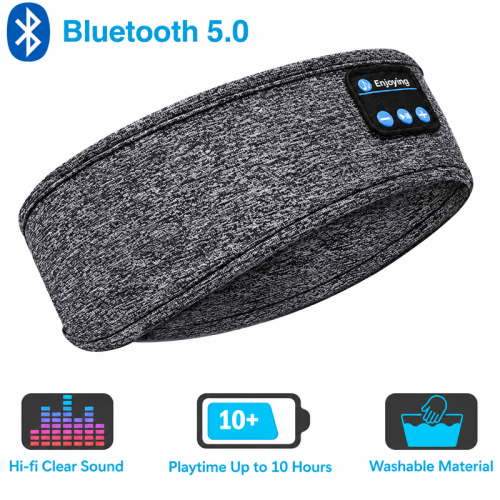
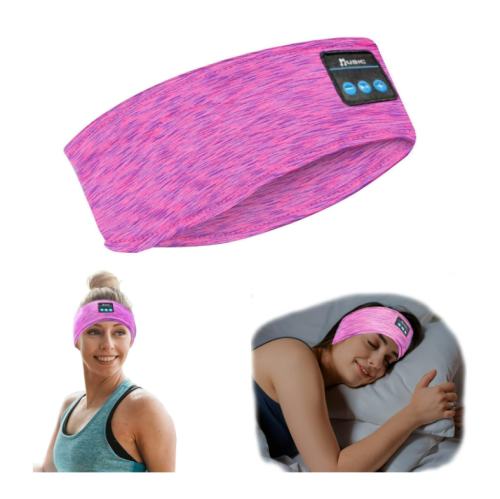
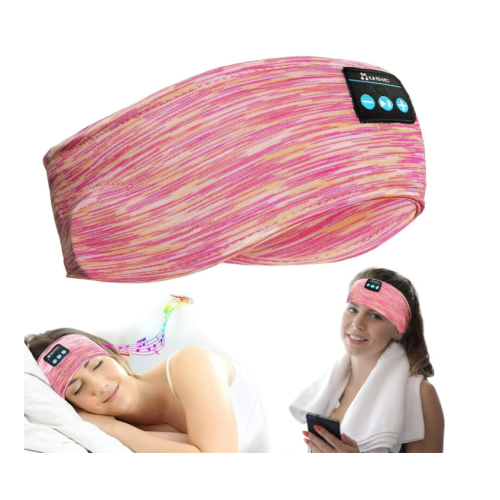
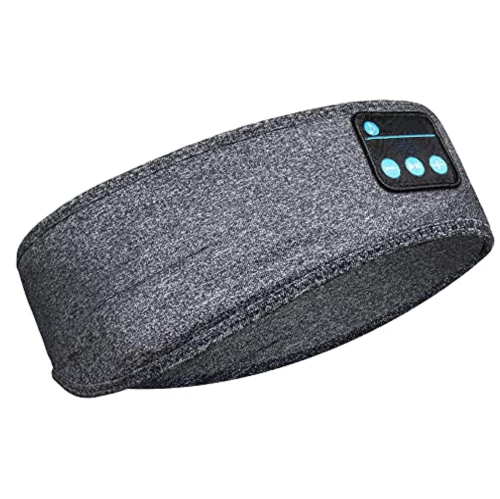
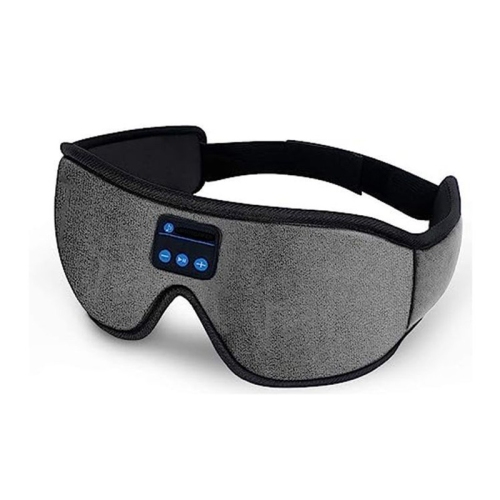
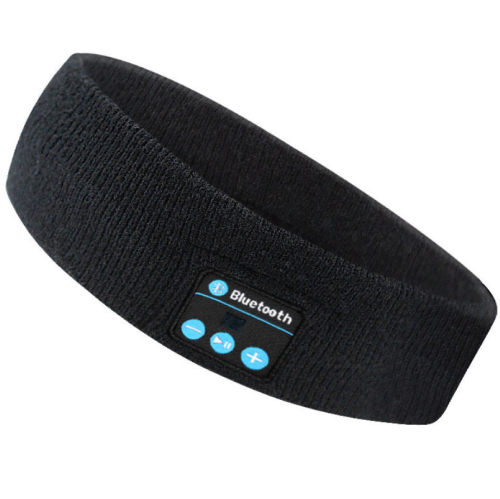
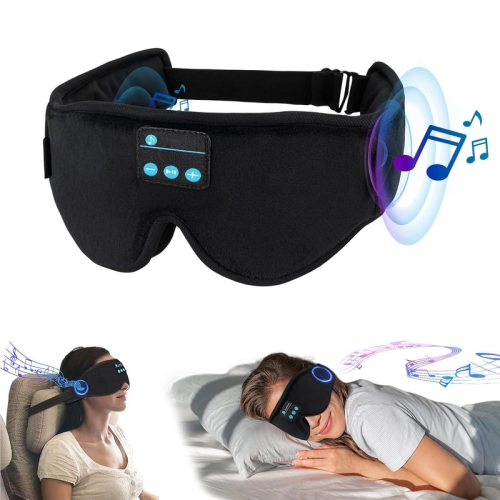
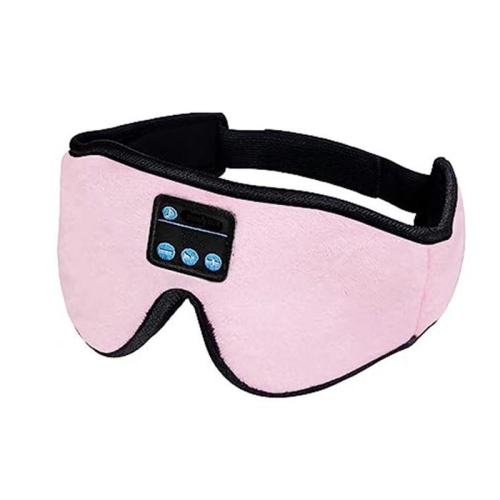
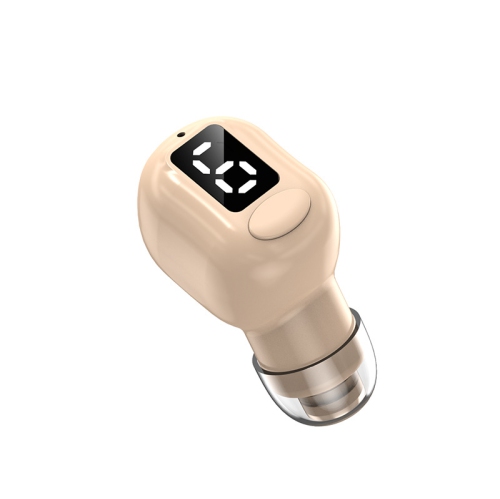
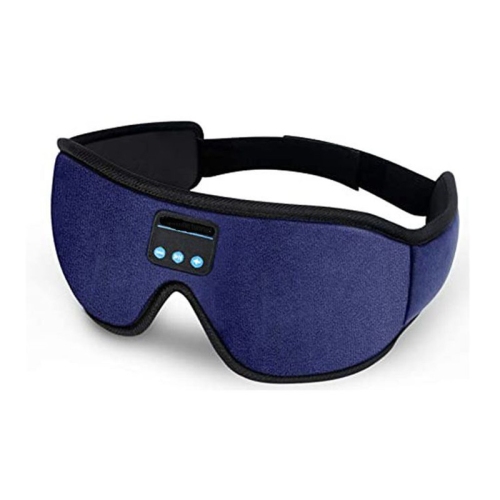
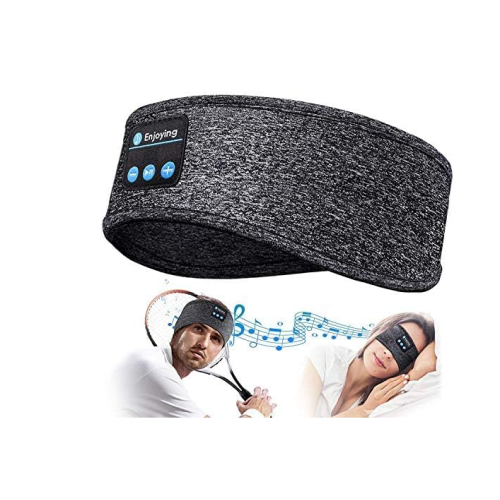
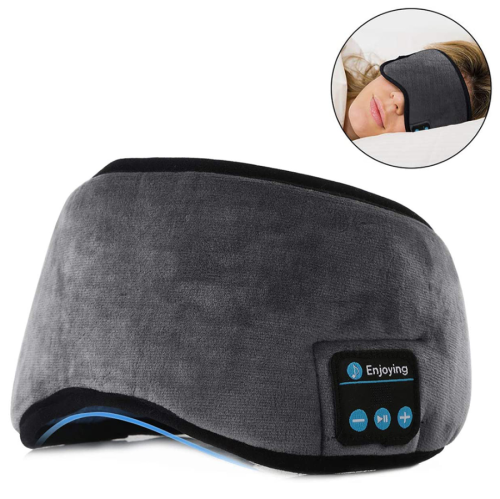
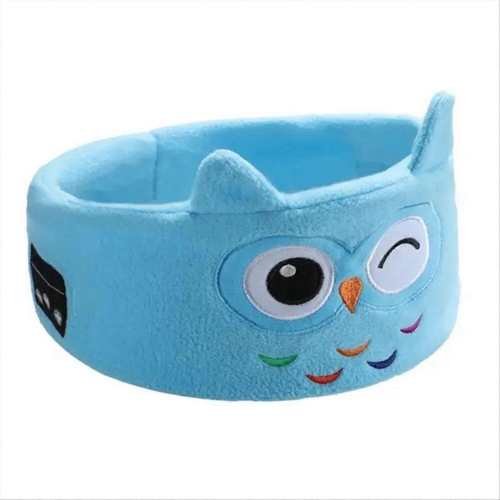
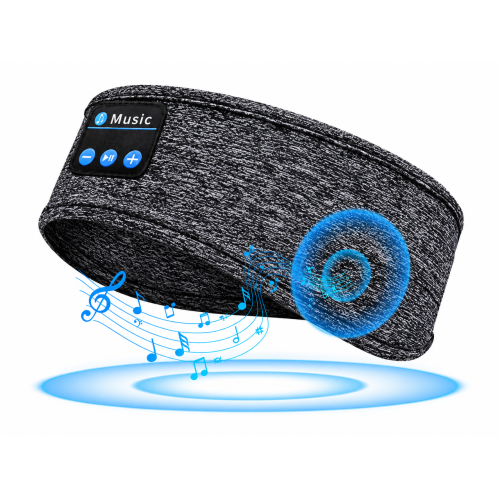
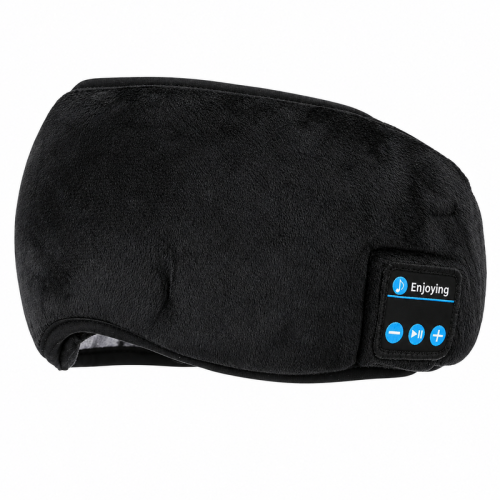
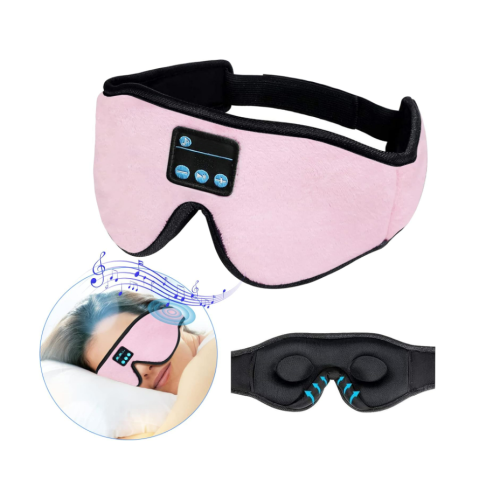
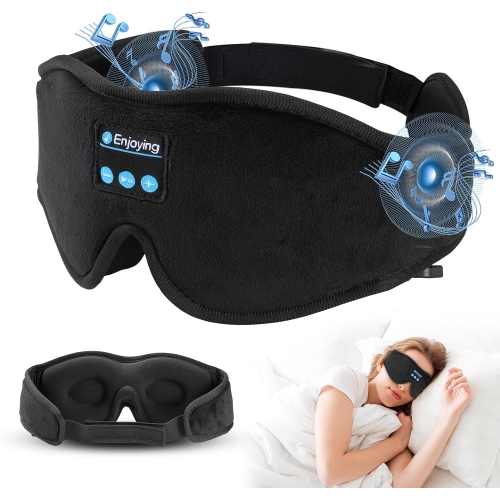
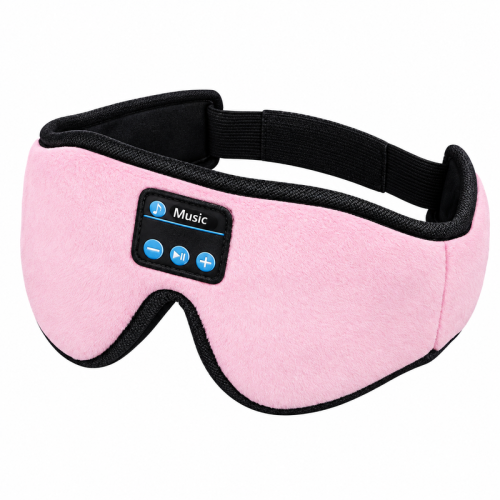
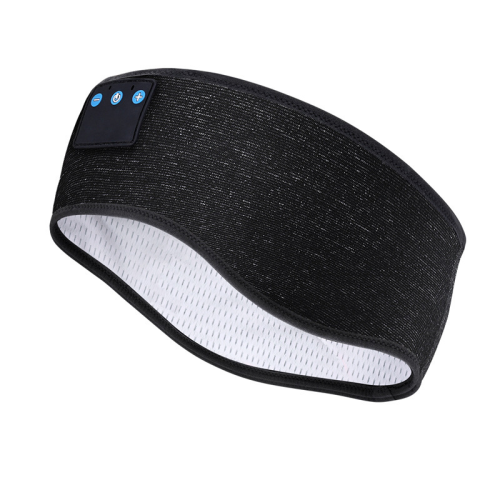
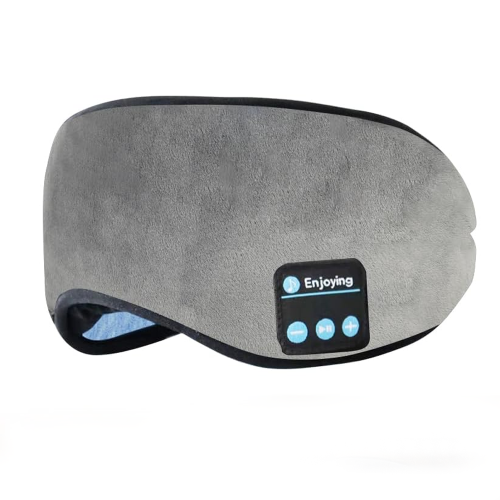
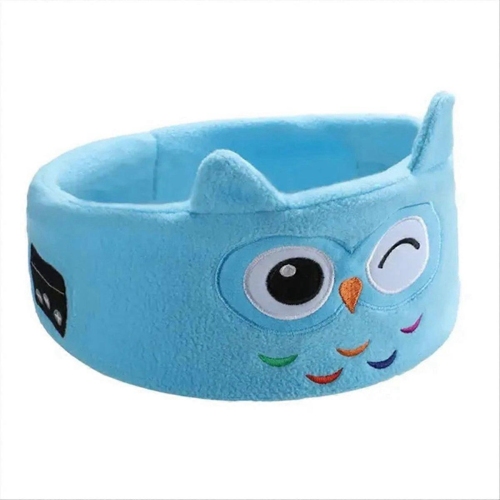
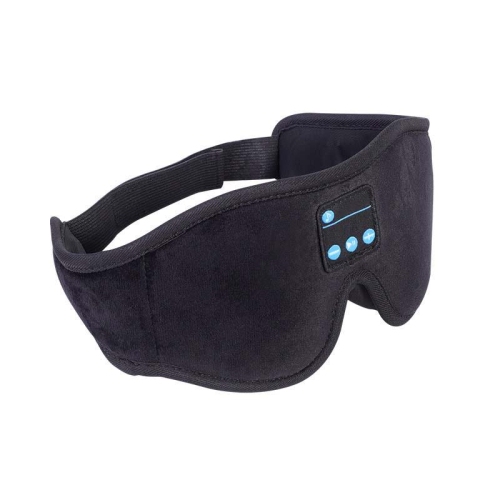
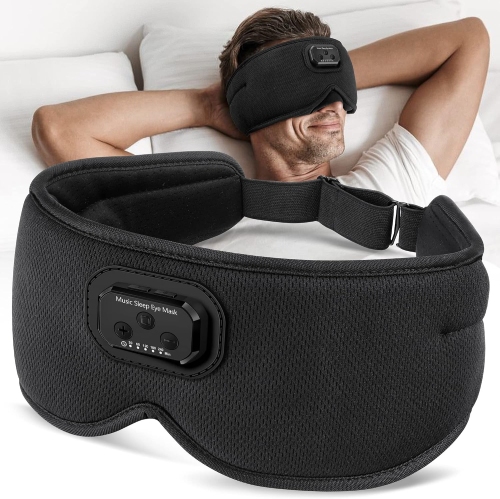
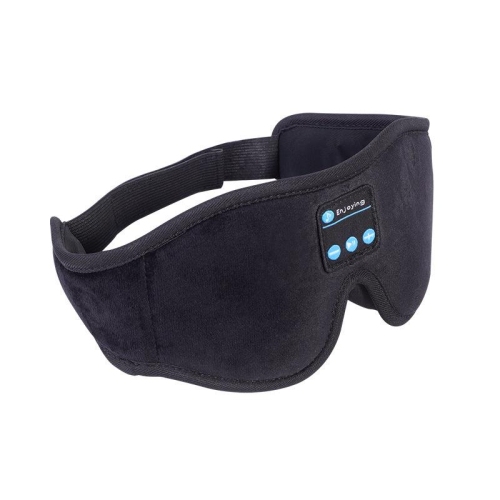
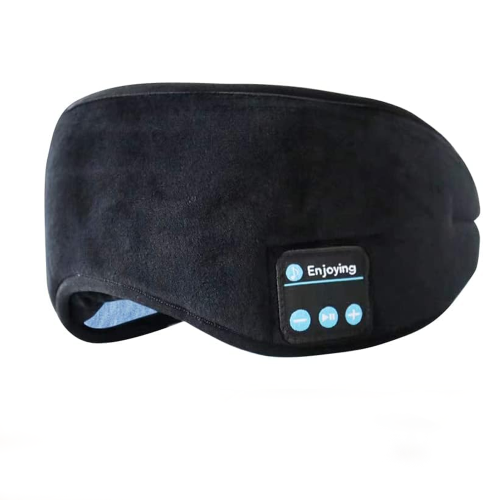
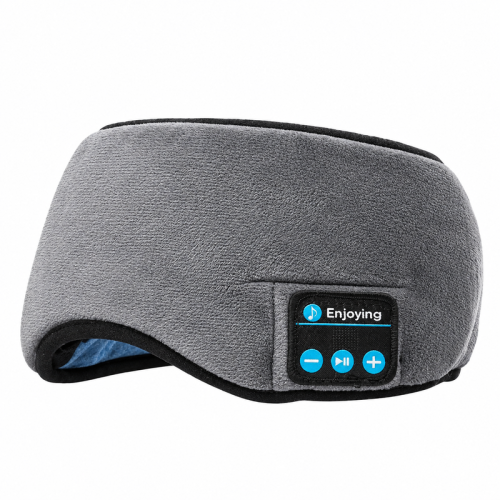
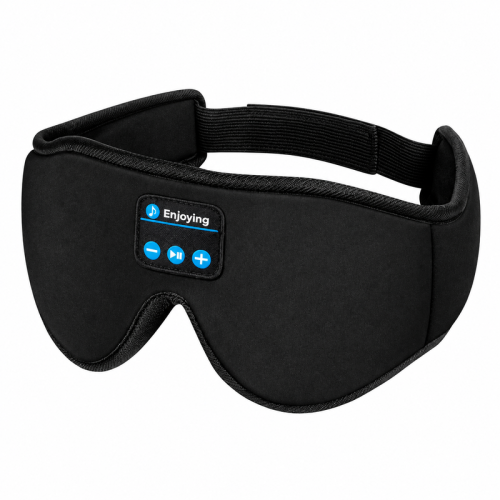
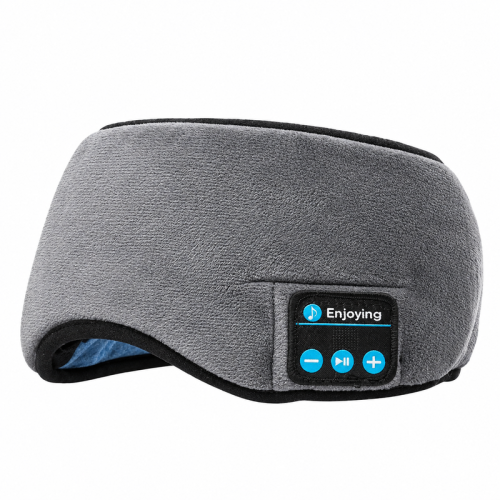
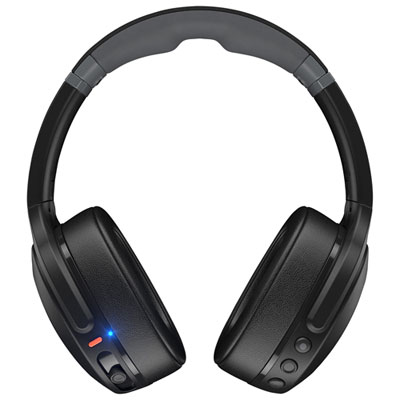
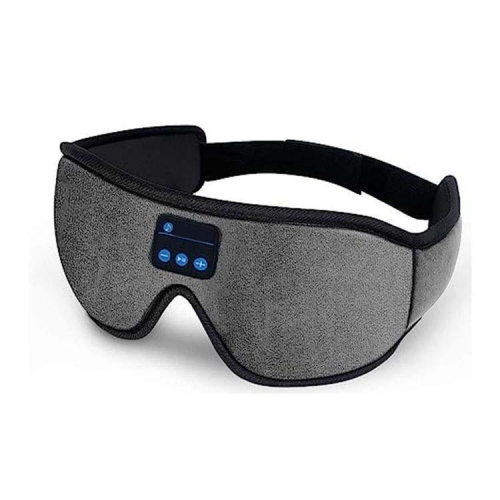
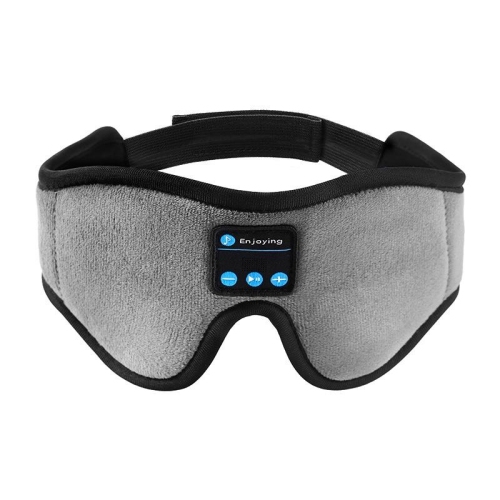
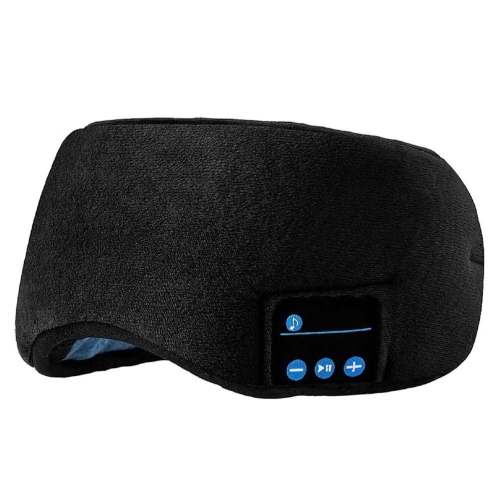
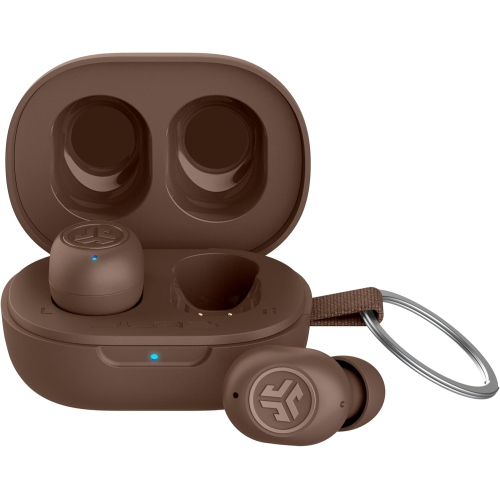
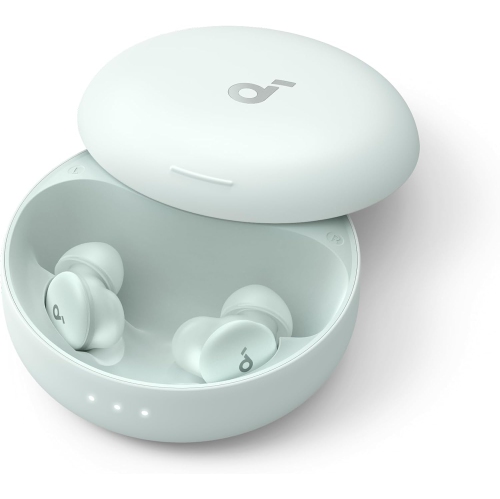
Bluetooth sleep headphones are low-profile wireless headphones designed for listening while resting, winding down, or lying in bed. They pair with a compatible phone, tablet, or other Bluetooth audio source to play music, podcasts, audiobooks, white noise, or other calming sounds without a cable running across the pillow. Their distinguishing feature is a shape intended to feel less bulky against bedding than conventional headphones, although comfort depends on the design, fit, and sleeping position. The main styles are fabric headbands with slim speakers, sleep masks with built-in audio, and compact in-ear earbuds shaped to sit close to the ear. Headband styles hold flat speakers near the ears inside a soft fabric sleeve, leaving the ear canals open. They can suit listeners who dislike the sensation of ear tips or want something that stays together as a single piece. Sleep mask styles add light coverage, making them useful for a bedroom that catches early daylight, a daytime rest between shifts, or a shared space where someone else keeps a reading light on. A contoured mask may leave more room around the eyelids, while its shape around the nose affects how much light reaches the eyes. In-ear styles place the sound closer to the ear canal and may provide a degree of passive noise isolation through their tips. Some designs also include active noise cancellation or built-in sound-masking options, but these features are not standard across all sleep headphones. The difference matters: audio playback supplies something to listen to, passive isolation physically reduces some outside sound, and active noise cancellation uses microphones and processing to reduce certain noises. Sound masking adds a steady background sound that may make interruptions less noticeable rather than removing them. None of these approaches guarantees silence or better sleep, but each offers a different way to make bedtime listening more personal without filling the room with audio from a bedside speaker.
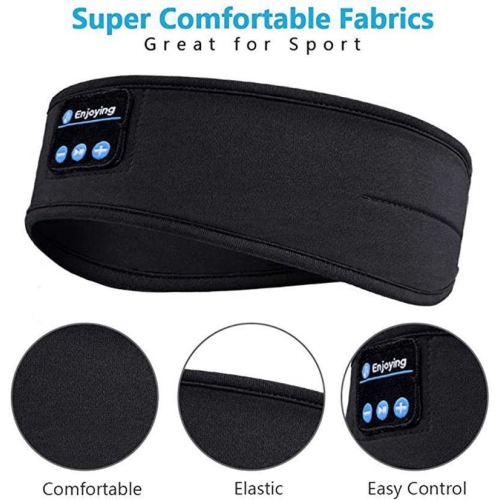
Fit becomes especially noticeable when an ear rests against a pillow. For side sleepers, speaker thickness, earbud projection, and the position of seams can matter more than how a design feels while sitting upright. Even a flat speaker can create a pressure point if it sits directly beneath the ear, so adjustable speaker placement is a useful detail in a headband or mask. A snug fit should keep the audio aligned without squeezing the temples or leaving an uncomfortable band across the forehead. Back sleepers may have more flexibility around the ears, though a fastening, battery module, or control panel at the back of the head can still interfere with comfort. People who change positions often may prefer a design that holds its shape and does not need repeated adjustment. Materials also influence the experience over several hours. Stretch-knit fabrics can provide flexibility, cotton blends can offer a familiar soft feel, and smooth synthetic fabrics may feel less bulky beneath bedding. Breathability is worth considering for anyone who sleeps warm, while thicker padding may feel pleasant during the cooler months but hold more warmth around the forehead. With earbuds, appropriately sized tips help balance stability and comfort; forcing a tight fit is not a substitute for the right size. Removable covers, replaceable tips, and accessible speaker pockets can make regular care simpler. Washable fabric does not mean the electronics are washable, so removable speakers, batteries, and controls need to come out before cleaning whenever the care instructions require it. Fabric should be fully dry before those parts are reinserted, and ear tips need cleaning according to their material and the manufacturer's directions. Strong stitching, resilient stretch, secure charging connections, and protected internal wiring are practical durability considerations, particularly for headphones that are folded into a travel bag or handled every night. A storage pouch can keep the fabric away from loose objects and help protect small components. Although some headband designs resemble exercise accessories, sleep comfort and workout security are different priorities; Bluetooth Sports Headphones are a related category for listening during movement, where a secure fit and stated sweat resistance may be more relevant.
Everyday usability is just as important as softness. Battery life should suit the intended listening period, whether that means a short audiobook chapter before bed or several hours of background sound. Stated playback time is an estimate rather than a promise, and volume, wireless settings, and features such as active noise cancellation can affect how long a charge lasts. A low-battery announcement or bright indicator light can be distracting in a dark bedroom, so alert behaviour and light placement deserve attention alongside battery capacity. Physical controls that are easy to identify by touch can reduce the need to reach for a bright phone screen, but buttons positioned against the pillow may be pressed accidentally. Bluetooth pairing provides wireless audio access, though some sleep-focused earbuds rely on an app or a limited library of stored sounds rather than supporting unrestricted streaming. Compatibility with the intended device and audio source therefore matters, especially for listeners who want to continue a particular podcast or use their usual sound app. A playback timer can stop audio after a chosen interval if that function is supported by the headphones or listening app. For a partner who prefers a quiet room, personal audio can offer a less intrusive alternative to a speaker, although sound leakage varies with the design and volume. Frequent travellers may appreciate a compact mask or headband for resting away from home, and shift workers may value the combination of light coverage and familiar background audio during daylight hours. As a gift, sleep headphones are most thoughtful when the recipient's preferences are known, particularly whether they tolerate in-ear tips or prefer fabric around the head. Listening at a low, comfortable volume is important, especially over long periods, and discomfort is a reason to remove the headphones rather than persist. Sound-blocking designs can also make alarms, doorbells, or calls for assistance harder to hear. A suitable pair fits both the listener's comfort preferences and the sounds they still need to notice.
Top selling and popular products
-
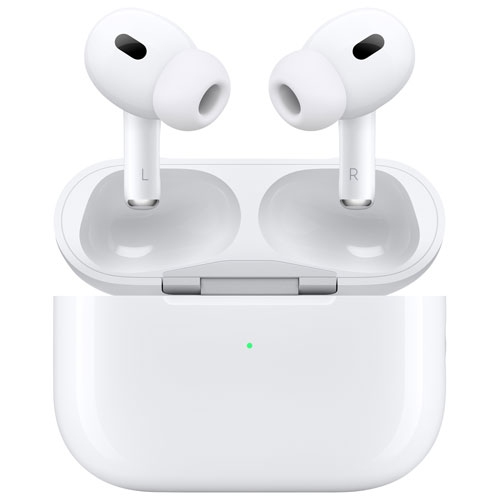 Your price for this item is $349.99
-
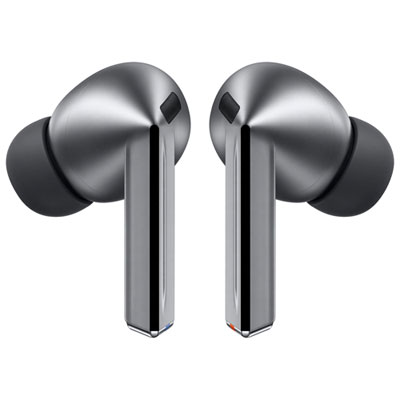 Your price for this item is $329.99
-
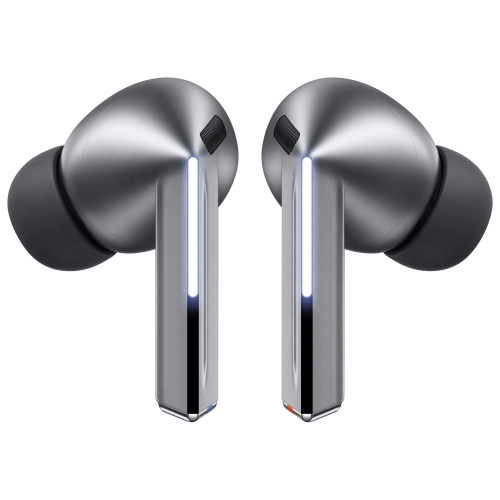 Your price for this item is $229
-
 Your price for this item is $215
-
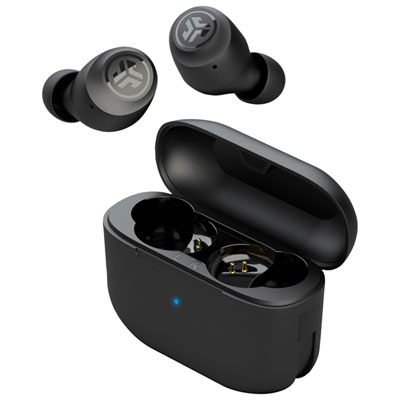 Your price for this item is $34.99
-
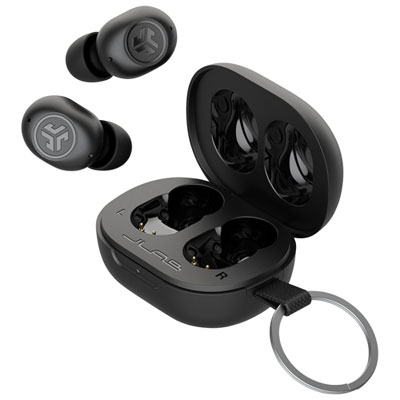 Your price for this item is $59.99
-
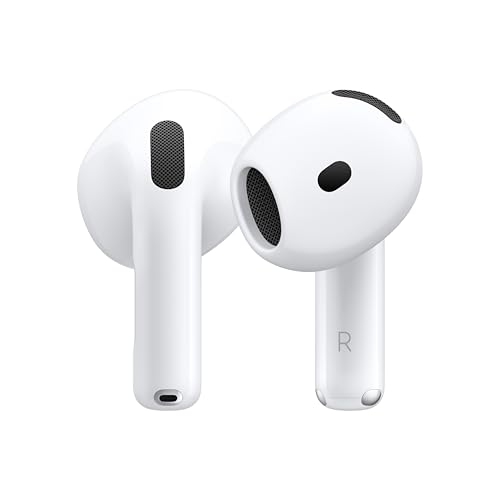 Your price for this item is $189
-
 Your price for this item is $89.99
Discover more categories related to Bluetooth Sleep Headphones
Top Collections:
Pokemon Centers, Kindle Devices, Best Cameras for Sports Photography, Pokémon 30th Celebration Cards, Apple iPhones 16, Canon G7X Cameras, iPhone 15 Apple, Flip Phones, Samsung Galaxy Phones, Alarm Clock
Some products may be subject to Environmental Handling Fees
(EHF) depending on your province.
Learn more about EHFs.