Guitar Headphones
If you're a guitarist, you know that your instrument is a big part of your sound. That's why it's important to have a good pair of headphones that can isolate outside noise and let you hear your music clearly. Here are some great options available.
Sort


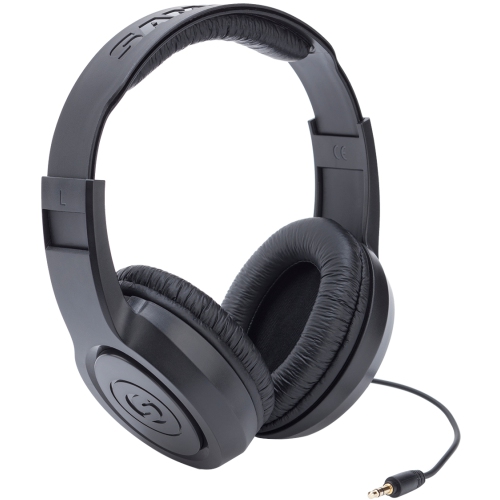
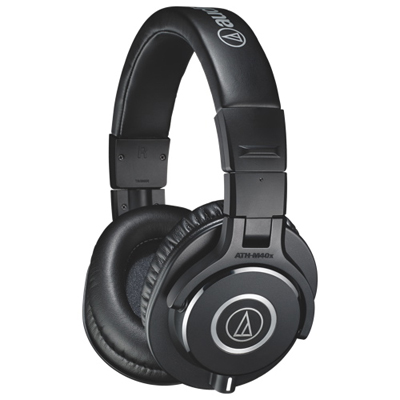
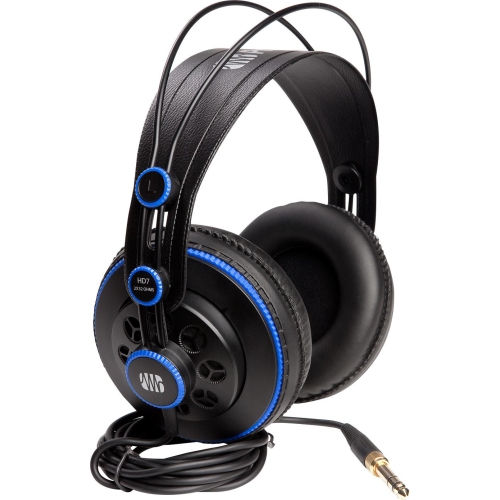




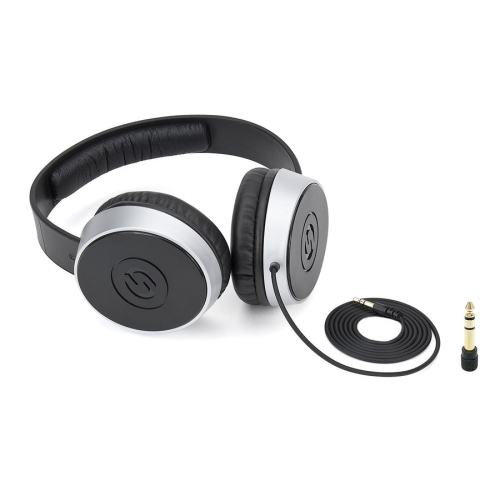

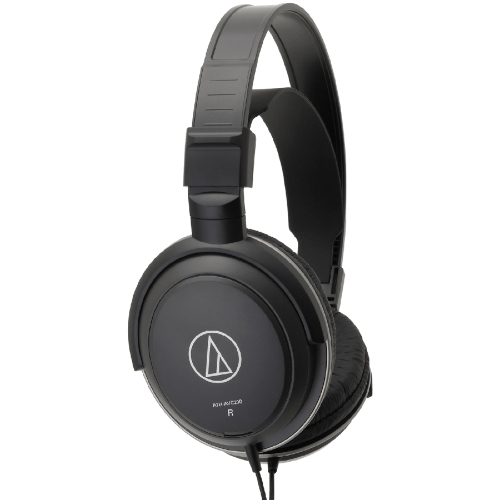
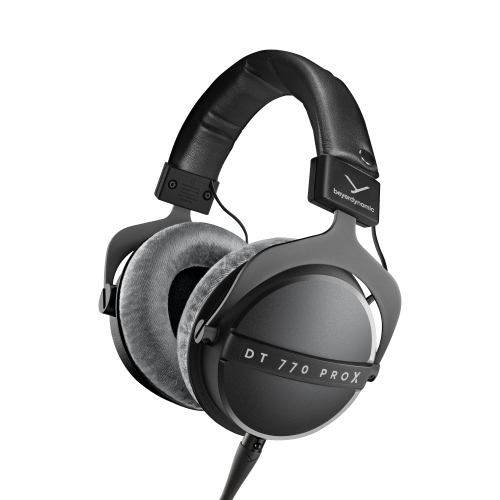

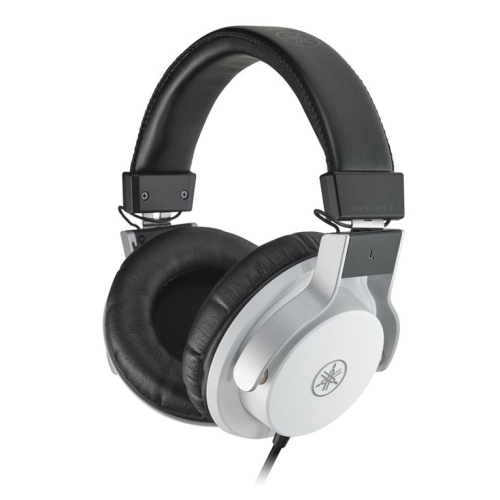

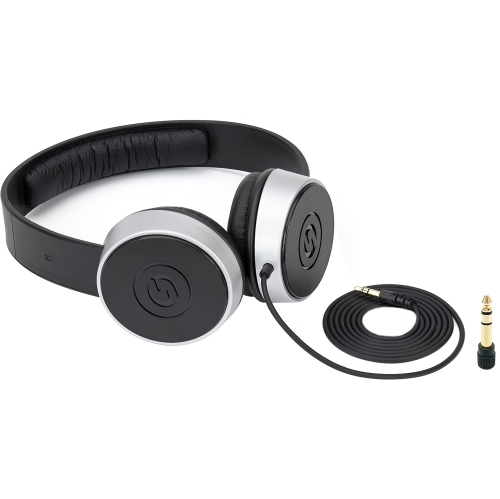
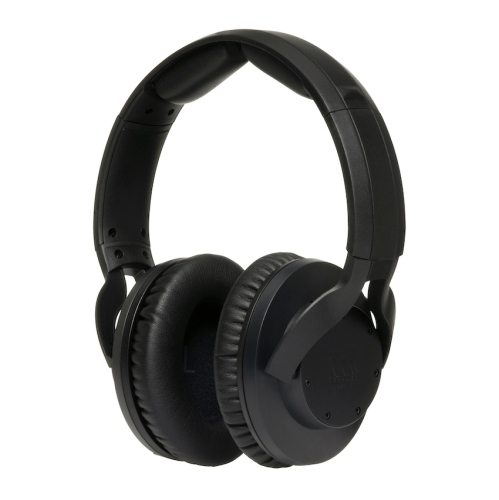
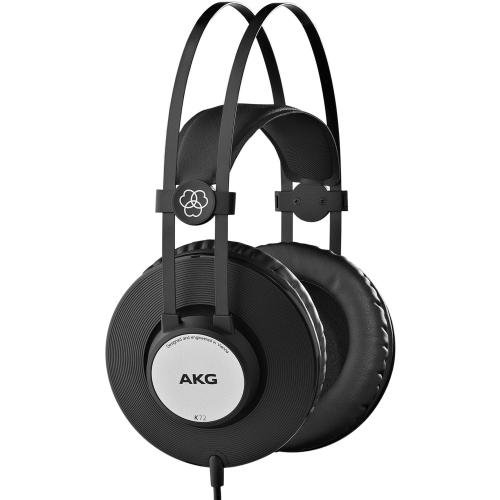
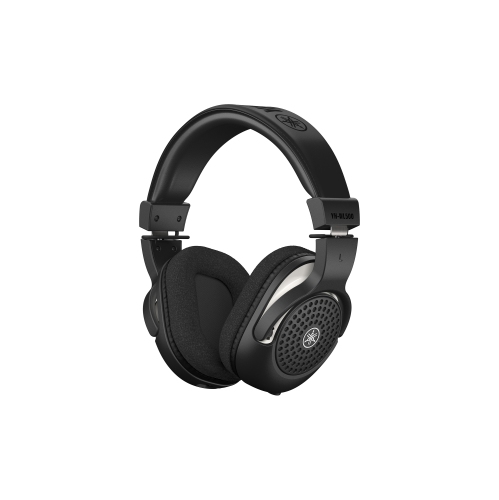



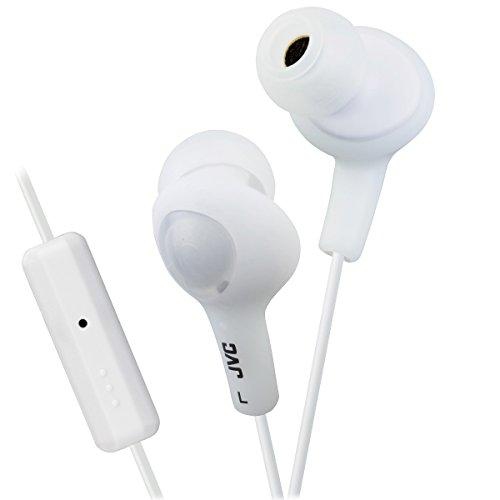

Your guitar tone depends on more than headphones
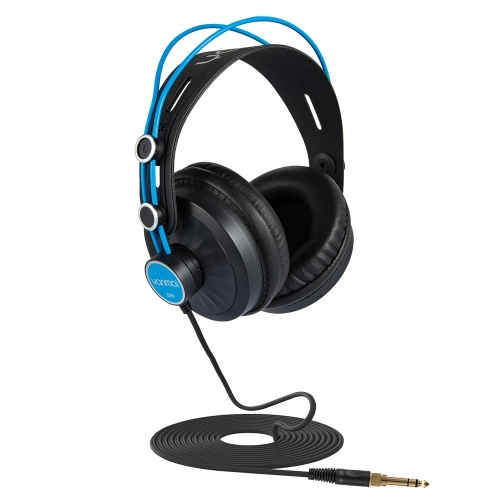
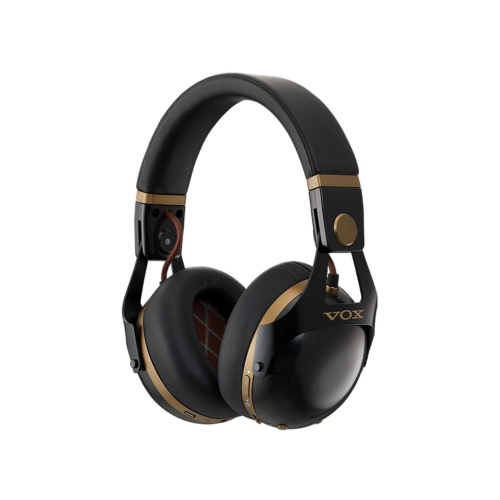
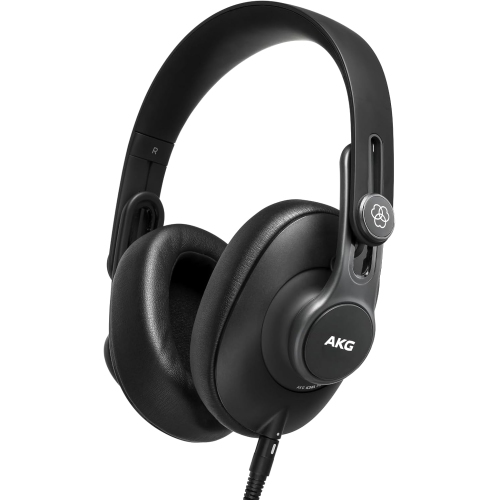
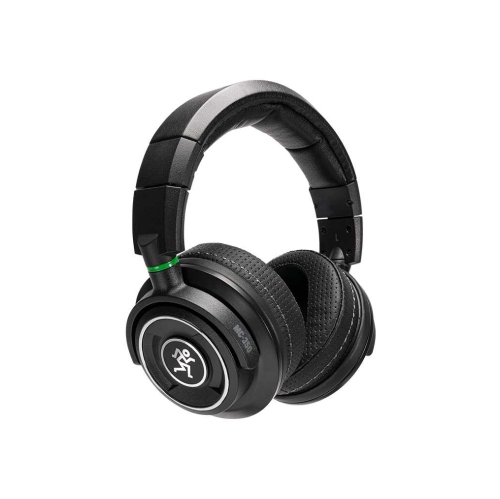
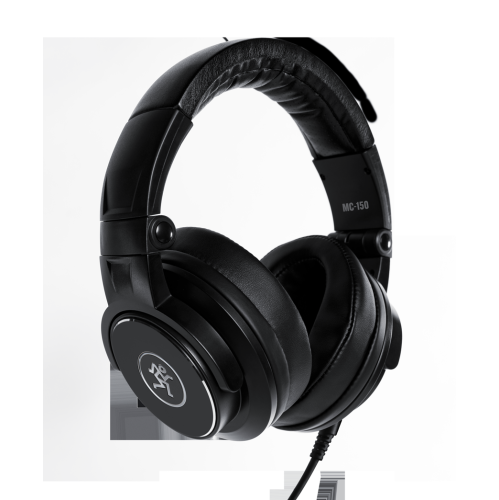
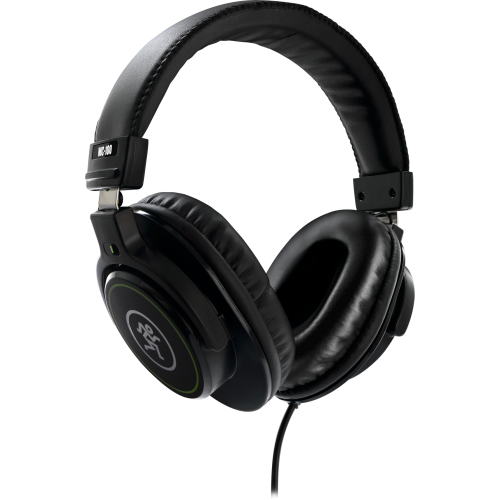
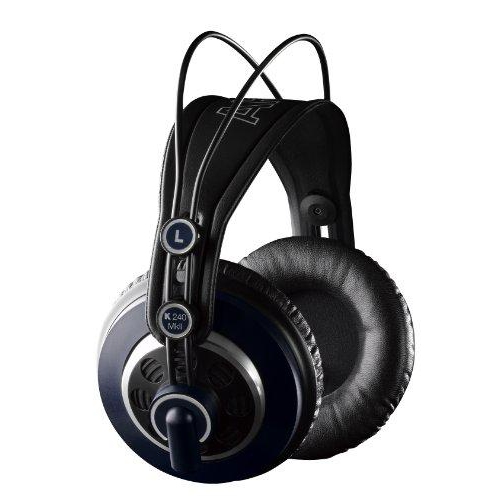
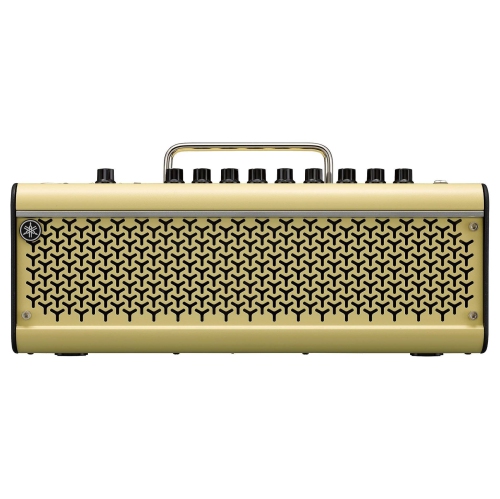
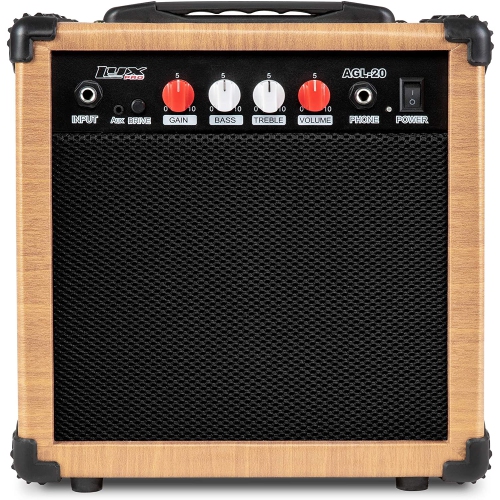
Guitar headphones bring the sound of an amplified instrument into a personal listening space, making them useful for focused practice, recording, and playing without filling a room with amplifier sound. They typically connect to the headphone output of a guitar amplifier, headphone amp, multi-effects processor, or audio interface rather than directly to a standard electric guitar. A passive guitar pickup needs suitable amplification and signal processing before it can drive headphones properly. The equipment between the instrument and the headphones also shapes the listening experience: an amplifier simulator with speaker cabinet modelling can give a direct guitar signal the familiar character of a miked cabinet, while an untreated distorted signal may sound unusually sharp or fizzy. Headphones should connect to an output specifically intended for headphones, never a conventional amplifier speaker output. For guitar playing, useful sound qualities include clear midrange, controlled bass, and treble that reveals detail without making every pick attack feel piercing. The midrange carries much of a guitar’s identity, from the woody body of a clean chord to the growl of an overdriven riff. Excessively boosted bass can obscure lower strings, while strongly emphasized treble can make distortion tiring to hear over longer sessions. A relatively balanced sound helps players judge effects, hear uneven picking, and distinguish individual notes within chords. Larger drivers alone do not guarantee better accuracy; tuning, enclosure design, fit, and the source equipment all affect the result. Headphone impedance and sensitivity matter together, too. Some models need more output power to reach a useful listening level, so compatibility with a compact practice device cannot be judged by impedance alone. Manufacturer specifications for both the headphones and the connected equipment help establish whether a pairing is suitable. For players recording their own music, a presentation that keeps guitar, bass, drums, and vocals distinct can make it easier to hear how a part fits into a full arrangement rather than hearing the guitar in isolation.
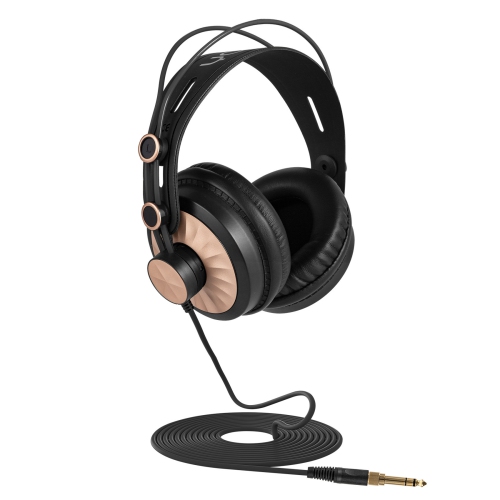
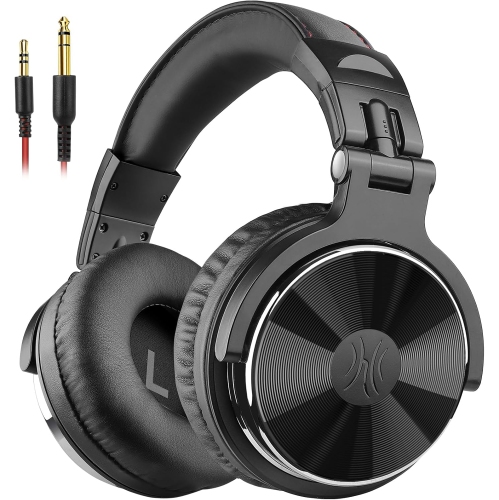
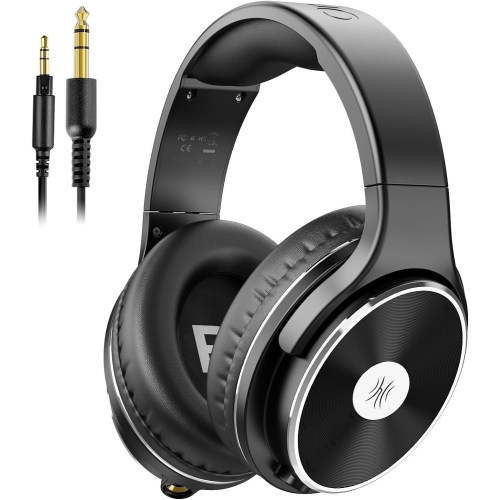
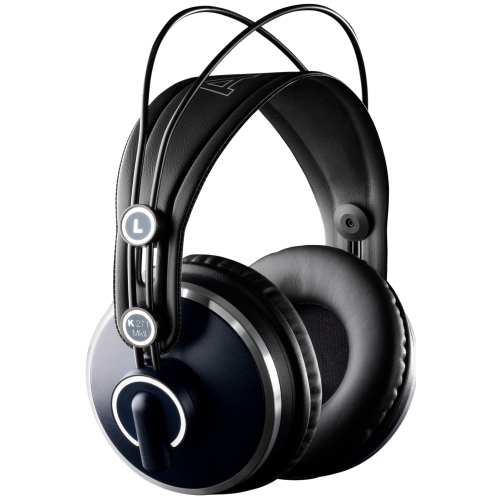
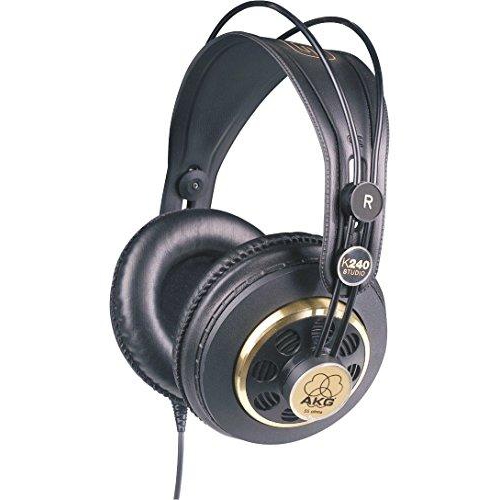
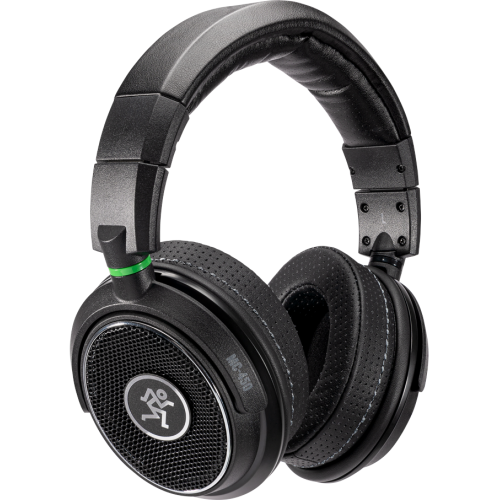
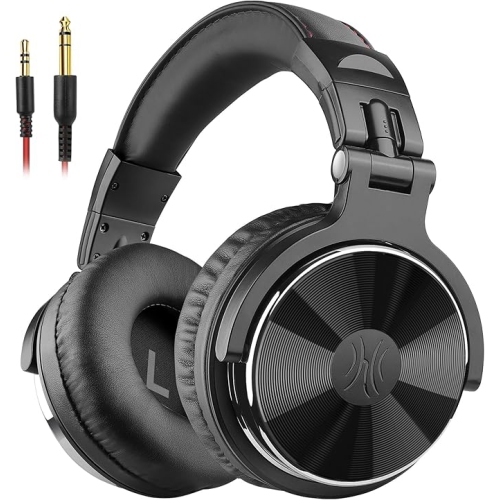
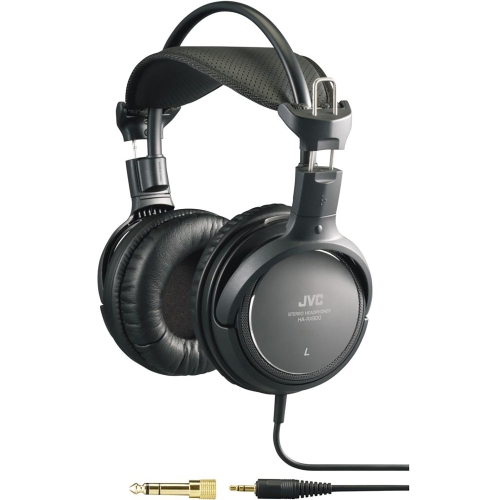
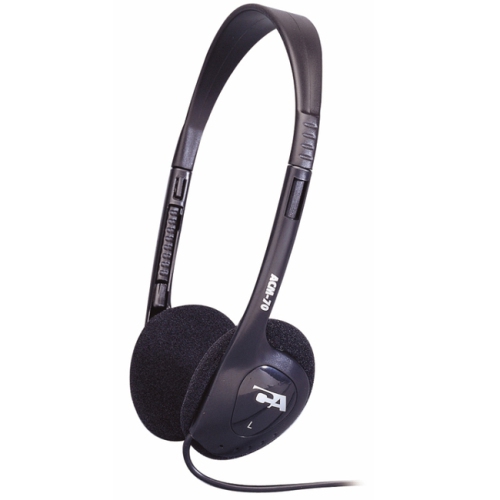
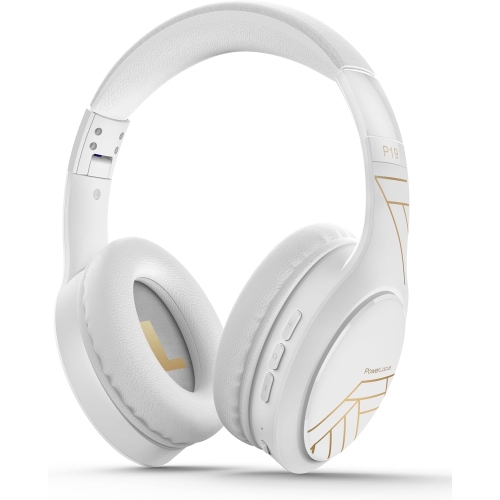
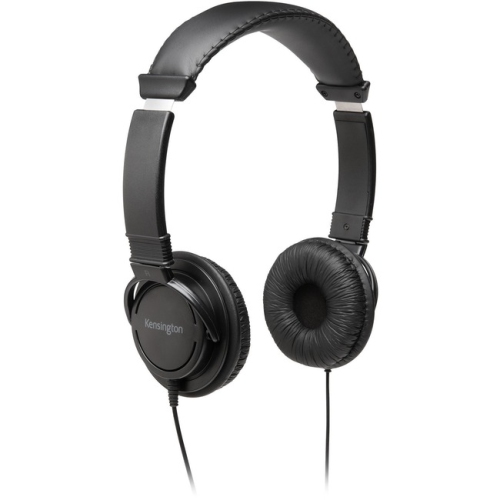
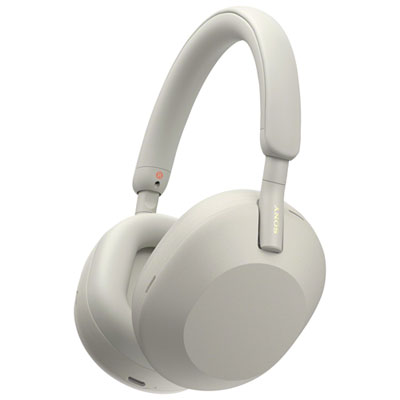
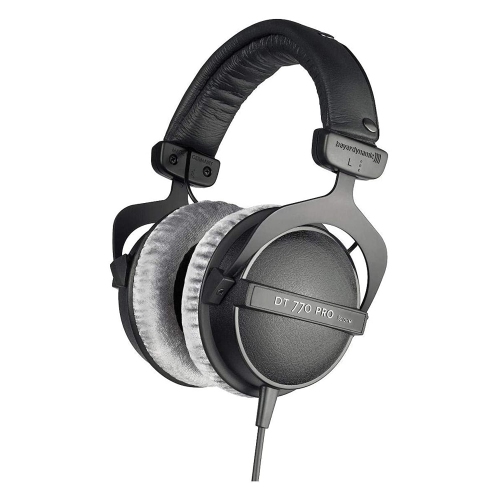
Over-ear guitar headphones surround the ears with cushioned cups and are often comfortable for extended playing, provided the headband and ear openings suit the listener. Closed-back designs help reduce sound leakage and soften some outside noise, making them practical for shared rooms, lessons, and recording near a microphone. Their isolation is not complete, and the seal can change with glasses, hair, or head movement. Open-back designs allow more sound to pass in both directions and can create a more spacious presentation in a quiet room. They are less suited to situations where other people need silence or where a nearby microphone could capture headphone playback. Neither design is automatically more accurate; the individual tuning and the way the headphones fit are more useful indicators than the enclosure style alone. Comfort involves more than soft padding. A broad headband can distribute weight, adjustable sliders help position the earcups, and moderate clamping pressure keeps the headphones secure without squeezing the jaw. Ear openings need enough room to avoid pressing against the outer ear, particularly during longer rehearsals or recording sessions. Players who wear glasses may notice pressure where the cushions meet the arms of their frames. Cushion materials affect the feel as well: fabric and velour can feel more breathable, while leatherette surfaces are often easier to wipe clean and may create a closer seal. Metal reinforcement can strengthen frequently adjusted sections, while lightweight plastics can reduce the weight carried on the head. Hinge construction and cable strain relief deserve attention because headphones may be put on and removed repeatedly between takes. Replaceable ear pads and detachable cables allow worn components to be changed without replacing the entire headset. Cable routing also matters when an instrument is resting against the body. A cable hanging across the picking arm can interrupt movement or brush the strings, while one routed away from the guitar leaves more room for relaxed playing. Coiled cables offer flexibility within a limited space, whereas straight cables may feel less bulky when seated.
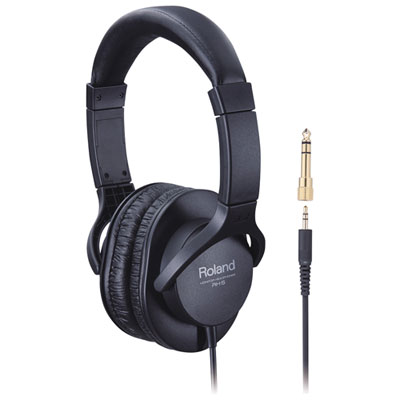
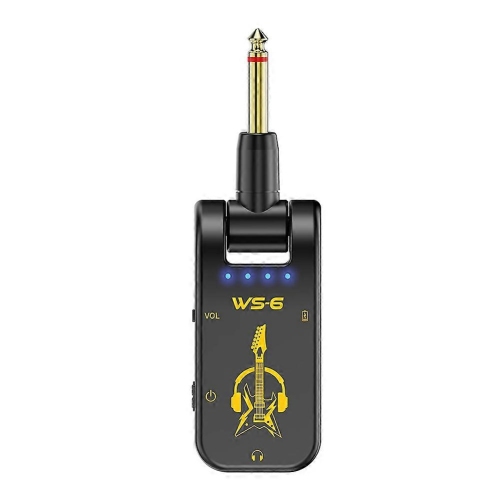
Different playing routines place different demands on guitar headphones. A beginner working through chord changes may value a straightforward wired connection and an easy fit, while a player recording layered parts may place more emphasis on separation and consistent tonal balance. Someone practising with backing tracks needs a setup that combines the guitar signal with the track before sending both to the headphones; that function may come from an audio interface, practice amplifier, or compatible processor. Wired headphones are generally a dependable choice for live playing because they do not add wireless transmission delay. Standard Bluetooth audio can introduce enough latency for a note to arrive noticeably after the string is picked, making timing feel disconnected. Dedicated low-latency wireless systems can behave differently, but their compatibility and stated delay need to suit instrument use. With computer-based amplifier software, total latency also depends on the interface, audio driver, and buffer settings, not just the headphones. Connections deserve equal attention: a 3.5 mm plug may need a properly fitting 6.35 mm adapter, and a headset cable with an inline microphone may not work as expected with every headphone socket. For broader recording and practice needs, Musician Headphones can also be relevant to players who sing, use keyboards, or monitor several instruments. Guitar headphones can make a thoughtful gift for a learner, a home-recording enthusiast, or an experienced player who shares a living space, especially when the connection type and preferred fit are known. Everyday care helps preserve that fit and function. Cushions can be wiped with a soft cloth according to the manufacturer’s directions, with moisture kept away from drivers and sockets. Cables last better when loosely looped rather than tightly wound around the earcups, and plugs should be removed by the connector rather than pulled by the cord. A protective case helps prevent crushed pads and stressed hinges during transport. Comfortable listening levels and regular breaks remain important even when an isolated sound makes it tempting to turn up. The goal is a clear, responsive view of the guitar that supports deliberate playing without unnecessary listening fatigue.
Top selling and popular products
-
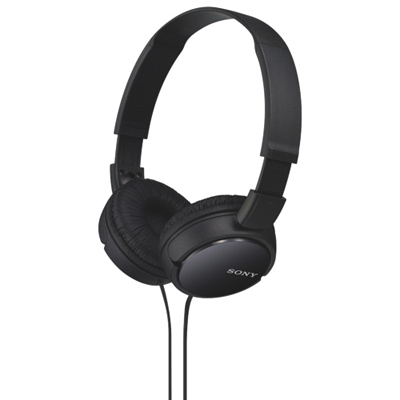 Your price for this item is $24.99
-
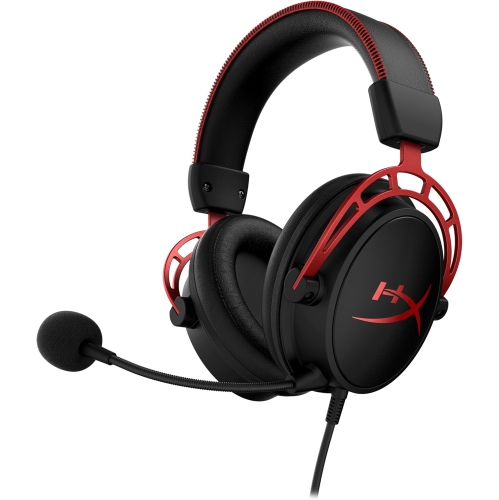 Your price for this item is $124.99
-
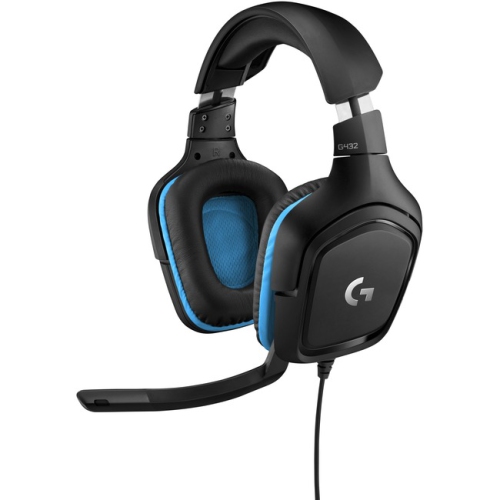 Your price for this item is $116.9
-
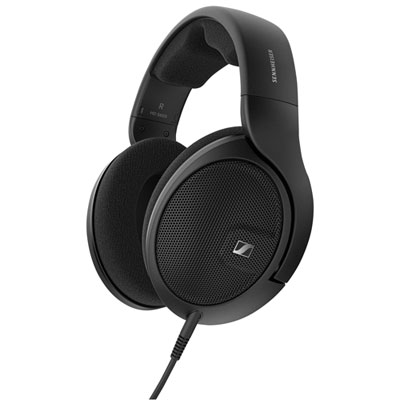 Your price for this item is $179.99
-
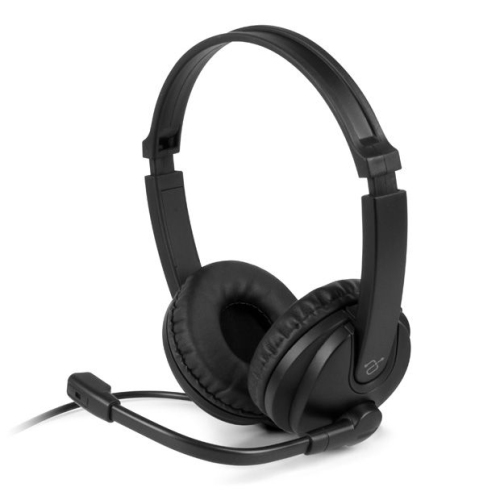 Your price for this item is $46.99
-
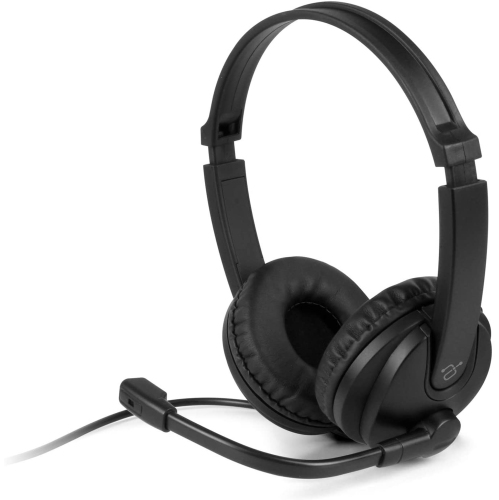 Your price for this item is $63.66
-
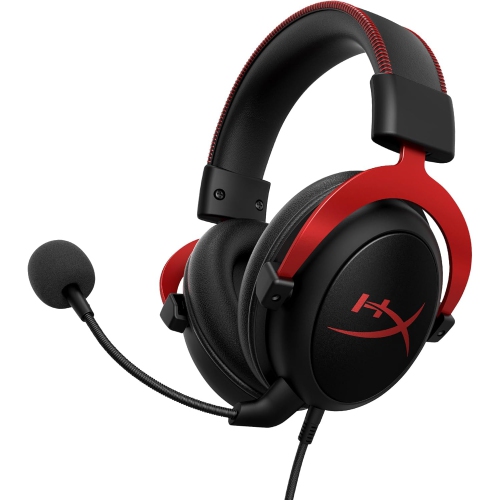 Your price for this item is $144.49
-
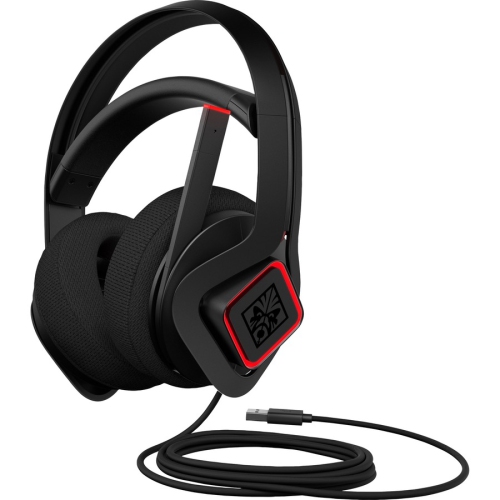 Your price for this item is $105.89
Discover more categories related to Guitar Headphones
Top Collections:
Pokemon Centers, Kindle Devices, Best Budget Office Chairs, Canon G7X Cameras, Apple iPhones 16, Samsung Galaxy Phones, Refurbished Apple Laptops, Laptops for Students, iPhone 15 Apple, Budget Smartphones
Some products may be subject to Environmental Handling Fees
(EHF) depending on your province.
Learn more about EHFs.