On Ear Sports Headphones
Enhance your workout experience with a pair of on-ear sports headphones. Designed to provide exceptional sound quality and a secure fit, these headphones are perfect for athletes, fitness enthusiasts, and anyone looking to add some motivation to their exercise routine. Whether you're hitting the gym, going for a run, or practicing yoga, our selection of on-ear sports headphones offers a range of features to suit your needs. From sweat-resistant materials to wireless connectivity options, you'll find the perfect pair to keep you in the zone and pushing towards your fitness goals.
Sort


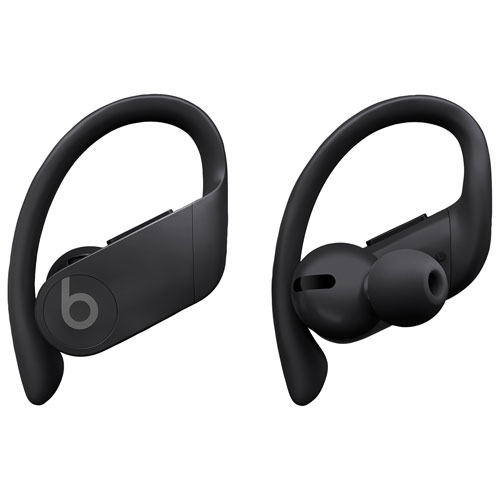
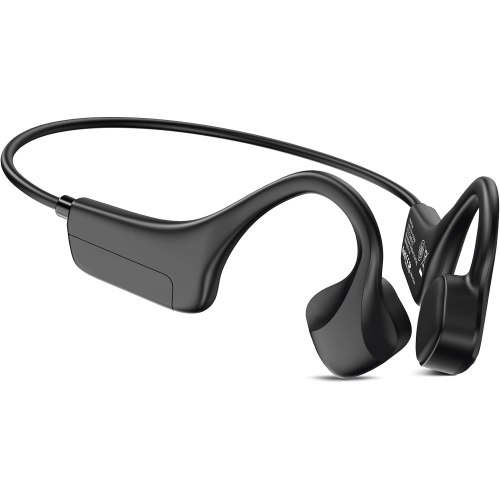
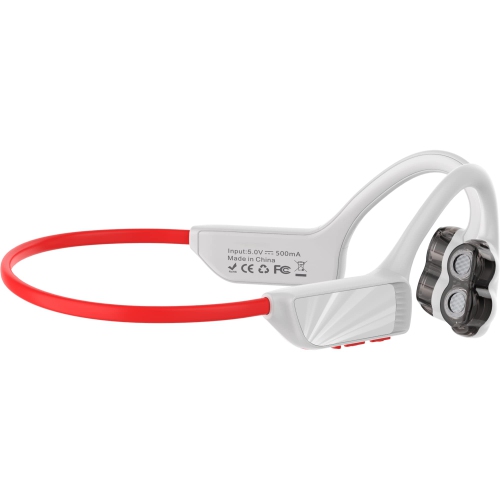
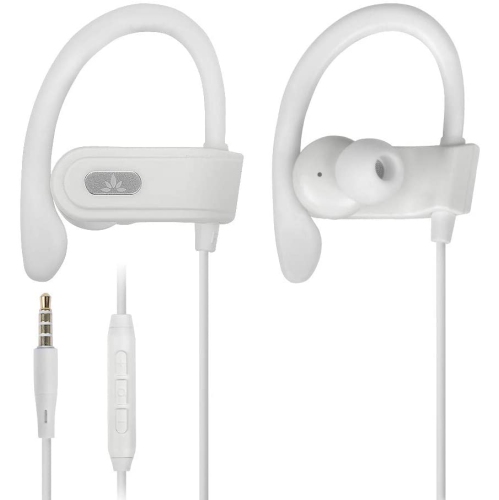


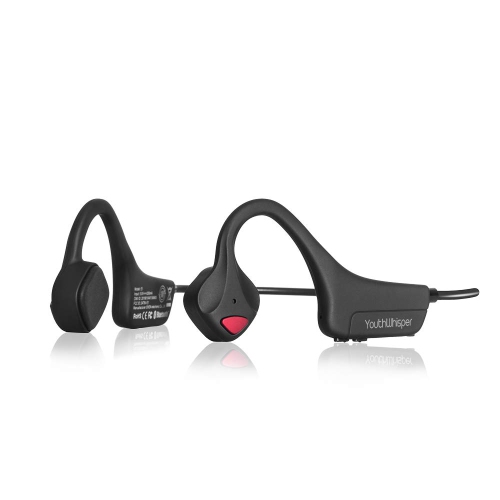
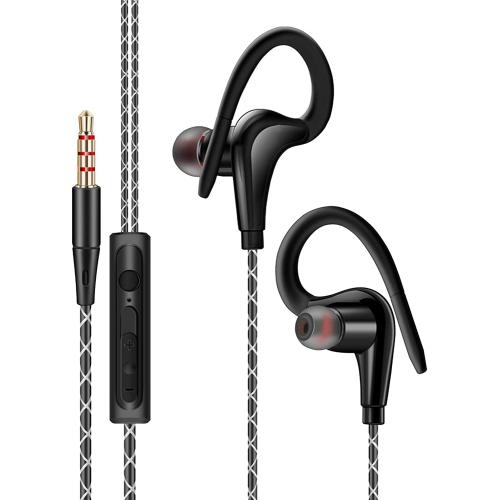
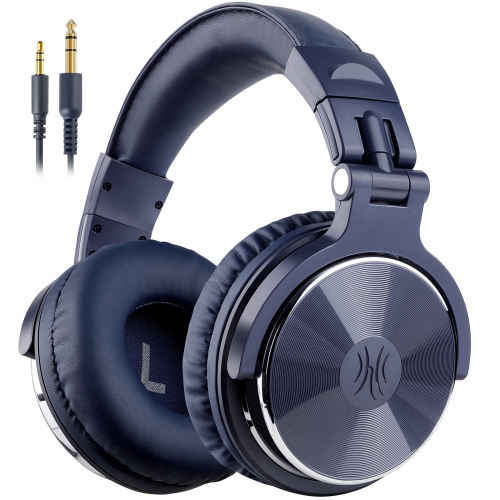
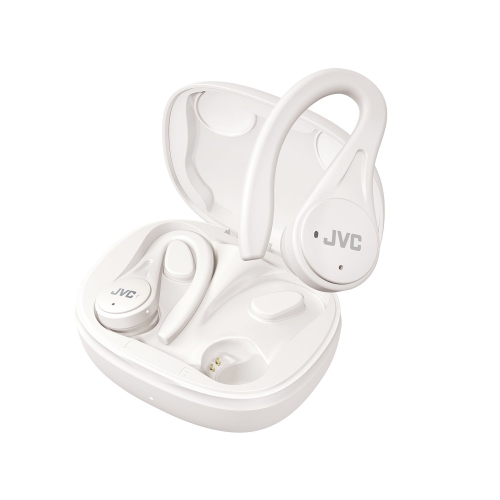

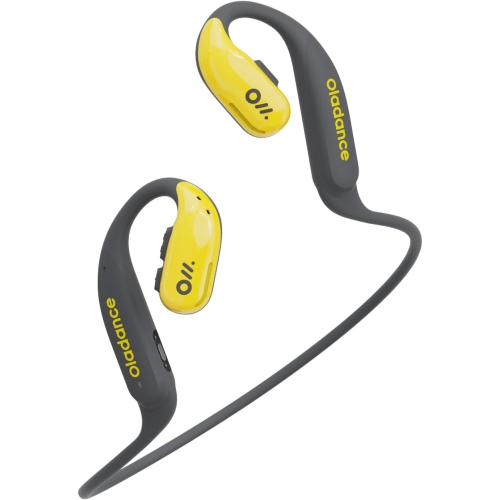
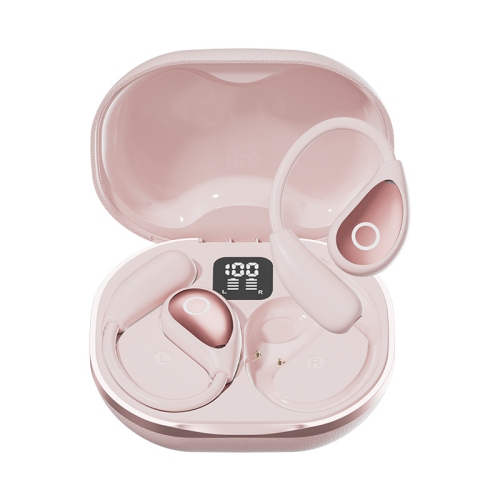
Why a secure fit matters more than sporty styling
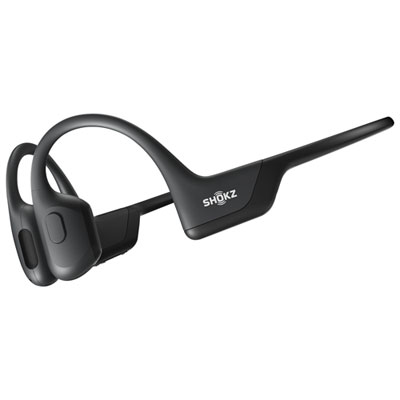
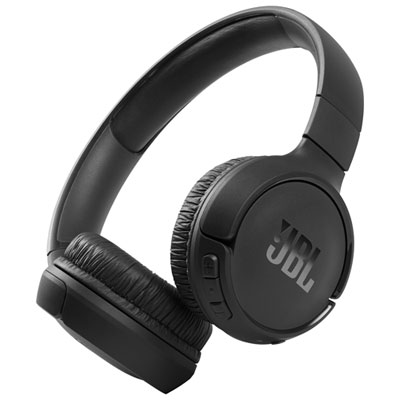
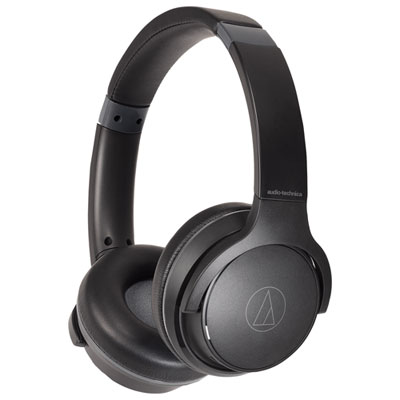
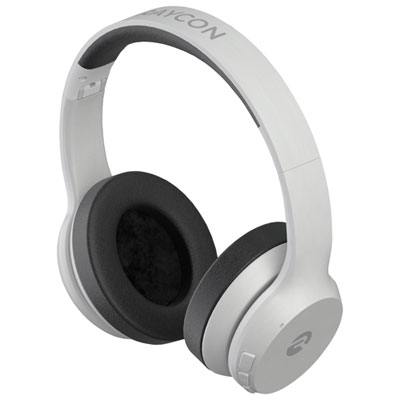
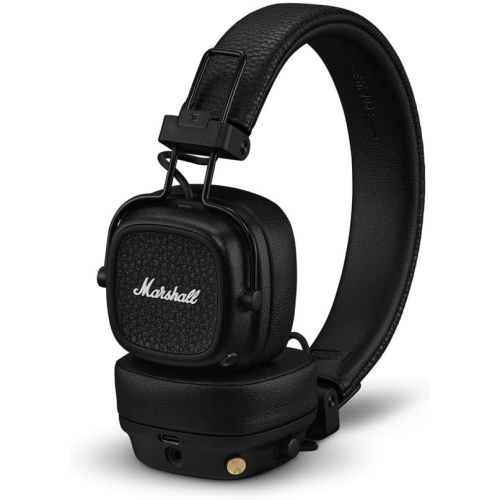
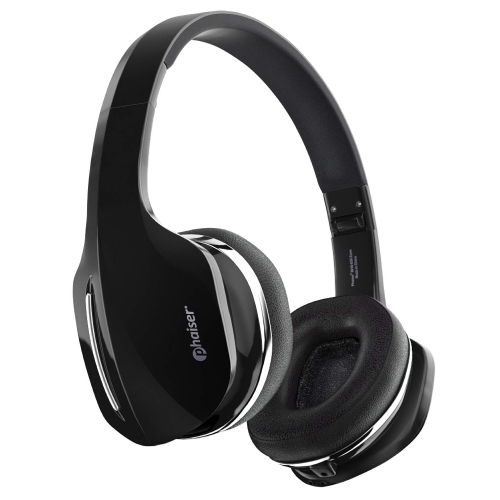
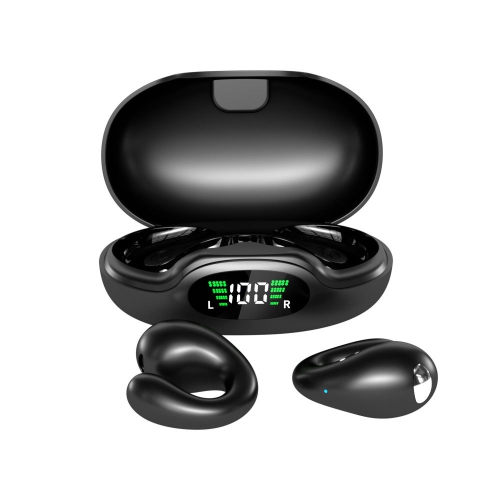
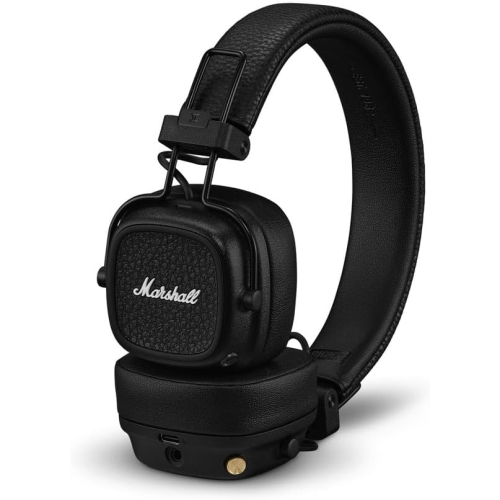
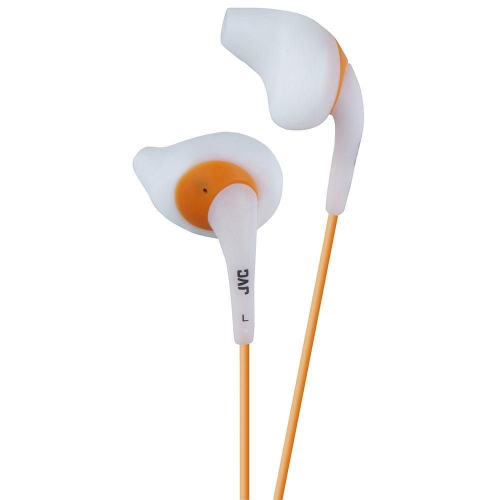
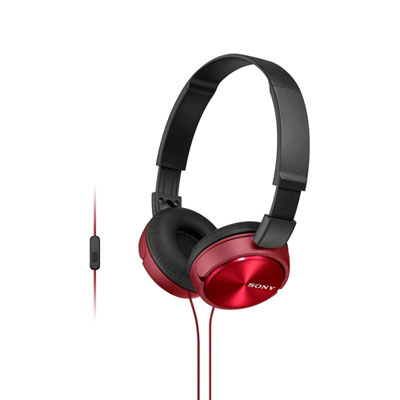
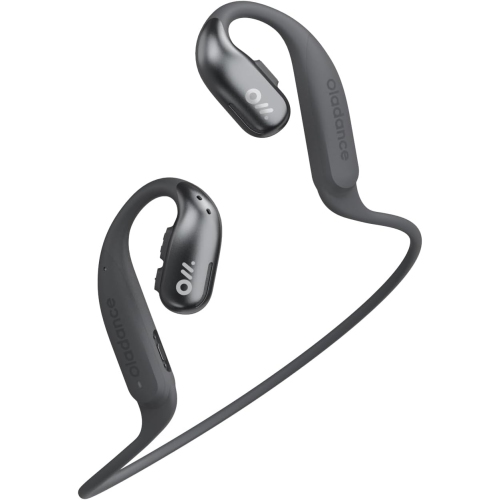
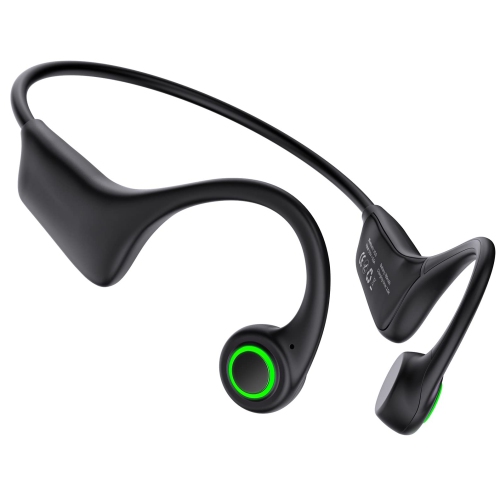
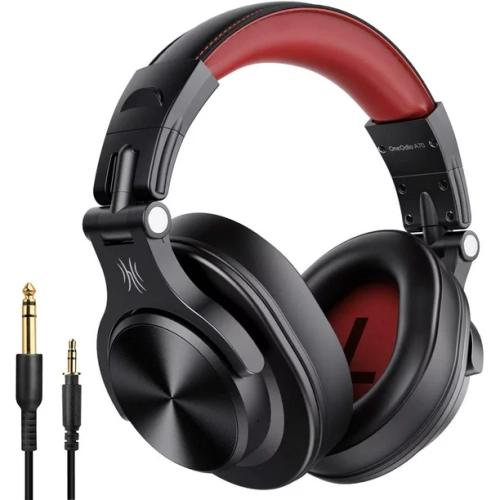
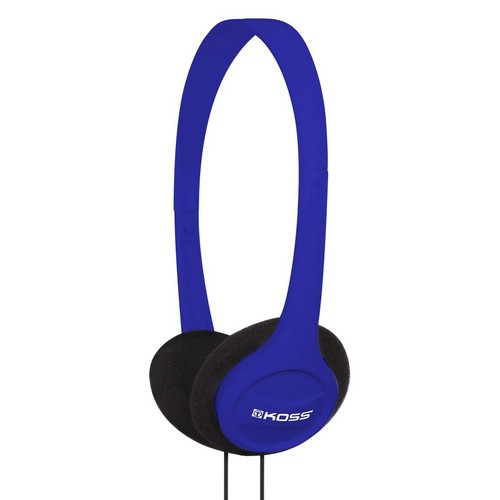
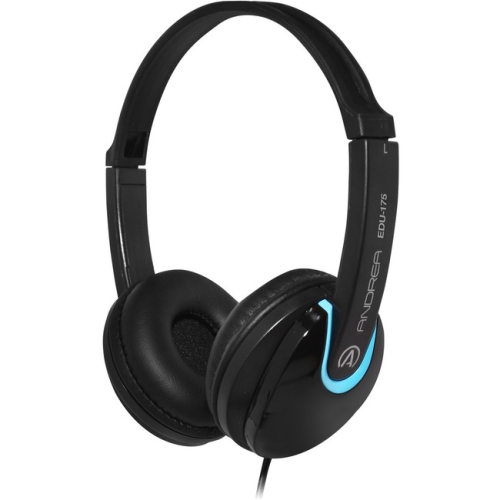
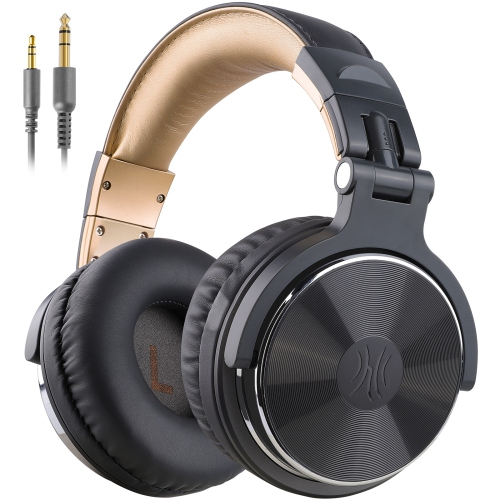
On-ear sports headphones rest their ear cushions directly against the outer ears, pairing a headband fit with a listening style that does not require tips inside the ear canals. They are different from over-ear headphones, which surround the ears, and open-ear designs, which leave the ear canals unobstructed. For active listening, the most useful features are a secure fit, manageable weight, comfortable cushioning, and protection suited to the amount of sweat involved. This combination can work well for strength training, stationary cycling, walking, and other activities where a headband stays comfortably in place. Running and jumping place greater demands on stability, so the shape of the headband and the grip of the ear pads matter more than a sporty appearance alone. An adjustable band helps position the cushions evenly, while pivoting ear cups can follow the angle of the ears rather than pressing harder at one edge. Enough clamping pressure keeps the headphones steady during a set of squats or a brisk treadmill session, but excessive pressure can become distracting during longer workouts. Glasses also affect comfort: the cushion may press the arms of a frame against the head, making pad softness and headband adjustment especially important. Lightweight construction reduces the amount of weight moving with each stride, although weight alone does not determine whether a pair will stay put. The balance between the headband and ear cups is just as relevant when leaning forward over a stationary bike or bending to pick up a weight. On-ear headphones can appeal to listeners who dislike the sensation of in-ear tips or want something less bulky than a full-size over-ear design. Their cushions still cover the ear openings, however, so they should not be treated as an open-ear option for hearing surrounding activity. A comfortable fit should support the intended workout without repeated adjustments between movements.
Materials and construction make a noticeable difference when headphones move from everyday listening to regular exercise. Ear pads may use foam beneath fabric, synthetic leather, or other coverings, each with a different feel against the skin. Fabric can feel softer and less sealed, but may absorb perspiration and require more drying time; smooth coverings can be easier to wipe down, depending on the manufacturer's care directions. Dense padding may distribute pressure comfortably, while softer foam can adapt more readily around the ears and glasses. Neither material choice nor a padded headband establishes sweat resistance on its own. That protection should be explicitly stated in the specifications, particularly for vigorous workouts. An IP rating describes tested resistance to particular forms of ingress, but the exact rating and the manufacturer's limitations still matter. An IPX4 rating, for example, indicates protection against splashing water under test conditions, not suitability for swimming or rinsing under a tap. Water resistance also does not automatically establish resistance to prolonged sweat exposure. A sports label is not a substitute for those details. Durability extends to the parts handled most often: headband sliders, folding hinges, ear-cup joints, controls, and charging ports. Folding designs can take up less room in a gym bag, though the hinges benefit from careful handling rather than being squeezed beneath shoes or heavy equipment. A protective case or separate compartment helps keep cushions from catching on zippers and shields the headphones from loose objects. After exercise, wiping away moisture with a soft cloth and allowing the headphones to dry before storage can help keep the pads and contact surfaces in better condition. Cleaning products should follow the manufacturer's instructions, since harsh chemicals may damage coatings, adhesives, or cushioning. Charging should wait until the headphones and their charging connection are dry. Replaceable ear pads, where supported, can be useful for frequent users because cushions are exposed to repeated compression and skin contact. These everyday details often have as much influence on long-term comfort as the initial fit.
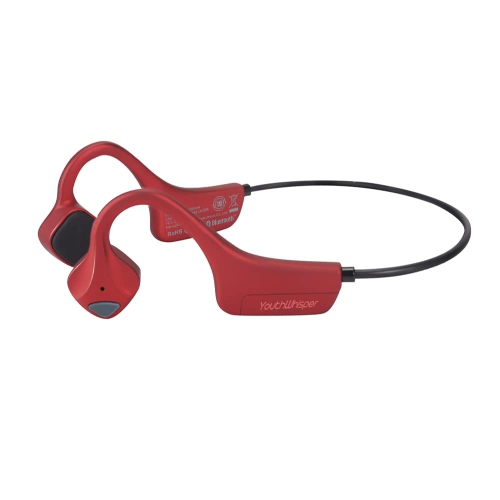
Wireless on-ear sports headphones remove the cable between the headphones and the audio device, which can make movement simpler around exercise equipment. Bluetooth connectivity is useful for listening from a phone, tablet, or compatible watch, although walls, nearby devices, and the distance from the source can affect the connection. Battery life is worth considering in relation to a normal routine: a short daily workout places different demands on charging than a long training session followed by hours of listening. Stated playback figures depend on test conditions, and features such as active noise cancellation, higher volume, and calls can reduce actual listening time. Fast charging can help when supported, but the charging time and resulting playback vary by design. Controls deserve similar attention. Raised buttons can be easier to locate by touch between sets, while touch surfaces may respond differently when fingers are damp. Accessible volume, playback, and track controls reduce the need to handle a phone during exercise. Sound preferences are personal, but clear vocals help spoken coaching and podcasts remain understandable, while defined bass can give music energy without overwhelming the rest of the track. Equalizer settings, where offered, allow some adjustment to that balance. Passive isolation comes from the cushions resting against the ears; active noise cancellation uses additional technology to reduce certain surrounding sounds. Neither feature should encourage turning up the volume to overpower a noisy gym. Awareness or transparency modes may make nearby sounds easier to hear, but they are not a guarantee of detecting traffic, announcements, or other hazards. Keeping the volume moderate and pausing playback when attention is needed remain important. For someone who prefers a headband-free fit, Sony Sports Earbuds offer a different wearing style to consider alongside on-ear designs. As a gift, sports headphones are most likely to suit someone whose exercise habits and comfort preferences are already familiar, particularly whether they like ear cushions or in-ear tips. The strongest match is a pair whose fit, care requirements, controls, and exercise protection suit the way it will actually be used.
Materials and construction make a noticeable difference when headphones move from everyday listening to regular exercise. Ear pads may use foam beneath fabric, synthetic leather, or other coverings, each with a different feel against the skin. Fabric can feel softer and less sealed, but may absorb perspiration and require more drying time; smooth coverings can be easier to wipe down, depending on the manufacturer's care directions. Dense padding may distribute pressure comfortably, while softer foam can adapt more readily around the ears and glasses. Neither material choice nor a padded headband establishes sweat resistance on its own. That protection should be explicitly stated in the specifications, particularly for vigorous workouts. An IP rating describes tested resistance to particular forms of ingress, but the exact rating and the manufacturer's limitations still matter. An IPX4 rating, for example, indicates protection against splashing water under test conditions, not suitability for swimming or rinsing under a tap. Water resistance also does not automatically establish resistance to prolonged sweat exposure. A sports label is not a substitute for those details. Durability extends to the parts handled most often: headband sliders, folding hinges, ear-cup joints, controls, and charging ports. Folding designs can take up less room in a gym bag, though the hinges benefit from careful handling rather than being squeezed beneath shoes or heavy equipment. A protective case or separate compartment helps keep cushions from catching on zippers and shields the headphones from loose objects. After exercise, wiping away moisture with a soft cloth and allowing the headphones to dry before storage can help keep the pads and contact surfaces in better condition. Cleaning products should follow the manufacturer's instructions, since harsh chemicals may damage coatings, adhesives, or cushioning. Charging should wait until the headphones and their charging connection are dry. Replaceable ear pads, where supported, can be useful for frequent users because cushions are exposed to repeated compression and skin contact. These everyday details often have as much influence on long-term comfort as the initial fit.
Wireless on-ear sports headphones remove the cable between the headphones and the audio device, which can make movement simpler around exercise equipment. Bluetooth connectivity is useful for listening from a phone, tablet, or compatible watch, although walls, nearby devices, and the distance from the source can affect the connection. Battery life is worth considering in relation to a normal routine: a short daily workout places different demands on charging than a long training session followed by hours of listening. Stated playback figures depend on test conditions, and features such as active noise cancellation, higher volume, and calls can reduce actual listening time. Fast charging can help when supported, but the charging time and resulting playback vary by design. Controls deserve similar attention. Raised buttons can be easier to locate by touch between sets, while touch surfaces may respond differently when fingers are damp. Accessible volume, playback, and track controls reduce the need to handle a phone during exercise. Sound preferences are personal, but clear vocals help spoken coaching and podcasts remain understandable, while defined bass can give music energy without overwhelming the rest of the track. Equalizer settings, where offered, allow some adjustment to that balance. Passive isolation comes from the cushions resting against the ears; active noise cancellation uses additional technology to reduce certain surrounding sounds. Neither feature should encourage turning up the volume to overpower a noisy gym. Awareness or transparency modes may make nearby sounds easier to hear, but they are not a guarantee of detecting traffic, announcements, or other hazards. Keeping the volume moderate and pausing playback when attention is needed remain important. For someone who prefers a headband-free fit, Sony Sports Earbuds offer a different wearing style to consider alongside on-ear designs. As a gift, sports headphones are most likely to suit someone whose exercise habits and comfort preferences are already familiar, particularly whether they like ear cushions or in-ear tips. The strongest match is a pair whose fit, care requirements, controls, and exercise protection suit the way it will actually be used.
Top selling and popular products
-
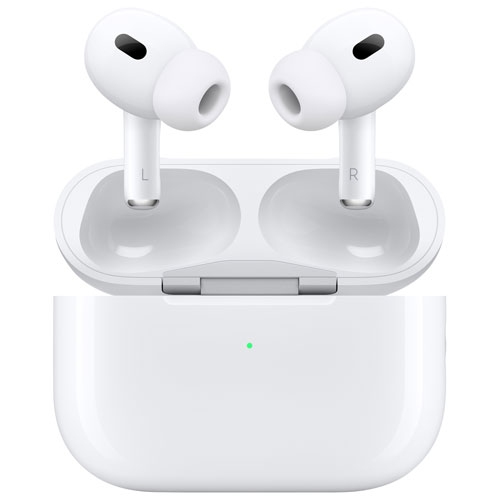 Your price for this item is $349.99
 -
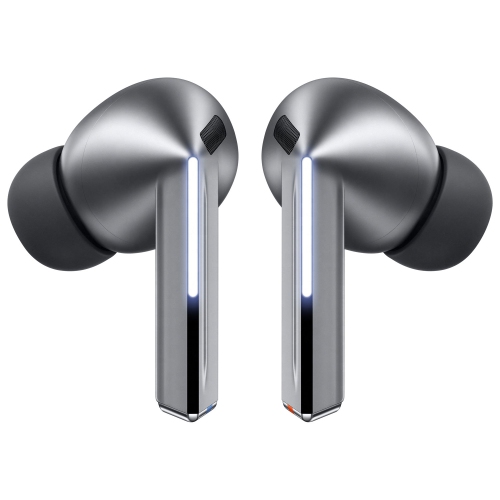 Your price for this item is $229
 -
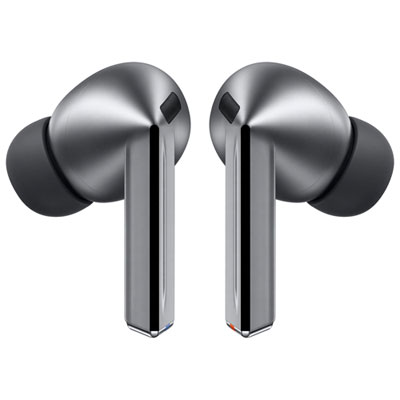 Your price for this item is $329.99
 -
 Your price for this item is $227
 -
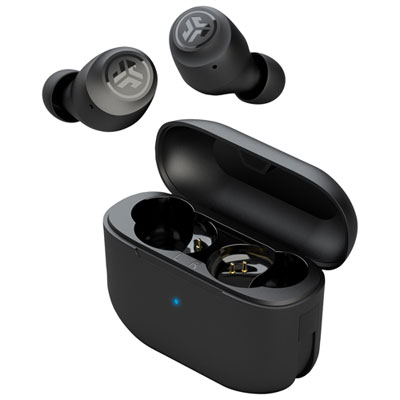 Your price for this item is $34.99
 -
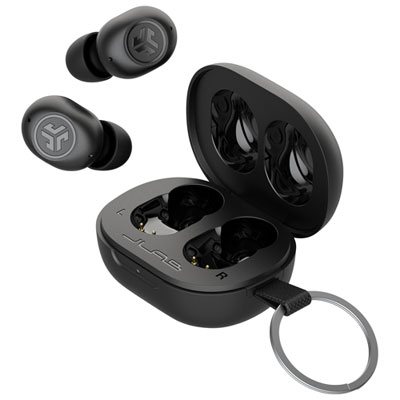 Your price for this item is $39.99
 -
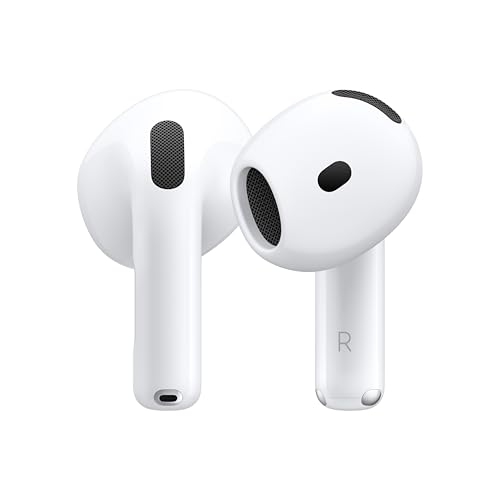 Your price for this item is $238.99
 -
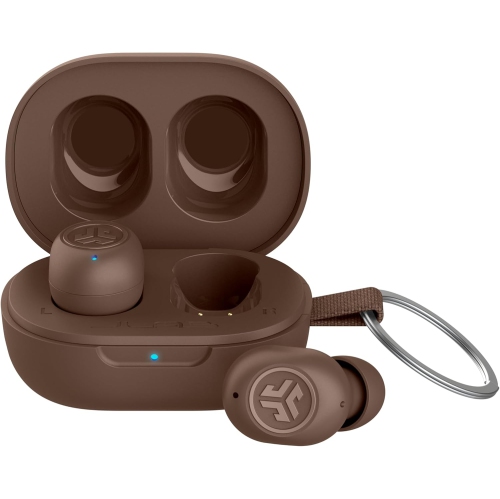 Your price for this item is $89.99
Discover more categories related to On Ear Sports Headphones
Top Collections:
Pokemon Centers, Budget 4K TVs, Kindle Devices, Canon G7X Cameras, Apple iPhones 16, iPhone 15 Apple, Laptops for Business Work, Flip Phones, Xiaomi Phones, Refurbished Apple Laptops
Some products may be subject to Environmental Handling Fees
(EHF) depending on your province.
Learn more about EHFs.