Swimming Headphones
If you're a swimmer who likes to listen to music or podcasts while you swim, you've probably considered buying headphones that are designed for the water. There are several options available. We found a pair of headphones that are affordable, have a long battery life, and are comfortable enough to wear while swimming. Here are some of our favorites.
Sort
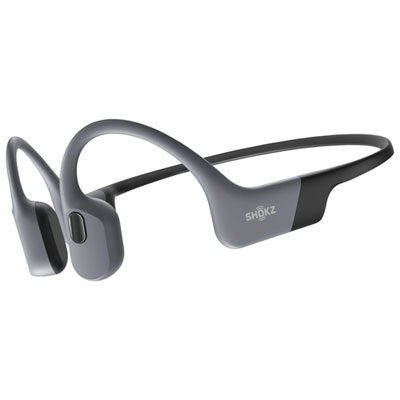
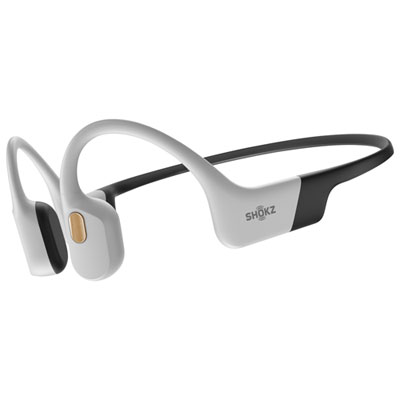
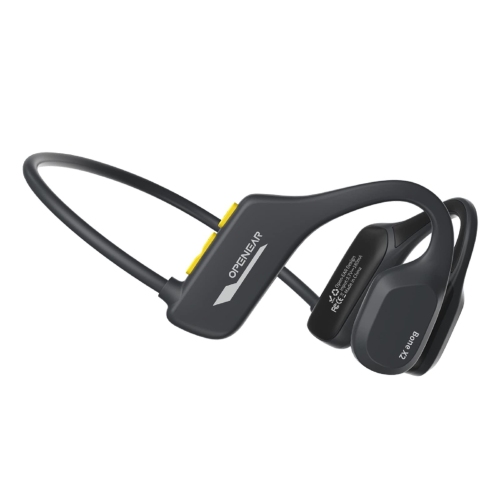
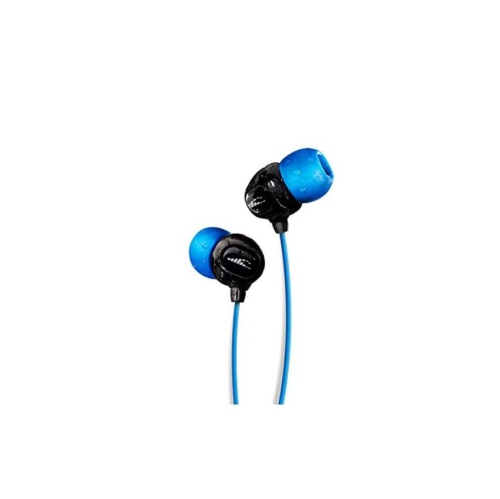
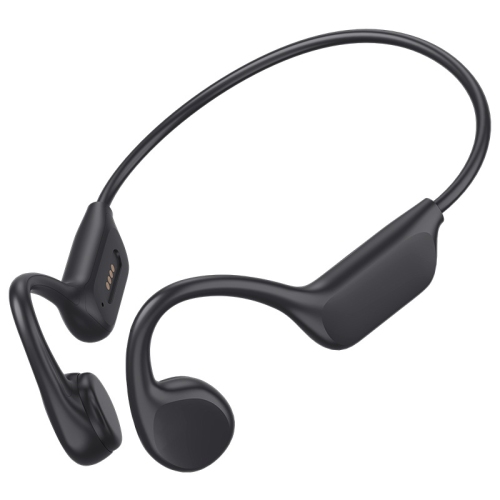
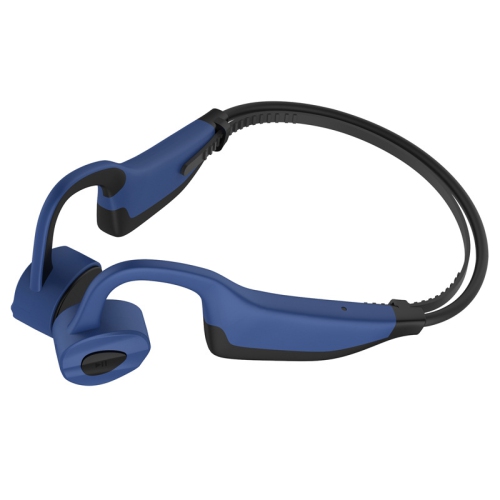
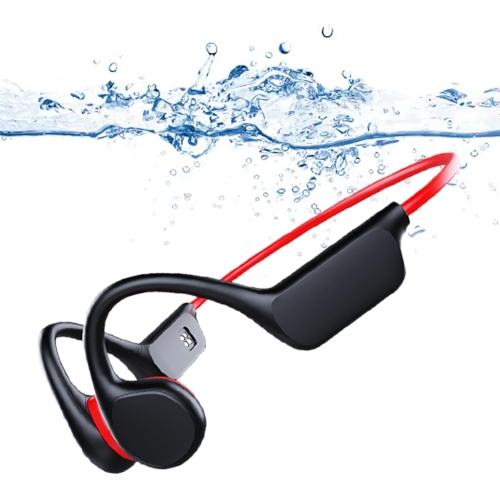
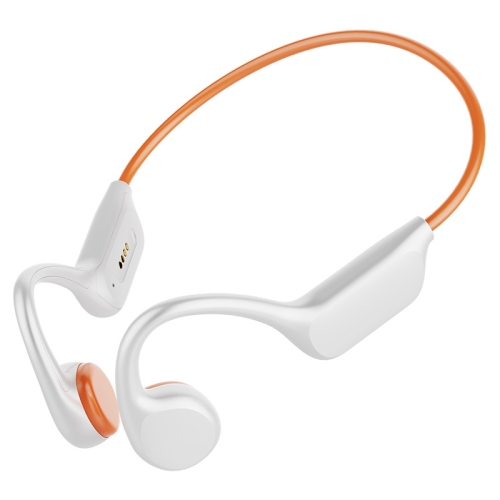
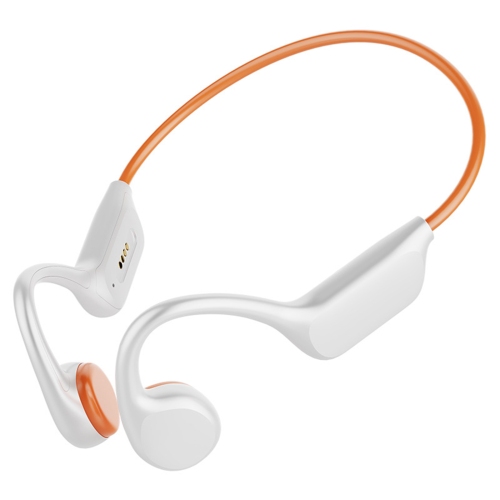
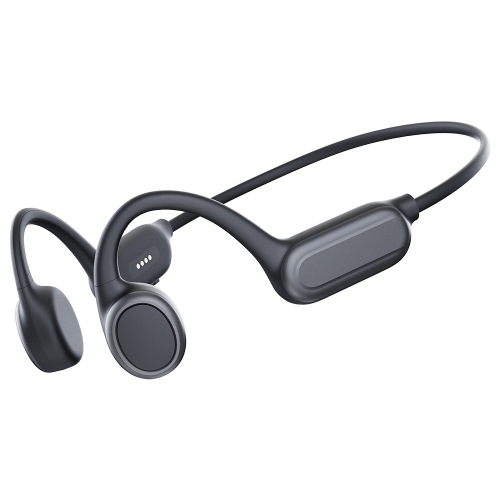
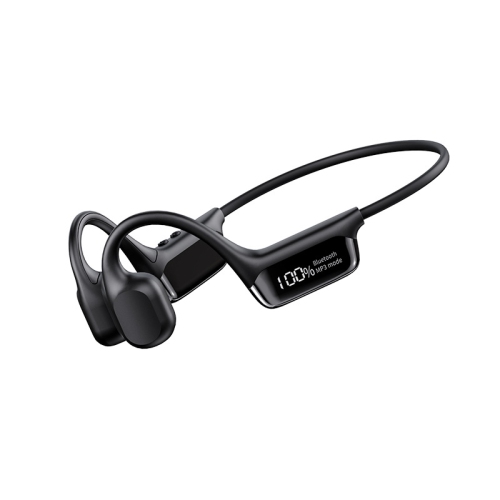
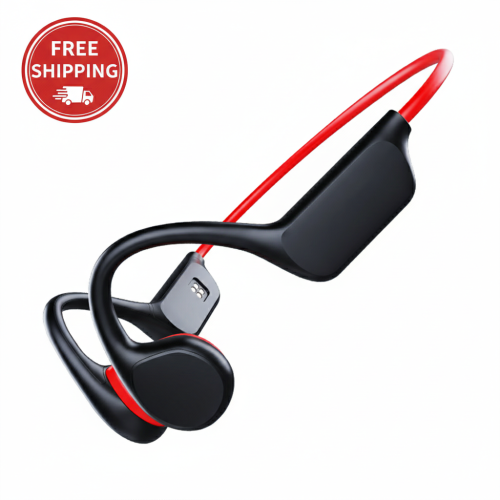

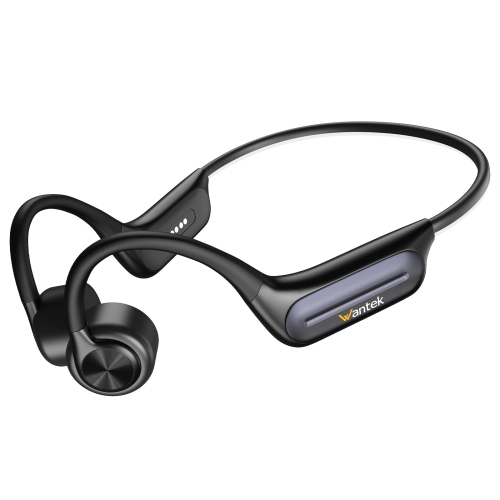
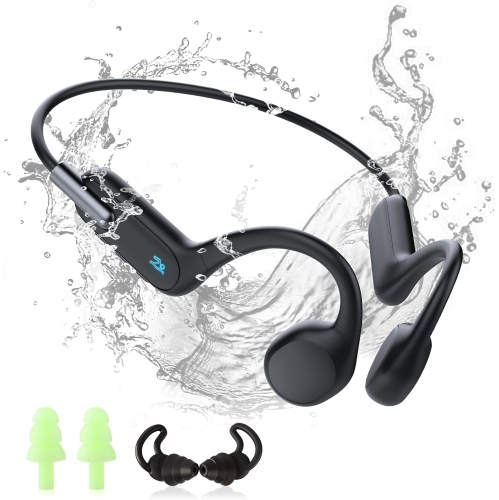
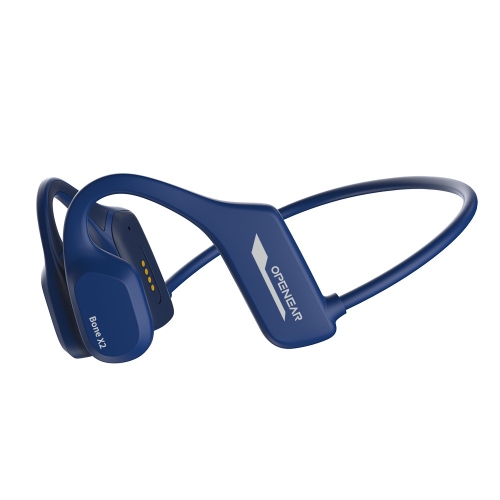
Underwater listening takes more than a waterproof label
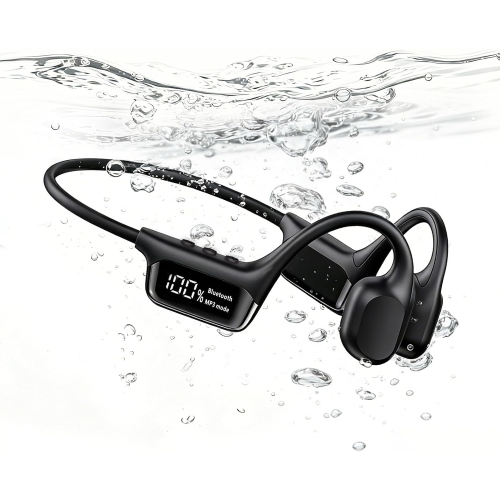
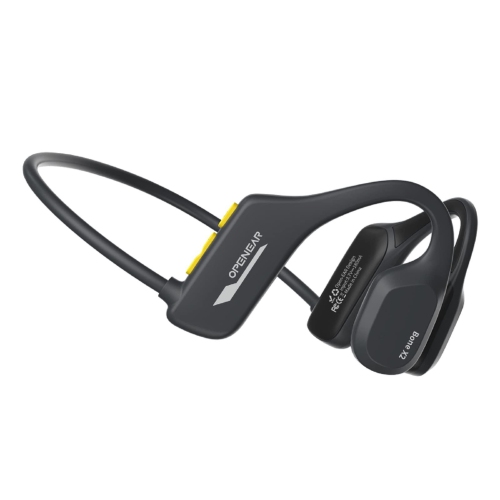
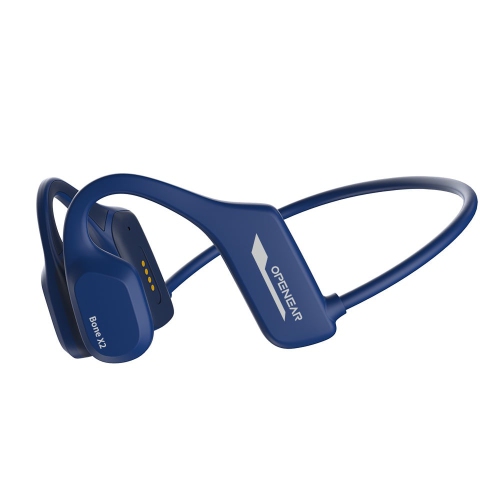
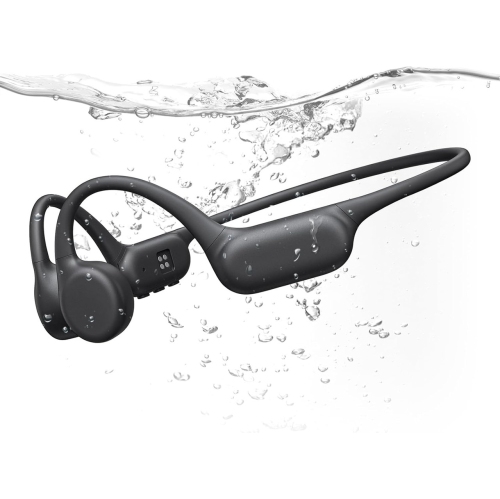
Swimming headphones bring music, spoken-word audio, and a familiar rhythm to time spent in the pool. For someone working through steady lengths, a well-chosen playlist can provide a consistent backdrop without the distraction of checking a screen between sets. These headphones are designed around a different set of demands from everyday listening: repeated immersion, movement against water, and a secure fit that stays comfortable alongside goggles and a swim cap. Their usefulness depends on more than a waterproof label. The way audio reaches the headphones is especially important, because Bluetooth signals do not travel reliably through water. A phone left beside the pool generally cannot provide an uninterrupted underwater connection, even when the headphones support Bluetooth for use on dry land. Many swimming designs address this limitation with built-in storage, allowing compatible audio files to play directly from the headset. Storage capacity, supported file formats, and the process for transferring tracks all affect how easily that setup fits into a regular routine. A downloaded playlist inside a streaming app is not necessarily transferable to a separate music player, so compatibility with an existing audio library matters. For audiobook listeners, track navigation and the ability to resume playback may be more useful than room for thousands of songs. Clear physical controls can also make a difference when fingers are wet and there is no screen to consult. Distinct buttons for playback, volume, and track changes are easier to identify by touch than a crowded control layout. For swimmers who also exercise outside the pool, a design with both stored-audio playback and Bluetooth may serve different purposes in different settings. The underwater experience still rests on its swimming-specific features, rather than the wireless functions used during a walk or a workout on dry land.
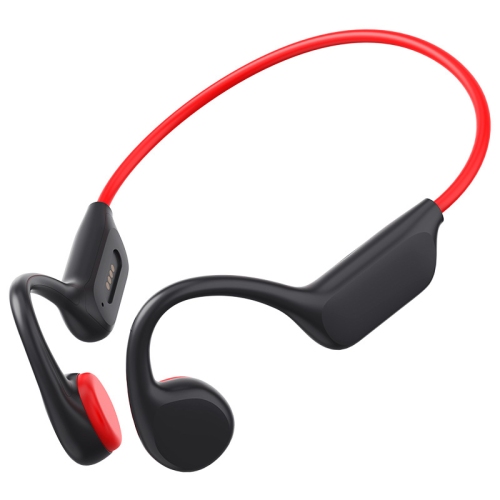
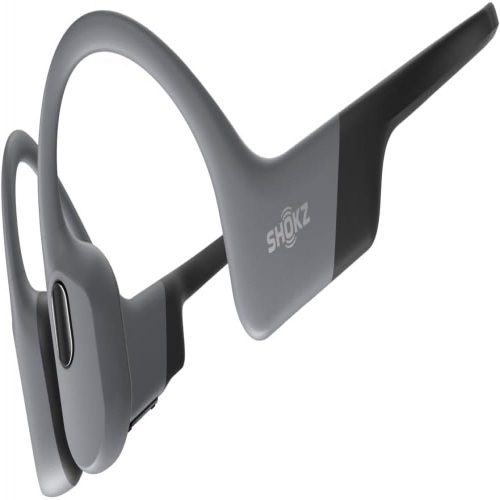
Fit shapes both comfort and sound, particularly when a swimmer pushes away from the wall, turns their head to breathe, or settles into a longer session. Bone-conduction swimming headphones typically rest against the cheekbones, transmitting vibrations rather than placing a speaker inside the ear canal. This leaves the ear canals open, although water, movement, and the audio itself can still affect awareness of surrounding sounds. In-ear designs, including swimming earbuds, use tips that sit within the ears, with fit influencing how securely they stay in place and how consistent the sound remains. Neither approach feels identical for every swimmer. Head shape, ear shape, sensitivity to pressure, and the position of goggle straps all play a part. A frame that feels unobtrusive while standing still may press differently once a cap is pulled over it, while an ear tip that feels snug on land may need a different size for a dependable fit in the water. Smooth silicone contact surfaces and flexible coated frames can help reduce rubbing, but the balance between flexibility and support matters as much as softness. Too much movement can interrupt listening; too much pressure can become distracting over repeated lengths. Low-profile shapes are less likely to interfere with a cap or catch against a goggle strap, and a connecting band should sit without forcing the earpieces out of position. Some designs work with earplugs during swimming, which can change the listening experience; compatibility depends on the headset and its intended setup. Sound also changes when the ears are submerged, so performance at a desk does not tell the whole story. For pool use, stable placement and intelligible audio at a comfortable volume often matter more than the expansive listening experience associated with larger, dry-land headphones. A straightforward fit that is easy to repeat can make these headphones a more natural part of a swim bag.
Water protection, construction, and everyday care determine how well swimming headphones suit repeated use. A splash-resistant design intended for sweat or rain is not the same as a headset approved for swimming. An IP rating provides useful information about tested protection, but the manufacturer’s stated swimming suitability, permitted depth, and immersion limits remain important. An IPX8 designation, for example, does not mean unlimited depth or unrestricted time underwater; the applicable conditions are specified by the manufacturer. Resistance to immersion also does not automatically establish suitability for chlorinated pools or salt water. Durable housings, secure seams, and well-protected charging contacts all contribute to practical use, while flexible sections need enough resilience to handle routine fitting without being stretched beyond their intended shape. After a swim, care usually centres on removing residue and allowing the headset to dry as directed. Where the manufacturer recommends it, a gentle fresh-water rinse helps clear away pool chemicals or salt, followed by drying with a soft cloth and leaving the headphones in a ventilated place. Charging contacts and ports need to be completely dry before connecting power. Strong cleaners, abrasive scrubbing, direct heat, and storage while damp can damage materials or interfere with charging. A protective case can prevent tangles and pressure in a crowded bag, but it should not trap moisture around a wet headset. Battery life is another practical consideration: the stated playback time should comfortably cover the intended session, with actual results varying by volume and listening mode. For regular lap swimmers, fitness swimmers, or someone returning to a familiar pool routine, the appeal is a self-contained listening setup that does not depend on handling a phone at the water’s edge. As a gift, swimming headphones are most useful when the recipient’s preferred fit, audio sources, and pool rules are already understood. Whatever the setting, audio should remain secondary to safe swimming, lane etiquette, and the ability to follow instructions from pool staff.
Top selling and popular products
-
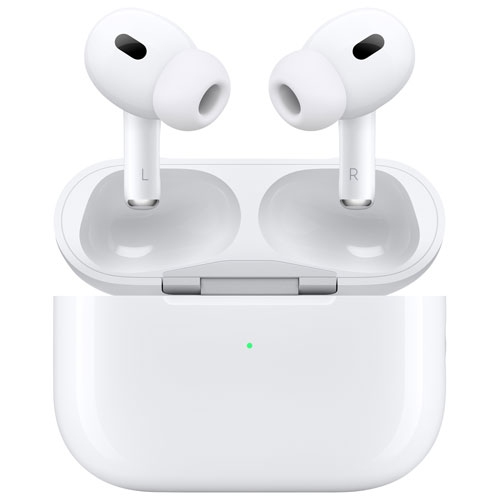 Your price for this item is $349.99
-
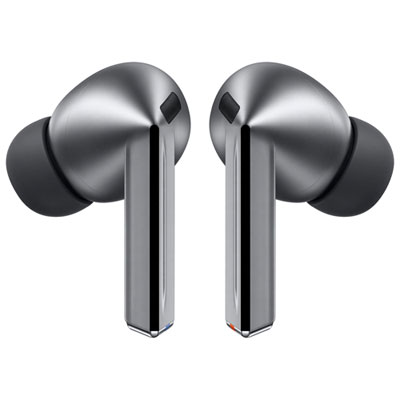 Your price for this item is $329.99
-
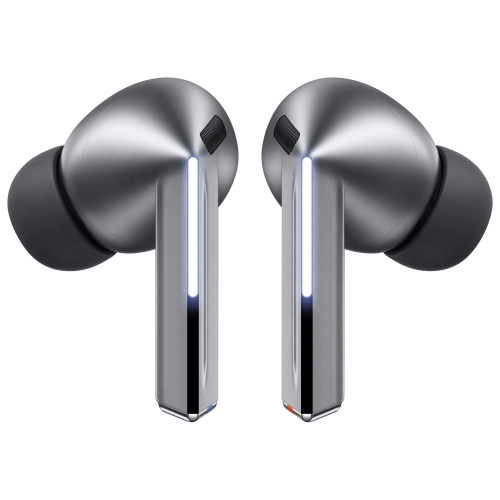 Your price for this item is $229
-
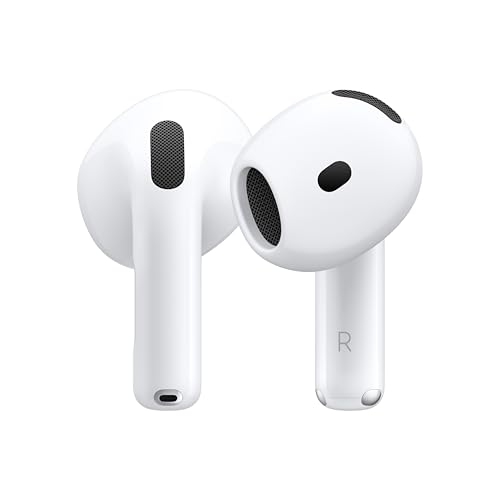 Your price for this item is $354.66
-
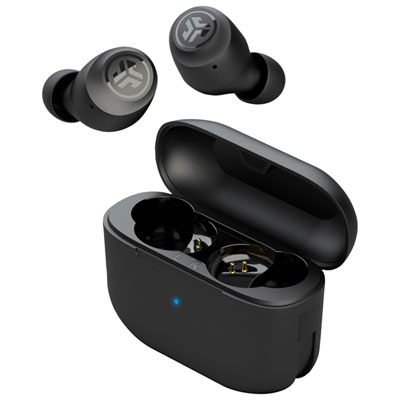 Your price for this item is $19.99
-
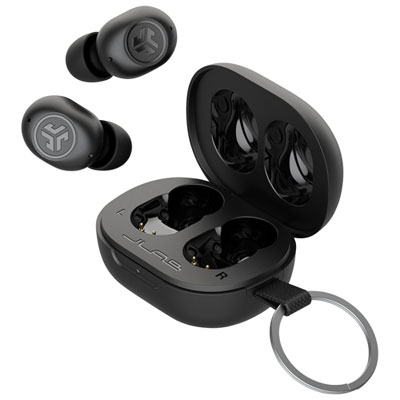 Your price for this item is $59.99
-
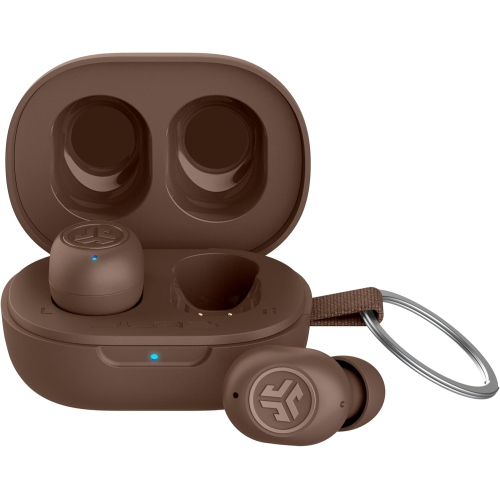 Your price for this item is $107.49
-
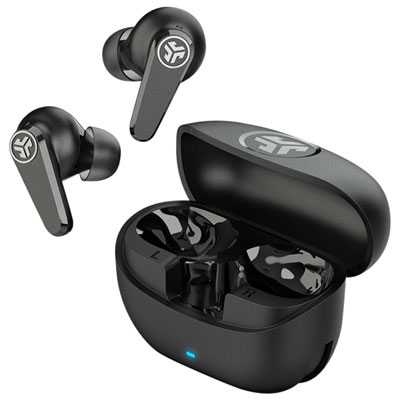 Your price for this item is $59.99
Discover more categories related to Swimming Headphones
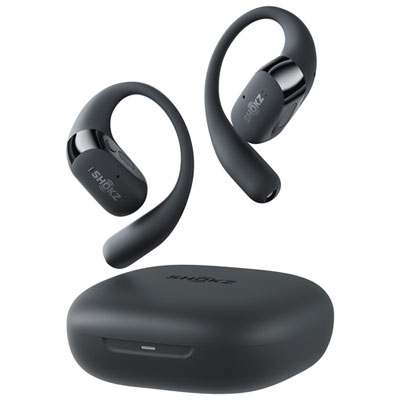
Top Collections:
Best Black Friday Deals This Year, Best Black Friday Deals On Electronics, Kindle Devices, Dyson Airwrap, Best Cameras for Sports Photography, Best Budget Office Chairs, Canon G7X Cameras, PS5 Pro Consoles, Best Black Friday Deals On Apple Products, XBOX One S Consoles
Some products may be subject to Environmental Handling Fees
(EHF) depending on your province.
Learn more about EHFs.