3 Wheeled Mobility Scooters
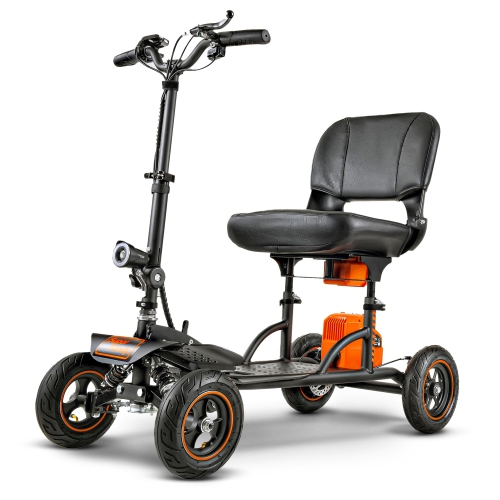
Looking for a convenient and efficient way to enhance your mobility? Look no further than the 3-wheeled mobility scooter. Designed to provide comfort, stability, and independence, these versatile scooters offer a fantastic solution for individuals with limited mobility or those looking to explore the outdoors with ease. With their compact size and maneuverability, 3-wheeled mobility scooters are perfect for navigating through tight spaces while still offering a smooth and enjoyable ride. Whether you're running errands, visiting friends and family, or simply enjoying a leisurely stroll around the neighborhood, these scooters are sure to become your trusted companion. Discover the freedom and flexibility that a 3-wheeled mobility scooter can bring to your everyday life.
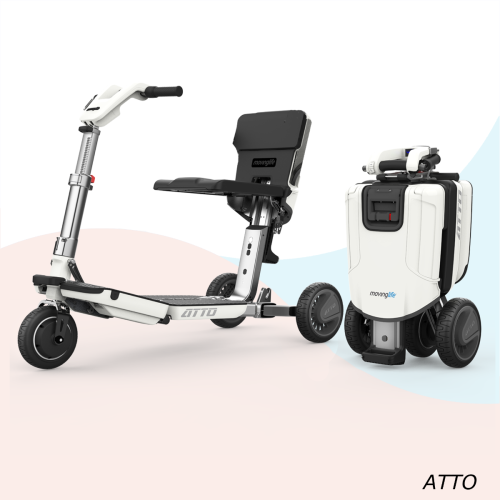
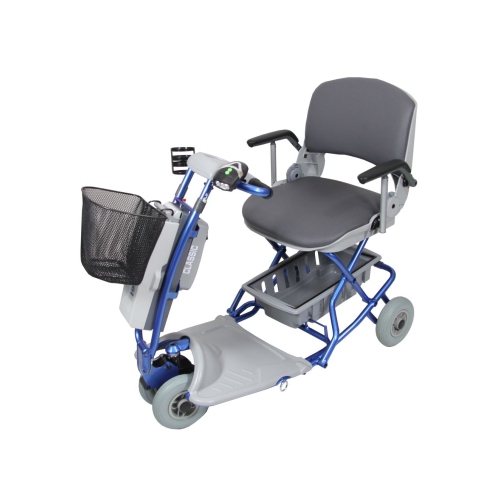

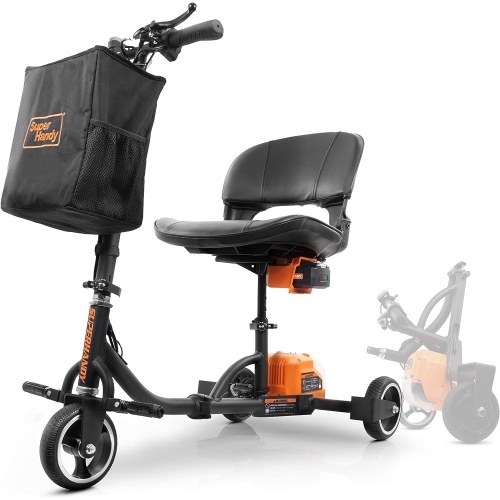
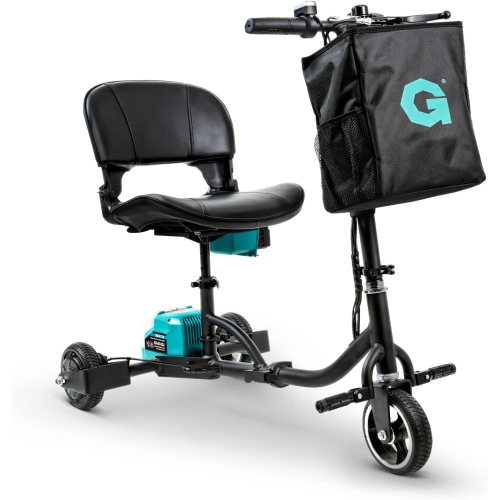



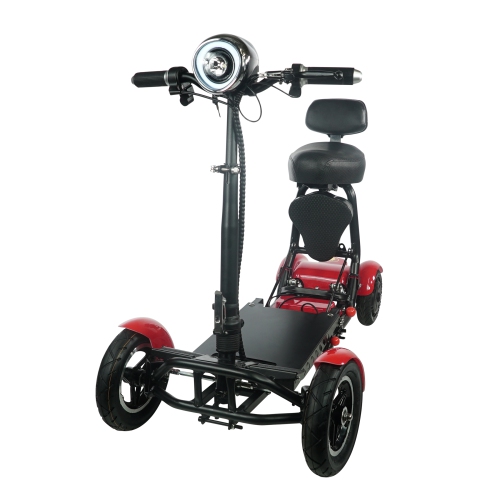
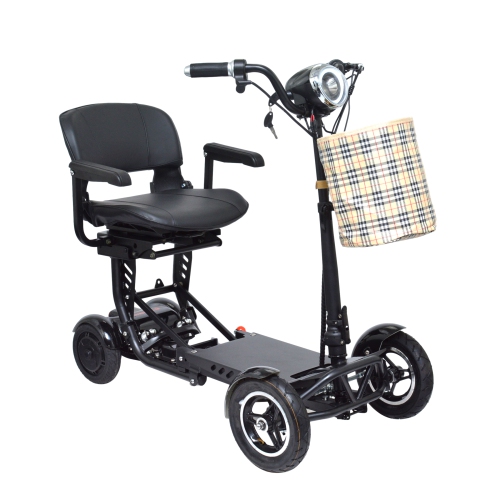
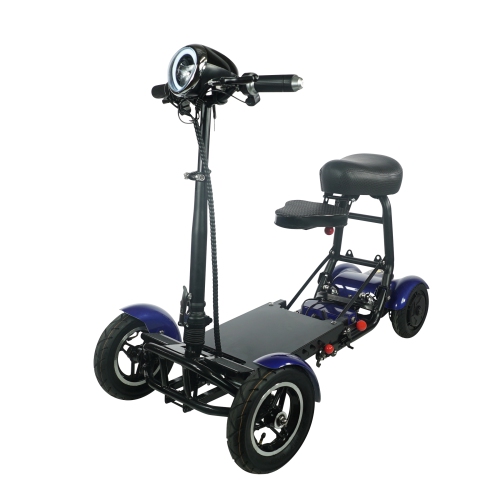









How tighter turns can simplify everyday outings
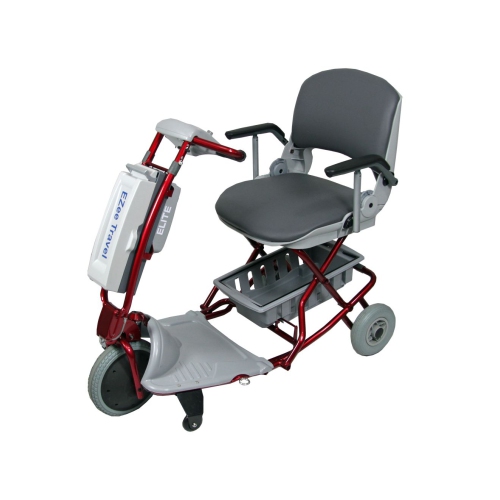
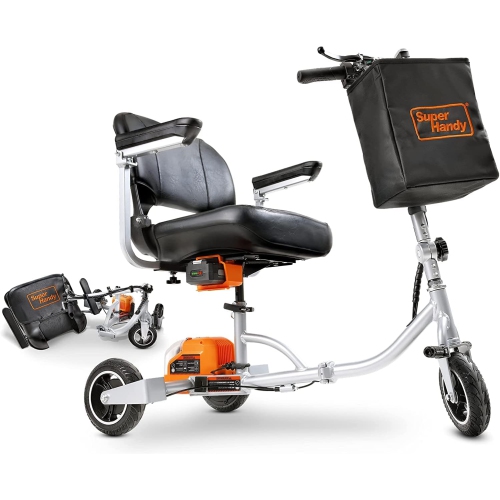
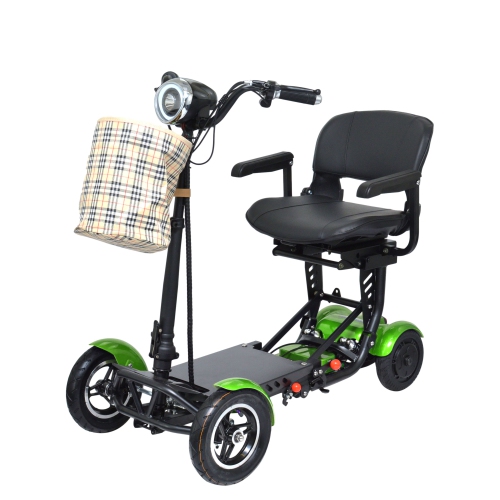
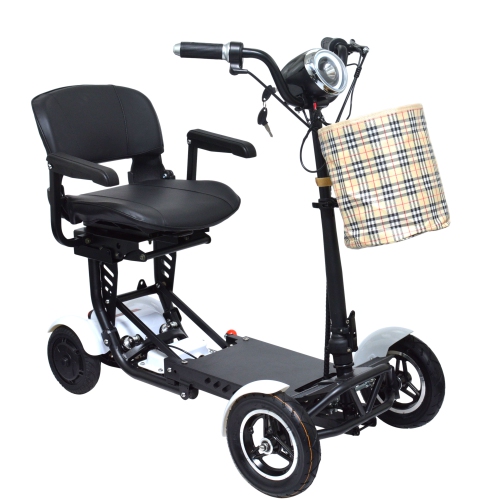
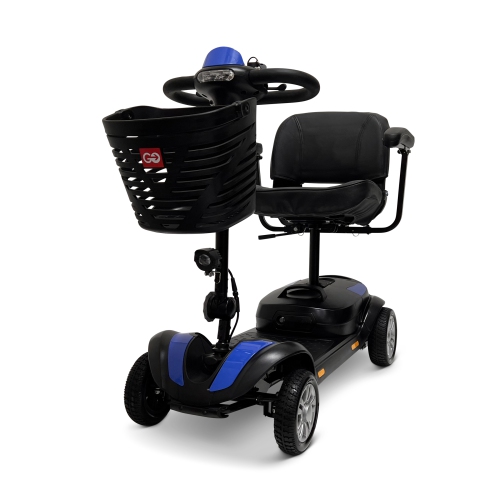
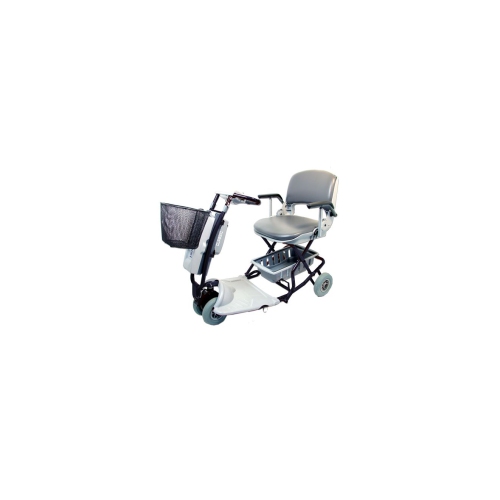
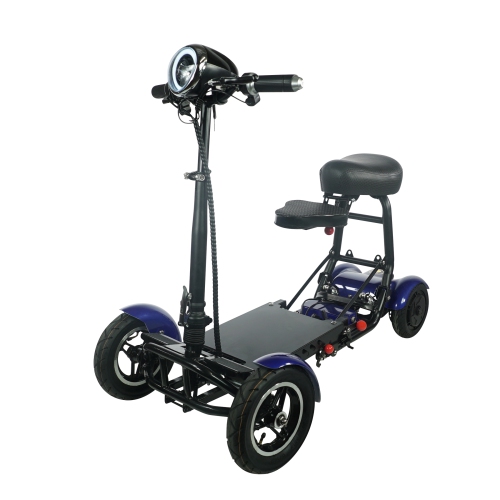
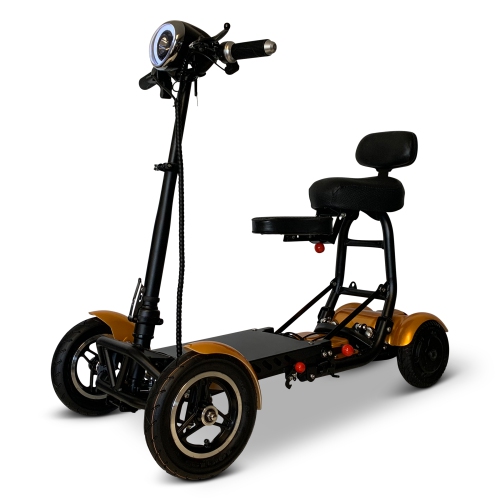
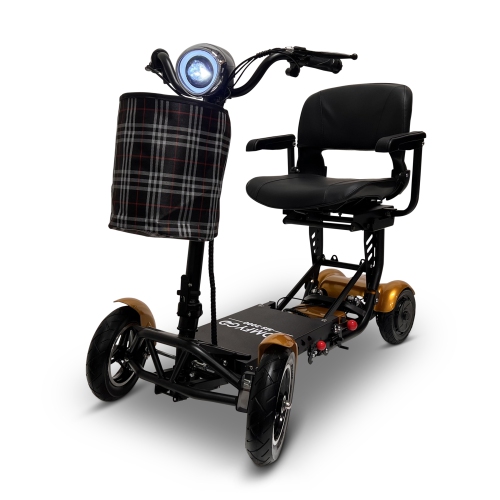
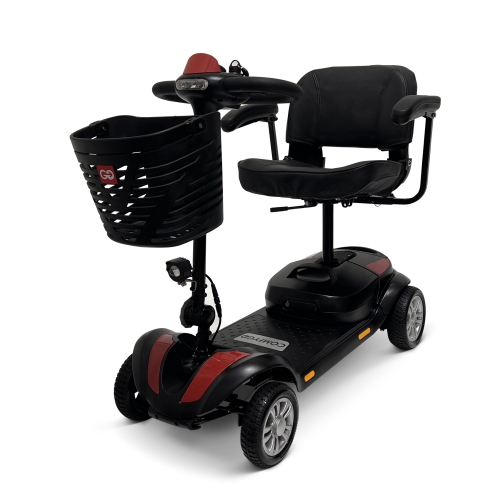
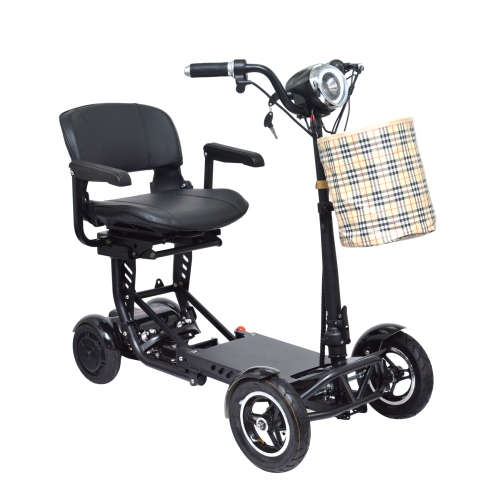
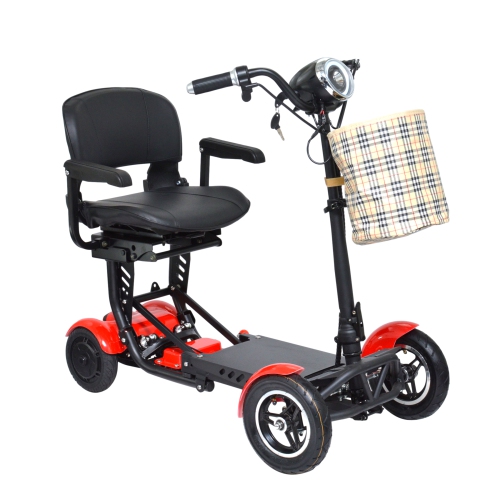
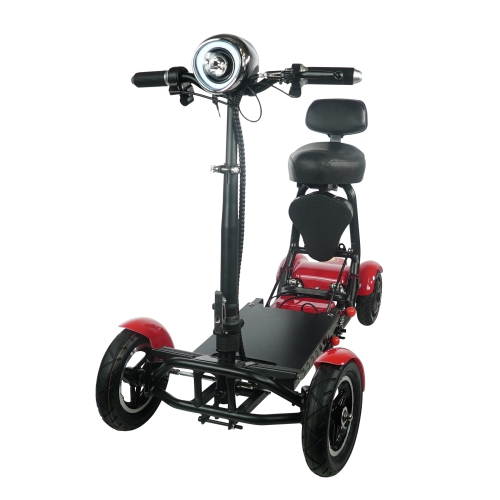
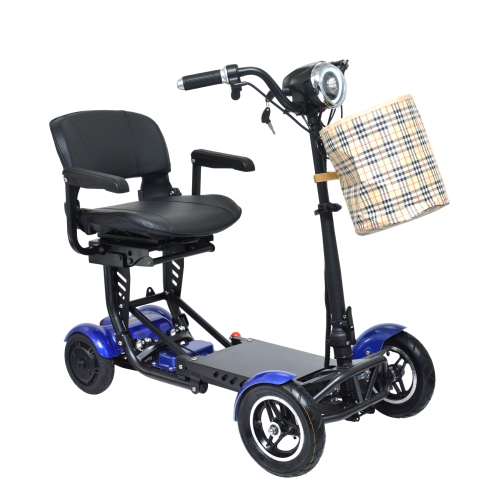
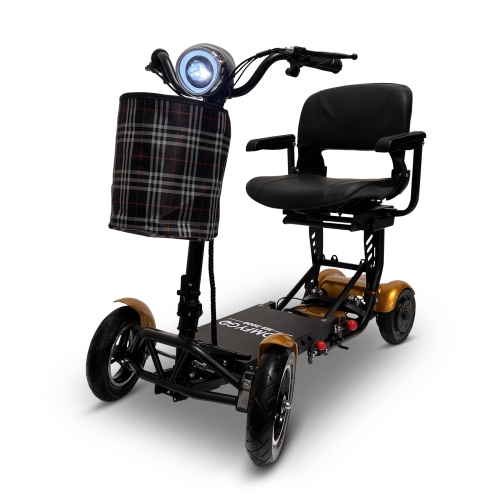
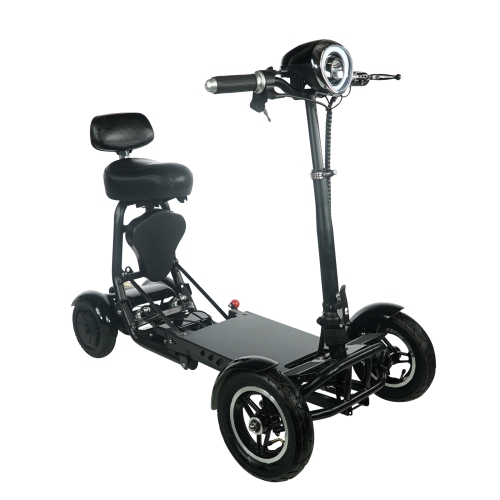
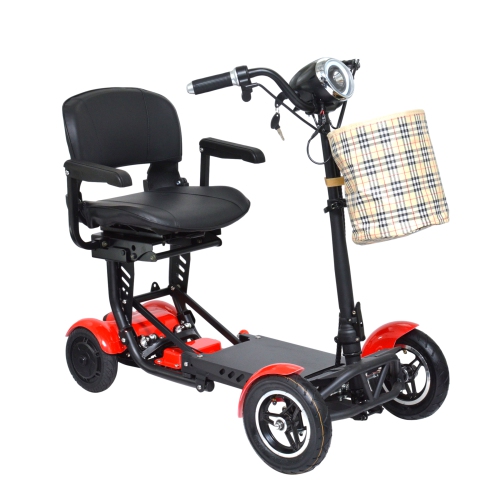
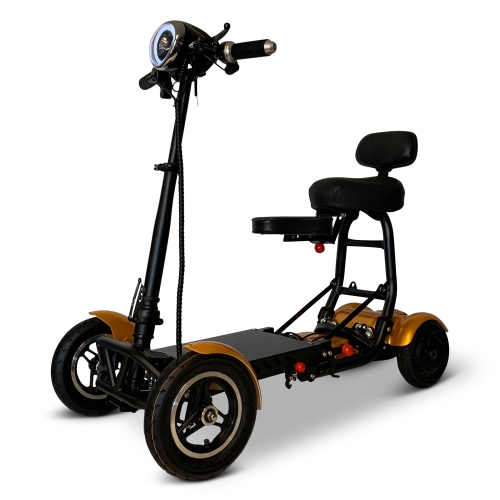
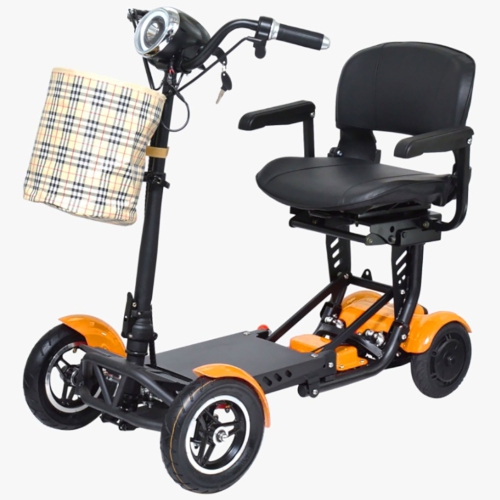
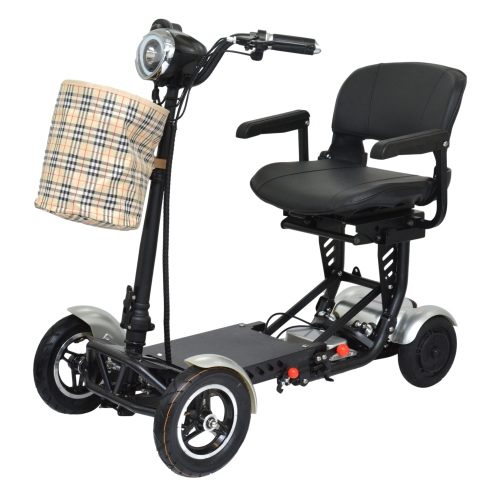
Comfort and control depend on more than a padded seat. Seat width, depth, height, and back support influence how comfortably someone can remain seated for a shopping trip or a visit with friends. Feet should rest securely on the platform without crowding the steering column, and the handlebars should be within comfortable reach without requiring a forward lean. An adjustable tiller, which is the steering column carrying the handlebars and controls, can help accommodate different arm lengths and seated positions. Swivelling seats and adjustable or lifting armrests may make getting on and off easier, provided the seat is locked in its travel position before moving. Transfers should take place with the scooter secured according to its instructions; the handlebars are not a substitute for a stable transfer support. Riders also need sufficient vision, attention, hand control, and seated balance to operate the scooter safely. Where these requirements are uncertain, an occupational therapist or another qualified health professional can help assess suitability. Weight capacity includes the rider and anything carried, so bags, personal belongings, and accessories need to be considered together. Storage placement matters as well: a shopping bag hanging from the handlebars can interfere with steering, whereas a designated basket keeps everyday essentials in their intended position. Frame construction commonly uses steel, aluminum, or a combination of structural materials, with moulded body panels protecting components and giving the scooter its finished shape. Frame material alone does not determine durability or lifting weight; the complete construction, battery, motor, and seat all contribute. Tyres also affect everyday use. Solid tyres avoid punctures, while pneumatic tyres require pressure checks and may offer a more cushioned ride, depending on the overall design. Suspension, where fitted, can help soften minor surface irregularities, but it does not make a three-wheel mobility scooter suitable for every route. Comfortable upholstery, accessible controls, and enough room to change foot position can be more useful over a full outing than features that rarely become part of the rider’s routine.
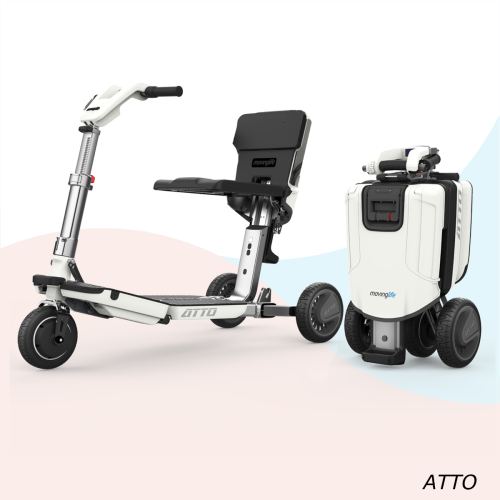
Battery performance, transport arrangements, and routine care shape how easily a three-wheeled mobility scooter fits into daily life. Published travel range is an estimate measured under particular conditions, not a guaranteed distance for every rider. Rider weight, inclines, surface resistance, speed, battery condition, and frequent stopping can all affect the distance between charges. A comfortable reserve is useful when a familiar trip includes a detour or an extra stop. Charging arrangements vary: some batteries can be removed for charging, while others remain on the scooter, so access to a suitable outlet and use of the specified charger are important practical details. For car journeys, a folding frame and a scooter that separates into sections offer different benefits. Folding reduces bulk but does not necessarily reduce lifting weight; a dismantled scooter may be easier to load if its heaviest section is manageable for the person doing the lifting. Boot opening dimensions, available cargo space, and the ability to secure the scooter during transport matter alongside its folded measurements. Battery transport rules should be checked with the carrier before travel, particularly when flying. The broader category of Electric 3 Wheel Scooters may also be relevant when comparing layouts, though a shared wheel arrangement does not mean every scooter has the same mobility purpose, seating support, or operating requirements. For everyday ownership, regular checks of tyres, fasteners, steering, and braking help identify wear before it interrupts an outing. Upholstery and body panels should be cleaned using methods permitted by the manufacturer, without soaking electrical components. Secure storage, unobstructed charging space, and servicing at the recommended intervals help keep the scooter ready for regular use. Accessible routes remain essential: curb cuts, level entrances, sufficient turning space, and permitted access all influence where a scooter can be used comfortably. A well-matched three-wheel mobility scooter brings together manageable dimensions, supportive seating, straightforward controls, and transport requirements that suit the rider’s actual routine.
Top selling and popular products
-
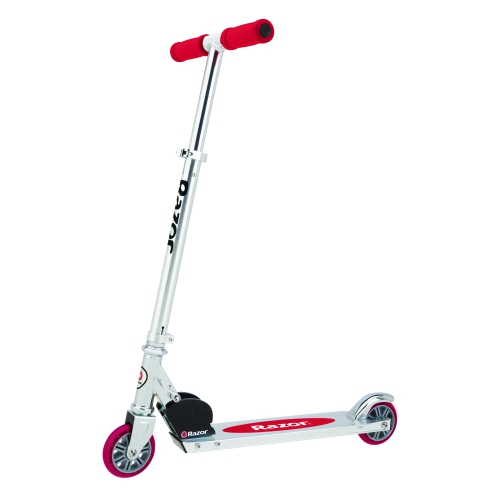 Your price for this item is $49.99
-
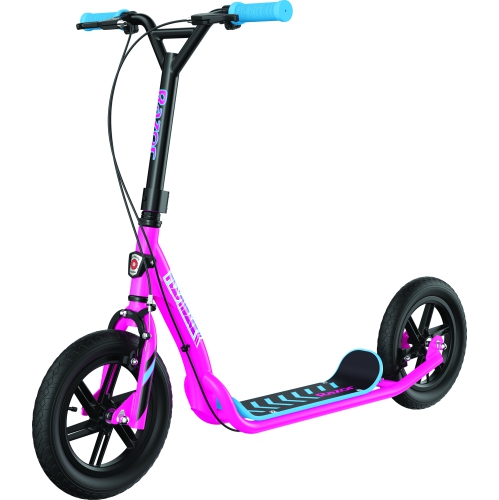 Your price for this item is $229.99
-
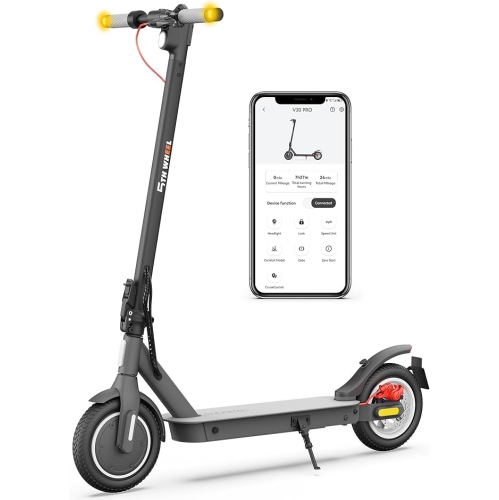 Your price for this item is $417.32
-
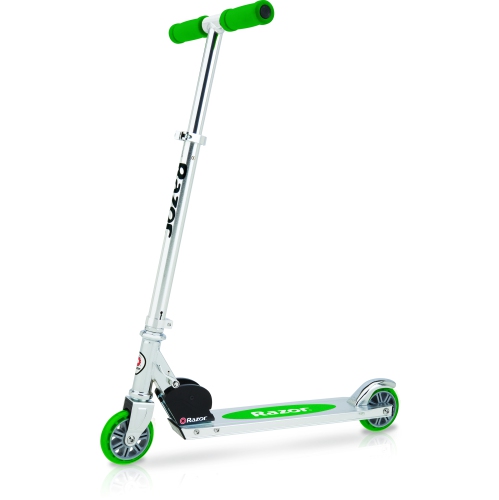 Your price for this item is $49.99
-
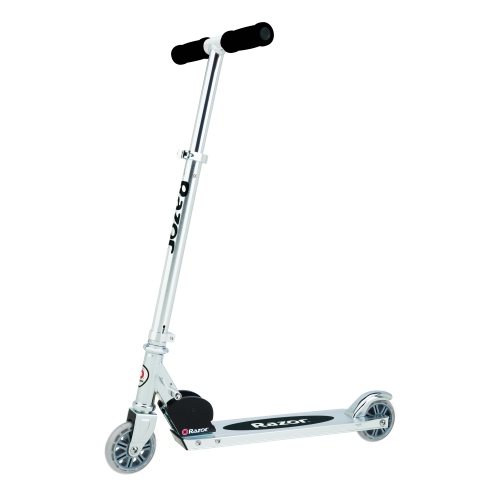 Your price for this item is $49.99
-
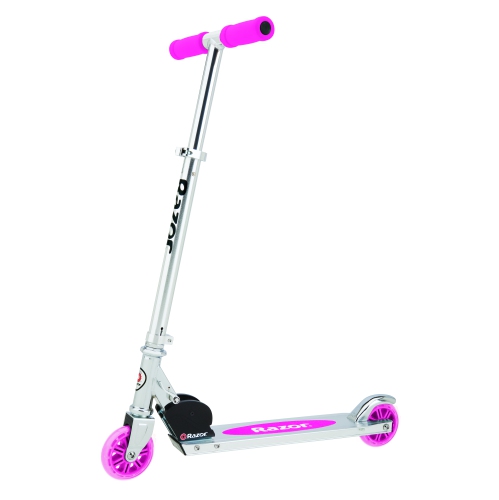 Your price for this item is $49.99
-
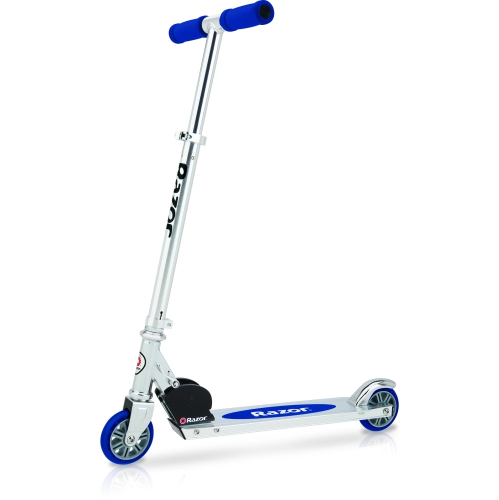 Your price for this item is $49.99
-
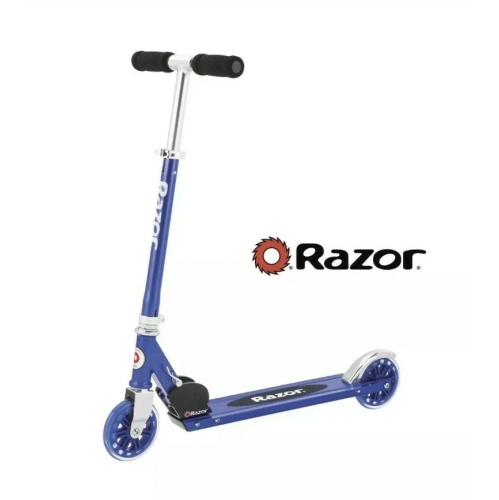 Your price for this item is $119.99