Adjustable Dumbells
Looking to enhance your home gym setup with versatile and space-saving equipment? Look no further than adjustable dumbbells! These innovative fitness tools offer a convenient solution for varying workout intensities without the need for multiple sets of weights. Whether you're a beginner looking to start strength training or a seasoned fitness enthusiast wanting to switch up your routine, adjustable dumbbells provide flexibility and efficiency to help you achieve your fitness goals. Discover the benefits of adjustable dumbbells and take your workouts to the next level with ease and convenience.
Sort
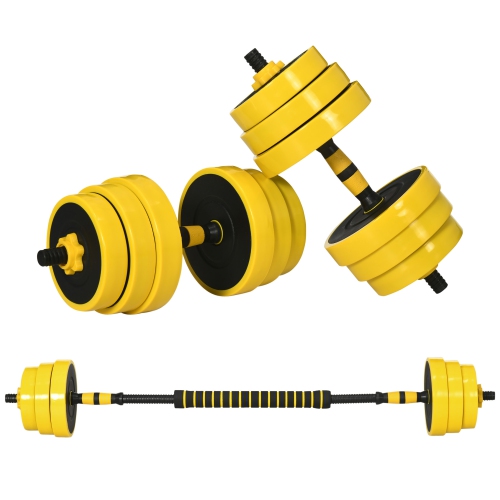
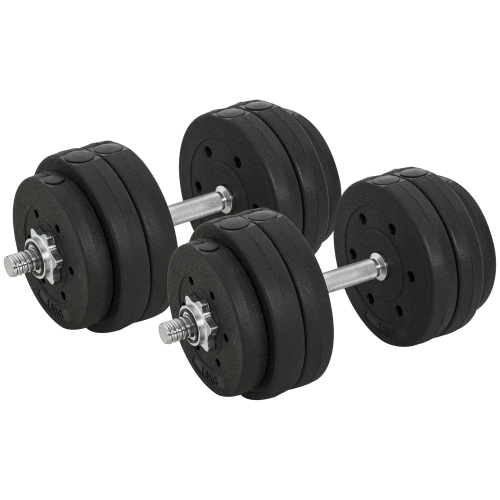

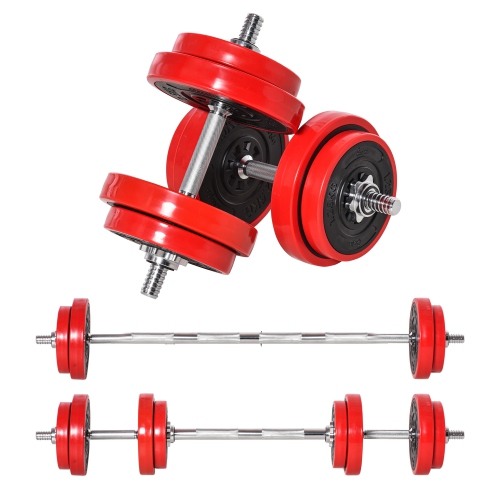

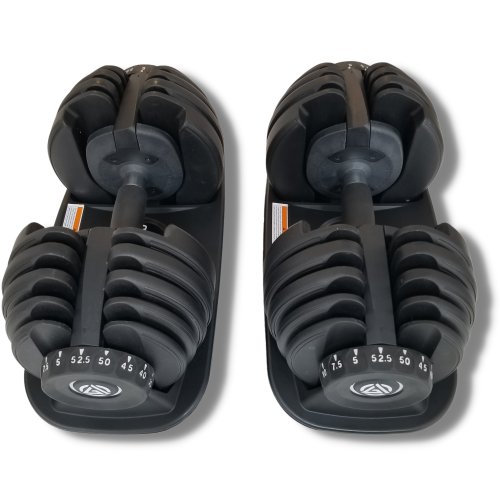
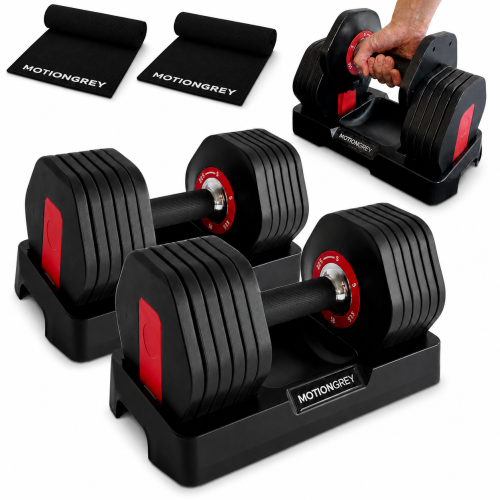
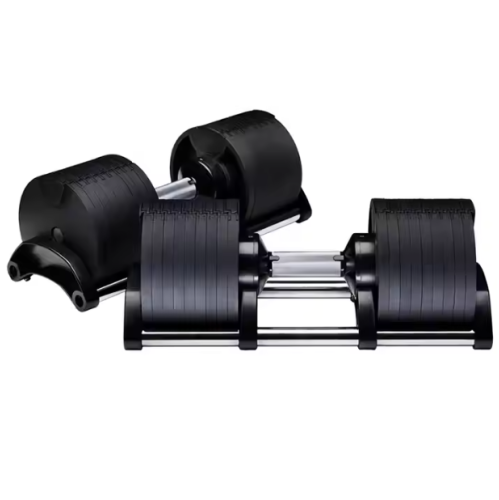
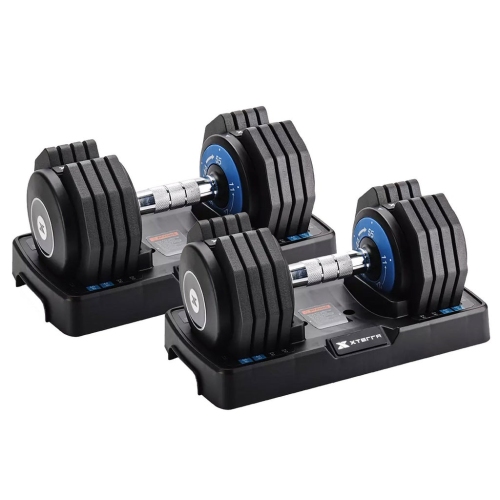
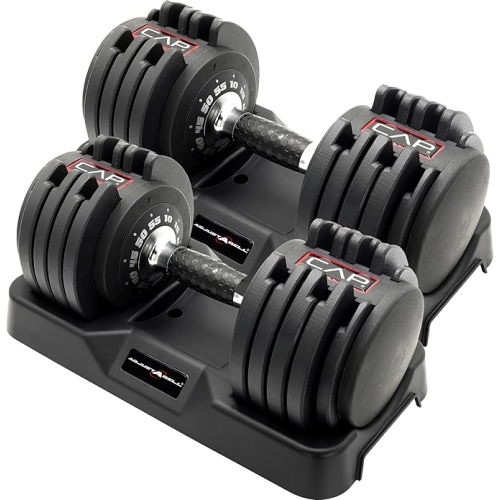
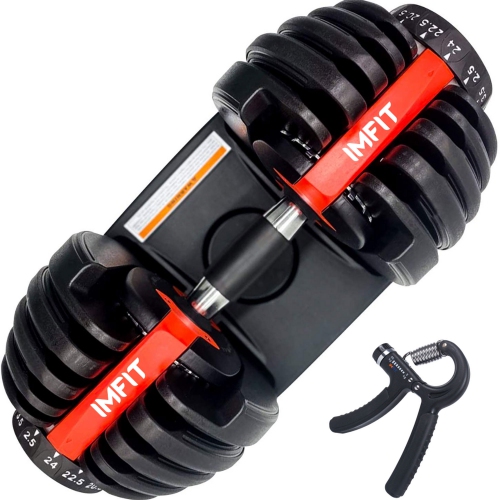


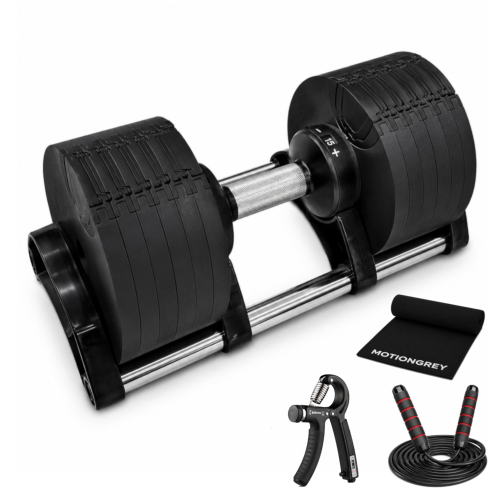

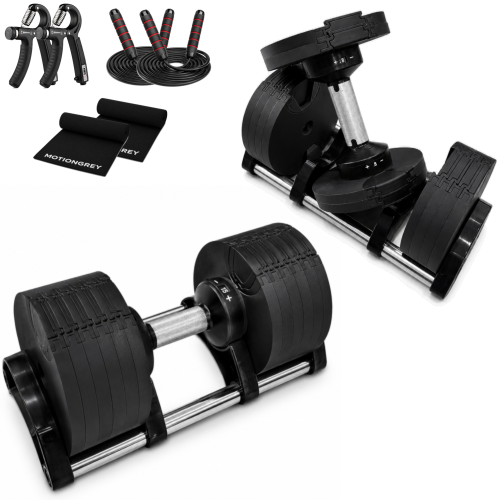
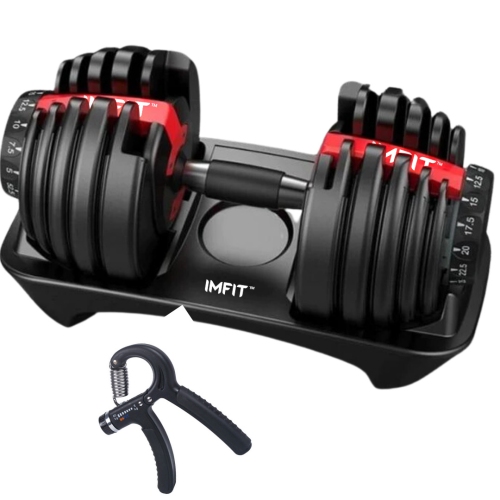
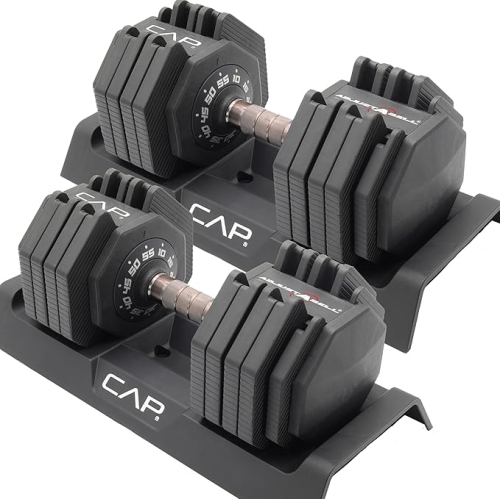
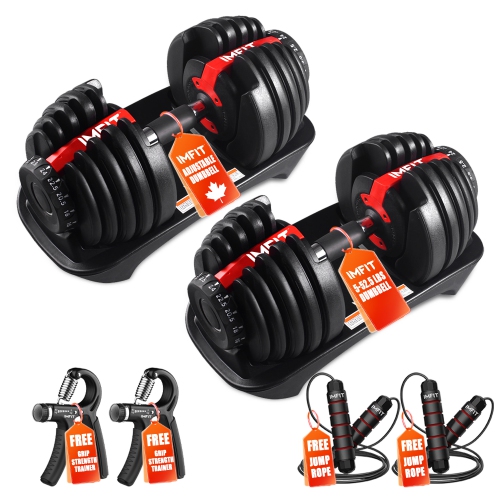
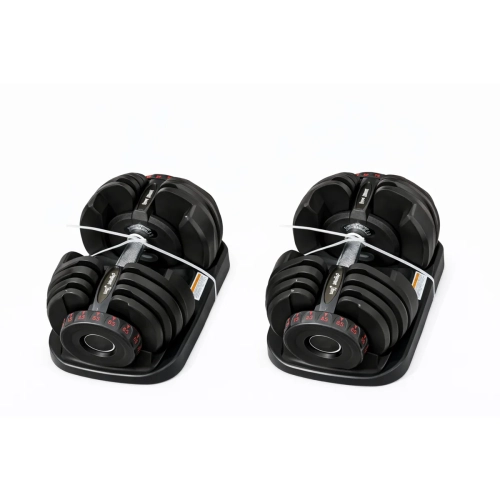
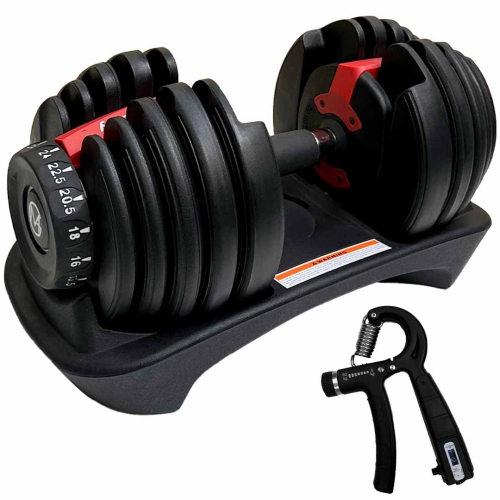

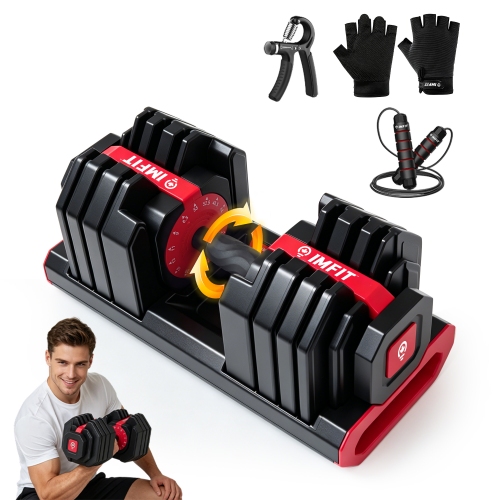
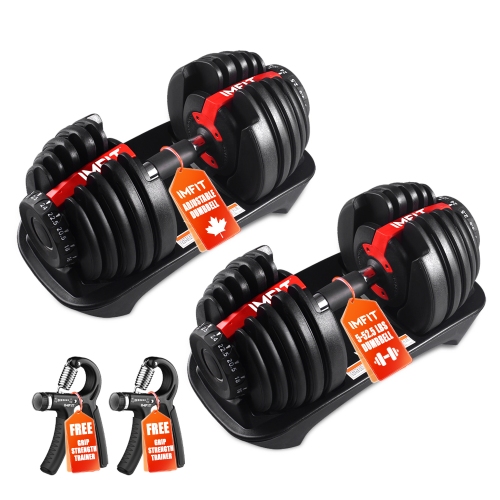
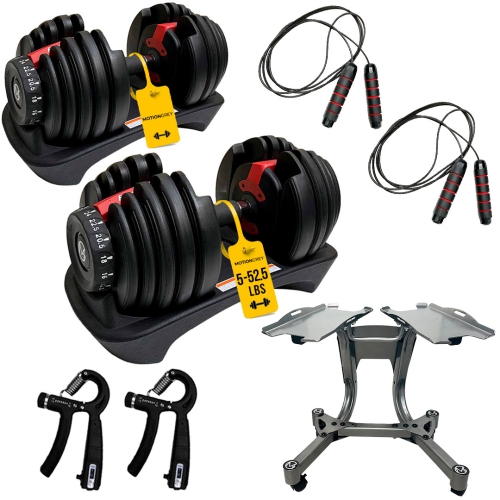
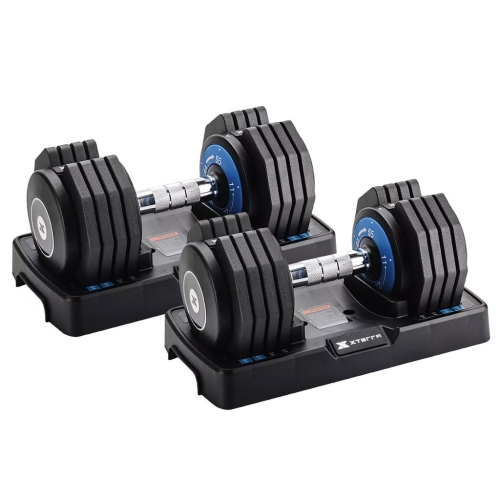


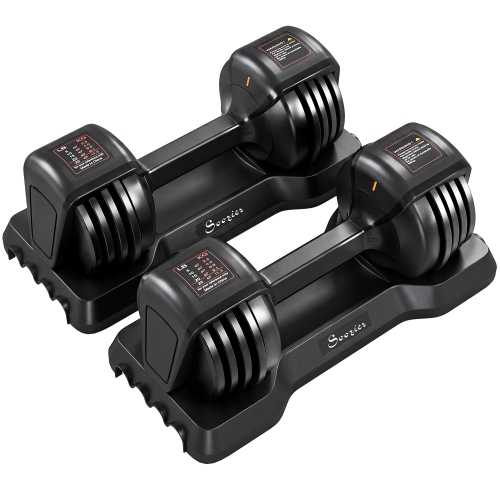
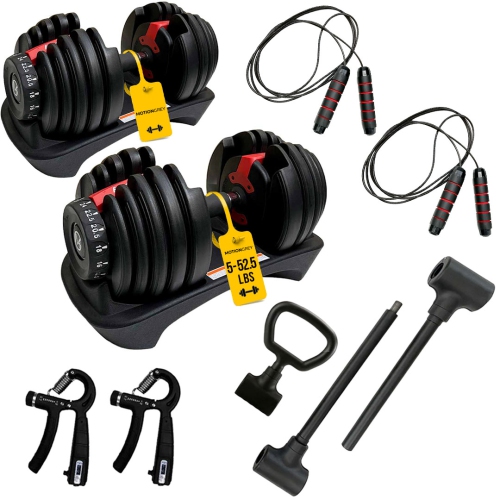


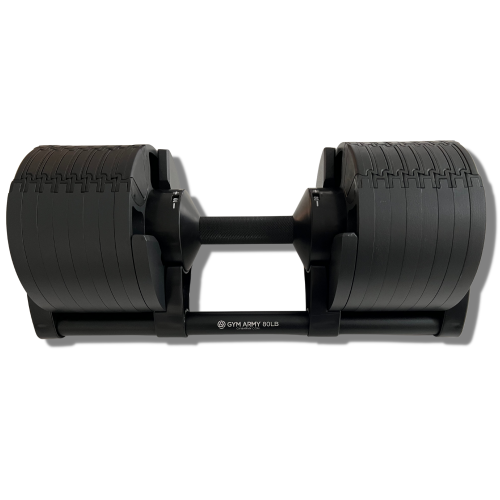
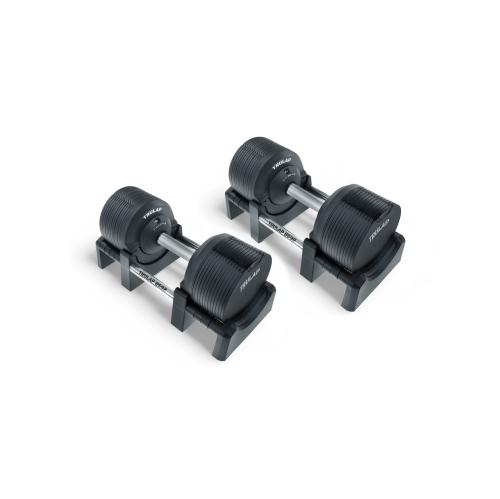

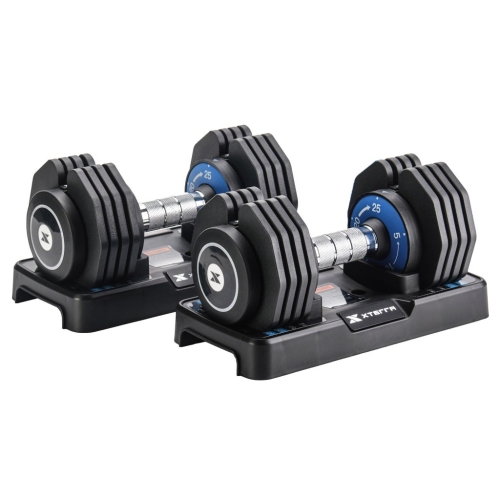

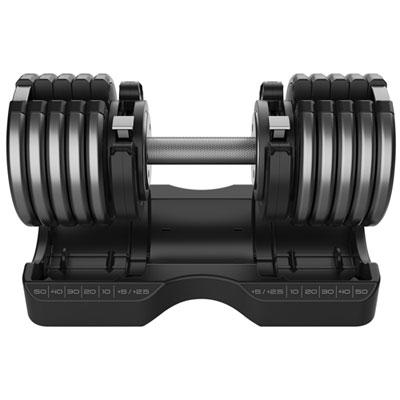
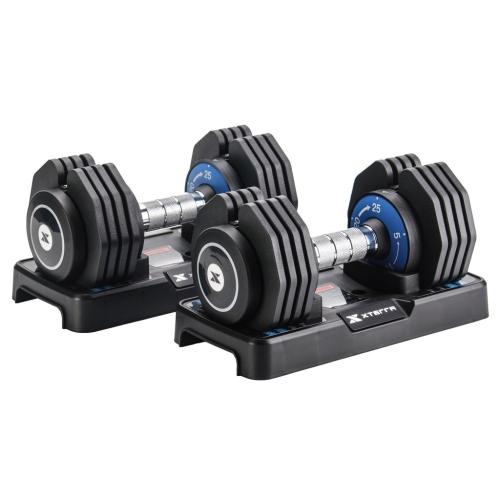
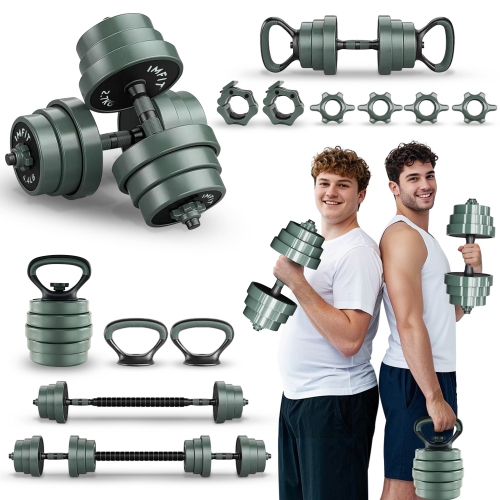
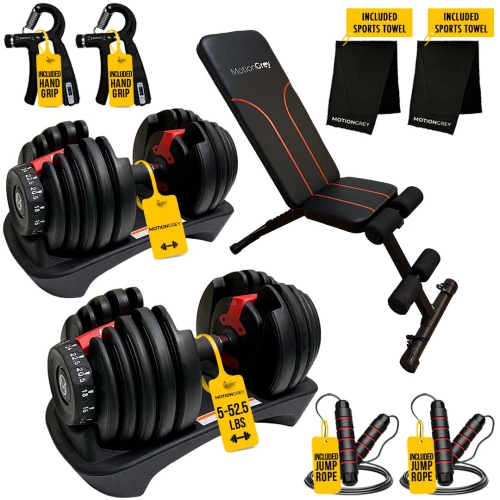


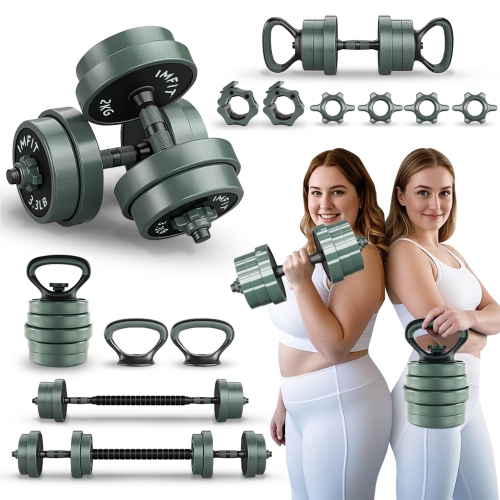
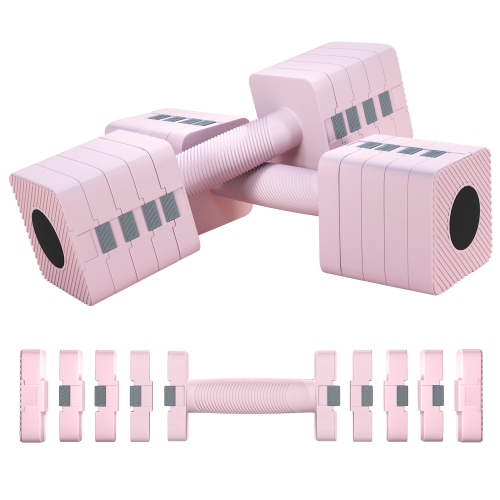
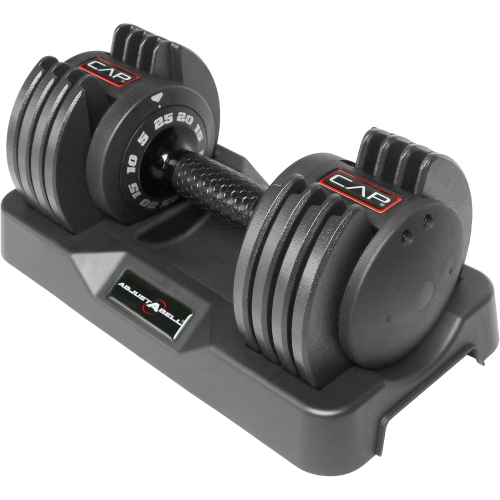
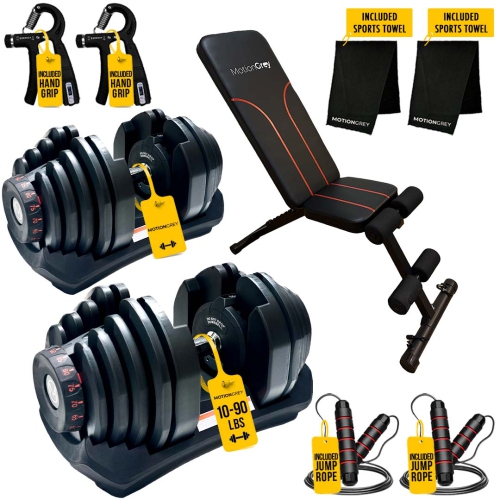
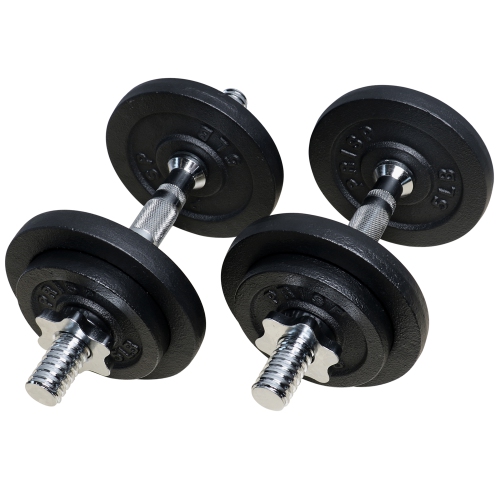
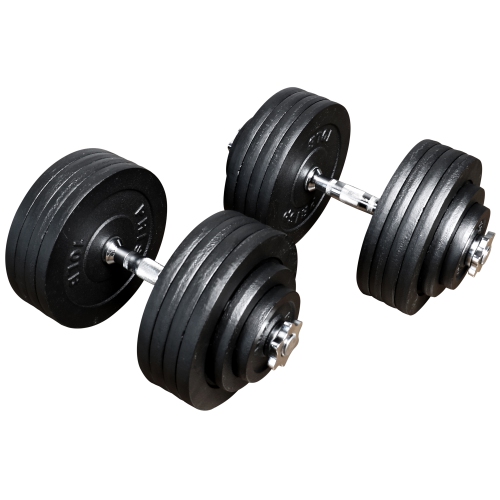

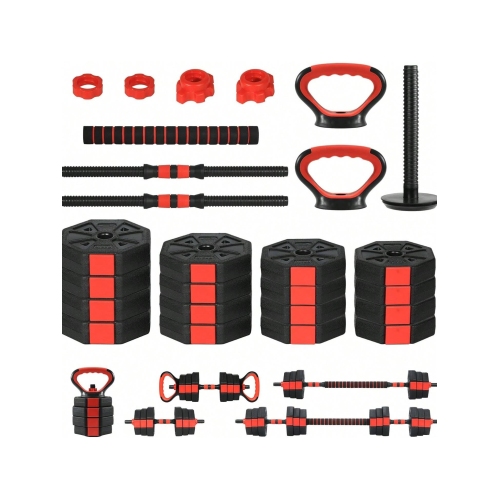
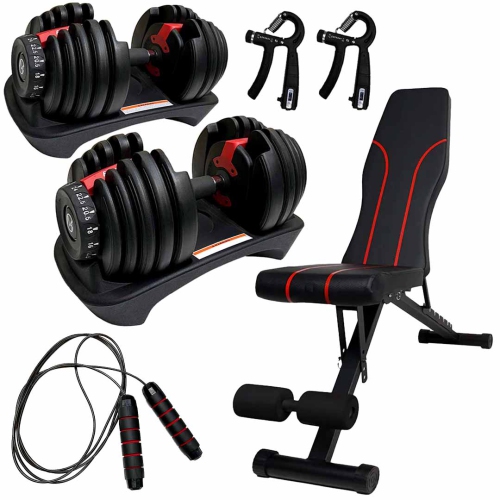


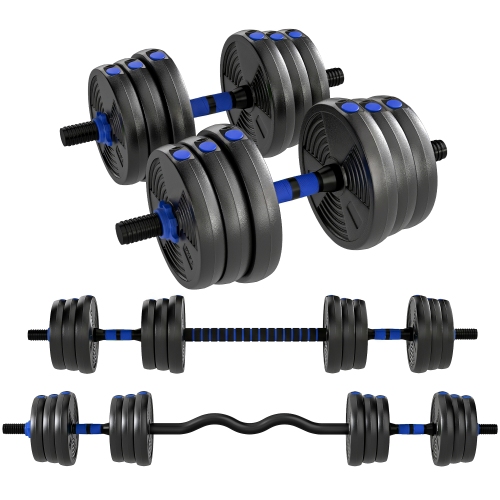
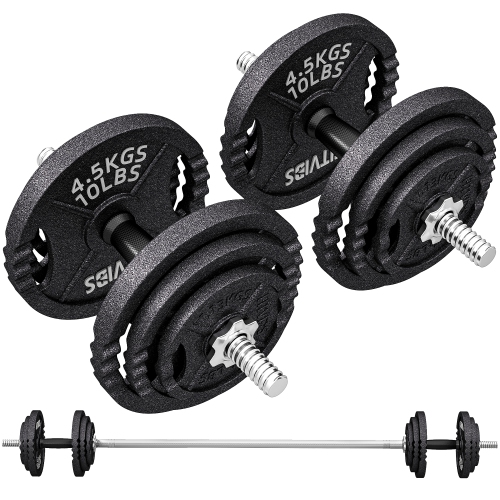

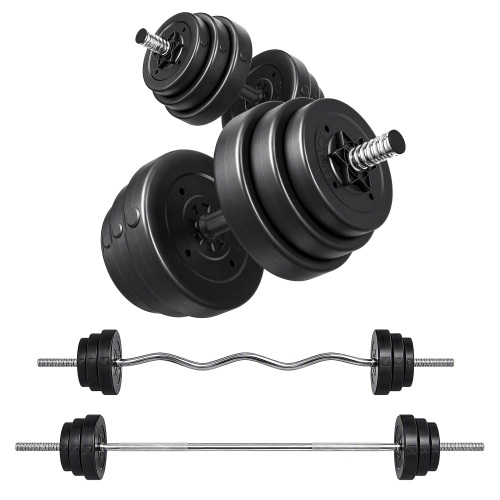
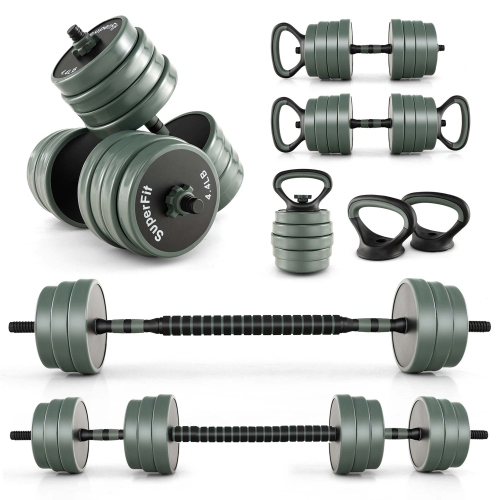
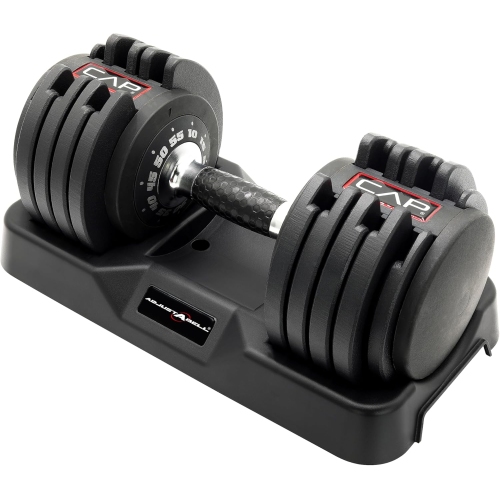
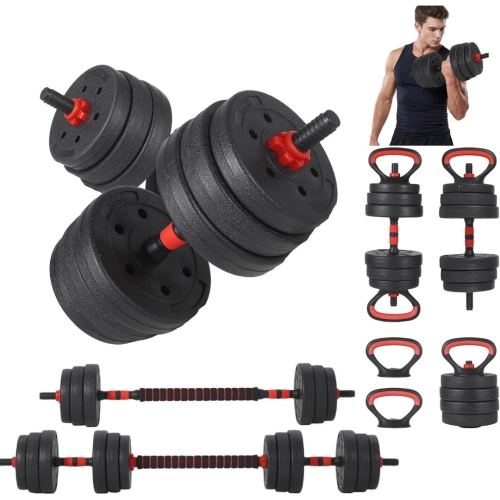
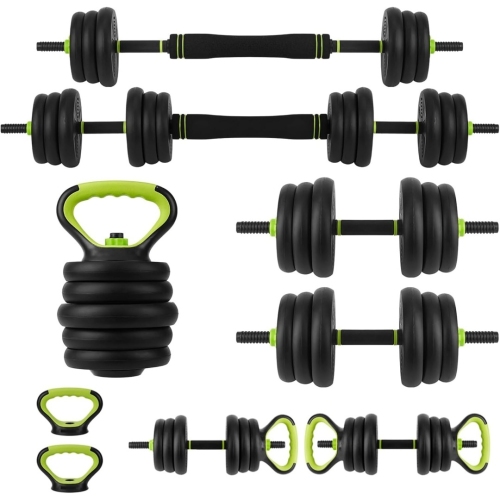

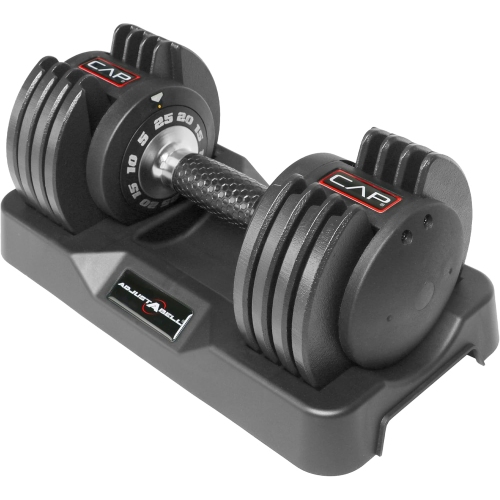


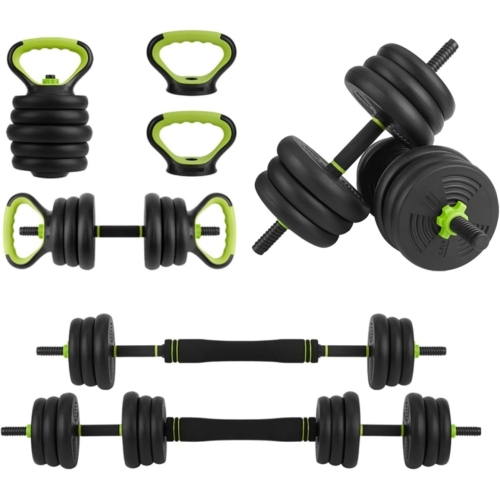
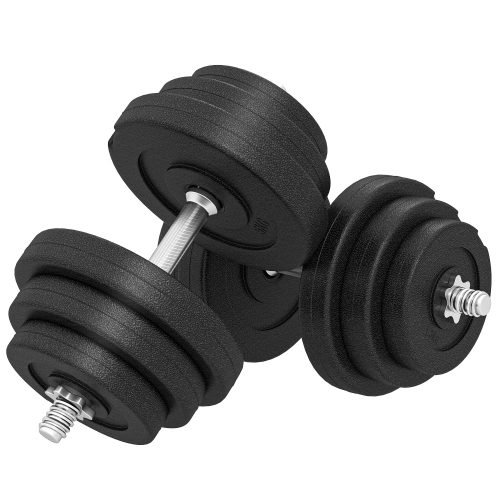
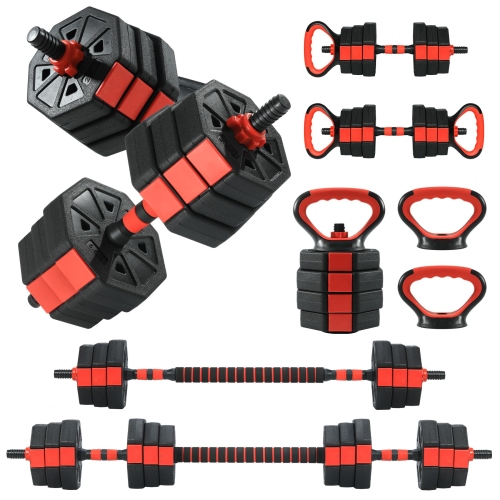

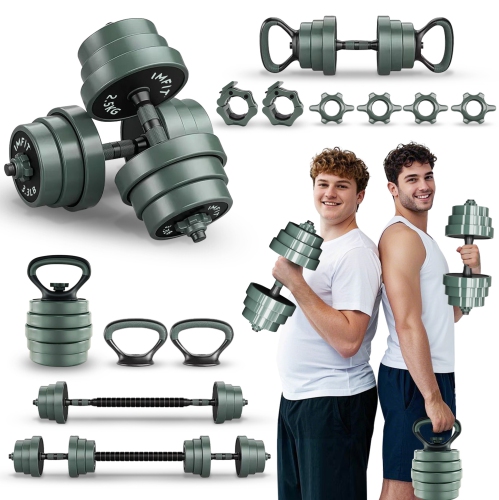

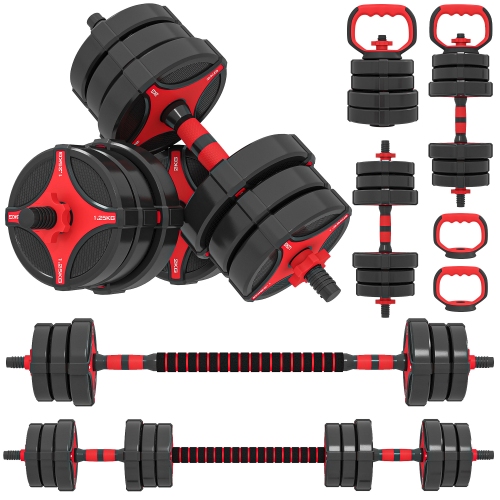

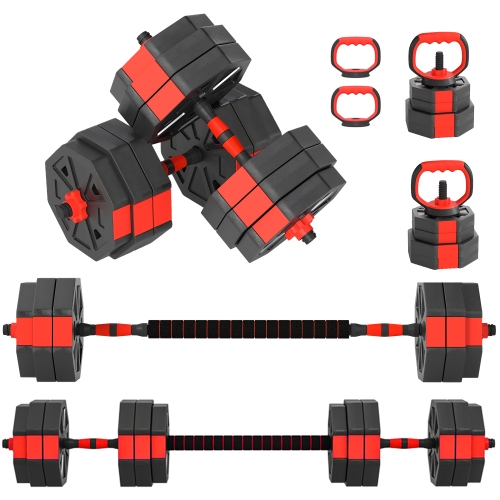
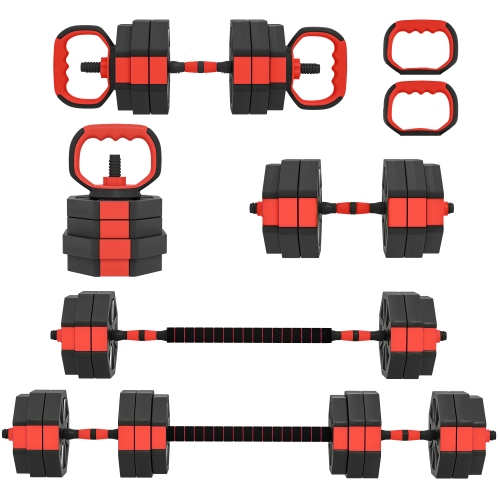


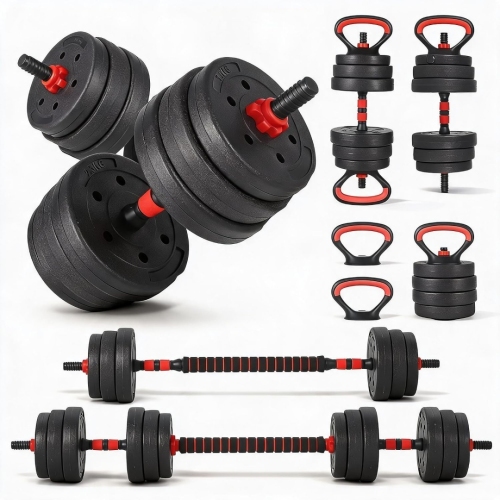
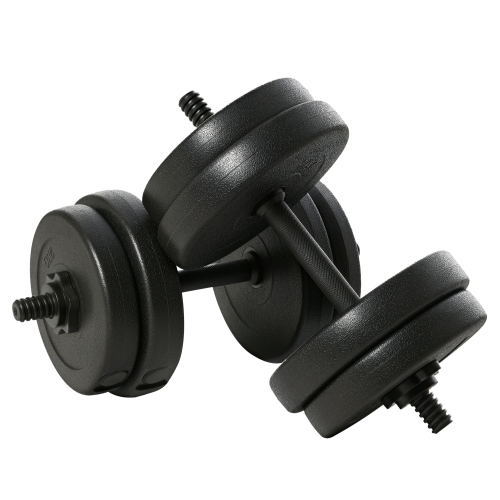
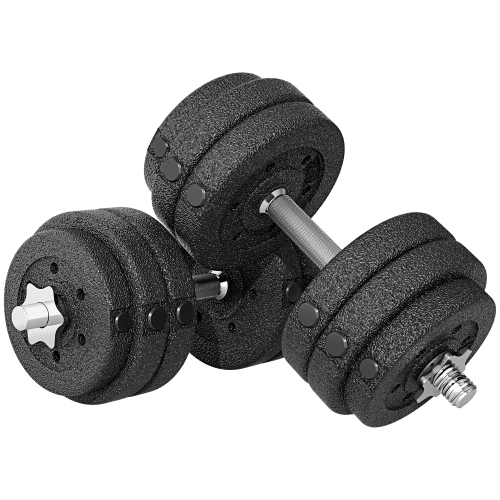
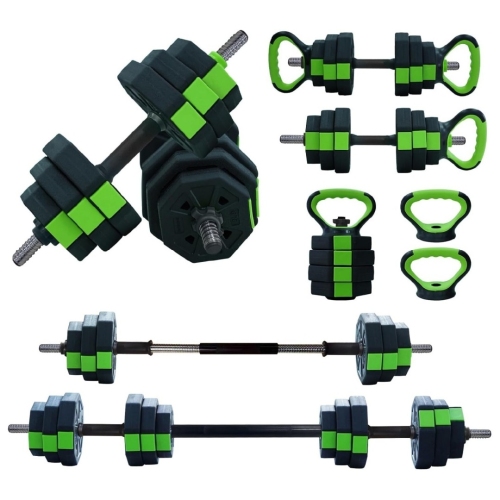
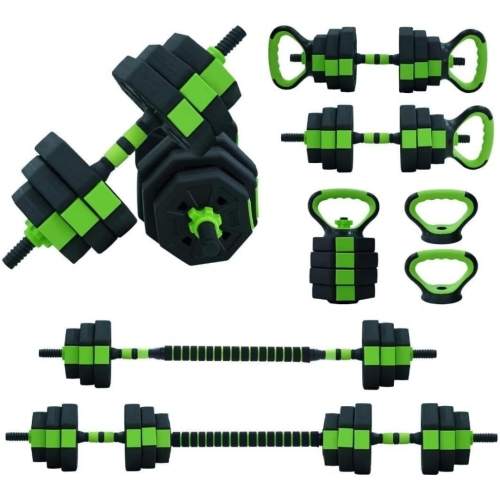

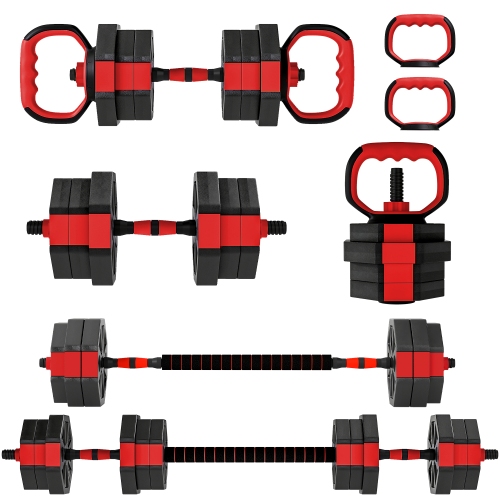

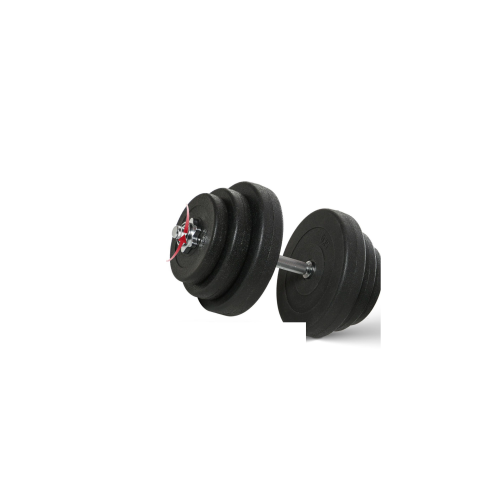
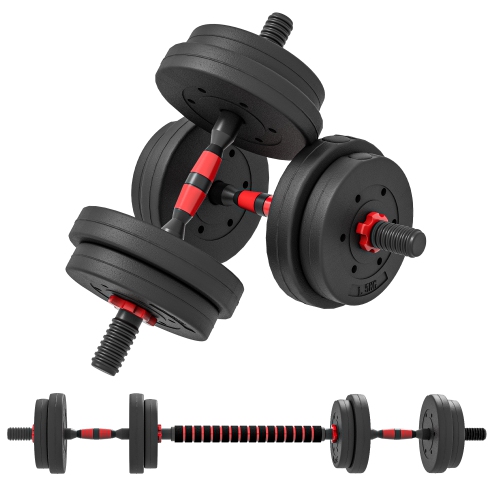
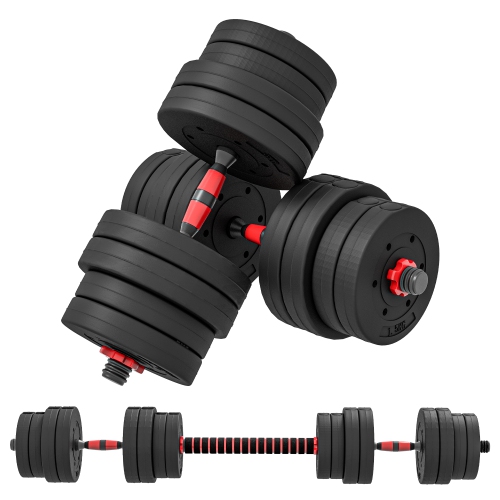

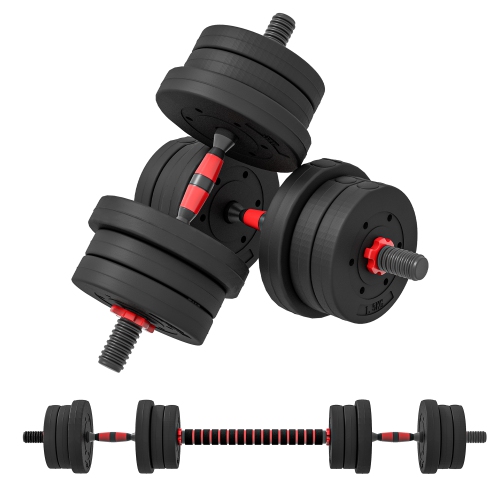
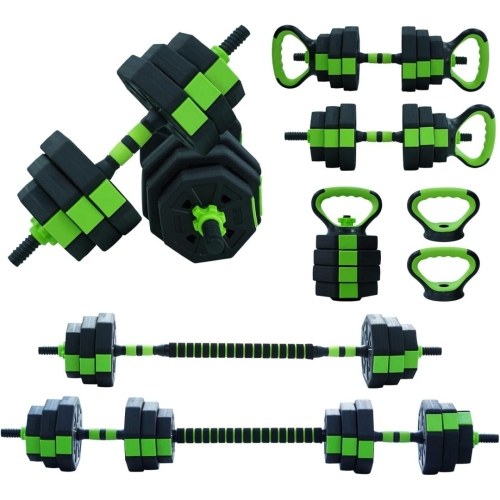


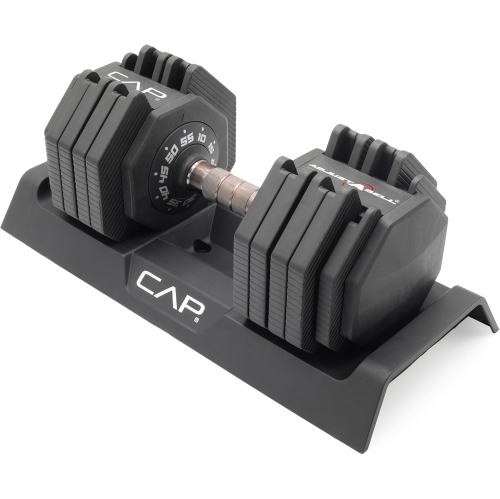
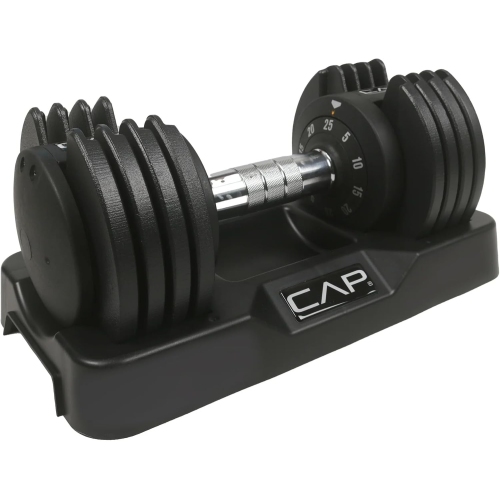
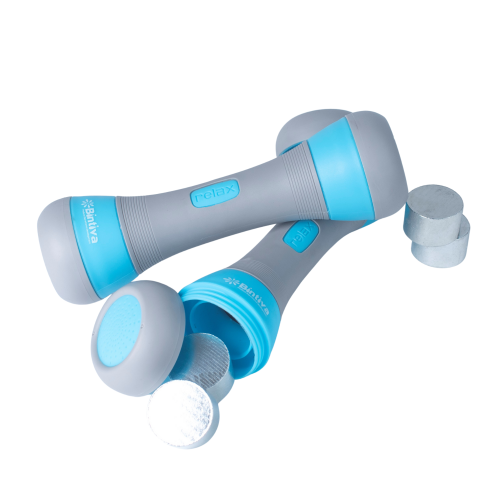
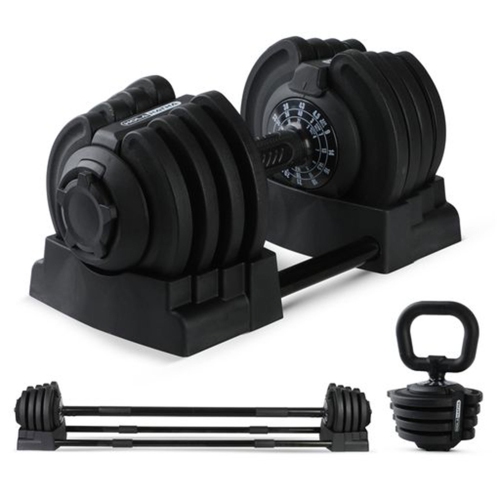
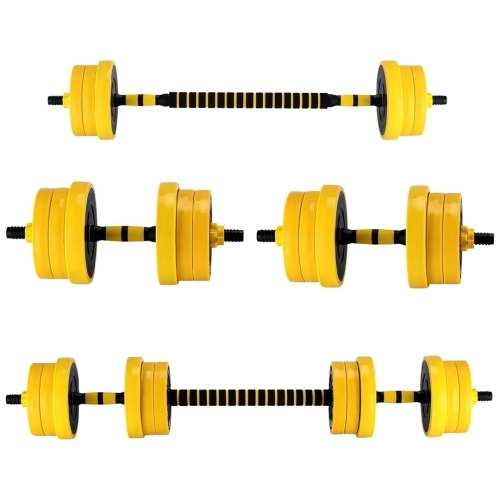

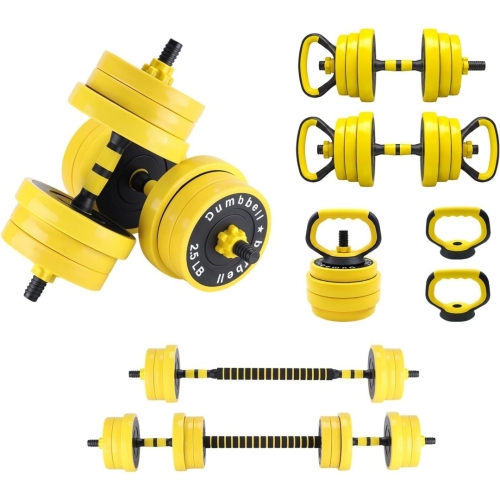
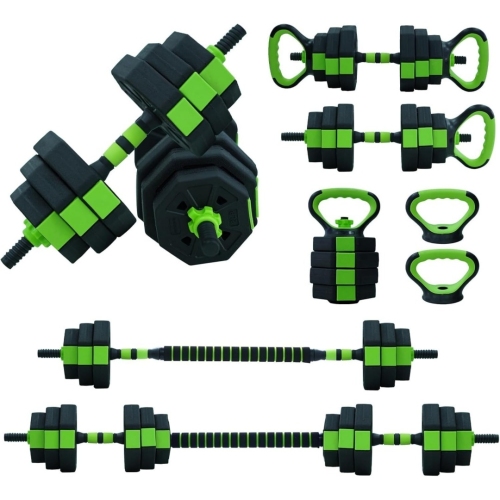
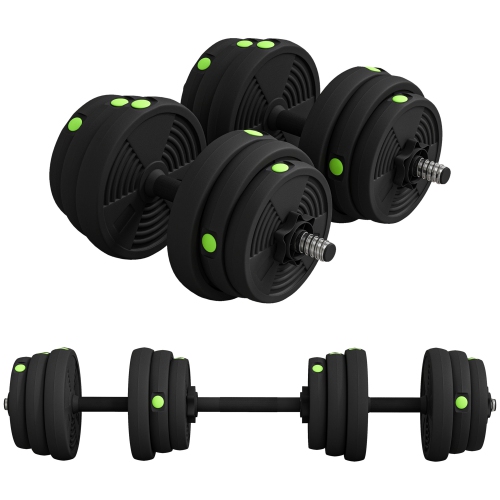
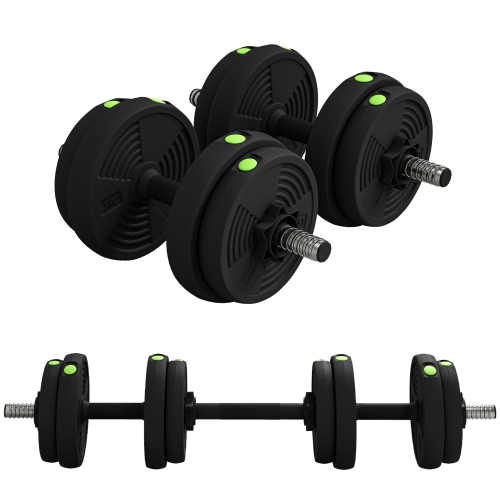
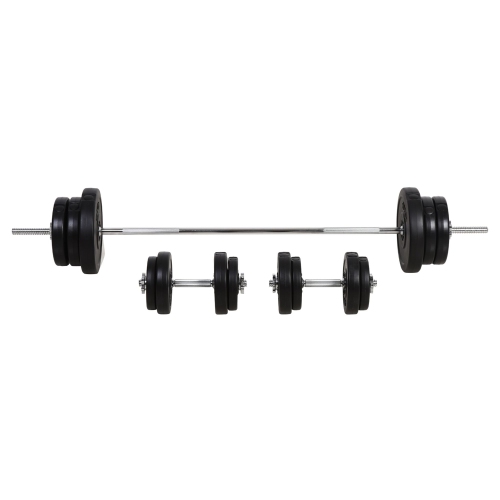

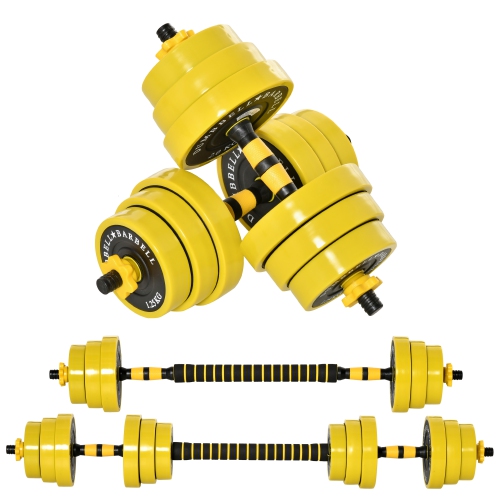
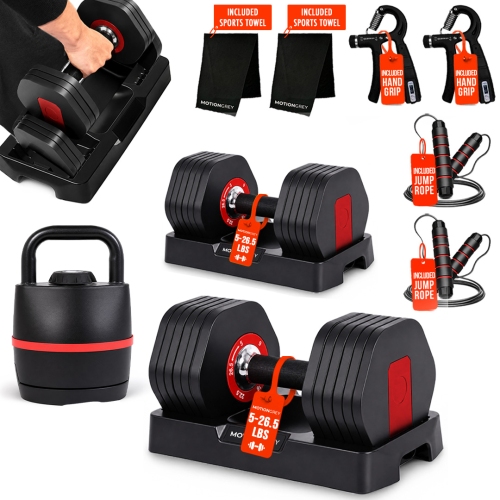
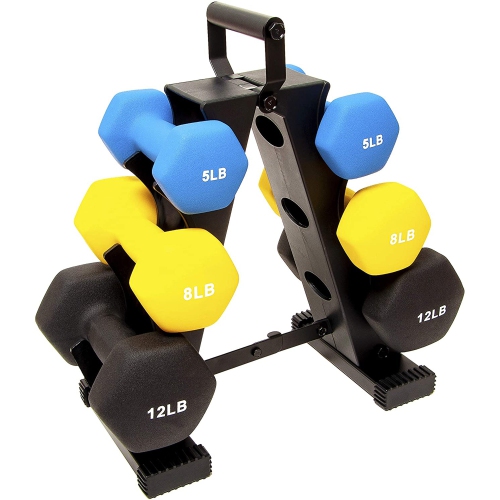
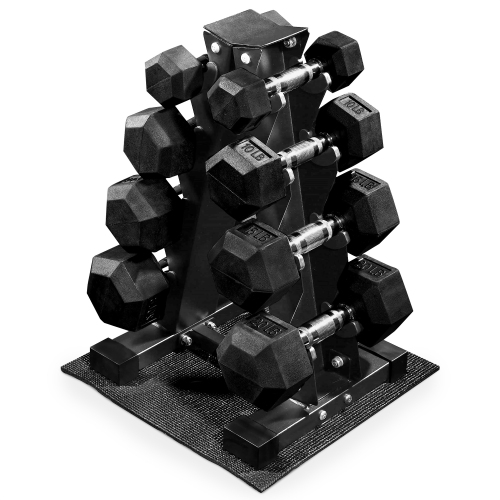
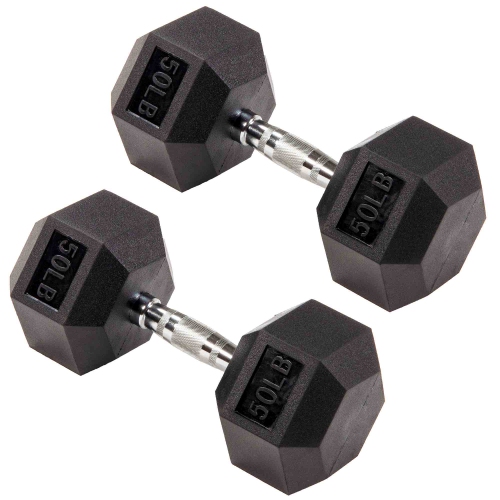
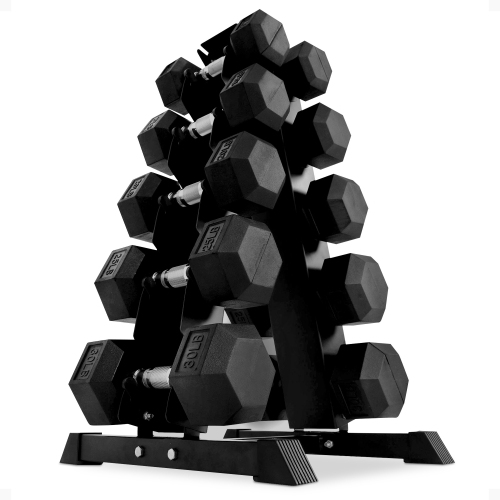
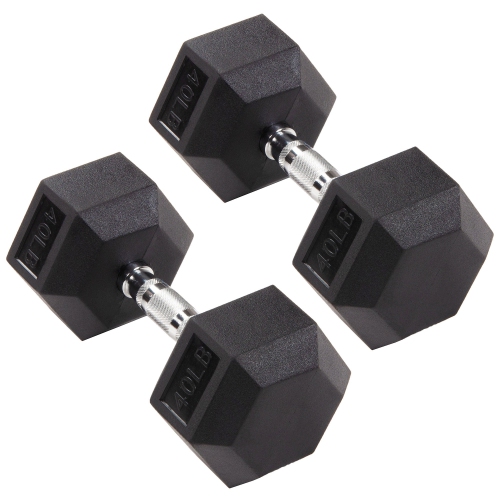
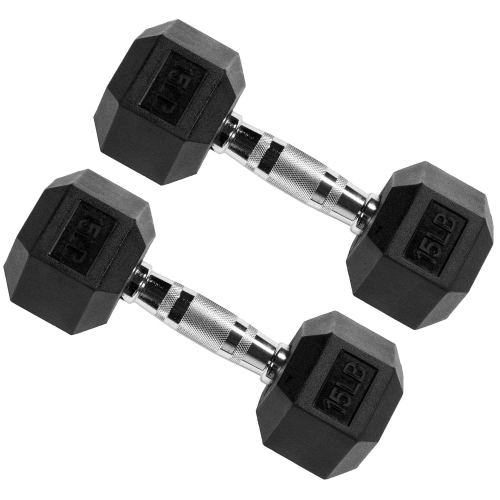
More weight options without a full dumbbell rack
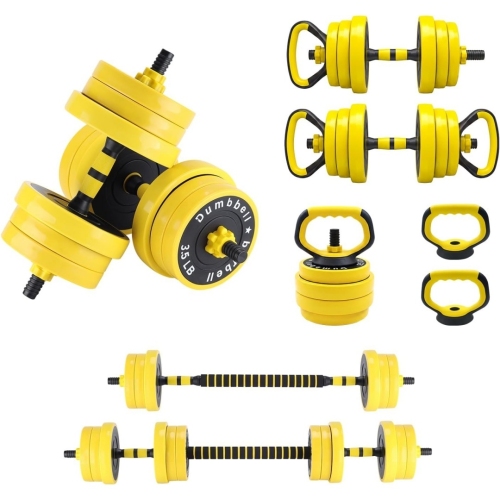
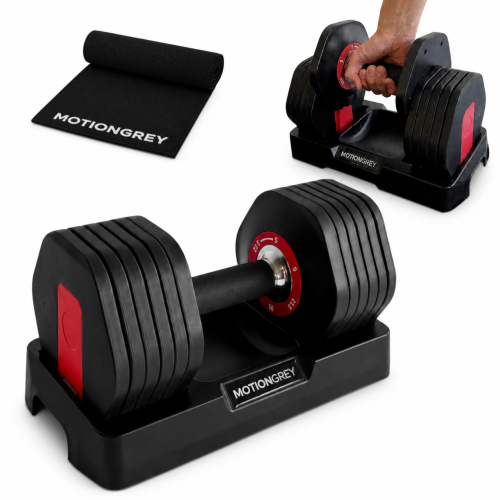
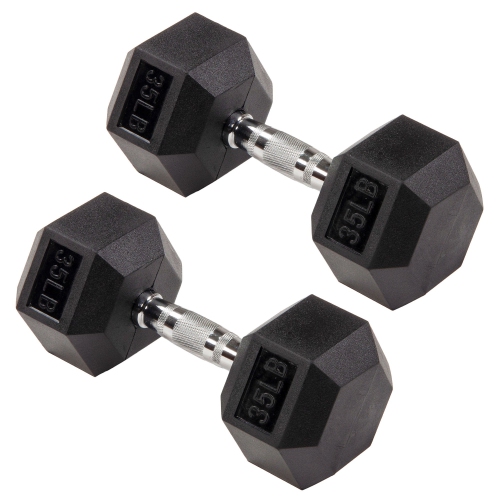
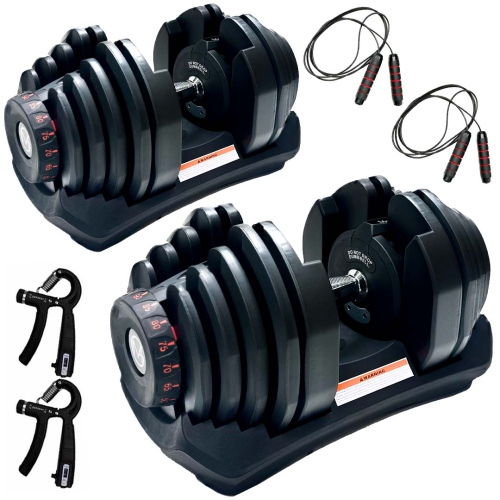
Adjustable dumbbells combine several weight settings in a single piece of strength-training equipment, allowing the resistance to change without a separate dumbbell for every exercise. Depending on the design, weight is adjusted with a dial, a selector pin, a rotating handle, or removable plates secured by collars. This makes adjustable dumbbells useful for home gyms, shared workout spaces, and rooms where a full rack of fixed weights would take up too much floor space. A pair can support a varied routine that includes rows, presses, curls, squats, and other movements suited to the user’s ability and training goals. The main considerations are the weight range per dumbbell, the size of each adjustment, the locking mechanism, and how the handle and weight assembly feel throughout a movement. Maximum weight alone does not tell the whole story: a setting that works for a bent-over row may be too heavy for a lateral raise, while lower-body exercises may call for more resistance than arm exercises. A manageable starting weight and smaller increments can make it easier to maintain controlled technique as strength develops. Weight descriptions also deserve attention, since a stated total may refer to one dumbbell, a pair, or an entire set of plates and handles. Some designs are supplied as single units rather than pairs, which matters for movements that use both hands at once. For someone fitting exercise into a spare bedroom or a corner beside a desk, the practical benefit is having several resistance levels within a compact footprint. Storage still needs room for any trays, unused plates, and safe access around the equipment. Adjustable dumbbells reduce the need for numerous separate weights, but they do not eliminate the need for a clear training area where arms can extend freely and weights can be lifted and set down without obstacles.
Adjustment style affects the rhythm of a workout as much as it affects setup. Dial, pin, and rotating-handle systems often allow relatively quick changes, although the dumbbell may need to sit fully in its matching cradle before a new setting can be selected. Plate-loaded designs involve adding or removing plates and securing the collars, so transitions generally take longer, but their straightforward construction may appeal to people who prefer a more hands-on setup. For a circuit that alternates lighter shoulder work with heavier rows, convenient adjustments can help keep the session moving. For strength training with longer rests between sets, adjustment speed may be less important than the available resistance and the size of each weight increase. Dimensions matter, too. Some adjustable dumbbells maintain the same overall length at every setting, while others become shorter as weight is removed. A longer assembly may require more clearance during curls or presses, and a wider profile can feel different when held close to the torso. Handle diameter, grip length, and surface texture all influence comfort, particularly for smaller hands or exercises involving a sustained hold. Knurled metal provides texture, while coated grips offer a different feel; either should allow a secure hold without forcing the wrist into an awkward position. Steel and cast iron are common materials for handles and weight plates, with some systems also using moulded housings, protective coatings, and internal selector components. These materials serve different purposes, so a sturdy-looking exterior is not a reason to assume the equipment can withstand drops. Balance and clearance are especially noticeable during exercises where a dumbbell moves near the chest, thighs, or shoulders. A flat-ended shape may feel easier to position against the thighs before a seated press, but selector controls and other projecting parts should not be used as supports. For training centred on muscle development, adjustable dumbbells for bodybuilding can be considered in terms of usable resistance, comfortable positioning, and enough progression for the intended exercises, rather than maximum weight alone.
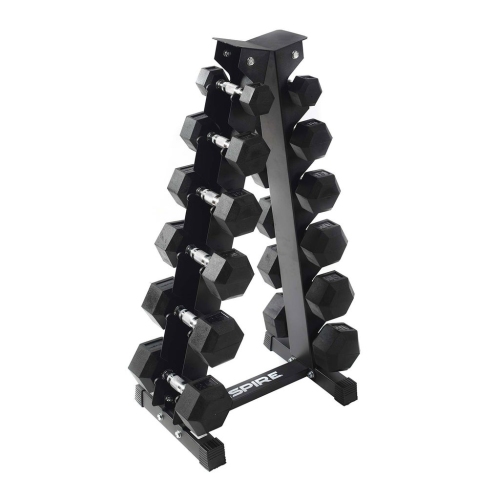
Durability depends on both construction and everyday handling. Adjustable dumbbells contain parts that need to remain aligned and secure, whether those are threaded collars, locking pins, selector mechanisms, or the plates themselves. Before lifting, the selected weight should be fully engaged according to the manufacturer’s instructions, with plates securely retained and collars tightened where applicable. Weight changes belong in the resting position specified for the design, not while the dumbbell is held above the body. Controlled lowering and careful placement help protect the equipment; dropping a weight after a demanding set can damage components even when no break is immediately visible. A suitable exercise mat can help protect flooring and soften contact, but it does not make a dumbbell safe to drop. For exercises that place body weight through the handles, such as some push-up or row variations, the equipment must be expressly suited to that use and stable enough not to roll or tip. Routine care usually involves wiping away perspiration with a soft cloth, drying surfaces, and checking for loose parts, cracks, worn coatings, or a selector that no longer engages smoothly. Cleaning products and lubricants should follow the manufacturer’s guidance, since harsh chemicals or unsuitable oils may affect finishes or mechanisms. Dry storage and a stable base help keep weights organized, while a compatible stand can bring them closer to a comfortable lifting height. Stand capacity and tray fit matter, and weights should remain out of reach of children and pets. Adjustable dumbbells can suit beginners building a consistent routine, experienced lifters adding accessory work, or households where more than one person uses different resistance levels. They can also make a thoughtful gift for someone who has expressed an interest in home strength training, provided the weight range, available space, and preferred grip are understood. Comfort and suitability remain individual: a compact shape, easy-to-read settings, or simpler adjustment process may be more valuable to one person than extra load. The most useful setup is one that supports controlled movement, straightforward weight changes, and regular use without making the room difficult to navigate.
Top selling and popular products
-
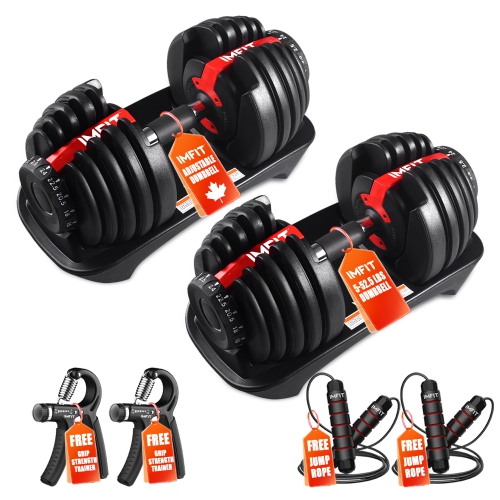 Your price for this item is $249.97
-
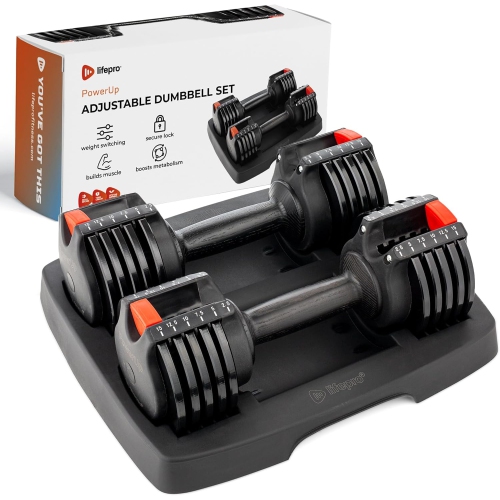 Your price for this item is $159.98
-
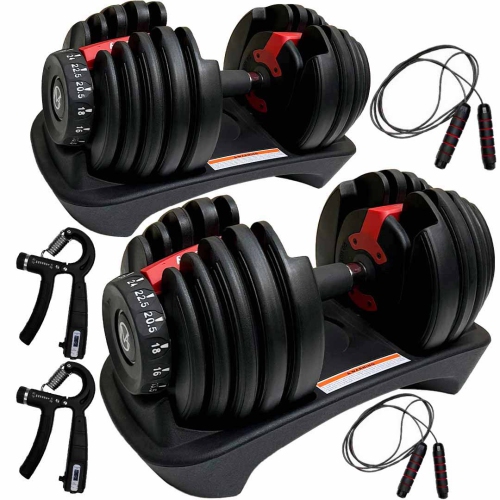 Your price for this item is $143.46
-
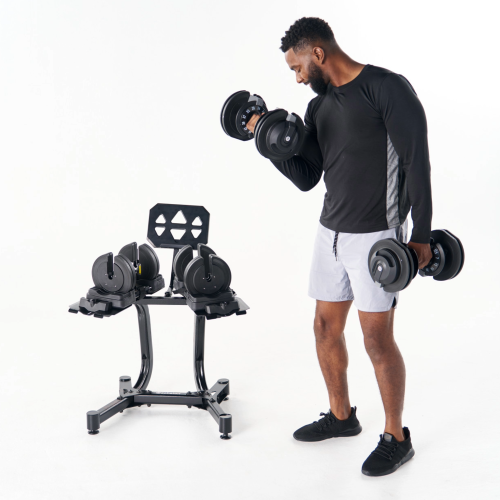 Your price for this item is $684.99
-
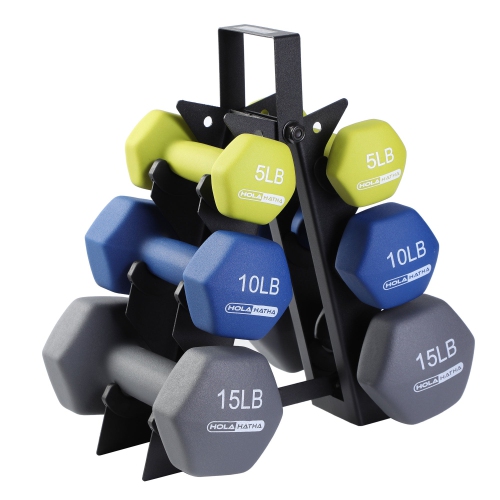 Your price for this item is $268.99
-
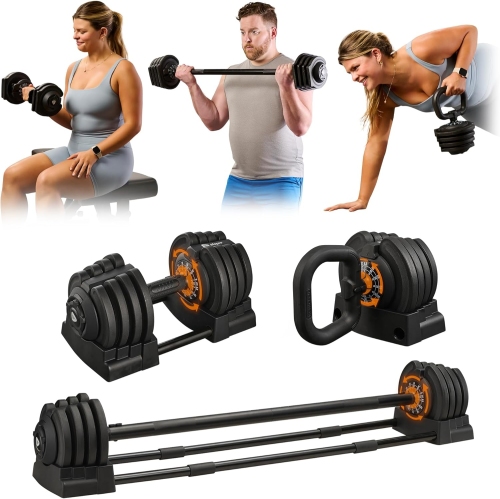 Your price for this item is $329.99
-
 Your price for this item is $449.99
-
 Your price for this item is $120.99
Discover more categories related to Adjustable Dumbells
Top Collections:
Pokemon Centers, Best Cameras for Sports Photography, Kindle Devices, Samsung Galaxy Phones, Canon G7X Cameras, Pokémon 30th Celebration Cards, Refurbished Apple Laptops, iPhone 15 Apple, Laptops for Students, Budget Smartphones
Some products may be subject to Environmental Handling Fees
(EHF) depending on your province.
Learn more about EHFs.