Affordable Treadmills
Looking to kickstart your fitness journey without breaking the bank? Our selection of affordable treadmills offers a range of options to help you achieve your fitness goals from the comfort of your own home. Whether you're a seasoned runner or just starting out, these budget-friendly treadmills provide the perfect solution for getting in those daily steps or intense cardio sessions without sacrificing quality. With features designed to enhance your workout experience, such as varying incline levels and built-in workout programs, staying active has never been easier or more accessible. Browse our collection of affordable treadmills today and take the first step towards a healthier lifestyle.
Sort
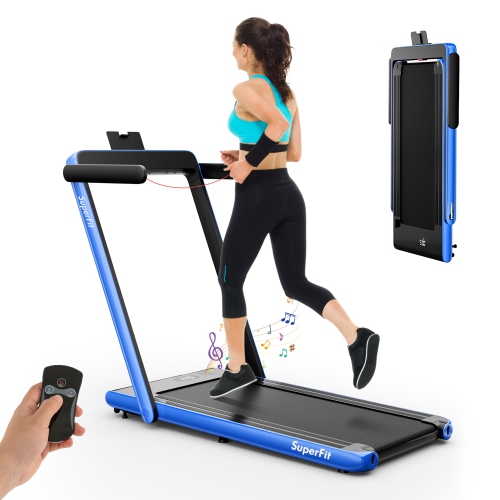
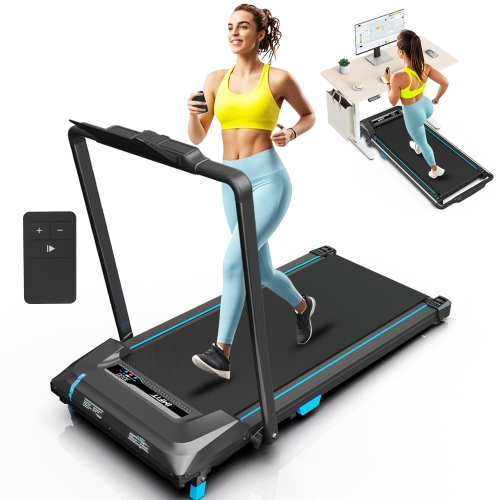
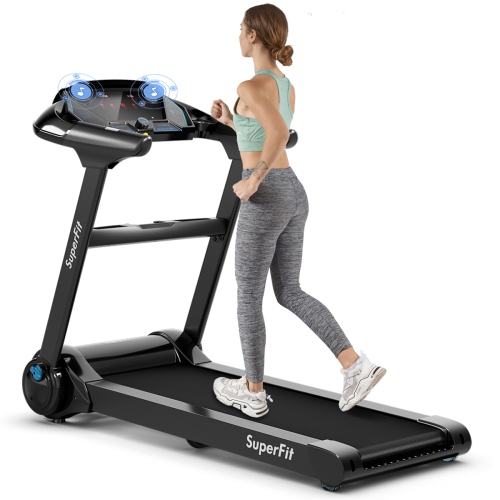

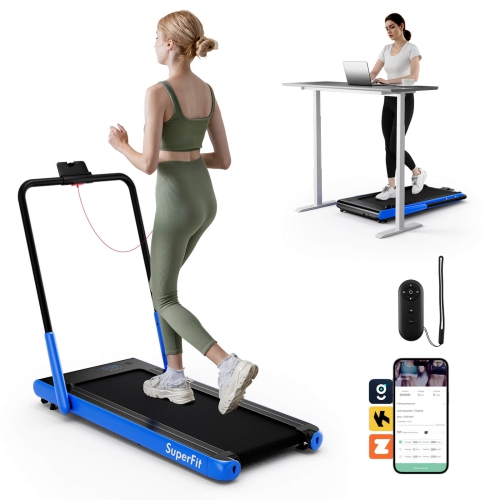
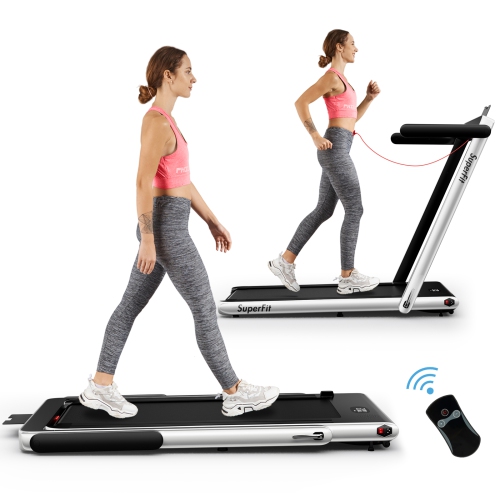
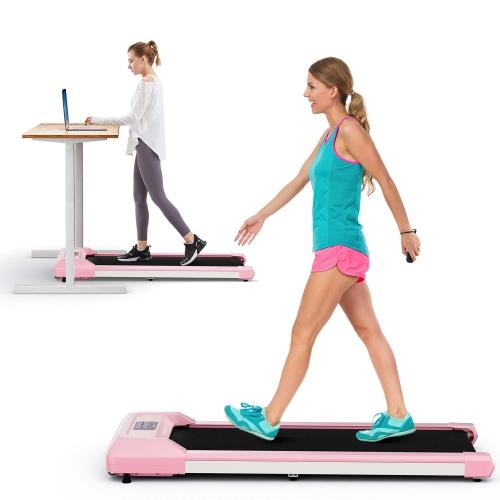
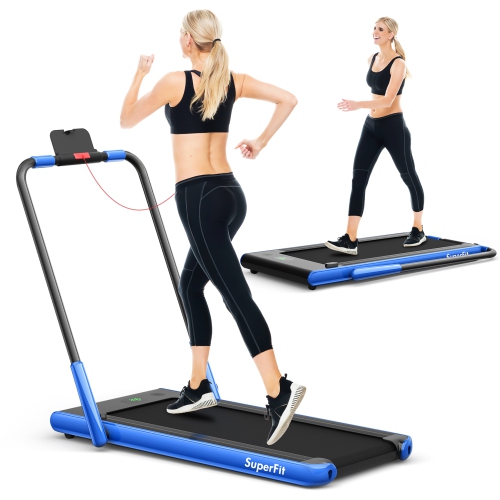
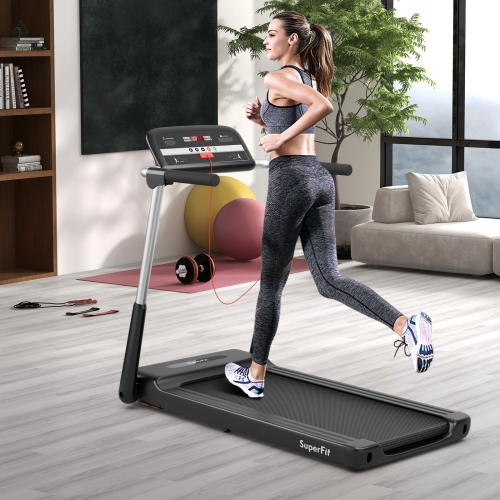
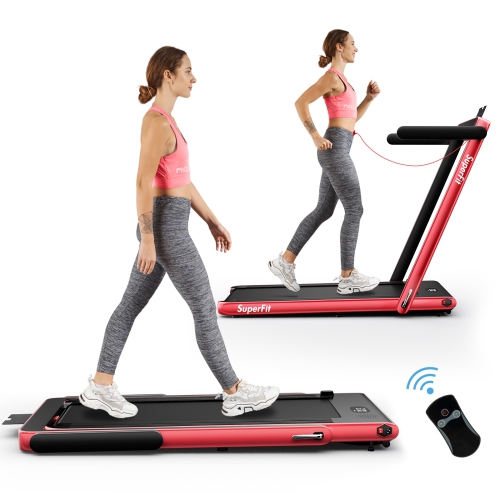
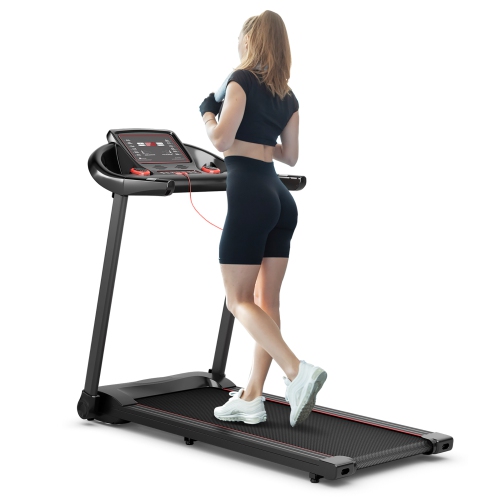
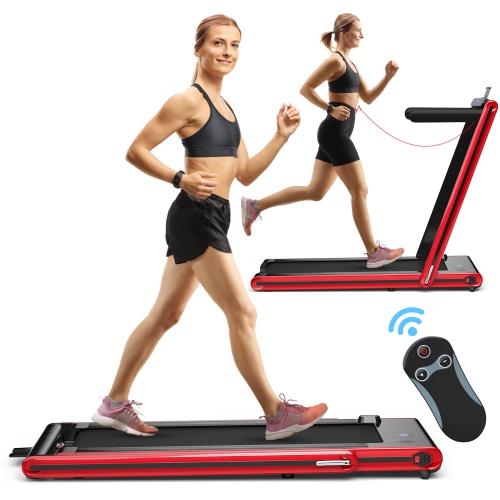
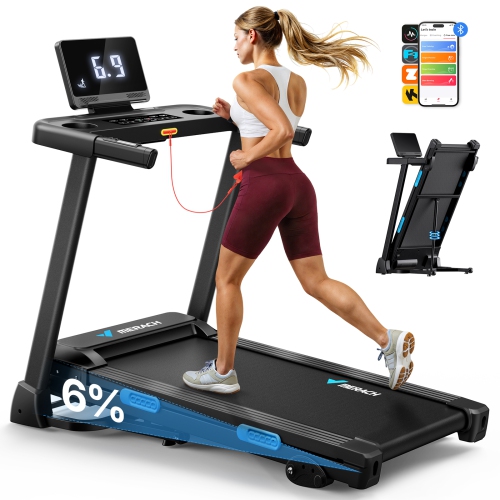
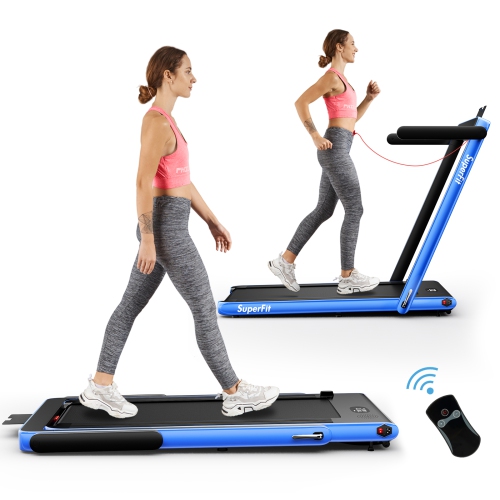
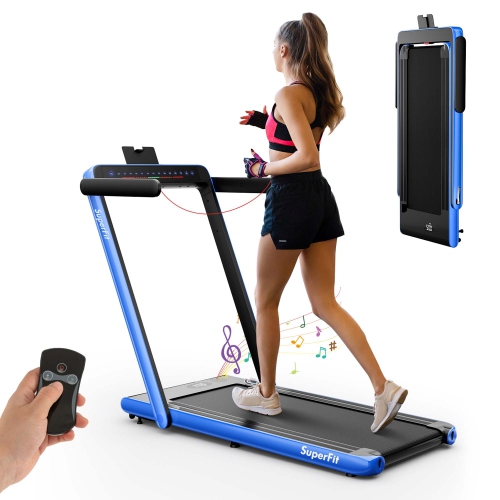
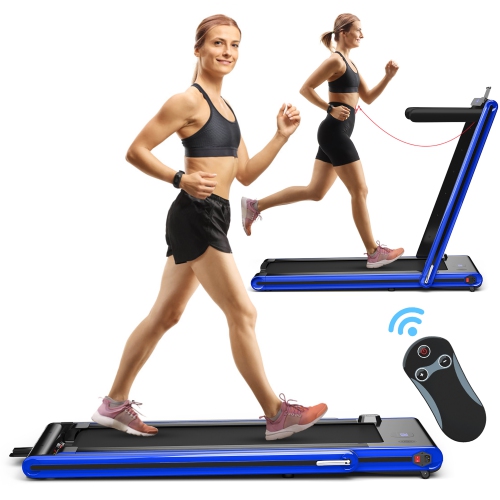
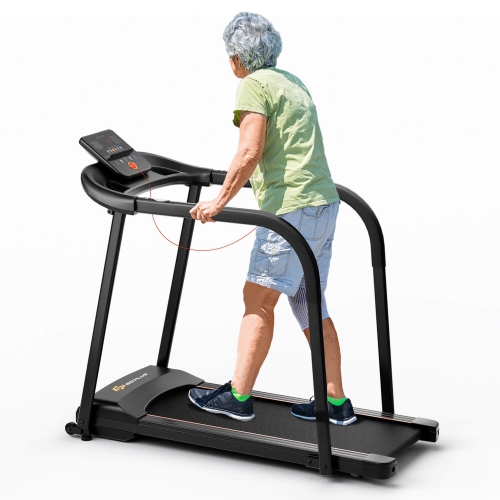
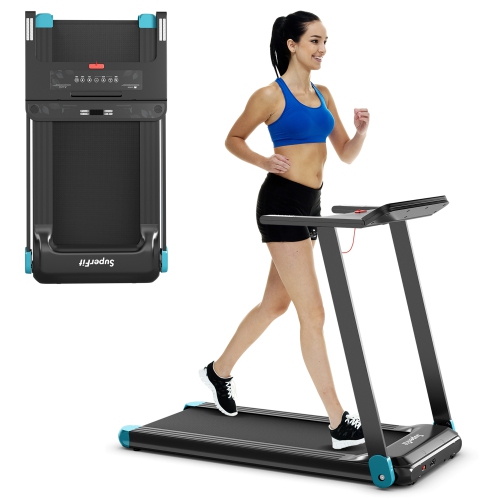
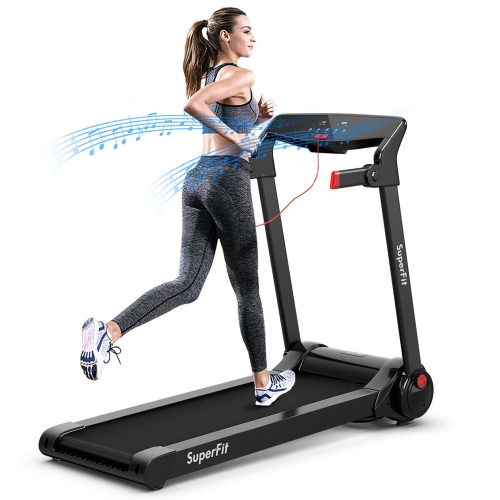
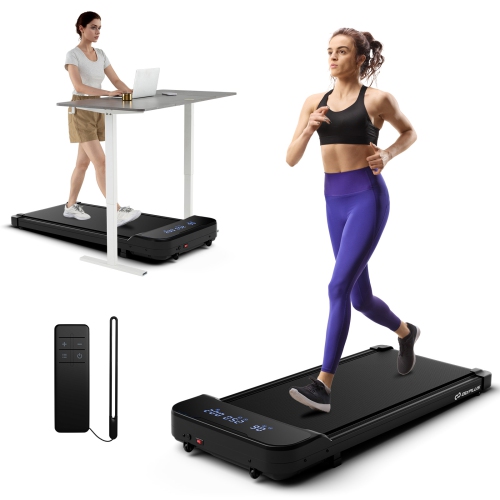
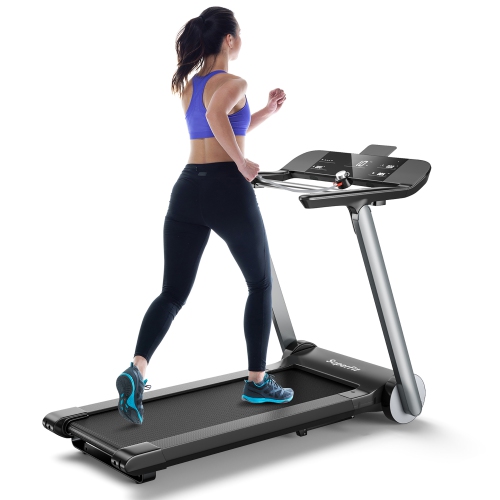
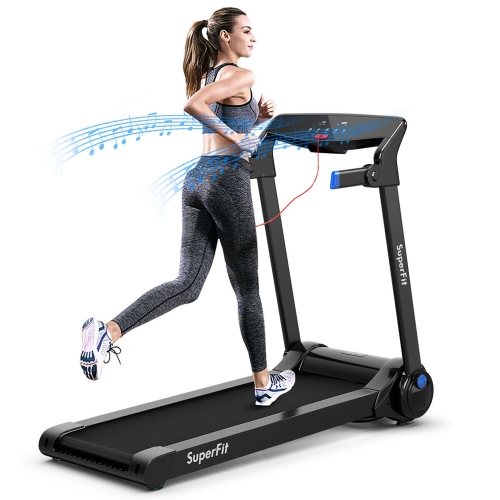
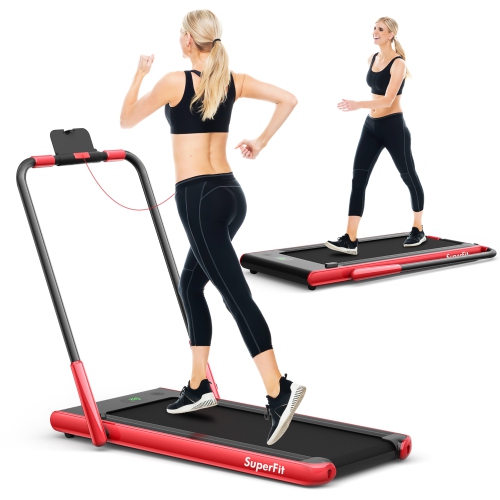
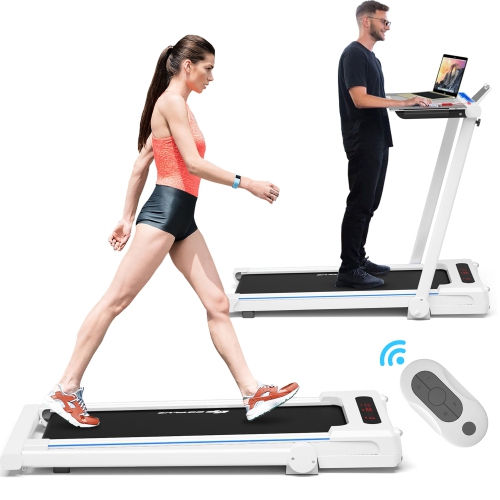
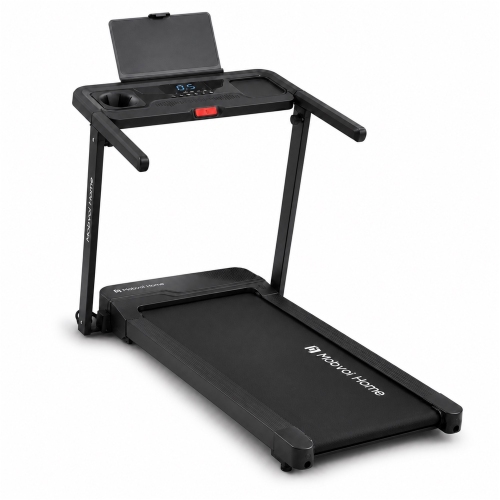
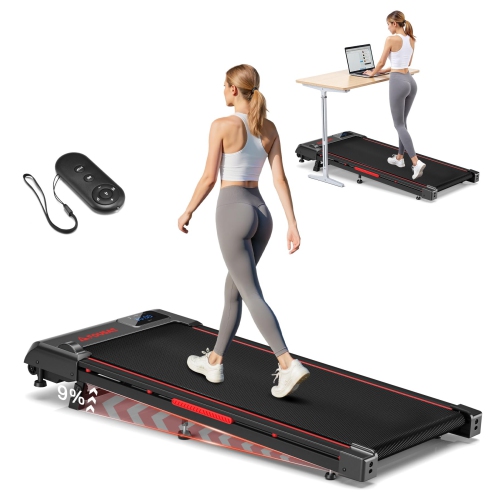
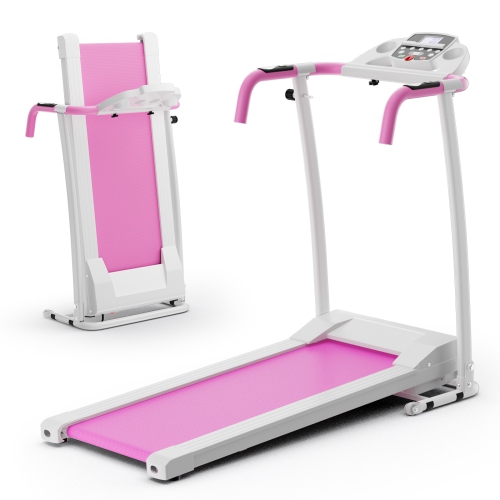
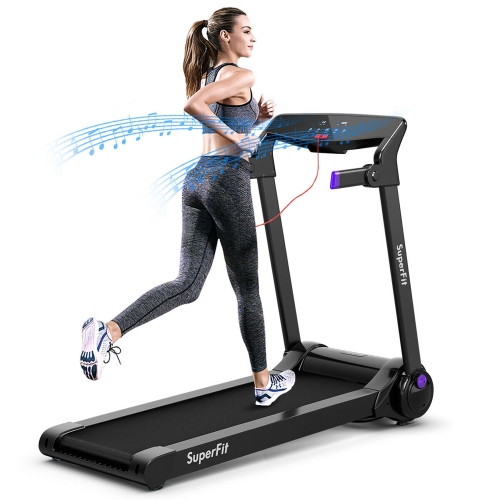
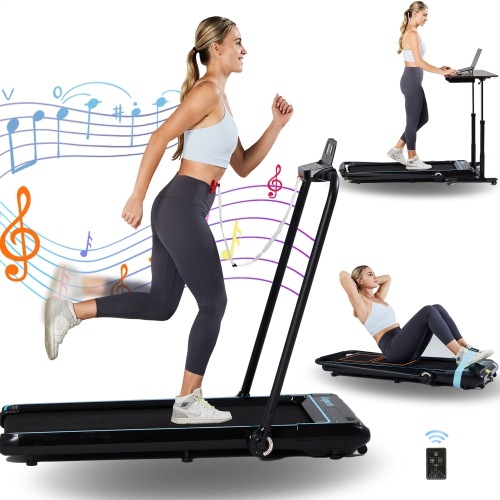
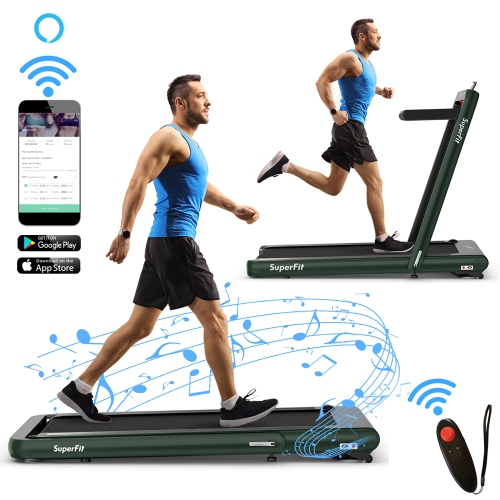
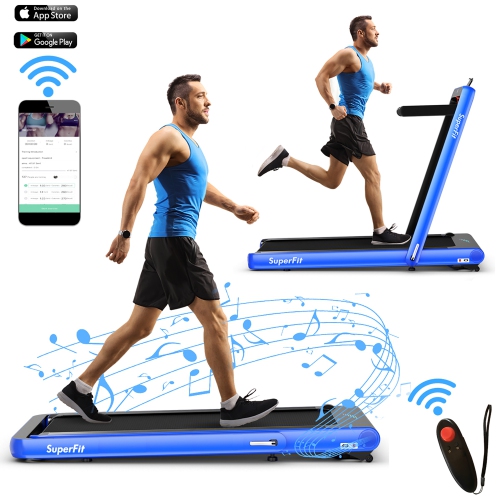
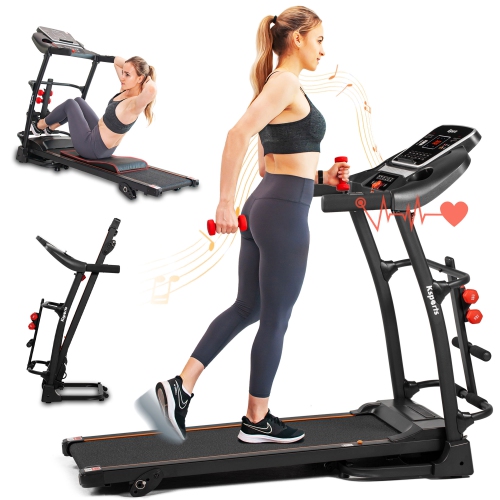
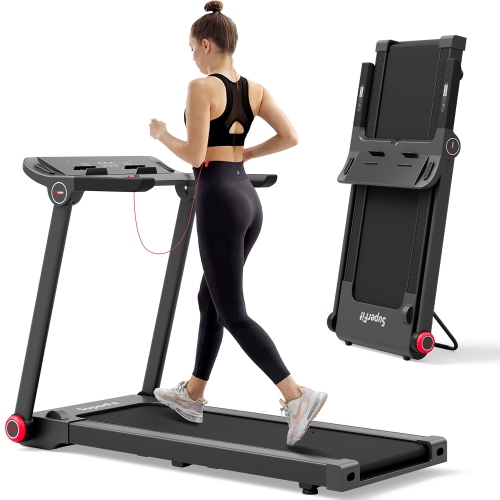
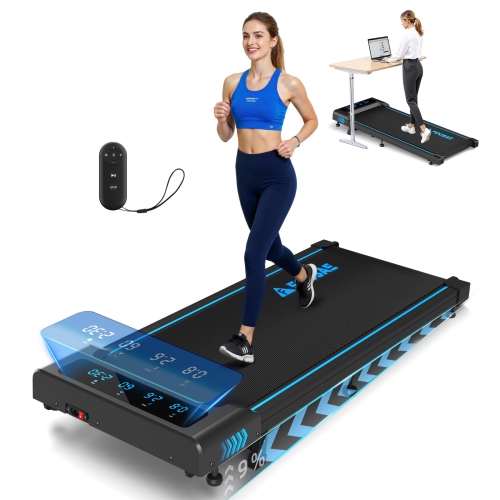
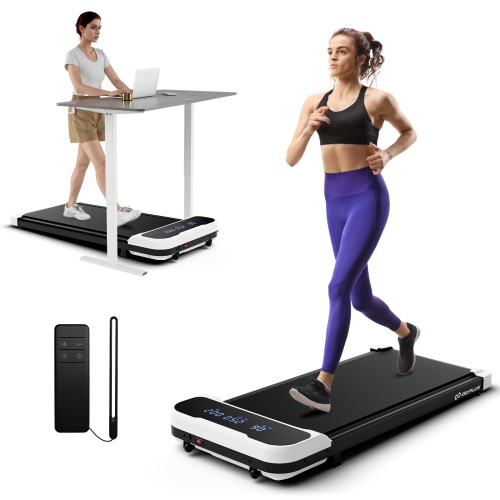
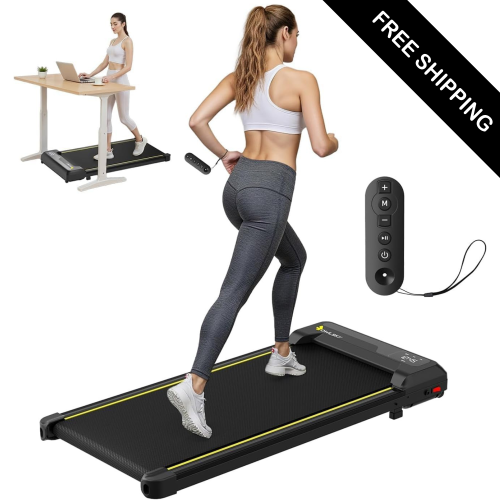
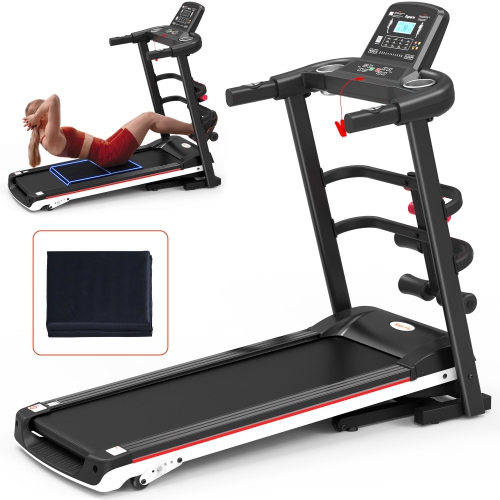

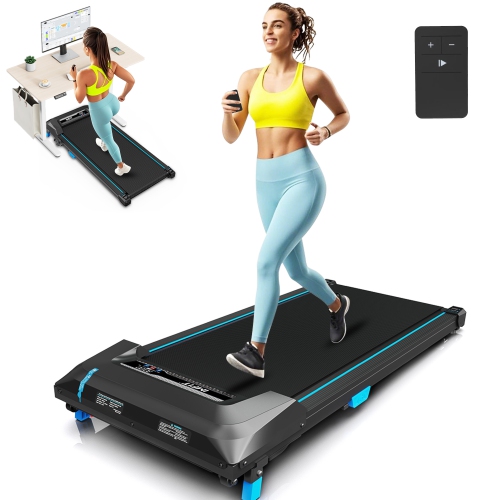
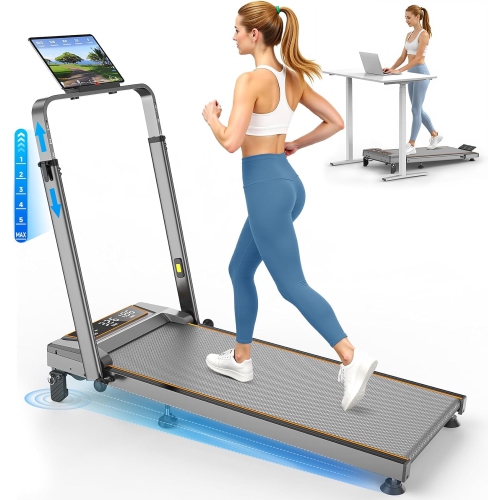
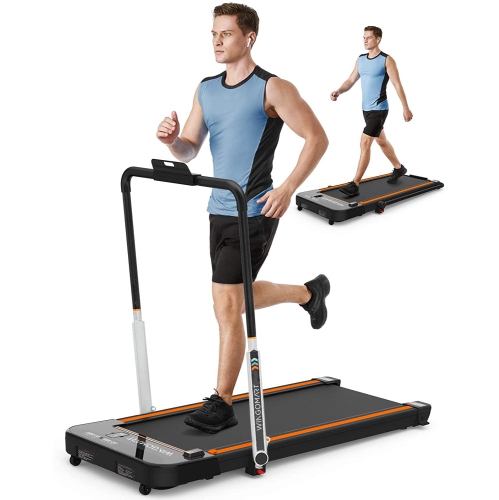
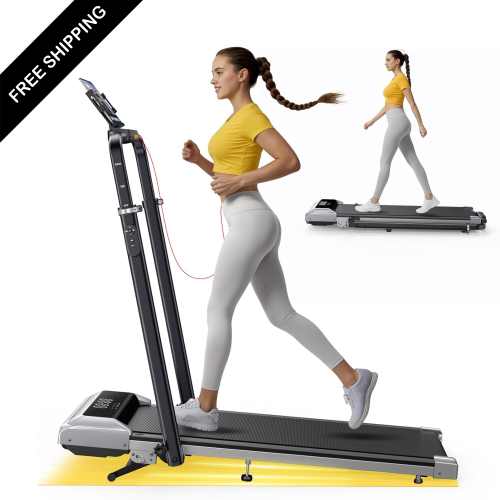
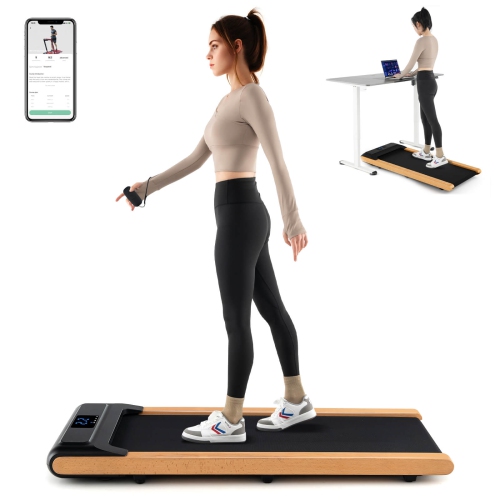

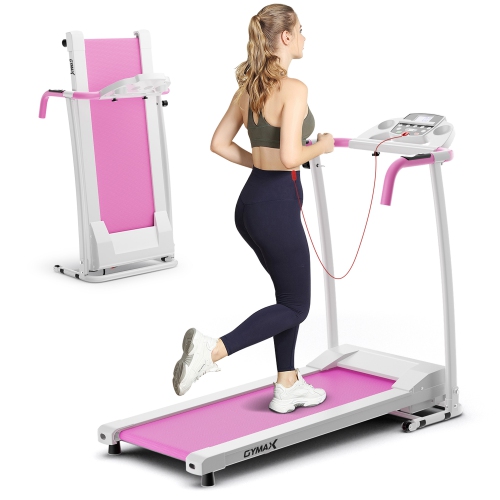
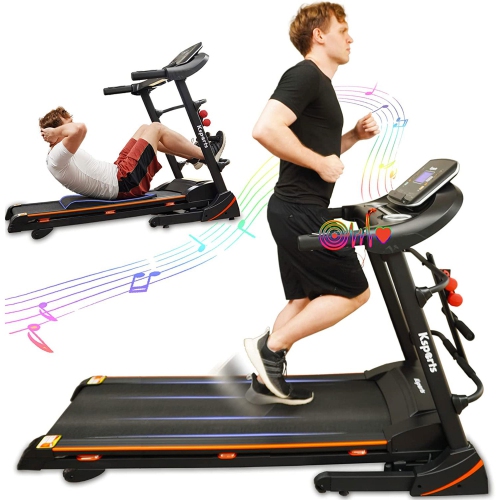
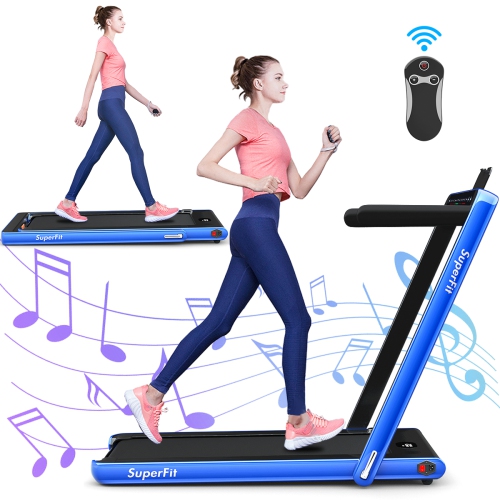
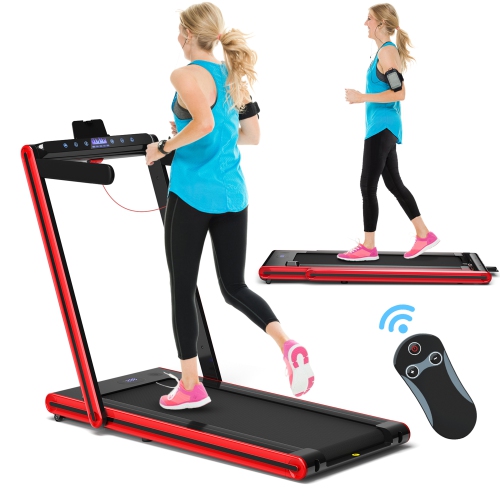
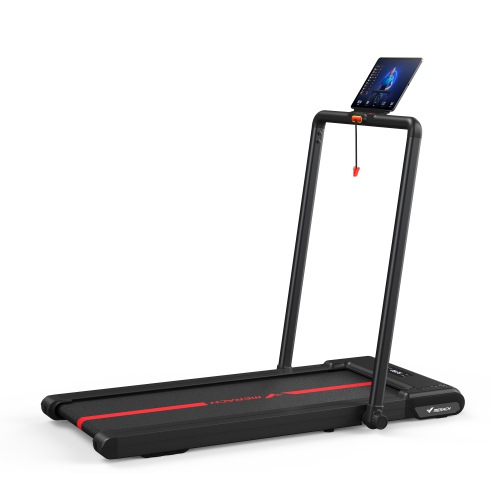
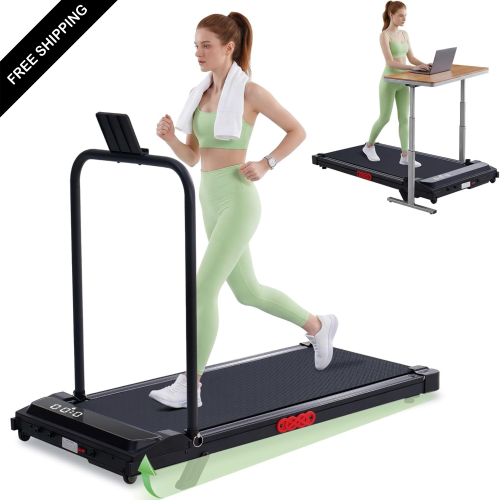
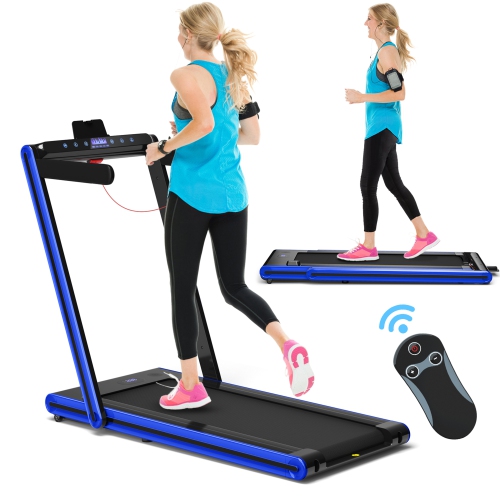
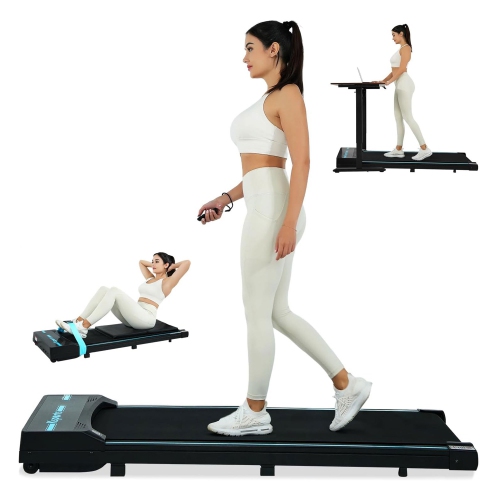
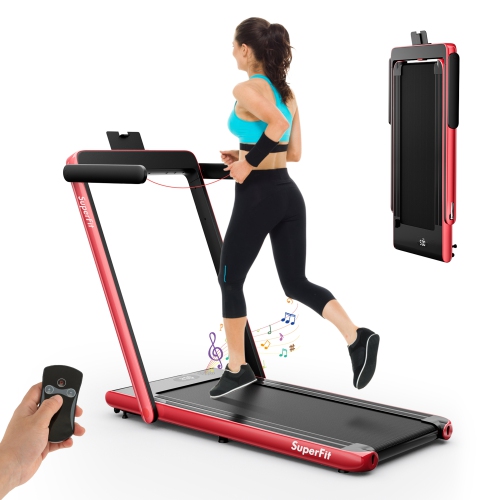
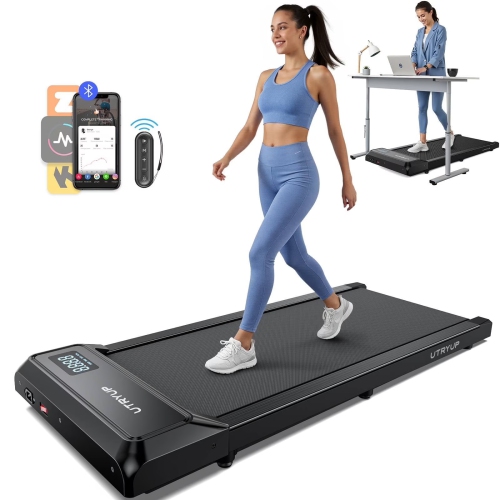
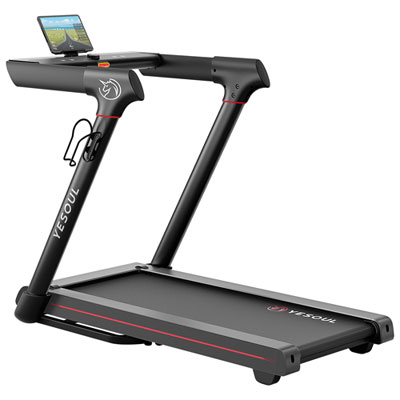
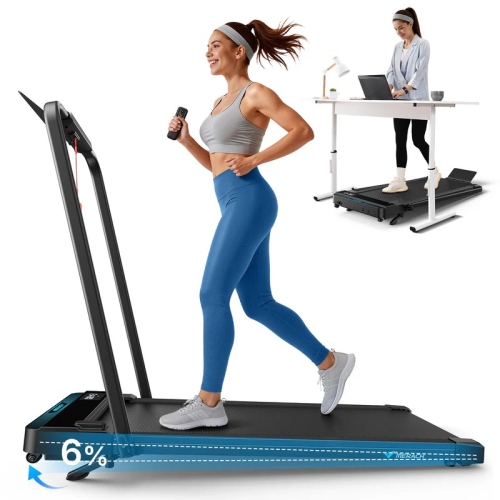
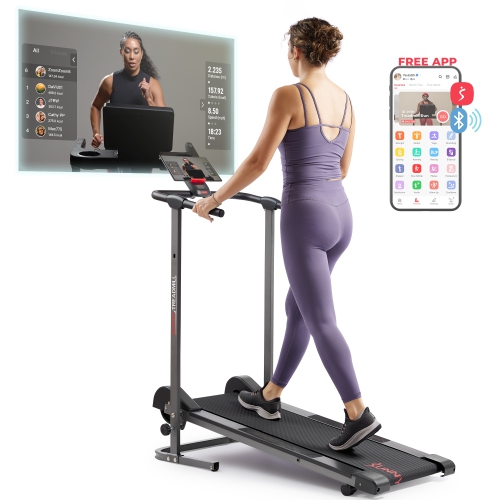
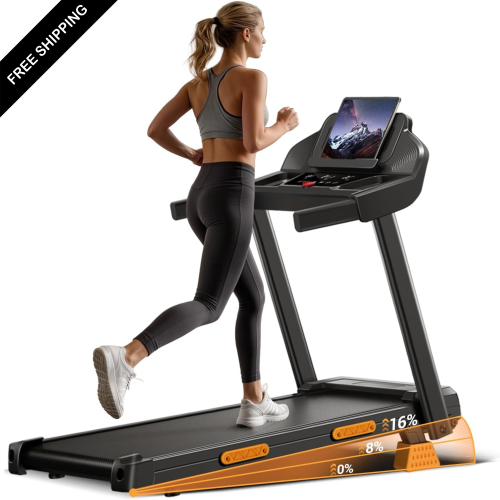
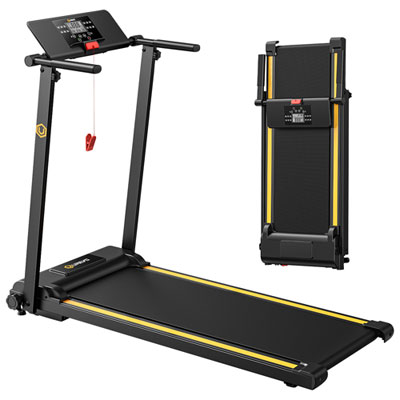
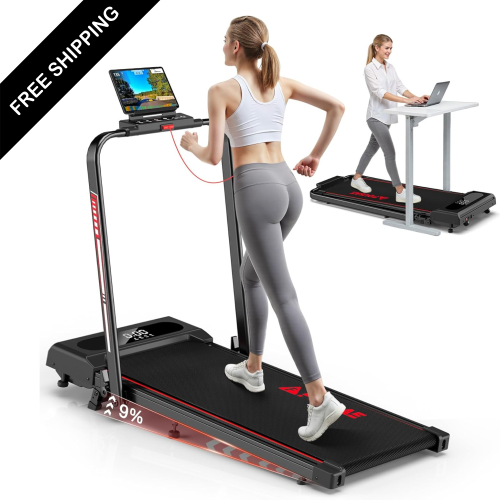
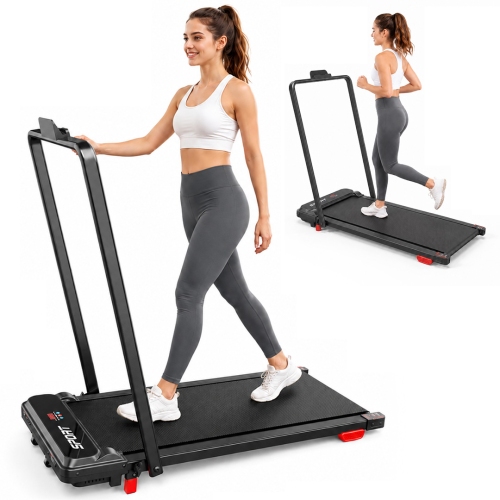
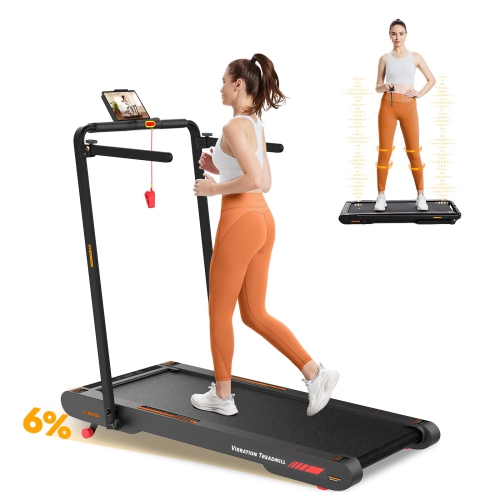
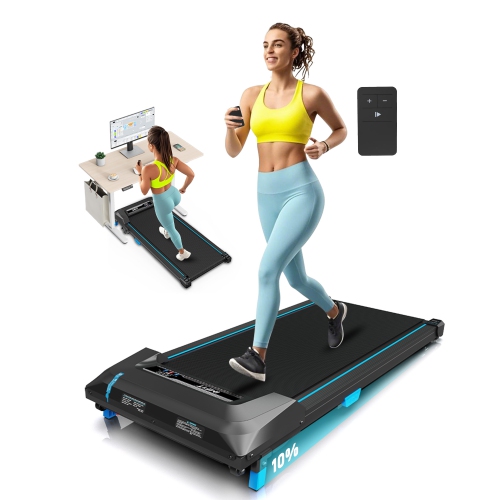
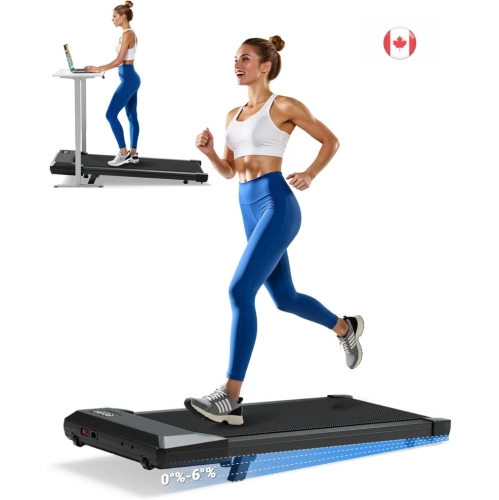
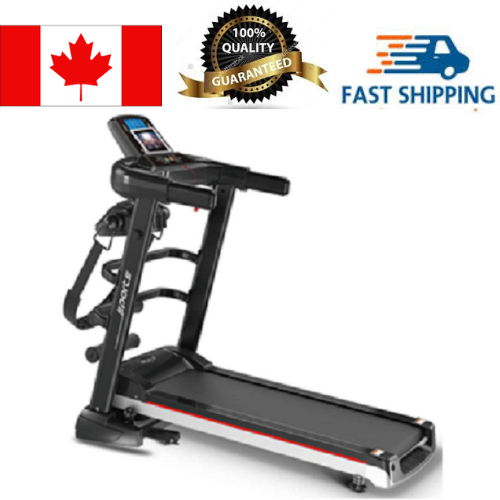
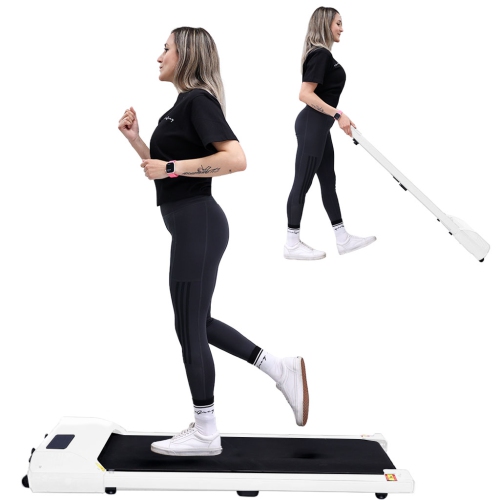
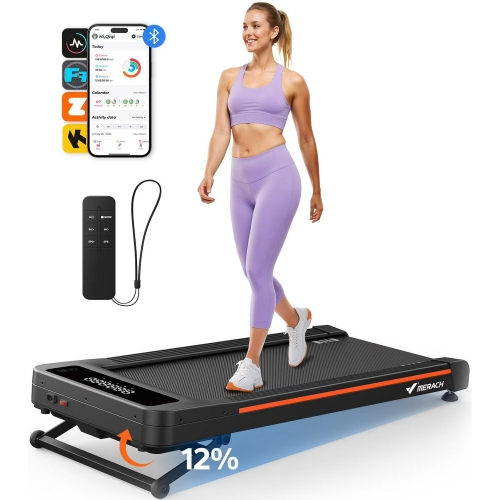
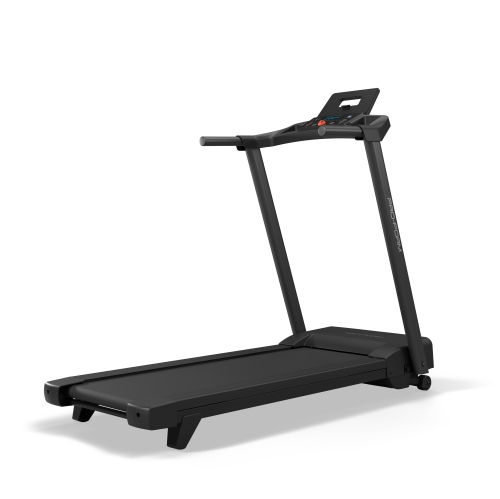
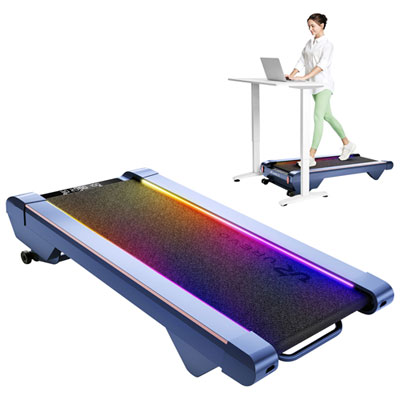
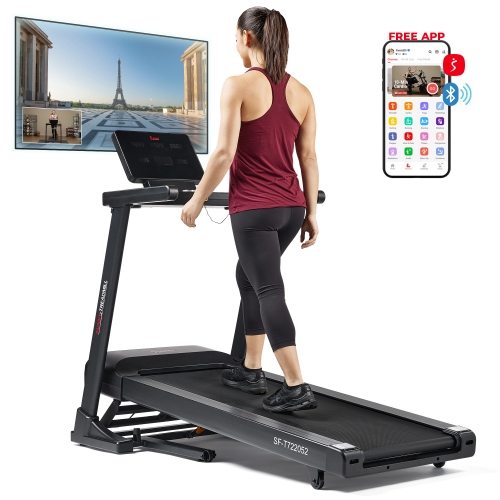
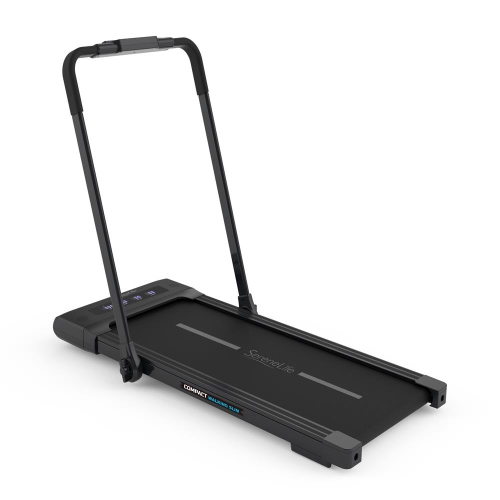
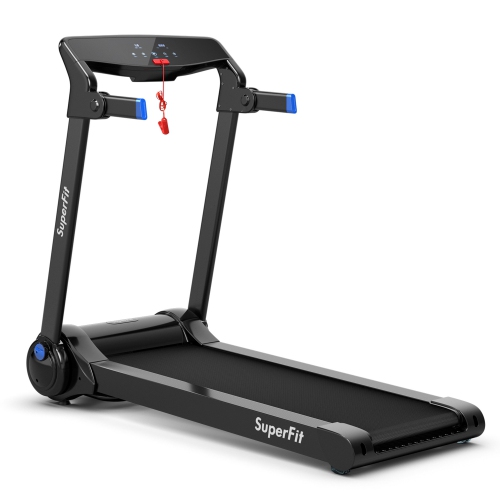
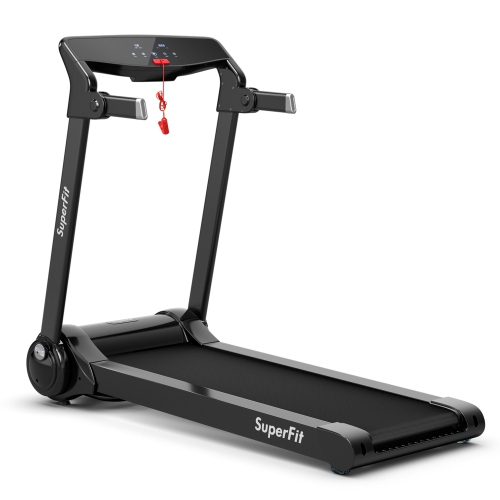
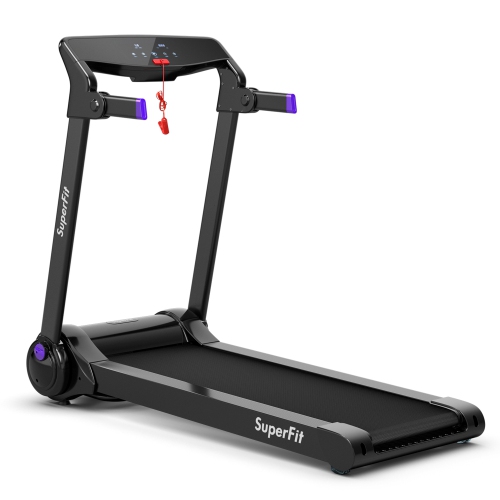
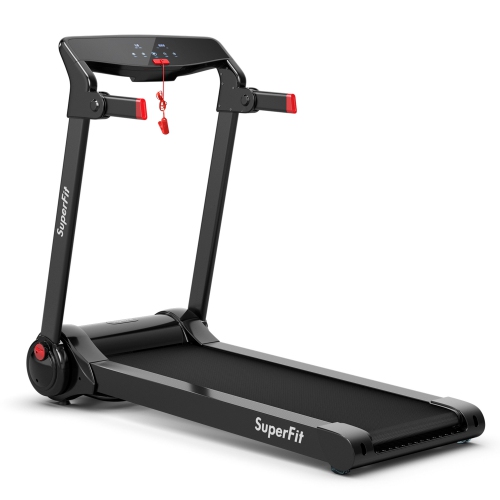
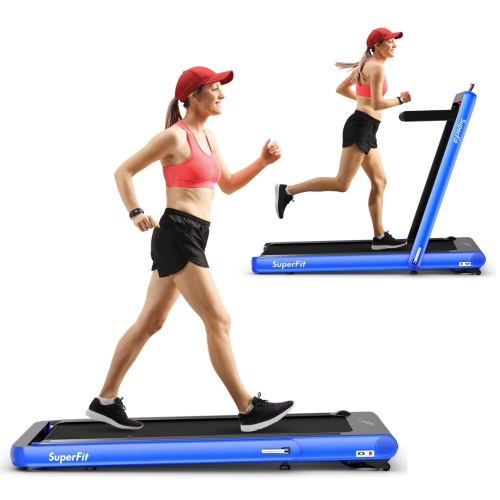
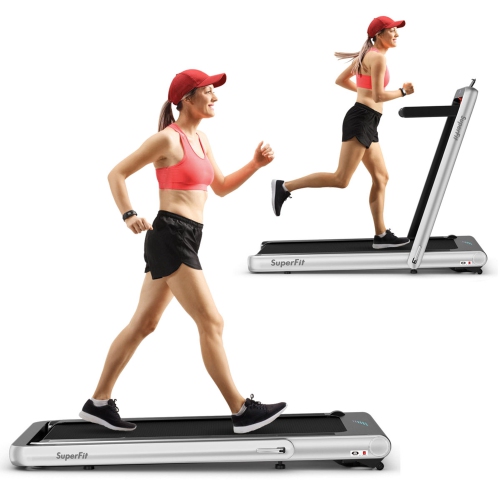
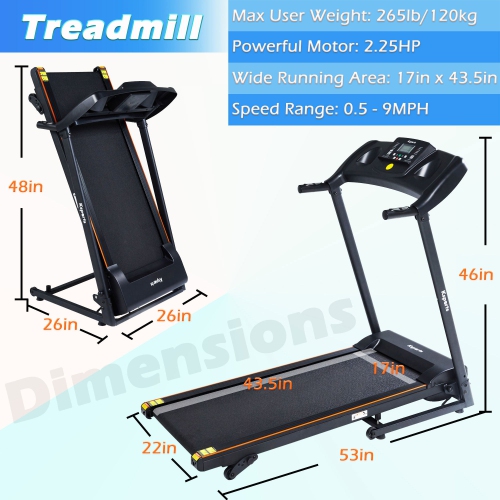
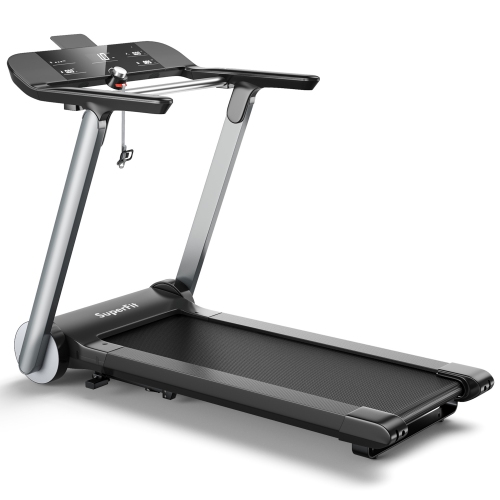
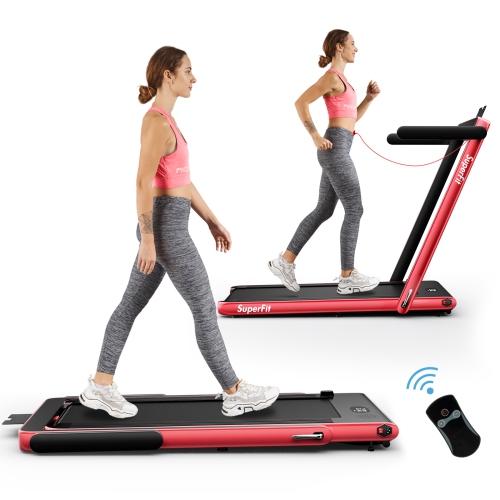
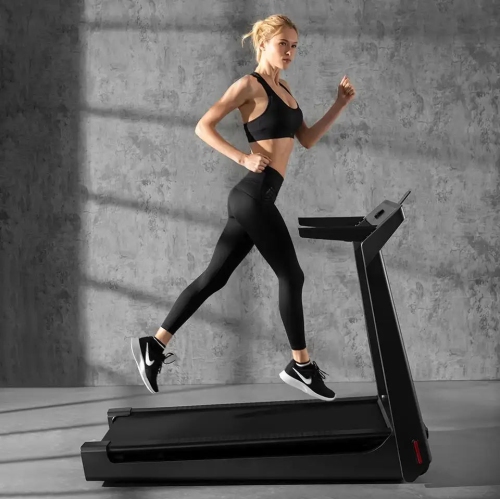
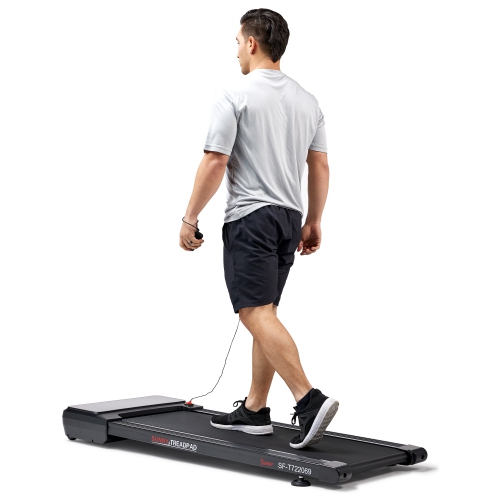
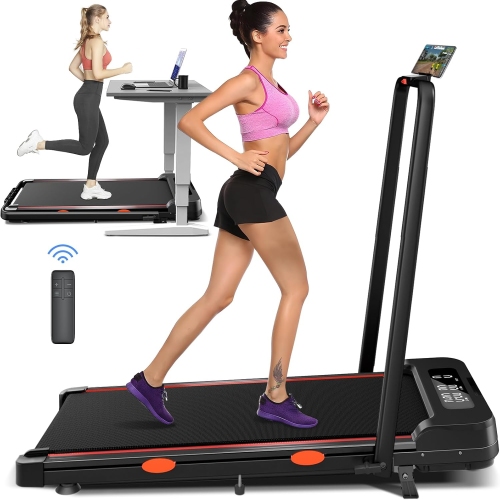
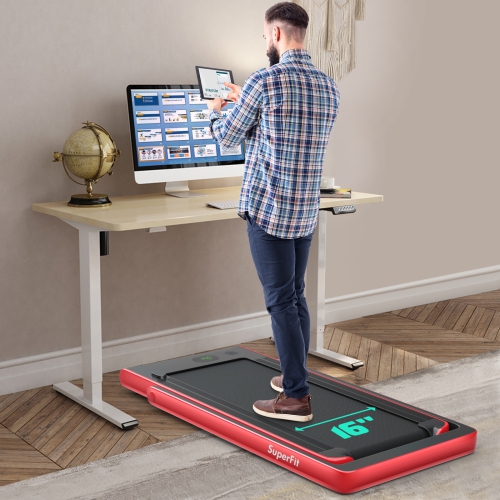
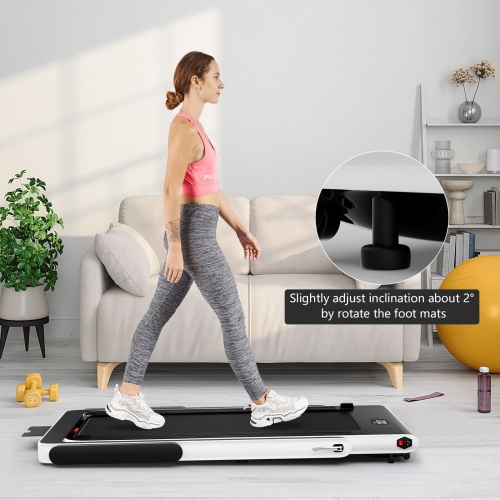
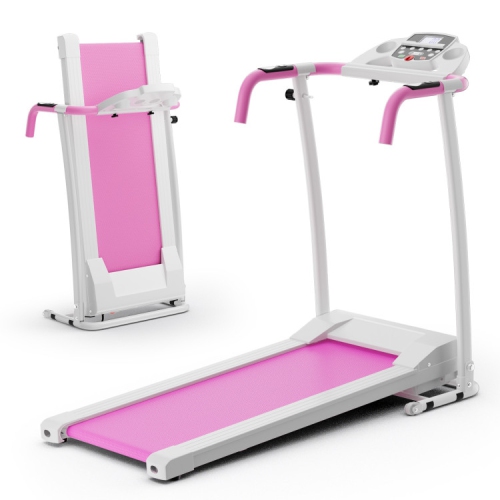
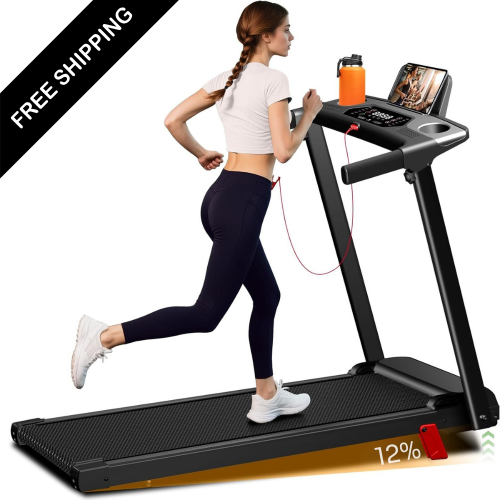


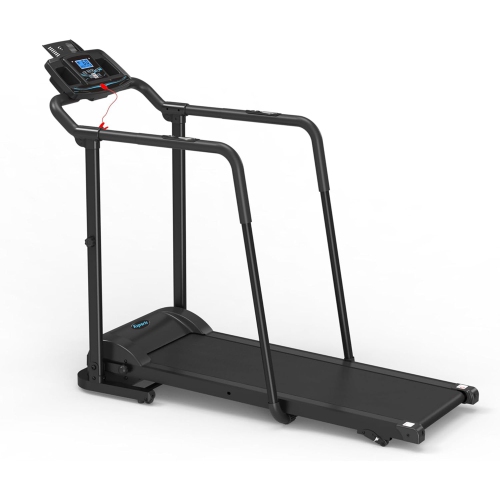
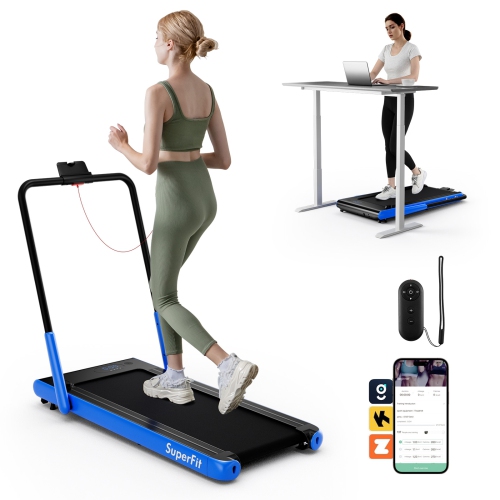
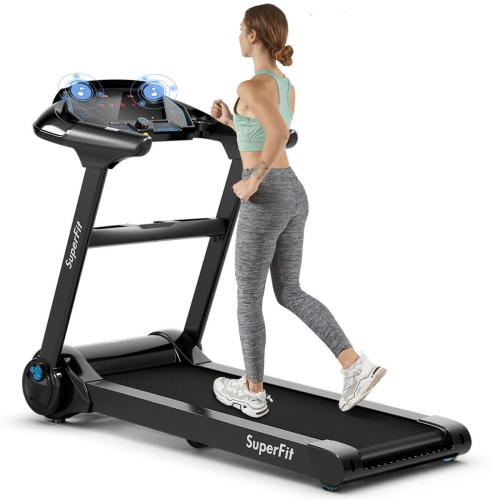
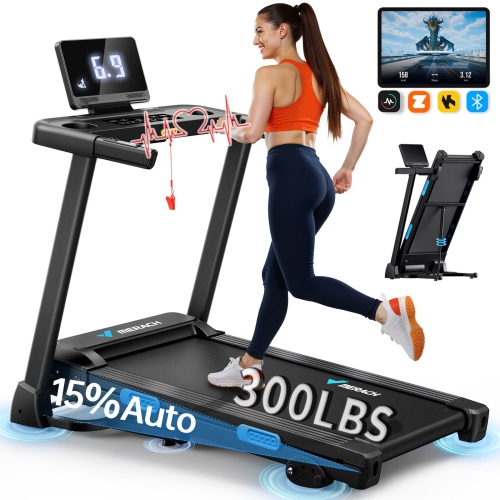
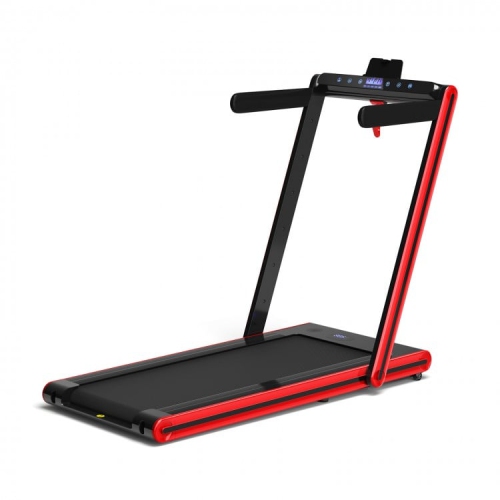
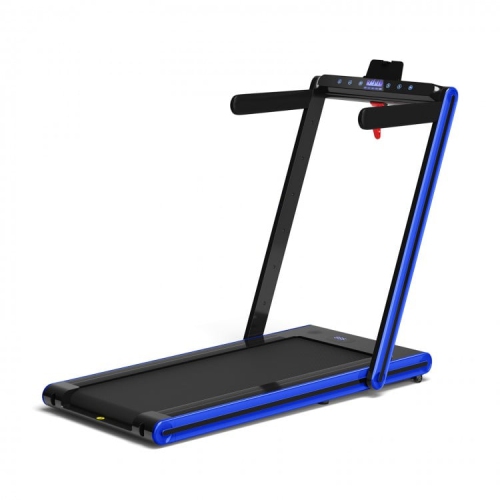
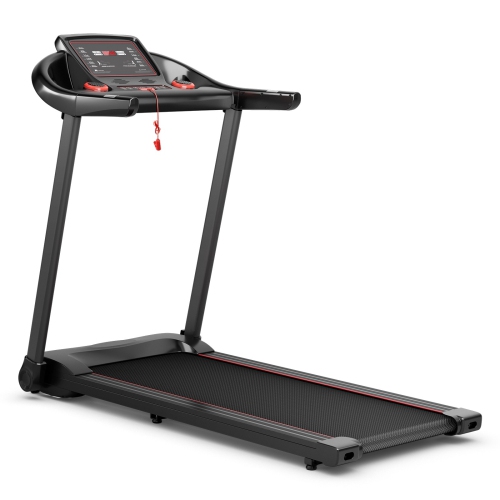
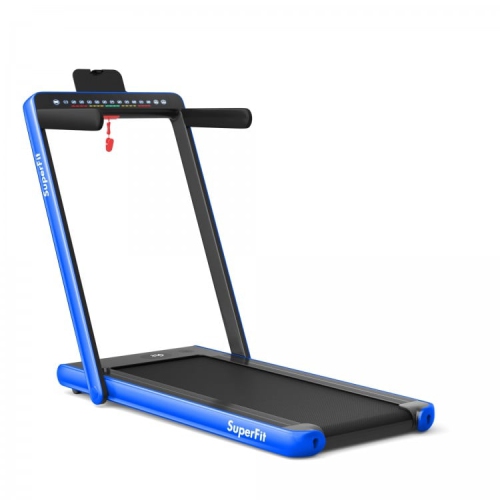
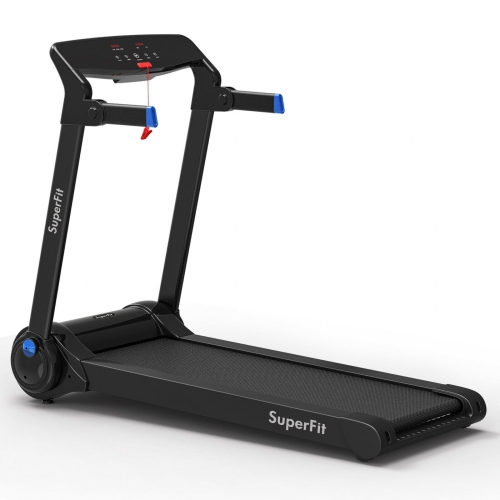
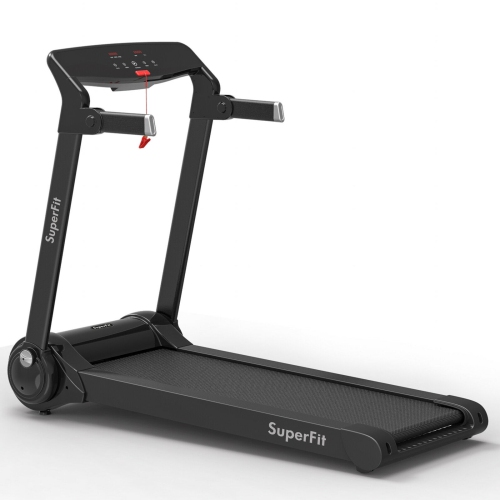
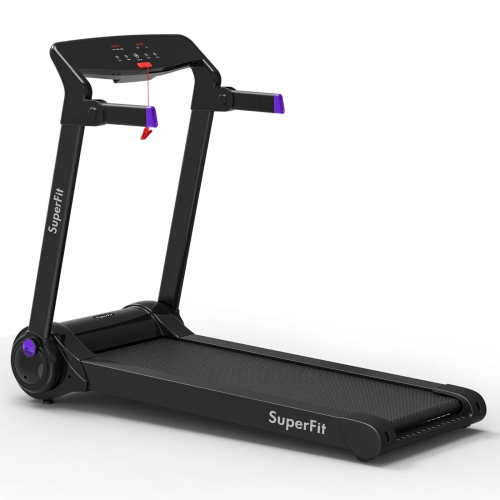
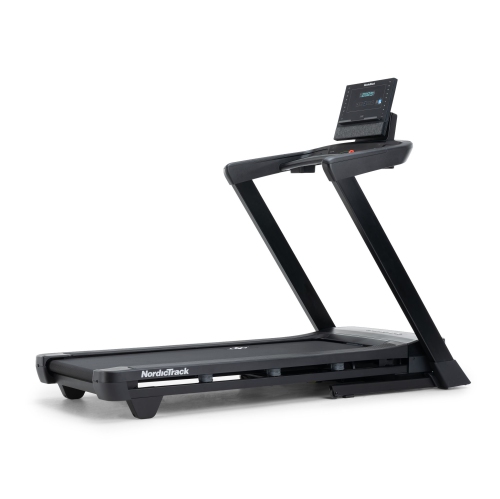
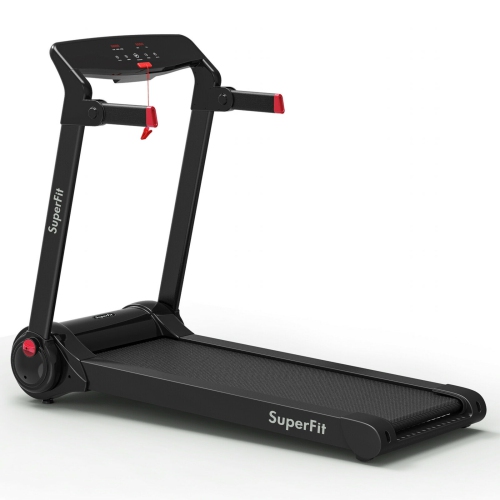
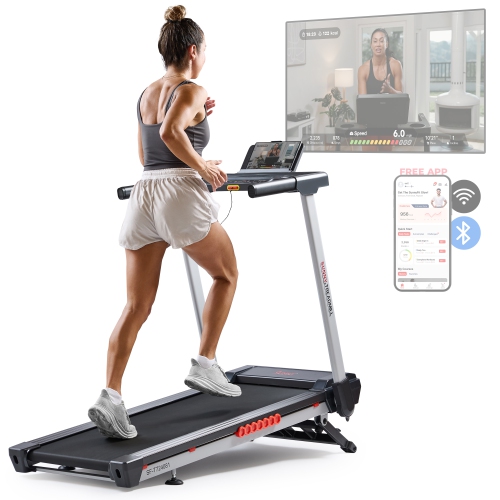

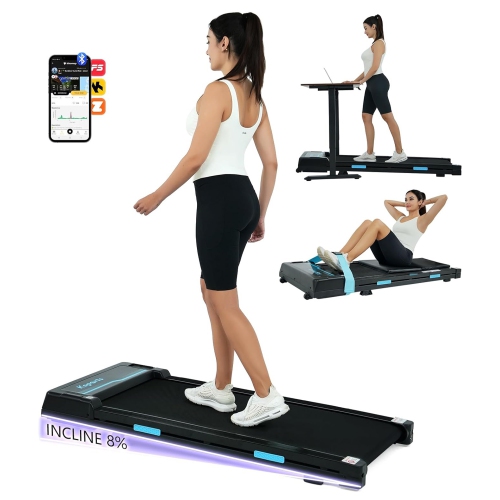

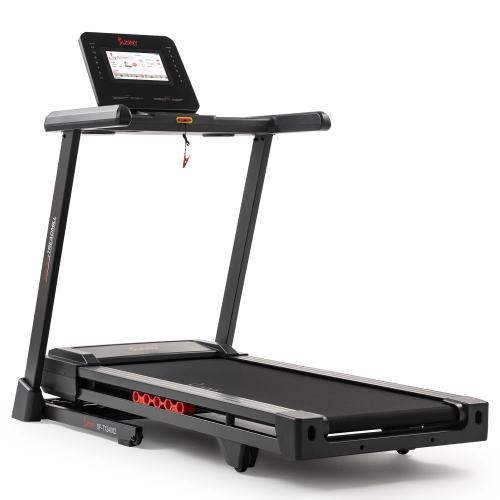
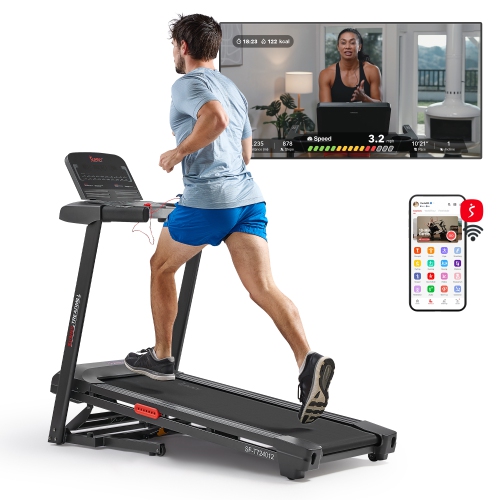
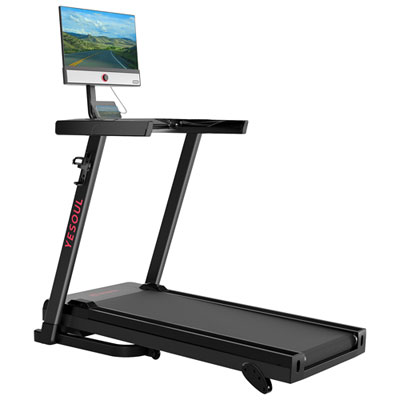
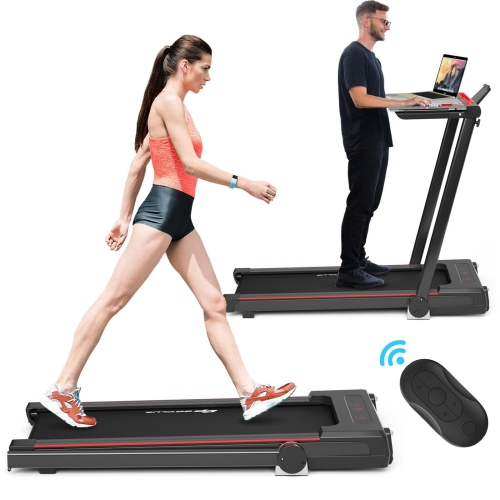
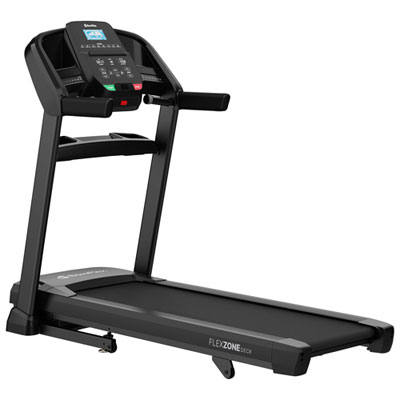
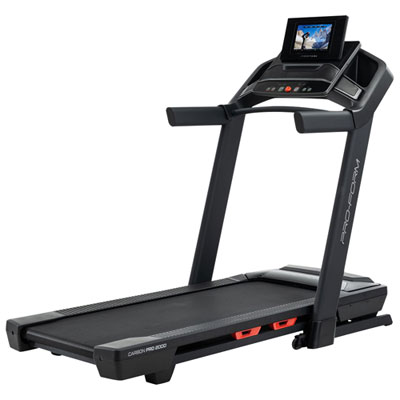
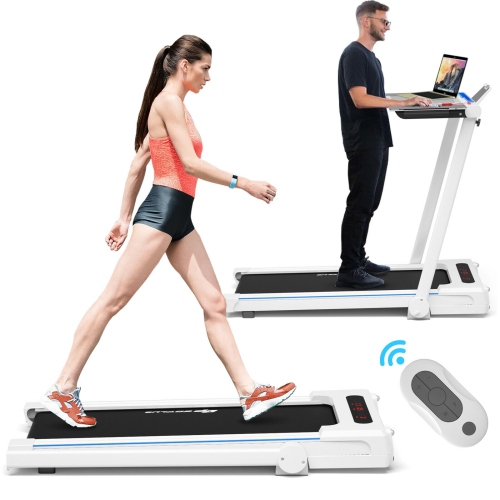
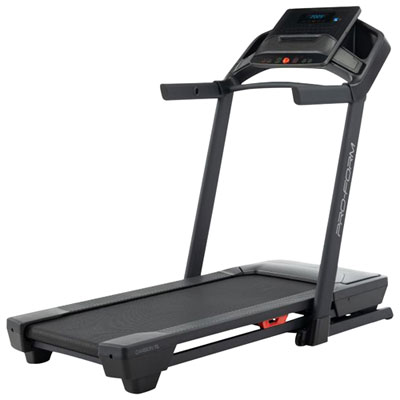
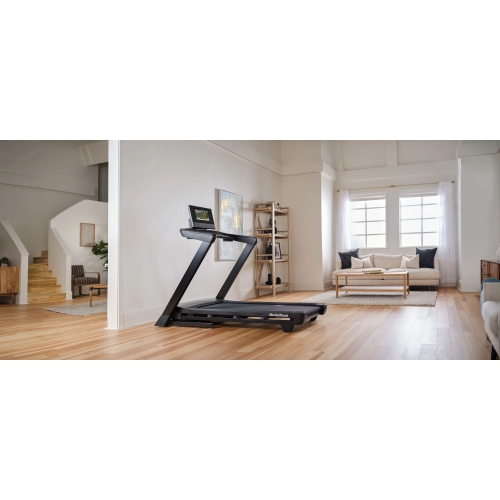
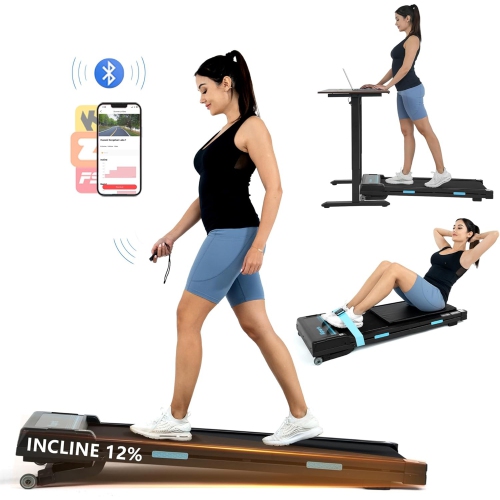
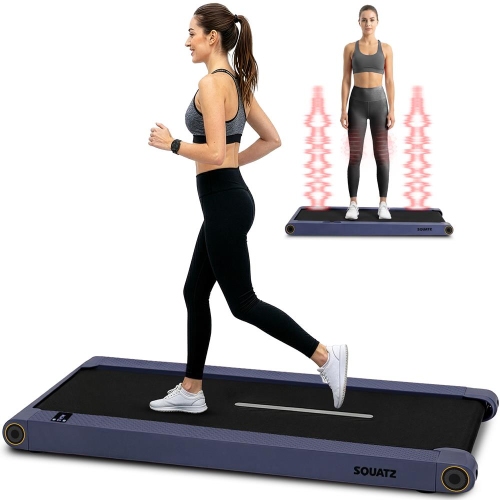

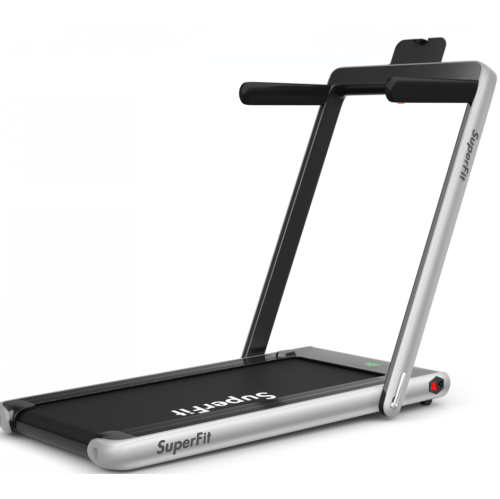
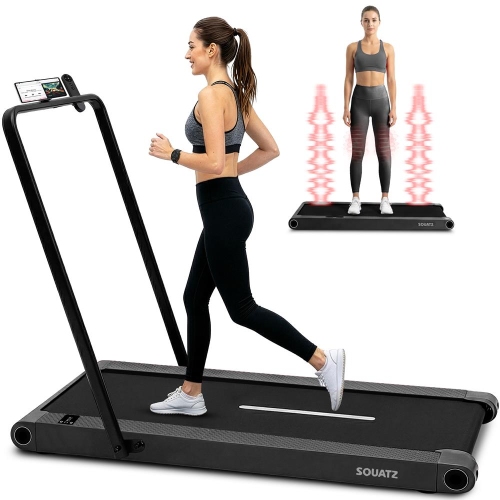
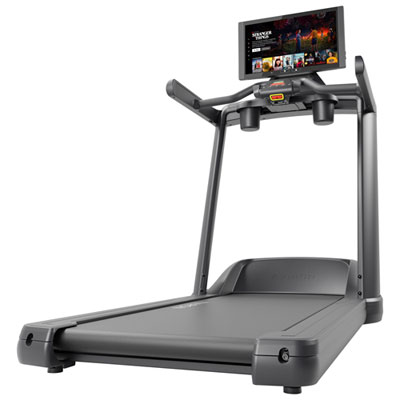
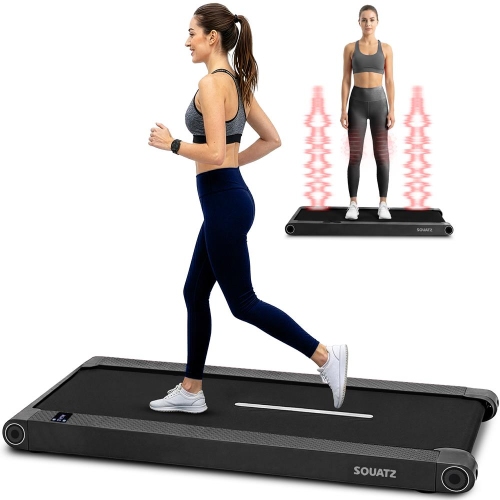
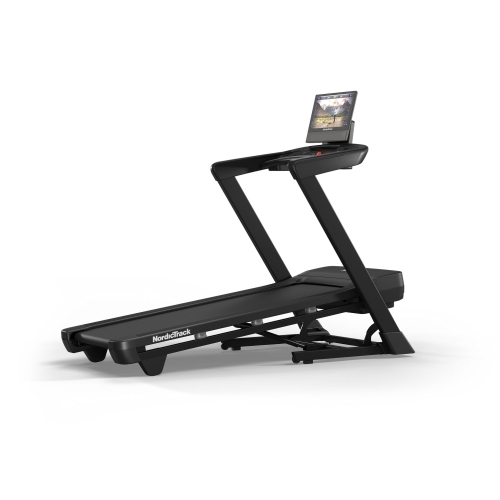
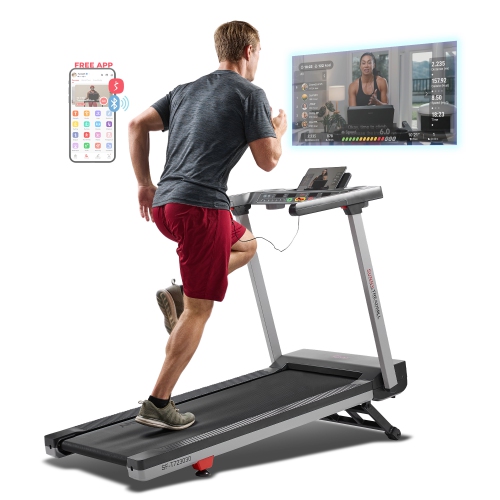
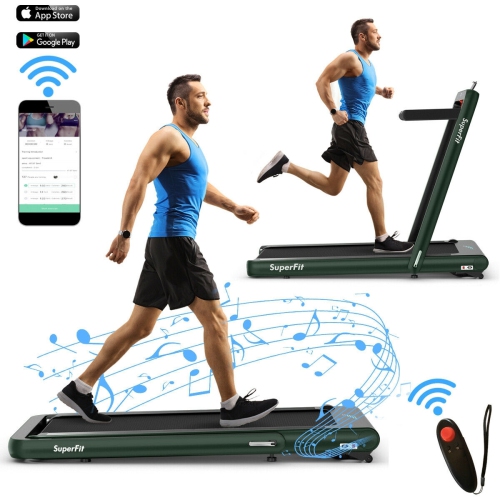
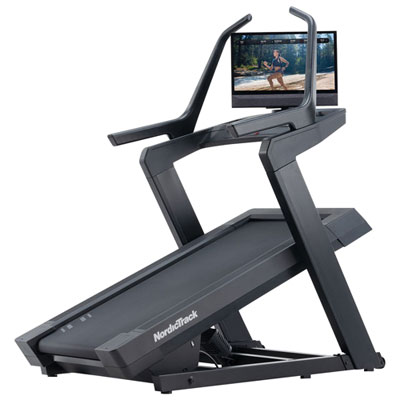
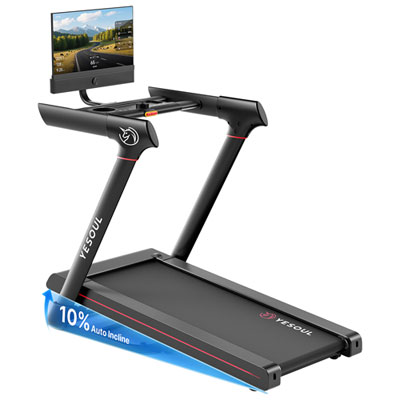
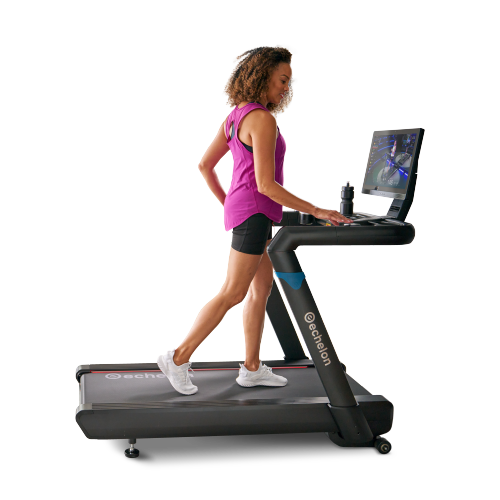
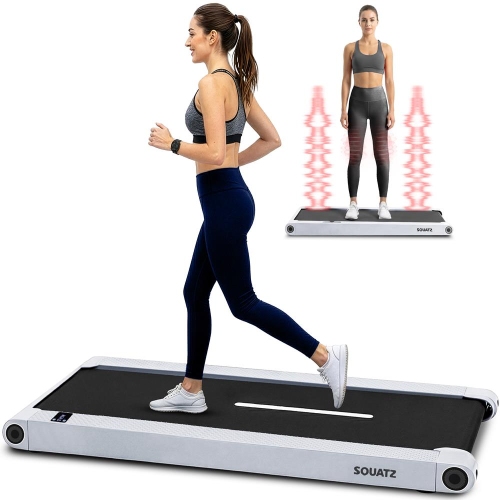
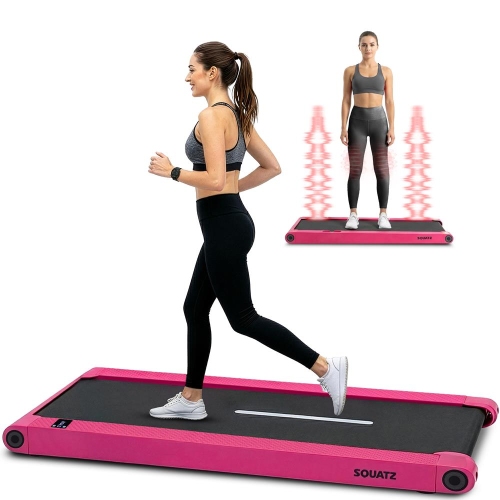
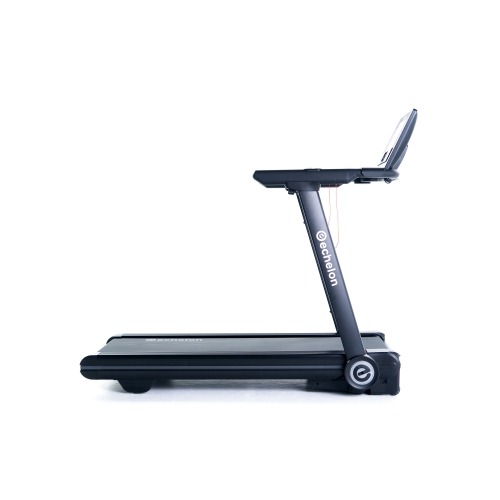
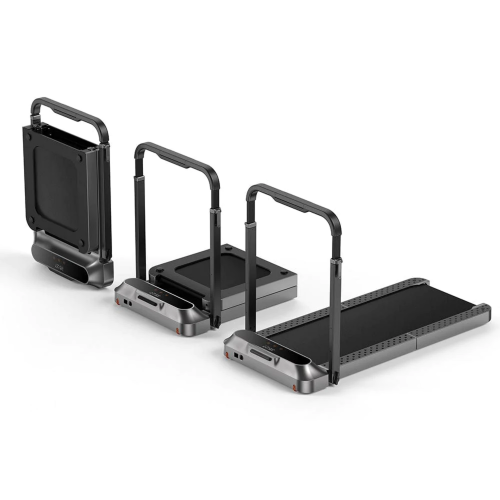


The right treadmill fits your stride and routine
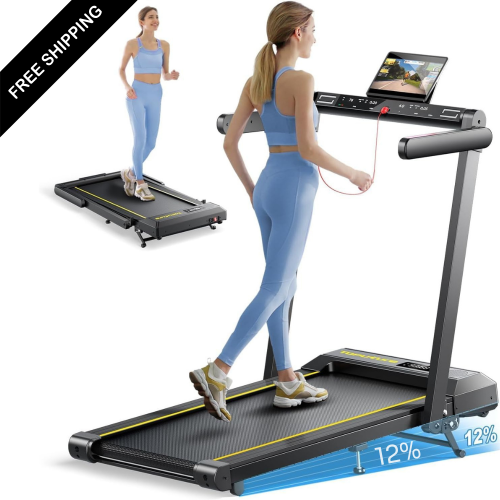
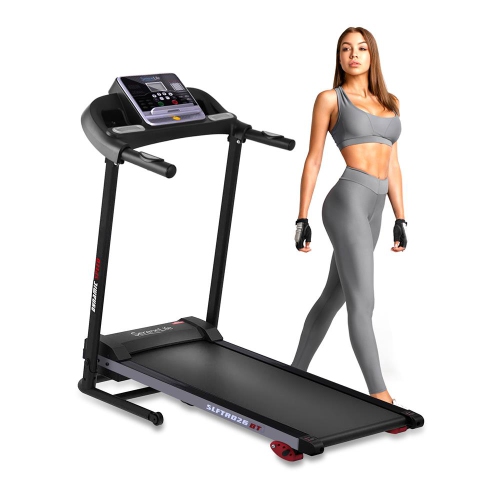
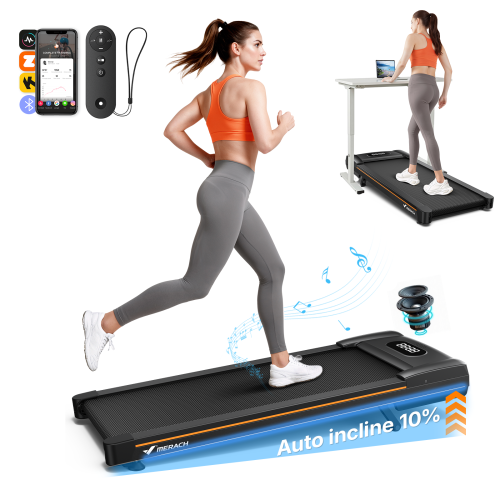
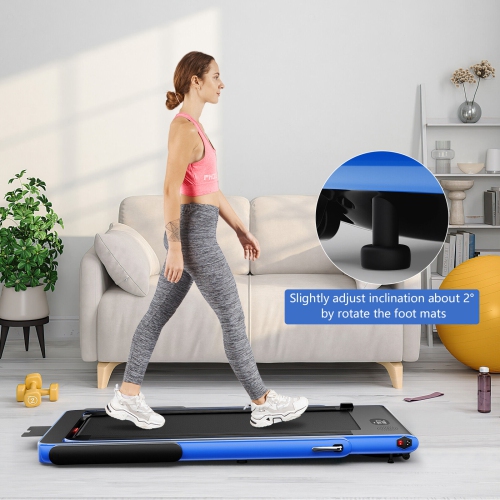
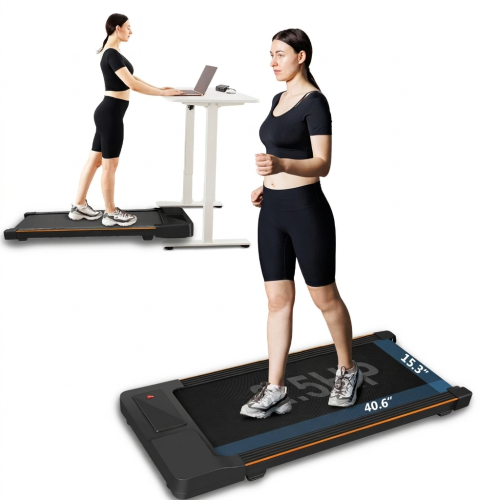
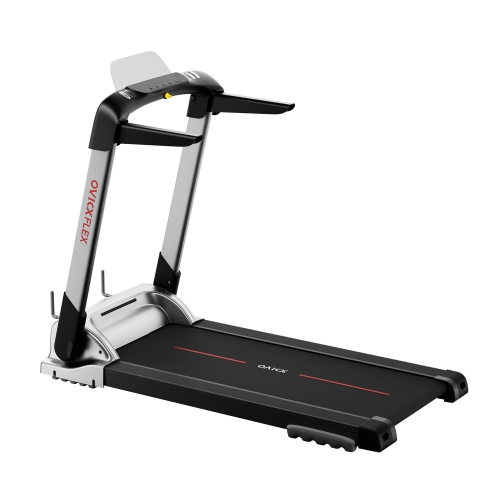
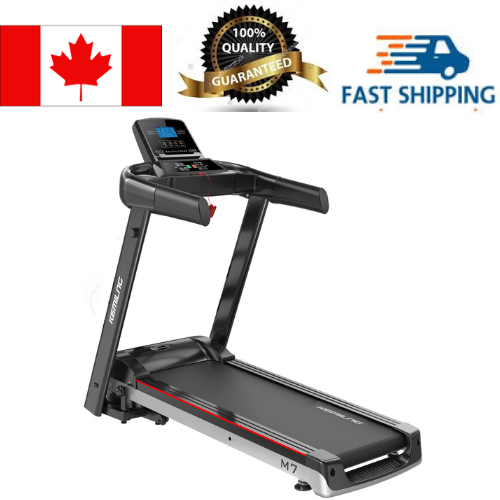
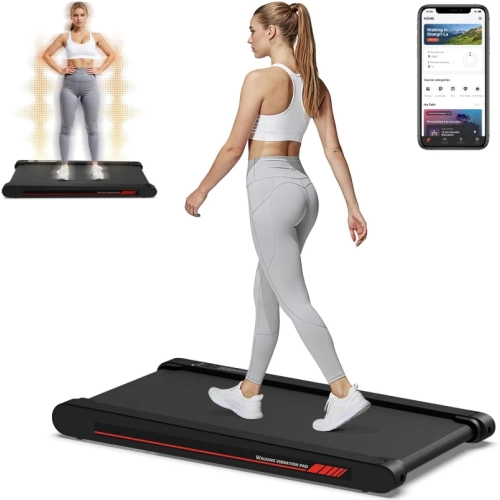
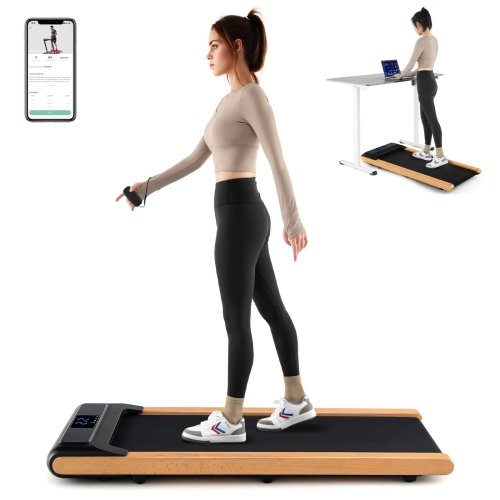
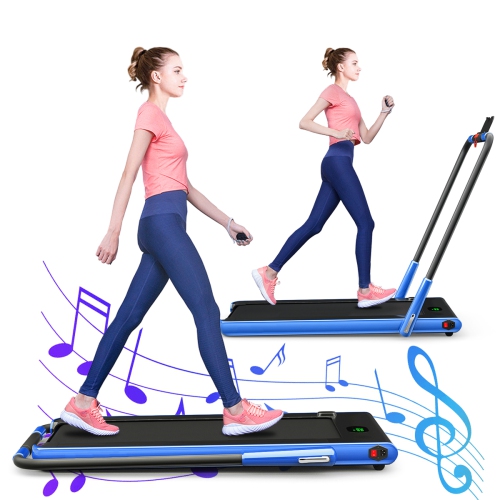
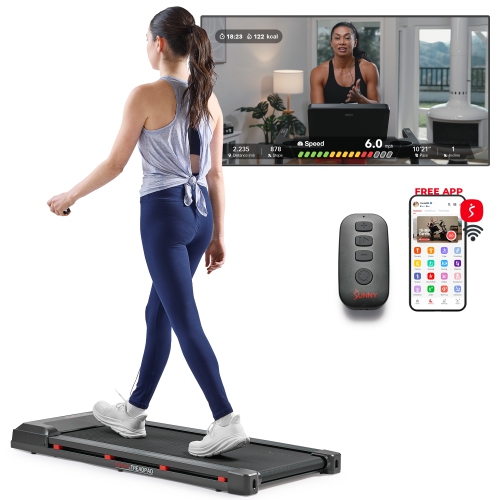
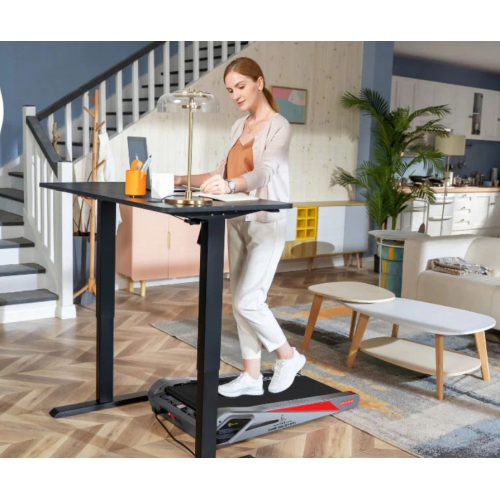
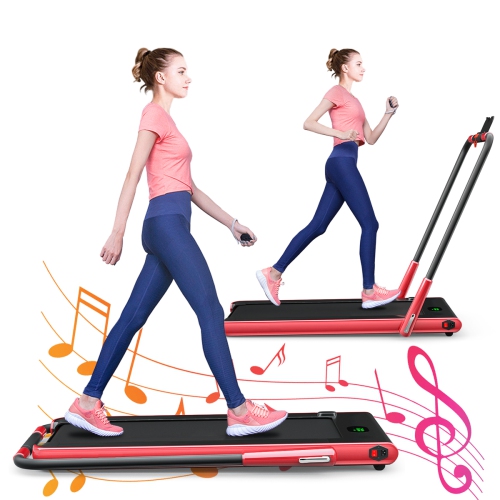
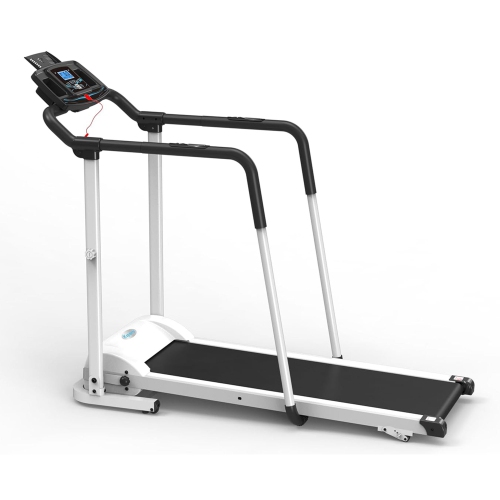
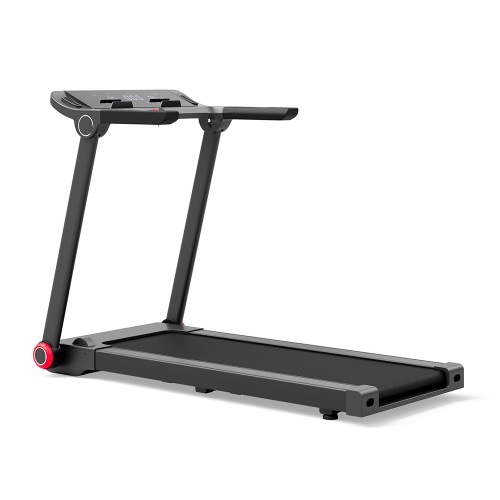
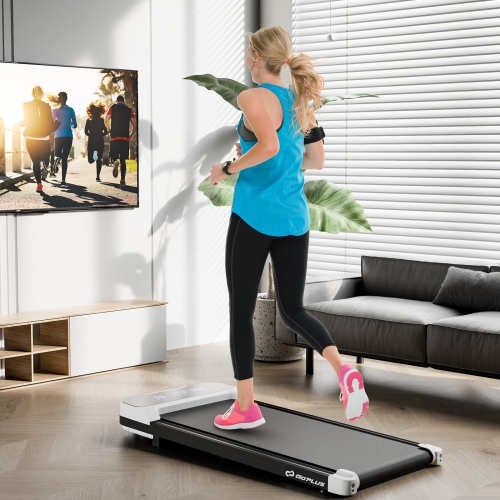
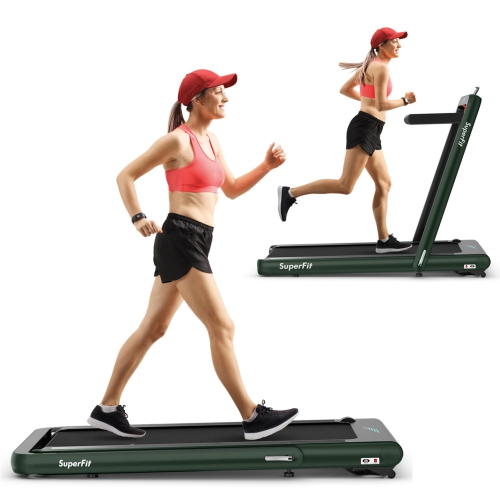
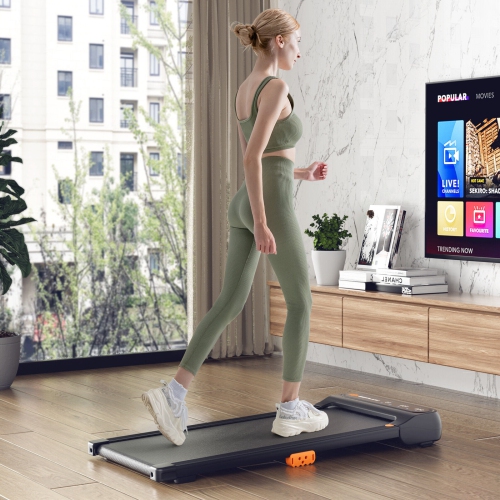
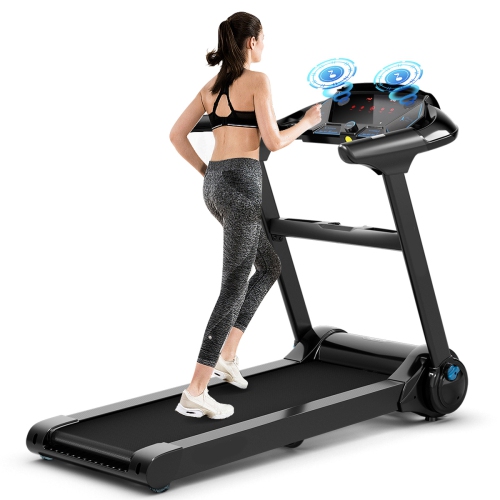
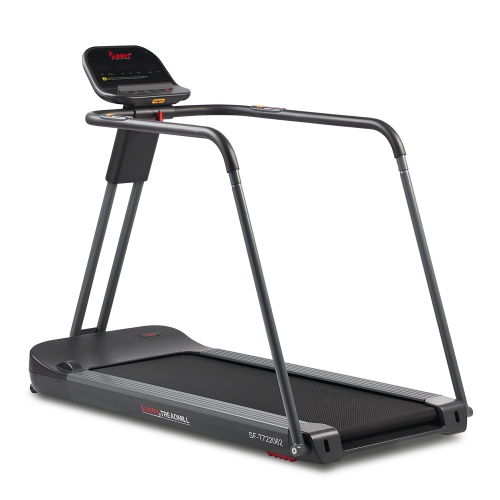
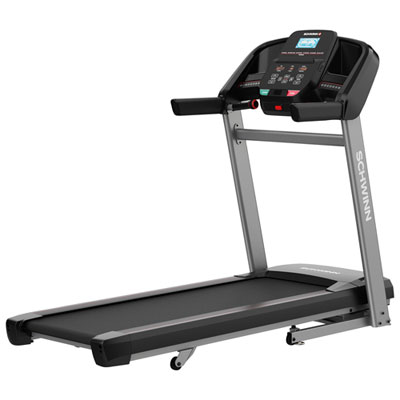
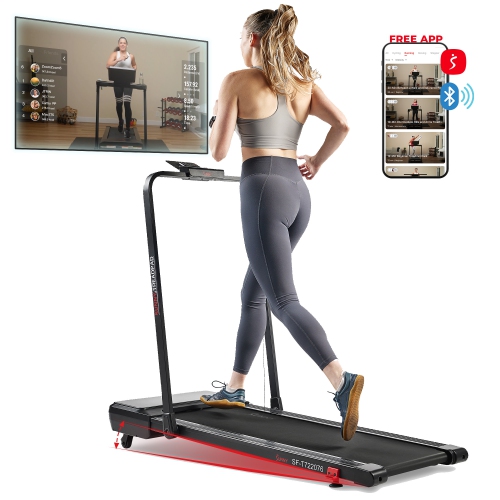
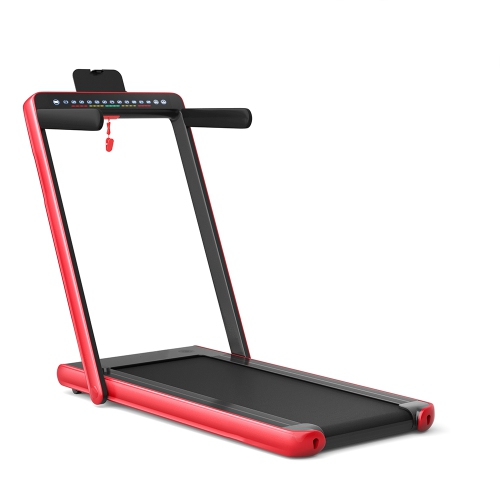
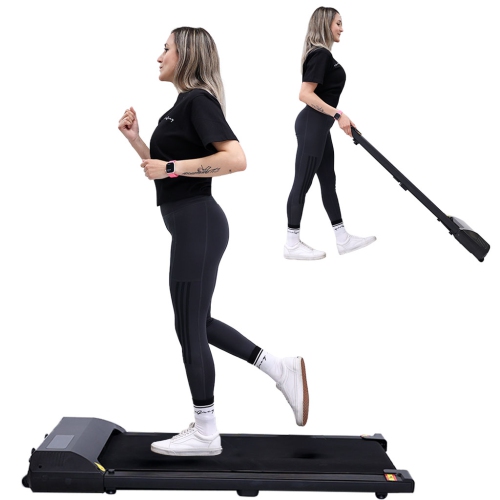
Affordable treadmills make indoor walking, jogging, or running part of a home routine, with the right fit depending on how the machine will be used rather than how many features appear on its console. A treadmill for a steady walk while listening to a podcast has different requirements from one used for regular running sessions. Walking-focused designs generally operate at lower speeds, while treadmills intended for jogging and running need an appropriate speed range, sufficient belt space, and a drive system rated for that activity. Compact walking pads can suit gentle movement at a compatible standing desk, but they should not be treated as running treadmills unless the manufacturer specifically identifies them for that purpose. Belt dimensions are especially important: a taller person or someone with a longer stride may need more usable length, while adequate width helps make a natural arm swing and foot placement feel less restricted. The overall machine dimensions do not necessarily reveal the size of the walking or running surface, so both measurements matter. Motor specifications also deserve context. A peak horsepower figure describes something different from a continuous-duty rating, and a motor number alone does not establish whether a treadmill is suitable for sustained running. Intended activity, recommended session length, user weight capacity, and the manufacturer’s operating guidance provide a more useful picture together. For a person building a consistent walking habit, straightforward speed controls and a comfortable belt may matter more than elaborate workout programmes. Someone who enjoys varied sessions may appreciate incline adjustment, which changes the slope of the deck without requiring a faster pace. Manual incline usually involves stopping and adjusting the machine according to its instructions; powered incline can allow changes through the controls. Neither feature is universal. The most suitable treadmill is one that supports the actual routine, whether that means a short walk between tasks, an evening jog, or a structured running session on equipment designed for it.
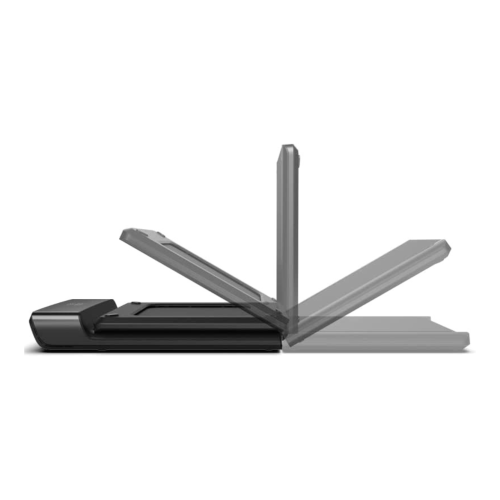
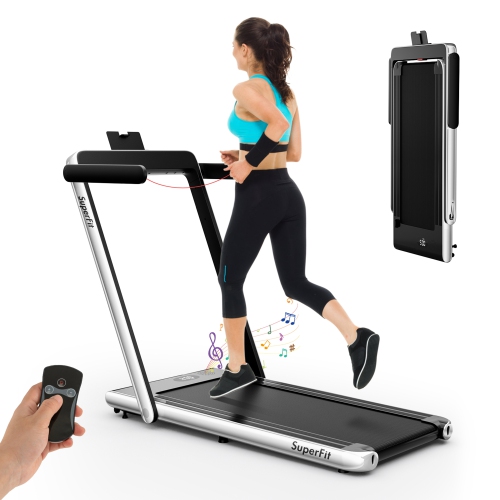
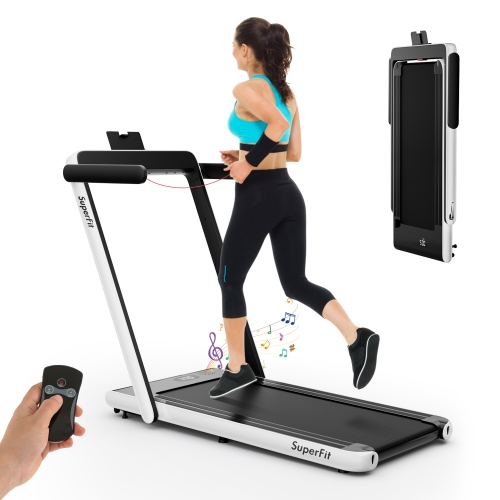
A treadmill’s fit within the home involves more than finding an empty rectangle of floor. Its operating footprint, required safety clearance, ceiling height, and route into the room all affect placement. A folding deck can reduce the space occupied between sessions, but folded dimensions and the direction of movement still need checking. Transport wheels help reposition some designs, although the machine’s weight, floor surface, and doorway widths determine how manageable that task will be. For a smaller room, a treadmill that folds securely against its frame may be practical; for frequent running, keeping a suitable machine set up can make regular use simpler. Many treadmill frames use steel, paired with a supported deck and a textured moving belt. Frame stability, secure handrails, and a belt that stays properly centred contribute to the feel of the machine underfoot. Deck cushioning varies between designs and can change that feel, but it does not guarantee that an activity will be comfortable for every user. Anyone with concerns about pain, balance, or returning to exercise should seek appropriate professional advice. The listed user weight limit is another essential fit consideration, alongside the manufacturer’s guidance on walking and running use. Noise also comes from several sources: the motor, belt movement, footfalls, and vibration through the floor. A quieter motor does not eliminate the sound of running, particularly in a shared home or an upstairs room. A compatible equipment mat may help protect suitable flooring and reduce some vibration, but it cannot make a treadmill silent. Placement should leave the clearances specified in the manual, keep access routes unobstructed, and provide access to the required electrical connection. Safety features such as an accessible stop control and, where fitted, a safety key with a clothing clip support controlled use. Children and pets need to remain away from the machine during operation, folding, and storage, including the space beneath or behind the moving belt.
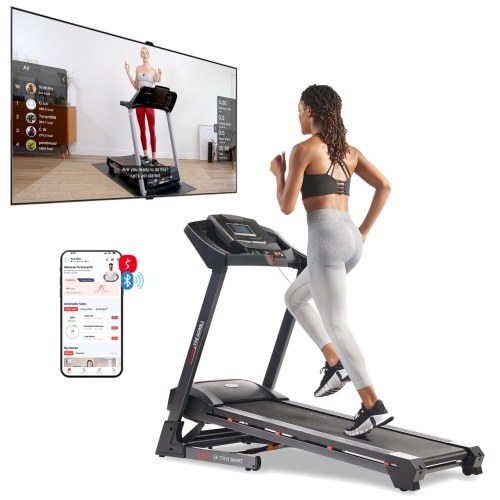
Everyday usability often determines whether a treadmill becomes part of a lasting routine. A clear display showing speed, elapsed time, and distance makes a simple walking session easy to follow, while clearly labelled controls allow adjustments without searching through menus. Checking whether distance and speed can display in kilometres and kilometres per hour can make workout information more familiar. Preset programmes, device holders, Bluetooth connections, and app compatibility can add convenience, but their usefulness depends on personal habits. A tablet shelf should hold a device securely without obscuring important controls, and any connected features should be checked for device compatibility and separate account or subscription requirements. Console calorie estimates are approximate, and hand-contact pulse readings are not a substitute for medical monitoring. Practical details deserve equal attention when browsing Treadmills Under $400: a comfortable walking surface, appropriate operating limits, and straightforward maintenance remain central to the experience. Regular care typically includes wiping perspiration from suitable surfaces, keeping dust away from accessible areas, and checking that fasteners remain secure, all as directed by the manufacturer. The treadmill should be stopped and disconnected from power before cleaning or maintenance when the instructions require it. Belt lubrication, tension, and alignment procedures vary; some decks require a specified lubricant, while others have different maintenance arrangements. Using an unsuitable lubricant or adjusting the belt incorrectly can affect performance, so the manual takes priority over a general maintenance routine. Durability also depends on matching the machine to the frequency and intensity of use, especially when several people share it. Warranty terms, service arrangements, and replacement-part information help clarify what long-term ownership involves. Delivery access and assembly requirements matter too, particularly when the treadmill needs to reach a basement or another floor. For a gift, confirming the recipient’s interest, available space, and preferred activity beforehand makes more sense than choosing by appearance alone. A well-matched treadmill supports movement in a familiar setting without asking the user to work around an unsuitable belt, awkward controls, or a machine intended for a different activity.
Top selling and popular products
-
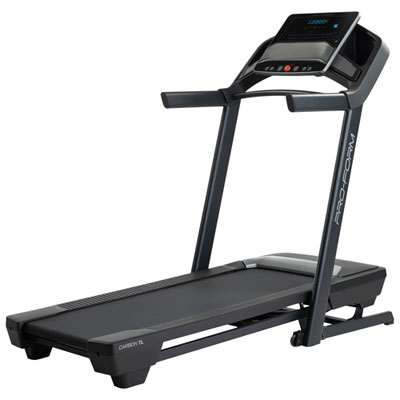 Your price for this item is $1099.98
-
 Your price for this item is $2901.98
-
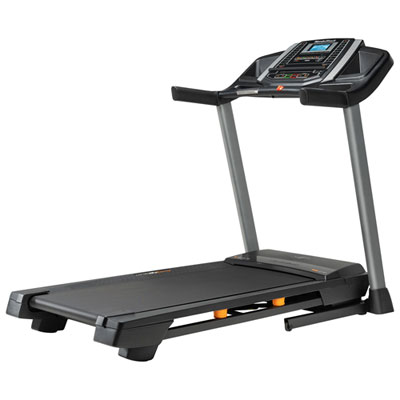 Your price for this item is $995.98
-
 Your price for this item is $1278.98
-
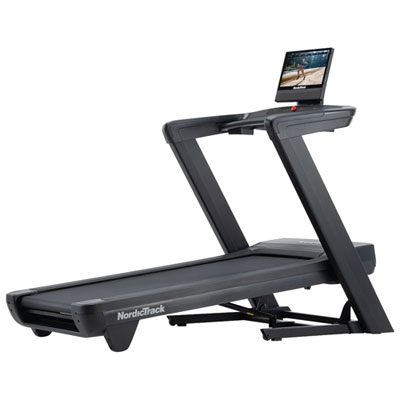 Your price for this item is $2501.98
-
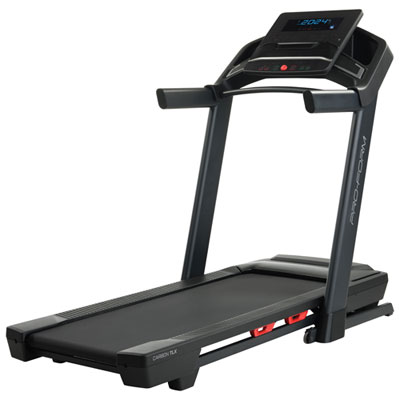 Your price for this item is $1399.99
-
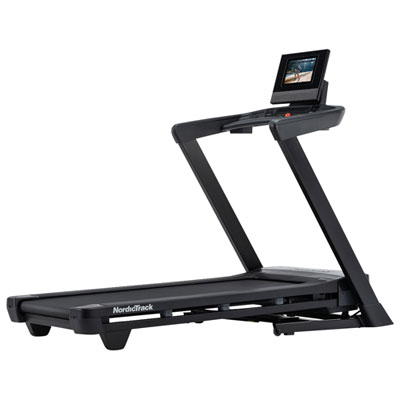 Your price for this item is $1799.99
-
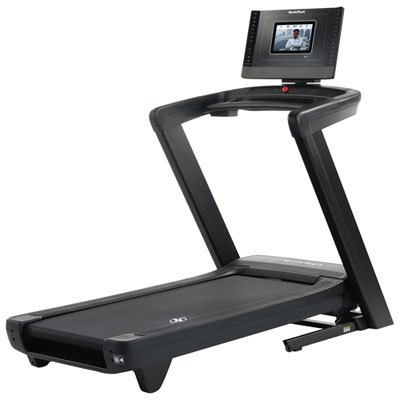 Your price for this item is $2698.98
Discover more categories related to Affordable Treadmills
Top Collections:
Pokemon Centers, Best Cameras for Sports Photography, Kindle Devices, Samsung Galaxy Phones, Canon G7X Cameras, Pokémon 30th Celebration Cards, Refurbished Apple Laptops, iPhone 15 Apple, Laptops for Students, Budget Smartphones
Some products may be subject to Environmental Handling Fees
(EHF) depending on your province.
Learn more about EHFs.