Aluminum Cane
Aluminum canes are a popular choice for those looking for an effective and reliable mobility aid. These aluminum canes are designed to provide stability and support while still allowing the user to maintain their independence. Some are lightweight and adjustable, making them a great option for those with varying levels of mobility. Here are some of the great options available.
Sort
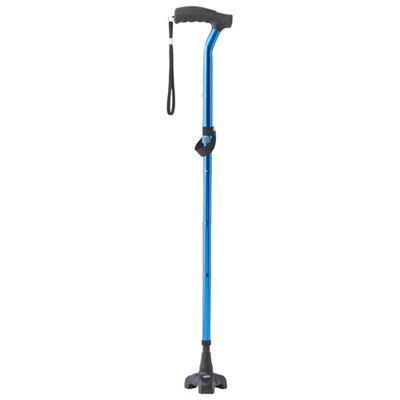
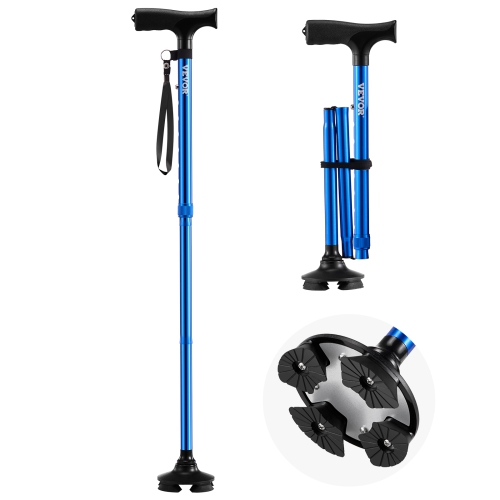
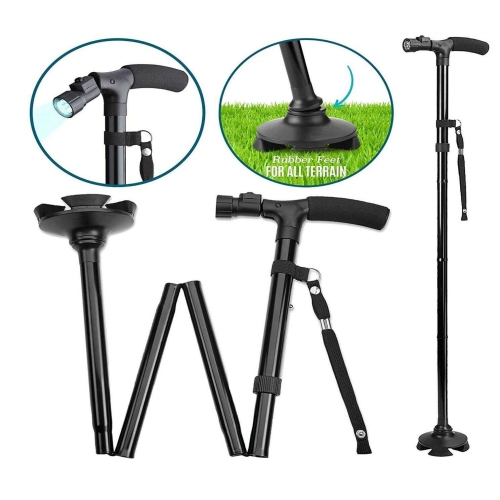
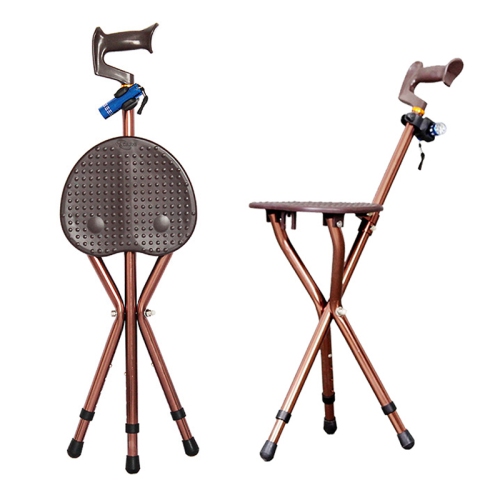
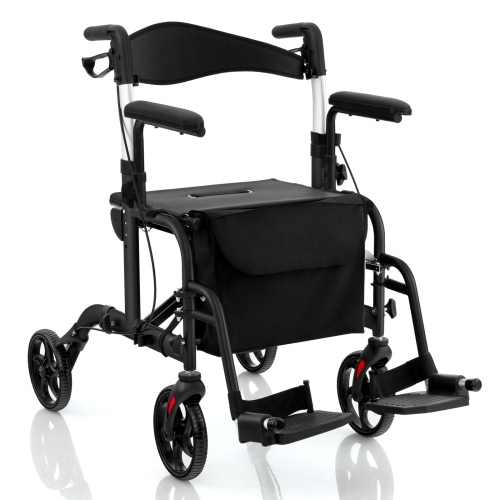


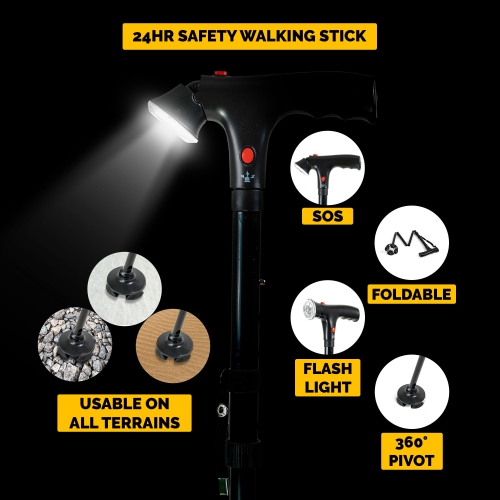


Supportive mobility for steadier, more comfortable everyday walking
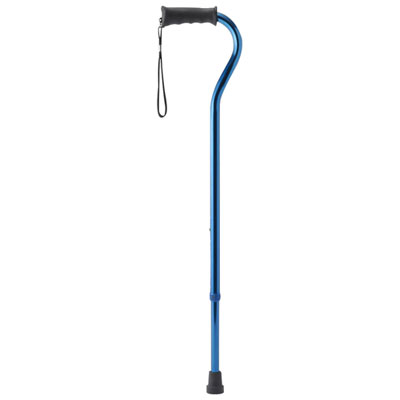
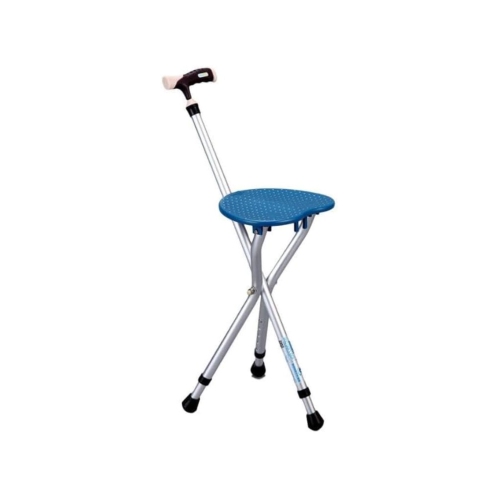
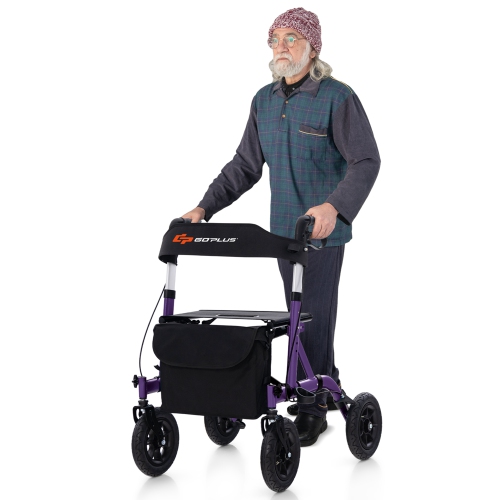
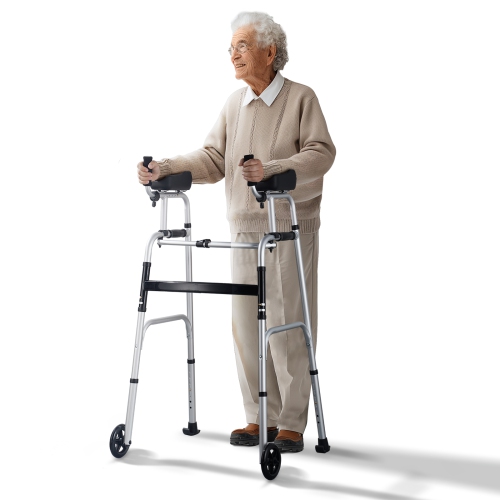
An aluminum cane is a practical mobility aid for people who need extra support with balance, stability, or confidence while walking. Its aluminium shaft is generally lightweight and easy to handle, making it suitable for everyday use around the home, at work, in shops, or outdoors on smooth, even paths. Many models include push-button height adjustment, allowing the cane to be set to a more comfortable position for the user. A properly adjusted cane should usually allow a slight bend in the elbow while the hand rests naturally on the grip, with the shaft reaching the floor near the wrist when the arm hangs at the user’s side. Correct fit can help promote a more comfortable walking posture and reduce unnecessary strain on the hand, wrist, shoulder, and back. Since people have different mobility needs, an aluminum cane should be selected based on the amount of assistance required, the user’s height, hand comfort, and the manufacturer’s stated weight capacity. Standard models commonly support up to 250 or 300 pounds, while some heavy-duty or bariatric options are designed for higher capacities. It is important to check the listed limit before making a purchase and to replace worn rubber tips promptly, since the tip is the part that makes contact with the floor. A cane can be especially helpful after an injury, during recovery from a procedure, or for someone who feels less steady on stairs, sidewalks, or other familiar routes. It may also be a thoughtful and useful gift for a parent, grandparent, relative, or friend who is beginning to use a mobility aid, although the recipient’s fit and support requirements should always guide the choice. For anyone who needs more seated support during outings, Aluminum Transport Chairs can provide a different mobility solution for longer trips or situations where walking is tiring.
The handle style can make a noticeable difference in day-to-day comfort. A traditional curved or crook handle gives users a familiar place to rest the hand and can be convenient to hang over an arm or the back of a chair when the cane is not in use. A soft foam grip may feel comfortable for short walks, while a contoured or ergonomic handle can be useful for people who prefer a more shaped hand position. Offset handles are designed to centre the user’s weight over the shaft rather than placing it to one side, which may help distribute pressure more evenly through the hand and wrist. They can be a suitable choice for people who find a straight or traditional grip uncomfortable, though personal comfort remains the best guide. A standard single-point cane is often appropriate when only modest balance assistance is needed and the user can place the cane securely with each step. Quad canes, sometimes called four-point canes, have a broader base with four contact points to provide additional stability and may stand upright on their own. Their larger base can be helpful for users who need more support when standing, turning, or moving across a room, but it may also require extra attention when navigating narrow spaces or uneven thresholds. Always place the cane on the side opposite the weaker or less stable leg unless a healthcare professional has provided different instructions, and move it forward together with the affected leg before stepping through with the stronger leg. A cane is intended to assist with balance and walking support, not to carry more weight than its stated capacity or replace a walker when more substantial assistance is required. If balance is significantly limited, if there is pain, or if the proper walking technique is uncertain, advice from a physiotherapist, occupational therapist, or other qualified healthcare professional can help determine the most suitable mobility aid.
Portability is another useful consideration when choosing an aluminum cane. A rigid cane typically offers a straightforward, dependable design for regular use and can be stored beside a favourite chair, near an entryway, or next to the bed for easy access. Folding canes break down into compact sections and may fit more conveniently in a handbag, backpack, suitcase, or vehicle, making them appealing for travel, appointments, visits, and days spent away from home. Their folding design can also make storage easier during the cooler months, when outdoor mobility routines may change. Look for a secure locking mechanism, a shaft that adjusts smoothly, and a rubber tip with enough traction for the surfaces where the cane will be used. An anti-rattle ring or similar stabilizing feature may help reduce movement and noise between adjustable sections. At home, remove loose rugs, keep walkways well lit, and take care when moving between flooring types, since even a well-designed cane cannot compensate for every trip hazard. Outdoors, use additional caution on wet pavement, packed snow, gravel, or icy surfaces, and consider whether a specialized tip is appropriate for the conditions. An aluminum cane can be a simple, reassuring companion for short walks to the mailbox, errands around the neighbourhood, or steady movement from room to room. Choosing the right handle, base, height range, weight capacity, and folding style helps ensure that the cane feels natural in everyday use and supports a more confident routine.
Top selling and popular products
-
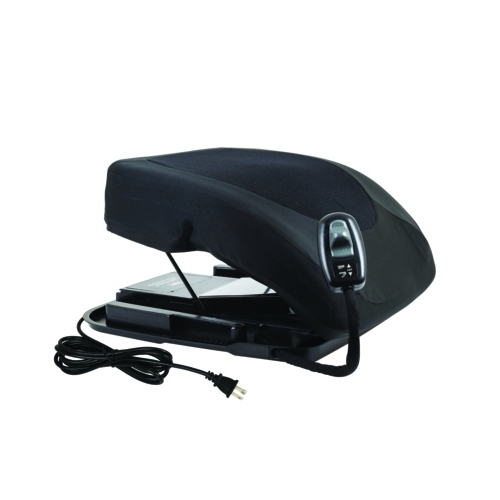 Your price for this item is $299.99
-
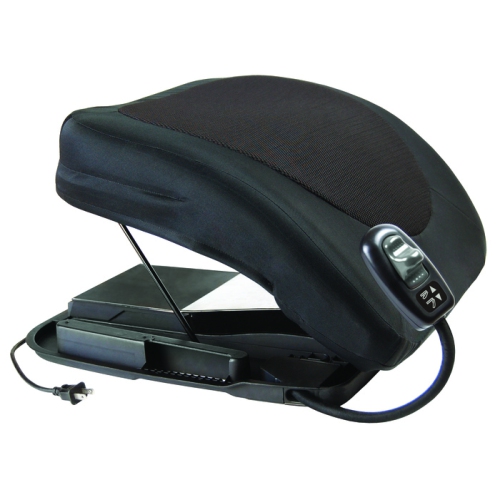 Your price for this item is $308.99
-
 Your price for this item is $615.99
-
 Your price for this item is $639.99
-
 Your price for this item is $137.99
-
 Your price for this item is $742.99
-
 Your price for this item is $92.99
-
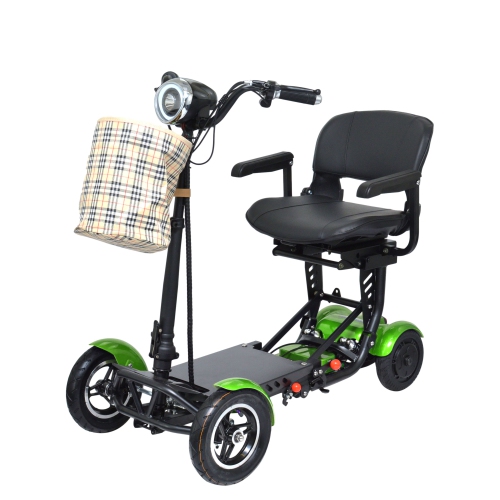 Your price for this item is $2299
Discover more categories related to Aluminum Cane
Top Collections:
Pokemon Centers, Kindle Devices, Best Budget Office Chairs, Canon G7X Cameras, Apple iPhones 16, Samsung Galaxy Phones, Refurbished Apple Laptops, Laptops for Students, iPhone 15 Apple, Budget Smartphones
Some products may be subject to Environmental Handling Fees
(EHF) depending on your province.
Learn more about EHFs.