Aluminum Rollator Walkers
Enhance your mobility and regain your independence with an aluminum rollator walker. Designed to provide stability and support, these versatile walkers are perfect for individuals of all ages who require assistance while walking. Whether you're recovering from an injury, dealing with a chronic condition, or simply looking for added balance, our wide selection of aluminum rollator walkers offers a reliable solution to help you move with ease. Explore our range of options and find the perfect rollator walker that suits your needs, allowing you to stay active and confident in your daily activities.
Sort
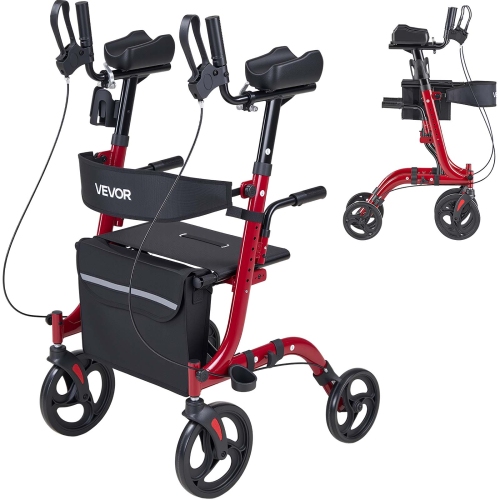
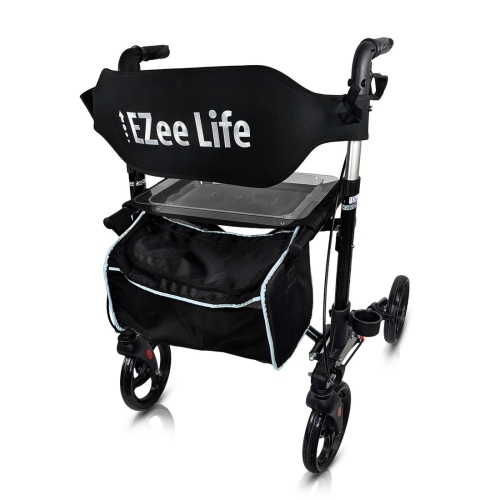
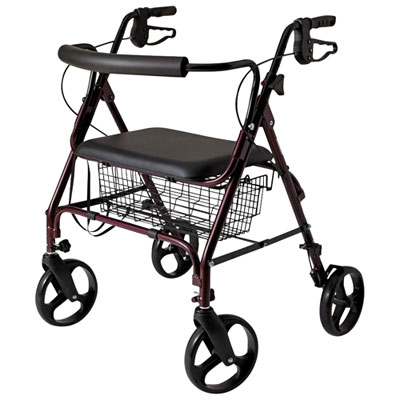
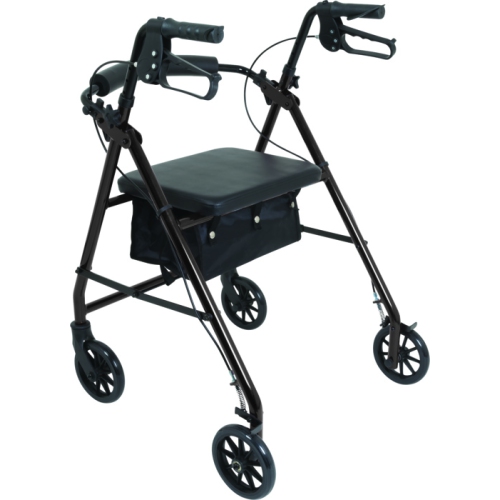
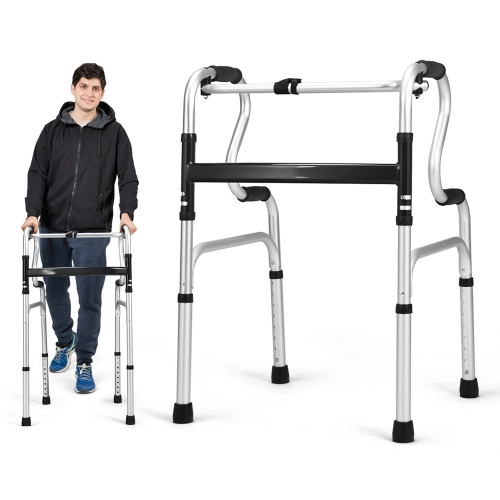
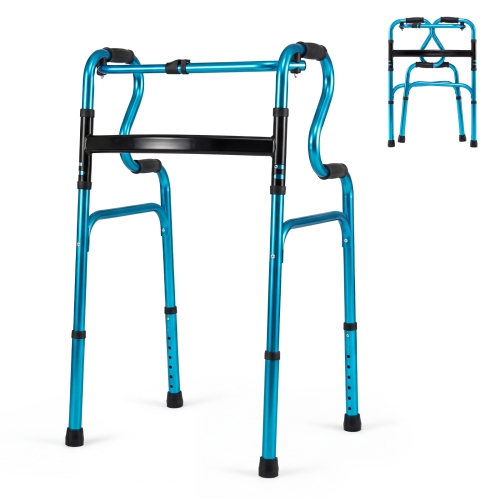
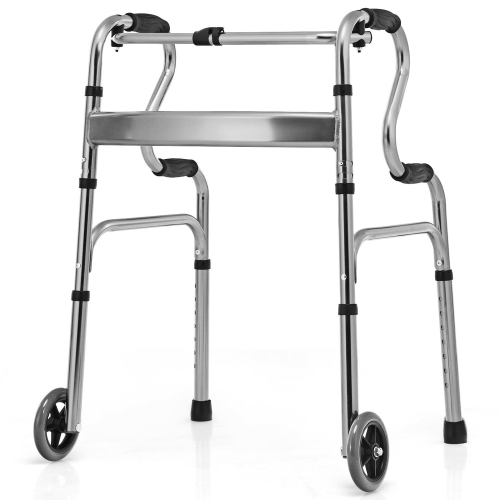
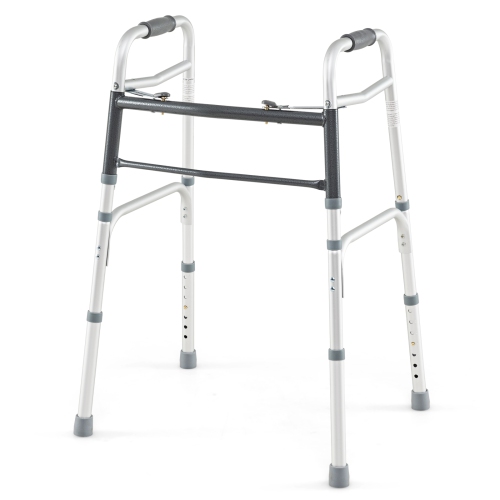
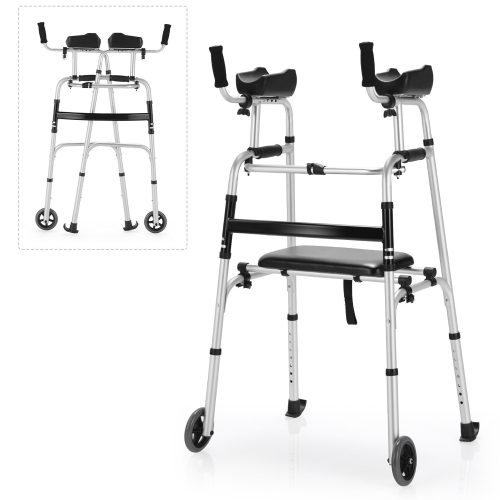
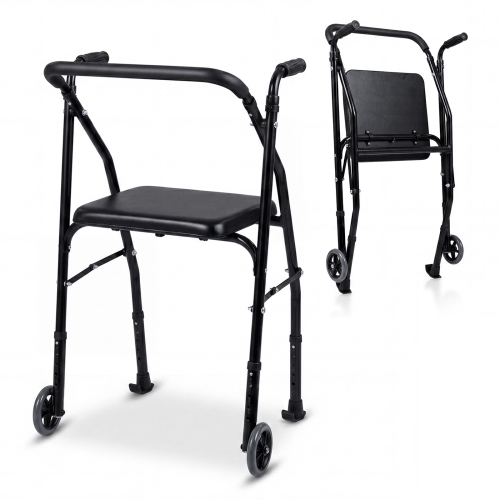
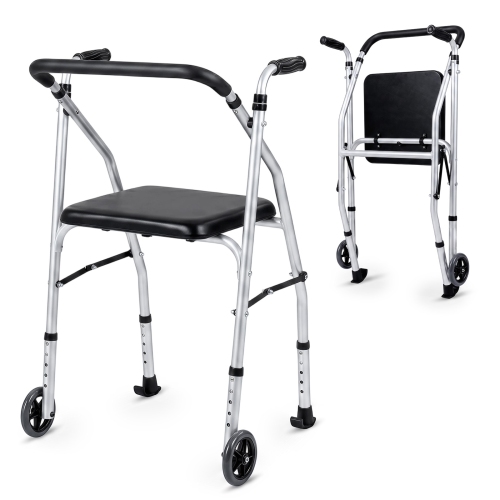
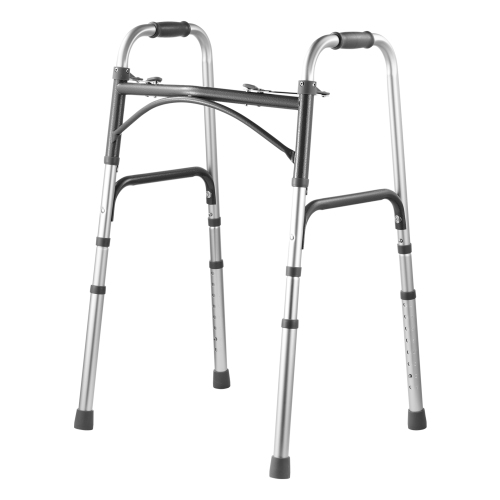
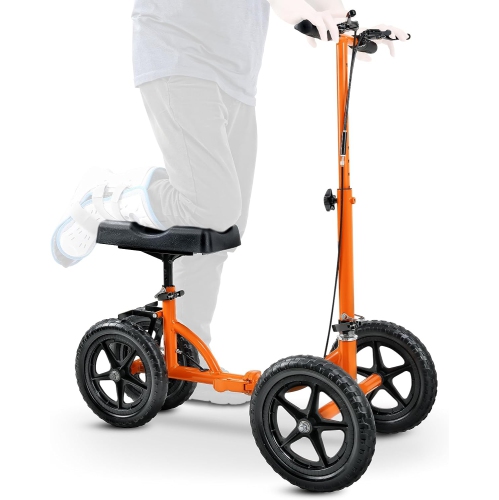
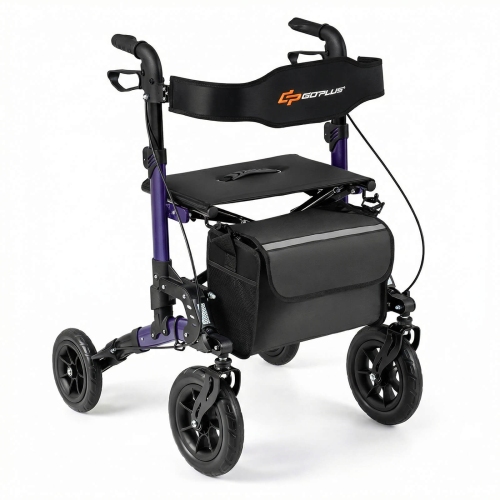
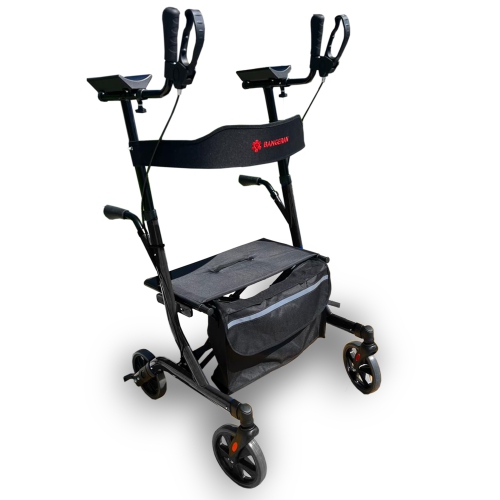
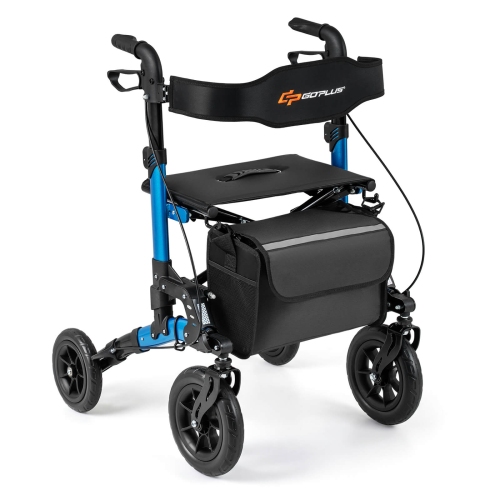
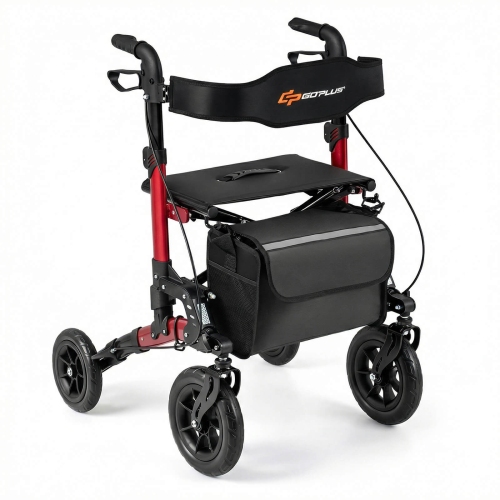
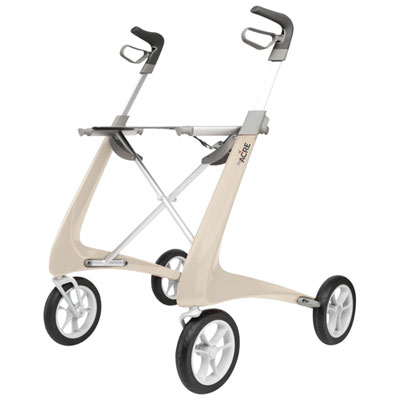

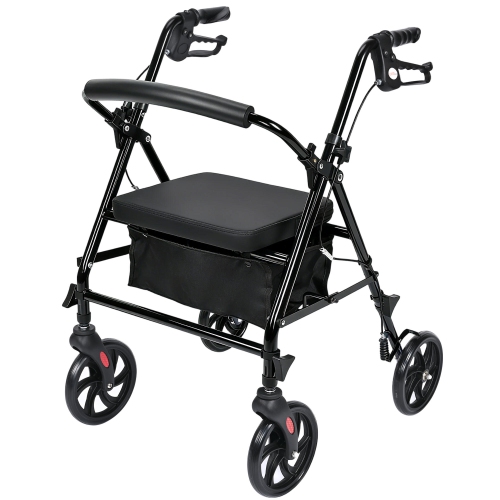
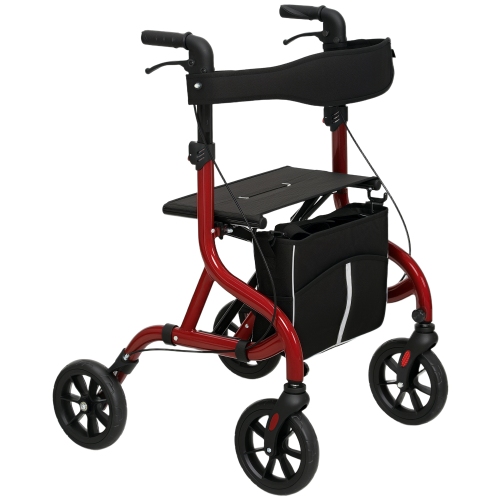

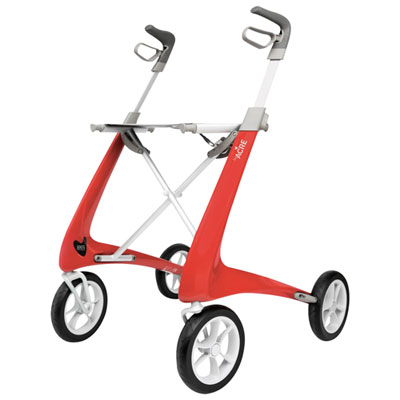
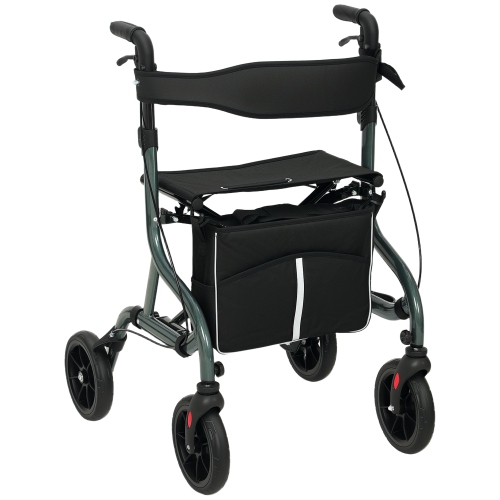
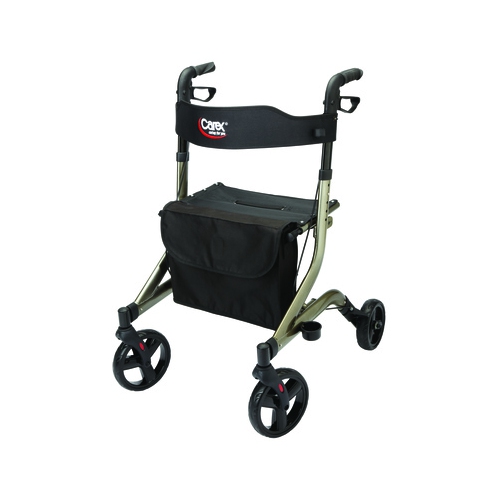
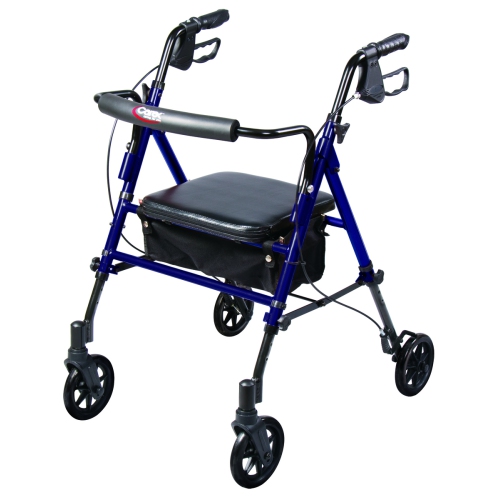
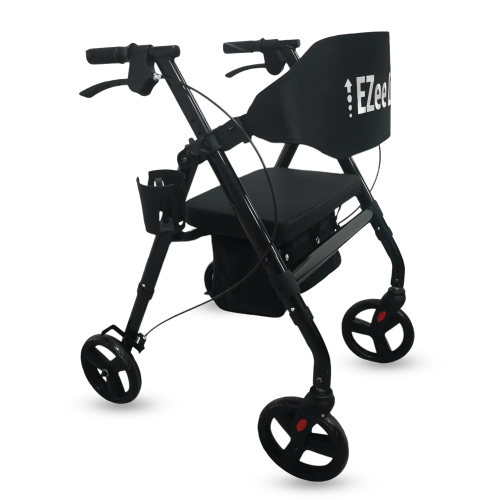
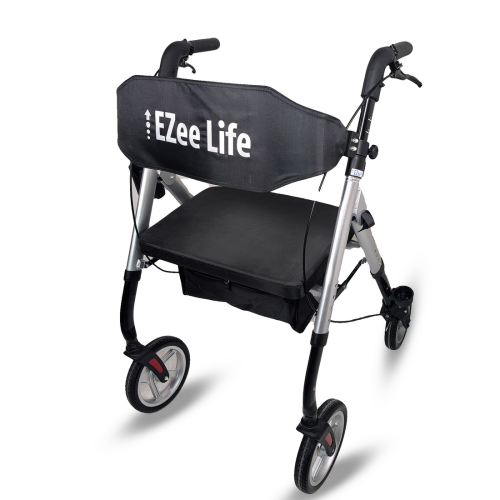
Support, seating, and storage for everyday mobility
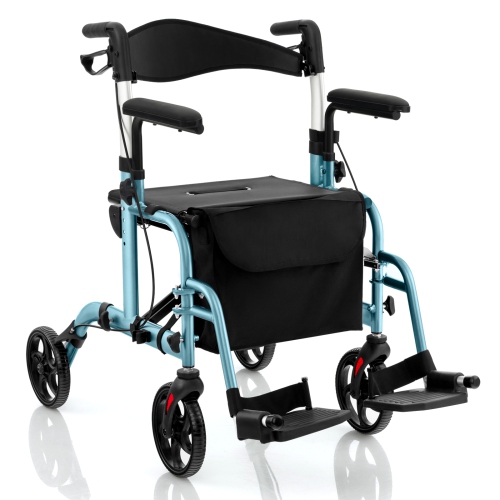
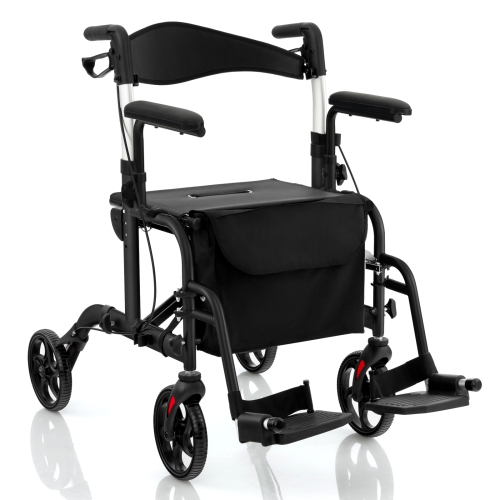
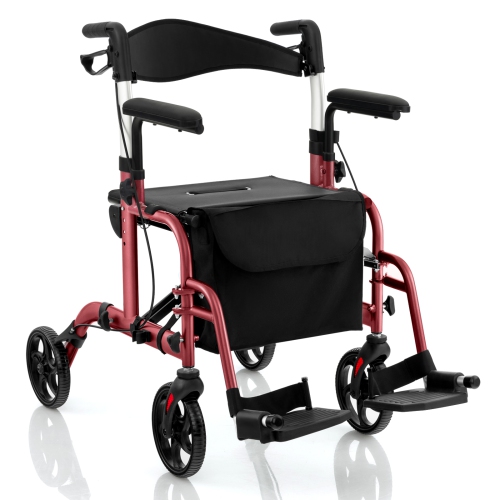
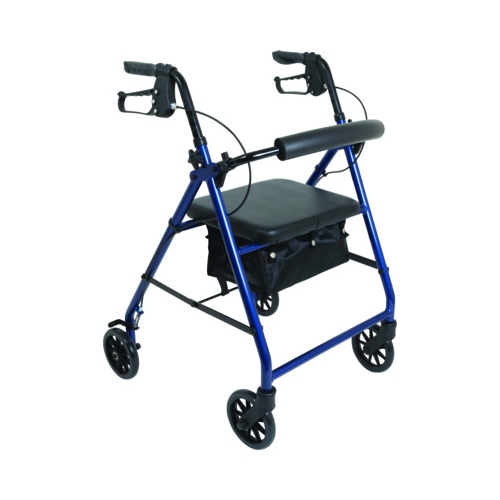
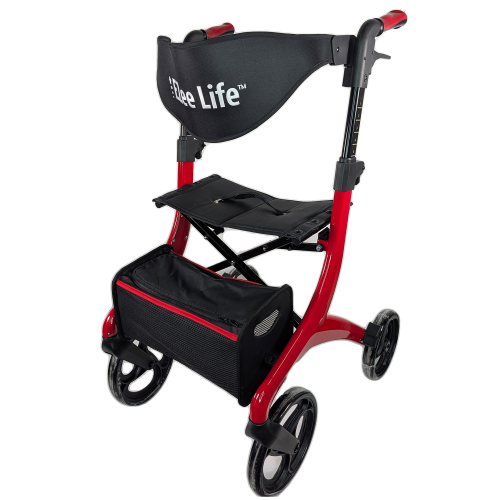
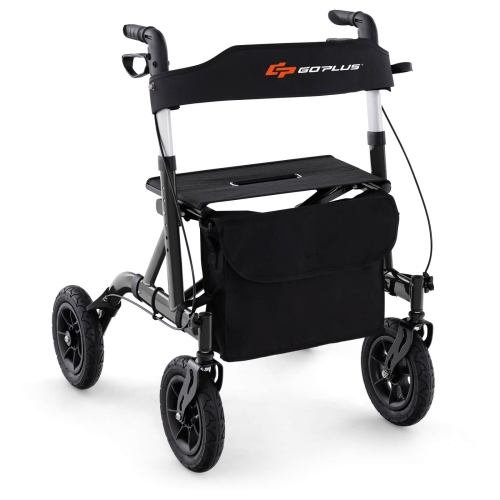
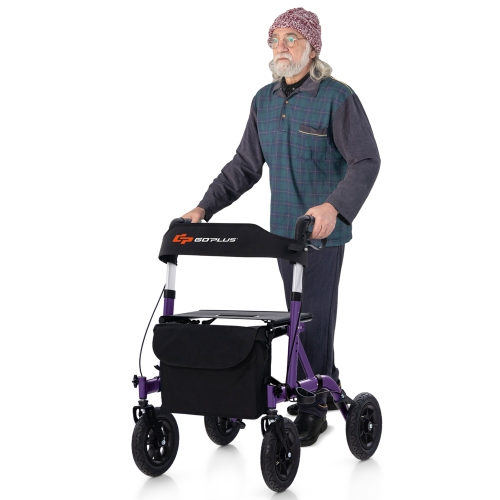
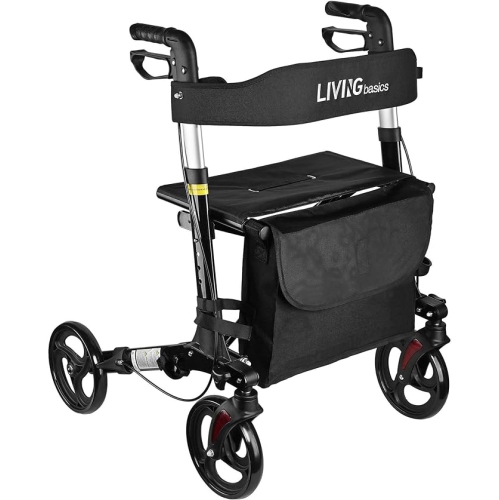
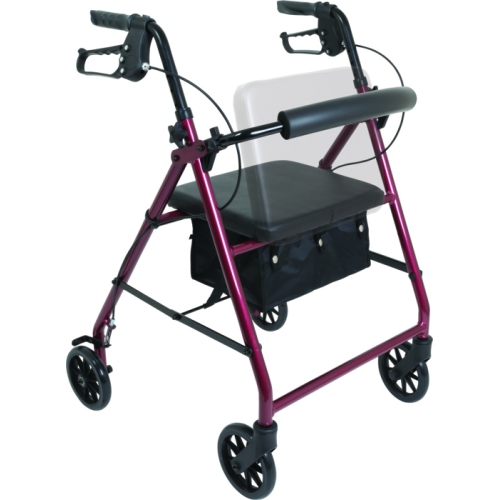
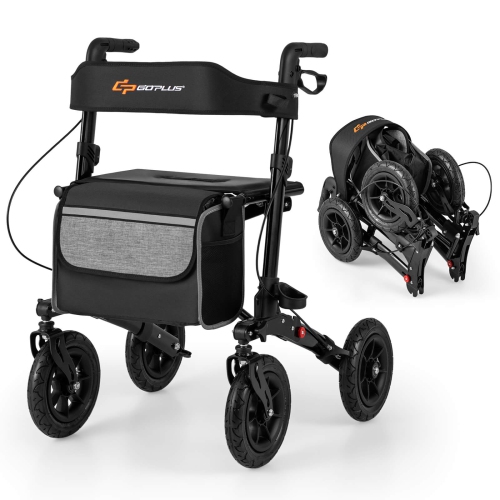
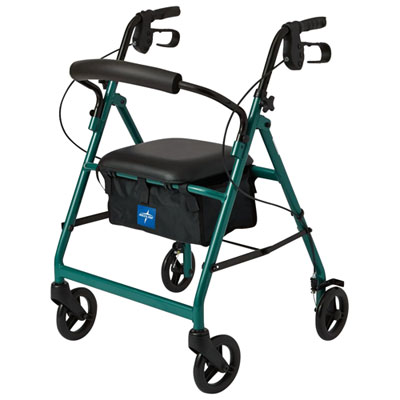
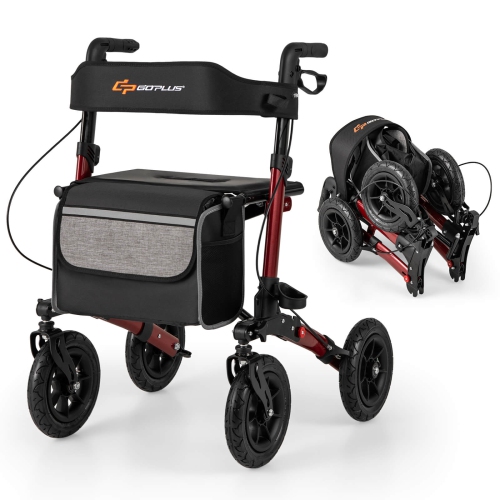
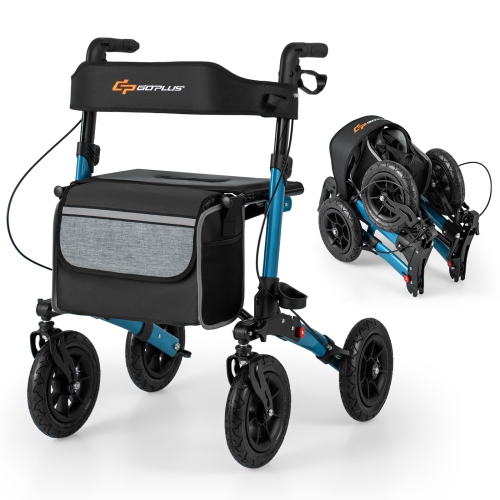
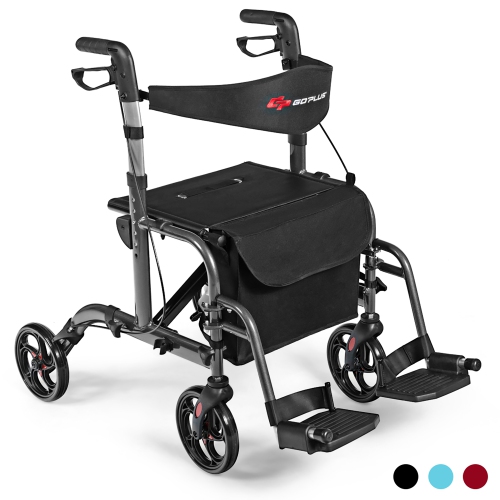
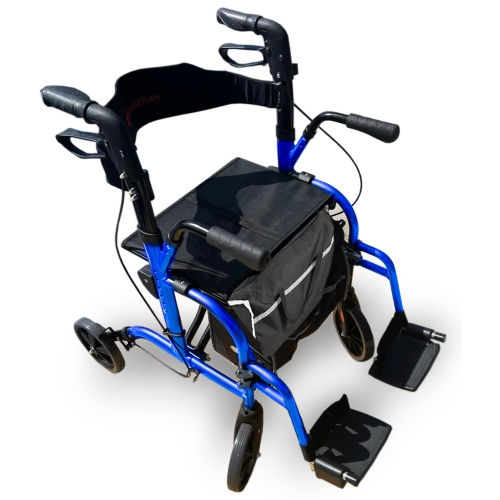
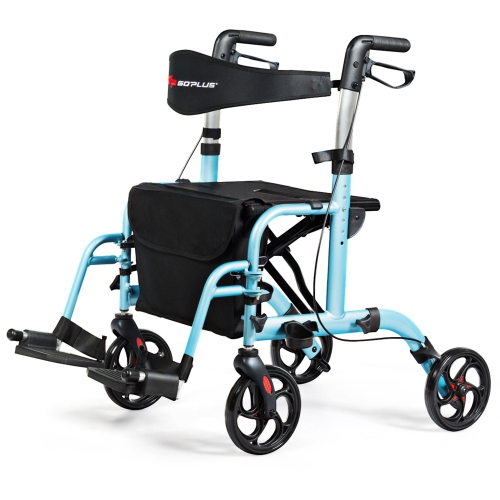
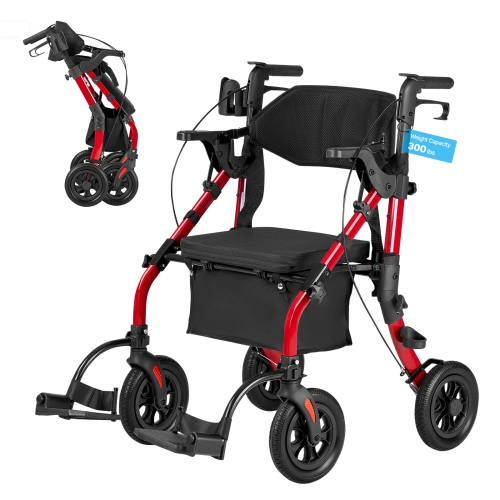
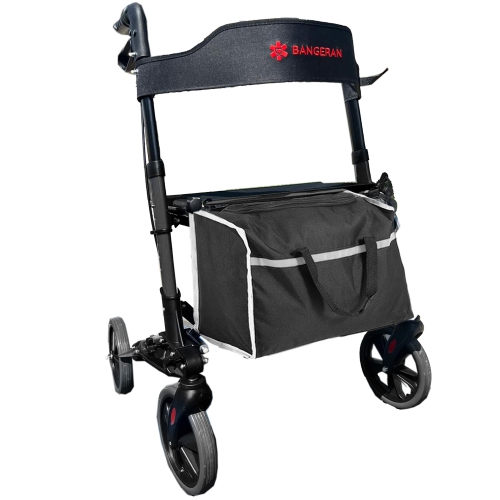
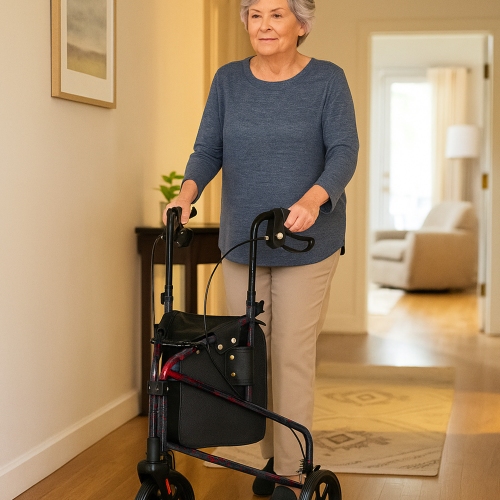
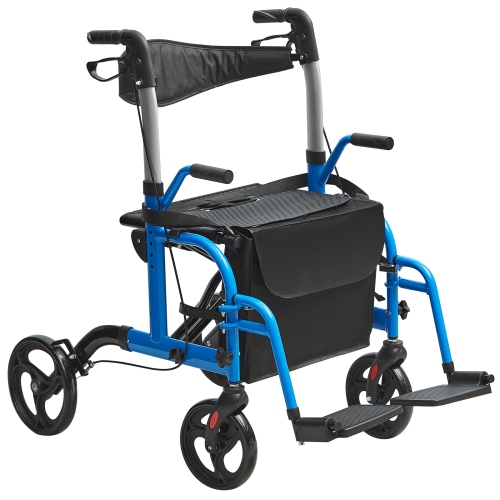
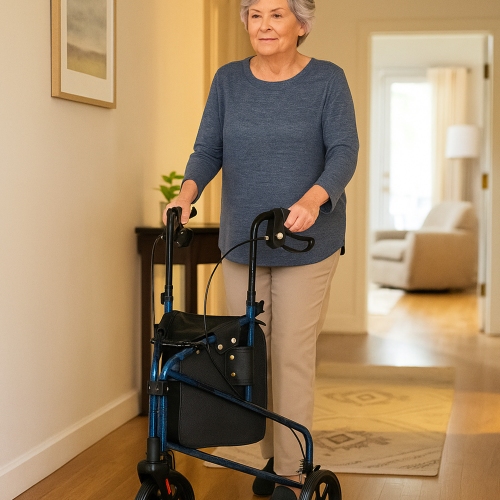
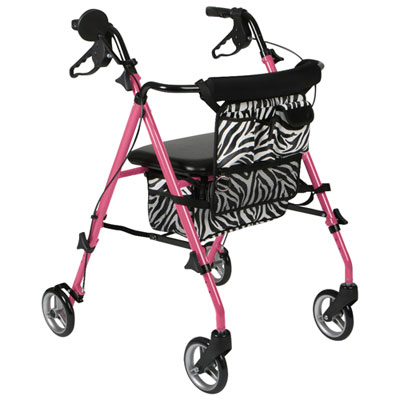
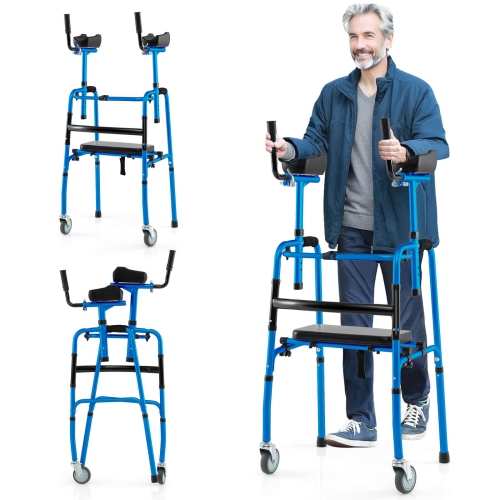
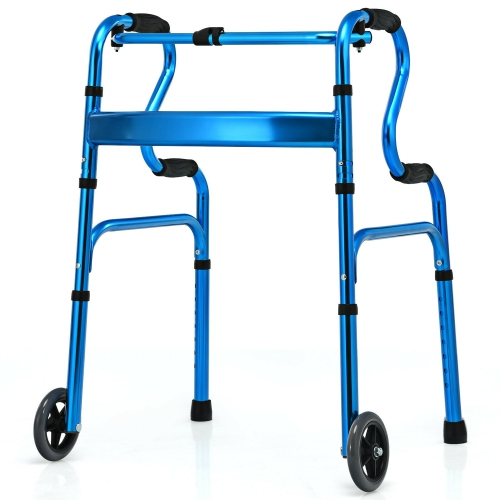
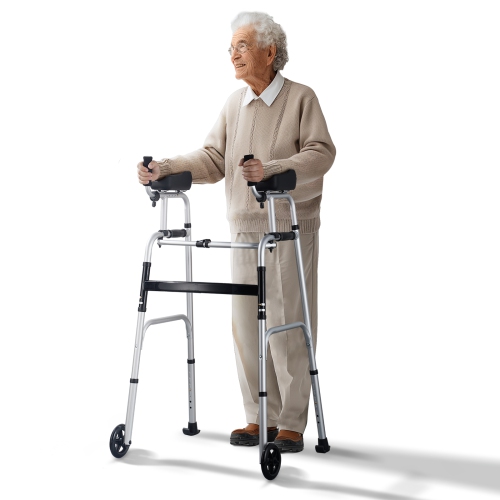
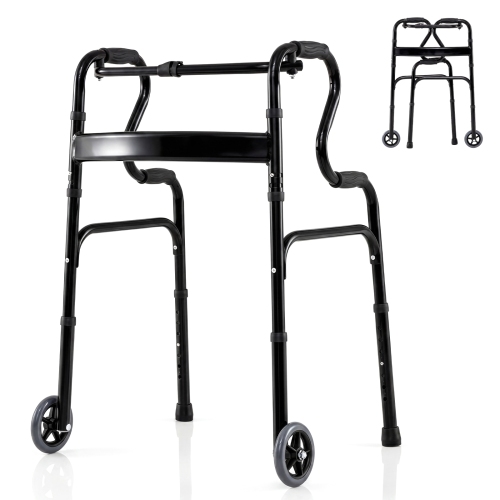
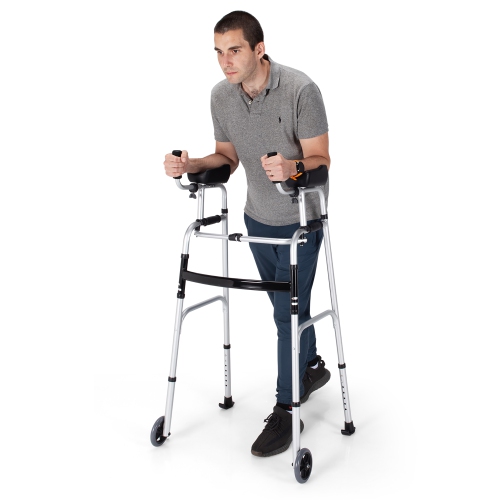
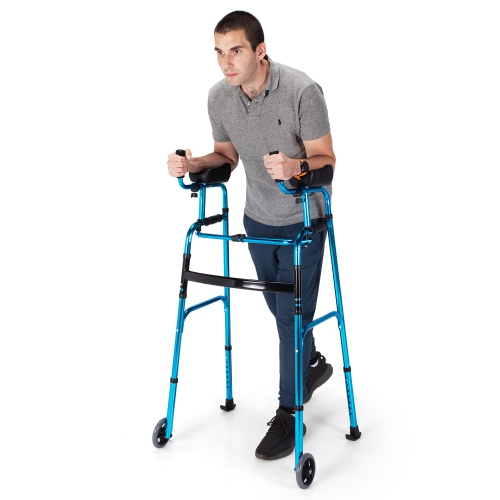
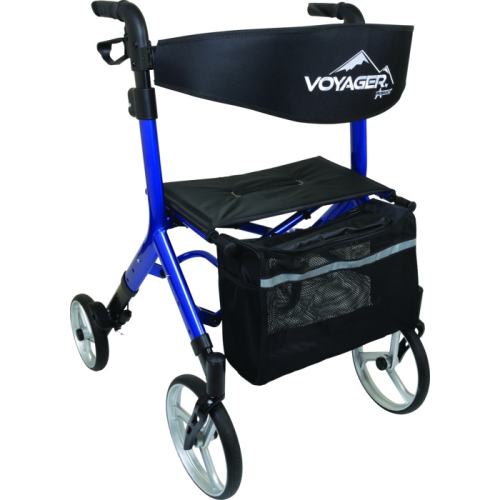
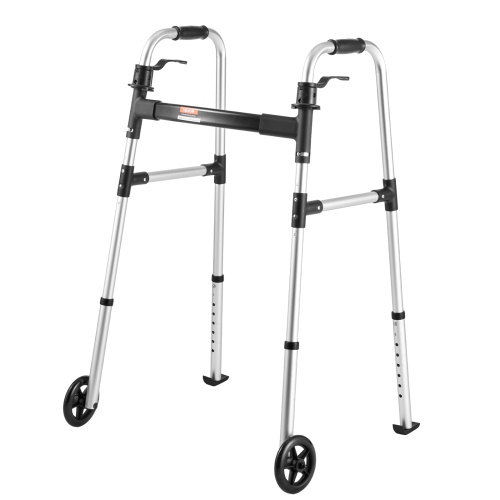
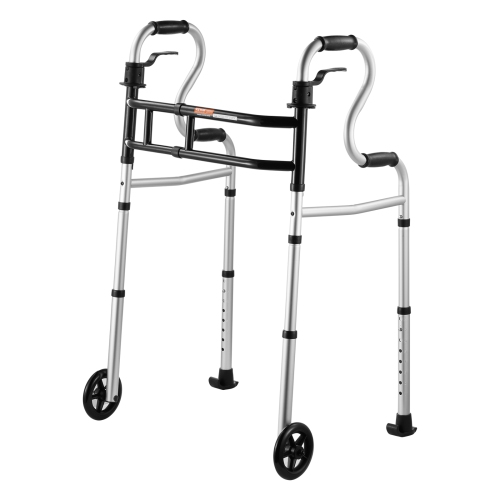
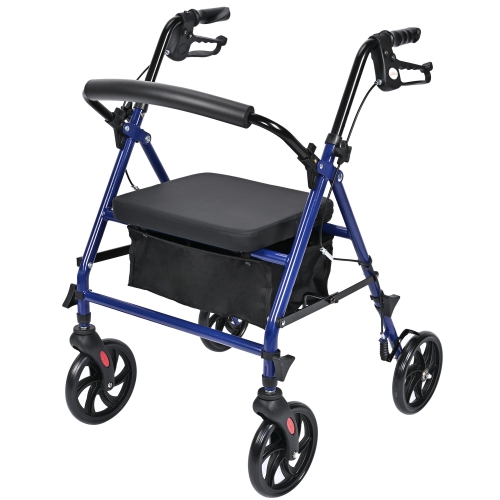
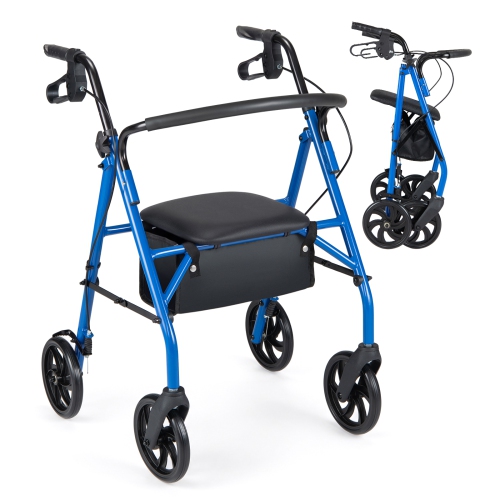
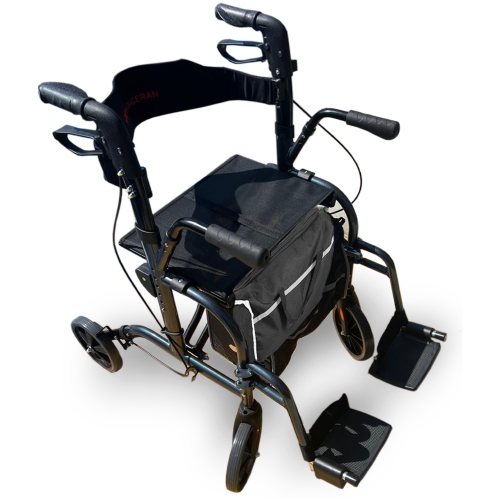
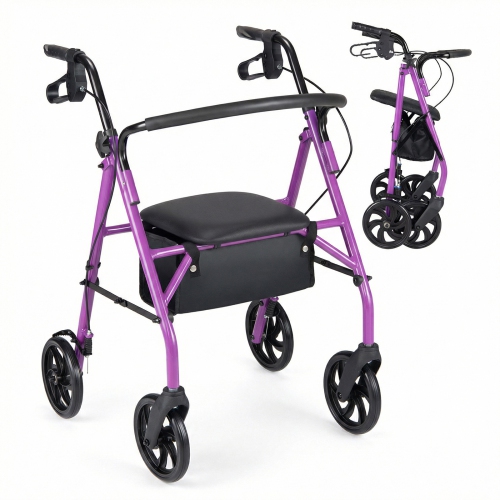
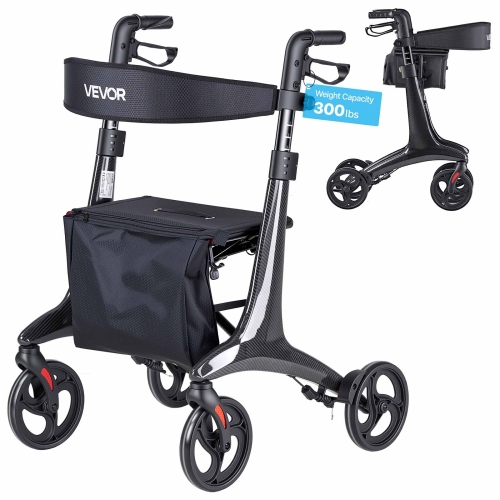
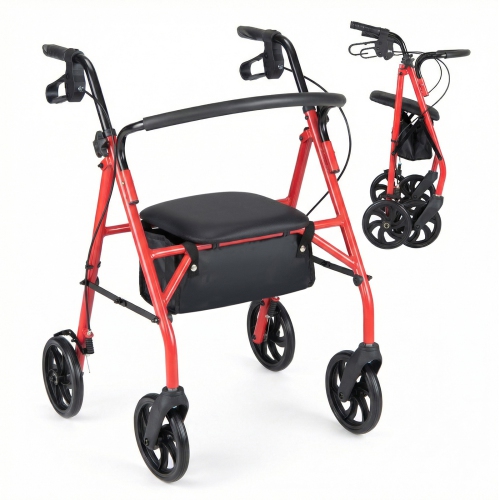
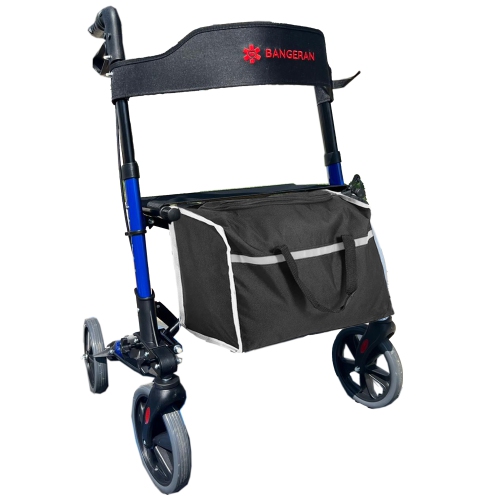
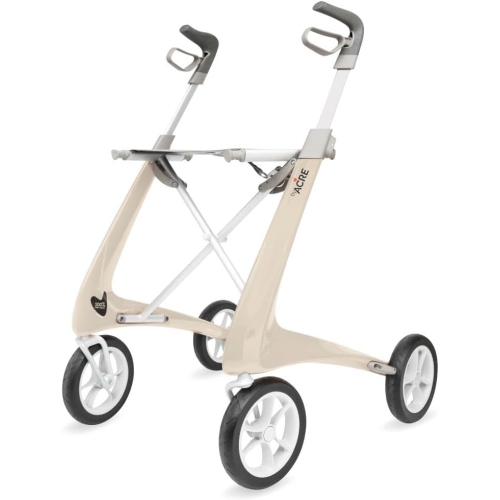
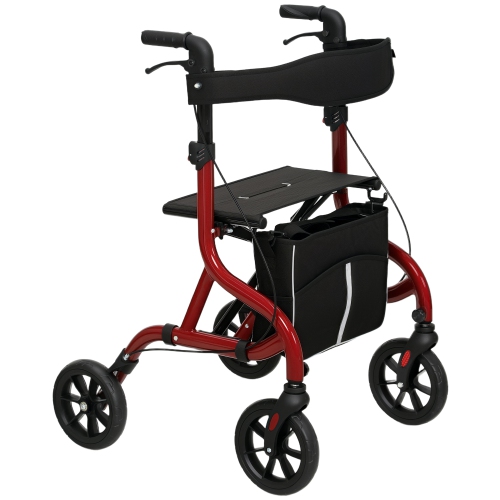
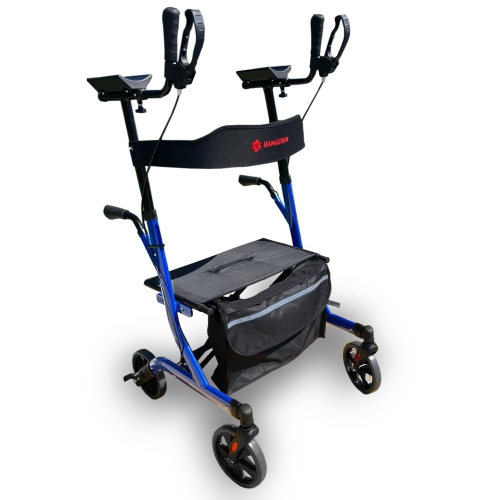
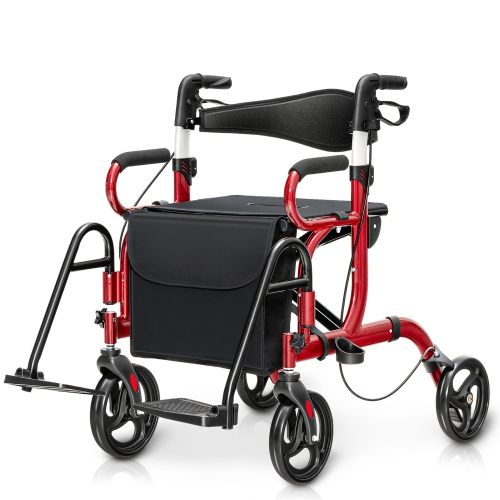
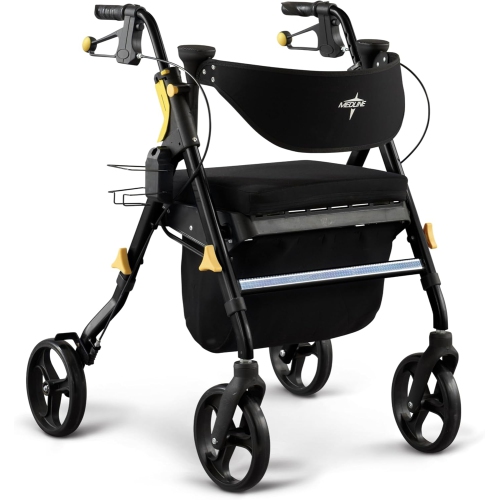
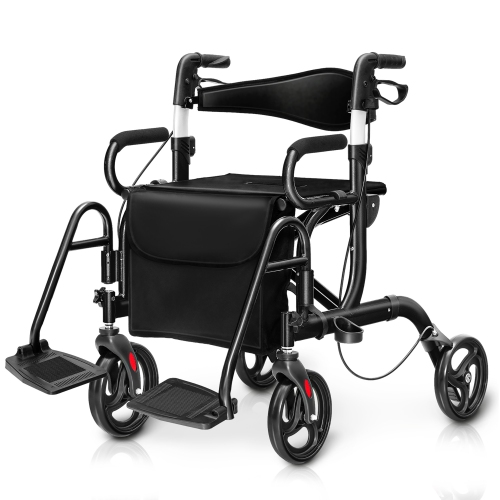
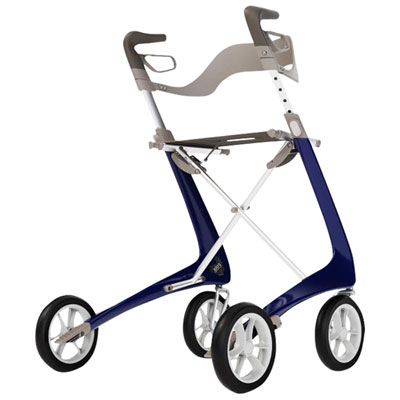
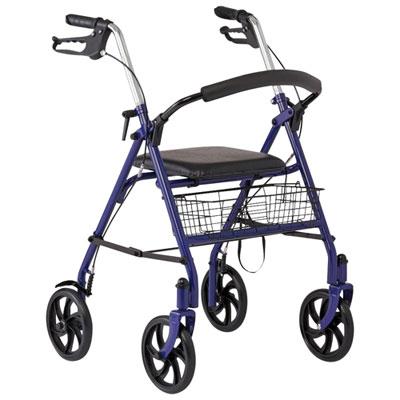
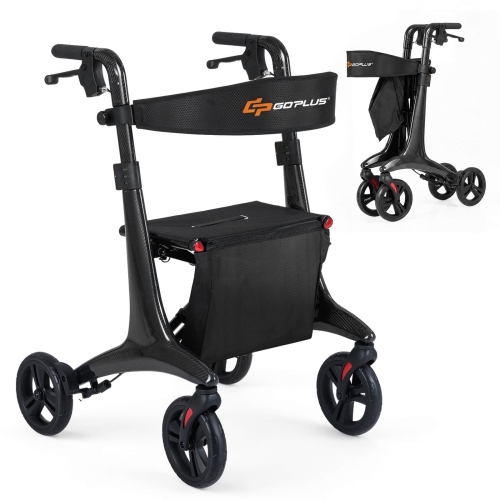
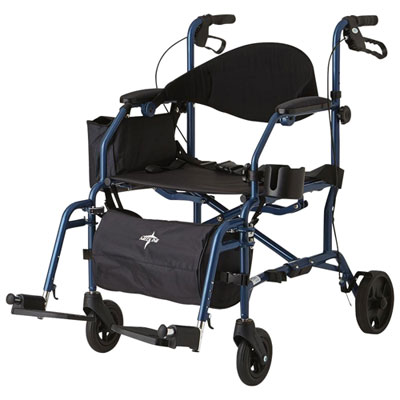
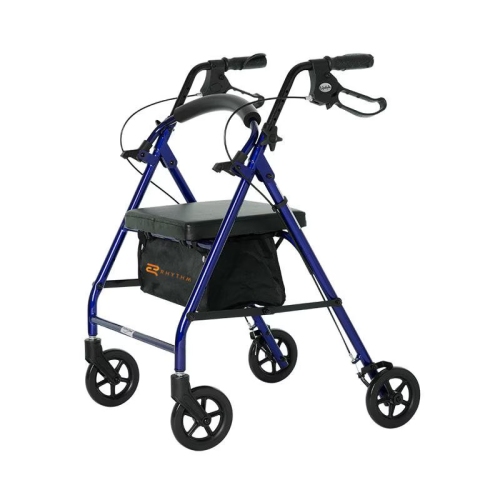
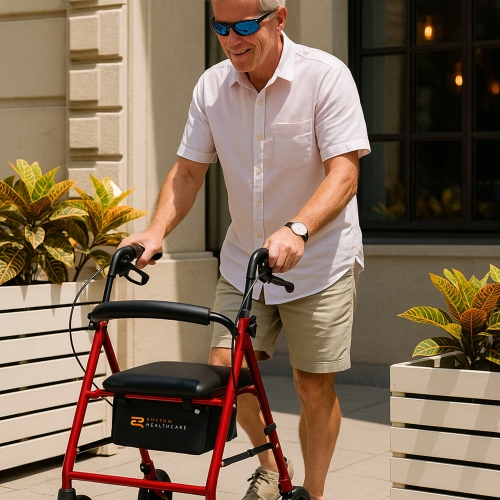
Aluminum rollator walkers are mobility aids designed to support walking while giving the user a convenient place to rest. Unlike a traditional stationary walker, a rollator has wheels, hand-operated loop brakes, a seat, and usually some form of storage. The aluminum frame helps keep the overall weight manageable while providing the sturdy support expected from a daily-use mobility aid. Many models weigh approximately 12 to 18 pounds, although the exact weight depends on the frame design, seat, wheel size, and added features. Their lighter construction can make a noticeable difference when lifting one into a vehicle, moving it between rooms, or storing it near an entryway. A rollator may be useful for an older adult, someone recovering from an injury, or anyone who experiences fatigue, reduced balance, or difficulty standing for long periods. It can also be a thoughtful gift for a family member who wants to remain active and independent, provided the walker suits their height, mobility needs, and recommended weight capacity. A built-in seat is especially helpful during outings: a user can walk through a hallway, community centre, shopping area, or park path, then pause on a padded seat instead of searching for a bench. The backrest can provide additional support during these breaks, while a basket, under-seat pouch, or hanging bag can hold a water bottle, light personal items, or small purchases. For someone who enjoys visiting friends, attending appointments, or spending time outdoors as the weather warms and during the cooler months, this combination of support, seating, and storage can make everyday travel feel more manageable.
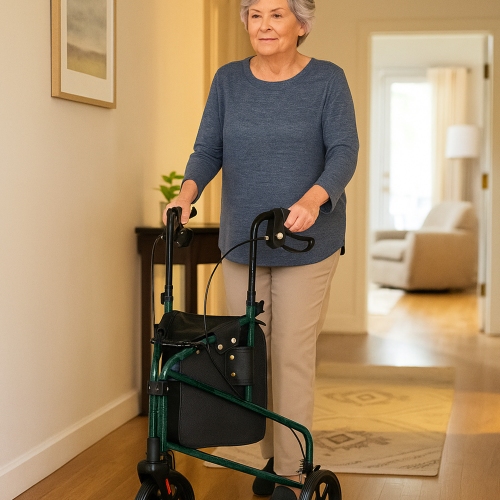
Choosing the right aluminum rollator walker starts with matching its design to the user and the places where it will be used. Three-wheel models generally have a narrower, more nimble profile and can turn easily around furniture, kitchen islands, narrow corridors, and other indoor spaces. Four-wheel models typically offer a broader base, a stable seat, and a more balanced feel for users who want support while walking and resting. Wheel size also matters. Smaller wheels, such as 6-inch wheels, are often well suited to smooth indoor floors, paved corridors, and even paths with few surface changes. Larger wheels, commonly in the 8-inch to 10-inch range, can make it easier to move across outdoor walkways, thresholds, shallow cracks, and mildly uneven ground. Rubber wheels may provide a comfortable rolling experience on many common surfaces, but no rollator should be treated as an all-terrain device unless its specifications specifically support that use. Before choosing, measure doorways, storage areas, and the user’s preferred routes, especially if the rollator will move between an apartment, vehicle, and outdoor setting. Handle height is another important consideration. Adjustable handles should be set so the user can stand upright with relaxed shoulders and a comfortable bend in the elbows, rather than leaning heavily over the frame. The seat height should also allow the user to sit down and stand up with control. Check the stated weight capacity carefully, including any belongings that may be carried in the storage compartment. The frame should open and fold smoothly, lock securely into position, and remain stable when the user sits. A folded design may be easier to place in a trunk or closet, while a wider frame or larger seat may provide greater comfort. For people comparing related mobility options, Aluminum Wheelchairs may also be worth exploring when seated mobility is a more central requirement than walking support.
Brake operation deserves close attention because the hand brakes help control speed and secure the walker while seated. Loop-lock brakes are operated by squeezing the handles to slow down and by pushing the brake levers down to lock the wheels in place. The user should be able to reach and operate the brakes comfortably without excessive hand strength, and the locking action should be checked before every rest. Encourage a new user to practise in a familiar, open area: walk a short distance, squeeze the brakes gradually, engage both wheel locks, and sit only after confirming that the rollator is stationary. A rollator is intended to support balance and mobility, not to replace professional advice or bear weight in a way that causes the frame to tip. Users should avoid sitting while the brakes are unlocked, hanging heavy bags from the handles, or using the seat on a slope. It is also wise to inspect the wheels, fasteners, folding mechanism, grips, and brake cables periodically, particularly when the walker is used outdoors. A properly fitted rollator can become part of a comfortable daily routine, whether it is kept beside a favourite chair, taken along a quiet neighbourhood route, or folded into the car for appointments and visits. Look for a combination of appropriate width, reliable braking, comfortable seating, useful storage, easy adjustability, and a weight that the intended user or caregiver can handle confidently. Prices commonly range from about $130 to $350, with differences reflecting features such as frame weight, wheel size, seat construction, storage, and overall adjustability. Selecting based on real surroundings and everyday habits—not appearance alone—helps ensure that an aluminum rollator walker feels practical, reassuring, and ready for the journeys that matter.
Choosing the right aluminum rollator walker starts with matching its design to the user and the places where it will be used. Three-wheel models generally have a narrower, more nimble profile and can turn easily around furniture, kitchen islands, narrow corridors, and other indoor spaces. Four-wheel models typically offer a broader base, a stable seat, and a more balanced feel for users who want support while walking and resting. Wheel size also matters. Smaller wheels, such as 6-inch wheels, are often well suited to smooth indoor floors, paved corridors, and even paths with few surface changes. Larger wheels, commonly in the 8-inch to 10-inch range, can make it easier to move across outdoor walkways, thresholds, shallow cracks, and mildly uneven ground. Rubber wheels may provide a comfortable rolling experience on many common surfaces, but no rollator should be treated as an all-terrain device unless its specifications specifically support that use. Before choosing, measure doorways, storage areas, and the user’s preferred routes, especially if the rollator will move between an apartment, vehicle, and outdoor setting. Handle height is another important consideration. Adjustable handles should be set so the user can stand upright with relaxed shoulders and a comfortable bend in the elbows, rather than leaning heavily over the frame. The seat height should also allow the user to sit down and stand up with control. Check the stated weight capacity carefully, including any belongings that may be carried in the storage compartment. The frame should open and fold smoothly, lock securely into position, and remain stable when the user sits. A folded design may be easier to place in a trunk or closet, while a wider frame or larger seat may provide greater comfort. For people comparing related mobility options, Aluminum Wheelchairs may also be worth exploring when seated mobility is a more central requirement than walking support.
Brake operation deserves close attention because the hand brakes help control speed and secure the walker while seated. Loop-lock brakes are operated by squeezing the handles to slow down and by pushing the brake levers down to lock the wheels in place. The user should be able to reach and operate the brakes comfortably without excessive hand strength, and the locking action should be checked before every rest. Encourage a new user to practise in a familiar, open area: walk a short distance, squeeze the brakes gradually, engage both wheel locks, and sit only after confirming that the rollator is stationary. A rollator is intended to support balance and mobility, not to replace professional advice or bear weight in a way that causes the frame to tip. Users should avoid sitting while the brakes are unlocked, hanging heavy bags from the handles, or using the seat on a slope. It is also wise to inspect the wheels, fasteners, folding mechanism, grips, and brake cables periodically, particularly when the walker is used outdoors. A properly fitted rollator can become part of a comfortable daily routine, whether it is kept beside a favourite chair, taken along a quiet neighbourhood route, or folded into the car for appointments and visits. Look for a combination of appropriate width, reliable braking, comfortable seating, useful storage, easy adjustability, and a weight that the intended user or caregiver can handle confidently. Prices commonly range from about $130 to $350, with differences reflecting features such as frame weight, wheel size, seat construction, storage, and overall adjustability. Selecting based on real surroundings and everyday habits—not appearance alone—helps ensure that an aluminum rollator walker feels practical, reassuring, and ready for the journeys that matter.
Top selling and popular products
-
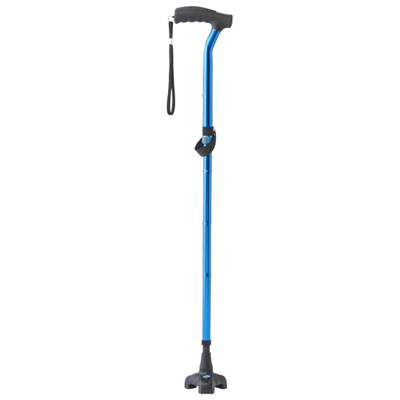 Your price for this item is $35.99
 -
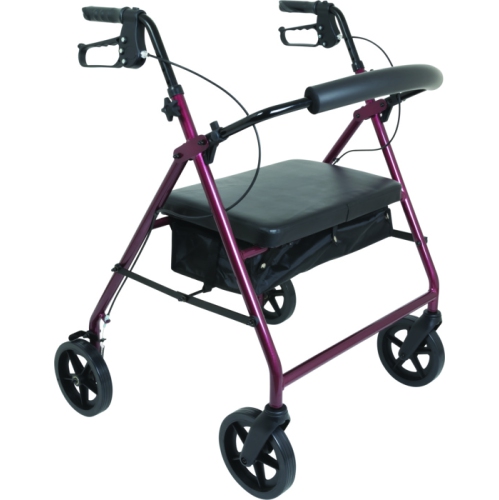 Your price for this item is $244.99
 -
 Your price for this item is $151.99
 -
 Your price for this item is $138.99
 -
 Your price for this item is $169.99
 -
 Your price for this item is $205.99
 -
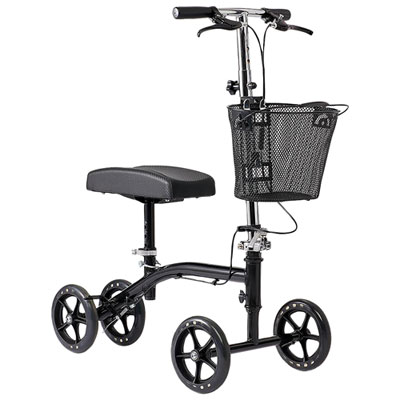 Your price for this item is $196.98
 -
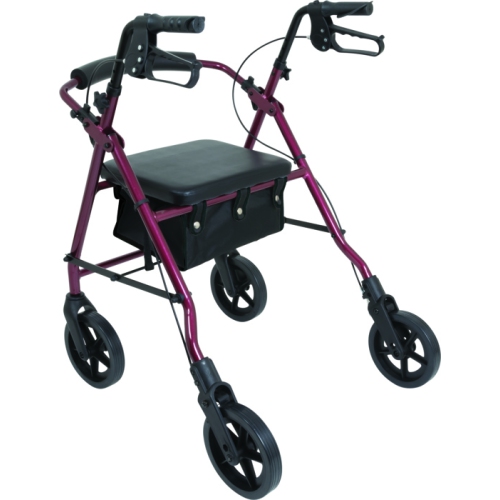 Your price for this item is $199.99
Discover more categories related to Aluminum Rollator Walkers
Top Collections:
Pokemon Centers, Kindle Devices, Best Budget Office Chairs, Canon G7X Cameras, Apple iPhones 16, Samsung Galaxy Phones, Refurbished Apple Laptops, Laptops for Students, iPhone 15 Apple, Budget Smartphones
Some products may be subject to Environmental Handling Fees
(EHF) depending on your province.
Learn more about EHFs.