Aluminum Wheelchair Ramps
Aluminum wheelchair ramps offer a convenient and accessible solution for individuals with mobility challenges. Whether you need to overcome small steps or navigate larger elevation changes, these ramps provide a sturdy and reliable pathway. Designed with lightweight yet durable materials, aluminum wheelchair ramps are easy to install and transport, making them an ideal choice for both indoor and outdoor use. With various sizes and configurations available, finding the perfect ramp to suit your specific needs has never been easier. Explore our collection of aluminum wheelchair ramps today and enhance your mobility with confidence.
Sort


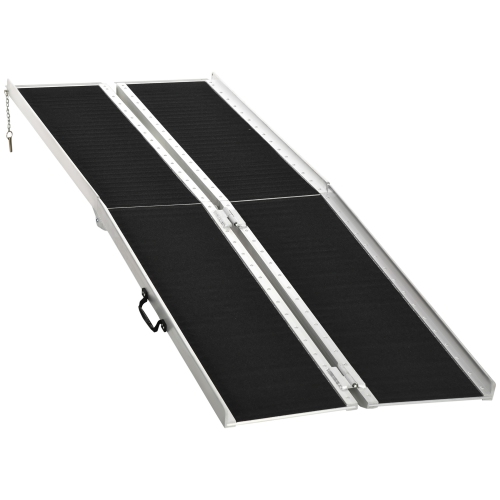
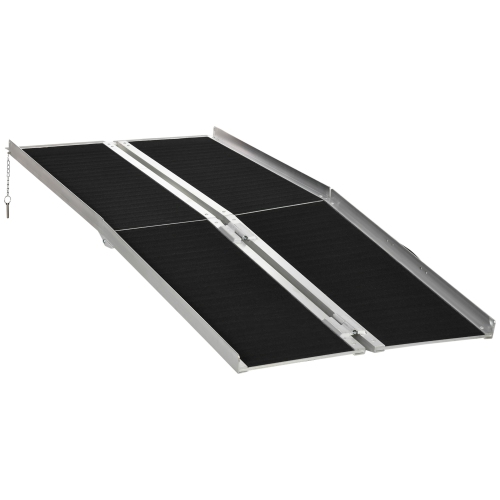
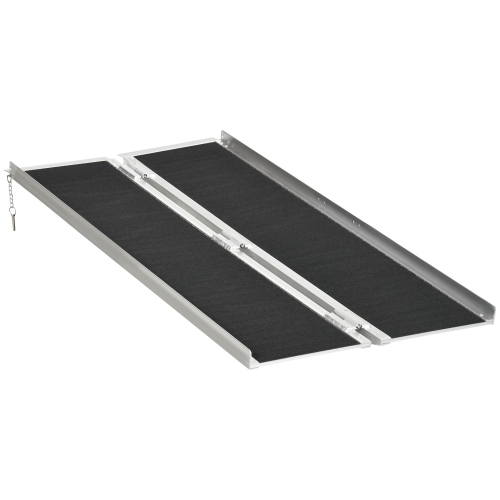

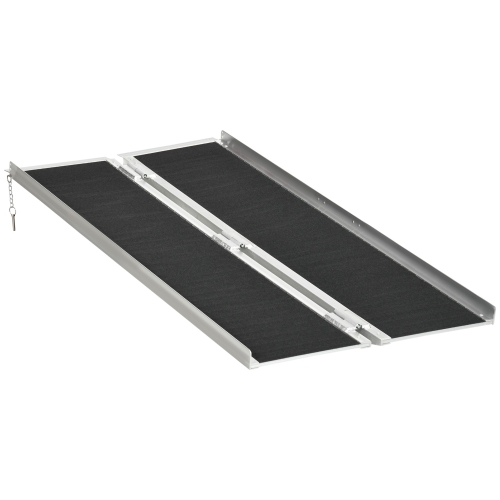

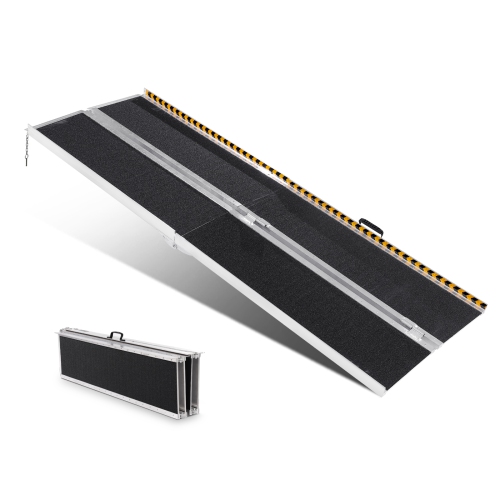
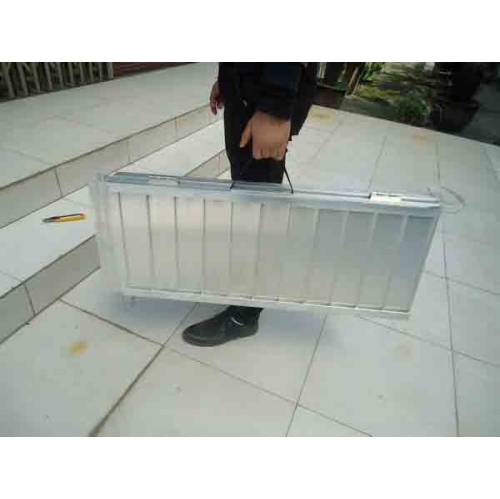


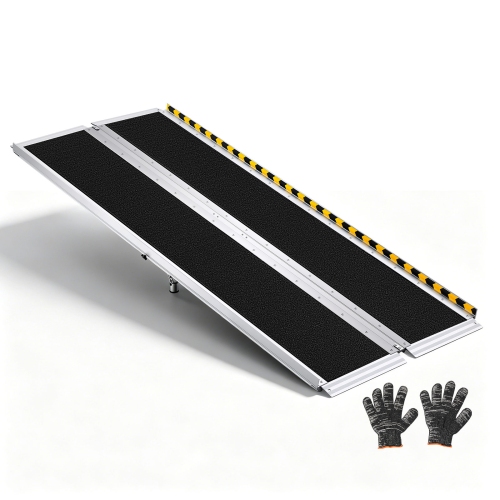


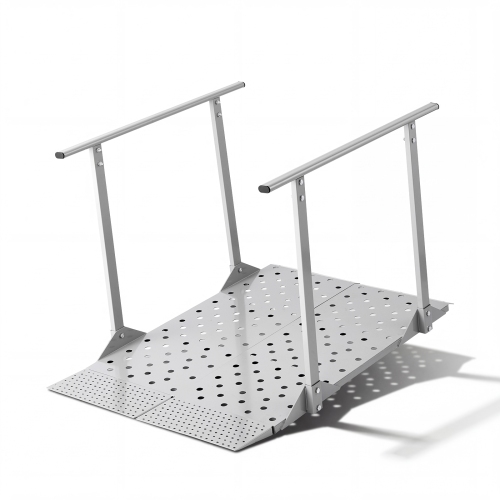
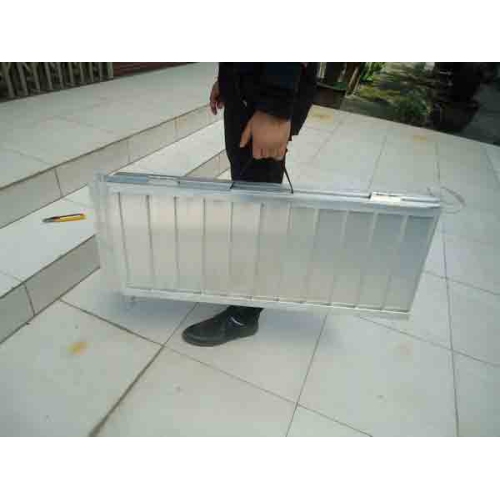
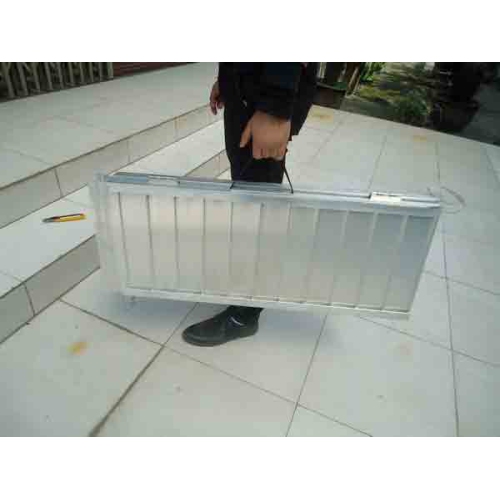
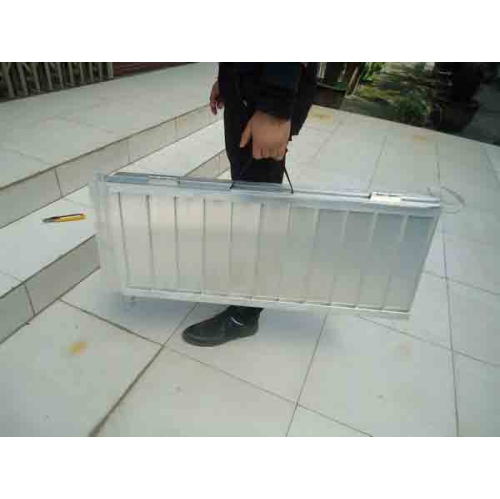


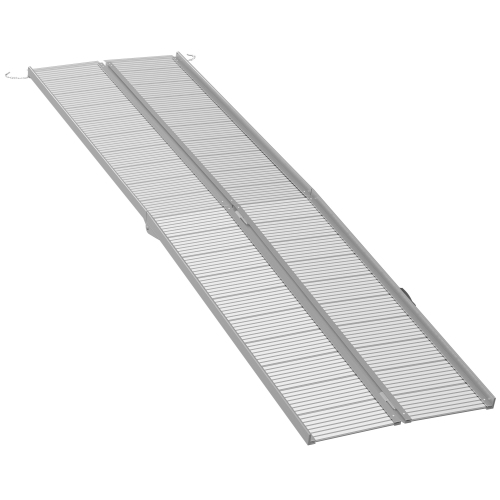
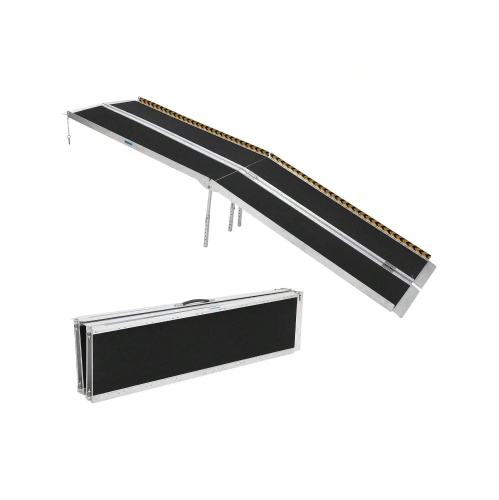


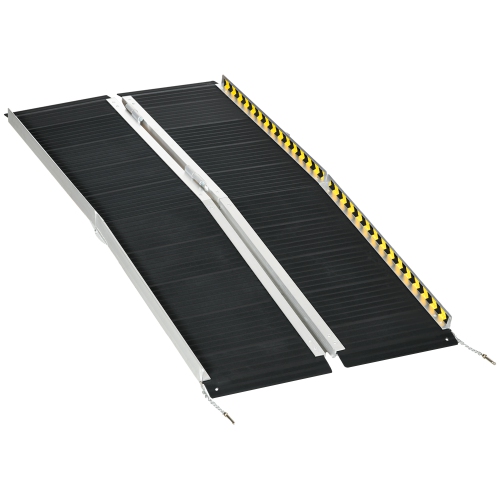

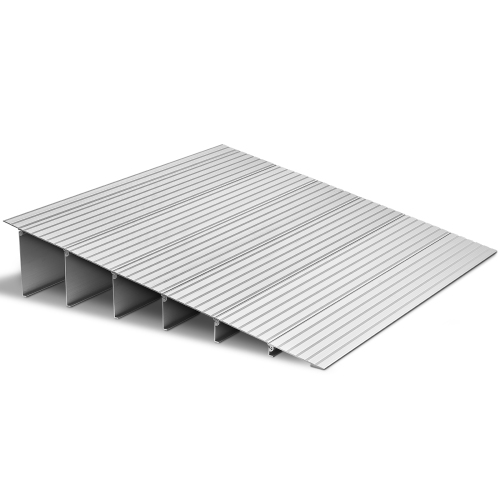
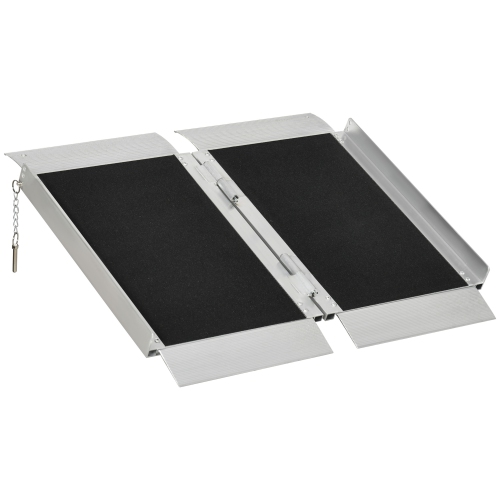




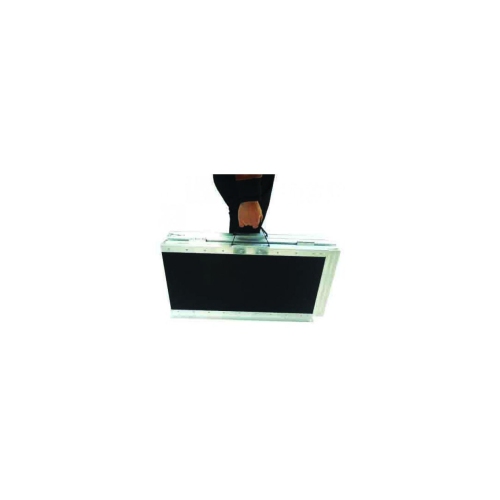
Safer access over thresholds, steps, and changing elevations
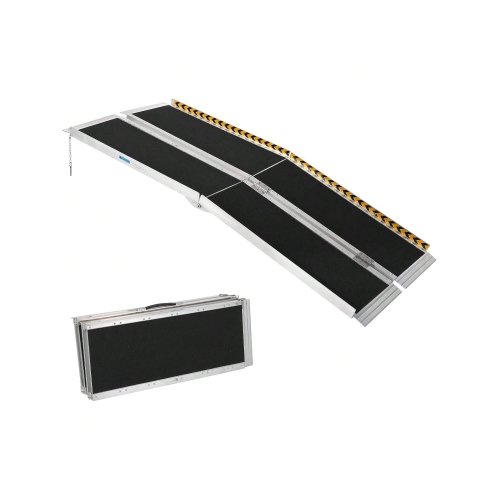
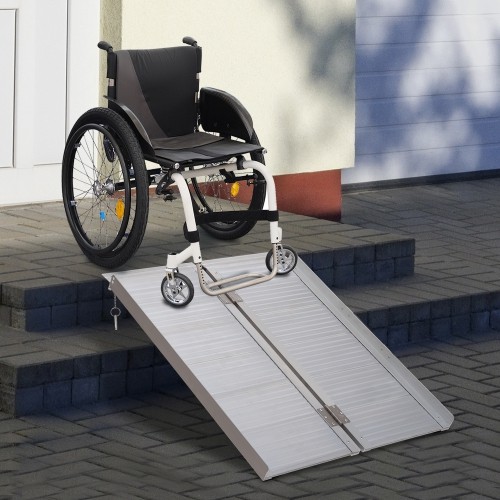
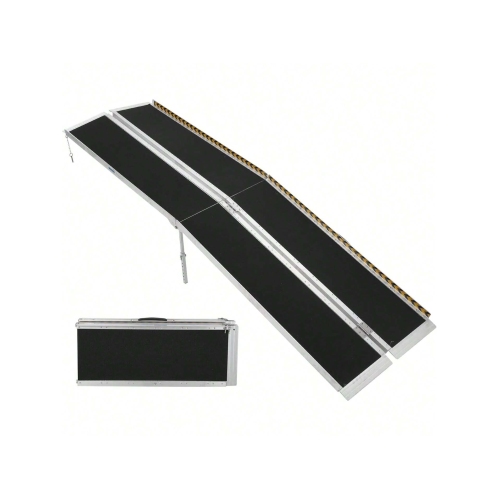
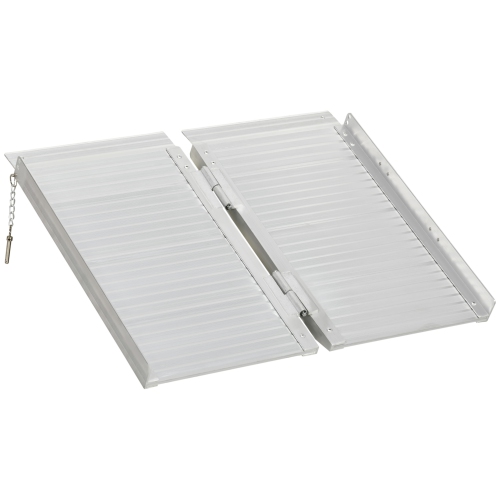
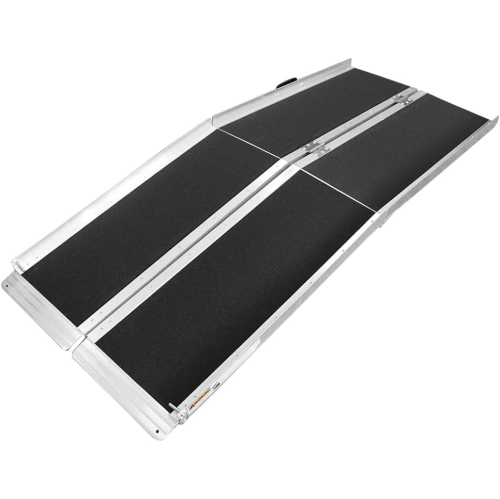
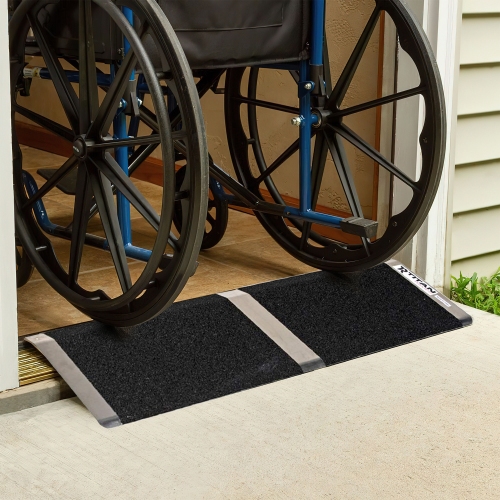
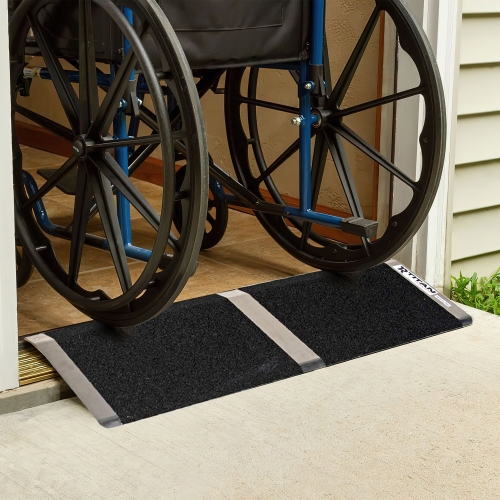
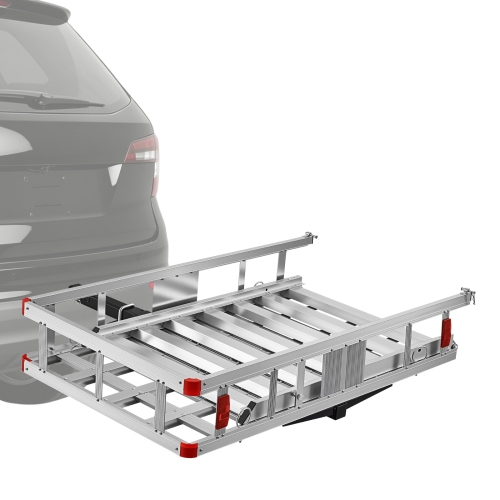
Aluminum wheelchair ramps are practical accessibility solutions for bridging changes in elevation at entrances, garages, porches, vehicles, and other frequently used spaces. Because aluminum is relatively lightweight and resists rust, it can be easier to move, store, and maintain than many heavier ramp materials, while still providing the strength needed for mobility equipment and everyday use. These ramps may be helpful for people who use manual or power wheelchairs, mobility scooters, walkers, or other assistive devices, as well as caregivers who need a smoother way to guide someone over a doorway or step. They can also be a thoughtful and useful purchase for a family member, friend, or guest whose mobility needs have changed, particularly when a home entrance has a raised threshold or a short flight of steps. A well-chosen ramp can make a familiar route feel more manageable, whether that means leaving the house for an appointment, rolling into a garage, visiting a neighbour, or bringing a mobility device in and out of a vehicle. Before selecting an aluminum wheelchair ramp, measure the exact rise from the ground or lower surface to the top landing, then consider the available length and the route users will take. A short threshold ramp is generally suited to a small lip, doorway sill, or single low step, while longer folding or multi-fold designs can help cover a greater height and may be carried in a vehicle between locations. Semi-permanent or modular arrangements may be more appropriate for a frequently used entrance where a stable, tailored path is needed. The right style depends on whether the ramp will remain in one place, be set up occasionally, or travel regularly with the user.
Ramp length, usable width, weight capacity, and surface design all affect comfort and safety. A commonly referenced planning guideline is a 1:12 rise-to-length ratio, meaning approximately 1 foot of ramp length for every 1 inch of vertical rise; however, the appropriate slope may vary according to the user, mobility device, available space, and applicable local requirements. A gentler slope can be easier for a manual wheelchair user or caregiver to navigate, while power chairs and scooters may have specific approach, clearance, and turning needs. Always check the manufacturer’s specifications and consider advice from an accessibility professional when the ramp will serve as a primary entrance or be used by someone with limited strength or balance. Confirm that the listed weight capacity includes the combined weight of the user, wheelchair or scooter, and any bags or equipment being carried. Portable ramps often have capacities in the range of 600 to 800 pounds, but specifications differ, so the published rating should never be guessed. The ramp should also be wide enough to accommodate the equipment with comfortable clearance. A nominal width may not equal the actual usable width once side rails, raised edges, or guide curbs are taken into account. Raised side borders can help keep wheels aligned and reduce the chance of rolling off the edge, while a high-traction, non-skid surface can provide steadier contact in changing conditions. Look for secure transition plates, supportive hinges, locking mechanisms, and a landing area that is level, firm, and large enough for the user to pause and turn. If a ramp includes handrails, check that they are positioned comfortably for the person using them and do not narrow the travel path excessively. For people comparing movable options, browsing Portable Wheelchair Ramps can help clarify the differences between compact threshold designs and longer folding formats.
Set-up is just as important as the ramp itself. Place the upper end fully on a stable landing, make sure the lower end rests flat without rocking, and check that the path is free from loose mats, garden hoses, toys, gravel, and other obstacles. A ramp should not bridge an unstable surface or end where a wheelchair, scooter, or walker could tip into a drainage channel or uneven patch of ground. Folding models should be opened completely and secured according to their instructions before use; never rely on weight alone to keep a partially unfolded ramp in position. For vehicle access, confirm that the ramp’s length, width, and capacity match the vehicle doorway and the equipment being loaded, and keep the ramp clear of moving doors or lift mechanisms. During the cooler months, inspect the surface more often for moisture, frost, packed snow, and ice. Aluminum itself does not rust like steel, but a wet or frozen ramp can still become slippery, and salt, dirt, and debris may collect in the texture. Clear snow with tools that will not damage the surface, follow the manufacturer’s guidance for cleaning products, and avoid using the ramp when conditions make traction uncertain. Recheck fasteners, hinges, edge guards, and connection points periodically, especially after moving the ramp or storing it in a vehicle. Thoughtful measurements and regular checks can turn an aluminum wheelchair ramp into a dependable part of a daily routine, supporting easier access at home, on the road, and wherever a small change in height would otherwise make an entrance difficult to navigate.
Top selling and popular products
-
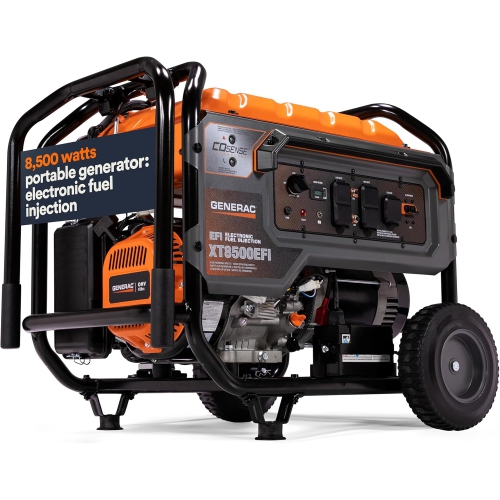 Your price for this item is $3000
-
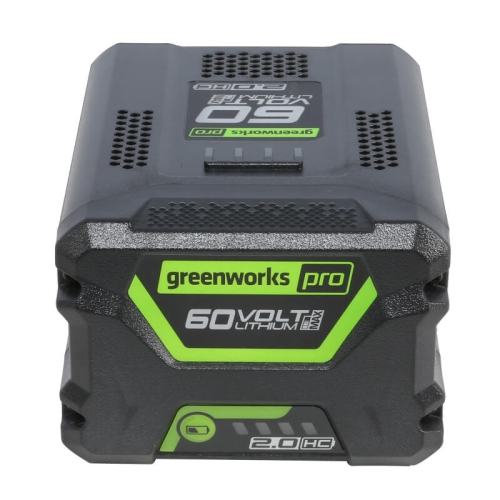 Your price for this item is $159.99
-
 Your price for this item is $329.99
-
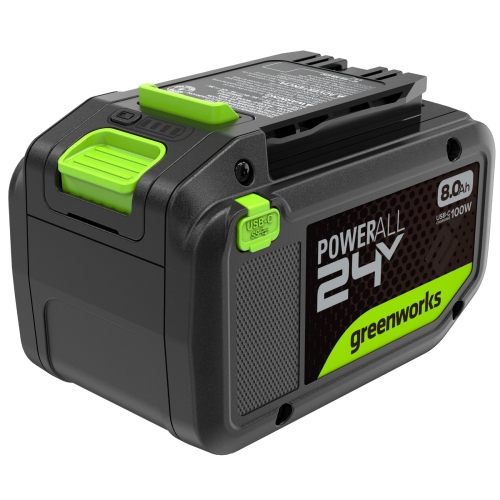 Your price for this item is $149.99
-
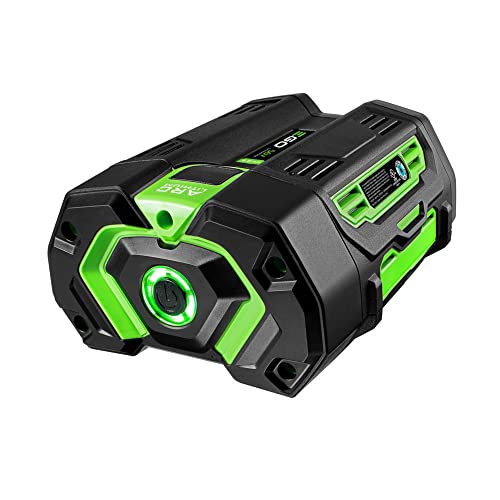 Your price for this item is $264
-
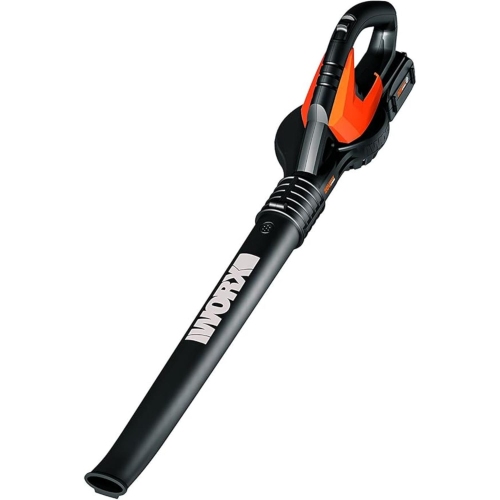 Your price for this item is $217.55
-
 Your price for this item is $779.99
-
 Your price for this item is $659.99
Discover more categories related to Aluminum Wheelchair Ramps
Top Collections:
Pokemon Centers, Best Cameras for Sports Photography, Kindle Devices, Samsung Galaxy Phones, Canon G7X Cameras, Pokémon 30th Celebration Cards, Refurbished Apple Laptops, iPhone 15 Apple, Laptops for Students, Budget Smartphones
Some products may be subject to Environmental Handling Fees
(EHF) depending on your province.
Learn more about EHFs.