Ankle Braces for Running
Discover a wide selection of ankle braces for running designed to help support your active lifestyle. Whether you’re training for a race or hitting the trails for fun, finding the right ankle brace can make all the difference in your comfort and confidence. Explore options that fit seamlessly into your routine, so you can focus on every step of your journey. Shop ankle braces for running at Best Buy Canada and enjoy the freedom to move with ease.
Sort
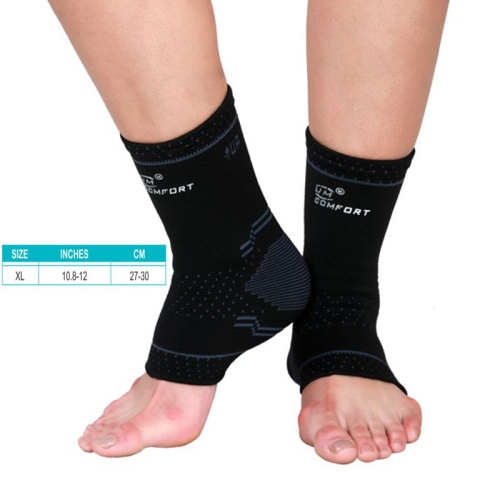
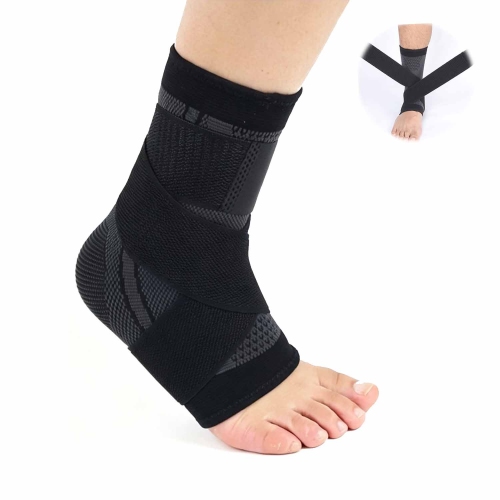
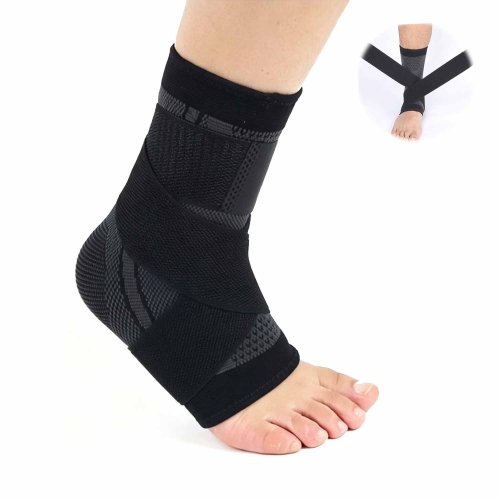
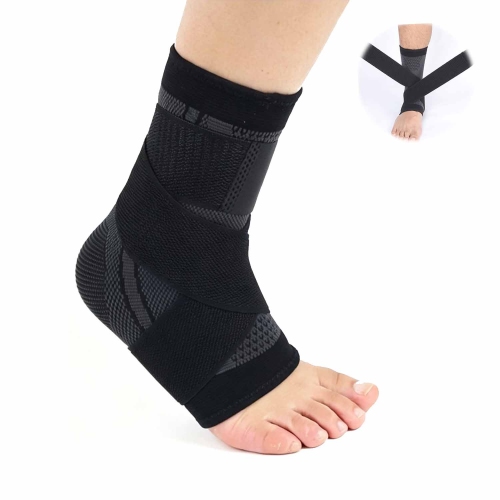

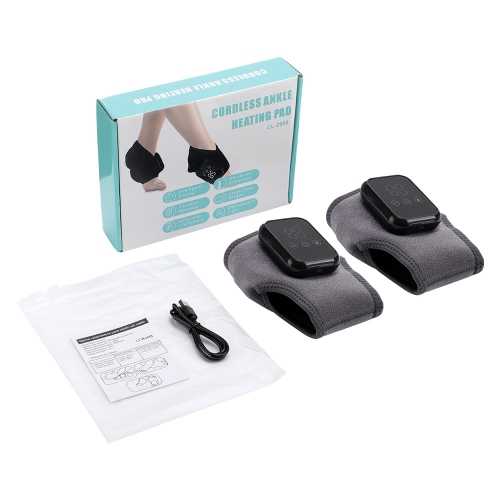
Understanding support, fit, and comfort across changing terrain
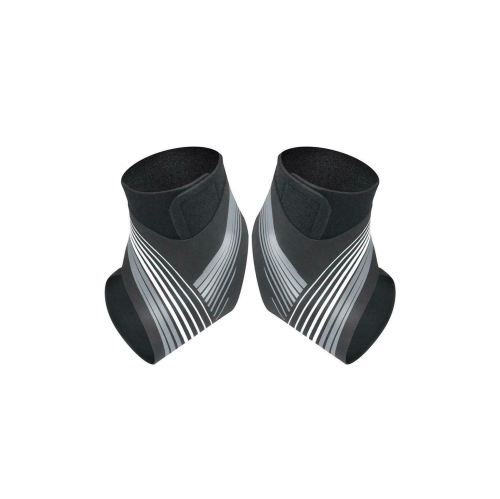
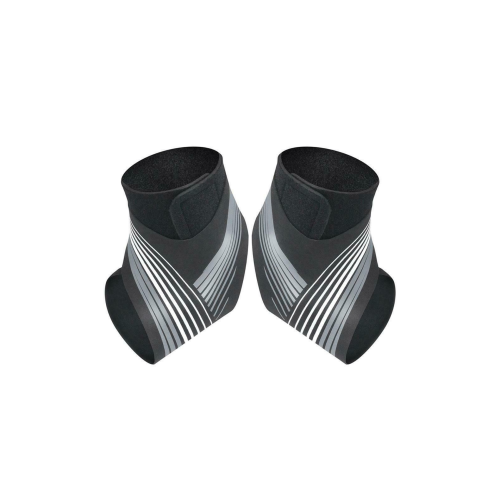
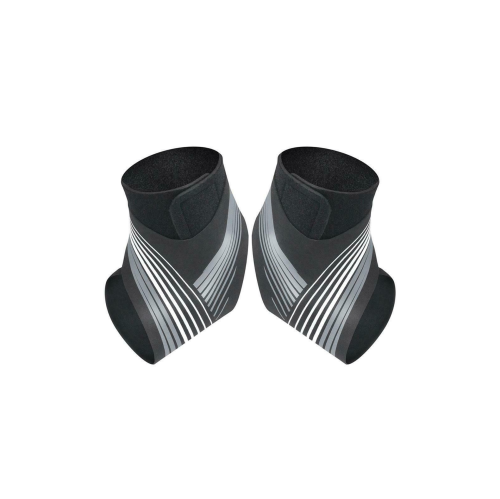
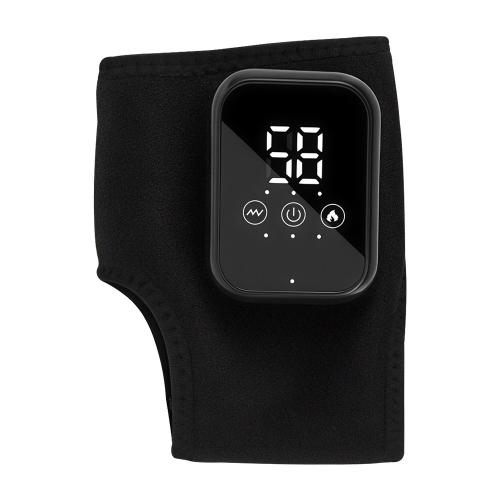
Ankle braces for running can provide a feeling of support and stability when an ankle is recovering from a mild sprain, feels vulnerable on uneven ground, or becomes uncomfortable during longer sessions. The right brace should support your running routine without forcing your foot into an unnatural position or making your shoe feel cramped. Low-profile compression sleeves are often a practical choice for mild soreness, light swelling, or a preference for gentle, flexible coverage. Their close-fitting fabric can feel smooth beneath a running sock and is typically easier to wear with standard road-running shoes. Strap, lace-up, and semi-rigid designs offer more noticeable support around the sides of the ankle, which may be useful for runners managing a history of ankle rolling or returning to activity after an injury. These styles can help limit excessive side-to-side movement while still allowing the ankle to flex as you walk or run. For trail runners, that added structure may be especially appealing because roots, rocks, loose gravel, and sloped paths can place different demands on the joint than a level pavement route. Some advanced braces are designed to respond quickly when the foot begins to roll, but the most important features remain a secure fit, comfortable materials, and a design that suits the activity. A brace is not a substitute for medical assessment, rehabilitation, or properly fitted footwear, particularly when pain is sharp, swelling is significant, or normal walking is difficult.
Fit is one of the most important considerations when choosing ankle braces for running. Measure and compare your ankle with the sizing information provided for each style, since sizing systems can vary and a brace that is too loose may slide, bunch, or rub while you move. A brace that is too tight can feel restrictive and may create pressure points around the heel, ankle bones, or top of the foot. When possible, wear the brace with the same running socks and shoes you expect to use, then walk, bend your ankle, and take a few easy steps before committing to a longer session. Many runners prefer to wear a brace directly against the skin so it stays in place, although a thin, smooth sock may be more comfortable for sensitive skin or longer outings. Check the seams, fasteners, straps, and edges for rubbing, especially during the first few uses. Breathable, moisture-managing materials can help keep the ankle more comfortable during indoor workouts, warm-weather runs, or layered training in cooler conditions. Compression sleeves are generally discreet and easy to pack in a gym bag, while lace-up and semi-rigid models may take a little longer to adjust but provide a more structured feel. Follow the care instructions to preserve the shape and elasticity of the brace, and stop using it if it causes numbness, tingling, unusual discolouration, increased pain, or persistent irritation. Start with shorter, easier runs to learn how the brace feels before using it for a long-distance workout, race, or remote trail.
Ankle braces can be useful for runners of many experience levels, from someone easing back into regular activity to an experienced trail runner who wants additional confidence on changing terrain. They may also be a thoughtful gift for a friend, family member, or training partner who has mentioned weak ankles, a previous sprain, or a desire for more support during recreational exercise. For a gift, a versatile and low-profile style can be easier to choose than a highly structured brace, but the recipient’s ankle measurement, preferred activity, and footwear should still guide the decision. Keep in mind that a brace and ankle weights serve different purposes: a brace is intended to support or stabilise the ankle, while weights add resistance and may change running mechanics. Anyone considering added resistance can explore Wrist and Ankle Weights for Running, while recognising that ankle weights are not automatically suitable for every run or injury recovery plan. Whether the goal is a comfortable pavement jog, a return to training after a minor setback, or more confidence on a rugged route during the cooler months, choose support that complements natural movement. Gradually building ankle and lower-leg strength, improving balance, warming up, and allowing adequate recovery can also help support long-term running habits. If an injury does not improve, keeps returning, or affects your stride, seek advice from a qualified health professional before increasing distance or intensity.
Top selling and popular products
-
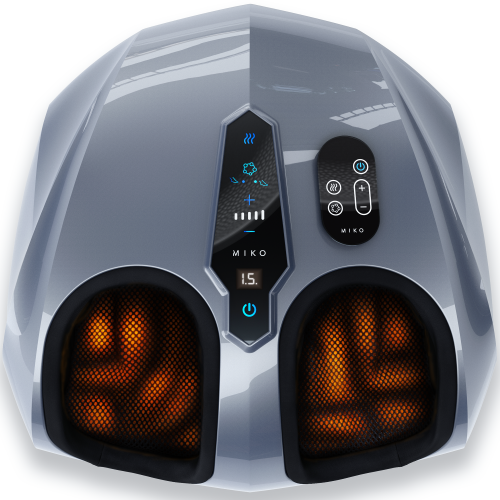 Your price for this item is $399.99
-
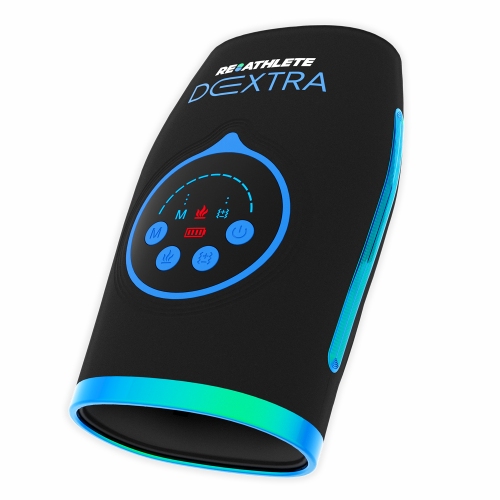 Your price for this item is $109.99
-
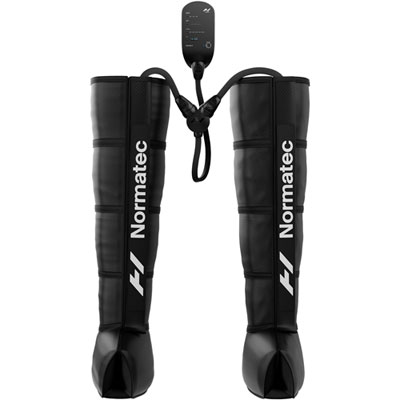 Your price for this item is $1149.99
-
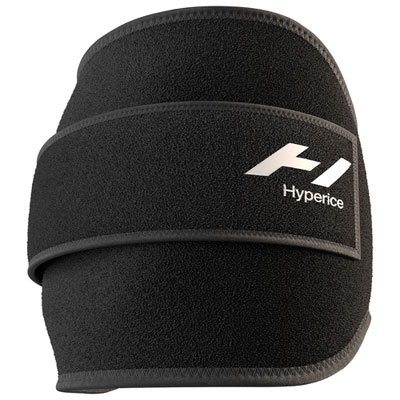 Your price for this item is $349
-
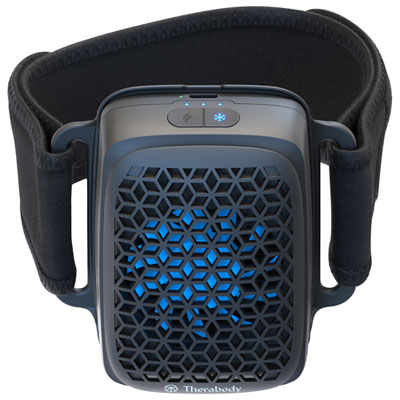 Your price for this item is $199.99
-
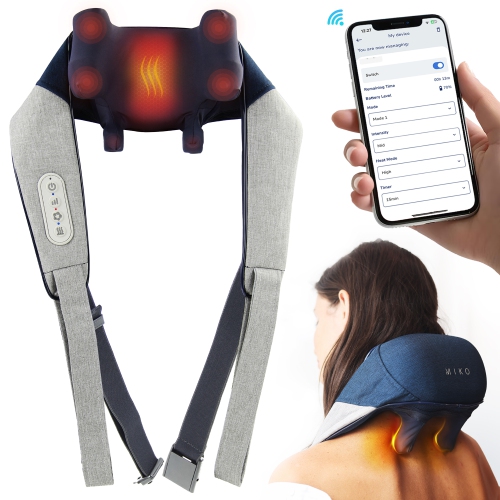 Your price for this item is $299.99
-
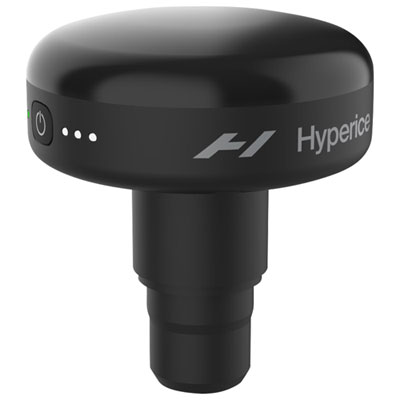 Your price for this item is $77.97
-
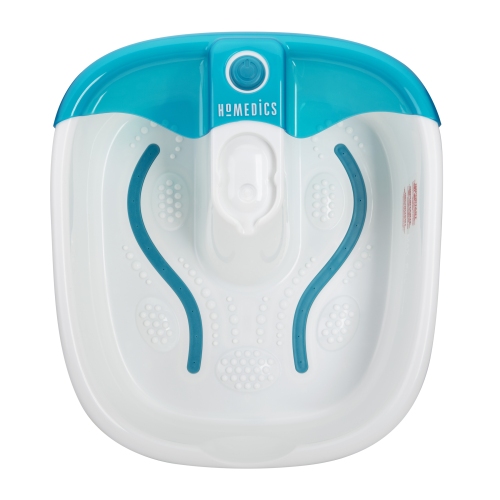 Your price for this item is $39.99
Discover more categories related to Ankle Braces for Running


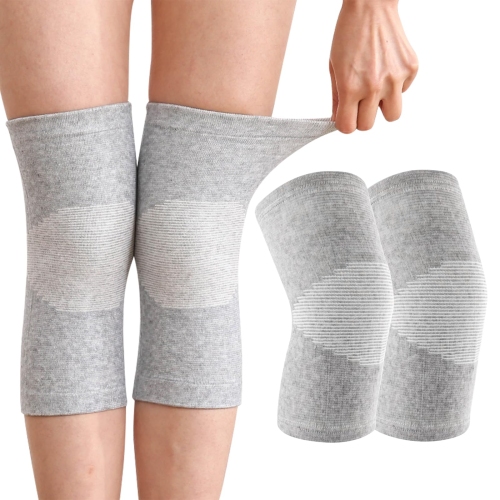
Top Collections:
Pokemon Centers, Best Cameras for Sports Photography, Kindle Devices, Samsung Galaxy Phones, Canon G7X Cameras, Pokémon 30th Celebration Cards, Refurbished Apple Laptops, iPhone 15 Apple, Laptops for Students, Budget Smartphones
Some products may be subject to Environmental Handling Fees
(EHF) depending on your province.
Learn more about EHFs.