Bathroom Commodes
Upgrade your bathroom with our selection of bathroom commodes, designed to enhance both style and functionality in your home. Whether you are looking for a sleek and modern design or a classic and timeless option, we have a variety of commodes to suit your taste and space requirements. From compact solutions perfect for small bathrooms to luxurious models with advanced features, find the perfect bathroom commode to elevate your daily routine.
Sort
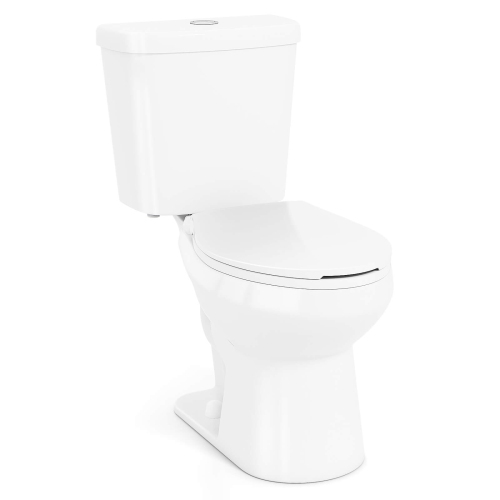
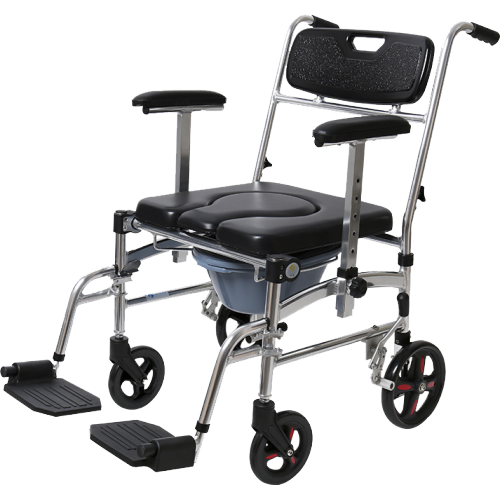
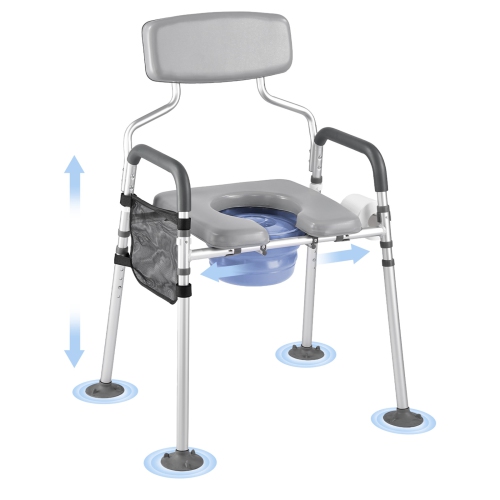
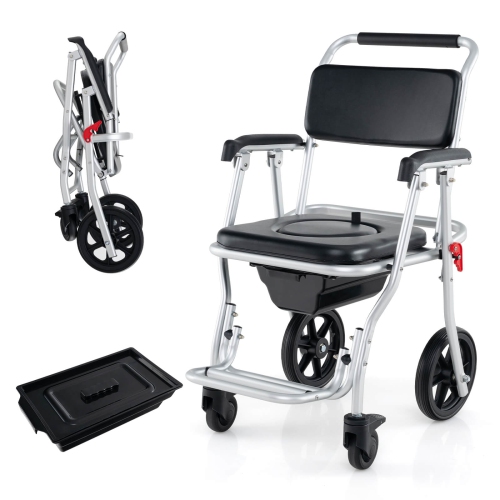
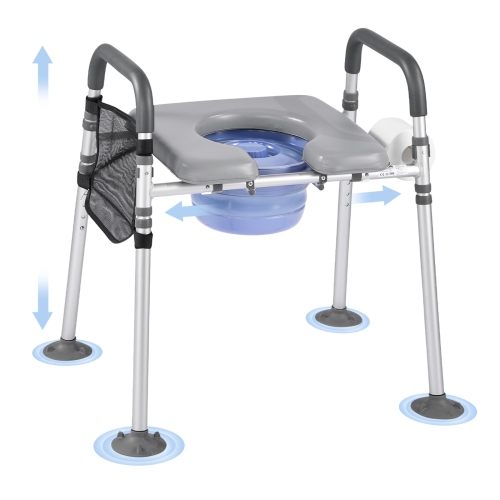
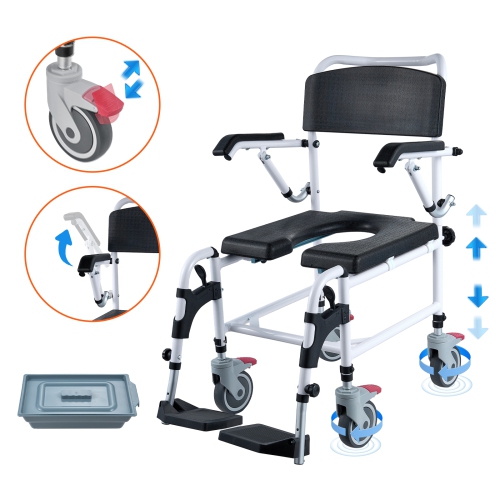
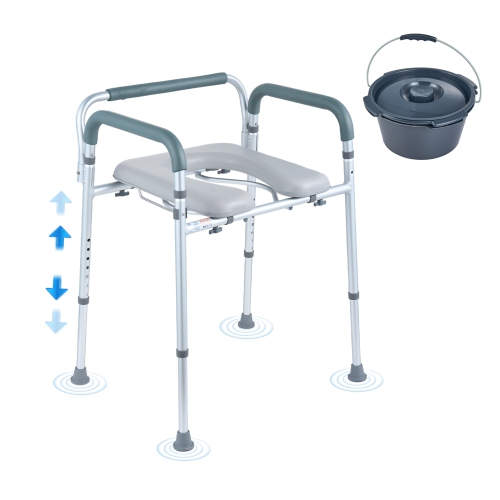
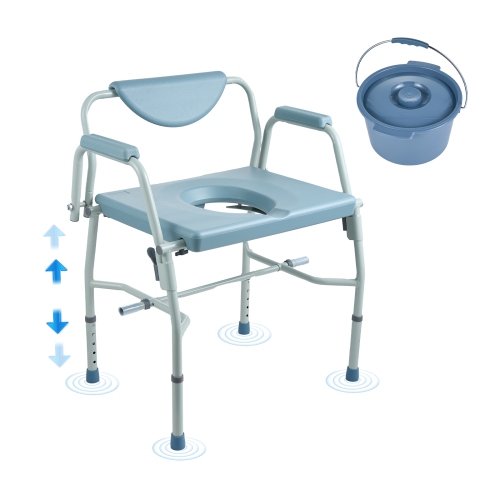
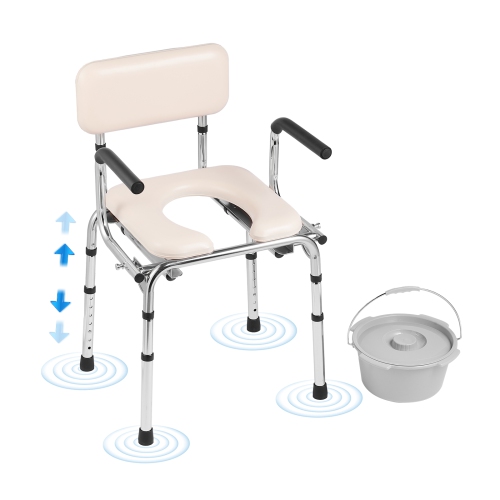
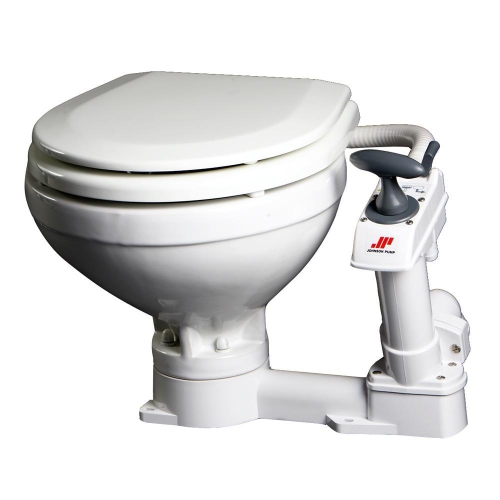
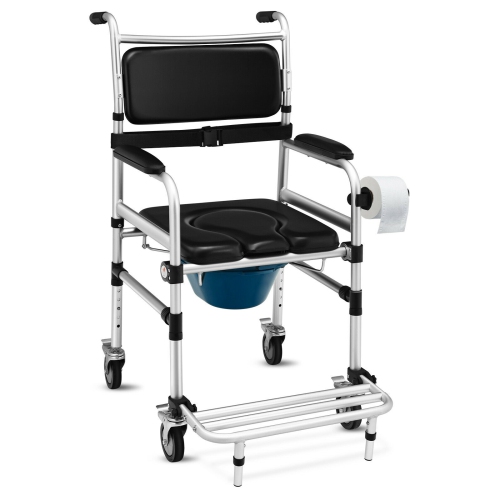
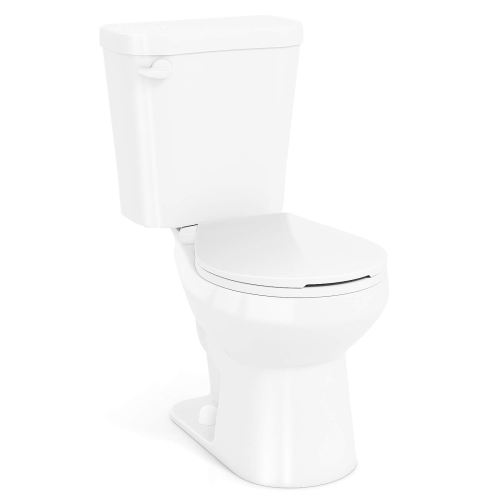
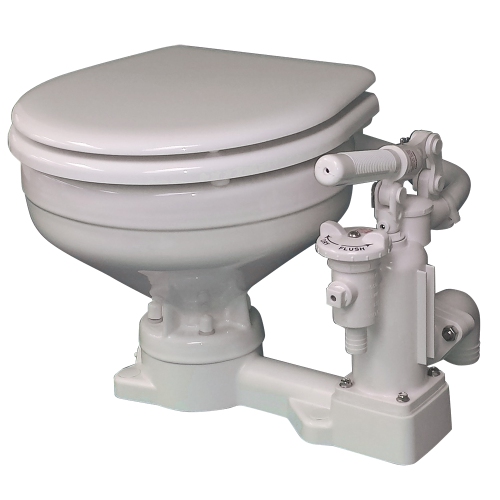
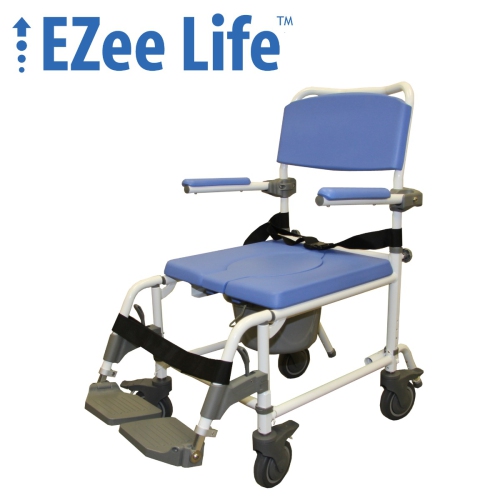
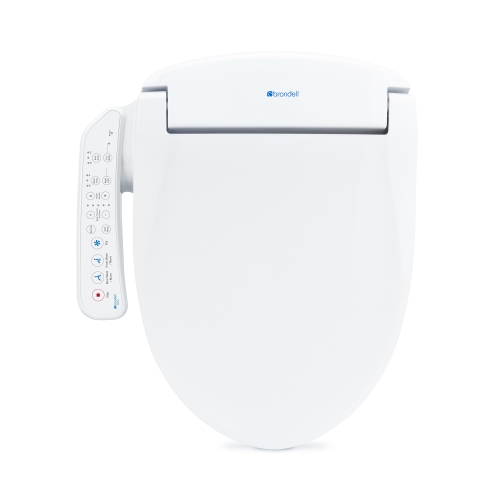
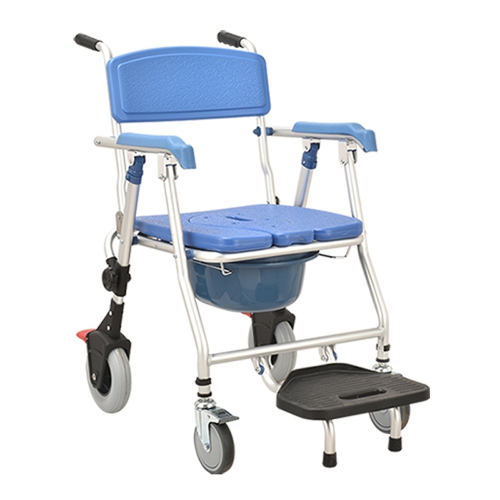
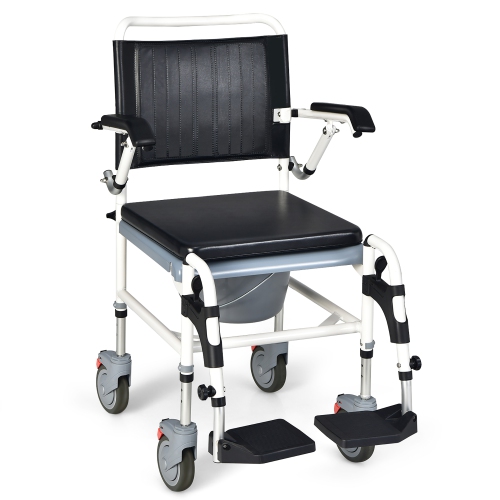
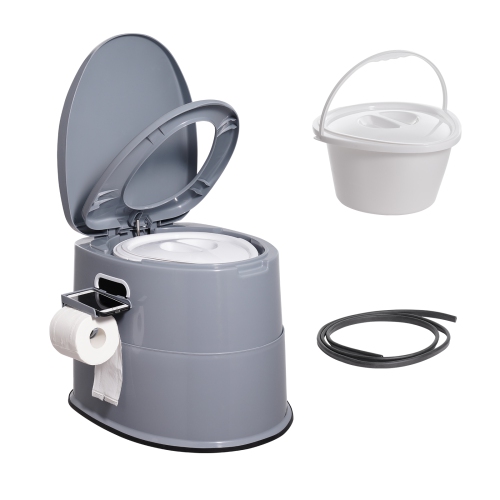
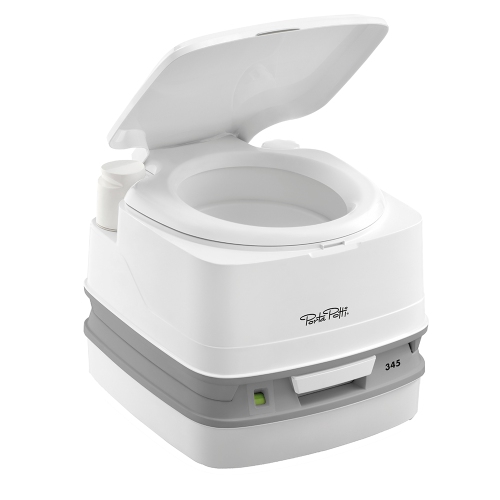
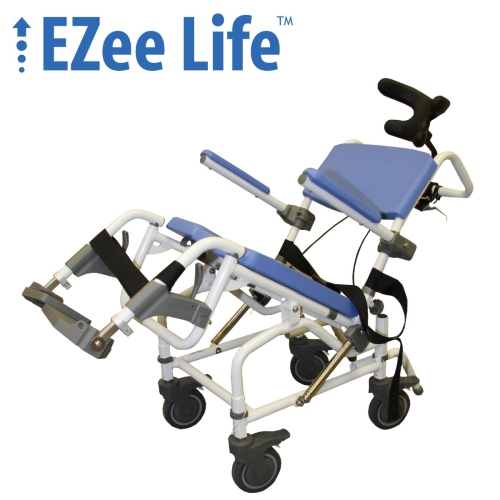
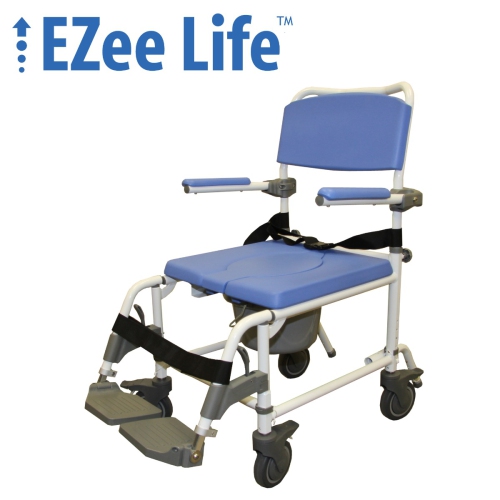
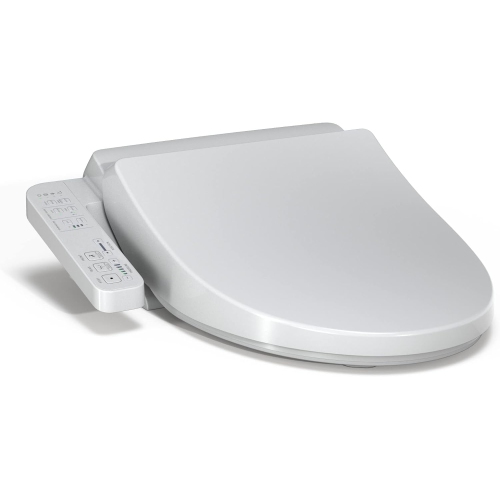
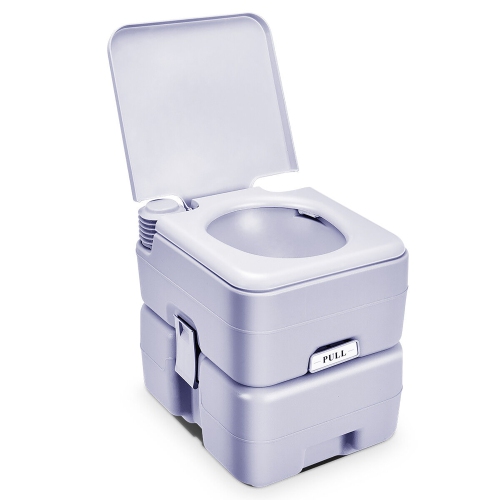
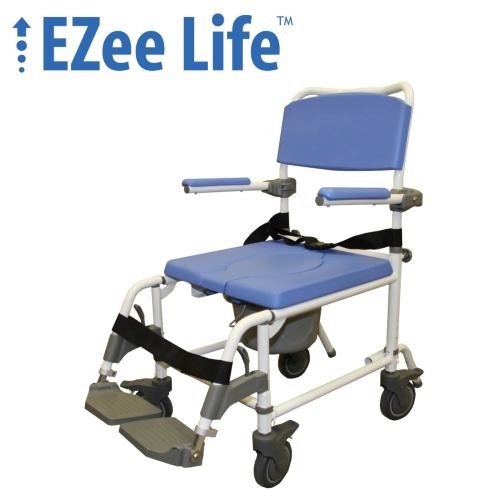
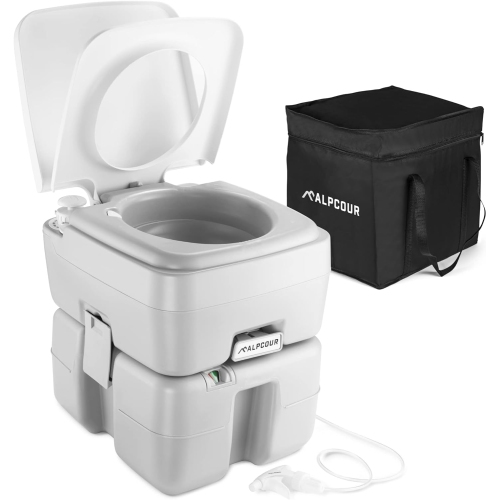
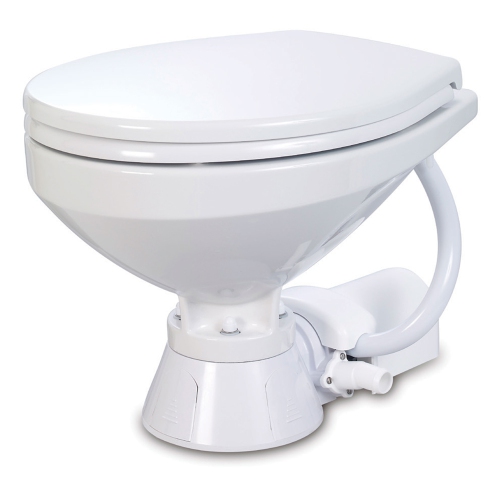
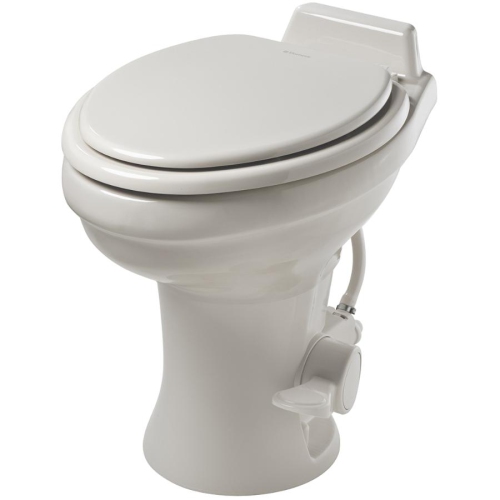
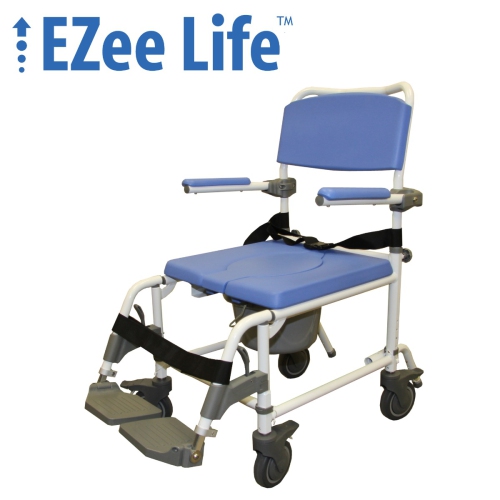
Practical support for transfers, recovery and everyday bathroom routines
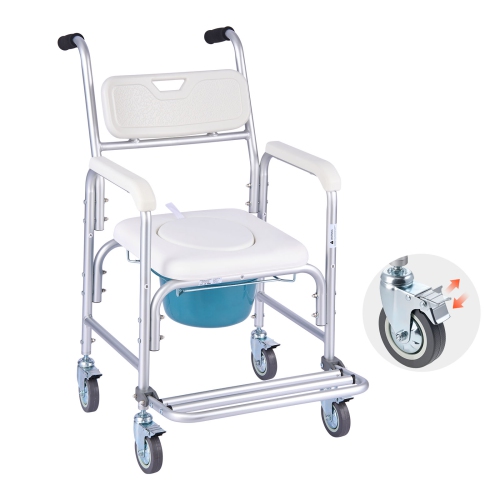
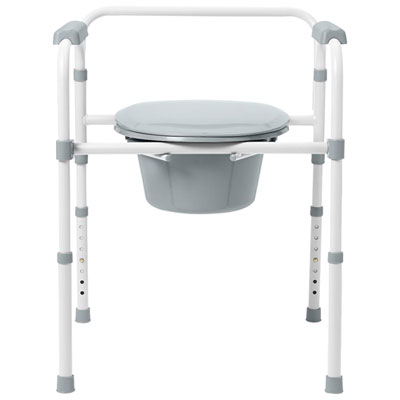
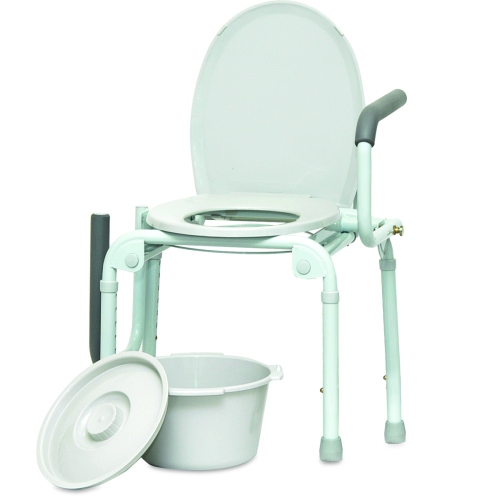
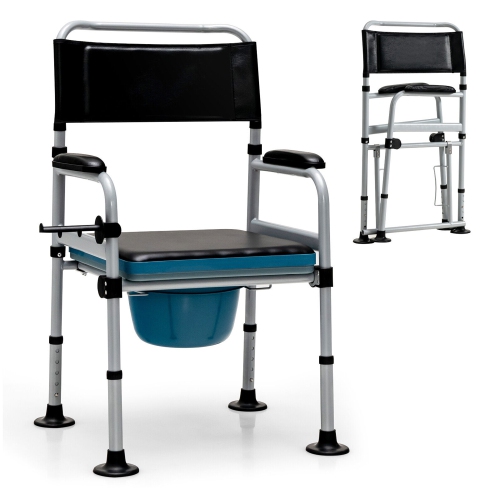
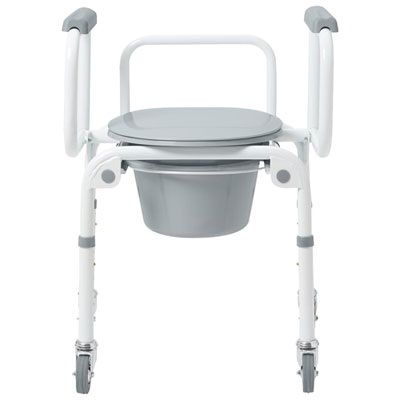
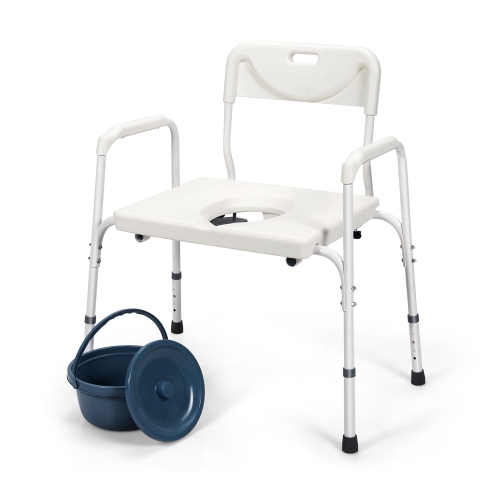
Bathroom commodes provide a practical toileting option for people who have difficulty reaching or using a standard bathroom toilet. These portable chairs generally combine a supportive seat, toilet opening, armrests, a removable collection bucket and a sturdy frame that can be placed beside a bed, positioned over an existing toilet or used in selected shower spaces, depending on the design. They can be especially helpful after surgery, during recovery from an injury, for people living with reduced balance or lower-body strength, or for anyone who becomes tired or unsteady when walking at night. Placing a commode within easy reach of the bed can reduce the need to cross a dark hallway or manage a slippery bathroom floor, while an over-toilet configuration can add height and support without requiring a person to lower themselves as far. Some models are intended for use in a shower or wet room and include water-resistant seating, non-corroding frame materials and larger wheels or lockable casters for controlled movement. Others are designed primarily for stationary use and include rubber feet for grip on smooth flooring. For a closer look at units intended for use beside the bed, explore Bedside Commodes. These products are often purchased by family members, caregivers and people planning for a period of recovery, and they can offer reassuring support without changing the layout of the home. A commode may also be a considerate, practical choice for someone moving into a new living arrangement, returning home from hospital or adapting to changing mobility needs, although the user’s comfort, independence and personal preferences should guide the selection.
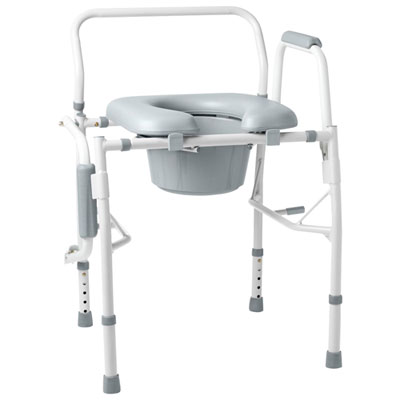
The right bathroom commode depends on where it will be used and how the user will transfer onto and off the seat. For bedside placement, consider the available floor space, the path between the bed and the commode, and whether the unit can fit comfortably beside a nightstand or other furniture. A compact frame may be useful in a smaller bedroom, while a wider base can provide additional stability when space permits. For use over a toilet, check the bowl shape, clearance around the toilet and the height of the existing fixture; an adjustable commode can help create a more comfortable sitting position and may be easier to align than a fixed-height design. Height adjustment is commonly handled with push-button or pin settings on the legs. The seat should allow the user’s feet to rest securely on the floor, with knees at a manageable angle and enough clearance to stand without excessive strain. Armrests can provide a useful handhold during transfers, while drop-arm designs lower or move out of the way for people transferring from a wheelchair or requiring a lateral transfer. When choosing a frame, pay close attention to the stated weight capacity and select a model with an appropriate margin for the user, clothing and any support equipment. Standard commodes may suit many everyday needs, while bariatric designs offer wider seating and reinforced construction for users who require a higher capacity. Foldable frames can be convenient for storage or travel, but the folded dimensions, locking mechanism and set-up process are worth checking before purchase. A commode should feel stable when occupied, with legs or wheels properly secured and all height settings locked before use.
Comfort and cleaning also have an important role in daily use. Look for a seat shape that provides dependable support without pressing against the user’s legs, and consider padded or contoured surfaces where additional comfort is needed. A removable bucket with a secure handle can make emptying and cleaning more manageable, particularly when the commode is used overnight or by a caregiver. Liners may simplify disposal where suitable, while placing a small amount of water and mild soap in the bucket before use can help prevent waste from sticking and make washing easier. Follow the care instructions for the frame, seat, bucket and any casters, and keep frequently touched areas clean and dry. If the commode is used in a shower, confirm that every component is specifically rated for wet conditions; a standard bedside unit should not automatically be treated as a shower chair. Non-slip feet or locking casters should sit firmly on the floor, and the unit should be inspected regularly for loose fasteners, worn tips, damaged upholstery or signs that the frame is no longer stable. Keep the route to the commode well lit and free of loose mats, cords and other obstacles, especially during the cooler months when bulky clothing or reduced outdoor activity may make movement feel more difficult. With the right size, capacity, placement and features, a bathroom commode can support safer routines while helping the user maintain privacy and confidence at home.
The right bathroom commode depends on where it will be used and how the user will transfer onto and off the seat. For bedside placement, consider the available floor space, the path between the bed and the commode, and whether the unit can fit comfortably beside a nightstand or other furniture. A compact frame may be useful in a smaller bedroom, while a wider base can provide additional stability when space permits. For use over a toilet, check the bowl shape, clearance around the toilet and the height of the existing fixture; an adjustable commode can help create a more comfortable sitting position and may be easier to align than a fixed-height design. Height adjustment is commonly handled with push-button or pin settings on the legs. The seat should allow the user’s feet to rest securely on the floor, with knees at a manageable angle and enough clearance to stand without excessive strain. Armrests can provide a useful handhold during transfers, while drop-arm designs lower or move out of the way for people transferring from a wheelchair or requiring a lateral transfer. When choosing a frame, pay close attention to the stated weight capacity and select a model with an appropriate margin for the user, clothing and any support equipment. Standard commodes may suit many everyday needs, while bariatric designs offer wider seating and reinforced construction for users who require a higher capacity. Foldable frames can be convenient for storage or travel, but the folded dimensions, locking mechanism and set-up process are worth checking before purchase. A commode should feel stable when occupied, with legs or wheels properly secured and all height settings locked before use.
Comfort and cleaning also have an important role in daily use. Look for a seat shape that provides dependable support without pressing against the user’s legs, and consider padded or contoured surfaces where additional comfort is needed. A removable bucket with a secure handle can make emptying and cleaning more manageable, particularly when the commode is used overnight or by a caregiver. Liners may simplify disposal where suitable, while placing a small amount of water and mild soap in the bucket before use can help prevent waste from sticking and make washing easier. Follow the care instructions for the frame, seat, bucket and any casters, and keep frequently touched areas clean and dry. If the commode is used in a shower, confirm that every component is specifically rated for wet conditions; a standard bedside unit should not automatically be treated as a shower chair. Non-slip feet or locking casters should sit firmly on the floor, and the unit should be inspected regularly for loose fasteners, worn tips, damaged upholstery or signs that the frame is no longer stable. Keep the route to the commode well lit and free of loose mats, cords and other obstacles, especially during the cooler months when bulky clothing or reduced outdoor activity may make movement feel more difficult. With the right size, capacity, placement and features, a bathroom commode can support safer routines while helping the user maintain privacy and confidence at home.
Top selling and popular products
-
 Your price for this item is $109.31
 -
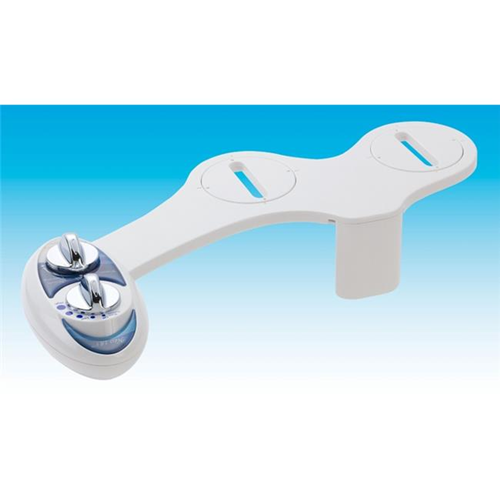 Your price for this item is $200.83
 -
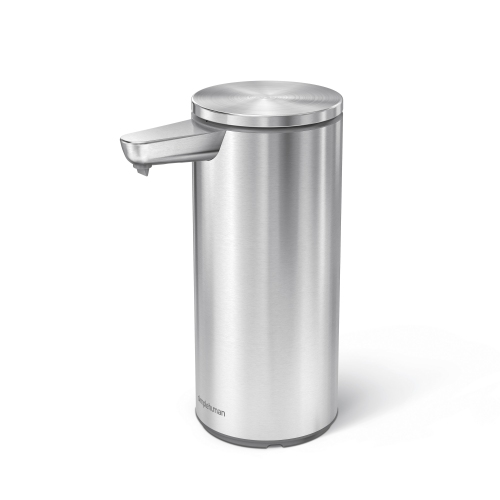 Your price for this item is $90
 -
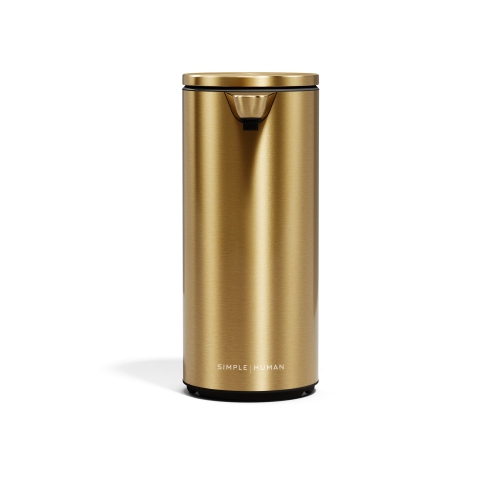 Your price for this item is $100
 -
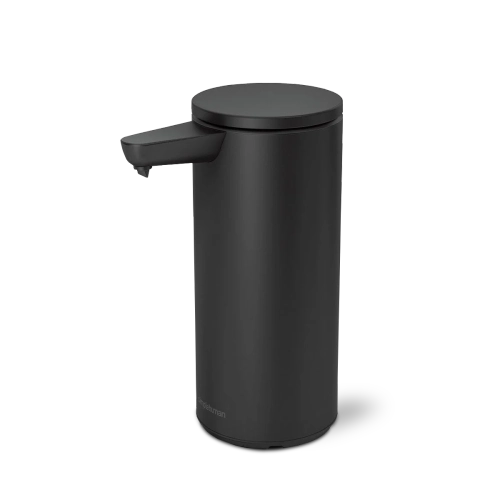 Your price for this item is $100
 -
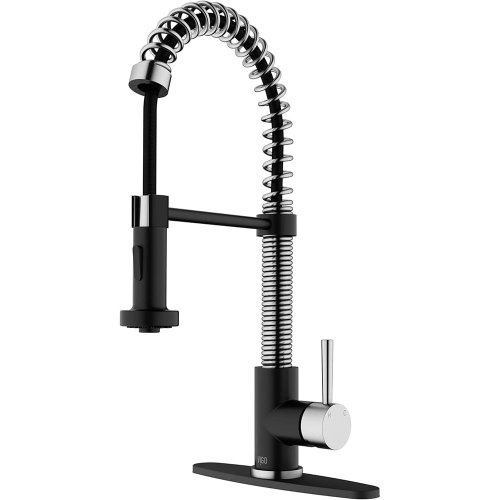 Your price for this item is $426.55
 -
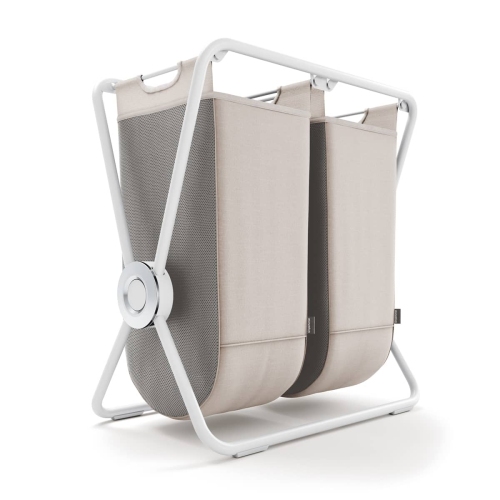 Your price for this item is $300
 -
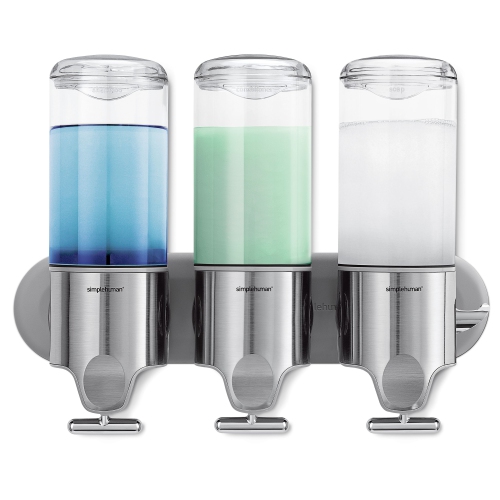 Your price for this item is $120
Discover more categories related to Bathroom Commodes
Top Collections:
Pokemon Centers, Kindle Devices, Best Budget Office Chairs, Apple iPhones 16, Canon G7X Cameras, iPhone 15 Apple, Alarm Clock, Refurbished Apple Laptops, Flip Phones, Best Laptops for Writers
Some products may be subject to Environmental Handling Fees
(EHF) depending on your province.
Learn more about EHFs.