Bedside Commodes
Enhance your daily living with the convenience and comfort of bedside commodes. These versatile bathroom aids are designed to provide a practical solution for those with limited mobility or recovering from surgery. With their sturdy construction and adjustable features, bedside commodes offer a secure and accessible option for maintaining personal hygiene. Whether you need a temporary solution or a long-term aid, our collection of bedside commodes offers a range of options to suit your specific needs. Say goodbye to inconvenience and hello to independence with these essential bathroom accessories.
Sort
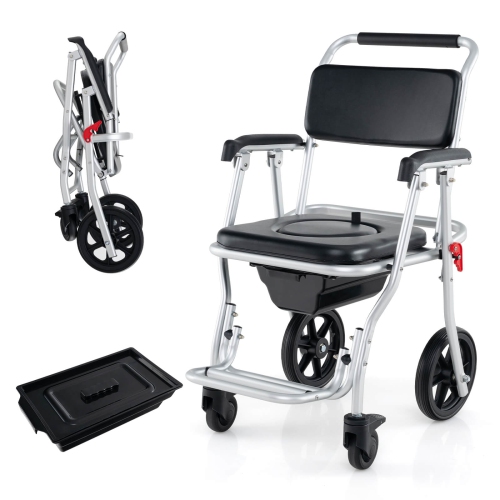
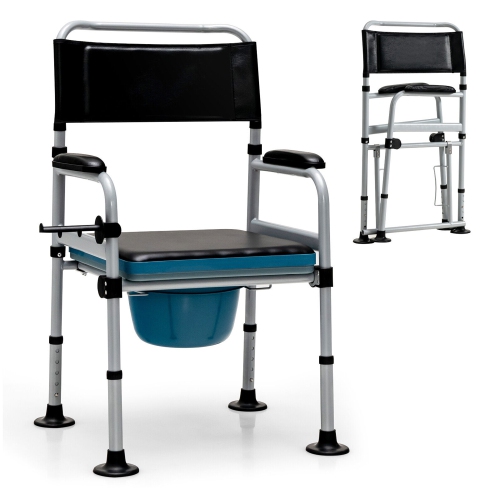
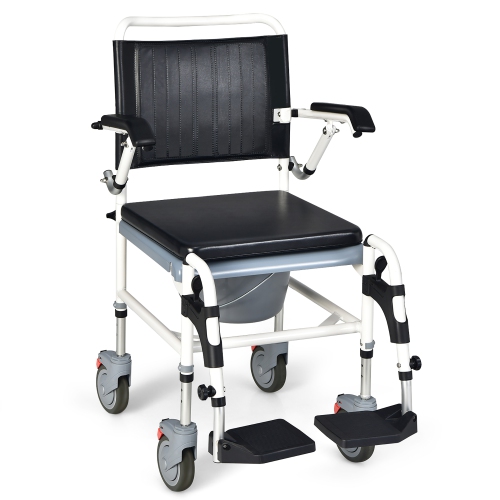
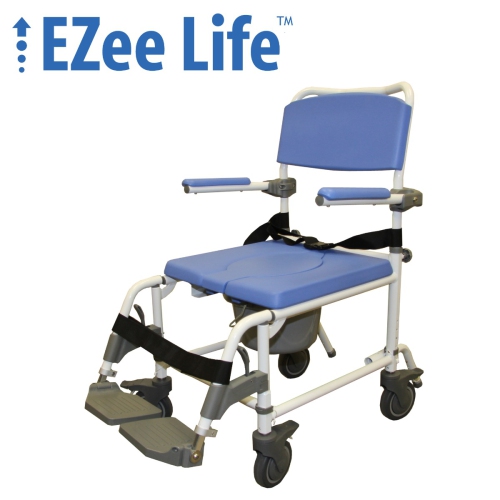
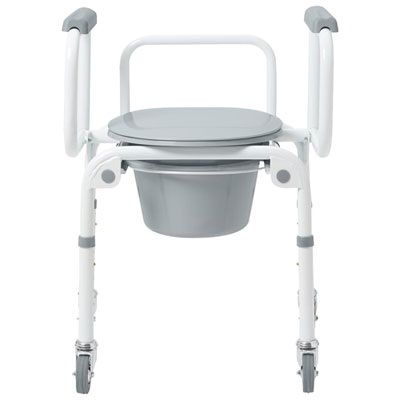
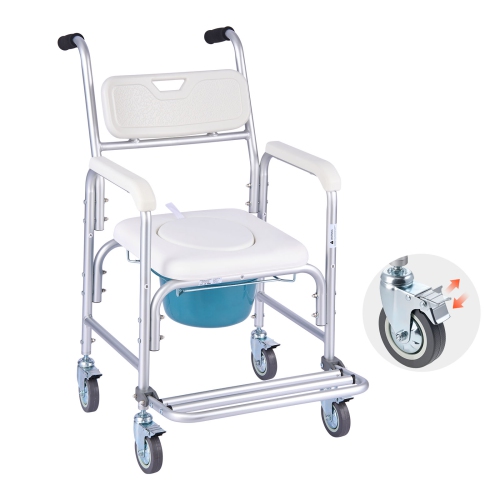
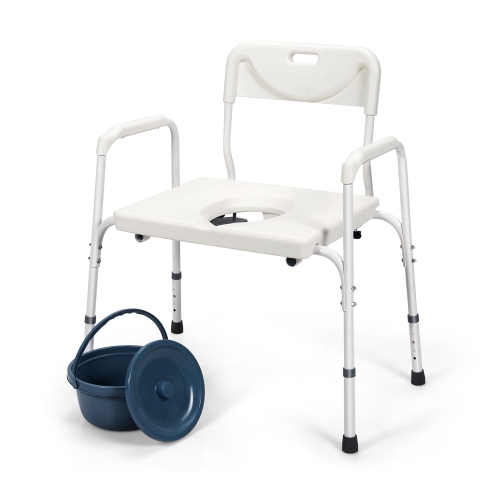
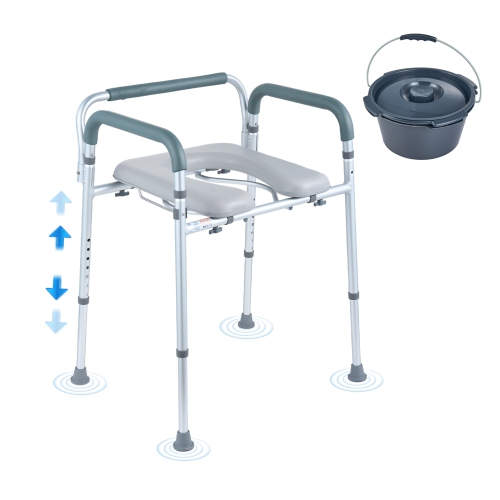
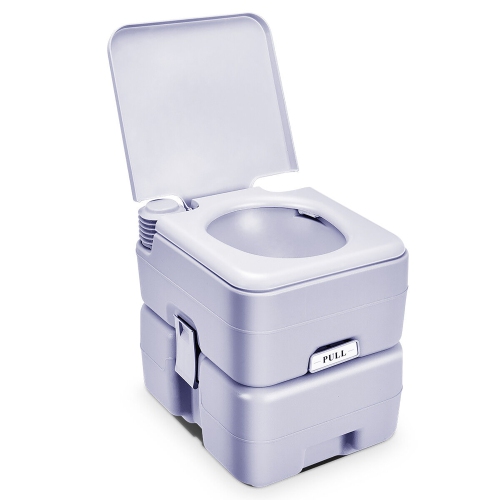
A shorter trip to the toilet when mobility changes
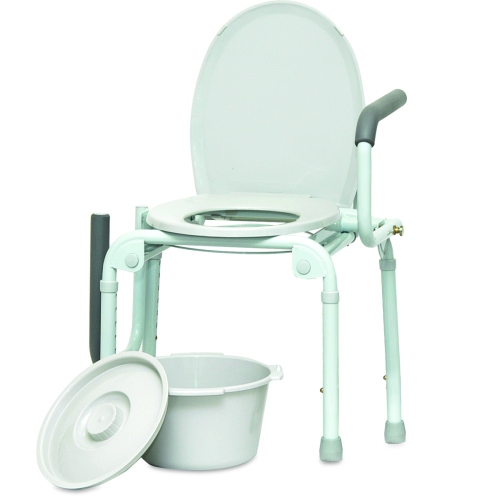
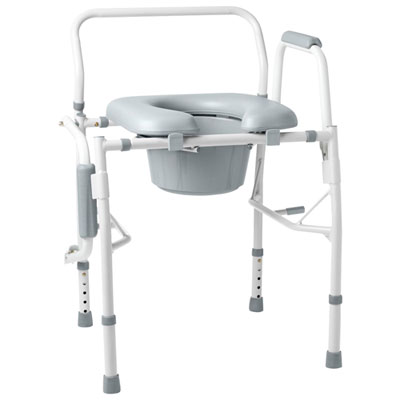
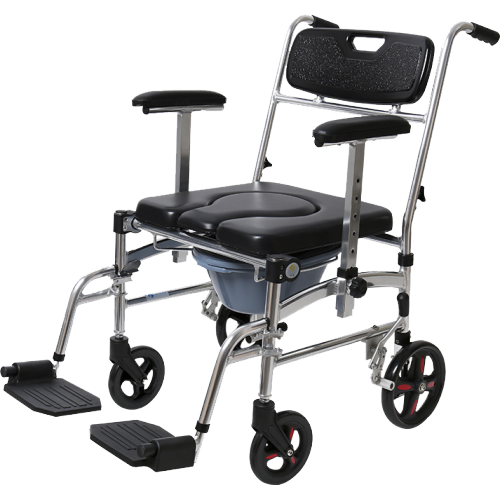
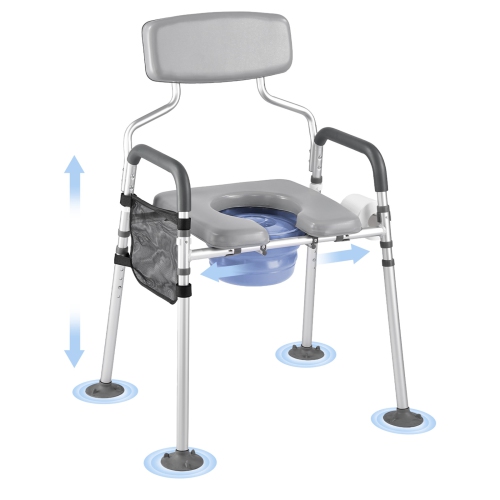
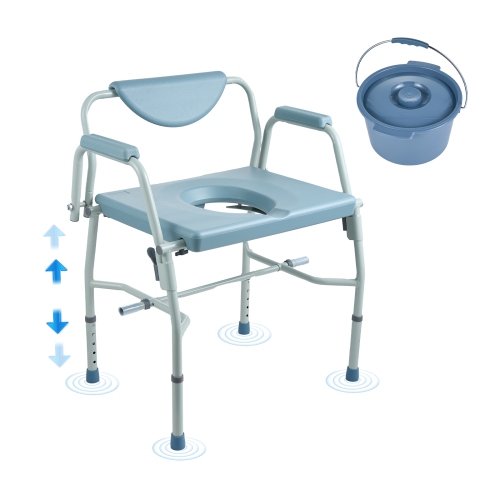
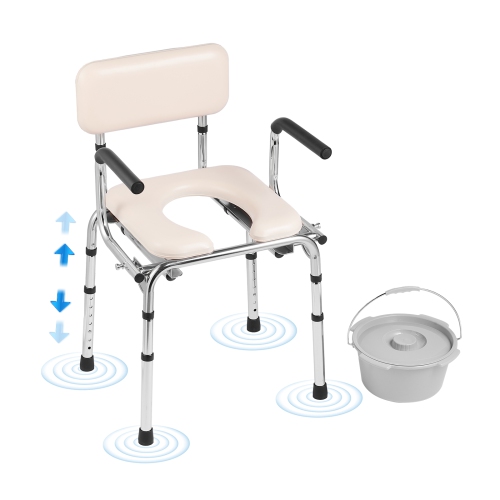
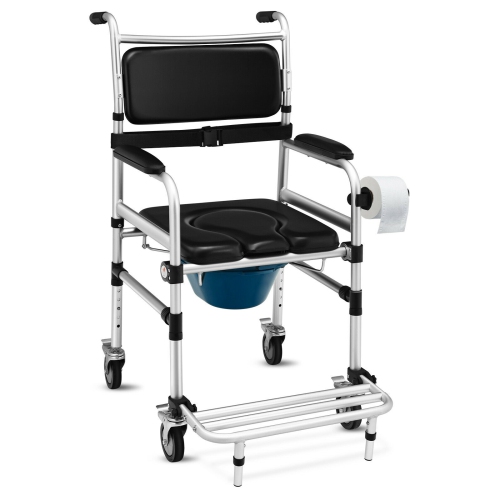
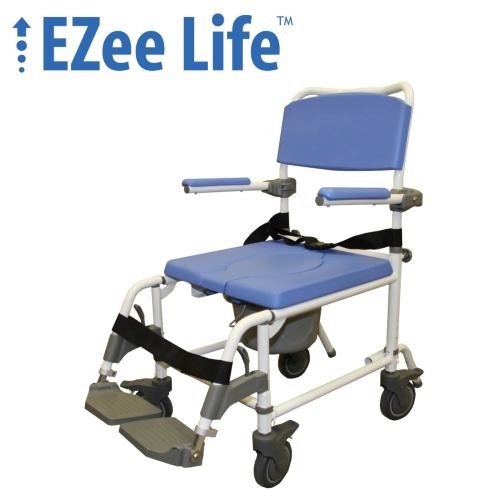
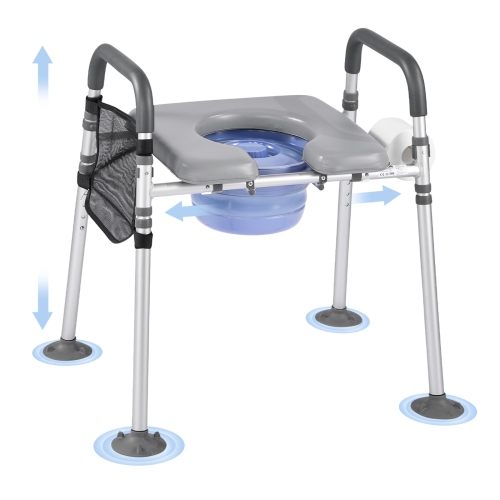
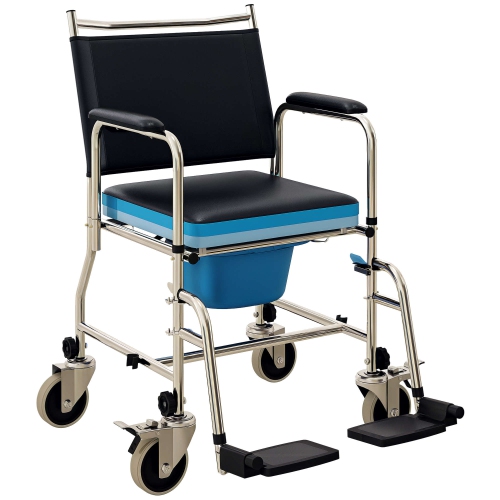
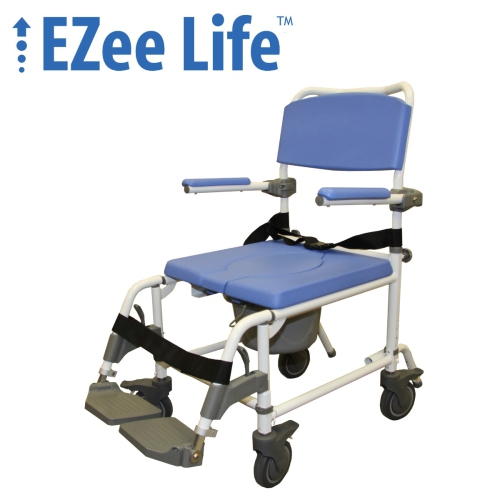
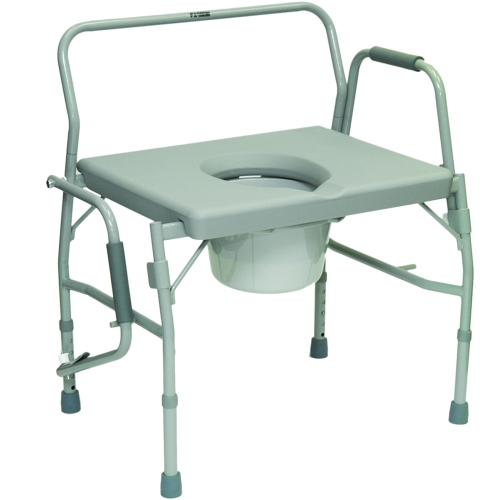
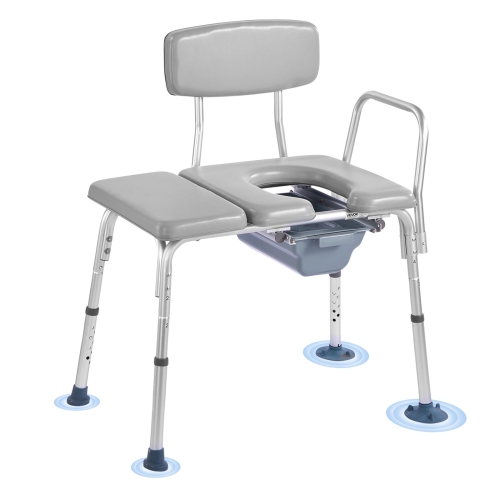
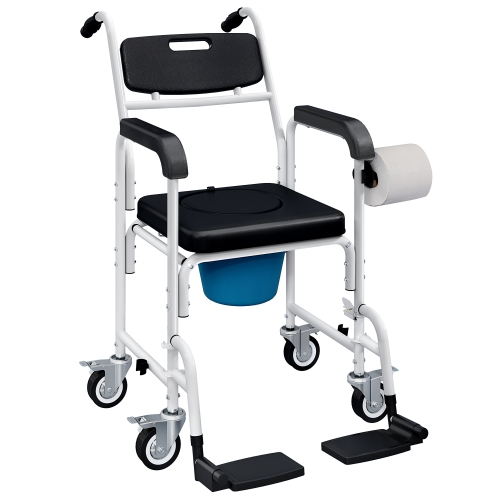
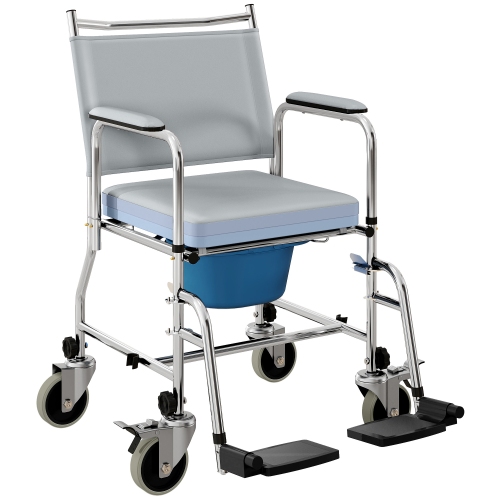
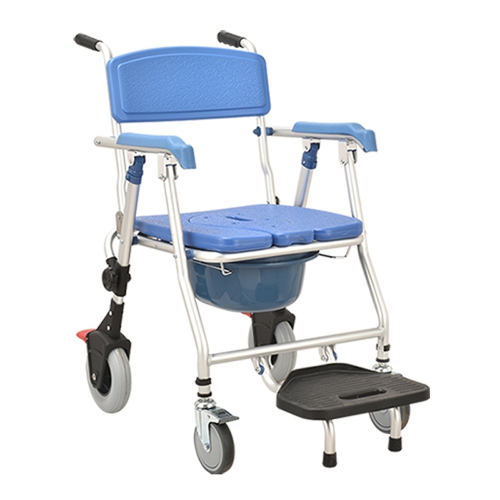
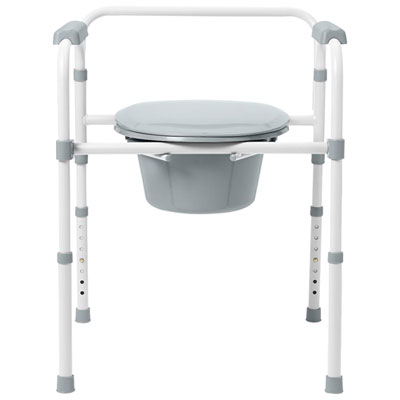
Bedside commodes are portable toilet chairs that provide a place to use the toilet when reaching the bathroom is difficult, tiring, or unsafe. A typical design combines a supportive frame, a toilet seat, armrests, and a removable collection bucket beneath the seat. Placed near a bed or in another accessible location, a commode can shorten the distance someone needs to travel during the night or while managing limited mobility. These chairs may be useful for older adults, people with ongoing mobility challenges, and those returning home after surgery or an injury. Their purpose is practical and personal: making an everyday routine more manageable while supporting privacy and dignity. Different designs suit different needs. A standalone bedside commode collects waste in its own bucket and does not require a plumbing connection. A 3-in-1 commode may function as a bedside toilet, a raised seat over a compatible toilet, or a toilet safety frame, depending on its approved configurations. These functions are not interchangeable on every model, so the intended uses and assembly requirements matter. For a broader look at designs used beside or over a toilet, Bathroom Commodes includes related options for different bathroom arrangements. In a bedroom, the right placement leaves enough space to approach the seat, turn with a mobility aid, and receive assistance if needed. A firm, level floor, an unobstructed route, and accessible lighting are important parts of that setup. The chair should be close enough to reduce unnecessary walking without blocking the bed exit or creating a narrow passage. In a shared home, a discreet location can help preserve privacy, provided it does not compromise access or stability. A bedside commode can support a temporary care arrangement or remain part of a longer-term daily routine, with the most suitable design depending on the person's abilities, available space, and level of assistance.
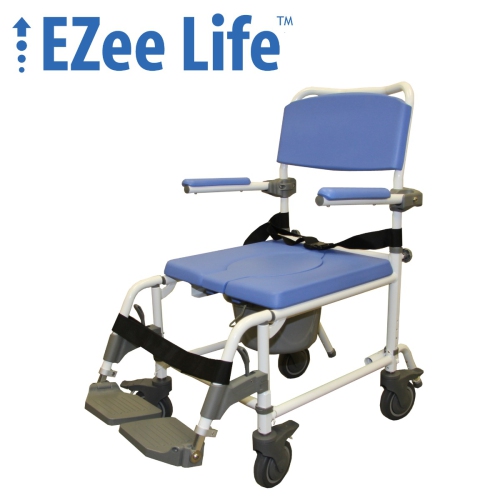
Fit is about more than whether a commode will fit beside the bed. Seat height, usable seat width, armrest spacing, seat opening, and the frame's overall footprint all affect comfort and access. Height-adjustable legs allow the seating position to be adapted within a stated range, often using push-button adjustments. A suitable height generally allows the person to sit with their feet supported on the floor rather than dangling, while making sitting down and standing up manageable. All legs must be set evenly, with adjustment buttons fully engaged before use. A seat that is too narrow can feel restrictive, while an unnecessarily wide frame may put the armrests out of comfortable reach or crowd the room. Weight capacity is a separate specification from seat size and should always be checked against the manufacturer's stated limit. Heavy-duty and bariatric commodes typically offer higher rated capacities and may provide wider seating, but dimensions and ratings vary. Transfer needs are equally important. Fixed armrests provide a consistent handhold, while drop-arm designs allow one or both armrests to move out of the way for certain assisted or lateral transfers. A drop-arm feature does not make every transfer safe; the person's balance, strength, and transfer method still determine suitability. An occupational therapist or another qualified healthcare professional can help assess these details when mobility needs are complex. For someone using a wheelchair, space beside the commode may matter as much as space in front of it. Wheeled commodes have different handling requirements from stationary chairs, and their brakes or locking mechanisms must be used as directed. A wheeled frame should not be assumed suitable for transporting a seated person unless it is specifically designed for that purpose. Similarly, a bedside commode is not automatically a shower chair. Only designs explicitly approved for shower use should be used there. Checking these distinctions helps match the chair to the actual routine rather than relying on appearance alone.
Materials and construction influence how a bedside commode feels in daily use, how easily it can be cleaned, and how well it holds up to repeated handling. Steel frames can provide a sturdy structure, while aluminium frames are often lighter to move when empty. The frame material alone does not establish strength: the rated weight capacity, joints, bracing, and locking mechanisms are more useful measures of suitability. Plastic seats and buckets offer smooth surfaces for cleaning, while padded seats may provide a softer sitting surface for some users. Padding also introduces seams and coverings that need attention during care, particularly if the covering cracks or separates. A commode is intended for toileting rather than prolonged sitting; persistent discomfort or concerns about skin pressure warrant individual assessment. Removable buckets with secure handles make carrying and emptying more manageable, and a fitted lid can help contain splashes and odours during transport. Bucket shape, clearance beneath the seat, and ease of removal matter to the person doing the cleaning, especially when bending or lifting is difficult. Compatible disposable liners may simplify waste handling, but they do not replace regular cleaning and should be discarded according to their instructions, not flushed. Seats, armrests, buckets, and other frequently touched surfaces need cleaning and, where directed, disinfection using products suitable for their materials. The manufacturer's care instructions should guide cleaning methods and disinfectant contact times; mixing cleaning chemicals is unsafe. Routine checks also help keep the chair dependable. Rubber feet should remain intact and secure, fasteners should stay tight, and folding joints or drop-arm latches should lock properly. Folding frames can be useful when a room serves several purposes or when the chair needs to travel, though folded dimensions, carrying weight, and setup requirements vary. A chair that folds compactly still needs its full operating space when opened. For a household coordinating care between family members, straightforward adjustments and easily removed components can make everyday tasks less complicated. The most useful bedside commode is one that brings together appropriate support, manageable care, and a comfortable fit within the person's living space.
Fit is about more than whether a commode will fit beside the bed. Seat height, usable seat width, armrest spacing, seat opening, and the frame's overall footprint all affect comfort and access. Height-adjustable legs allow the seating position to be adapted within a stated range, often using push-button adjustments. A suitable height generally allows the person to sit with their feet supported on the floor rather than dangling, while making sitting down and standing up manageable. All legs must be set evenly, with adjustment buttons fully engaged before use. A seat that is too narrow can feel restrictive, while an unnecessarily wide frame may put the armrests out of comfortable reach or crowd the room. Weight capacity is a separate specification from seat size and should always be checked against the manufacturer's stated limit. Heavy-duty and bariatric commodes typically offer higher rated capacities and may provide wider seating, but dimensions and ratings vary. Transfer needs are equally important. Fixed armrests provide a consistent handhold, while drop-arm designs allow one or both armrests to move out of the way for certain assisted or lateral transfers. A drop-arm feature does not make every transfer safe; the person's balance, strength, and transfer method still determine suitability. An occupational therapist or another qualified healthcare professional can help assess these details when mobility needs are complex. For someone using a wheelchair, space beside the commode may matter as much as space in front of it. Wheeled commodes have different handling requirements from stationary chairs, and their brakes or locking mechanisms must be used as directed. A wheeled frame should not be assumed suitable for transporting a seated person unless it is specifically designed for that purpose. Similarly, a bedside commode is not automatically a shower chair. Only designs explicitly approved for shower use should be used there. Checking these distinctions helps match the chair to the actual routine rather than relying on appearance alone.
Materials and construction influence how a bedside commode feels in daily use, how easily it can be cleaned, and how well it holds up to repeated handling. Steel frames can provide a sturdy structure, while aluminium frames are often lighter to move when empty. The frame material alone does not establish strength: the rated weight capacity, joints, bracing, and locking mechanisms are more useful measures of suitability. Plastic seats and buckets offer smooth surfaces for cleaning, while padded seats may provide a softer sitting surface for some users. Padding also introduces seams and coverings that need attention during care, particularly if the covering cracks or separates. A commode is intended for toileting rather than prolonged sitting; persistent discomfort or concerns about skin pressure warrant individual assessment. Removable buckets with secure handles make carrying and emptying more manageable, and a fitted lid can help contain splashes and odours during transport. Bucket shape, clearance beneath the seat, and ease of removal matter to the person doing the cleaning, especially when bending or lifting is difficult. Compatible disposable liners may simplify waste handling, but they do not replace regular cleaning and should be discarded according to their instructions, not flushed. Seats, armrests, buckets, and other frequently touched surfaces need cleaning and, where directed, disinfection using products suitable for their materials. The manufacturer's care instructions should guide cleaning methods and disinfectant contact times; mixing cleaning chemicals is unsafe. Routine checks also help keep the chair dependable. Rubber feet should remain intact and secure, fasteners should stay tight, and folding joints or drop-arm latches should lock properly. Folding frames can be useful when a room serves several purposes or when the chair needs to travel, though folded dimensions, carrying weight, and setup requirements vary. A chair that folds compactly still needs its full operating space when opened. For a household coordinating care between family members, straightforward adjustments and easily removed components can make everyday tasks less complicated. The most useful bedside commode is one that brings together appropriate support, manageable care, and a comfortable fit within the person's living space.
Top selling and popular products
-
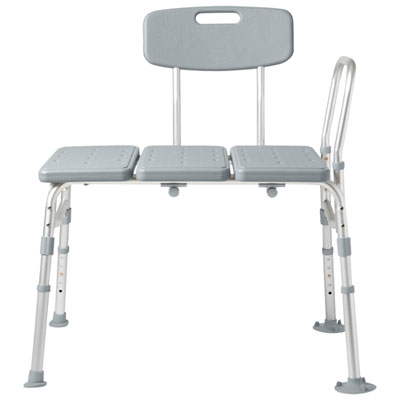 Your price for this item is $90.99
 -
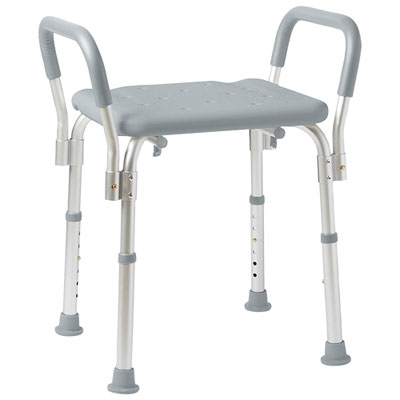 Your price for this item is $56.99
 -
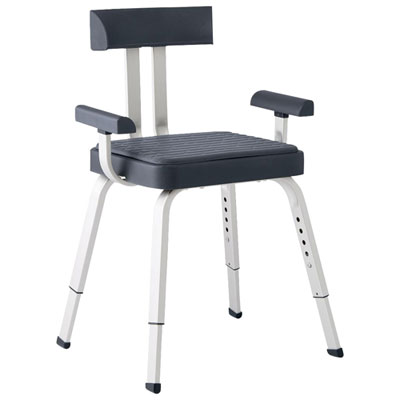 Your price for this item is $190.98
 -
 Your price for this item is $46.98
 -
 Your price for this item is $32.99
 -
 Your price for this item is $89.99
 -
 Your price for this item is $307.4
 -
 Your price for this item is $73.98
Discover more categories related to Bedside Commodes
Top Collections:
Pokemon Centers, Kindle Devices, Best Budget Office Chairs, Apple iPhones 16, Canon G7X Cameras, iPhone 15 Apple, Alarm Clock, Refurbished Apple Laptops, Flip Phones, Best Laptops for Writers
Some products may be subject to Environmental Handling Fees
(EHF) depending on your province.
Learn more about EHFs.