Compact Wheelchairs
Our wide range of compact wheelchairs is designed to provide comfort, ease of use, and portability for individuals with limited mobility. Whether you need a wheelchair for travel, daily activities, or simply navigating tight spaces, our collection has you covered. With various features and styles to choose from, finding the perfect compact wheelchair to suit your needs has never been easier. Explore our selection today and regain your independence with a wheelchair that fits seamlessly into your lifestyle.
Sort
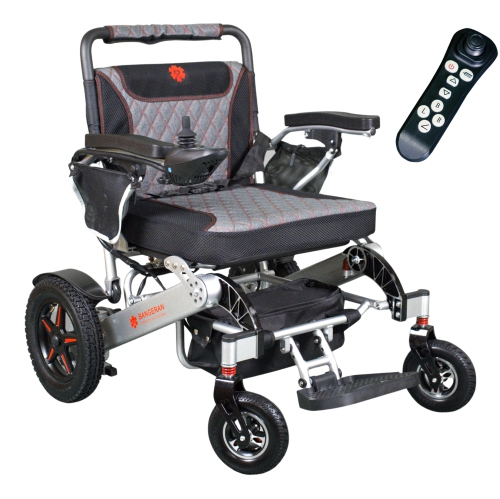
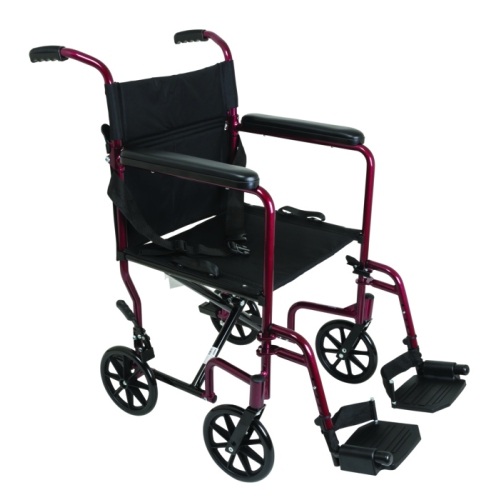
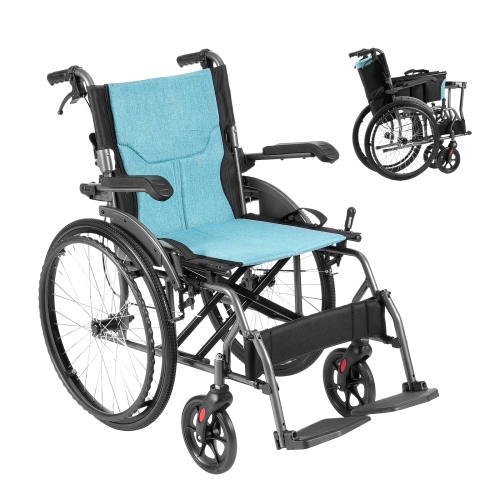
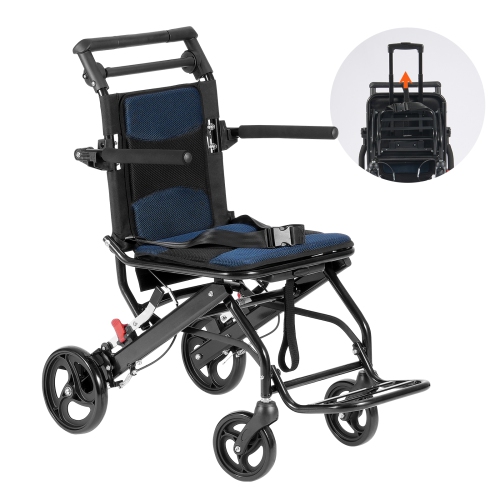
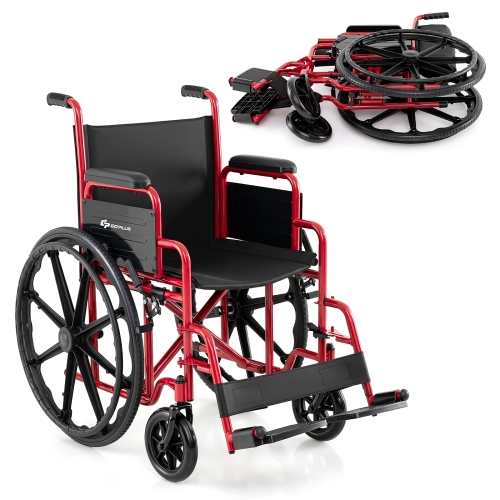
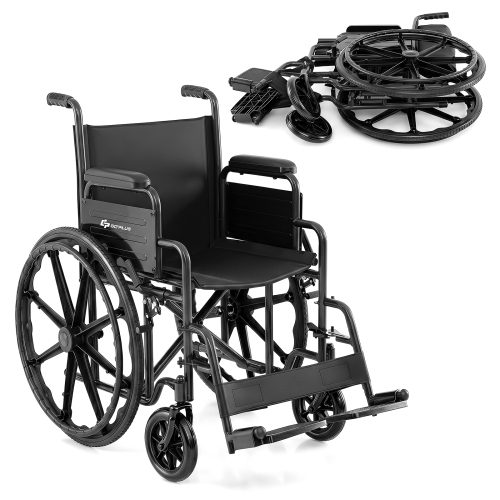
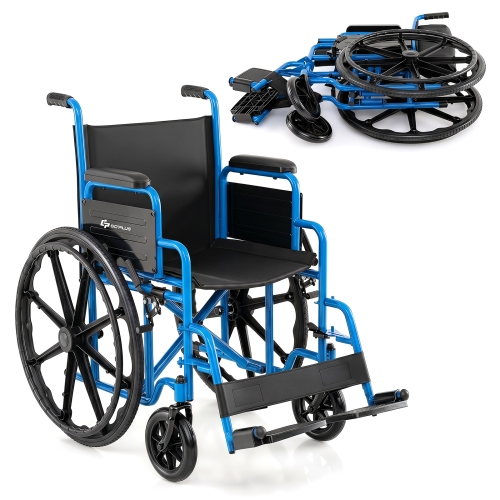

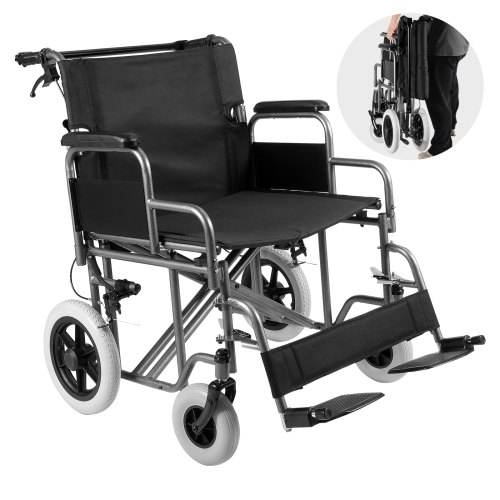
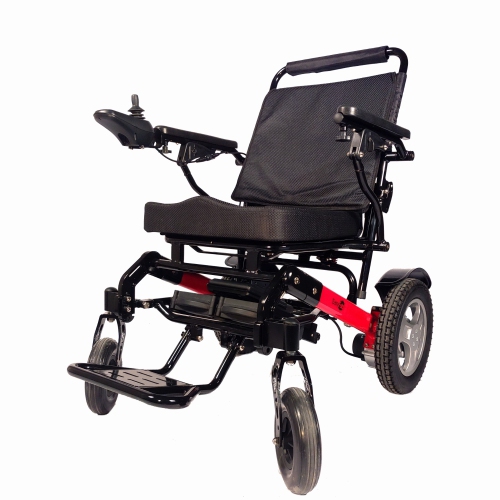
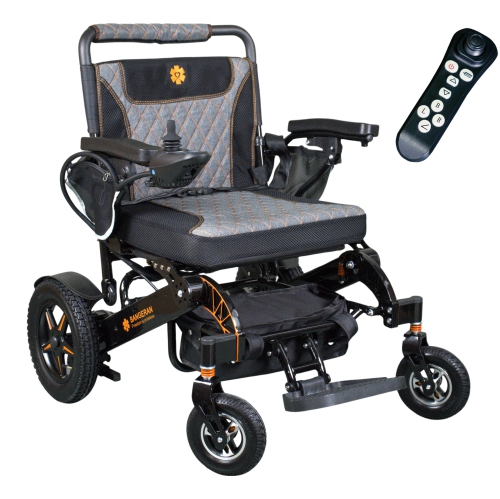
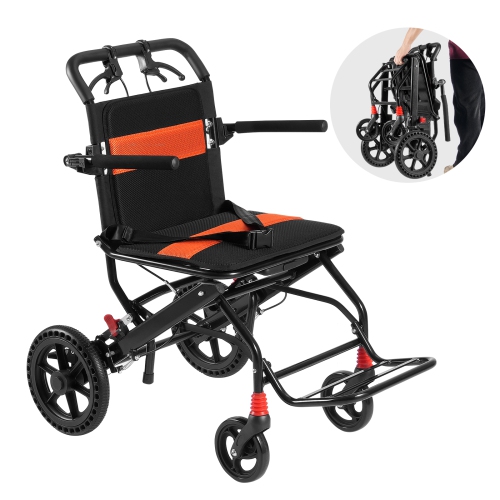
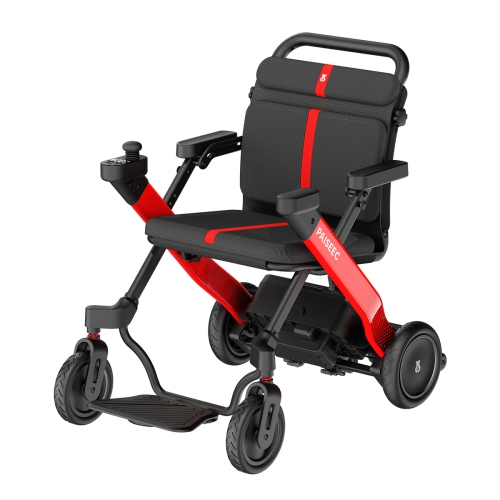
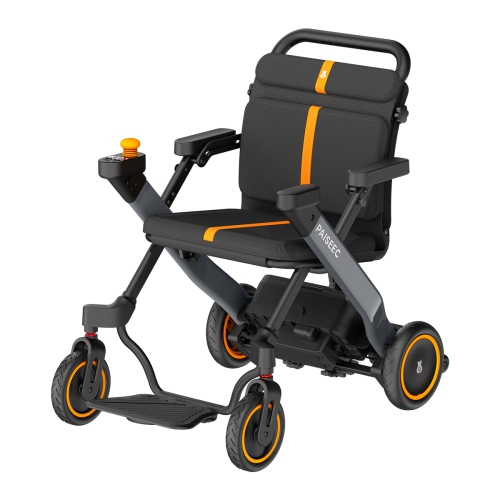
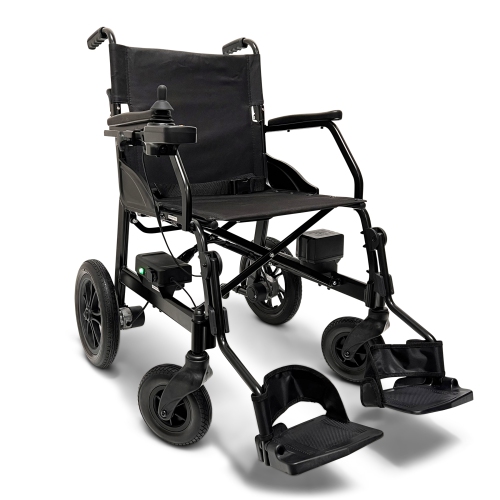
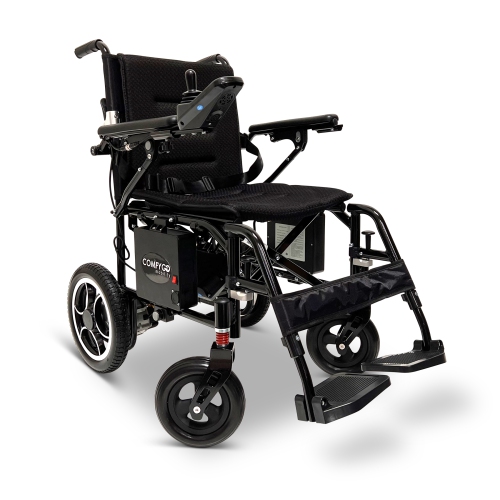

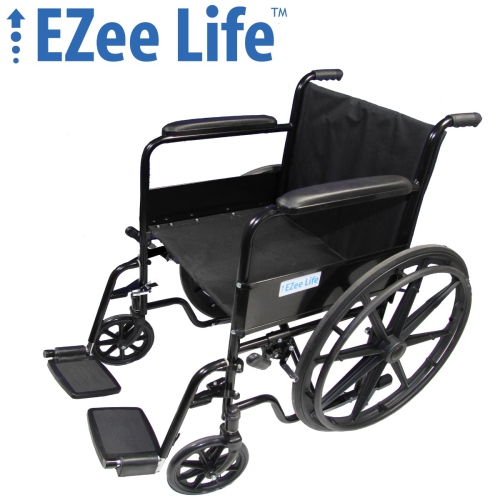
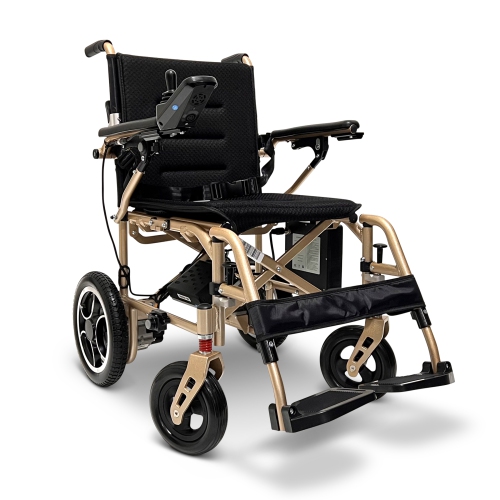
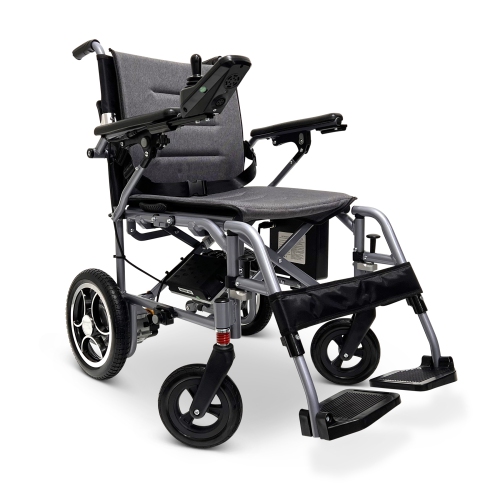
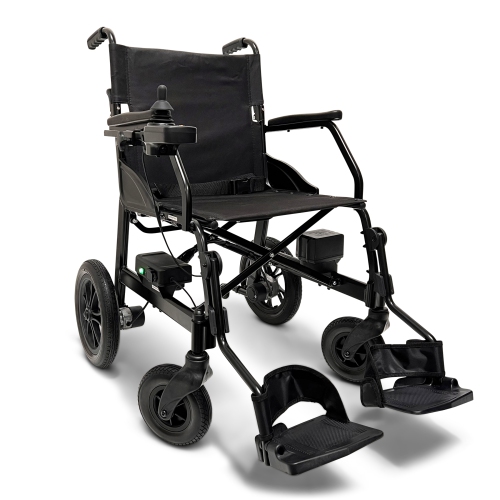
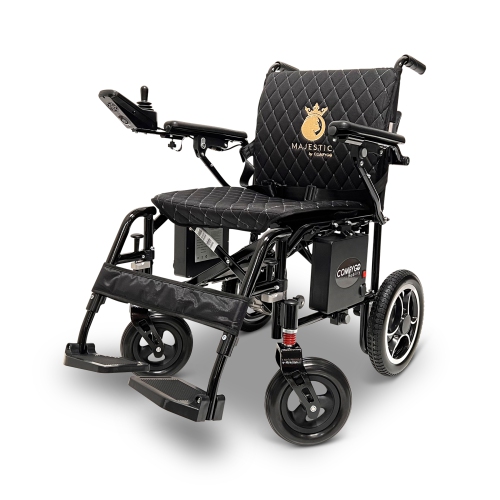
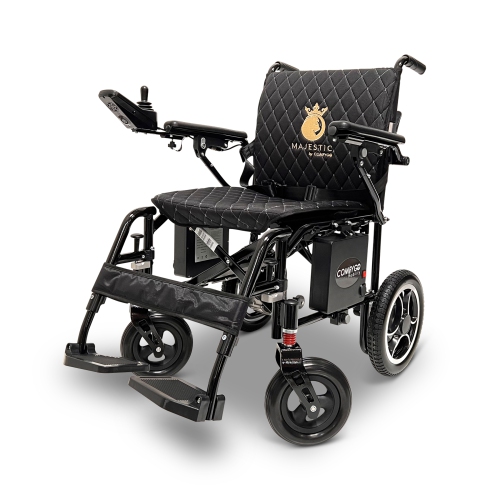
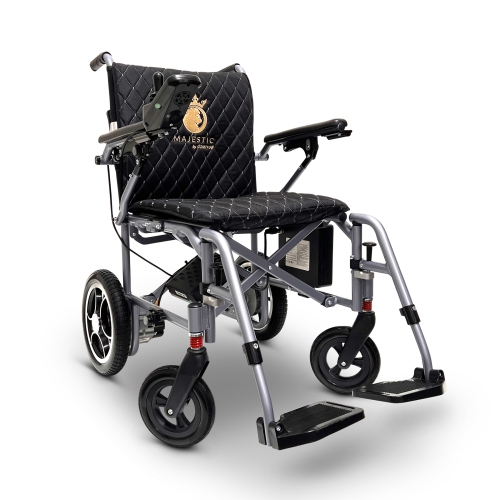
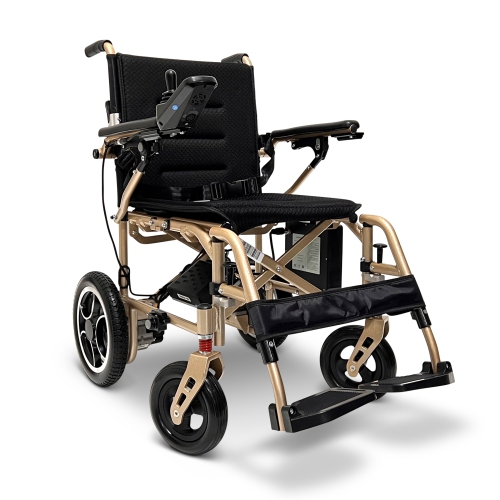
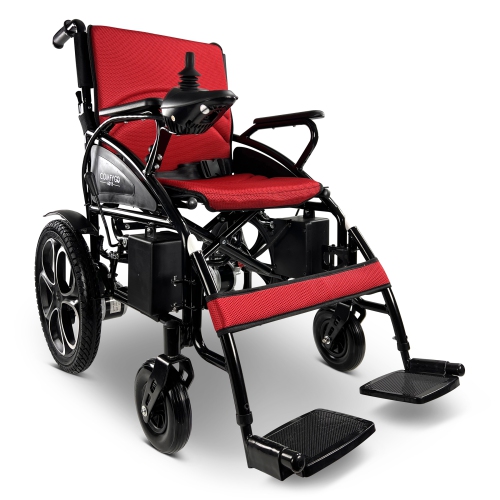

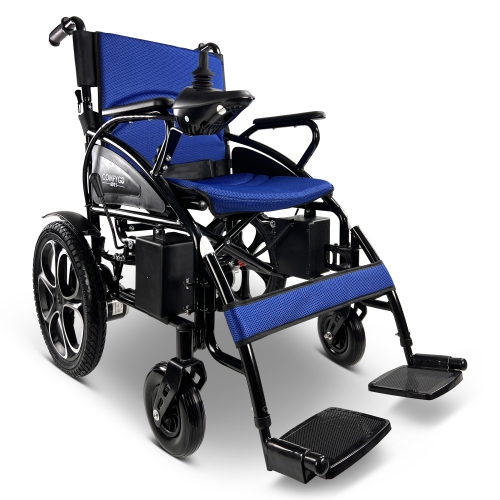

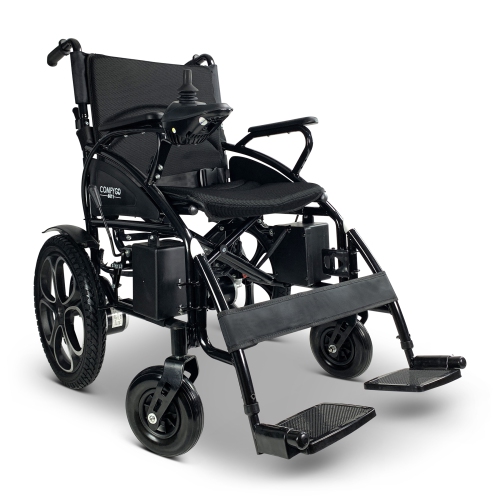
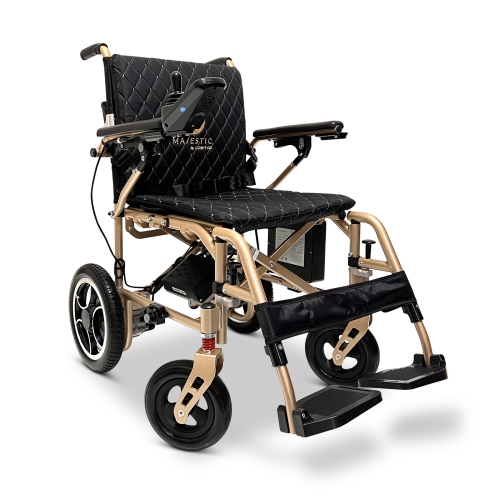
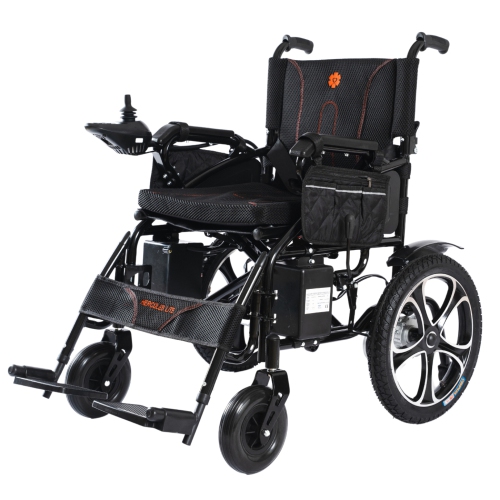

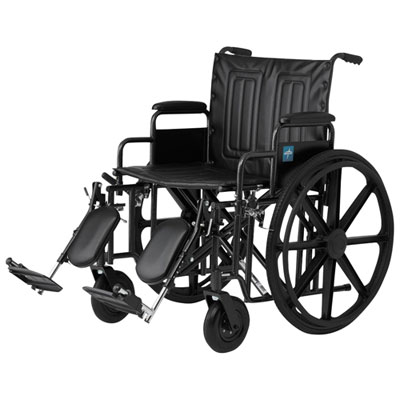

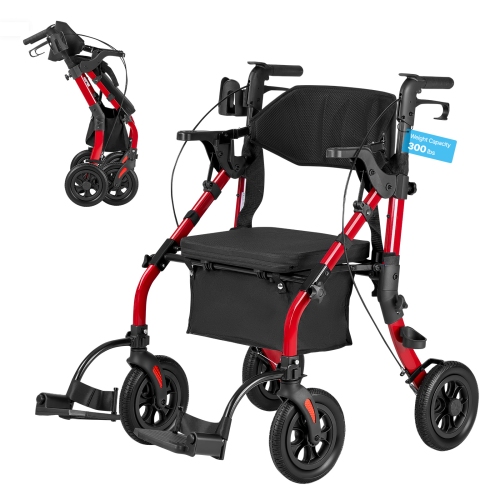
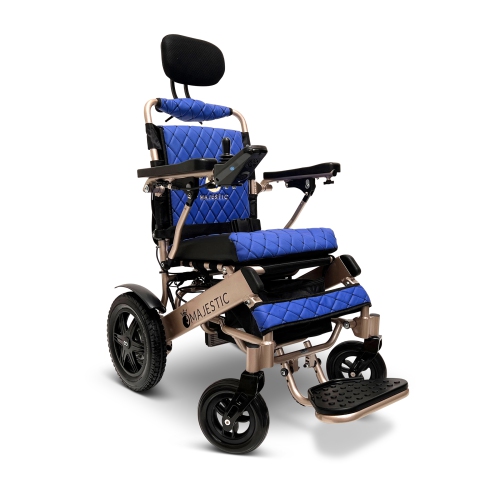
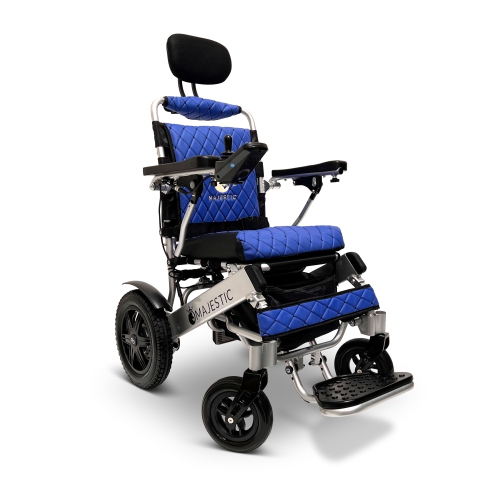
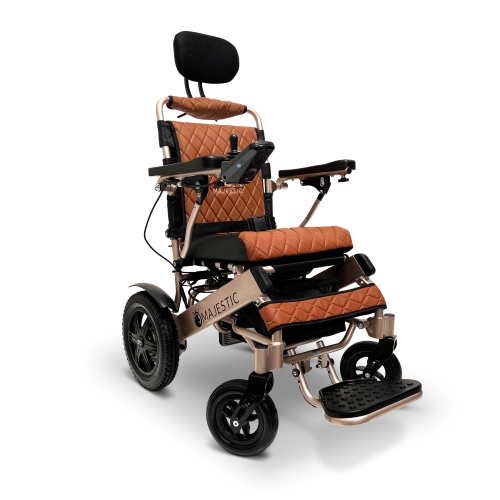
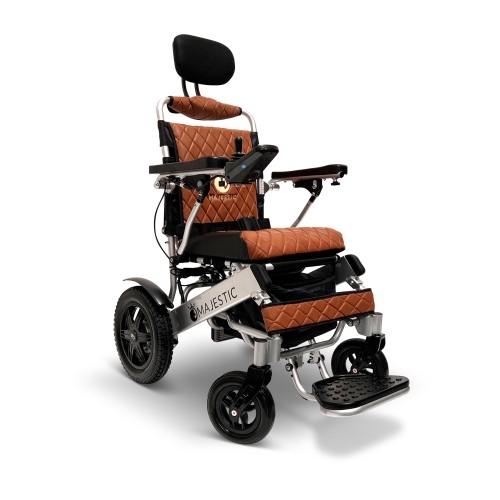
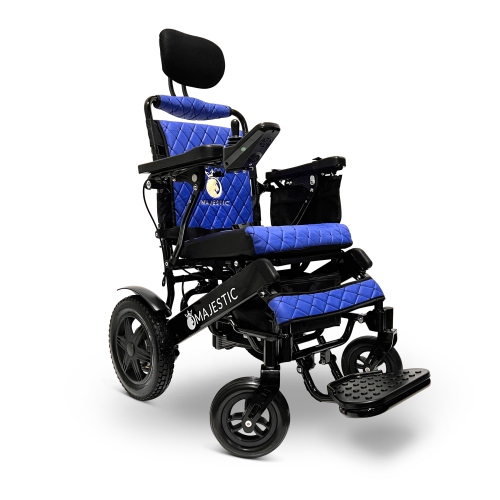
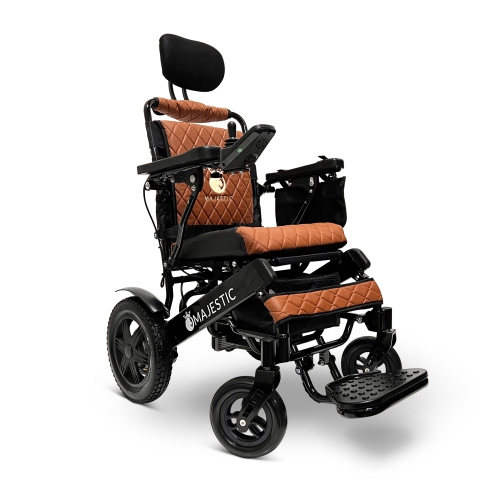
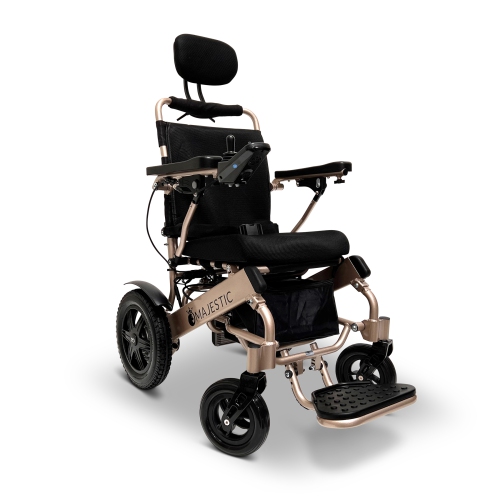
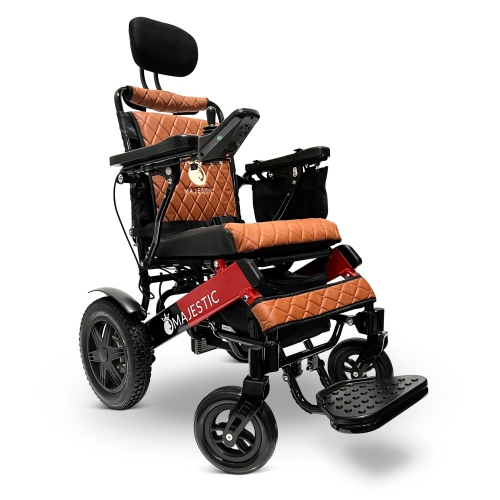
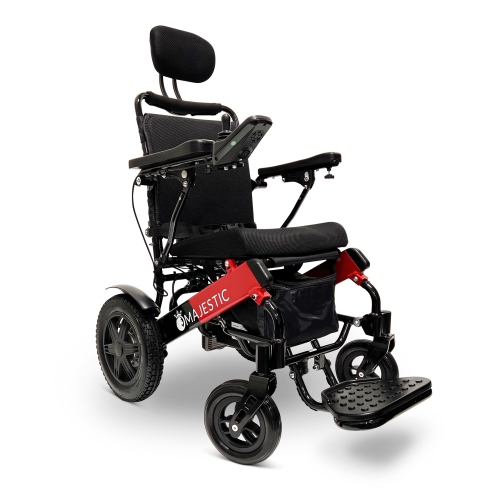
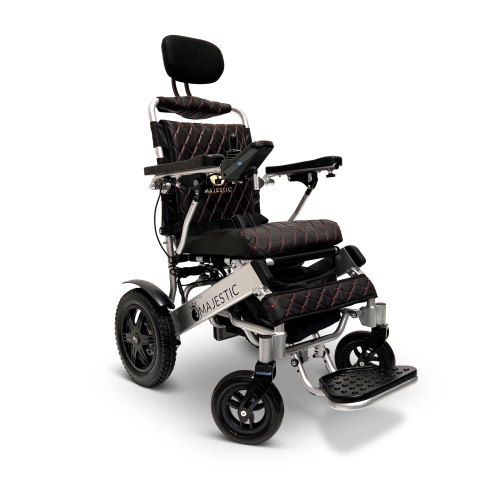

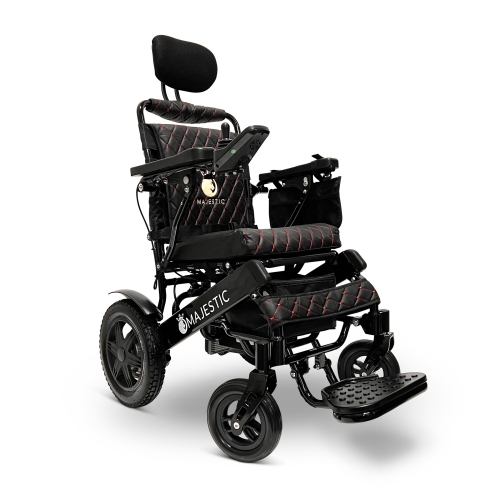
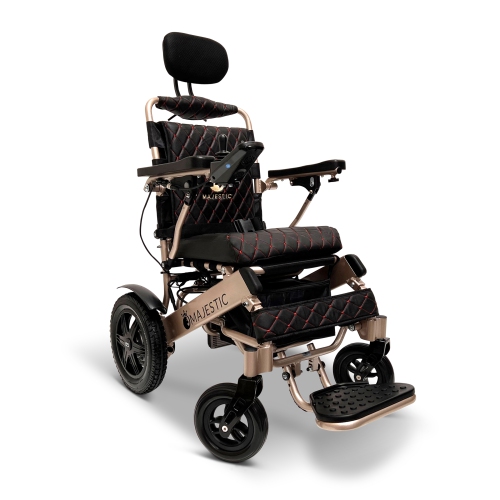
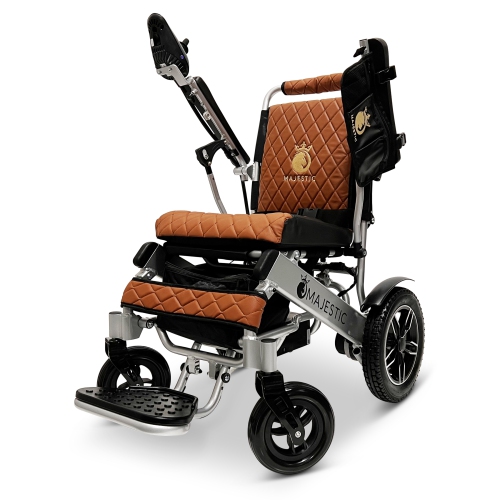
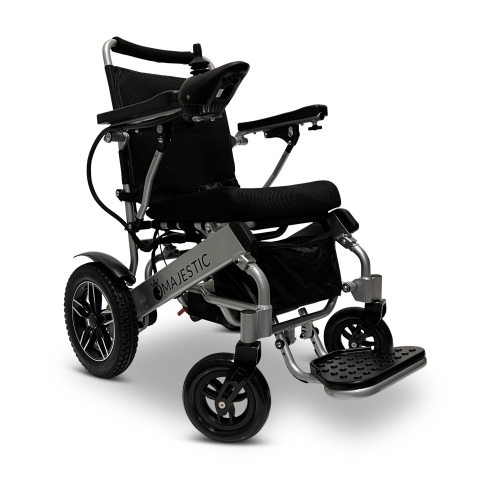
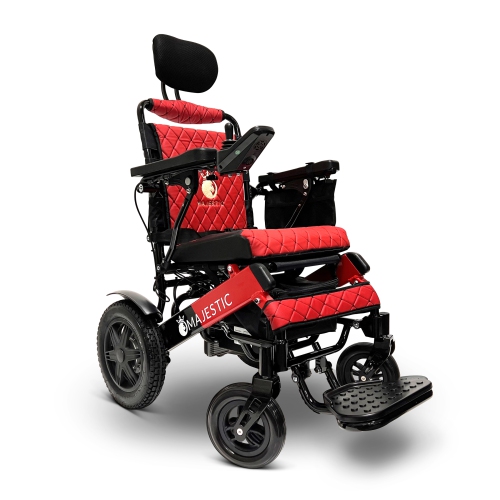
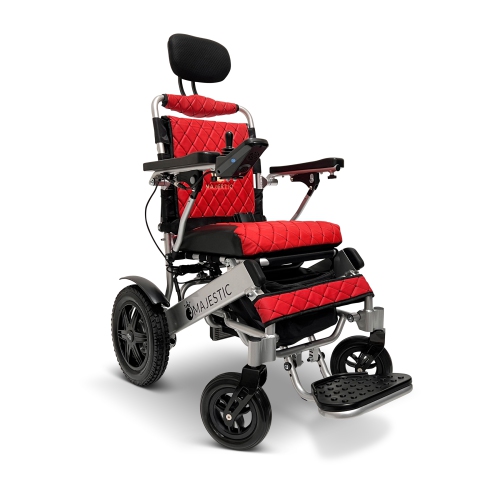
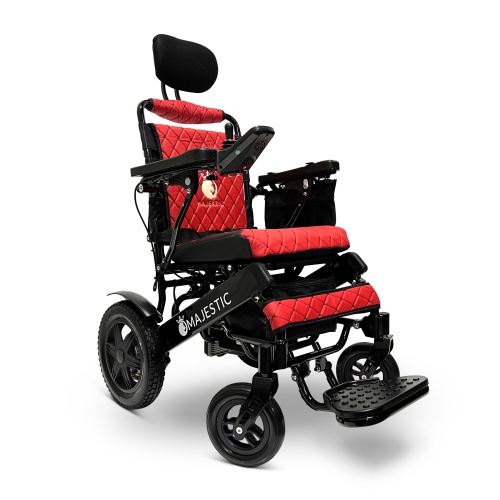
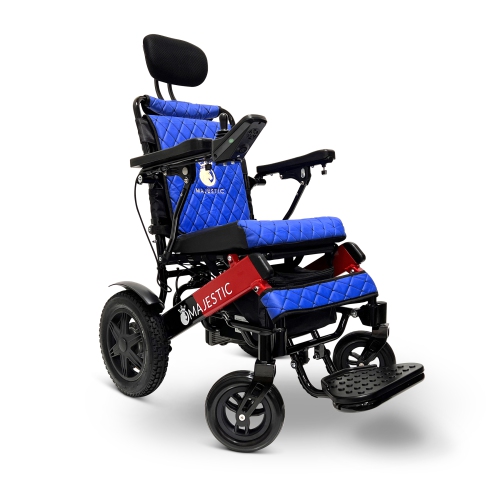
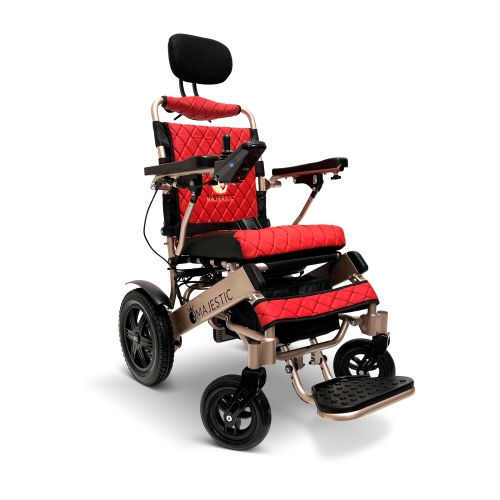
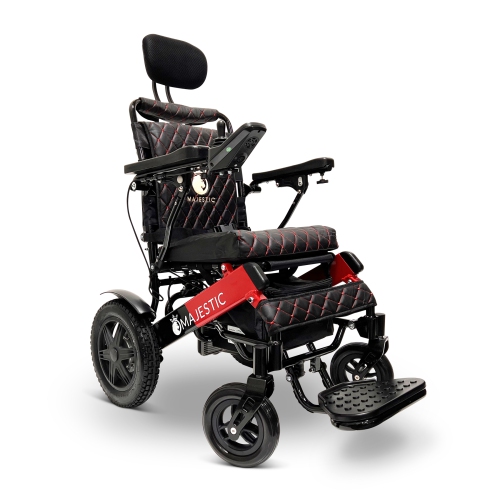

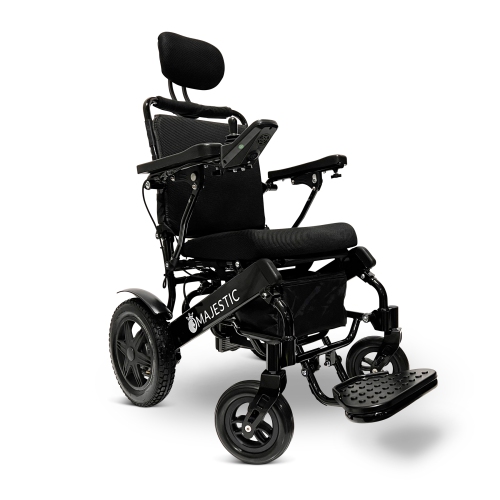
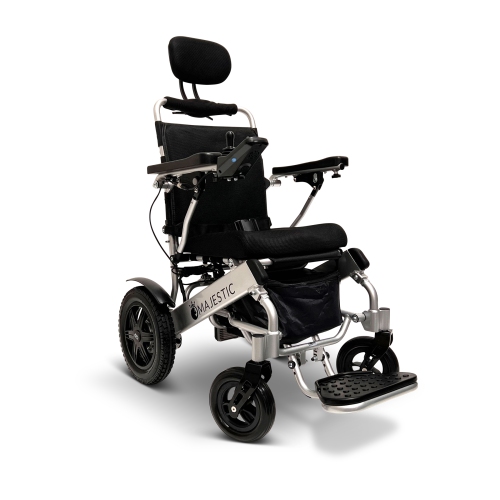
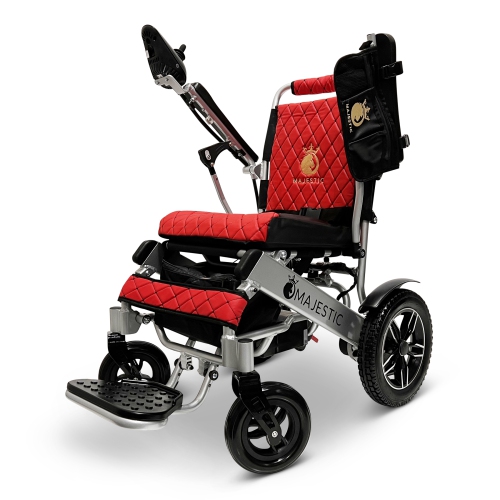
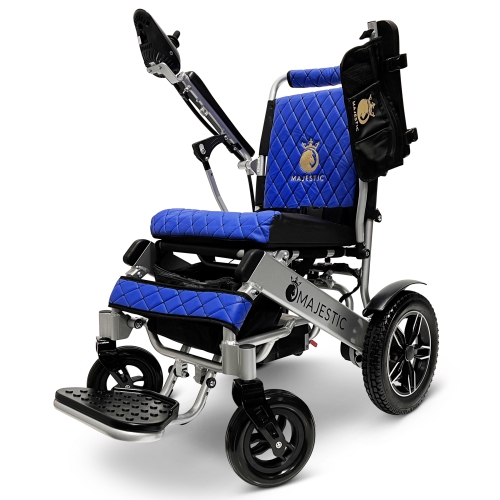
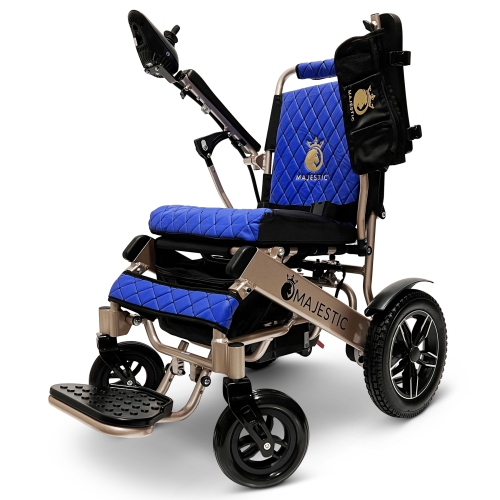
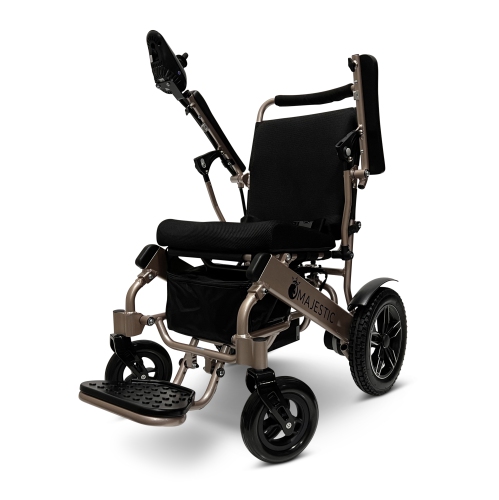
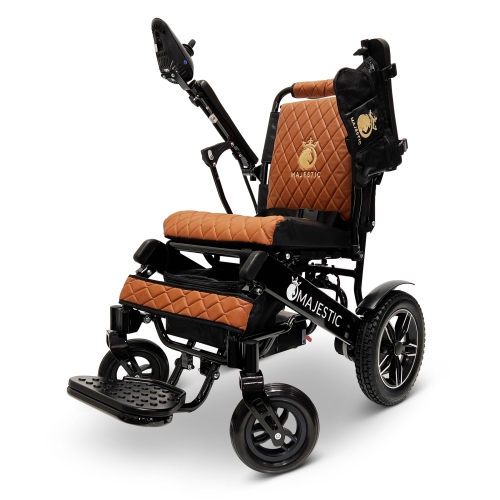
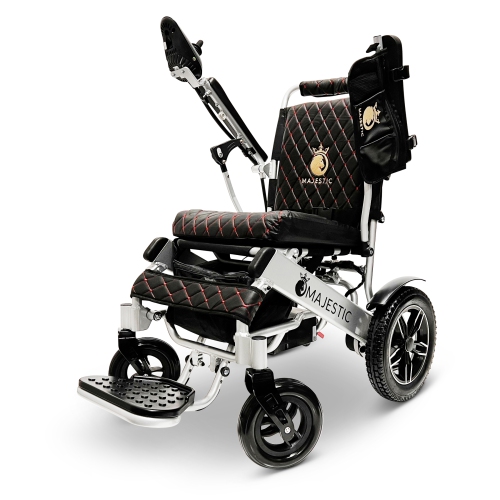
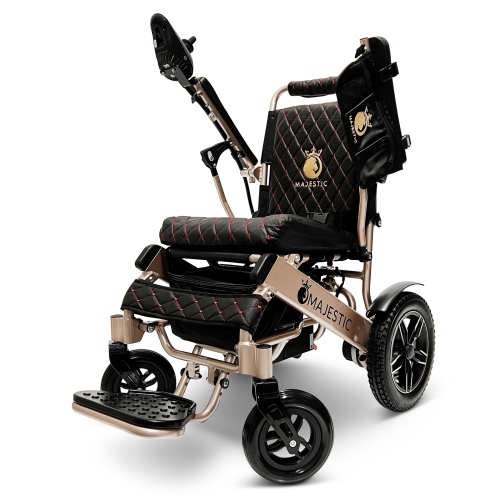
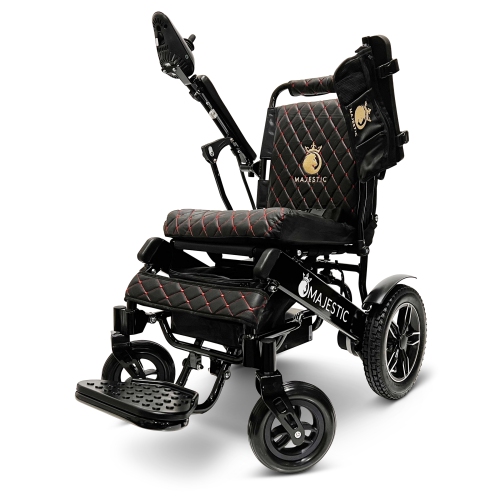
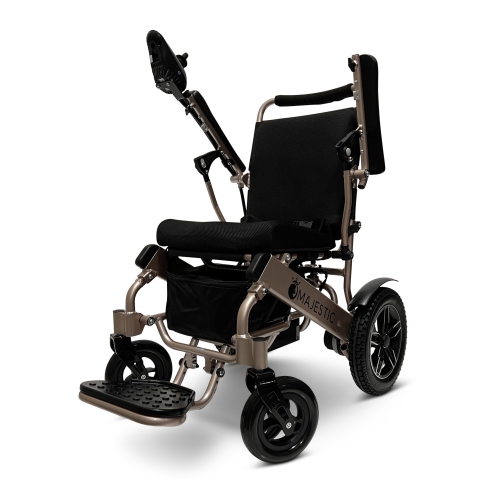
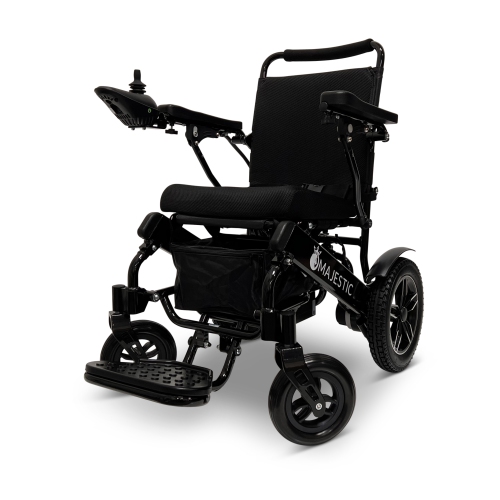
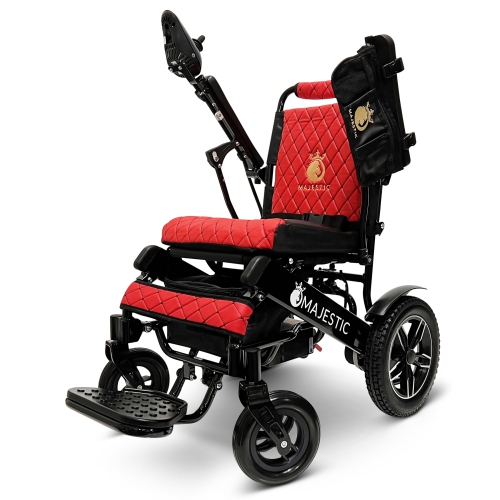
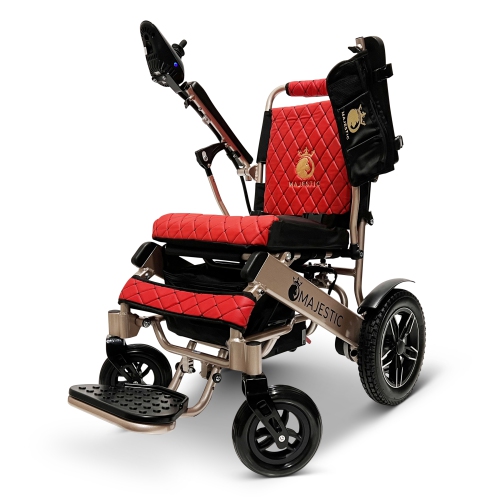
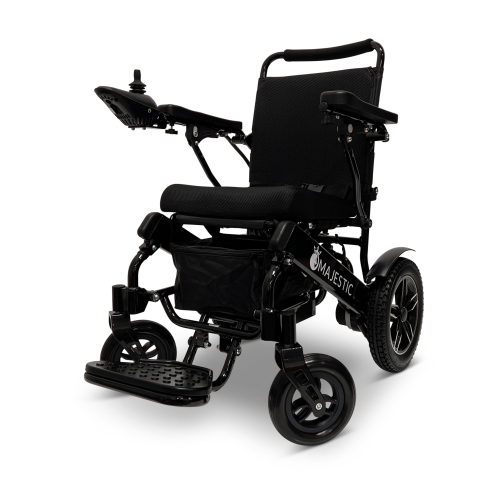
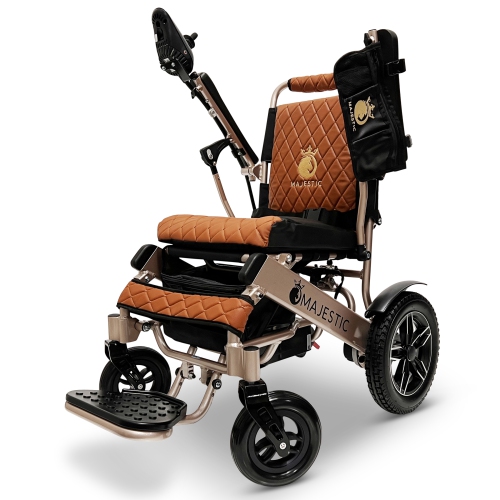

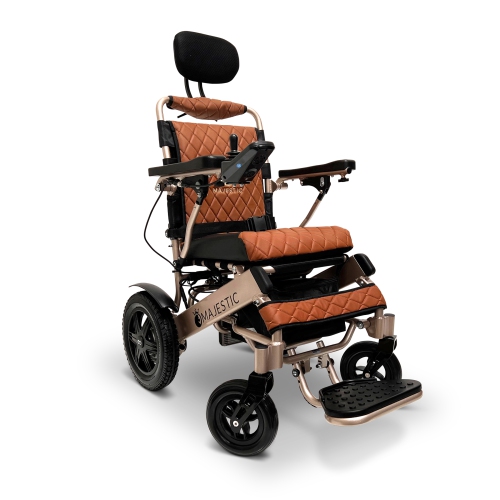
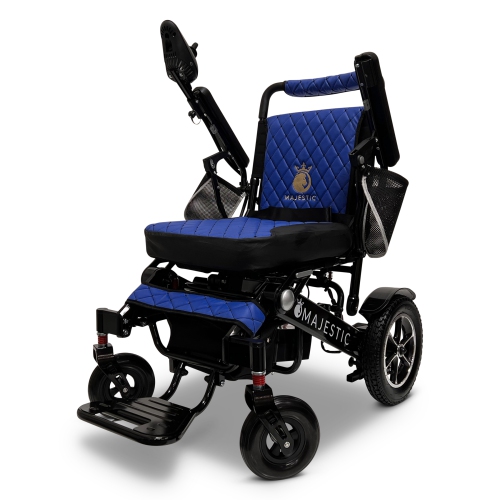
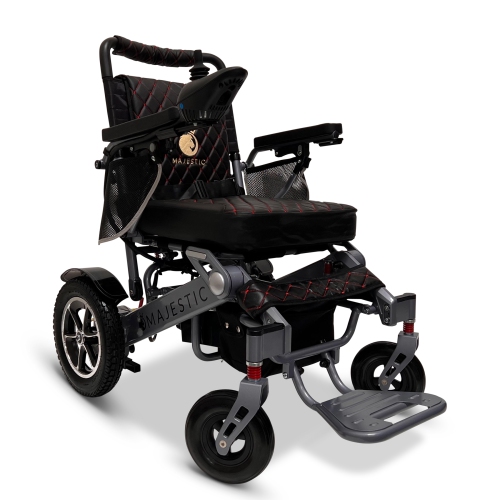
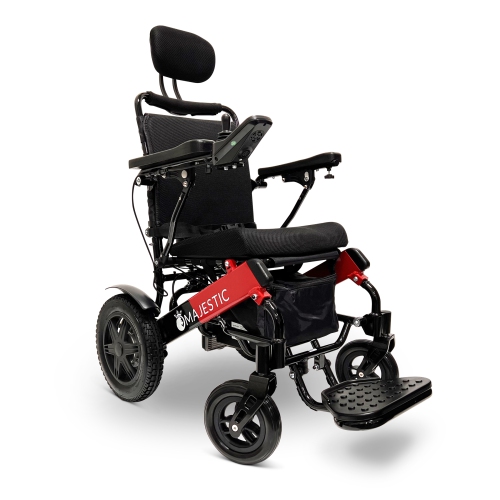
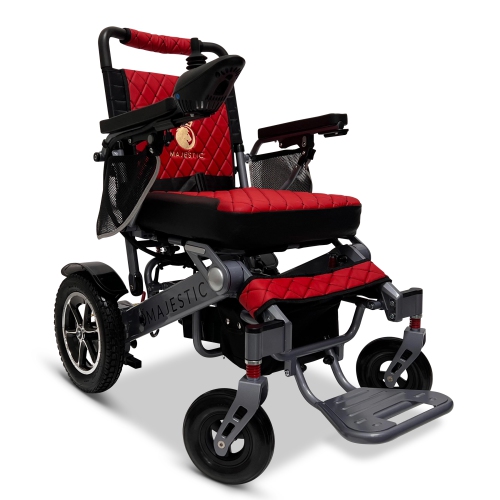
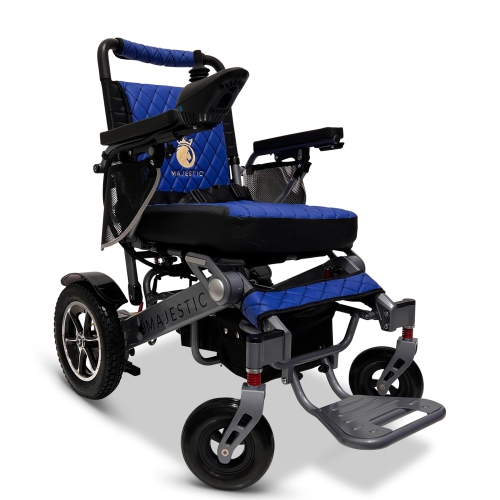
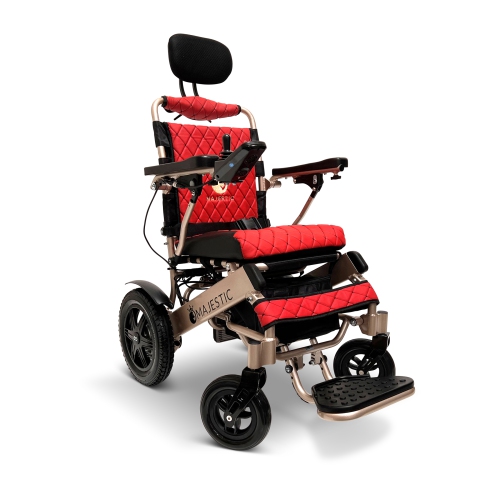

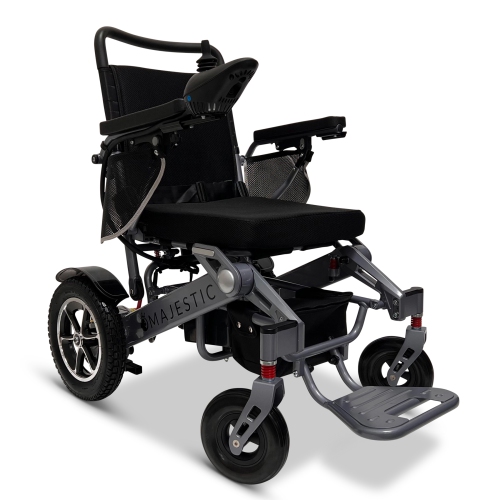
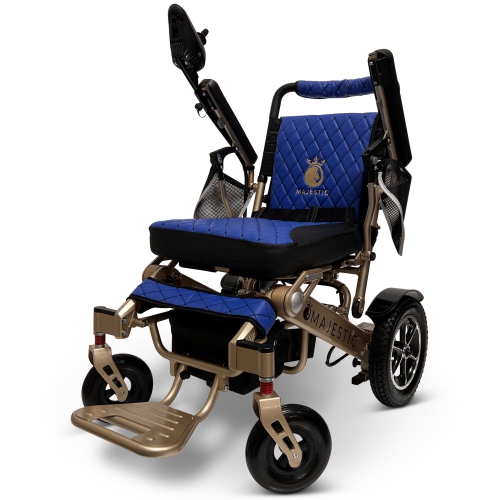
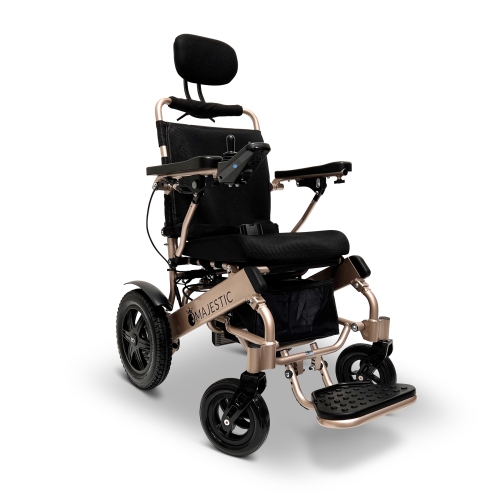
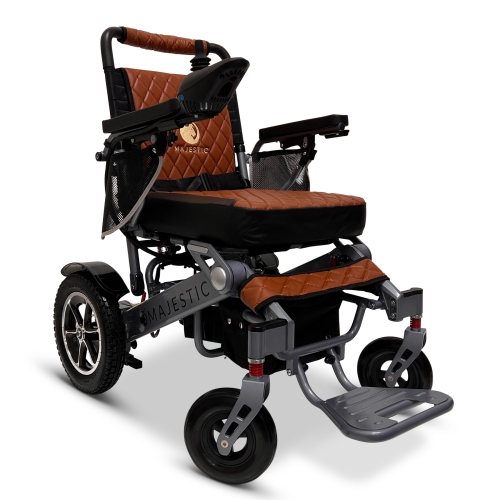
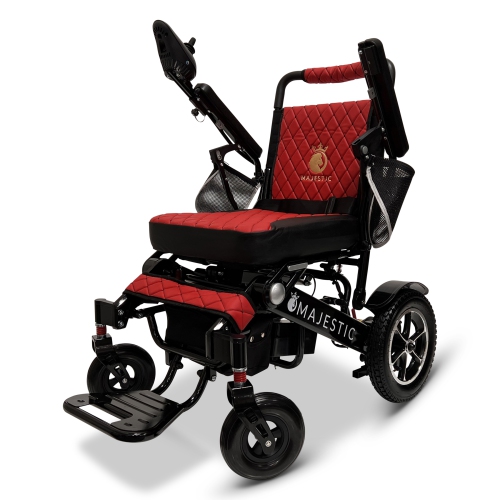
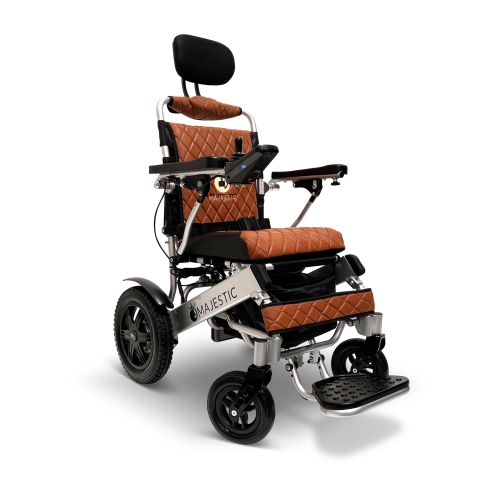
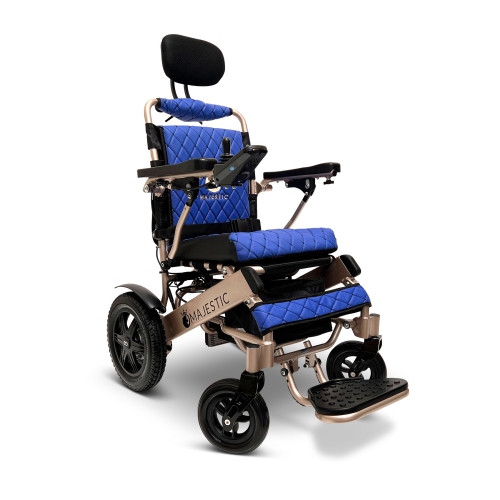
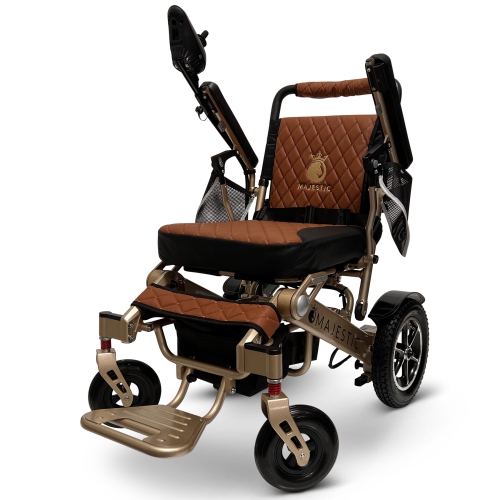
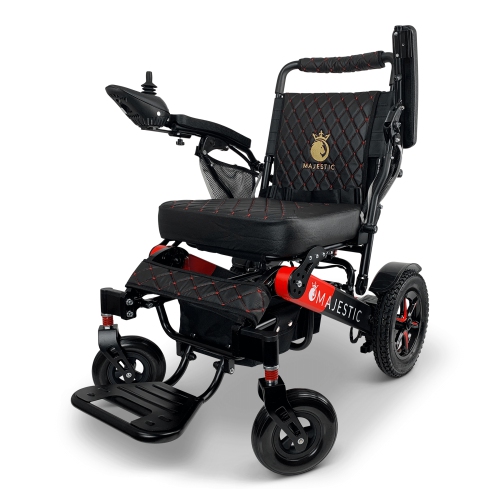
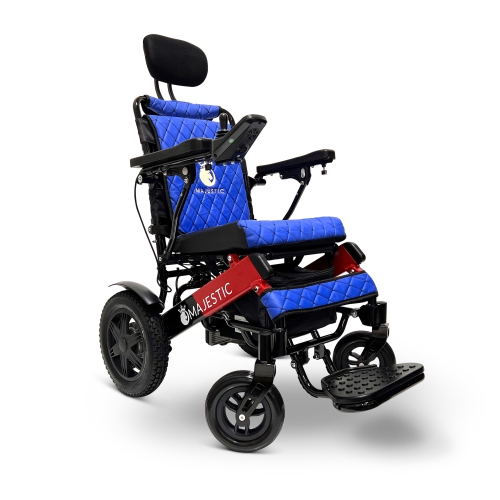
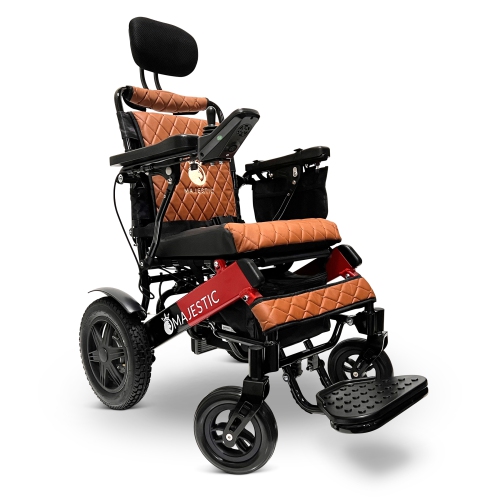
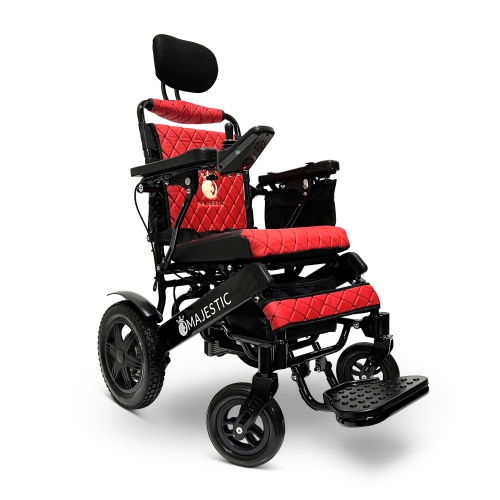
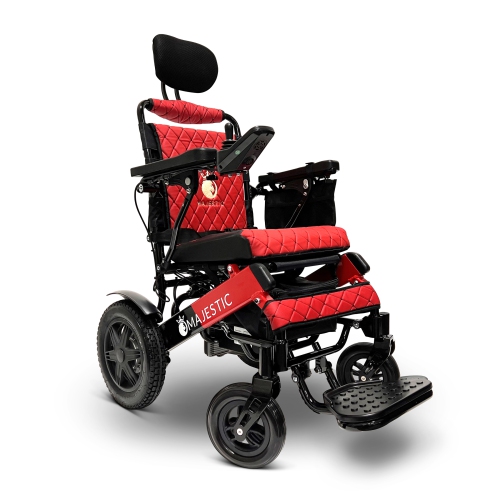
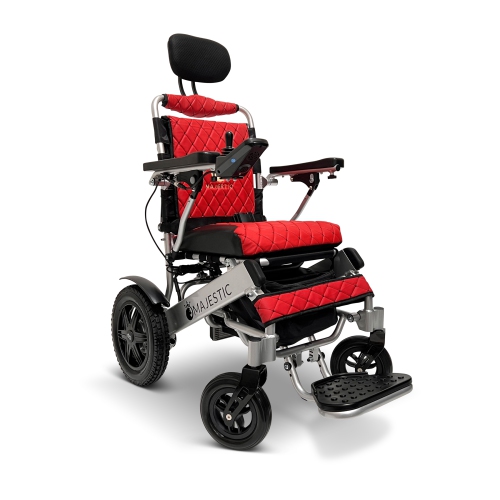
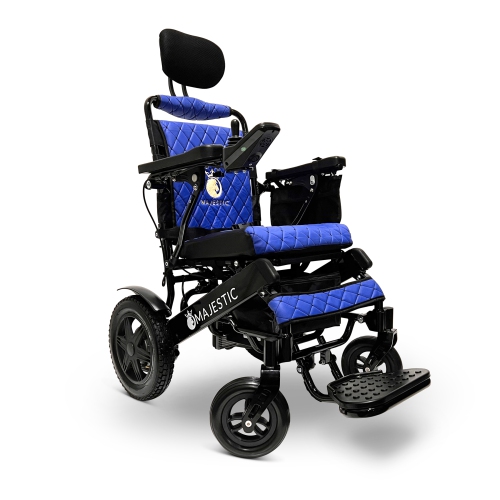
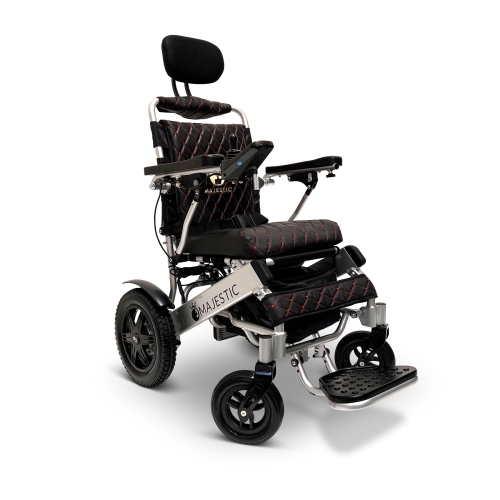
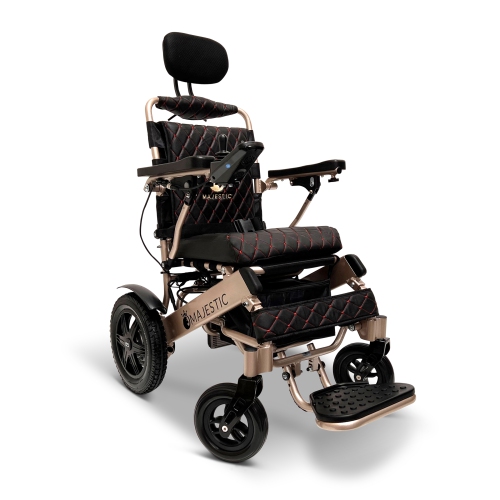
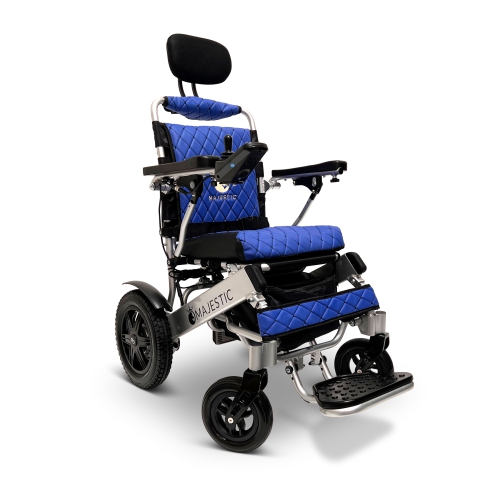
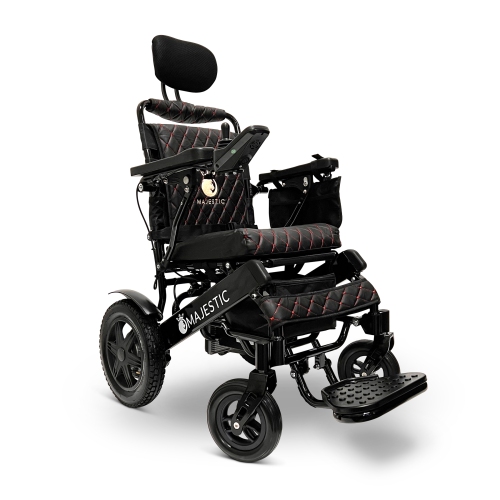
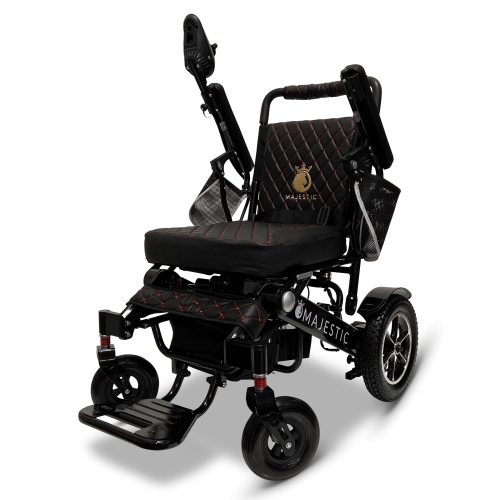
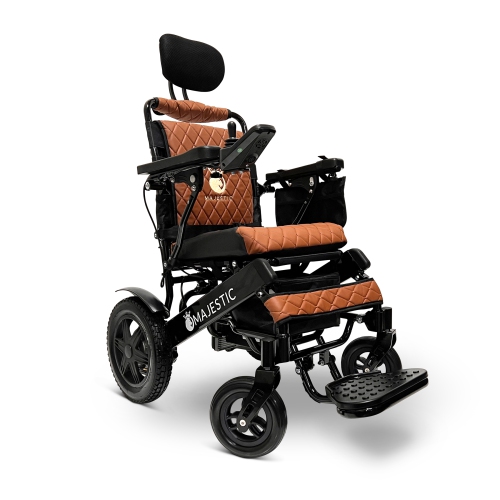
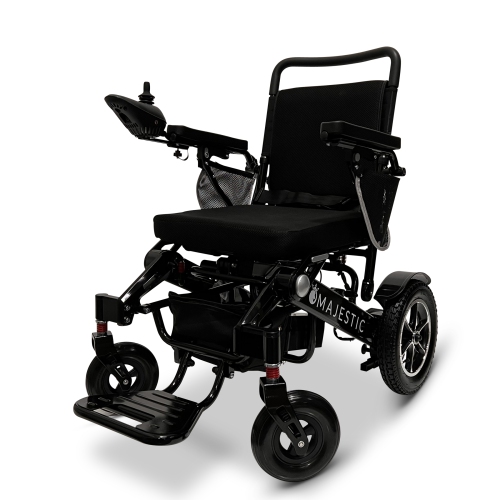
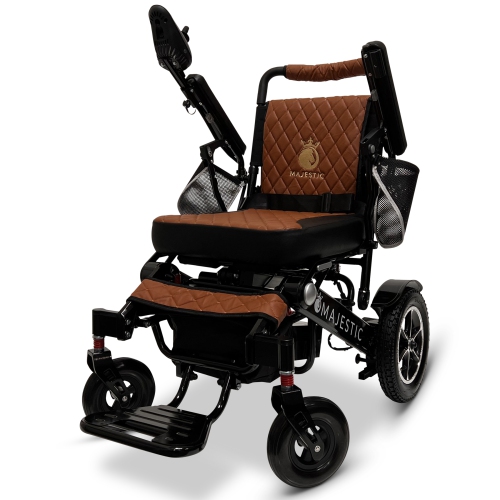
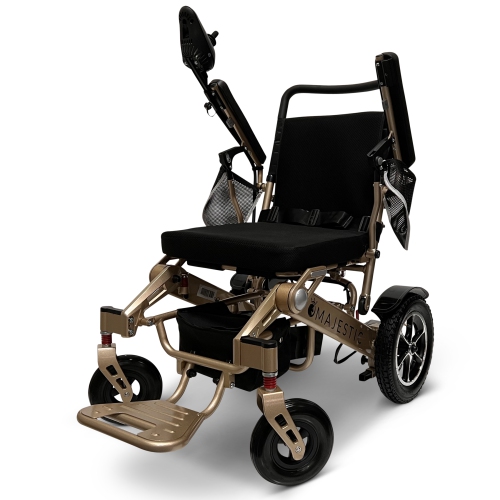
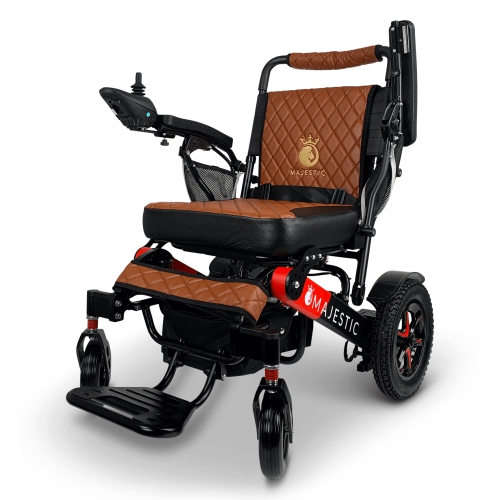
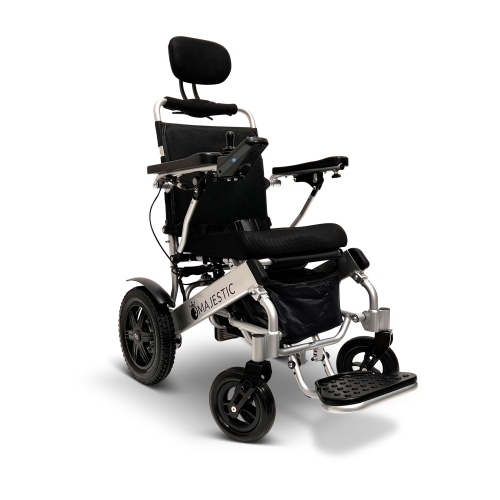
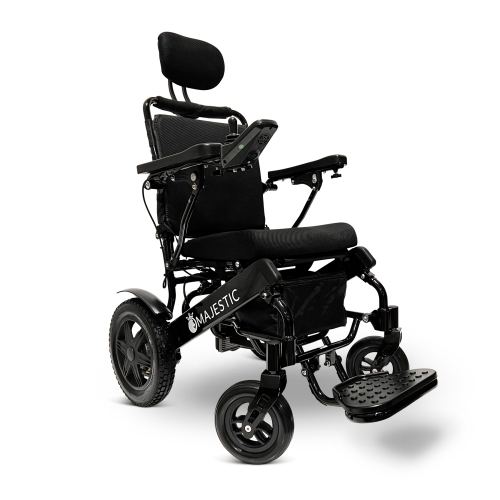
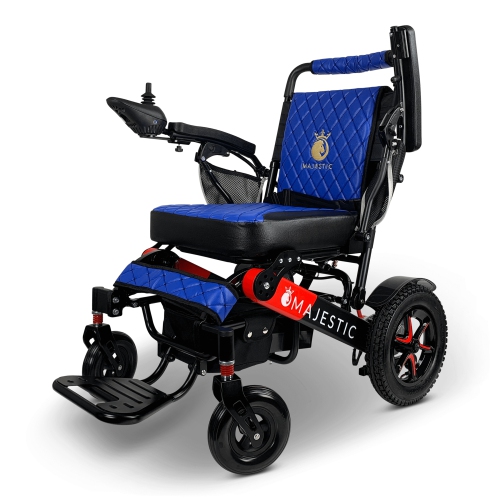
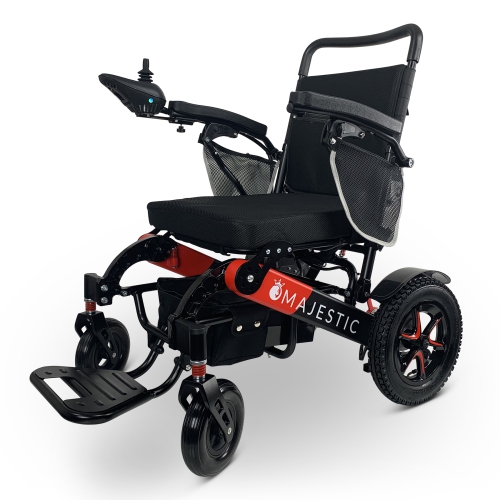
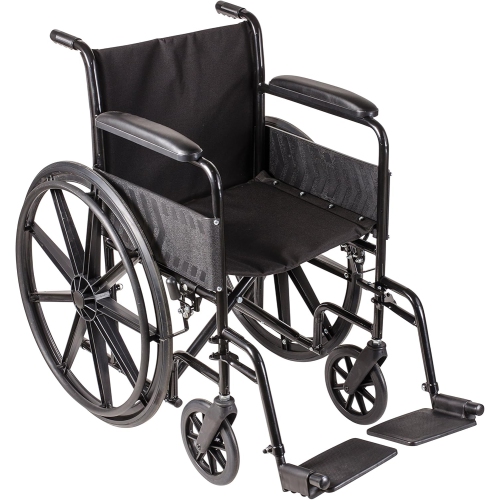
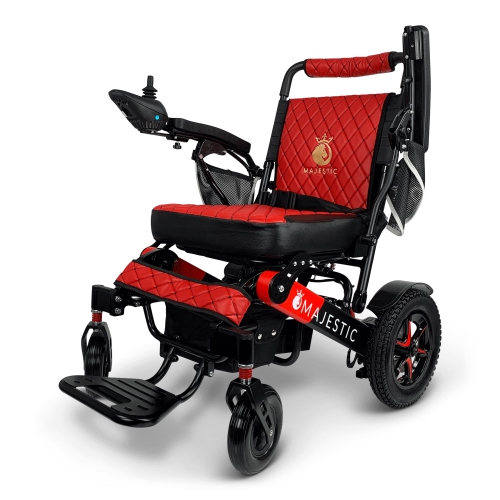
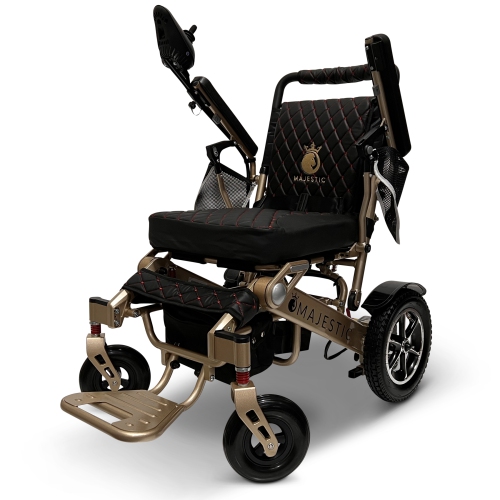
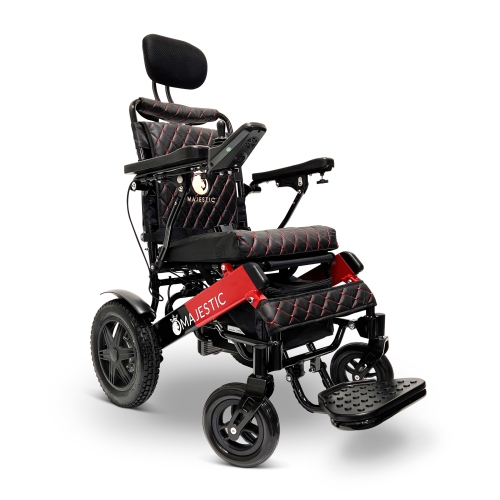
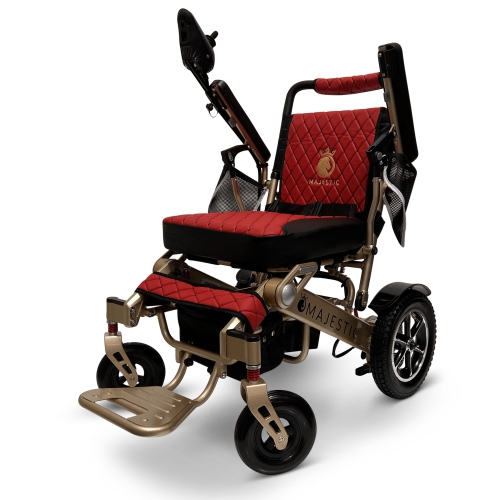
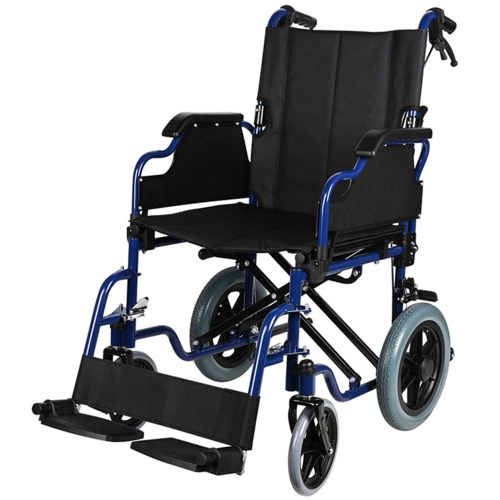

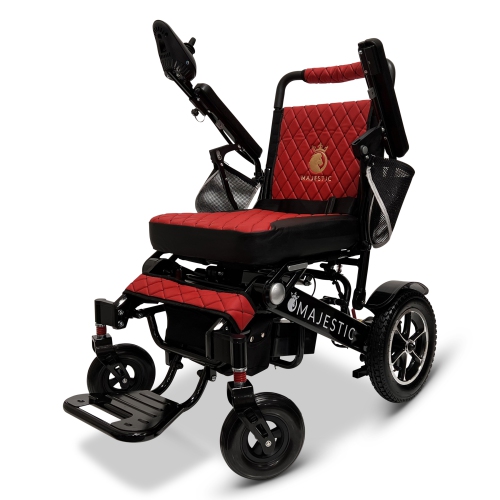

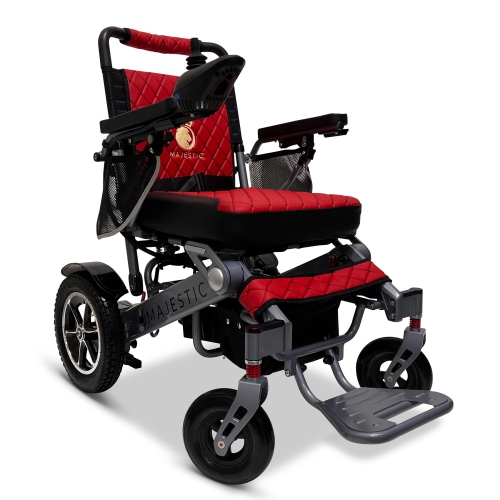
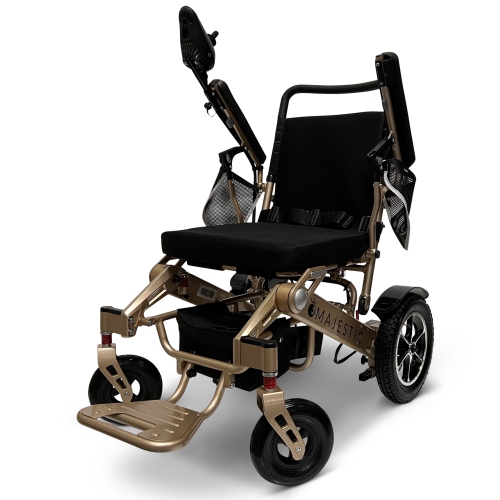
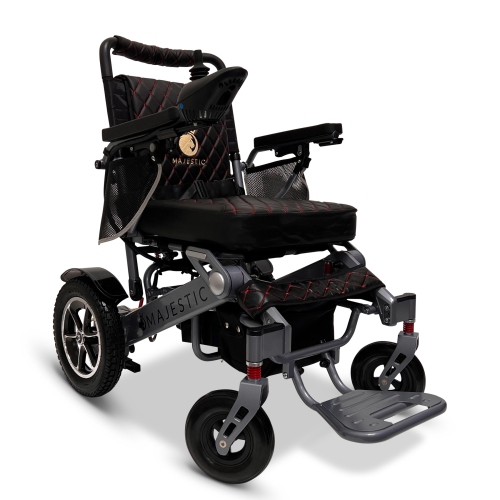
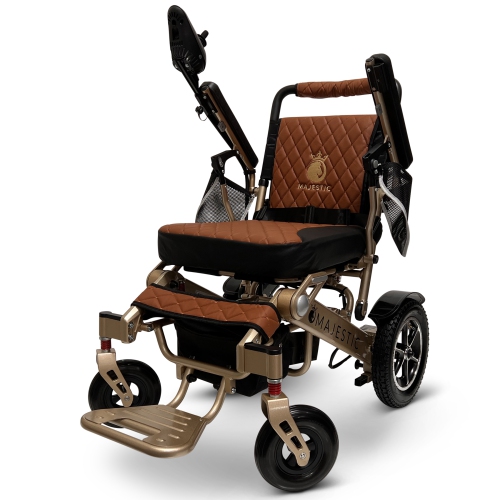
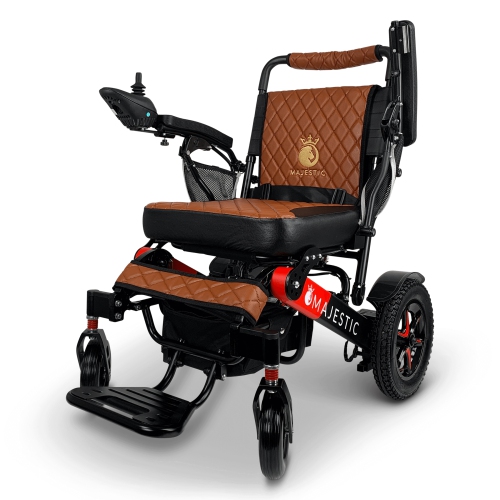
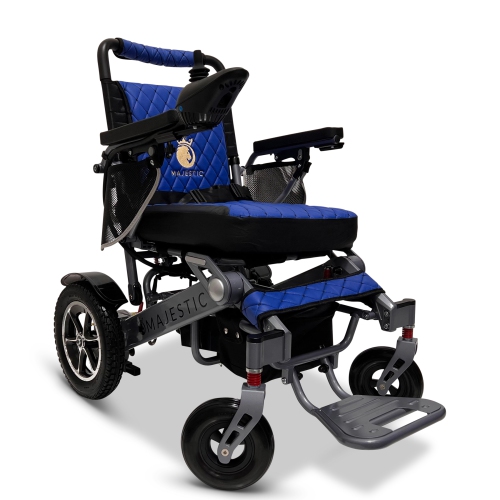
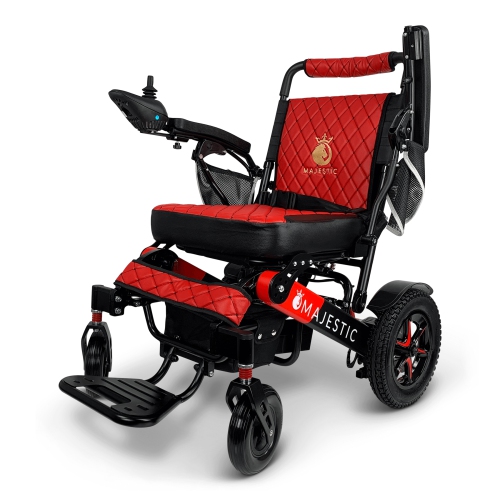
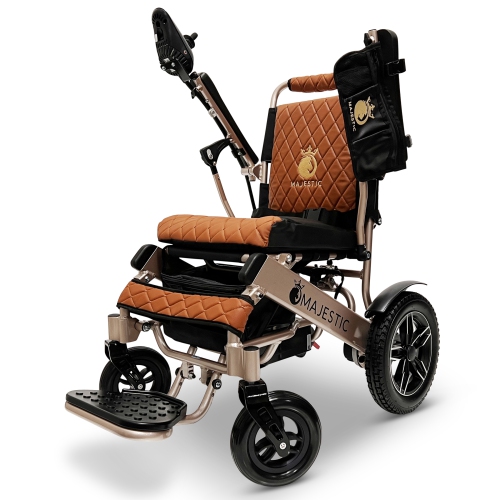
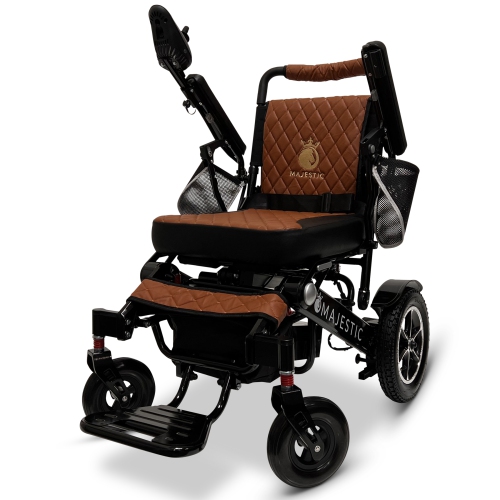
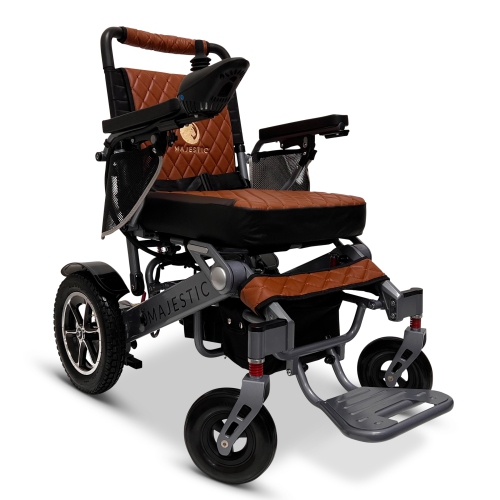
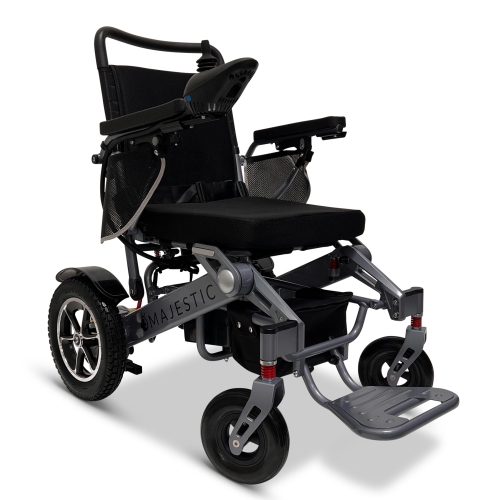
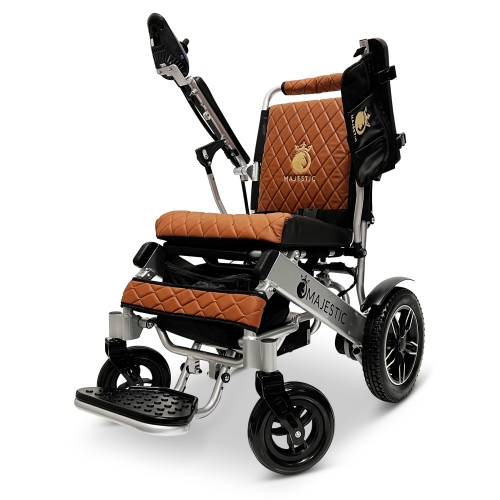

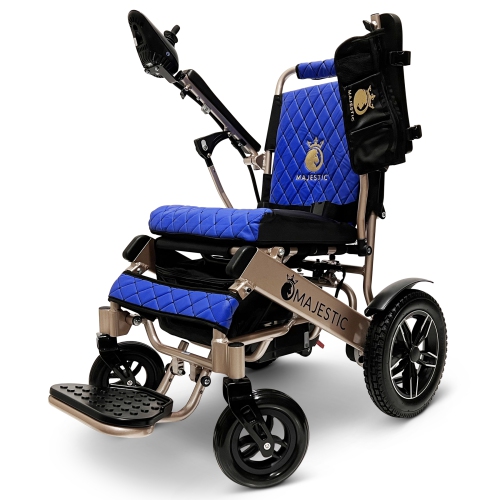
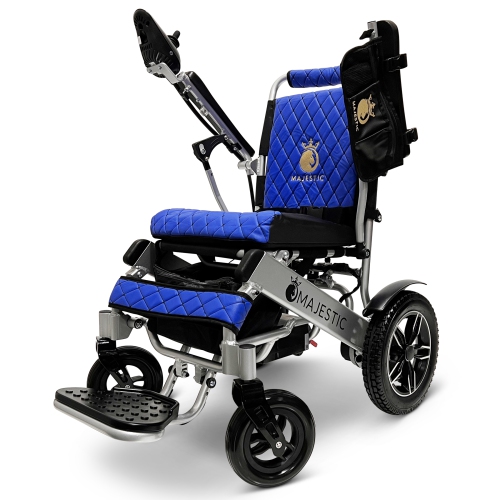
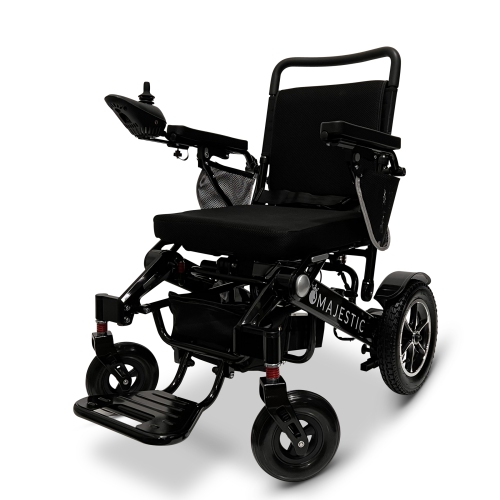
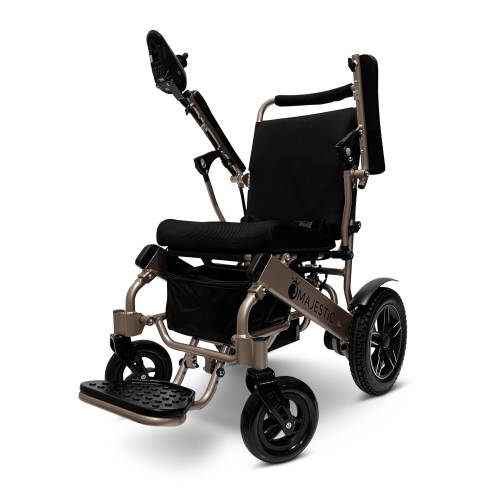
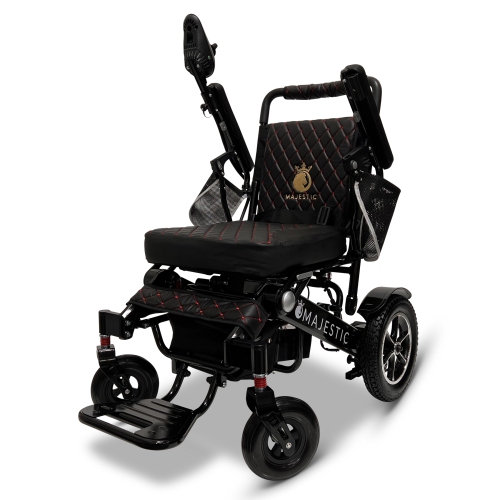
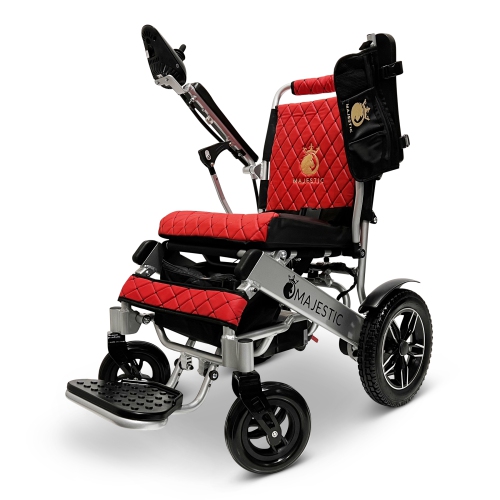
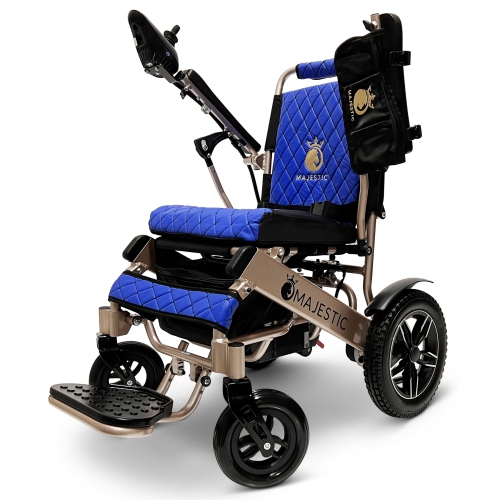
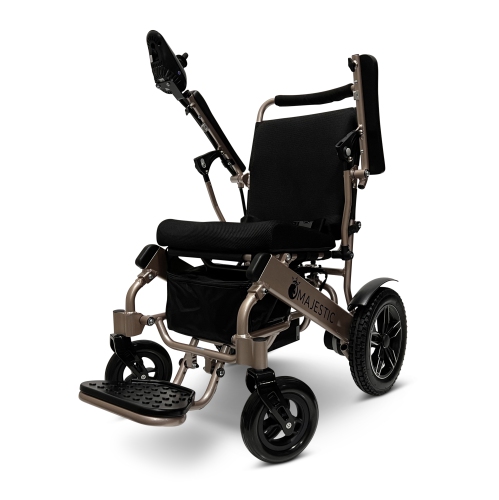
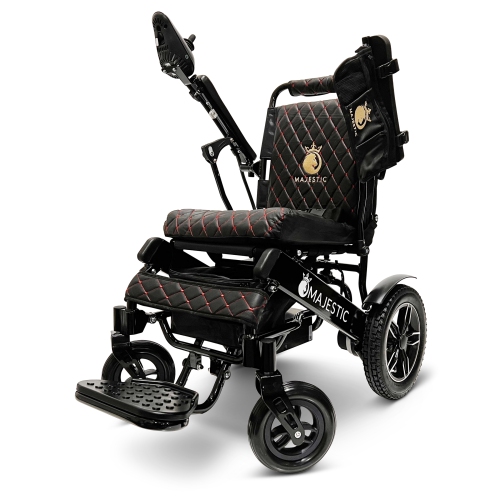
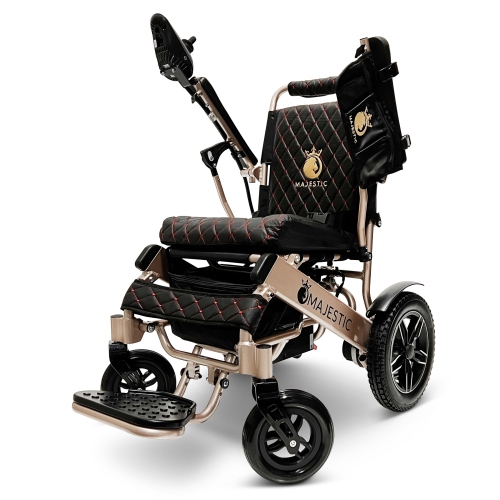
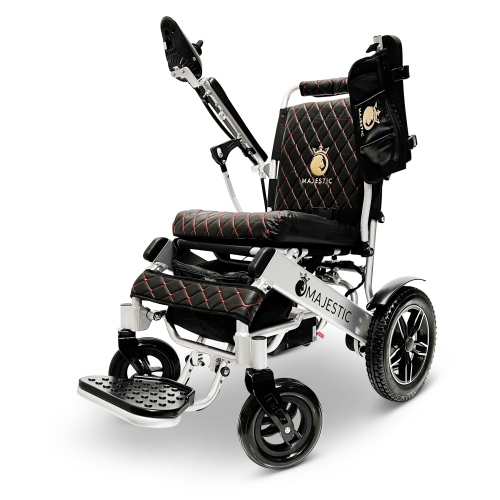
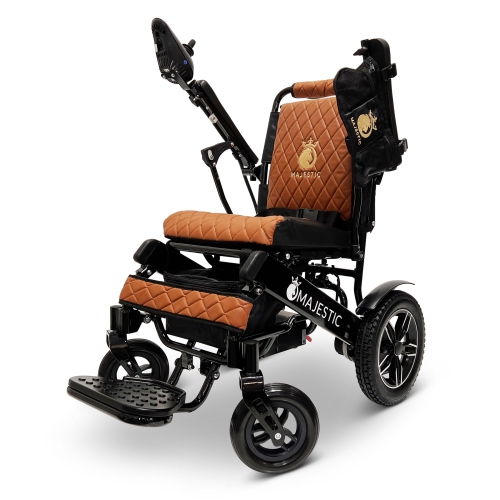

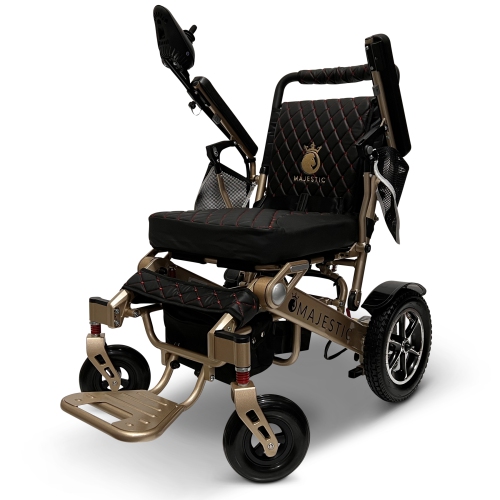
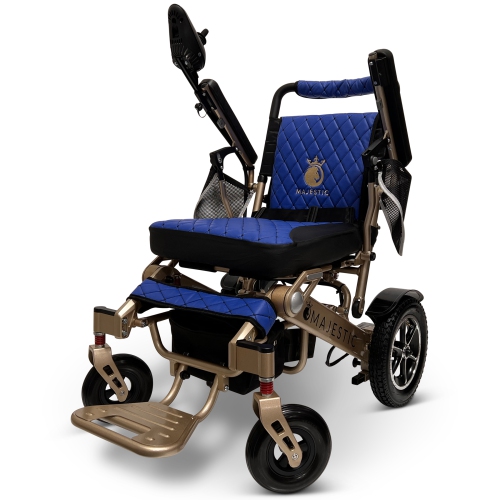
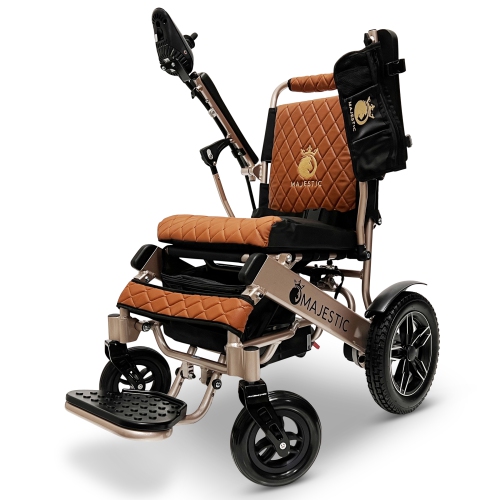
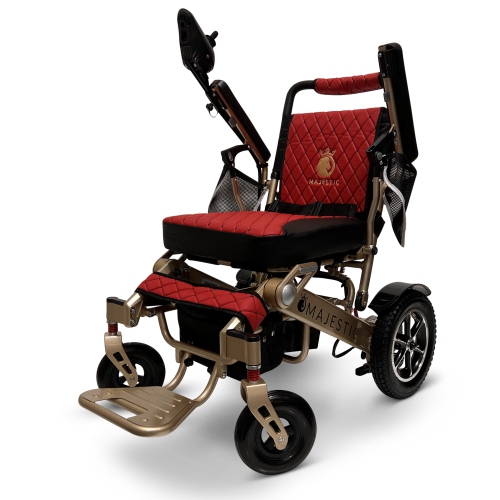
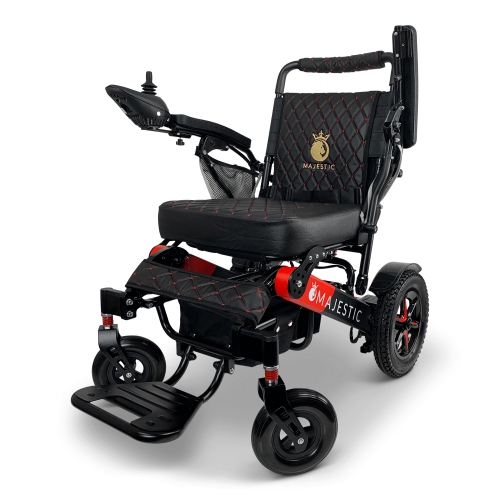
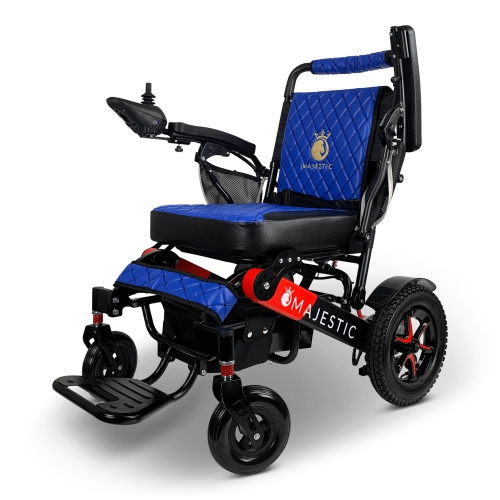
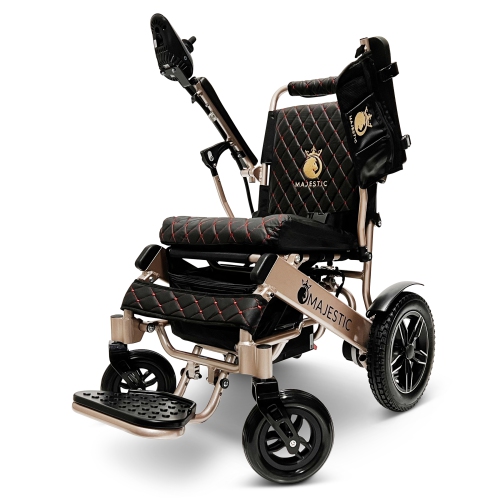
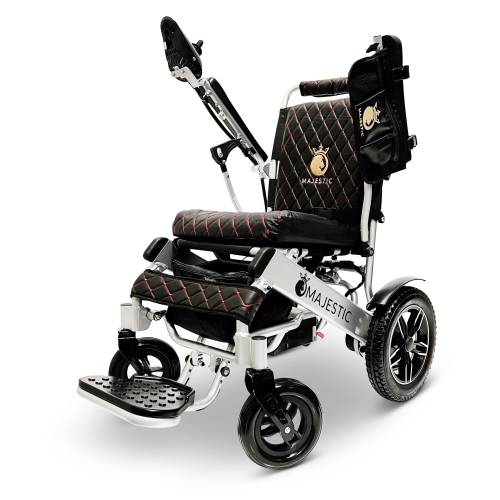
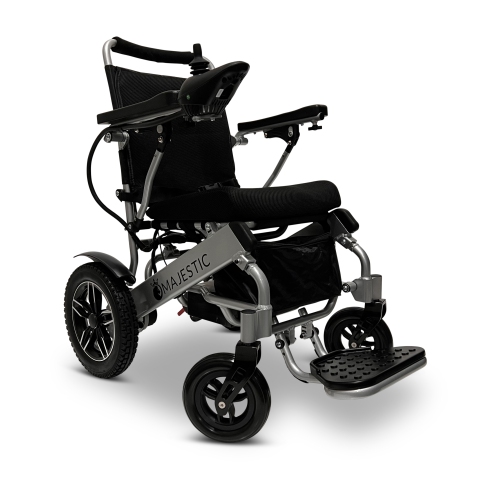
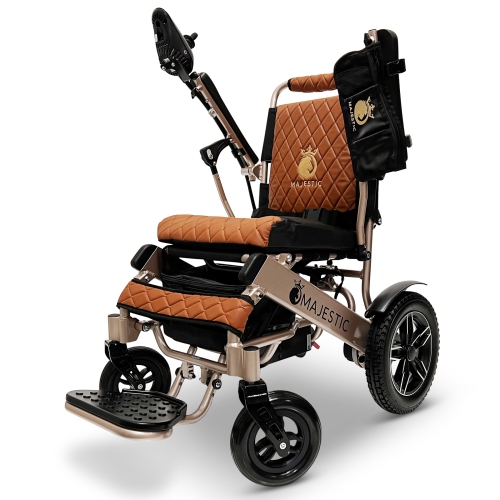
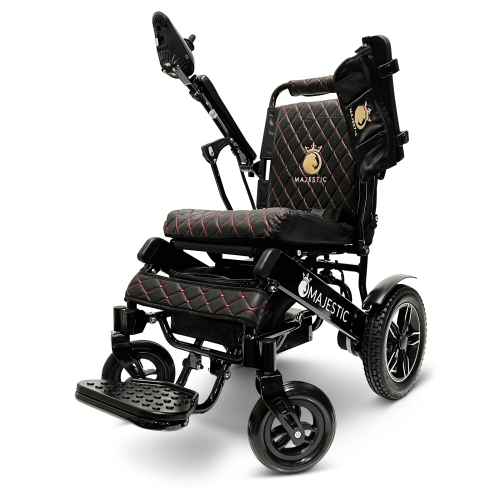
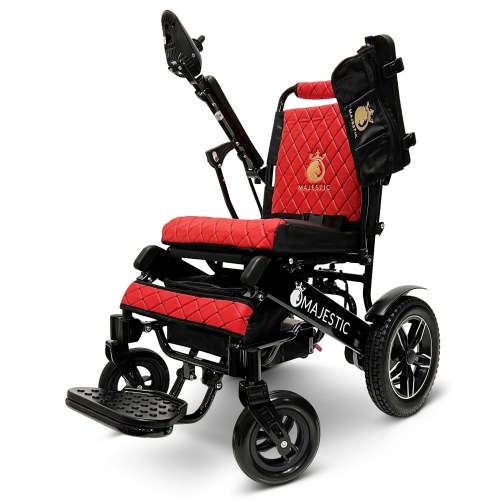
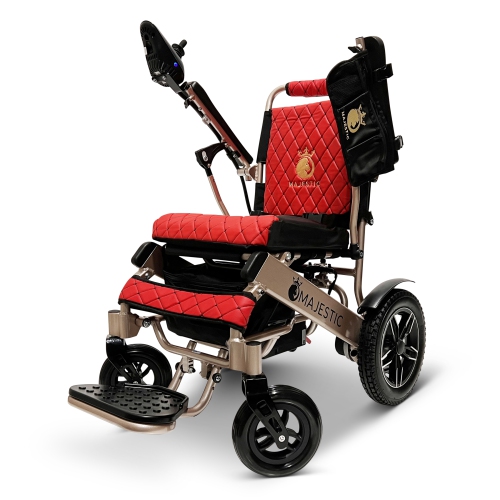
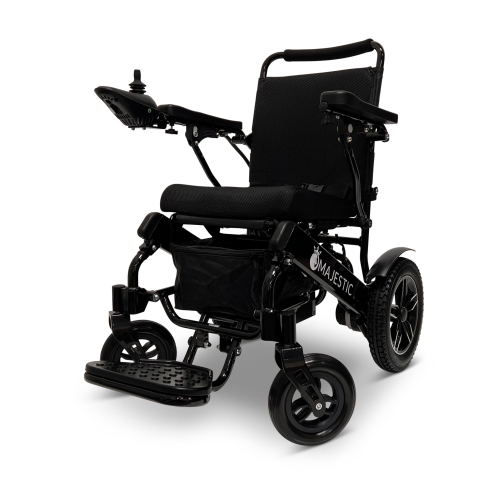
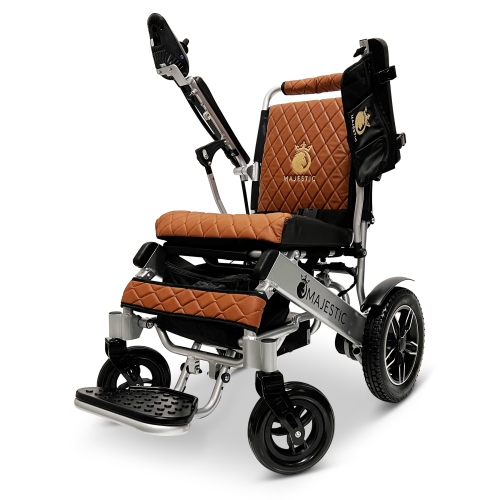

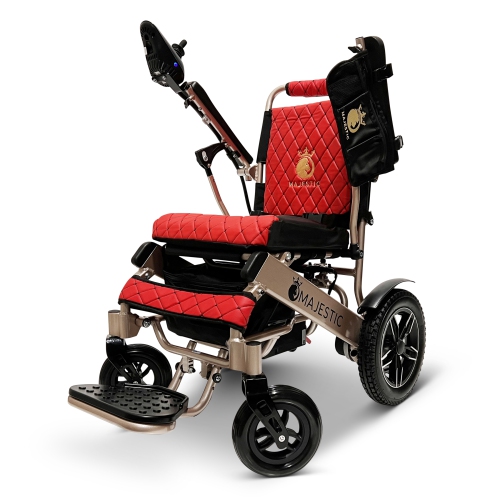
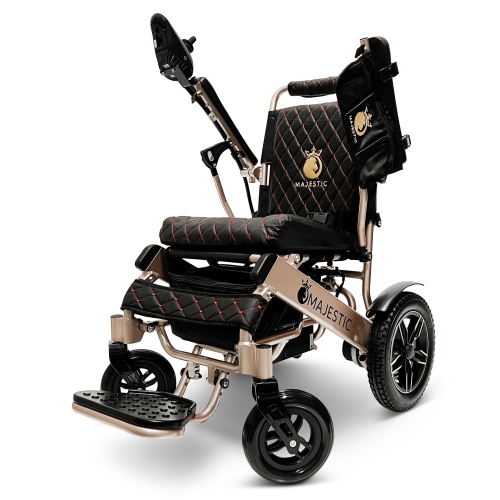
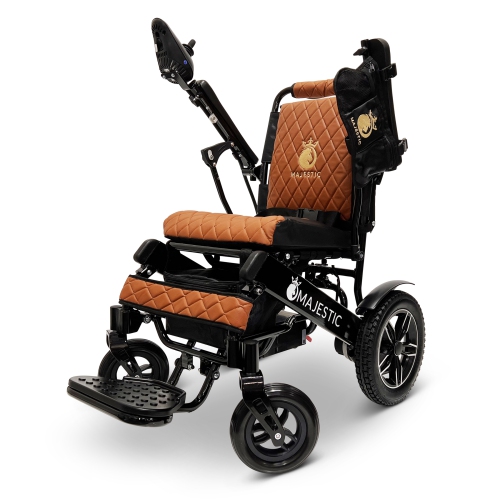
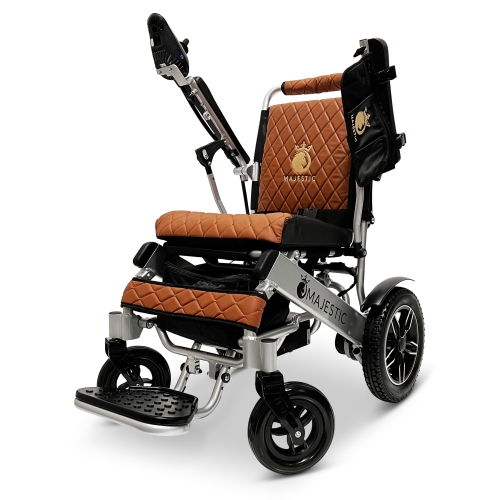
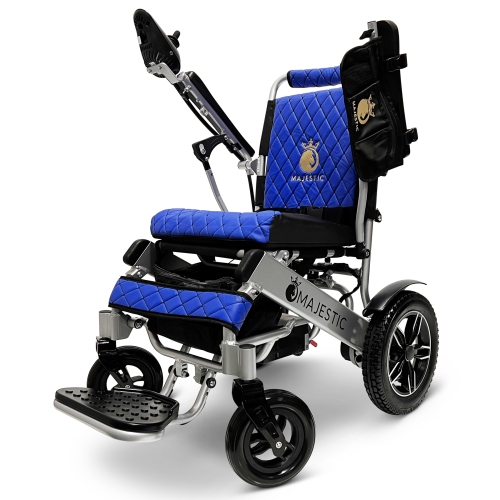
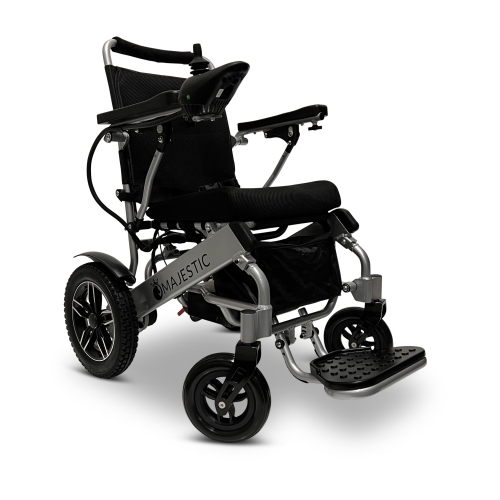
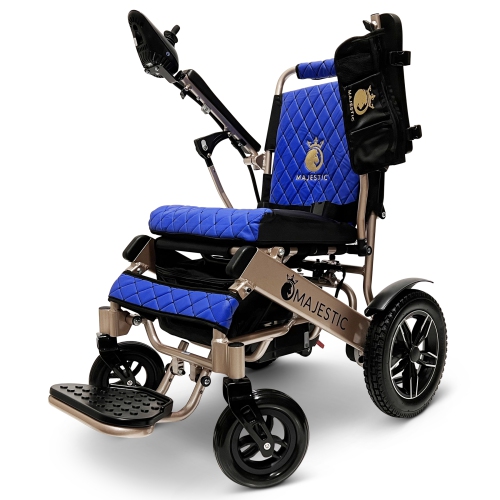
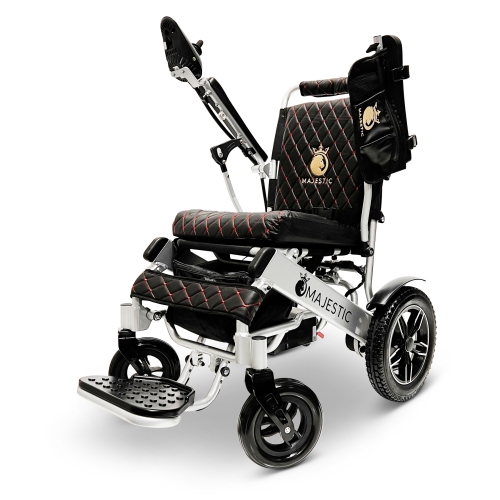
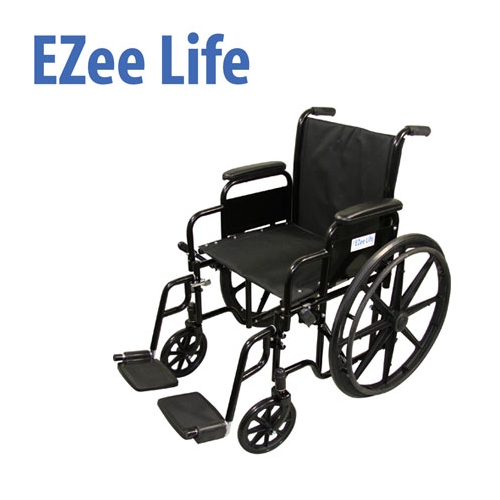
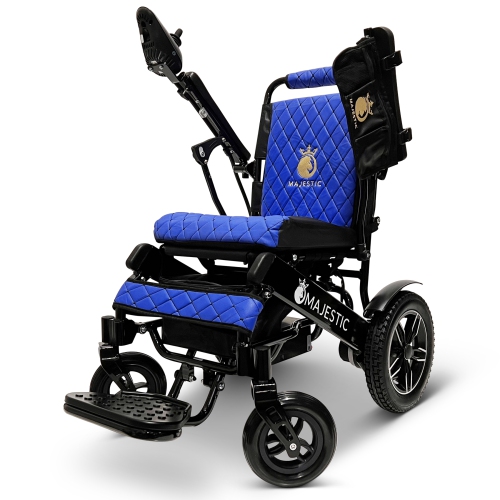
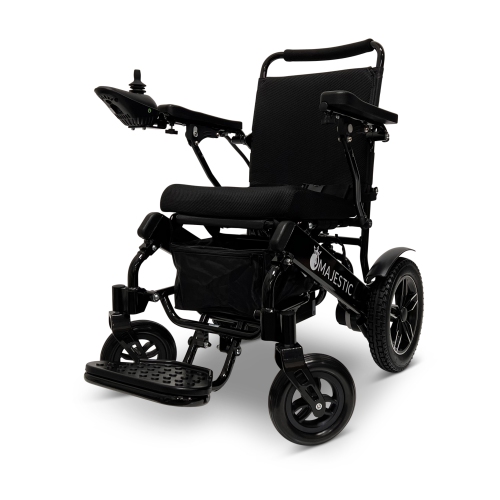
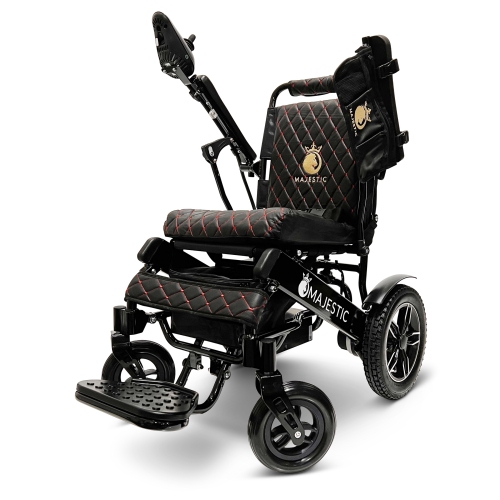
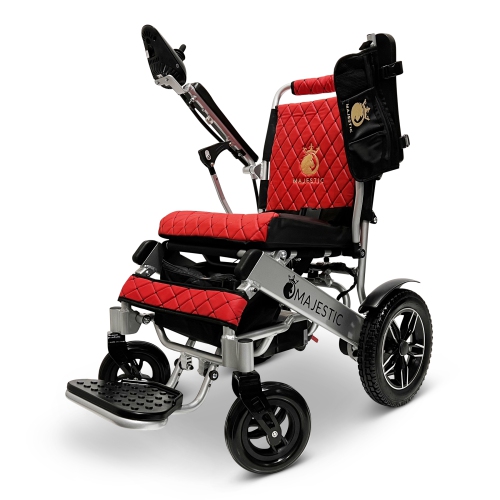
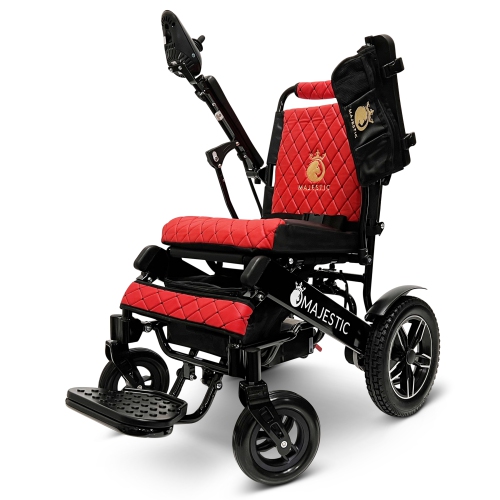
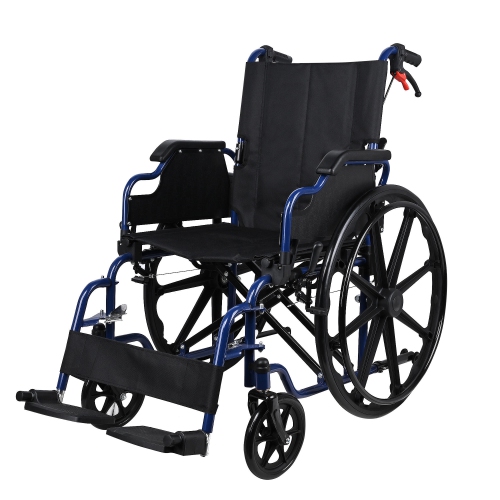
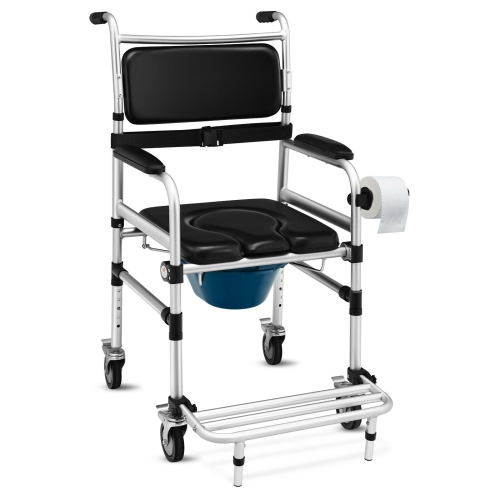
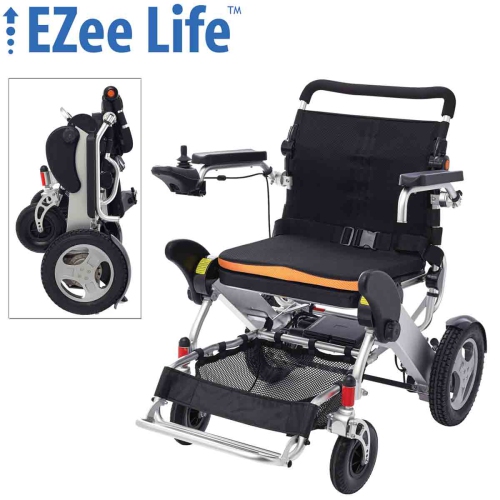
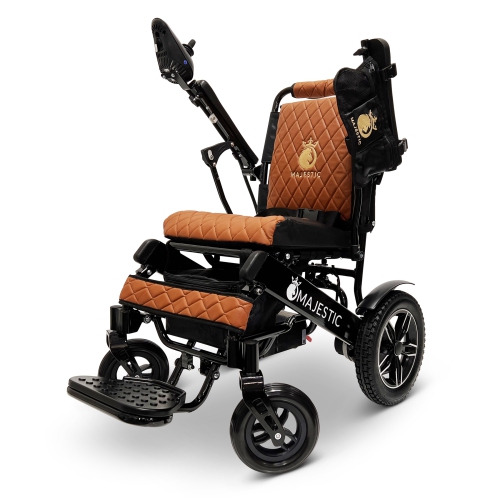
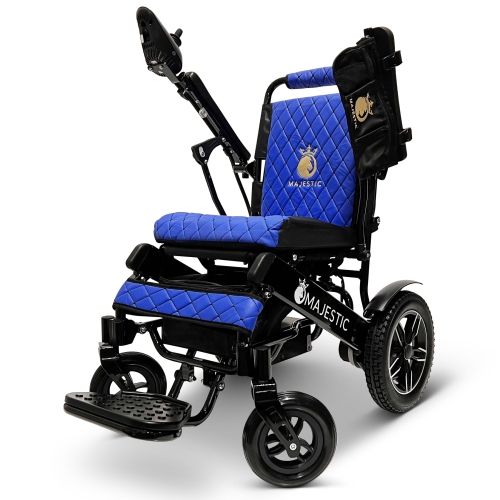
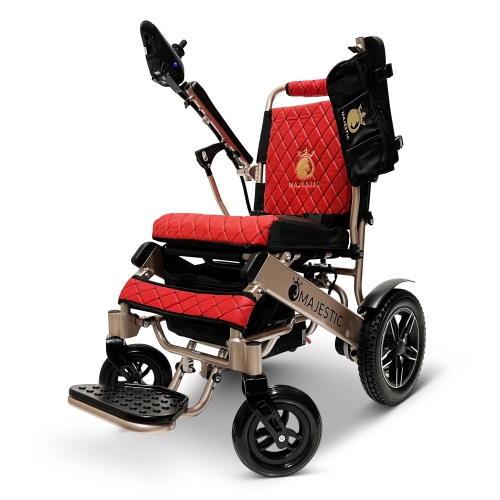

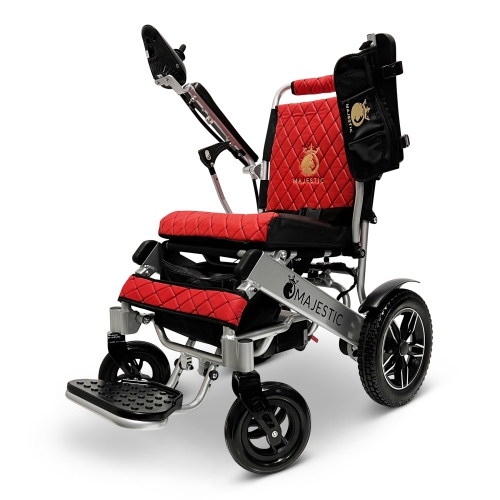
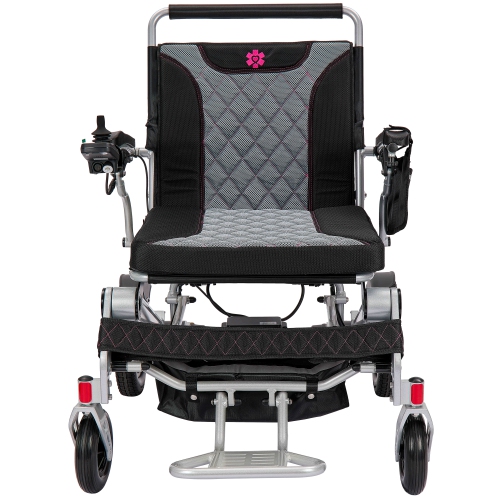
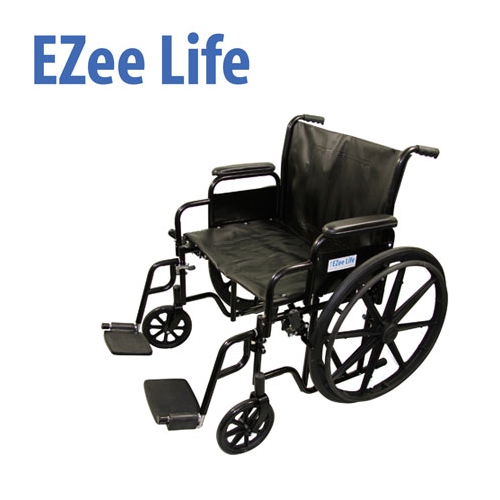
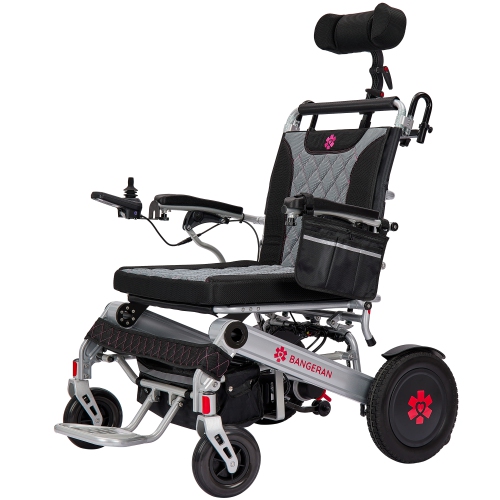
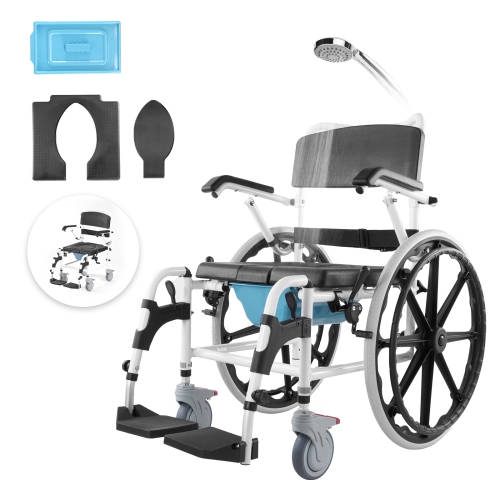
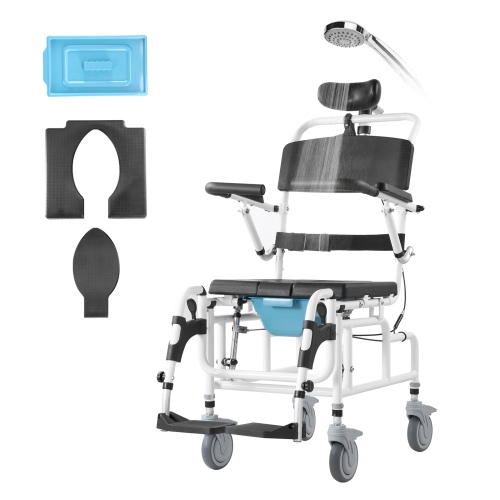
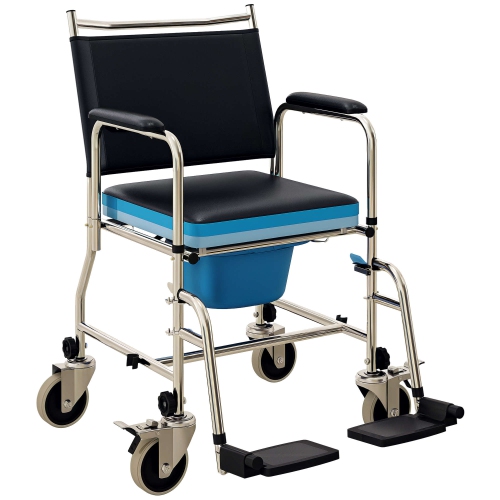
A smaller footprint does not always mean less weight
Compact wheelchairs are mobility chairs designed to take up less space during use, storage, or transport, although compactness can mean different things. Some have a narrower overall frame for moving through doorways and around furniture; others provide a standard seating area but fold into a smaller shape for a vehicle or cupboard. A compact wheelchair is not necessarily lightweight, and a lightweight wheelchair is not necessarily narrow, so both dimensions and chair weight matter. The main distinction is between a self-propelled manual wheelchair and a transport chair. Self-propelled models generally have large rear wheels with hand rims, allowing a person with suitable strength and mobility to move independently. Transport chairs usually have smaller rear wheels and are intended to be pushed by a companion. That difference affects everyday use, whether the chair is needed for moving between rooms, attending appointments, visiting a museum, or covering longer distances on an outing. Folding frames, fold-down backrests, and removable footrests can make storage more manageable, depending on the design. For vehicle travel, the folded height and length are just as important as the folded width: a chair that fits across a boot opening may still be too tall to slide beneath a parcel shelf. The weight lifted also depends on which components can be removed and whether the person handling the chair can lift it comfortably. Aluminum frames often help keep weight down, while steel frames may be heavier; durability depends on construction, intended use, and care rather than frame material alone. Carry handles and frame shape also influence how manageable a folded chair feels when lifting it from a hallway into a vehicle. For people who need motorized mobility rather than hand propulsion or a companion’s push, Electric Wheelchairs offer a different category to consider, with their own requirements for controls, storage, charging, and transport.
A compact footprint is useful only when the seating space still fits the person using it. Seat width, seat depth, backrest height, and footrest adjustment all contribute to comfort and positioning, particularly when a chair will be used for more than a short journey. A seat that is too narrow may create pressure or restrict movement, while one that is too wide may make hand rims harder to reach and provide less suitable support. Seat depth should support the thighs without pressing into the backs of the knees, and footrests should support the feet at an appropriate height rather than leave them dangling or force the knees upward. Any cushion needs to be considered as part of the fit because it changes the seated height and may affect access to armrests, wheels, and tables. People who spend extended periods seated, have reduced sensation, or need additional postural support may benefit from an assessment by an occupational therapist or another qualified seating professional. Weight capacity should suit the user, with accessories and carried belongings kept within the manufacturer’s loading instructions. Around the home, overall width matters more than seat width alone: rear wheels, hand rims, and armrests can extend beyond the seat. The narrowest doorway, the turn into a bathroom, and the space beside a bed can reveal more about practical fit than an open living room. A chair also needs enough room for the user’s hands during propulsion and for a companion to stand behind it. Desk-length or removable armrests may help with access to a dining table or work surface, while swing-away footrests can clear space for transfers where the design permits. These features do not replace a suitable transfer technique. Parking brakes should be engaged for transfers according to the manufacturer’s instructions, and footplates should not be used as steps. The best fit balances a manageable footprint with the room and support the person actually needs, rather than choosing the smallest dimensions at the expense of comfort.
Everyday handling and upkeep help determine how well a compact wheelchair suits its intended routine. Small front castors can turn readily on smooth floors, but thick carpet, raised thresholds, and uneven paving may demand more effort or a different wheel configuration. Larger rear wheels can support independent propulsion, although their size affects the chair’s overall dimensions and the space needed to store it. Solid tires avoid punctures, while pneumatic tires require pressure checks and may offer a different ride feel; either choice should match the chair’s approved uses and the surfaces encountered most often. For a companion pushing through a busy building, accessible handles and suitable attendant-operated brakes can be valuable where fitted. Parking brakes and attendant brakes have different purposes, so their operation should be understood before use. Upholstery also deserves attention. Wipe-clean surfaces can simplify routine care, while removable upholstery may have specific washing requirements. Following the manufacturer’s cleaning instructions helps protect fabric, padding, and finishes, and allowing cleaned surfaces to dry fully helps prevent moisture from remaining in seams or folds. Routine checks should cover tire condition, castor movement, loose fasteners, brake function, and signs of wear around stitching or folding joints. A folding mechanism should open fully and lock as intended before anyone sits down, with fingers kept clear of pinch points. Loose bags should not hang where they can catch in wheels or alter the chair’s balance. Transport arrangements need equal care: a wheelchair that folds into a vehicle is not automatically approved to be occupied while travelling in that vehicle. Any occupied transport use requires the appropriate chair approval, securement equipment, and procedures. For occasional appointments, shared outings, or regular daily mobility, the most useful compact wheelchair is one that suits both the person and the places it will be used. When choosing for someone else, involving that person in decisions about seating, propulsion, and handling helps ensure that convenience for storage does not overshadow comfort, independence, or personal preference.
Top selling and popular products
-
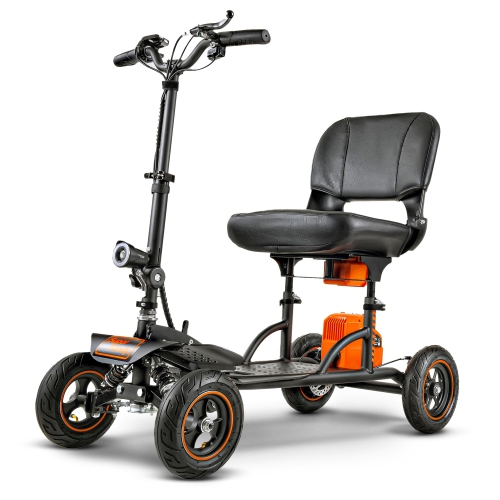 Your price for this item is $1100.99
-
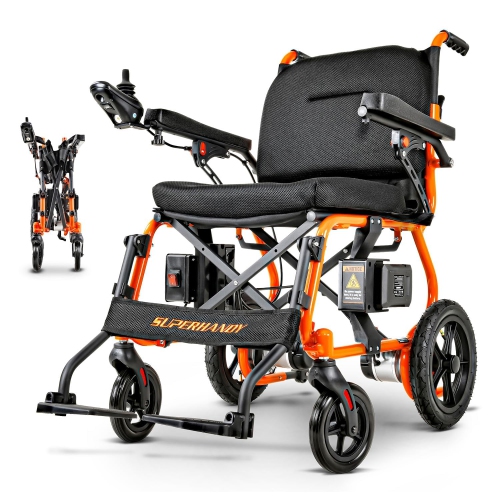 Your price for this item is $950.99
-
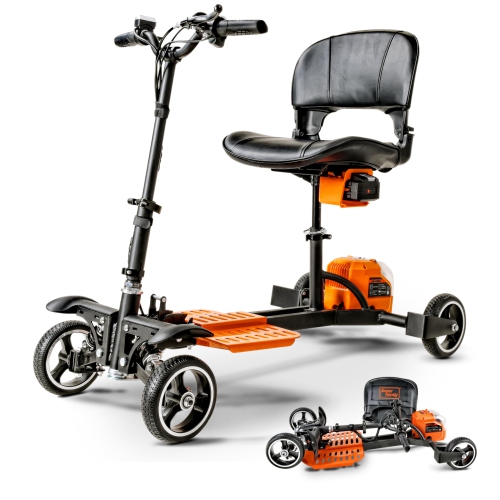 Your price for this item is $999.99
-
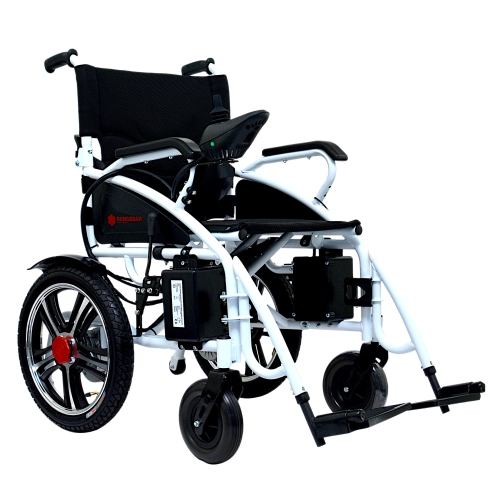 Your price for this item is $1999
-
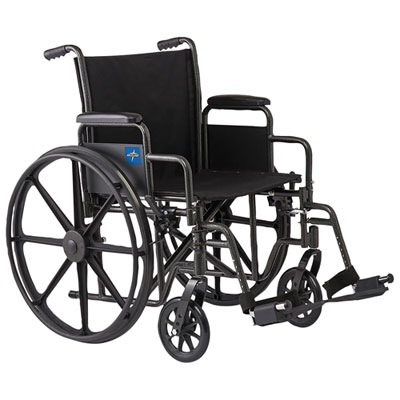 Your price for this item is $314.98
-
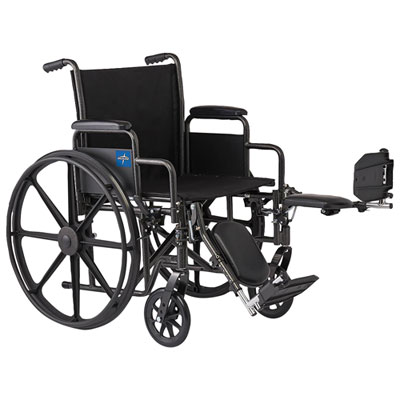 Your price for this item is $458.98
-
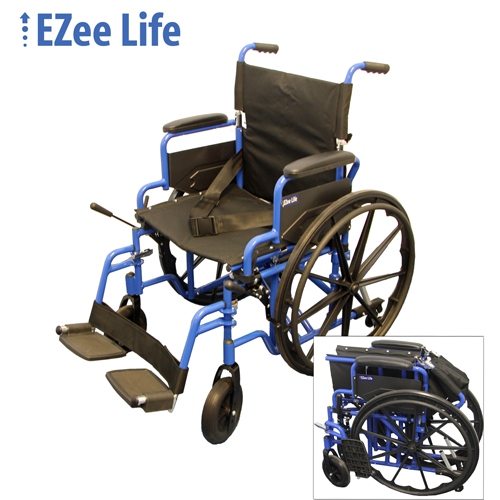 Your price for this item is $600
-
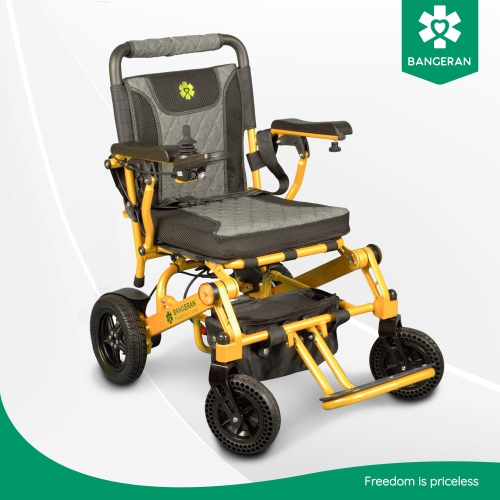 Your price for this item is $1849
Discover more categories related to Compact Wheelchairs
Top Collections:
Pokemon Centers, Best Cameras for Sports Photography, Kindle Devices, Samsung Galaxy Phones, Canon G7X Cameras, Pokémon 30th Celebration Cards, Refurbished Apple Laptops, iPhone 15 Apple, Laptops for Students, Budget Smartphones
Some products may be subject to Environmental Handling Fees
(EHF) depending on your province.
Learn more about EHFs.