Core Workout Tools
If you're looking to strengthen your core and take your fitness routine to the next level, look no further than these core workout tools. From stability balls to resistance bands, we have everything you need to target and engage your abdominal muscles for a stronger, more toned midsection. Whether you're a beginner or an experienced fitness enthusiast, this range of core workout tools offers a variety of options to suit your needs and help you achieve your fitness goals.
Sort








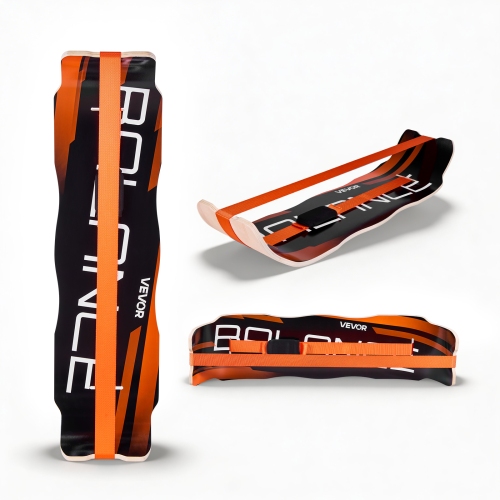
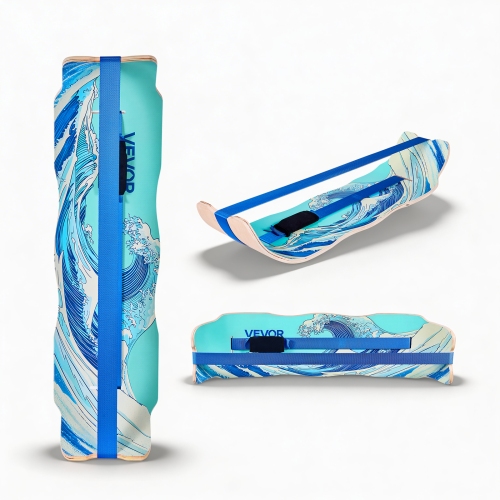

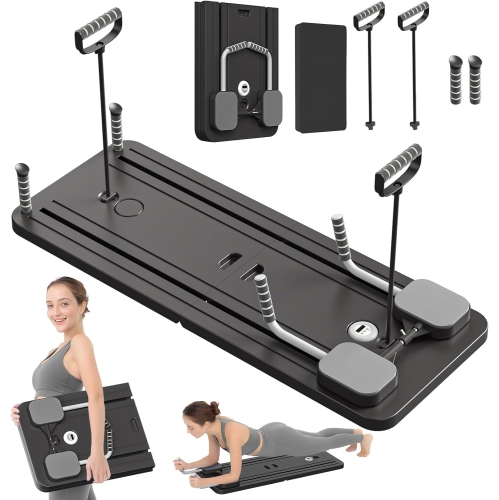
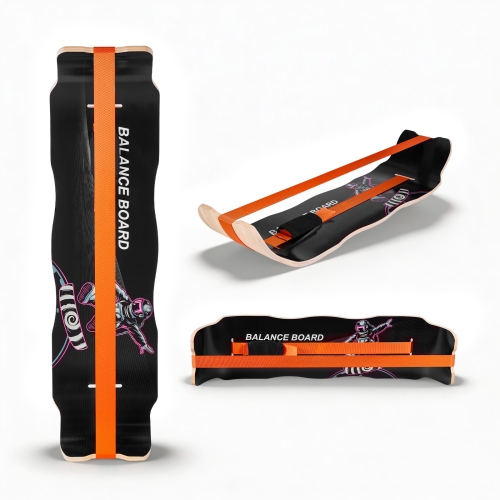























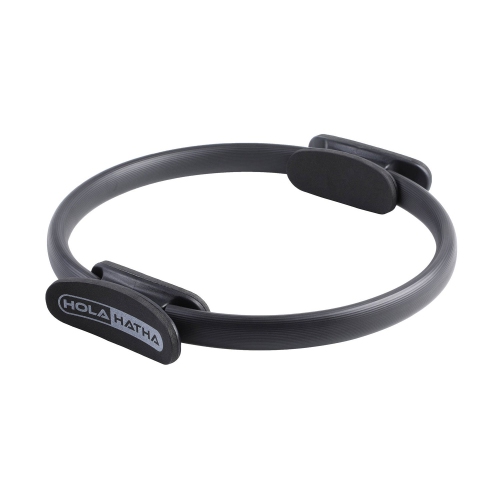
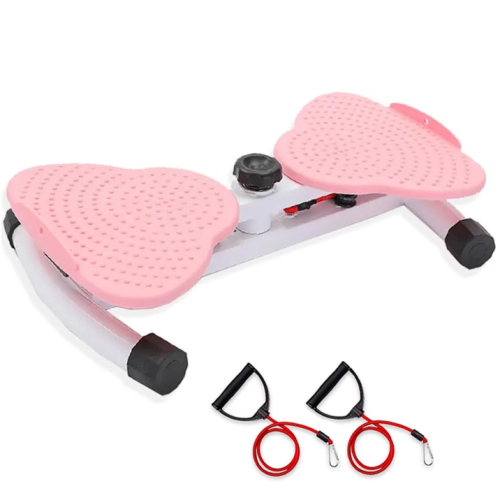
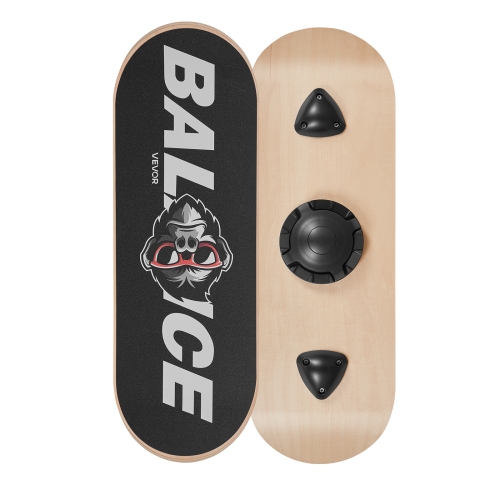
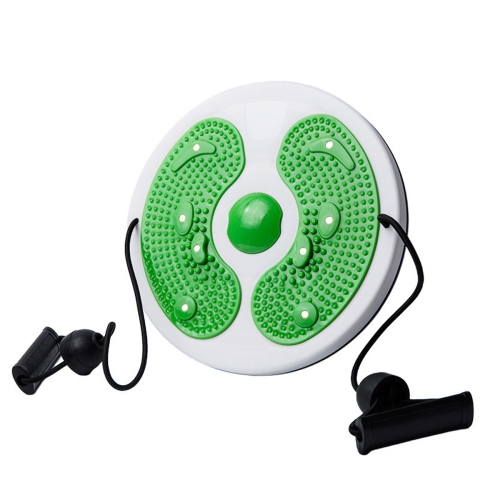
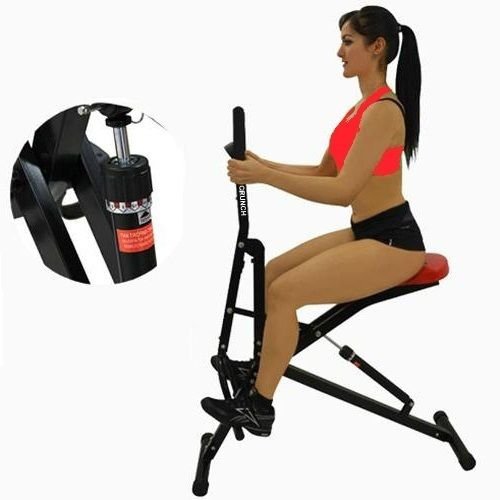
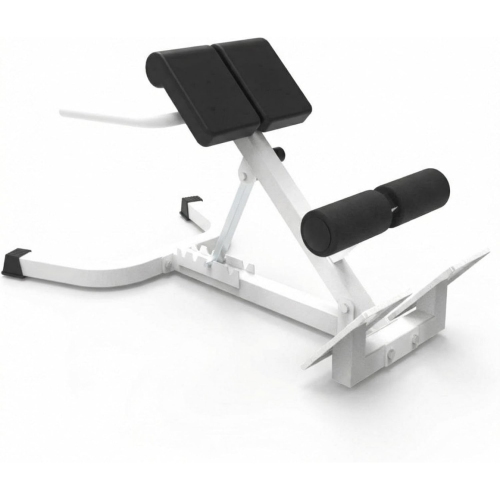
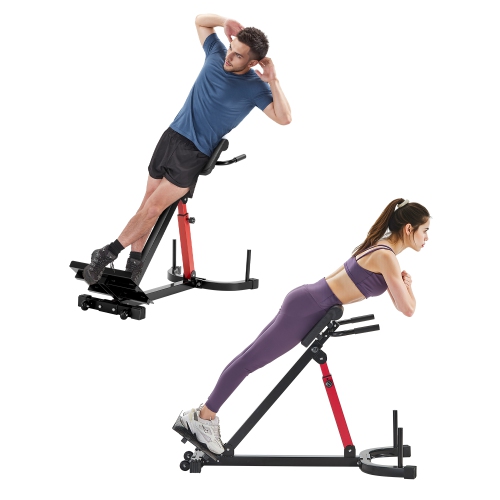
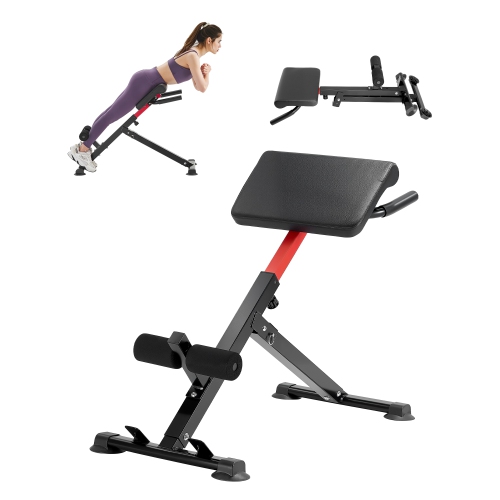

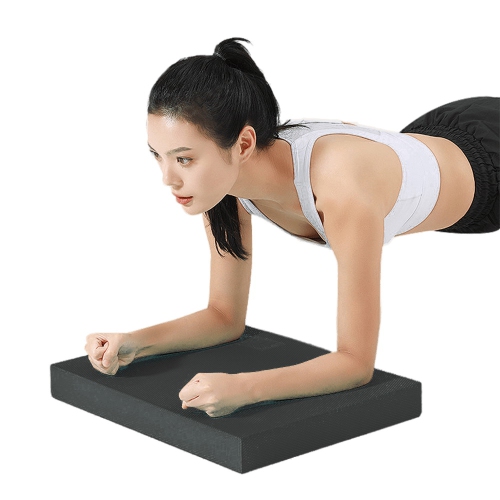
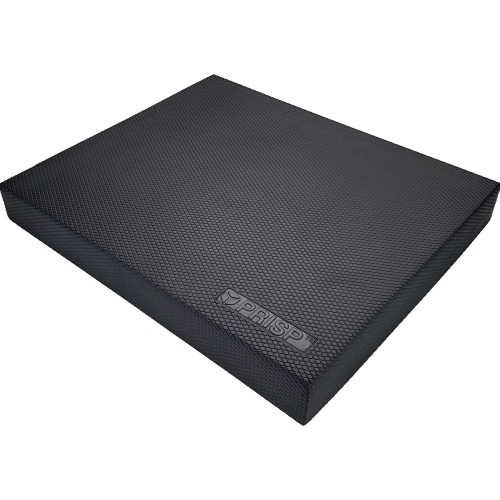

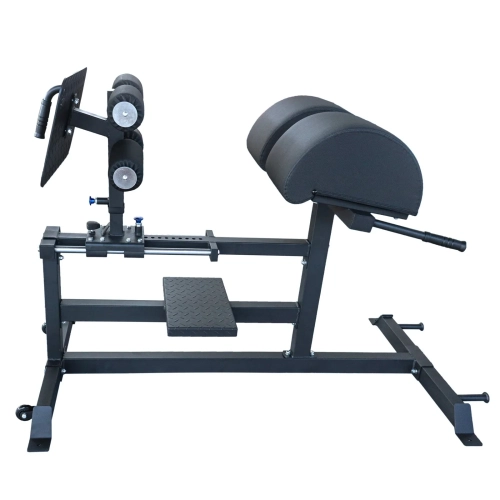
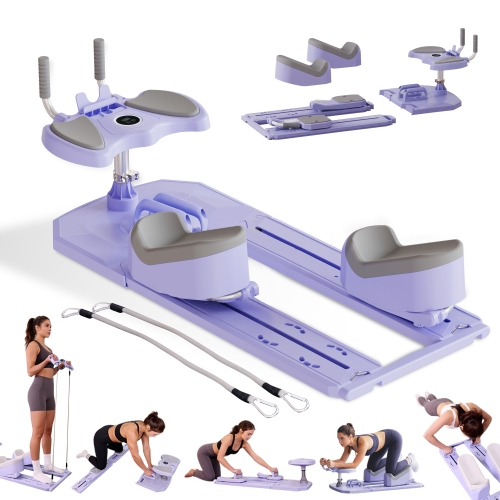

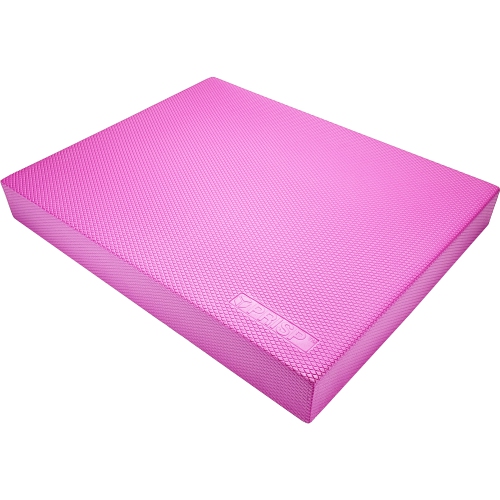

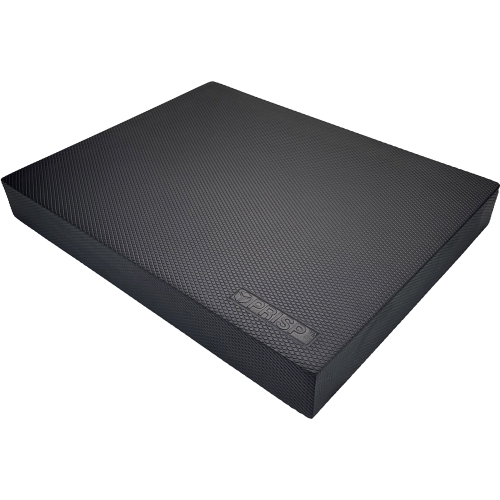












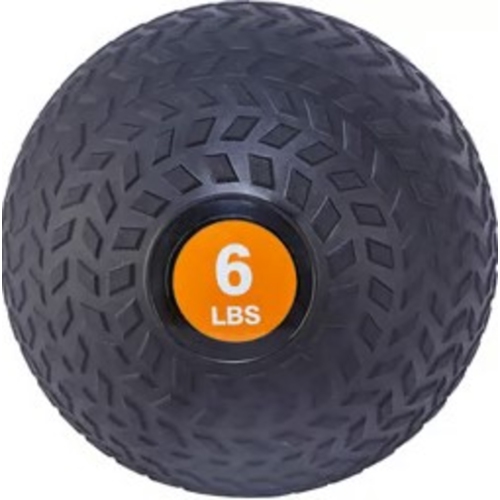
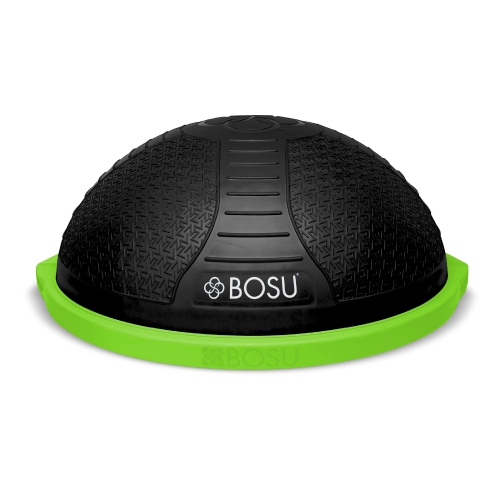

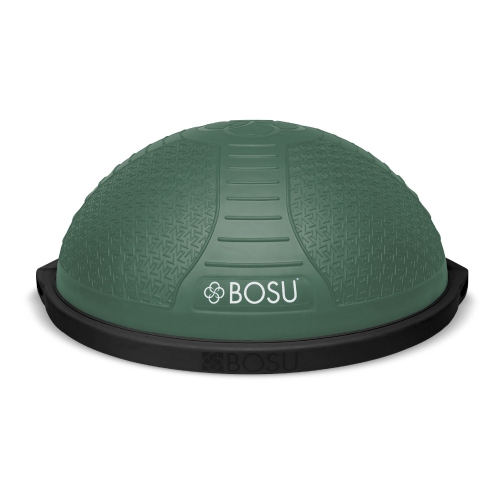
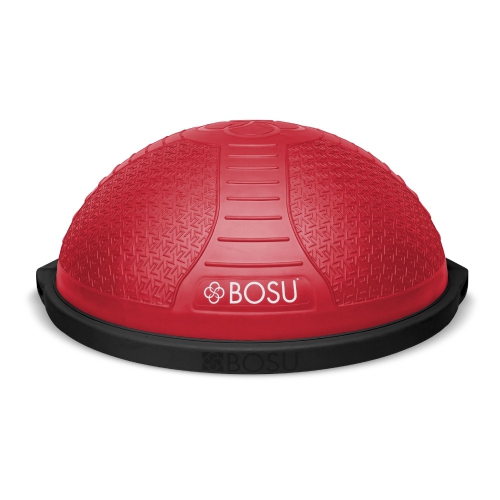
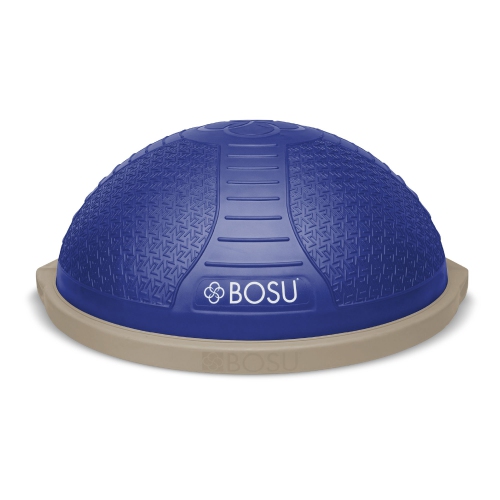
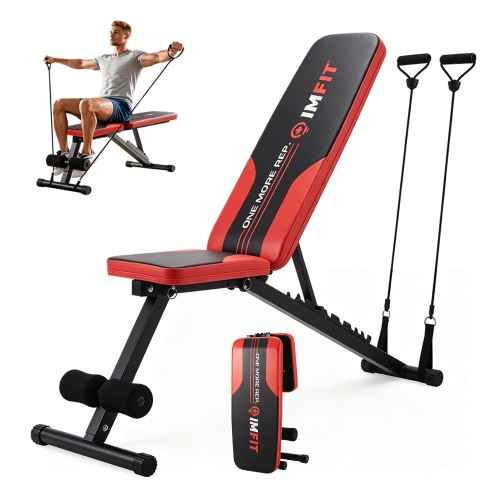
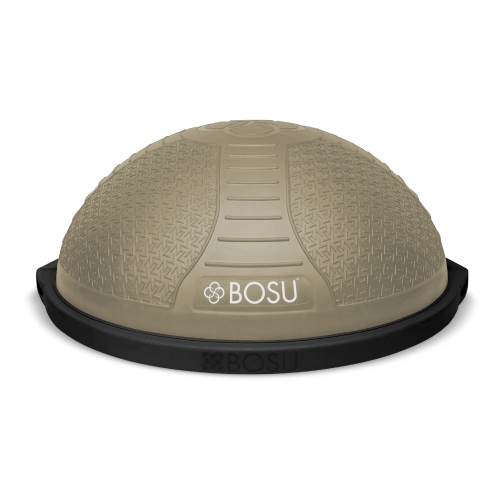
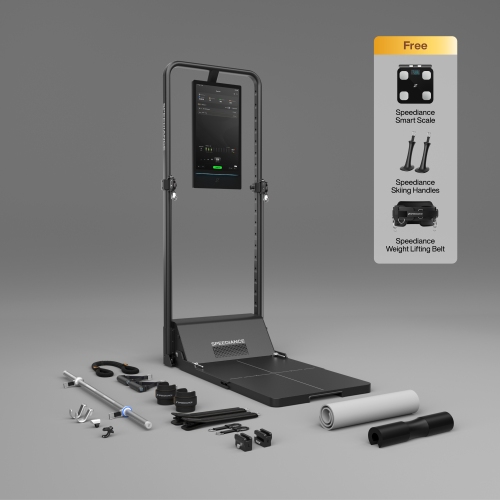










Why core training goes beyond the crunch
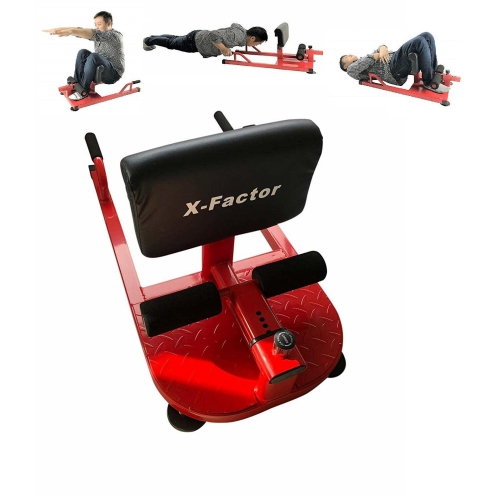
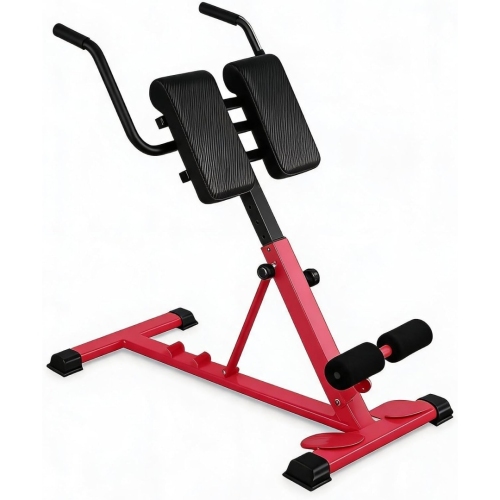
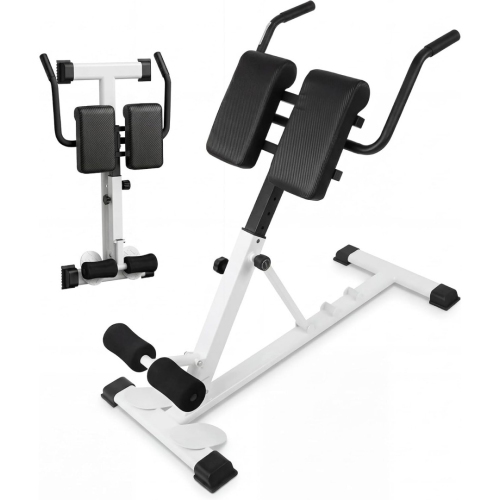
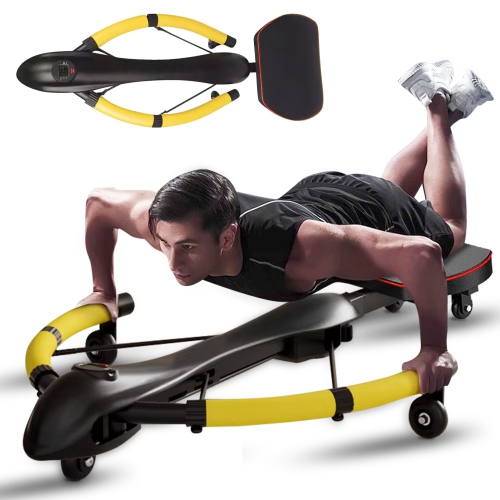
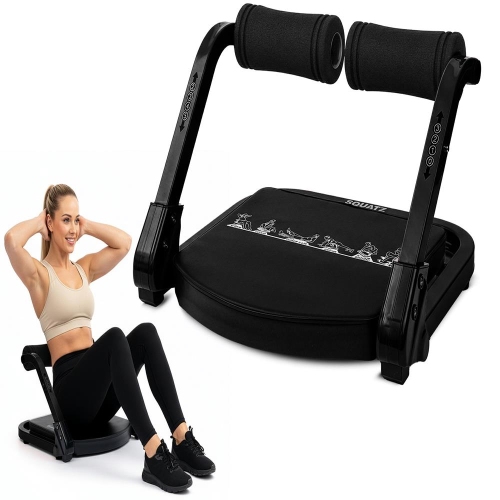
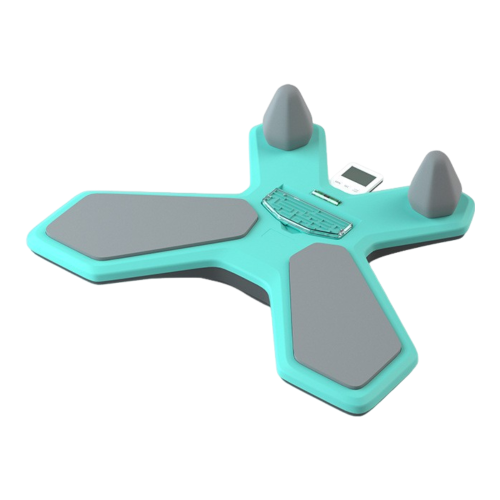
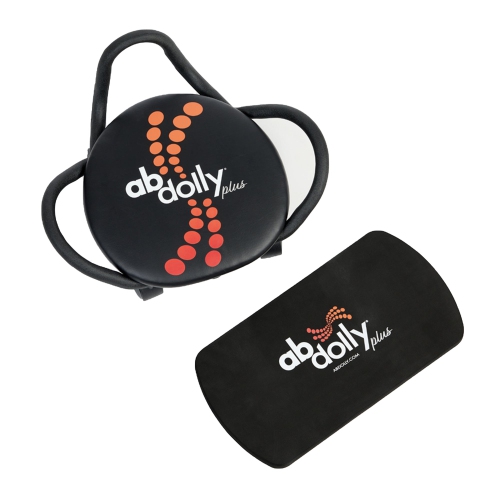
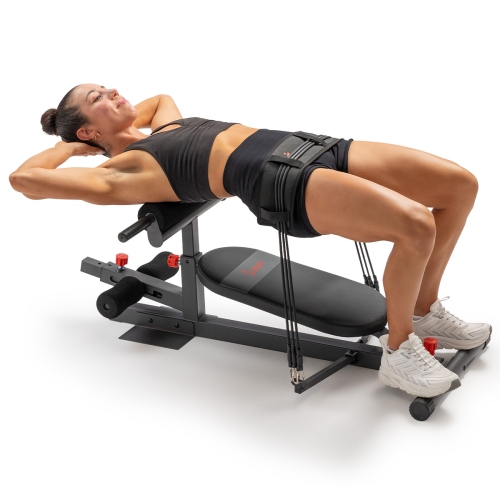
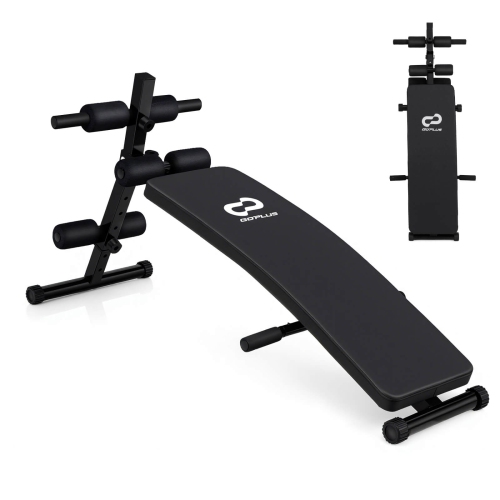
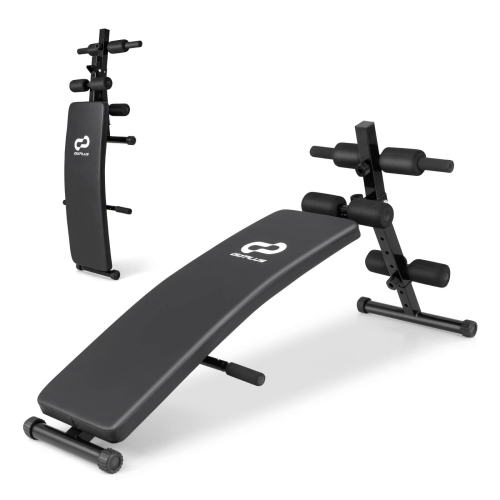
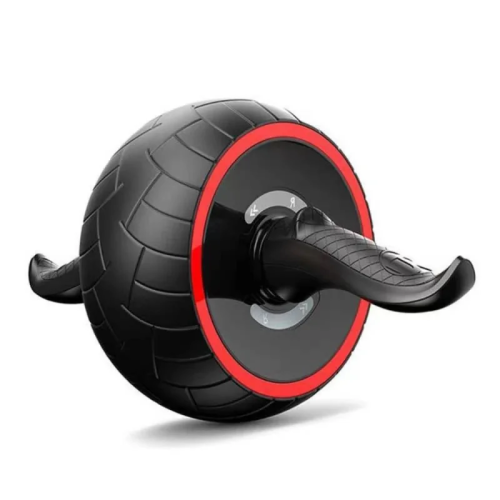
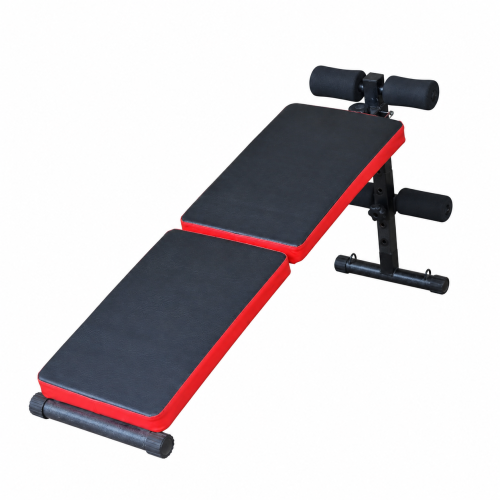
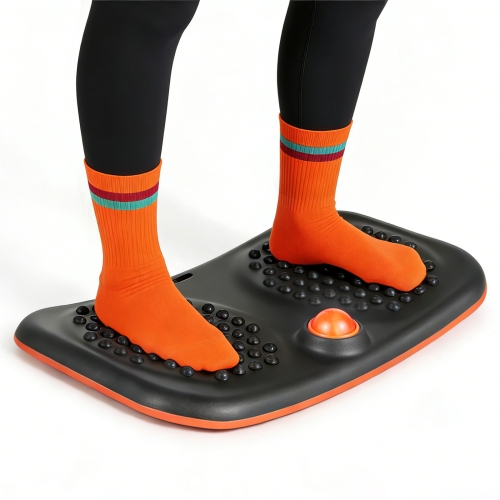
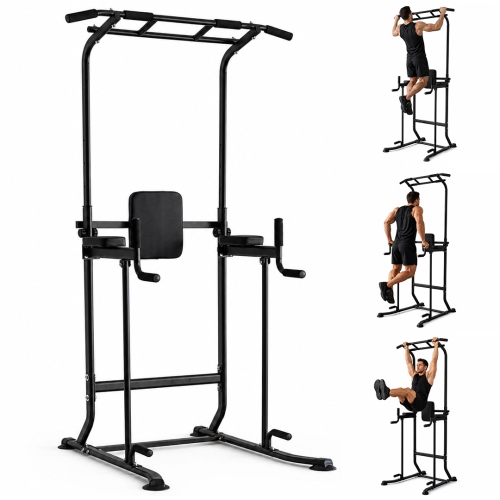
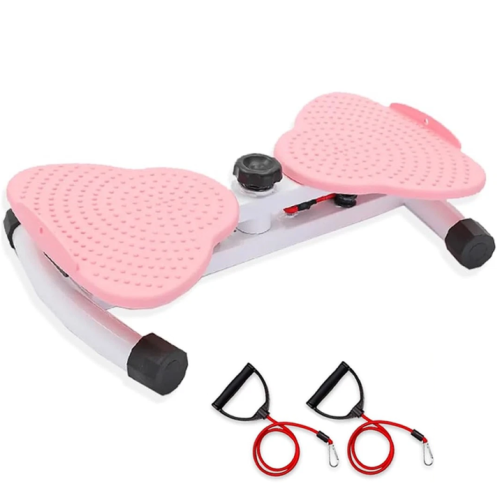
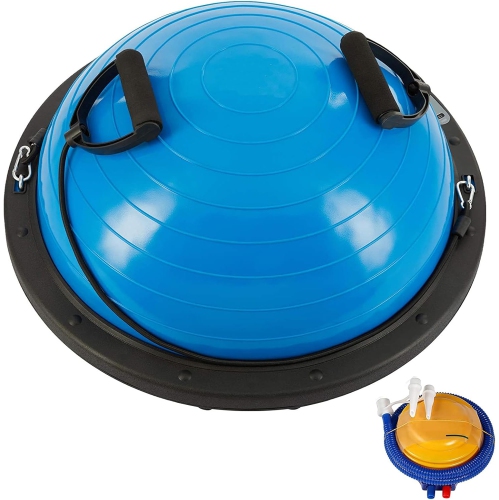
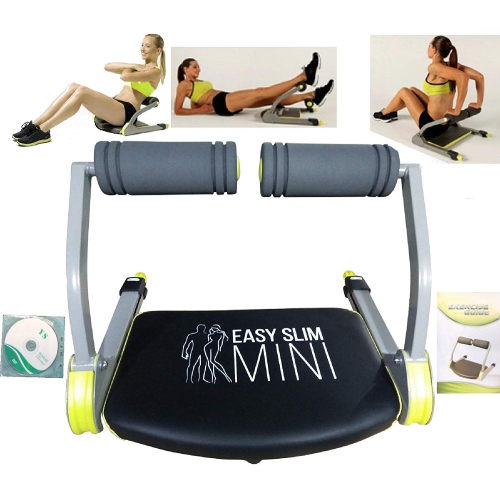
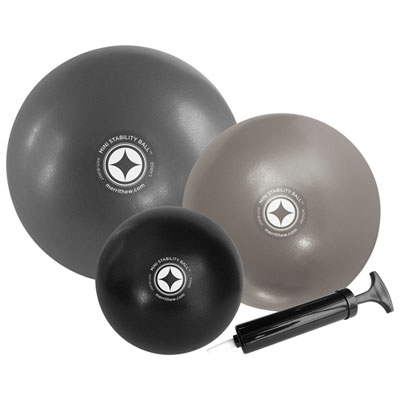
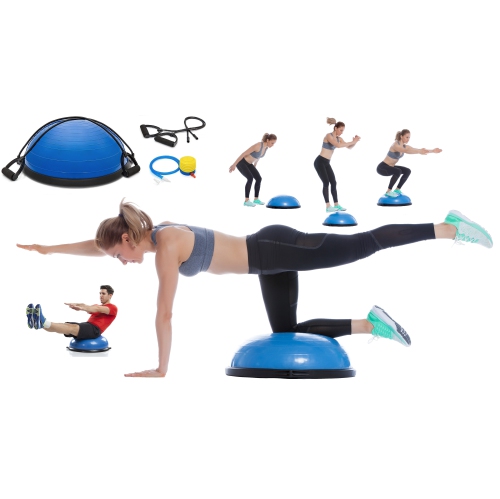
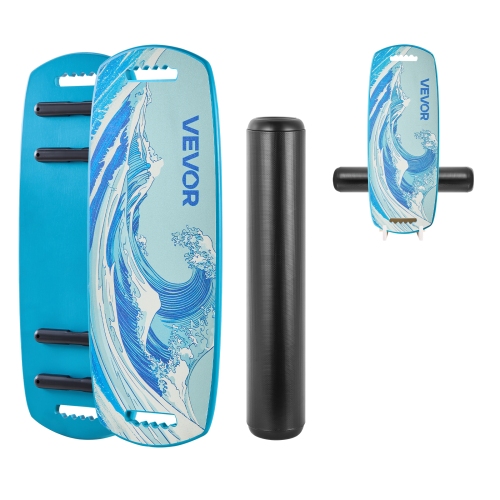
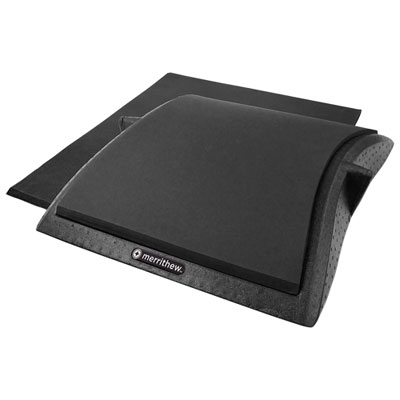
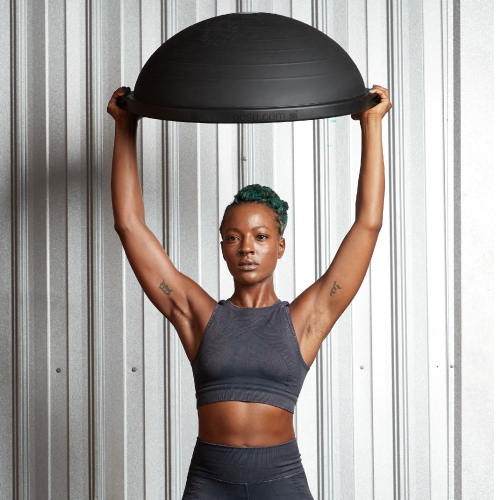
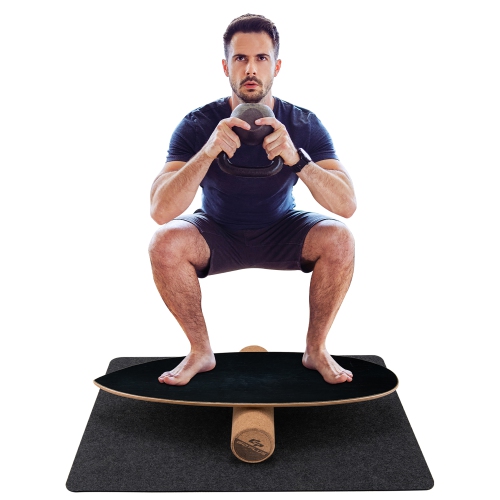
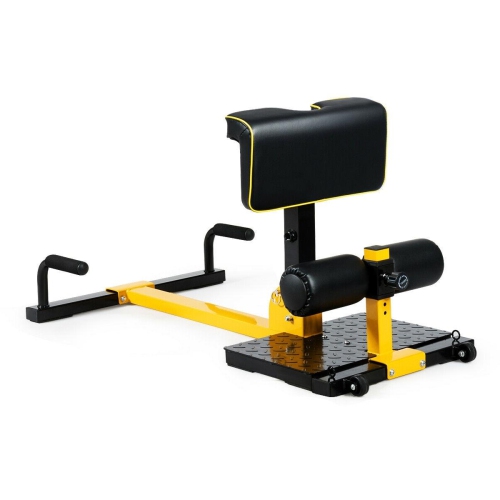
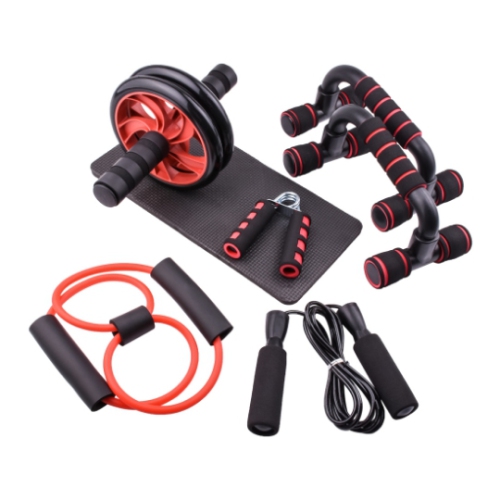
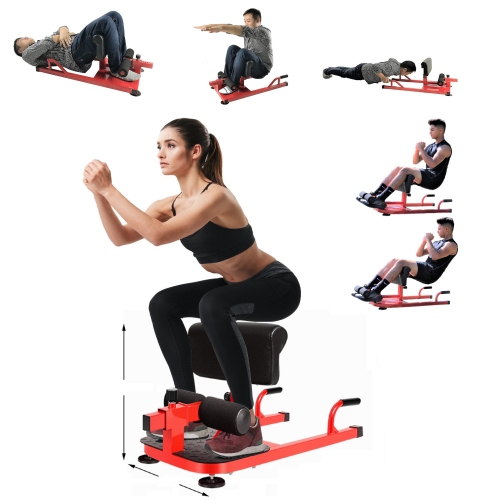
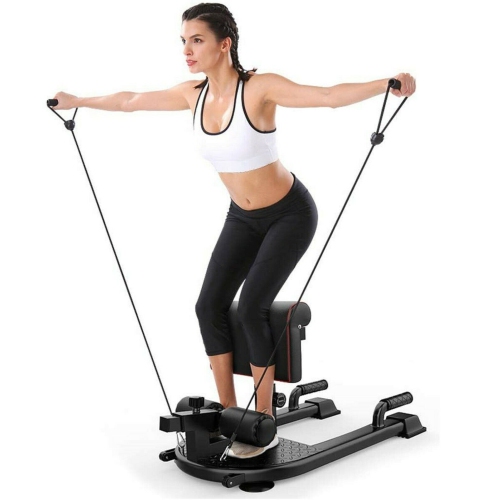
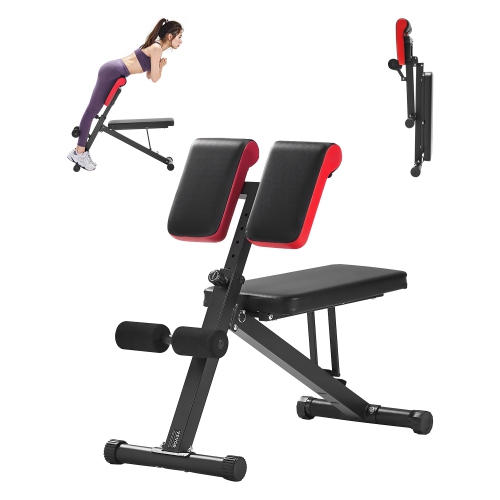
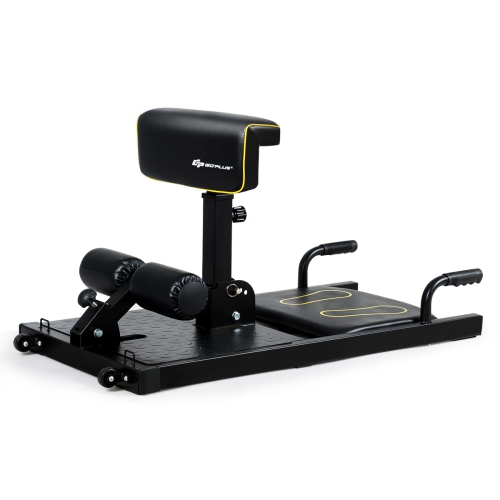
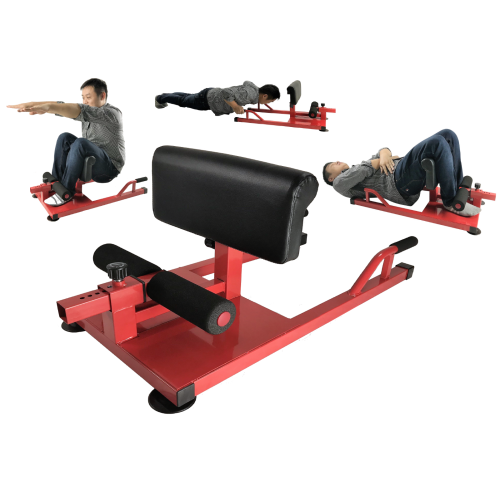
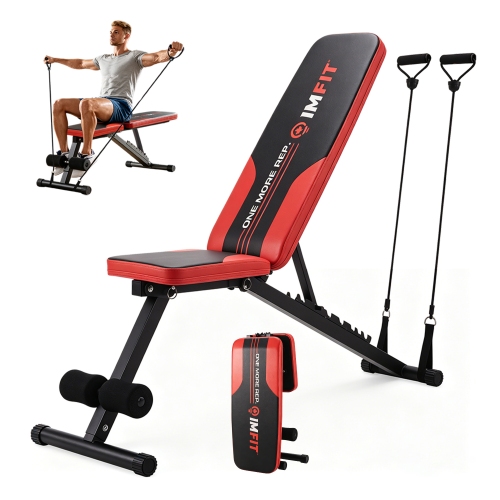
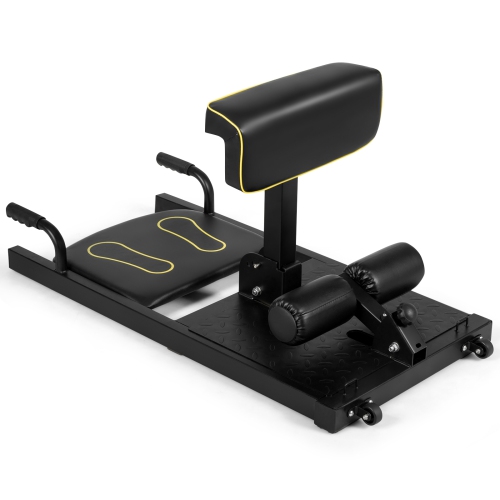
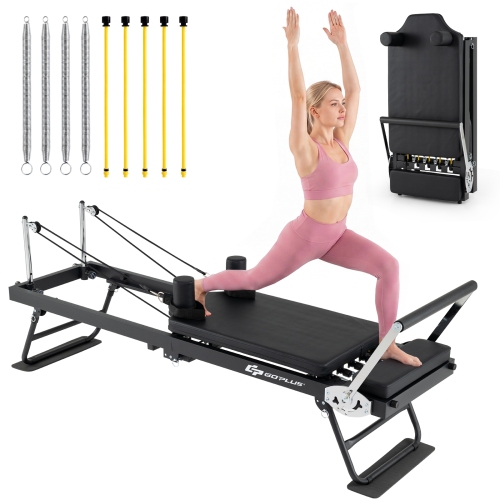
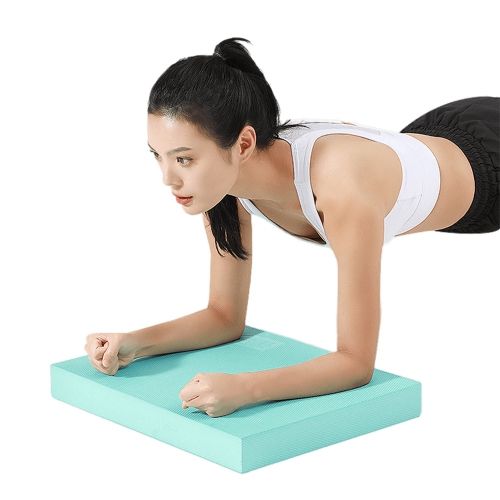
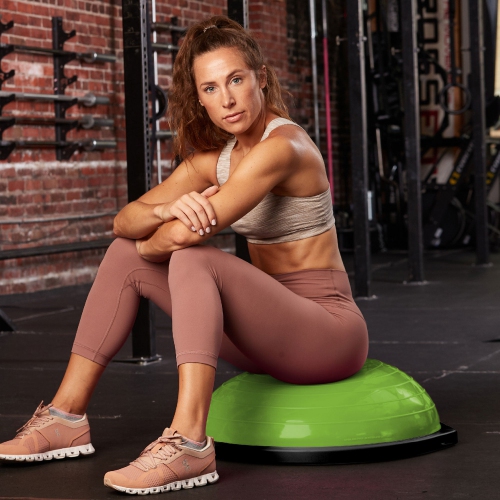
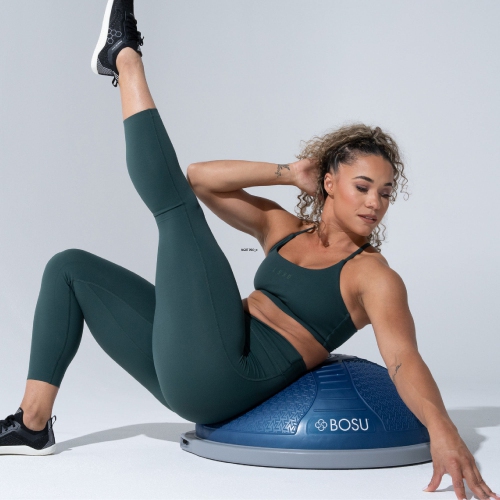
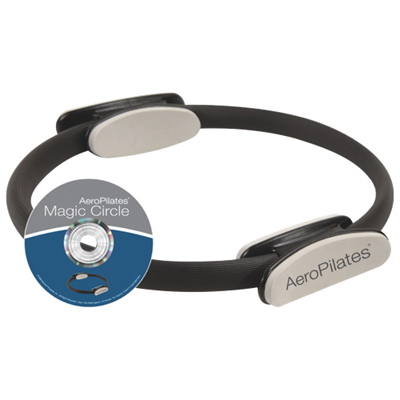
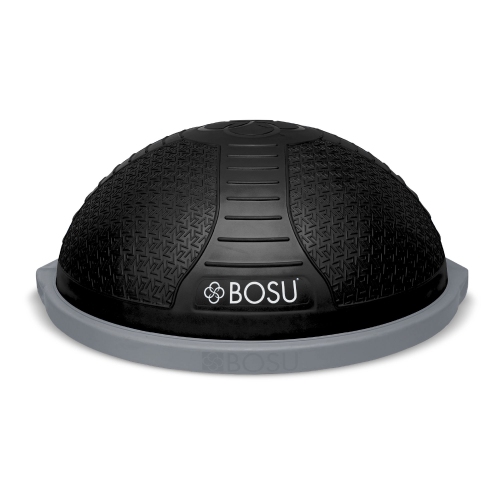
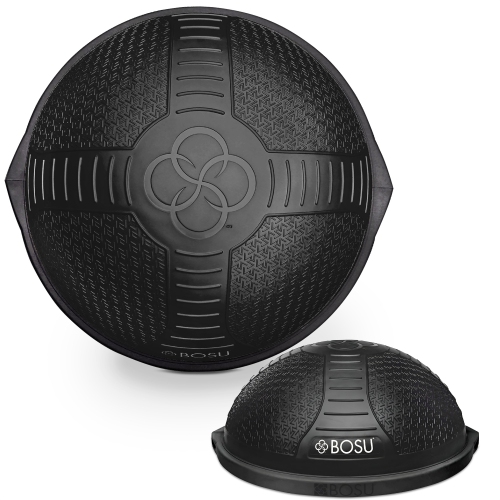
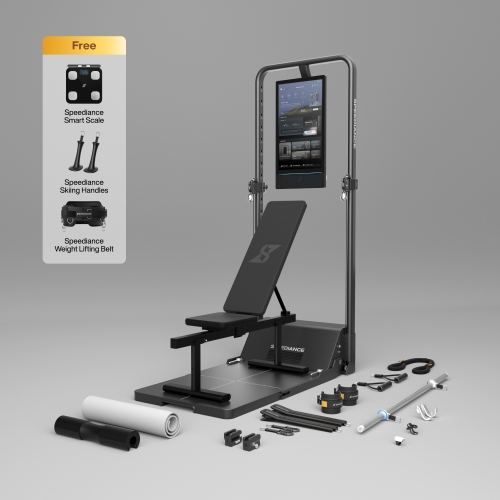
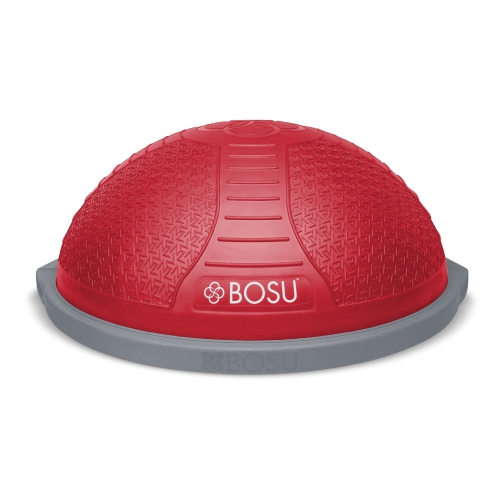
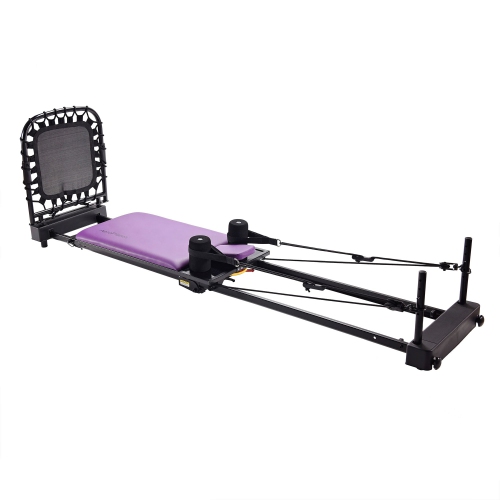
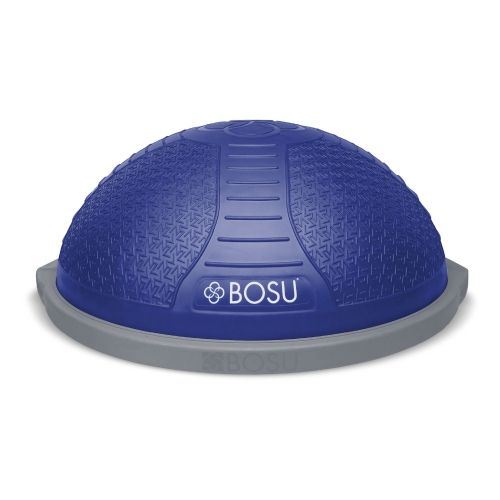
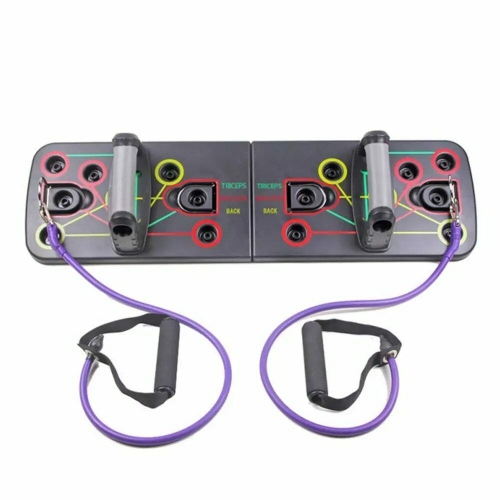
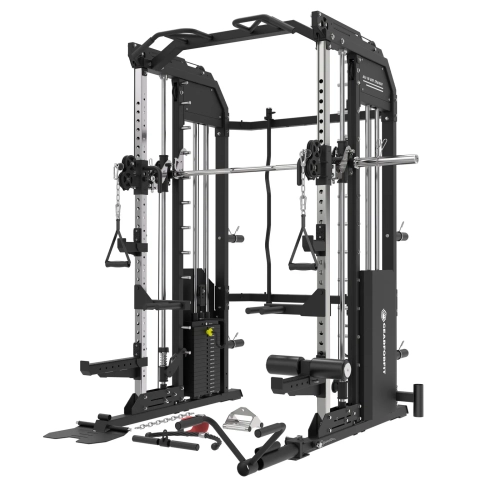
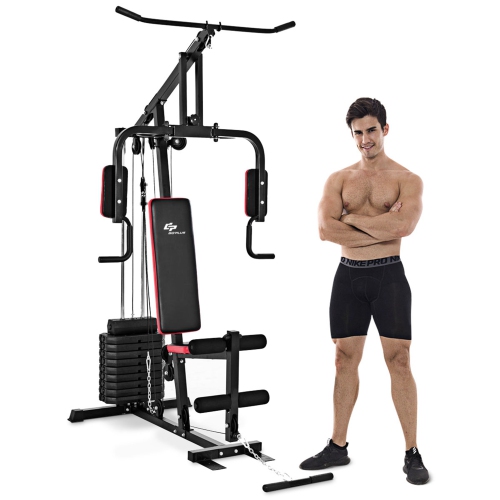
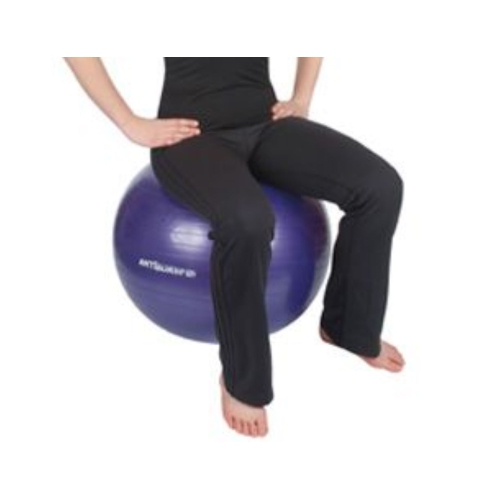
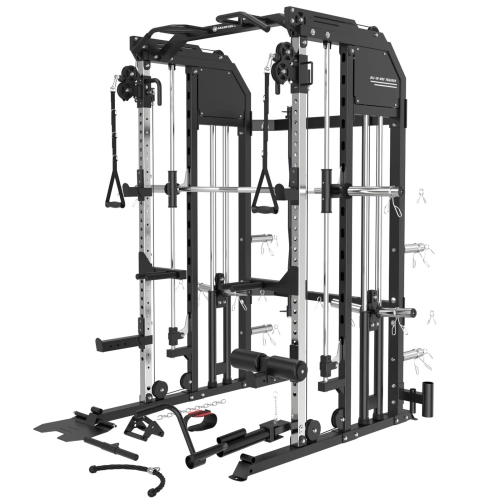
Core workout tools are exercise accessories and larger training equipment used to challenge the muscles that support the trunk, including the abdominals, obliques, and muscles around the back and pelvis. This category includes ab rollers, stability balls, resistance bands, exercise sliders, suspension trainers, balance equipment, and dedicated abdominal machines. Each type creates a different training challenge: a rolling wheel extends the body away from its base of support, a resistance band adds tension, and a stability ball introduces a surface that moves beneath the user. These differences matter because core training involves more than bending forward into a crunch. It also includes holding the torso steady, controlling rotation, and maintaining alignment while the arms or legs move. Compact accessories can add variety to a floor routine, while larger equipment may suit a dedicated workout area where setup stays in place between sessions. For someone who exercises beside the sofa, a pair of sliders and a rolled mat can be easier to manage than a machine that needs permanent floor space. Someone building a home gym may prefer equipment that supports several movements or offers adjustable resistance as their strength develops. Beginners and experienced exercisers can both use core training equipment, but the appropriate challenge depends on the movement, the setup, and the person using it. A small ab wheel can demand considerable trunk control, while a larger machine may offer adjustable positions that make certain exercises more manageable. Core strength can contribute to everyday movements such as carrying groceries, lifting a suitcase, or staying steady while reaching, although no single tool trains every aspect of strength and balance. Equipment is most useful when it fits the way someone actually exercises, whether that means a short mat session, a full strength workout, or supplementary training for a sport. Comfortable contact points, manageable resistance, and enough room to move often matter more in daily use than a long list of features.
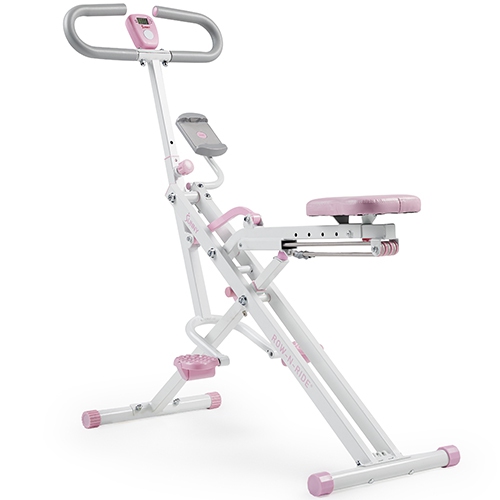
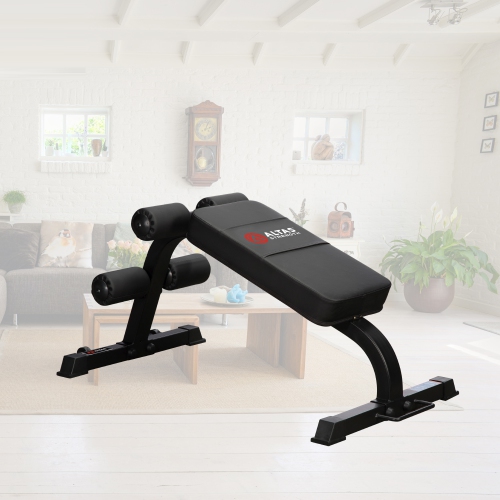
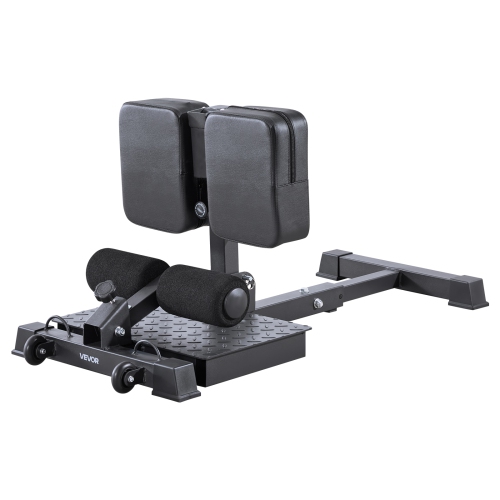
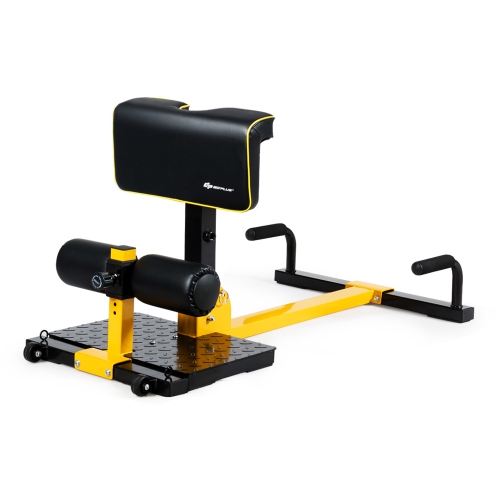
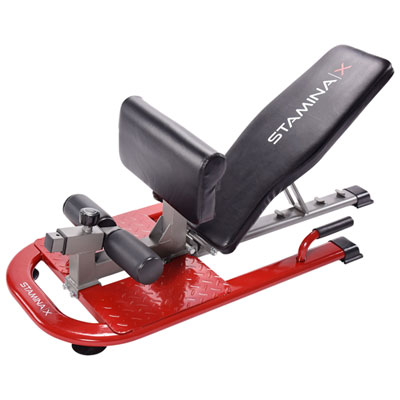
The feel and construction of core exercise equipment influence both comfort and control. Ab rollers commonly combine a rigid wheel assembly with a tread designed to grip the floor and handles that provide a secure hold. Wheel width, handle shape, and any built-in assistance affect the experience, but even assisted designs require an appropriate range of motion. Stability balls are typically made from flexible material, with size and inflation requirements that affect their height and firmness. Their stated user limits and intended exercises are important distinctions; a ball intended for controlled floor exercises should not be assumed suitable for every weighted movement. Exercise sliders use low-friction surfaces to let the hands or feet travel across the floor, and compatibility varies between carpet and hard flooring. A smooth glide on one surface may feel jerky or overly slippery on another, making the flooring at home part of the equipment choice. Resistance bands may be made from latex, other elastic materials, or fabric-covered constructions, with different textures, stretch characteristics, and care requirements. Latex content matters for anyone with a relevant allergy, while the width and finish can affect comfort against clothing or skin. Suspension trainers generally use adjustable webbing, handles, foot cradles, and anchoring hardware; their suitability depends on both the trainer and an approved, correctly installed anchor point. Dedicated abdominal machines can include sliding carriages, padded supports, adjustable inclines, or folding frames. Their footprint needs to account for the moving parts and the space required to get on and off, not just the frame dimensions. Across these categories, fit is practical rather than cosmetic: handles should be comfortable to grasp, pads should support the intended contact areas, and adjustments should accommodate the user’s height and movement. An exercise mat can make kneeling or lying positions more comfortable, although extra thickness is not always better when a movement calls for firm footing. The overall setup should provide a stable base without bunching, shifting, or obstructing the equipment’s intended travel.
Durability depends on how core workout tools are made, how they are used, and how they are stored between sessions. Frequent training puts repeated stress on band material, wheel axles, seams, straps, and adjustment mechanisms, so sound connections and straightforward maintenance are useful qualities. Sweat, dust, and floor grit can also affect surfaces that the hands, knees, or feet touch. Manufacturer-approved cleaning methods help preserve grip and padding; a wipeable surface may be convenient in a shared workout space, while fabric components can require different care. Elastic accessories need regular checks for cracking, tears, or worn sections, and straps should be checked for fraying or damaged stitching. Loose hardware, damaged padding, or a wheel that no longer rolls smoothly can change how equipment behaves during a movement. Storage deserves equal attention. A basket or drawer can keep small accessories together, but bands are better kept away from sharp edges, and inflated equipment needs a spot where it will not be punctured or become a trip hazard. Folding equipment can reduce its storage footprint, provided its hinges and locking mechanisms are used as directed. These practical details are especially relevant in multipurpose rooms, where workout gear needs to move out of the way after a session. Core training accessories can also make thoughtful gifts for someone who has expressed an interest in home exercise, particularly when their preferred activities, space, and experience are known. Familiarity with the recipient’s routine is more useful than assuming that a more demanding tool will be a better fit. Comfort after exercise is another part of a home fitness setup, and Fitness Recovery Tools can complement a separate mobility or relaxation routine without replacing rest. During exercise, controlled movement and a manageable challenge remain more important than covering the greatest distance or using the highest resistance. Anyone returning after an injury or managing a condition that affects exercise may benefit from qualified advice about suitable movements. Well-matched equipment leaves room for gradual progress while making regular sessions comfortable to set up, use, and put away.
Top selling and popular products
-
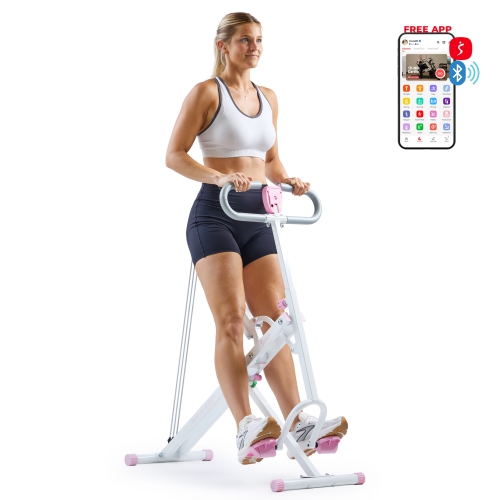 Your price for this item is $179.95
-
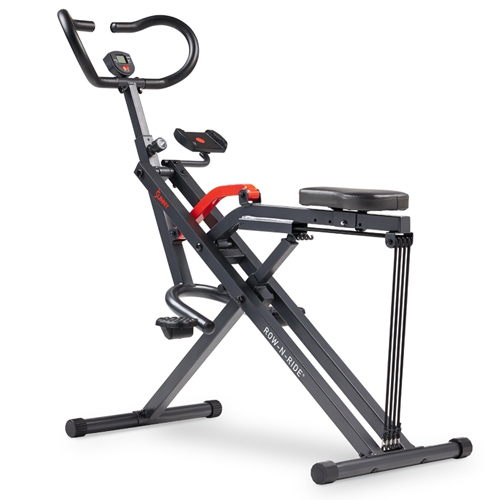 Your price for this item is $249.95
-
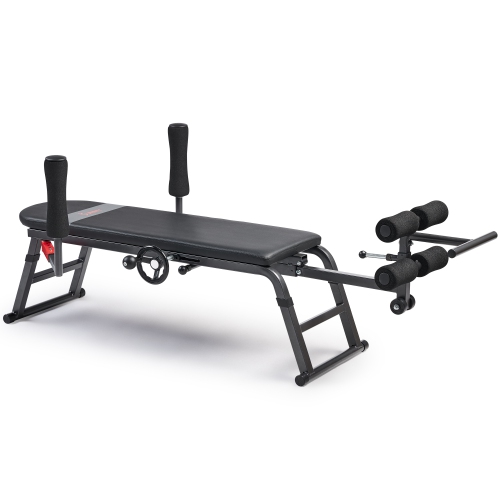 Your price for this item is $419.99
-
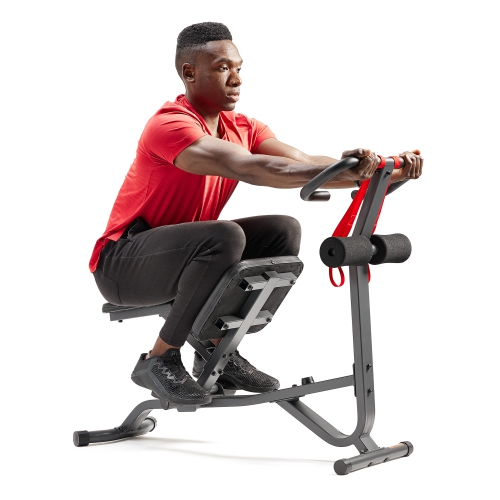 Your price for this item is $419.99
-
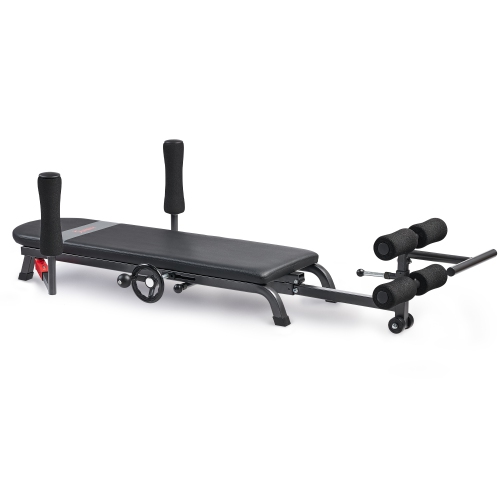 Your price for this item is $369.99
-
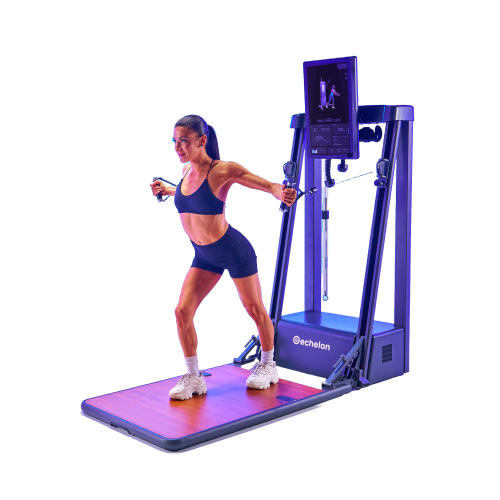 Your price for this item is $4109.99
-
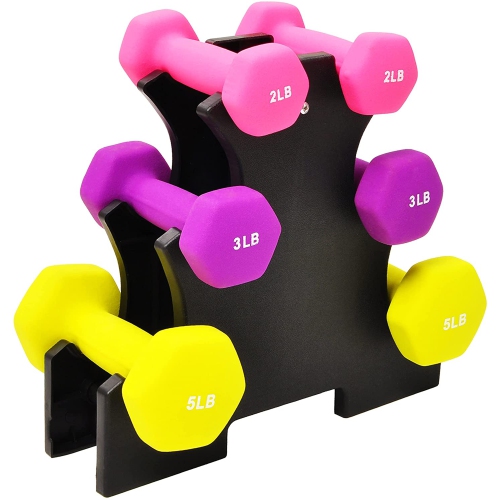 Your price for this item is $90.99
-
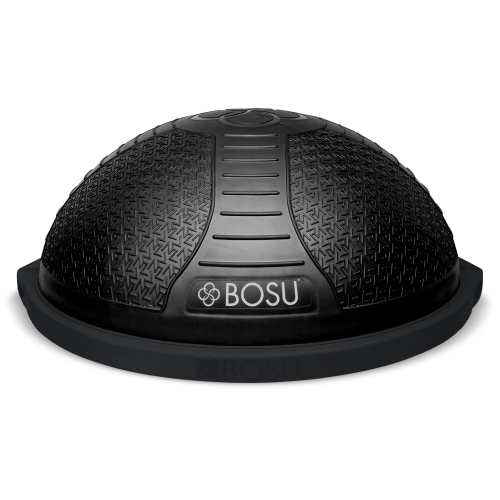 Your price for this item is $481.99
Discover more categories related to Core Workout Tools
Top Collections:
Pokemon Centers, Best Cameras for Sports Photography, Kindle Devices, Samsung Galaxy Phones, Canon G7X Cameras, Pokémon 30th Celebration Cards, Refurbished Apple Laptops, iPhone 15 Apple, Laptops for Students, Budget Smartphones
Some products may be subject to Environmental Handling Fees
(EHF) depending on your province.
Learn more about EHFs.