Cycling Bikes
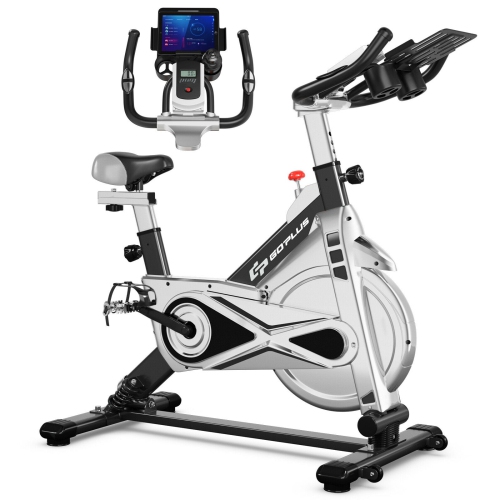
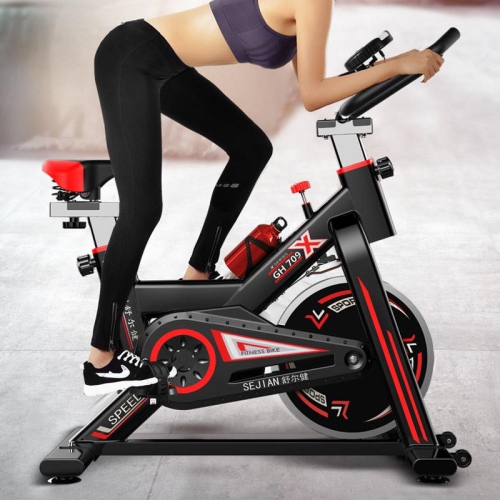
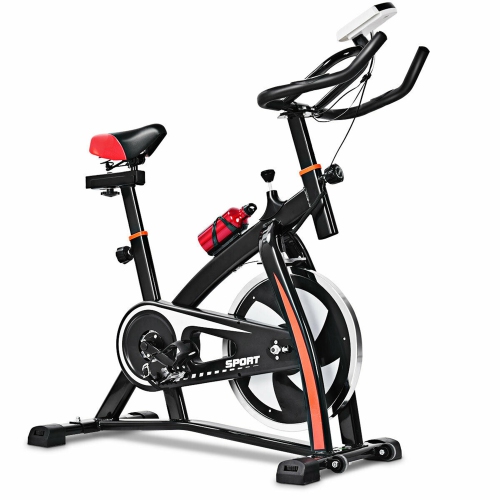
Elevate your fitness journey with the perfect cycling bike that blends performance and convenience. Whether you're a seasoned cyclist or just starting to explore the world of indoor biking, our selection offers something for everyone. Designed to enhance your workout experience, these bikes provide a smooth ride and adjustable features to suit your individual needs. Dive into an engaging cardio session from the comfort of your home and enjoy the benefits of improved endurance, strength, and overall well-being. Discover how a cycling bike can transform your routine and keep you motivated every step of the way.
Sort


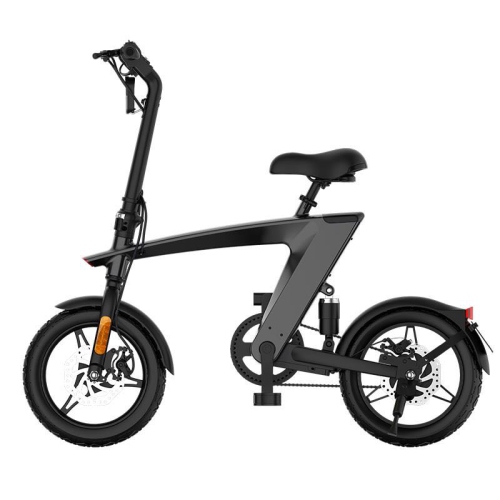
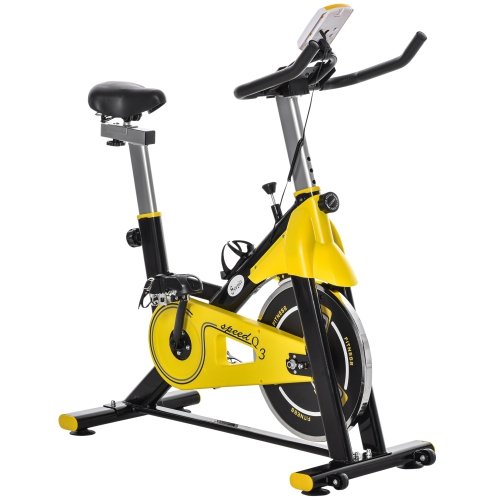
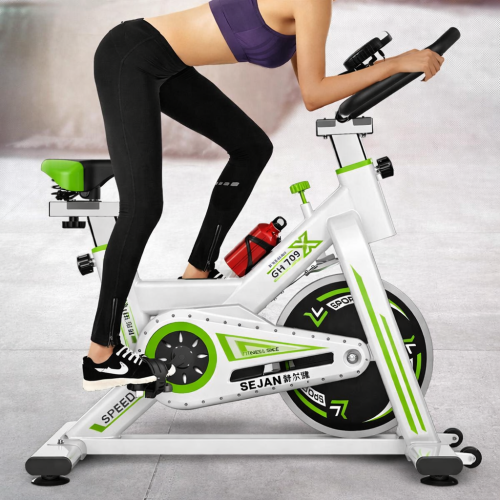
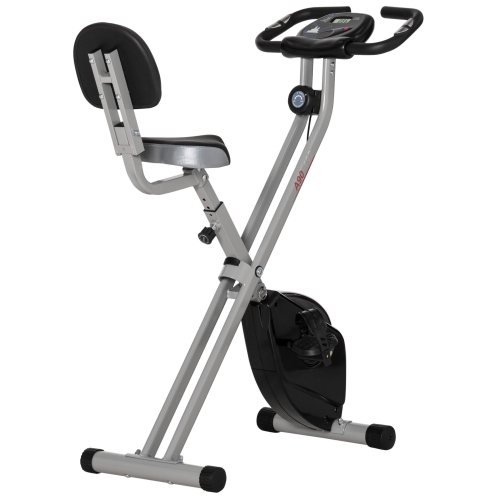
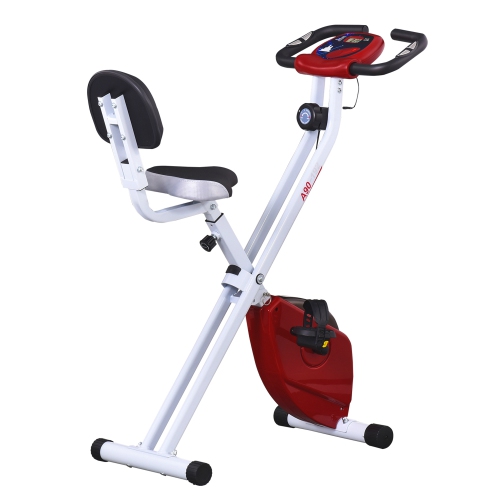
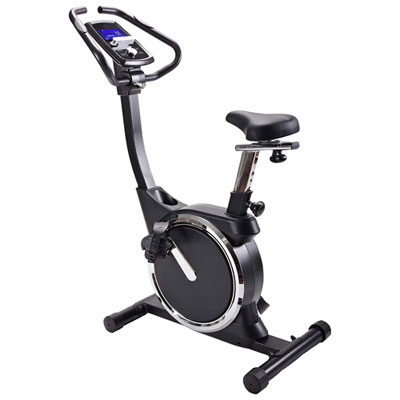
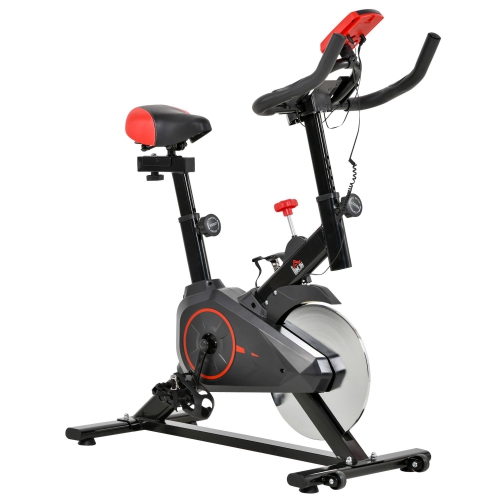
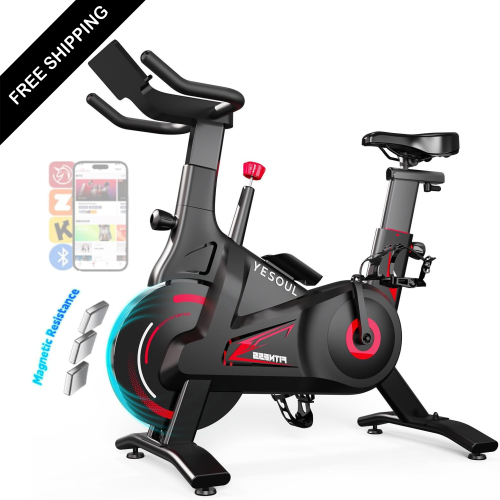
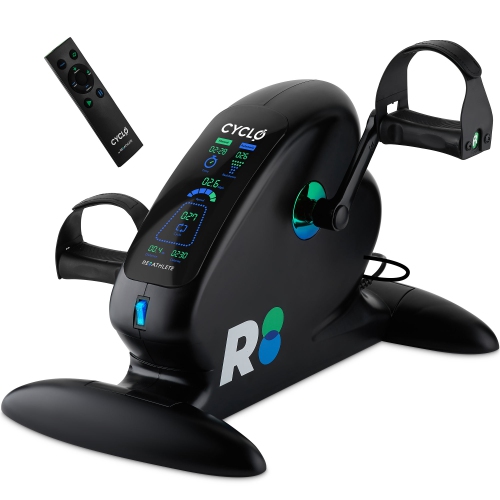
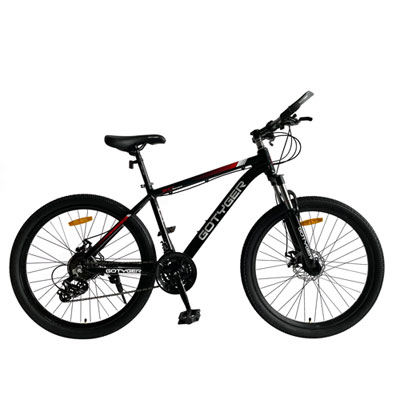
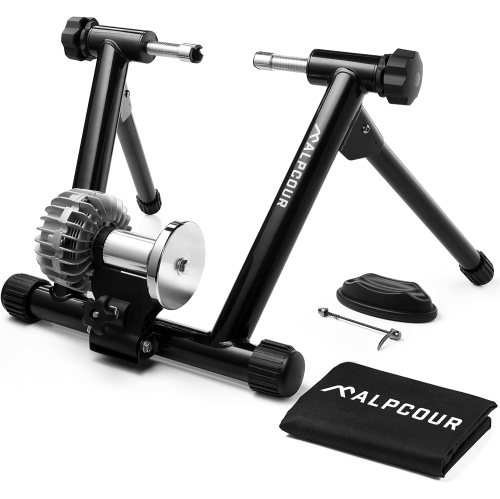
How terrain, fit and preparation shape better rides
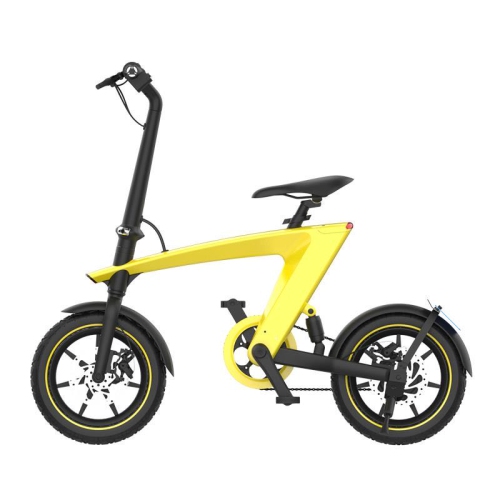
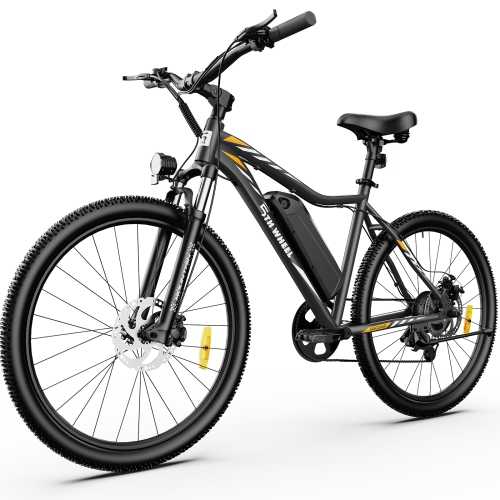
Cycling bikes can support everything from relaxed neighbourhood rides to fast road training, daily commuting and challenging trail adventures. The best choice depends on where the bike will be ridden most often, how far each ride typically goes and the type of handling the rider prefers. Road bikes are designed for paved surfaces, with lighter frames, narrower tyres and drop handlebars that support an efficient position for covering longer distances. They can feel quick and responsive on smooth roads, making them a strong fit for fitness riding, group rides and commuting on well-maintained streets. Mountain bikes are built for uneven ground, with wider, more heavily treaded tyres, stable frames and gearing suited to climbs and descents. Some include front suspension for gravel and packed trails, while others use more suspension to help absorb roots, rocks and rougher terrain. Browse Mountain Bikes when trail riding is the main priority. Gravel and all-road bikes sit between road and off-road categories, combining a comfortable riding position with wider tyres and additional clearance for loose paths, gravel roads and mixed surfaces. Hybrid and commuter bikes are often chosen for their upright posture, approachable handling and practical everyday design, making them useful for errands, paved pathways and short-to-medium city trips. When comparing bikes, start with the riding surface rather than appearance alone. A lightweight road-focused bike may feel wonderfully smooth on asphalt but less confident on rough paths, while a heavily treaded trail bike may be reassuring off-road but slower on long paved stretches. Matching the bike’s construction to the intended route helps the rider enjoy a more natural, controlled and comfortable experience.
Fit is one of the most important parts of choosing a cycling bike. Frame size, saddle height, handlebar reach and riding position all affect comfort, balance and control, especially when a ride extends beyond a quick trip around the block. A bike that is too large can feel difficult to steer and stop, while one that is too small may leave the rider feeling cramped. Look for sizing information supplied with each bike and compare it with the rider’s height, inseam and experience level. Beginners often appreciate a stable frame, predictable steering and a comfortable position that makes it easy to look ahead in traffic or on shared paths. More experienced riders may prioritize weight, gearing range, tyre width and a position that supports efficient pedalling. Gearing is another practical consideration: multiple gears make it easier to manage hills, headwinds and changing terrain, while simpler setups can be straightforward for flat routes and casual use. Brakes should also suit the intended environment. Reliable stopping performance is essential on wet pavement, steep streets and busy paths, and riders should be able to reach the brake levers comfortably. Tyre size and tread influence the feel of every ride; narrower, smoother tyres roll quickly on pavement, while wider tyres provide added grip and cushioning on gravel or uneven surfaces. For anyone purchasing a bike as a gift, consider the recipient’s usual routes, storage space and riding goals before choosing a style. A cycling bike can be a thoughtful gift for a student travelling between classes, a commuter looking for a practical way to get around, a recreational rider planning weekend outings or a family member returning to an active hobby. If the bike is intended for someone else, a gift card or a shared sizing appointment can be helpful when frame fit and riding preferences are not known.
The right preparation can make cycling more enjoyable throughout the changing conditions of early fall and the cooler months. Before the first ride, check that the tyres are inflated to the recommended range, the wheels are secure, the chain moves smoothly and the brakes respond firmly. A properly adjusted saddle can reduce strain, while gloves and layered clothing help keep hands and the rest of the body comfortable when temperatures drop. Visibility matters as daylight becomes shorter, so front and rear lights, reflective details and bright clothing are useful for riders travelling near roads or in dim conditions. A helmet that fits snugly and sits level is an important part of a complete riding setup, and a lock is practical for bikes left outside shops, schools or workplaces. Fenders can help keep spray off clothing on wet paths, while a rear rack, basket or small bag can carry daily essentials without overloading the rider’s back. After rides on damp or muddy surfaces, wipe down the frame and drivetrain, remove grit from moving parts and store the bike in a dry area away from freezing moisture where possible. During the cooler months, some riders continue using their bikes for short commutes and errands, while others focus on indoor storage and occasional maintenance until conditions improve. In either case, choosing a bike that reflects the rider’s terrain, comfort preferences and routine is the best foundation for regular use. Whether the goal is a quiet ride through local streets, a steady fitness loop, a practical trip across town or an adventurous route beyond paved roads, the cycling bikes in this assortment offer different ways to make riding part of everyday life.
Fit is one of the most important parts of choosing a cycling bike. Frame size, saddle height, handlebar reach and riding position all affect comfort, balance and control, especially when a ride extends beyond a quick trip around the block. A bike that is too large can feel difficult to steer and stop, while one that is too small may leave the rider feeling cramped. Look for sizing information supplied with each bike and compare it with the rider’s height, inseam and experience level. Beginners often appreciate a stable frame, predictable steering and a comfortable position that makes it easy to look ahead in traffic or on shared paths. More experienced riders may prioritize weight, gearing range, tyre width and a position that supports efficient pedalling. Gearing is another practical consideration: multiple gears make it easier to manage hills, headwinds and changing terrain, while simpler setups can be straightforward for flat routes and casual use. Brakes should also suit the intended environment. Reliable stopping performance is essential on wet pavement, steep streets and busy paths, and riders should be able to reach the brake levers comfortably. Tyre size and tread influence the feel of every ride; narrower, smoother tyres roll quickly on pavement, while wider tyres provide added grip and cushioning on gravel or uneven surfaces. For anyone purchasing a bike as a gift, consider the recipient’s usual routes, storage space and riding goals before choosing a style. A cycling bike can be a thoughtful gift for a student travelling between classes, a commuter looking for a practical way to get around, a recreational rider planning weekend outings or a family member returning to an active hobby. If the bike is intended for someone else, a gift card or a shared sizing appointment can be helpful when frame fit and riding preferences are not known.
The right preparation can make cycling more enjoyable throughout the changing conditions of early fall and the cooler months. Before the first ride, check that the tyres are inflated to the recommended range, the wheels are secure, the chain moves smoothly and the brakes respond firmly. A properly adjusted saddle can reduce strain, while gloves and layered clothing help keep hands and the rest of the body comfortable when temperatures drop. Visibility matters as daylight becomes shorter, so front and rear lights, reflective details and bright clothing are useful for riders travelling near roads or in dim conditions. A helmet that fits snugly and sits level is an important part of a complete riding setup, and a lock is practical for bikes left outside shops, schools or workplaces. Fenders can help keep spray off clothing on wet paths, while a rear rack, basket or small bag can carry daily essentials without overloading the rider’s back. After rides on damp or muddy surfaces, wipe down the frame and drivetrain, remove grit from moving parts and store the bike in a dry area away from freezing moisture where possible. During the cooler months, some riders continue using their bikes for short commutes and errands, while others focus on indoor storage and occasional maintenance until conditions improve. In either case, choosing a bike that reflects the rider’s terrain, comfort preferences and routine is the best foundation for regular use. Whether the goal is a quiet ride through local streets, a steady fitness loop, a practical trip across town or an adventurous route beyond paved roads, the cycling bikes in this assortment offer different ways to make riding part of everyday life.
Top selling and popular products
-
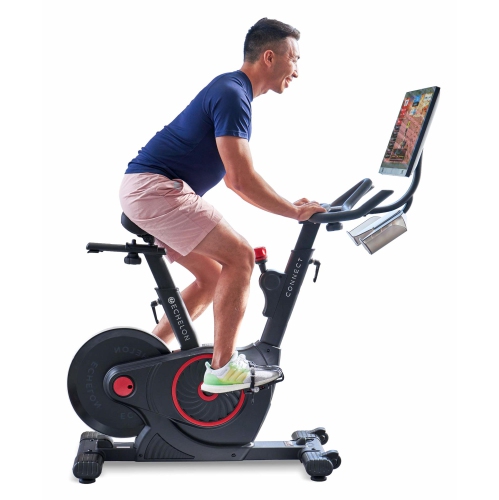 Your price for this item is $1899.99
 -
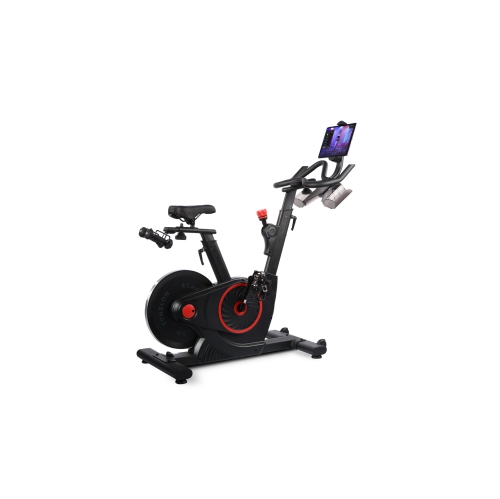 Your price for this item is $1299.99
 -
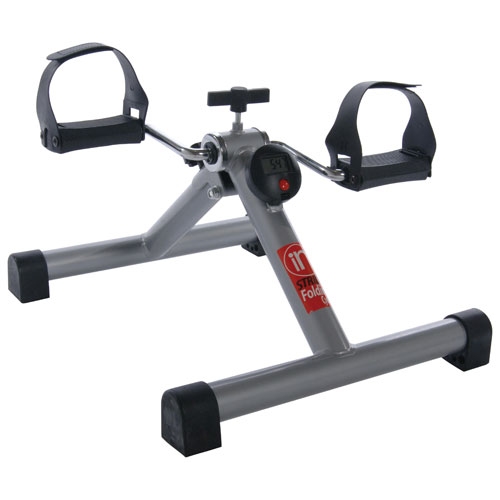 Your price for this item is $104.99
 -
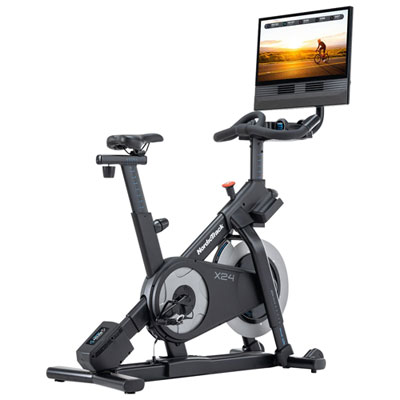 Your price for this item is $2701.98
 -
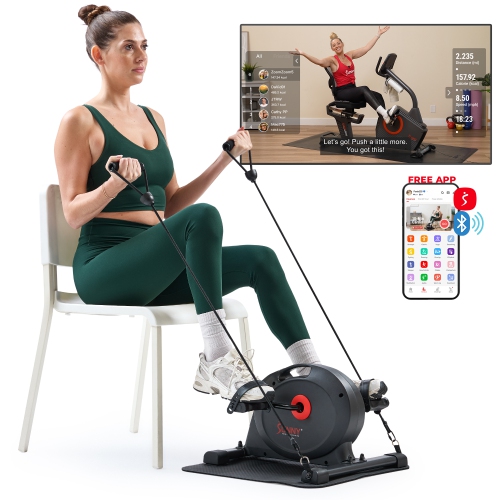 Your price for this item is $159.99
 -
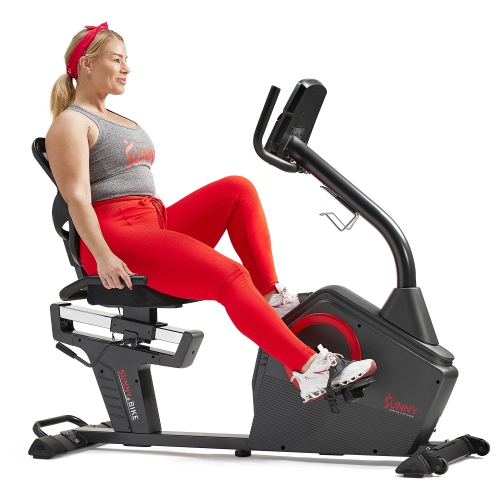 Your price for this item is $799.95
 -
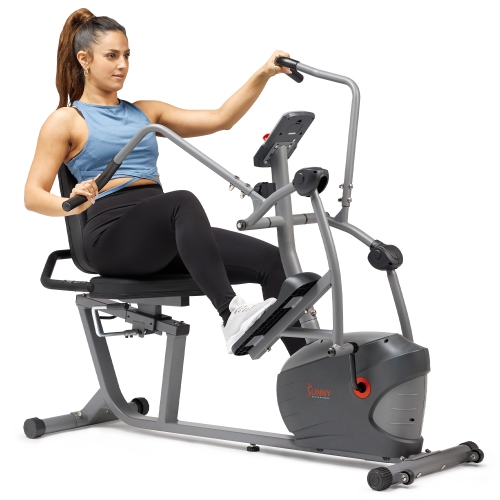 Your price for this item is $769.99
 -
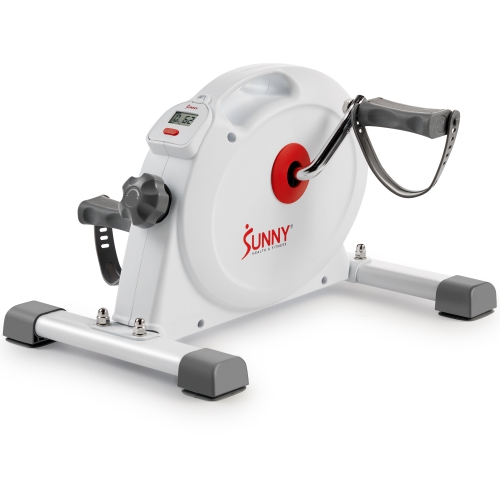 Your price for this item is $112.95
Discover more categories related to Cycling Bikes
Top Collections:
Pokemon Centers, Kindle Devices, Best Budget Office Chairs, Apple iPhones 16, Best Laptops for Writers, iPhone 15 Apple, Canon G7X Cameras, Refurbished Apple Laptops, Alarm Clock, Motorola Razr Phones
Some products may be subject to Environmental Handling Fees
(EHF) depending on your province.
Learn more about EHFs.