Cycling Gear
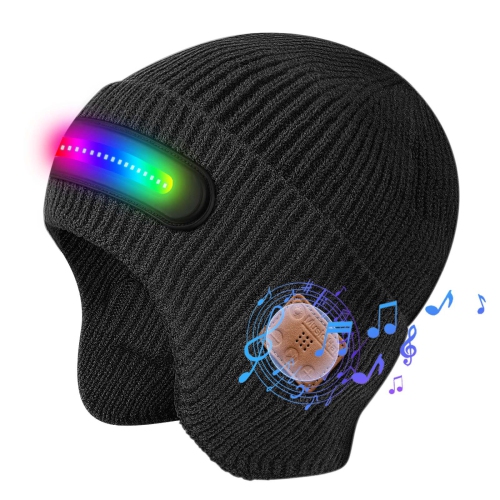
Get ready to hit the road with our top-notch selection of cycling gear. Whether you're a seasoned cyclist or just starting out, we've got everything you need to enhance your ride and take your biking experience to the next level. From helmets and gloves to jerseys and shoes, our wide range of cycling gear is designed to provide comfort, safety, and style. With high-quality materials and innovative features, our gear is built to withstand even the toughest rides. So gear up and get ready to conquer the trails with confidence.
Sort



Why riding comfort depends on more than padding
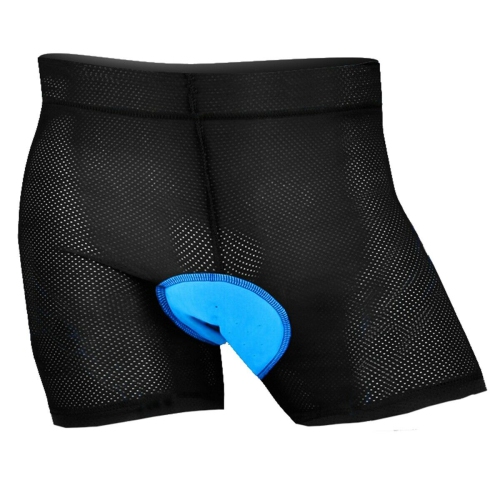
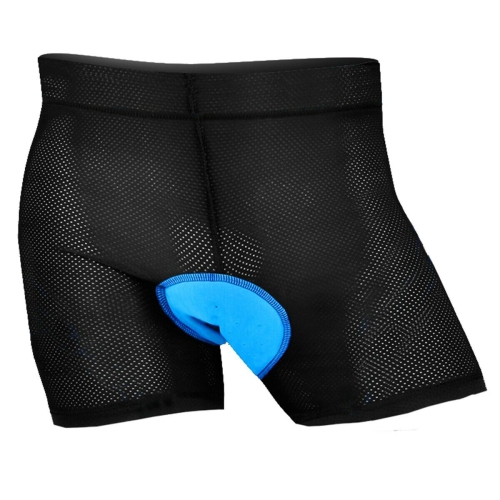
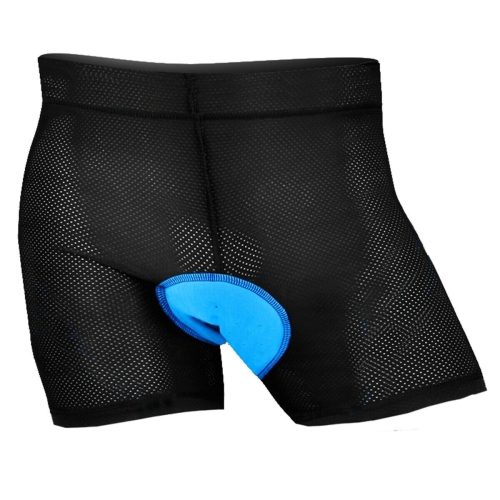
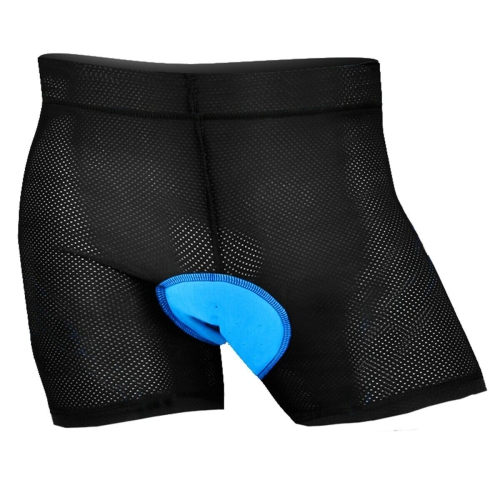
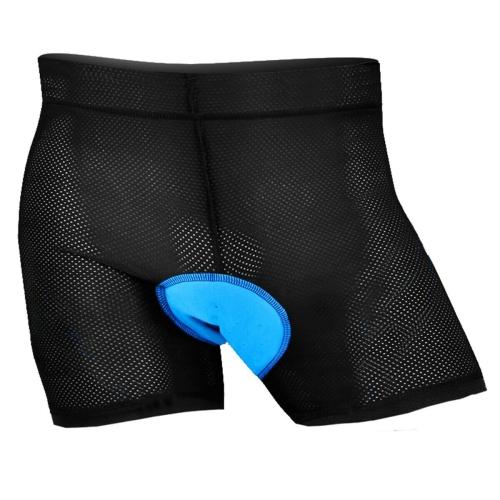
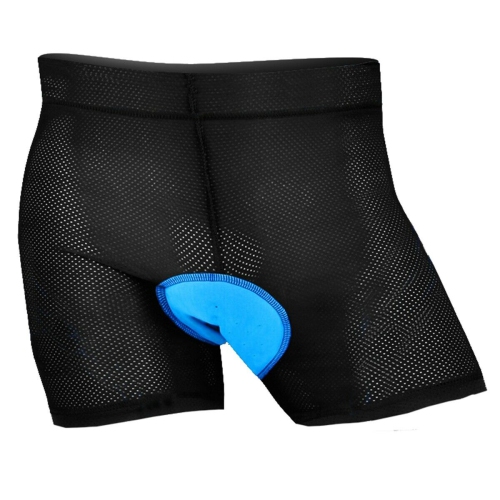
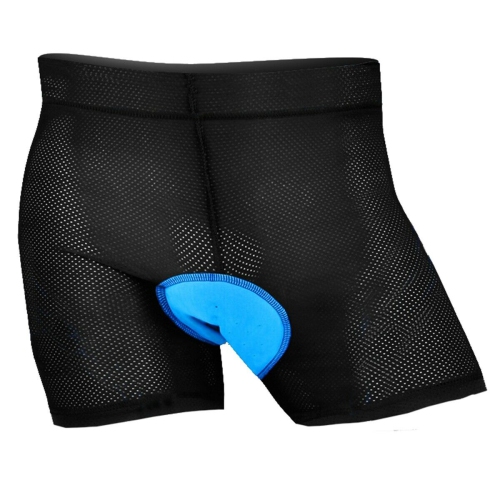
Cycling gear includes clothing, protective equipment, and accessories designed to make riding more comfortable, practical, and manageable, whether the route is a short trip across town or a full day on the bike. The essentials serve different purposes: a properly fitted cycling helmet provides head protection, padded shorts help cushion contact with the saddle, moisture-wicking jerseys move perspiration away from the skin, and gloves improve grip while cushioning the hands. Beyond those basics, the right combination depends on riding position, distance, terrain, and what needs to travel along. Someone cycling to work may value clothing that allows easy movement and a bag that keeps belongings organized without shifting at every turn. A road rider spending several hours bent over the handlebars may prefer close-fitting garments, accessible jersey pockets, and padding shaped for that position. Casual riders often appreciate simpler pieces that feel comfortable both on the bike and during a stop at a café. Fabric and construction make a noticeable difference across these uses. Polyester and nylon blends are common in cycling apparel because they are lightweight and generally dry quickly, while elastane adds stretch through the hips, shoulders, and knees. Mesh panels can improve airflow, and smooth seams help limit rubbing where fabric repeatedly moves against the body. A cycling jersey typically has a longer back to maintain coverage when leaning forward, with pockets positioned to carry small essentials. Padded shorts and bib shorts use a sewn-in pad, often called a chamois, to help manage friction and pressure at the saddle. Bib straps hold the shorts in place without relying entirely on a waistband, although some riders prefer the convenience of waist shorts. More padding is not automatically more comfortable; the shape, placement, and fit matter as much as thickness. Cycling clothing should allow a full pedal stroke and an easy reach to the handlebars without bunching, pulling, or restricting movement. A comfortable setup feels unobtrusive enough that attention stays on the route rather than on an uncomfortable seam or slipping waistband.
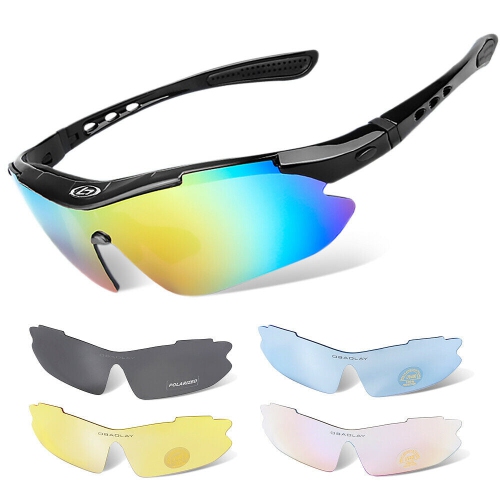
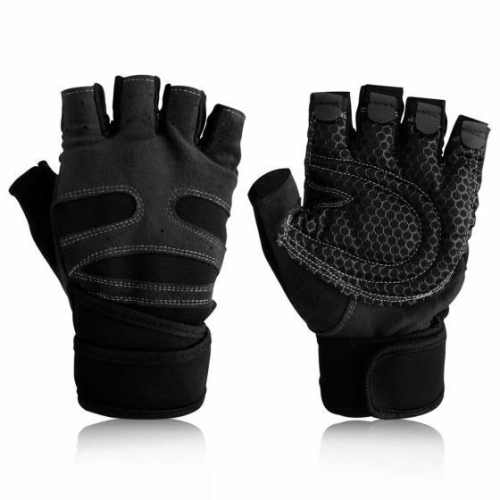
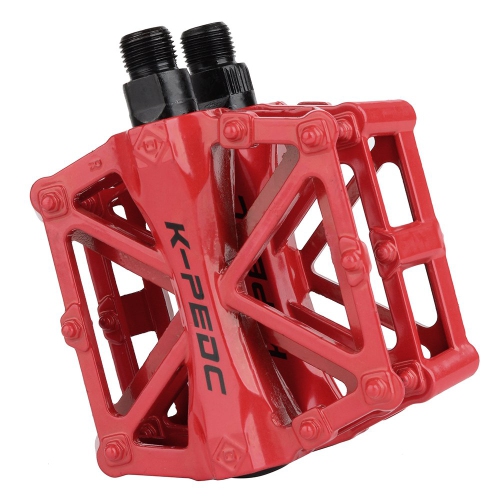
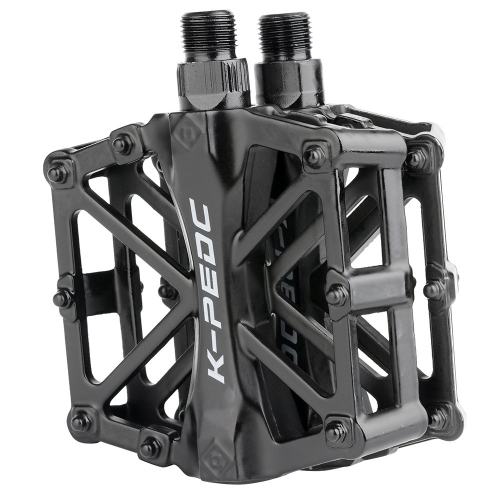
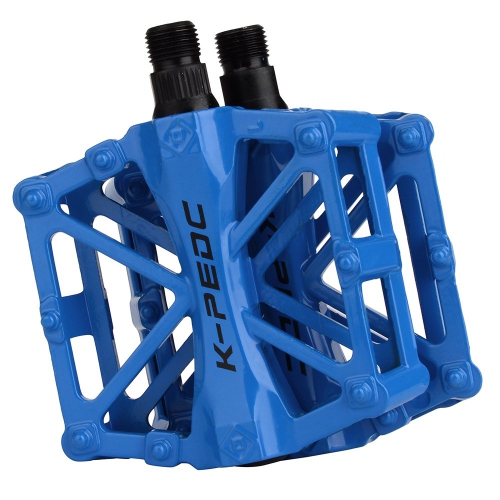
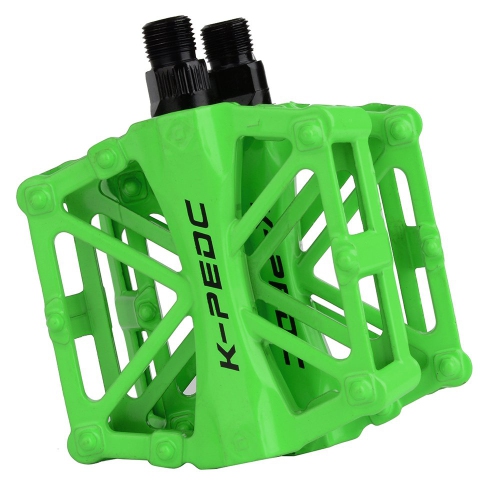
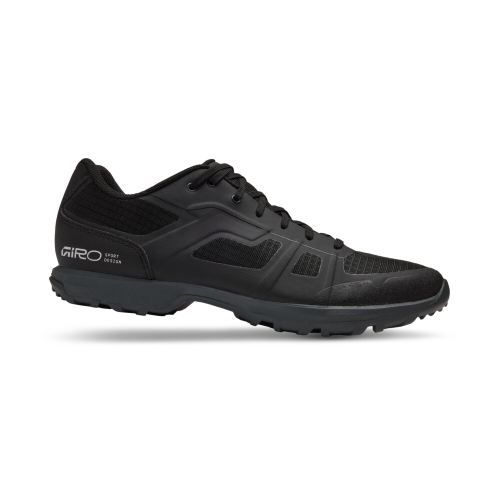
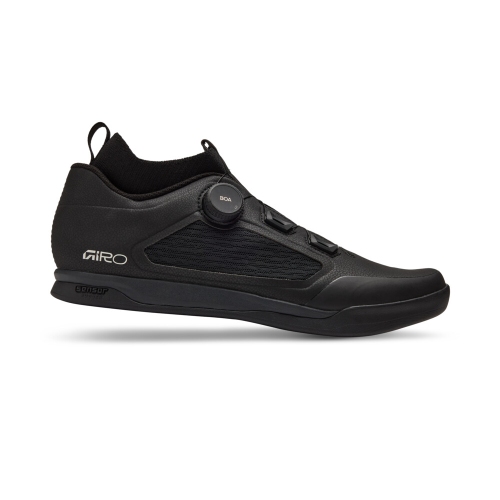
Fit becomes especially important wherever cycling gear touches the body or connects to the bicycle. A helmet should sit level and snug, with its retention system and straps adjusted according to the manufacturer’s directions; it should not rock loosely when the rider moves their head. Head measurements and the maker’s size chart are more useful than choosing by age alone, particularly for children, whose protective equipment needs to fit properly rather than leave room to grow. Helmet construction commonly pairs a rigid outer shell with an energy-absorbing liner, and ventilation openings help air circulate during a ride. Certification appropriate to cycling, clear adjustment instructions, and compatibility with any eyewear are useful considerations. Gloves should allow a secure hold on the grips and easy operation of brake levers and shifters, without bulky folds across the palm. Reinforced contact areas can help resist abrasion, while padding placement should suit the way the rider holds the bars. Footwear needs similar attention: a secure heel, enough room for the toes, and a sole suited to the pedals can make pedalling feel more controlled. Flat-pedal footwear emphasizes grip against the pedal surface, whereas clip-in systems require compatible shoes, cleats, and pedals. Riders who frequently dismount may also value soles that are comfortable to walk in. Terrain adds another layer of practical needs. Paved paths, gravel routes, and technical trails place different demands on clothing, carrying systems, and protection. On uneven ground, secure pockets and stable bags help keep contents from bouncing, while abrasion-resistant fabrics are useful around repeated contact points. Trail-focused riding may call for knee or elbow protection that stays in place without obstructing movement. The Mountain Biking Gear collection centres on equipment for off-road riding, where freedom of movement and secure fit are particularly relevant. Protective equipment can help reduce certain risks, but it does not replace bike-handling skills or riding within personal limits. Across riding styles, the most useful gear works together: eyewear should not interfere with helmet straps, shorts should stay comfortable in the saddle, and bags should leave room for normal pedalling and steering.
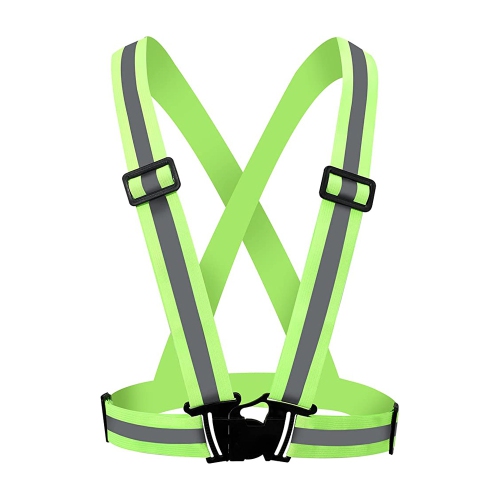
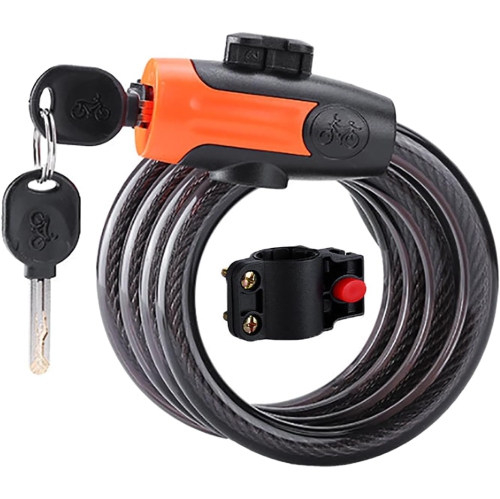
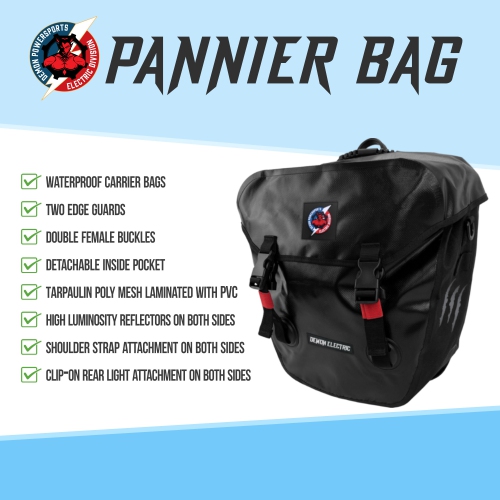
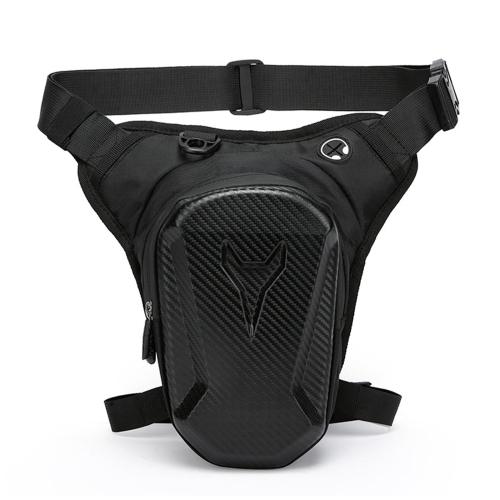
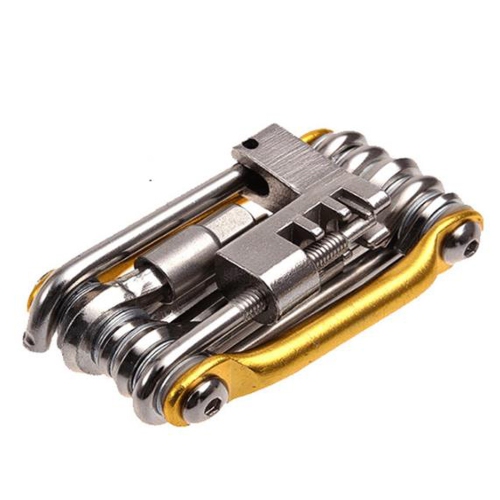
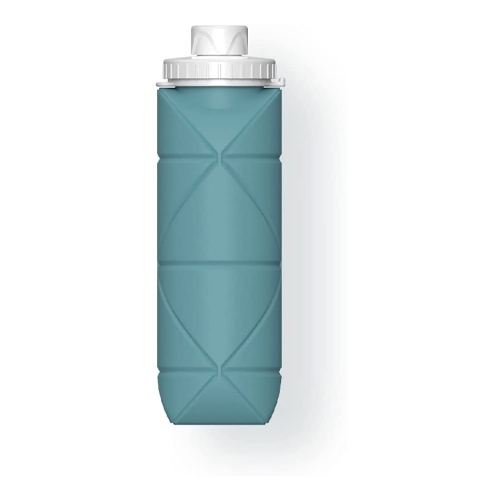
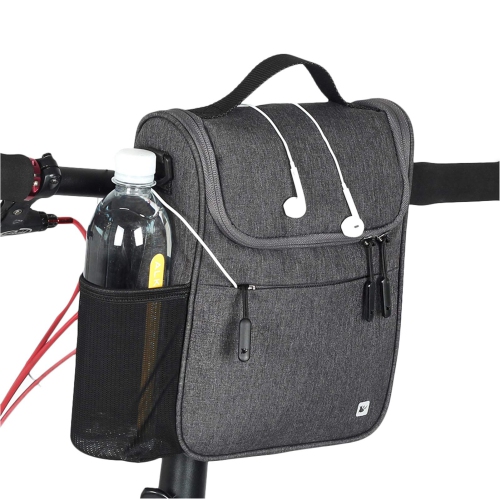
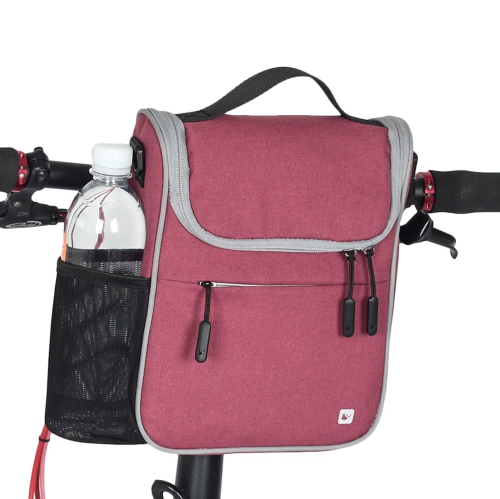
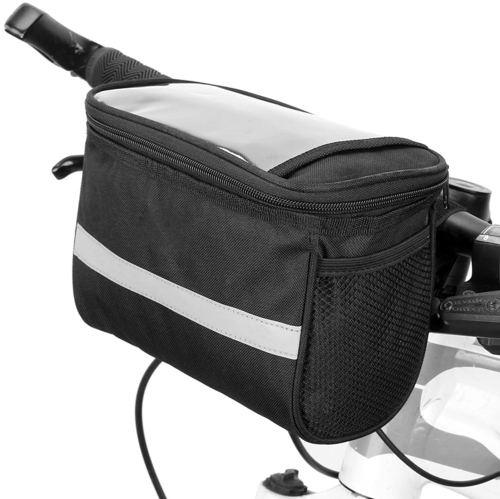
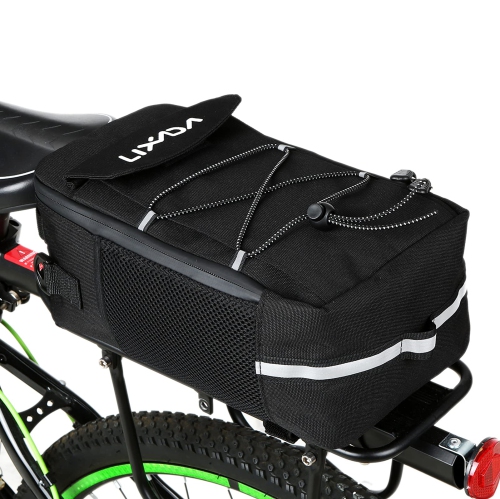
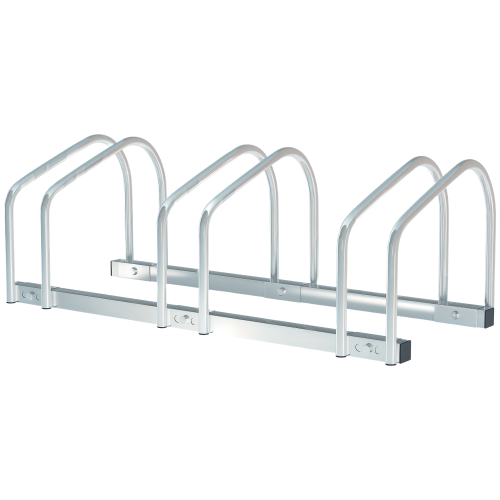
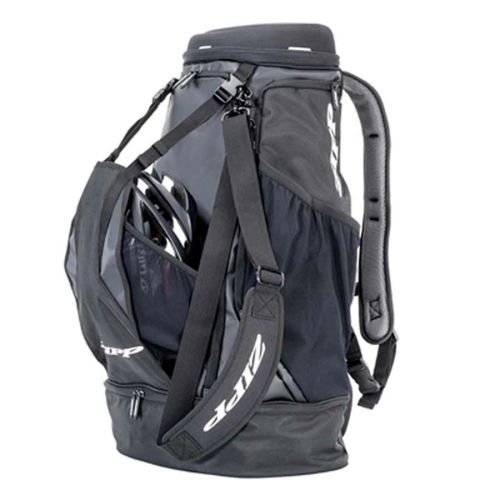
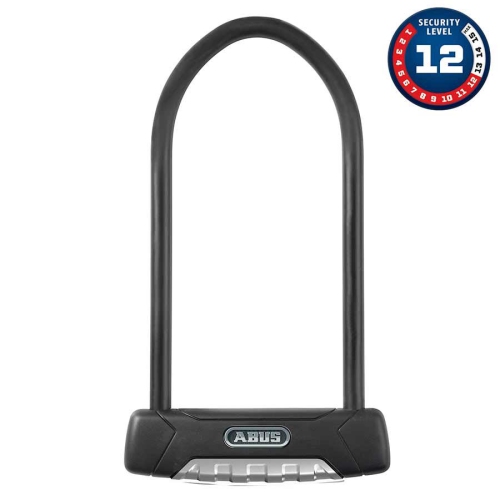
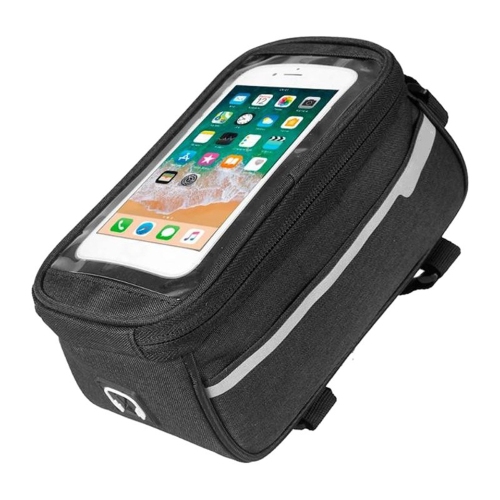
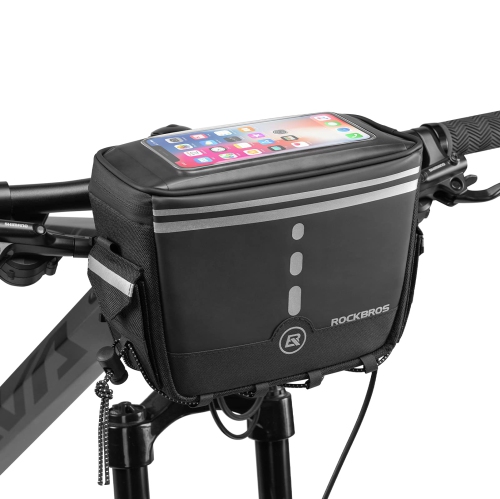
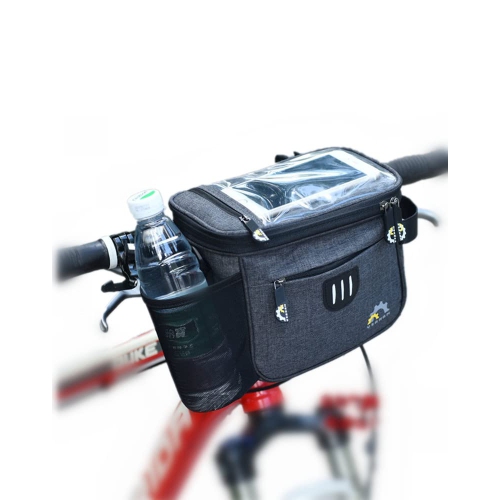
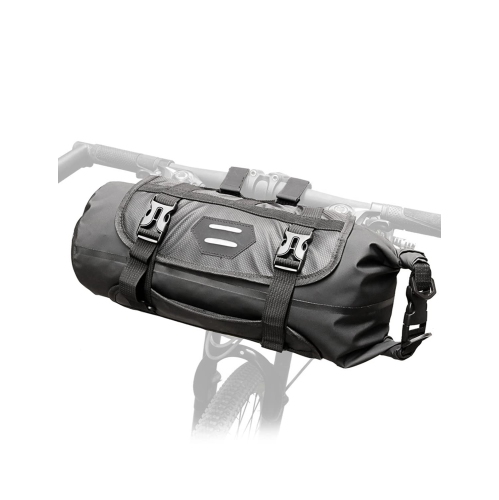
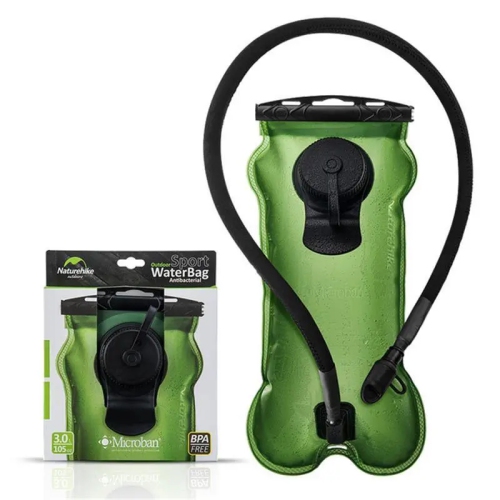
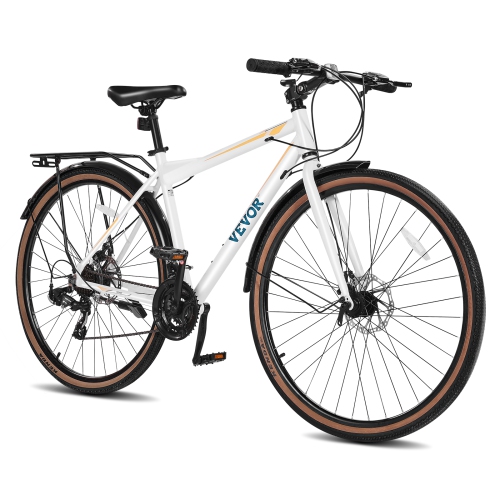
Everyday cycling accessories address the small tasks that can otherwise interrupt a ride: carrying water, securing a parked bike, keeping essentials close, and dealing with a puncture. Bottle cages and hydration packs offer different ways to carry fluids, with the choice often shaped by frame space, ride length, and personal preference. A frame-mounted bag can hold compact essentials without loading jersey pockets, while panniers transfer larger loads to a suitable rack. Mounting compatibility matters as much as capacity; straps, brackets, and rack fittings need to suit the bicycle and remain clear of wheels, cables, and moving parts. For commuting, an organized interior and a secure closure can help separate work belongings from tools and riding accessories. Locks should suit the bicycle, parking location, and available anchoring points, with enough usable space to secure the frame to an appropriate fixed object. Lights and reflective details support visibility, but they serve different roles: reflective material relies on an outside light source, while bicycle lights actively emit light. Beam pattern, secure mounting, charging method, and access to controls all affect everyday usability. Compact repair equipment is most useful when it matches the bike’s tyre, valve, and fastener types and the rider knows how to use it. Durability also depends on care between rides. Following garment labels, cleaning padded clothing after use, and allowing gear to dry fully before storage help preserve comfort and condition. Fabric softener can affect the performance of some technical fabrics, so washing instructions deserve attention. Helmet care should follow the manufacturer’s directions, including replacement after an impact and any stated service-life guidance. Regular checks of seams, straps, closures, and mounting hardware can catch wear before it becomes a distraction on the bike. For a cycling-related gift, familiar riding habits provide useful clues: a regular commuter, a recreational path rider, and a trail enthusiast may have very different needs. Clothing and protective gear require accurate sizing, while bike-mounted accessories require confirmed compatibility. Thoughtfully matched cycling gear supports the routines that make riding enjoyable, from an uncomplicated daily journey to a longer route taken at a comfortable pace.
Fit becomes especially important wherever cycling gear touches the body or connects to the bicycle. A helmet should sit level and snug, with its retention system and straps adjusted according to the manufacturer’s directions; it should not rock loosely when the rider moves their head. Head measurements and the maker’s size chart are more useful than choosing by age alone, particularly for children, whose protective equipment needs to fit properly rather than leave room to grow. Helmet construction commonly pairs a rigid outer shell with an energy-absorbing liner, and ventilation openings help air circulate during a ride. Certification appropriate to cycling, clear adjustment instructions, and compatibility with any eyewear are useful considerations. Gloves should allow a secure hold on the grips and easy operation of brake levers and shifters, without bulky folds across the palm. Reinforced contact areas can help resist abrasion, while padding placement should suit the way the rider holds the bars. Footwear needs similar attention: a secure heel, enough room for the toes, and a sole suited to the pedals can make pedalling feel more controlled. Flat-pedal footwear emphasizes grip against the pedal surface, whereas clip-in systems require compatible shoes, cleats, and pedals. Riders who frequently dismount may also value soles that are comfortable to walk in. Terrain adds another layer of practical needs. Paved paths, gravel routes, and technical trails place different demands on clothing, carrying systems, and protection. On uneven ground, secure pockets and stable bags help keep contents from bouncing, while abrasion-resistant fabrics are useful around repeated contact points. Trail-focused riding may call for knee or elbow protection that stays in place without obstructing movement. The Mountain Biking Gear collection centres on equipment for off-road riding, where freedom of movement and secure fit are particularly relevant. Protective equipment can help reduce certain risks, but it does not replace bike-handling skills or riding within personal limits. Across riding styles, the most useful gear works together: eyewear should not interfere with helmet straps, shorts should stay comfortable in the saddle, and bags should leave room for normal pedalling and steering.
Everyday cycling accessories address the small tasks that can otherwise interrupt a ride: carrying water, securing a parked bike, keeping essentials close, and dealing with a puncture. Bottle cages and hydration packs offer different ways to carry fluids, with the choice often shaped by frame space, ride length, and personal preference. A frame-mounted bag can hold compact essentials without loading jersey pockets, while panniers transfer larger loads to a suitable rack. Mounting compatibility matters as much as capacity; straps, brackets, and rack fittings need to suit the bicycle and remain clear of wheels, cables, and moving parts. For commuting, an organized interior and a secure closure can help separate work belongings from tools and riding accessories. Locks should suit the bicycle, parking location, and available anchoring points, with enough usable space to secure the frame to an appropriate fixed object. Lights and reflective details support visibility, but they serve different roles: reflective material relies on an outside light source, while bicycle lights actively emit light. Beam pattern, secure mounting, charging method, and access to controls all affect everyday usability. Compact repair equipment is most useful when it matches the bike’s tyre, valve, and fastener types and the rider knows how to use it. Durability also depends on care between rides. Following garment labels, cleaning padded clothing after use, and allowing gear to dry fully before storage help preserve comfort and condition. Fabric softener can affect the performance of some technical fabrics, so washing instructions deserve attention. Helmet care should follow the manufacturer’s directions, including replacement after an impact and any stated service-life guidance. Regular checks of seams, straps, closures, and mounting hardware can catch wear before it becomes a distraction on the bike. For a cycling-related gift, familiar riding habits provide useful clues: a regular commuter, a recreational path rider, and a trail enthusiast may have very different needs. Clothing and protective gear require accurate sizing, while bike-mounted accessories require confirmed compatibility. Thoughtfully matched cycling gear supports the routines that make riding enjoyable, from an uncomplicated daily journey to a longer route taken at a comfortable pace.
Top selling and popular products
-
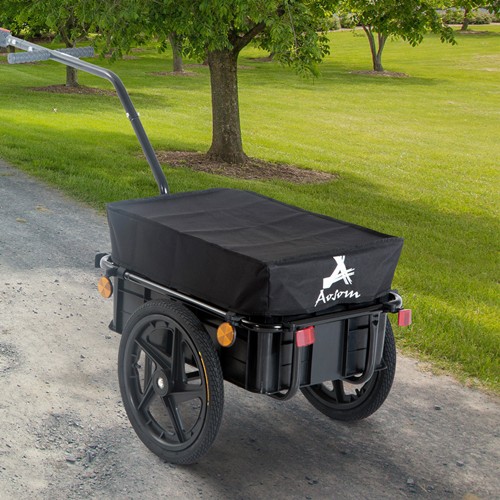 Your price for this item is $155.44
 -
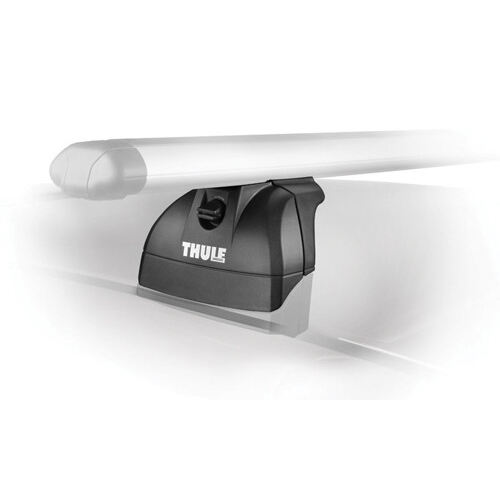 Your price for this item is $285
 -
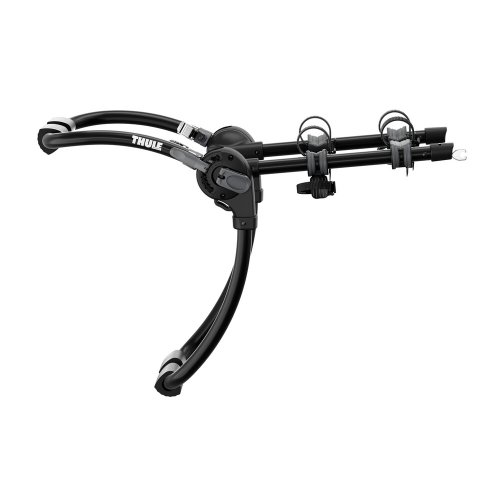 Your price for this item is $499
 -
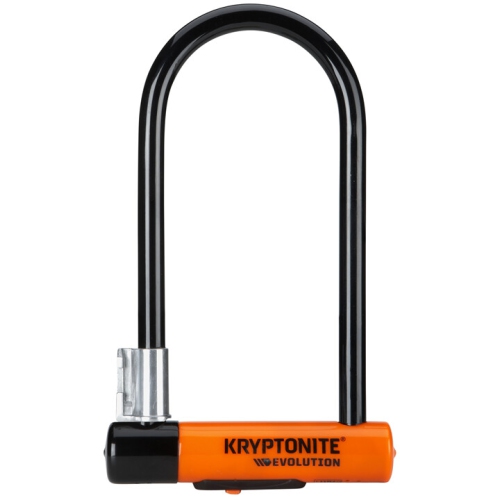 Your price for this item is $209.99
 -
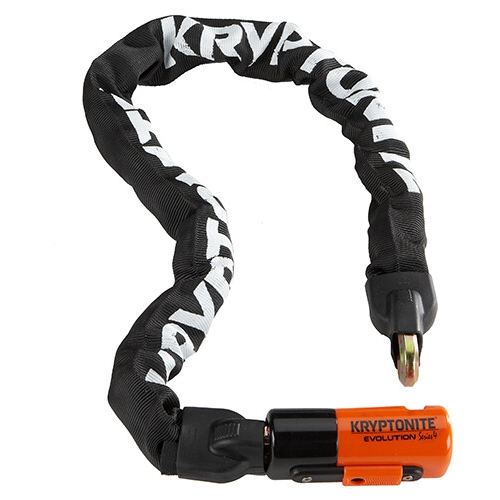 Your price for this item is $199.99
 -
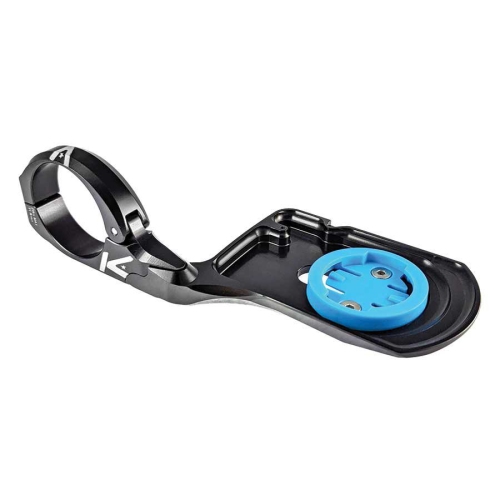 Your price for this item is $134.99
 -
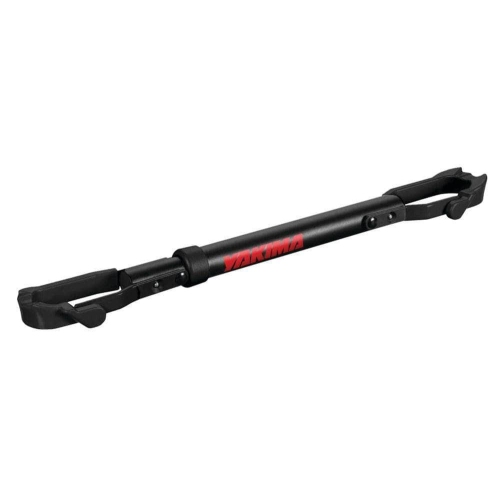 Your price for this item is $96.99
 -
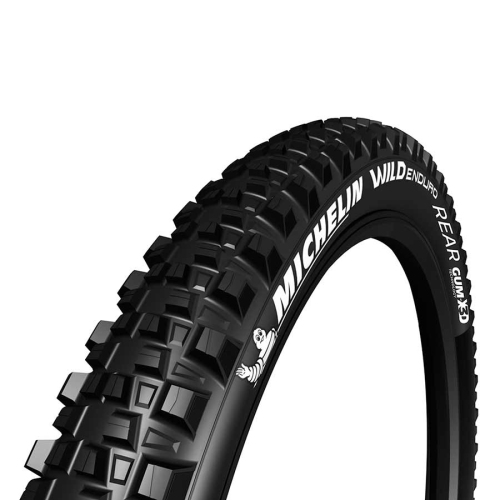 Your price for this item is $120.99
Discover more categories related to Cycling Gear
Top Collections:
Pokemon Centers, Kindle Devices, Best Budget Office Chairs, Apple iPhones 16, Best Laptops for Writers, iPhone 15 Apple, Canon G7X Cameras, Refurbished Apple Laptops, Alarm Clock, Motorola Razr Phones
Some products may be subject to Environmental Handling Fees
(EHF) depending on your province.
Learn more about EHFs.