Electric Shoulder Heating Pads
Relieve tension and soothe sore muscles with an electric shoulder heating pad, designed to provide comforting warmth right where you need it most. Ideal for use at home or in the office, these versatile pads offer a convenient way to help unwind after a long day or support your relaxation routine. Explore a range of options to find the perfect fit for your needs and enjoy targeted comfort every time you use your electric shoulder heating pad.
Sort
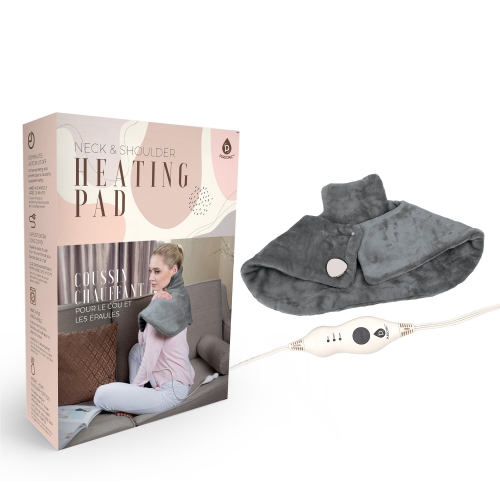
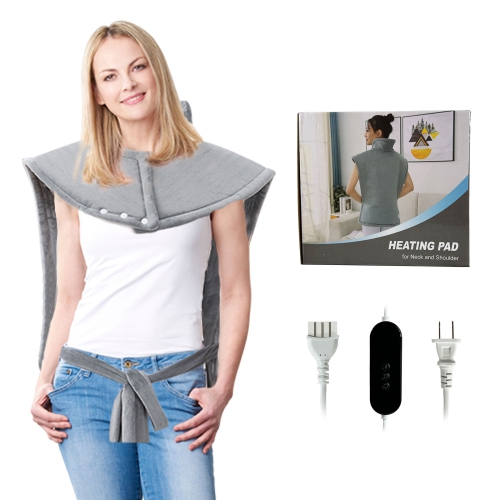
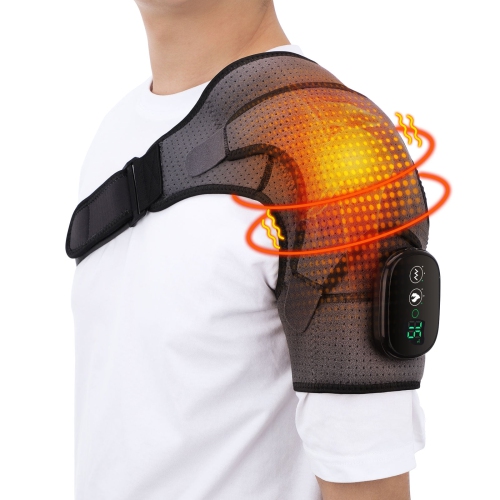
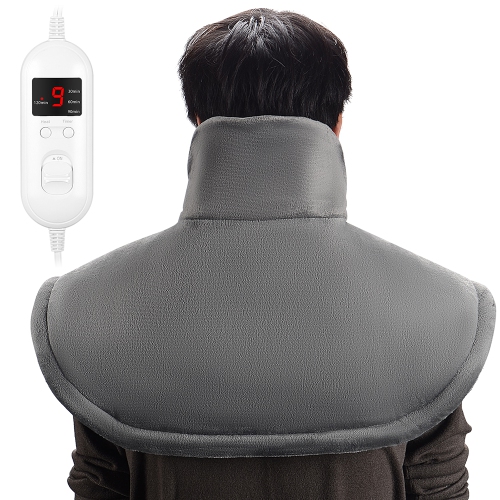
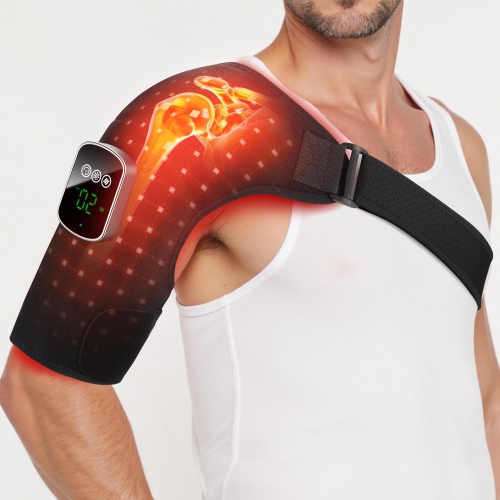
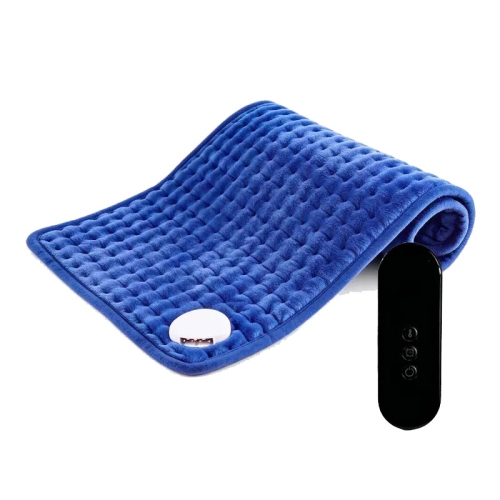
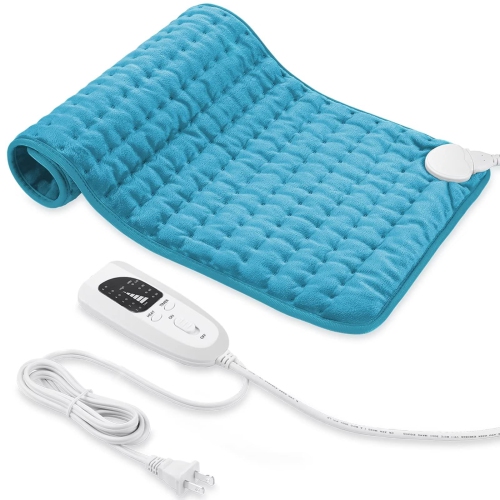
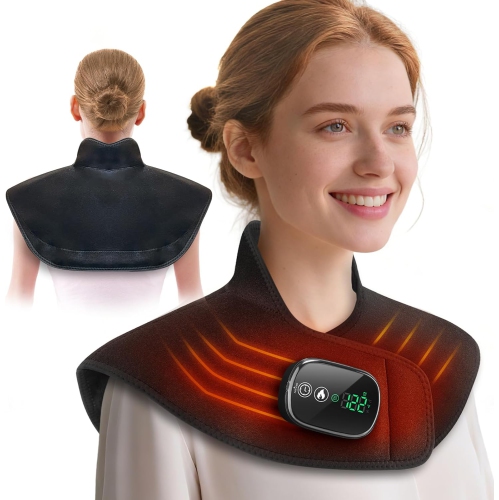
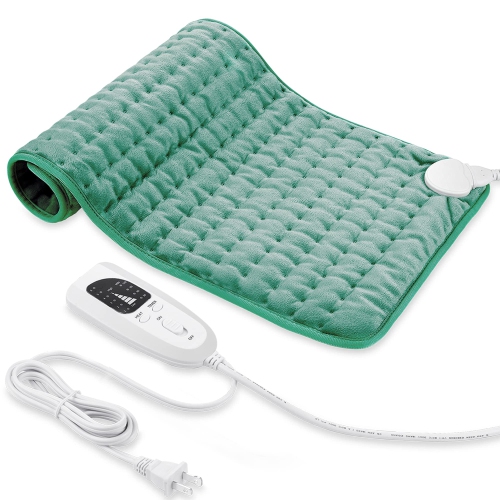
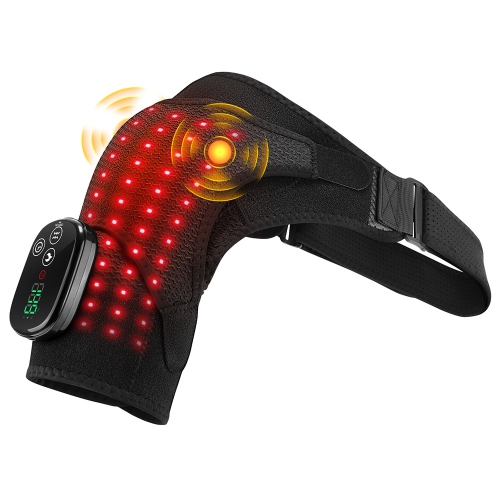
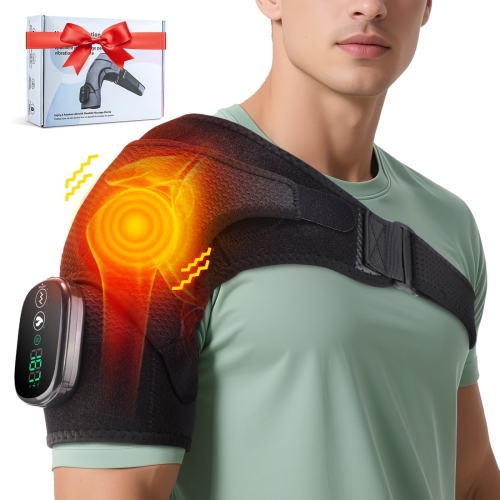
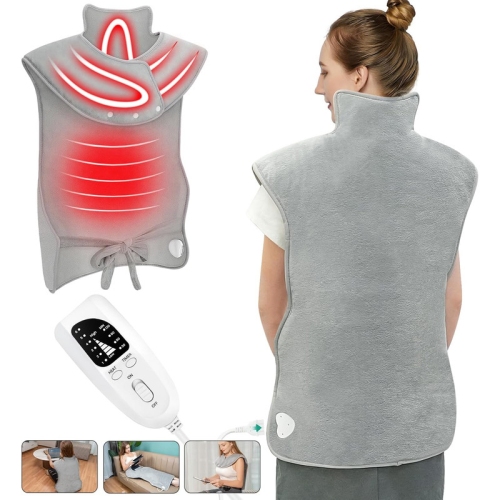
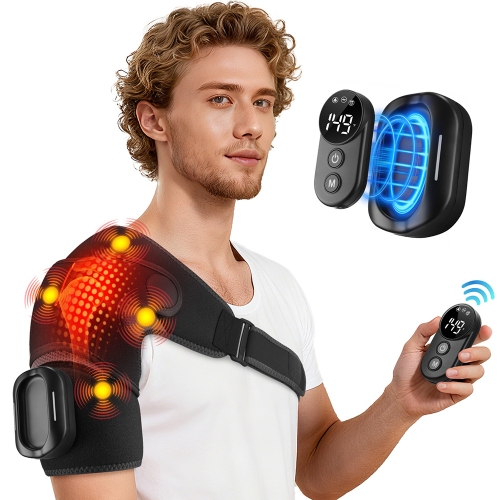
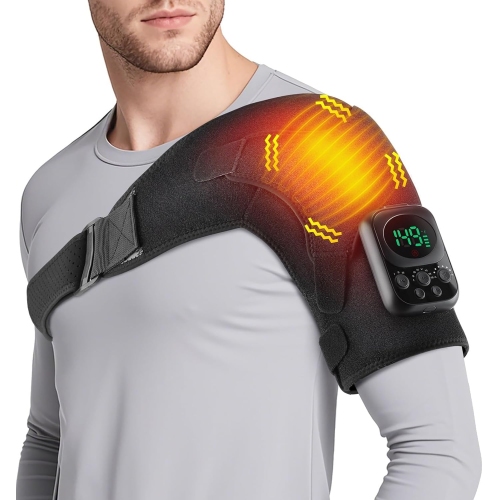
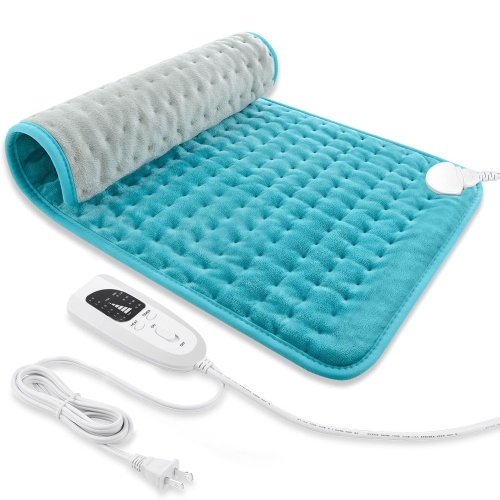
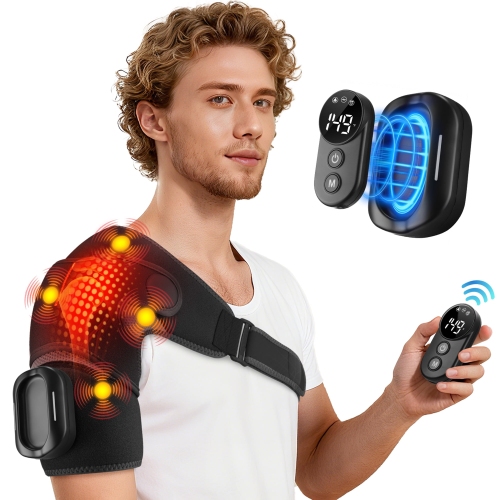
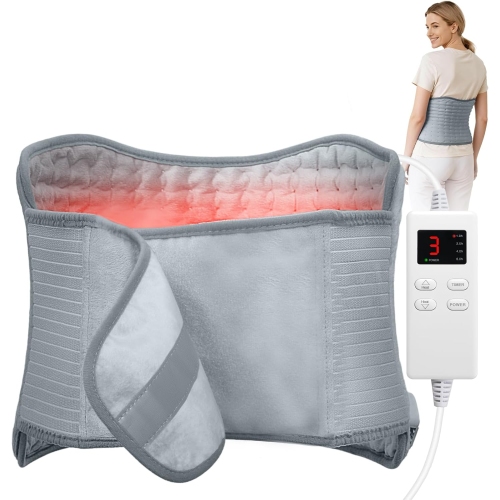
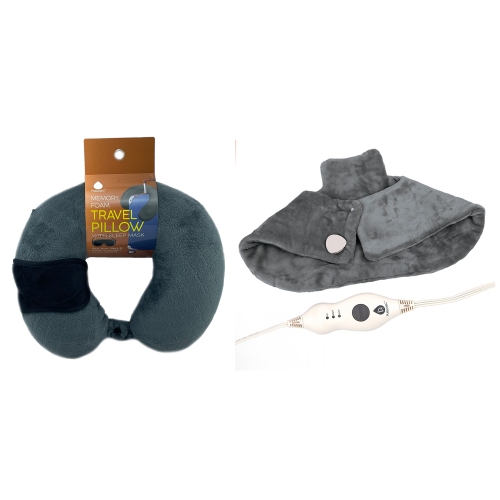
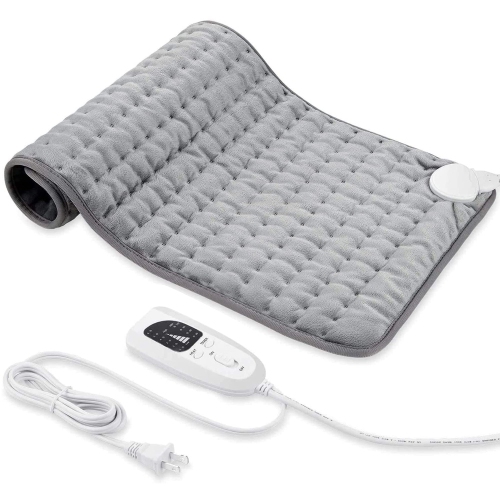
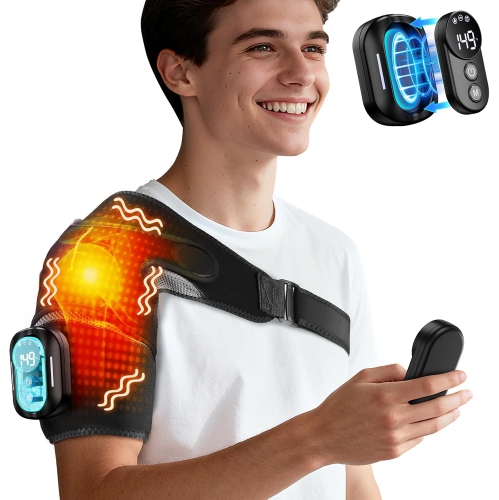
Contoured warmth that leaves your hands free
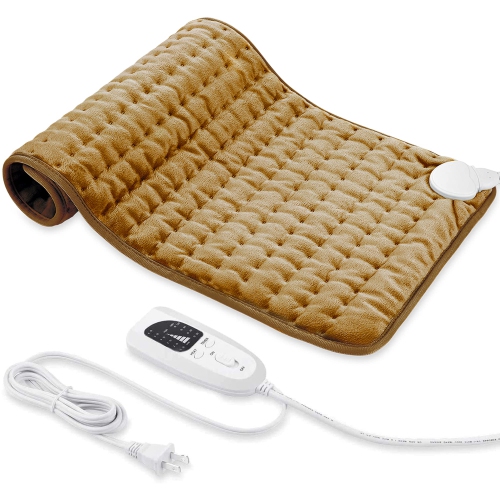
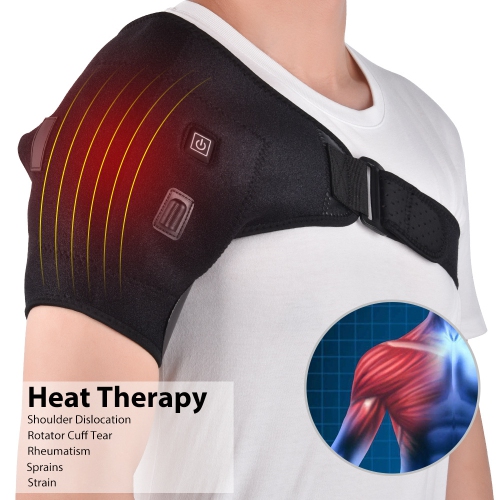
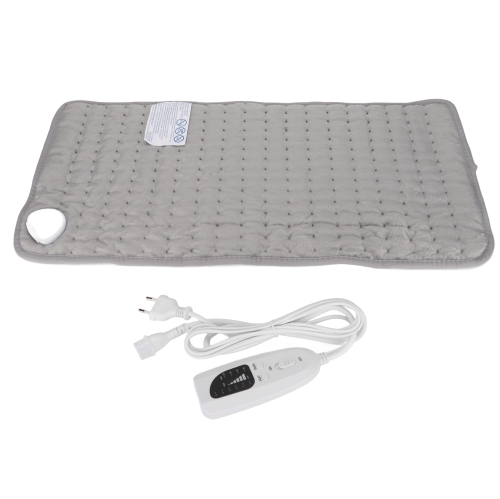
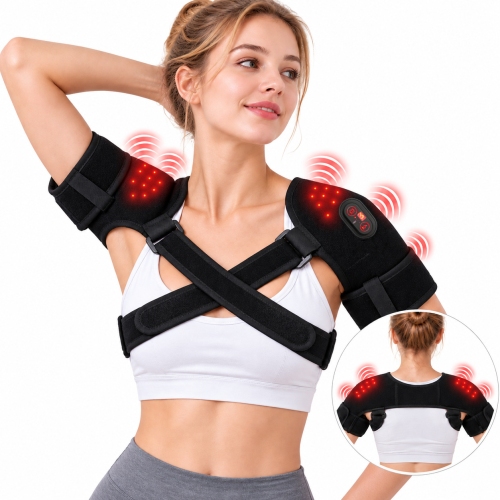
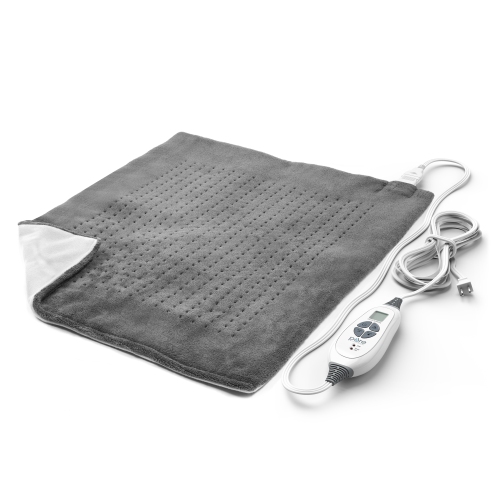
Electric shoulder heating pads provide adjustable, localized warmth in a shape designed to sit around the shoulders, neck, or upper back. Unlike a rectangular pad that needs repositioning, a contoured shoulder wrap follows the slope of the shoulders and can leave the hands free for reading, watching television, or taking a seated break from desktop work. Gentle heat may help soothe everyday muscle tension and make a rest break more comfortable, particularly after a long stretch at a keyboard or time spent on household tasks. Coverage varies by design: a collar-style wrap concentrates warmth around the base of the neck and tops of the shoulders, while a longer cape extends farther down the upper back. A single-shoulder wrap offers more focused coverage on one side, often with an adjustable strap that helps keep the heating area in position. The overall dimensions matter, but so does the shape of the heated section, which may not extend to every edge of the fabric. A high collar, wide shoulder panels, and a longer back panel each change where the warmth is felt. Fit should feel comfortable rather than tight, with enough room at the neck and under the arms to avoid pulling when sitting upright. Adjustable fastenings can accommodate different builds, although a wrap described as one size may still fit some people better than others. Weighted edges or lightly weighted panels can help the fabric settle against the body without constant adjustment; they should feel reassuring, not heavy or restrictive. For someone who likes to read in an armchair, a balanced drape and an easy-to-reach controller may matter more than a long back panel. At a work surface, a slimmer shape that stays clear of chair arms can be more practical. Shoulder wraps are intended for comfortable, stationary use unless their instructions specifically permit movement, and cord placement should never interfere with standing up safely.
Heat controls and power options shape the everyday experience as much as the wrap itself. Multiple heat settings allow the warmth to be adjusted gradually, rather than forcing a choice between barely noticeable heat and a setting that feels too intense. Starting at the lowest setting helps establish a comfortable level, and higher heat is not necessarily more effective or more suitable for sensitive skin. Warm-up time varies, while the sensation of warmth also depends on the fabric, fit, and contact with the body. A plug-in electric shoulder heating pad supplies power without battery charging, making it a practical format for a regular reading chair or another seated spot near an outlet. Cord length and controller position deserve attention: the cable should reach without stretching across a walkway, and the controls should remain accessible once the wrap is in place. Cordless designs use a rechargeable battery and reduce reliance on a nearby outlet, but their run time depends on the heat setting, battery capacity, and any additional functions being used. The battery adds weight, and its location can affect comfort against a chair back. Some shoulder wraps combine heat with vibration, offering a different sensation from warmth alone; vibration is not the same as a hands-on massage and may not suit everyone. Separate controls for these functions make it easier to use only the features that feel comfortable. Clear setting indicators, easy-to-press buttons, and a display that can be read at a glance can be especially helpful for someone with limited dexterity or vision. Automatic shut-off limits the length of a heating session, while adjustable timers offer more flexibility within the manufacturer’s permitted use. Neither feature makes a heating pad suitable for sleeping. An electrical safety certification recognized in Canada is another important consideration, alongside intact wiring, secure connections, and clear operating instructions. Heat distribution should feel comfortable across the intended area rather than concentrated in an unusually hot patch.
Materials determine how an electric shoulder heating pad feels against clothing or skin and how easily it fits into a regular care routine. Plush fleece and soft microfibre covers can provide a cushioned feel, while smoother fabrics may appeal to someone who prefers less bulk around the neck. Fabric thickness affects the sensation of heat, so a thicker surface should not be taken as a reason to exceed the recommended setting or session length. Seams near the collar and shoulder edges should lie comfortably, and closures should be easy to fasten without tugging on the electrical components. Durable construction includes neatly finished edges, secure stitching, and a controller connection that can be handled without pulling the cord. Cleaning requirements differ: some wraps have a removable washable cover, while others permit washing the pad only after a detachable controller has been removed. The care label determines what is safe; a washable cover does not mean that the controller, battery, or complete assembly can be immersed. Any permitted washing should be followed by thorough drying as directed before the pad is reconnected. Storage matters, too. Gentle folding or loose rolling, where allowed, helps avoid sharp creases, and nothing heavy should be placed on top of the heating elements. Before each use, check for damaged fabric, exposed wiring, or a loose connection, and stop using a pad that shows damage or heats unevenly. Use it only in the position specified, without lying on it, bunching it, or trapping it beneath bedding. Moist heat is appropriate only when the manufacturer explicitly permits it. People with reduced sensation, circulation concerns, or conditions that affect their ability to judge heat should seek advice from a healthcare professional before use. Persistent pain, swelling, or a recent injury also warrants professional advice rather than relying on heat alone. Personal preferences matter when choosing heating pads for shoulder tension, especially as a gift: comfortable coverage, manageable weight, straightforward controls, and practical cleaning can make a thoughtful choice for someone who enjoys a quiet, seated rest break.
Top selling and popular products
-
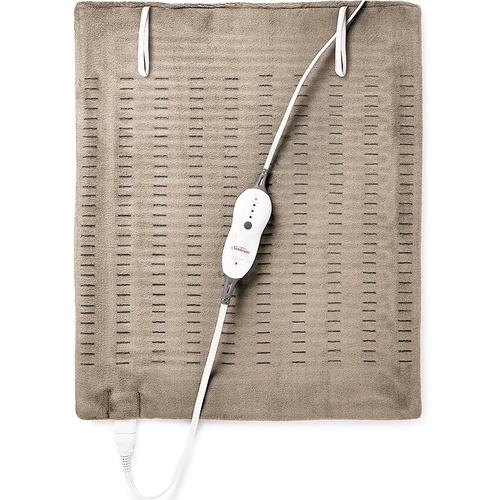 Your price for this item is $24.99
-
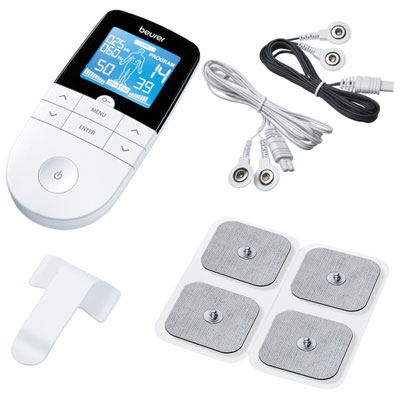 Your price for this item is $84.99
-
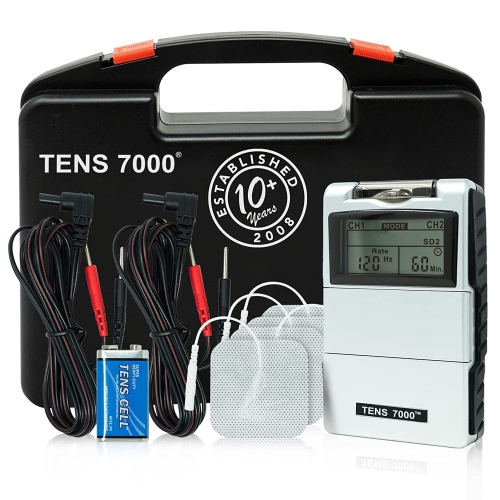 Your price for this item is $56.99
-
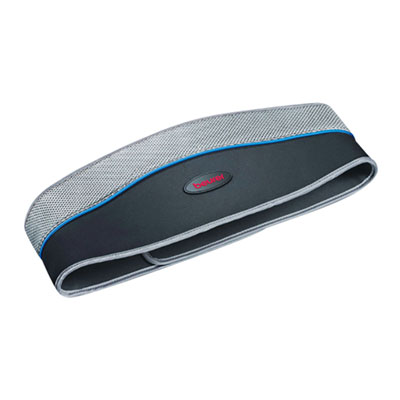 Your price for this item is $99.99
-
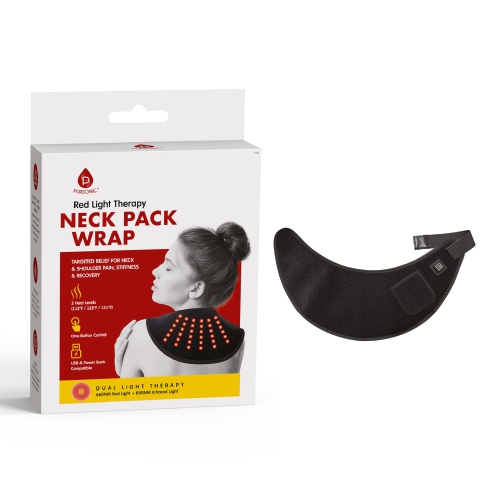 Your price for this item is $54.99
-
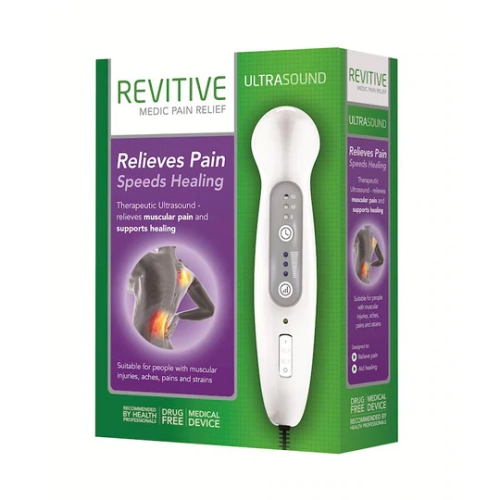 Your price for this item is $179
-
 Your price for this item is $74.99
-
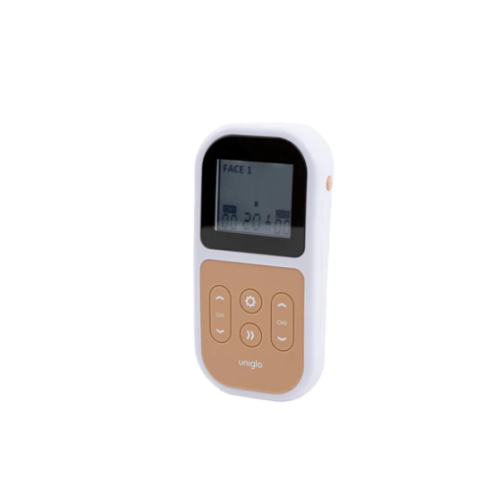 Your price for this item is $199.99
Discover more categories related to Electric Shoulder Heating Pads
Top Collections:
Best Black Friday Deals This Year, Best Black Friday Deals On Electronics, Kindle Devices, Best Black Friday Deals On Apple Products, Best Budget Office Chairs, Best Cameras for Sports Photography, Dyson Airwrap, Canon G7X Cameras, Best Laptops for Writers, Samsung Galaxy Phones
Some products may be subject to Environmental Handling Fees
(EHF) depending on your province.
Learn more about EHFs.