Electrolyte Drinks
Stay hydrated and replenish essential minerals with our selection of electrolyte drinks. Whether you're hitting the gym, going for a run, or simply need a refreshing boost during your day, electrolyte drinks are designed to help restore balance and keep you feeling energized. With a variety of flavors and formulations to choose from, finding the perfect electrolyte drink to support your active lifestyle is easier than ever.
Sort



Electrolyte profiles, flavours and formats for everyday hydration
Electrolyte drinks are designed to provide fluids along with minerals that the body loses through sweat or other fluid loss. The most commonly discussed electrolytes include sodium, potassium and magnesium, while some formulas also provide calcium or other minerals. Sodium helps the body retain and distribute fluid, potassium supports normal muscle and nerve function, and magnesium is involved in many processes related to muscle performance and energy. These drinks can be useful after a demanding workout, a long practice, outdoor activity, travel, or any situation where plain water does not feel like enough. They are also popular for keeping in a gym bag, vehicle, desk drawer or kitchen cupboard so a convenient hydration option is close at hand. During the cooler months, hydration can be easy to overlook because people may not feel as thirsty as they do in warm weather. Indoor heating, dry air, layered clothing and vigorous exercise can still contribute to fluid loss, making an electrolyte drink a practical choice before or after activity. Browse the wider selection of Hydration Products to compare options for active routines, travel and everyday wellness. When choosing an electrolyte drink, consider the intended use first. A light, refreshing formula may suit casual hydration or a short activity, while a product with a more substantial electrolyte profile may be more appropriate after prolonged, intense exercise or heavy sweating. Electrolyte drinks are not all the same, and the nutrition facts panel offers useful details about the amount of sodium, potassium, magnesium, carbohydrates and calories in each serving.
Taste and ingredients can make the difference between a drink that stays in the cupboard and one that becomes part of a regular routine. Some people prefer a sweet, fruit-inspired flavour that feels rewarding after exercise, while others look for a lighter taste that is easy to sip throughout the day. Sugar content is another important consideration. Carbohydrates can be useful during prolonged activity because they provide energy, but a lower-sugar or sugar-free option may be preferred for routine hydration, lower-calorie goals or those who find very sweet drinks tiring. Check serving sizes carefully, since one bottle, scoop or tablet may not always represent the same quantity. Anyone following a dairy-free, vegan, gluten-free or other dietary pattern should review the ingredient list and allergen information rather than relying on flavour descriptions alone. Coconut water is naturally associated with potassium and can appeal to shoppers seeking a simple, fruit-based option, while dairy-based beverages can provide electrolytes such as sodium, potassium and calcium along with protein. Fruit-based drinks may also contribute potassium, but their nutrition profiles vary widely. For someone recovering from an illness, experiencing vomiting or diarrhoea, or showing signs of significant dehydration, an electrolyte drink may be part of a broader rehydration plan, but it should not replace medical advice. Severe dehydration can require prompt attention from a healthcare professional. People with kidney, heart or other medical conditions, as well as those managing sodium or potassium intake, should speak with a qualified healthcare provider before making electrolyte drinks a regular part of their diet. For everyday use, follow the serving directions and avoid assuming that more electrolytes are automatically better. A thoughtfully selected drink should match the activity, the person using it and the rest of their daily fluid intake.
Electrolyte drinks can also be a considerate addition to a practical care package or fitness-focused gift. They work well alongside a water bottle, gym towel, lunch bag or travel accessories for a university student, runner, cyclist, recreational athlete or busy commuter. A variety pack can be useful for a household where different people prefer different flavours, while single-serve powders, tablets or sealed bottles may be convenient for packing in a carry-on, sports bag or office drawer. For a child or teenager involved in sports, look for an age-appropriate option and pay close attention to caffeine, added sugar and serving size; electrolyte drinks should complement regular meals and water rather than become the default beverage. They can be handy after a spirited game on an indoor court, during a long weekend hike or after shovelling snow, when exertion and perspiration may be less noticeable in cool air. They may also appeal to travellers who want a compact way to prepare a flavoured drink at a hotel, campsite or rest stop. Storage and preparation matter as well: ready-to-drink formats offer immediate convenience, while powders and tablets take up less space but require access to water and careful measuring. Look for clear directions, a sealed package, a flavour you will enjoy and a format that fits naturally into your routine. Whether the goal is to replenish minerals after a challenging session, add variety to a travel kit or keep a convenient option available during busy days, the right electrolyte drink is one that suits your hydration needs, dietary preferences and lifestyle.
Top selling and popular products
-
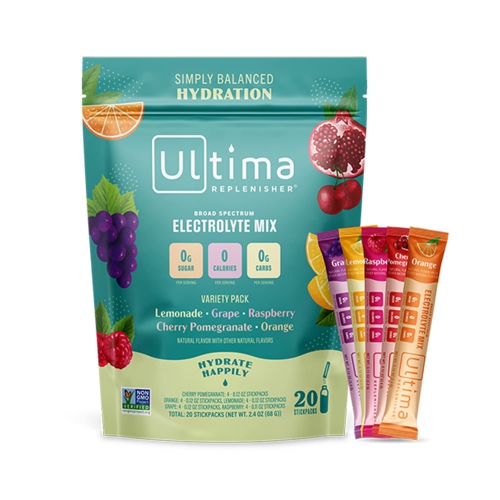 Your price for this item is $65.93
-
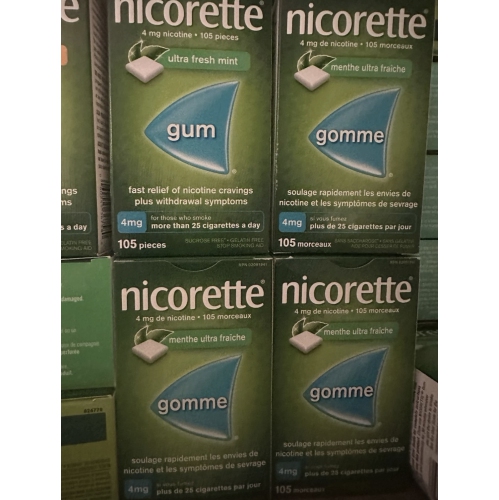 Your price for this item is $84.99
-
 Your price for this item is $499.99
-
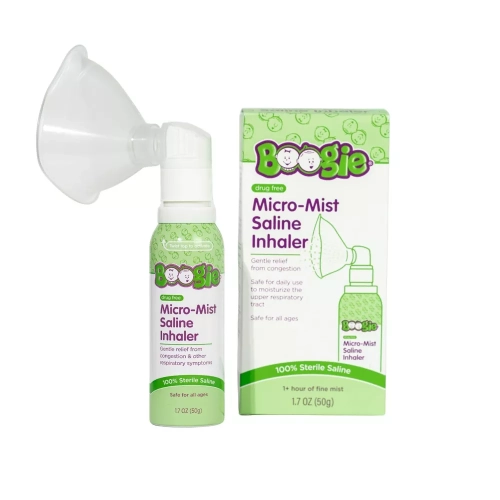 Your price for this item is $89.91
-
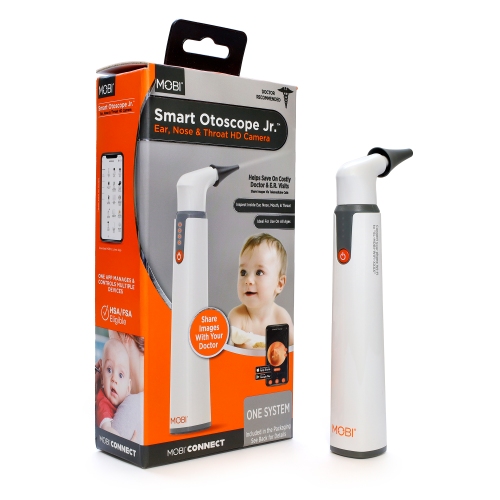 Your price for this item is $54.99
-
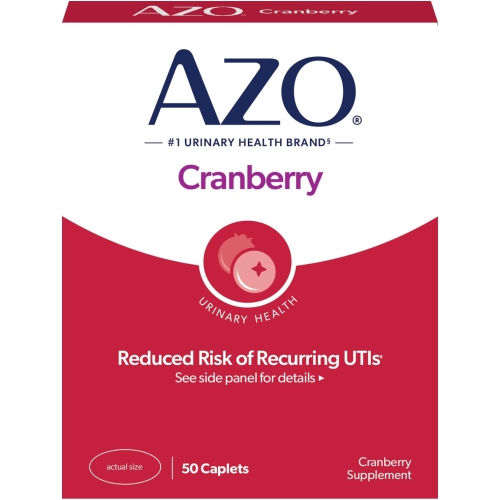 Your price for this item is $47.95
-
 Your price for this item is $59.94
-
 Your price for this item is $28.27
Discover more categories related to Electrolyte Drinks

Top Collections:
Pokemon Centers, Best Cameras for Sports Photography, Kindle Devices, Samsung Galaxy Phones, Canon G7X Cameras, Pokémon 30th Celebration Cards, Refurbished Apple Laptops, iPhone 15 Apple, Laptops for Students, Budget Smartphones
Some products may be subject to Environmental Handling Fees
(EHF) depending on your province.
Learn more about EHFs.