Foldable Ramps
Looking to make loading and unloading easier for your equipment or vehicles? Our foldable ramps are the perfect solution for your needs. These versatile ramps are designed to provide a sturdy and reliable way to bridge gaps, making it effortless to move heavy items with ease. Whether you're loading up your ATV, lawnmower, or other equipment, these foldable ramps offer convenience and practicality in a compact and portable design. Explore our selection of foldable ramps to find the right fit for your hauling requirements.
Sort

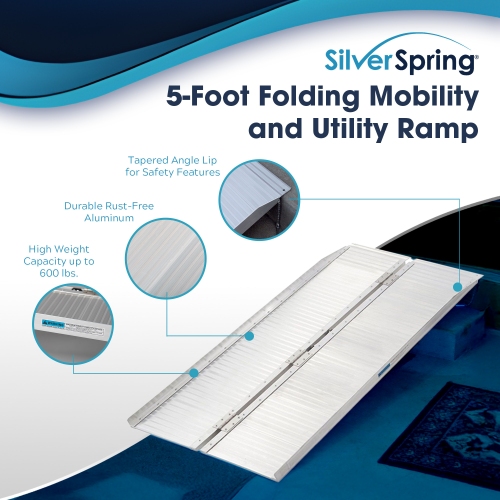


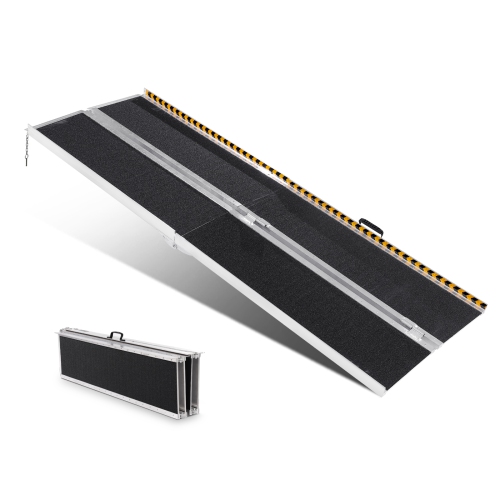
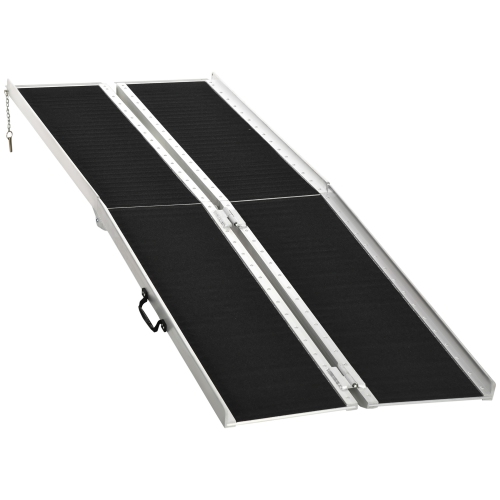
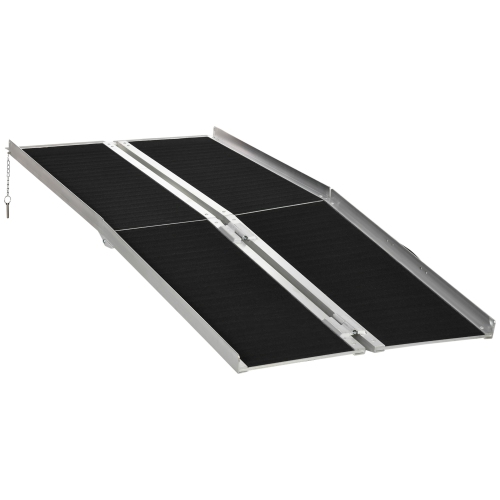















































Why ramp fit matters as much as portability
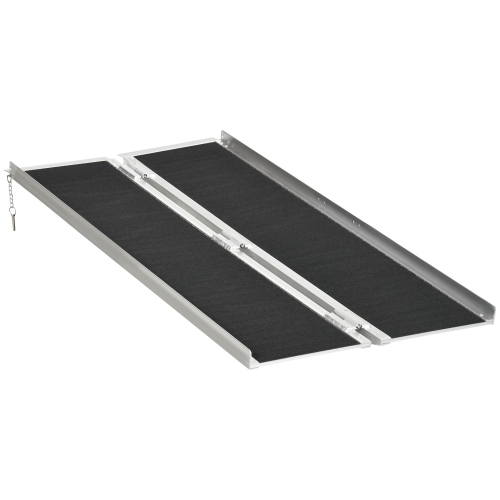
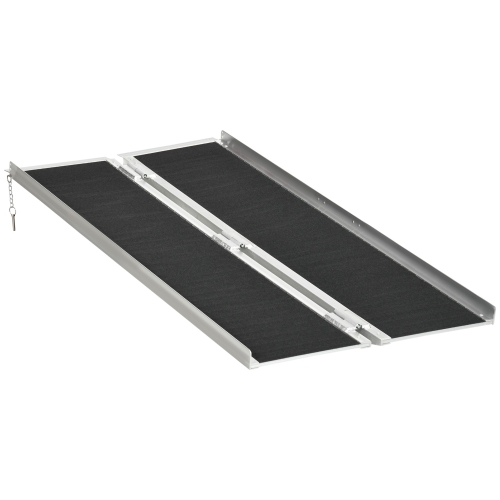
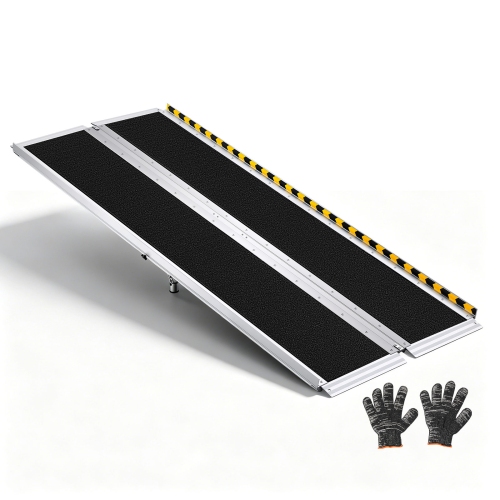
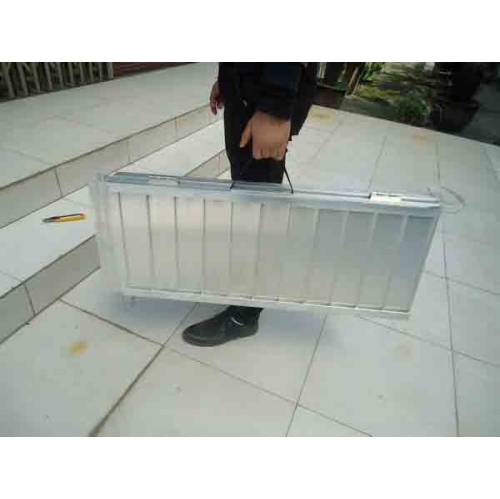
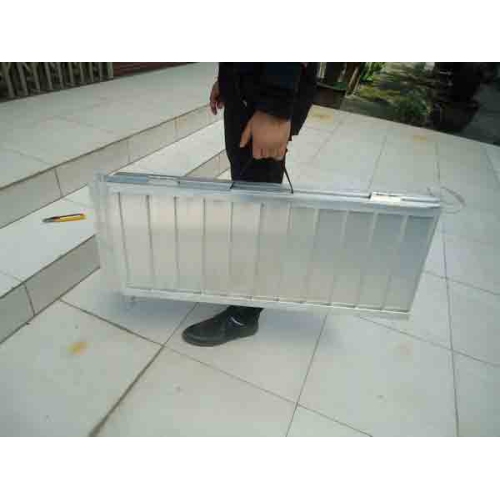
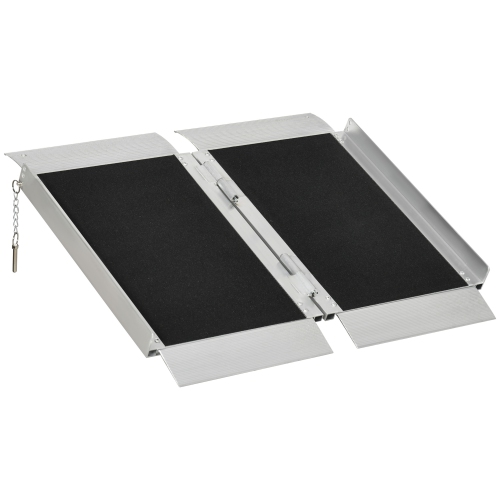
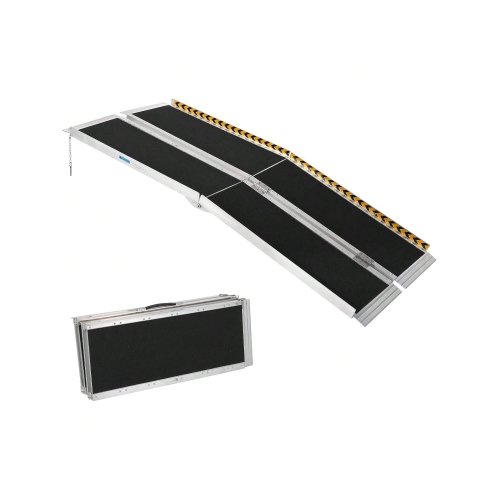
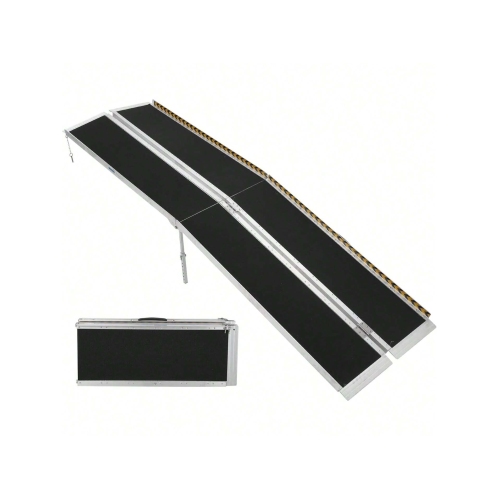
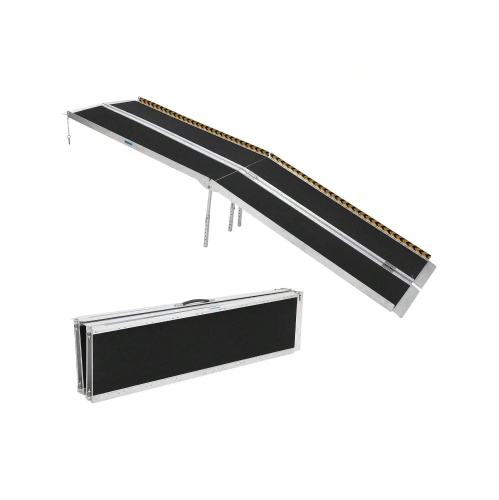
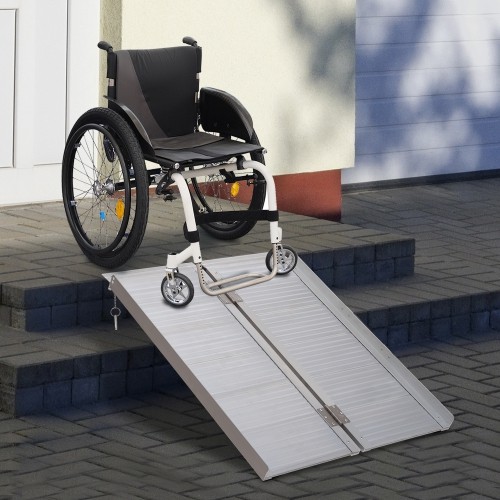
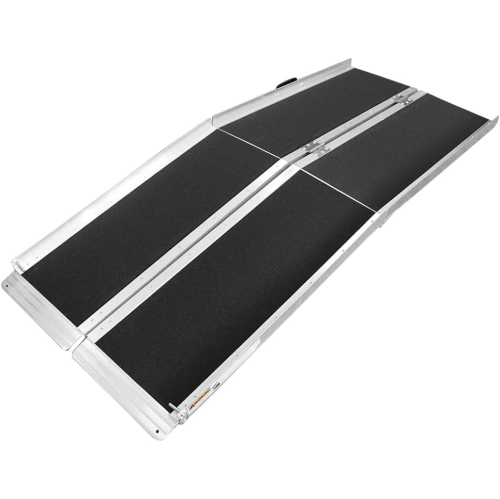
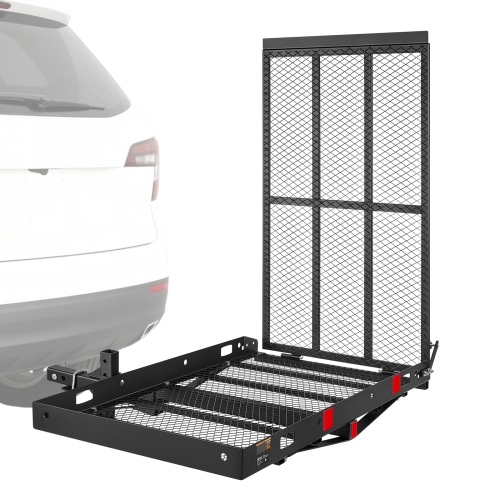
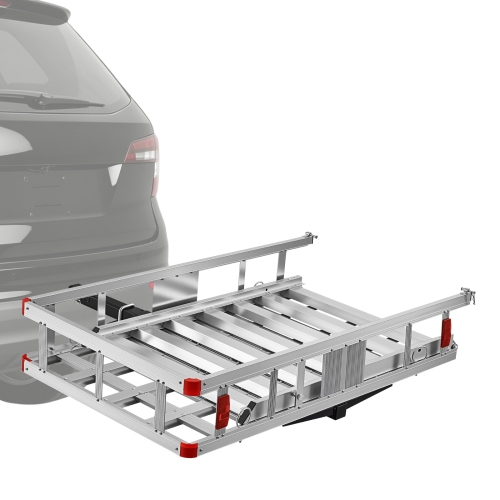
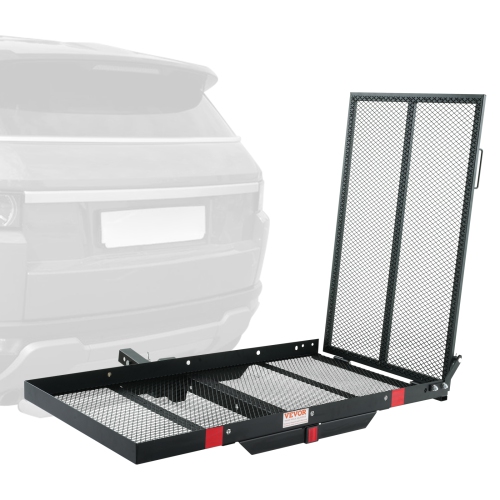
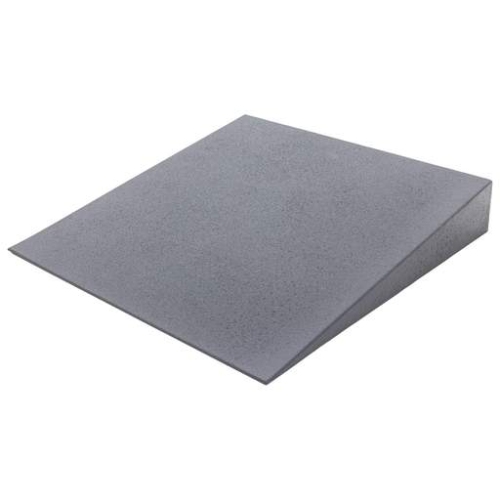
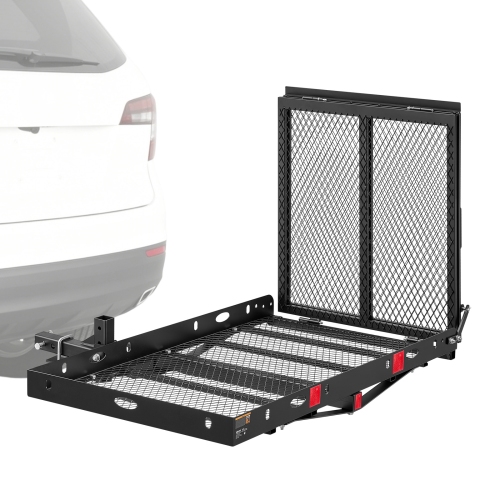
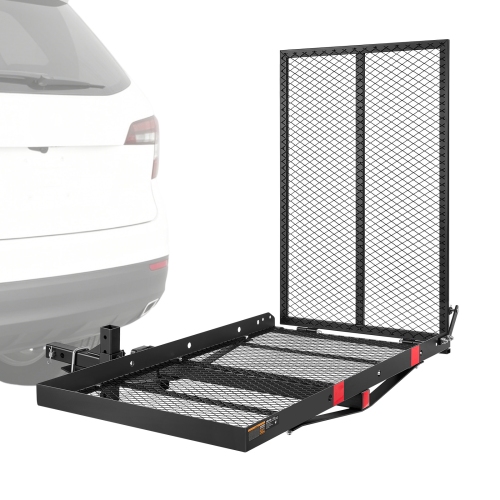
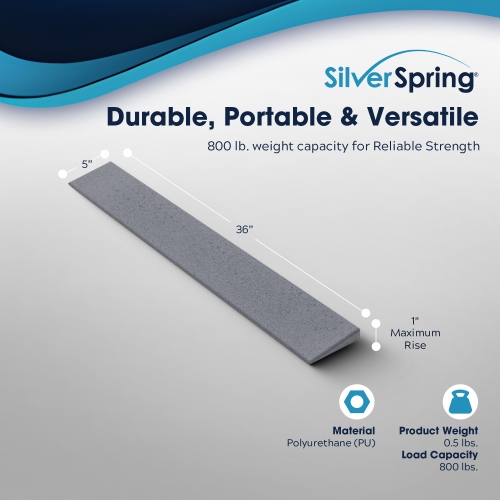
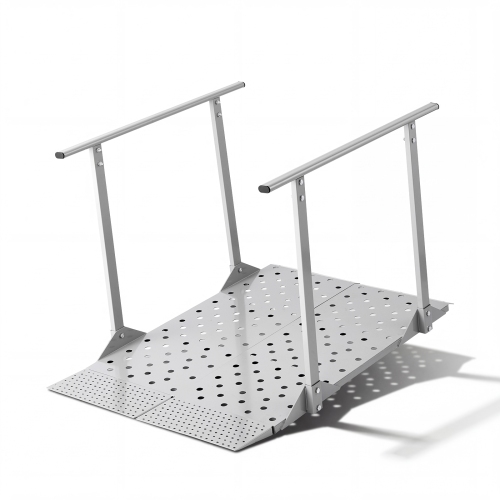
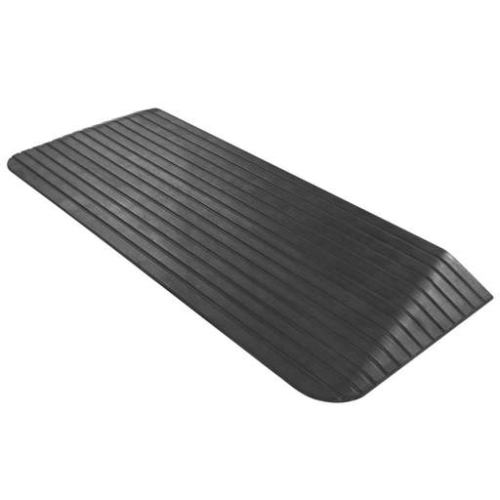
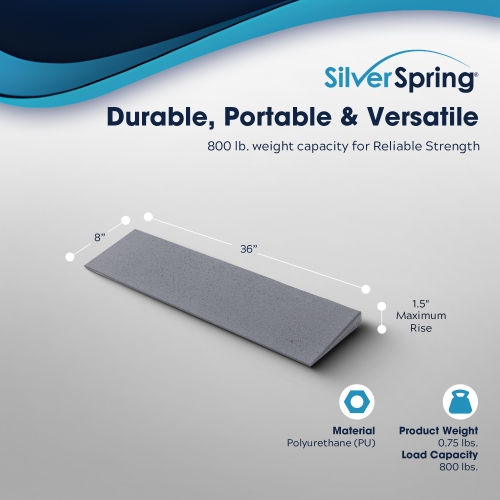
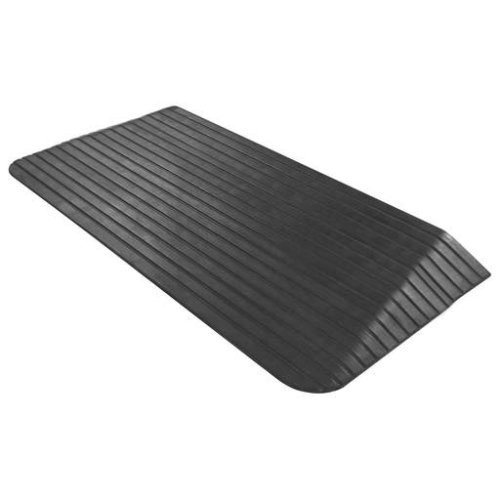
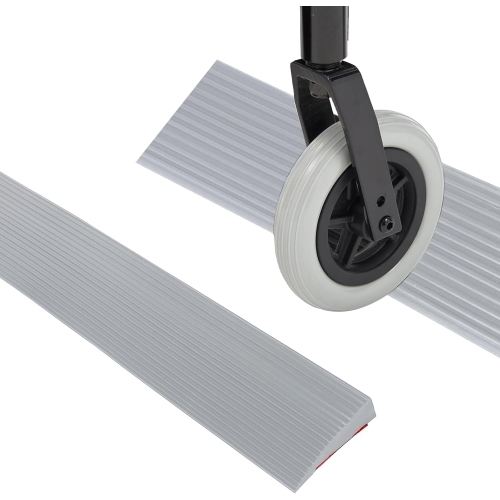
Foldable ramps create a sloped transition between different levels while folding into a more manageable shape for carrying and storage. They serve several distinct purposes, including access for wheelchairs and mobility scooters, assistance for pets, and loading wheeled equipment into compatible vehicles or trailers. These uses are not interchangeable: a ramp designed for a dog is not a mobility ramp, and a loading ramp for equipment is not automatically suitable for an occupied wheelchair. Within the broader category of Portable Ramps, folding designs are particularly useful when the route needs to remain clear between uses or the ramp travels between locations. For mobility access, the important fit extends beyond whether a ramp reaches a doorway. The rise, usable surface width, landing space, and approach all affect how comfortably a wheelchair or scooter can move across it. A longer ramp generally creates a gentler incline for the same rise, but the appropriate length depends on the ramp manufacturer’s limits, the mobility device’s requirements, and the space at both ends. A compact folded size does not necessarily mean a short deployed length, which can make multi-fold designs useful where storage space is limited. Weight capacity needs to account for the mobility device, its occupant, and anything carried on it, following the manufacturer’s loading instructions. Small front casters, footplates, and low-clearance scooter components also make the transition at the top and bottom worth considering. A pronounced lip or abrupt angle can interfere with movement even when the main ramp surface is wide enough. Raised side edges can help define the travel surface, but they do not replace handrails or other support where required. For someone visiting family or accessing an entrance with a change in level, a properly matched foldable ramp can offer flexibility without a permanent installation. Suitability still depends on the doorway, threshold, supporting surfaces, and any applicable accessibility requirements.
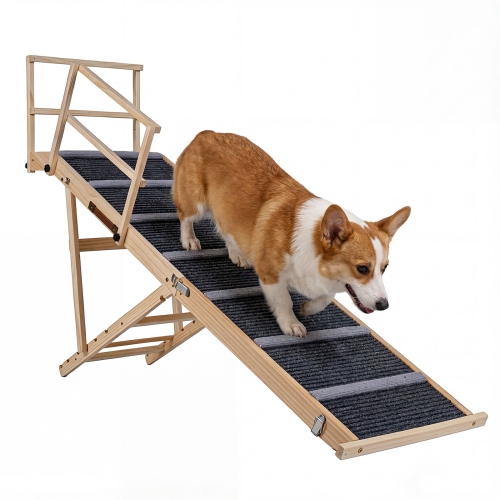
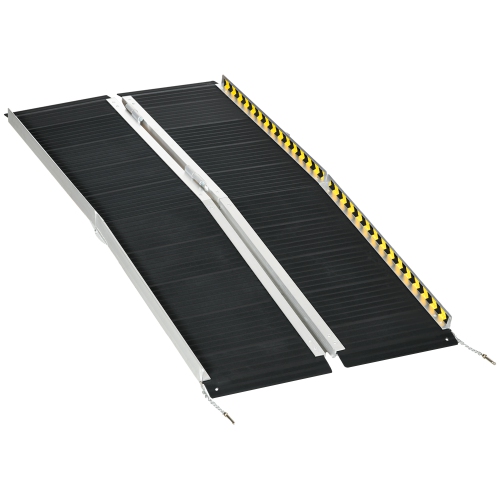
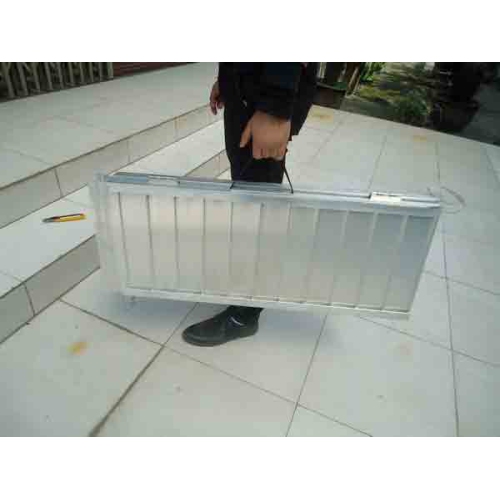
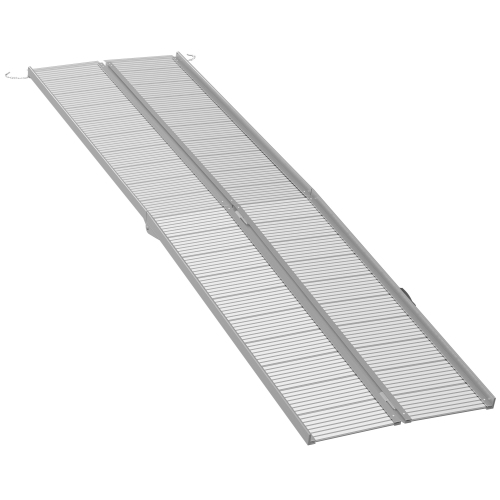
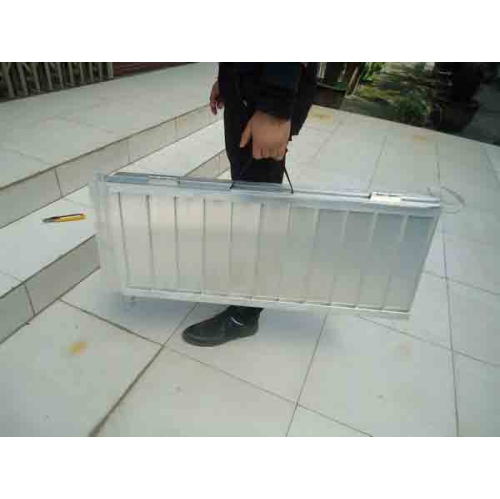
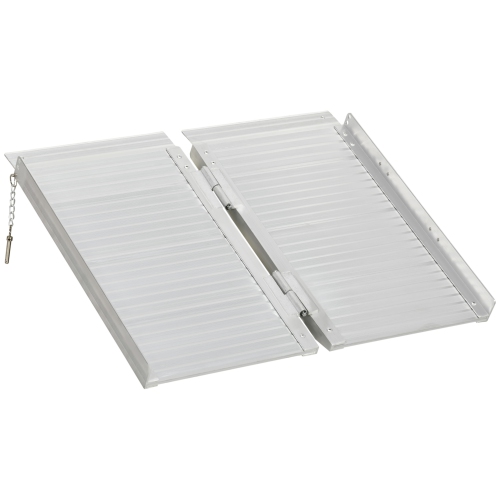
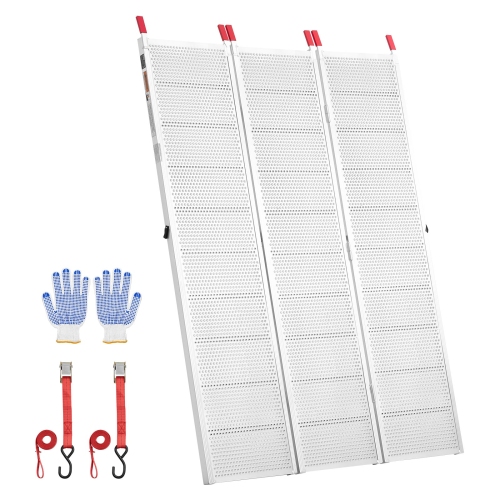
Materials and construction influence how a foldable ramp feels to carry, how firmly it sits in place, and how well it stands up to repeated use. Aluminum is common because it combines relatively low weight with corrosion resistance, while steel can suit heavier-duty applications where carrying weight is less of a priority. Some pet ramps use moulded plastic or composite construction, sometimes paired with a textured or carpet-like walking surface. The material alone does not establish load capacity; the frame, hinge design, span, and intended application all contribute to the rating. A broad, continuous platform provides a different travel surface from two separate channels, which must suit the wheel spacing and tyre width of the equipment they support. Surface texture matters, too. Abrasive grip strips, ribbing, punched openings, and other traction treatments offer different contact under wheels, shoes, or paws, and the right choice depends on the intended user. Foldable ramps may close lengthwise like a suitcase, fold across their length, or divide into several connected panels. Each arrangement changes the packed dimensions, carrying balance, and setup space. Handles positioned near the folded ramp’s balance point can make transport less awkward, while a closure latch helps keep the sections together during carrying. Hinges and folding joints should move as intended without excessive looseness, and fingers need clearance from pinch points. Secure contact at the upper and lower ends is just as important as the walking or rolling surface. Depending on the design, support lips, attachment points, or retaining hardware help keep the ramp seated during use. Routine care typically includes removing grit, cleaning the surface with manufacturer-approved methods, and checking for damaged grip material, bent sections, loose fasteners, or worn hinges. Drying the ramp before storage helps protect hardware and keeps debris from becoming trapped between folded panels. Replacement parts and repairs should follow the manufacturer’s recommendations rather than improvised changes that could affect strength or folding action.
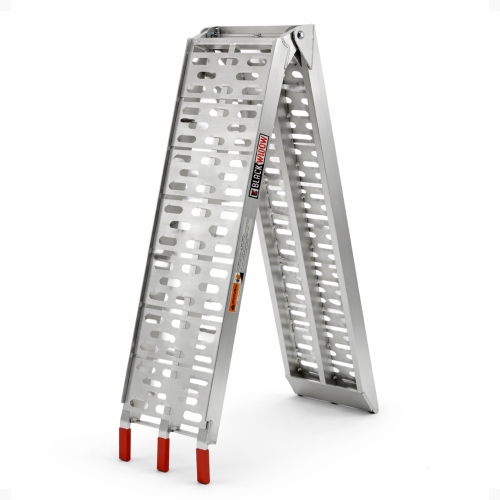
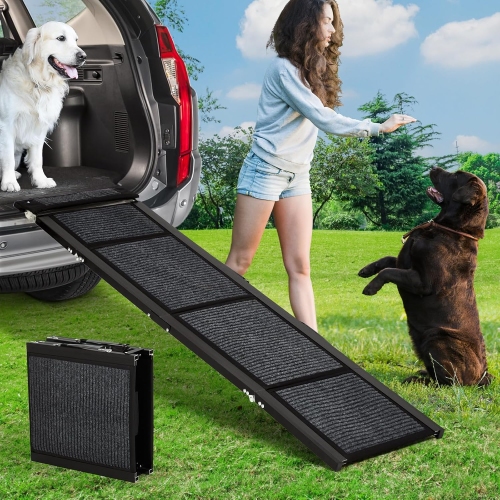
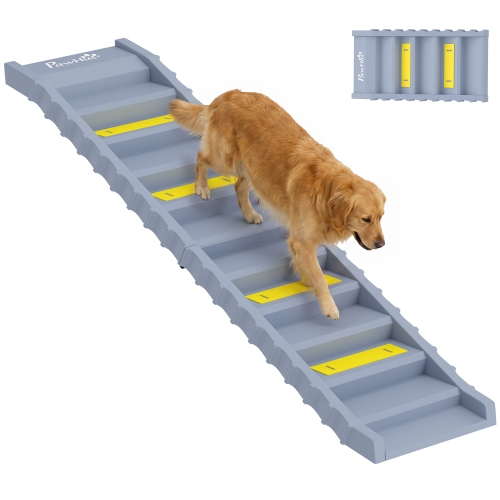
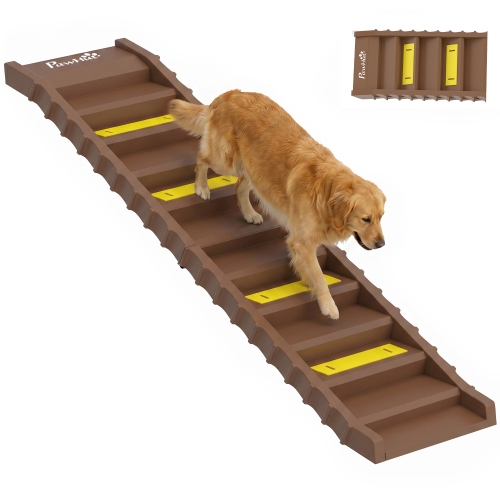
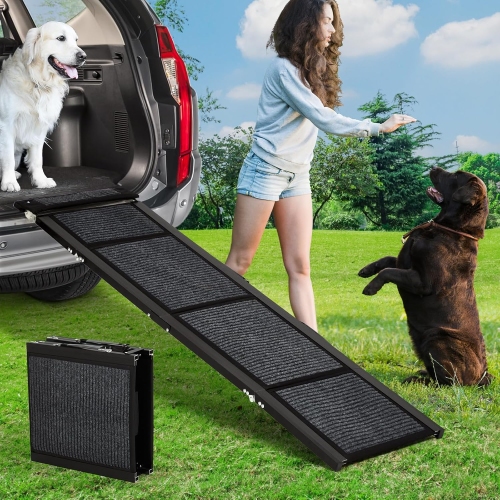
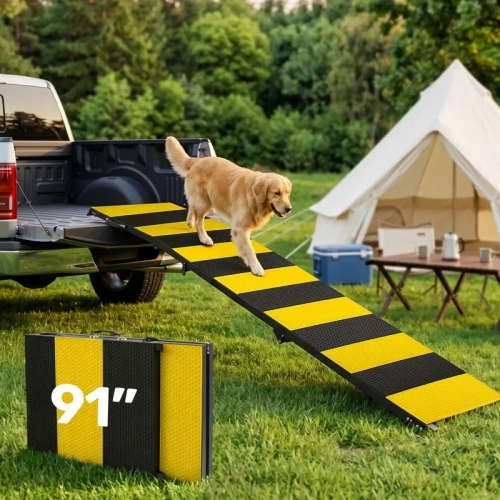
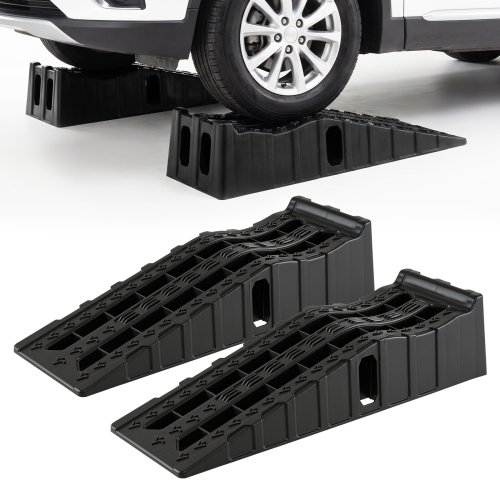
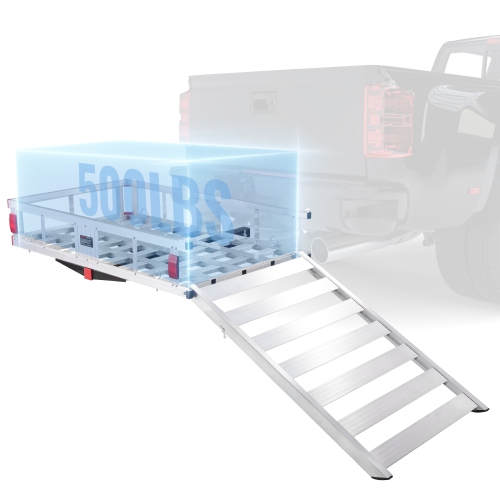
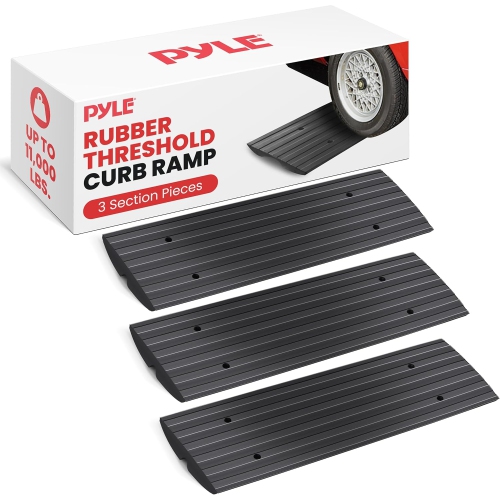
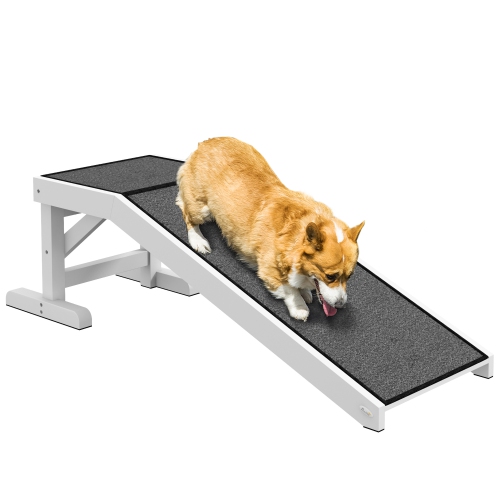
For pet owners, foldable ramps offer an alternative to lifting a dog into a vehicle or onto a permitted raised surface. They can be useful for larger dogs that are difficult to carry, smaller dogs facing a high step, or animals whose movement needs have changed. A veterinarian can advise whether ramp use is appropriate for a pet with an injury or mobility condition. The most suitable design gives the animal enough usable width to walk naturally, with a surface that feels secure under its paws and a length suited to the height being reached. Side rails may provide a visual boundary, although they are not a restraint or a substitute for supervision. Familiarity also matters: a dog may need calm, gradual introductions before feeling comfortable walking across an inclined surface. For vehicle use, the ramp’s upper contact area needs to match the intended access point without relying on unstable trim or an unsupported edge. Cargo and powersports ramps have different demands. Their purpose is to support compatible equipment during loading, with ratings that must be understood as applying to an individual ramp or a matched pair, as specified by the manufacturer. The combined weight of the equipment and its load, the distribution of that weight, and the spacing of the wheels all affect suitability. Arched loading ramps can provide additional clearance for some low-slung equipment, but the fit still depends on the vehicle, loading height, and equipment geometry. Manufacturer-specified securing straps or attachment systems help prevent a loading ramp from pulling away from its support. Whether equipment may be ridden, pushed, or winched during loading also depends on the instructions for both the ramp and the equipment. Across all these uses, folded measurements deserve as much attention as deployed dimensions. A ramp needs to fit its storage location, leave room for other belongings, and be manageable for the person who will move it. Matching those everyday details to the intended task makes foldable ramps more practical for repeated use, whether they are stored near an entrance, carried in a vehicle, or kept with loading equipment.
Top selling and popular products
-
 Your price for this item is $674.99
-
 Your price for this item is $39.99
-
 Your price for this item is $90.99
-
 Your price for this item is $854.05
-
 Your price for this item is $116.99
-
 Your price for this item is $941.99
-
 Your price for this item is $99.99
-
 Your price for this item is $199.99
Discover more categories related to Foldable Ramps
Top Collections:
Pokemon Centers, Kindle Devices, Best Budget Office Chairs, Canon G7X Cameras, Apple iPhones 16, Samsung Galaxy Phones, Refurbished Apple Laptops, Laptops for Students, iPhone 15 Apple, Budget Smartphones
Some products may be subject to Environmental Handling Fees
(EHF) depending on your province.
Learn more about EHFs.