Portable Ramps
Portable ramps are essential mobility aids that provide convenient access for individuals using wheelchairs, scooters, or walkers. These versatile ramps offer a practical solution for overcoming barriers such as steps, curbs, and thresholds, allowing users to navigate their surroundings with ease and independence. Whether you require a portable ramp for home use, travel, or business settings, you'll find a range of options designed to meet your specific needs. From lightweight folding ramps to durable threshold ramps, explore our selection of portable ramps to enhance accessibility wherever you go.
Sort









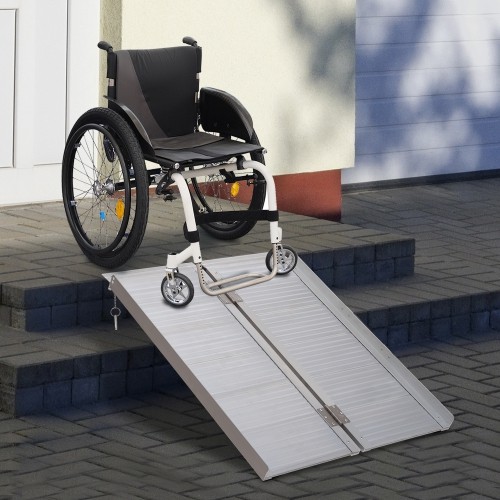

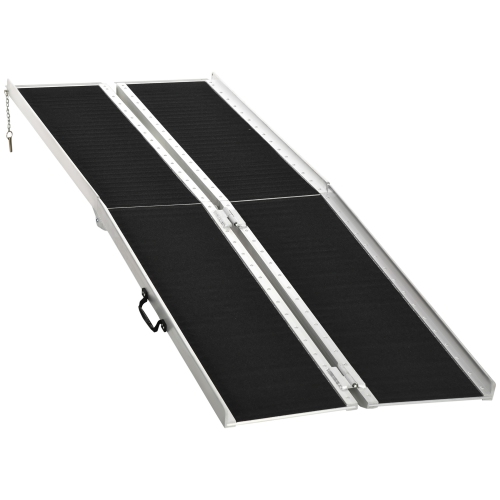
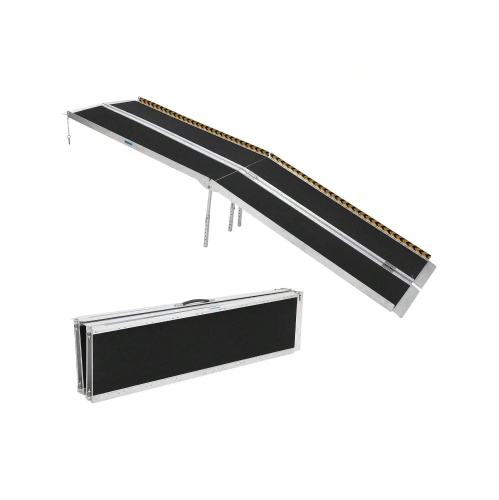
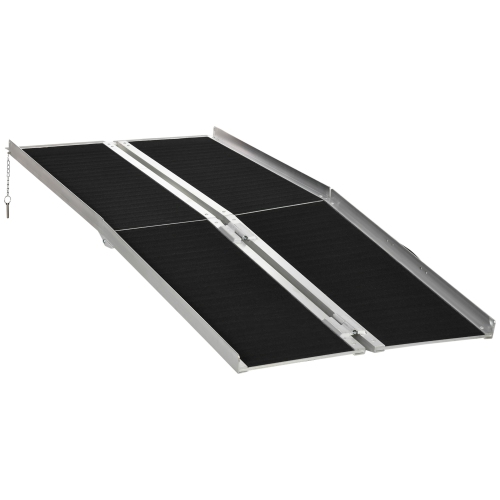

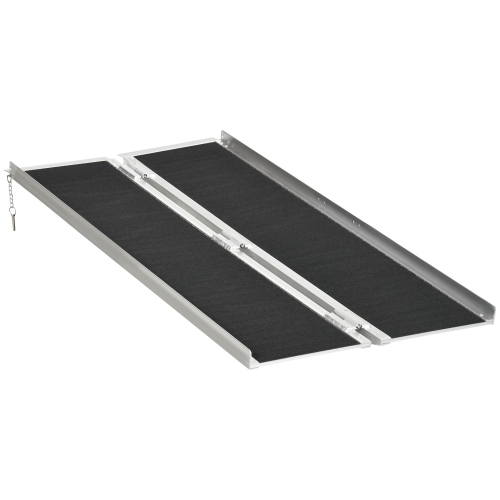
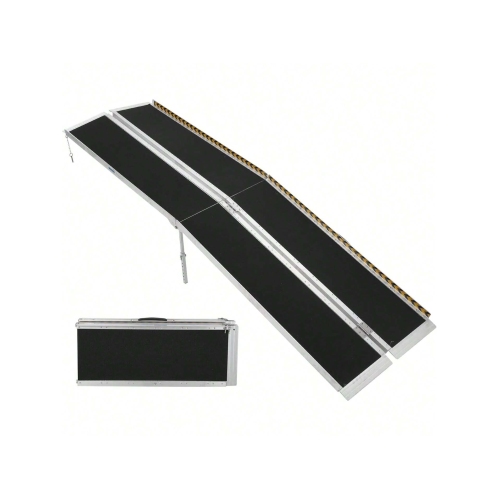

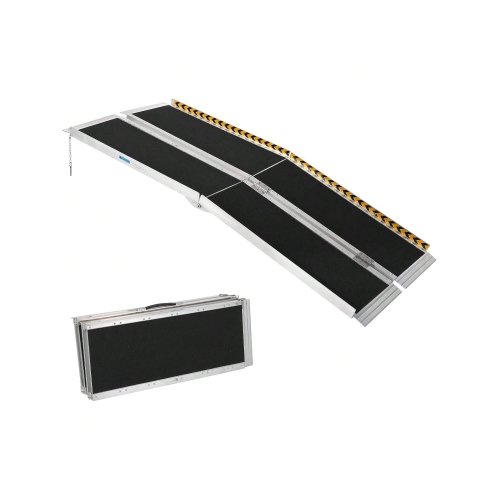
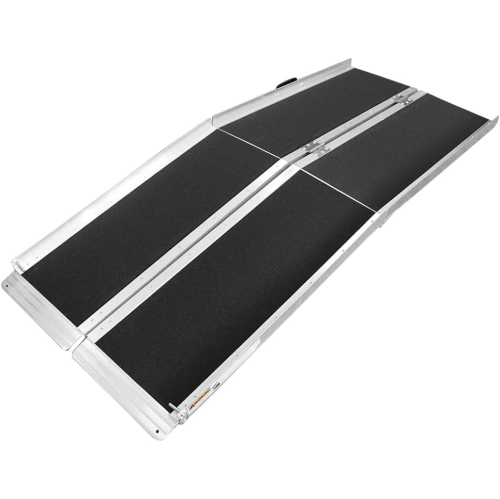

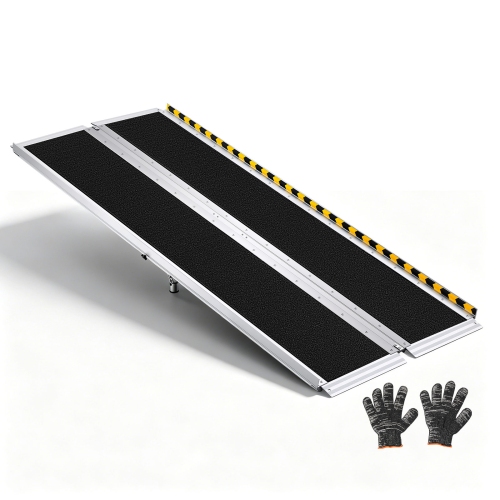

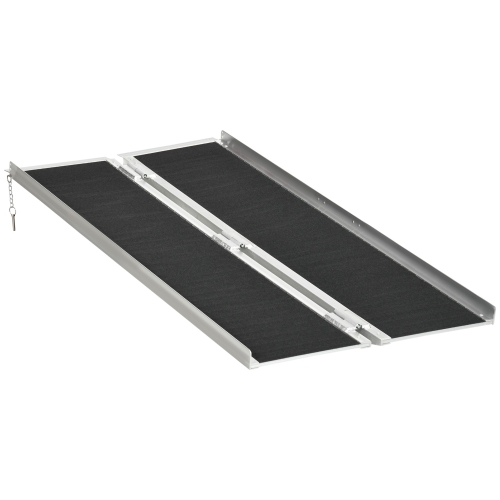


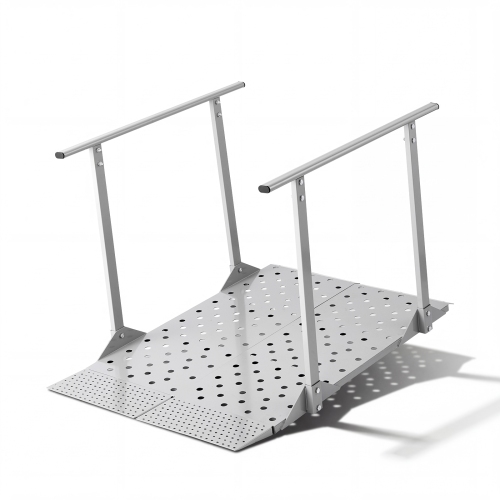


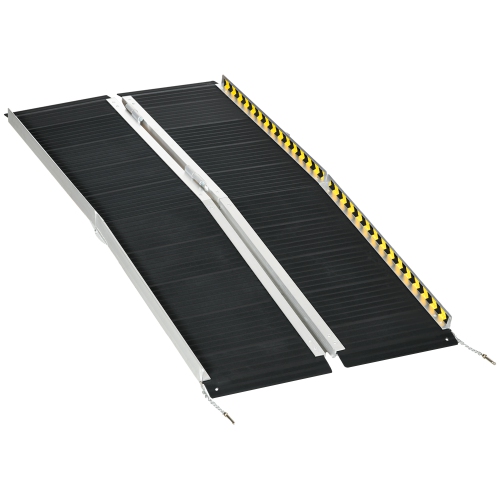
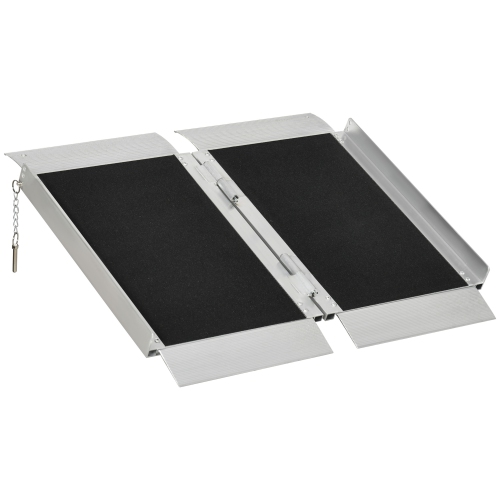



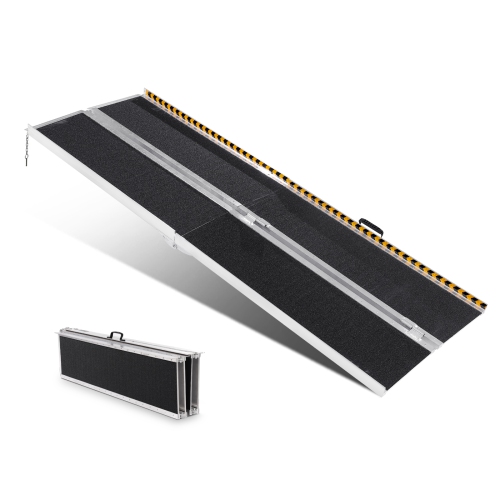


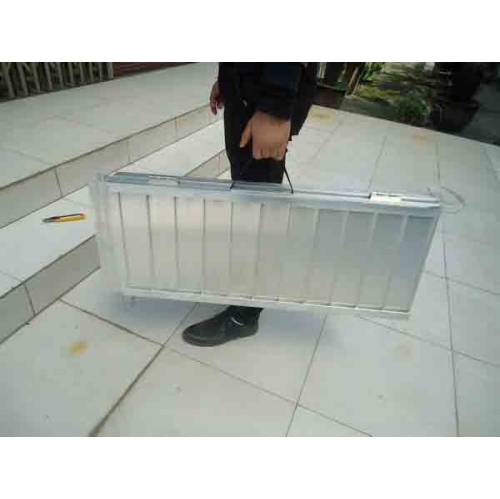






















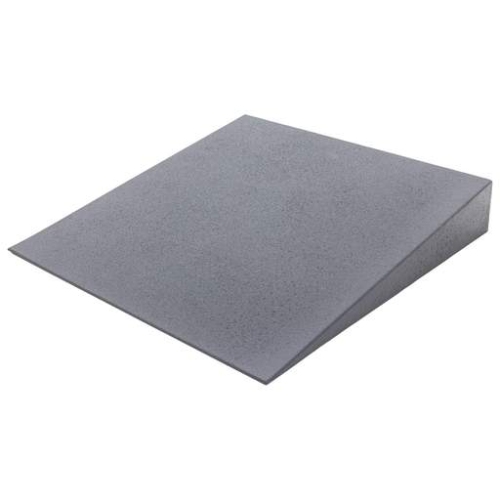

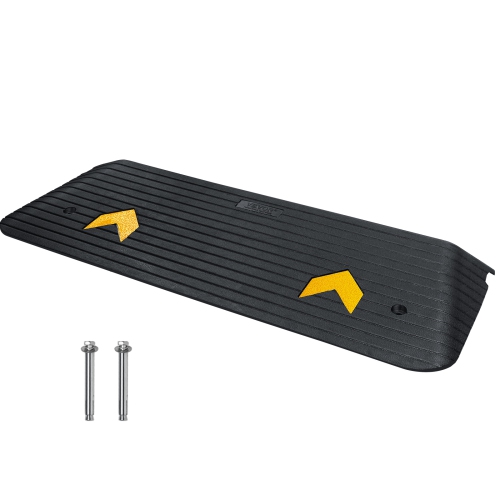

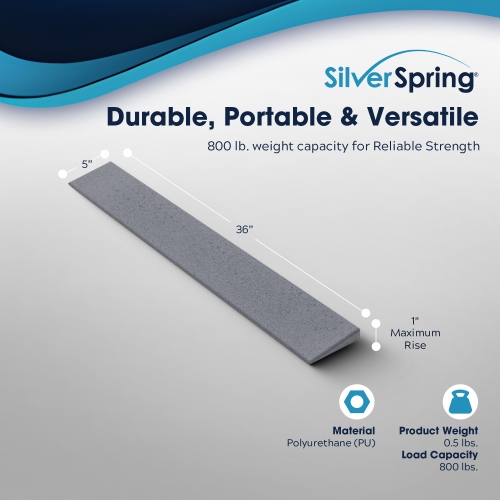
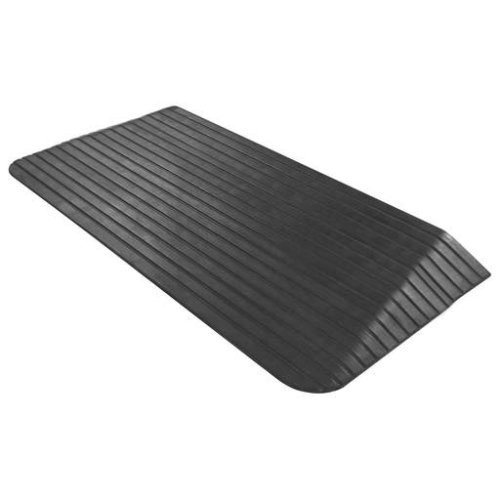


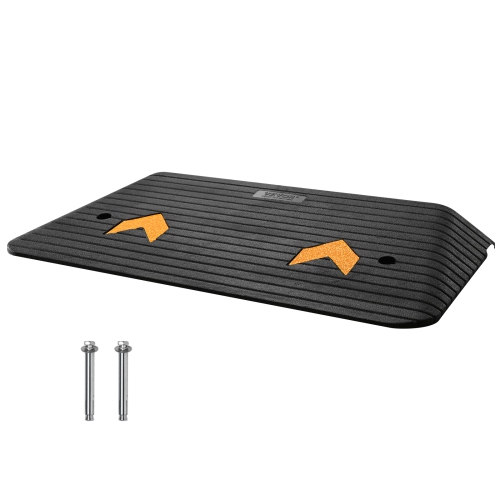
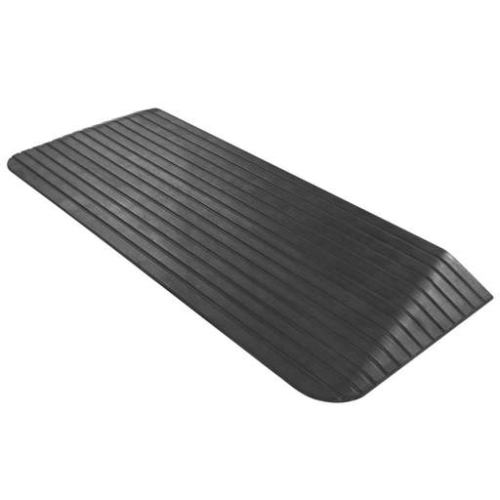


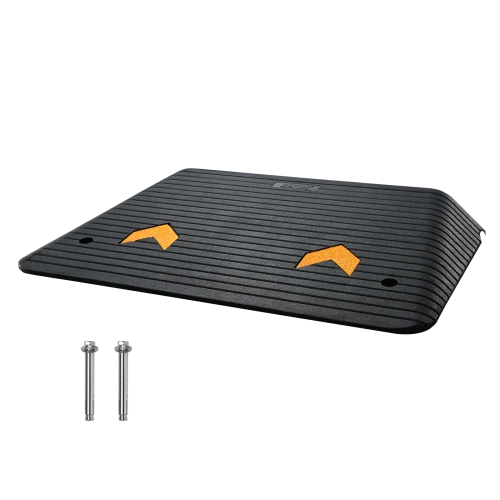
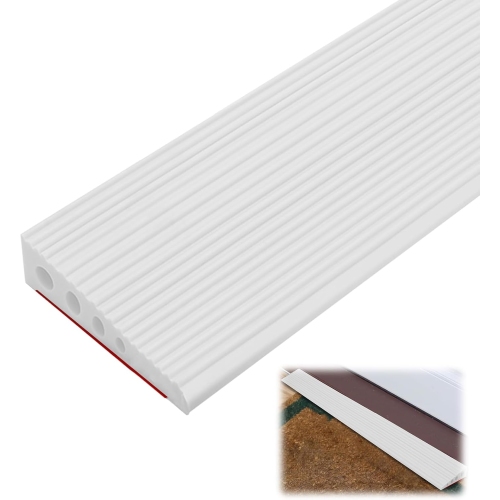









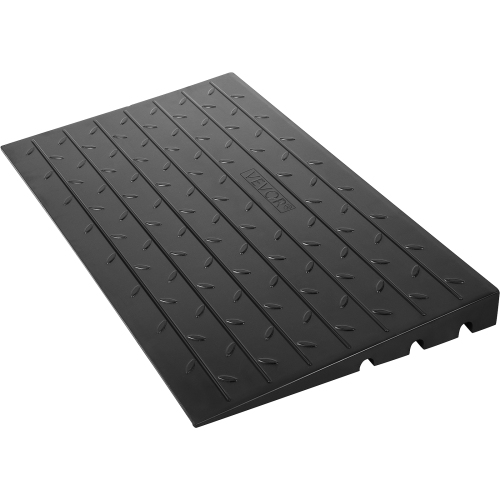

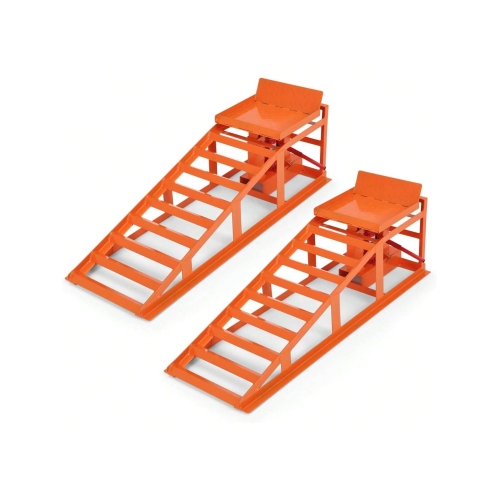


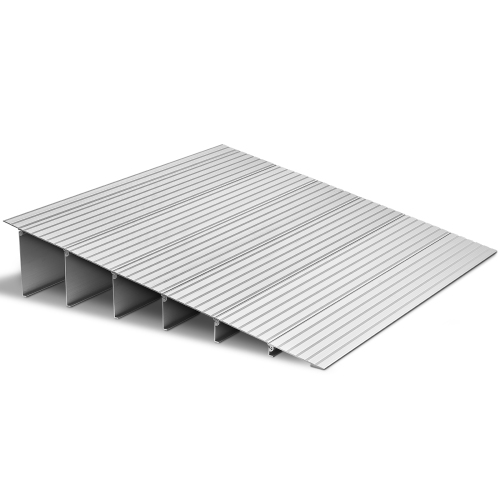


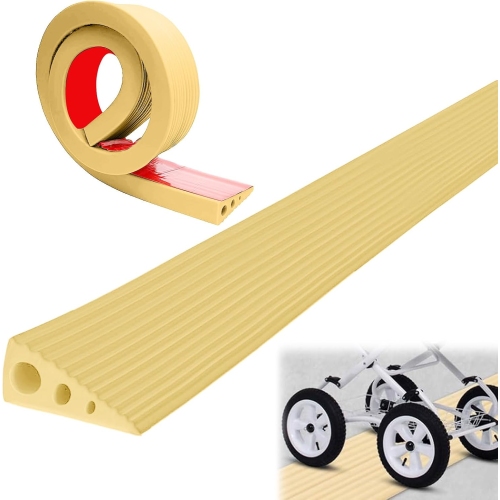
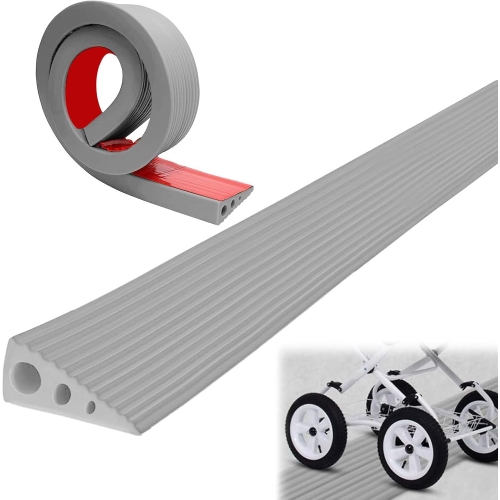
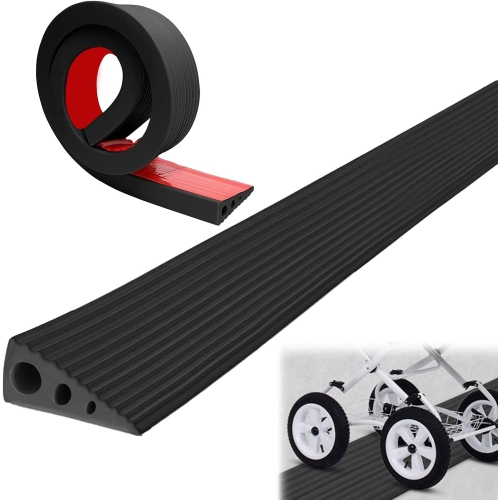


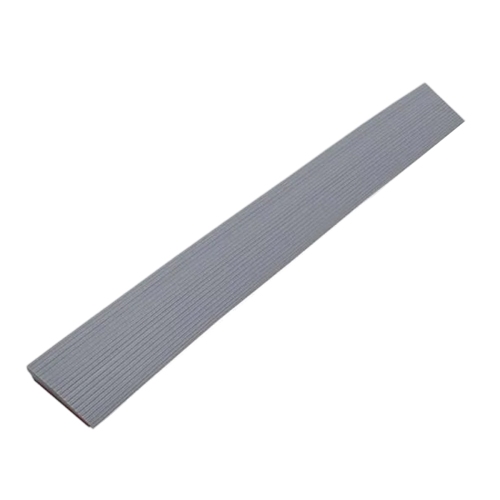

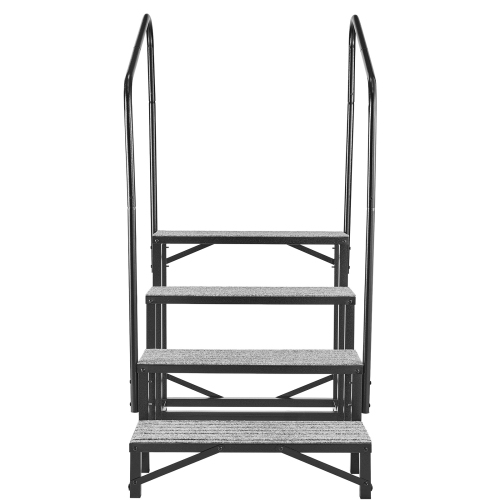
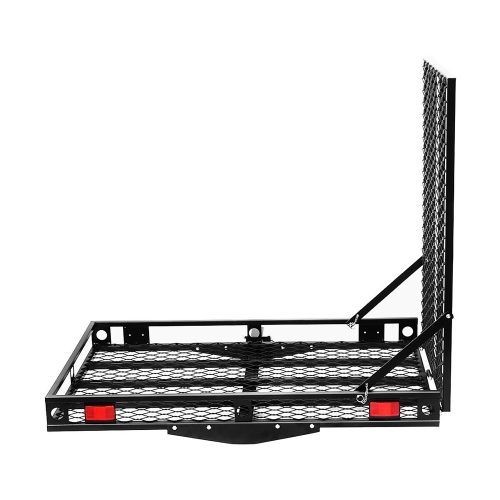


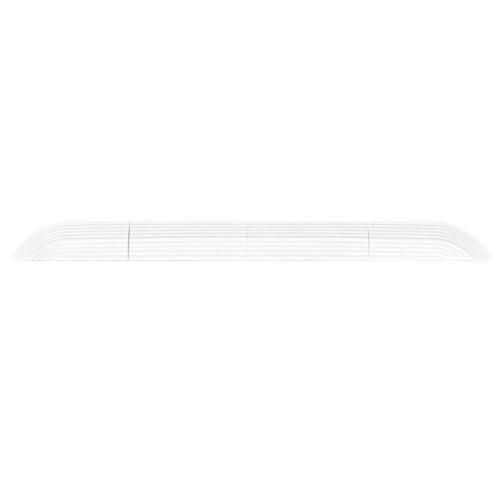
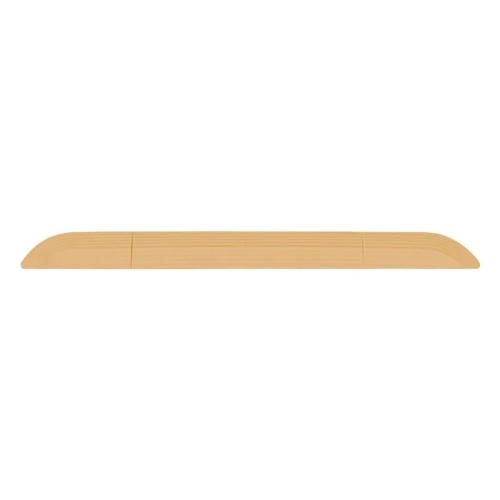




Smoother wheelchair access without a permanent ramp installation
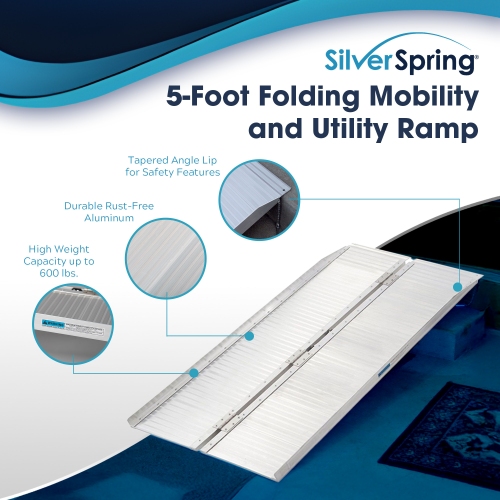
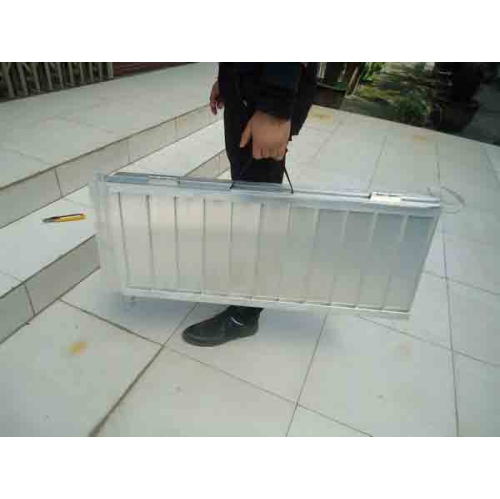
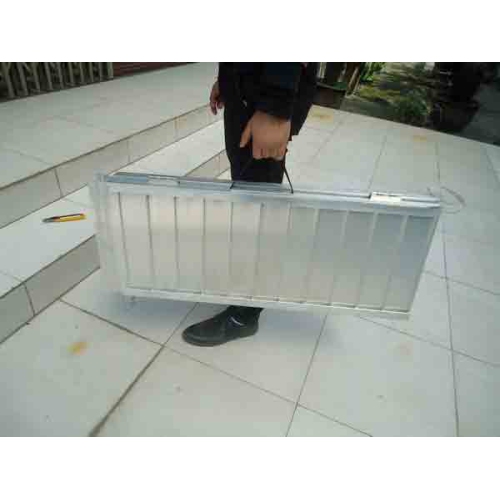
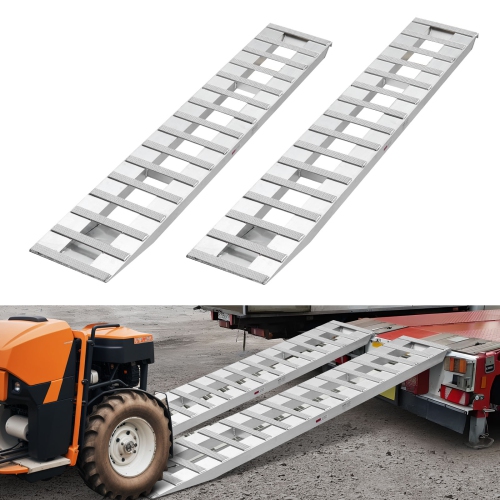
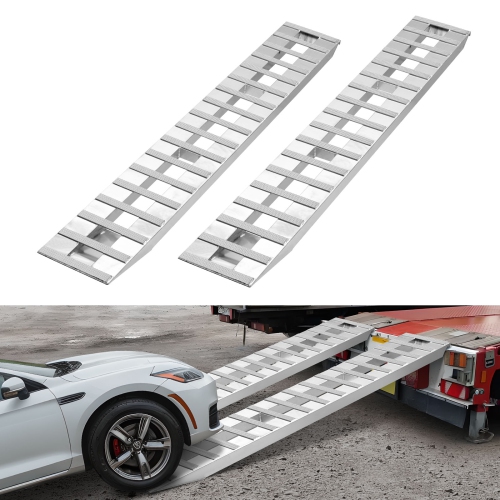
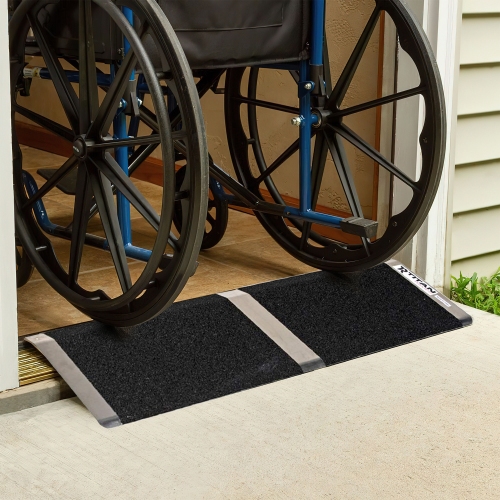
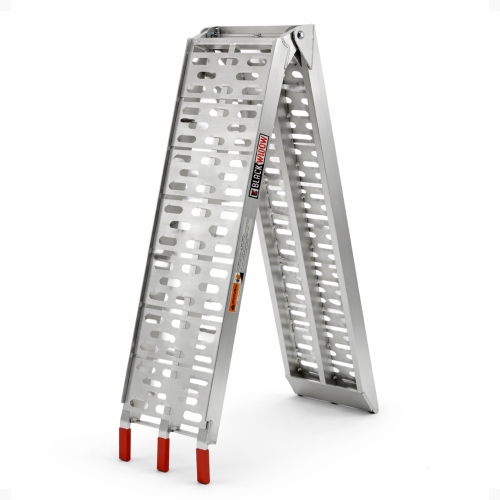
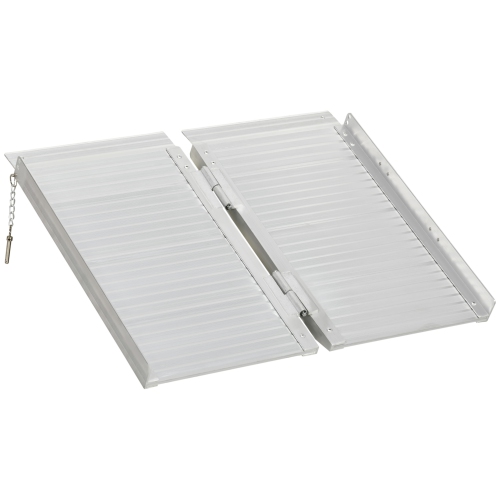
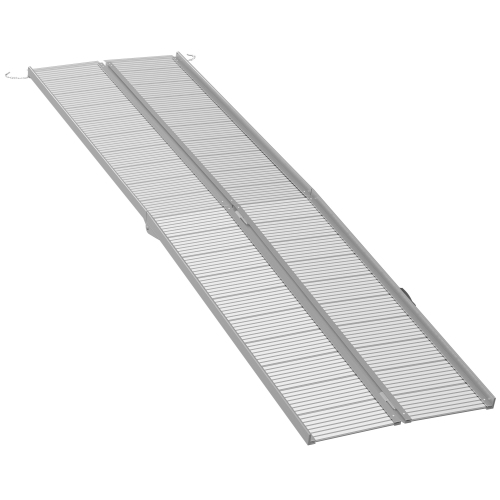
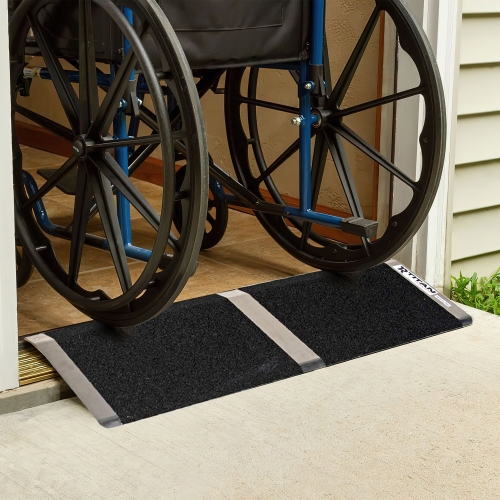
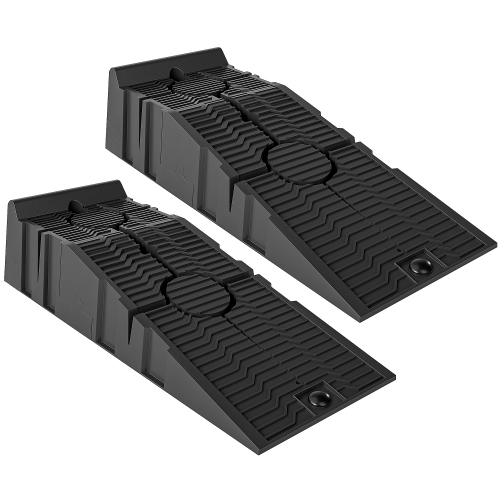
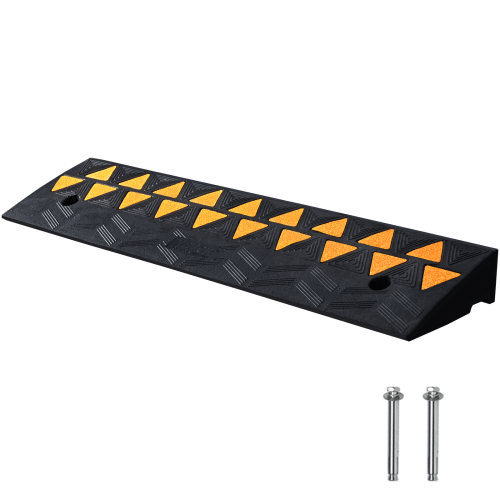
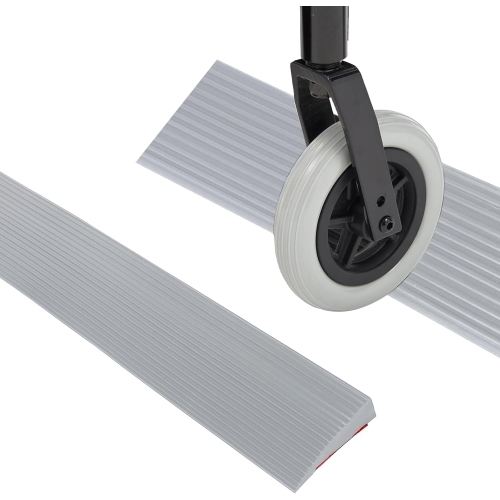
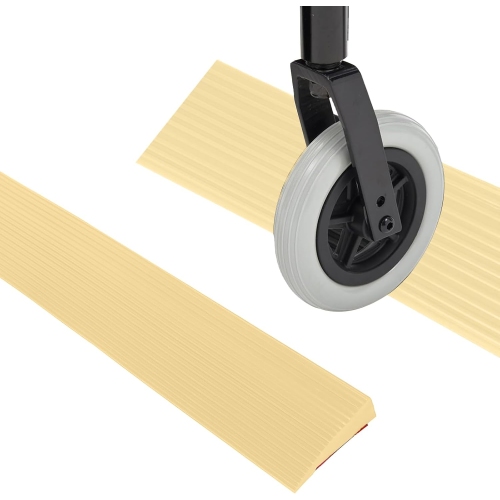
Portable ramps create a removable sloped surface over steps, raised door thresholds, and curbs, helping wheelchairs and other compatible mobility devices move between different levels. Unlike a permanent ramp, a portable design can be carried, folded, or taken apart for storage, depending on its construction. This makes it useful for visiting family, accessing a suitable entrance, or bridging a small change in floor height without a fixed installation. The main types include single-fold ramps, multi-fold ramps, roll-up ramps, and threshold ramps, each suited to different spaces and routines. Single-fold designs generally fold lengthwise like a suitcase and often have a carrying handle, making them practical for short rises where a full-width travel surface is needed. Multi-fold designs fold in more than one direction, reducing the stored dimensions of a longer ramp, although their weight and unfolded footprint still matter. Roll-up ramps use linked sections that roll into a compact bundle; some designs allow sections to be added or removed according to the manufacturer’s instructions. Threshold ramps provide a short transition over a low lip or doorway track rather than spanning a larger gap. For someone using a manual wheelchair, a smooth transition can reduce the abrupt jolt of small front castors meeting a raised edge. For a caregiver accompanying a power wheelchair user, a properly matched ramp can provide a planned route through an otherwise difficult entrance. Shoppers focused on mobility-device access can explore portable wheelchair ramps with the intended chair, doorway, and rise in mind. Portable does not mean suitable for every obstacle: a ramp designed for a low threshold is not interchangeable with one intended to bridge a step. Likewise, equipment-loading ramps and wheelchair-access ramps serve different purposes, even when their materials look similar. The intended use should be clearly stated by the manufacturer, including whether the ramp supports occupied mobility devices and whether any assistance or anchoring is required.
A good fit begins with the full route, not just the height of the obstacle. The vertical rise determines how much ramp length is needed to achieve an appropriate slope, while the space in front of the entrance determines whether that length can be accommodated. A longer ramp creates a gentler incline for the same rise, but it also needs more clear floor or ground space. A short ramp may be easy to carry yet too steep for a particular wheelchair or scooter. The ramp instructions and the mobility device’s stated incline limits both matter; a device’s maximum climbing angle does not automatically make that slope comfortable or manageable for its user. Width deserves the same attention. The usable travel surface needs to accommodate the device’s wheel spacing with suitable clearance, rather than merely matching its overall width on paper. Raised side edges can help define that surface, but they do not replace careful alignment or adequate room to manoeuvre. At a doorway, there must also be space to approach straight on, open the door, and move fully onto a stable landing. Door swing, recessed tracks, and an uneven landing can complicate what initially looks like a simple threshold crossing. Weight capacity must cover the entire load carried by the ramp, including the mobility device, its occupant, attached bags or accessories, and an accompanying person if the ramp is designed for that use. Capacity ratings can depend on the ramp’s length, configuration, and support points, so the stated setup conditions are important. For scooters and power chairs, ground clearance and wheelbase also affect whether the underside can clear the transition at the top and bottom. A low centre section may catch even when the wheels fit comfortably. Where access needs are complex, an occupational therapist or accessibility professional can help assess the route and the user’s abilities. A portable ramp can address a particular barrier, but it does not by itself make an entire entrance accessible.
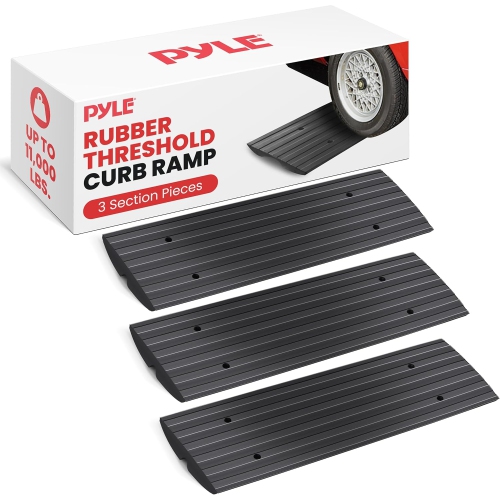
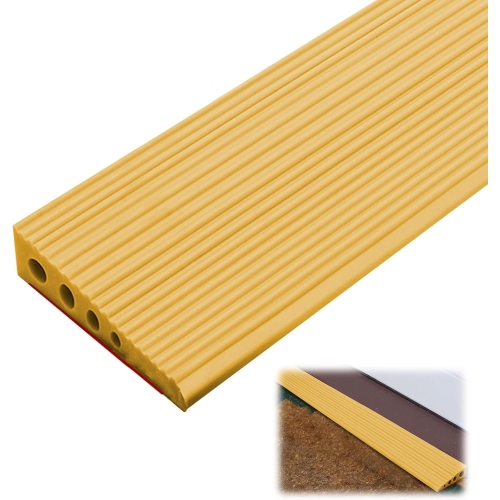
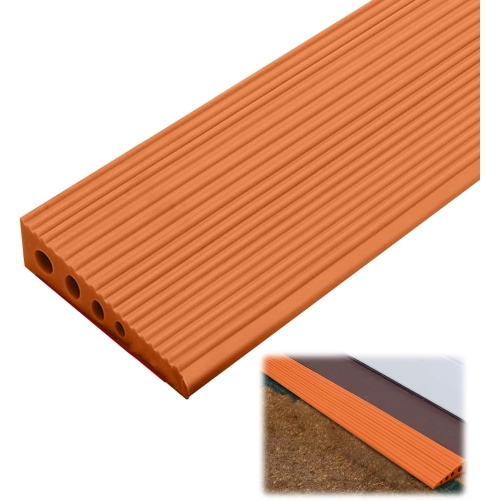
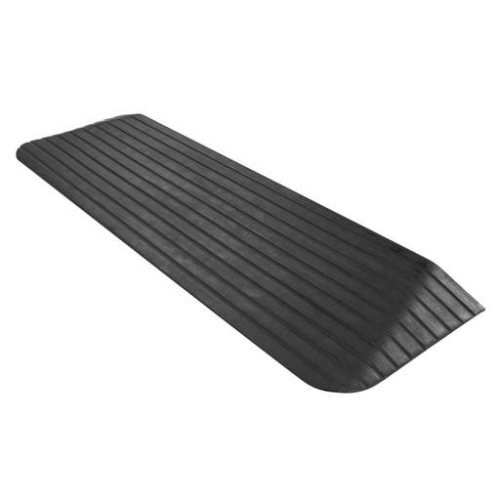
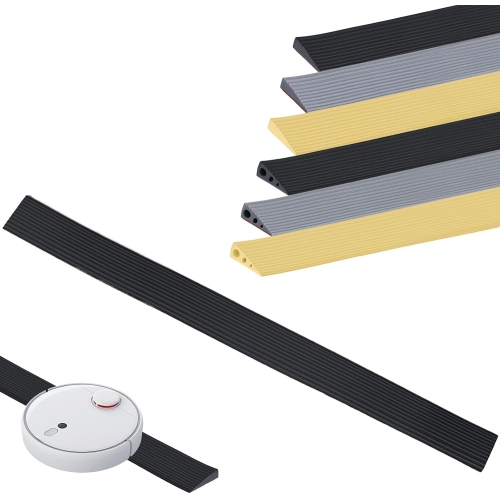
Materials and construction influence how a portable ramp feels in use and how easily it fits into everyday routines. Aluminum is common because it combines strength with relatively manageable weight and resists rust, although hinges, fasteners, and surface finishes still need attention. Rubber threshold ramps can provide a solid transition across small height differences, but their weight may make them better suited to staying in one place than being carried between visits. Some designs use composite materials, with weight limits and care requirements that depend on their construction. A textured, grooved, or abrasive travel surface helps provide traction, while the ramp’s upper attachment or resting lip must sit securely on a suitable support. Folding joints should open fully and lock or settle into position as specified, without leaving an unexpected ridge in the wheel path. For frequent transport, folded length, thickness, handle placement, and the weight of each section are just as relevant as the open dimensions. A ramp that fits across a vehicle’s cargo area may still be awkward to lift over its loading lip, especially for someone with limited grip strength. Separable sections can make carrying easier, provided each section can be assembled and secured correctly. Storage works best when the ramp is kept clean, dry, and positioned so it cannot fall or obstruct a walkway. Dirt and small stones should be removed from the travel surface and hinges, using cleaning methods suitable for the material and traction coating. Before use, checks for loose hardware, damaged edges, worn grip surfaces, cracks, or bent components help identify problems that could affect stability. A ramp should rest on firm, level support and be secured exactly as directed, rather than balanced on improvised blocks. These practical details matter in familiar situations: crossing a raised patio-door track, entering a relative’s home, or storing a folding ramp after an outing. The most useful design is one that suits the actual rise, supports the intended load, and can be handled confidently by the people who use it.
Top selling and popular products
-
 Your price for this item is $674.99
-
 Your price for this item is $39.99
-
 Your price for this item is $90.99
-
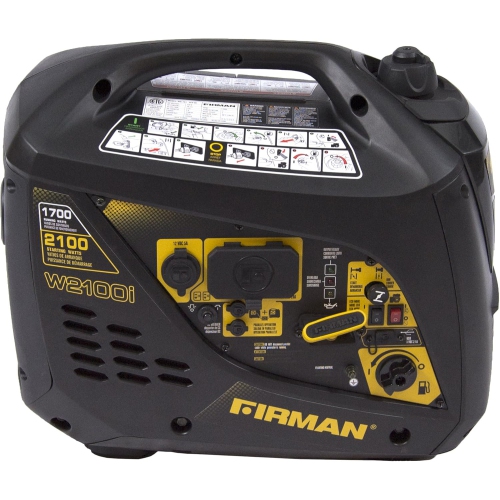 Your price for this item is $854.05
-
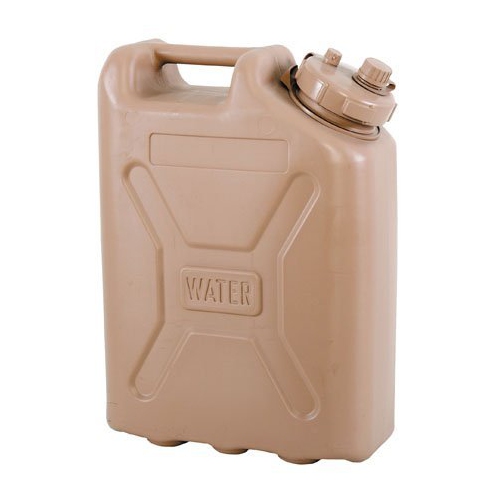 Your price for this item is $116.99
-
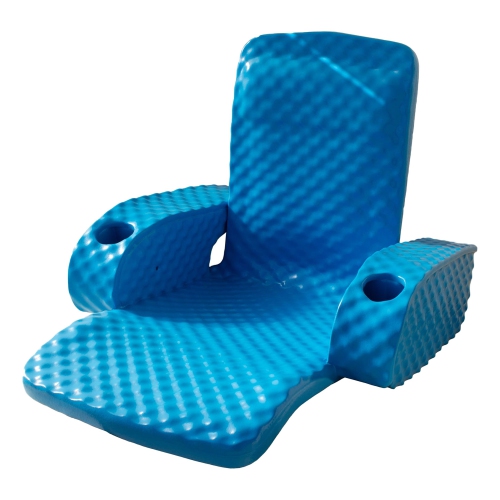 Your price for this item is $941.99
-
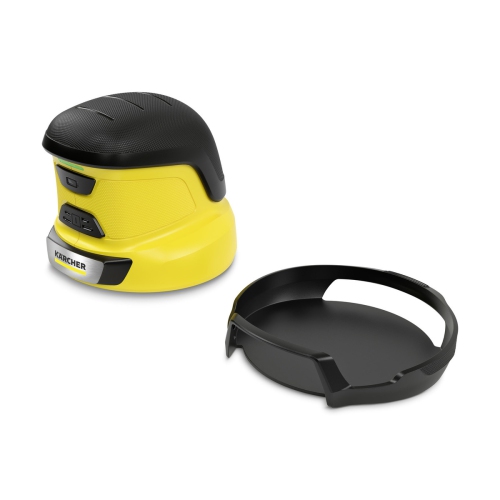 Your price for this item is $99.99
-
 Your price for this item is $199.99
Discover more categories related to Portable Ramps
Top Collections:
Pokemon Centers, Kindle Devices, Best Budget Office Chairs, Canon G7X Cameras, Apple iPhones 16, Samsung Galaxy Phones, Refurbished Apple Laptops, Laptops for Students, iPhone 15 Apple, Budget Smartphones
Some products may be subject to Environmental Handling Fees
(EHF) depending on your province.
Learn more about EHFs.